
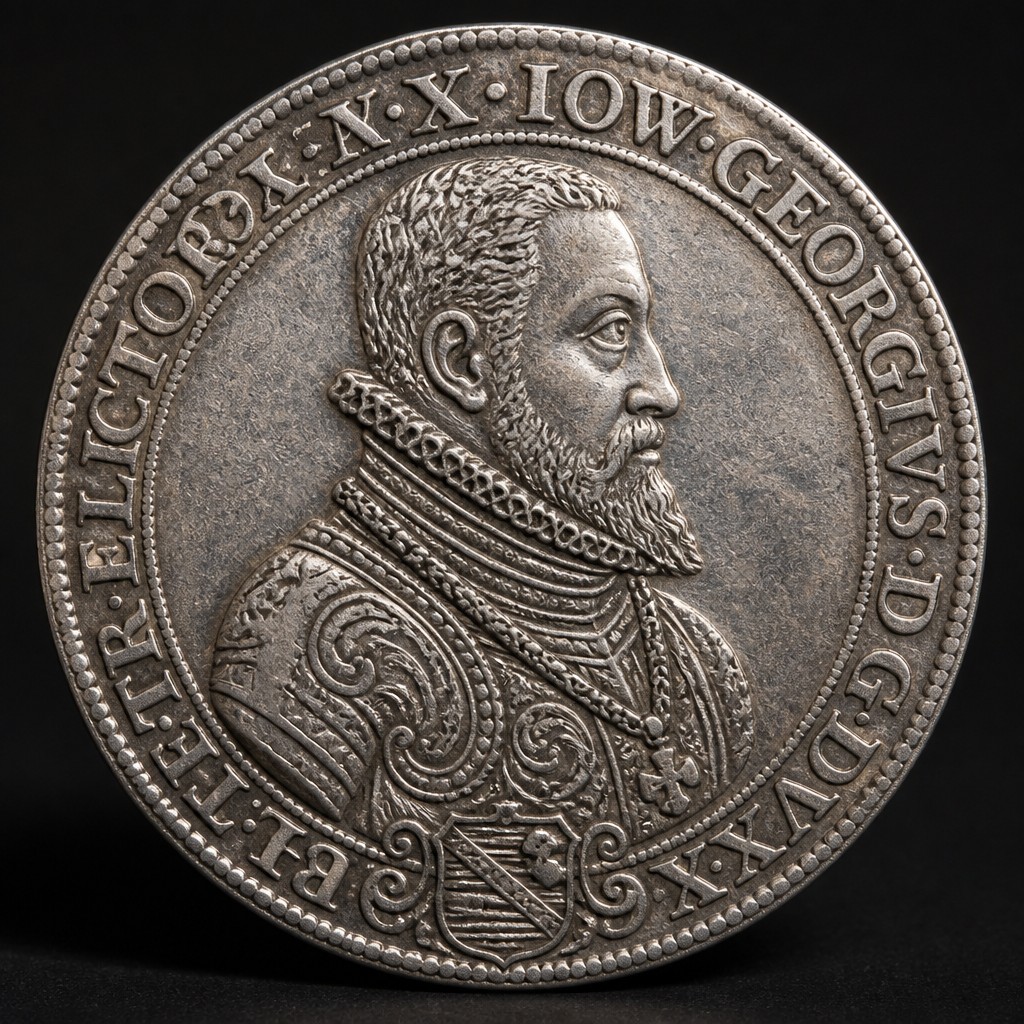
Saxony Thaler
Saxony was one of the earliest and most prolific issuers of thalers, with the electorate and later kingdom producing large silver coins from the 16th century until German unification.
- Country
- Saxony (Germany)
- Denomination
- Thaler (Taler)
- Metal
- Silver (typically .750–.900 fine, varying by period)
Got a coin like this?
Identify any coin from a photo, free.
Overview
The Saxony Thaler is part of one of the oldest and richest thaler traditions in Germany, dating back to the earliest days of the thaler denomination itself, which originated from the guldengroschen coins of nearby Joachimsthal. Saxon rulers, first as electors and later as kings, issued a remarkably diverse range of thaler types over more than three centuries.
Collectors are drawn to Saxony's coinage for its artistic variety, including elaborate commemorative and mining thalers ("Ausbeutetaler") that celebrated the region's rich silver mining industry in the Erzgebirge mountains.
The series offers something for nearly every collecting budget, from common 19th-century circulation types to elaborate, ornately engraved commemorative pieces prized by specialists.
History & Background
Saxony's thaler tradition traces back to the 16th century, when the Electorate of Saxony was among the German territories that adopted the large silver thaler denomination, following the model established in nearby Bohemia. Saxon rulers used thaler coinage both for commerce and as a means of political and religious expression during the Reformation era, since several Saxon electors were prominent supporters of Martin Luther.
Saxony's silver mines in the Erzgebirge (Ore Mountains) fueled a long tradition of "Ausbeutetaler," or mining output thalers, struck to commemorate a particular mine's production and often featuring detailed mining scenes. Through the 18th and 19th centuries, Saxony evolved from electorate to kingdom, and its thaler coinage kept pace with broader German currency standardization efforts, including participation in the mid-19th century Vereinsthaler system.
Saxon thaler production ended, like that of other German states, with the unification of Germany in 1871, when the new empire's gold mark currency replaced the patchwork of state thalers.
How to Identify
Obverses typically show the portrait of the reigning Saxon elector or king, along with a Latin legend identifying the ruler and title (such as "Konig von Sachsen" on later kingdom-era coins). Reverses vary widely, from crowned coats of arms to elaborate allegorical or mining scenes on commemorative Ausbeutetaler issues.
As a large silver coin on the German thaler standard, the Saxony Thaler shares size and weight characteristics with other German states' thalers, so the ruler's portrait, titles, and any commemorative inscriptions are essential for confirming the coin is specifically Saxon. Mint marks and dates appear on the reverse or below the main design.
Mining-themed thalers can often be identified by detailed scenes of mine workings, ore veins, or mining tools, sometimes with inscriptions referencing a specific mine or year of exceptional yield, distinguishing them from standard circulation issues.
Value & Collectibility
Common 19th-century Saxon circulation thalers are generally accessible to collectors, with value driven mainly by condition and silver content. Ausbeutetaler and other commemorative mining thalers, by contrast, are specialist pieces that can command substantial premiums due to their artistry, smaller original mintages, and strong demand among German states collectors.
Earlier Saxon thalers from the 16th and 17th centuries, especially those tied to the Reformation or specific historical electors, are often scarcer and more valuable than later 19th-century kingdom-era issues.
Common circulated 19th-century Saxon thalers often trade in the tens to low hundreds of dollars, while choice Ausbeutetaler or earlier historic types can reach into the many hundreds to low thousands of dollars depending on rarity and condition.
Frequently asked questions
What makes Saxon thalers special to collectors?
Saxony has one of the oldest and most varied thaler traditions in Germany, including elaborate mining-themed Ausbeutetaler prized for their artistry and historical ties to the region's silver industry.
What is an Ausbeutetaler?
It is a commemorative Saxon thaler struck to celebrate the output of a particular silver mine, often featuring detailed mining scenes on the reverse.
When did Saxony stop issuing thalers?
Saxon thaler production ended around German unification in 1871, when the new German Empire's mark currency replaced state thalers.
How can I tell a Saxon thaler from a Prussian one?
Check the ruler's portrait and title in the obverse legend; Saxon coins name Saxon electors or kings, while Prussian coins name Prussian kings.
Other coins you may enjoy
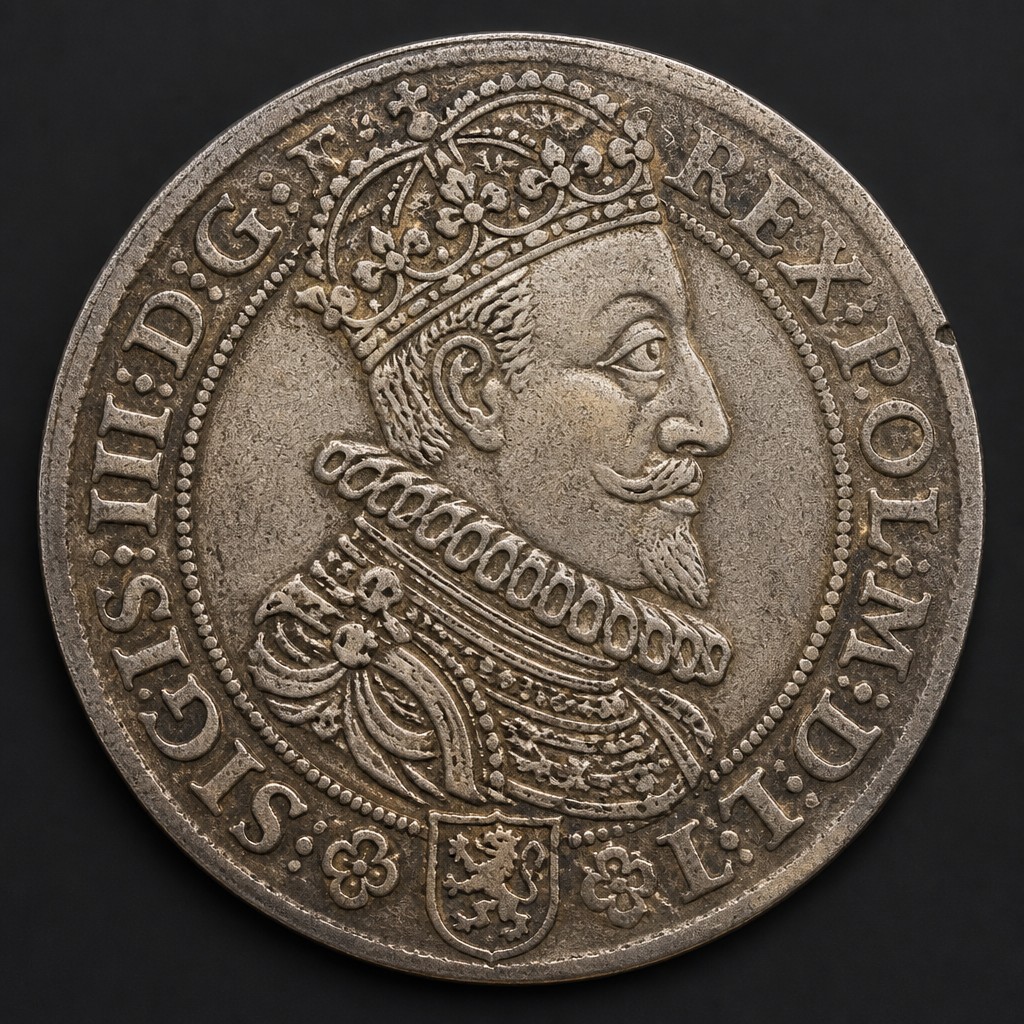
Polish-Lithuanian Thaler
circa 16th–18th century
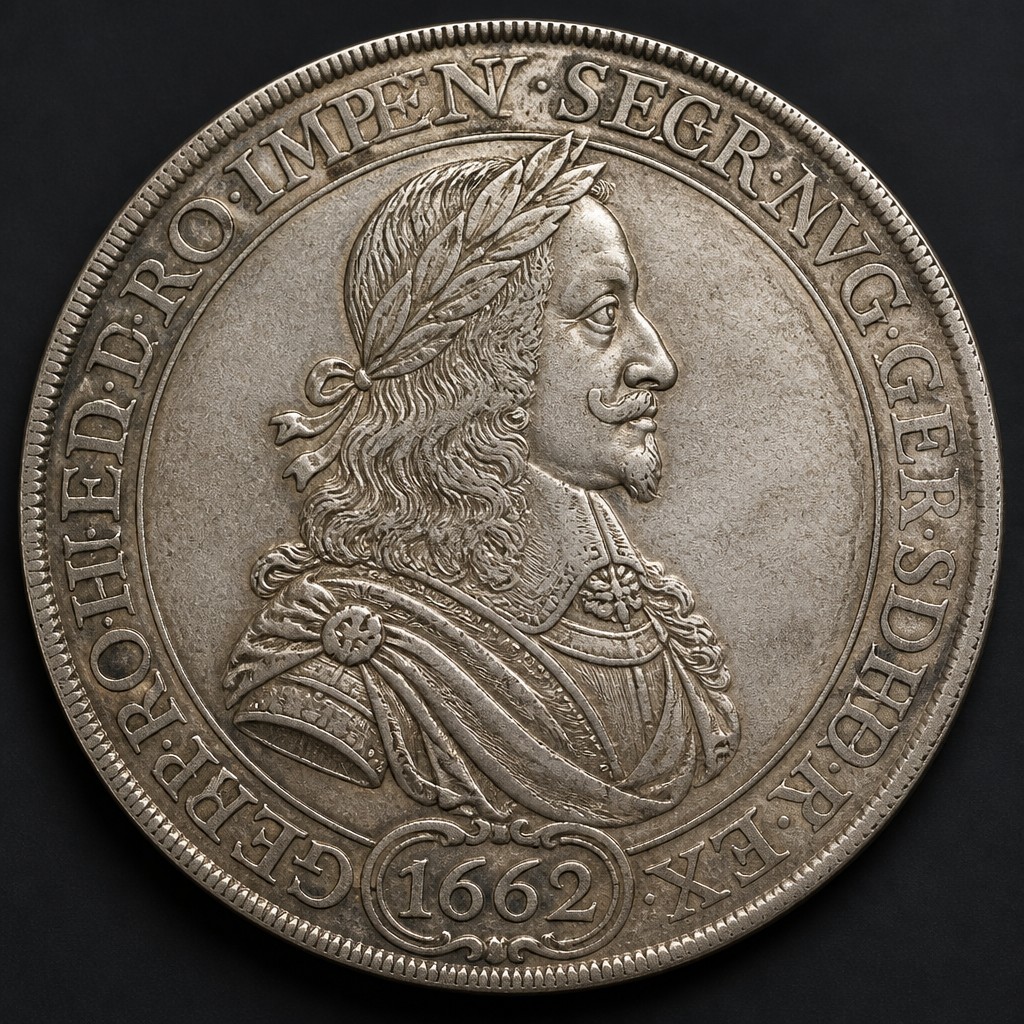
Reichsthaler
circa 1566–early 19th century
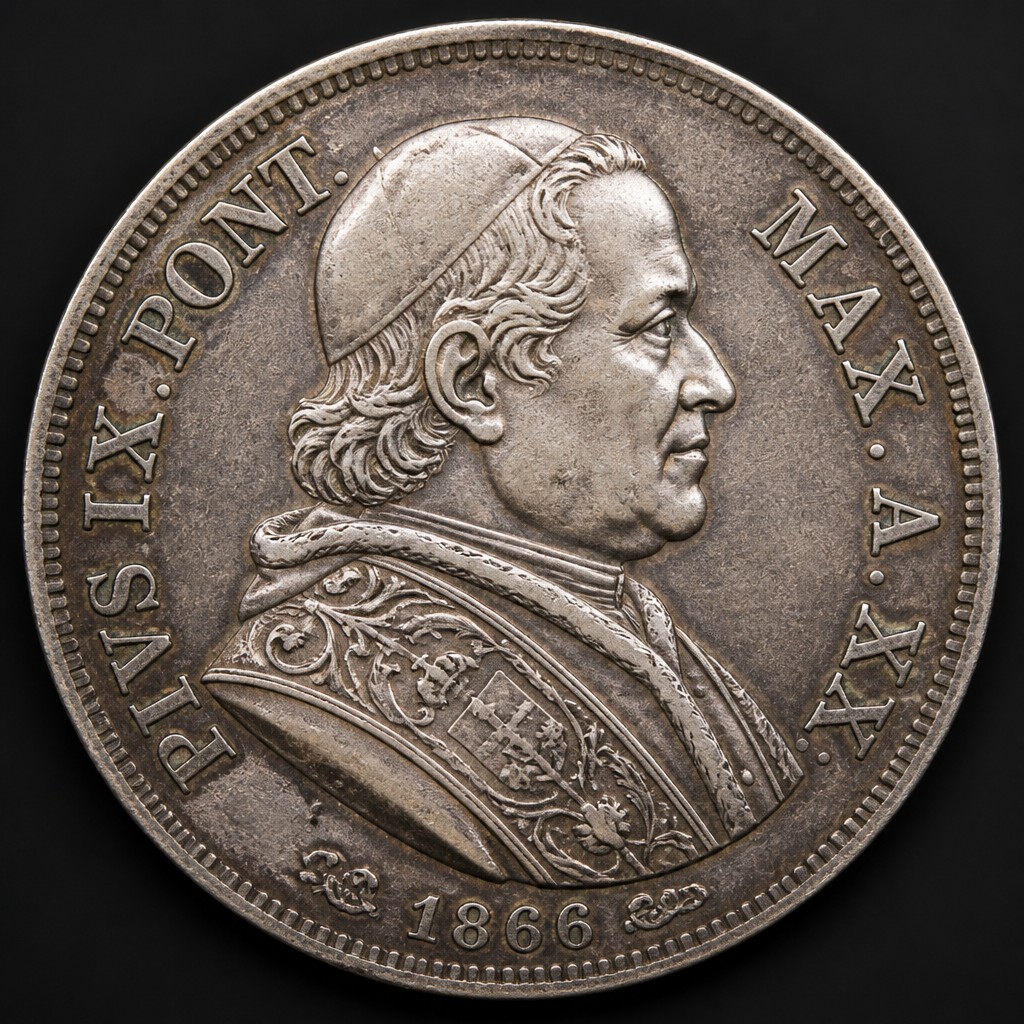
Papal States Scudo
16th century–1866
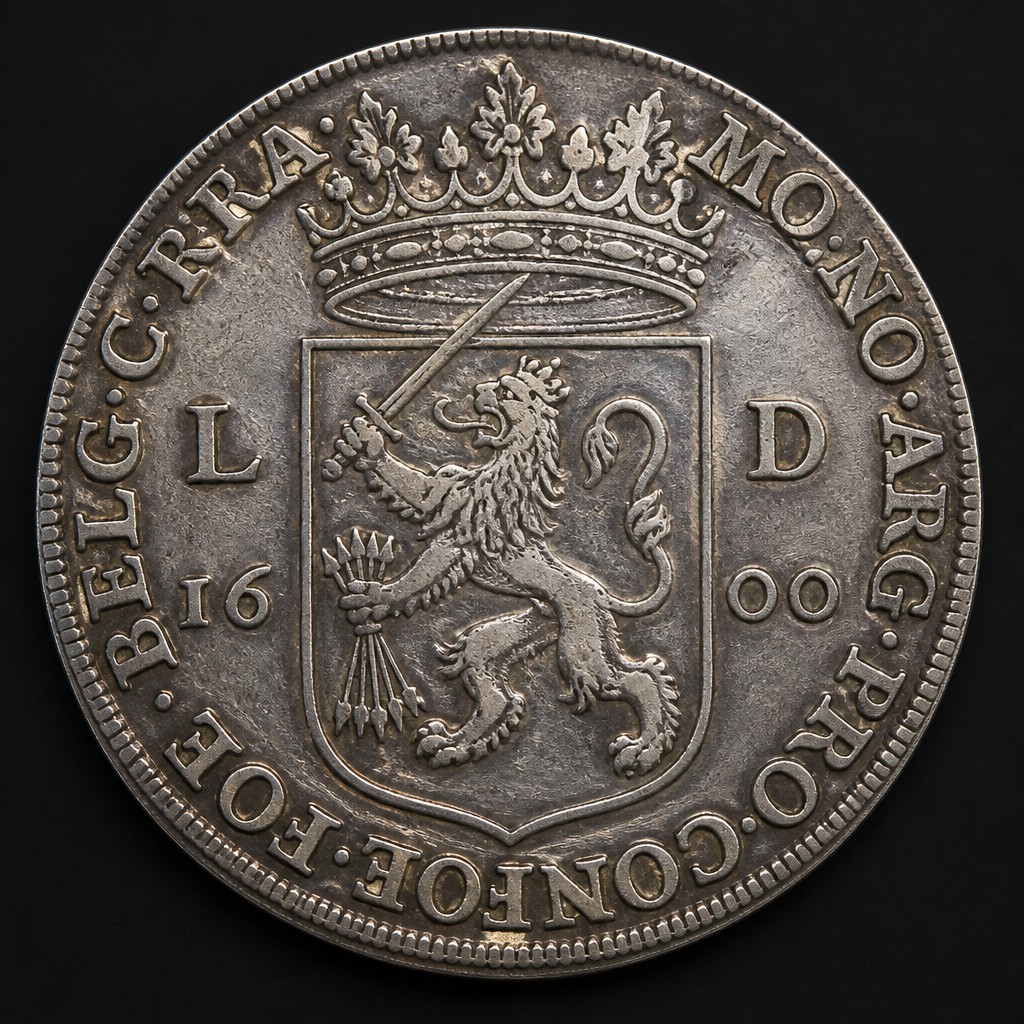
Netherlands Lion Daalder (Leeuwendaalder)
1575–1713
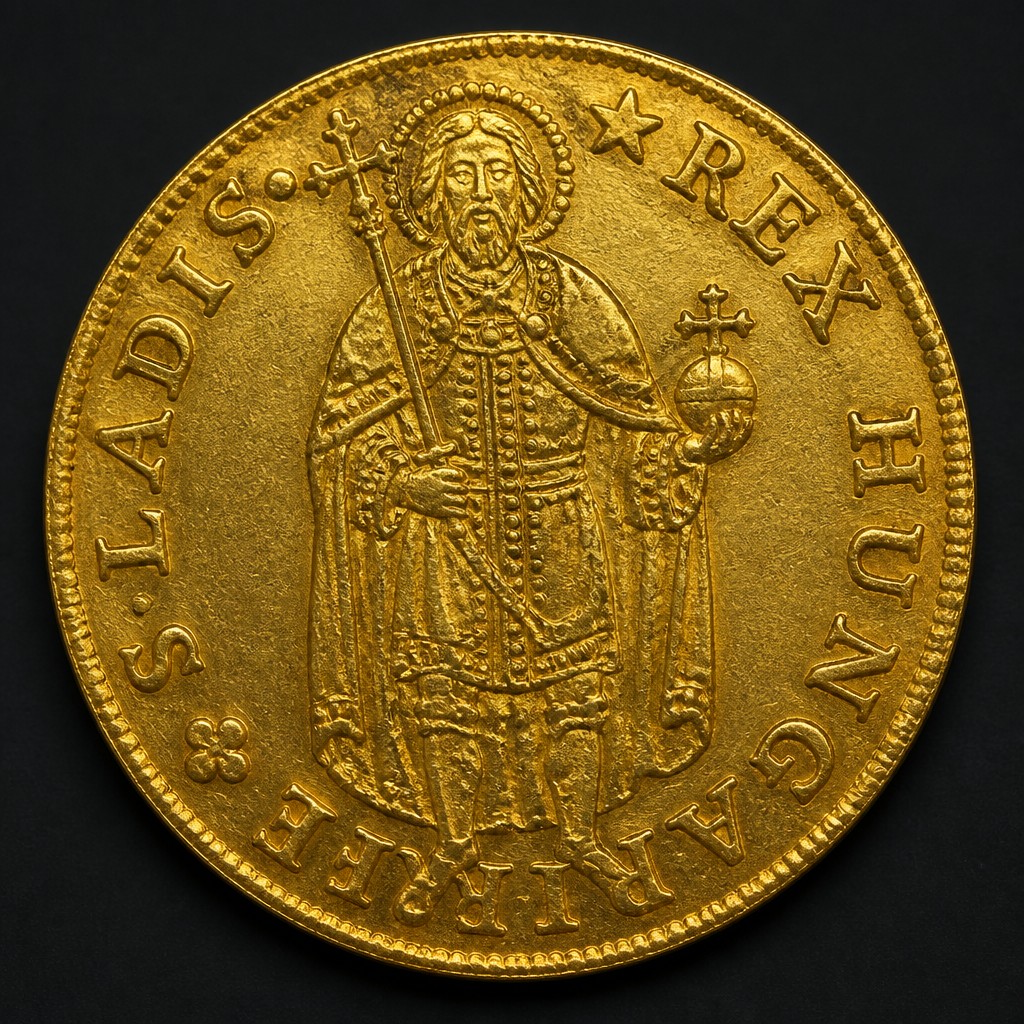
Hungarian Ducat
c. 1325–1918
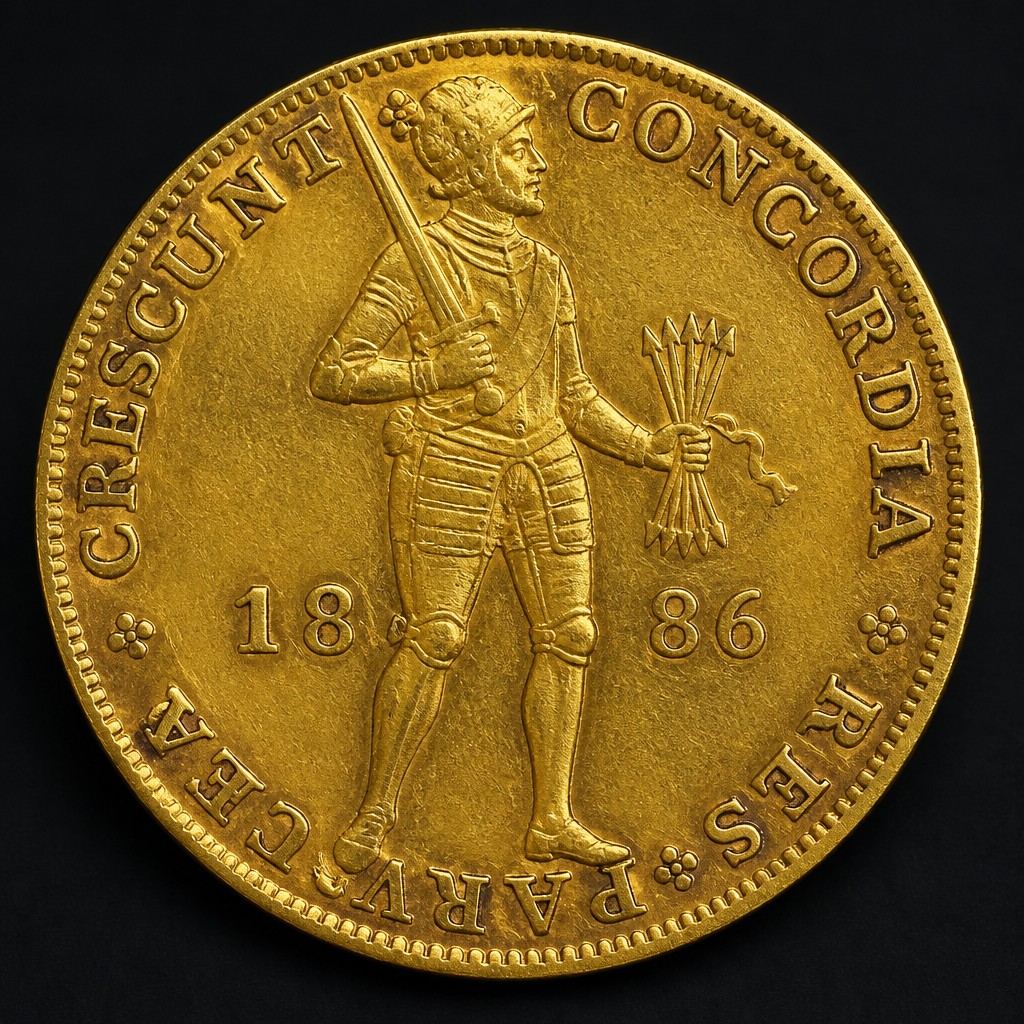
Dutch Ducat
c. 1586–present (classic type standardized after 1817)
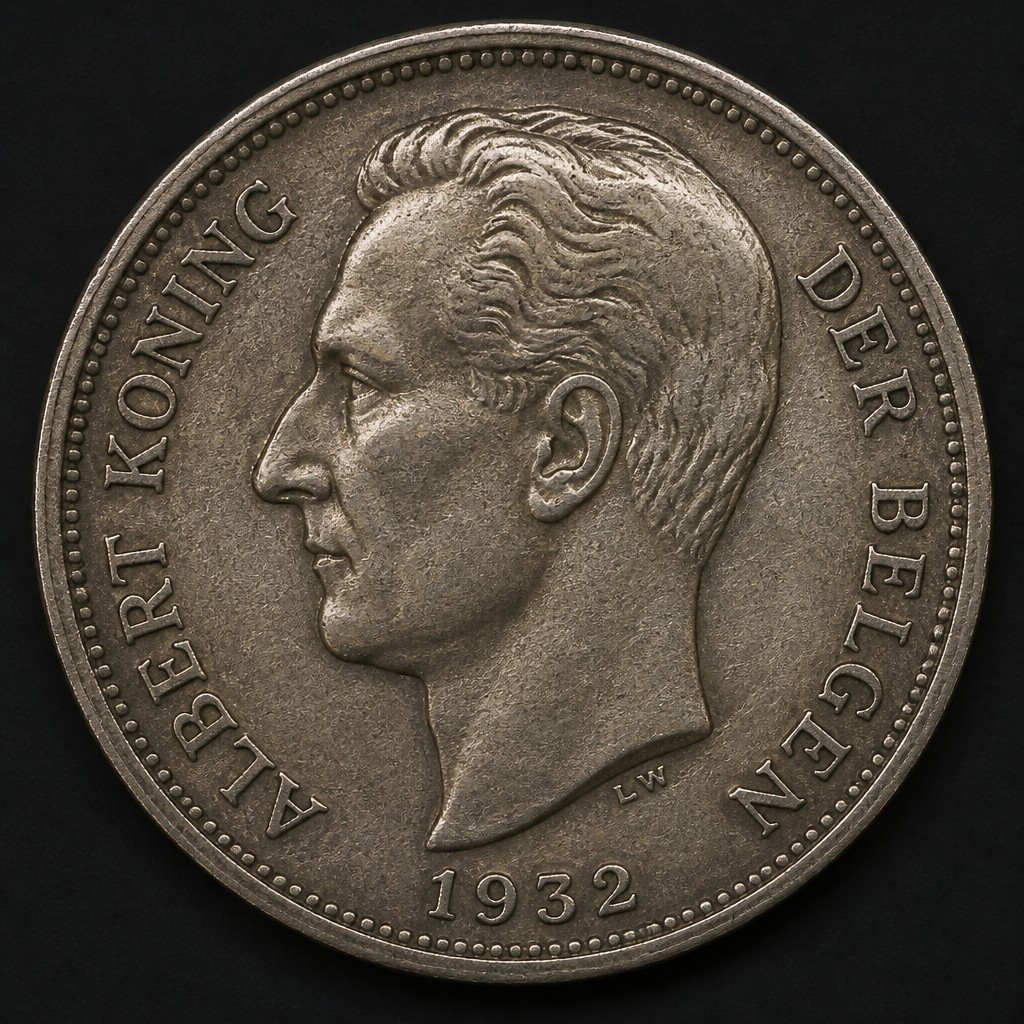
Belgian Franc
1832–2002
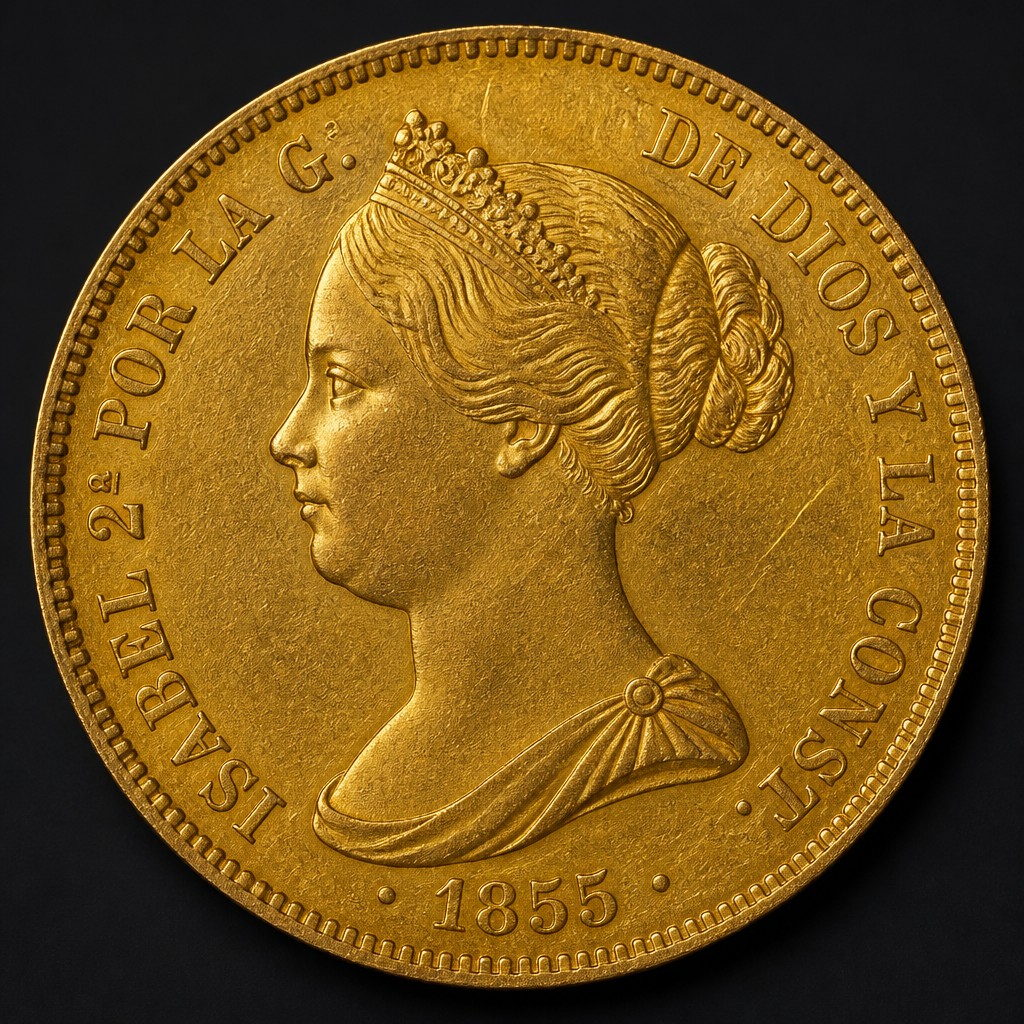
Spanish 100 Reales Gold (Isabel II)
1850s–1868
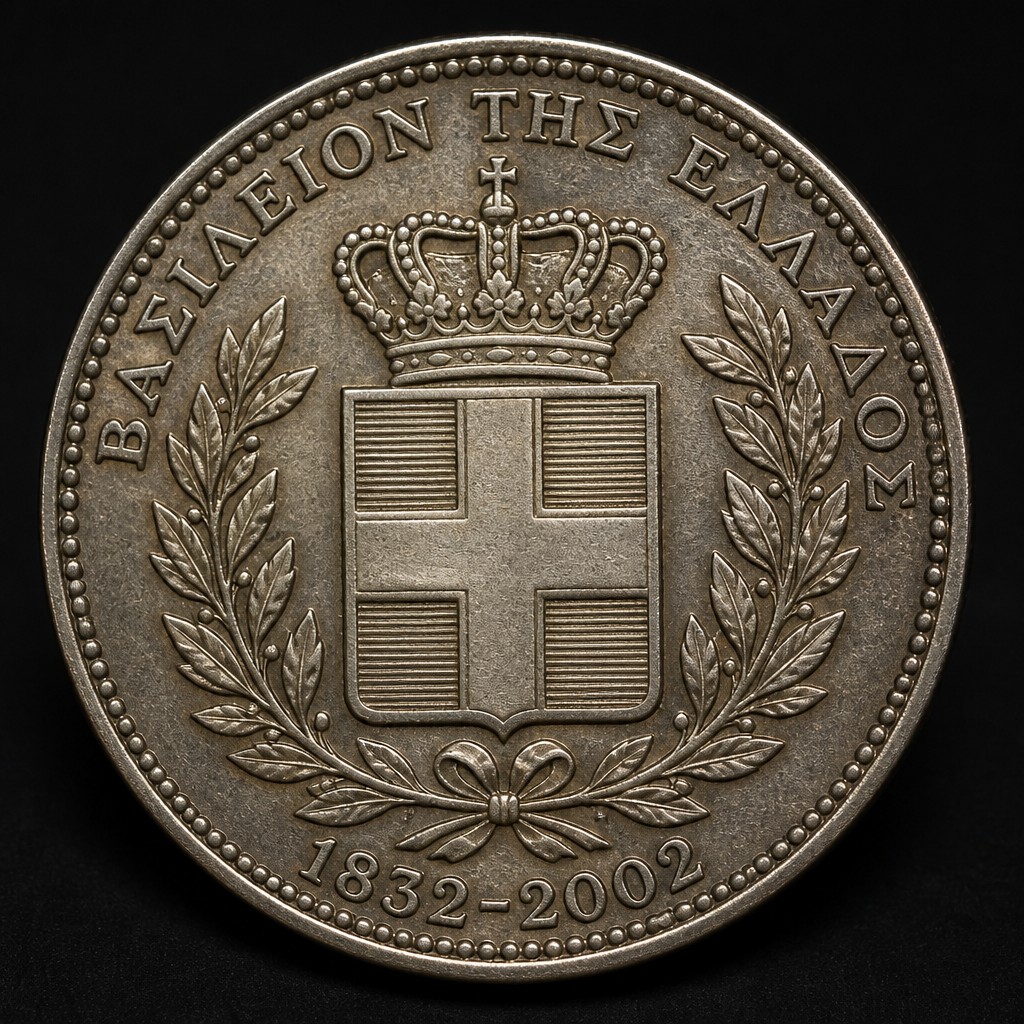
Greek Drachma
1832–2002
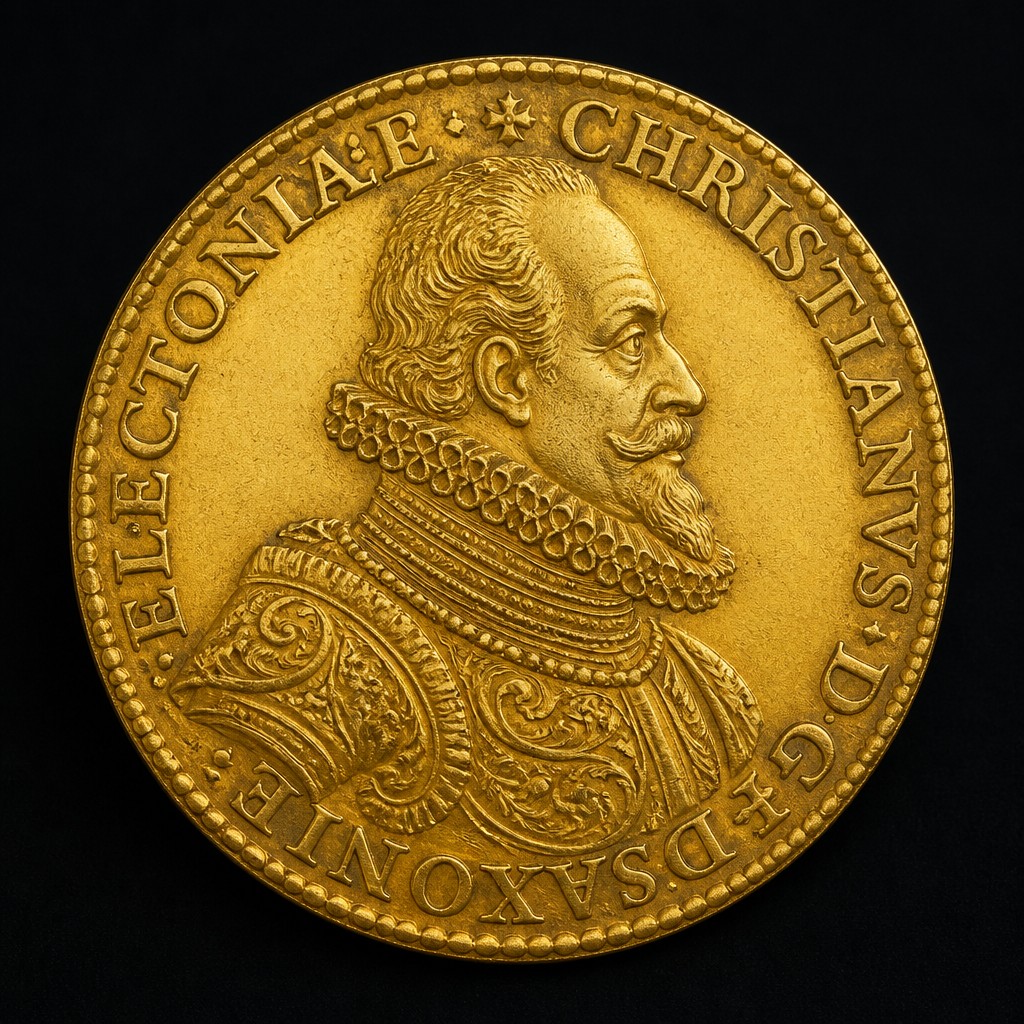
German Saxony Ducat
16th century–19th century
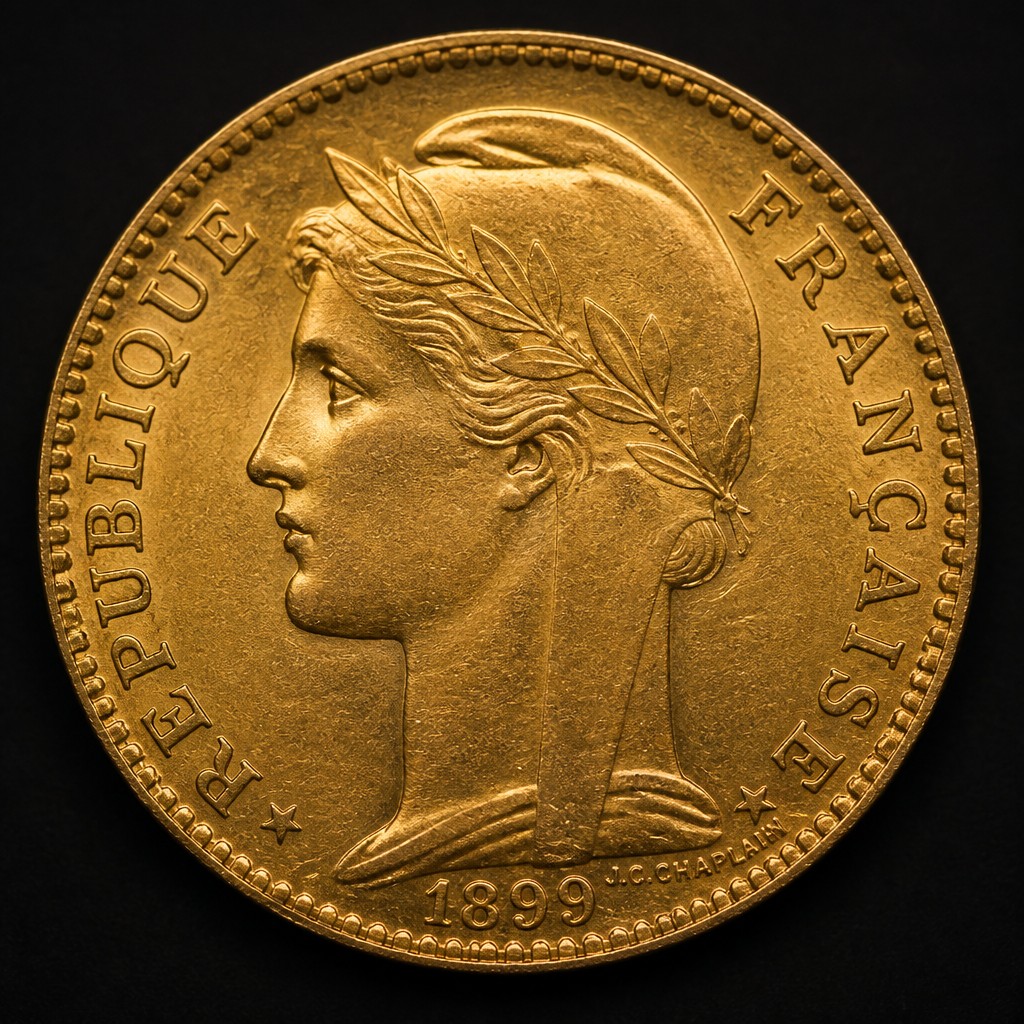
French 10 Francs Gold (Napoleon Rooster)
1899–1914
Netherlands 5 Gulden Gold
1826–1912 (intermittent)