
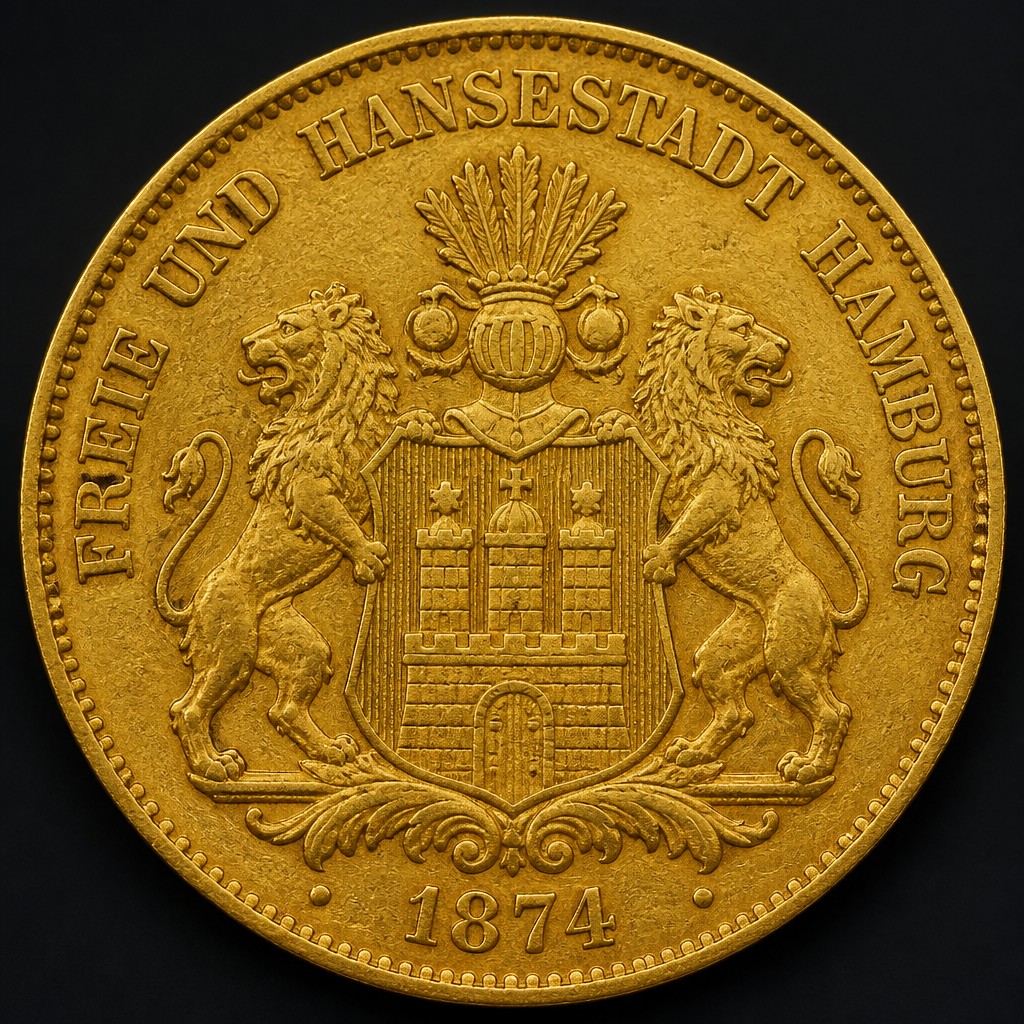
German Hamburg Ducat
A small, exceptionally high-purity gold trade coin struck for centuries by the free city of Hamburg, prized for its consistent fineness and long production history.
- Country
- Germany (Free and Hanseatic City of Hamburg)
- Denomination
- Ducat
- Metal
- Gold (approximately .986 fine, standard ducat gold)
Got a coin like this?
Identify any coin from a photo, free.
Overview
The Hamburg ducat represents one of the longest-running and most trusted gold trade coin traditions in Europe, struck by the free imperial (and later Hanseatic) city of Hamburg using the same high-purity gold standard common to ducats across German-speaking Europe. Its consistency over centuries made it a reliable medium of international commerce.
Collectors value Hamburg ducats both for their historical role in trade and banking and for their remarkable design consistency, which allows collectors to build long date runs of a single, recognizable type spanning well over a century.
History & Background
Hamburg, as a major trading city and member of the historic Hanseatic League, struck gold ducats for centuries to facilitate international commerce, relying on the ducat's near-universal recognition and consistently high gold fineness across issuing states. As a free imperial city within the Holy Roman Empire and later within the German Confederation, Hamburg maintained its own mint and currency independence for an unusually long period.
Hamburg's ducat coinage continued essentially unchanged in standard for generations, valued by merchants precisely because its gold content could be trusted without close scrutiny at every transaction. Hamburg's independent coinage, including the ducat, came to an end after German unification in 1871, when the new unified Mark currency gradually replaced the various German states' and free cities' individual coinages by the mid-1870s.
How to Identify
Hamburg ducats typically show a standing armored knight (a reference to Hamburg's civic identity) or the city's castle-gate coat of arms on the obverse, with a Latin legend naming the city. The reverse commonly displays a religious or civic inscription, sometimes a Biblical quotation, within a decorative border, reflecting the coin's trade and trust-based purpose.
The coin is small, following the standard ducat weight of roughly 3.5 grams at very high gold fineness (traditionally 23.5 karat, or about .986 fine), consistent with ducats issued by other cities and states across the region. Hamburg's civic emblem and city name distinguish it clearly from ducats of other German states or free cities such as Frankfurt or Lubeck, which used their own distinct civic imagery.
Collectors identify specific date types by minor die variations in the knight or arms design and by the date itself, since the overall design scheme remained remarkably stable across a very long production span.
Value & Collectibility
Because Hamburg ducats were struck consistently over a very long period, common dates are relatively accessible to collectors and trade with a modest premium over gold melt value, given their small size and gold content. Certain scarcer dates or well-preserved early examples can command meaningfully higher prices among specialists in German states and Hanseatic coinage.
Condition and strike quality matter significantly given the coin's small size and intricate design details; sharply struck, well-centered examples are more desirable than weakly struck or off-center pieces. As with all classic gold, buyers should expect a range of pricing tied closely to specific date, condition, and documented rarity.
Frequently asked questions
What made the Hamburg ducat trusted in trade?
Its long-standing consistency in gold weight and fineness meant merchants across Europe could accept it with confidence without needing to verify its content each time.
How much gold is in a Hamburg ducat?
It follows the standard ducat weight of roughly 3.5 grams at approximately .986 gold fineness, typical of ducat coinage across the region.
When did Hamburg stop issuing its own coinage?
Hamburg's independent coinage was phased out after German unification in 1871, as the new national Mark currency replaced individual states' and free cities' coinages by the mid-1870s.
What symbol appears on Hamburg ducats?
Many types show a standing armored knight or Hamburg's civic castle-gate coat of arms, along with a Latin legend naming the city.
Other coins you may enjoy
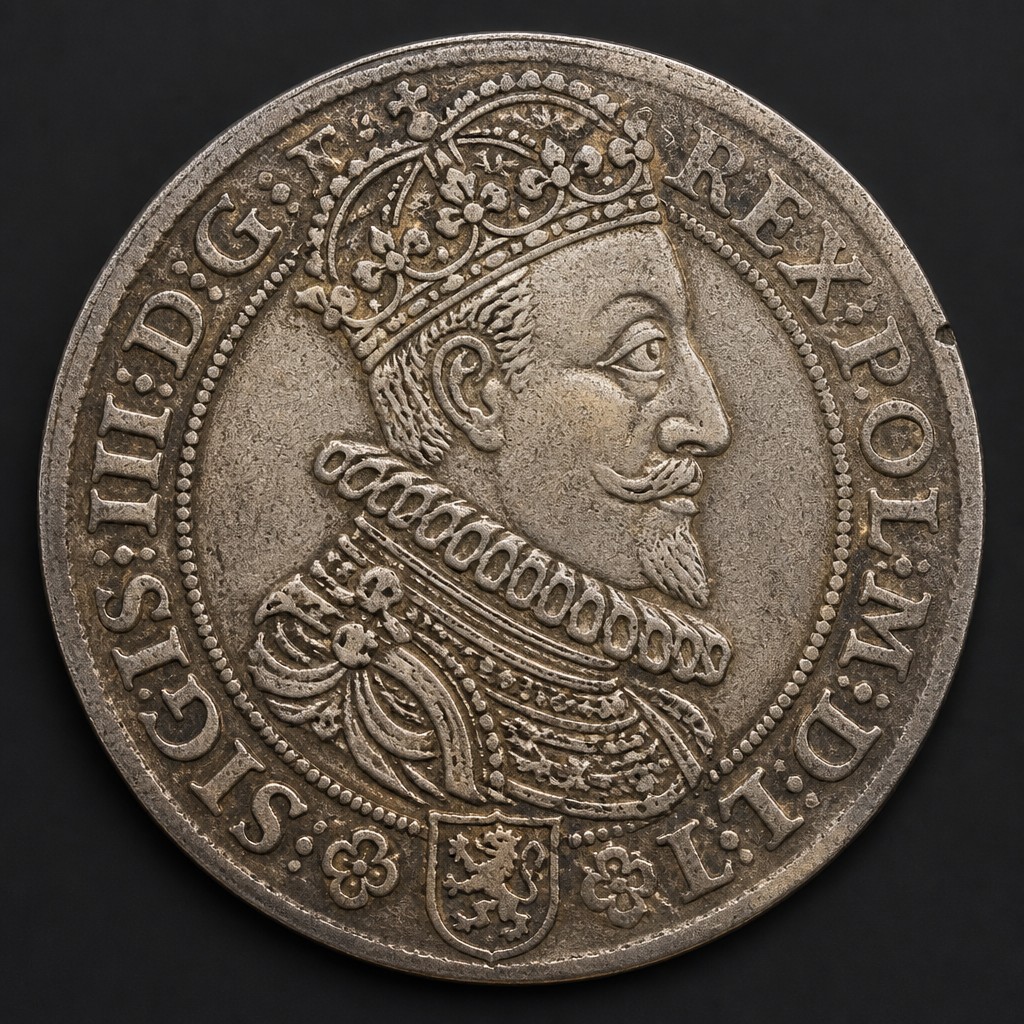
Polish-Lithuanian Thaler
circa 16th–18th century
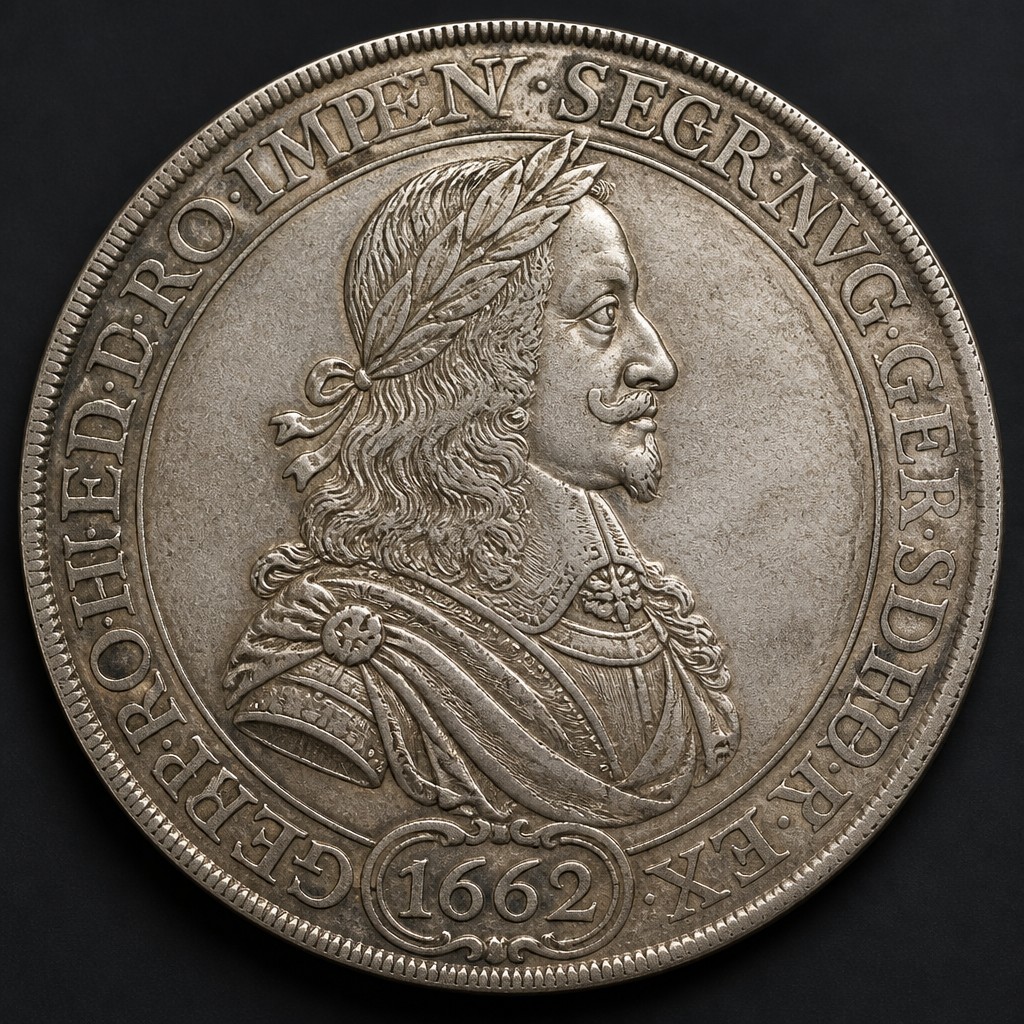
Reichsthaler
circa 1566–early 19th century
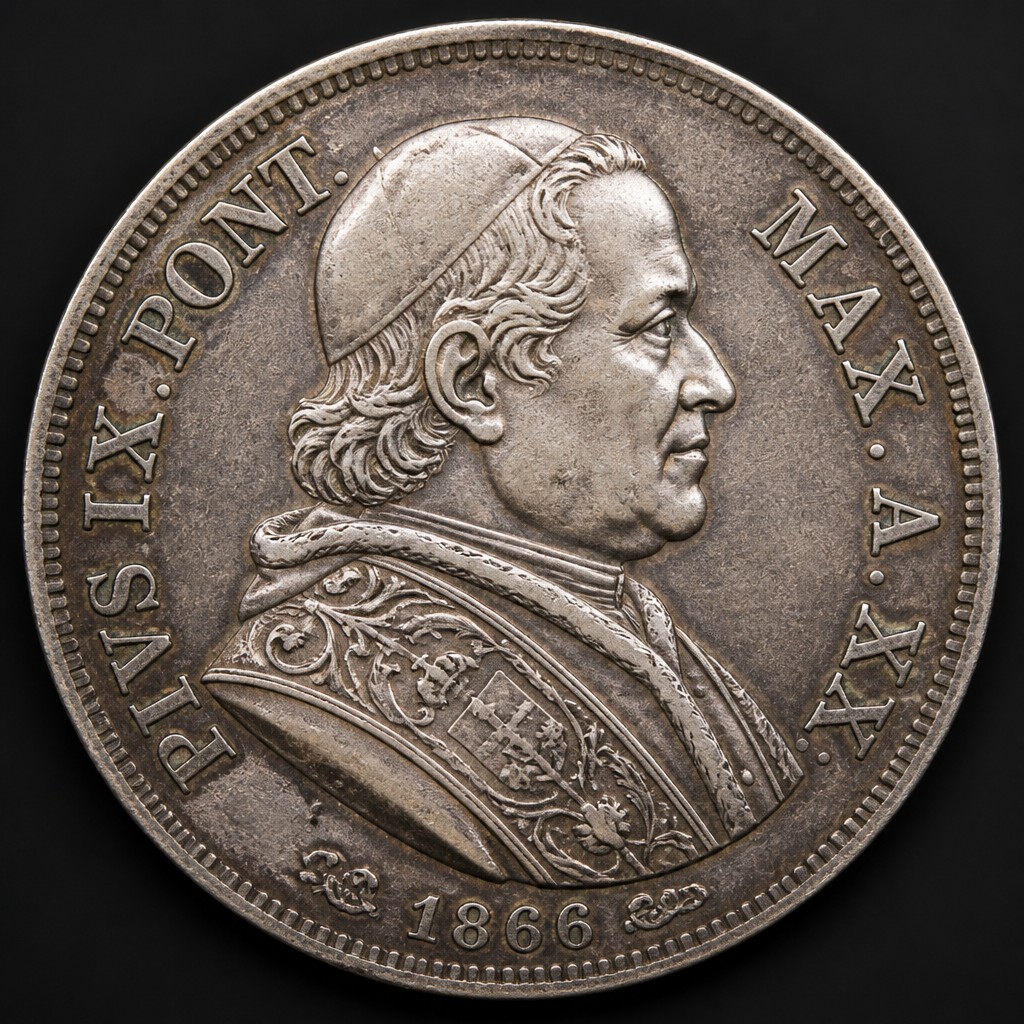
Papal States Scudo
16th century–1866
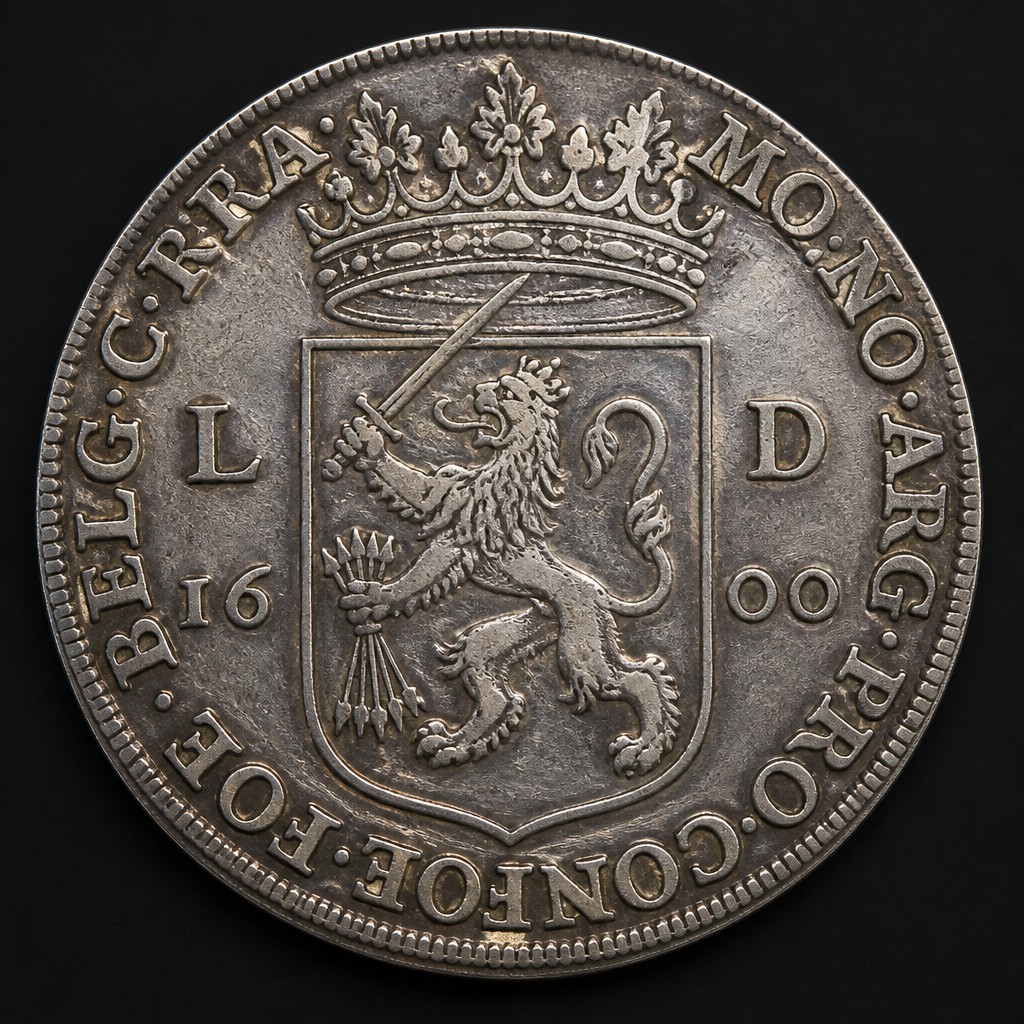
Netherlands Lion Daalder (Leeuwendaalder)
1575–1713
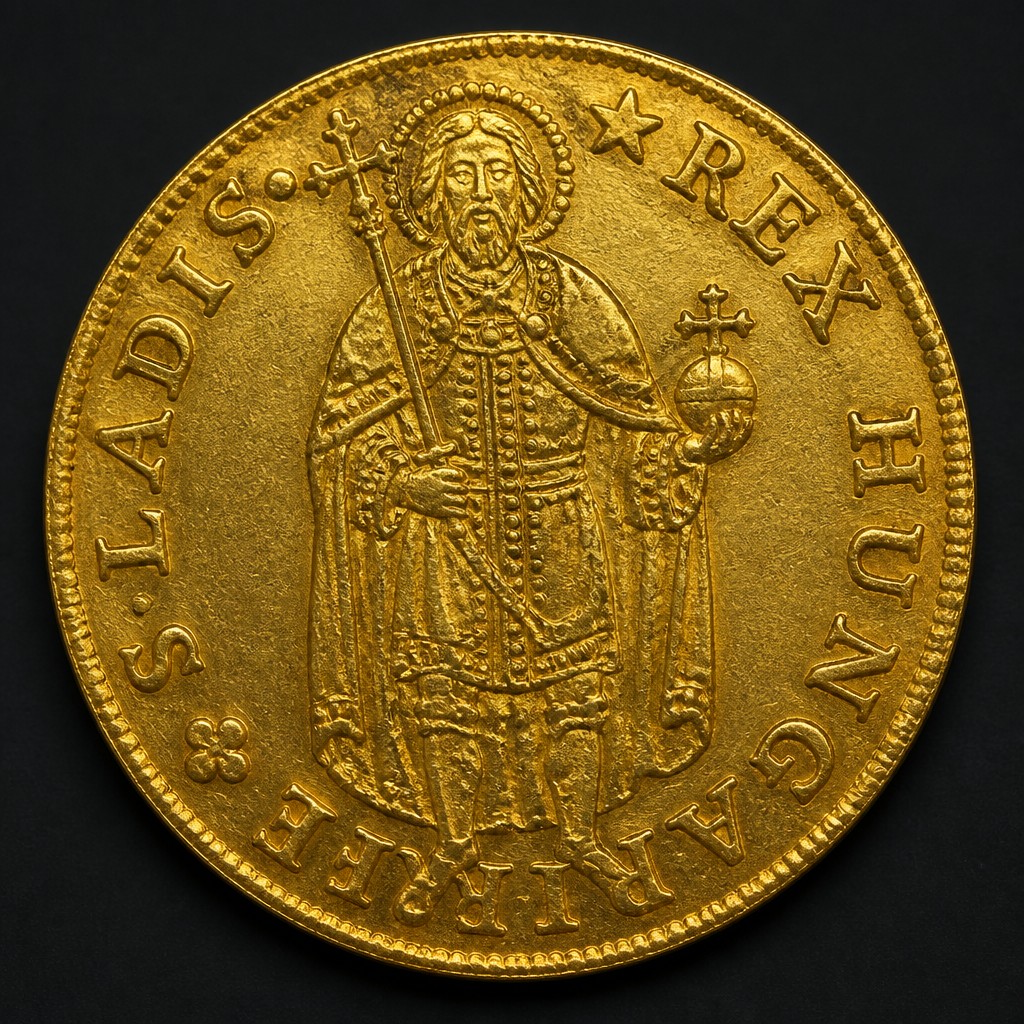
Hungarian Ducat
c. 1325–1918
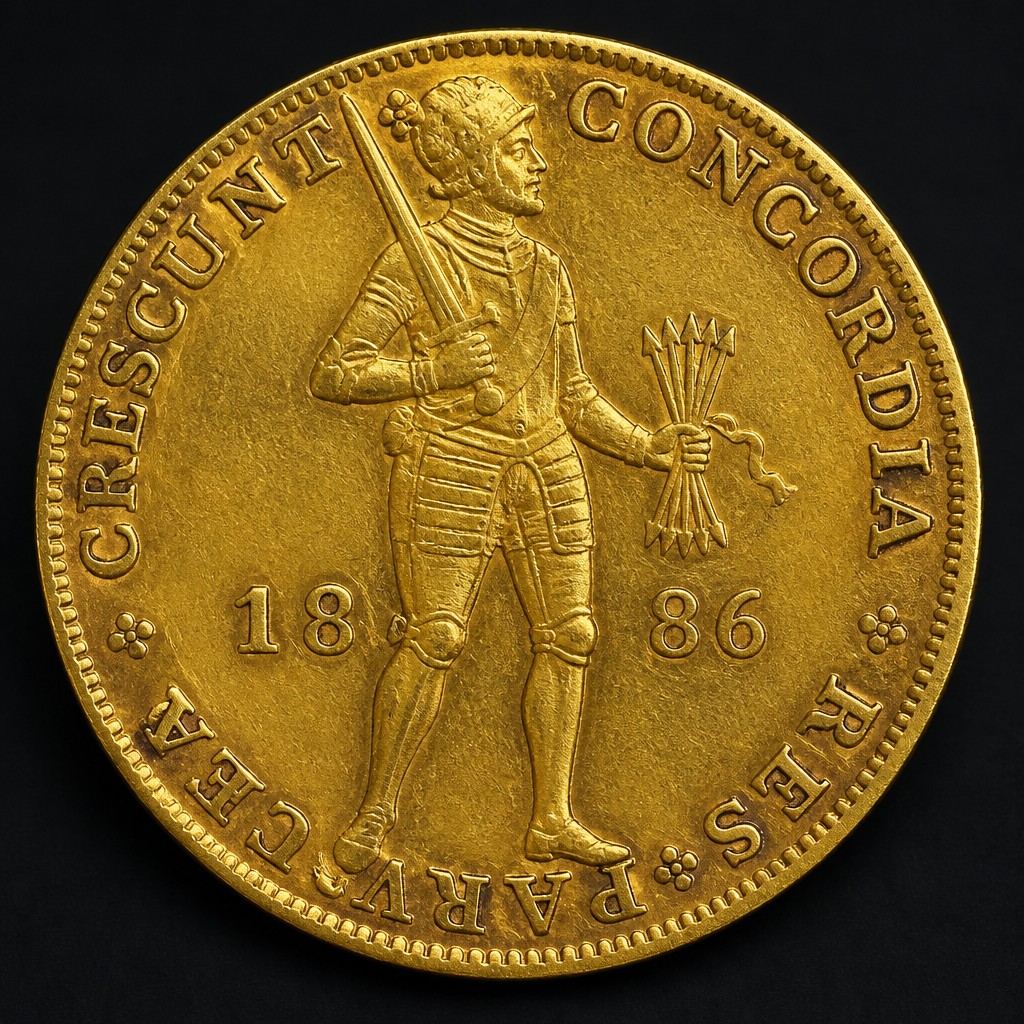
Dutch Ducat
c. 1586–present (classic type standardized after 1817)
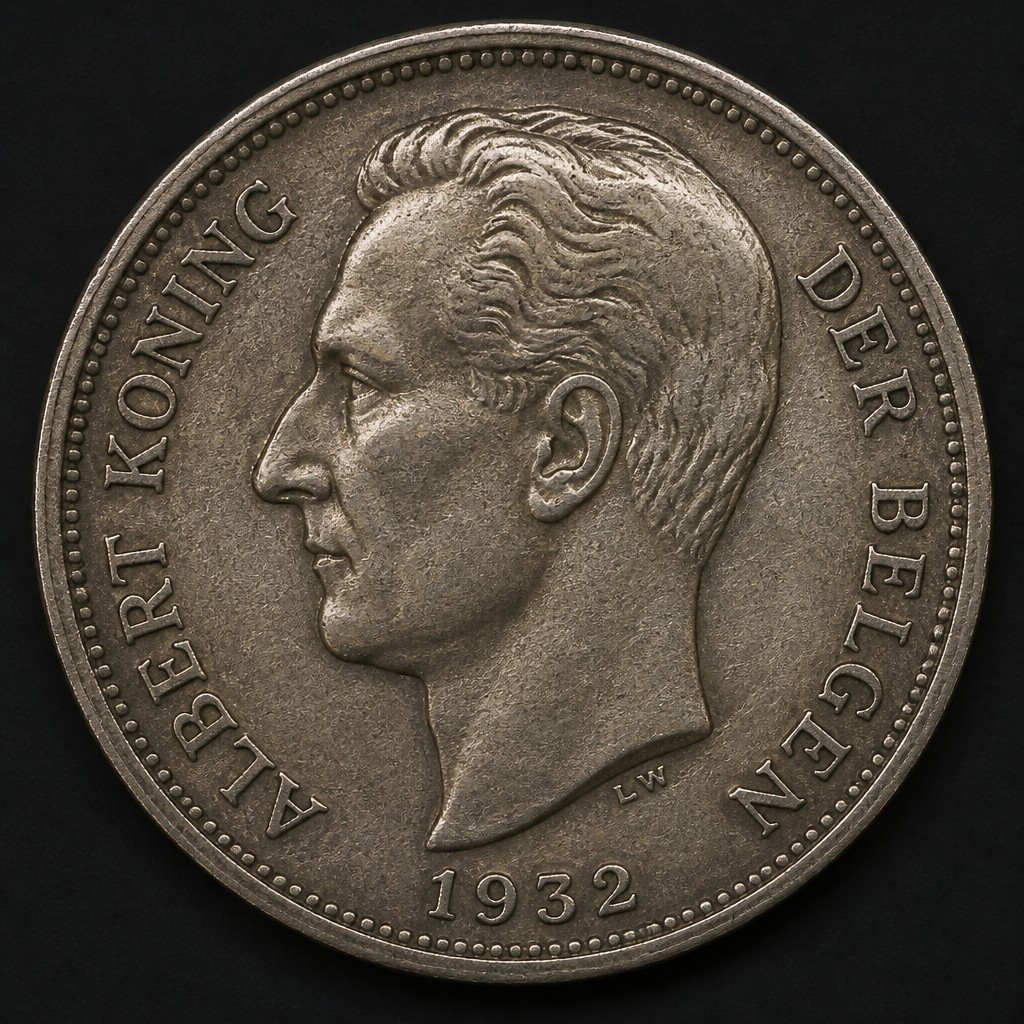
Belgian Franc
1832–2002
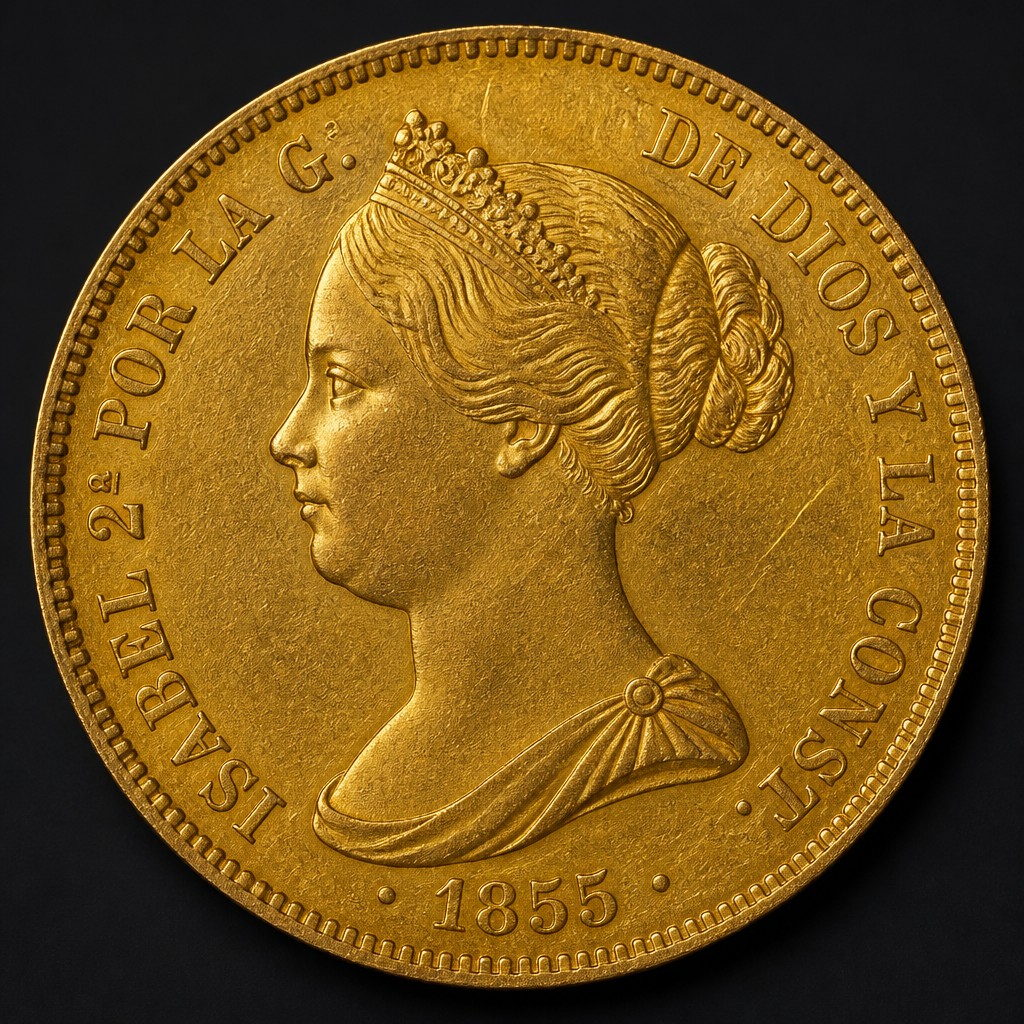
Spanish 100 Reales Gold (Isabel II)
1850s–1868
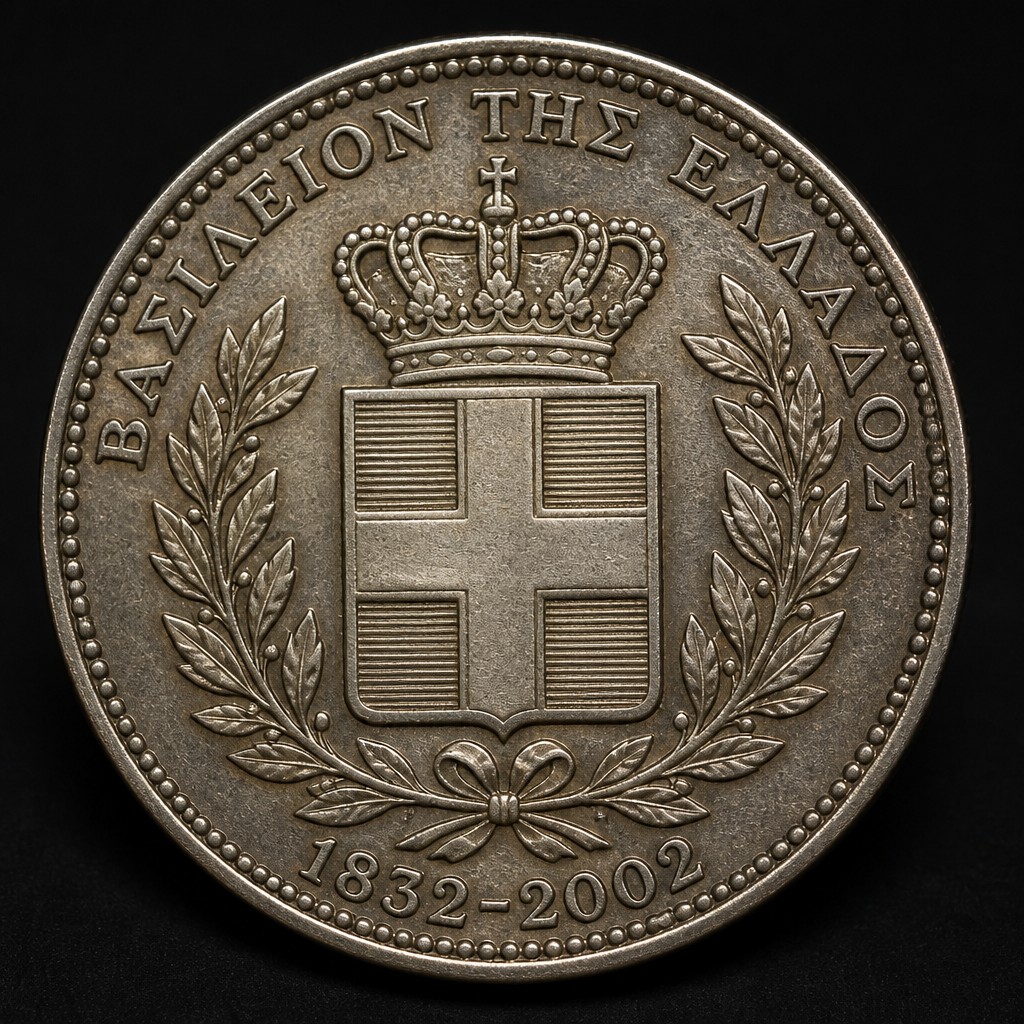
Greek Drachma
1832–2002
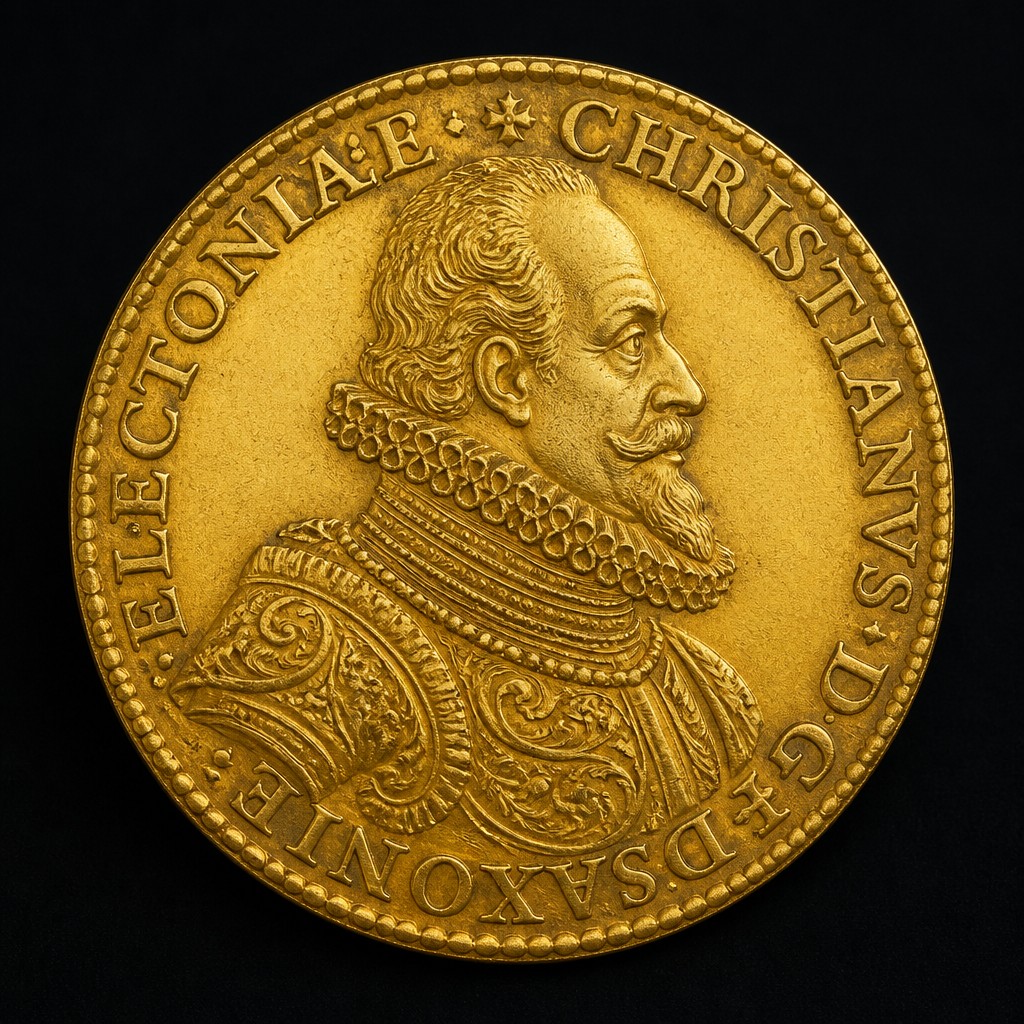
German Saxony Ducat
16th century–19th century
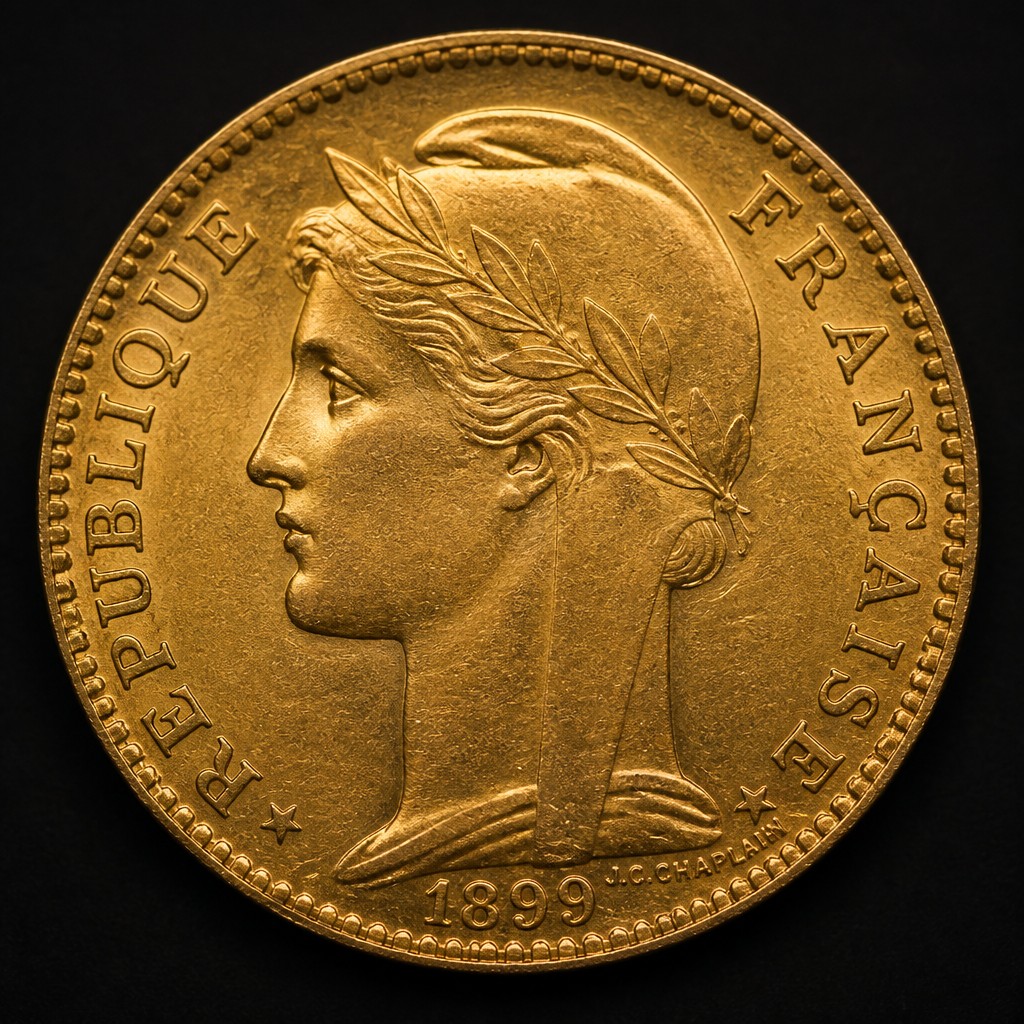
French 10 Francs Gold (Napoleon Rooster)
1899–1914
Netherlands 5 Gulden Gold
1826–1912 (intermittent)