
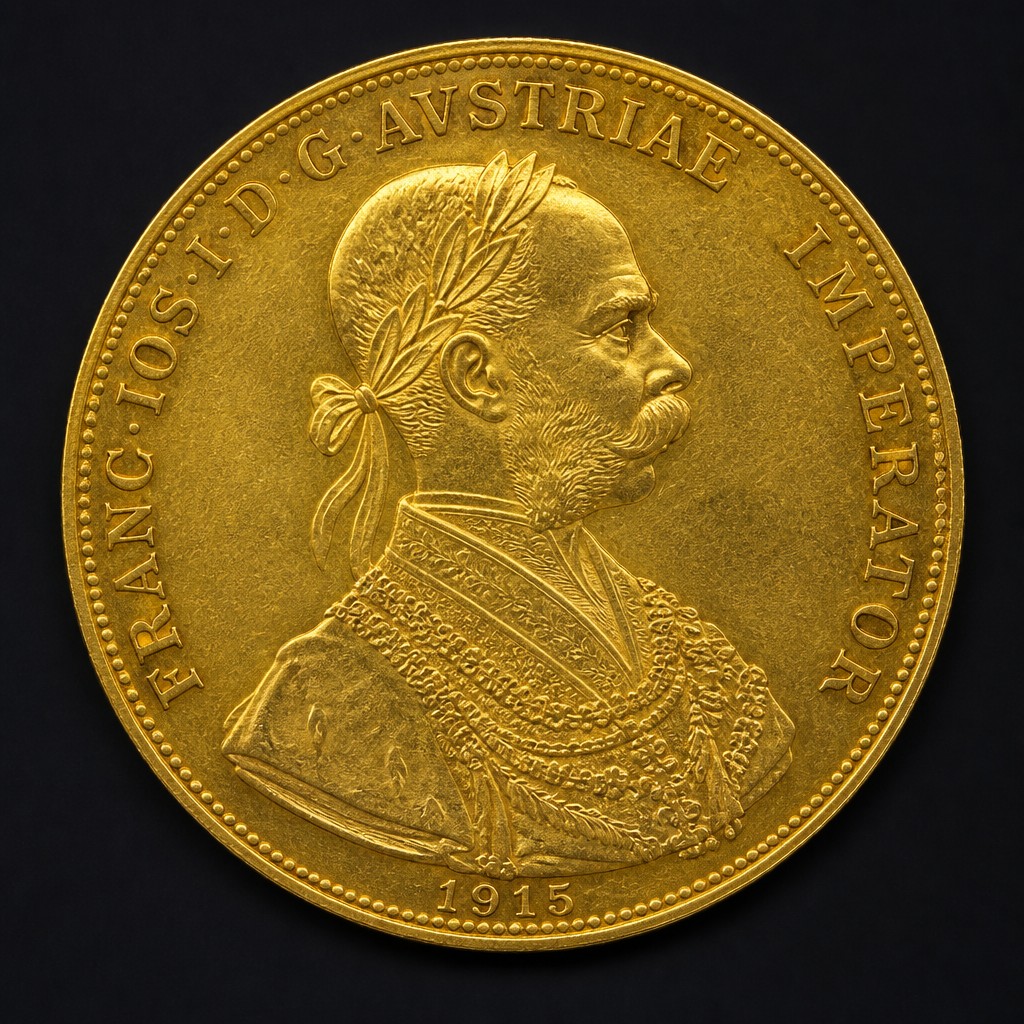
Austrian 4 Ducat Gold
The Austrian 4 Ducat is a large, high-purity gold coin historically used for trade and hoarding, best known today through the officially restruck 1915-dated pieces still produced for the bullion market.
- Country
- Austria
- Denomination
- 4 Ducats
- Metal
- Gold (.986 fine)
Got a coin like this?
Identify any coin from a photo, free.
Overview
The Austrian 4 Ducat is one of several multiple-ducat gold coins issued historically by the Habsburg Monarchy and its Austrian successor states. Ducats were prized across Europe for their consistently high gold fineness, and the 4 ducat denomination represented a substantial store of value in a single coin.
Most 4 Ducats encountered by collectors and bullion buyers today are the well-known 1915-dated restrikes, which the Austrian Mint has continued to produce for decades as a recognized gold bullion product, alongside genuinely old original-date pieces from earlier centuries.
The coin's combination of historical pedigree and ongoing modern production makes it popular both with gold stackers seeking a large, internationally recognized bullion coin and with collectors interested in Austrian numismatic history.
History & Background
Ducat coinage has a long history in Central Europe, tracing back to medieval Venetian and Hungarian gold ducats that became a widely trusted trade standard due to their consistent purity. The Habsburg rulers of Austria adopted ducat coinage for their own domains, issuing single ducats as well as multiples such as the 2, 4, and 10 ducat pieces for larger transactions, gifts, and reserves.
The most famous 4 Ducat type bears the date 1915 and the portrait of Emperor Franz Joseph I, struck originally near the end of the Austro-Hungarian Empire. After World War I and the empire's dissolution, the Austrian Mint continued to officially restrike this same 1915-dated design for the bullion and souvenir gold market, a practice that has continued for much of the 20th and into the 21st century.
Because of this ongoing restriking, most 1915-dated 4 Ducats in the market today are legitimate later-date official restrikes rather than coins actually struck in 1915, a fact well documented and openly acknowledged by the issuing mint.
How to Identify
The obverse shows a right-facing portrait of Emperor Franz Joseph I of Austria-Hungary with the Latin legend naming him emperor, and the reverse displays the Austrian imperial double-headed eagle with orb, scepter, and sword, along with the date 1915 and denomination indicators in Latin.
The coin is notably large and heavy for a ducat multiple, with a bright, high-purity yellow-gold color reflecting its .986 fineness, among the purest gold alloys used in historic coinage. The edge is typically plain or lightly reeded depending on striking era.
Because the 1915 date has been used continuously for official restrikes, the date alone cannot distinguish an original from a modern restrike; collectors seeking genuinely original 19th-century Austrian ducats should look for coins dated to specific earlier years and consult the coin's overall style and any accompanying documentation, since the coin's bullion role means most examples are valued primarily for metal content rather than date rarity.
Value & Collectibility
Because most 4 Ducats on the market are official restrikes of the 1915 design, value is driven overwhelmingly by the coin's gold content, which is substantial given its size, plus a modest premium for recognizability and demand as a bullion collectible. Genuinely antique ducats from earlier centuries or unusual mints can carry additional numismatic premiums.
Condition has less impact on value for the common restrike type than it would for a true rarity, since most buyers are purchasing primarily for gold content. However, well-preserved, lustrous pieces are still preferred over worn or damaged examples.
Values for the common 1915-dated 4 Ducat restrike closely track the spot price of its gold content (a notably large gold weight for a single coin), typically placing it in the four-figure range depending on prevailing gold prices, while genuinely antique multi-ducat pieces can carry meaningfully higher premiums.
Frequently asked questions
Is the 1915 Austrian 4 Ducat a real antique coin?
Most examples dated 1915 are official later restrikes produced by the Austrian Mint for the bullion market, not coins actually struck in 1915, though the design and date are historically accurate to that original issue.
How much gold is in an Austrian 4 Ducat?
It is a large, high-purity gold coin (.986 fine) containing a substantial gold weight, making it a popular bullion piece.
Who is depicted on the coin?
The obverse shows Emperor Franz Joseph I of Austria-Hungary.
Why does the Austrian Mint keep the 1915 date on restrikes?
It is a long-standing practice of officially reproducing the original 1915 ducat designs for continuity and international recognition in the bullion market.
Other coins you may enjoy
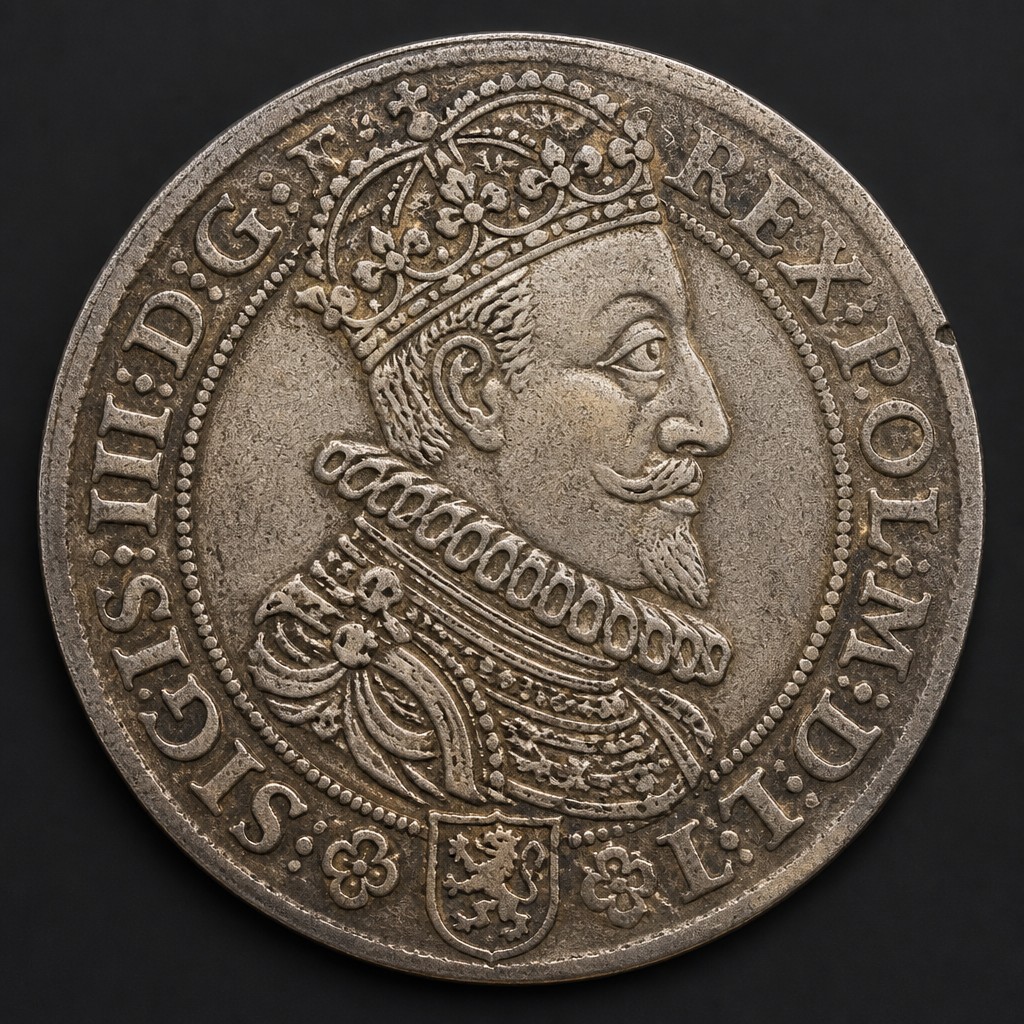
Polish-Lithuanian Thaler
circa 16th–18th century
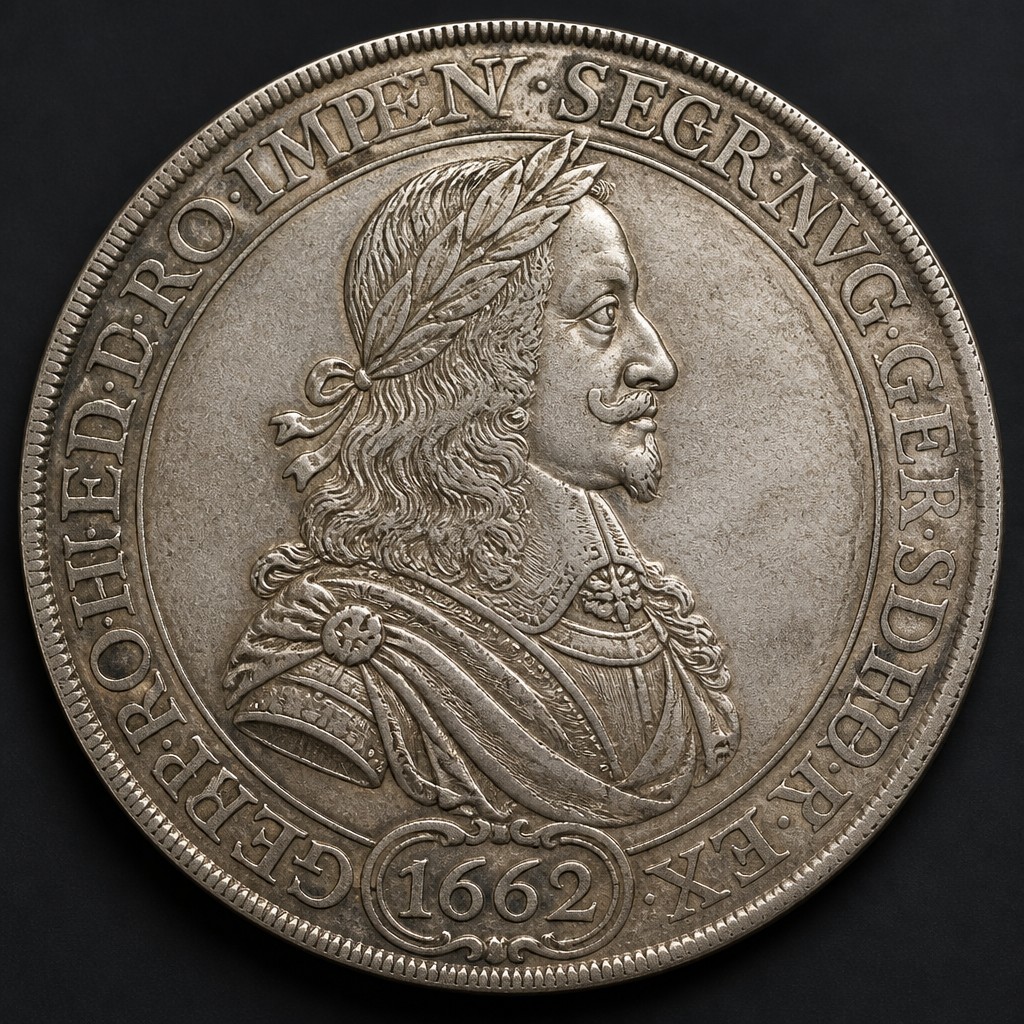
Reichsthaler
circa 1566–early 19th century
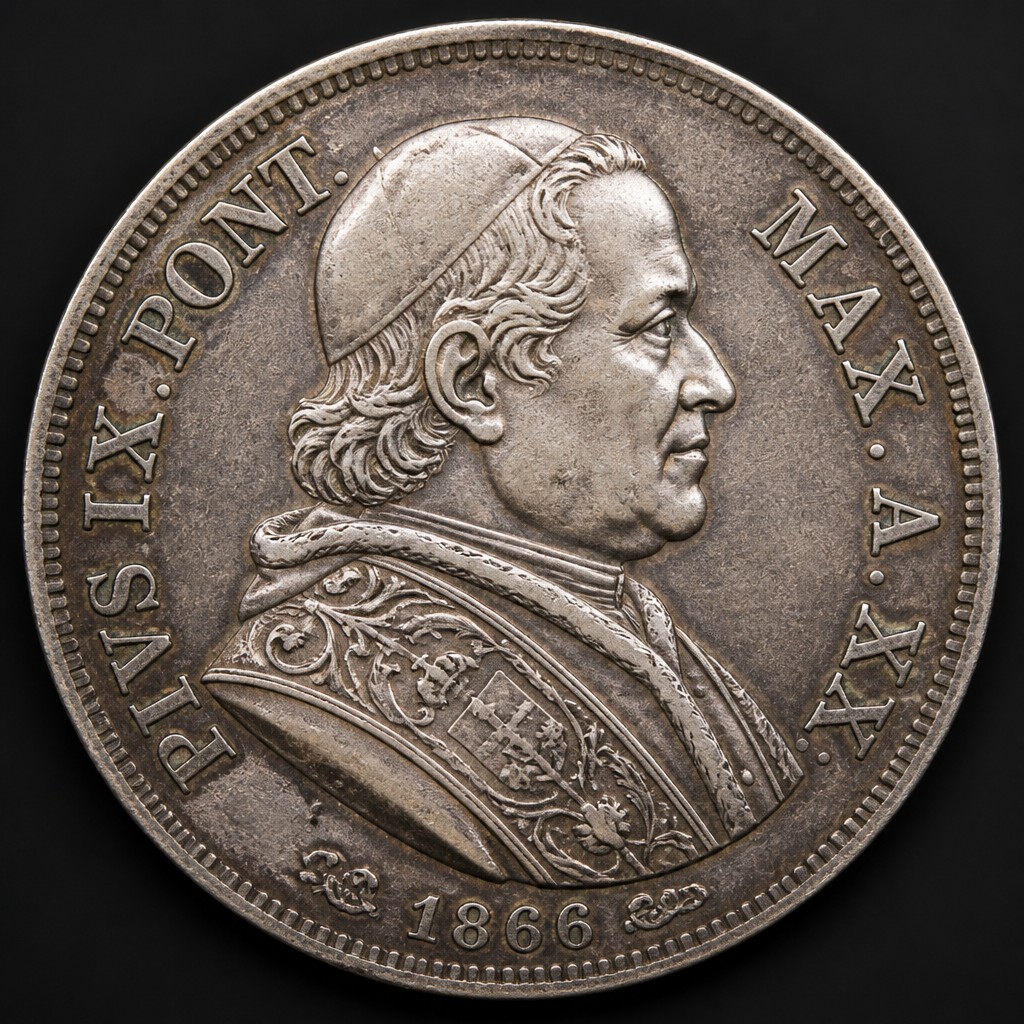
Papal States Scudo
16th century–1866
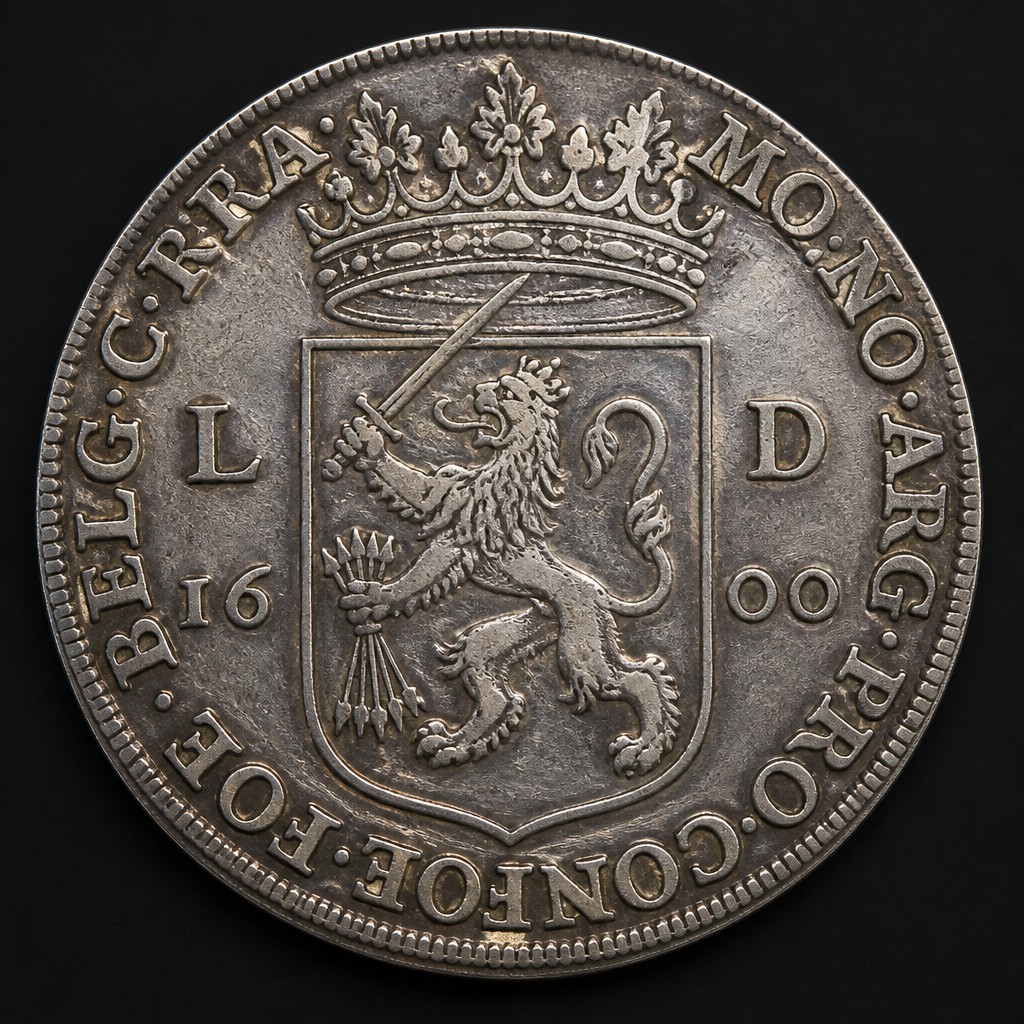
Netherlands Lion Daalder (Leeuwendaalder)
1575–1713
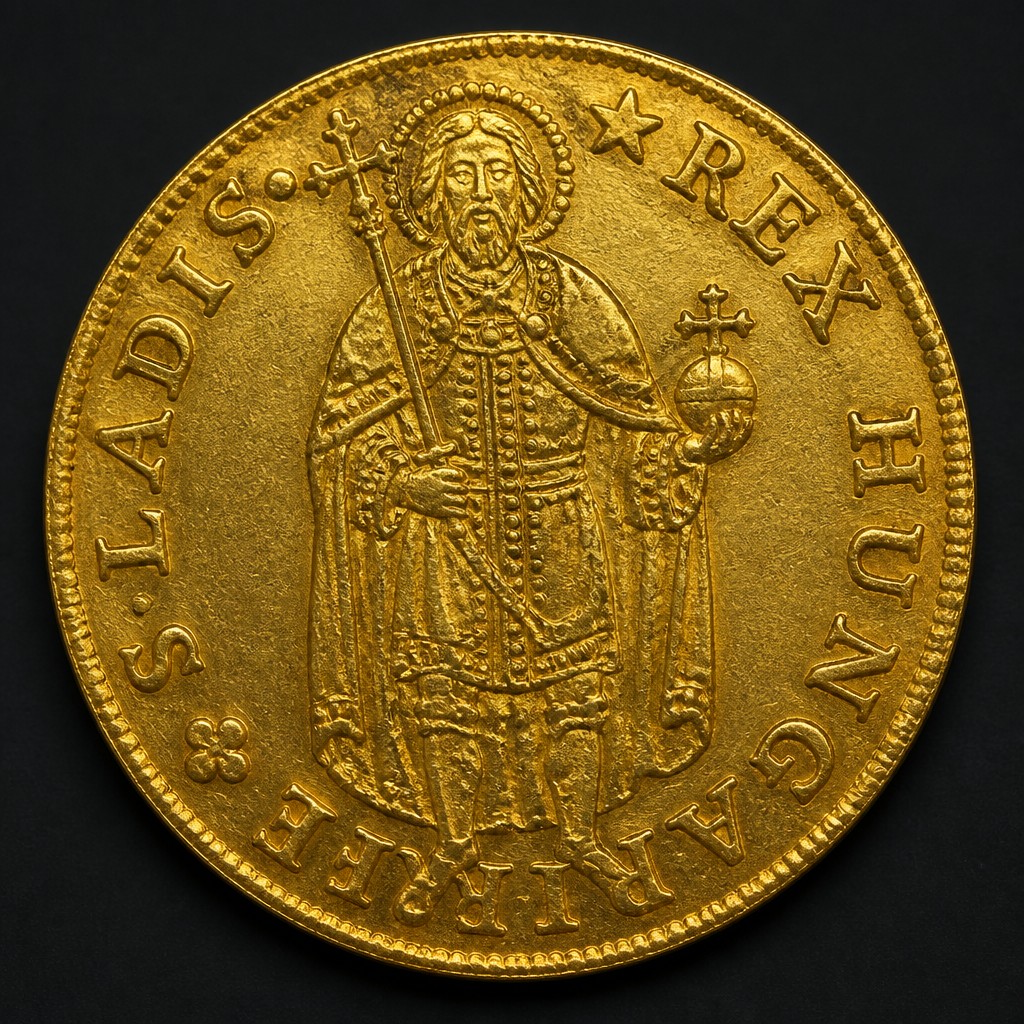
Hungarian Ducat
c. 1325–1918
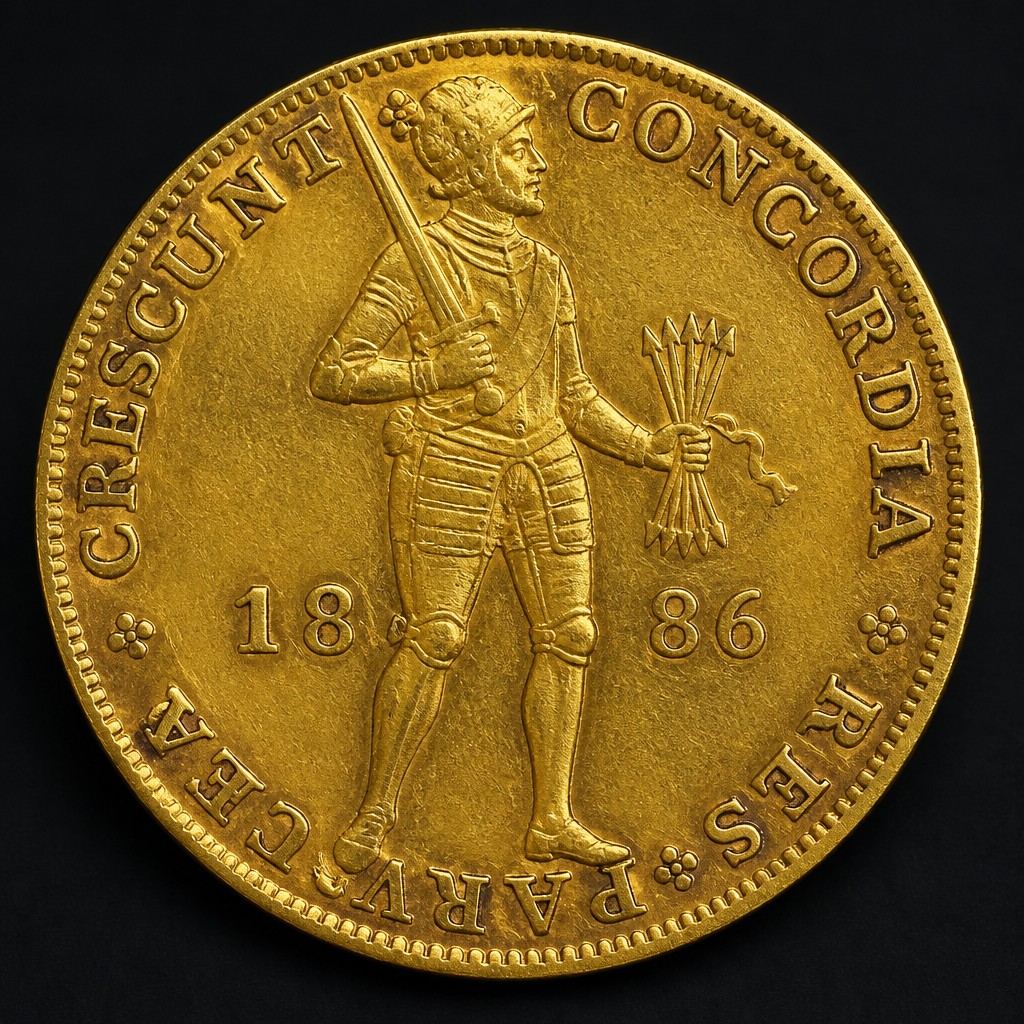
Dutch Ducat
c. 1586–present (classic type standardized after 1817)
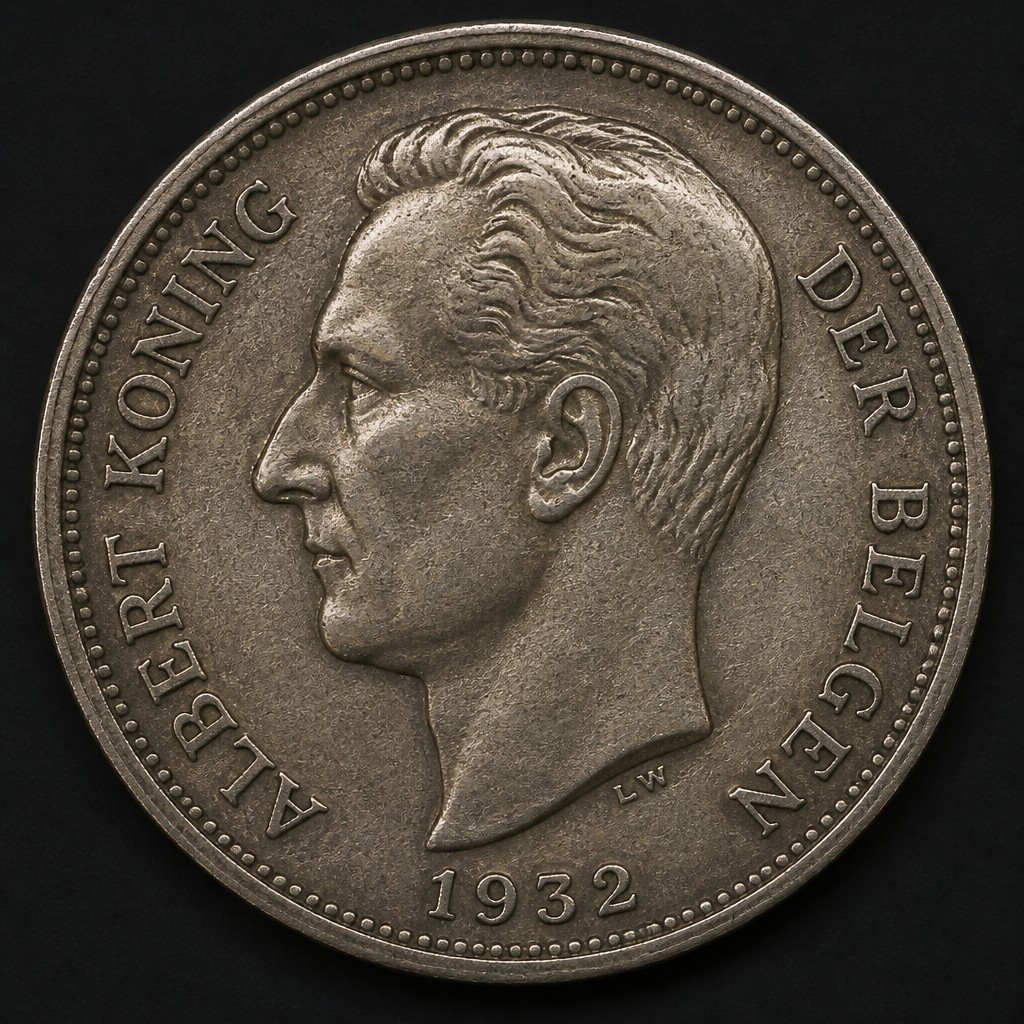
Belgian Franc
1832–2002
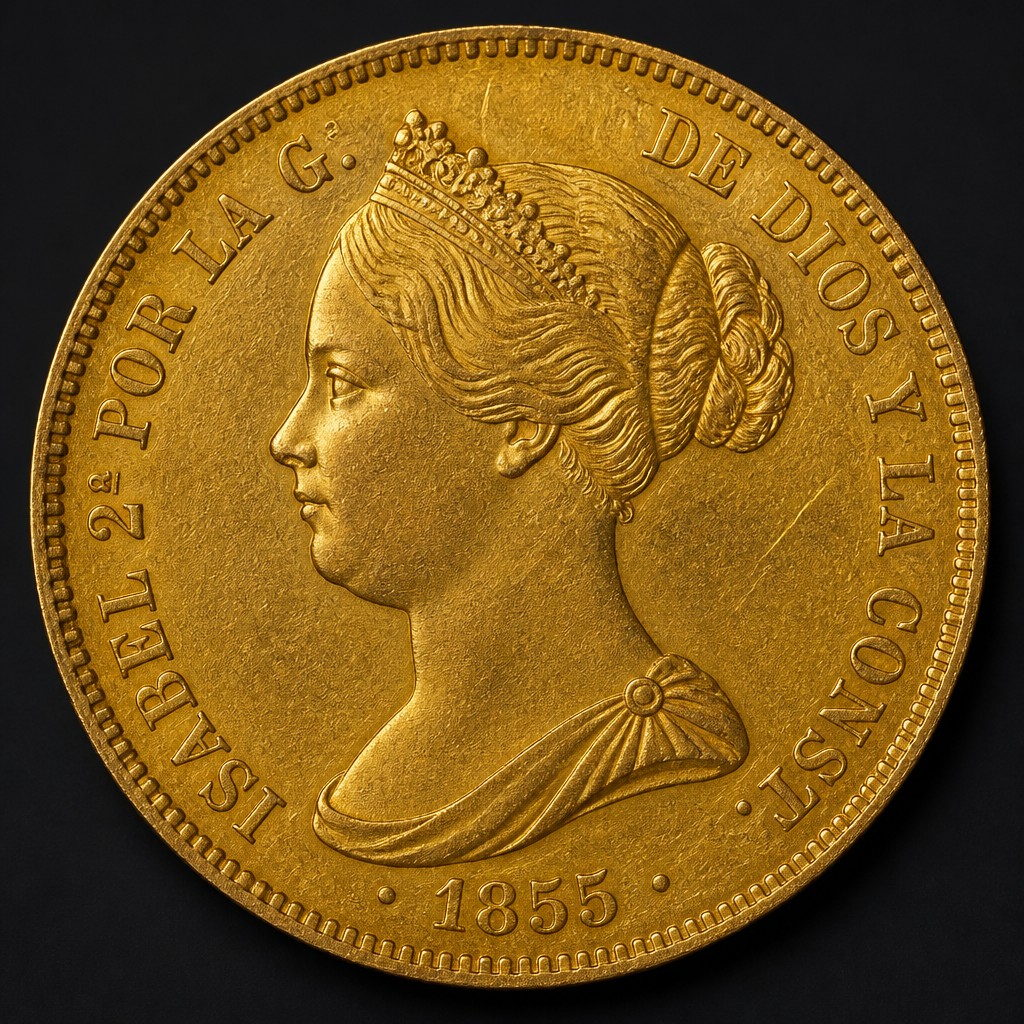
Spanish 100 Reales Gold (Isabel II)
1850s–1868
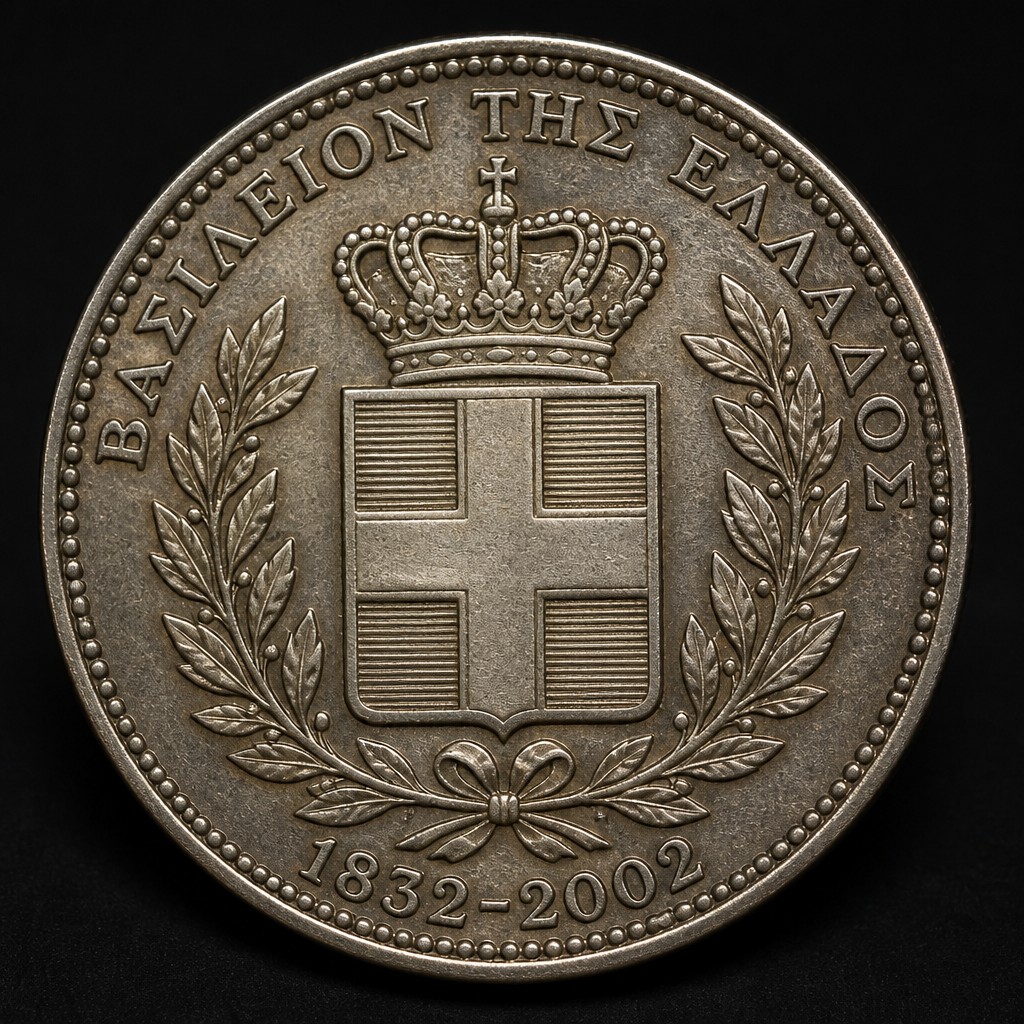
Greek Drachma
1832–2002
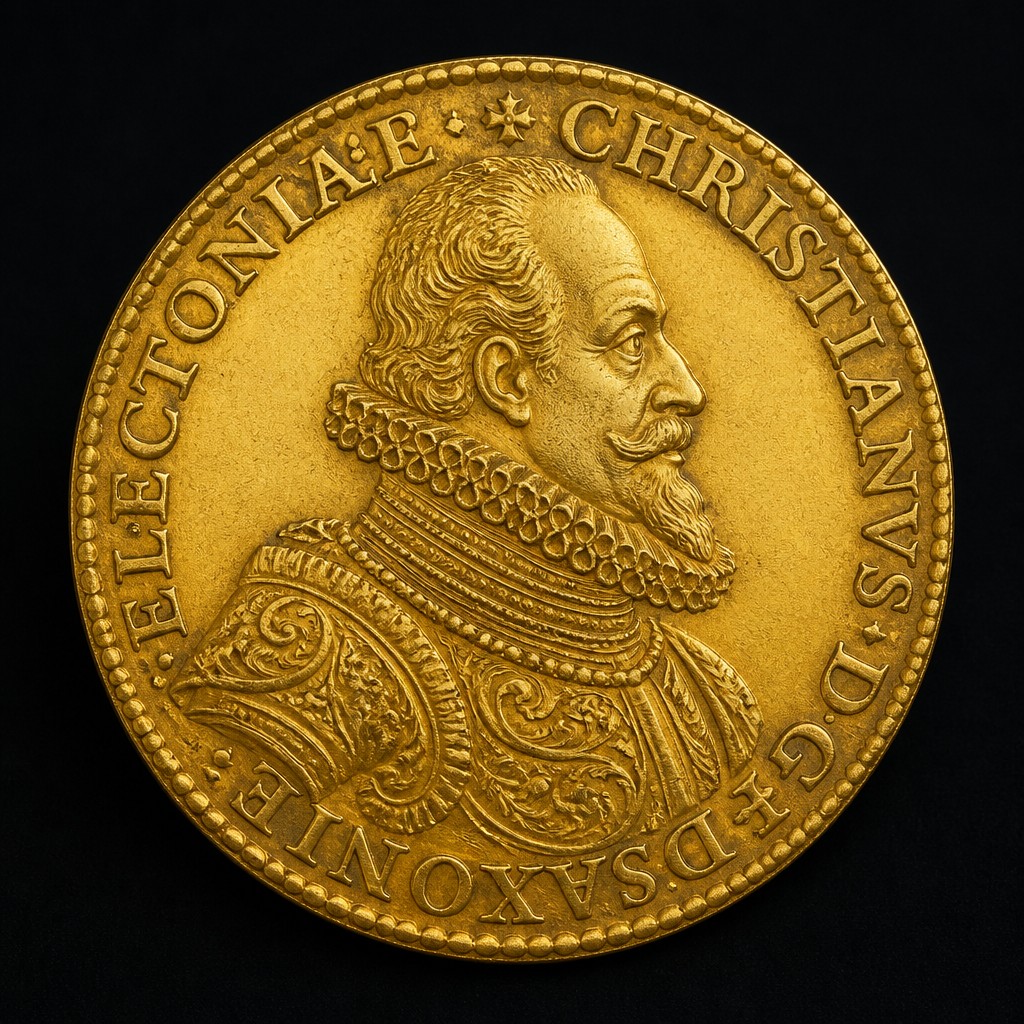
German Saxony Ducat
16th century–19th century
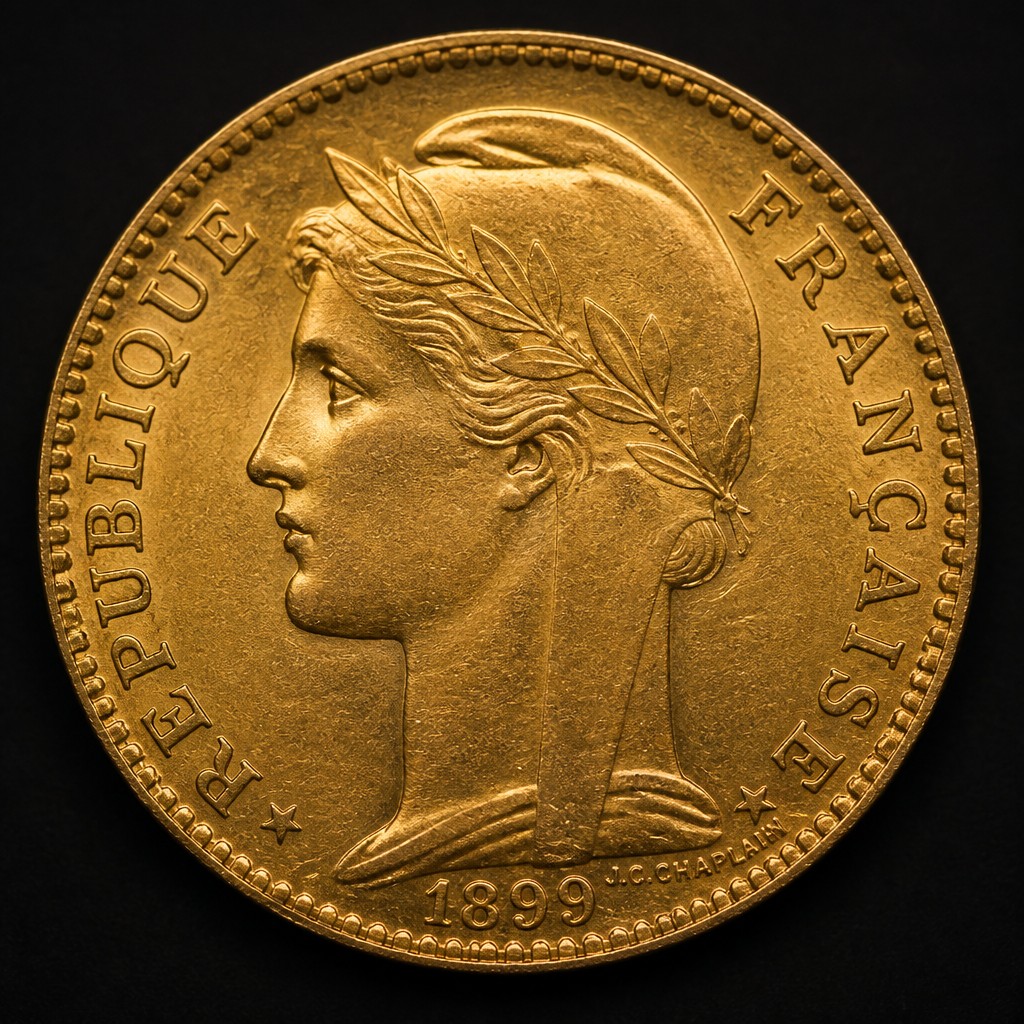
French 10 Francs Gold (Napoleon Rooster)
1899–1914
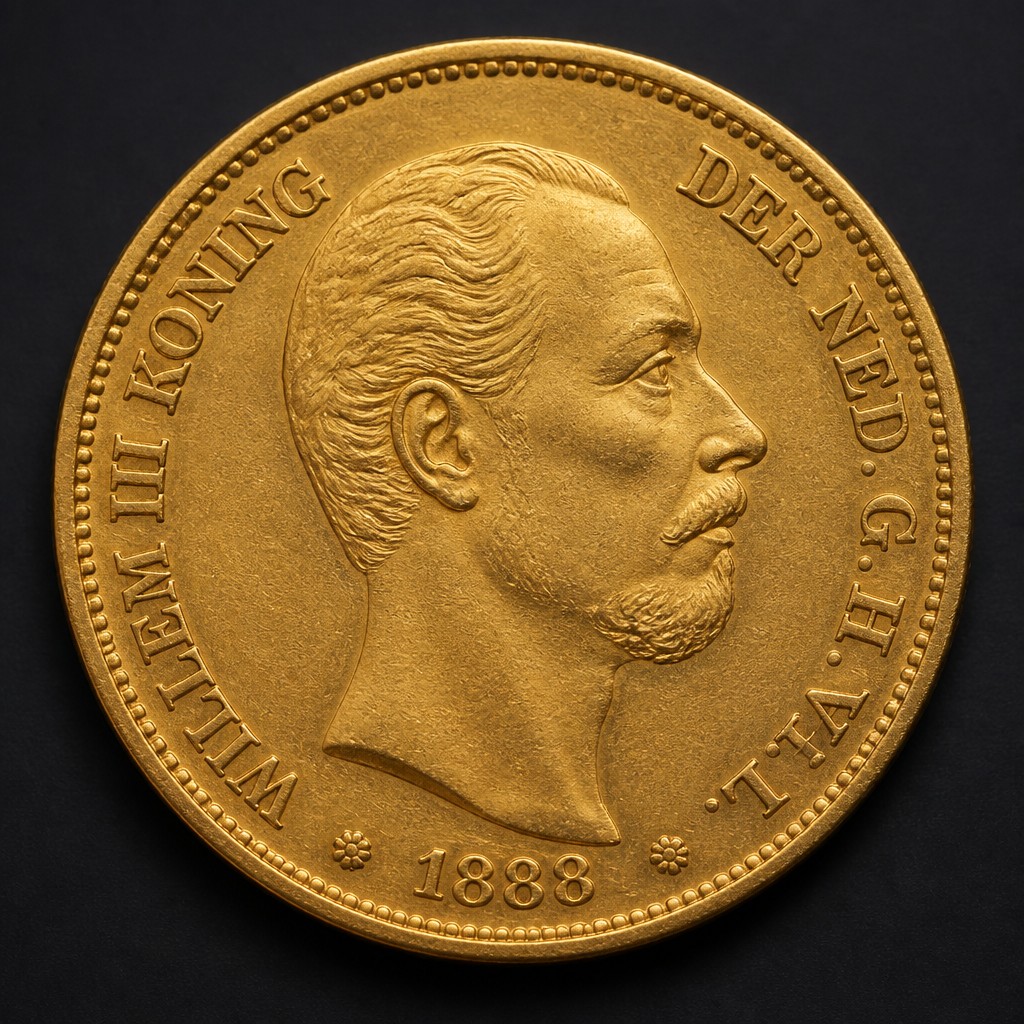
Netherlands 5 Gulden Gold
1826–1912 (intermittent)