
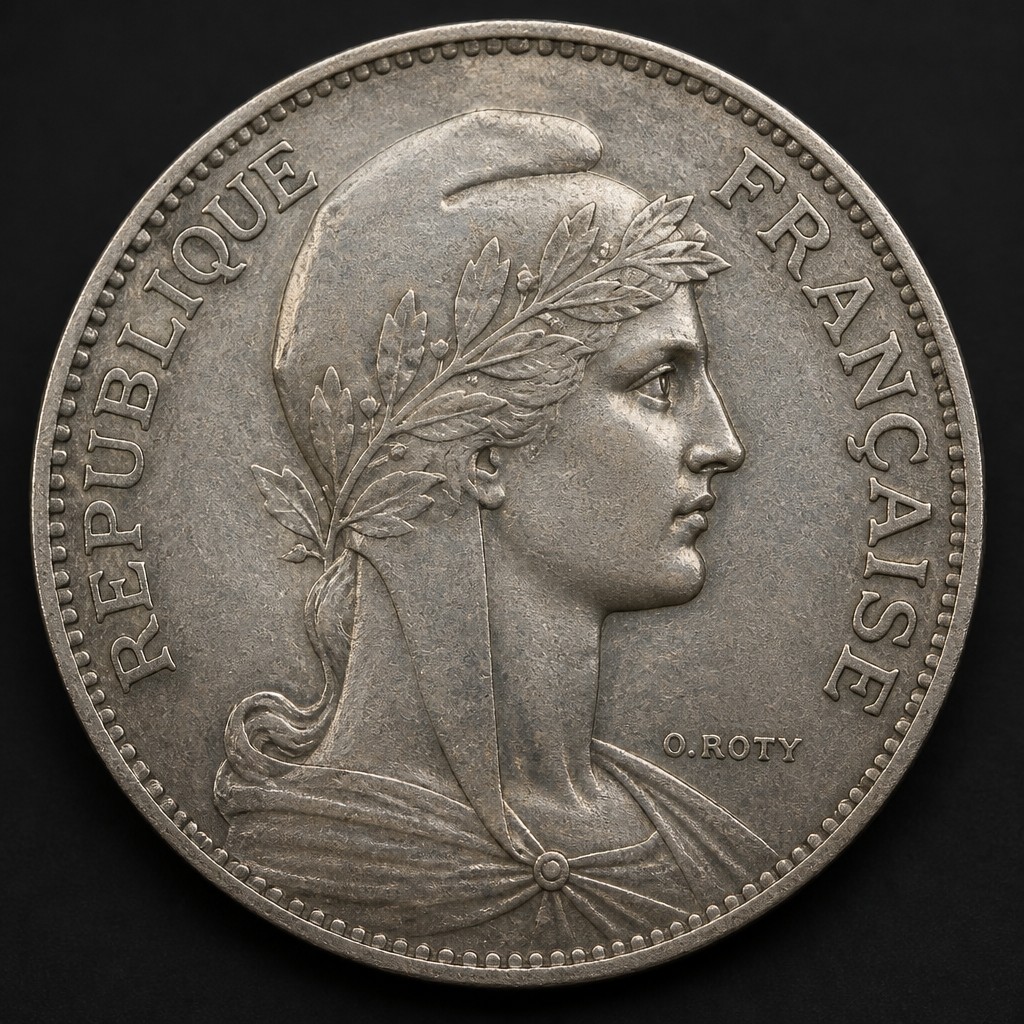
French Franc Germinal
Not a single coin but the bimetallic monetary standard fixed by Napoleon's 1803 law, defining the franc's silver and gold content for over a century.
- Country
- France
- Denomination
- Franc
- Metal
- 90% Silver (silver franc); Gold (.900 fine) for gold denominations
Got a coin like this?
Identify any coin from a photo, free.
Overview
The "franc germinal" refers to the monetary standard established by the Law of 17 Germinal Year XI (April 7, 1803) under Napoleon Bonaparte, which fixed the French franc at 4.5 grams of 900 fine silver, with corresponding gold coinage valued at a fixed ratio. Coins struck to this standard, across many decades and multiple French governments, are collectively described by collectors as "franc germinal" issues.
This standard underpinned French coinage through the Napoleonic era, the Restoration, the July Monarchy, the Second Republic, the Second Empire, and the Third Republic, giving remarkable continuity to French coin weights and finenesses despite frequent changes of government and ruling portrait.
History & Background
Napoleon's currency reform ended years of Revolutionary monetary chaos, including the catastrophic hyperinflation of the assignat paper currency, by establishing a hard, trustworthy metallic standard. The Germinal law's fixed silver and gold weights gave France (and later much of Europe through the Latin Monetary Union of 1865) a stable basis for coinage and international trade.
Because the underlying weight and fineness standard remained essentially unchanged for over a century, coins from vastly different French regimes -- Napoleon I, Louis XVIII, Charles X, Louis-Philippe, Napoleon III, and the Third Republic -- are all considered "franc germinal" coinage, unified by their shared metallic content despite very different obverse portraits and political symbolism. The standard was finally abandoned in 1928 after post-World War I inflation made the old silver franc unsustainable.
How to Identify
Because "franc germinal" describes a standard rather than one specific design, identifying a coin as part of this series means checking its weight and fineness against the Germinal specifications: silver coins struck at 4.5 grams of .900 silver per franc of face value (so a 5-franc coin weighs 25 grams), and gold coins struck at a fixed gold-to-silver ratio.
Actual designs vary enormously by ruling government: Napoleonic portraits, Bourbon Restoration kings, the Hercules group or seated Ceres for Republican issues, and Napoleon III's portrait for the Second Empire, among others. The common thread across all these coins is the consistent weight standard and typically the denomination expressed in francs.
Collectors identify a coin's era by its obverse ruler or allegorical figure and its date, then note that it belongs to the broader Germinal-standard family based on its consistent metal content through 1928.
Value & Collectibility
Because this term covers over a century of diverse French coinage, values range enormously from common, affordable circulated silver francs of the Third Republic to scarce and valuable early Napoleonic issues or key-date rarities within specific reigns. Collectors generally value individual coins based on their specific type, ruler, date, and condition rather than the Germinal standard itself.
As a general rule, common silver franc and 5-franc coins from the 19th century trade close to silver melt value with modest premiums, while rare dates, mint varieties, and gold denominations command significantly more. The Germinal designation is mainly useful as an organizing concept for collectors building a set that spans multiple French regimes.
Frequently asked questions
Is 'franc germinal' a specific coin?
No, it refers to the monetary standard fixed by an 1803 law; many different French coin types over more than a century were struck to this standard.
What does 'Germinal' mean?
Germinal was a month in the French Republican calendar in use at the time the defining law was passed, in 1803.
When did the Germinal standard end?
It was formally abandoned in 1928 when France devalued the franc after the economic disruption of World War I.
How is the standard's weight defined?
One franc equaled 4.5 grams of .900 fine silver, meaning a 5-franc silver coin weighs 25 grams under this standard.
Other coins you may enjoy
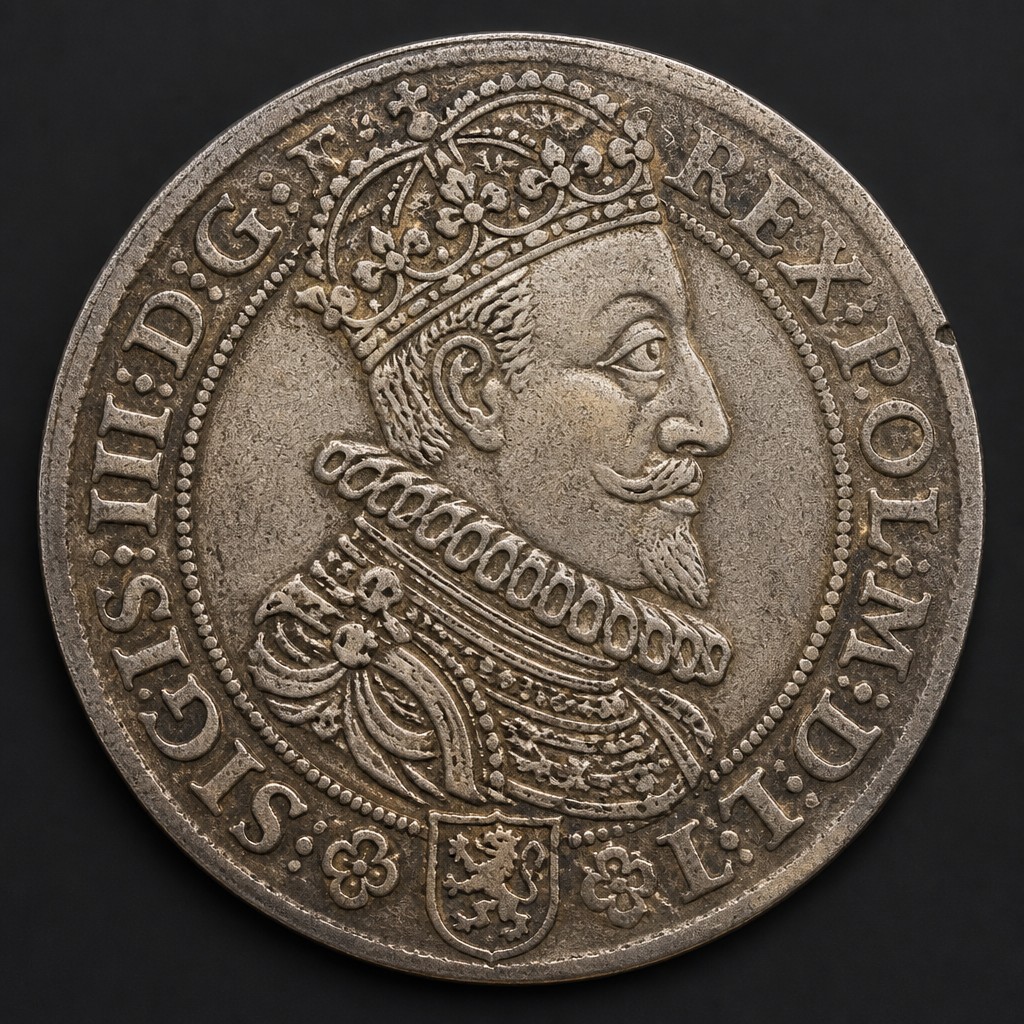
Polish-Lithuanian Thaler
circa 16th–18th century
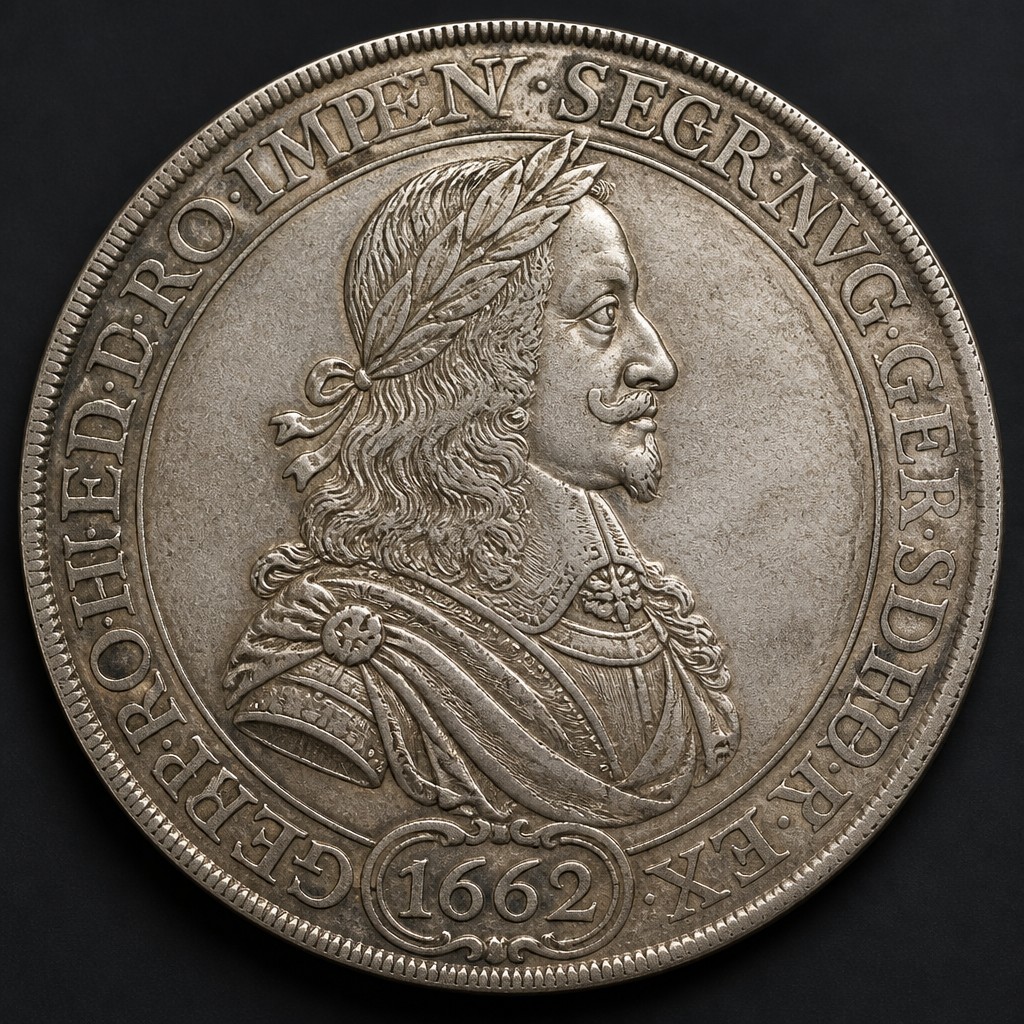
Reichsthaler
circa 1566–early 19th century
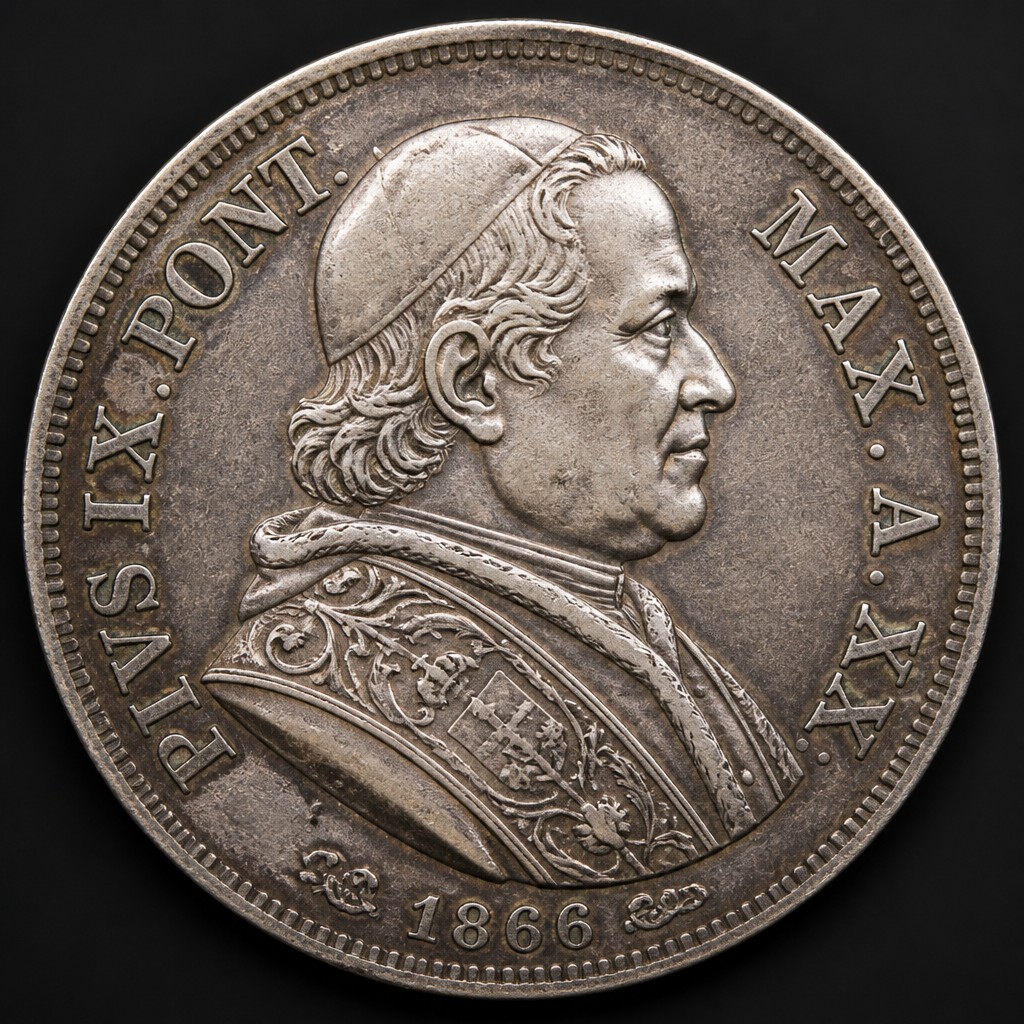
Papal States Scudo
16th century–1866
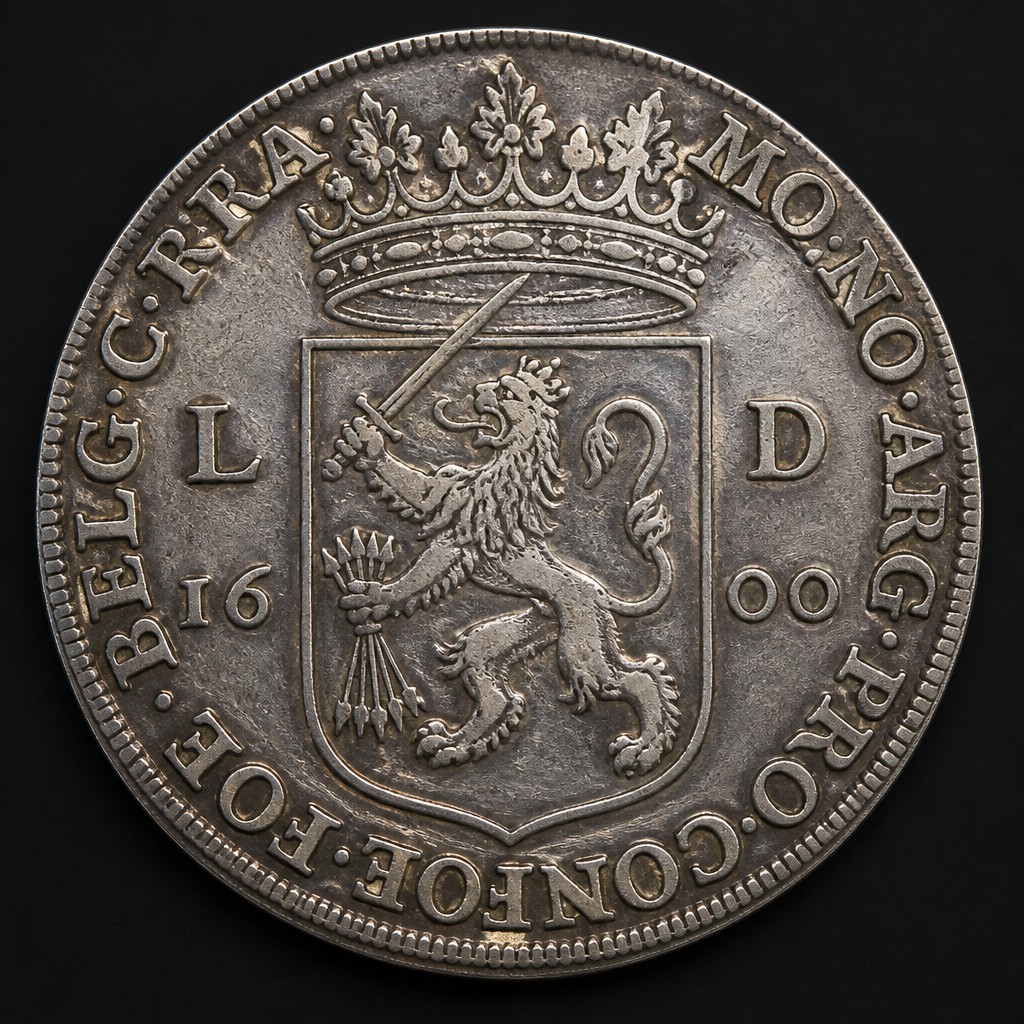
Netherlands Lion Daalder (Leeuwendaalder)
1575–1713
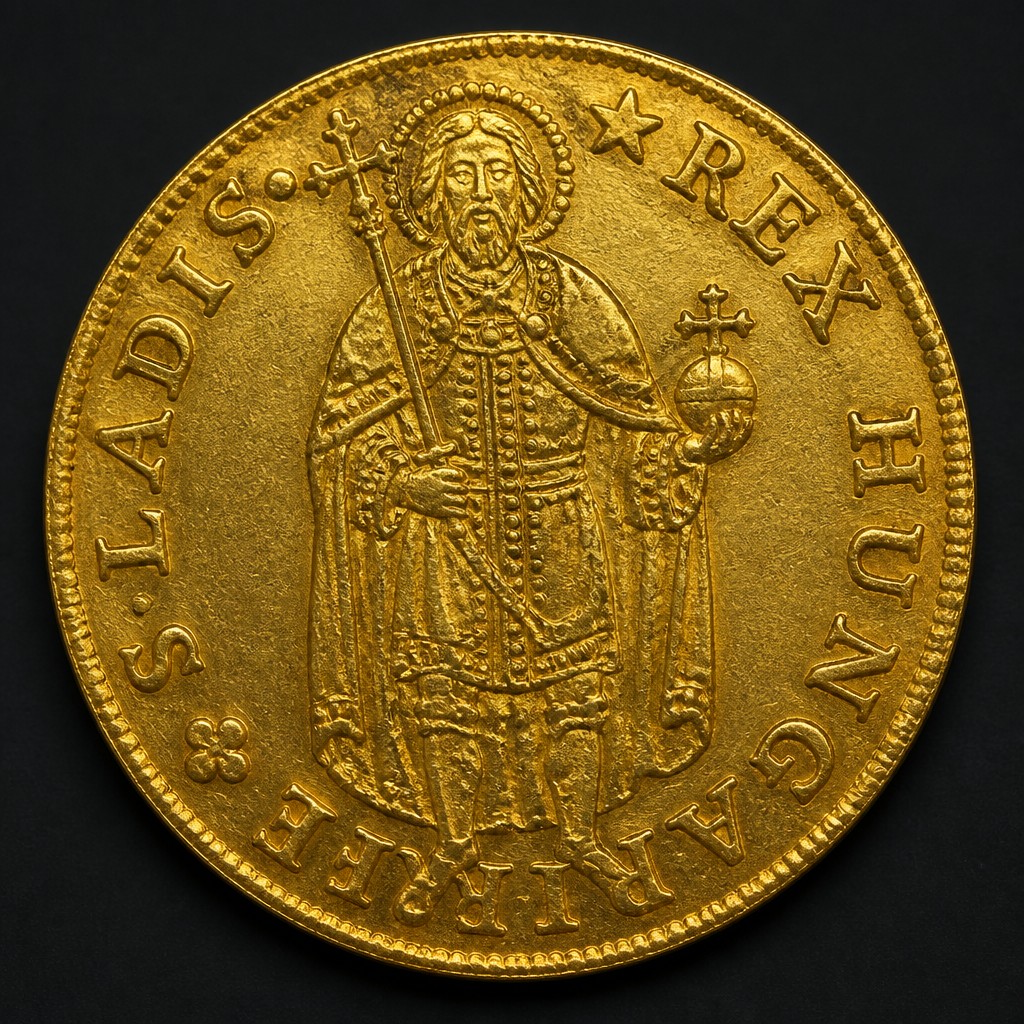
Hungarian Ducat
c. 1325–1918
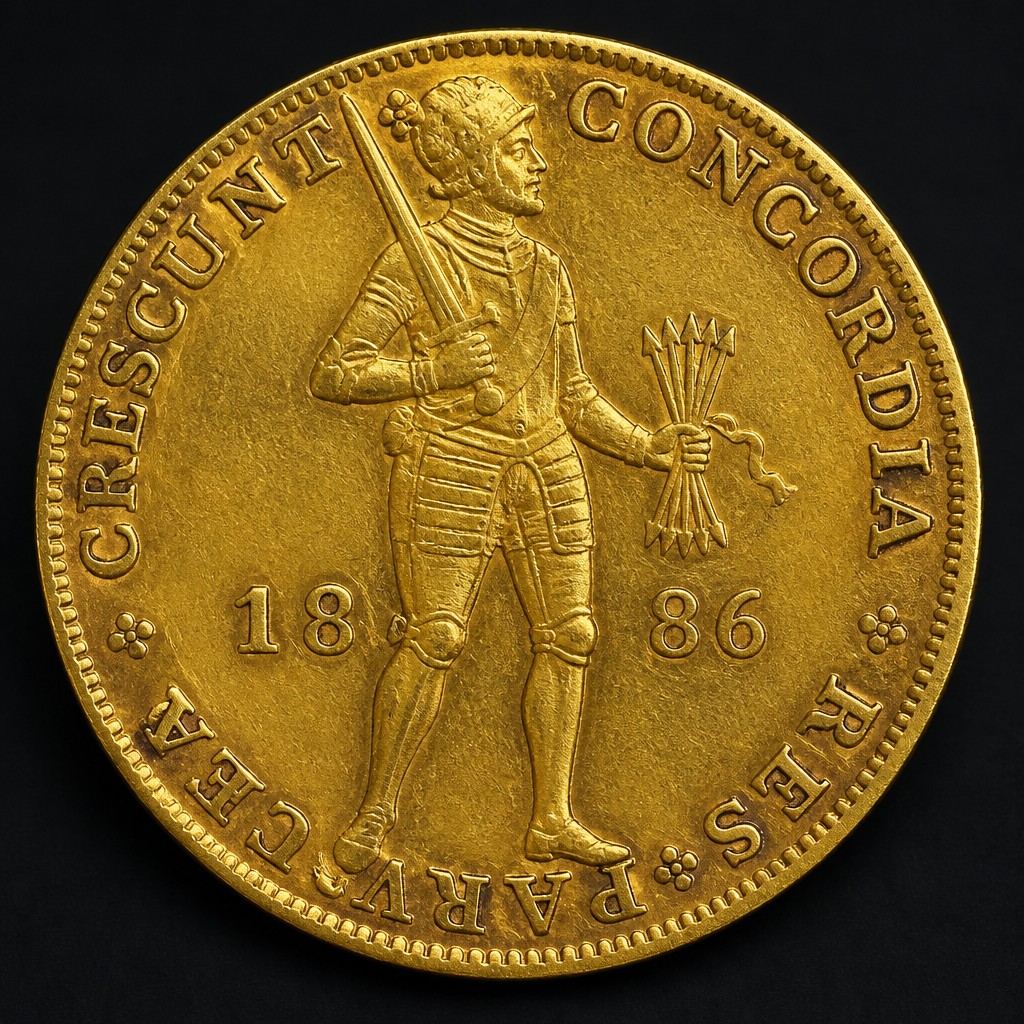
Dutch Ducat
c. 1586–present (classic type standardized after 1817)
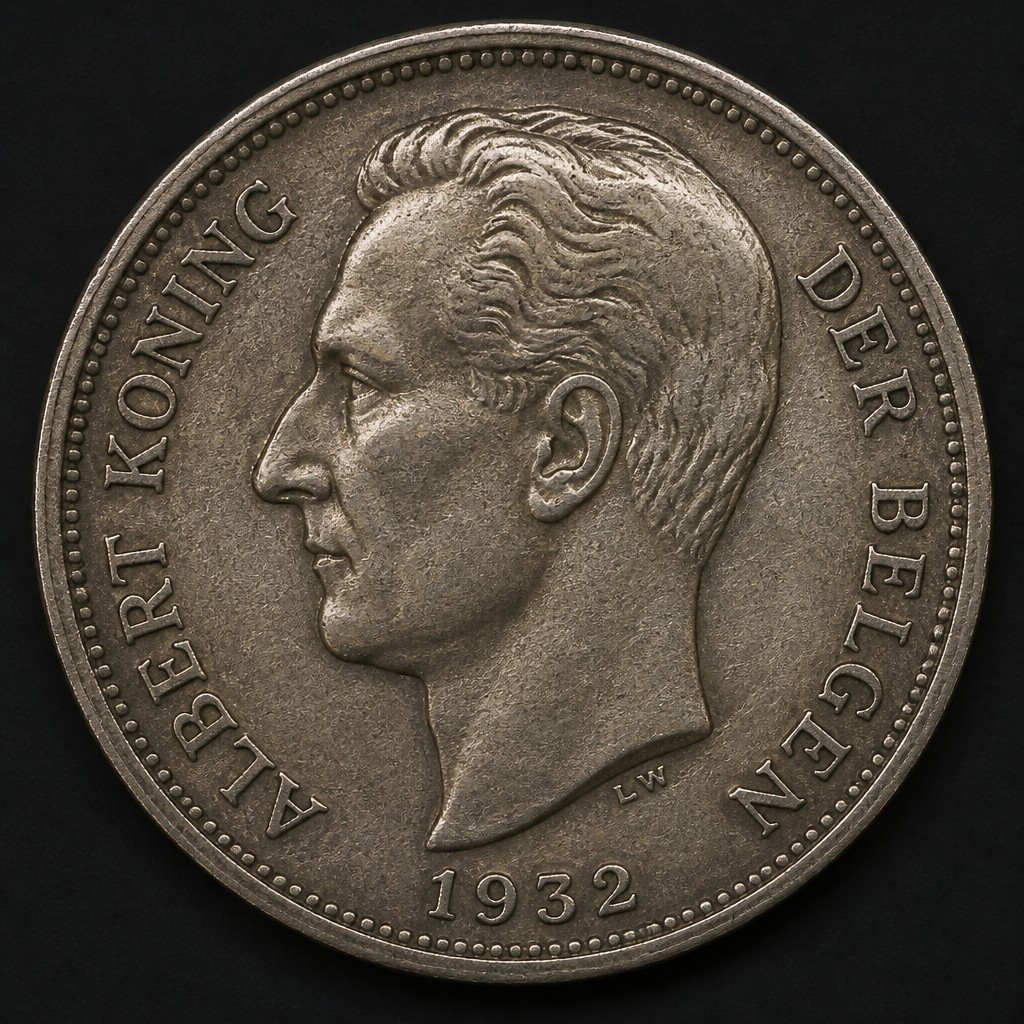
Belgian Franc
1832–2002
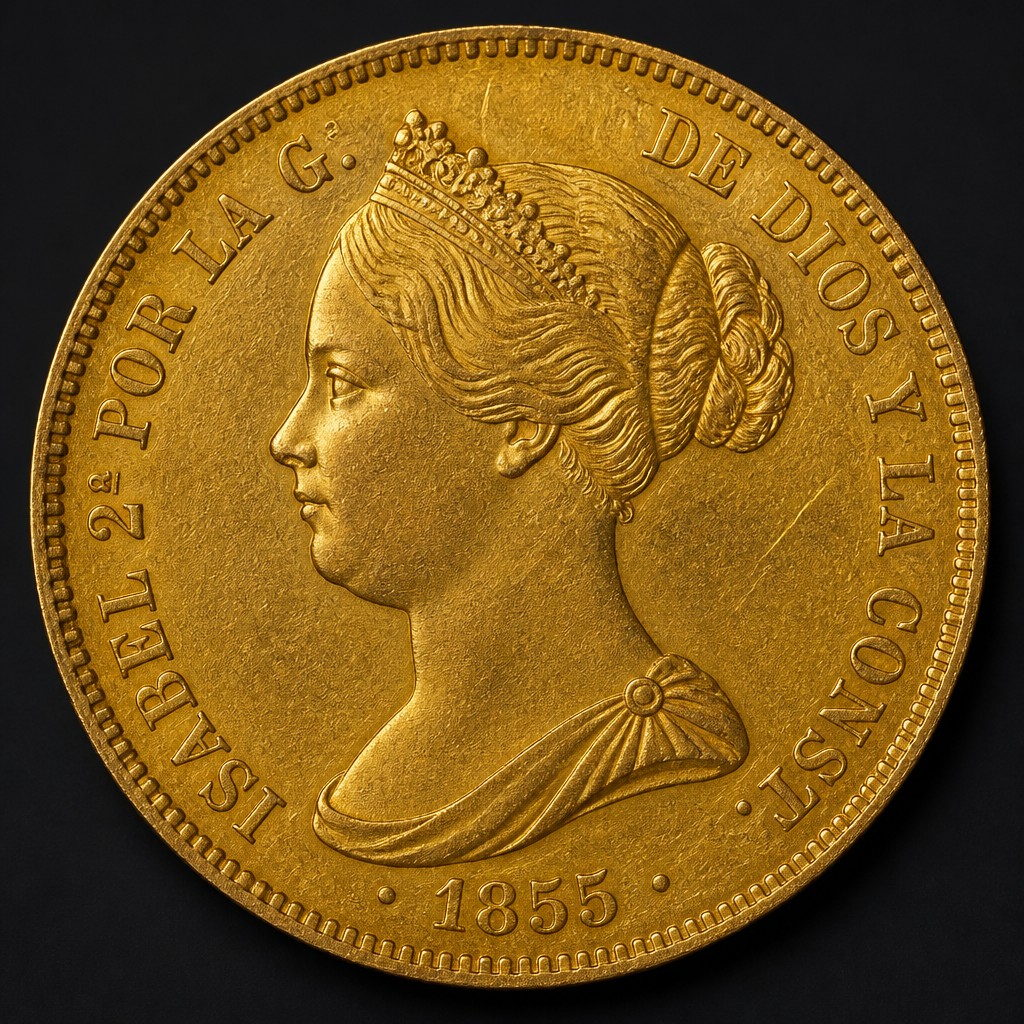
Spanish 100 Reales Gold (Isabel II)
1850s–1868
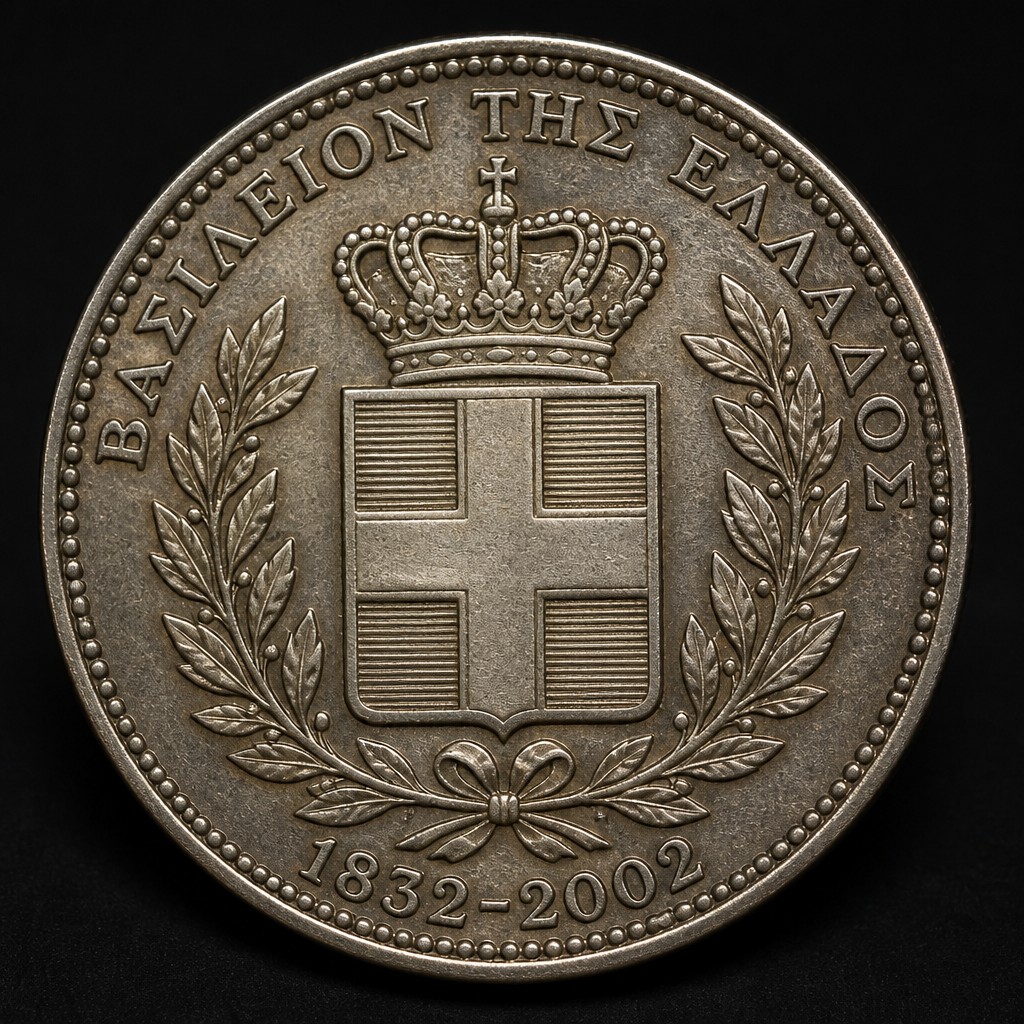
Greek Drachma
1832–2002
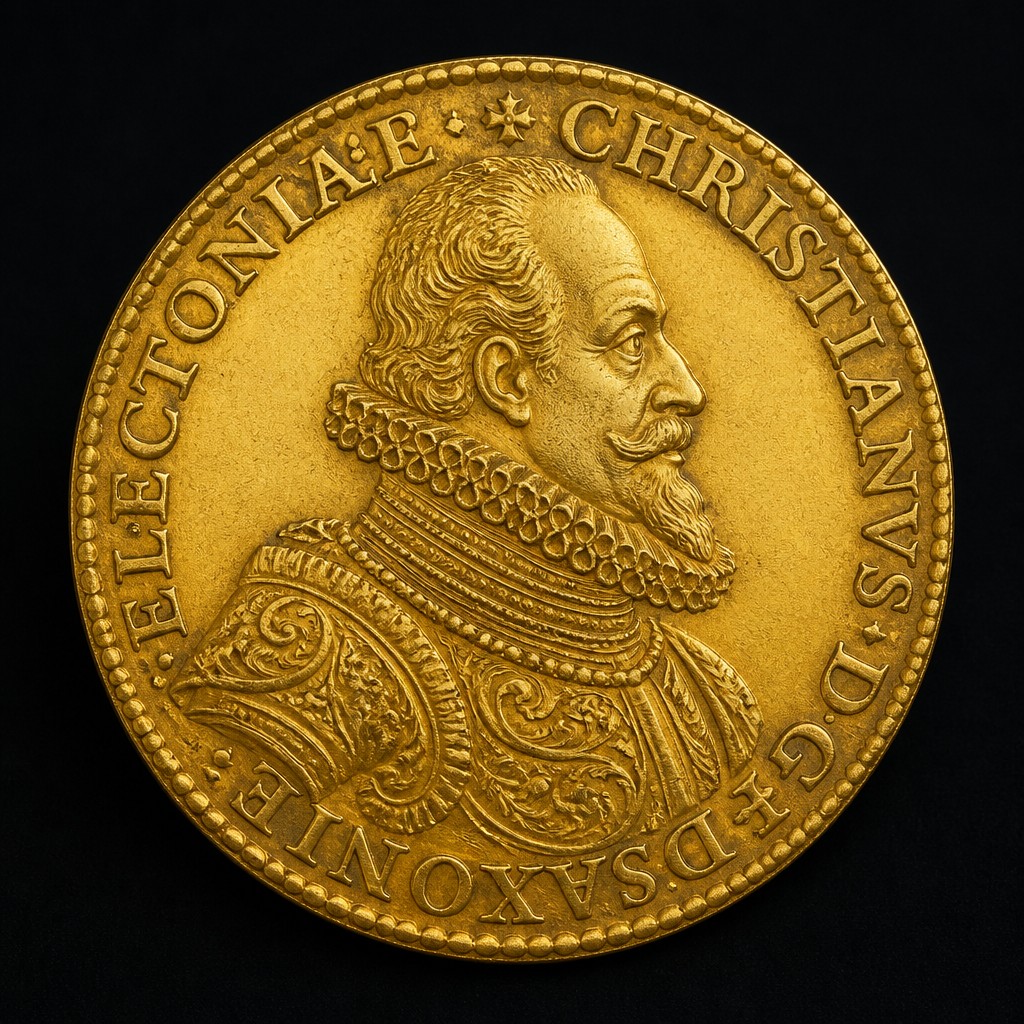
German Saxony Ducat
16th century–19th century
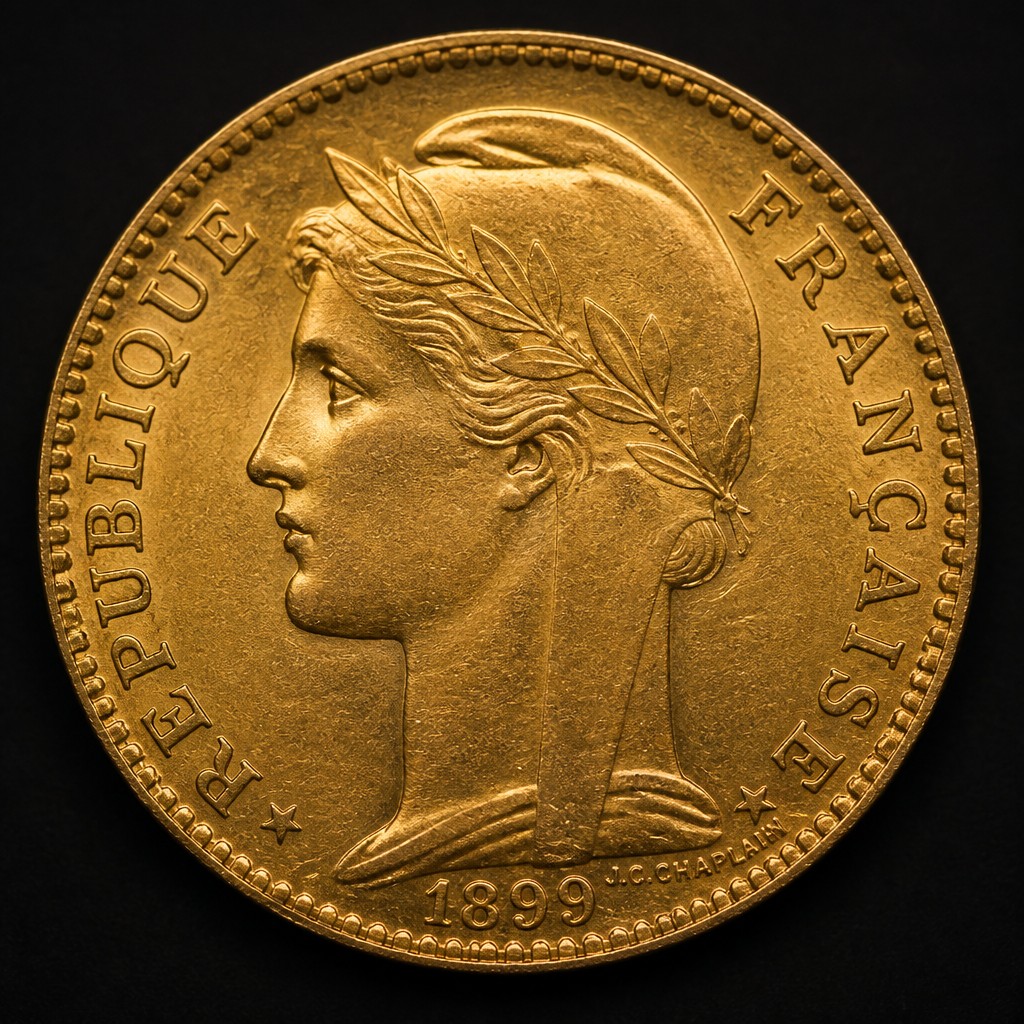
French 10 Francs Gold (Napoleon Rooster)
1899–1914
Netherlands 5 Gulden Gold
1826–1912 (intermittent)