
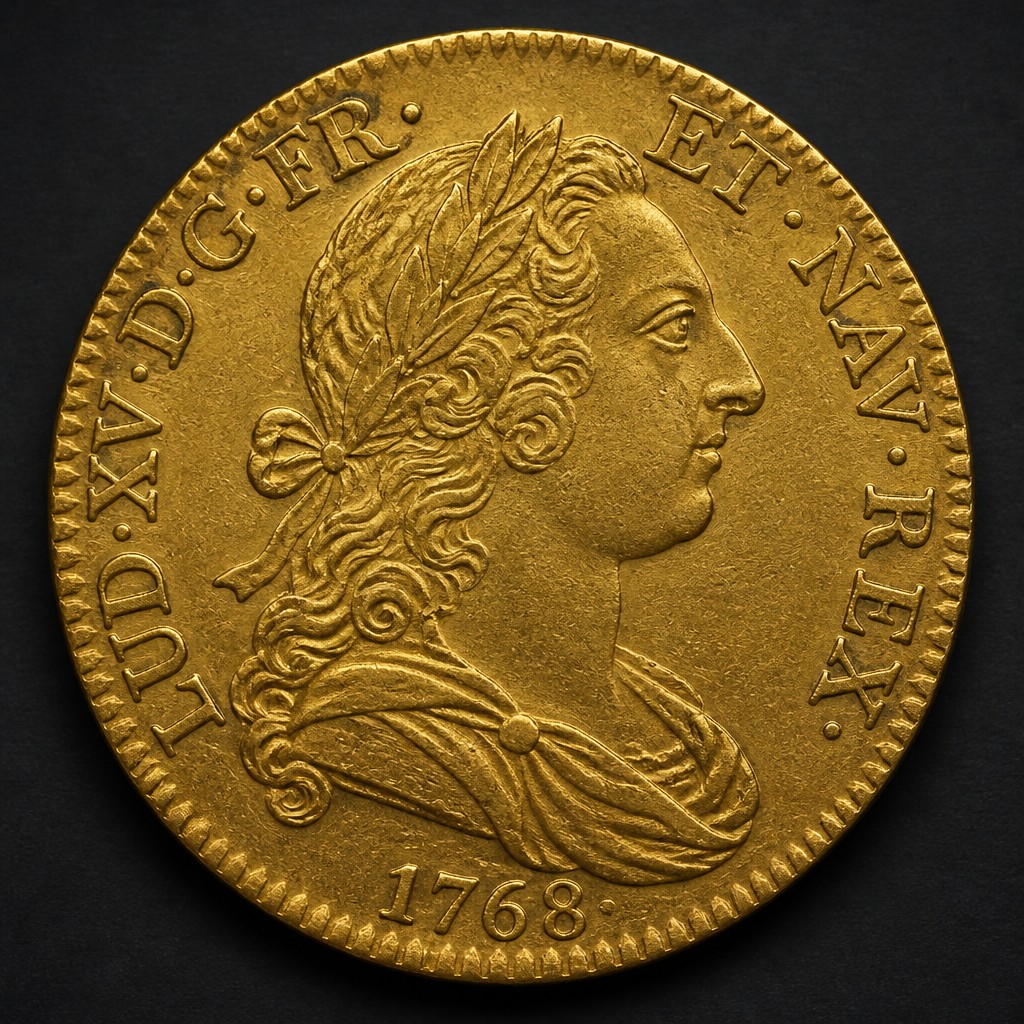
French Louis d'Or
The Louis d'Or was the principal gold coin of the French monarchy for over 150 years, named after the kings Louis who issued it, and struck until the eve of the Revolution.
- Country
- France (Kingdom of France)
- Denomination
- Louis d'Or
- Metal
- Gold (approx. .917 fine)
Got a coin like this?
Identify any coin from a photo, free.
Overview
The Louis d'Or ("gold Louis") was the flagship gold coin of the Kingdom of France from the reign of Louis XIII through the reign of Louis XVI. It replaced older, irregular gold coinage with a more standardized, machine-struck coin and became the dominant gold trade coin of France for a century and a half.
Collectors prize the Louis d'Or as a tangible link to the Bourbon monarchy, with designs that evolved through several kings, each leaving a distinct portrait style. The series appeals both to French history enthusiasts and to world gold type collectors.
Because it circulated widely in commerce and was often melted or exported, well-preserved examples, especially early types, are genuinely scarce relative to the long span over which the denomination was issued.
History & Background
The Louis d'Or was introduced in 1640 under King Louis XIII as part of a broader monetary reform intended to modernize and standardize French coinage using new screw-press (mill and screw) minting technology, replacing the older hammered gold écus. The coin took its name directly from the reigning monarch.
Over the following century and a half, the design and portrait were updated with each new king, Louis XIV, Louis XV, and Louis XVI, giving collectors a numismatic timeline of the late Bourbon dynasty. Various denominations existed, including half, double, and even larger multiples of the Louis d'Or, reflecting the coin's role as a substantial store of value in an era before widespread paper currency.
Production of the Louis d'Or ended with the French Revolution, as the revolutionary government abolished royal coinage in favor of new republican and later decimal franc-based currency in the 1790s.
How to Identify
Obverses generally show a right- or left-facing laureate or bare-headed portrait of the reigning French king with a Latin legend giving his name and title (for example, LUD. XV. D. G. FR. ET NAV. REX). Reverses typically display crowned French royal arms (fleur-de-lis shield) or crossed L's, with a Latin legend referencing divine protection or the coronation date, plus the mint mark and date.
The coin is small and dense due to its gold content, with a diameter comparable to a modern gold sovereign type piece but weight and fineness varying somewhat by reign and reform period. Mint marks appear as a single letter (for example, A for Paris) and can be used to identify the striking mint among France's numerous provincial mints.
Collectors should be alert to the wide range of variety within "Louis d'Or" as a category name, since it spans several kings and denominational sizes; careful comparison of the portrait style and legend is the best way to pin down the specific reign and type.
Value & Collectibility
Because Louis d'Or coins were struck across many reigns and in different sizes, values vary substantially by monarch, mint, denomination, and condition. Common later-reign examples in worn condition are valued largely for their gold content plus a numismatic premium, while well-struck, high-grade, or early examples command significantly more.
Coins from shorter or more turbulent reigns, and pieces with clear, problem-free surfaces, tend to be the most sought after. As with most pre-modern gold, cleaning, mounting (for jewelry use), or bending significantly reduces value.
Typical worn examples often trade in the low hundreds of dollars range tied to gold value, while choice, well-preserved, or historically notable examples can reach into the thousands, particularly for scarcer reigns or mint combinations.
Frequently asked questions
What is a Louis d'Or coin?
It is a gold coin of the Kingdom of France, issued from 1640 to 1793 and named after the reigning King Louis at the time of striking.
How much gold is in a Louis d'Or?
Fineness and weight varied somewhat by reign, but the coin was consistently a high-karat gold piece, roughly .917 fine on many issues.
Which kings appear on the Louis d'Or?
Portraits of Louis XIII, XIV, XV, and XVI appear on various issues across the coin's long production run.
Why did production of the Louis d'Or end?
The French Revolution abolished royal coinage in the 1790s, replacing it with new republican and later franc-based currency.
Other coins you may enjoy
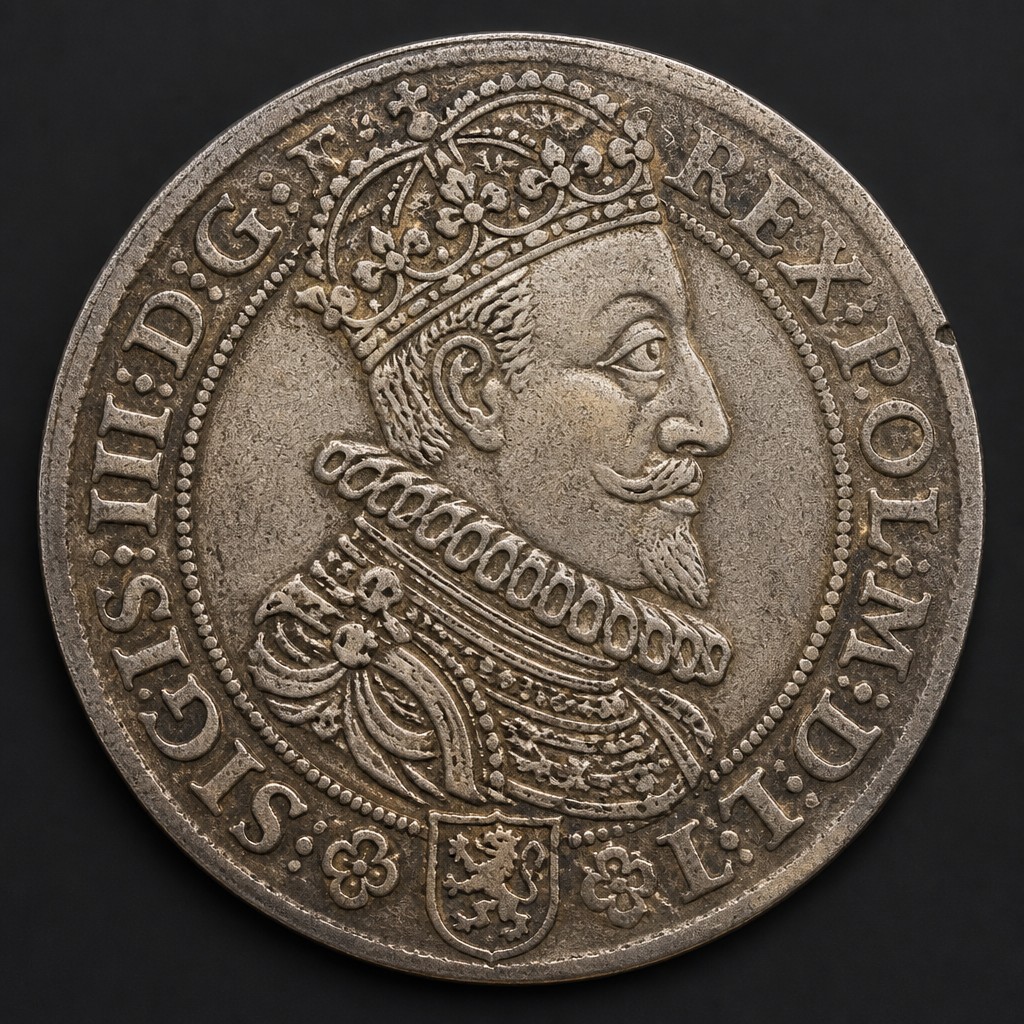
Polish-Lithuanian Thaler
circa 16th–18th century
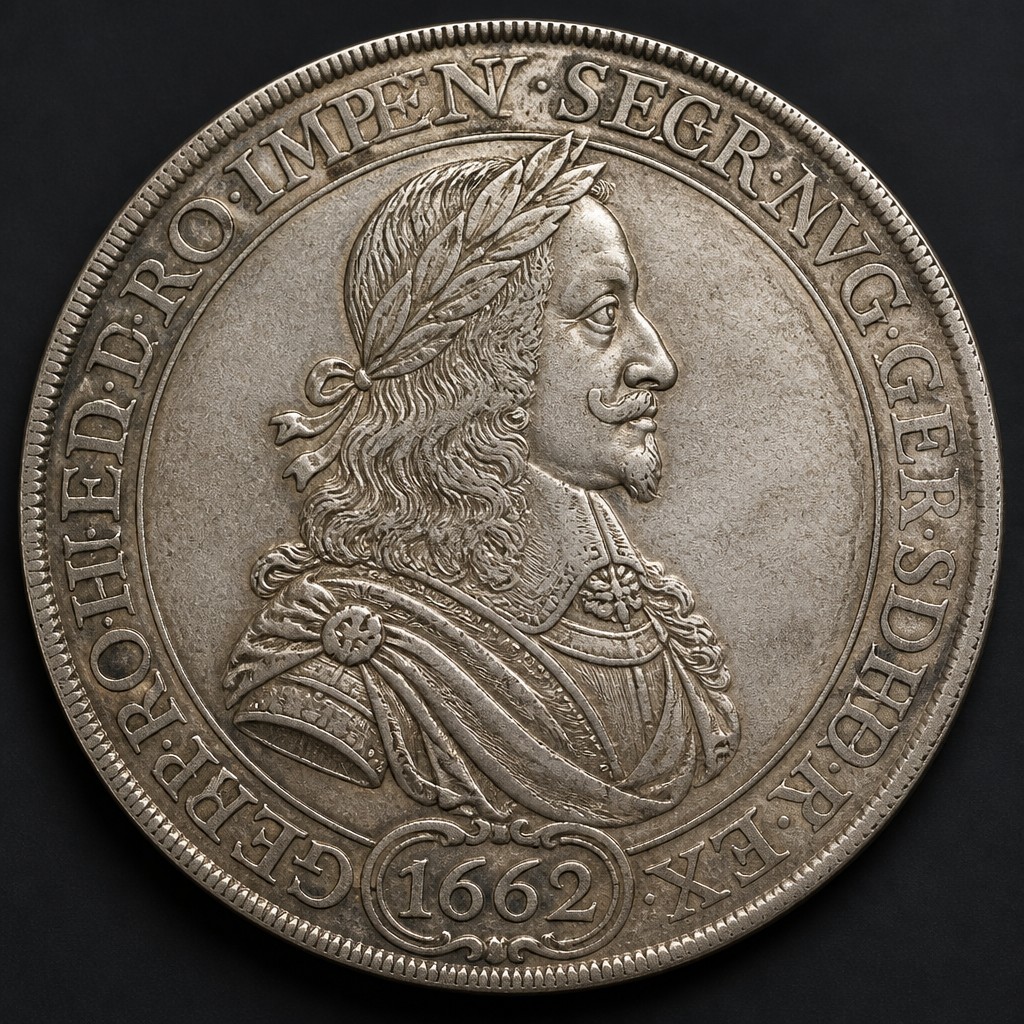
Reichsthaler
circa 1566–early 19th century
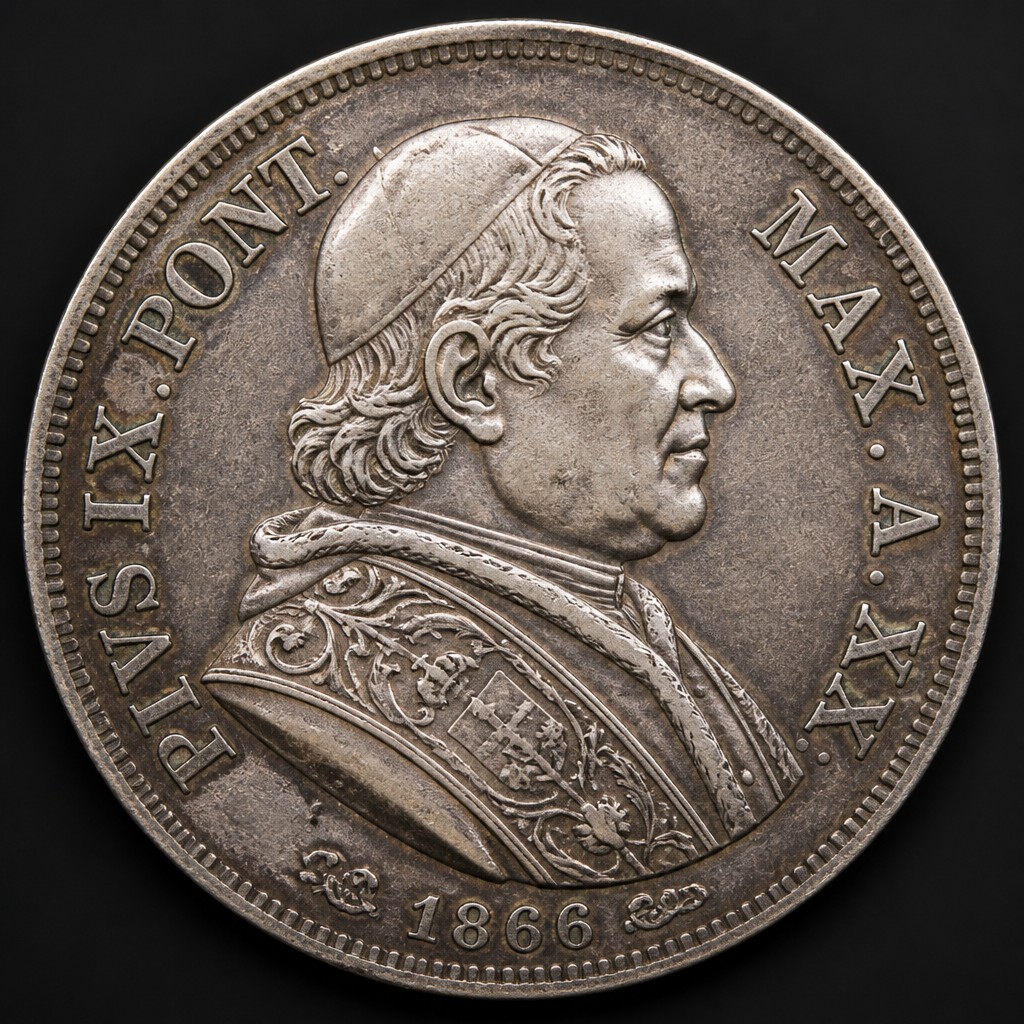
Papal States Scudo
16th century–1866
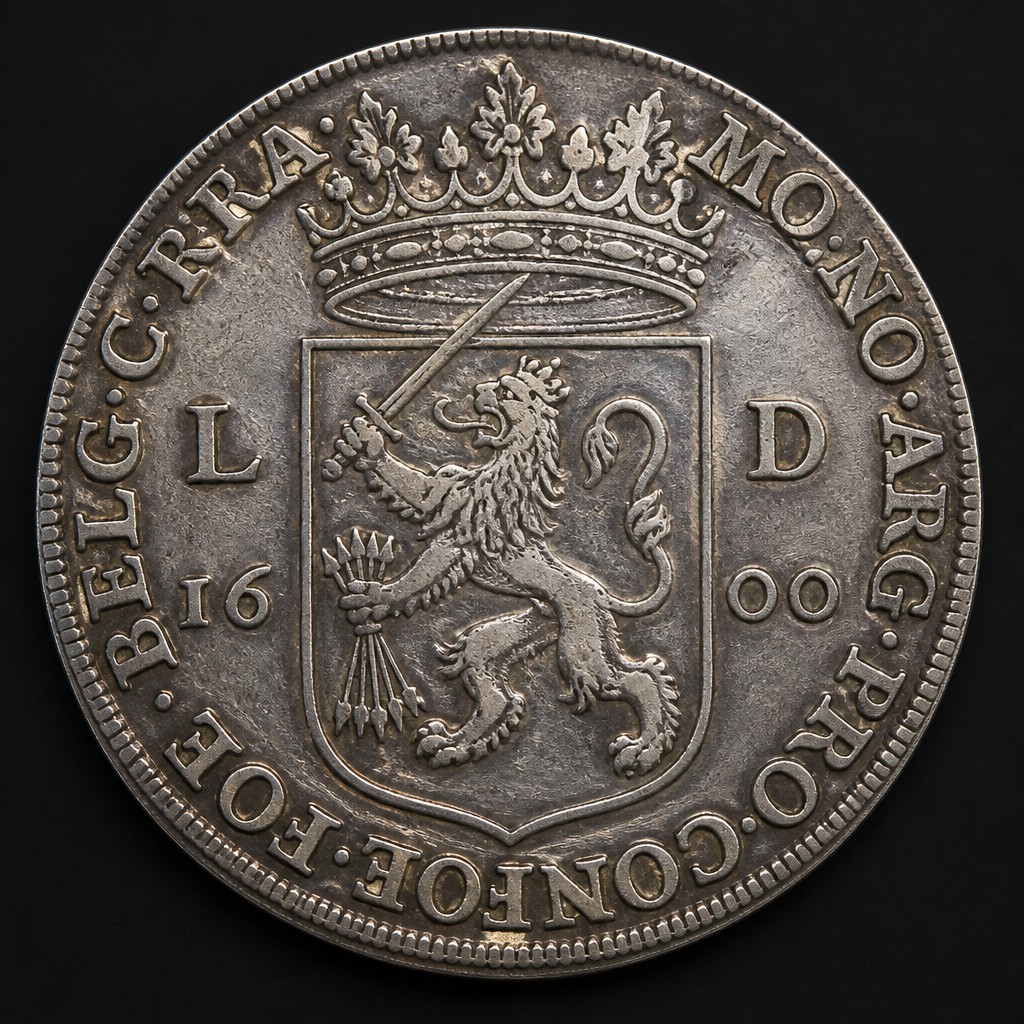
Netherlands Lion Daalder (Leeuwendaalder)
1575–1713
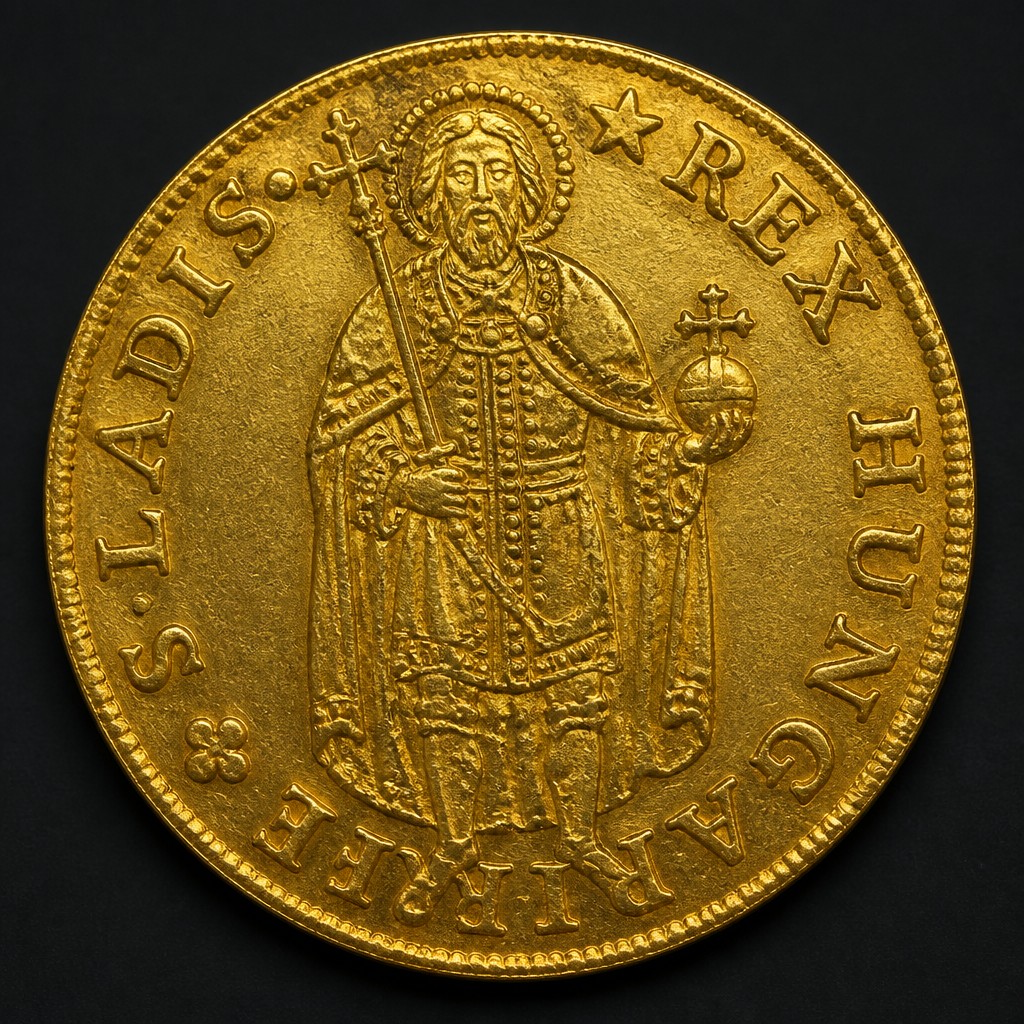
Hungarian Ducat
c. 1325–1918
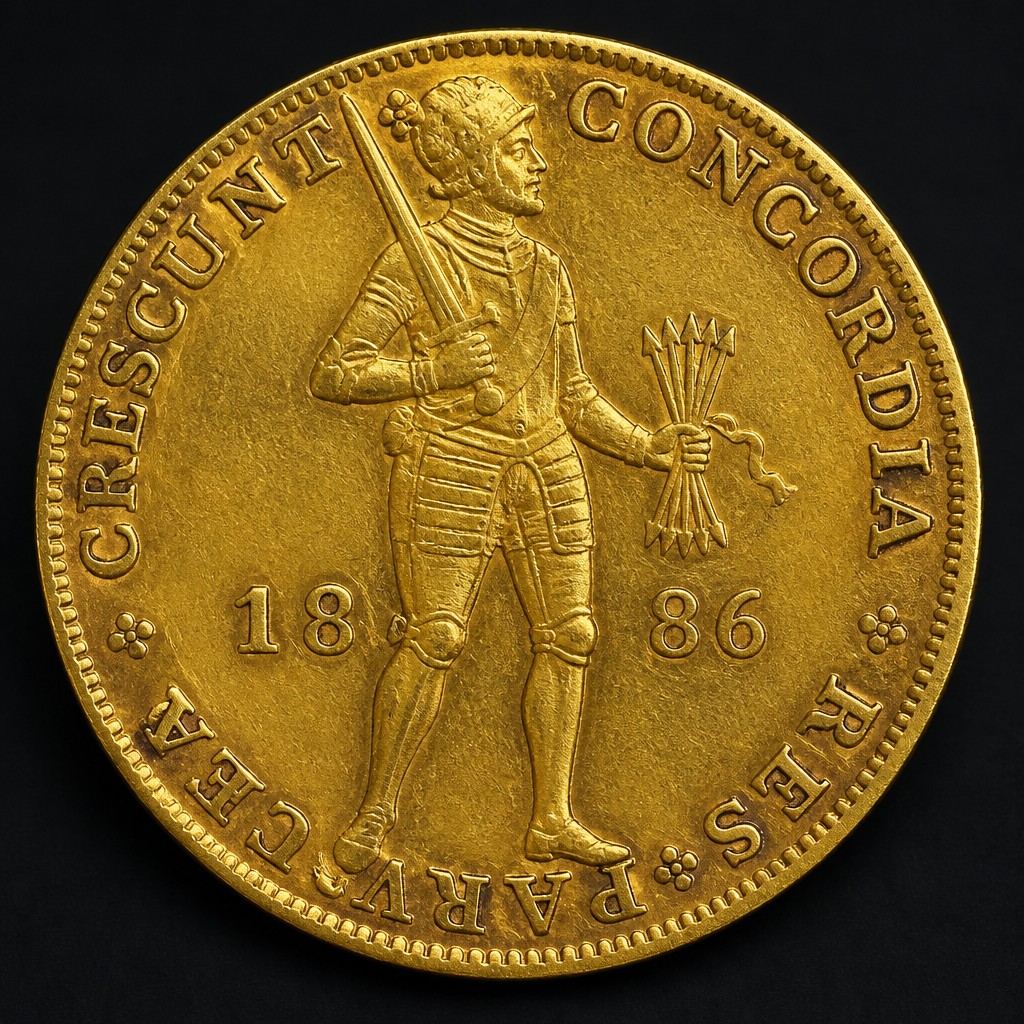
Dutch Ducat
c. 1586–present (classic type standardized after 1817)
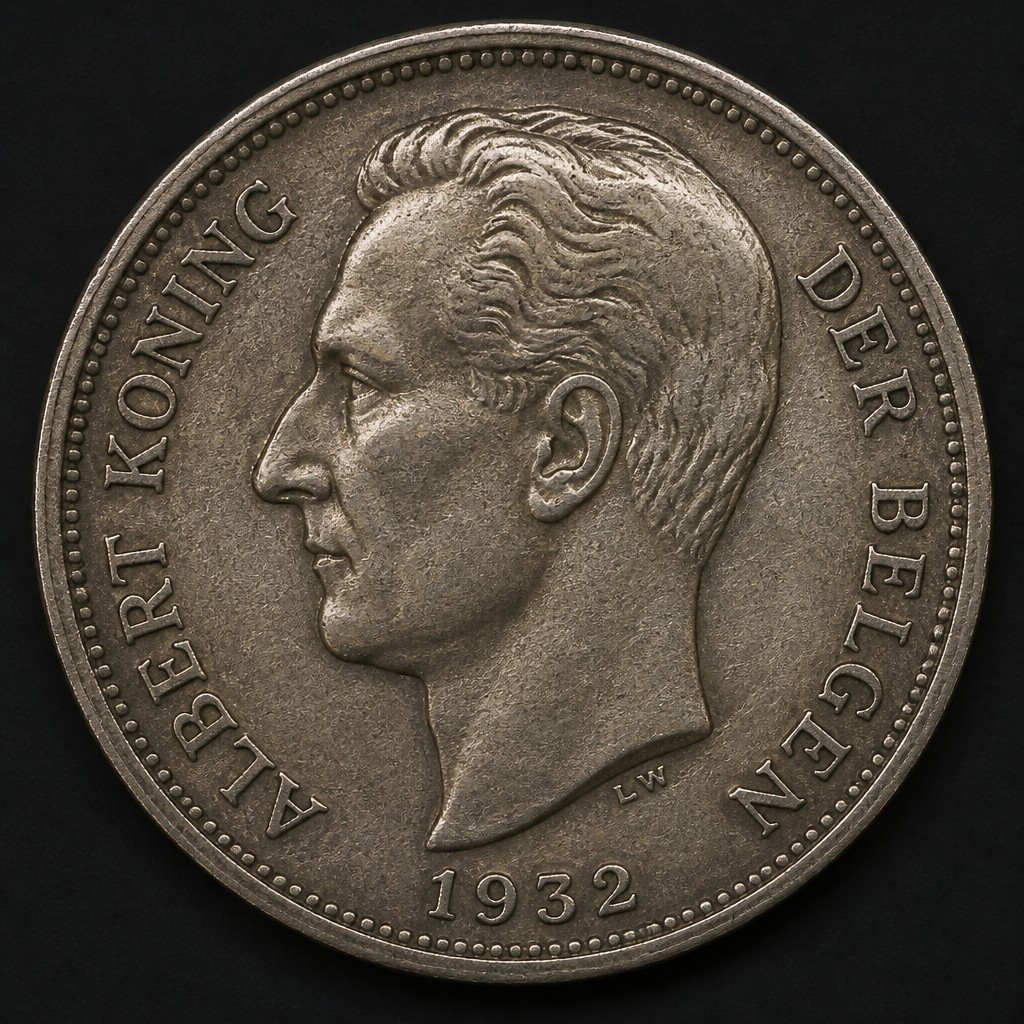
Belgian Franc
1832–2002
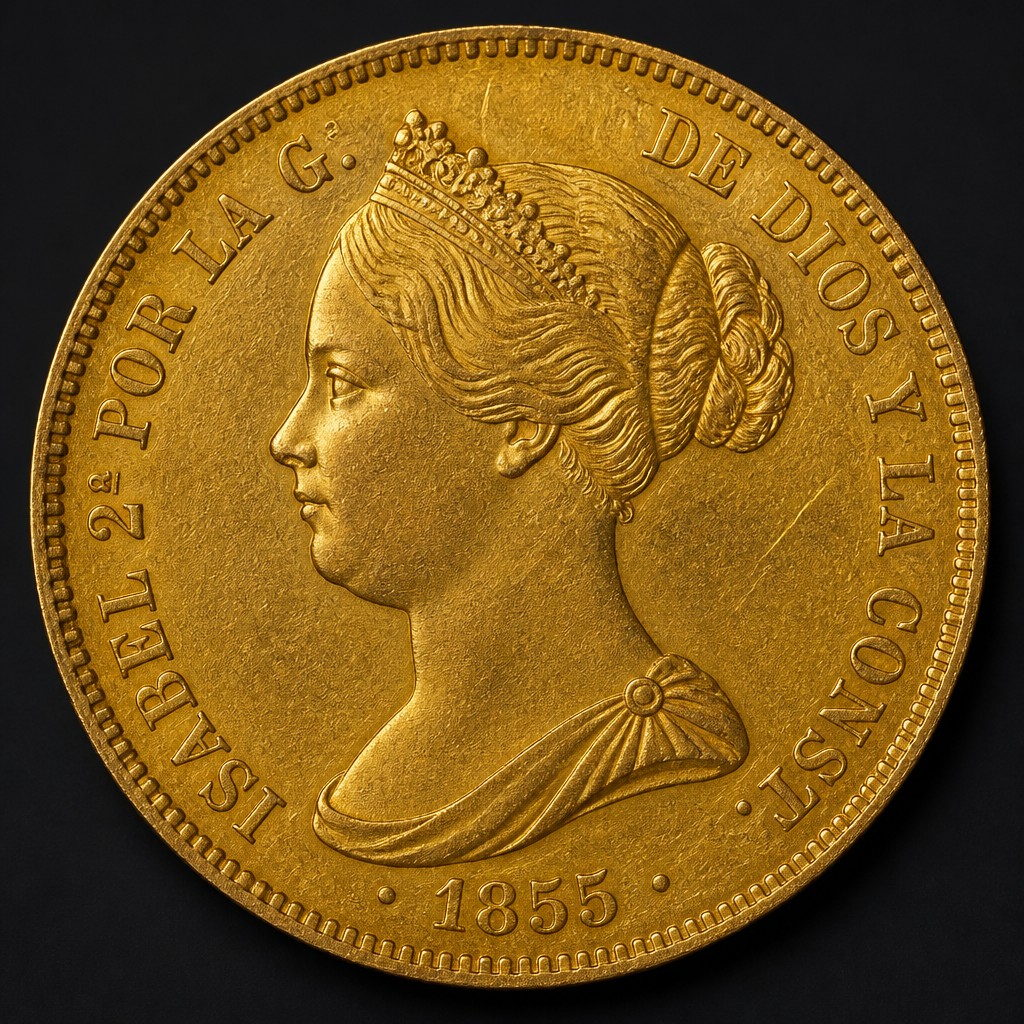
Spanish 100 Reales Gold (Isabel II)
1850s–1868
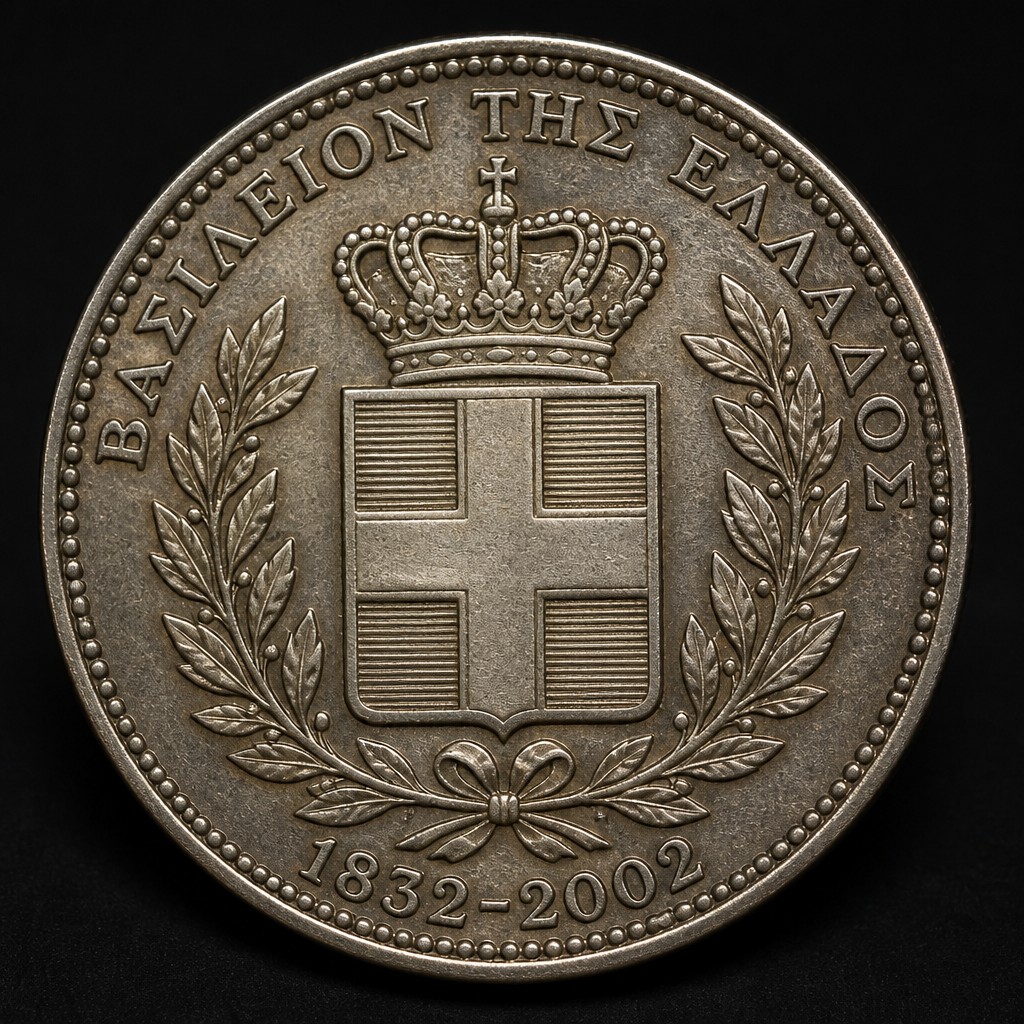
Greek Drachma
1832–2002
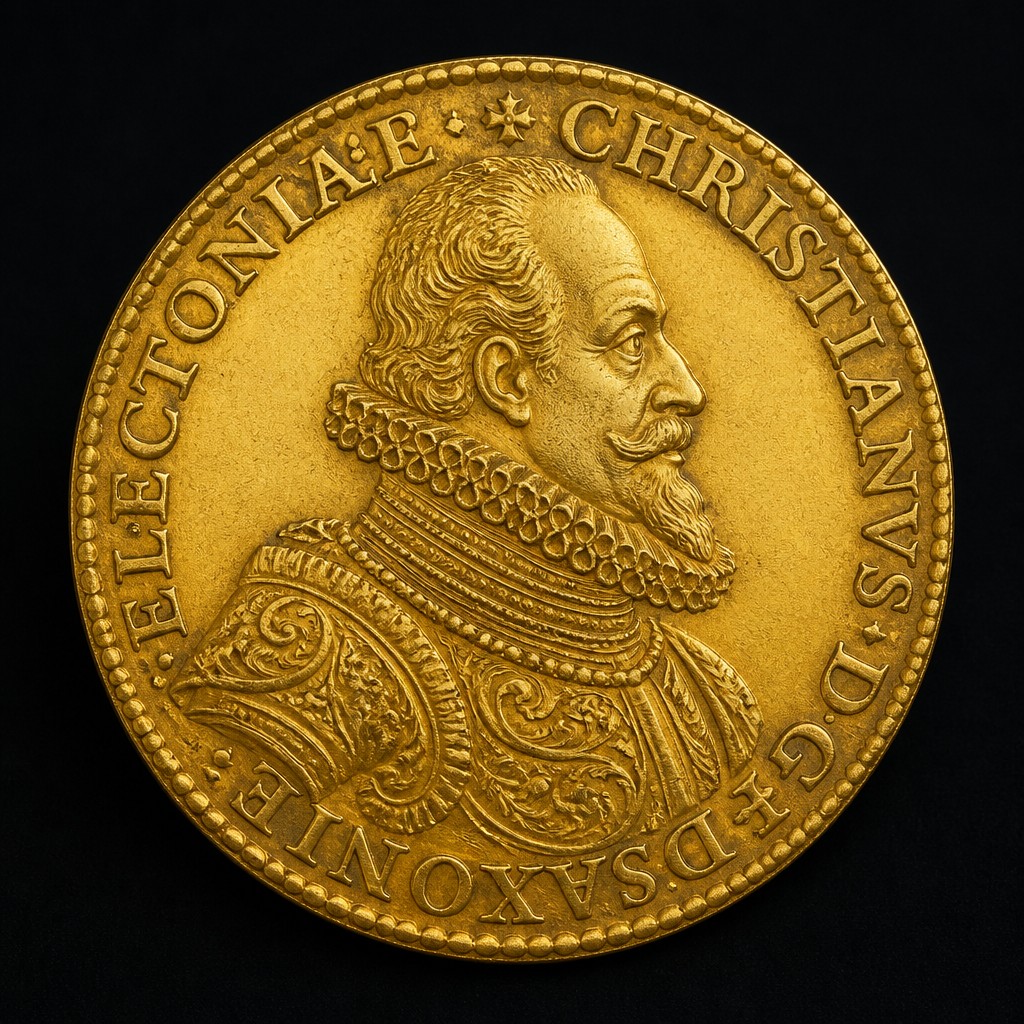
German Saxony Ducat
16th century–19th century
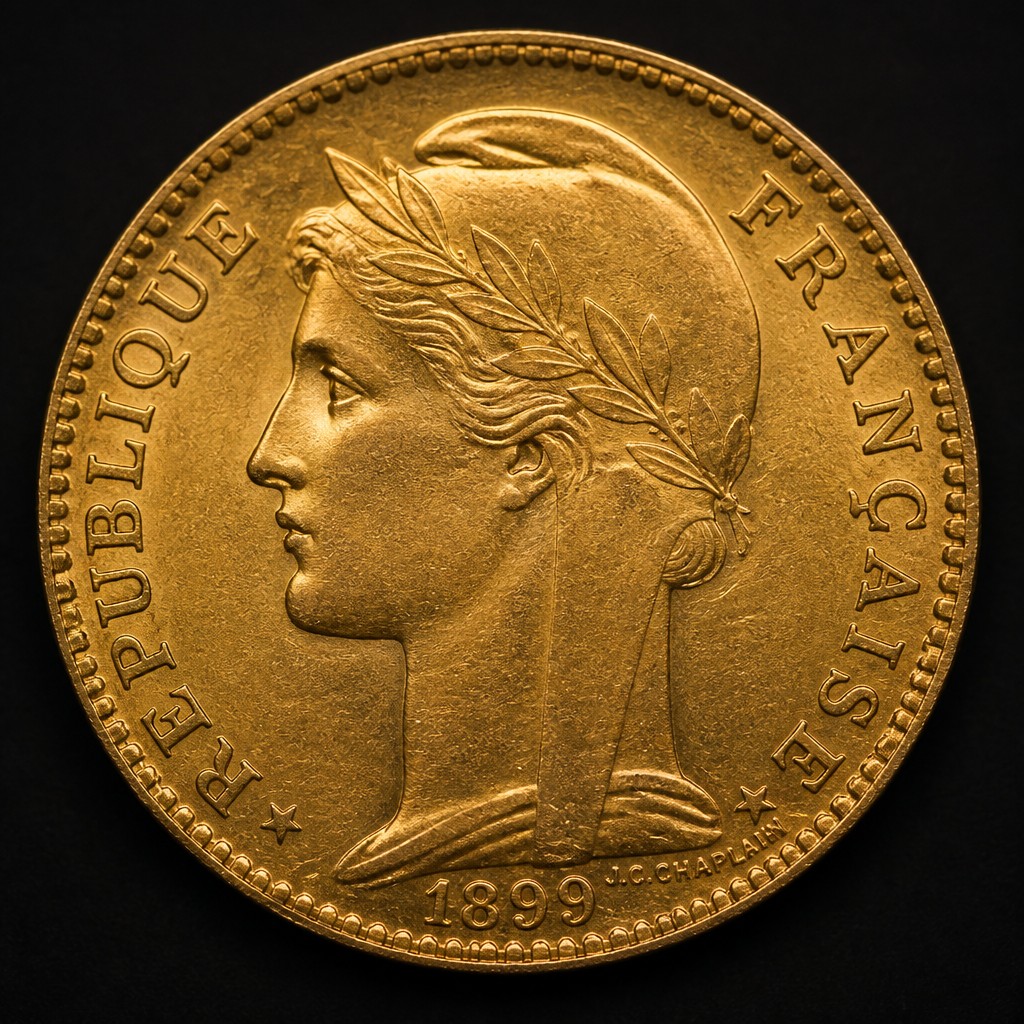
French 10 Francs Gold (Napoleon Rooster)
1899–1914
Netherlands 5 Gulden Gold
1826–1912 (intermittent)