
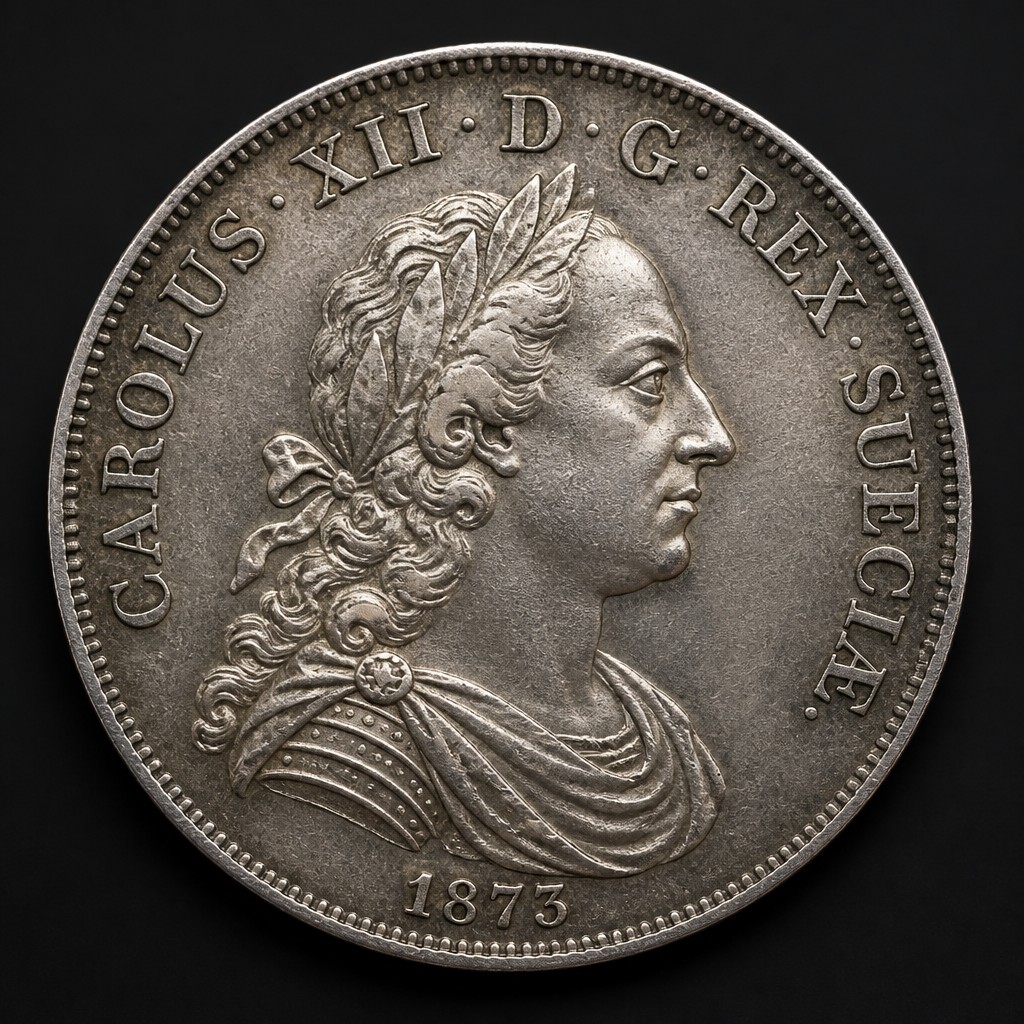
Swedish Riksdaler
Sweden's traditional silver dollar denomination, used for roughly two centuries before being replaced by the krona in the 1870s currency reform.
- Country
- Sweden
- Denomination
- Riksdaler
- Metal
- Silver (varies by era, generally .750–.875 fine)
Got a coin like this?
Identify any coin from a photo, free.
Overview
The riksdaler was Sweden's principal silver monetary unit for much of its early modern and modern history, serving a role similar to the thaler in the German states or the dollar internationally. Coins denominated in riksdaler span multiple monetary reforms and reigns.
Collectors encounter riksdaler coins in various sub-types, including riksdaler specie (a higher-value silver standard) and later riksdaler riksmynt, reflecting Sweden's evolving monetary system through the 18th and 19th centuries.
These coins are prized for their long, continuous royal portrait tradition and their role as the direct ancestor of the modern Swedish krona.
History & Background
Sweden adopted the riksdaler as its main silver currency unit in the 17th century, following broader European thaler-based monetary traditions. Over time, multiple riksdaler standards coexisted, including the higher-purity riksdaler specie used for larger silver coins and the riksdaler riksmynt introduced in the mid-19th century as part of monetary modernization.
Riksdaler coins were struck under a long line of Swedish monarchs, from the Vasa and Palatinate-Zweibrücken dynasties through the Bernadotte kings of the 19th century, each issuing coinage bearing their portrait or monogram.
The riksdaler system was finally retired in 1873 when Sweden joined the Scandinavian Monetary Union with Denmark and Norway, adopting the decimal krona as the new standard currency.
How to Identify
Riksdaler coins typically show the reigning monarch's portrait on the obverse with a Latin or Swedish legend giving name and titles, while the reverse displays the Swedish royal coat of arms, crowned monogram, or an allegorical figure depending on era.
Size and silver fineness vary considerably by period and sub-denomination, so collectors must check the inscribed denomination ('riksdaler specie' versus 'riksdaler riksmynt') alongside the date to identify the exact type and standard.
Mint marks, assayer initials, and the Stockholm mint's distinctive die work help authenticate genuine pieces, and the coin's edge (plain, reeded, or lettered depending on era) is another useful identification point.
Value & Collectibility
Riksdaler values vary widely depending on ruler, date, sub-type, and condition, with 17th- and early 18th-century issues generally scarcer and more valuable than later 19th-century riksdaler riksmynt coins produced in larger quantities.
Well-preserved portraits and original mint luster significantly boost value, while cleaned, holed, or heavily worn examples are worth considerably less.
Common 19th-century riksdaler coins in circulated grades often trade in the range of roughly $50 to a few hundred dollars, while earlier or rarer types can be worth substantially more.
Frequently asked questions
What is a riksdaler?
It was Sweden's principal silver currency denomination for roughly two centuries, comparable to the thaler or dollar elsewhere in Europe.
What is the difference between riksdaler specie and riksdaler riksmynt?
Riksdaler specie was an older, higher-value silver standard, while riksdaler riksmynt was a later, more common accounting and coinage unit introduced in the 19th century.
When did Sweden stop using the riksdaler?
Sweden replaced the riksdaler with the decimal krona in 1873 under the Scandinavian Monetary Union.
What images appear on riksdaler coins?
Typically the monarch's portrait on the obverse and the Swedish royal arms or a crowned monogram on the reverse.
Other coins you may enjoy
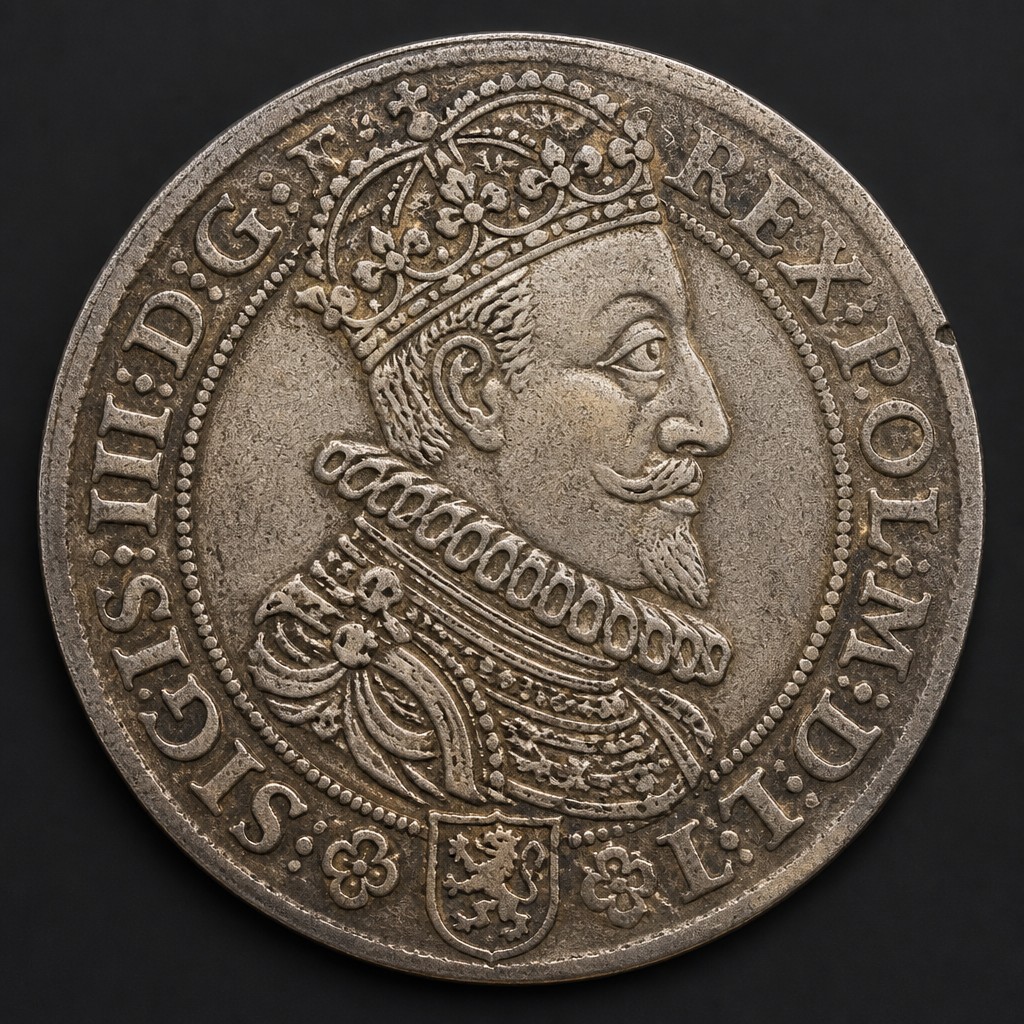
Polish-Lithuanian Thaler
circa 16th–18th century
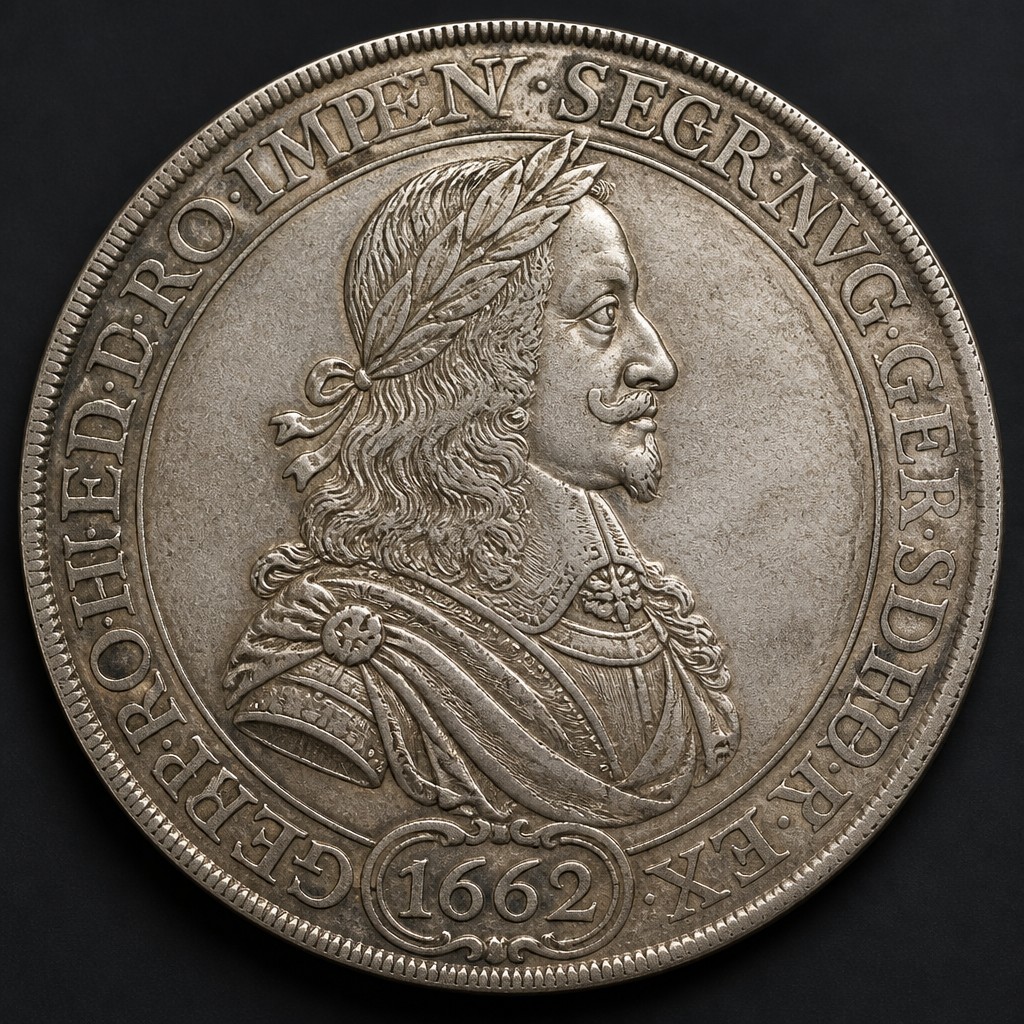
Reichsthaler
circa 1566–early 19th century
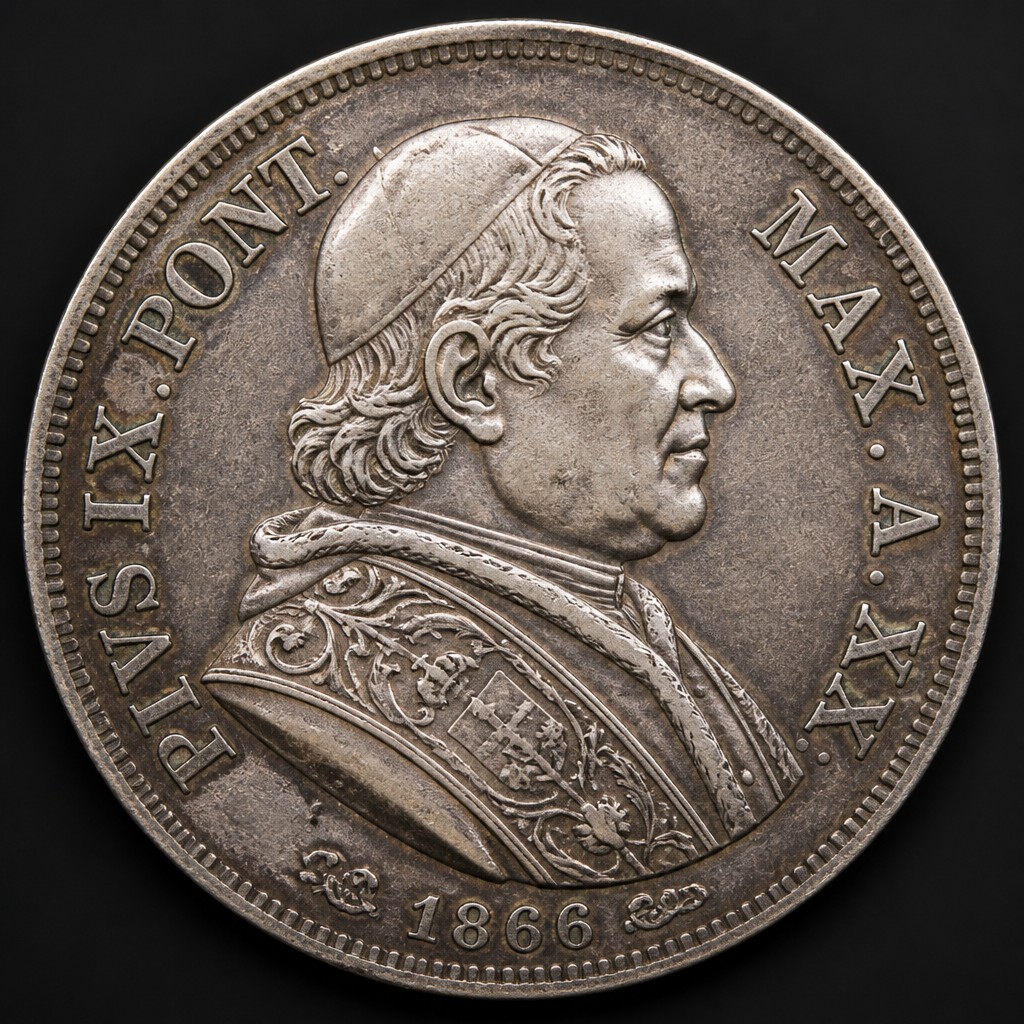
Papal States Scudo
16th century–1866
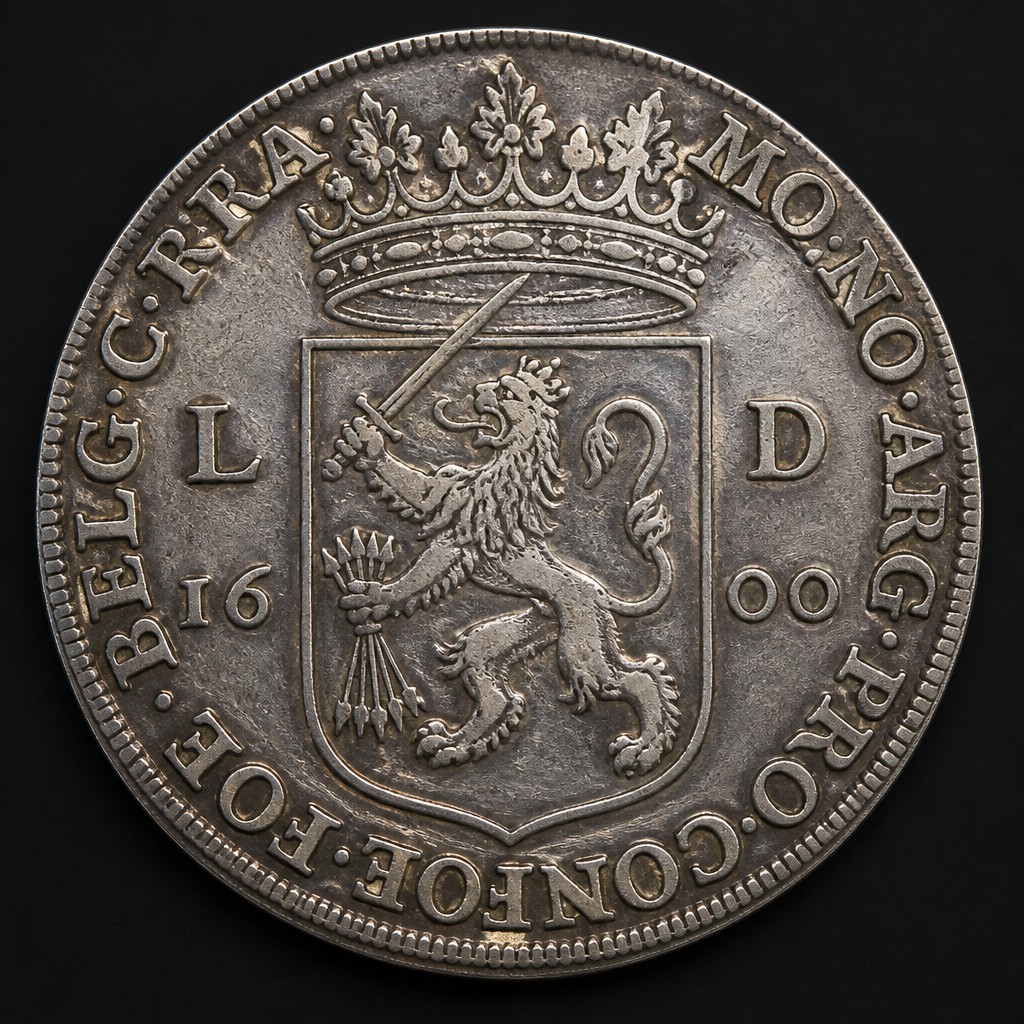
Netherlands Lion Daalder (Leeuwendaalder)
1575–1713
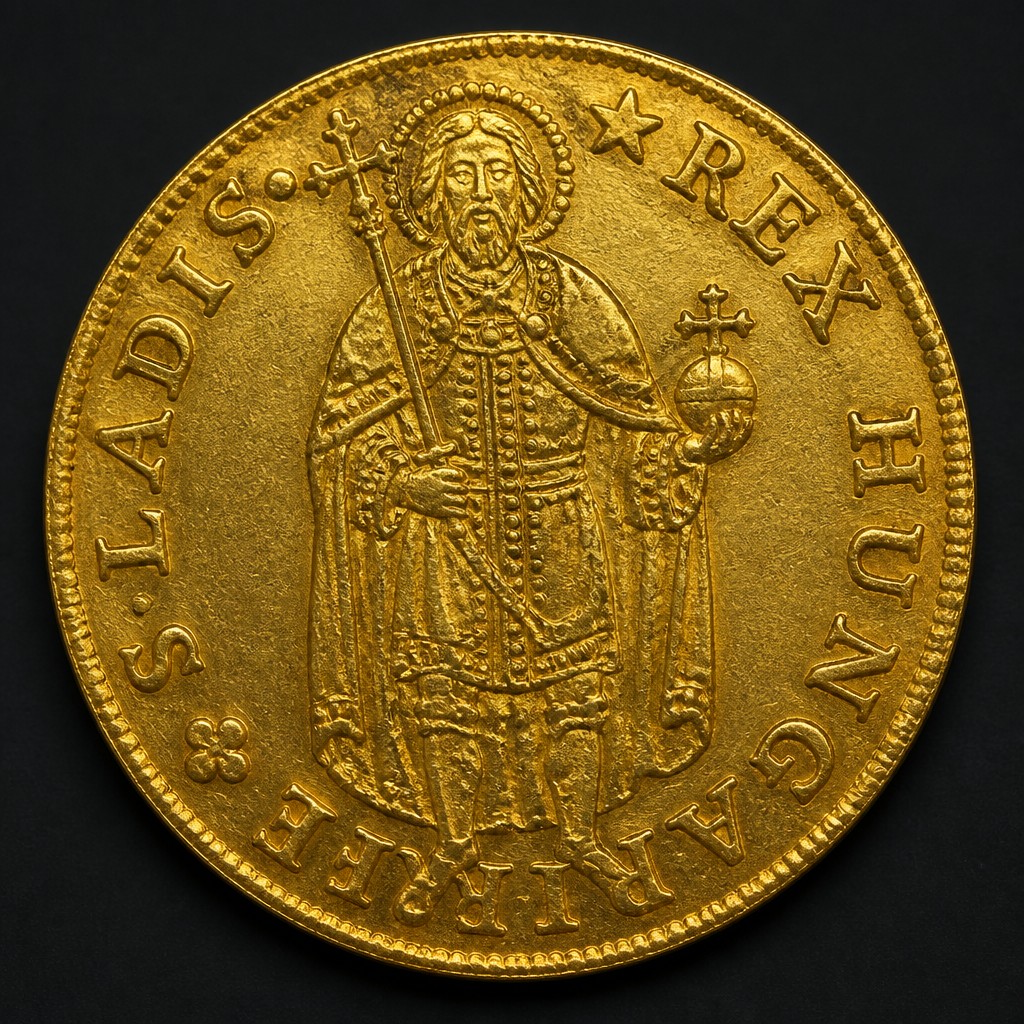
Hungarian Ducat
c. 1325–1918
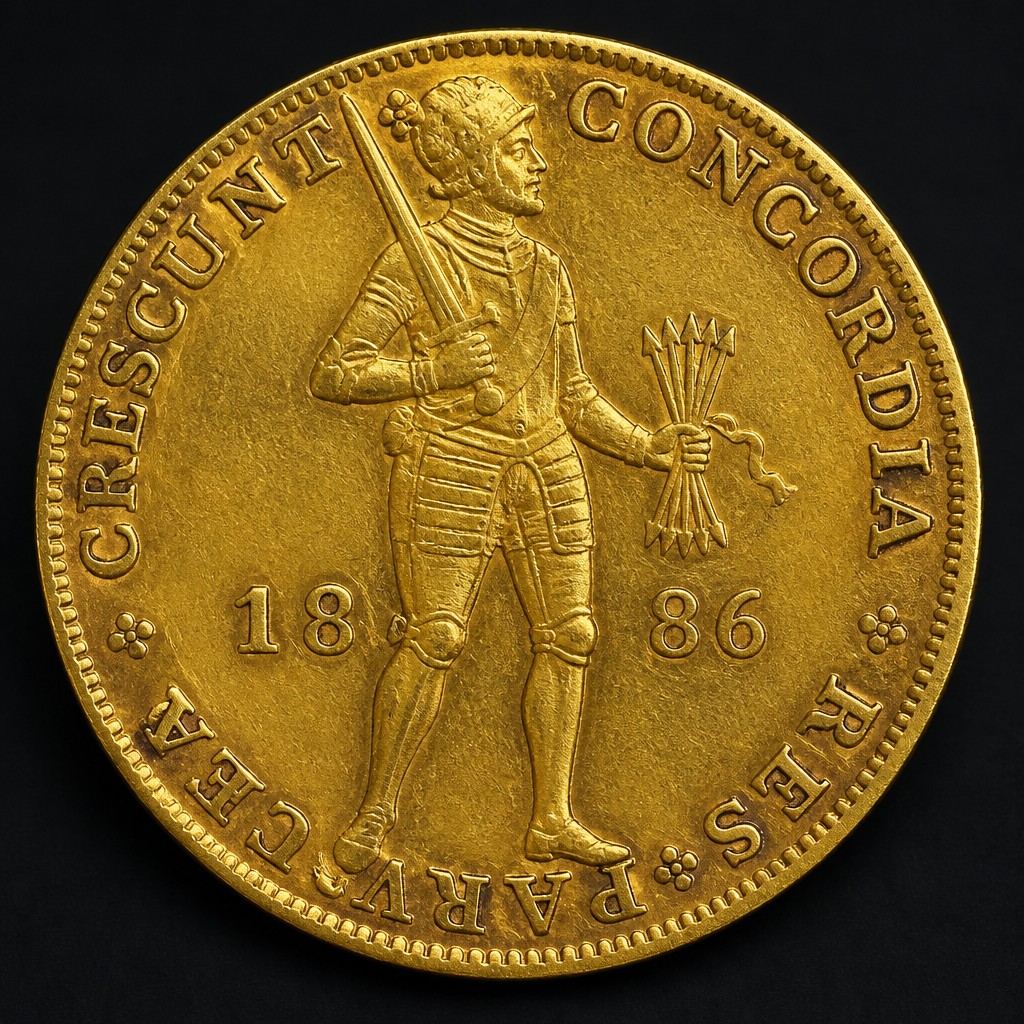
Dutch Ducat
c. 1586–present (classic type standardized after 1817)
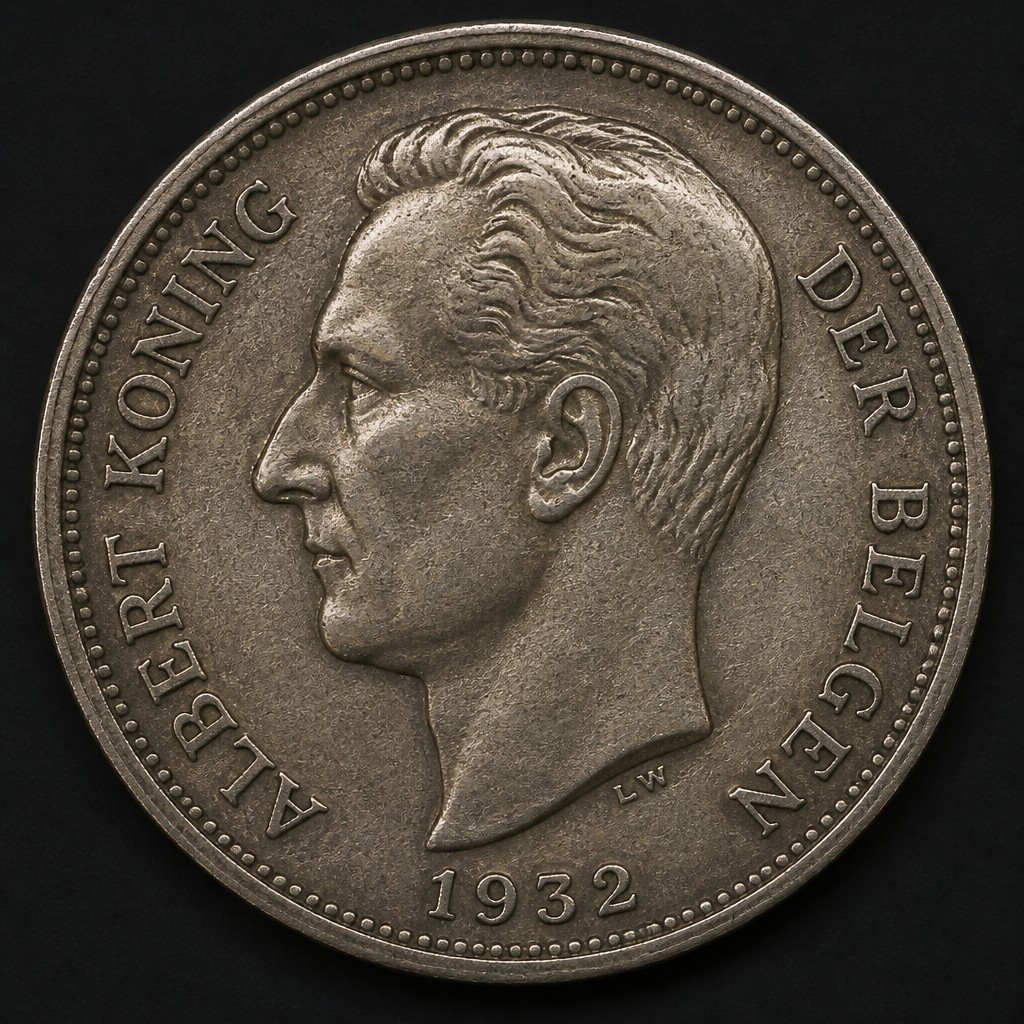
Belgian Franc
1832–2002
Spanish 100 Reales Gold (Isabel II)
1850s–1868
Greek Drachma
1832–2002
German Saxony Ducat
16th century–19th century
French 10 Francs Gold (Napoleon Rooster)
1899–1914
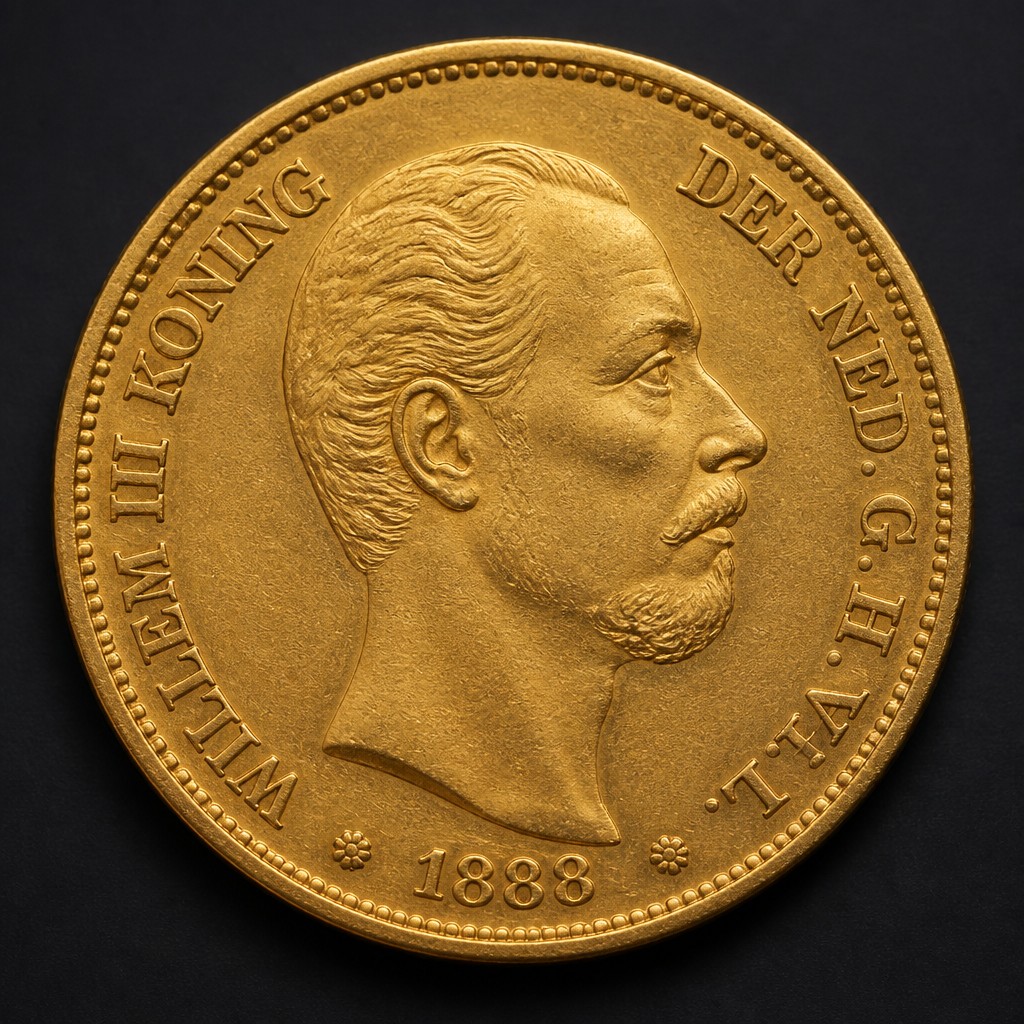
Netherlands 5 Gulden Gold
1826–1912 (intermittent)