
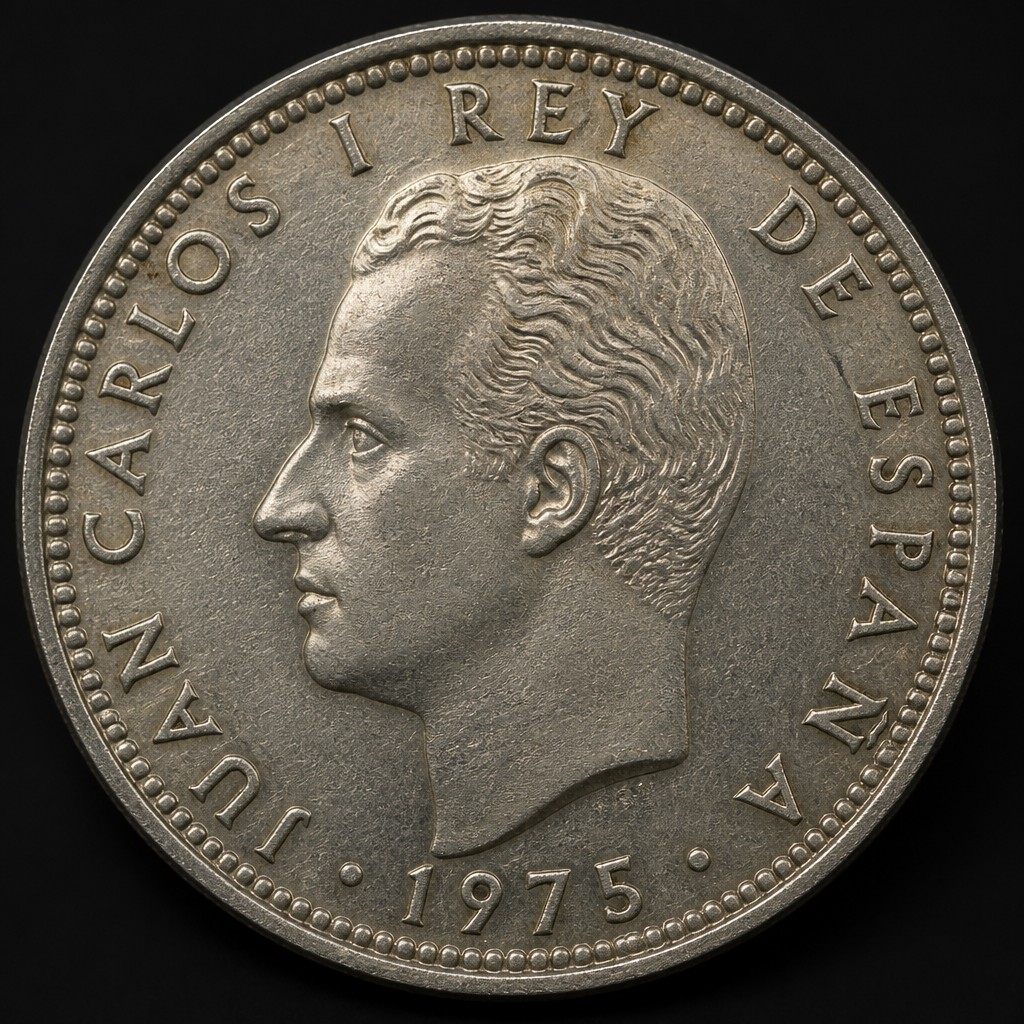
Spanish Peseta
The peseta was Spain's national currency for over 130 years, evolving from silver coinage under a provisional 19th-century government to copper-nickel coins used until the euro replaced it in 2002.
- Country
- Spain
- Denomination
- Peseta
- Metal
- Silver (early issues), Copper-Nickel and Aluminum (later issues)
Got a coin like this?
Identify any coin from a photo, free.
Overview
The Spanish peseta was introduced in 1869 during a turbulent period of Spanish political transition and went on to become the nation's enduring currency unit for well over a century, only retired with the adoption of the euro. Collectors of Spanish coinage encounter pesetas spanning the provisional government, the restored Bourbon monarchy, the Second Republic, the Franco dictatorship, and the modern constitutional monarchy.
Because the peseta series covers so many distinct political eras, it offers an unusually broad and accessible window into modern Spanish history through coin design alone, from young King Alfonso XIII's boyhood portrait to Francisco Franco's later coinage and the post-Franco return of the monarchy under Juan Carlos I.
Most peseta coins are common and affordable, but certain early silver issues and specific low-mintage dates are genuinely scarce and popular among specialist Spanish coin collectors.
History & Background
The peseta was established in 1869 by Spain's provisional government following the overthrow of Queen Isabella II, replacing the earlier real-based currency system with a new decimal peseta unit more aligned with other European currencies of the time. Early pesetas were struck in silver and featured allegorical designs representing Spain.
Through the following decades, the peseta's design tracked Spain's changing governments: the restored Bourbon monarchy placed portraits of Alfonso XII and later the young Alfonso XIII on the coinage, the Second Republic of the 1930s used its own republican symbolism, and the long Franco dictatorship (1939–1975) issued coins bearing his effigy or the Spanish coat of arms. After Franco's death, King Juan Carlos I's portrait appeared on peseta coinage during the restoration of Spanish democracy and constitutional monarchy.
The peseta was gradually phased out following Spain's adoption of the euro, with peseta coins and notes ceasing to be legal tender in the early 2000s after a transition period, ending over 130 years of continuous use.
How to Identify
Obverse designs vary significantly by era: allegorical Spain figures appear on early Republican-period issues, monarch portraits (Alfonso XII, Alfonso XIII, Juan Carlos I) appear during monarchical periods, and Franco-era coins typically show either his portrait or the Spanish coat of arms with an eagle. Reverse designs commonly show the denomination, date, and national arms or additional symbolic imagery depending on the period.
Early pesetas (late 19th century) are silver and noticeably denser than later 20th-century copper-nickel or aluminum coins, which are lighter and often smaller for equivalent or higher face values due to inflation over the peseta's long life. Edge and size vary by denomination and era, with larger silver duro (5 peseta) coins being especially recognizable for their size.
Collectors distinguish peseta types primarily by the ruling government or monarch depicted and by composition; a quick reference to the portrait or the coat of arms style, combined with the date, reliably places any given peseta coin within Spain's political timeline.
Value & Collectibility
Most 20th-century circulated peseta coins are common and inexpensive, having been produced in large quantities right up until the euro changeover. Early silver pesetas from the 19th century, particularly the large 5 peseta "duro" silver crowns, carry meaningfully higher value tied to silver content, condition, and specific date rarity.
Certain short-lived or politically significant issues, such as scarce Second Republic dates or particular Alfonso XIII years, are more actively sought by specialists than routine Franco-era coinage.
Common 20th-century peseta coins typically trade for a modest amount reflecting mostly collector interest rather than intrinsic value, while 19th-century silver duros in good condition can range from tens to hundreds of dollars depending on date and grade.
Frequently asked questions
When was the peseta replaced?
The peseta was phased out after Spain adopted the euro, with peseta coins losing legal tender status in the early 2000s.
Are Spanish peseta coins silver?
Only early peseta coins, mainly from the 19th century, are silver; most 20th-century coins are copper-nickel or aluminum.
Who appears on Spanish peseta coins?
Depending on the era, coins show allegorical Spain figures, monarchs like Alfonso XII, Alfonso XIII, or Juan Carlos I, or Francisco Franco's portrait or the national coat of arms during his rule.
What is a 'duro'?
Duro is a traditional Spanish term for the 5 peseta coin, especially the large 19th-century silver crown-sized pieces.
Other coins you may enjoy
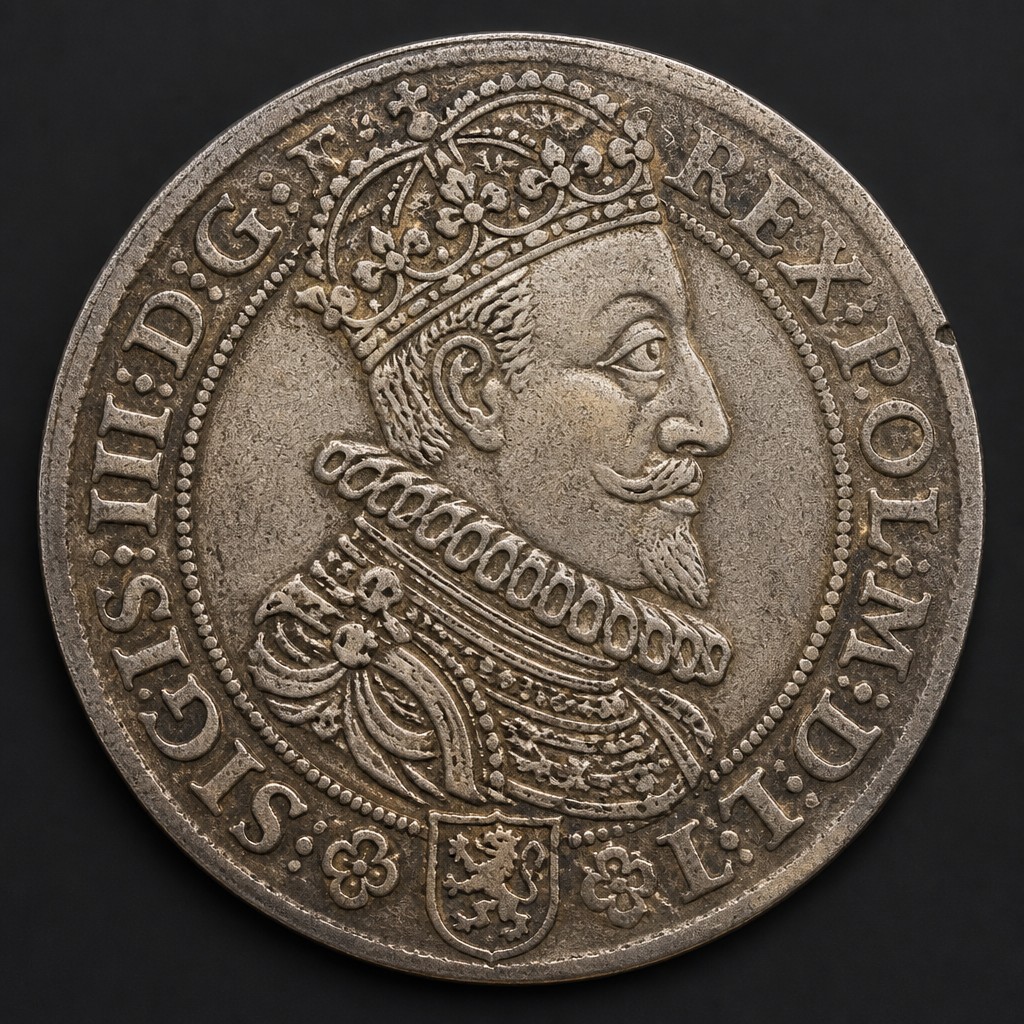
Polish-Lithuanian Thaler
circa 16th–18th century
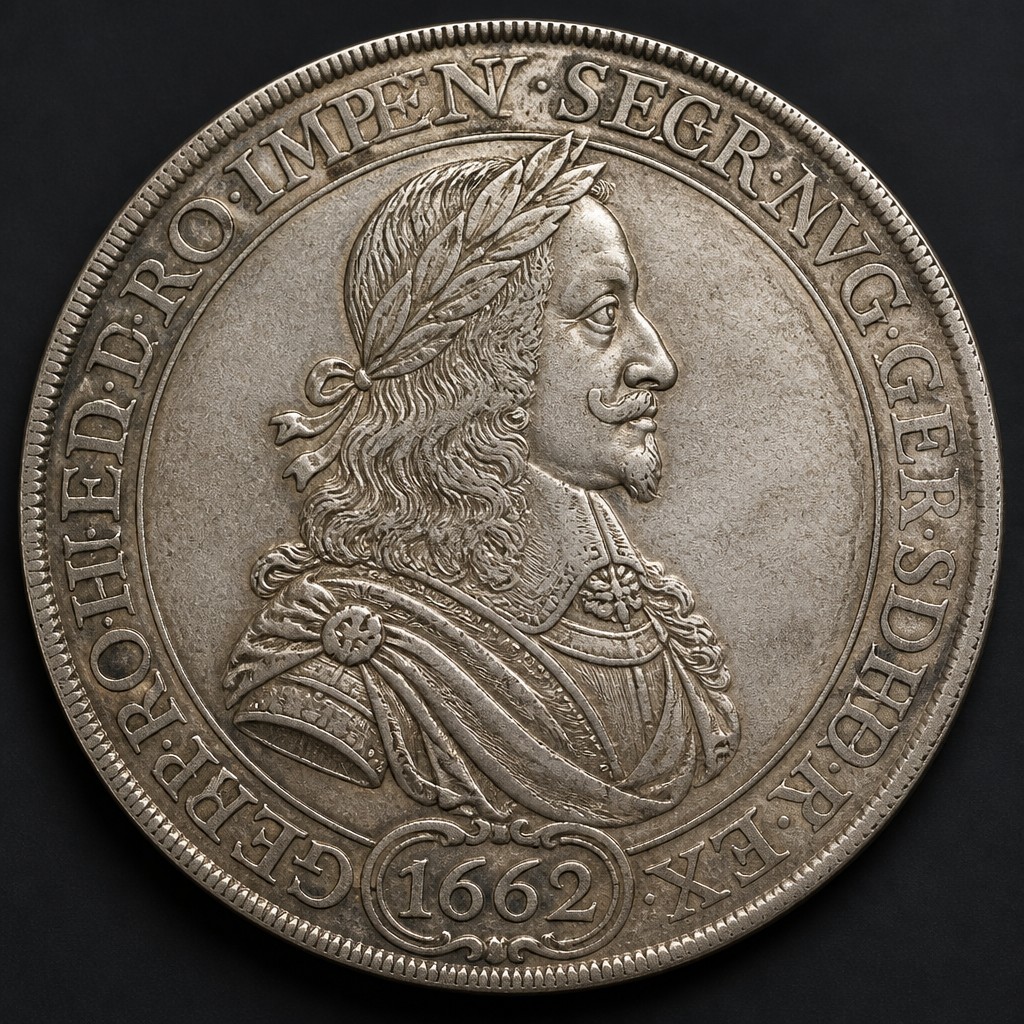
Reichsthaler
circa 1566–early 19th century
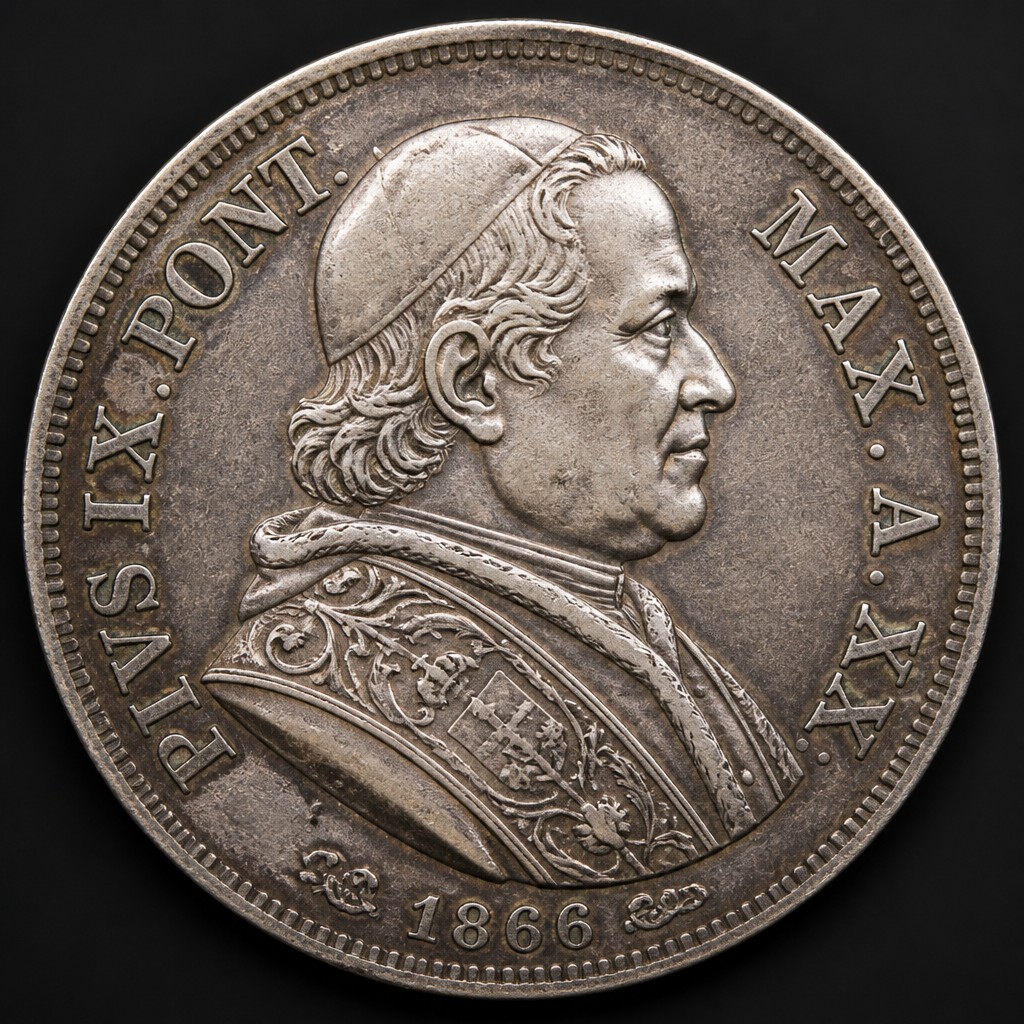
Papal States Scudo
16th century–1866
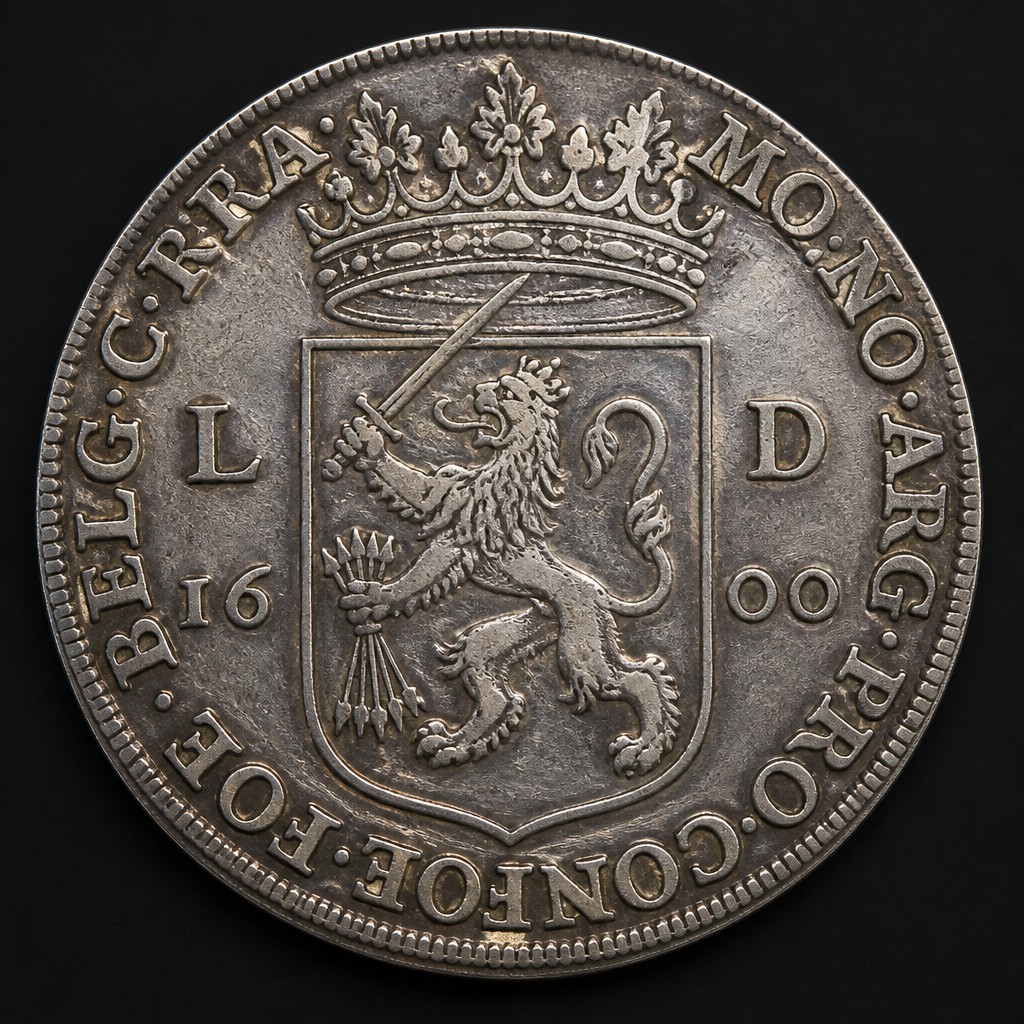
Netherlands Lion Daalder (Leeuwendaalder)
1575–1713
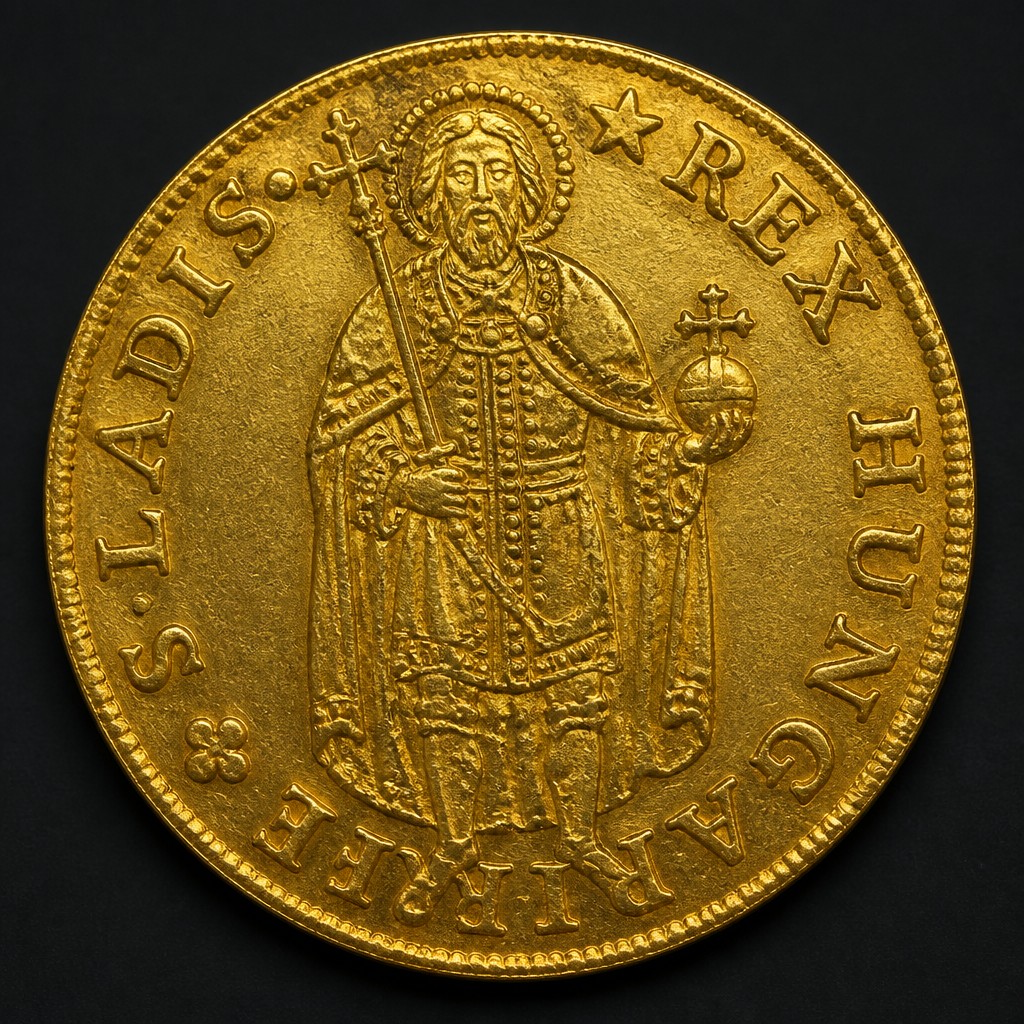
Hungarian Ducat
c. 1325–1918
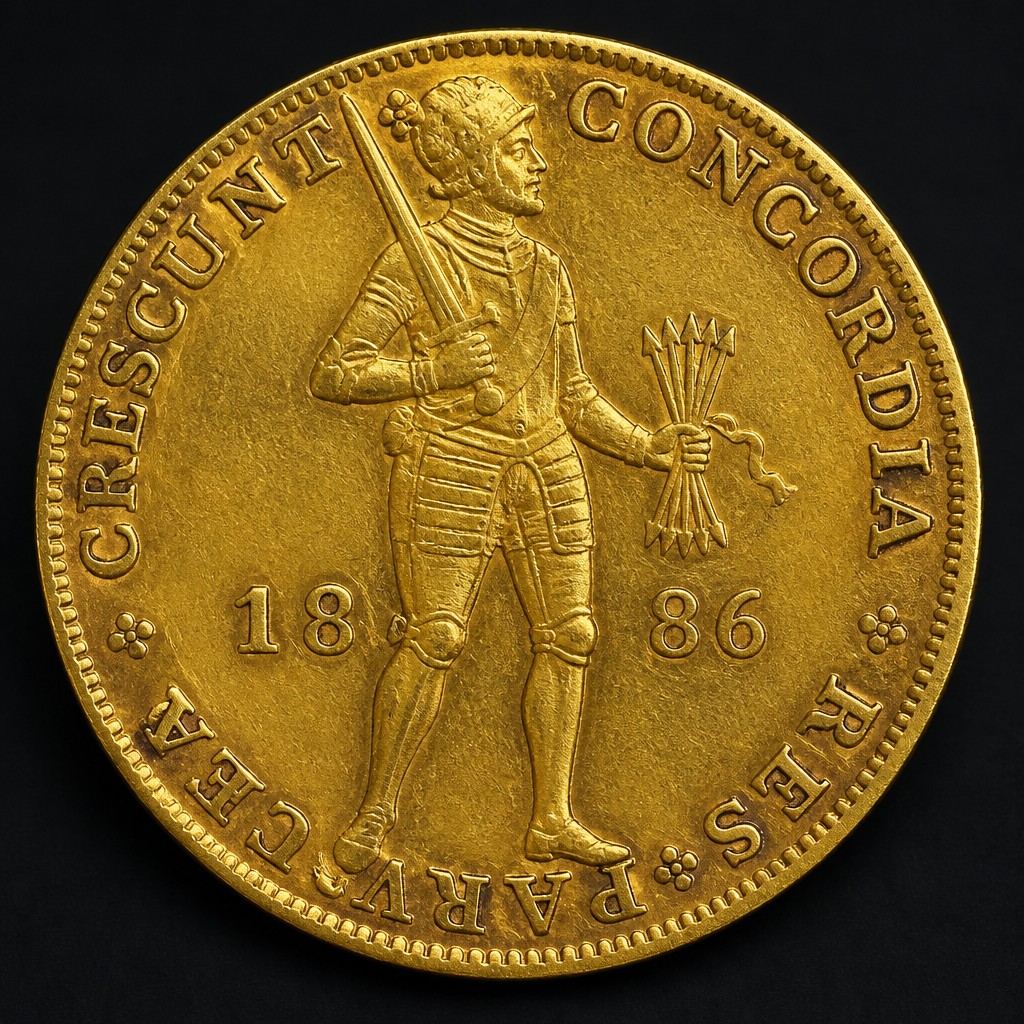
Dutch Ducat
c. 1586–present (classic type standardized after 1817)
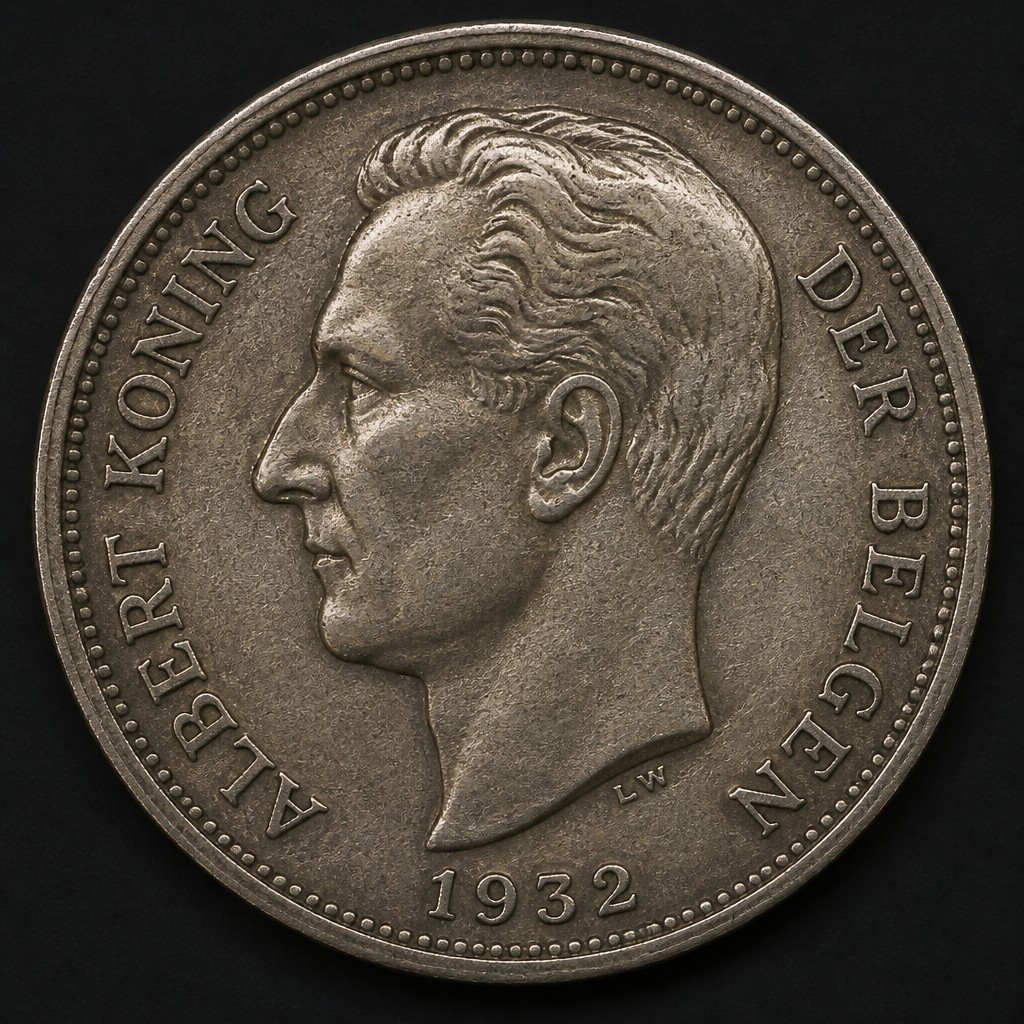
Belgian Franc
1832–2002
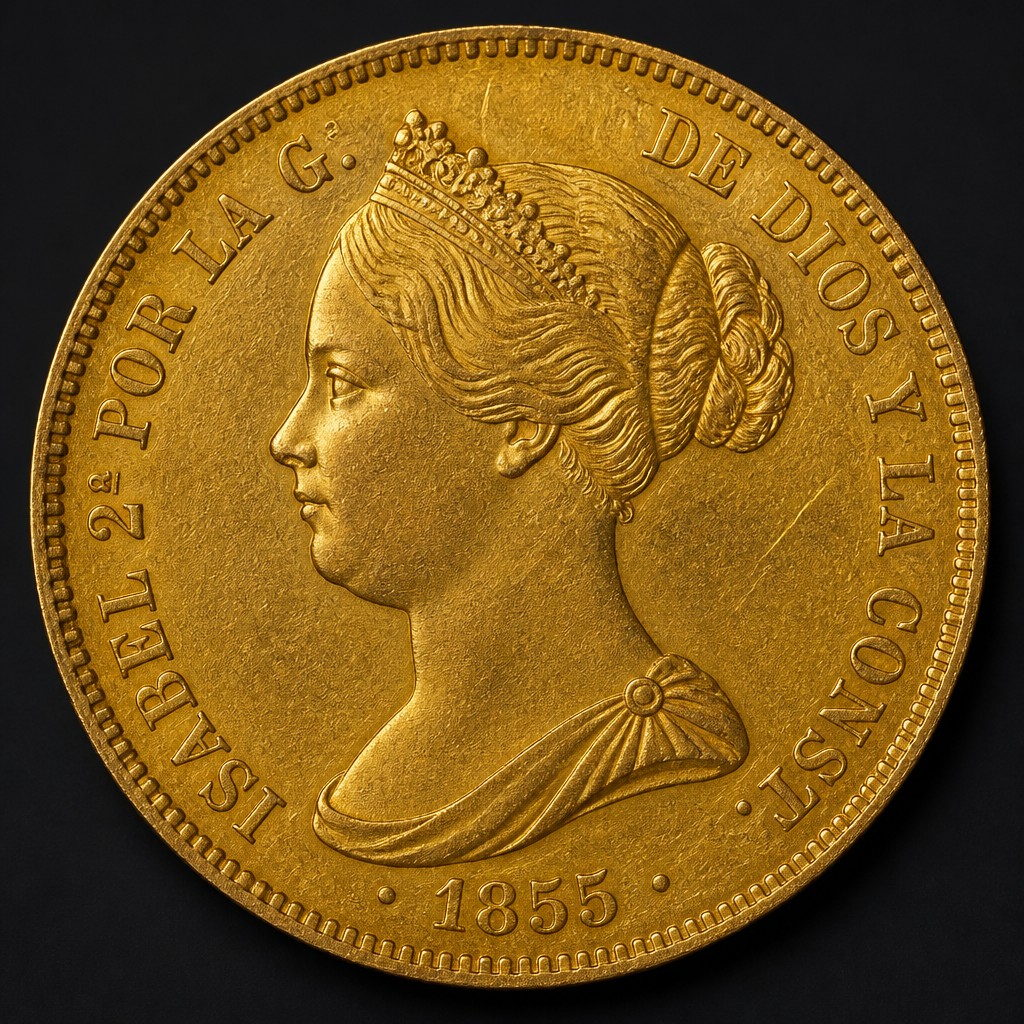
Spanish 100 Reales Gold (Isabel II)
1850s–1868
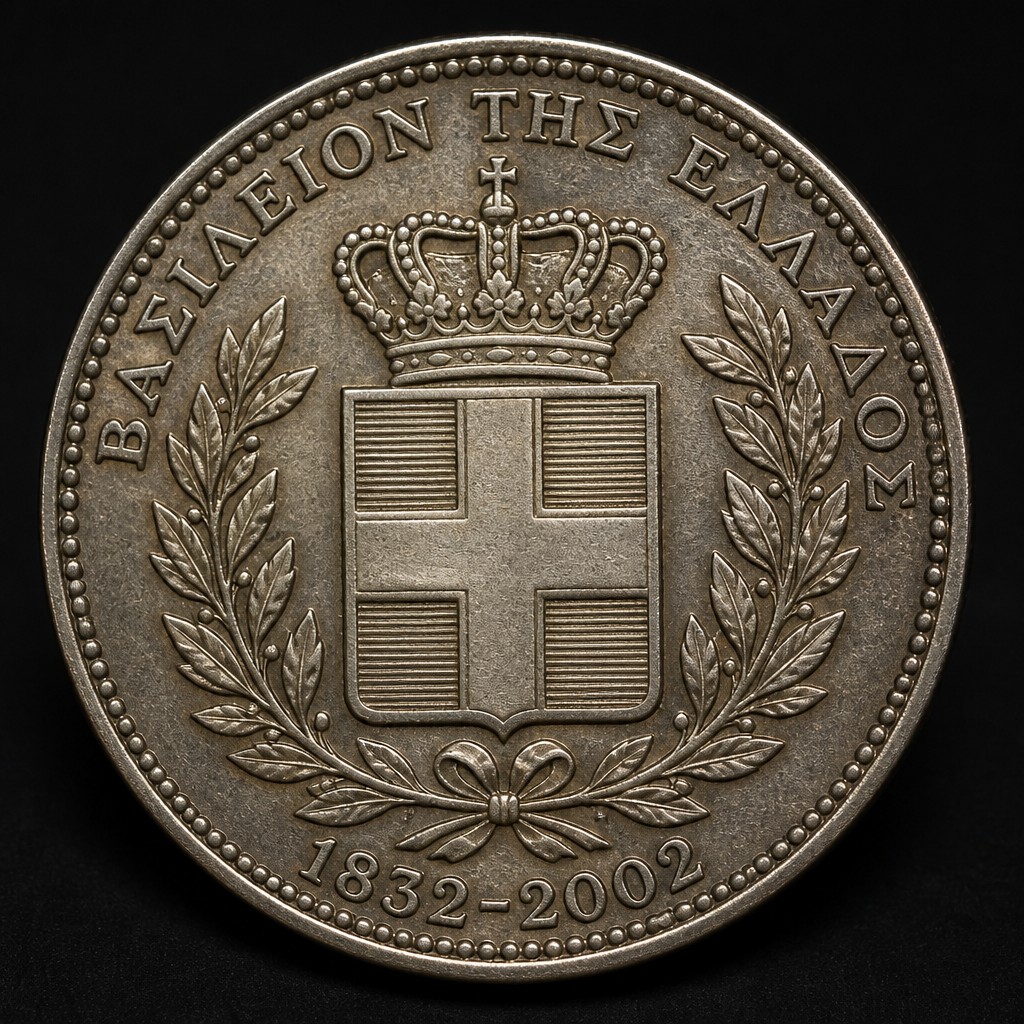
Greek Drachma
1832–2002
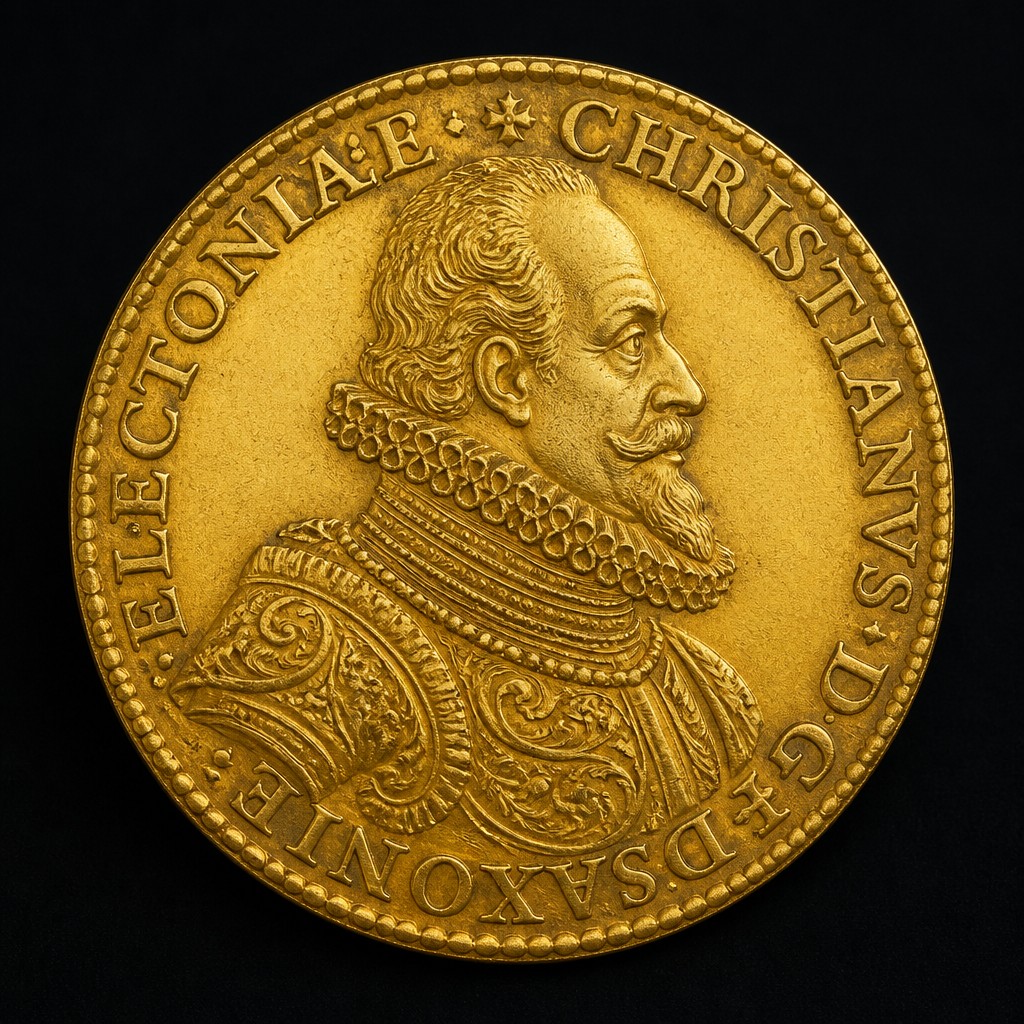
German Saxony Ducat
16th century–19th century
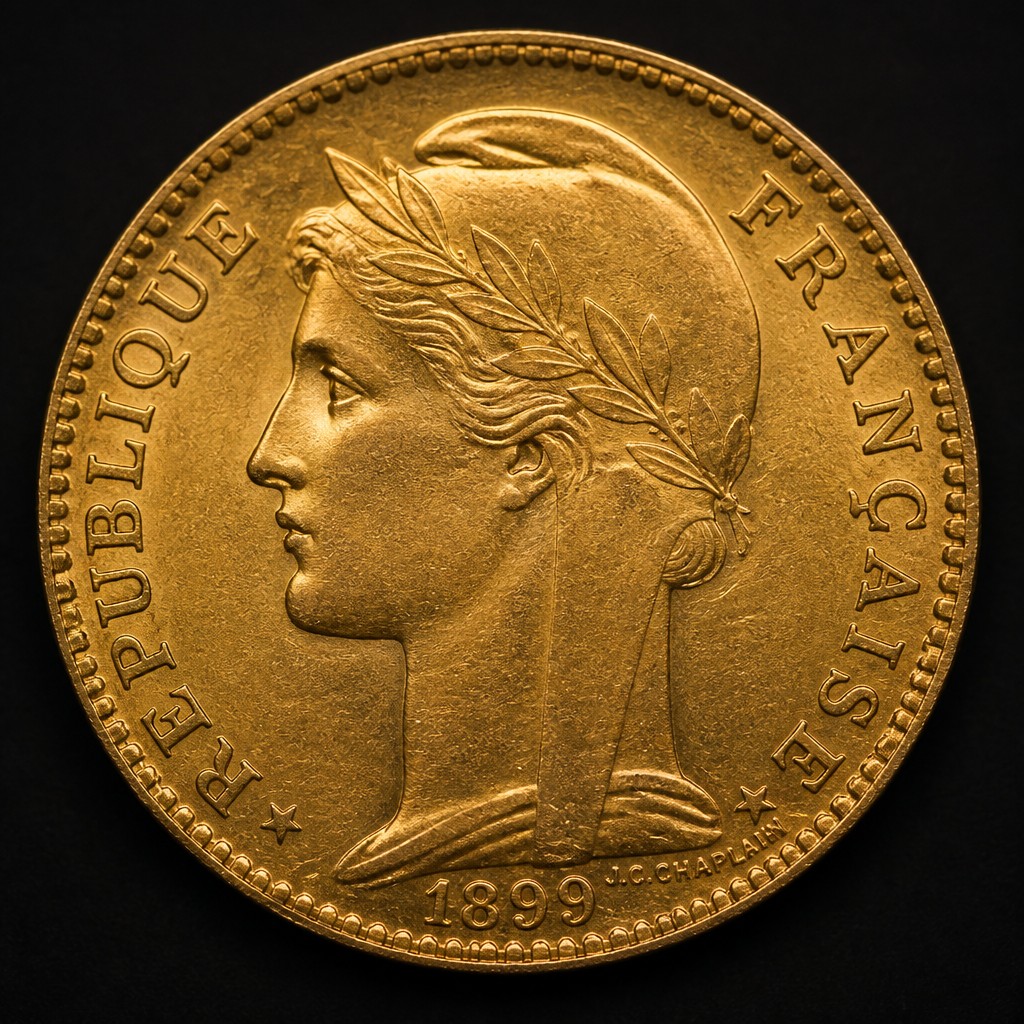
French 10 Francs Gold (Napoleon Rooster)
1899–1914
Netherlands 5 Gulden Gold
1826–1912 (intermittent)