
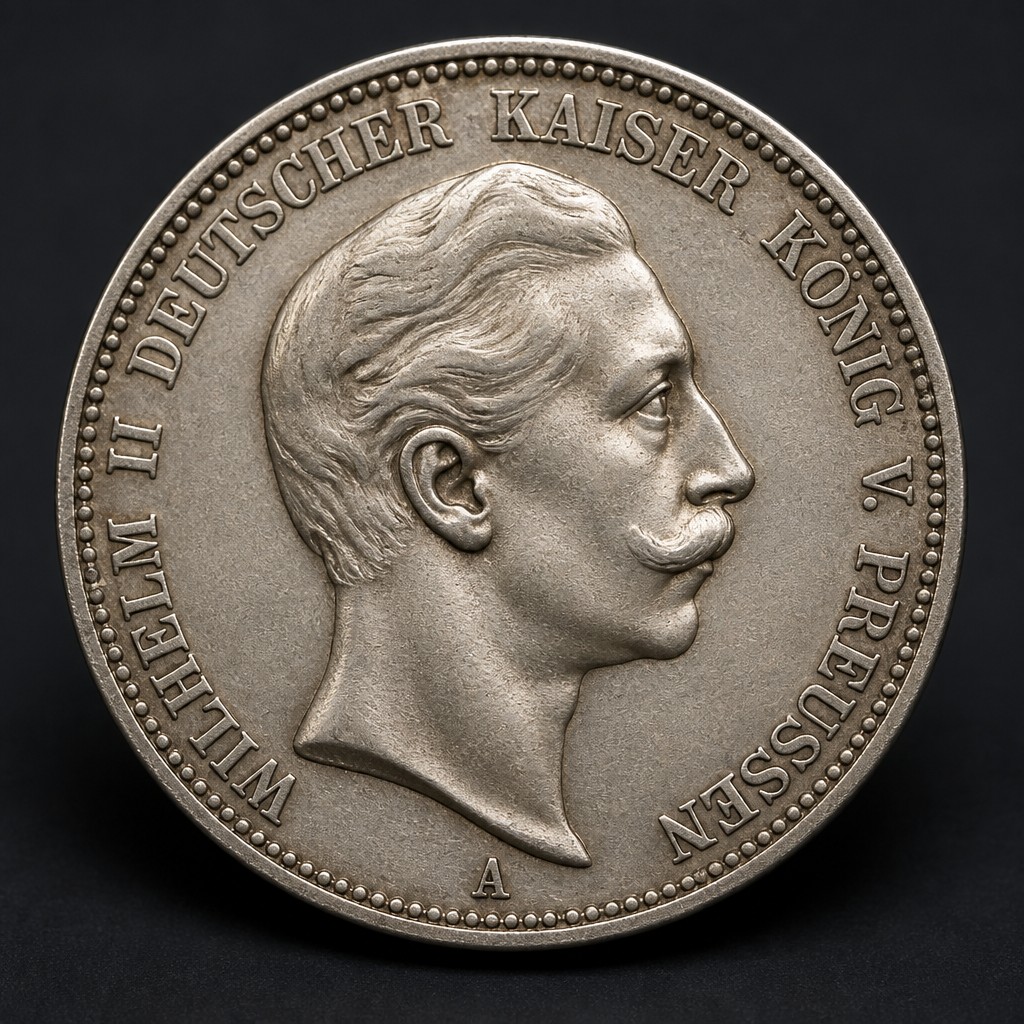
German 3 Mark Silver
A large silver coin of Imperial Germany, issued by the various constituent states with distinct rulers' portraits and commemorative designs.
- Country
- German Empire
- Denomination
- 3 Mark
- Metal
- Silver (.900 fine)
Got a coin like this?
Identify any coin from a photo, free.
Overview
The 3 Mark was a large-format silver coin of the German Empire, introduced in 1908 to supplement the existing 2 and 5 Mark denominations. Like other German Empire silver coinage, it was struck not by a single central authority but by the individual member states, each choosing its own obverse ruler portrait or symbol while sharing a common imperial eagle reverse for standard issues.
Collectors are especially drawn to the many special commemorative 3 Mark types, which mark historical anniversaries, monument dedications, and other significant events across the various German states, making the series a rich and varied one for collectors of Imperial German coinage.
History & Background
The German Empire, formed in 1871 under Prussian leadership, maintained a coinage system in which each constituent kingdom, grand duchy, and free city retained the right to strike its own silver coinage bearing local rulers or civic symbols, while sharing a unified currency and common reverse designs for standard denominations. The 3 Mark denomination was added in 1908 to provide a larger silver piece alongside the existing 2 and 5 Mark coins.
Numerous commemorative 3 Mark issues were struck between 1908 and the Empire's end in 1918, marking events such as royal jubilees, university anniversaries, and the completion of notable public works. Production of German Empire silver coinage, including the 3 Mark, ended with the abdication of Kaiser Wilhelm II and the collapse of the imperial system at the close of World War I.
How to Identify
Standard 3 Mark coins show the ruling monarch or symbol of the issuing state on the obverse (for example, Kaiser Wilhelm II for Prussia, or the King of Bavaria, Saxony, or Württemberg for their respective states), with the imperial eagle and denomination on the reverse. Commemorative issues replace the standard obverse with a special design tied to the event being marked.
The coin is a substantial silver piece roughly 33 mm in diameter, corresponding to about 16.7 grams of .900 fine silver. Mint marks (A for Berlin, D for Munich, E for Muldenhütten, F for Stuttgart, G for Karlsruhe, and J for Hamburg) appear on the coin identifying the specific mint of production, important since state coinage could be struck at various imperial mints.
Collectors distinguish individual 3 Mark types by state of issue, ruler or commemorative theme, date, and mint mark, since the fragmented nature of German Empire coinage produced a large number of distinct varieties within this single denomination.
Value & Collectibility
Values vary substantially depending on the issuing state, ruler, whether the coin is a standard or commemorative issue, and its condition. Common circulation-type 3 Marks from populous states like Prussia in worn grades are relatively affordable, often trading close to silver value with a modest premium.
Scarcer commemorative issues, especially those from smaller states or with historically significant themes, can be considerably more valuable, with some key varieties bringing prices well into the hundreds of dollars in top condition. As with other German Empire coinage, mintage figures, state of origin, and preservation are the primary drivers of value across this diverse series.
Frequently asked questions
Why do different 3 Mark coins show different rulers?
The German Empire allowed its constituent states to strike their own coinage bearing local rulers, so Prussia, Bavaria, Saxony, and others each issued their own versions.
What makes commemorative 3 Mark coins special?
They were struck to mark specific historical events, jubilees, or achievements, often in smaller numbers than standard circulation coins, making them more sought after.
How do I identify the mint that struck my coin?
A single letter mint mark on the coin (such as A, D, E, F, G, or J) identifies the specific German mint where it was produced.
When did German states stop issuing their own coinage?
The practice ended with the fall of the German Empire in 1918 following World War I.
Other coins you may enjoy
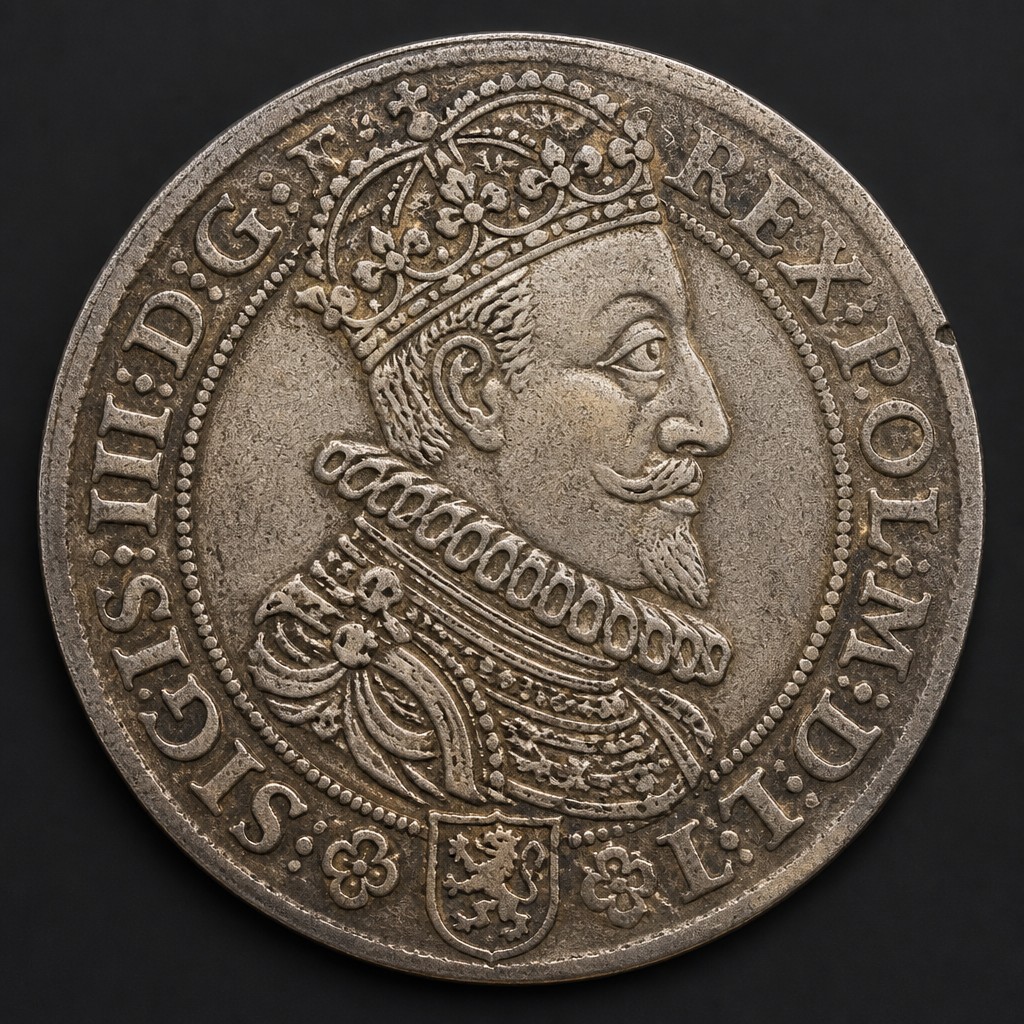
Polish-Lithuanian Thaler
circa 16th–18th century
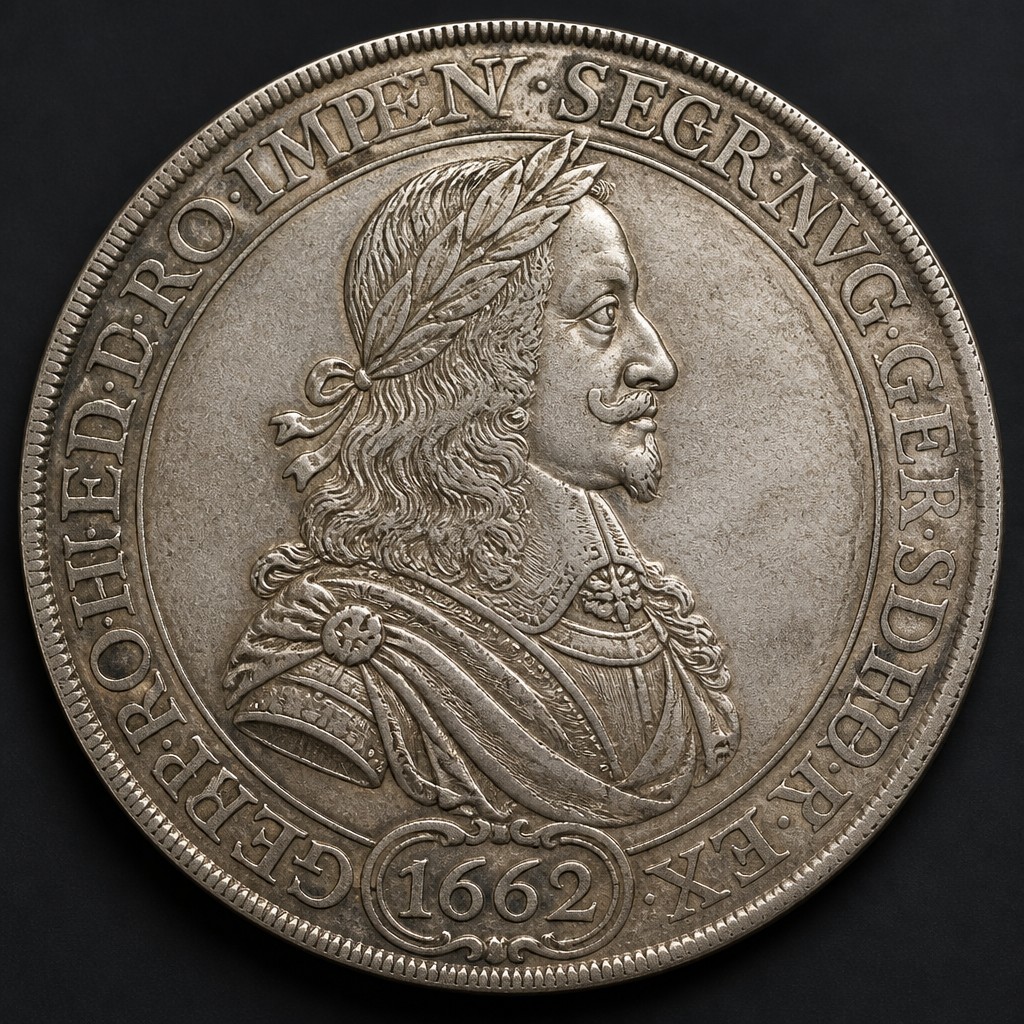
Reichsthaler
circa 1566–early 19th century
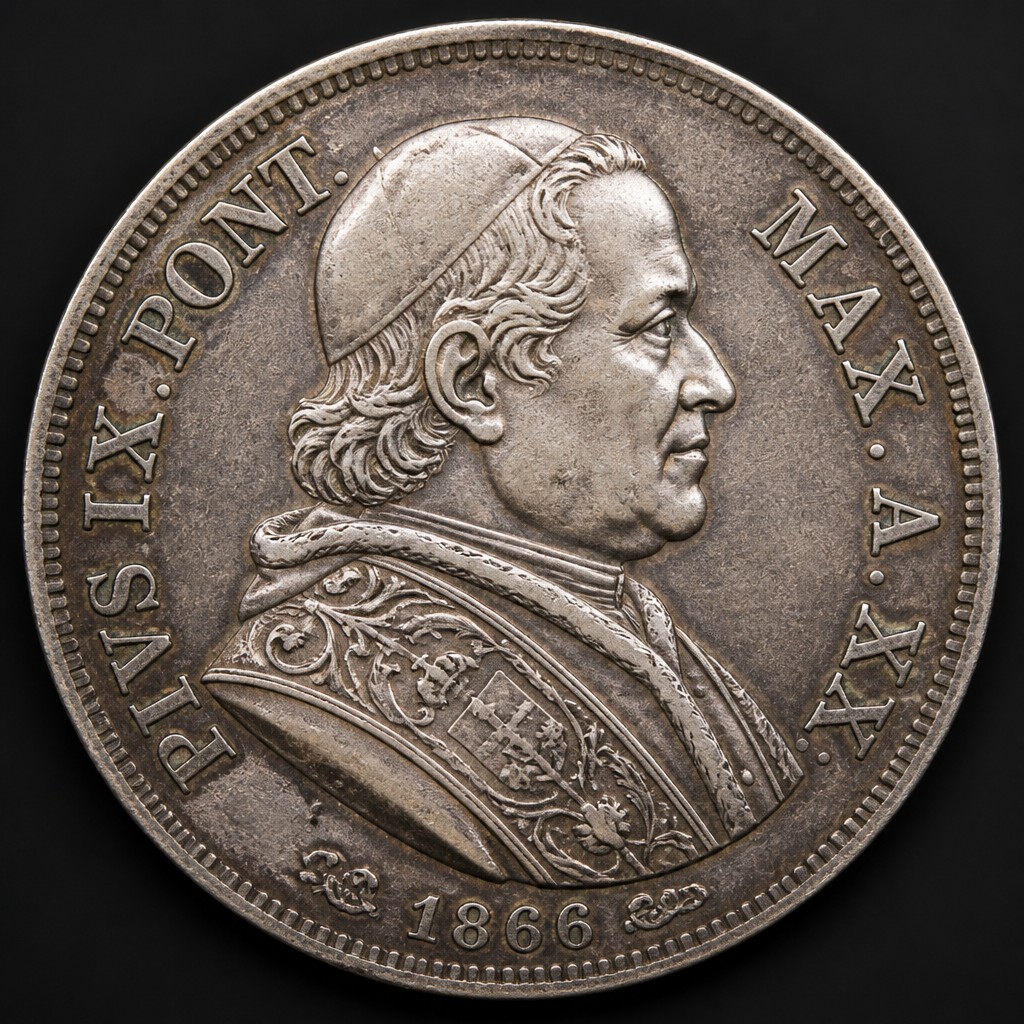
Papal States Scudo
16th century–1866
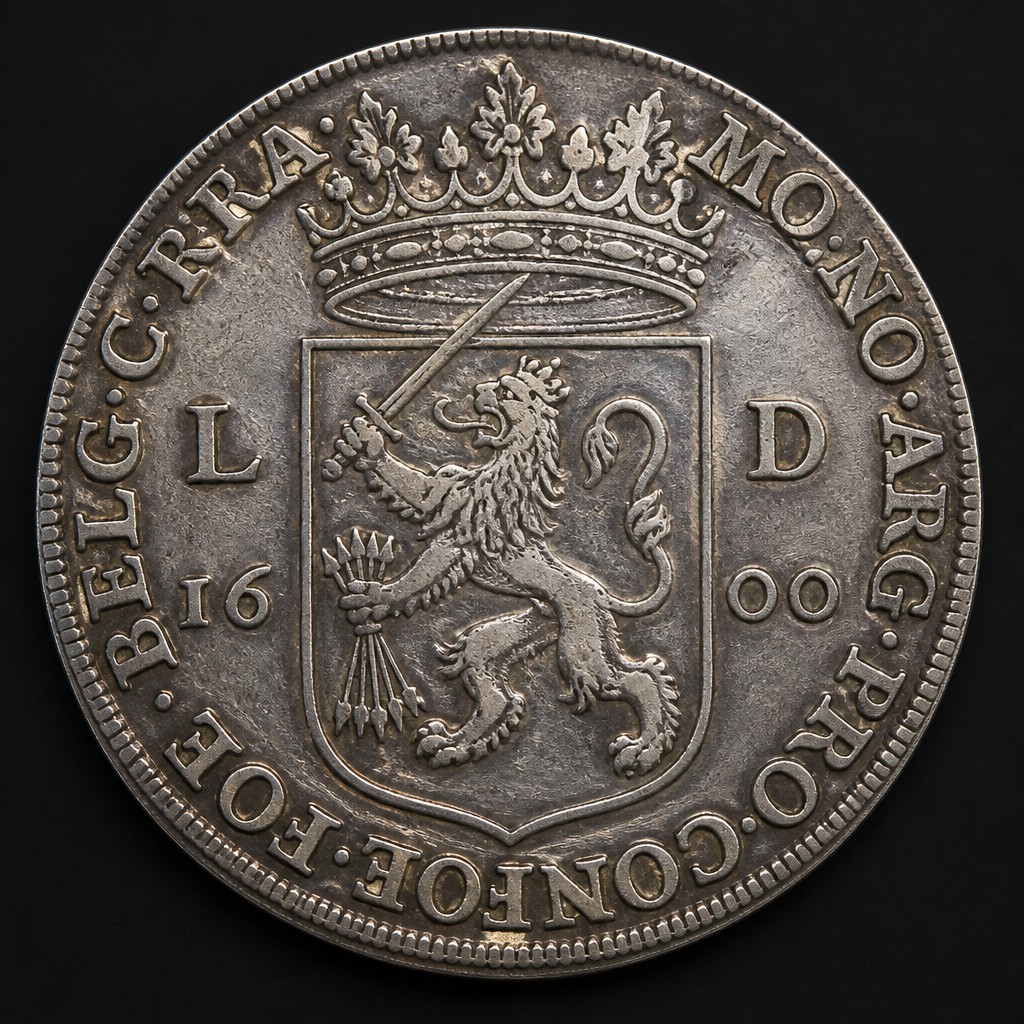
Netherlands Lion Daalder (Leeuwendaalder)
1575–1713
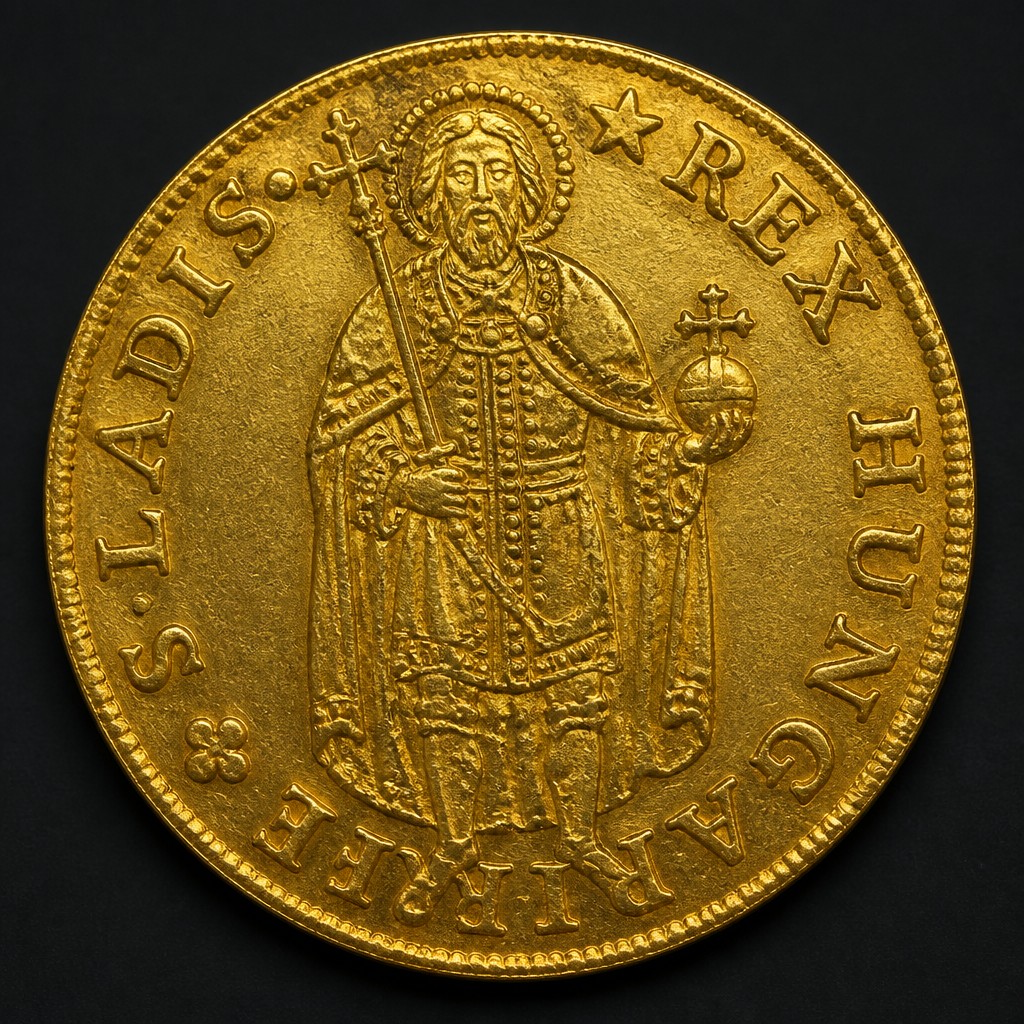
Hungarian Ducat
c. 1325–1918
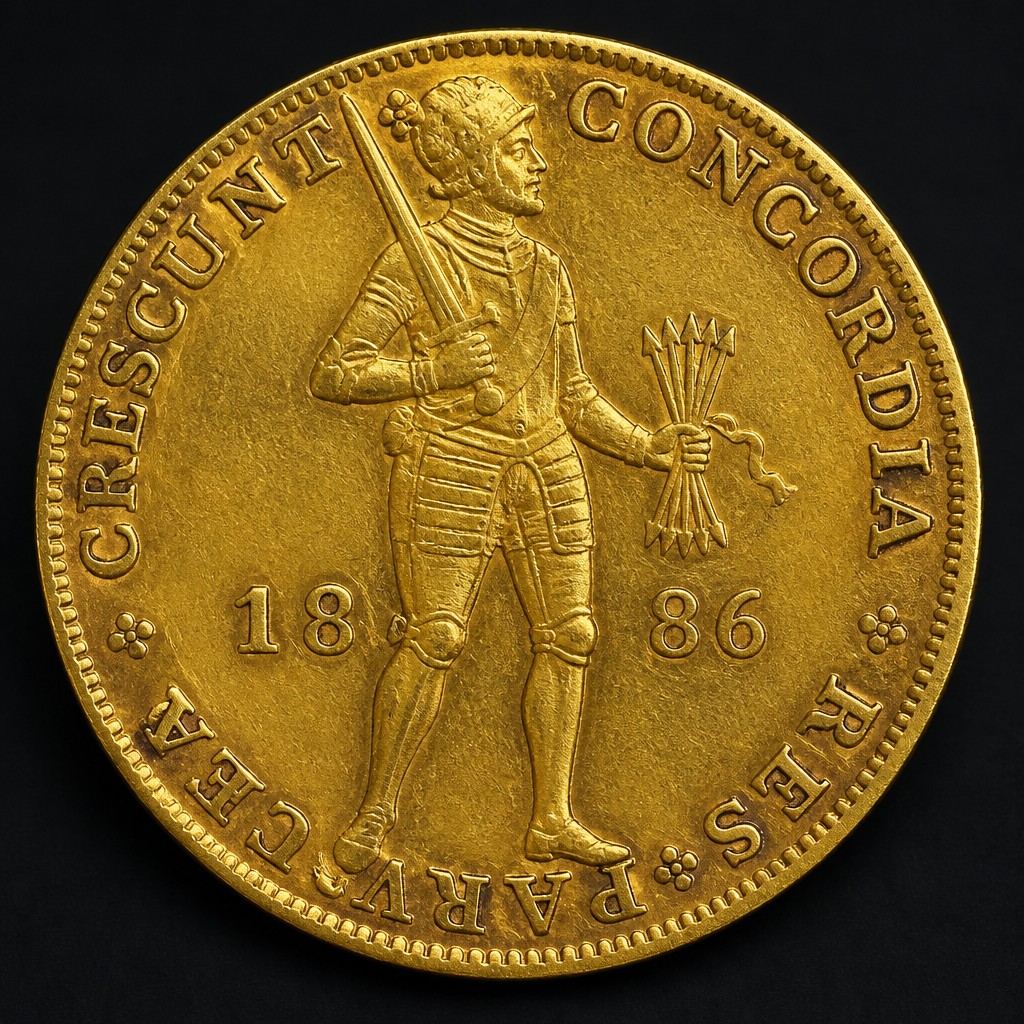
Dutch Ducat
c. 1586–present (classic type standardized after 1817)
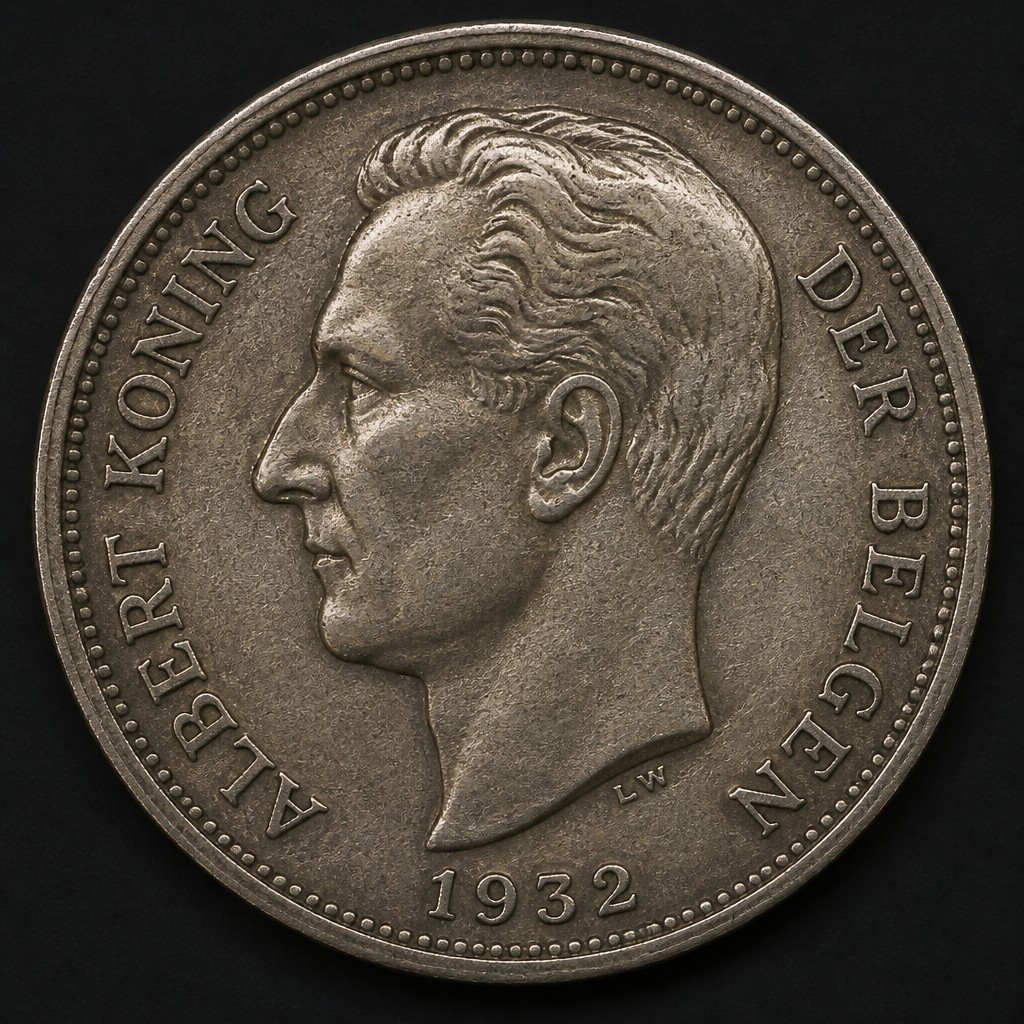
Belgian Franc
1832–2002
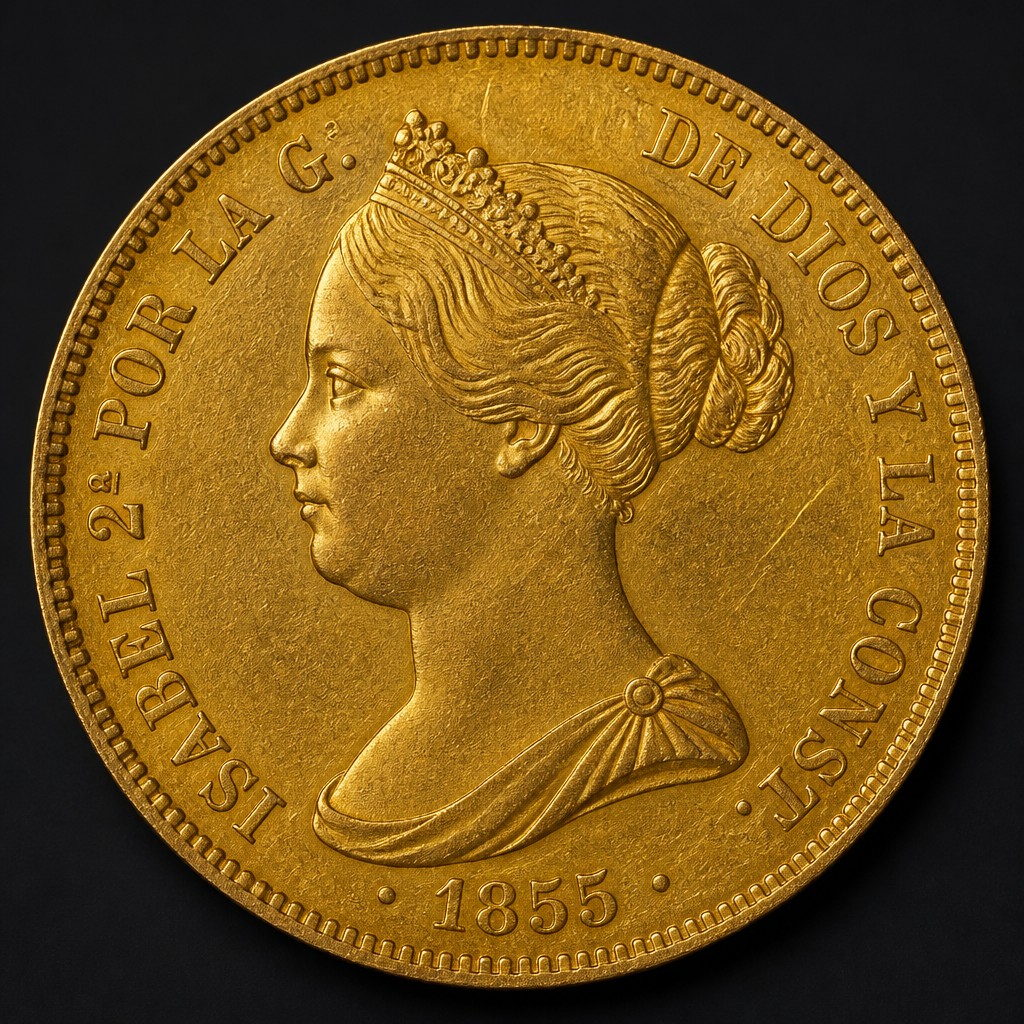
Spanish 100 Reales Gold (Isabel II)
1850s–1868
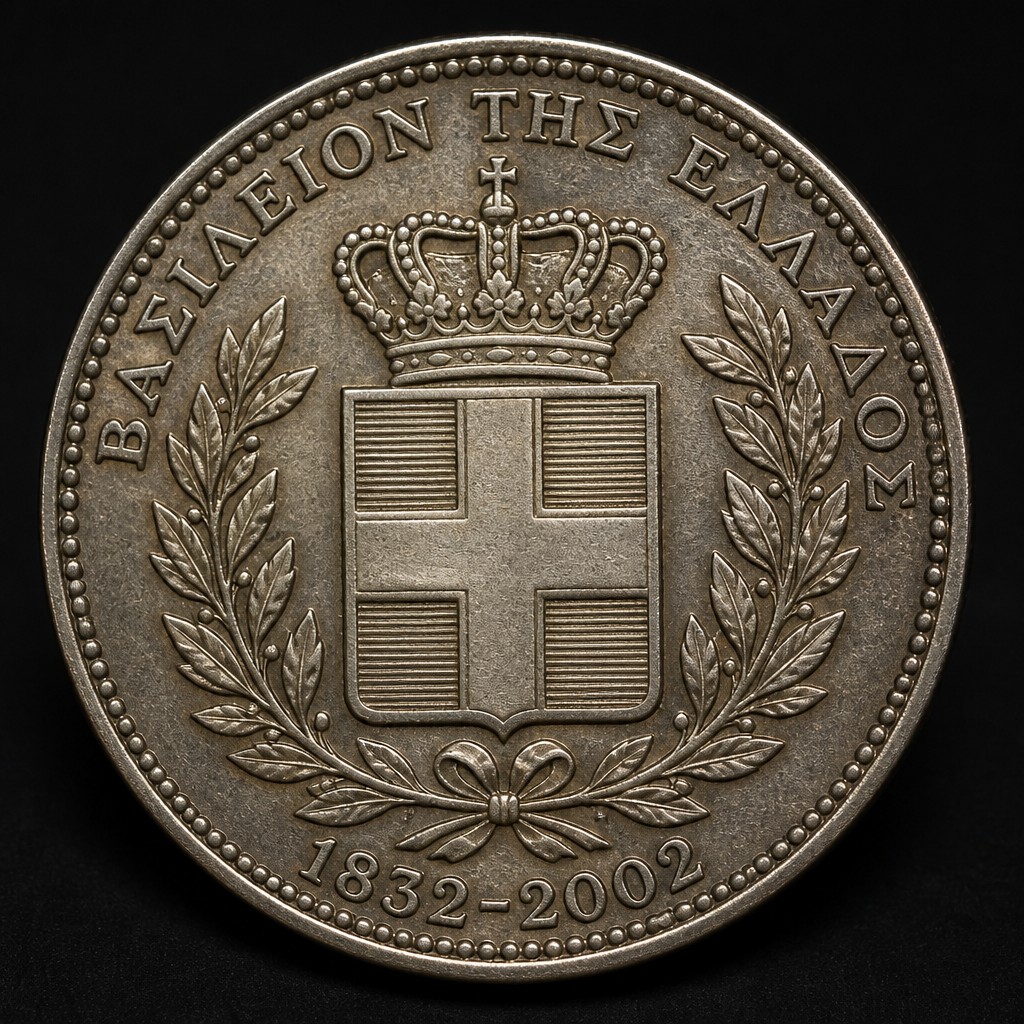
Greek Drachma
1832–2002
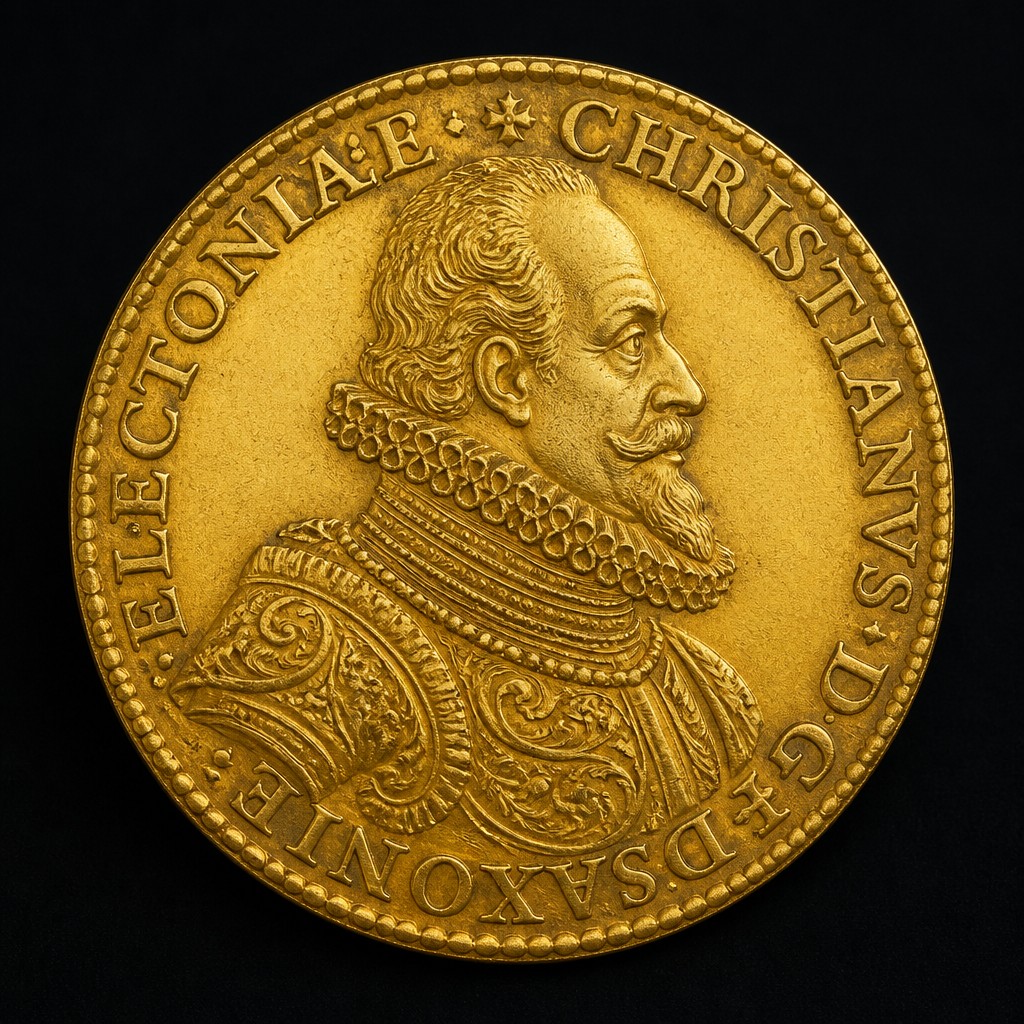
German Saxony Ducat
16th century–19th century
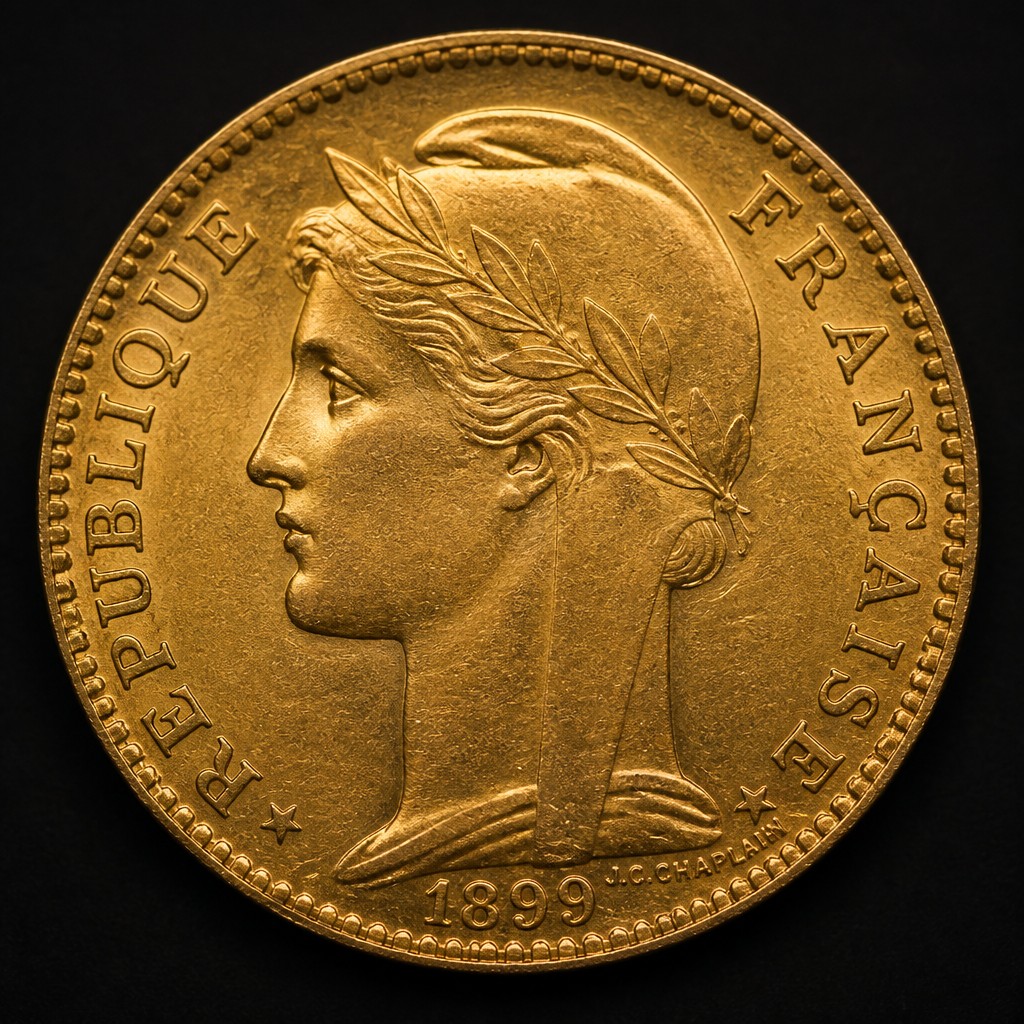
French 10 Francs Gold (Napoleon Rooster)
1899–1914
Netherlands 5 Gulden Gold
1826–1912 (intermittent)