
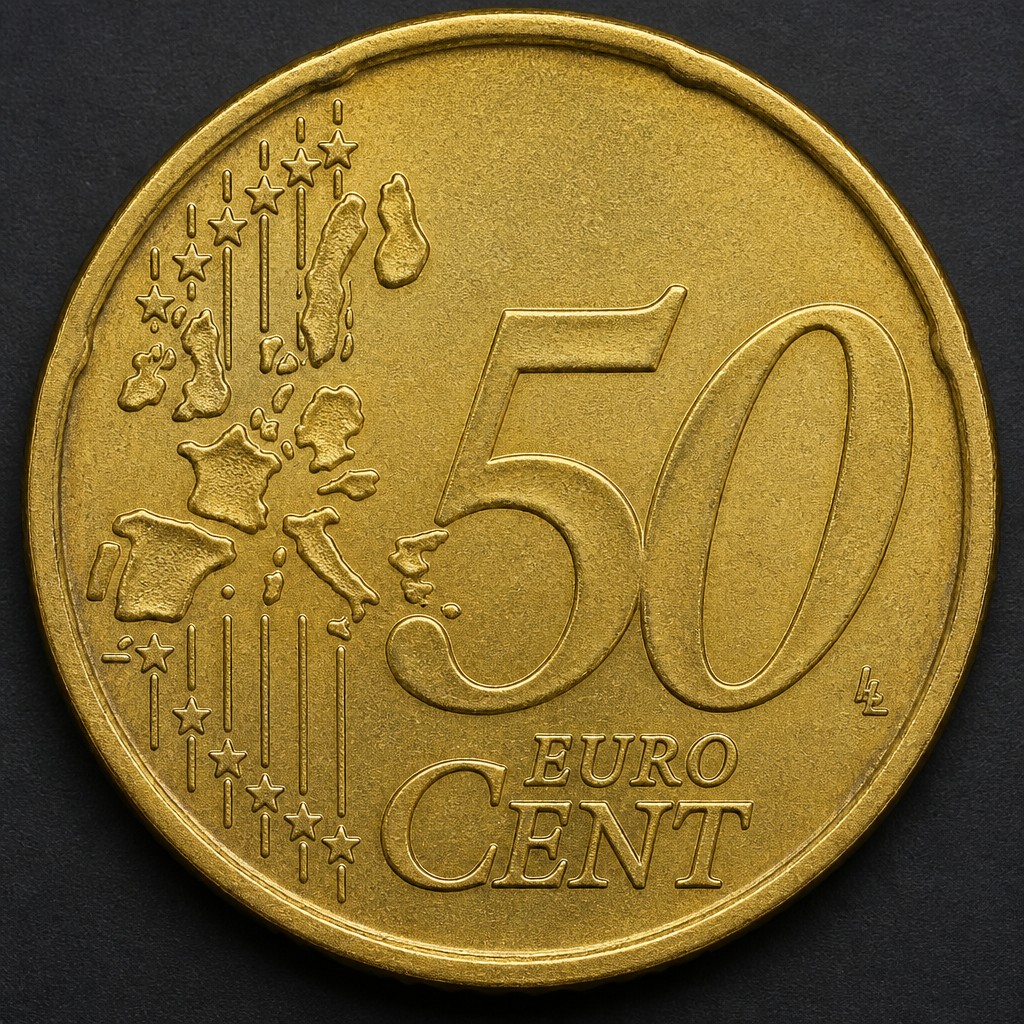
50 Euro Cent Coin
A gold-colored circulating euro coin worth half a euro, struck in a copper-based Nordic gold alloy and easily recognized by its distinctive scalloped-edge shape and national obverse design.
- Country
- Eurozone (European Union member states)
- Denomination
- 50 Euro Cent
- Metal
- Nordic Gold (Copper-Aluminum-Zinc-Tin alloy)
Got a coin like this?
Identify any coin from a photo, free.
Overview
The 50 cent coin is the highest-value of the three gold-colored Nordic gold euro coins, alongside the 10 and 20 cent pieces, used throughout the Eurozone for everyday transactions. Like its companions, it carries a common reverse design shared across all member states, paired with a country-specific obverse.
Its scalloped edge shape gives it a distinctive tactile feel, useful for quickly telling denominations apart by touch.
History & Background
Part of the original euro coin lineup finalized in the 1990s and introduced into physical circulation in 2002, the 50 cent piece was designed with a fine-scalloped edge, sometimes called a Spanish flower shape, to help users, including visually impaired people, distinguish it from the smaller 10 and 20 cent coins struck in the same alloy.
The design competition for the common side, along with the other original euro denominations, was won by Belgian engraver Luc Luycx, whose map-of-Europe motif has appeared on the coin since its introduction.
How to Identify
The common reverse shows a relief map of Europe with the denomination "50 EURO CENT" and the twelve stars of the EU. The national obverse differs by issuing country, showing national emblems, historic figures, or other symbols chosen by each member state.
The coin is struck in Nordic gold, a copper-aluminum-zinc-tin alloy that gives it a warm golden color without containing any actual gold, and its edge has smooth, rounded scallops rather than a plain or reeded rim, distinguishing it by feel from the similarly colored 10 and 20 cent coins.
Value & Collectibility
Circulating 50 cent coins are worth face value, with collector interest limited mainly to assembling complete country sets, early first-year issues, and genuine mint errors.
A small number of countries with historically low mintages, particularly Europe's smaller states, can command modest premiums for specific dates, but the great majority of 50 cent coins trade for no more than their face value.
Frequently asked questions
What is Nordic gold?
It is a copper-based alloy of copper, aluminum, zinc, and tin used for the 10, 20, and 50 euro cent coins, giving them a gold-like color without containing gold.
Why does the 50 cent coin have a scalloped edge?
The rounded scalloped edge helps users, including visually impaired people, distinguish it by touch from the similarly colored 10 and 20 cent coins.
Is the 50 cent coin the same design in every Eurozone country?
The reverse map-of-Europe design is shared by all countries, but each nation has its own unique obverse design.
Are any 50 cent coins valuable?
Most are common, though coins from smaller-mintage countries or with genuine errors can carry a modest collector premium.
Other coins you may enjoy
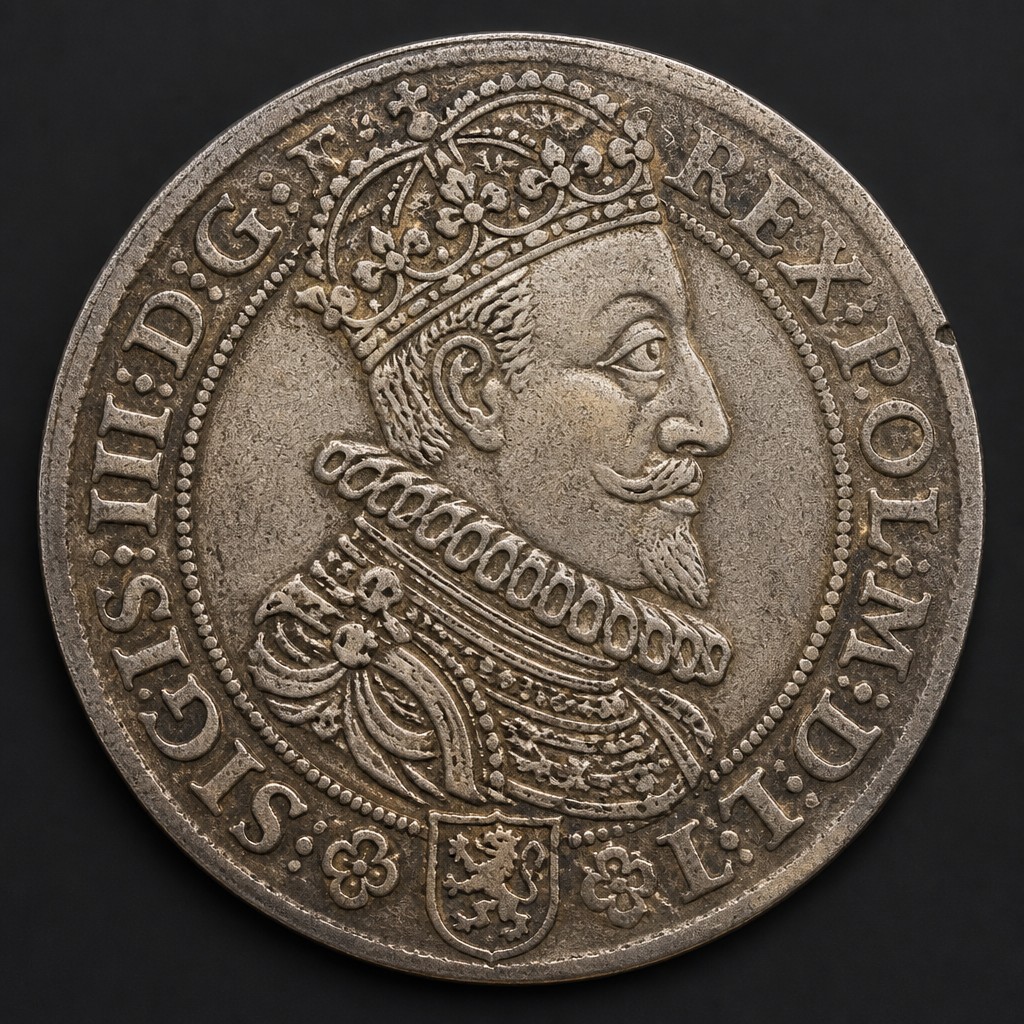
Polish-Lithuanian Thaler
circa 16th–18th century
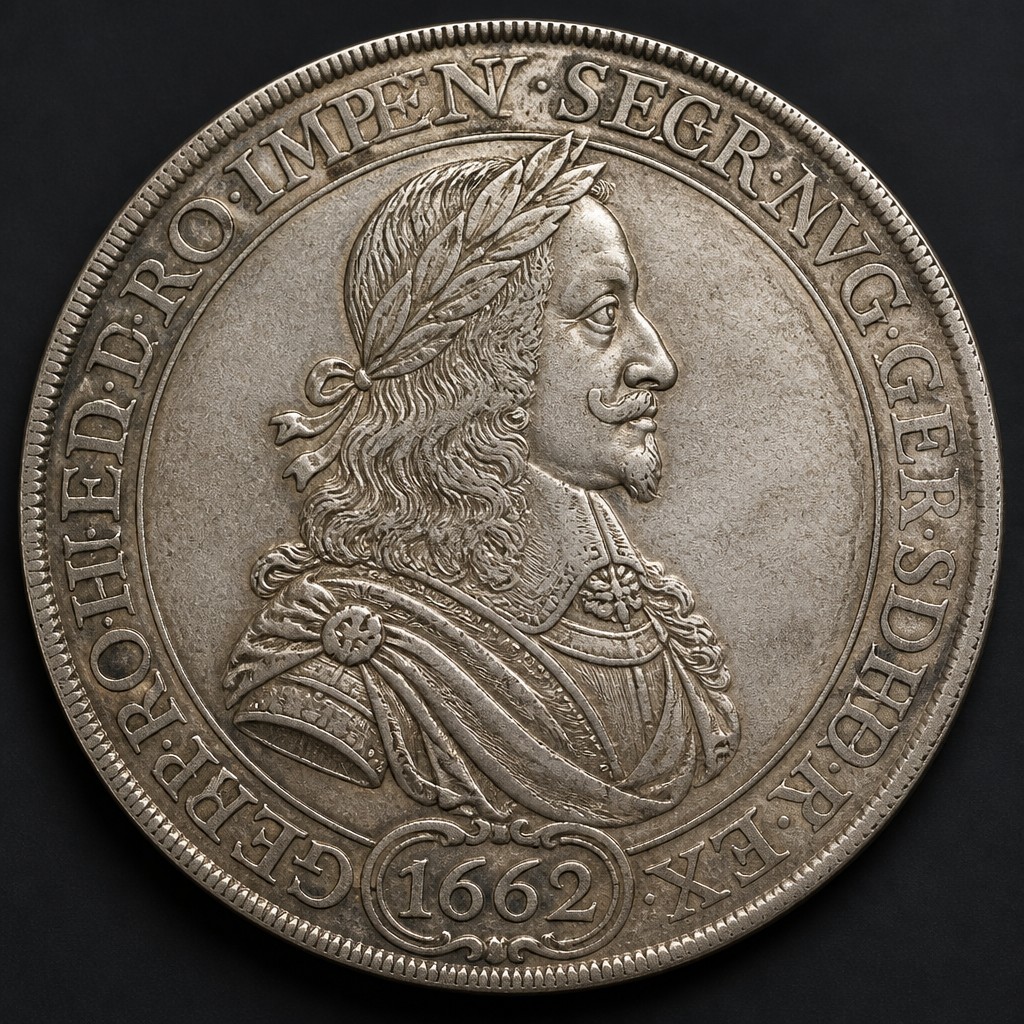
Reichsthaler
circa 1566–early 19th century
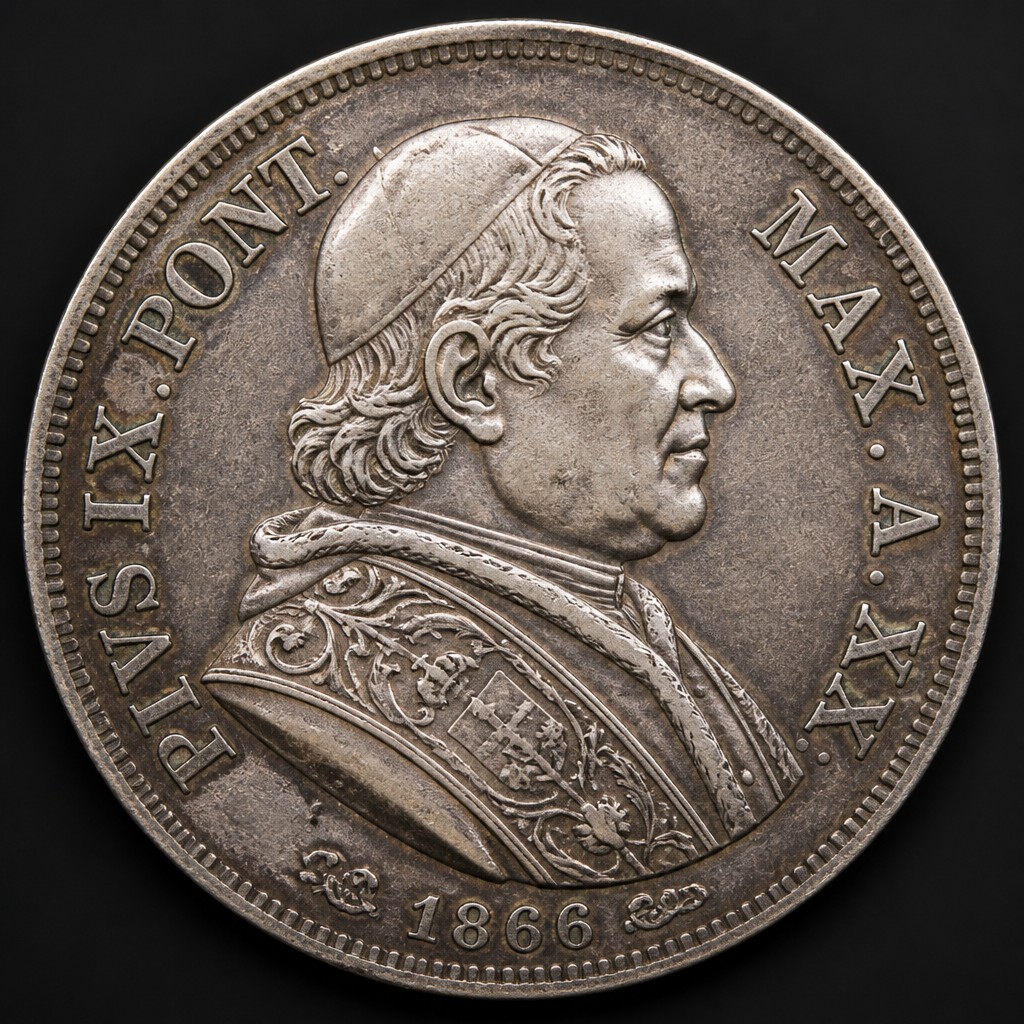
Papal States Scudo
16th century–1866
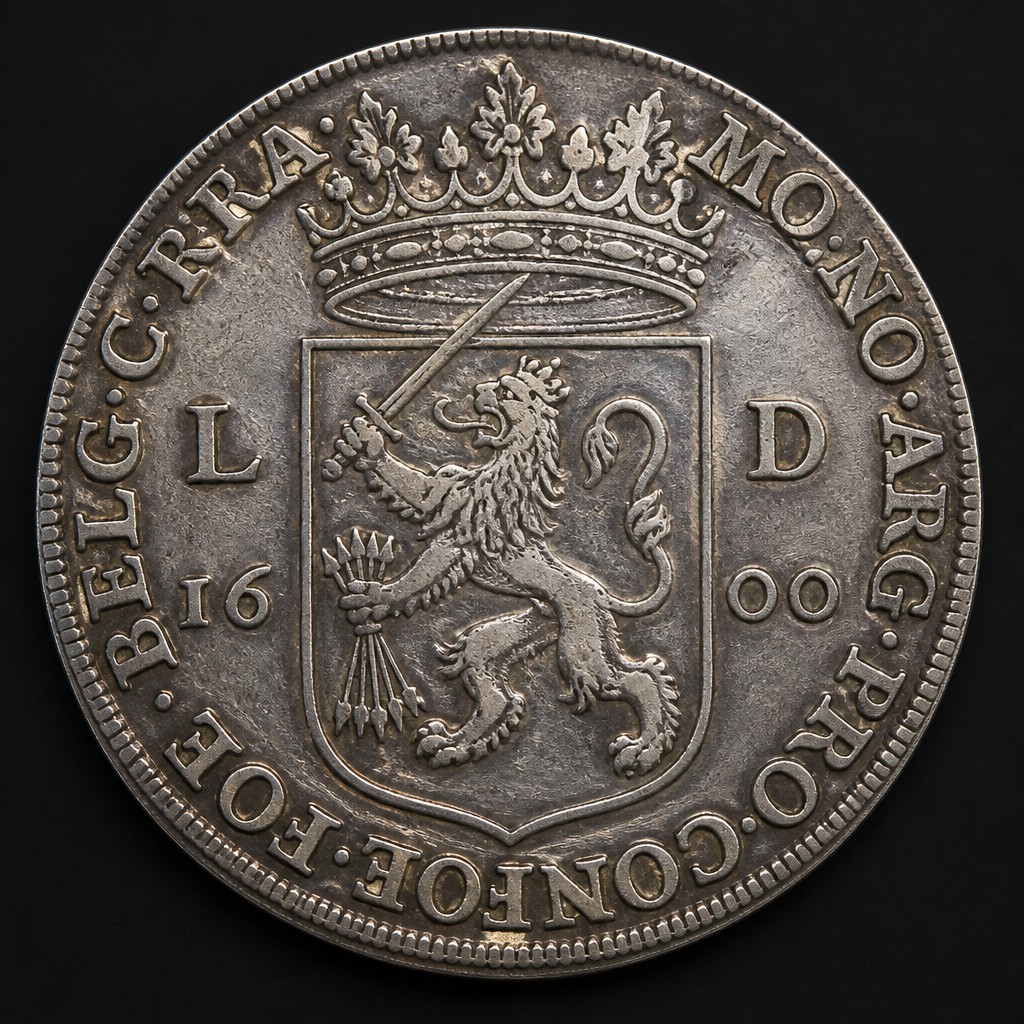
Netherlands Lion Daalder (Leeuwendaalder)
1575–1713
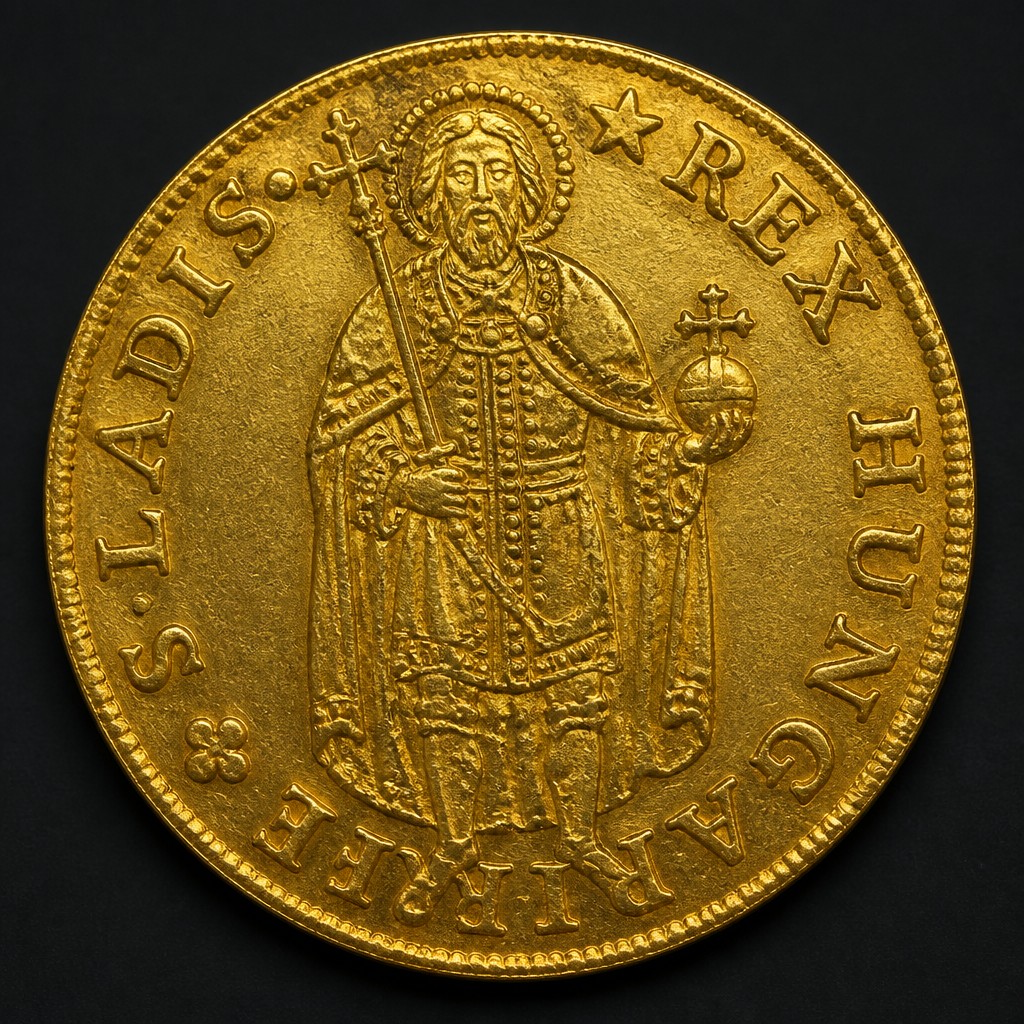
Hungarian Ducat
c. 1325–1918
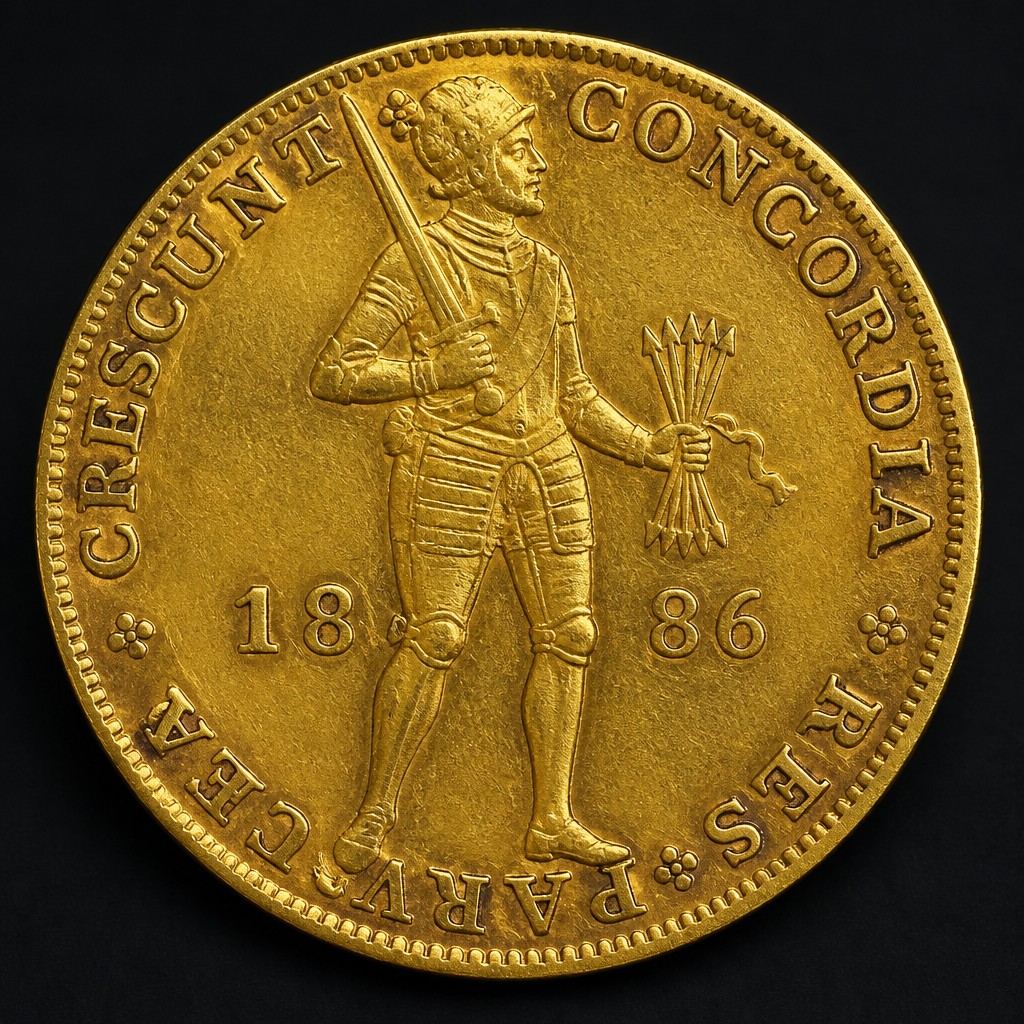
Dutch Ducat
c. 1586–present (classic type standardized after 1817)
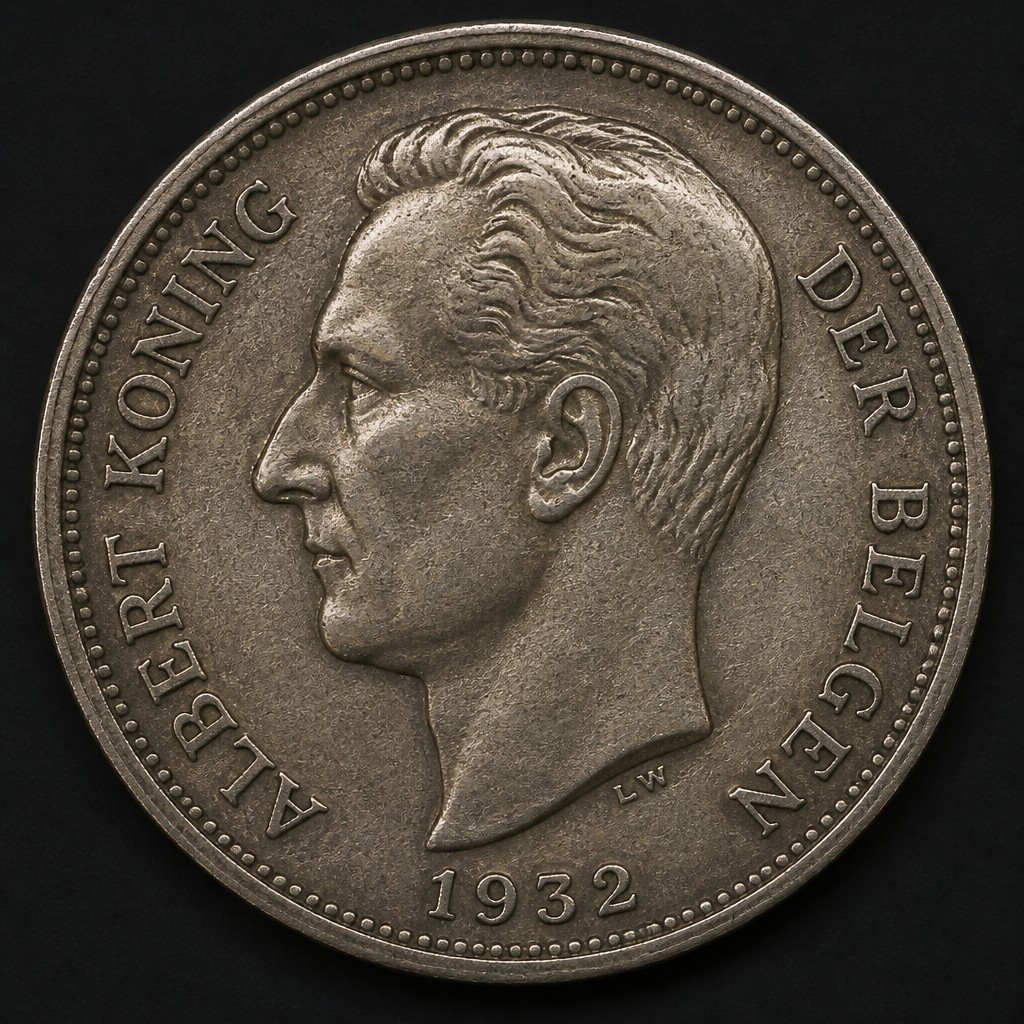
Belgian Franc
1832–2002
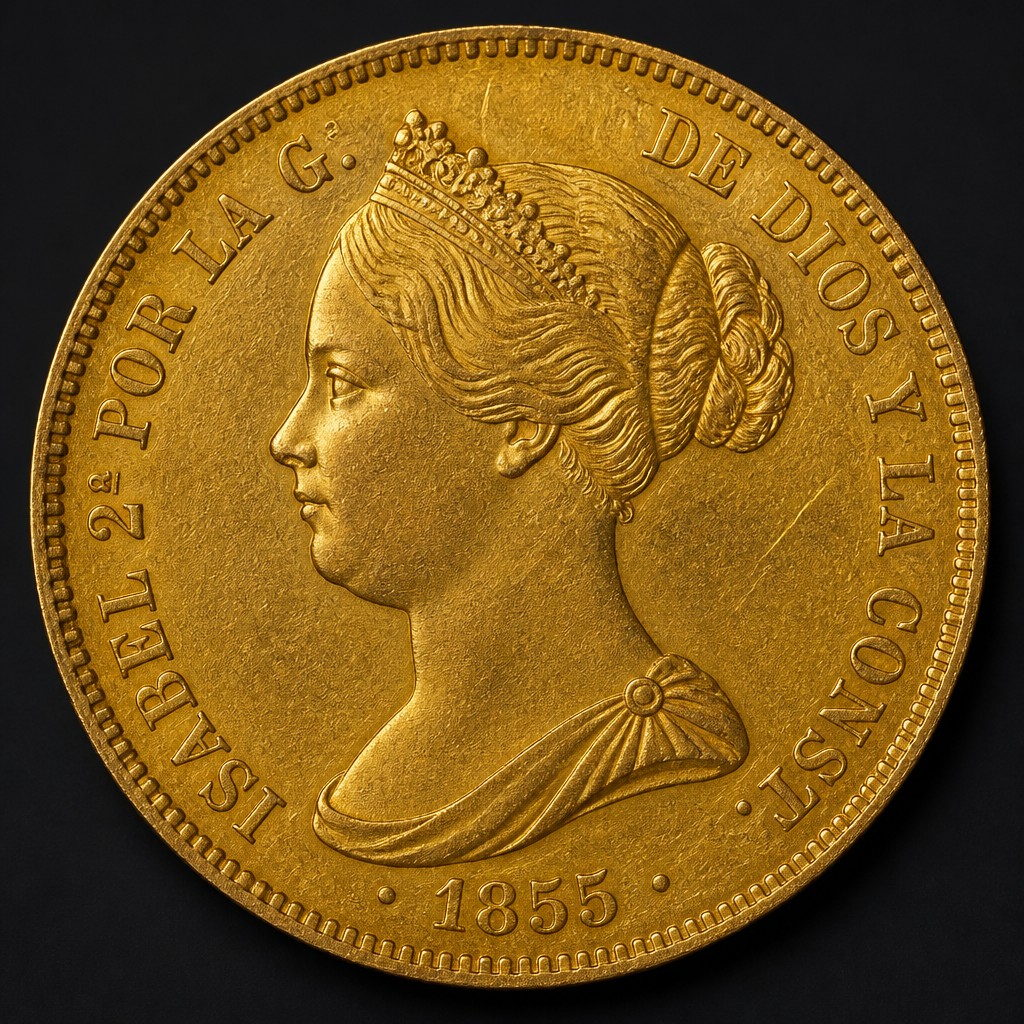
Spanish 100 Reales Gold (Isabel II)
1850s–1868
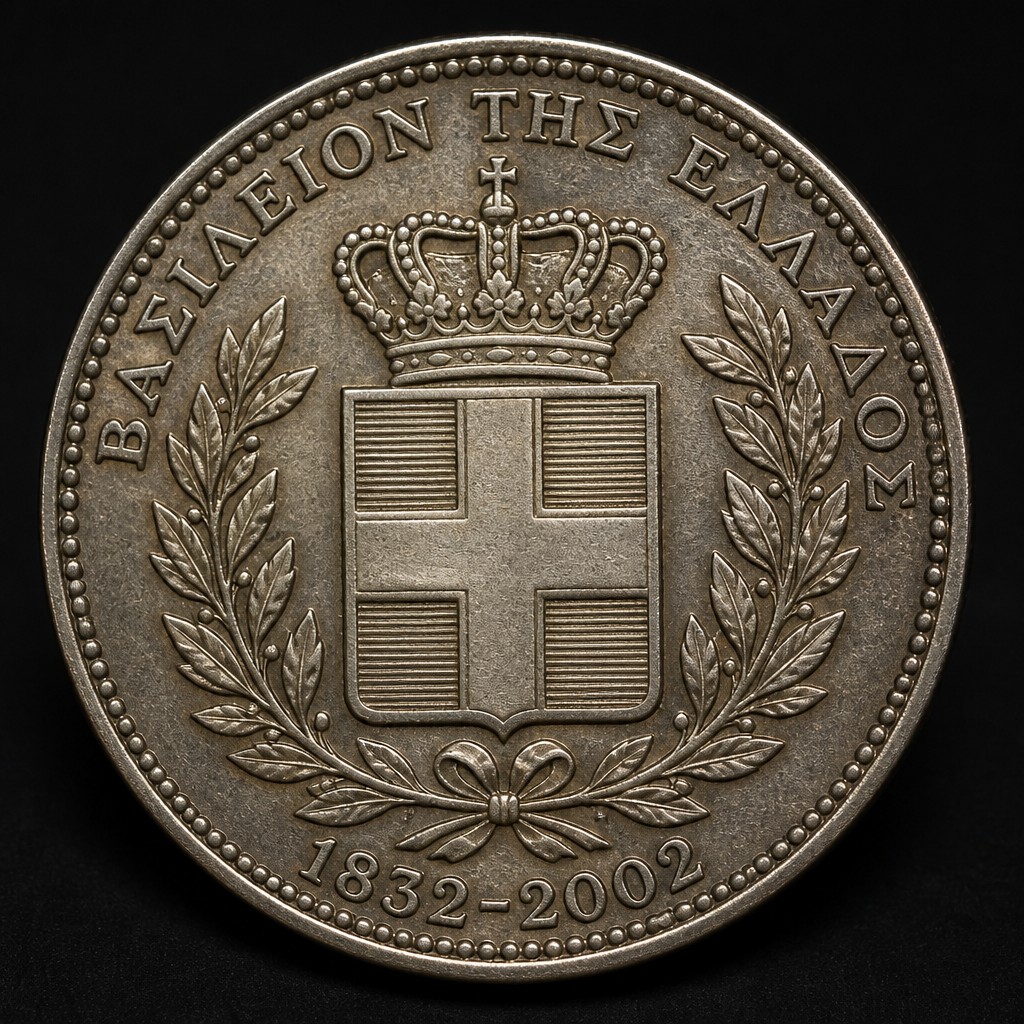
Greek Drachma
1832–2002
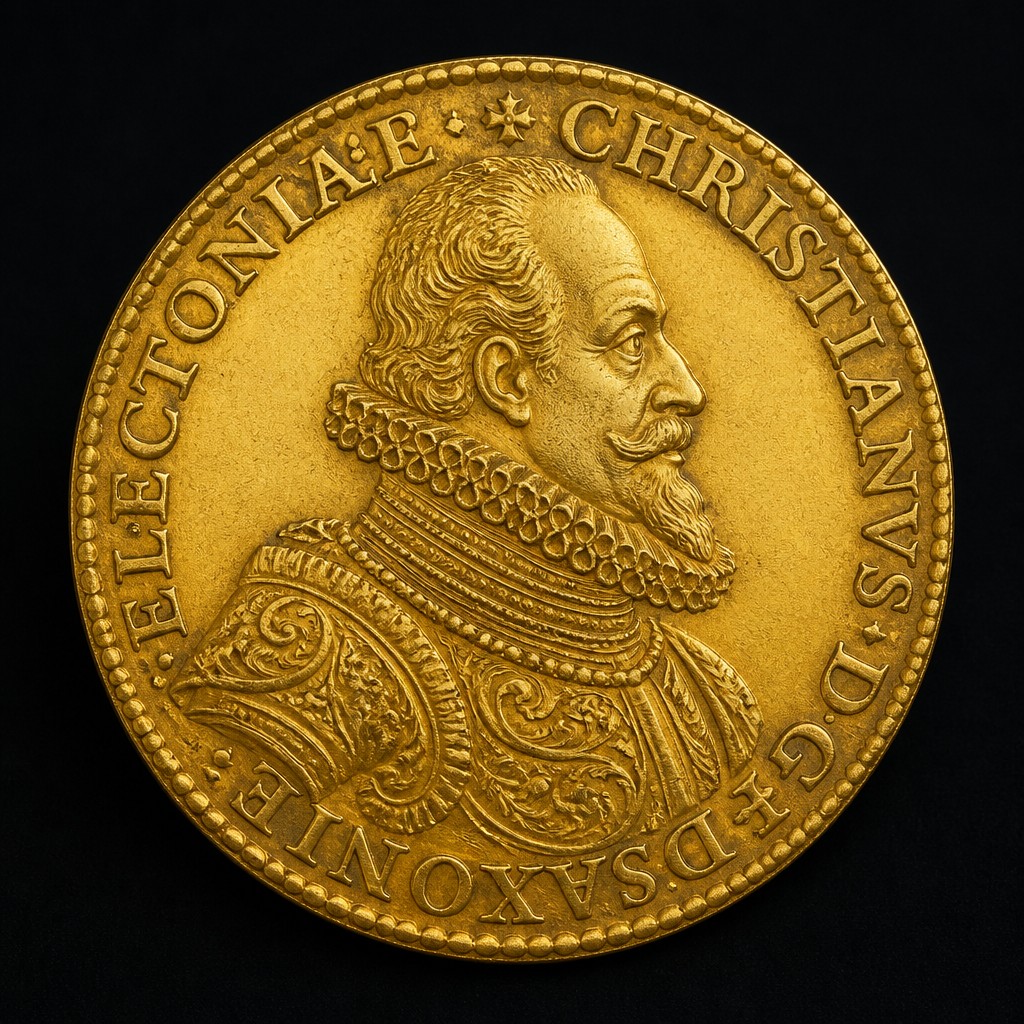
German Saxony Ducat
16th century–19th century
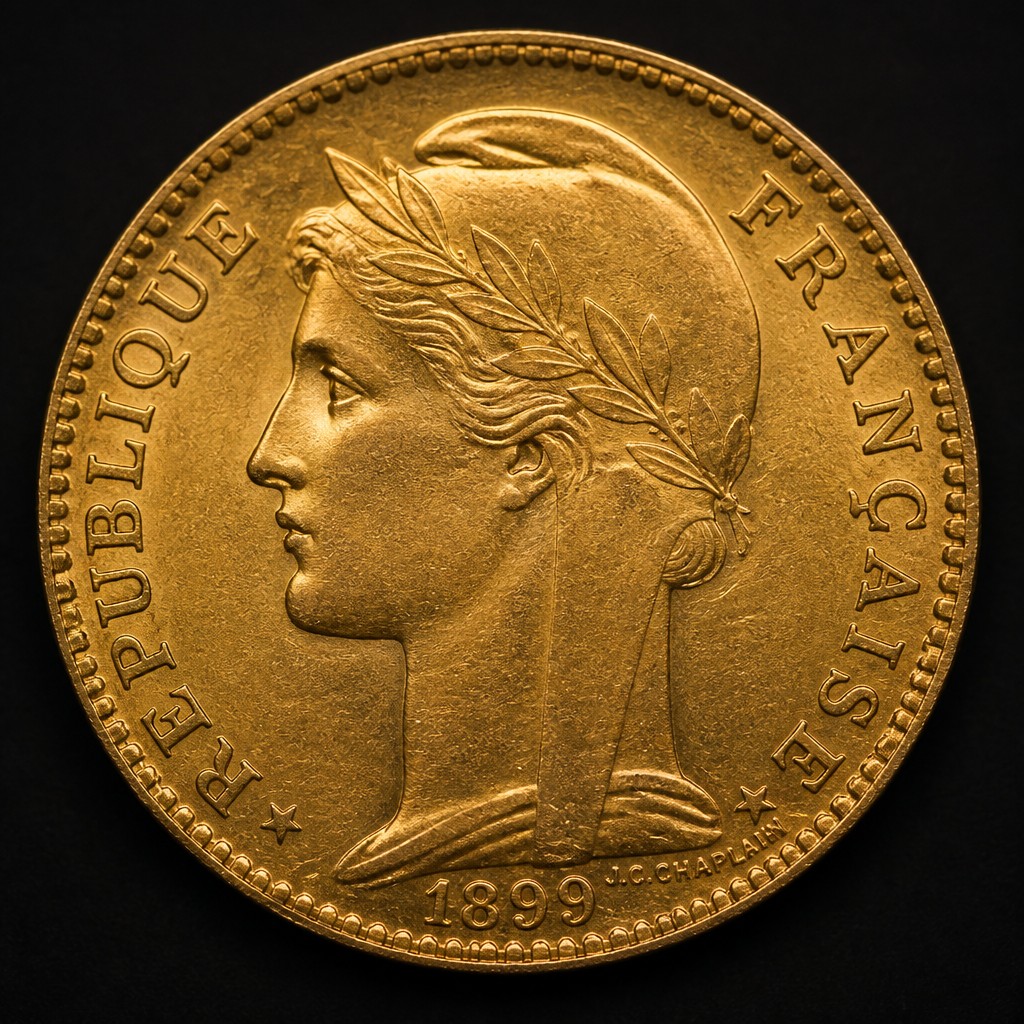
French 10 Francs Gold (Napoleon Rooster)
1899–1914
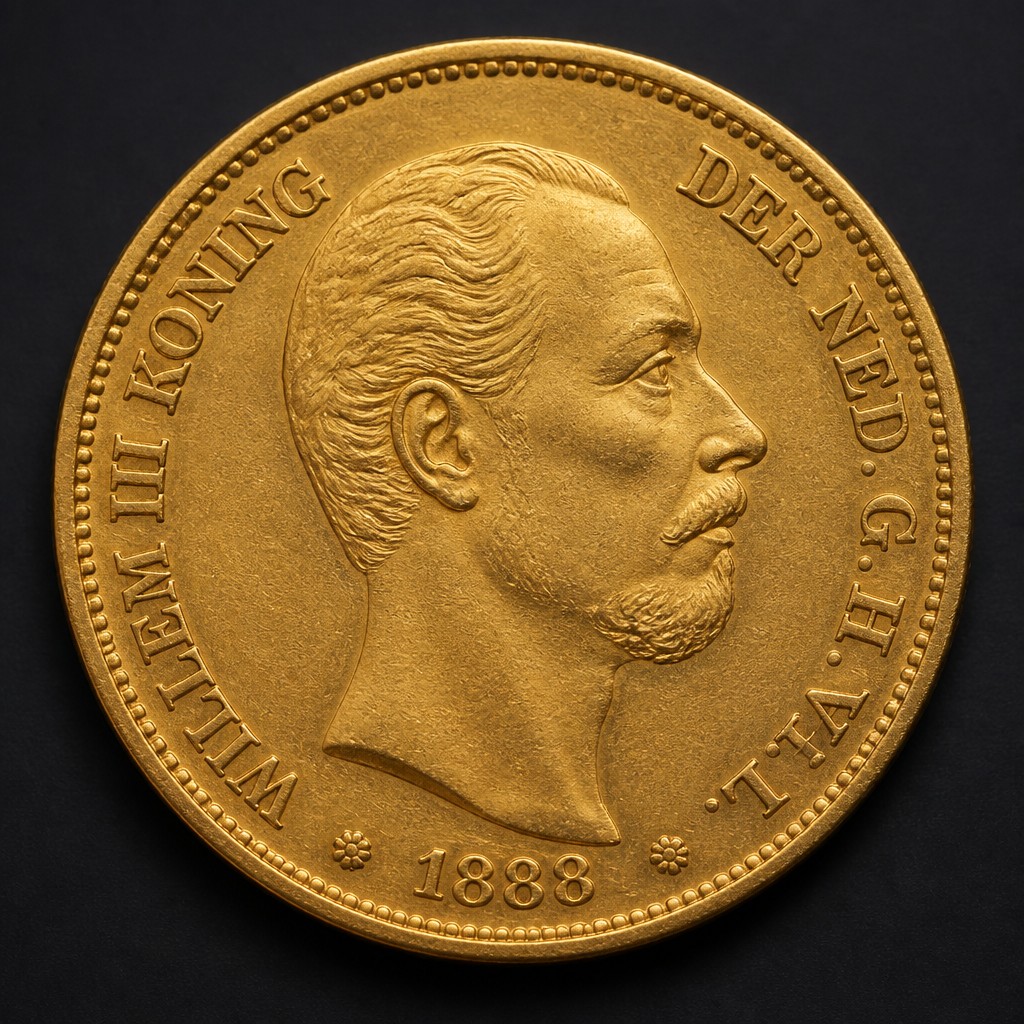
Netherlands 5 Gulden Gold
1826–1912 (intermittent)