
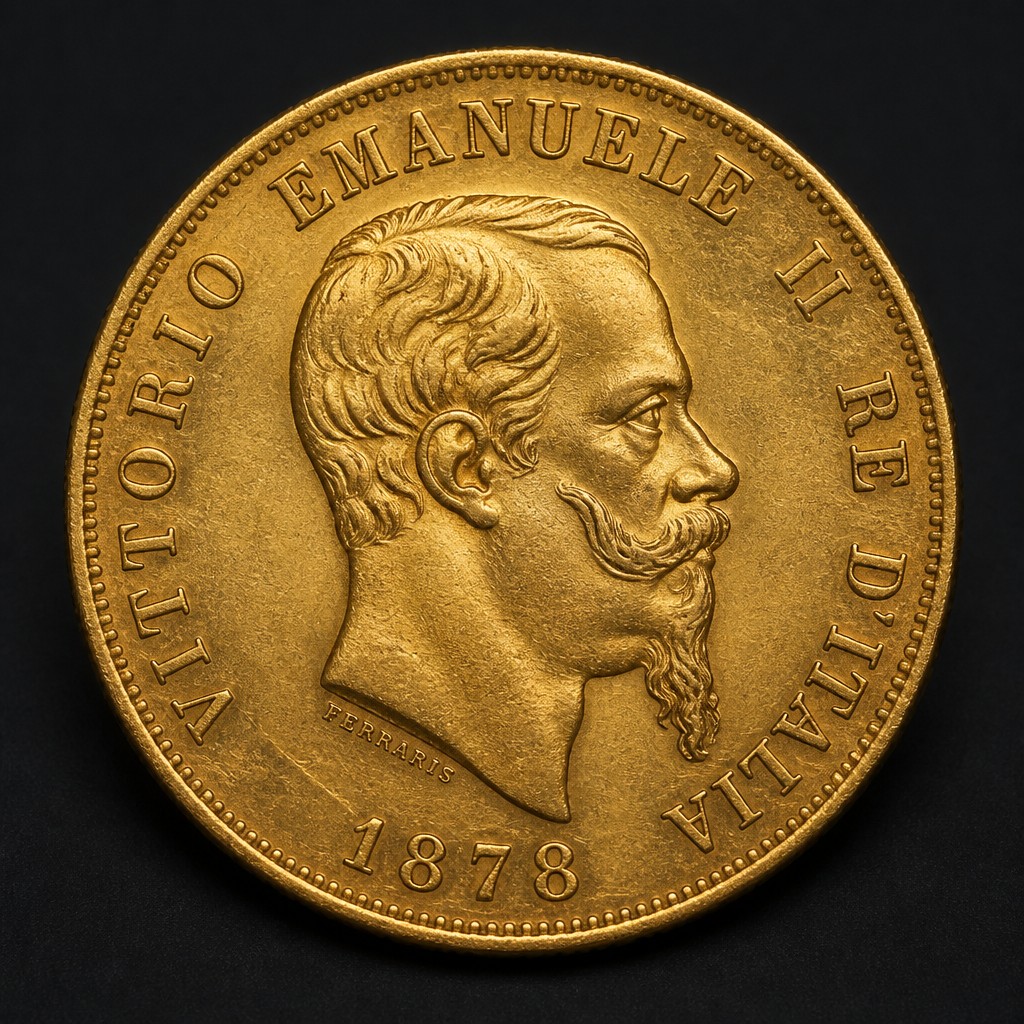
Italian 100 Lire Gold
The largest gold denomination of the Kingdom of Italy's Latin Monetary Union coinage, struck under Vittorio Emanuele II and Umberto I in relatively limited numbers.
- Country
- Italy (Kingdom of Italy)
- Denomination
- 100 Lire
- Metal
- Gold (.900 fine)
Got a coin like this?
Identify any coin from a photo, free.
Overview
The Italian 100 Lire gold coin represents the top denomination of the Kingdom of Italy's 19th-century gold coinage struck under the Latin Monetary Union standard, making it one of the more substantial and prestigious gold pieces of the era.
Because high-denomination gold coins like the 100 Lire were typically struck in smaller quantities than lower-value pieces and were more likely to be melted over the following decades, genuine surviving examples are notably scarcer than common Italian silver coinage of the same period.
Collectors of Italian and Latin Monetary Union gold coinage regard the 100 Lire as a key, high-value piece for advanced collections of the Kingdom of Italy series.
History & Background
Following Italian unification in 1861, the new Kingdom of Italy joined the Latin Monetary Union in 1865, adopting standardized gold and silver coinage shared with France, Belgium, and Switzerland. The 100 Lire gold coin was struck as the union's largest common gold denomination, equivalent in size and fineness to the French 100 Francs gold piece.
Coins were issued under King Vittorio Emanuele II, the first king of unified Italy, and continued under his successor Umberto I, each bearing the reigning monarch's portrait and titles.
As with other large gold denominations across Europe, production of the 100 Lire gold coin was relatively limited compared to smaller denominations, and many examples were later melted for their gold content during subsequent economic crises, contributing to their present-day scarcity.
How to Identify
The obverse of the Italian 100 Lire gold coin displays the portrait of the reigning king, either Vittorio Emanuele II or Umberto I, in profile, with his name and royal titles inscribed around the border. The reverse shows the denomination within a wreath, along with the date and the Italian royal coat of arms or eagle depending on the specific type.
As a large-denomination gold coin, it is notably bigger and heavier than the common 20 Lire gold piece, making size and weight useful first checks when attempting identification.
Mint marks for Rome, Turin, or Milan, along with engraver's initials, appear in the design field and help pinpoint the exact mint and period of striking; collectors should compare these carefully against reference images given the coin's high value and the resulting risk of counterfeits.
Value & Collectibility
Genuine Italian 100 Lire gold coins are scarce and valuable, commanding significant premiums over simple gold melt value due to their historical importance, limited surviving population, and strong demand among specialist collectors of Italian coinage.
Condition, specific ruler, date, and mint all significantly affect price, with well-preserved, problem-free examples achieving the strongest results at auction and among specialist dealers.
Given their rarity and gold content, genuine 100 Lire gold coins typically sell well into four figures, with exceptional dates or conditions potentially reaching considerably higher; buyers should be especially cautious of counterfeits given the coin's high value.
Frequently asked questions
How does the 100 Lire compare to the more common 20 Lire gold coin?
It is a much larger, heavier, and rarer gold denomination, representing the top of the Kingdom of Italy's Latin Monetary Union gold coinage.
Which kings appear on the 100 Lire gold coin?
Vittorio Emanuele II and Umberto I, the first two kings of unified Italy.
Why is this coin scarce today?
Large-denomination gold coins were struck in smaller numbers and were more likely to be melted during later economic crises, reducing surviving populations.
Should I be cautious of fakes for this coin?
Yes, high-value gold coins like this are commonly counterfeited, so careful comparison against trusted references and weighing is advisable.
Other coins you may enjoy
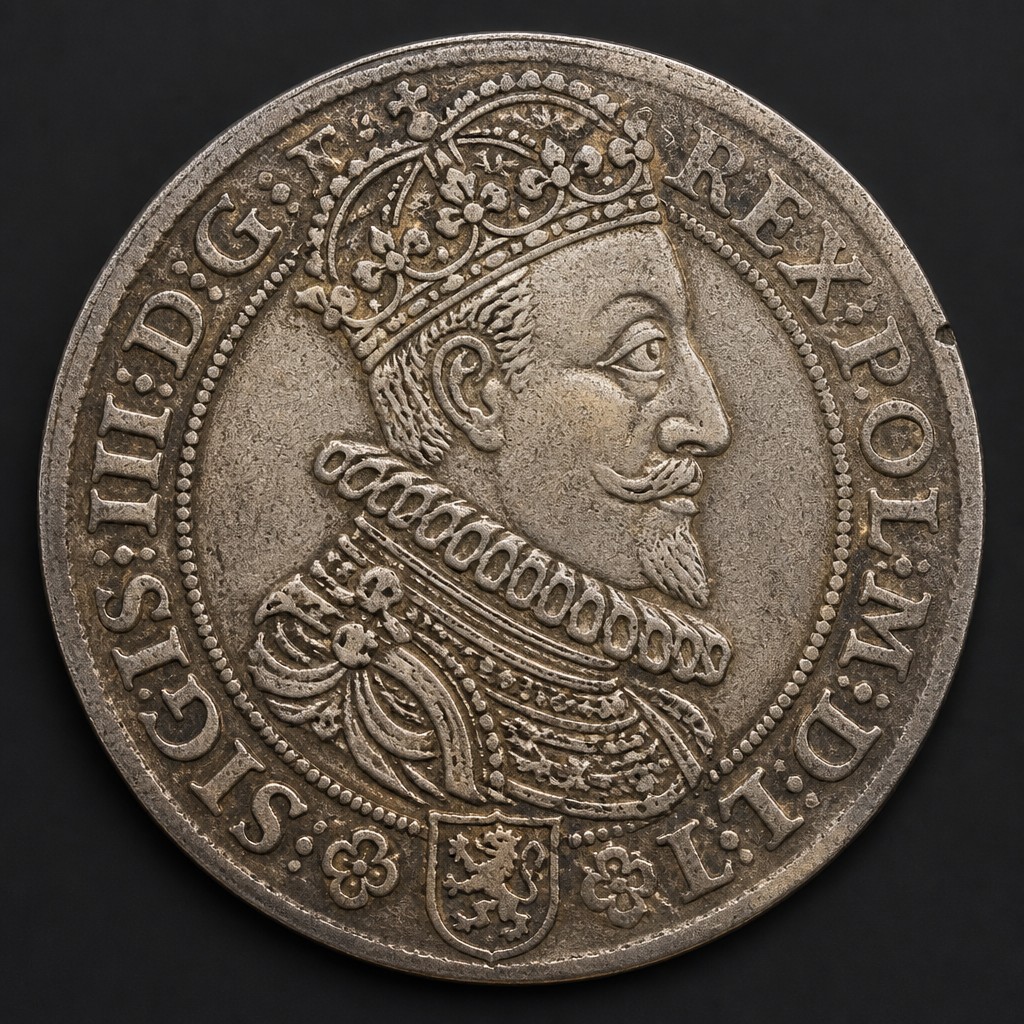
Polish-Lithuanian Thaler
circa 16th–18th century
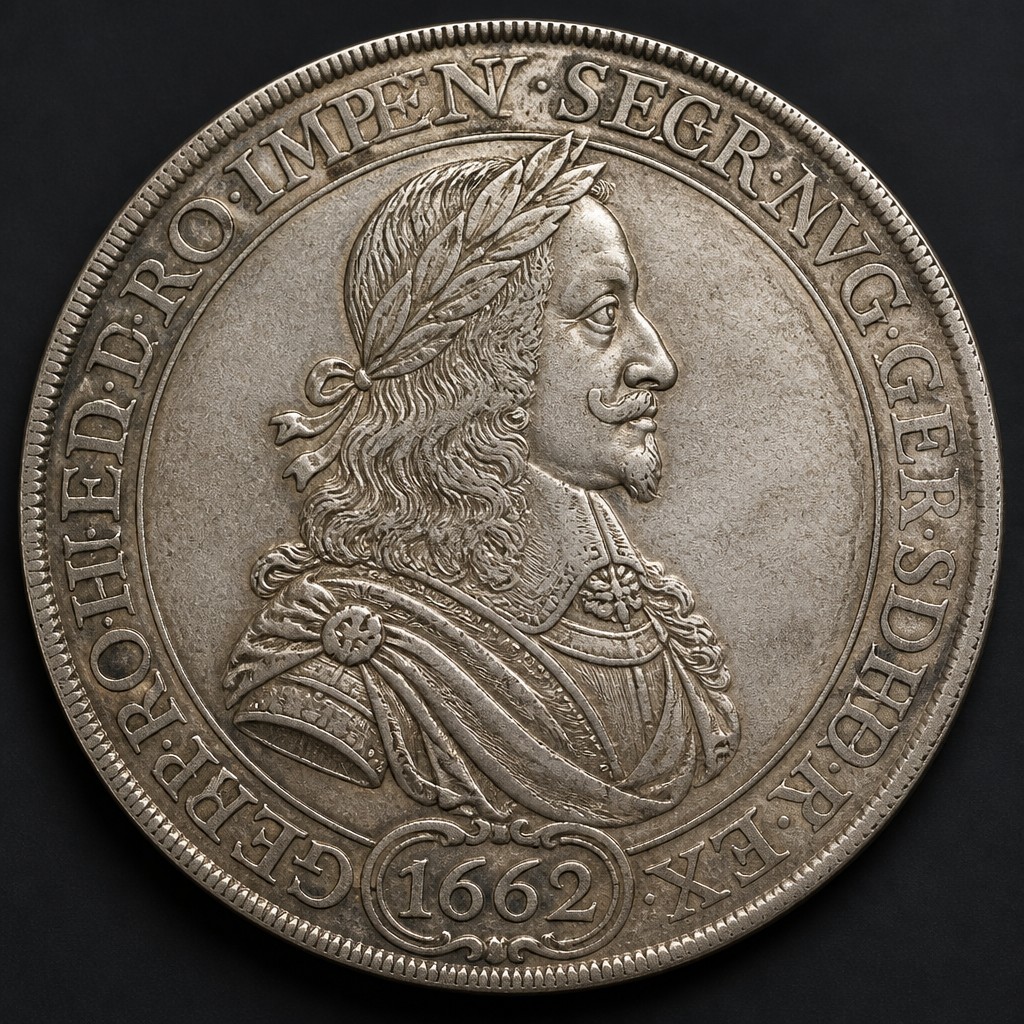
Reichsthaler
circa 1566–early 19th century
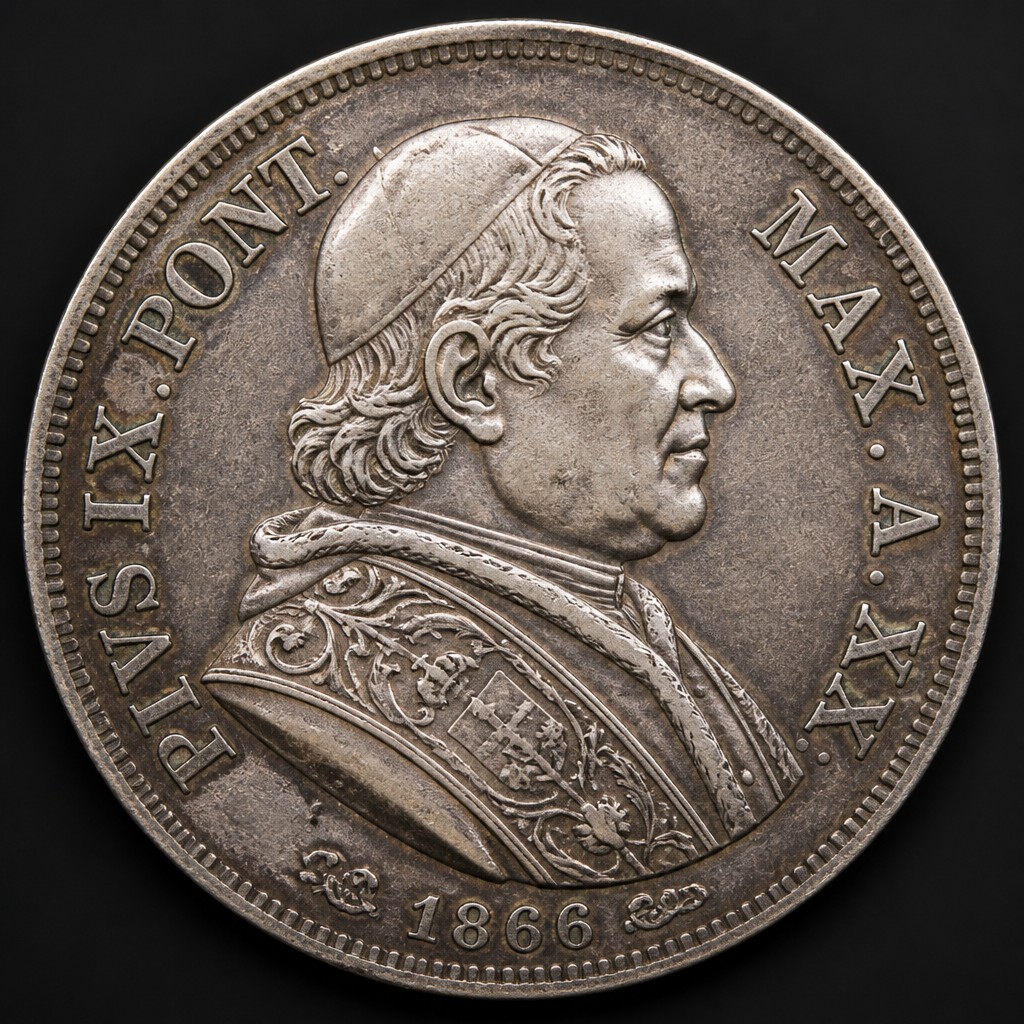
Papal States Scudo
16th century–1866
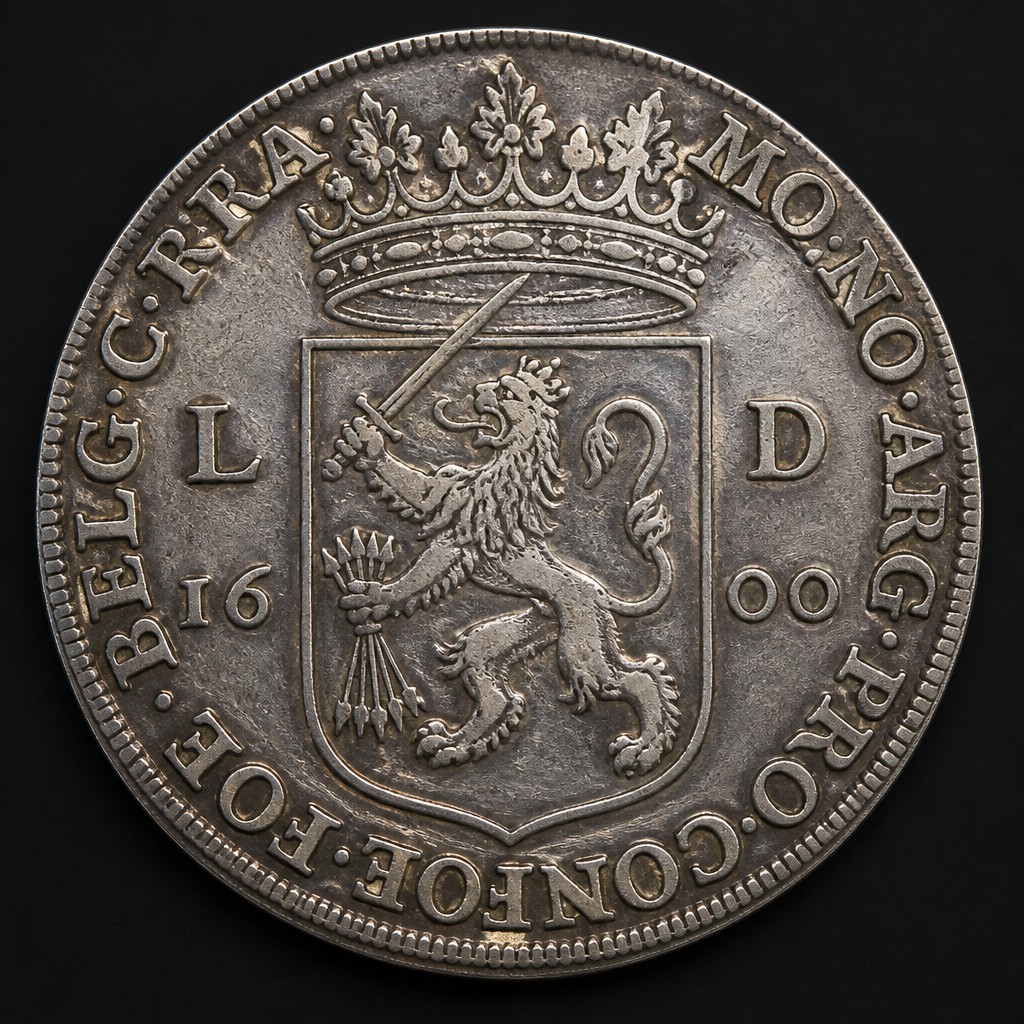
Netherlands Lion Daalder (Leeuwendaalder)
1575–1713
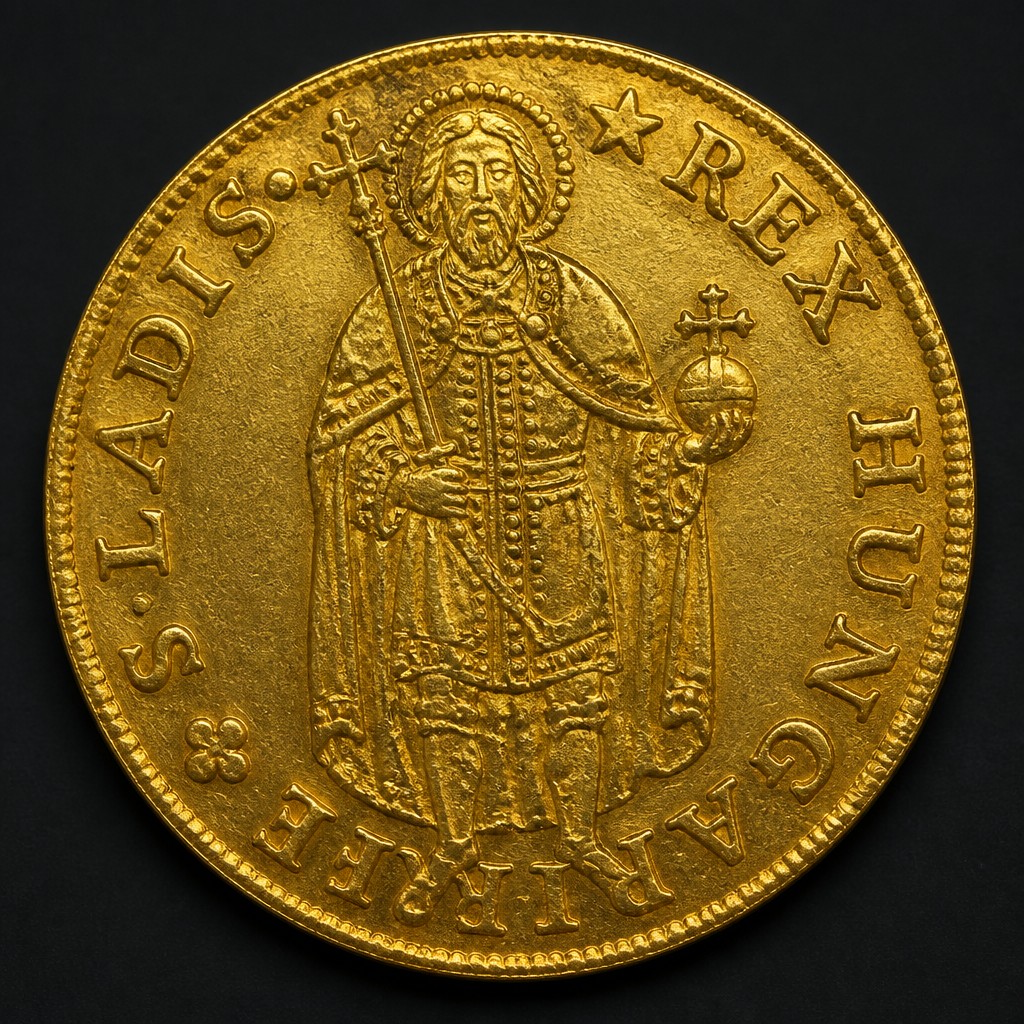
Hungarian Ducat
c. 1325–1918
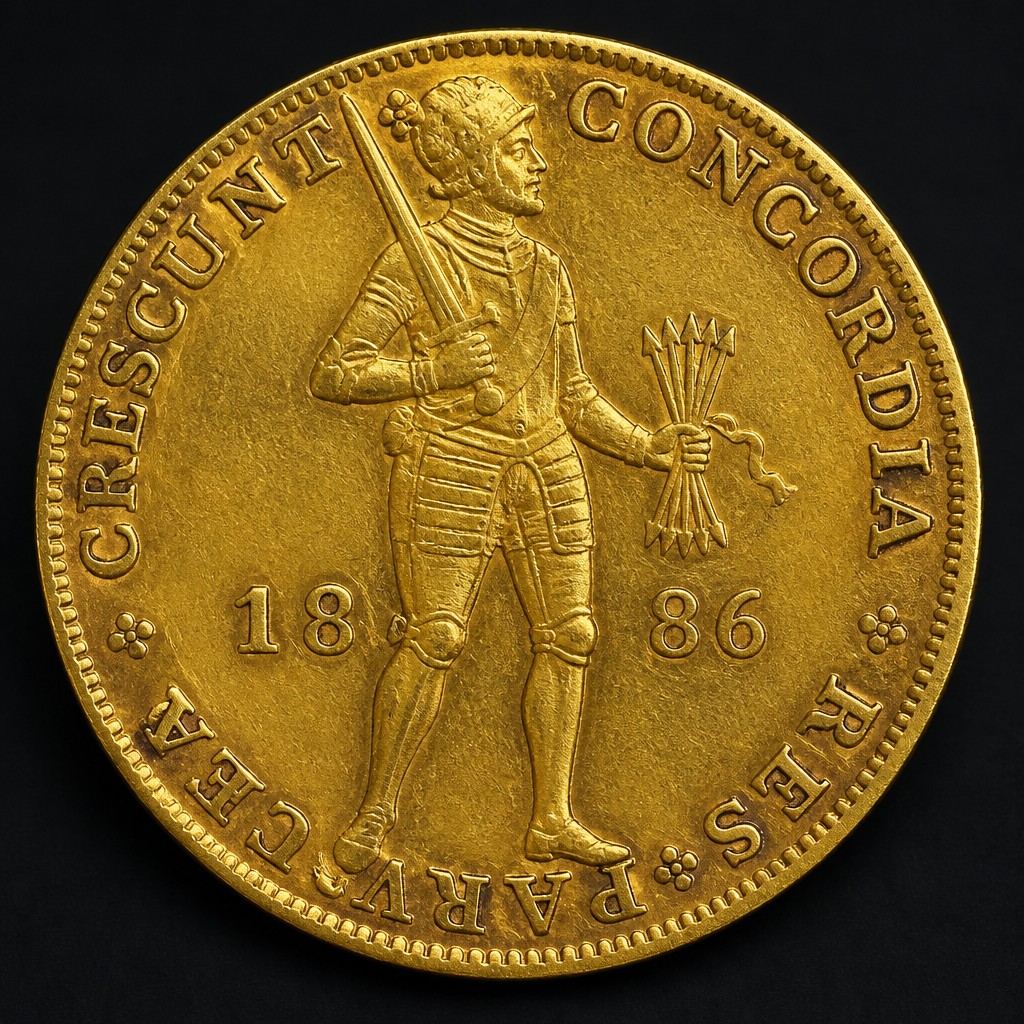
Dutch Ducat
c. 1586–present (classic type standardized after 1817)
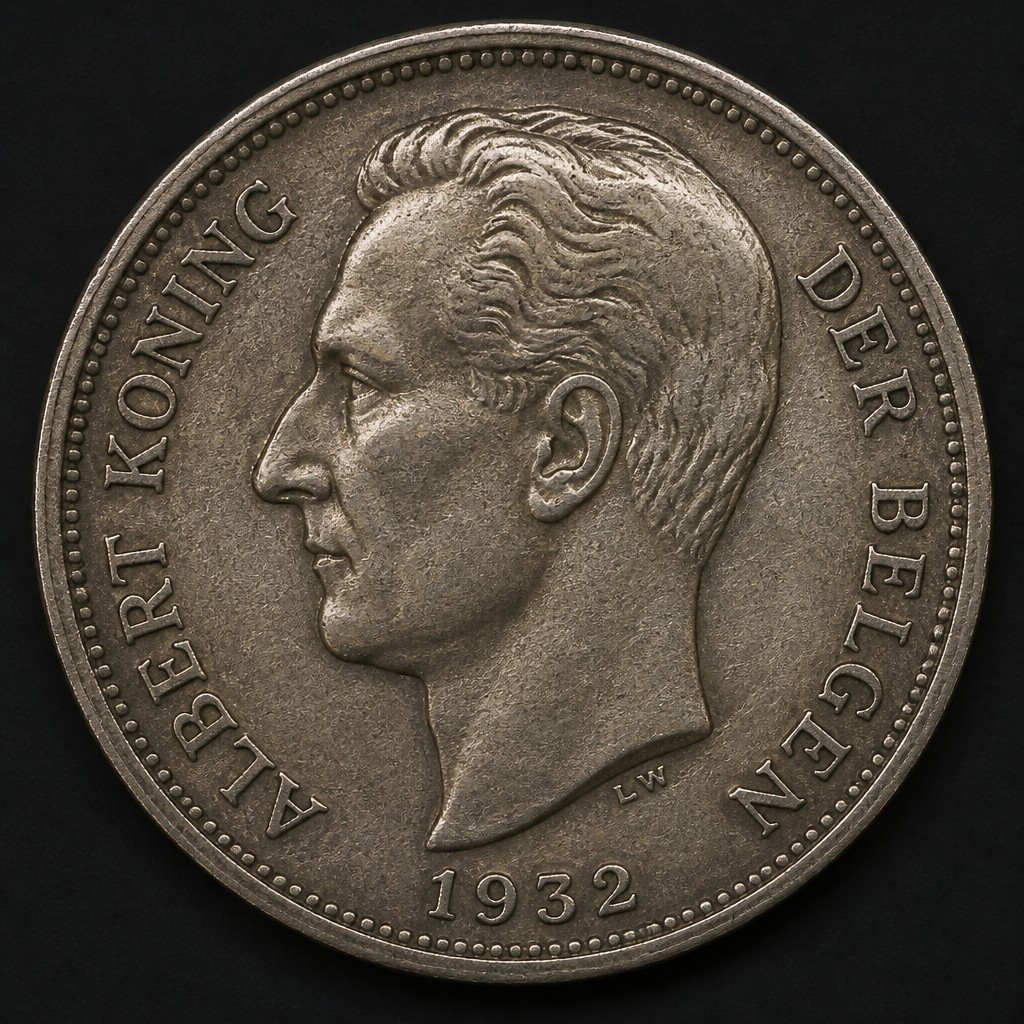
Belgian Franc
1832–2002
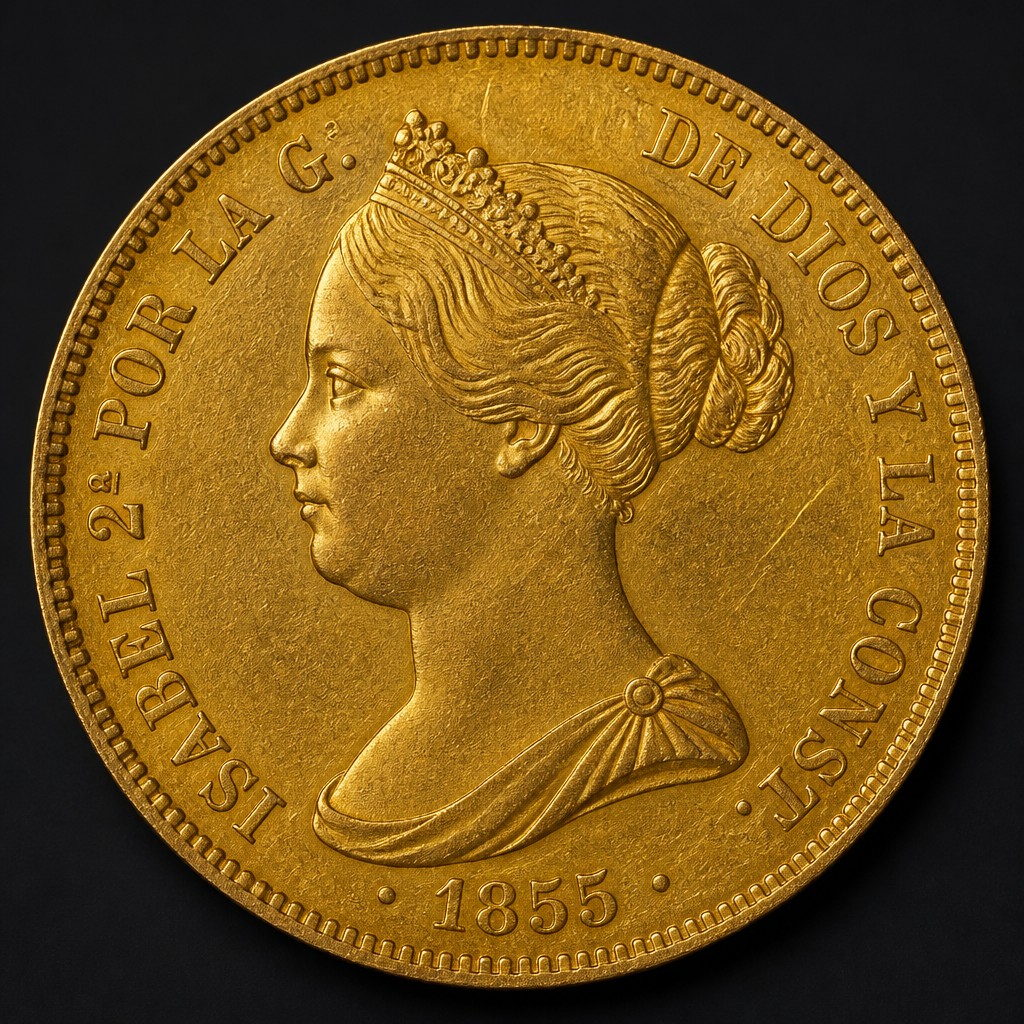
Spanish 100 Reales Gold (Isabel II)
1850s–1868
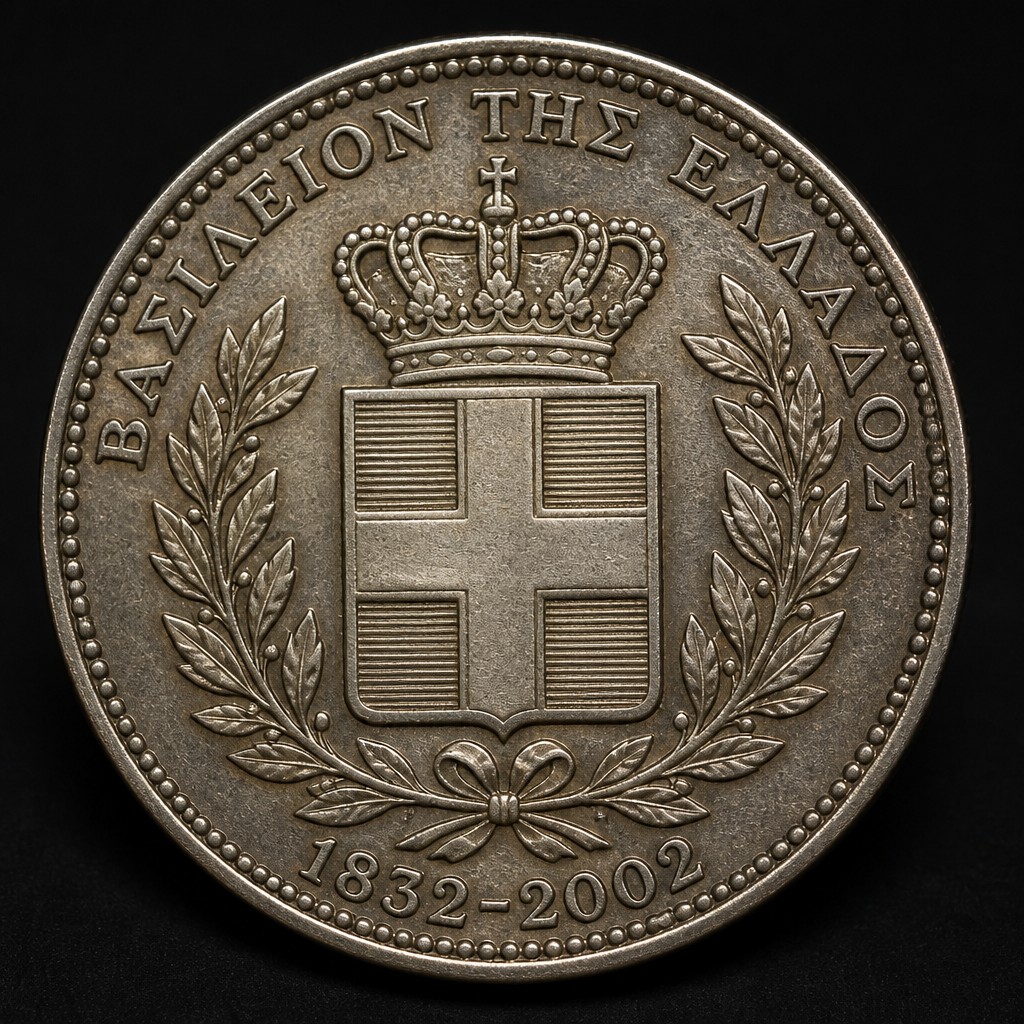
Greek Drachma
1832–2002
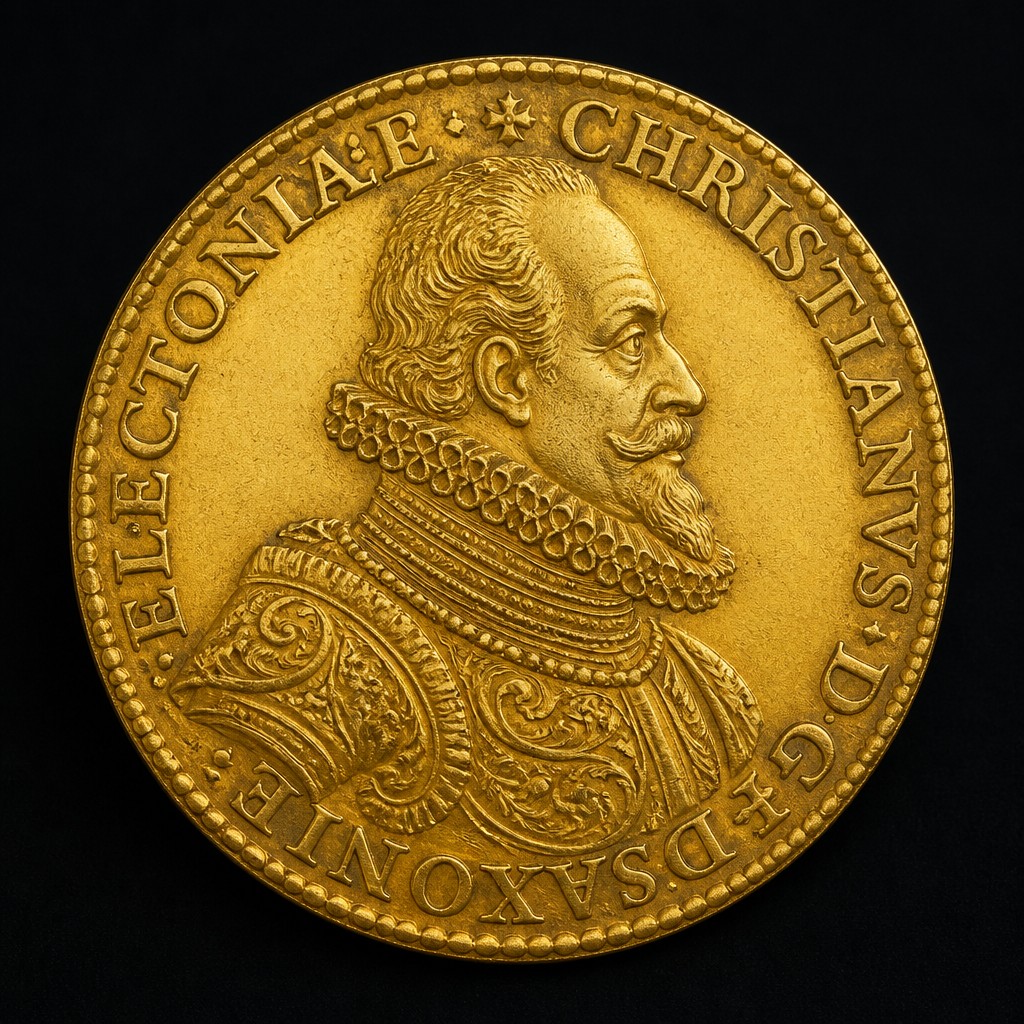
German Saxony Ducat
16th century–19th century
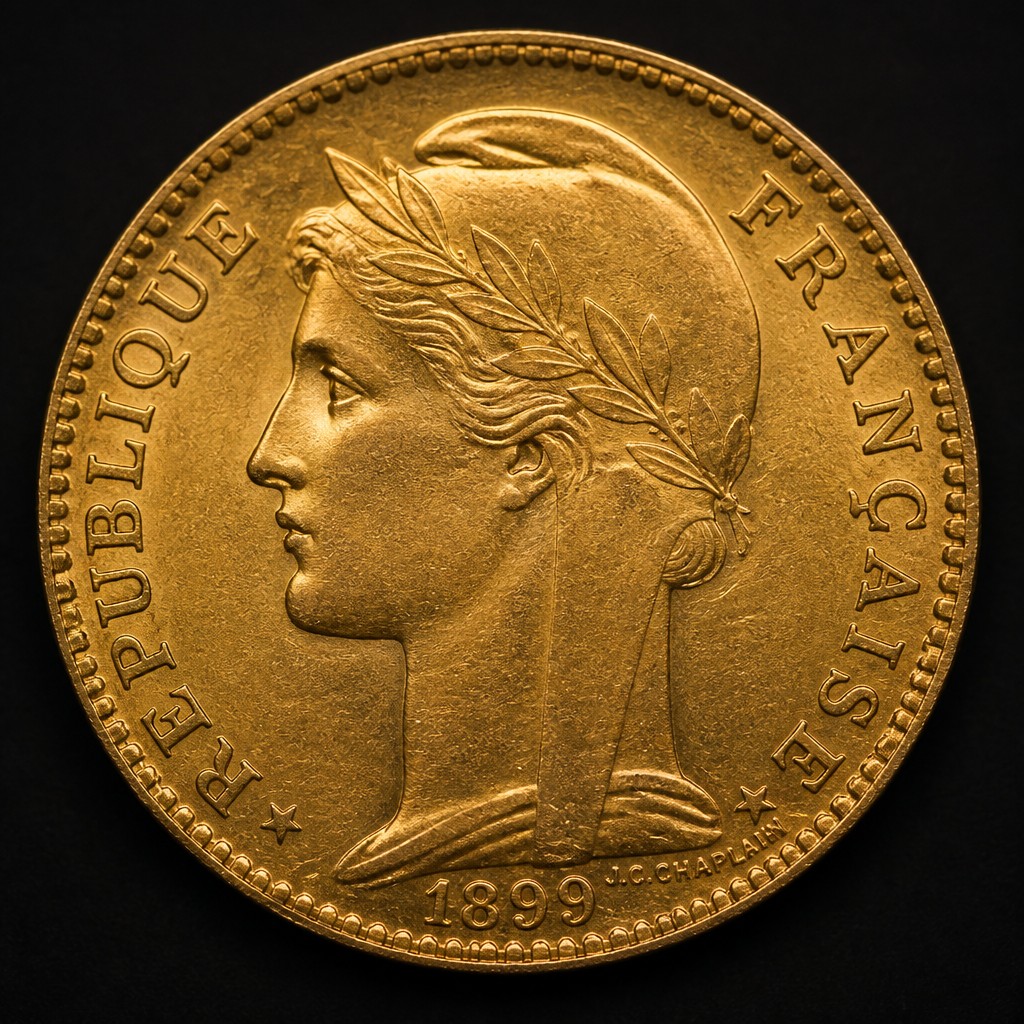
French 10 Francs Gold (Napoleon Rooster)
1899–1914
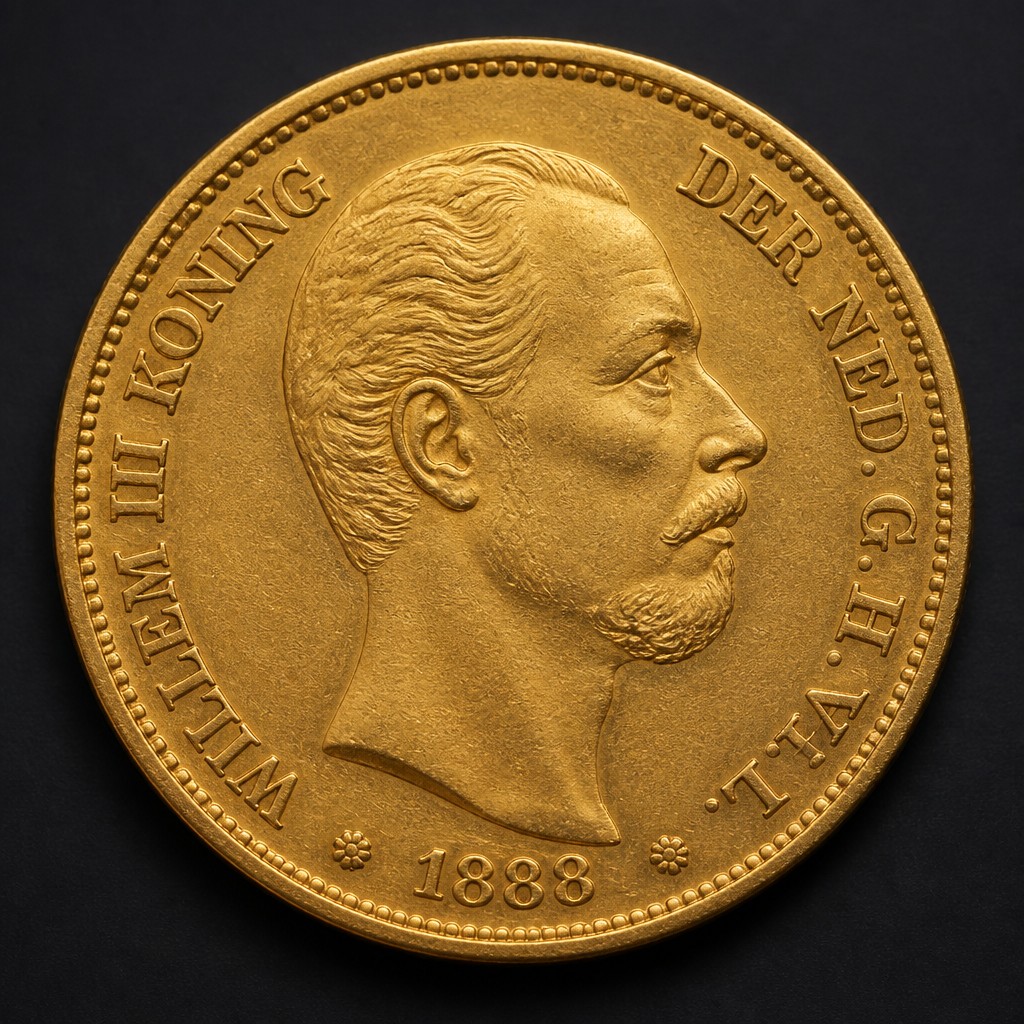
Netherlands 5 Gulden Gold
1826–1912 (intermittent)