
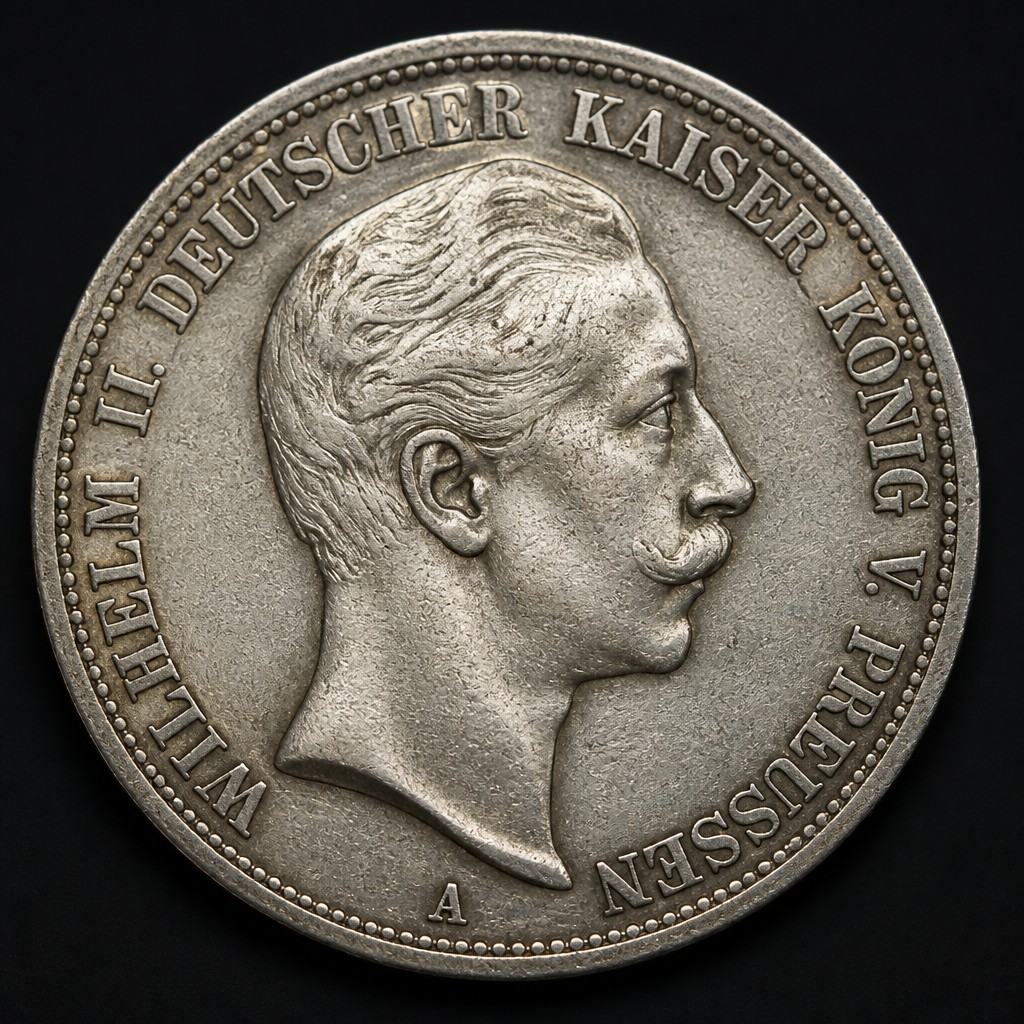
German 5 Mark Silver (Kaiserreich)
The 5 Mark was the largest circulating silver coin of the German Empire, issued by numerous constituent states and free cities, each with its own portrait or design under a common imperial system.
- Country
- German Empire
- Denomination
- 5 Mark
- Metal
- 90% Silver
Got a coin like this?
Identify any coin from a photo, free.
Overview
The German 5 Mark silver coin of the Kaiserreich (1871–1918) is one of the most collected series in world numismatics, thanks to its combination of large, attractive silver crowns and the fact that dozens of different rulers and city-states issued their own designs under the unified German currency system.
Each German state, from Prussia and Bavaria to smaller duchies and free cities like Hamburg and Bremen, struck 5 Mark coins bearing its own local ruler's portrait or civic arms, all sharing a common reverse imperial eagle design on most issues. This makes the series a favorite "one of each state" collecting challenge.
Certain issues, particularly low-mintage states and short-reigned rulers, are quite scarce and highly sought after, giving the series both an accessible entry point and genuine high-end rarities.
History & Background
Following the unification of Germany in 1871 under Prussian leadership, the new German Empire introduced a unified currency system based on the gold mark, with silver coins denominated in mark values used for larger-value circulating coinage. The 5 Mark silver piece became the flagship large silver denomination, roughly equivalent in size and role to other national silver crowns of the era.
Unusually for a unified currency, the empire allowed its constituent kingdoms, grand duchies, duchies, principalities, and free cities to strike their own designs for circulation, provided they conformed to common weight, fineness, and denomination standards. This produced a rich variety of portraits, from Kaiser Wilhelm I and Wilhelm II of Prussia to the kings of Bavaria, Saxony, and Württemberg, as well as civic arms for free cities like Hamburg, Bremen, and Lübeck.
Production of the silver 5 Mark ceased with the outbreak of financial strain during World War I, and the German Empire itself ended in 1918 with the abdication of Kaiser Wilhelm II, closing out the Kaiserreich coinage era entirely.
How to Identify
Obverses vary by issuing state: portraits of kings, grand dukes, or civic coats of arms appear depending on which German state struck the coin, with the ruler's name and title in the legend. Nearly all issues share a common reverse design featuring the crowned imperial German eagle with the denomination "5 MARK" and the date below.
The coin is a substantial silver crown, roughly the size of other large world silver dollars/crowns of the period, with a reeded edge on most types. Mint marks appear as a single letter below the eagle on the reverse (A for Berlin, D for Munich, F for Stuttgart, G for Karlsruhe, J for Hamburg).
Collectors distinguish issues primarily by the obverse ruler or city arms and the state name in the legend (for example, "Wilhelm II Deutscher Kaiser Konig von Preussen" for Prussia, or "Wilhelm II Konig von Wurttemberg" for Württemberg), since the reverse design and denomination are largely standardized across the series.
Value & Collectibility
Values across the German 5 Mark silver series vary enormously by state, ruler, date, and original mintage. Common Prussian and Bavarian issues in circulated grades are relatively affordable, while coins from smaller states, short reigns, or free cities can be genuinely rare and command strong premiums.
Condition matters greatly: choice uncirculated examples of even common types bring notable premiums over worn pieces, and the series includes several widely recognized key dates prized by specialists in German states coinage.
Common circulated 5 Mark coins often trade in the range of tens of dollars tied largely to silver content and modest numismatic premium, while scarce states or key dates in top condition can reach into the hundreds or even thousands of dollars.
Frequently asked questions
Why are there so many different German 5 Mark designs?
The German Empire allowed its individual states and free cities to strike their own coin designs under a shared national currency standard, resulting in dozens of distinct portrait and arms types.
What is the silver content of a German 5 Mark coin?
These coins are typically struck in 90% silver, similar to other large silver crowns of the era.
Are all German Empire 5 Mark coins valuable?
No, common issues from major states like Prussia are generally affordable, while coins from smaller states or short reigns can be significantly scarcer and more valuable.
What do the mint mark letters mean?
A single letter below the eagle indicates the mint, such as A for Berlin, D for Munich, F for Stuttgart, G for Karlsruhe, and J for Hamburg.
Other coins you may enjoy
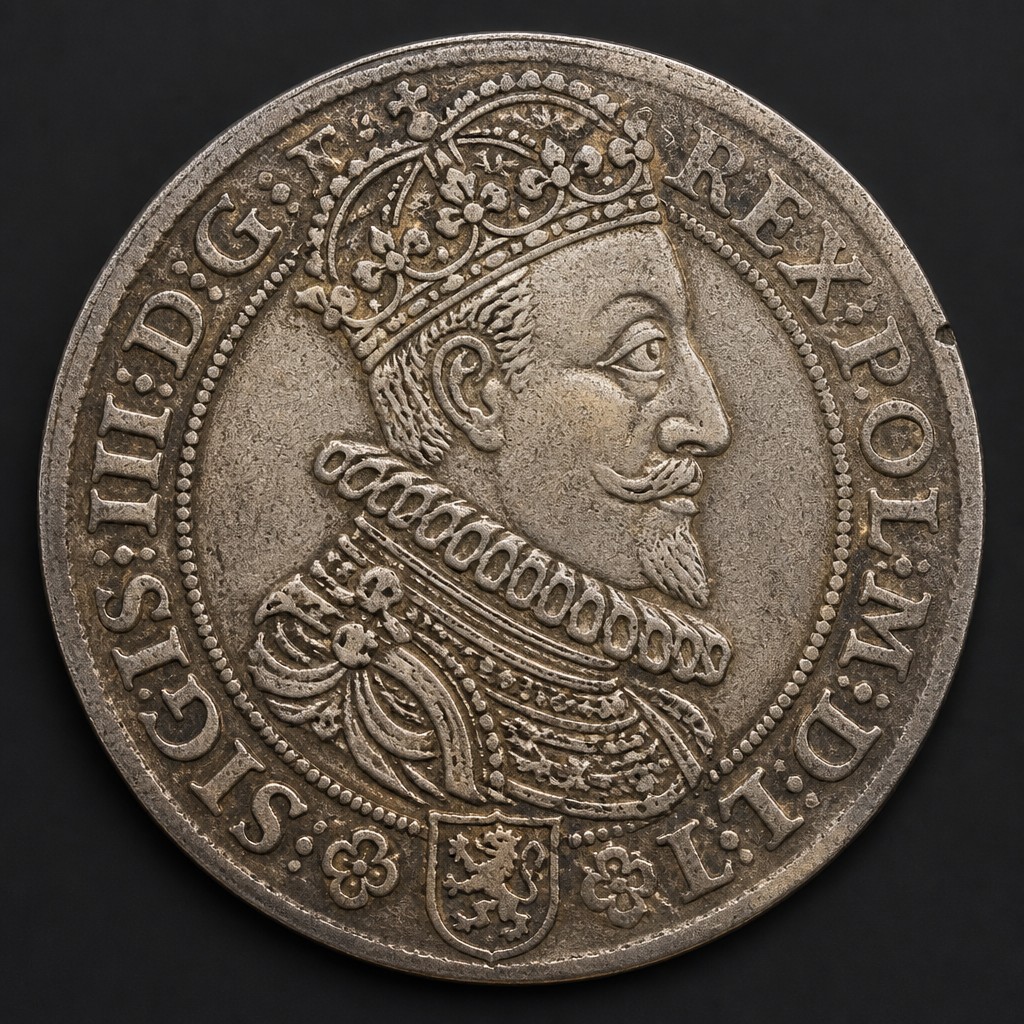
Polish-Lithuanian Thaler
circa 16th–18th century
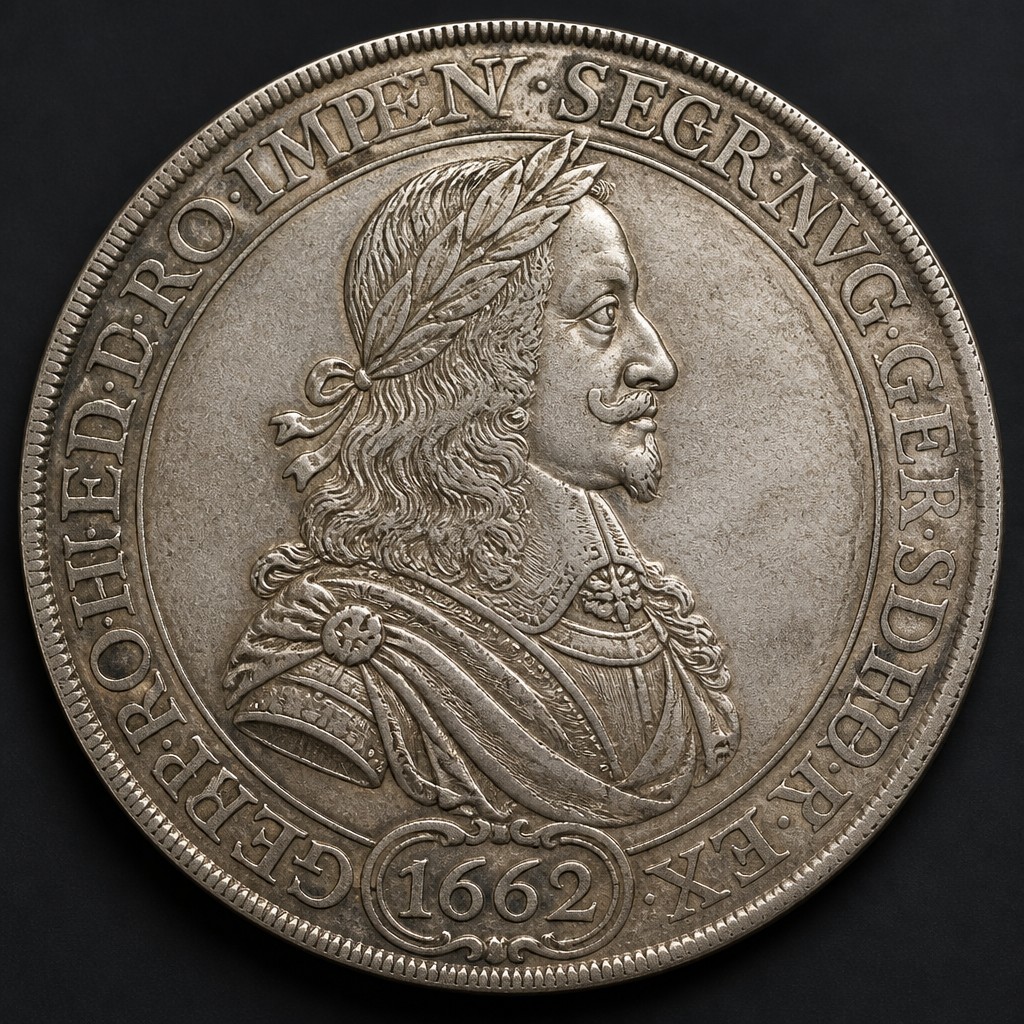
Reichsthaler
circa 1566–early 19th century
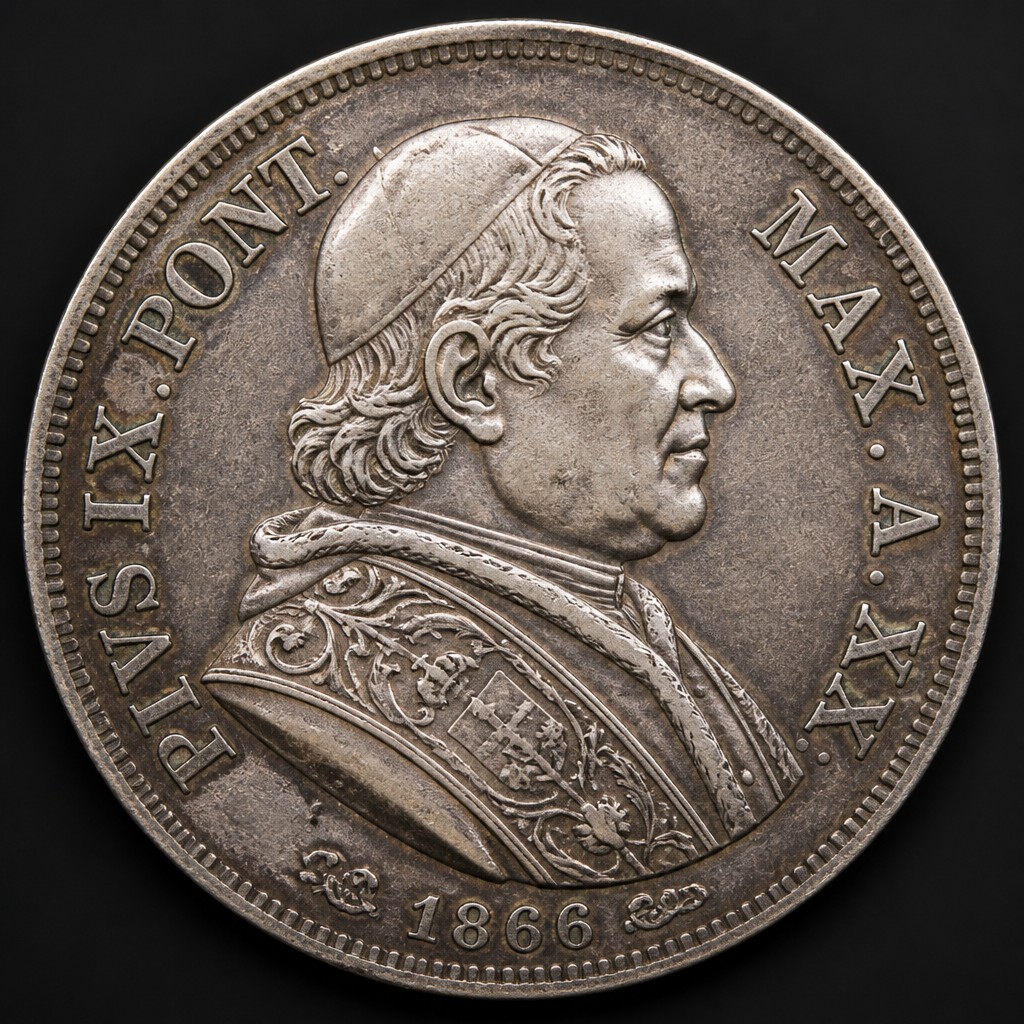
Papal States Scudo
16th century–1866
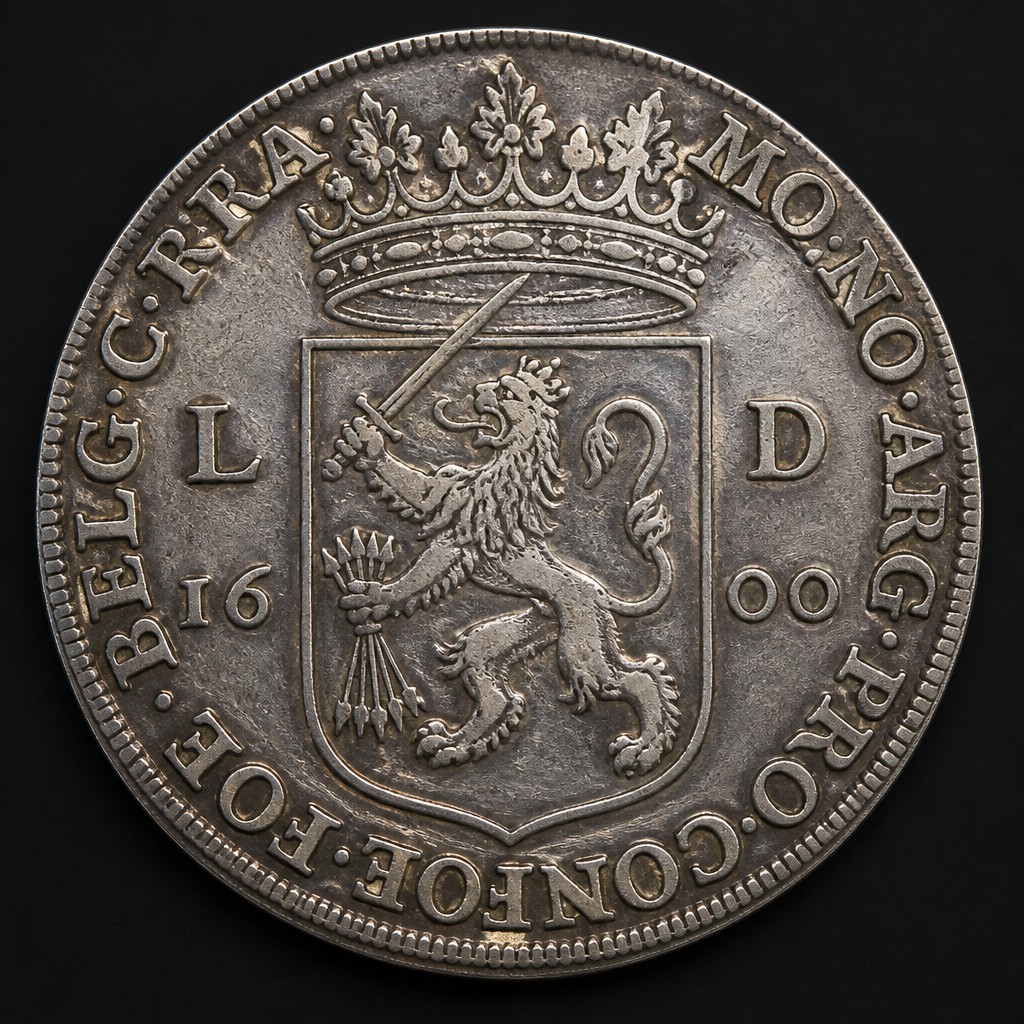
Netherlands Lion Daalder (Leeuwendaalder)
1575–1713
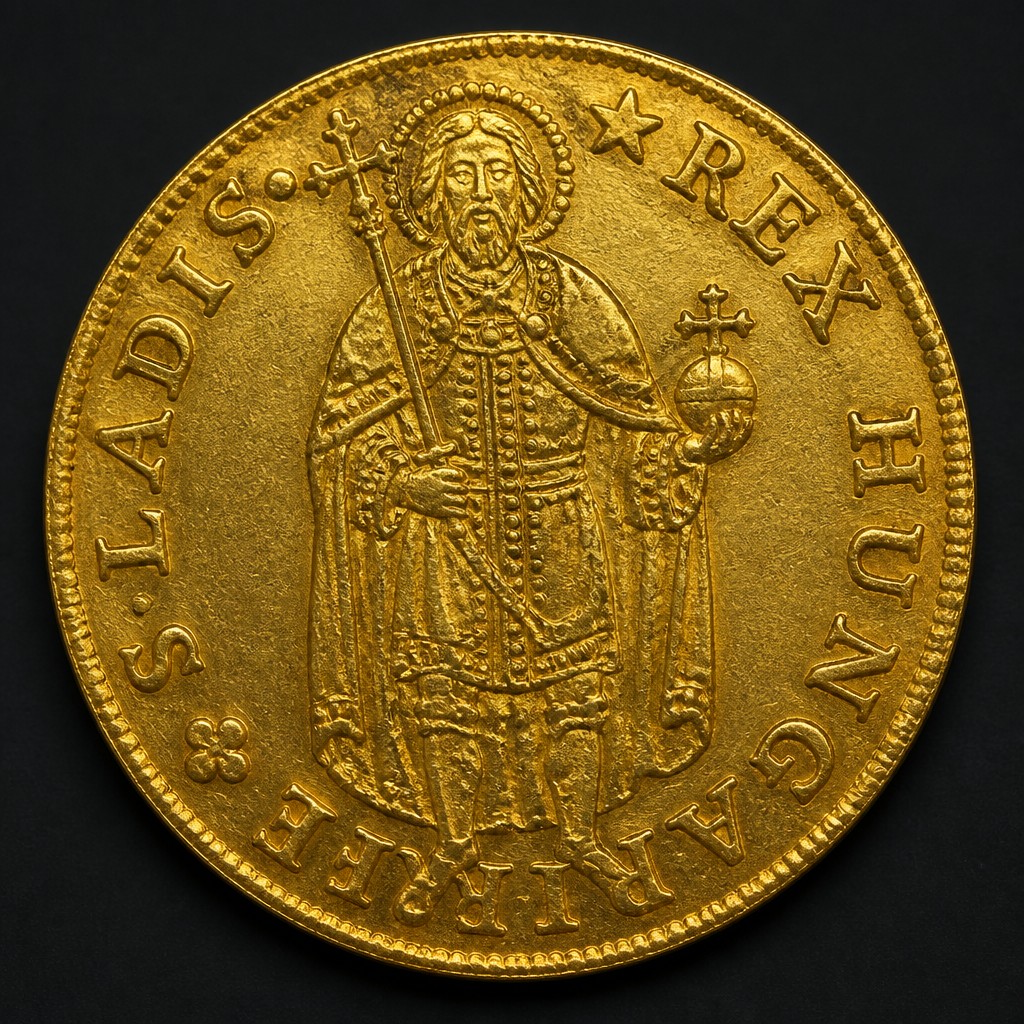
Hungarian Ducat
c. 1325–1918
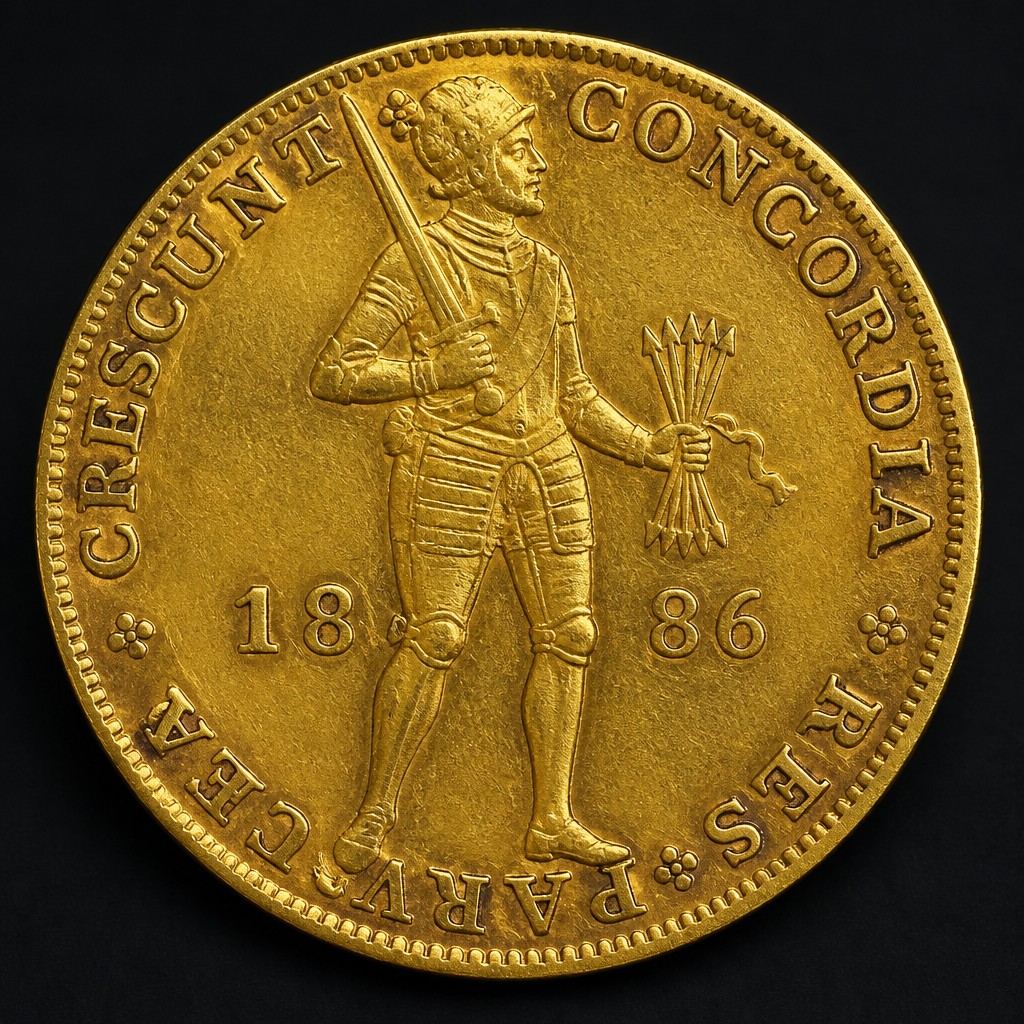
Dutch Ducat
c. 1586–present (classic type standardized after 1817)
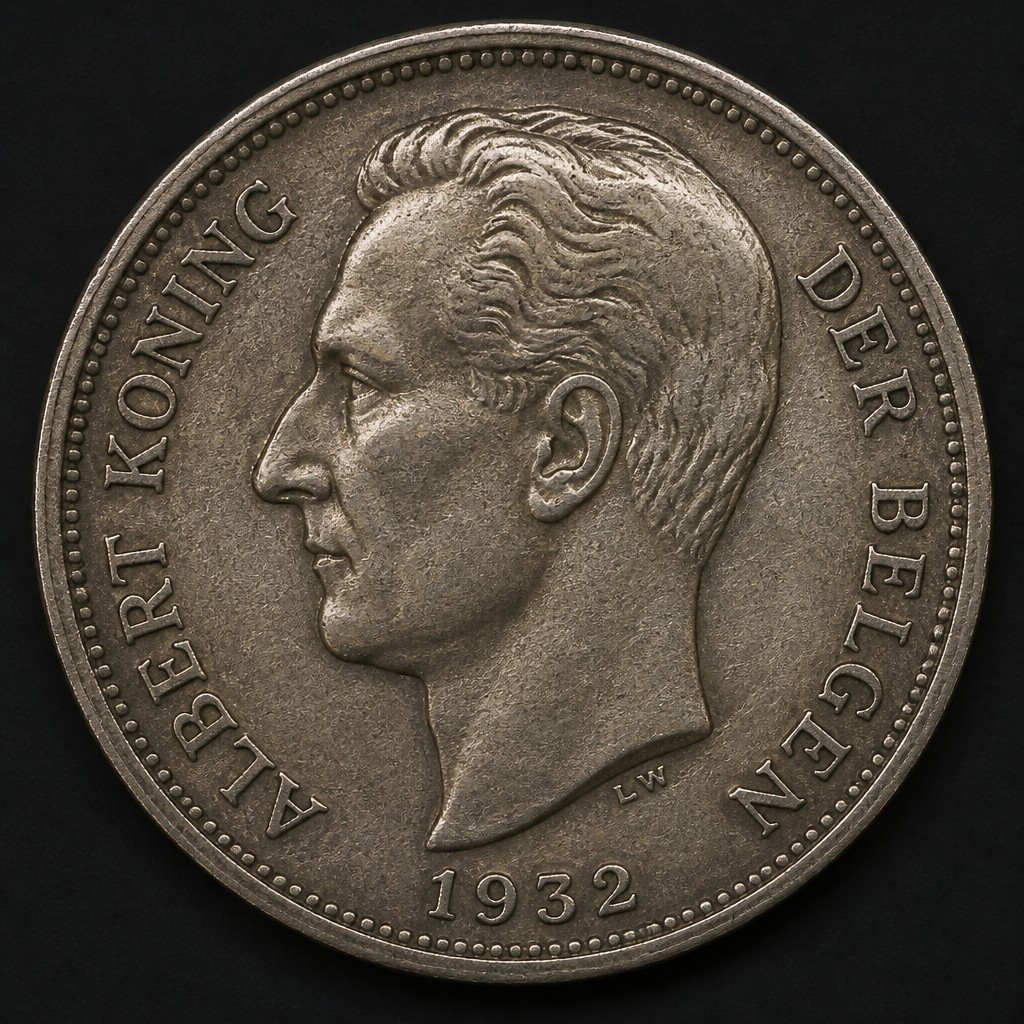
Belgian Franc
1832–2002
Spanish 100 Reales Gold (Isabel II)
1850s–1868
Greek Drachma
1832–2002
German Saxony Ducat
16th century–19th century
French 10 Francs Gold (Napoleon Rooster)
1899–1914
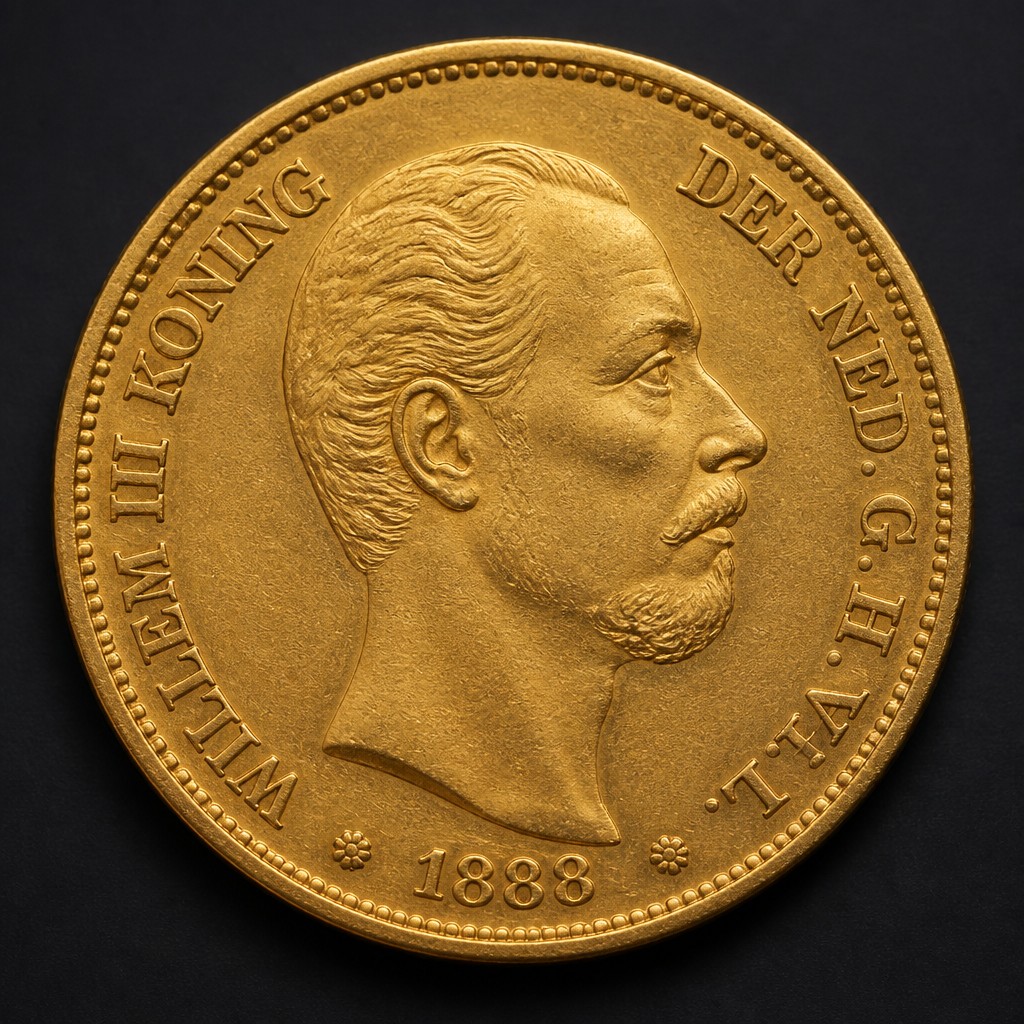
Netherlands 5 Gulden Gold
1826–1912 (intermittent)