
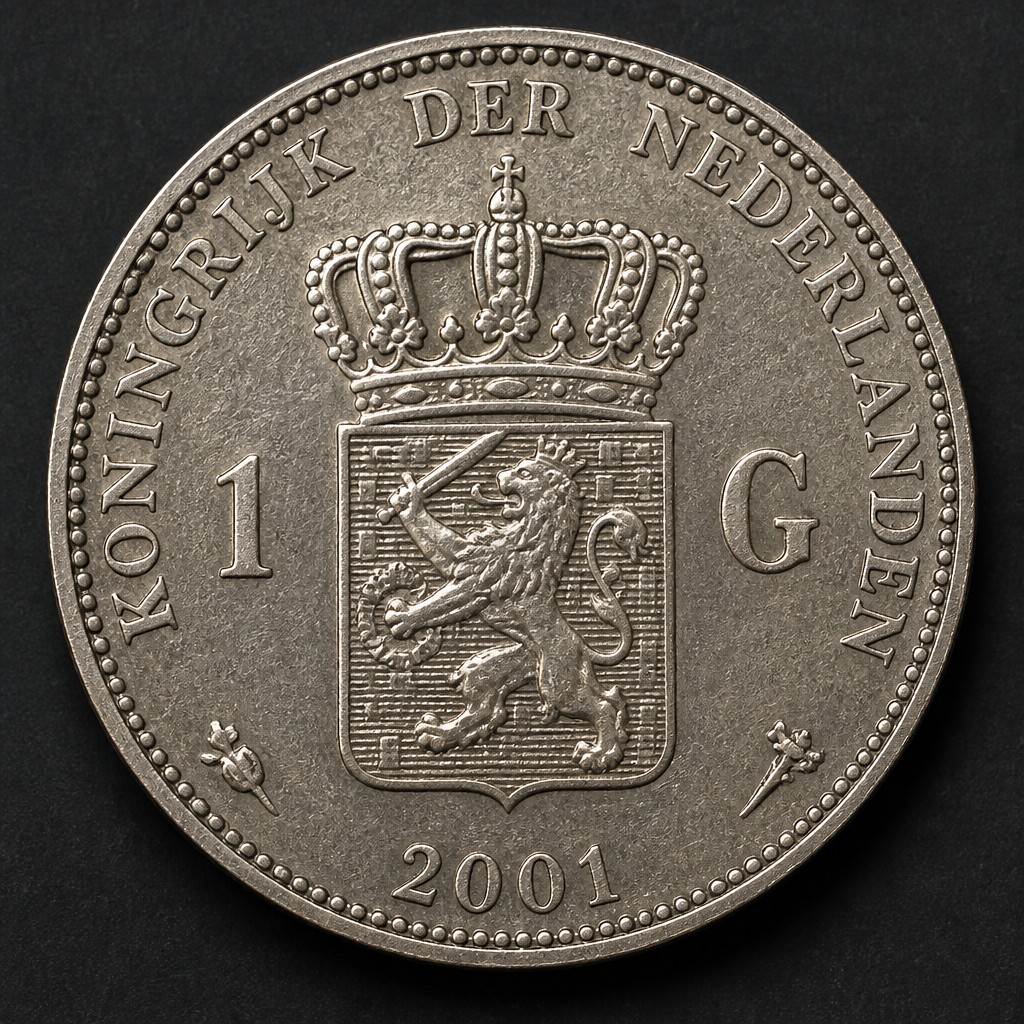
Netherlands Rijksdaalder Gulden
The 2.5 guilder coin of the Kingdom of the Netherlands, carrying forward the historic rijksdaalder name through the monarchy era until the euro's adoption.
- Country
- Netherlands
- Denomination
- 2½ Gulden (Rijksdaalder)
- Metal
- Silver (historically); Nickel (later 20th century issues)
Got a coin like this?
Identify any coin from a photo, free.
Overview
The modern Netherlands rijksdaalder is the 2.5 guilder coin issued by the Kingdom of the Netherlands, carrying the historic rijksdaalder name forward from the old Dutch Republic trade coin into the era of the unified Kingdom under the House of Orange-Nassau. It served as one of the largest circulating denominations of Dutch guilder coinage for well over a century.
Collectors appreciate this series for tracing the succession of Dutch monarchs from the 19th century through to Queen Beatrix, offering a compact way to collect portraits of the Netherlands' modern royal history on a single denomination.
History & Background
After the Kingdom of the Netherlands was established in the early 19th century, its decimal guilder currency retained the traditional rijksdaalder name for the 2.5 guilder coin, a nod to the historic Dutch Republic silver trade coin of the same name. Silver rijksdaalders were struck under successive Dutch monarchs including Willem II, Willem III, Wilhelmina, and later Juliana.
As silver prices rose through the 20th century, the Netherlands, like many countries, eventually shifted the rijksdaalder from silver to base metal (nickel) composition to keep the coin economical to produce while it remained in everyday circulation. The coin continued to be issued under Queen Beatrix until the Netherlands adopted the euro in 2002, at which point guilder-denominated coinage, including the rijksdaalder, was retired from circulation.
How to Identify
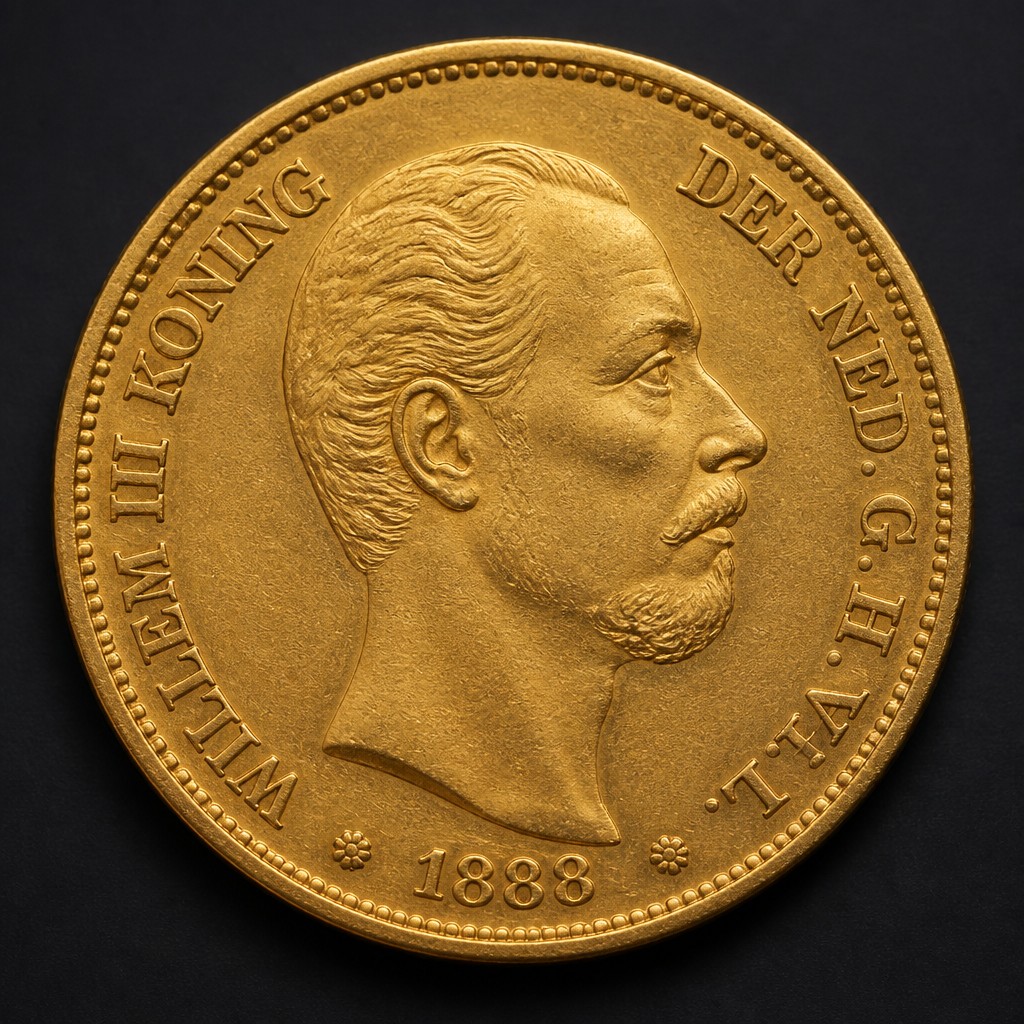
The obverse of the modern rijksdaalder shows a portrait of the reigning Dutch monarch, updated with each new reign, along with their name and title. The reverse displays the Dutch coat of arms or the denomination "2½ GULDEN" within a design incorporating the national arms, along with the date.
Earlier silver-era rijksdaalders are larger, heavier coins reflecting their precious-metal content, while later 20th-century nickel versions are smaller and lighter, produced primarily for everyday circulation rather than bullion value. Mint marks or privy marks from the Utrecht mint may appear in the design, often a small symbol identifying the mint master of the period.
Collectors distinguish coins primarily by the reigning monarch's portrait and the material (silver versus nickel), since the transition from precious to base metal marks a clear dividing point in the series' history.
Value & Collectibility
Silver-era rijksdaalders, particularly older and scarcer dates from 19th-century monarchs, can carry a meaningful numismatic premium over silver melt value, especially in higher grades. Later nickel-composition rijksdaalders from the 20th century are generally common and inexpensive, valued mainly as affordable pieces of Dutch royal history rather than for precious metal content.
As with most modern circulating coinage that transitioned away from silver, the earlier precious-metal issues are the primary focus of serious collector interest, while later base-metal coins serve well as accessible starter pieces for a Dutch royal portrait collection.
Frequently asked questions
Why does a 2.5 guilder coin have a different name?
The Kingdom of the Netherlands retained the historic 'rijksdaalder' name for its 2.5 guilder denomination as a link to the older Dutch Republic silver trade coin of the same name.
When did the rijksdaalder stop circulating?
It remained in circulation until the Netherlands adopted the euro as its currency in 2002, retiring all guilder-denominated coins.
Is the modern rijksdaalder made of silver?
Only the earlier issues were silver; the coin later transitioned to nickel composition in the 20th century to reduce production costs.
Which monarchs appear on this coin?
Various Dutch monarchs including Willem II, Willem III, Wilhelmina, Juliana, and Beatrix appeared on rijksdaalders issued during their respective reigns.
Other coins you may enjoy
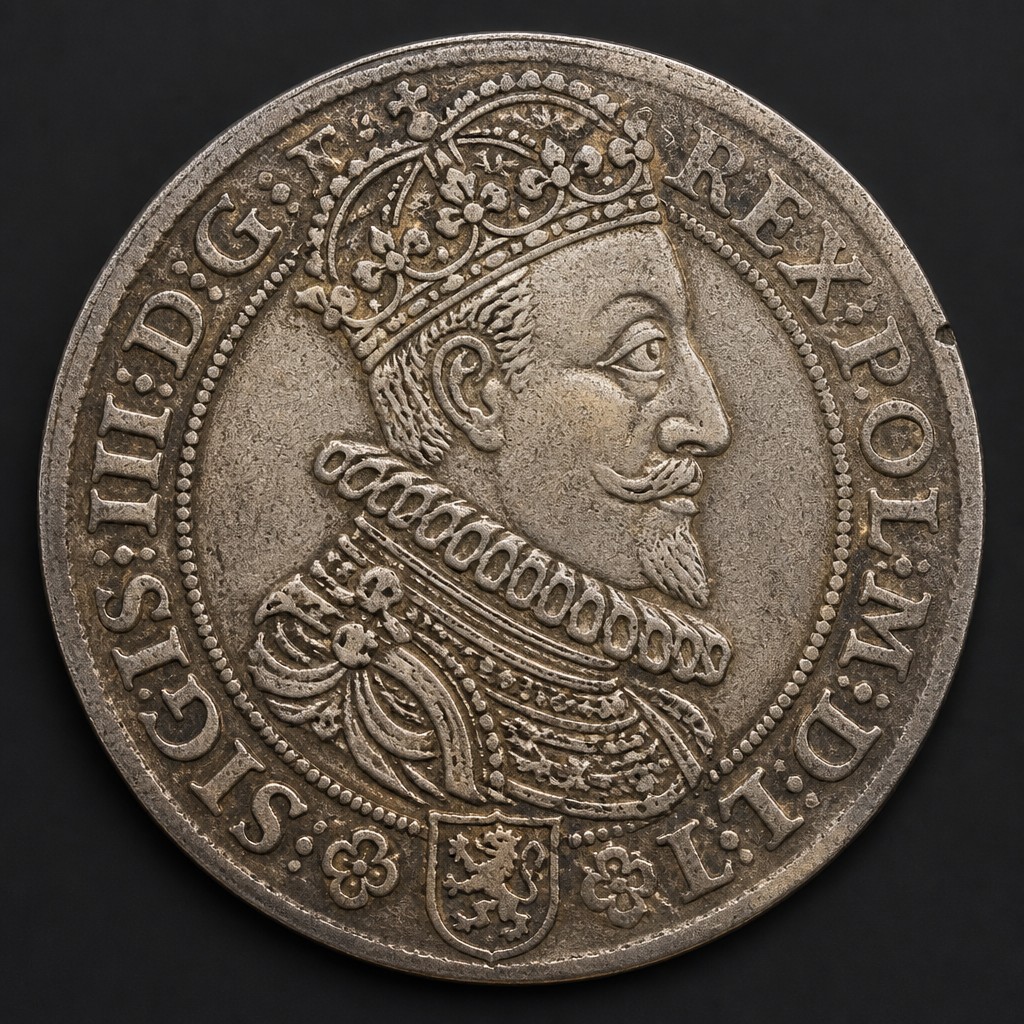
Polish-Lithuanian Thaler
circa 16th–18th century
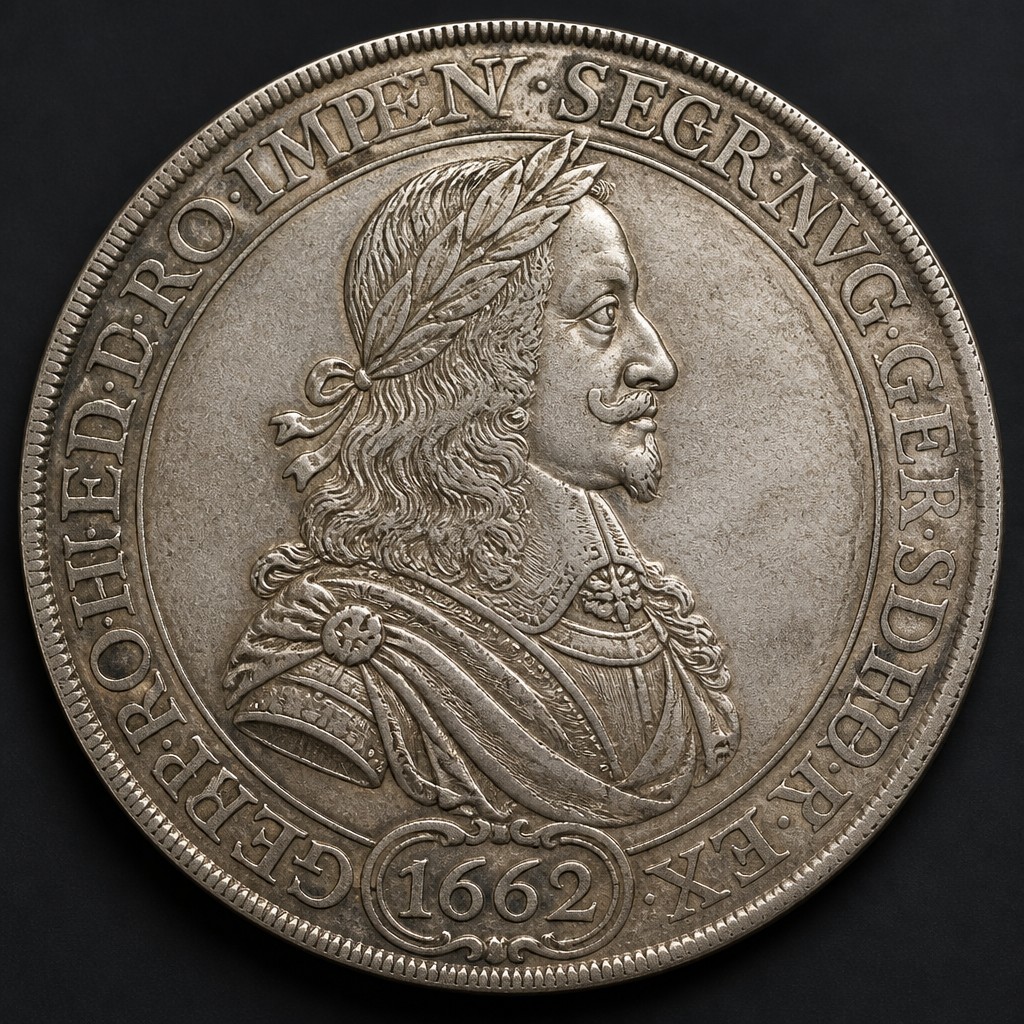
Reichsthaler
circa 1566–early 19th century
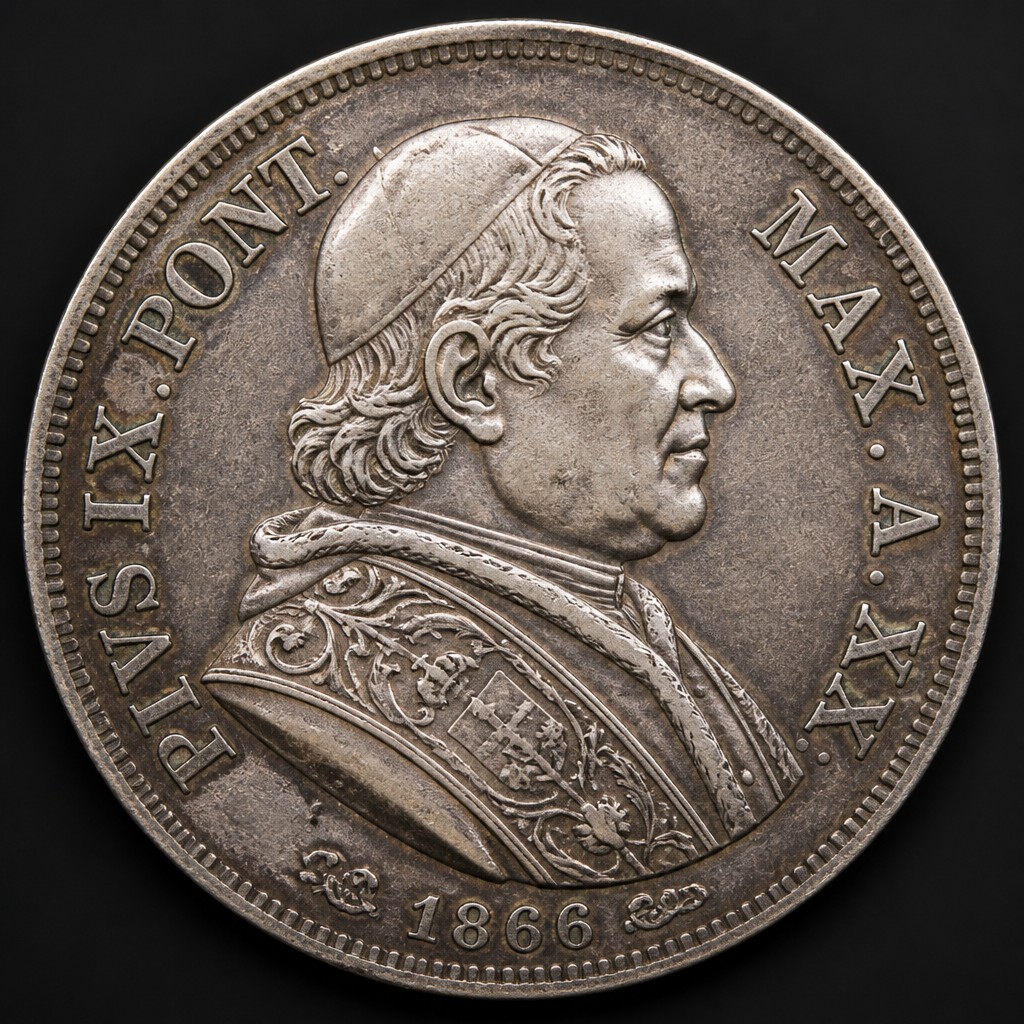
Papal States Scudo
16th century–1866
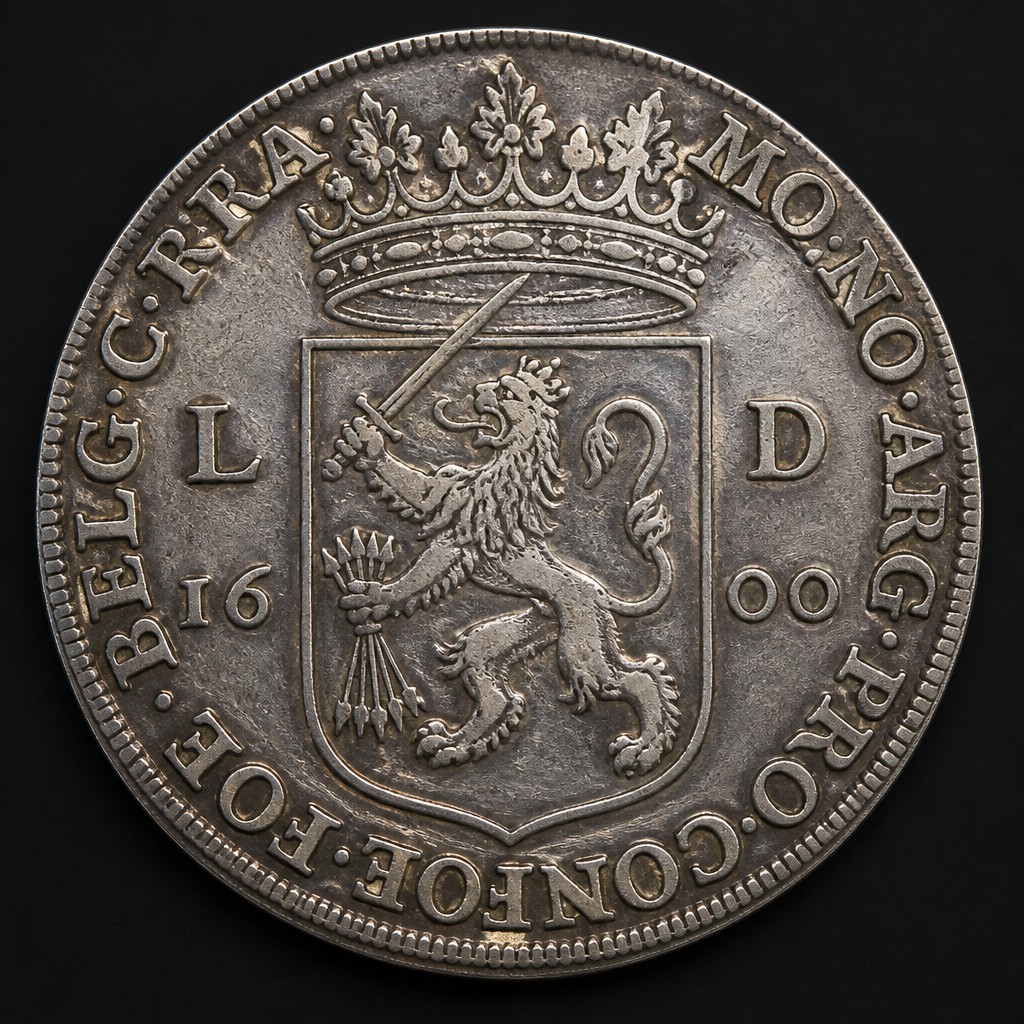
Netherlands Lion Daalder (Leeuwendaalder)
1575–1713
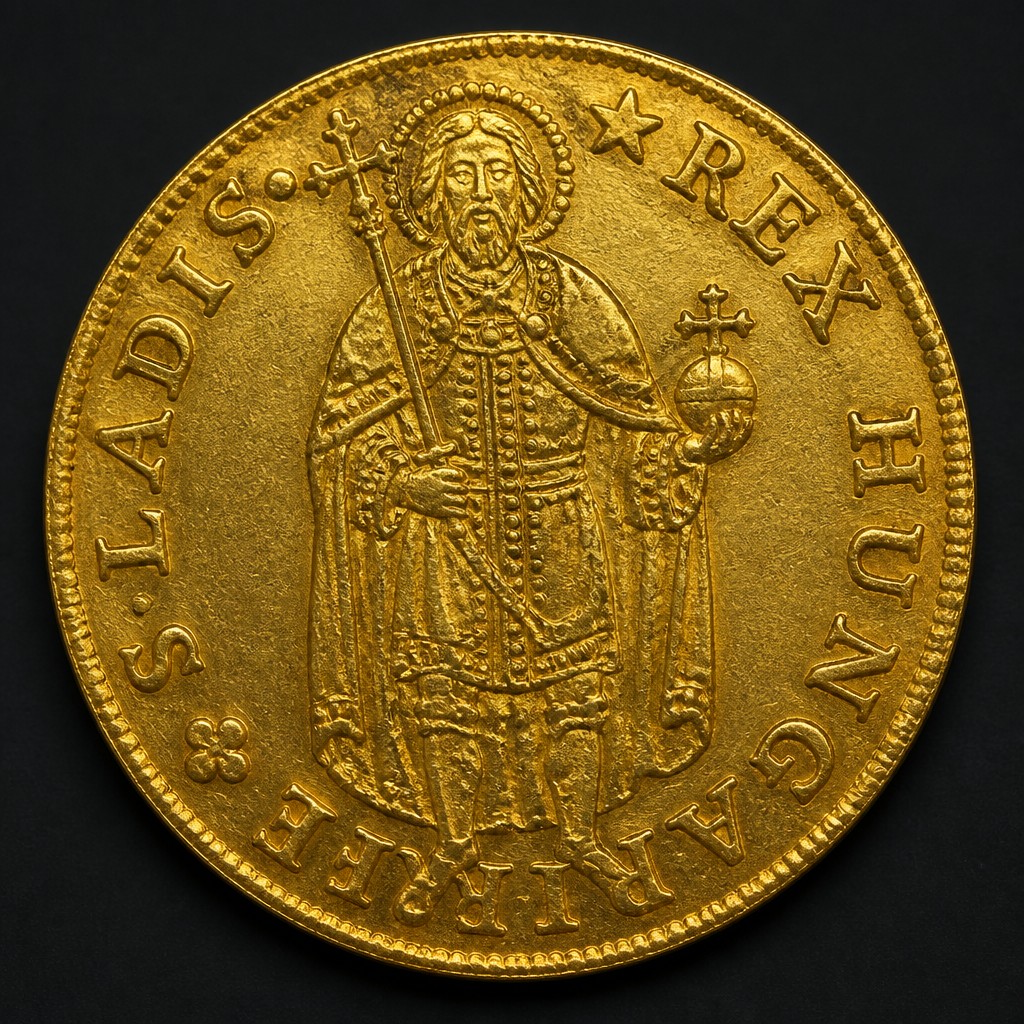
Hungarian Ducat
c. 1325–1918
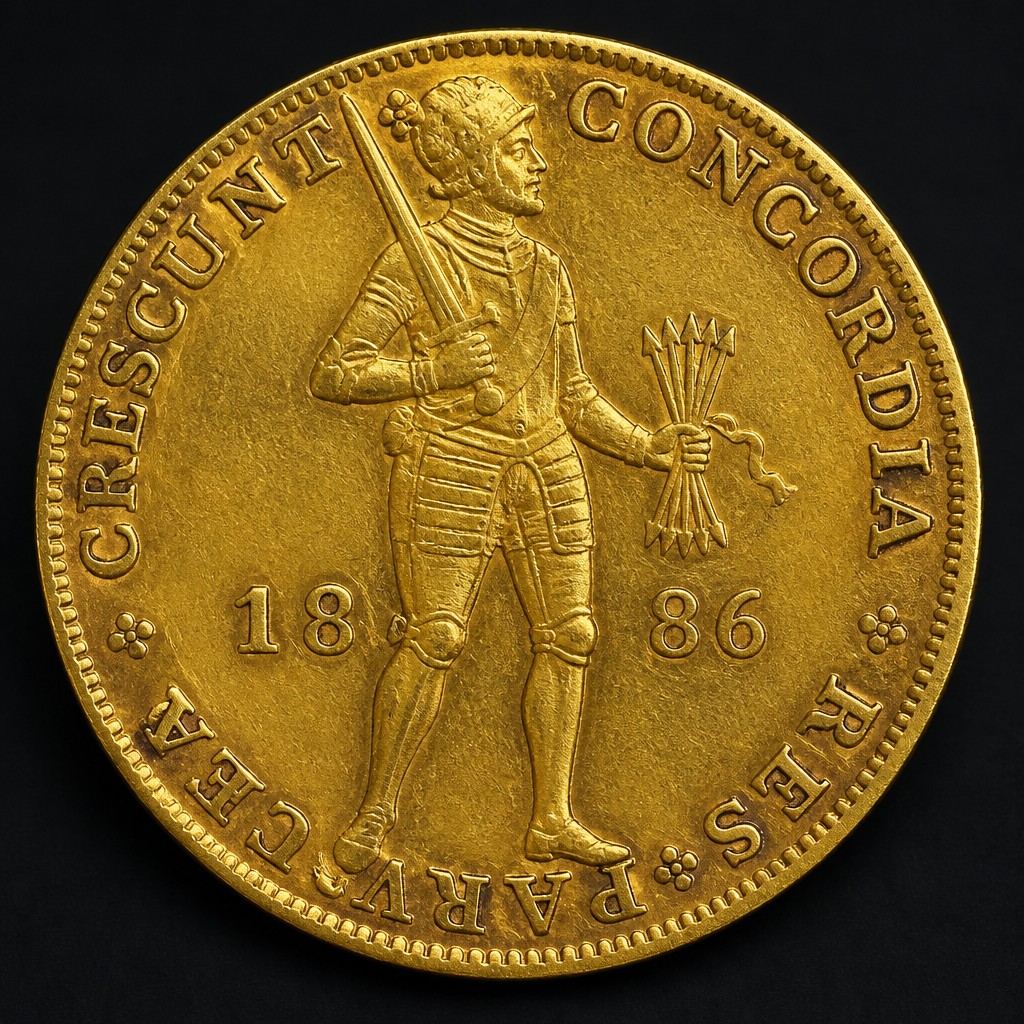
Dutch Ducat
c. 1586–present (classic type standardized after 1817)
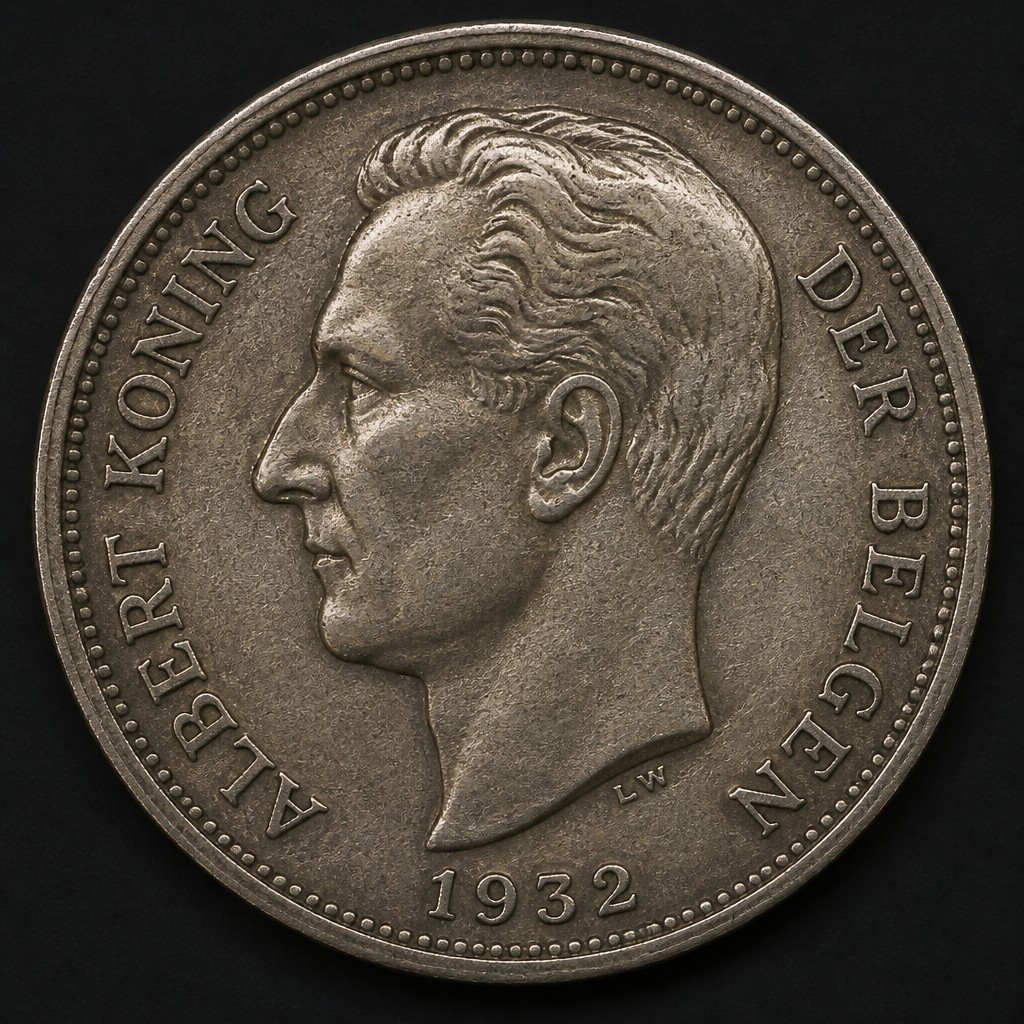
Belgian Franc
1832–2002
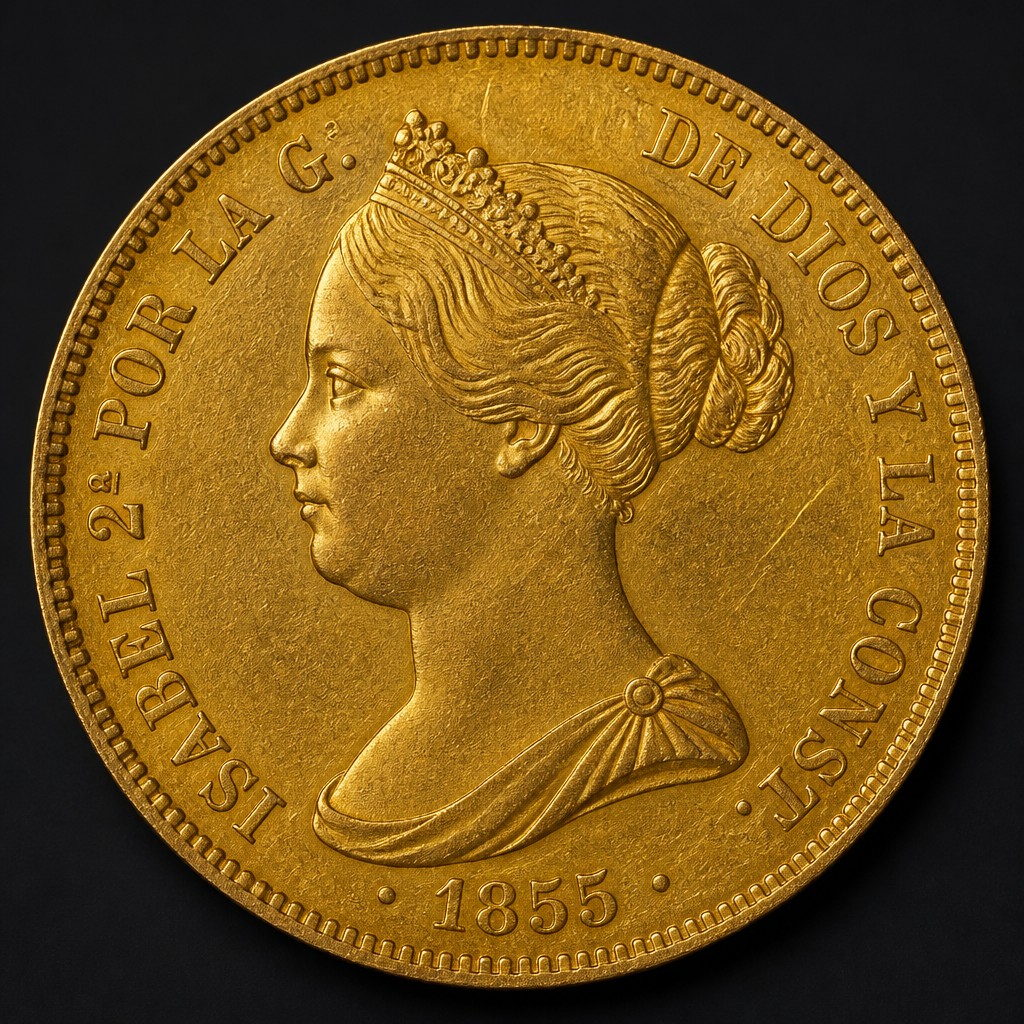
Spanish 100 Reales Gold (Isabel II)
1850s–1868
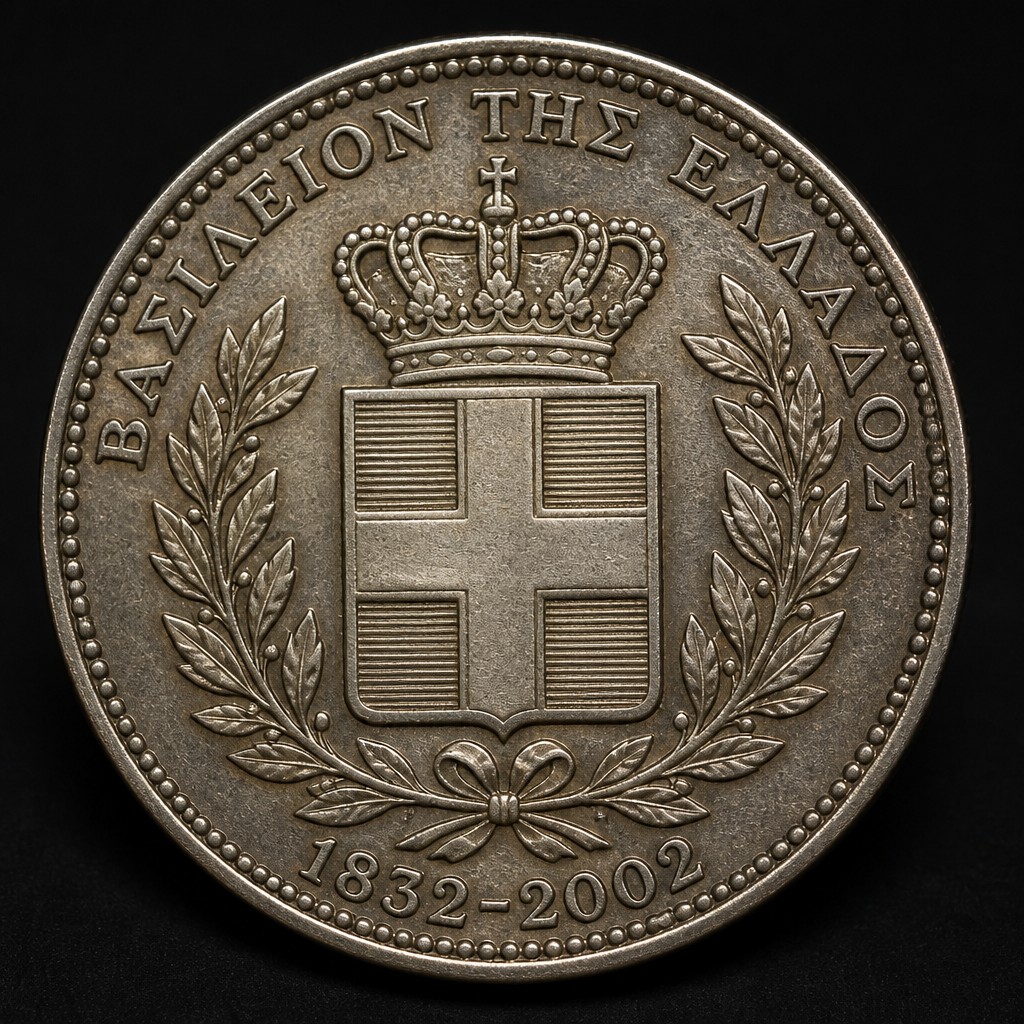
Greek Drachma
1832–2002
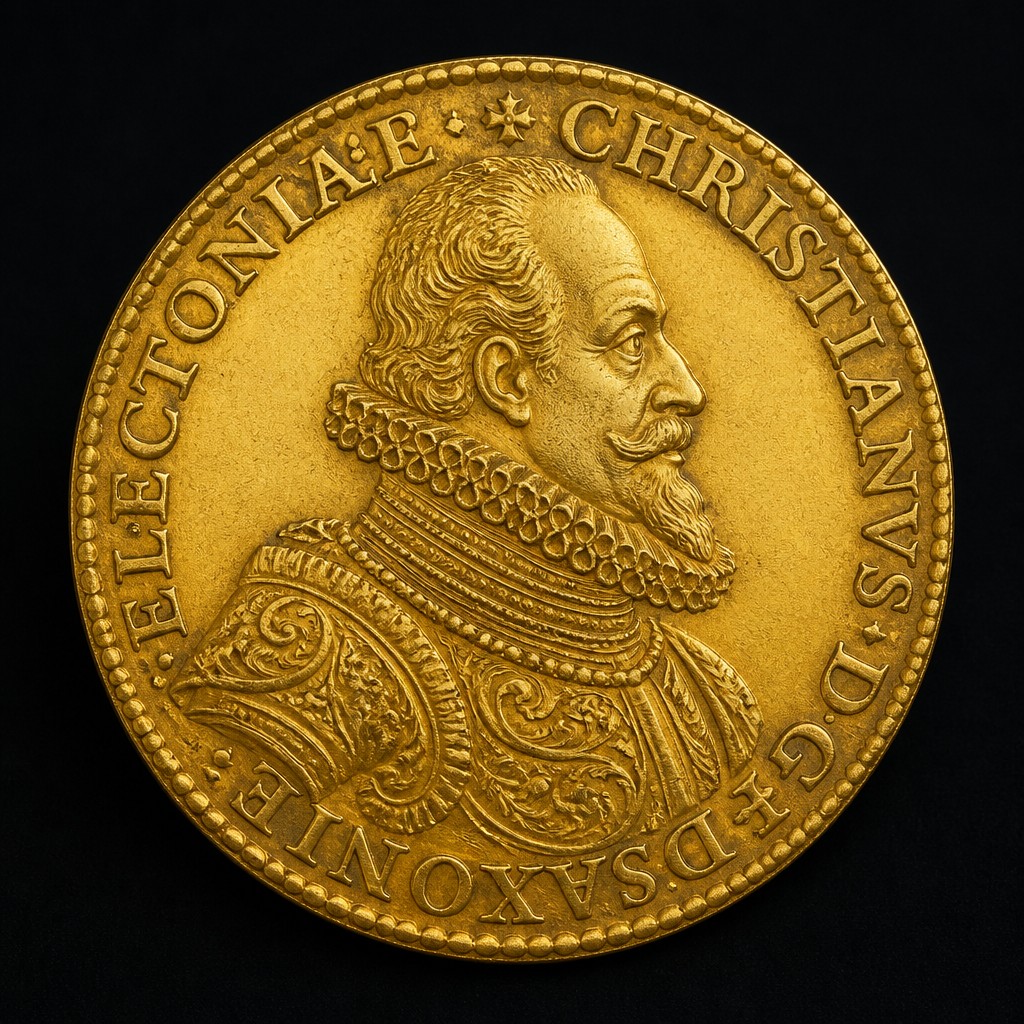
German Saxony Ducat
16th century–19th century
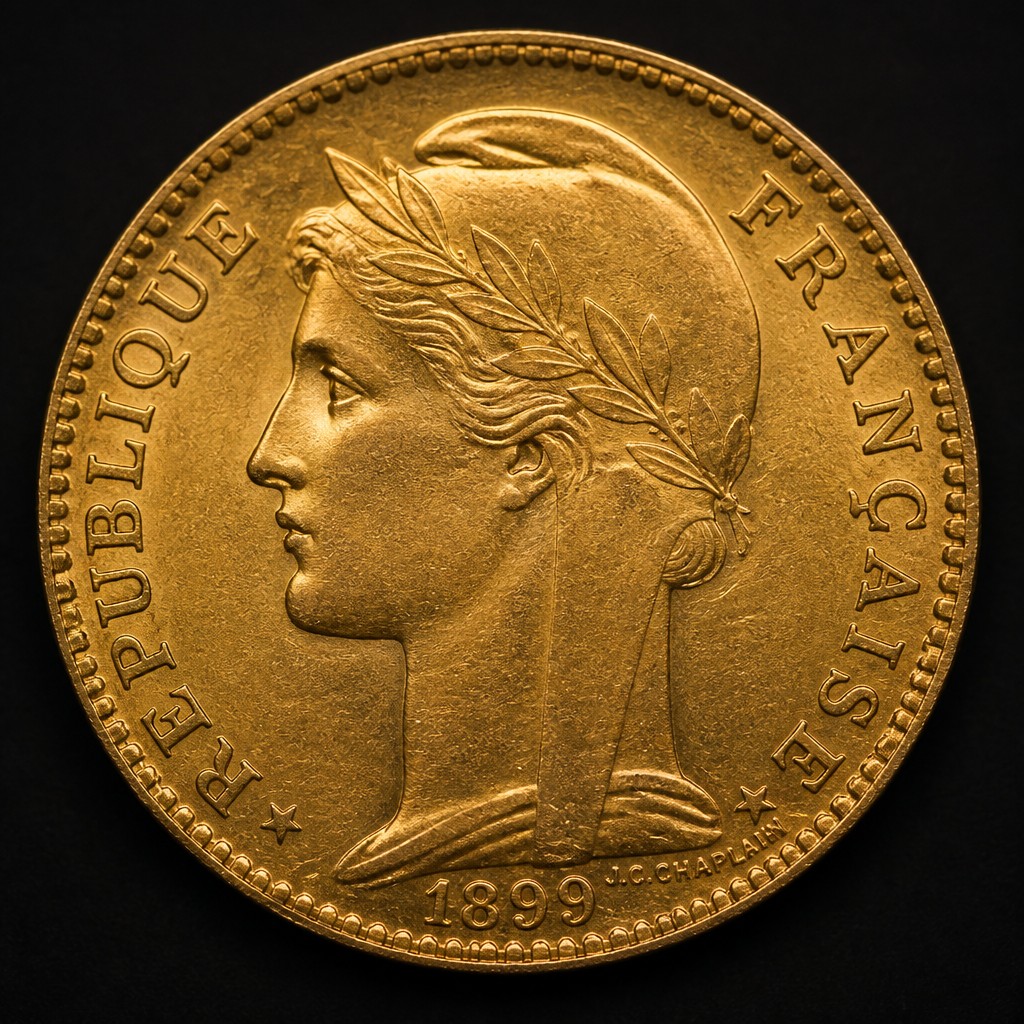
French 10 Francs Gold (Napoleon Rooster)
1899–1914
Netherlands 5 Gulden Gold
1826–1912 (intermittent)