
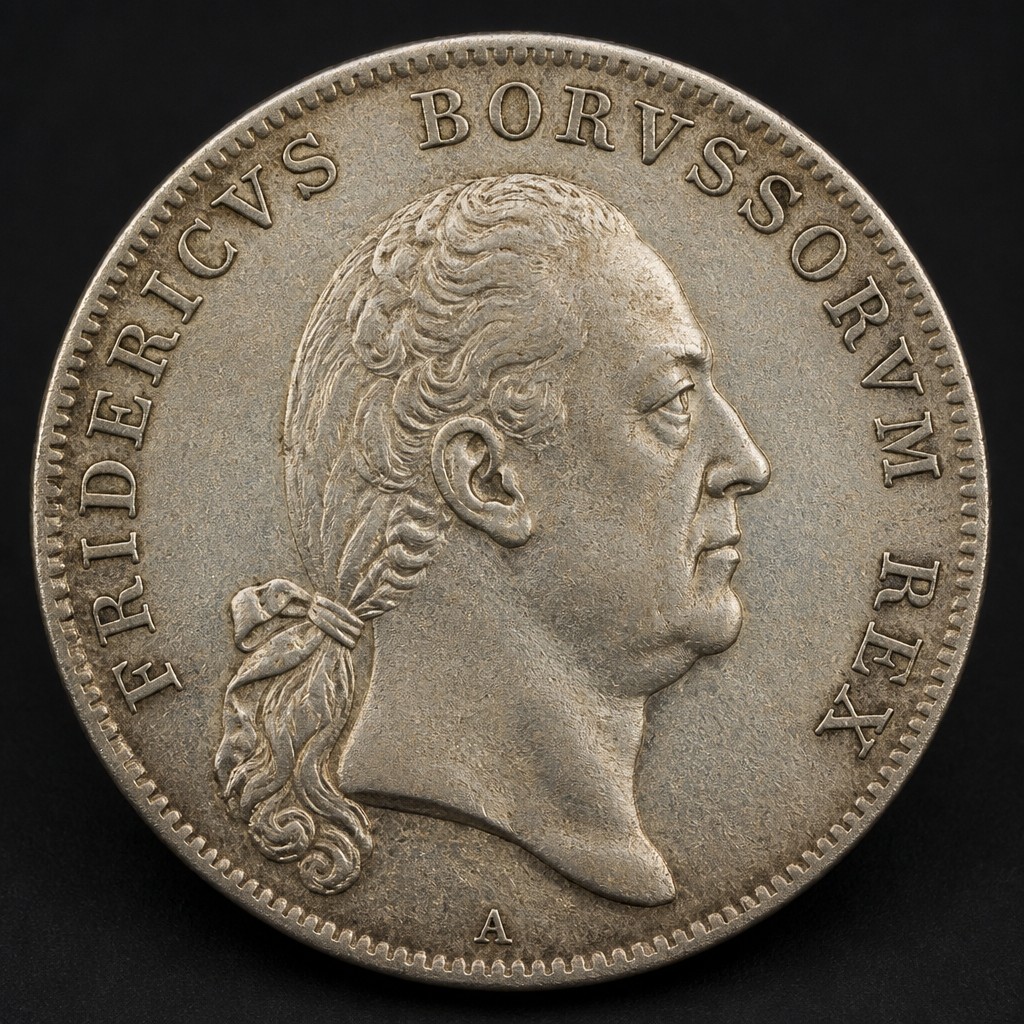
Prussian Thaler
The Prussian Thaler was the leading silver coin of the powerful Kingdom of Prussia, circulating from the mid-18th century until German unification replaced it with the mark in 1871–1873.
- Country
- Kingdom of Prussia (Germany)
- Denomination
- Thaler (Taler)
- Metal
- Silver (typically .750–.900 fine, varying by period)
Got a coin like this?
Identify any coin from a photo, free.
Overview
The Prussian Thaler represents the coinage of one of the dominant German states in the centuries before German unification. As Prussia grew from a regional kingdom into the driving force behind the unified German Empire, its thaler coinage reflects that political rise through portraits of Frederick the Great, later kings, and eventually Wilhelm I.
Collectors of German states coinage regard the Prussian Thaler as a cornerstone series, valued both for its historical importance and its wide range of types, commemoratives, and mint varieties across more than a century of issue.
The coin also serves as a bridge between the older, fragmented German thaler traditions and the modern German mark system that succeeded it after unification.
History & Background
Prussia issued thaler-sized silver coins for much of its history, but the coin took on particular importance during and after the reign of Frederick the Great in the mid-18th century, when Prussian military and economic power expanded significantly. Thalers of this period funded wars, including the Seven Years' War, and some wartime emergency issues are notorious for reduced silver content.
Through the 19th century, Prussia participated in various German currency unions (such as the Vereinsthaler standard adopted by multiple German states in 1857) that standardized weight and fineness across Prussia, Saxony, Bavaria, and other states, easing commerce between them while each state kept its own portrait and inscriptions.
The Prussian Thaler series ended after the unification of Germany in 1871, when the new German Empire, led by Prussia and Kaiser Wilhelm I, introduced the unified gold mark currency, phasing out the old state thalers over the following years.
How to Identify
Obverses show the portrait of the reigning King of Prussia (Frederick II, Frederick William III, Frederick William IV, or Wilhelm I, depending on date) in profile, with a Latin or German legend naming the ruler and his title. Reverses commonly display the Prussian eagle, a wreathed value/denomination, or symbolic imagery tied to a specific commemorative event.
The coin is a large silver piece typical of the German thaler standard, with a milled or lettered edge and clear mint mark (commonly "A" for Berlin) below the main reverse design. Dates appear prominently, and Vereinsthaler-standard coins from 1857 onward carry consistent weight and fineness markings shared with other German states' thalers of the same period.
Because many German states struck visually similar thalers under the same currency union standards, the ruler's portrait and accompanying legend are the most reliable way to confirm a coin is specifically Prussian rather than Saxon, Bavarian, or from another German state.
Value & Collectibility
Values for Prussian Thalers vary widely depending on ruler, date, and whether the piece is a common circulation type or a scarcer commemorative issue marking events like anniversaries, deaths, or military victories. Common 19th-century circulation thalers in worn grades are generally affordable, while well-struck uncirculated pieces or historically significant commemoratives bring notably more.
Earlier thalers, particularly those from the Frederick the Great era and wartime emergency issues, are often scarcer and more actively sought after by specialist collectors of German states coinage.
Typical common-date circulated Prussian thalers often trade in the tens to low hundreds of dollars range, while rare commemorative types or top-condition pieces can reach several hundred dollars or more depending on demand.
Frequently asked questions
What is a Prussian Thaler?
It is a large silver coin issued by the Kingdom of Prussia from the 18th century until German unification replaced it with the mark around 1871–1873.
Who appears on Prussian Thalers?
Portraits of Prussian kings appear, including Frederick the Great, Frederick William III, Frederick William IV, and Wilhelm I, depending on the coin's date.
What replaced the Prussian Thaler?
After German unification, the new German Empire introduced the gold mark, gradually phasing out state thalers like Prussia's.
Are all German thalers from this era the same value?
No, values differ by ruler, date, mintage, and whether the coin is a common circulation issue or a scarcer commemorative type.
Other coins you may enjoy
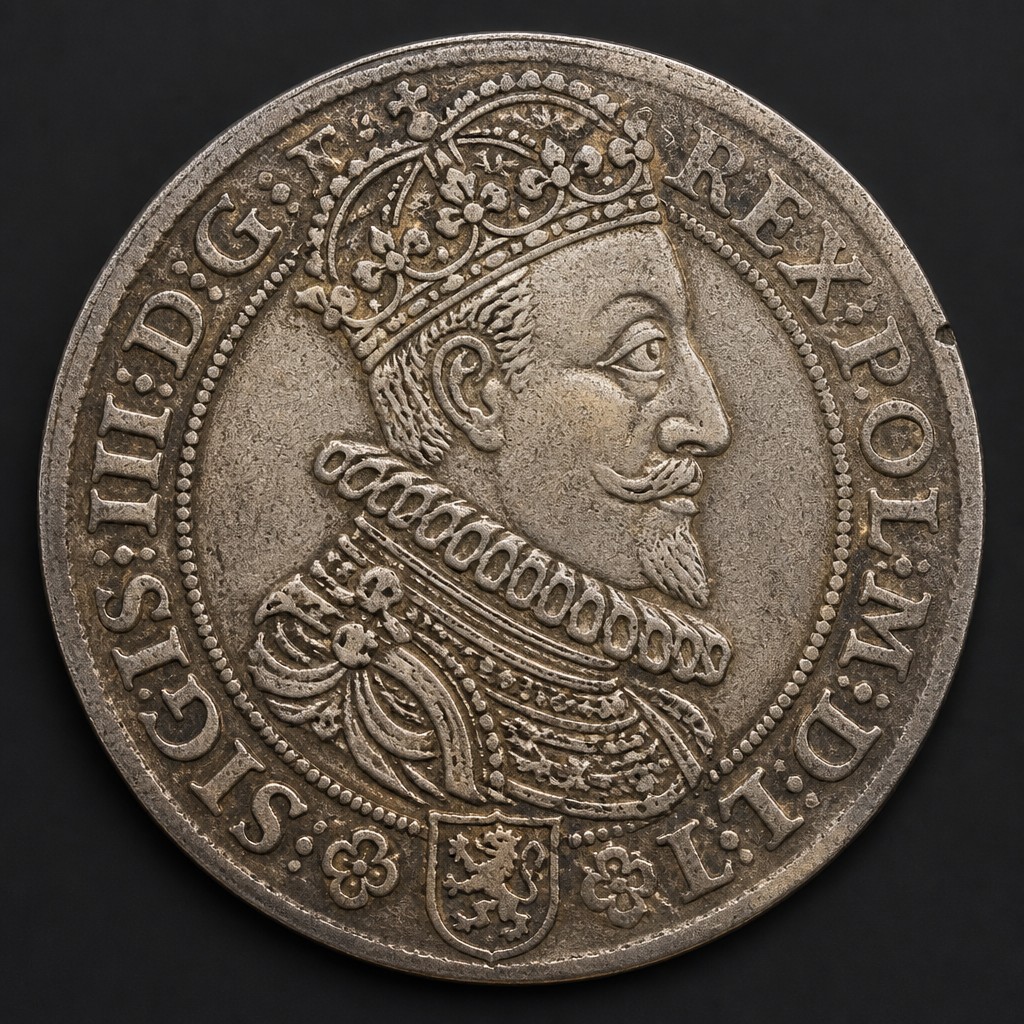
Polish-Lithuanian Thaler
circa 16th–18th century
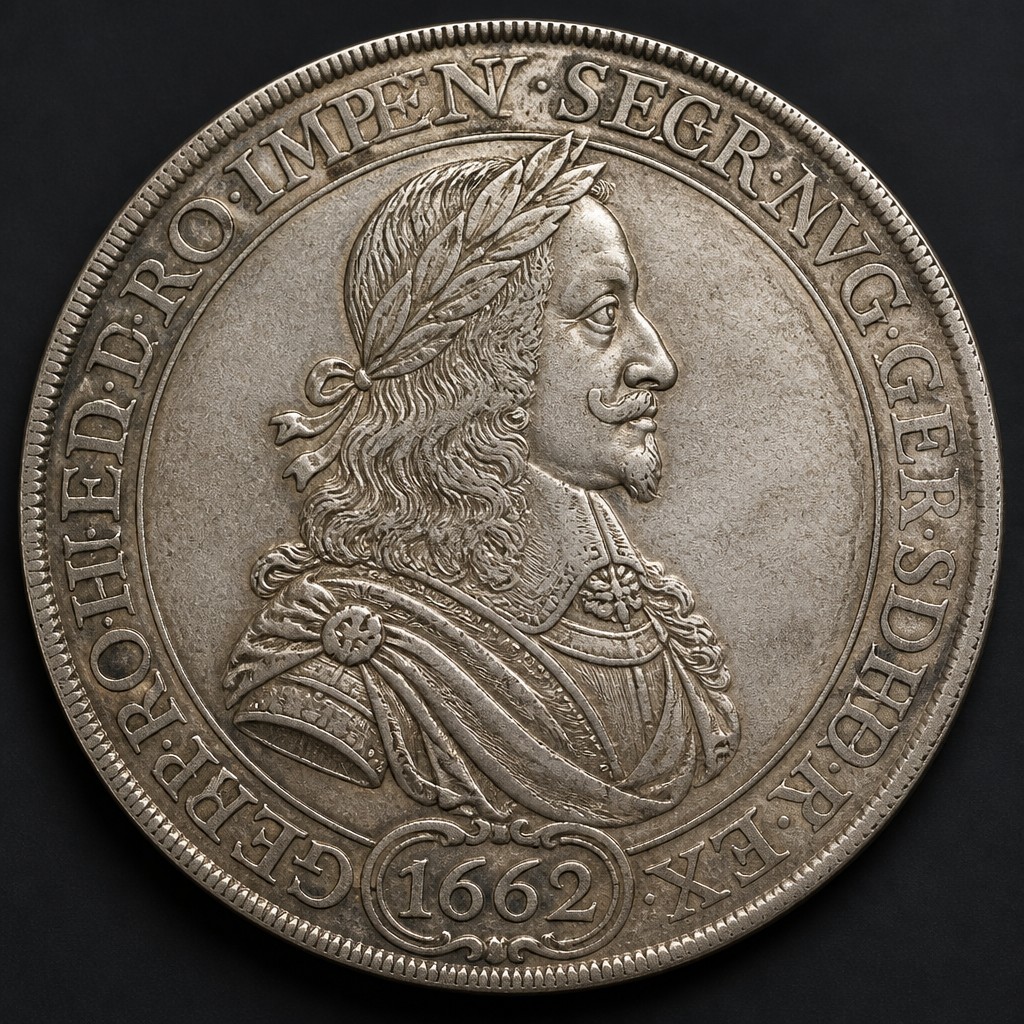
Reichsthaler
circa 1566–early 19th century
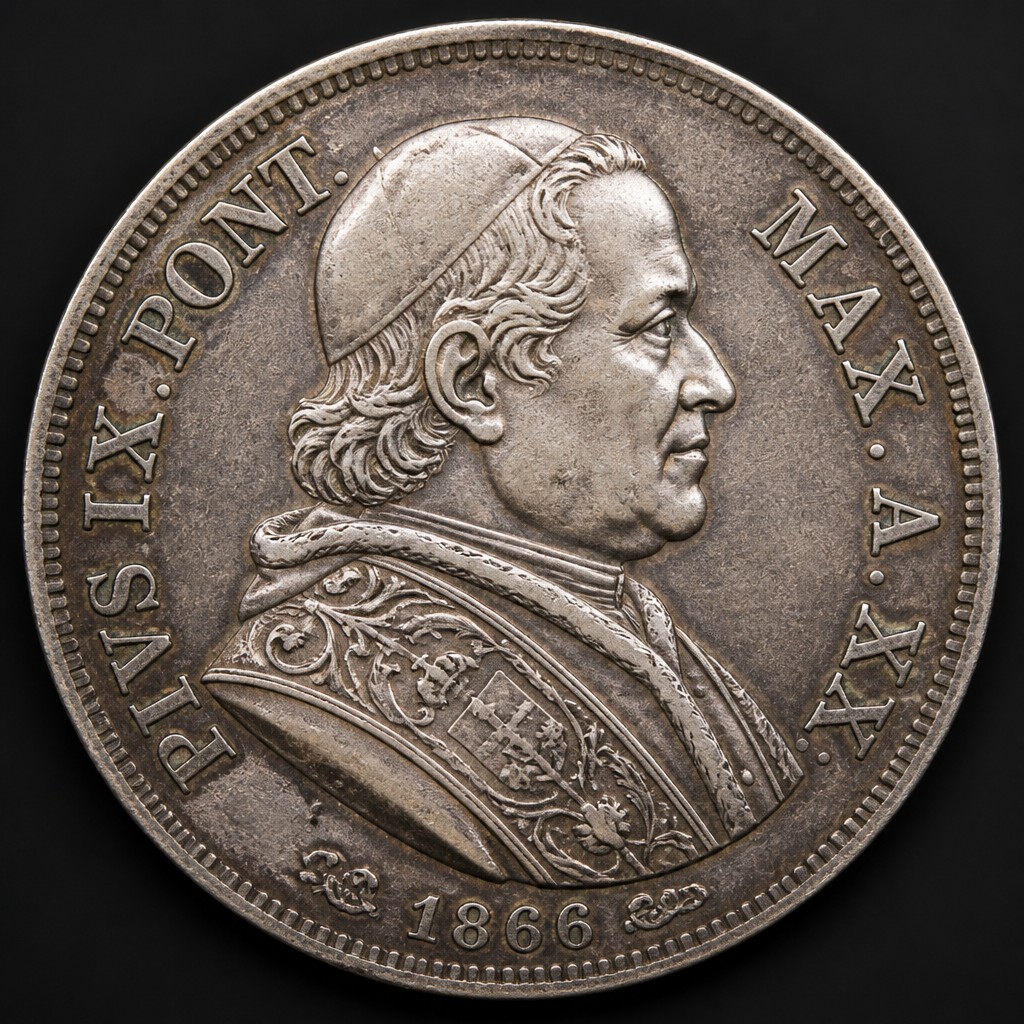
Papal States Scudo
16th century–1866
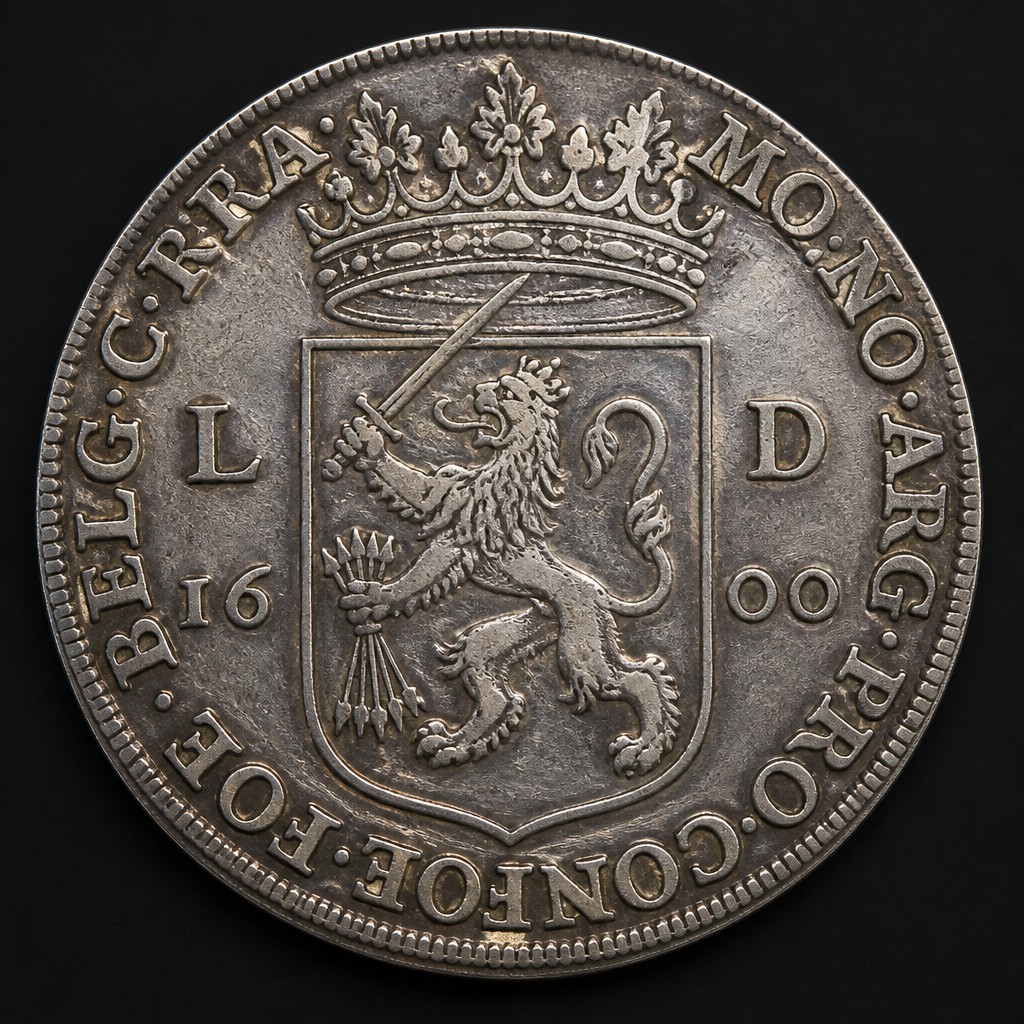
Netherlands Lion Daalder (Leeuwendaalder)
1575–1713
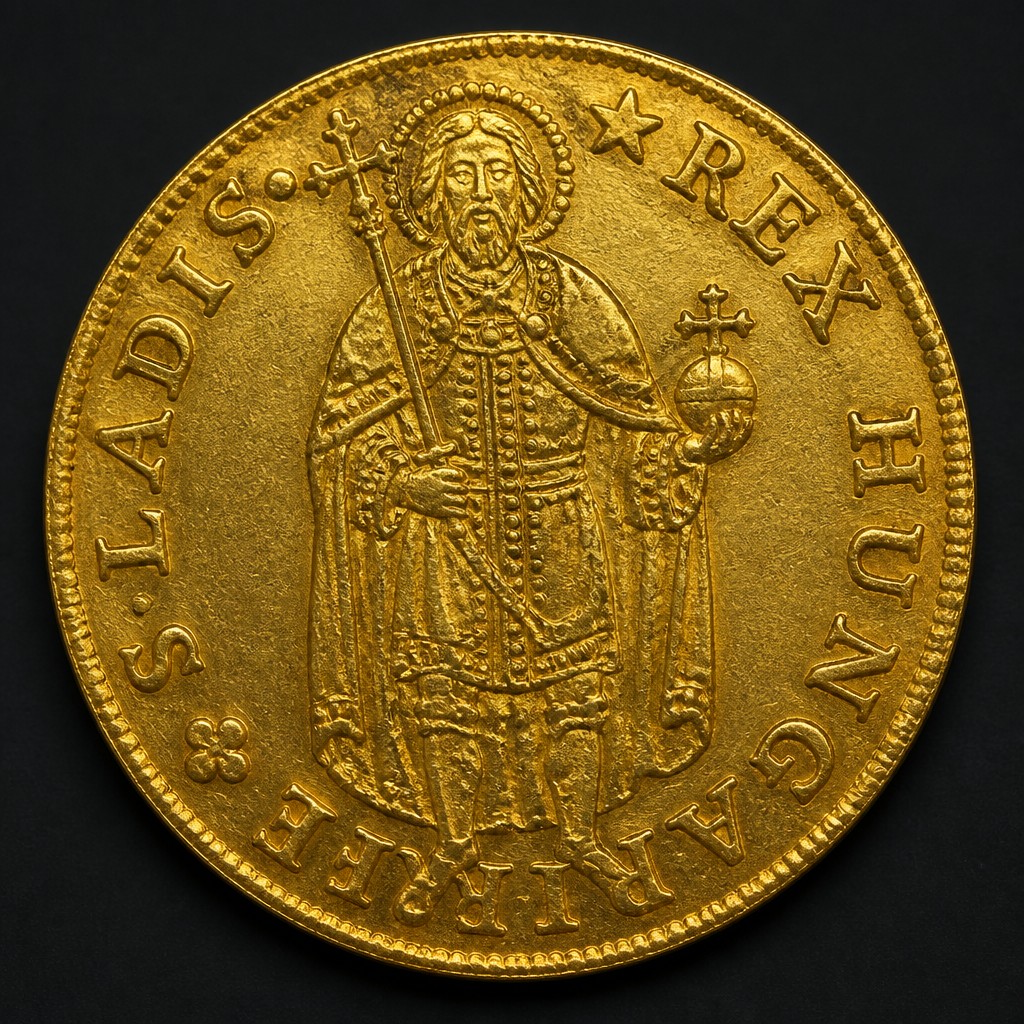
Hungarian Ducat
c. 1325–1918
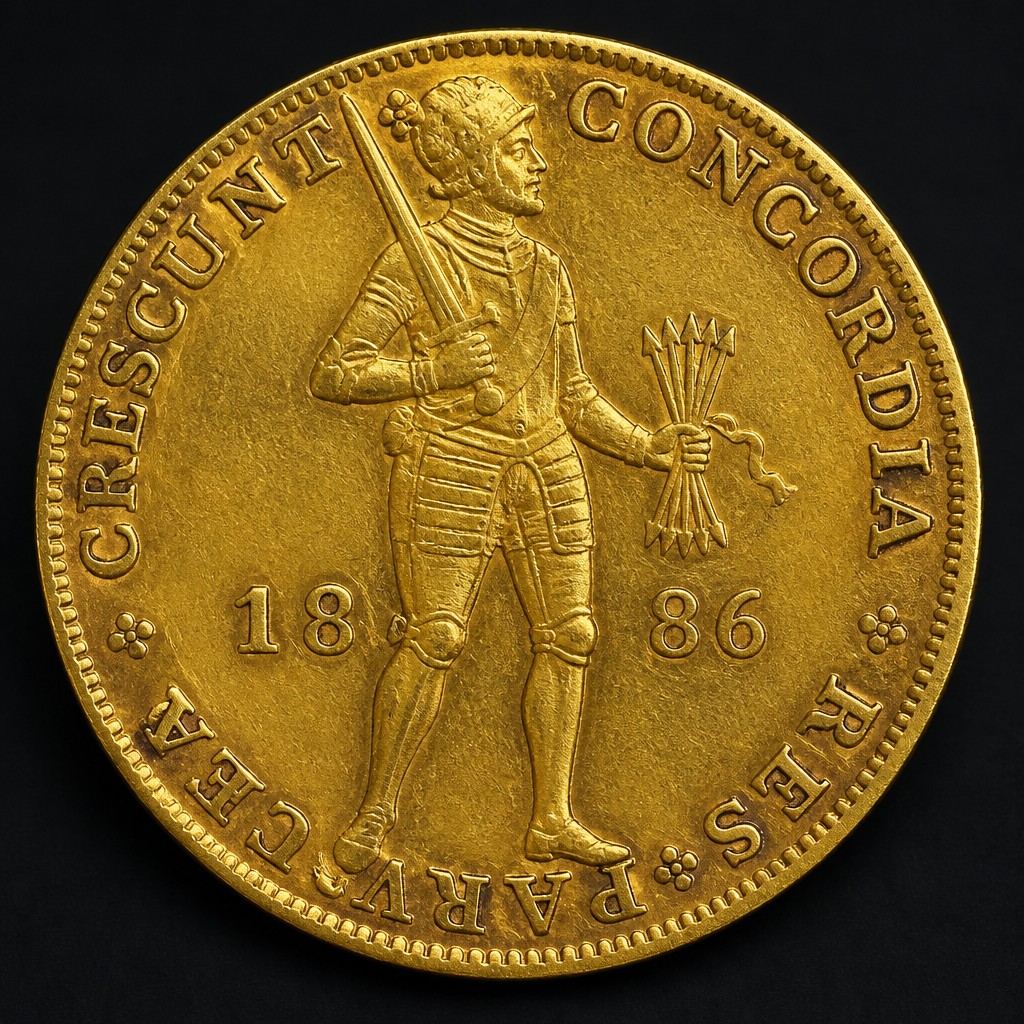
Dutch Ducat
c. 1586–present (classic type standardized after 1817)
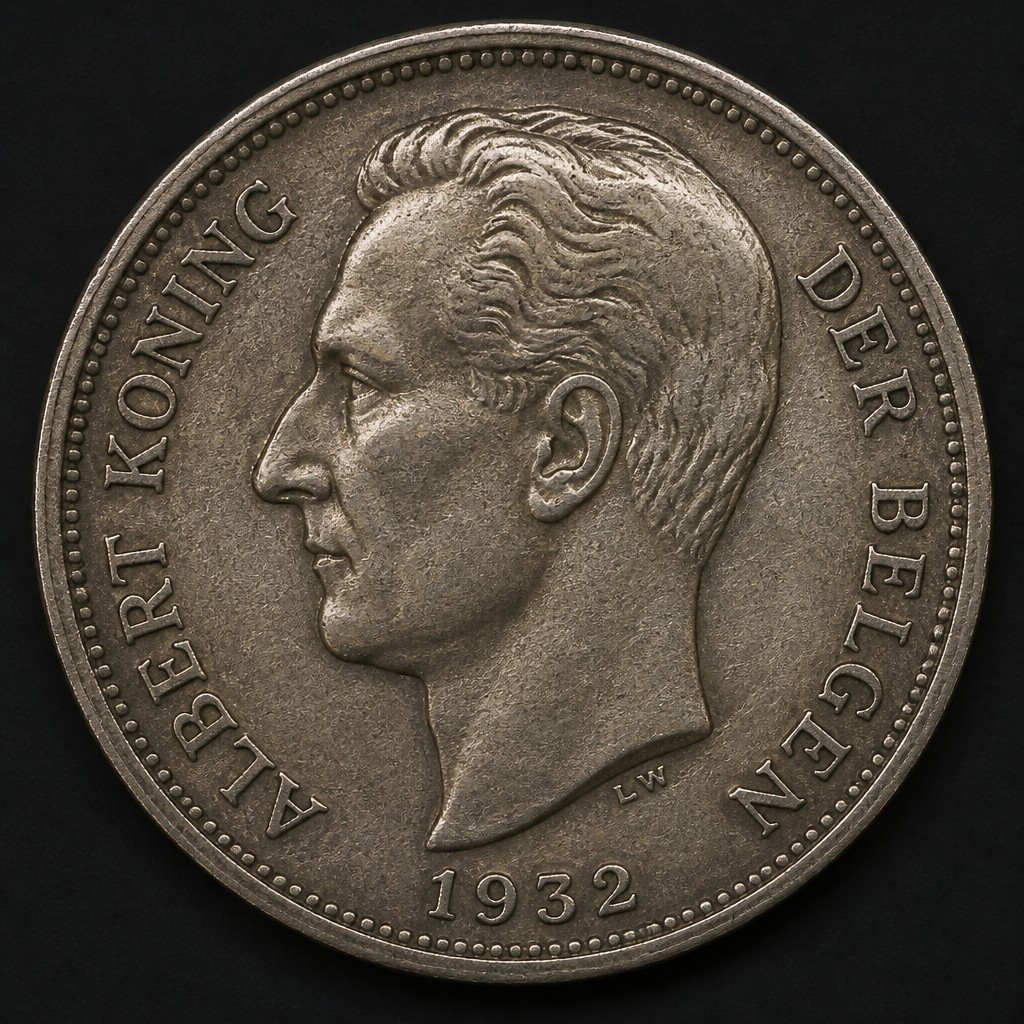
Belgian Franc
1832–2002
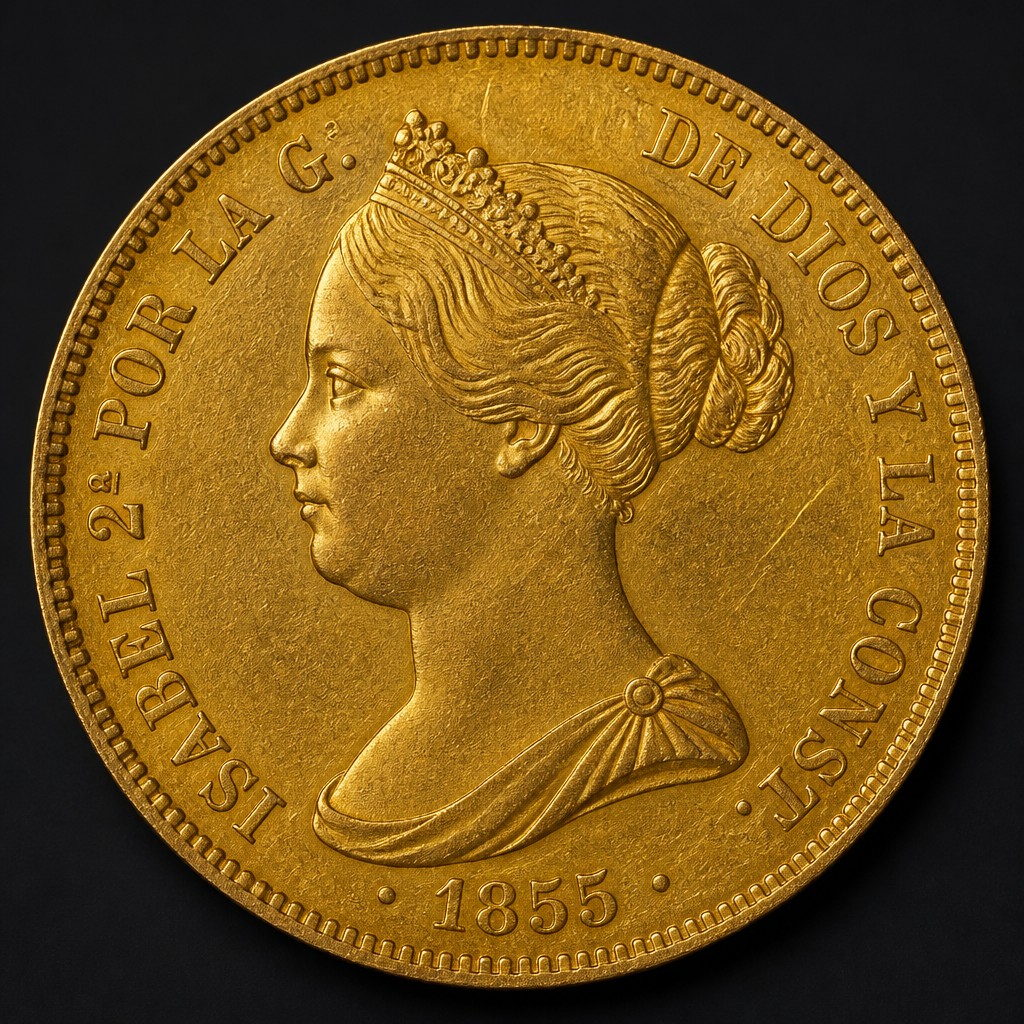
Spanish 100 Reales Gold (Isabel II)
1850s–1868
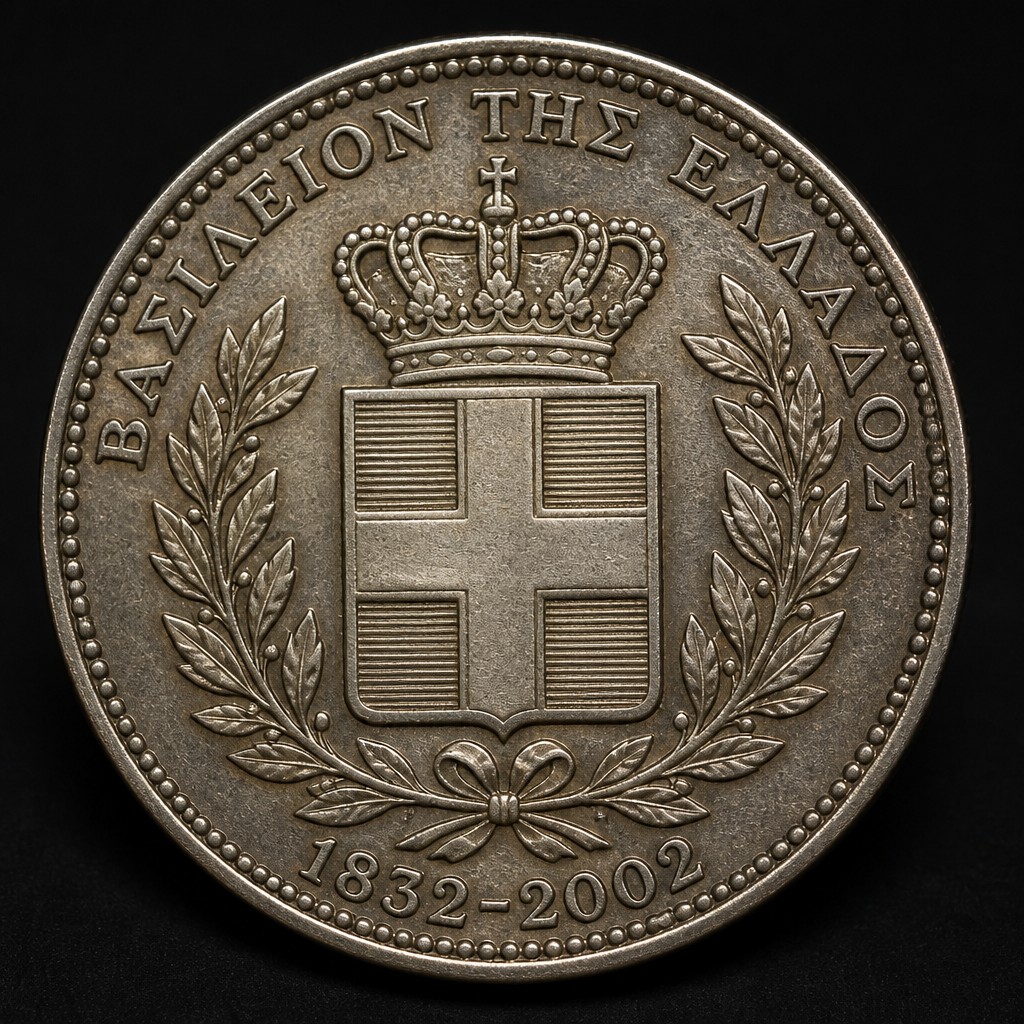
Greek Drachma
1832–2002
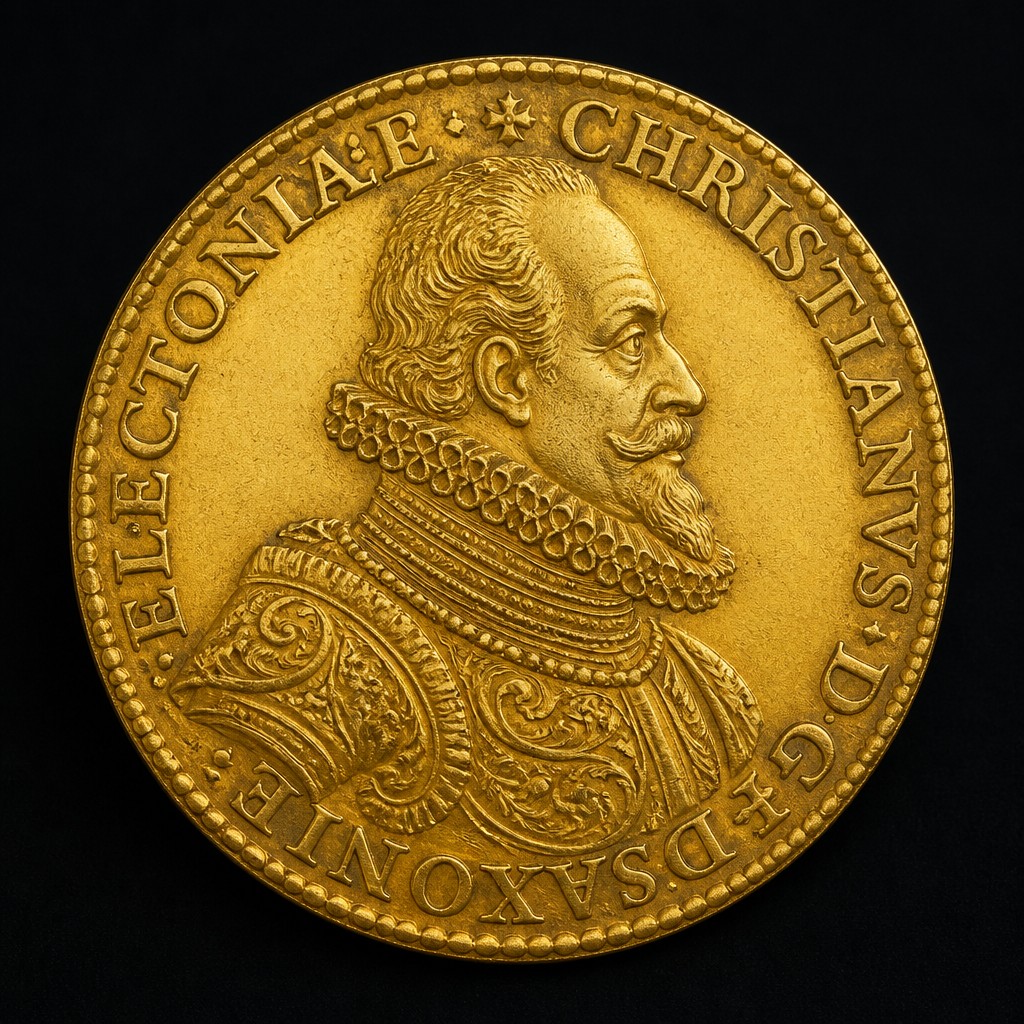
German Saxony Ducat
16th century–19th century
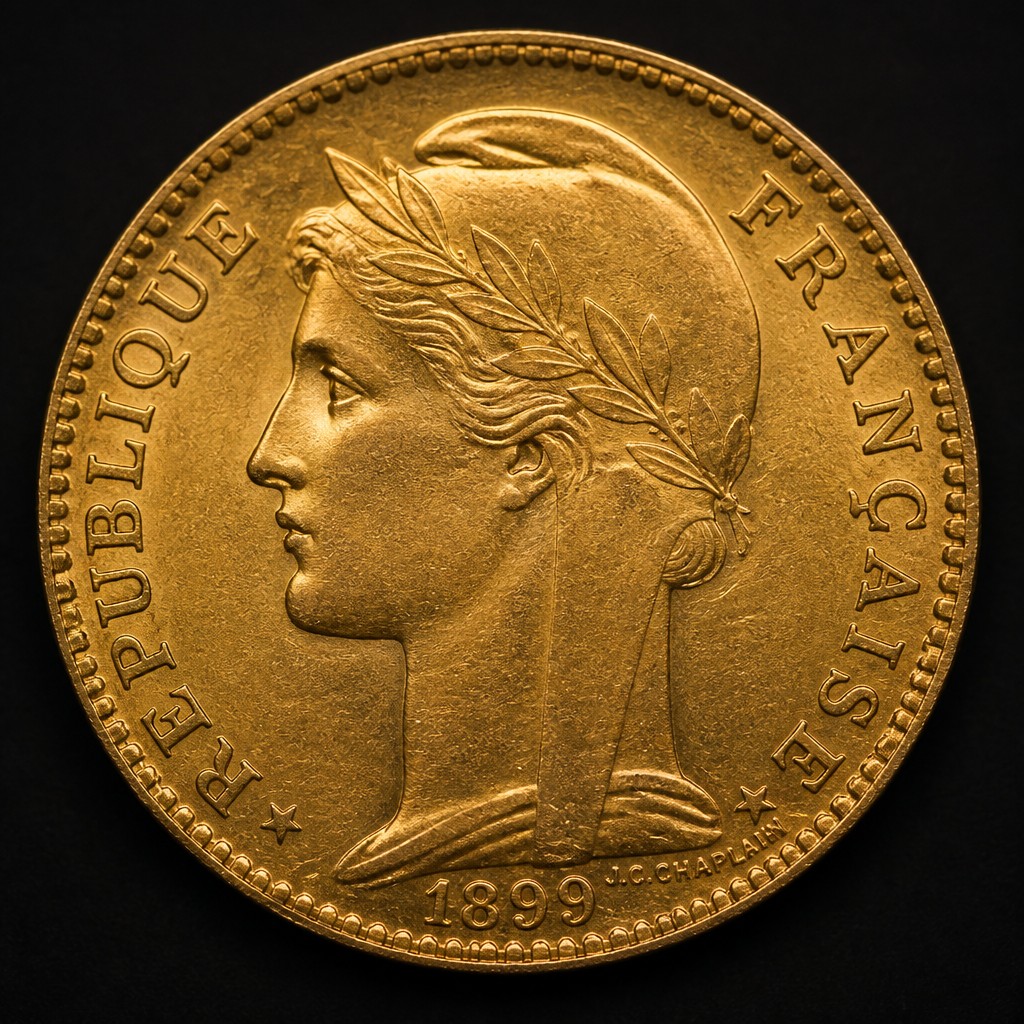
French 10 Francs Gold (Napoleon Rooster)
1899–1914
Netherlands 5 Gulden Gold
1826–1912 (intermittent)