
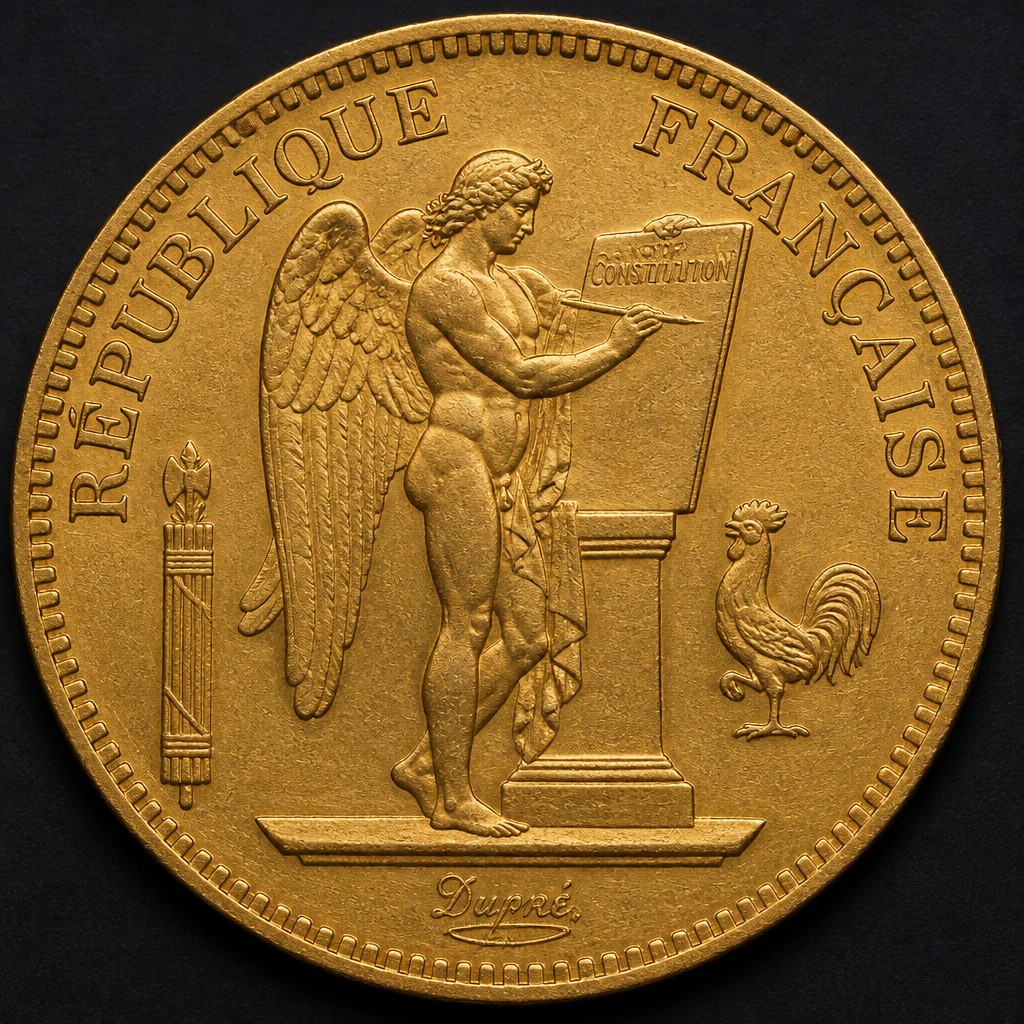
French 100 Francs Gold (Angel/Genius)
A large French gold coin of the Third Republic featuring an allegorical winged genius writing the constitution, often called the 'Angel' by collectors.
- Country
- France
- Denomination
- 100 Francs
- Metal
- Gold (.900 fine)
Got a coin like this?
Identify any coin from a photo, free.
Overview
The French 100 Francs gold coin of the Third Republic is best known for its striking design of a winged "Genius of Liberty" inscribing the constitution, a motif adapted from earlier work by celebrated 18th-century engraver Augustin Dupré. Because of its wings, English-speaking collectors often nickname it the "Angel."
As one of the largest regularly circulated French gold coins of its era, the 100 Francs Genius is a favorite among collectors of French Third Republic gold and of allegorical coin art more broadly.
History & Background
The design originated from Dupré's work for earlier French coinage tied to Revolutionary-era symbolism, and was revived and adapted for the Third Republic's larger gold denominations after France moved away from imperial and monarchical portraiture following the fall of the Second Empire in 1870. The 100 Francs, along with related 20 francs types, used variations of this Genius design during the later 19th and early 20th centuries.
Production continued through the Belle Époque era until the outbreak of World War I in 1914 disrupted normal gold coinage as European nations moved away from the gold standard for circulating coinage. The coin reflects the Republic's preference for allegorical, non-monarchical imagery on its currency.
How to Identify
The obverse depicts a winged genius figure in flight, writing the word "Constitution" on a tablet, with "REPUBLIQUE FRANCAISE" arched above. The reverse shows the denomination "100 FRANCS" within a wreath, along with the date and mint mark.
The coin is a large gold piece, roughly 35 mm in diameter and about 32.25 grams in weight, containing approximately 0.9334 troy ounces of pure gold, making it one of the more substantial French gold coins of the era. The Paris mint mark "A" and mint director's privy marks typically appear in the design.
Collectors distinguish this type from the smaller 20 Francs Genius coin, which shares the same design theme at a much smaller size and gold weight, and from earlier French gold types bearing monarchical or imperial portraits rather than allegorical figures.
Value & Collectibility
Because of its substantial gold content and relatively limited mintage compared to the ubiquitous 20 Francs gold coins, the 100 Francs Genius carries a real numismatic premium above simple gold melt value, particularly in higher uncirculated grades. Certain dates within the series are notably scarcer than others.
Typical prices reflect strong demand for both the coin's gold weight and its historical and artistic significance, often placing well-preserved examples solidly above bullion-equivalent pricing. As with all classic gold, buyers should expect meaningful variation in price based on date, mint state, and overall eye appeal.
Frequently asked questions
Why is this coin called the 'Angel'?
Collectors nicknamed it for the winged genius figure on the obverse, even though the design formally represents an allegorical Genius of Liberty rather than a religious angel.
How much gold does it contain?
It contains approximately 0.9334 troy ounces of pure gold in a coin of .900 fineness weighing about 32.25 grams.
Who designed the original artwork?
The design derives from work by 18th-century French engraver Augustin Dupré, adapted for the Third Republic's gold coinage.
Is this the same design as the 20 Francs Genius?
Yes, both denominations share the same Genius-writing-the-constitution theme, but the 100 Francs is significantly larger and heavier.
Other coins you may enjoy
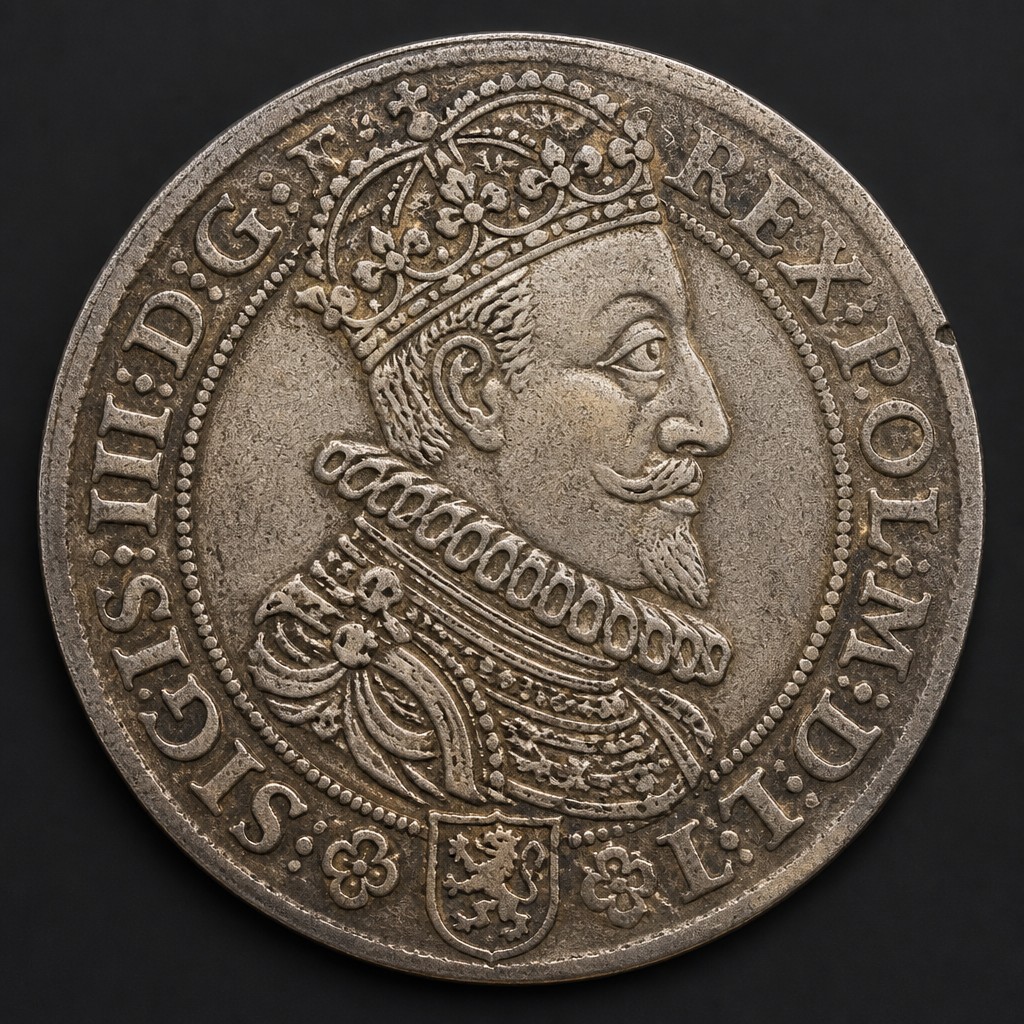
Polish-Lithuanian Thaler
circa 16th–18th century
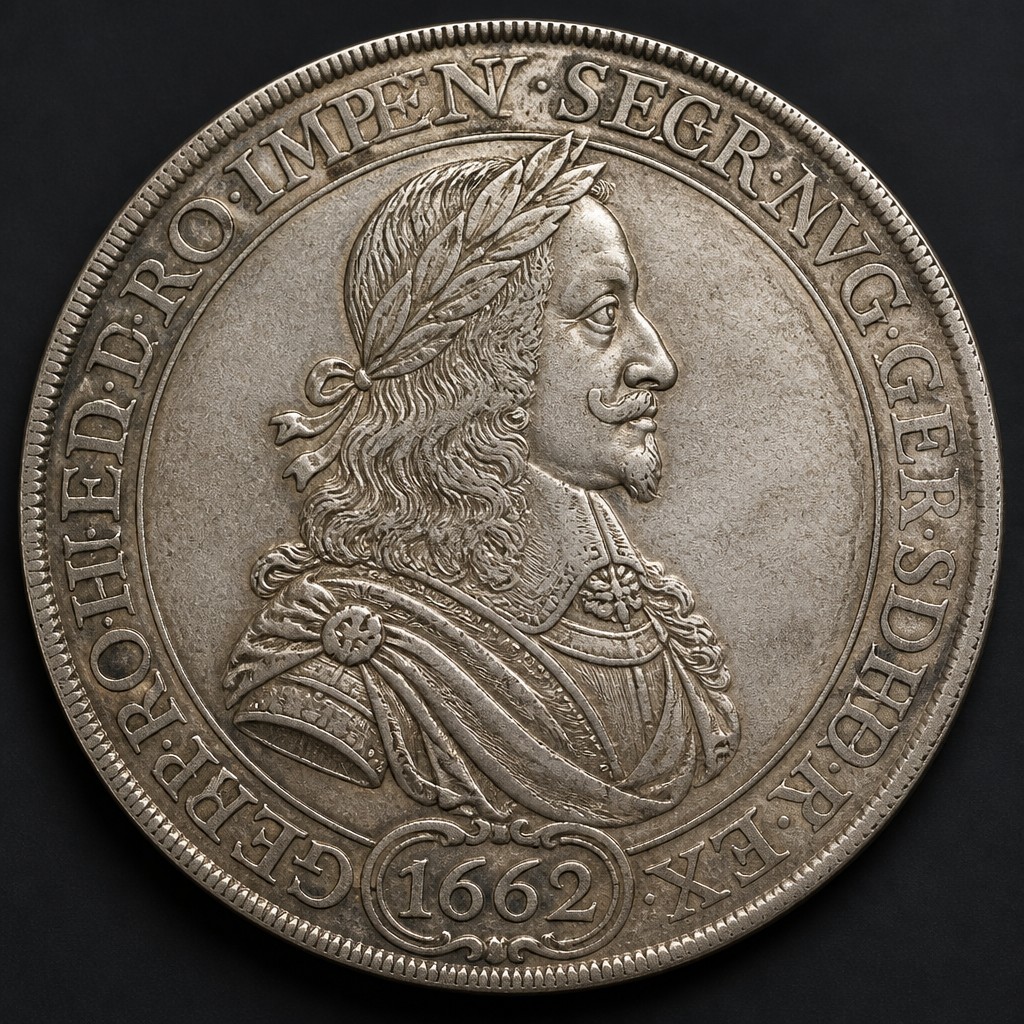
Reichsthaler
circa 1566–early 19th century
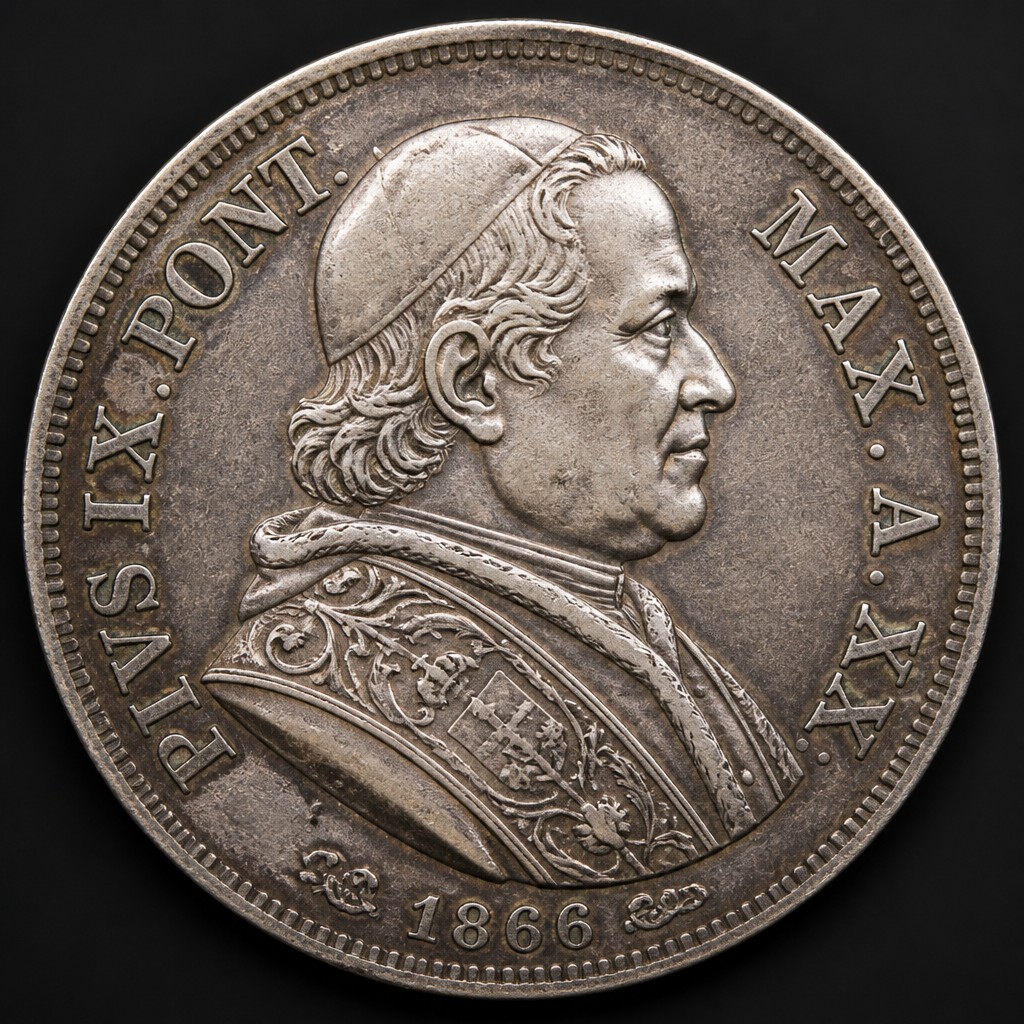
Papal States Scudo
16th century–1866
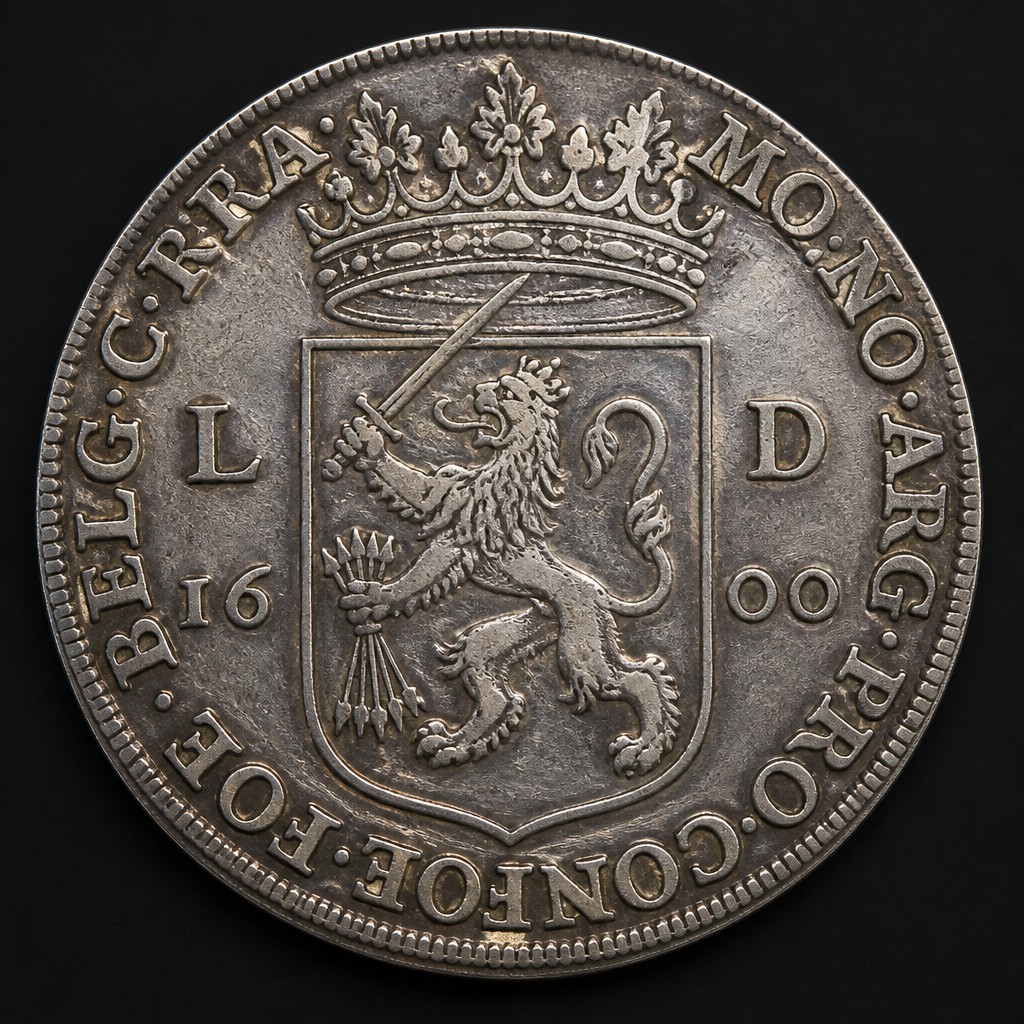
Netherlands Lion Daalder (Leeuwendaalder)
1575–1713
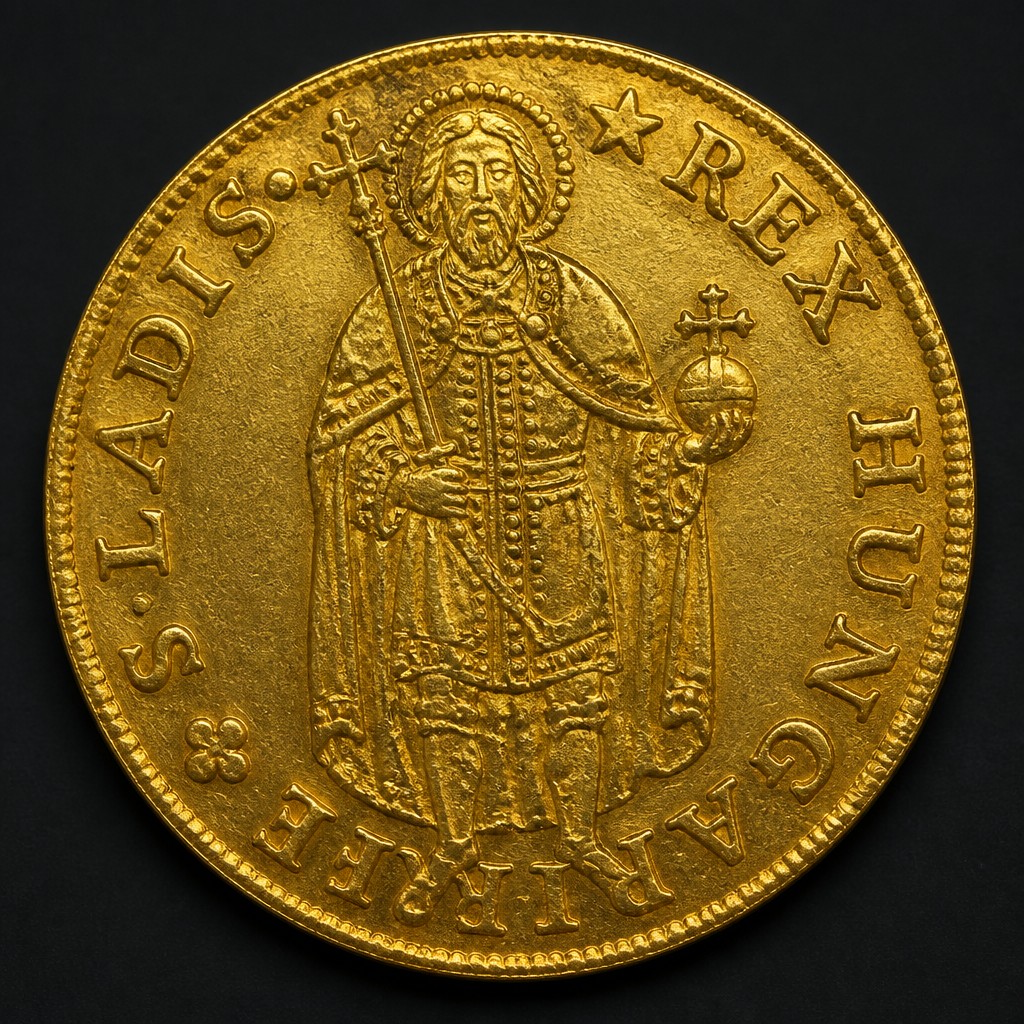
Hungarian Ducat
c. 1325–1918
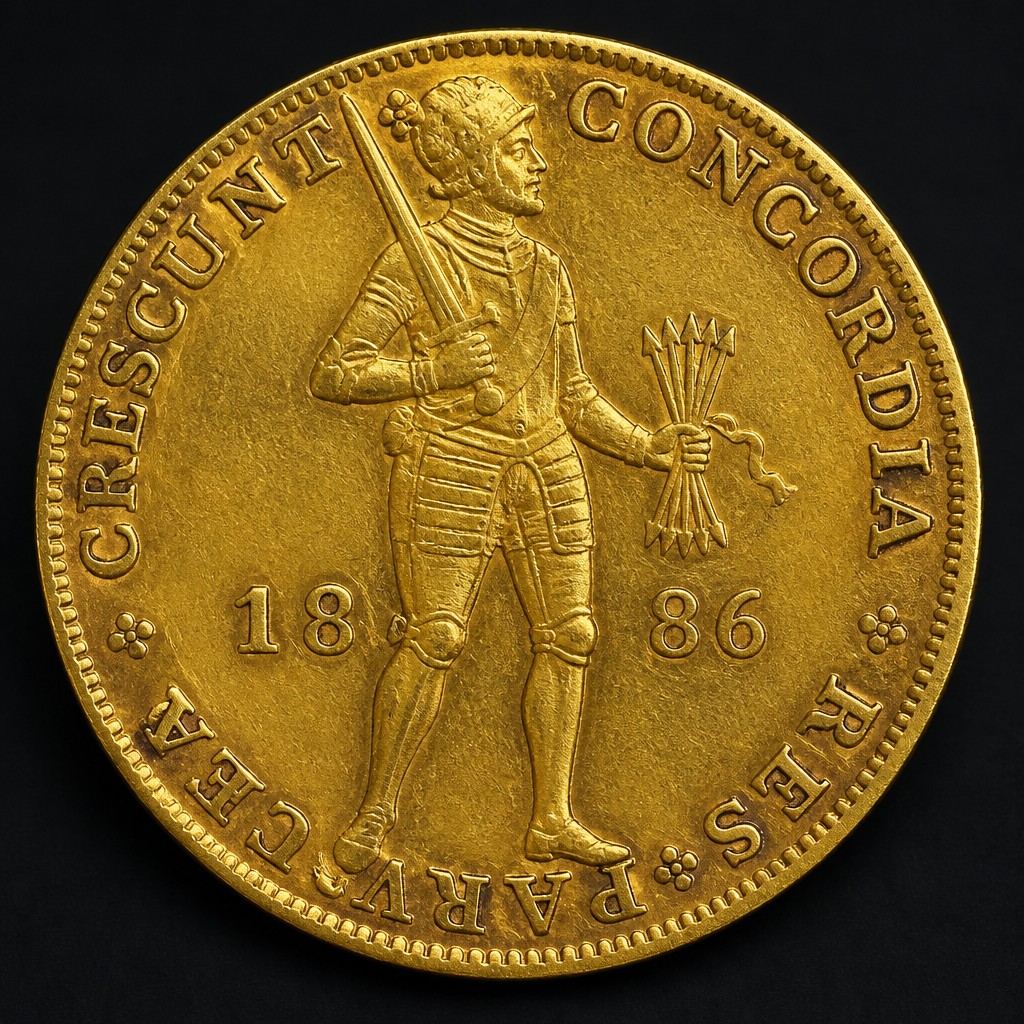
Dutch Ducat
c. 1586–present (classic type standardized after 1817)
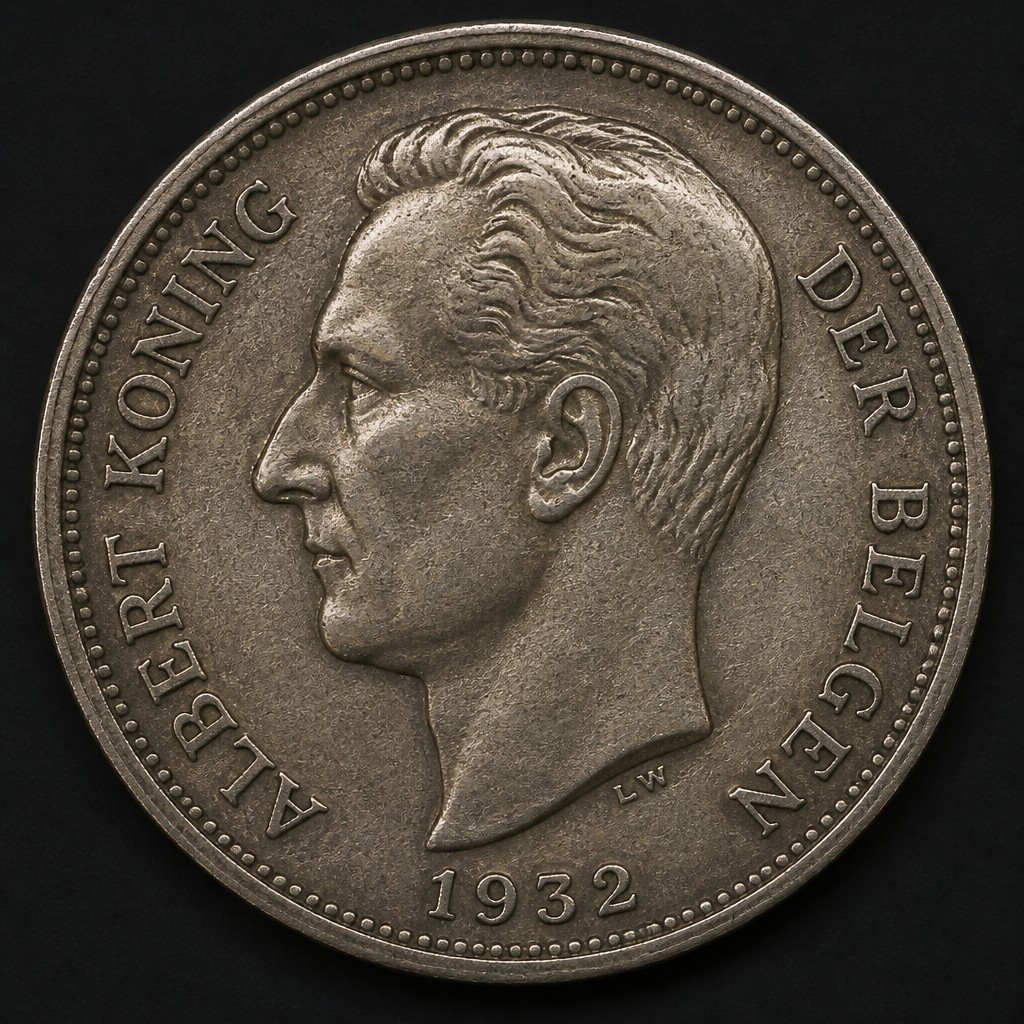
Belgian Franc
1832–2002
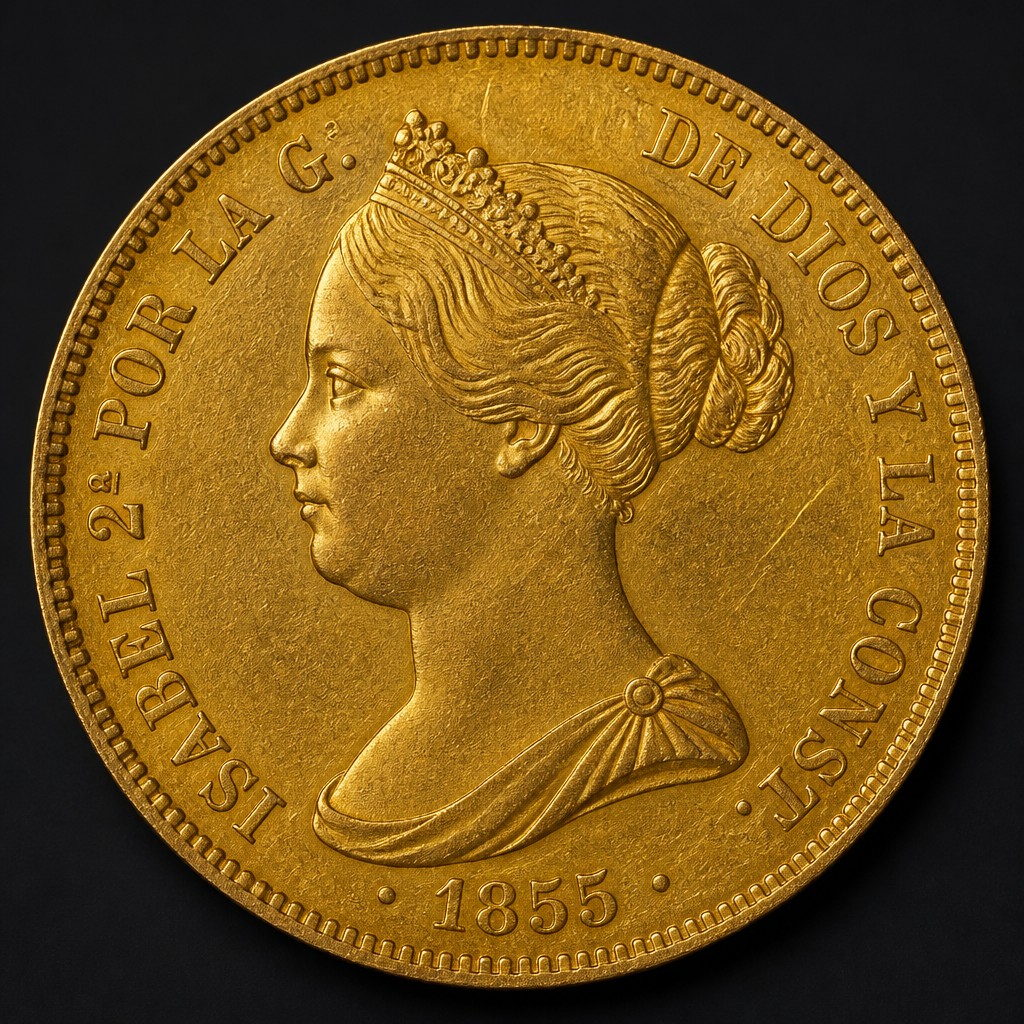
Spanish 100 Reales Gold (Isabel II)
1850s–1868
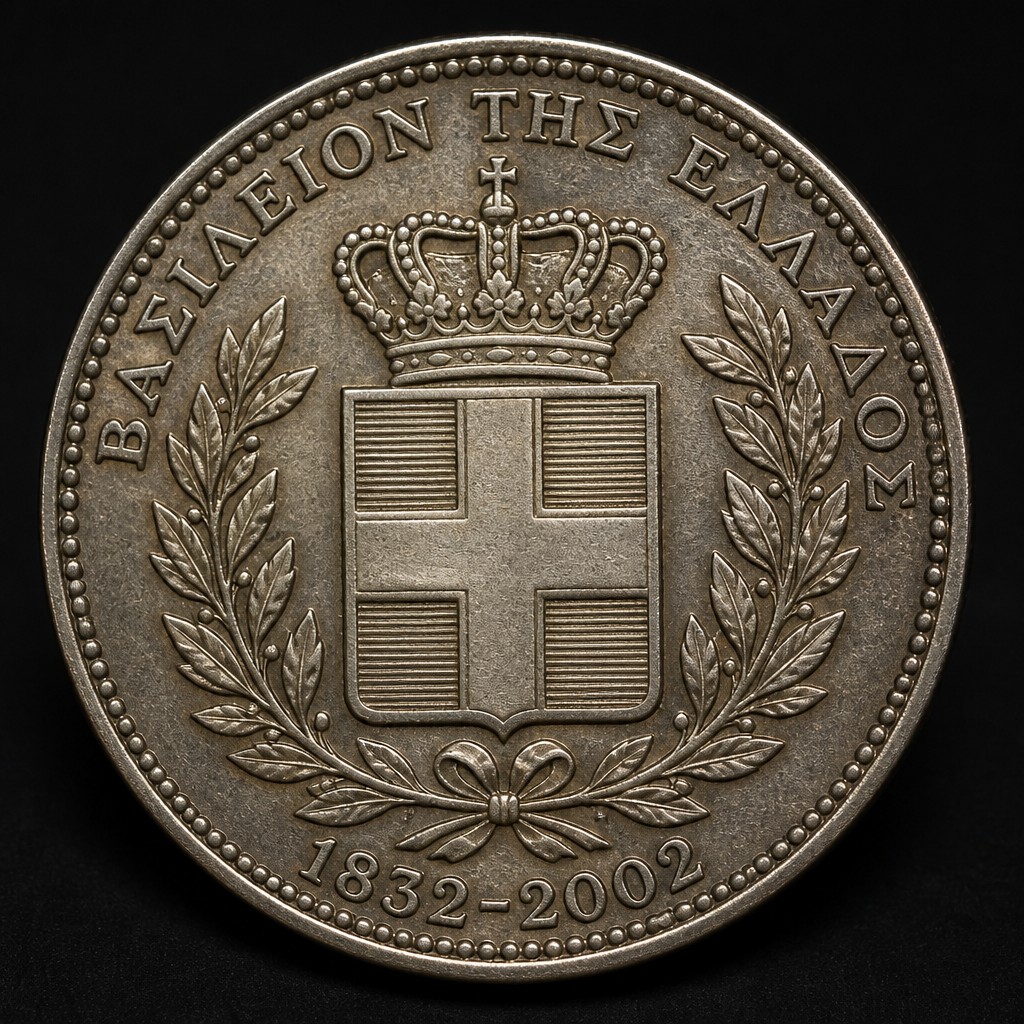
Greek Drachma
1832–2002
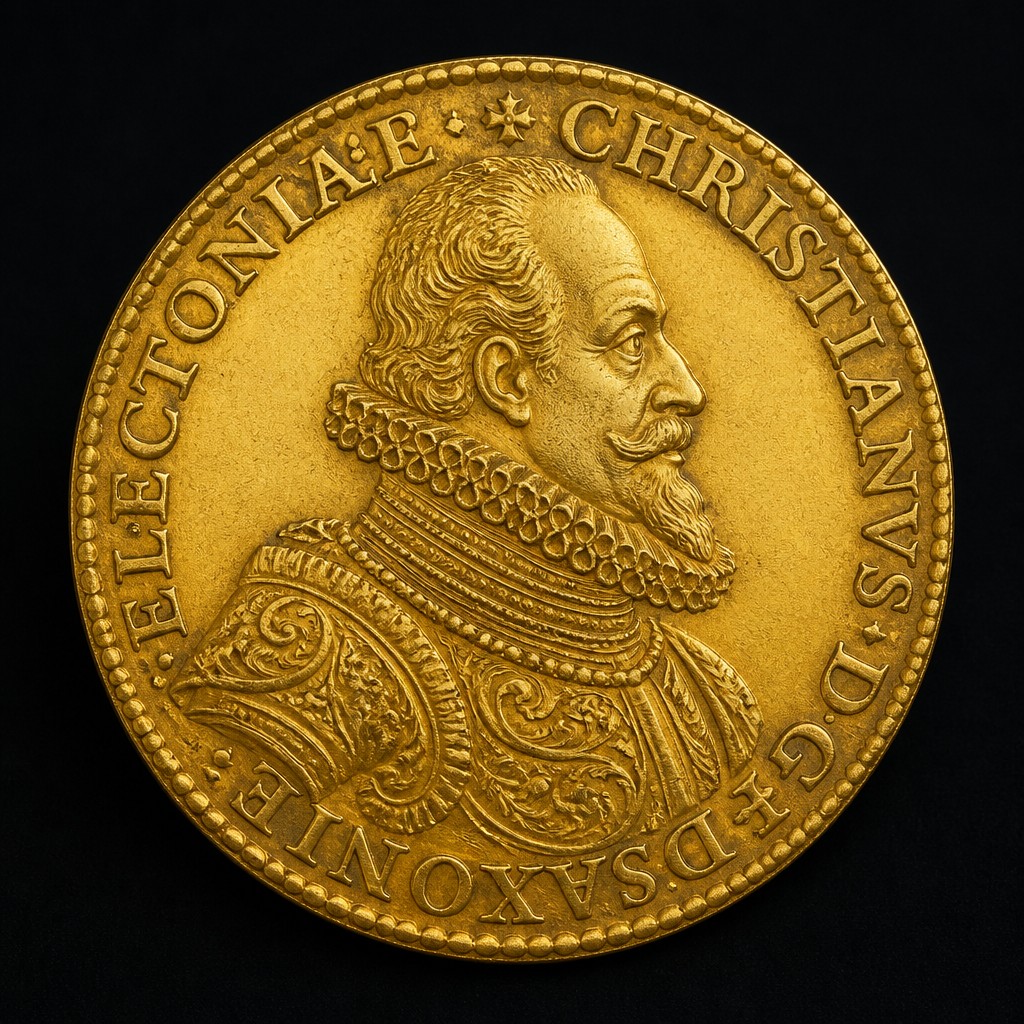
German Saxony Ducat
16th century–19th century
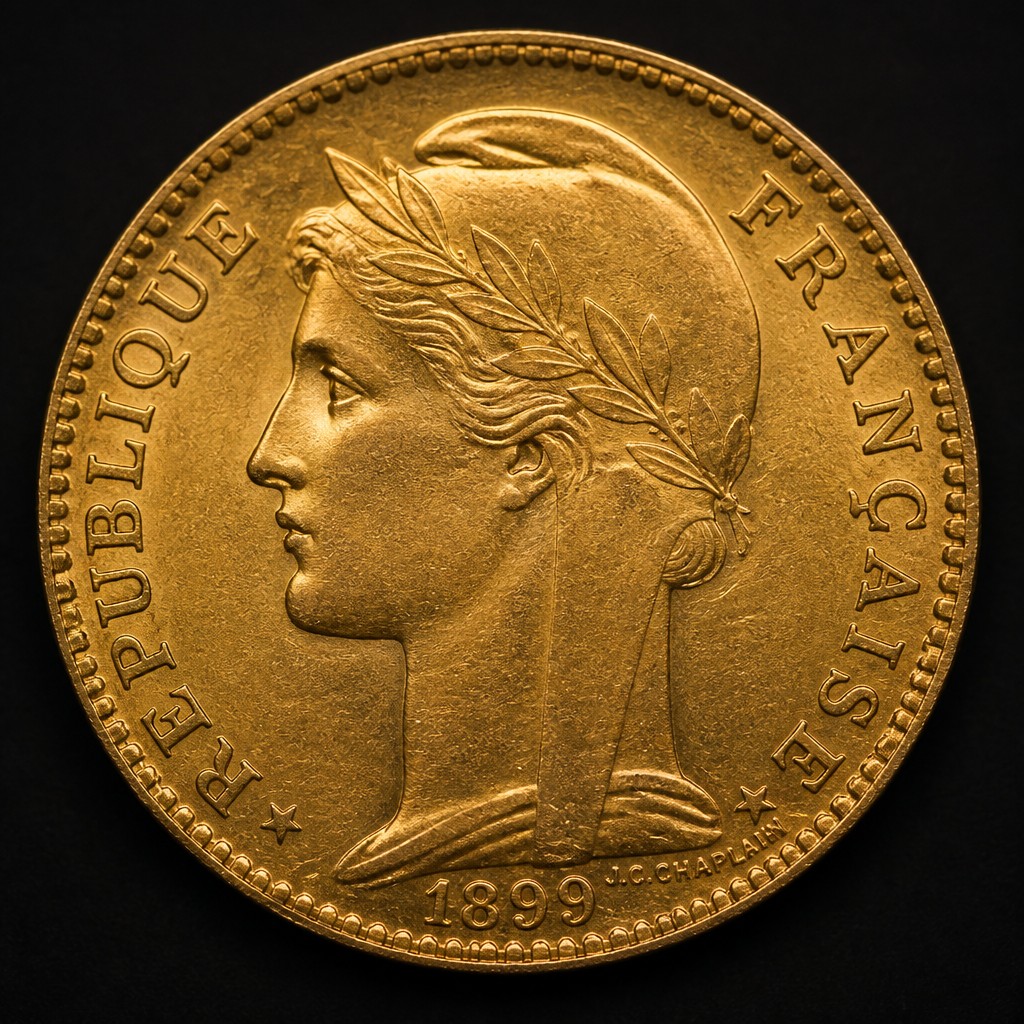
French 10 Francs Gold (Napoleon Rooster)
1899–1914
Netherlands 5 Gulden Gold
1826–1912 (intermittent)