
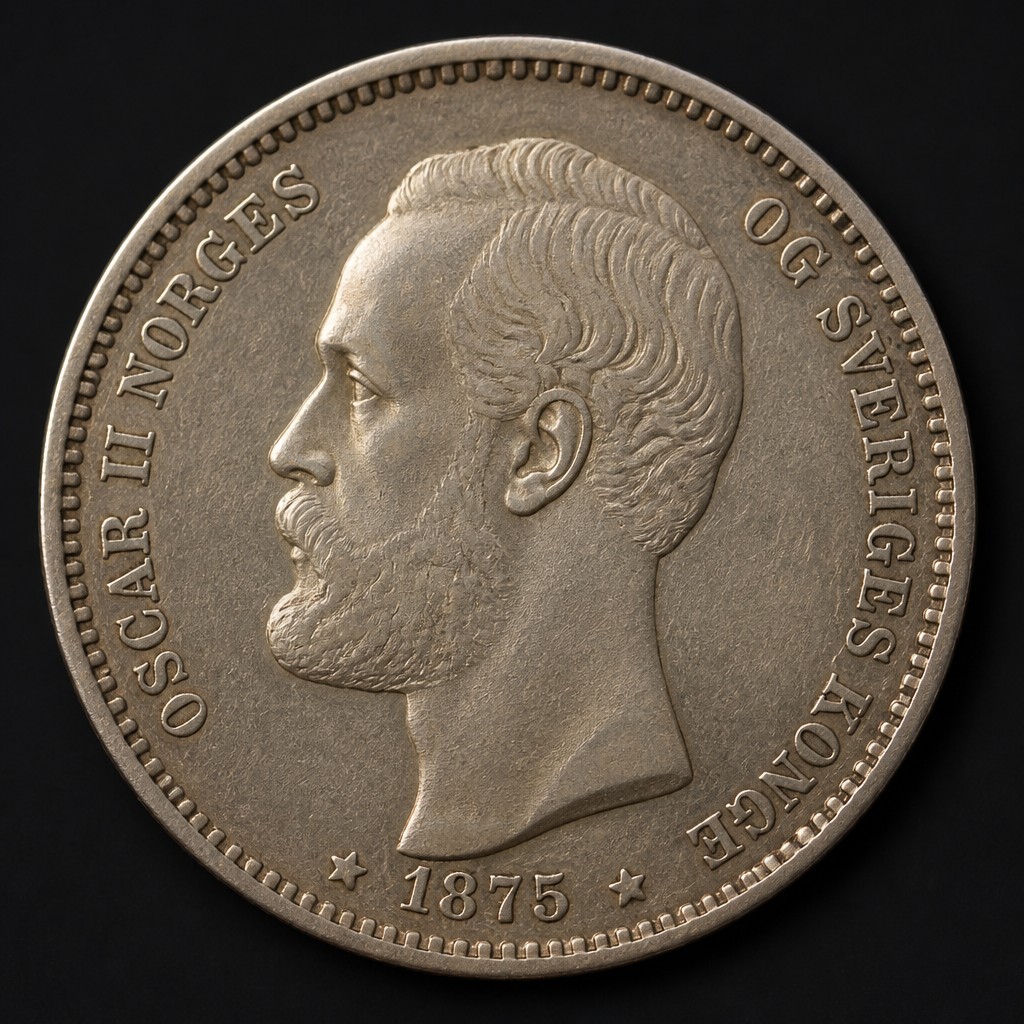
Norwegian Krone
The krone became Norway's national currency in 1875 upon joining the Scandinavian Monetary Union, and it has remained Norway's currency ever since, featuring the reigning monarch's portrait through the decades.
- Country
- Norway
- Denomination
- Krone
- Metal
- Silver (early issues), Copper-Nickel and other base metals (modern issues)
Got a coin like this?
Identify any coin from a photo, free.
Overview
The Norwegian krone joined the Scandinavian Monetary Union in 1875, aligning Norway's currency with Denmark and Sweden under a shared standard. Norway kept the krone as its national currency even after the union dissolved and after Norway's own political independence from Sweden in 1905, making the coin series a witness to significant Norwegian nation-building history.
Collectors are drawn to the Norwegian krone for its clean royal portraiture, tracking monarchs from Oscar II (as king of both Sweden and Norway before 1905) through Haakon VII, Olav V, and Harald V, and for the coin's connection to Norway's emergence as an independent kingdom.
Most circulating krone coins from the 20th century are affordable and common, but early silver issues, and pieces from the transitional independence period around 1905, hold particular historical interest for specialist collectors.
History & Background
Norway adopted the krone in 1875 as a member of the Scandinavian Monetary Union alongside Denmark and Sweden, replacing its earlier speciedaler currency system with the new shared decimal standard. At the time, Norway was in a political union with Sweden, and early krone coins reflect that shared monarchy under King Oscar II.
When Norway peacefully dissolved its union with Sweden in 1905 and became a fully independent kingdom under its own elected monarch, Haakon VII, Norwegian krone coinage began to reflect this new independent national identity, while retaining the krone name and general monetary standard inherited from the earlier union period.
Through the 20th century, Norway's krone coinage moved from silver to base metal compositions, tracking global trends, and Norway has continued to issue and use the krone as its national currency to the present day, notably remaining outside the European Union and the euro system altogether.
How to Identify
Obverse designs typically show the portrait or royal monogram of the reigning Norwegian monarch (Oscar II on early union-era coins, then Haakon VII, Olav V, and Harald V on independent Norwegian issues), with a legend giving the ruler's name and title. Reverse designs commonly display the denomination, the Norwegian lion holding an axe (the national emblem), or a wreath framing the value and date.
Early silver krone coins from the late 19th century are denser and duller compared to the lighter, shinier base-metal coins common in the 20th century onward. Small mint or engraver marks sometimes appear near the date, useful for detailed attribution by specialists.
Because Norway shared its early monetary standard closely with Denmark and Sweden, collectors distinguish Norwegian krone coins from its neighbors' primarily by the ruling monarch's portrait and by the distinctive Norwegian lion-and-axe emblem, which differs from the Danish and Swedish national symbols used on their respective krone coinage.
Value & Collectibility
Most modern Norwegian krone coins are common and inexpensive, valued close to face value plus a small collector premium given their large historical production for daily circulation. Early silver krone coins, particularly from the pre-1905 union period or the years immediately surrounding Norwegian independence, carry higher value due to both age and historical significance.
Commemorative krone coins marking royal anniversaries, national milestones, or the independence centennial are popular with collectors and typically bring premiums over ordinary circulation coinage.
Typical circulated modern krone coins trade for only a few dollars, while scarce 19th- or early 20th-century silver krone coins in good condition can range from tens to a few hundred dollars depending on date, rarity, and grade.
Frequently asked questions
When did Norway start using the krone?
Norway adopted the krone in 1875 upon joining the Scandinavian Monetary Union with Denmark and Sweden.
Is the Norwegian krone still used today?
Yes, Norway continues to use the krone as its national currency and is not part of the eurozone.
What changed on Norwegian coins after 1905?
After Norway's peaceful independence from its union with Sweden in 1905, coinage began featuring Norway's own elected monarch, Haakon VII, rather than the previously shared Swedish-Norwegian king.
What symbol appears on Norwegian krone coins?
Many Norwegian krone coins feature the national emblem of a crowned lion holding an axe, distinguishing them from Danish and Swedish krone designs.
Other coins you may enjoy
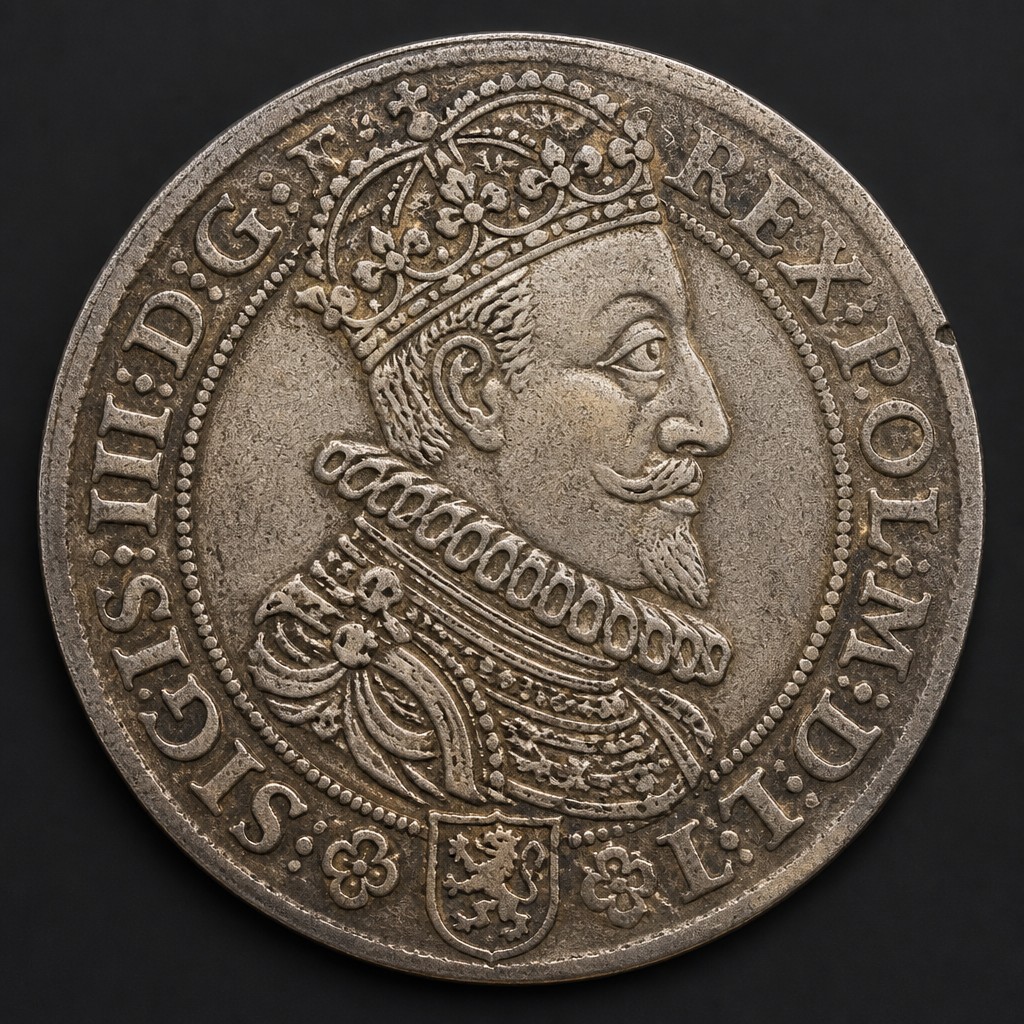
Polish-Lithuanian Thaler
circa 16th–18th century
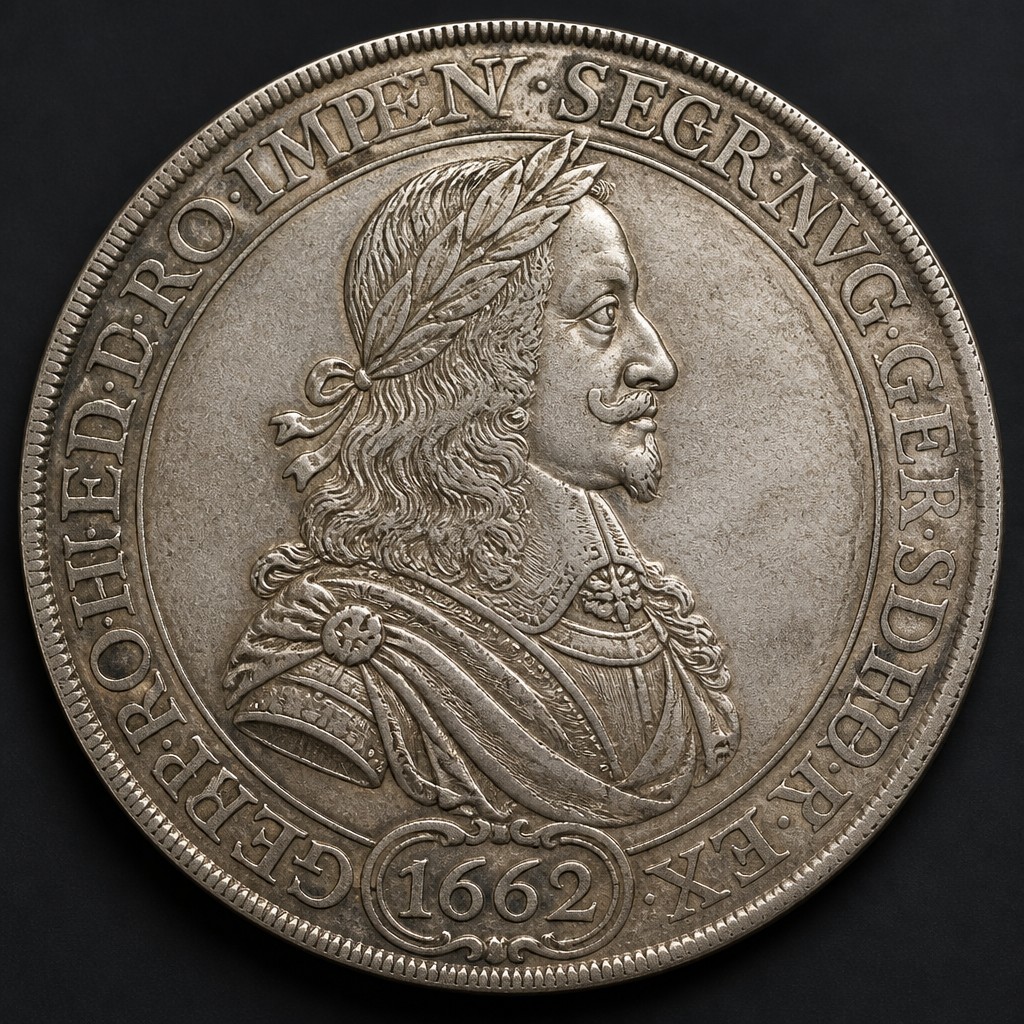
Reichsthaler
circa 1566–early 19th century
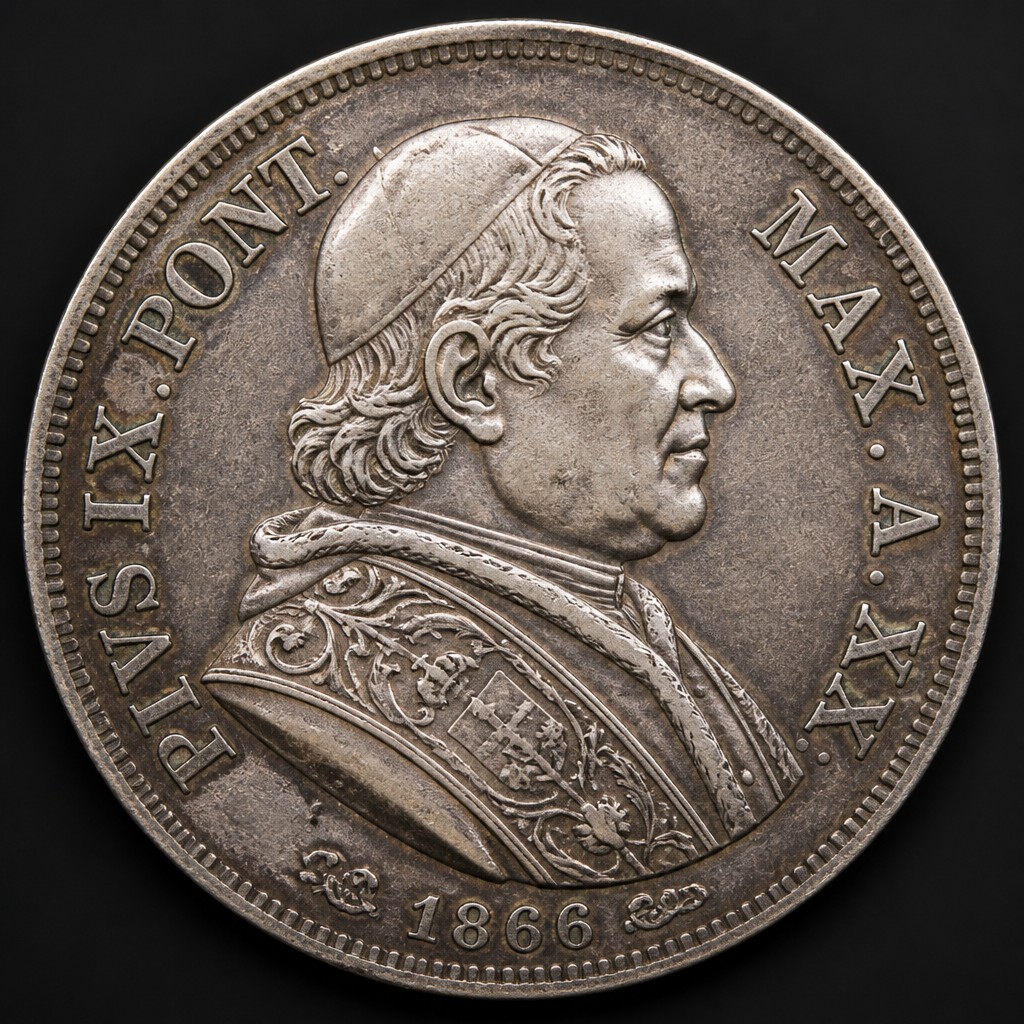
Papal States Scudo
16th century–1866
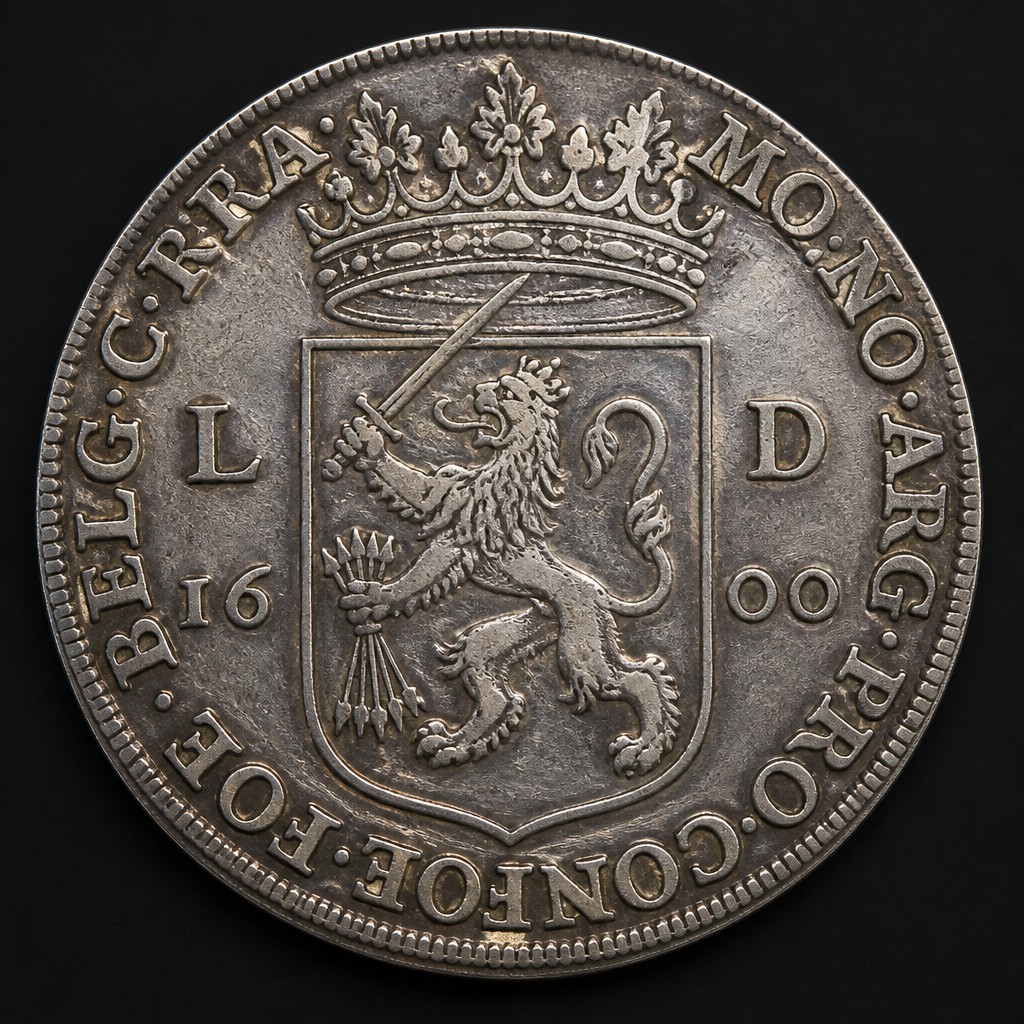
Netherlands Lion Daalder (Leeuwendaalder)
1575–1713
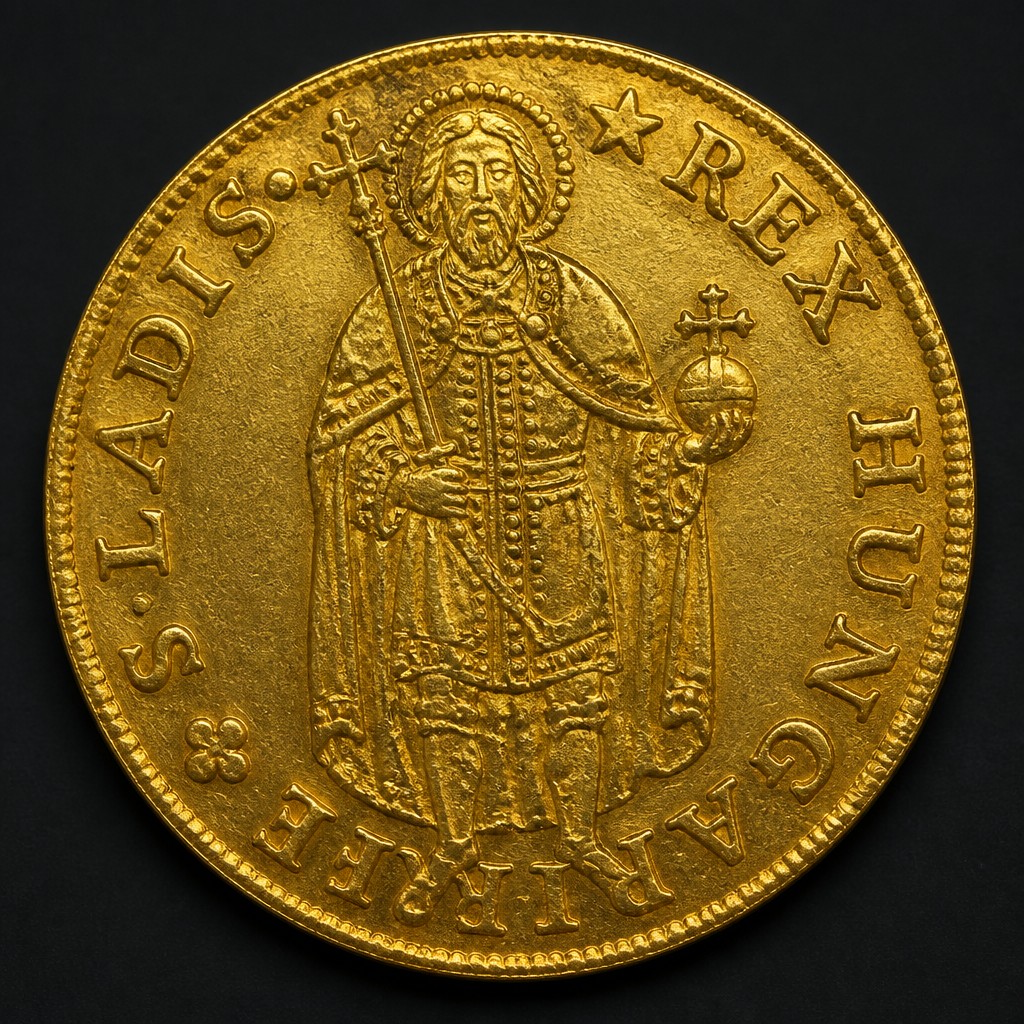
Hungarian Ducat
c. 1325–1918
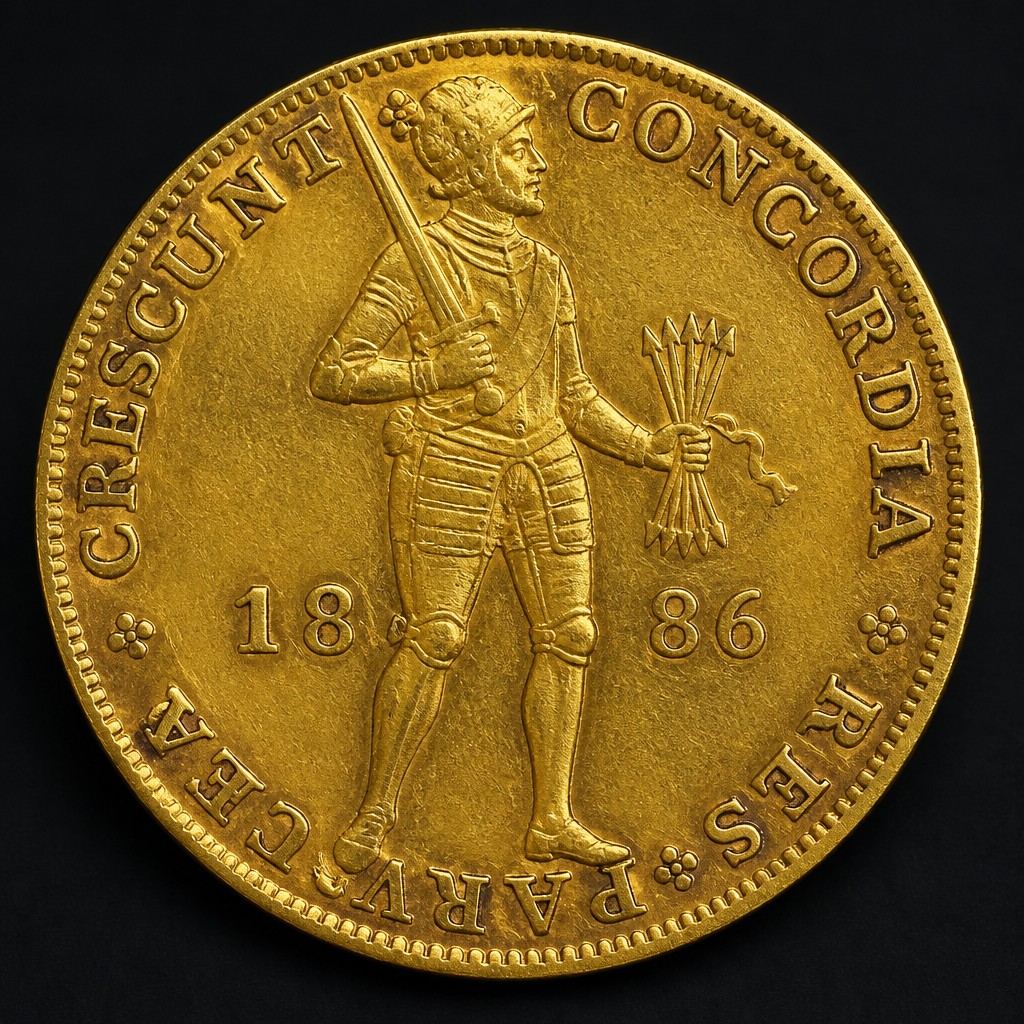
Dutch Ducat
c. 1586–present (classic type standardized after 1817)
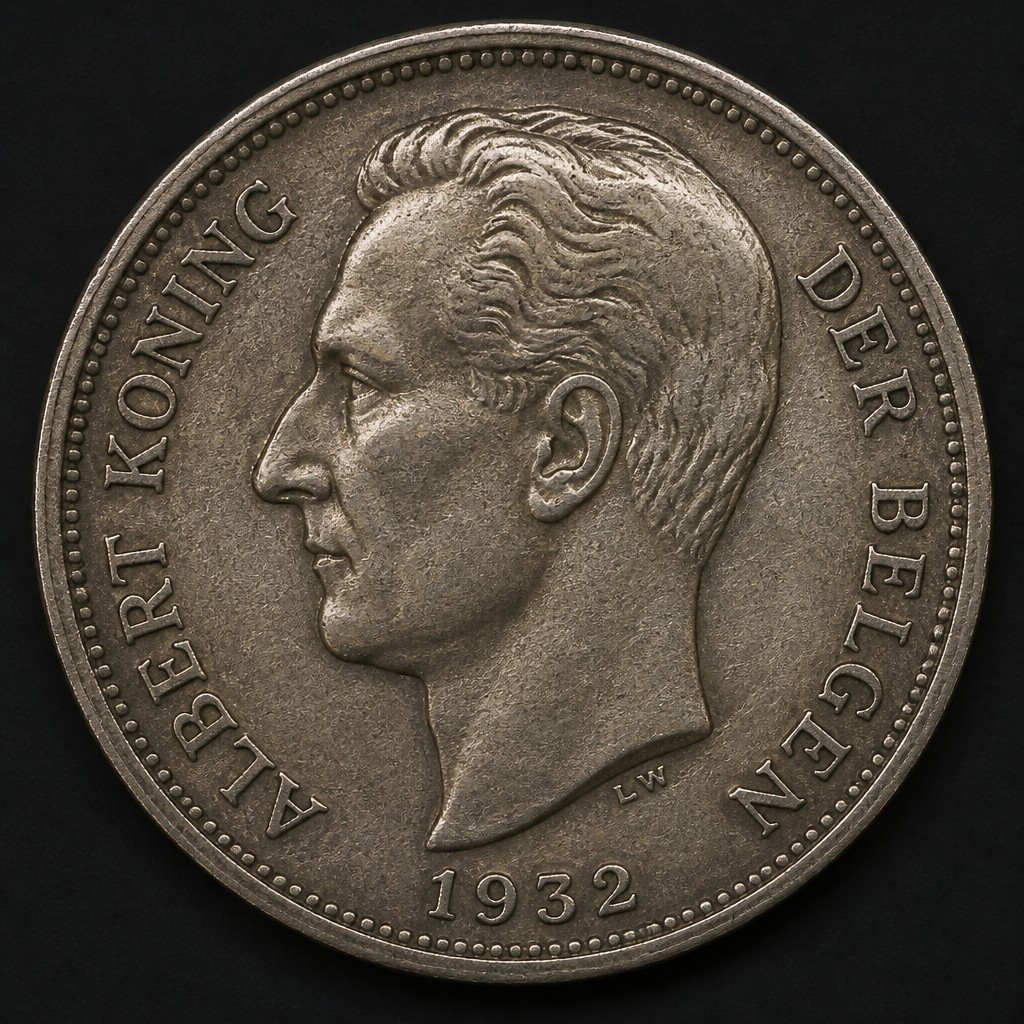
Belgian Franc
1832–2002
Spanish 100 Reales Gold (Isabel II)
1850s–1868
Greek Drachma
1832–2002
German Saxony Ducat
16th century–19th century
French 10 Francs Gold (Napoleon Rooster)
1899–1914
Netherlands 5 Gulden Gold
1826–1912 (intermittent)