
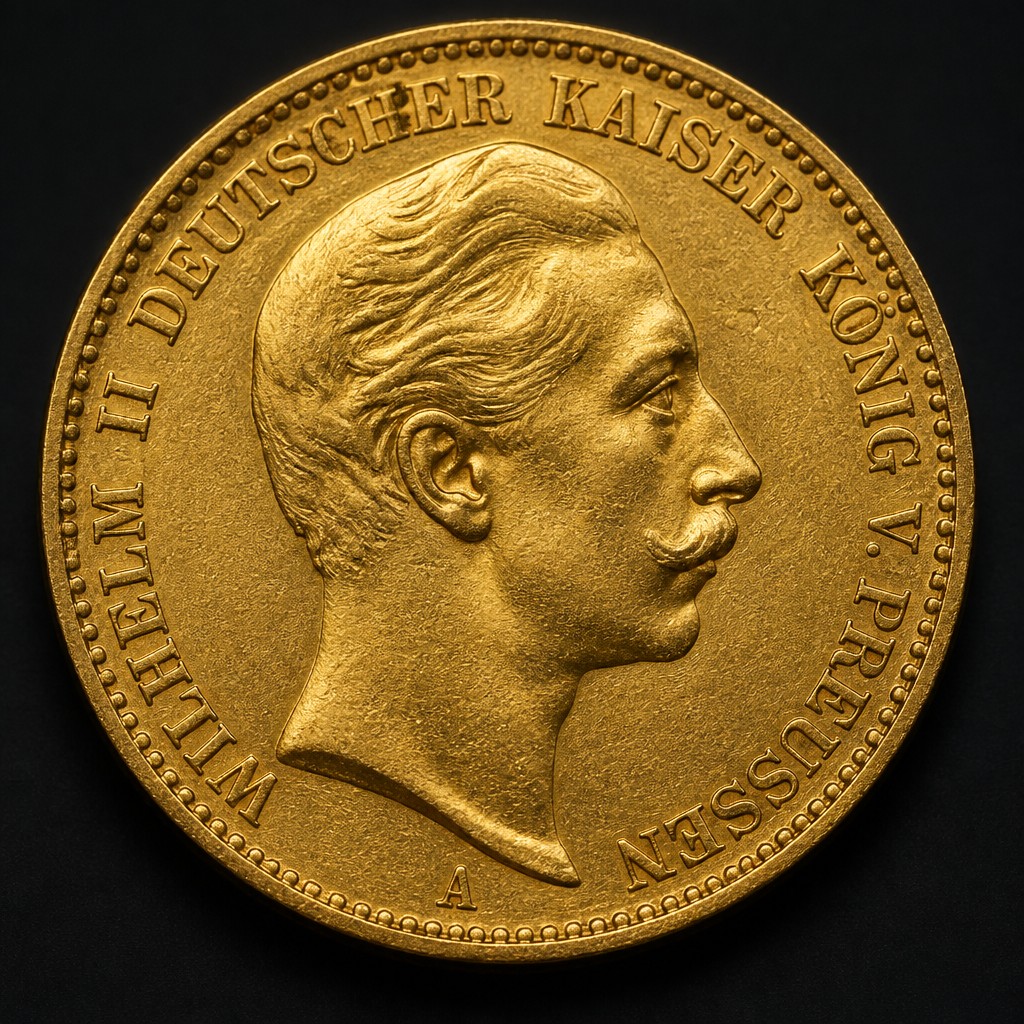
German Empire 20 Mark Gold (Wilhelm II)
The standard gold coin of the German Empire under Kaiser Wilhelm II, struck at multiple state mints and widely collected for its imperial portrait and eagle reverse.
- Country
- Germany
- Denomination
- 20 Mark
- Metal
- 90% Gold (.900 fine)
Got a coin like this?
Identify any coin from a photo, free.
Overview
The 20 mark gold coin was the workhorse gold denomination of the newly unified German Empire, and the issues bearing Kaiser Wilhelm II's portrait, struck from his accession in 1888 until the eve of the First World War, are among the most commonly encountered German imperial gold coins today. They reflect Germany's adoption of the gold mark standard following unification in 1871.
Collectors are drawn to these coins for their strong imperial imagery, their connection to a pivotal and dramatic period of German and European history, and their manageable, standardized gold content.
History & Background
The German Empire, formed in 1871 following unification under Prussian leadership, adopted a new gold mark currency standard and began issuing gold coins including the 20 mark denomination across coinage struck for the empire as a whole as well as its individual constituent states. Kaiser Wilhelm II ascended to the throne in 1888 and reigned until the empire's collapse at the end of the First World War in 1918, with 20 mark gold coins bearing his portrait struck throughout most of his reign at various mints across Germany.
Each constituent state or major city mint operating under the empire struck its own dies, resulting in coins that share the same imperial eagle reverse but display distinctly labeled mint marks. Production of gold coinage effectively ceased with the outbreak of the First World War in 1914, as Germany moved away from the gold standard under wartime economic pressures.
How to Identify
The obverse shows Kaiser Wilhelm II in profile, typically in military uniform or with imperial regalia, with a German legend naming him German Emperor and King of Prussia. The reverse depicts the German Imperial eagle with outstretched wings, encircled by the denomination and date.
The coin is struck in .900 fine gold, weighing 7.965 grams and measuring about 22.5mm in diameter. A small mint letter appears on the coin identifying which German mint struck it, such as A for Berlin, D for Munich, E for Muldenhütten, F for Stuttgart, or J for Hamburg, and collectors track these mint marks closely since mintages varied considerably by location and year.
Value & Collectibility
Common date, common mint 20 mark Wilhelm II gold coins trade close to their gold bullion value and are widely available due to substantial original production. Certain mint and date combinations with lower original mintages command noticeably higher premiums, and exceptional condition uncirculated examples are valued above typical circulated pieces.
As with most classic European gold coins of this size, overall demand is supported by strong recognition of the type among collectors of German and world gold coinage, keeping common examples liquid and readily tradable.
Frequently asked questions
What is the gold content of a 20 mark coin?
It contains 7.965 grams of .900 fine gold.
What do the mint letters on the coin mean?
Letters such as A, D, E, F, or J identify which German mint city struck the coin, for example A for Berlin or D for Munich.
Why did gold coin production stop?
Germany moved away from the gold standard under the economic pressures of the First World War, which began in 1914, ending regular gold coinage.
Are all Wilhelm II 20 mark coins rare?
No, many common date and mint combinations are widely available and trade near bullion value, while a smaller number of scarcer combinations command higher premiums.
Other coins you may enjoy
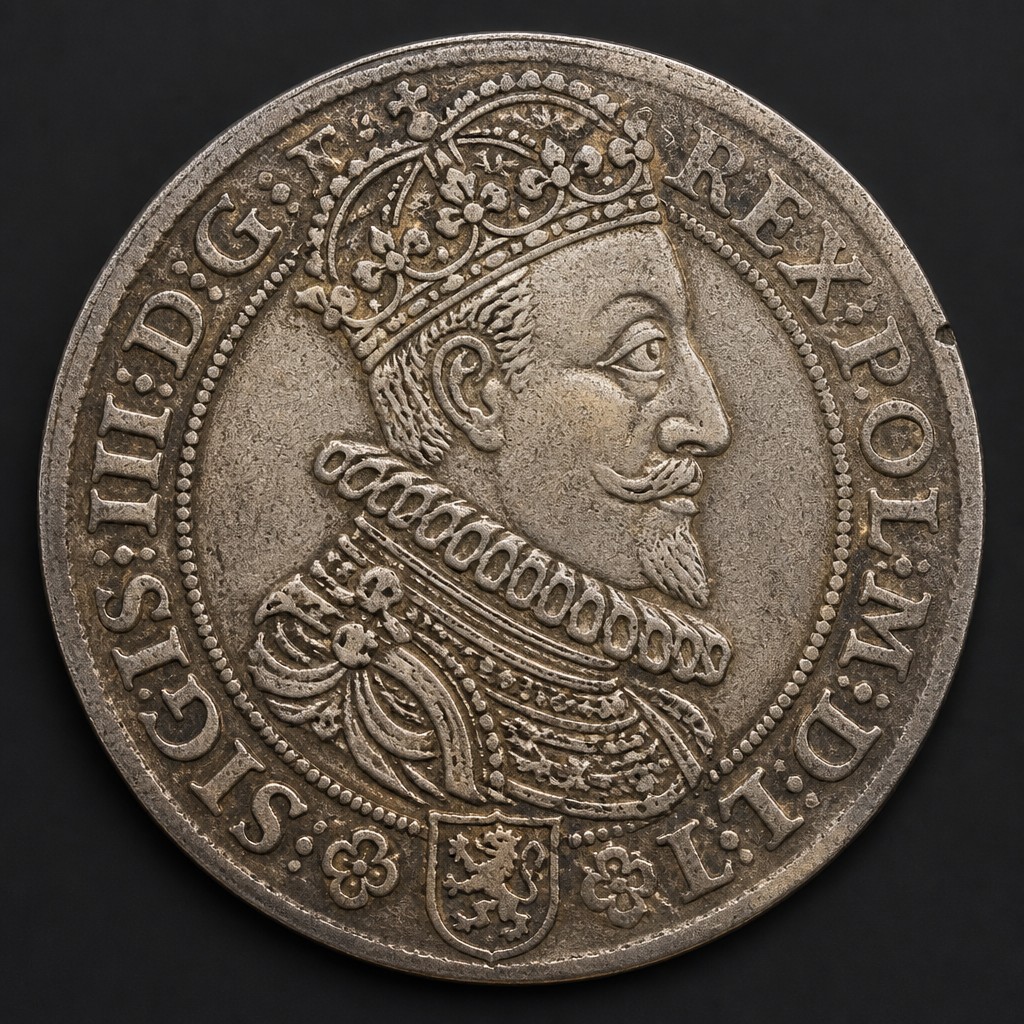
Polish-Lithuanian Thaler
circa 16th–18th century
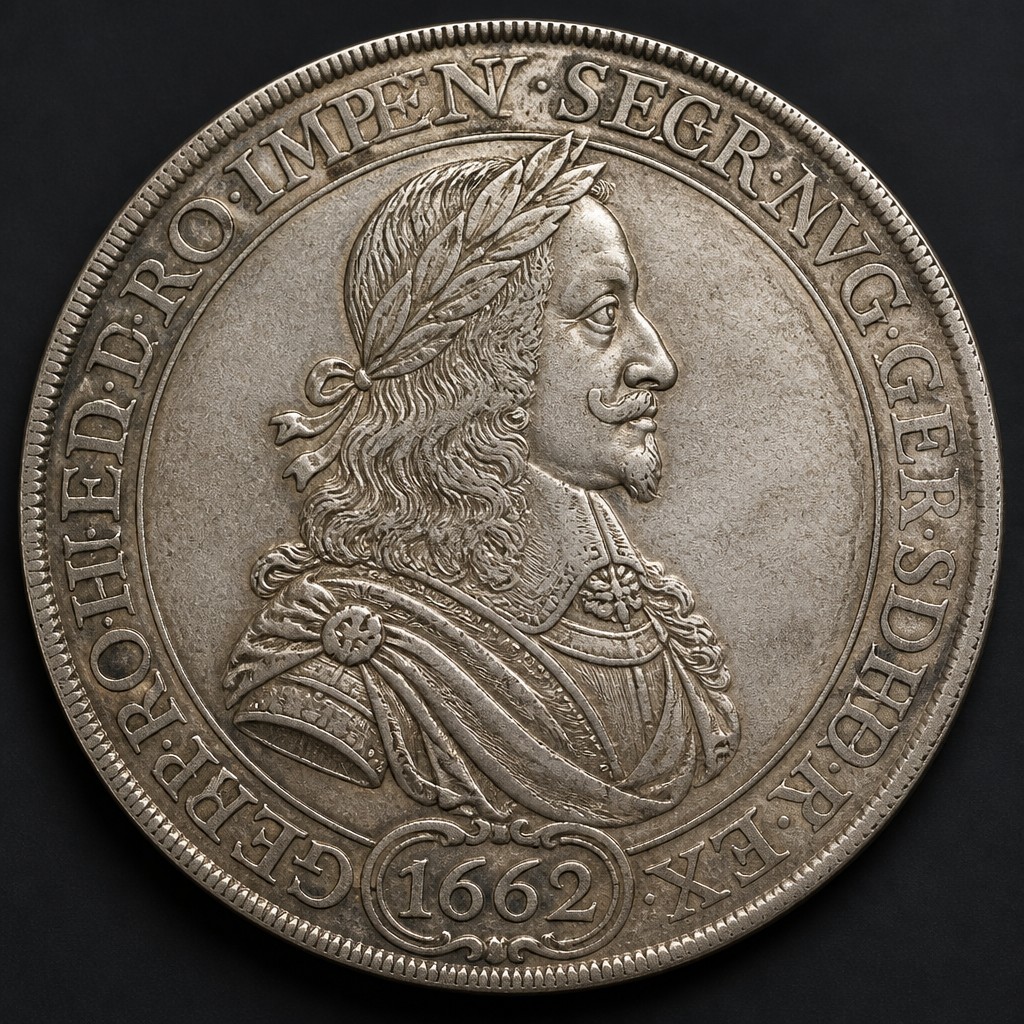
Reichsthaler
circa 1566–early 19th century
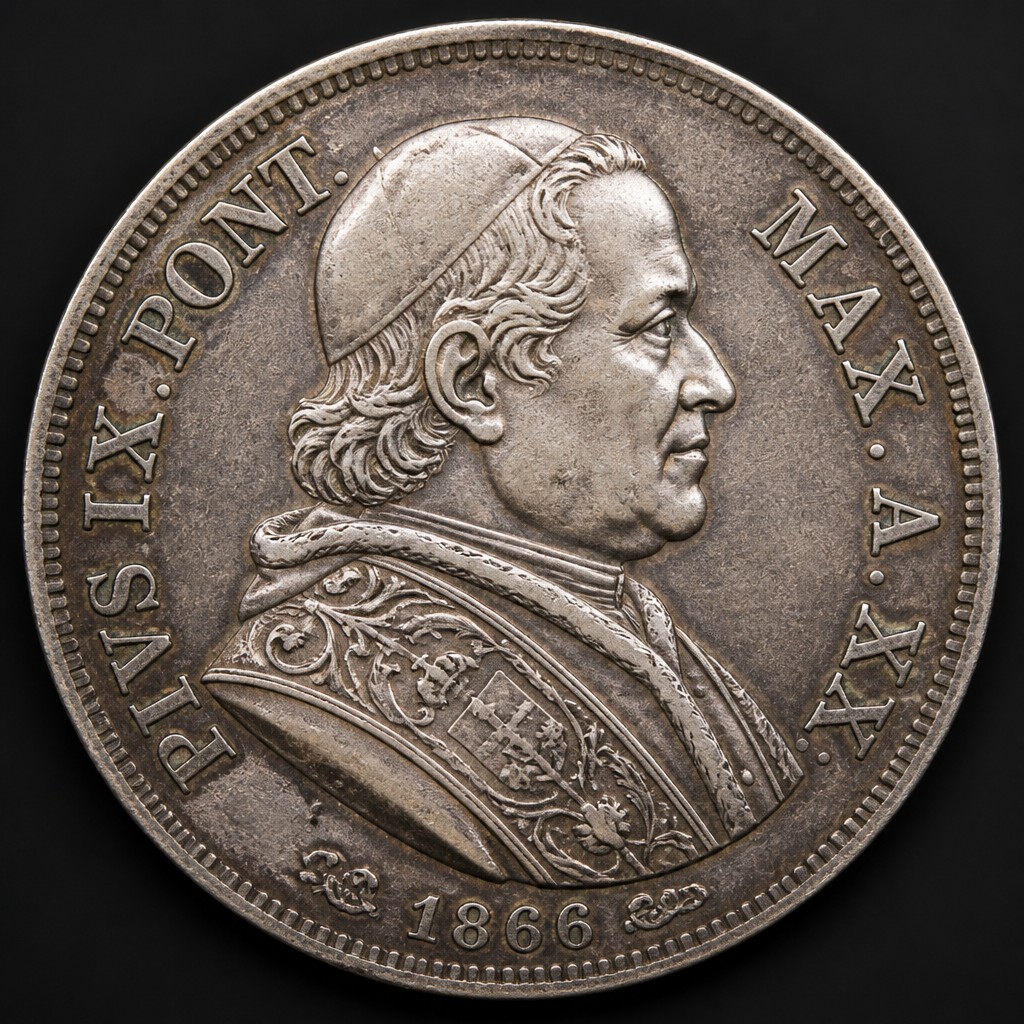
Papal States Scudo
16th century–1866
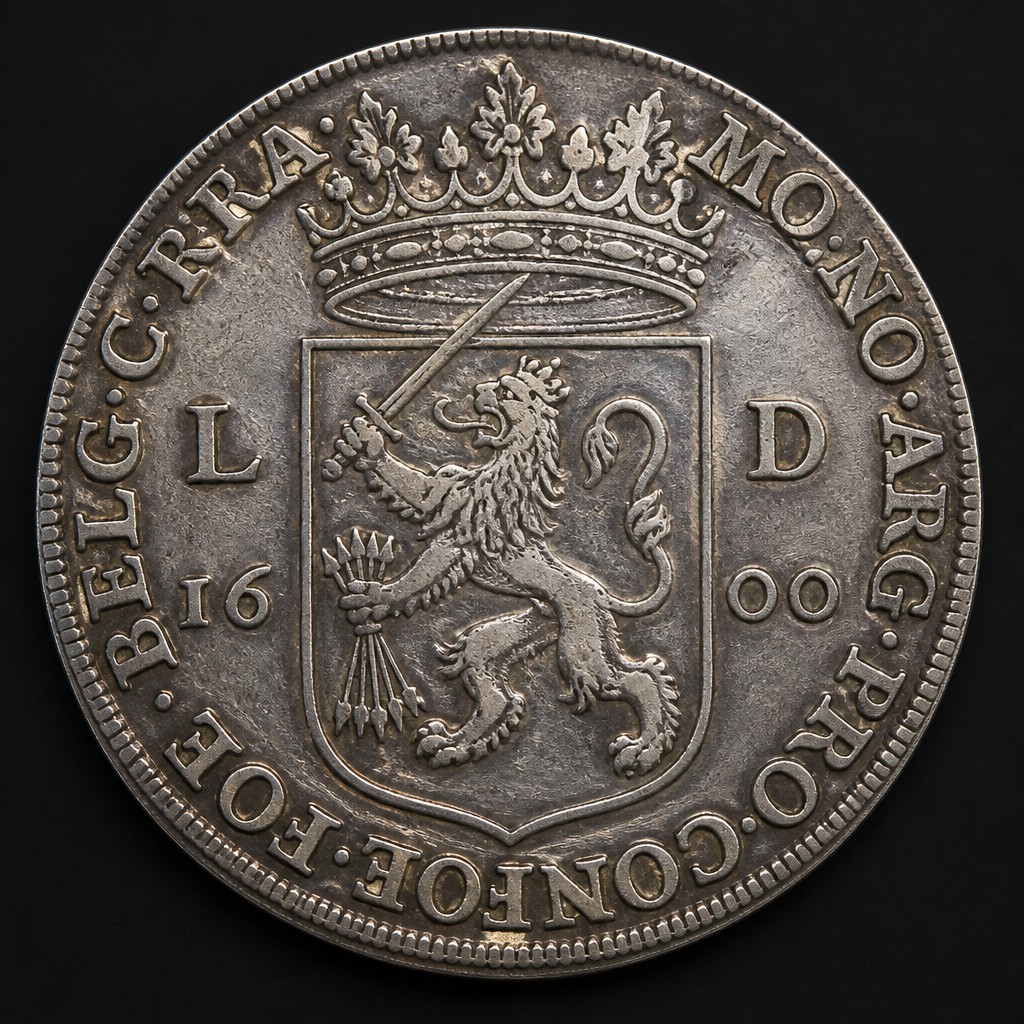
Netherlands Lion Daalder (Leeuwendaalder)
1575–1713
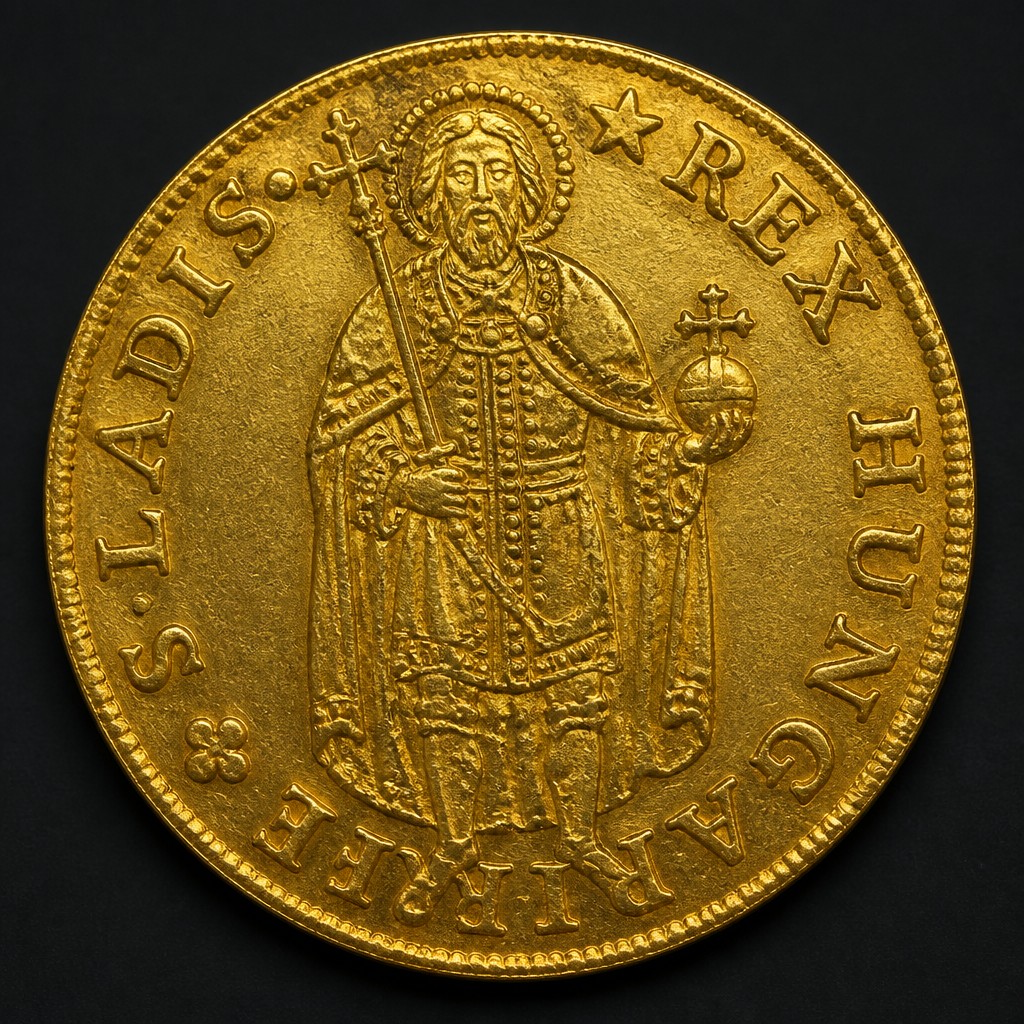
Hungarian Ducat
c. 1325–1918
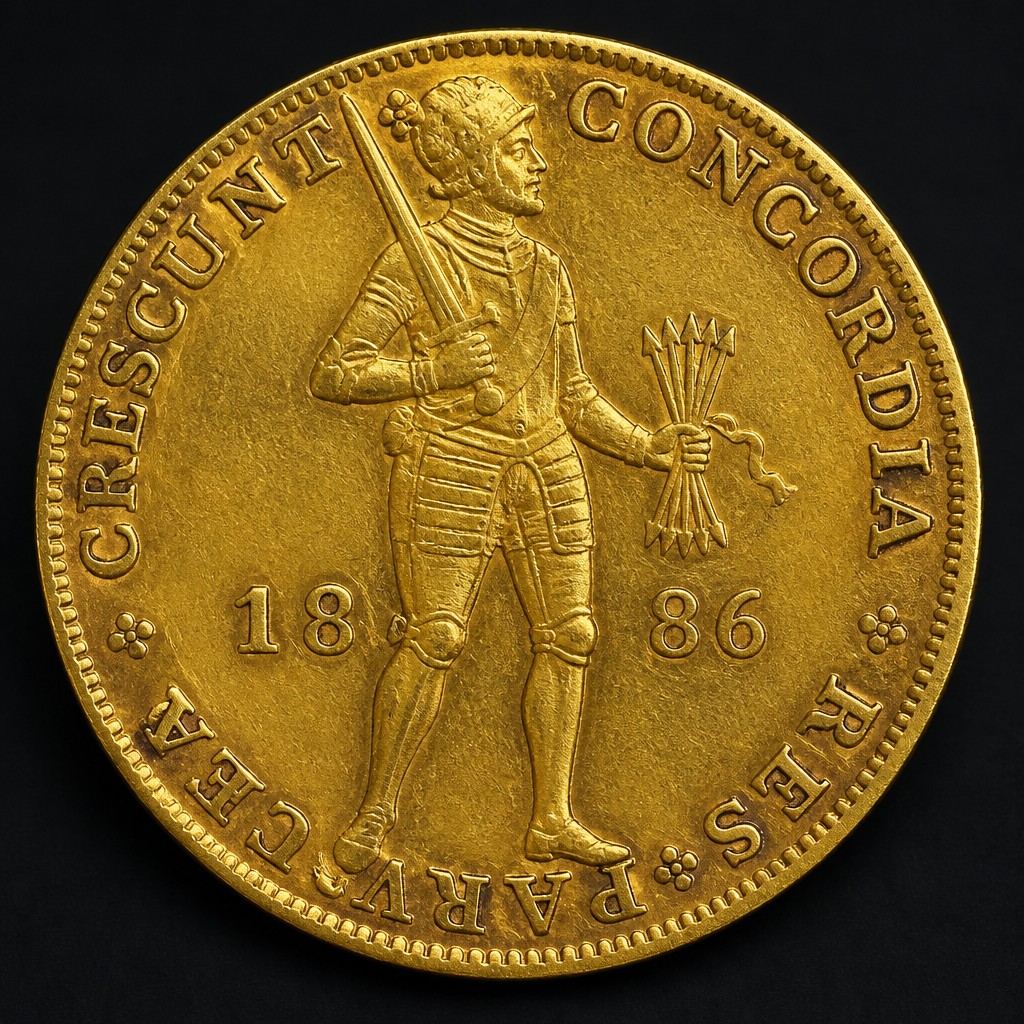
Dutch Ducat
c. 1586–present (classic type standardized after 1817)
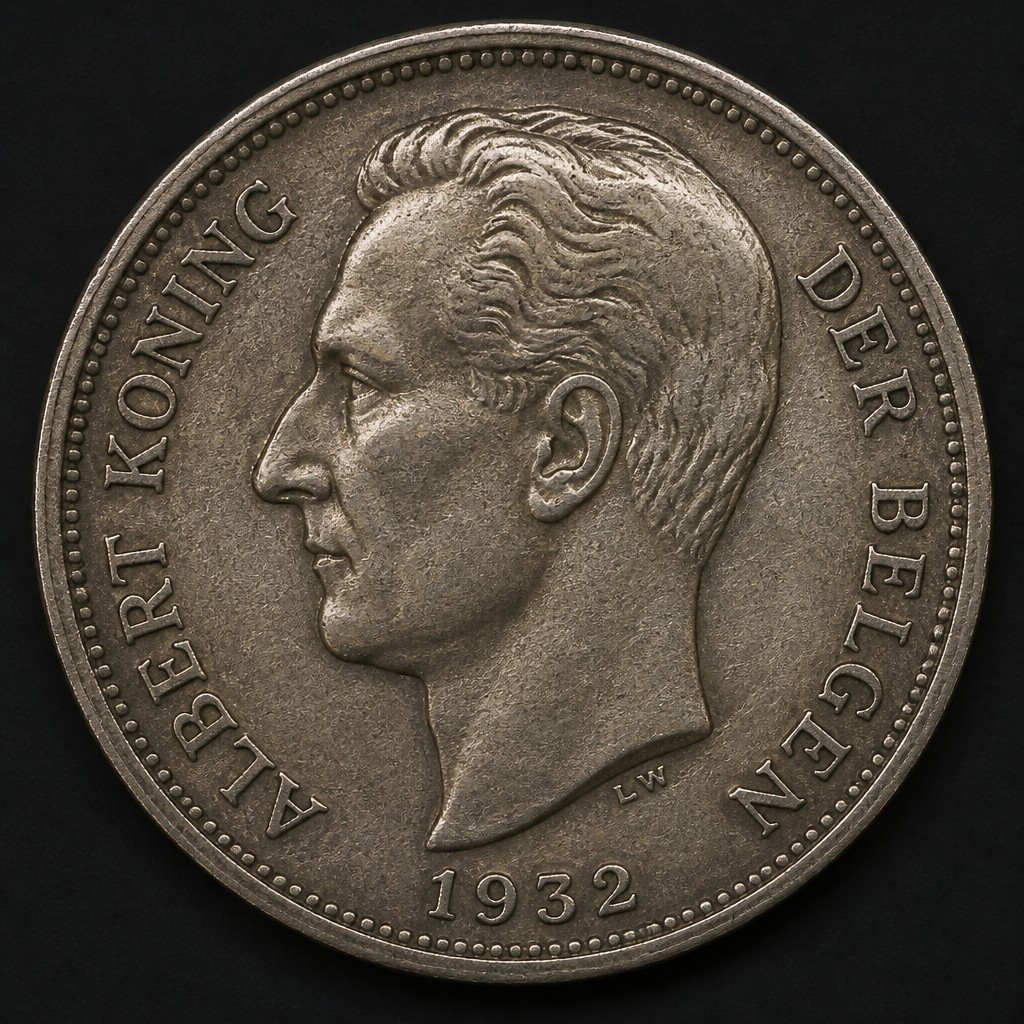
Belgian Franc
1832–2002
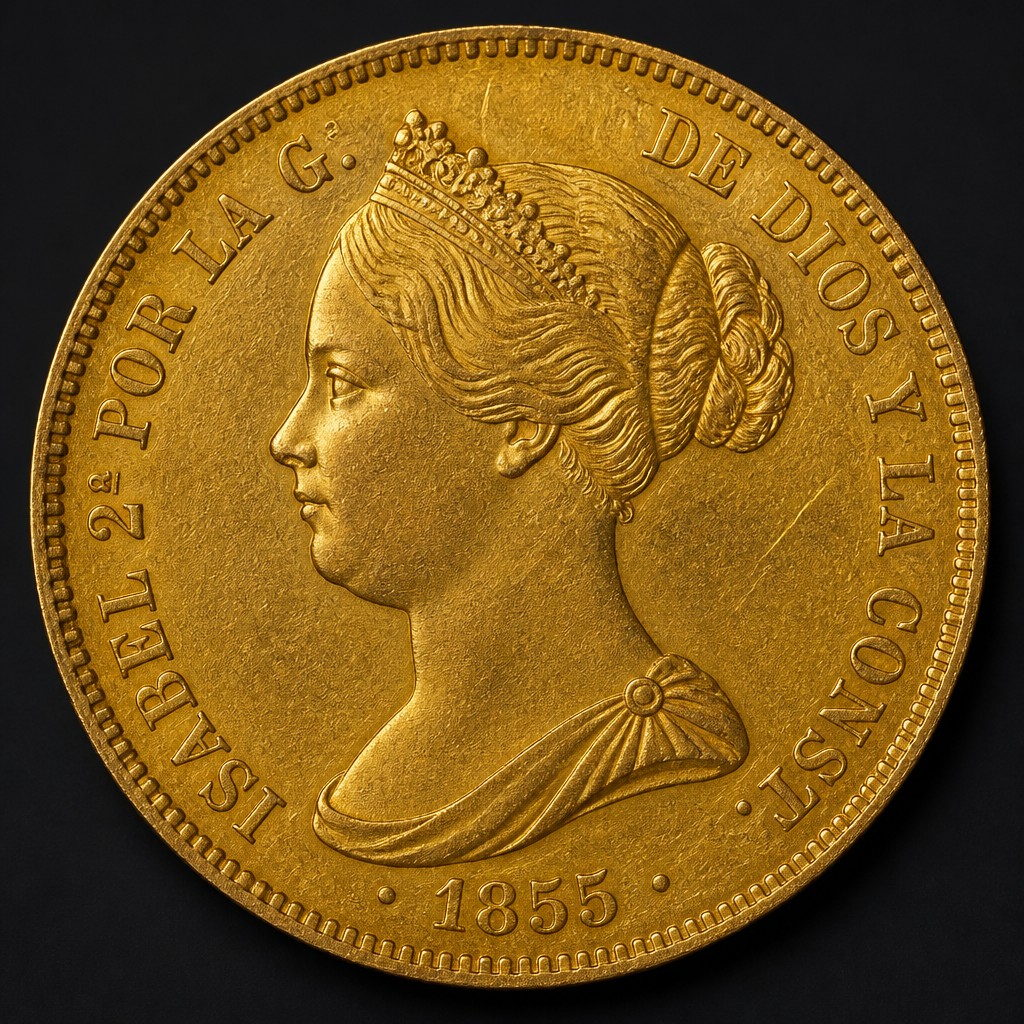
Spanish 100 Reales Gold (Isabel II)
1850s–1868
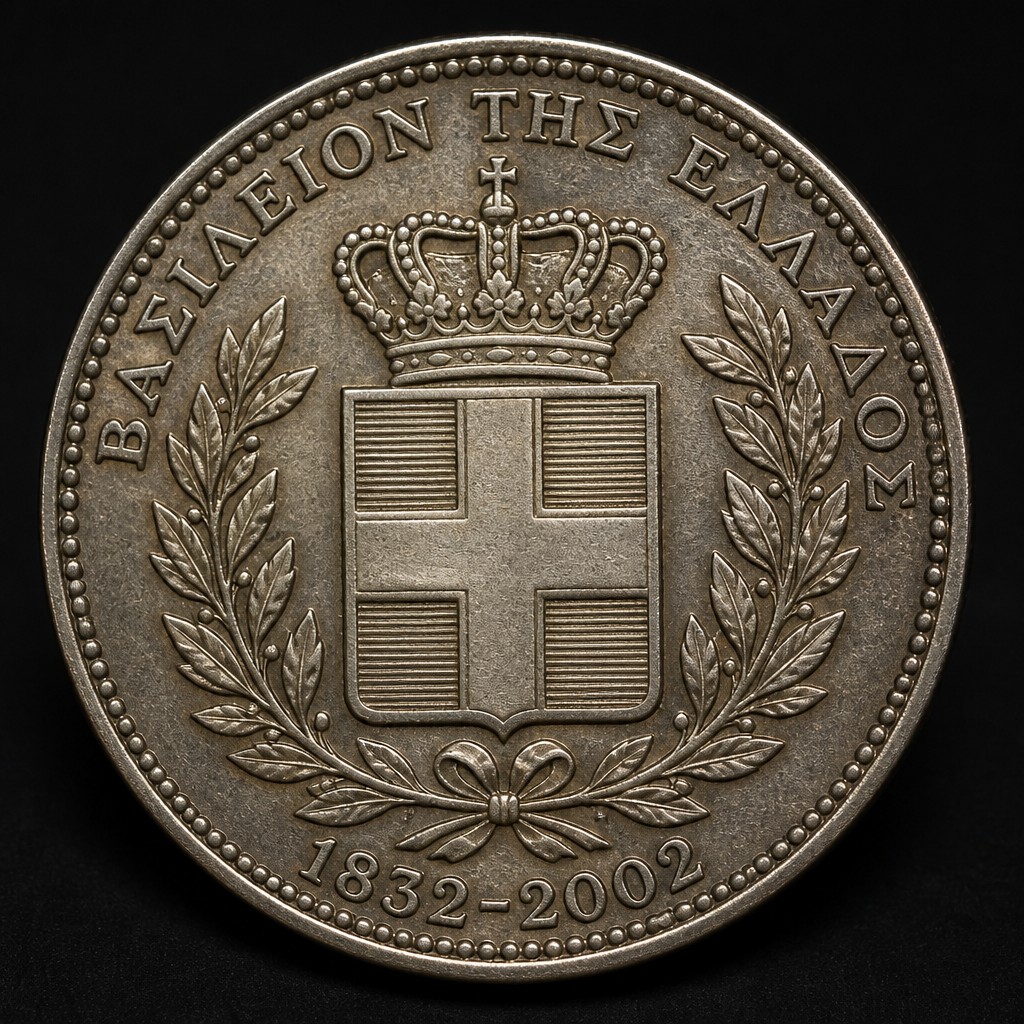
Greek Drachma
1832–2002
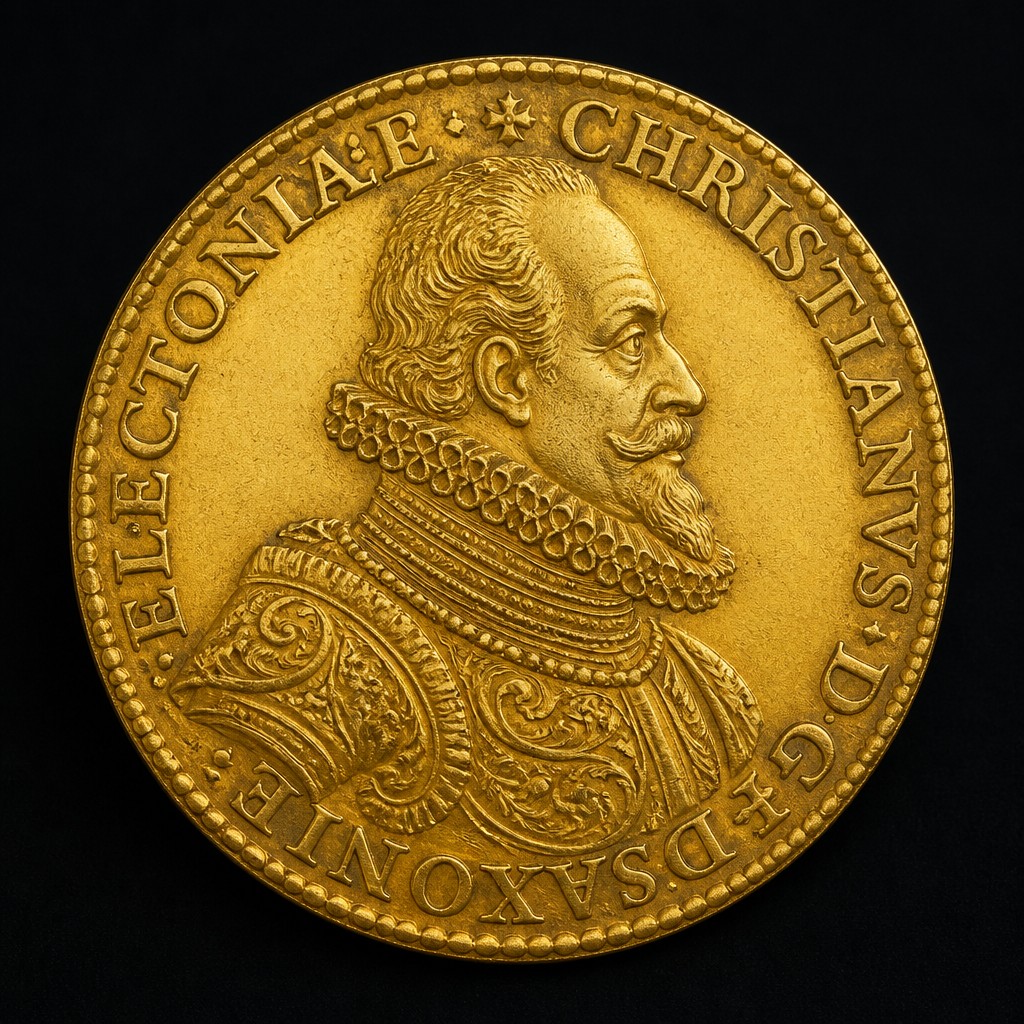
German Saxony Ducat
16th century–19th century
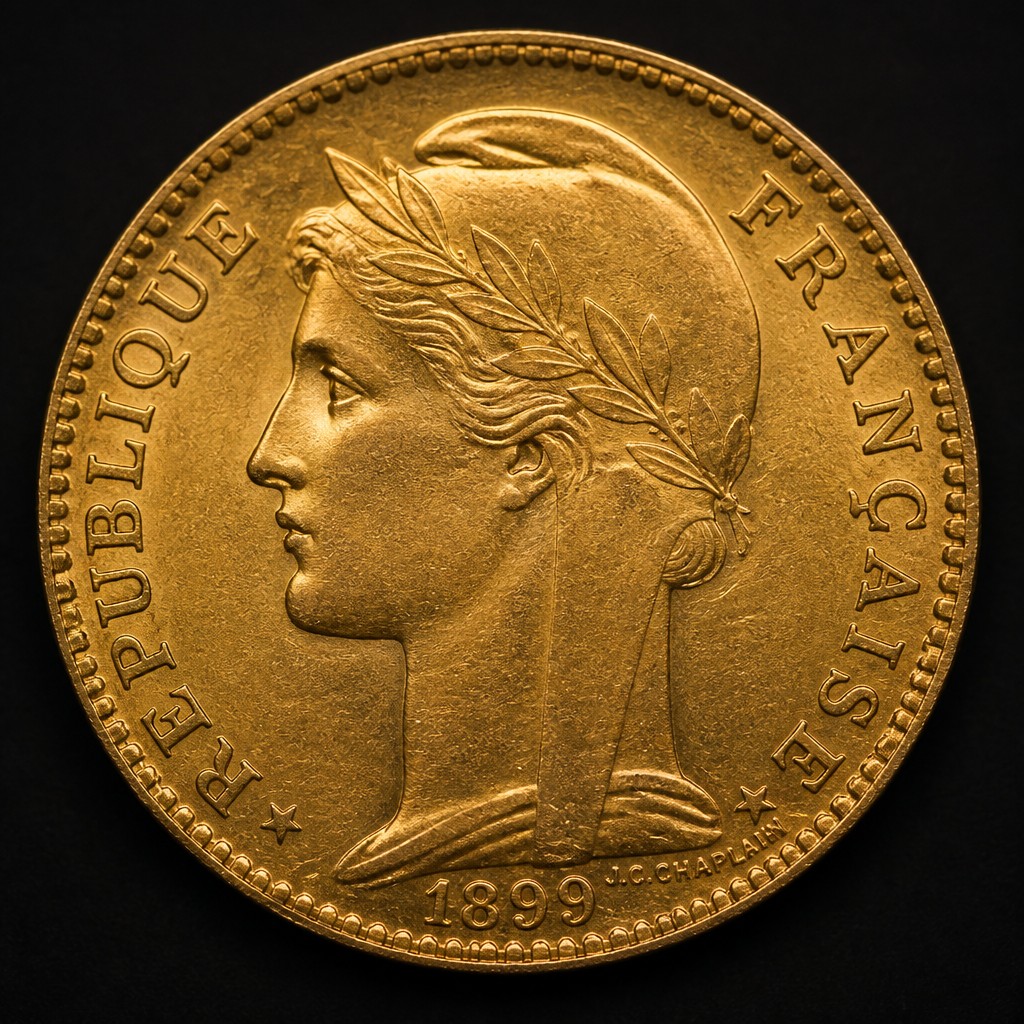
French 10 Francs Gold (Napoleon Rooster)
1899–1914
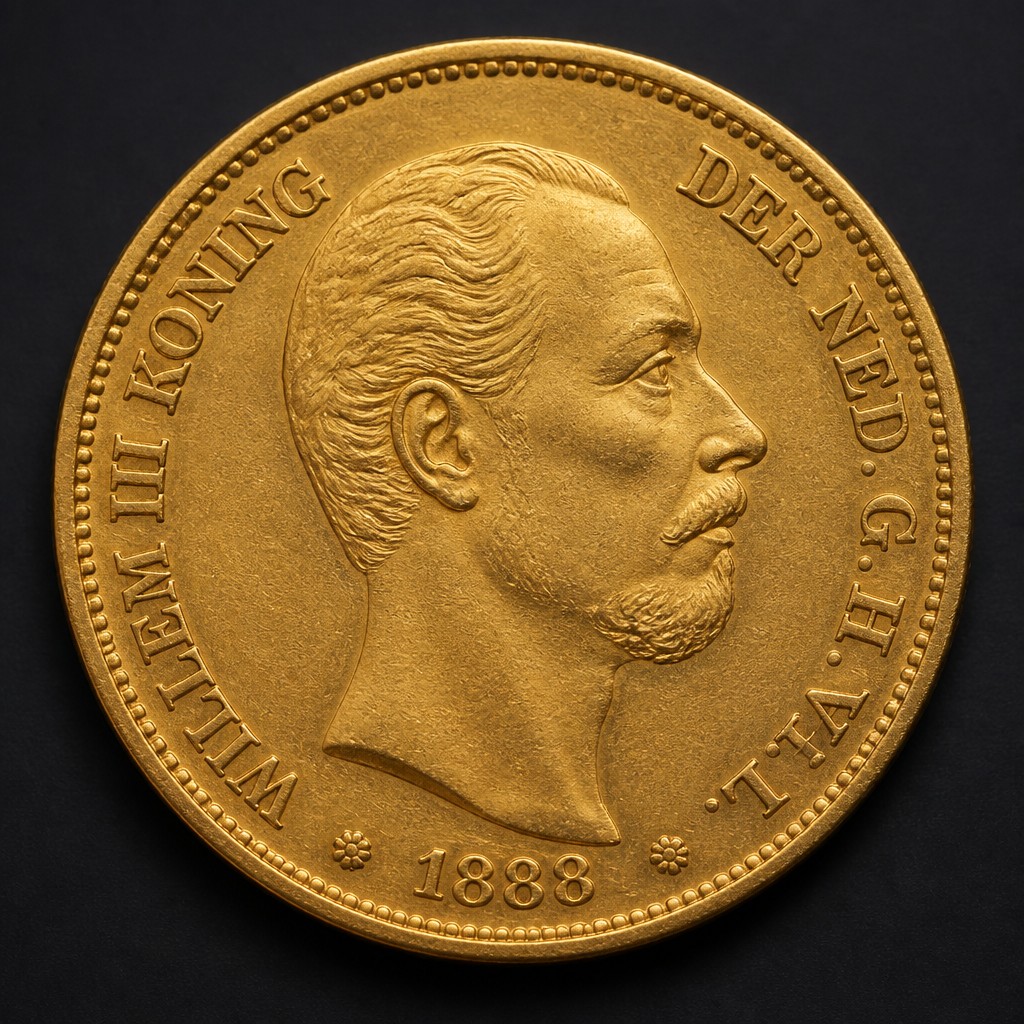
Netherlands 5 Gulden Gold
1826–1912 (intermittent)