
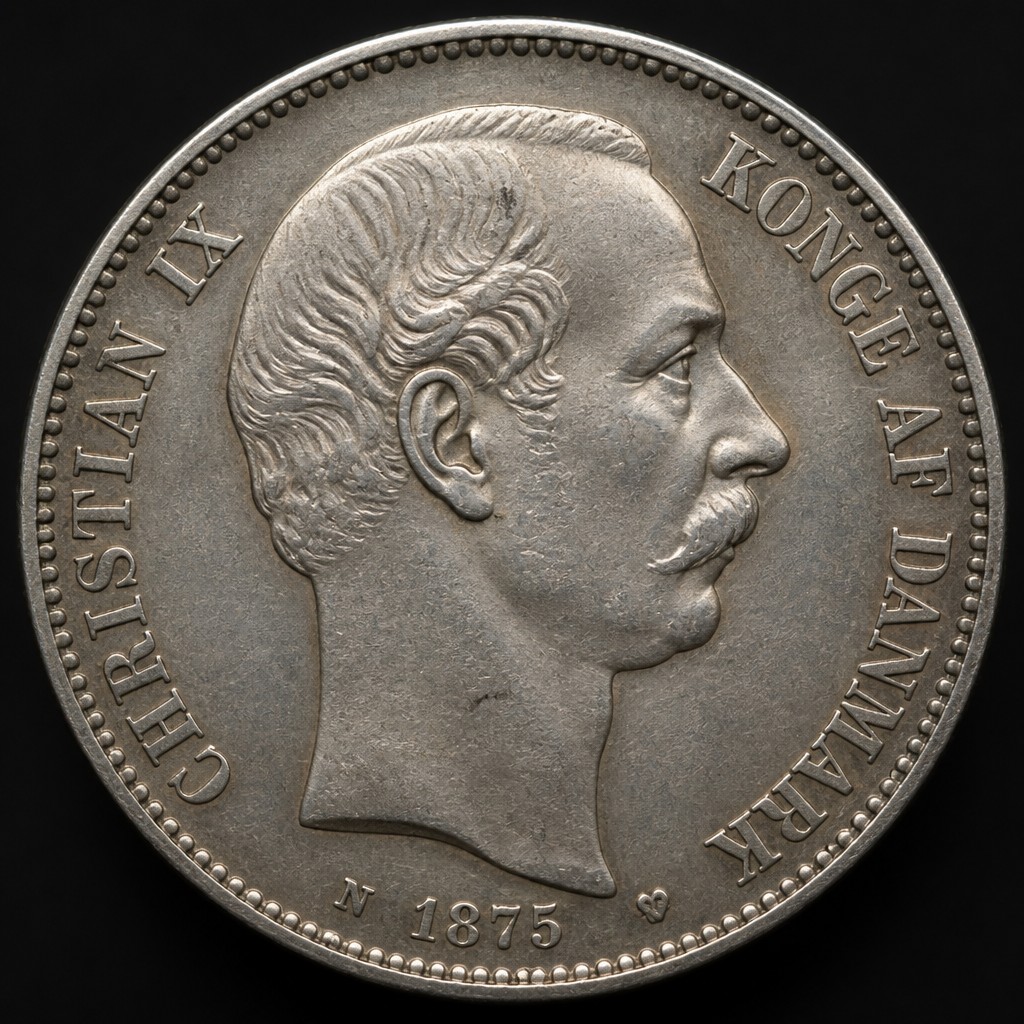
Danish Krone
The krone has been Denmark's national currency unit since 1875, issued in silver historically and base metals today, consistently featuring the reigning Danish monarch's portrait or monogram.
- Country
- Denmark
- Denomination
- Krone
- Metal
- Silver (early issues), Copper-Nickel and other base metals (modern issues)
Got a coin like this?
Identify any coin from a photo, free.
Overview
The Danish krone has served as Denmark's currency for well over a century, introduced as part of the Scandinavian Monetary Union that briefly aligned Denmark, Sweden, and Norway on a shared silver and gold standard in the late 19th century. Denmark alone continued using the krone name and system long after the monetary union itself dissolved.
Collectors of Danish coinage appreciate the krone series for its continuity of royal portraiture across multiple monarchs, from Christian IX in the 19th century through Margrethe II in the modern era, offering a coherent "one coin per reign" collecting theme.
While most circulating krone coins are common and modestly priced, early silver issues and certain commemorative krone coins are actively collected for their historical and artistic appeal.
History & Background
Denmark adopted the krone in 1875 as part of the Scandinavian Monetary Union, an agreement among Denmark, Sweden, and Norway to establish a common gold-based currency standard with shared denominations across the three kingdoms, easing trade and travel between them. Silver krone coins were struck bearing the portrait of the reigning Danish king.
The Scandinavian Monetary Union effectively ended in the early 20th century amid the economic disruptions of World War I, but Denmark, like Sweden and Norway, kept the krone name and continued issuing its own independent krone coinage thereafter. Design elements have generally continued the tradition of featuring the reigning monarch's portrait or royal monogram.
Over the 20th century, Danish krone coins transitioned from silver to base metals such as copper-nickel and other alloys, reflecting global trends away from precious metal circulation coinage, while the denomination itself has remained Denmark's steady currency unit through to the present day, unaffected by the euro since Denmark has retained its own currency.
How to Identify
Obverse designs typically feature the portrait or royal monogram of the reigning Danish monarch (Christian IX, Frederik VIII, Christian X, Frederik IX, or Margrethe II, depending on date), often with a Latin legend referencing the king or queen's title. Reverse designs commonly show the denomination within a wreath, the Danish crown, or other national heraldic symbols.
Early krone coins from the late 19th and early 20th centuries are silver and noticeably denser than later copper-nickel issues. Edge and size vary somewhat by denomination and era, and mint marks or small identifying initials from mint officials sometimes appear near the date.
Collectors distinguish Danish krone coins from similar Swedish and Norwegian krone coins of the same monetary union era primarily by the specific monarch's portrait and the country name or arms displayed, since the denominational structure and general size were coordinated across all three Scandinavian kingdoms.
Value & Collectibility
Most modern Danish krone coins are common and valued near face value or with only a small numismatic premium, since they circulated in large quantities. Early silver krone coins from the monetary union era, particularly well-preserved examples or scarcer dates, carry higher value tied to both silver content and collector demand.
Commemorative krone coins issued to mark royal anniversaries, jubilees, or other national events are popular with collectors and can carry premiums above ordinary circulation coins of similar age.
Typical circulated modern krone coins are inexpensive, often just a few dollars, while scarce 19th- or early 20th-century silver krone coins in good condition can range from tens to a few hundred dollars depending on date and grade.
Frequently asked questions
What was the Scandinavian Monetary Union?
It was an agreement among Denmark, Sweden, and Norway starting in 1875 to share a common gold-based currency standard called the krona/krone, easing trade between the countries.
Is the Danish krone still in use?
Yes, Denmark has retained the krone as its national currency and has not adopted the euro.
Are Danish krone coins silver?
Only early issues from the late 19th and early 20th centuries are silver; most modern krone coins are copper-nickel or other base metals.
Whose portrait is on Danish krone coins?
The reigning Danish monarch's portrait or monogram typically appears, with the specific ruler depending on the coin's date.
Other coins you may enjoy
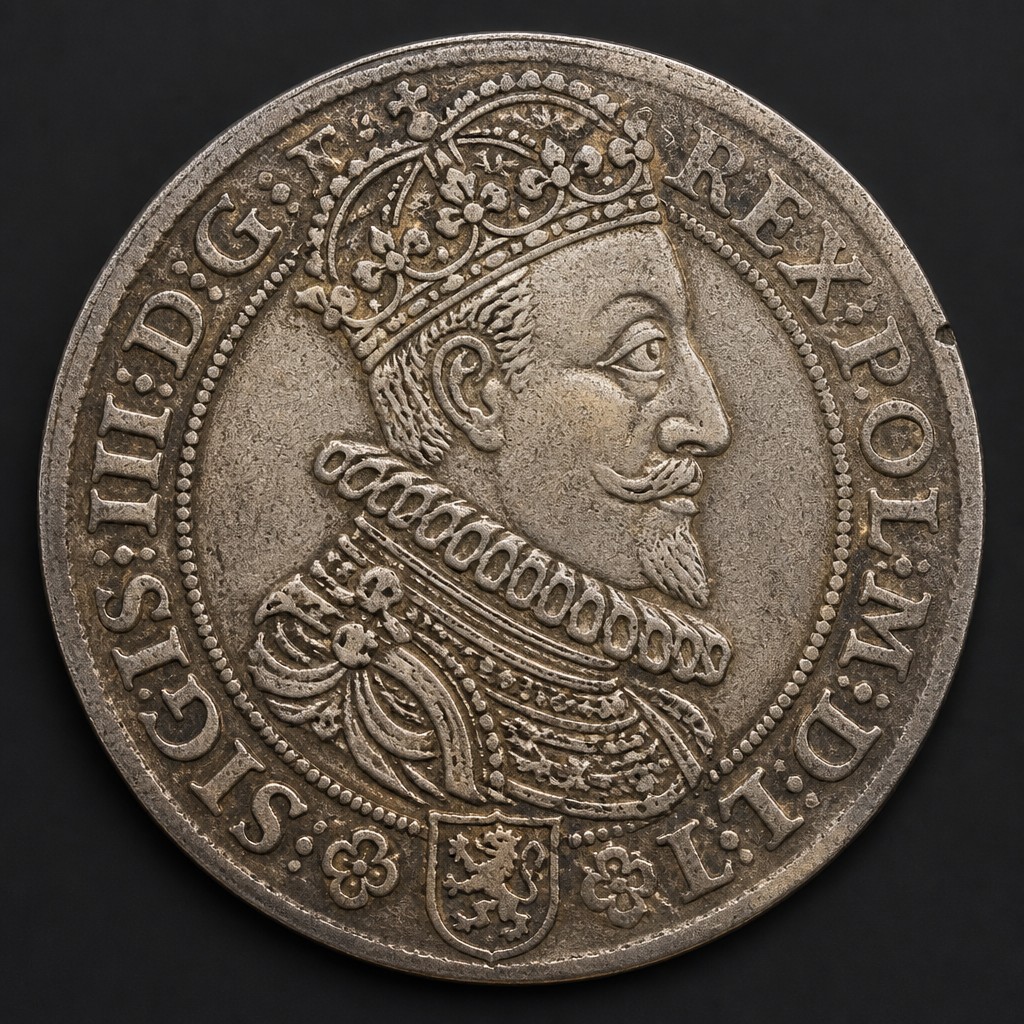
Polish-Lithuanian Thaler
circa 16th–18th century
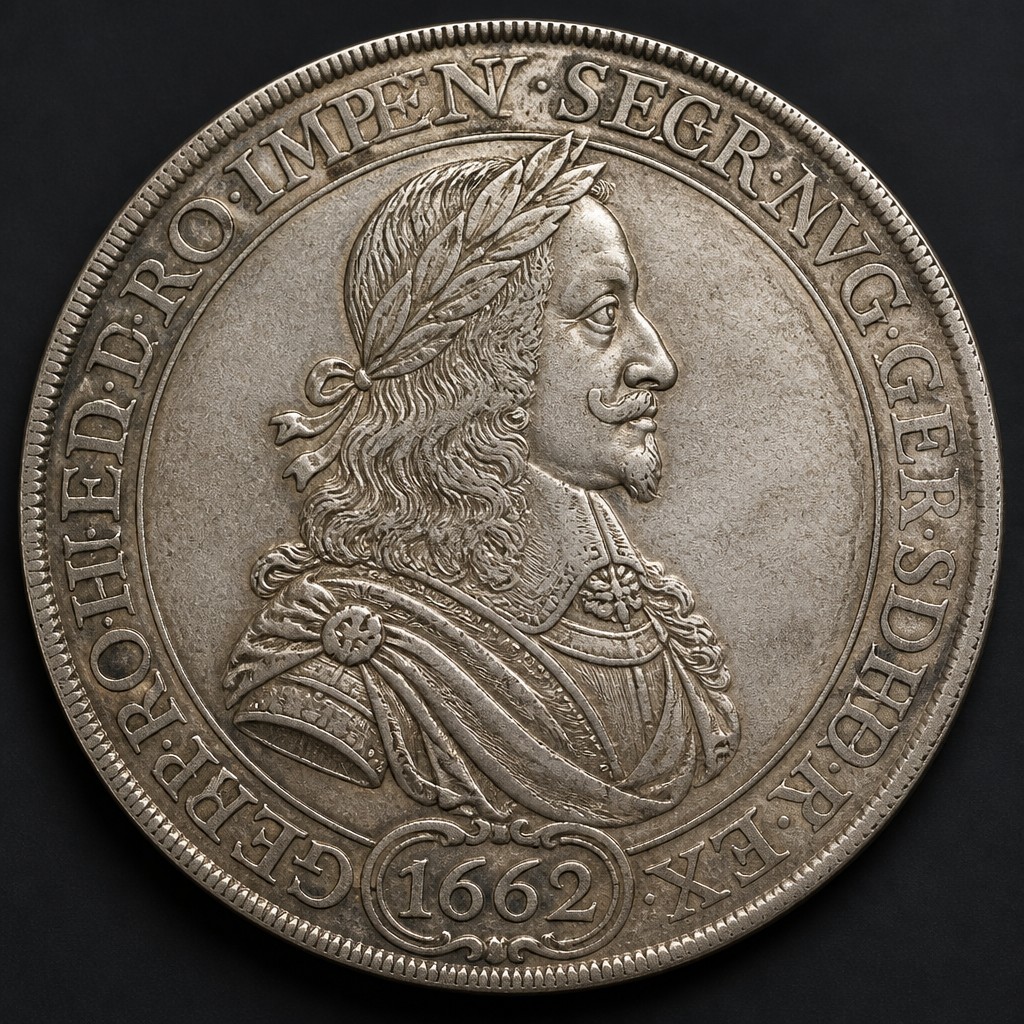
Reichsthaler
circa 1566–early 19th century
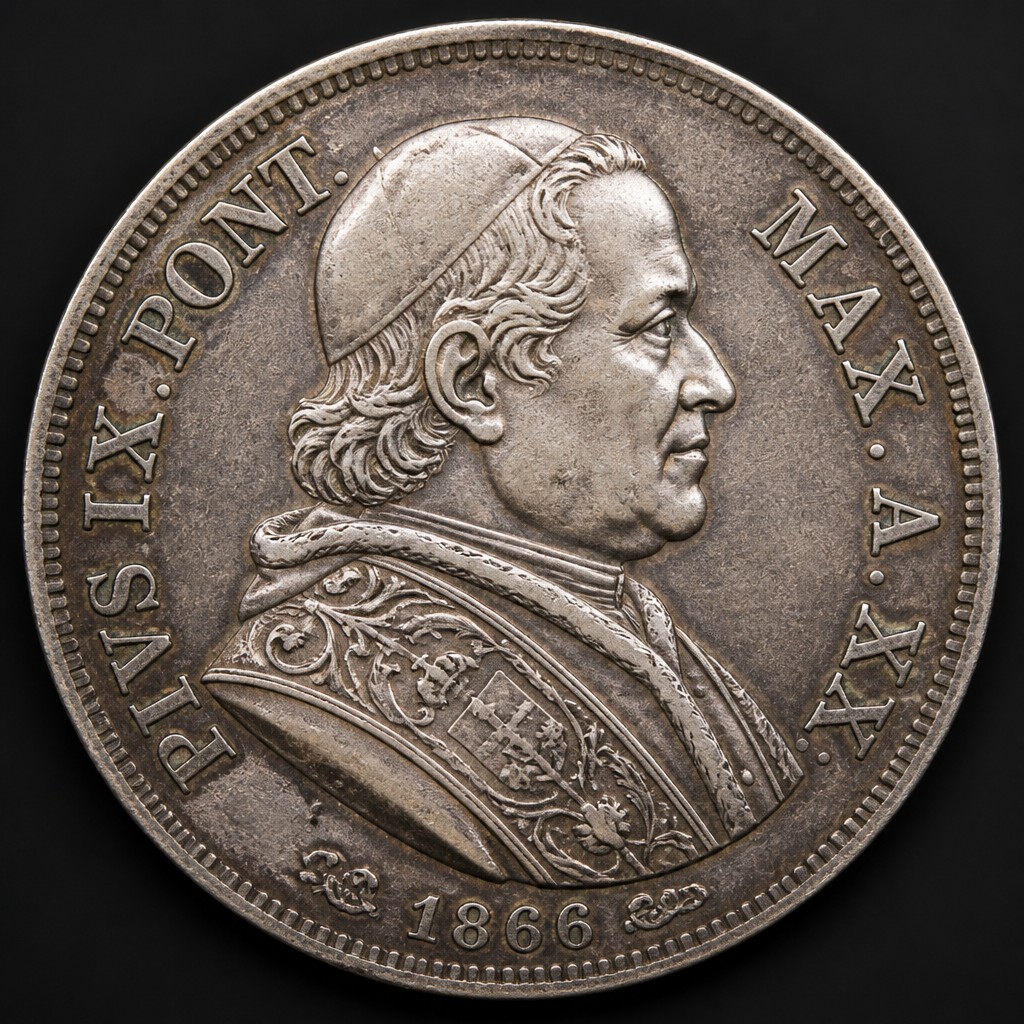
Papal States Scudo
16th century–1866
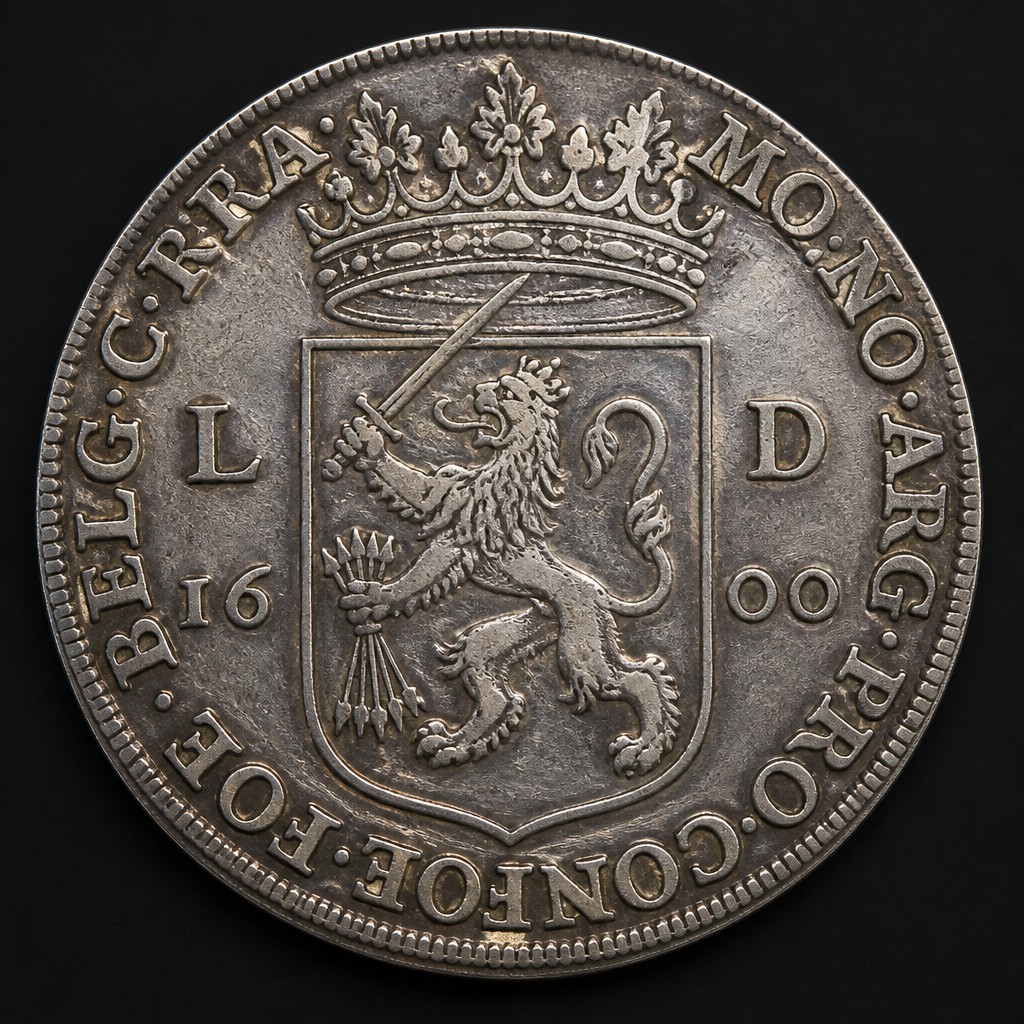
Netherlands Lion Daalder (Leeuwendaalder)
1575–1713
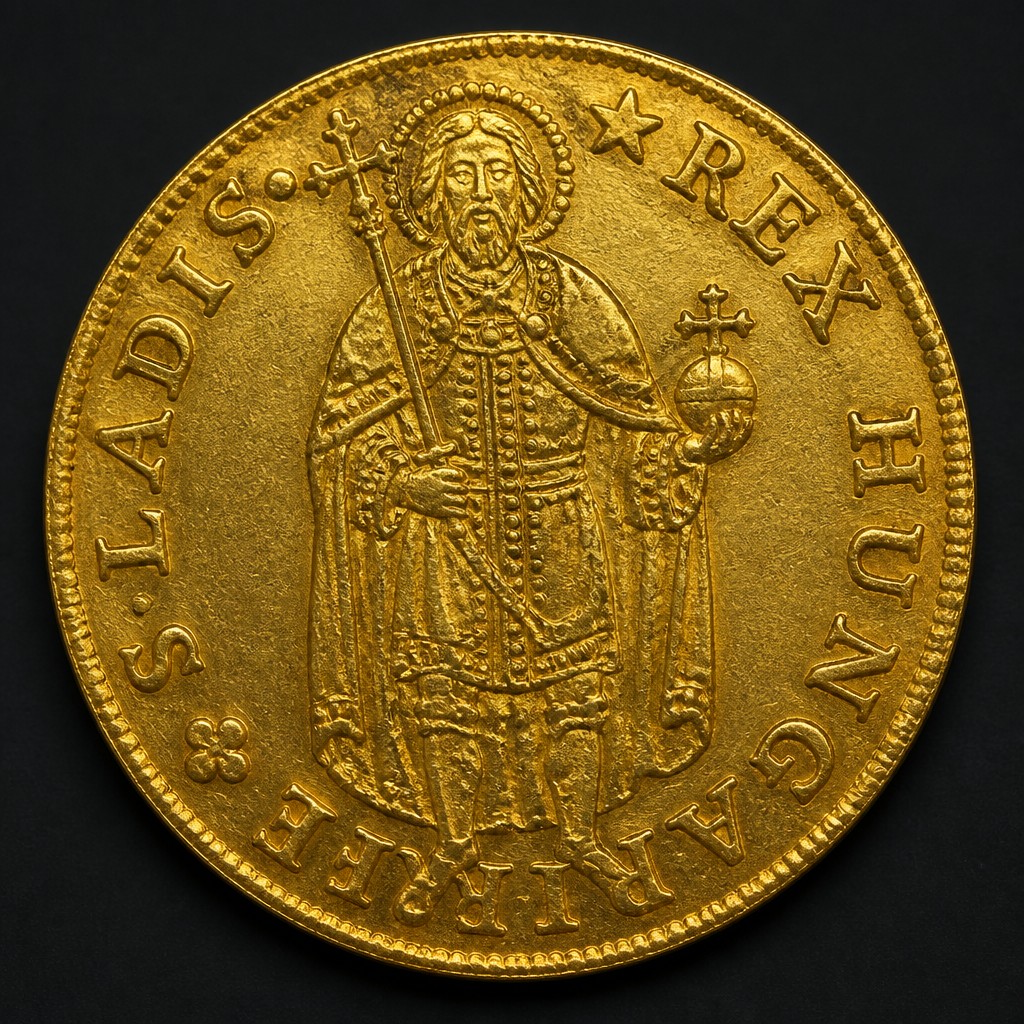
Hungarian Ducat
c. 1325–1918
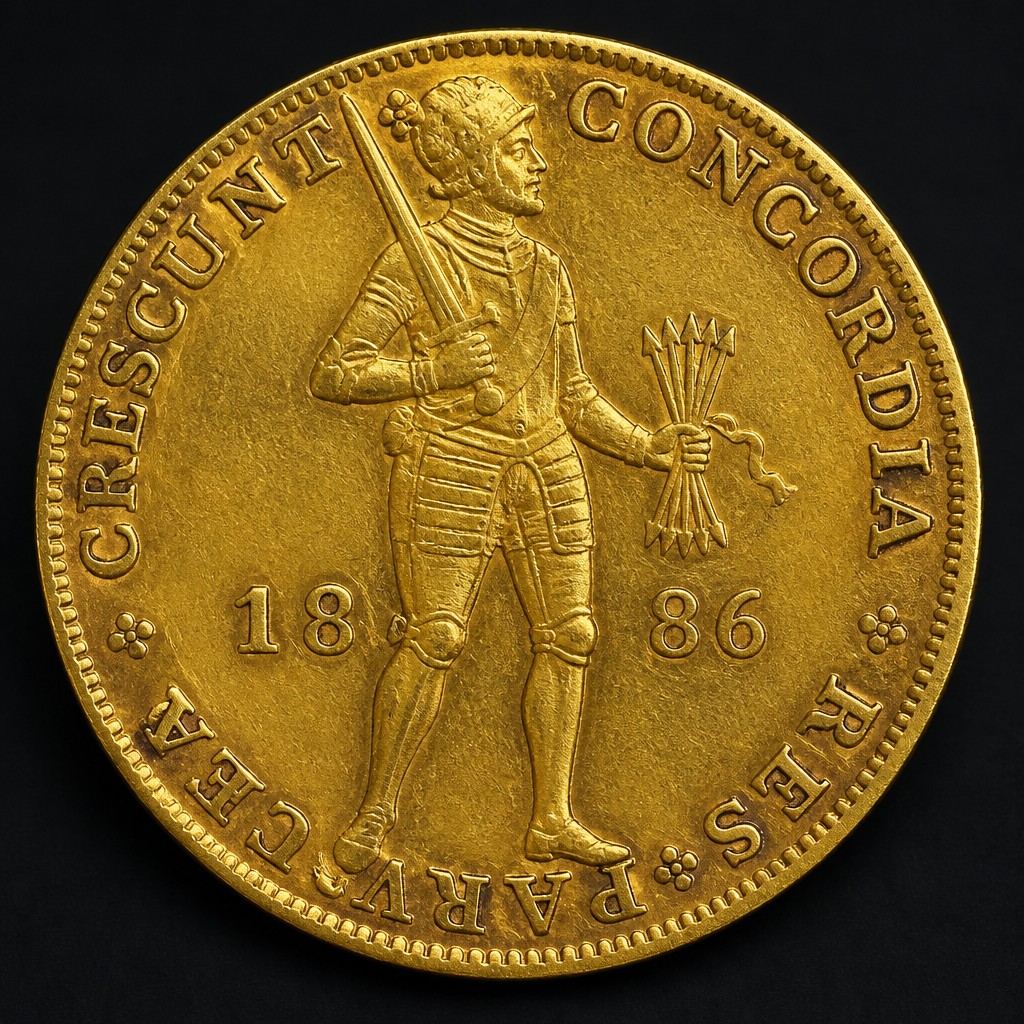
Dutch Ducat
c. 1586–present (classic type standardized after 1817)
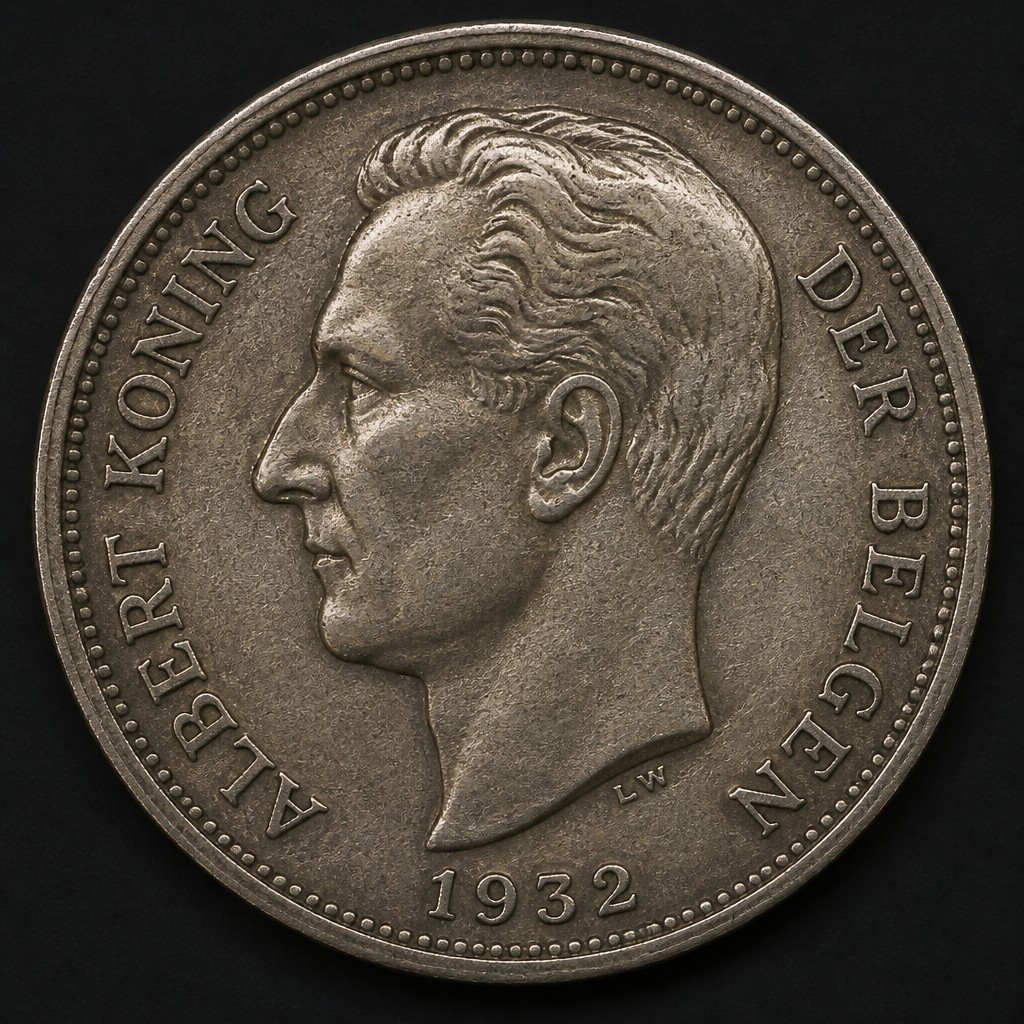
Belgian Franc
1832–2002
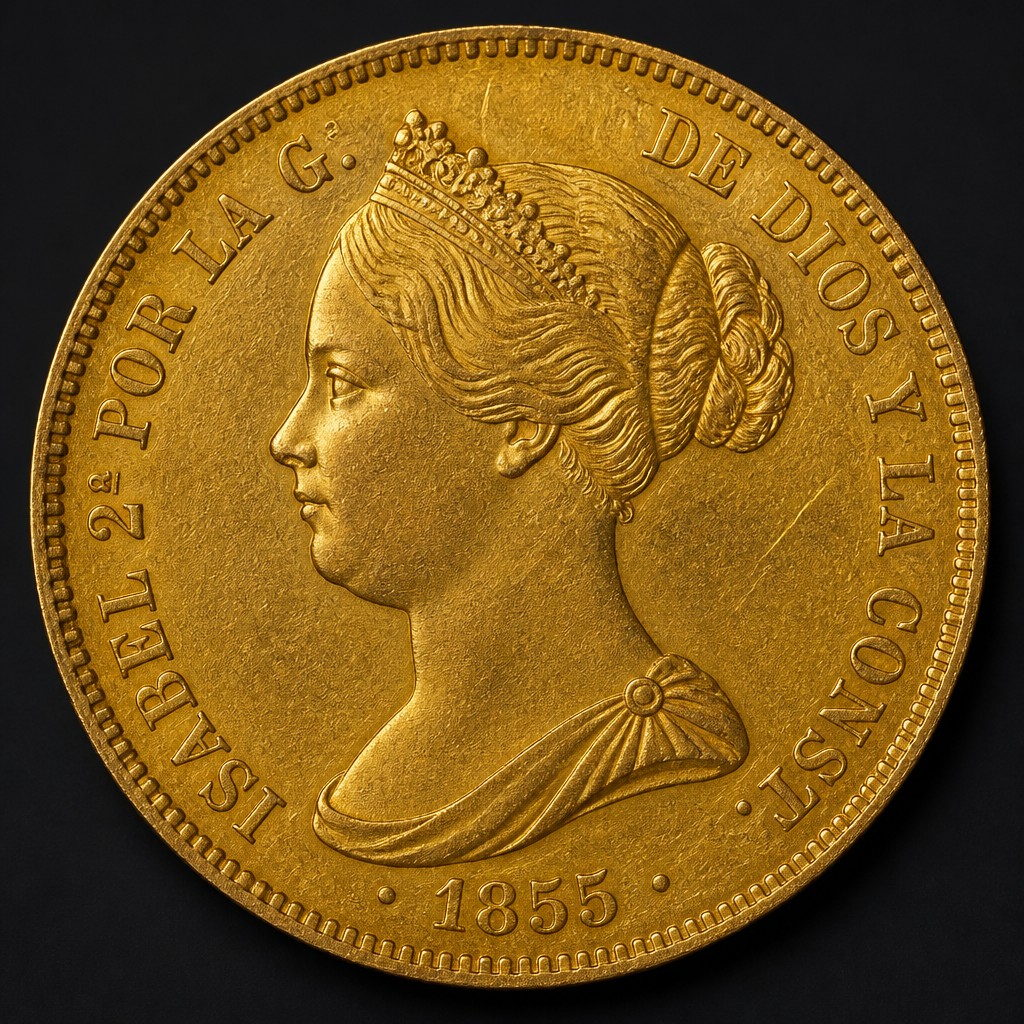
Spanish 100 Reales Gold (Isabel II)
1850s–1868
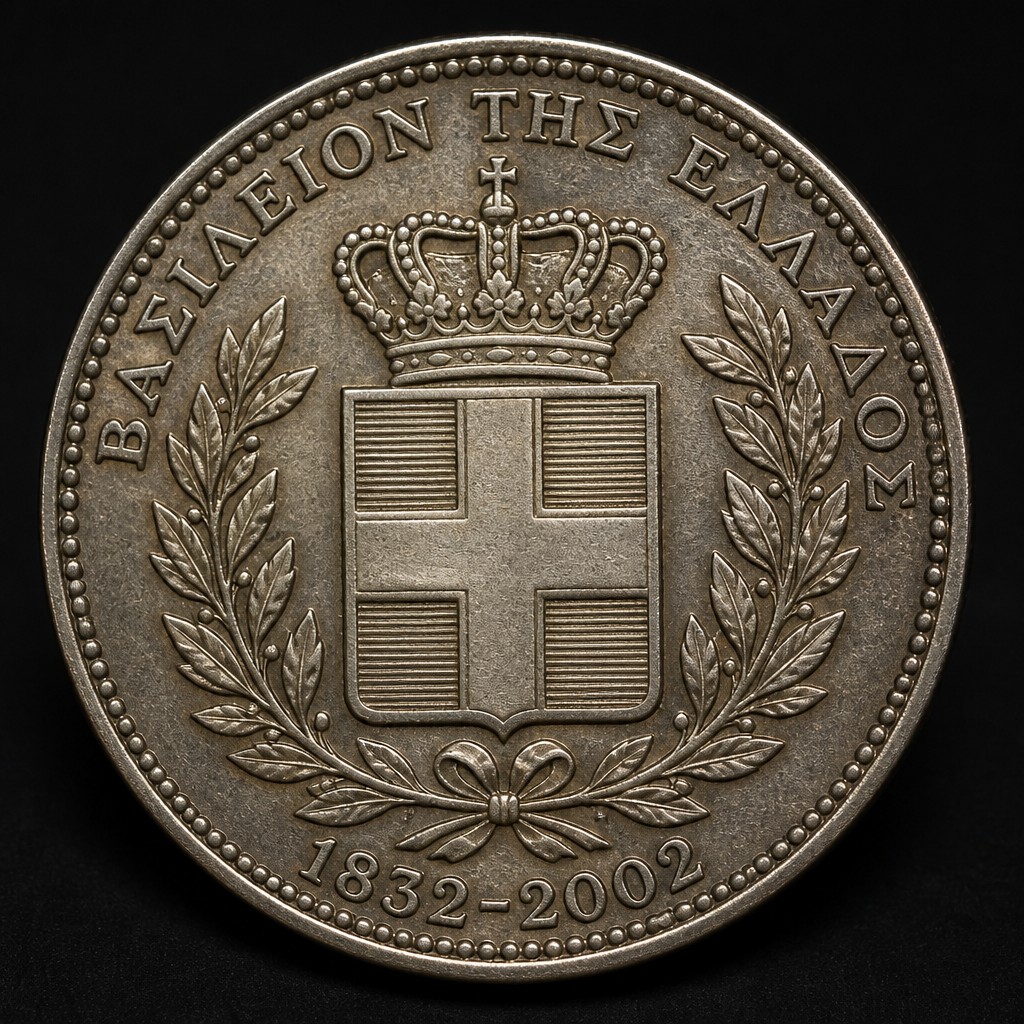
Greek Drachma
1832–2002
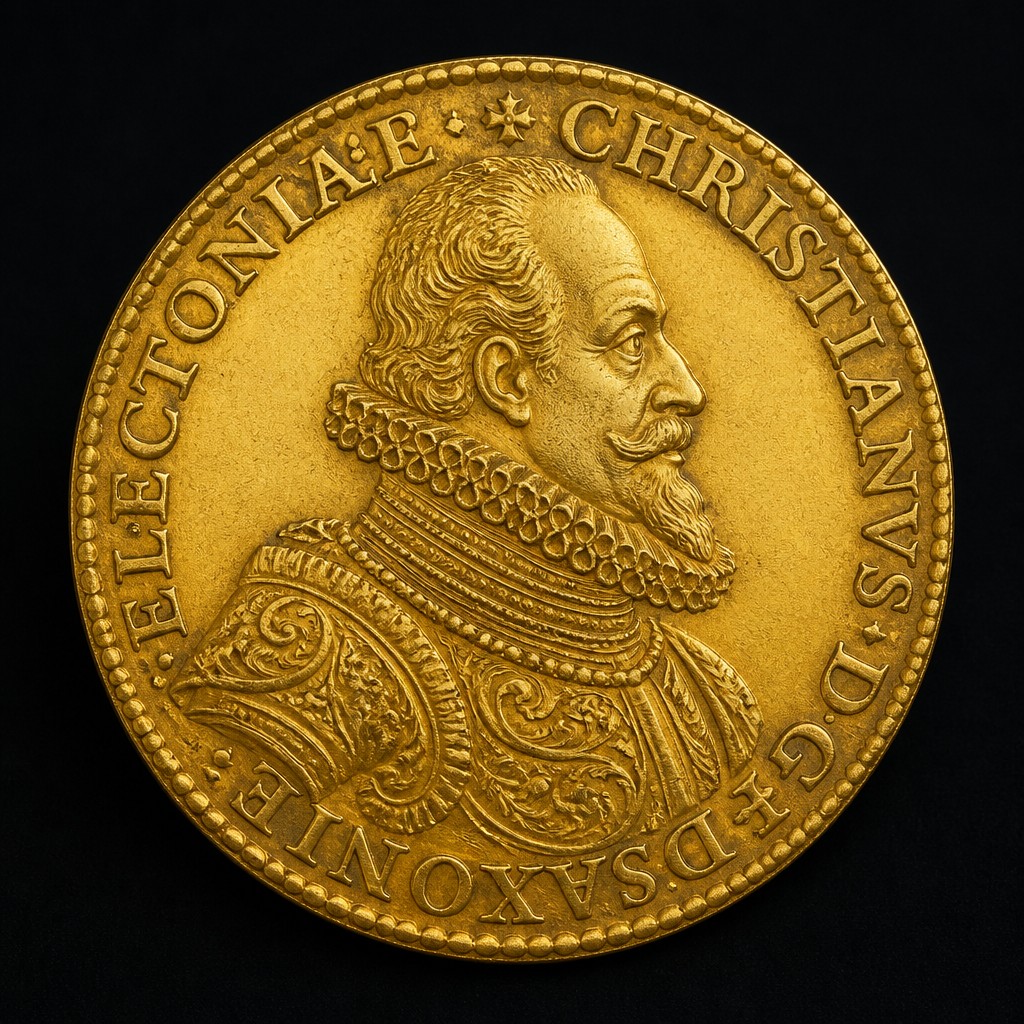
German Saxony Ducat
16th century–19th century
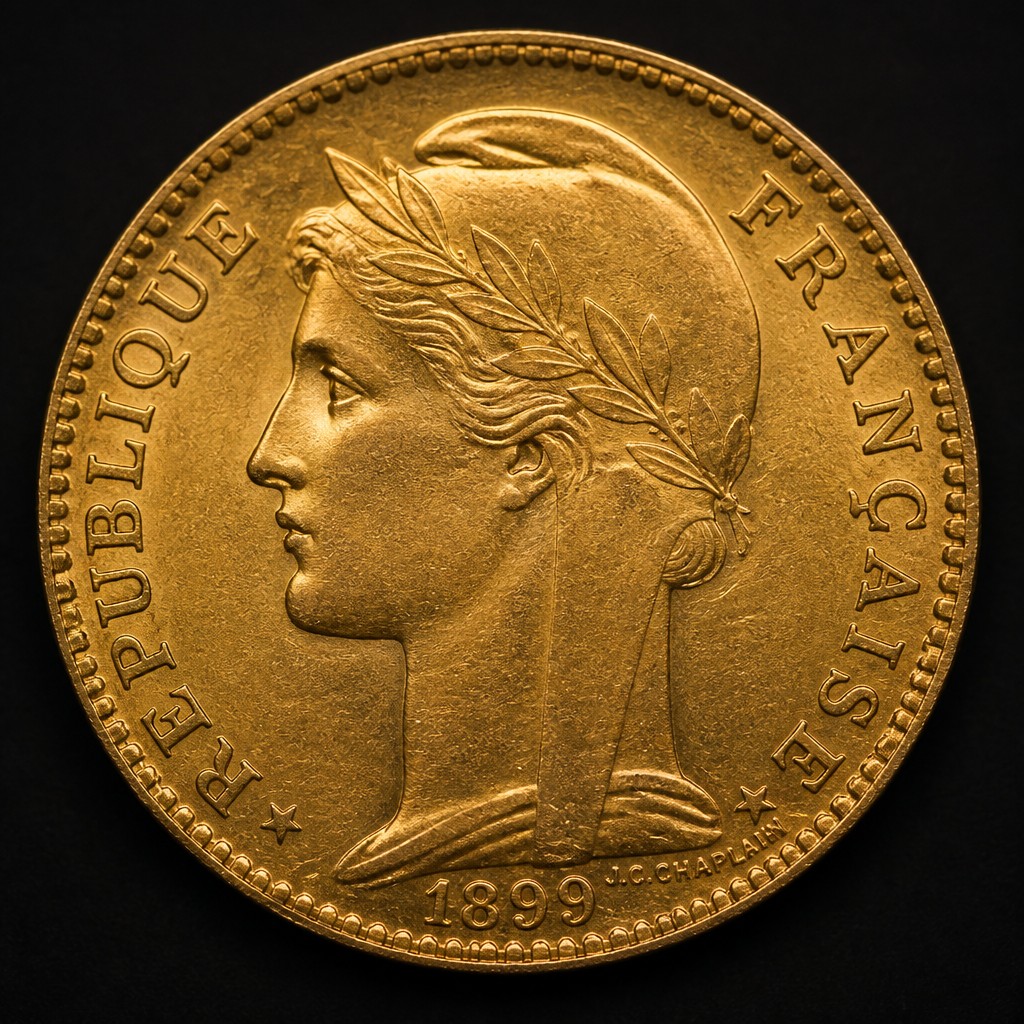
French 10 Francs Gold (Napoleon Rooster)
1899–1914
Netherlands 5 Gulden Gold
1826–1912 (intermittent)