
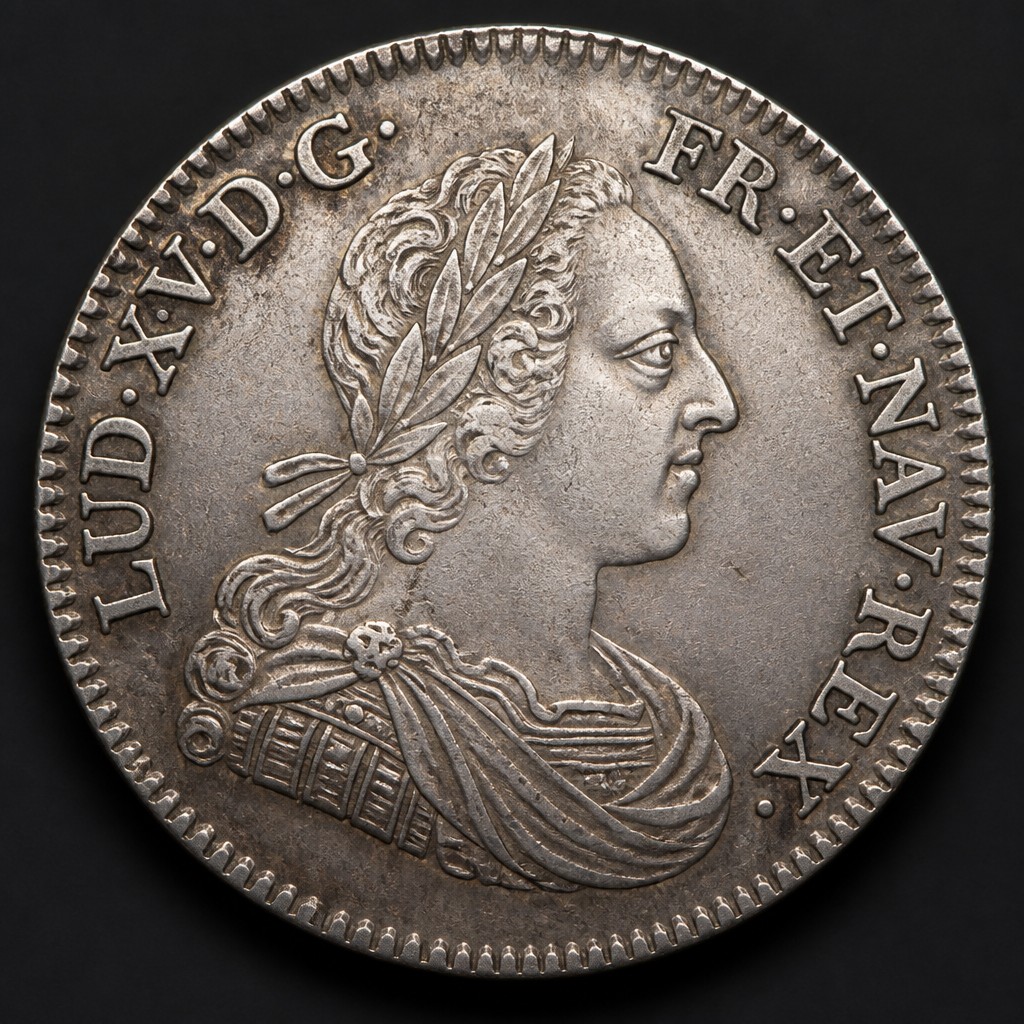
French Ecu (Louis d'Argent)
France's principal large silver coin of the pre-revolutionary era, bearing the reigning king's portrait, used as the standard silver crown-sized coin for over a century before decimalization.
- Country
- France
- Denomination
- Écu (Silver Crown)
- Metal
- ~91.7% Silver
Got a coin like this?
Identify any coin from a photo, free.
Overview
The Écu, often called the "Louis d'argent" (silver Louis) when it depicts one of the several kings named Louis, was the flagship large silver coin of the Kingdom of France for well over a century. It served much the same practical role as the crown or thaler did in other European kingdoms: a substantial, trusted silver coin for larger everyday transactions and savings.
Collectors of French and world crown-sized silver coins value the Écu for its long run through several reigns, its consistently attractive portrait and armorial designs, and its direct connection to the pre-revolutionary French monetary system that was swept away by the Revolution's decimal franc.
History & Background
The Écu d'argent was introduced in the 17th century as part of a broader reform of French coinage under the Bourbon kings, replacing older, less standardized silver denominations with a large, dependable silver crown. It continued to be struck through the reigns of Louis XIII, Louis XIV, Louis XV, and Louis XVI, with the reigning king's portrait updated on the obverse as each new monarch ascended.
The coin served as a workhorse of the French economy for well over a century, used in everyday high-value transactions, trade, and as a recognizable store of wealth both within France and among its trading partners. Its reverse consistently featured French royal heraldry, reinforcing the crown's authority on the country's most substantial circulating silver coin.
The Écu's era ended with the French Revolution, when the ancien régime's coinage system, including the Écu and its royal portraits, was abolished in favor of the new decimal franc introduced in the 1790s, severing France's currency from monarchy entirely.
How to Identify
The obverse of an Écu typically shows the reigning French king's portrait in profile, with a Latin legend naming him (for example "LUD XV D G FR ET NAV REX" for Louis XV, King of France and Navarre). The reverse displays the French royal coat of arms, a crowned shield bearing fleurs-de-lis, sometimes flanked by additional heraldic elements depending on the specific reign and mint.
The coin is a large silver piece, roughly comparable in size to other European silver crowns of the period, typically around 40mm in diameter and weighing close to 29 to 30 grams depending on the exact era and standard in force at the time. Mint marks, small letters identifying the specific French provincial mint that struck the coin, appear near the date or legend and are important for pinpointing exact origin and relative scarcity.
Because several kings named Louis reigned consecutively, collectors must read the inscribed royal name and portrait style carefully, along with the date, to identify precisely which Louis and which specific type of Écu they are examining.
Value & Collectibility
Common Écus from the more prolific reigns and mints, particularly Louis XV and Louis XVI issues, are widely available in worn to moderately worn condition and are affordable for collectors interested in pre-revolutionary French silver. Scarcer mints, earlier reigns, and higher-grade examples command meaningfully higher prices.
As with most historic hand-struck and early milled silver crowns, sharpness of strike, surface preservation, and absence of old cleaning or damage strongly influence value, and exceptional pieces from key mints or dates can bring substantial premiums over typical bullion-adjacent examples.
Frequently asked questions
What does "Écu" mean?
Écu refers to the French royal coat of arms (shield) depicted on the coin's reverse, and became the name for this denomination of large silver coin.
Why is it also called a "Louis d'argent"?
Because several French kings named Louis issued Écus bearing their own portraits, "silver Louis" became a common informal name for the coin.
What replaced the Écu?
The French Revolution abolished royal coinage including the Écu, replacing it with the new decimal franc system in the 1790s.
How much silver does an Écu contain?
It was typically struck in silver of roughly .917 to .920 fineness, though exact standards varied somewhat across different reigns.
Other coins you may enjoy
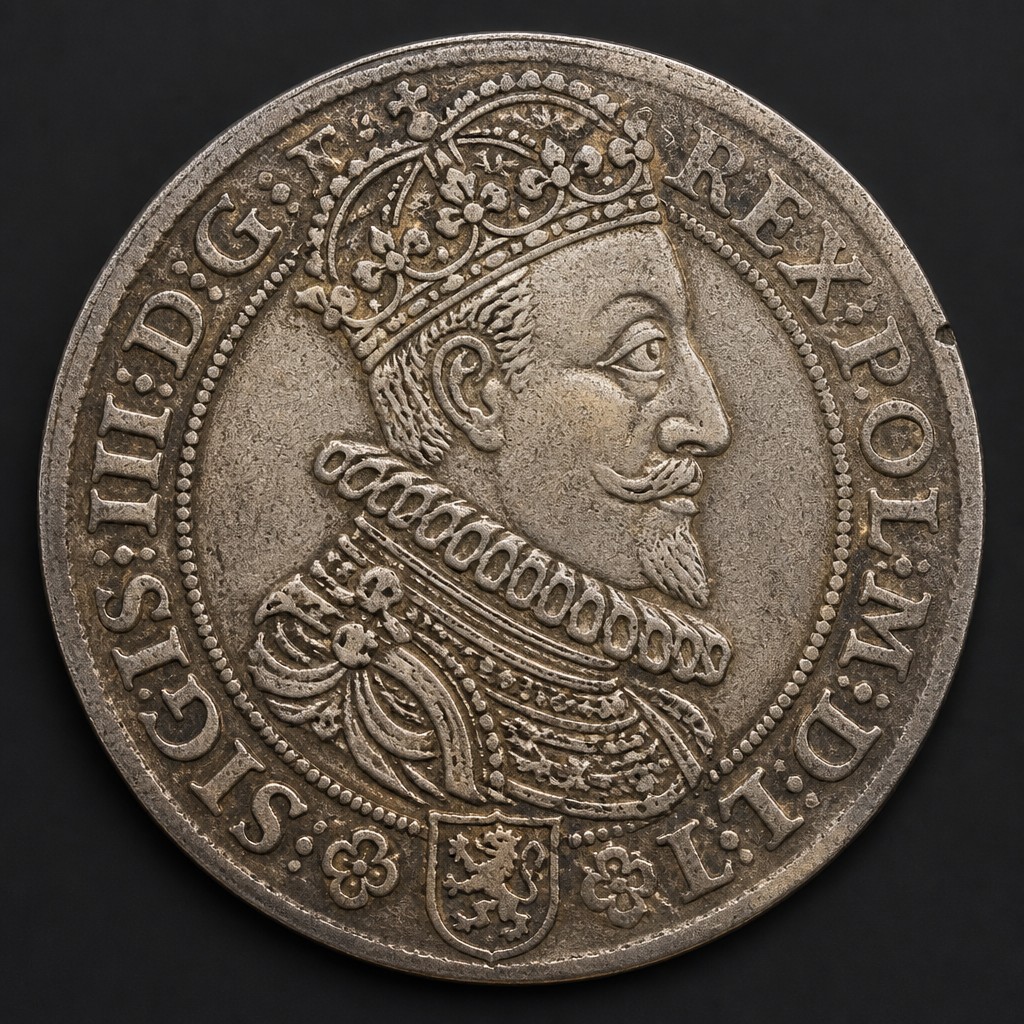
Polish-Lithuanian Thaler
circa 16th–18th century
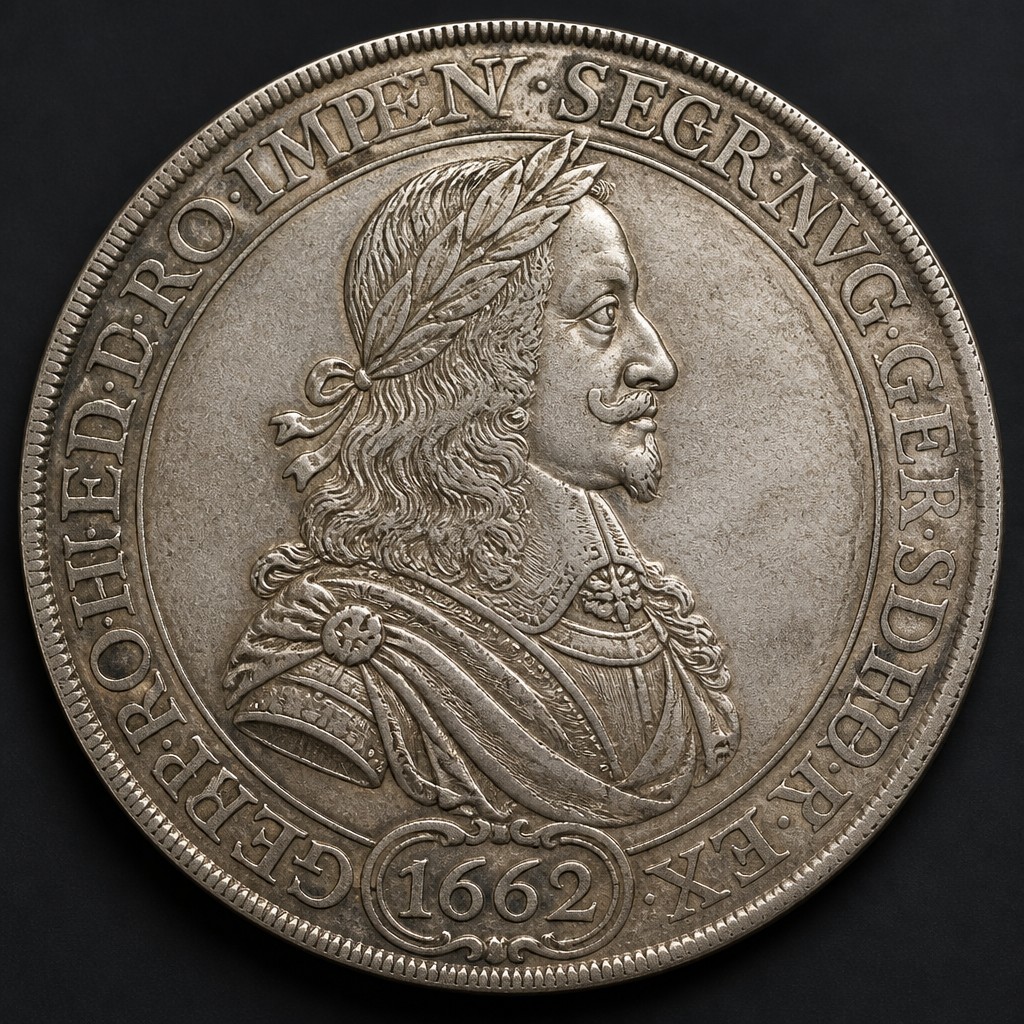
Reichsthaler
circa 1566–early 19th century
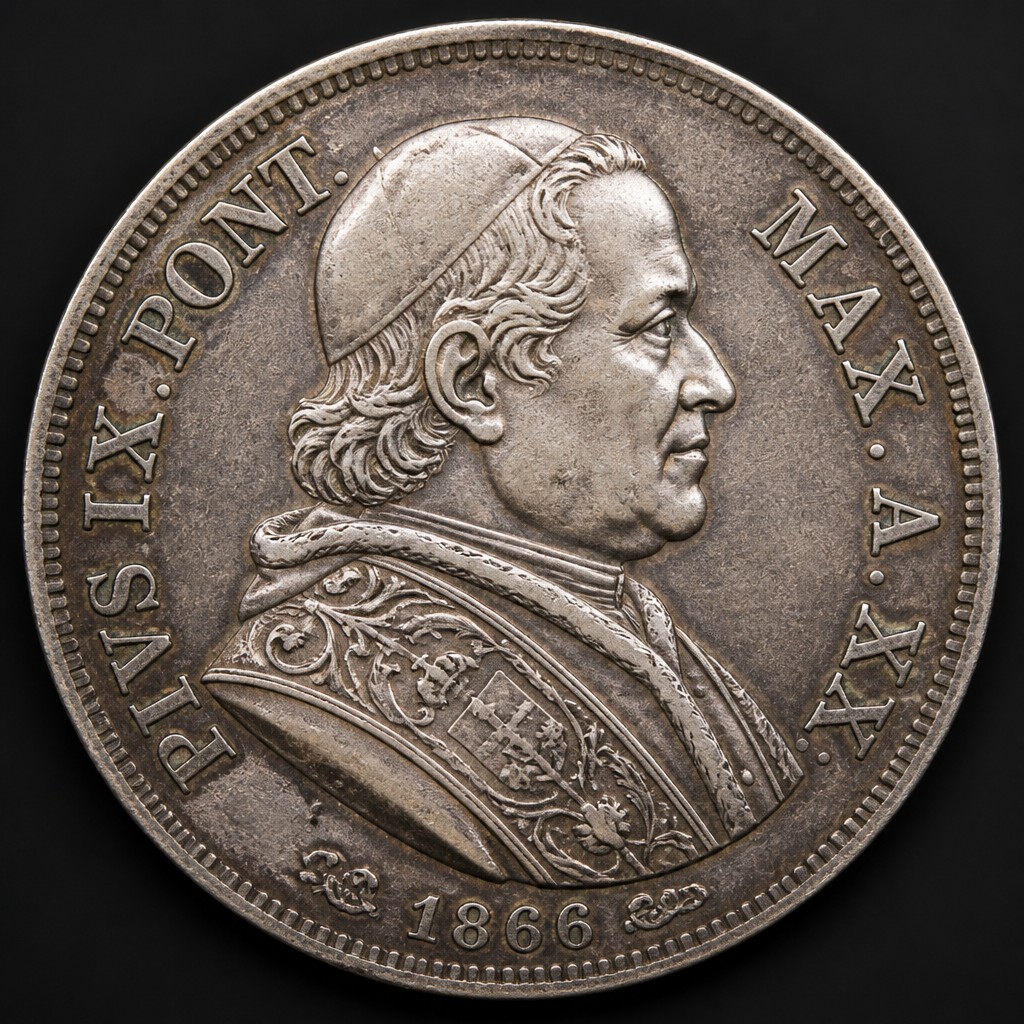
Papal States Scudo
16th century–1866
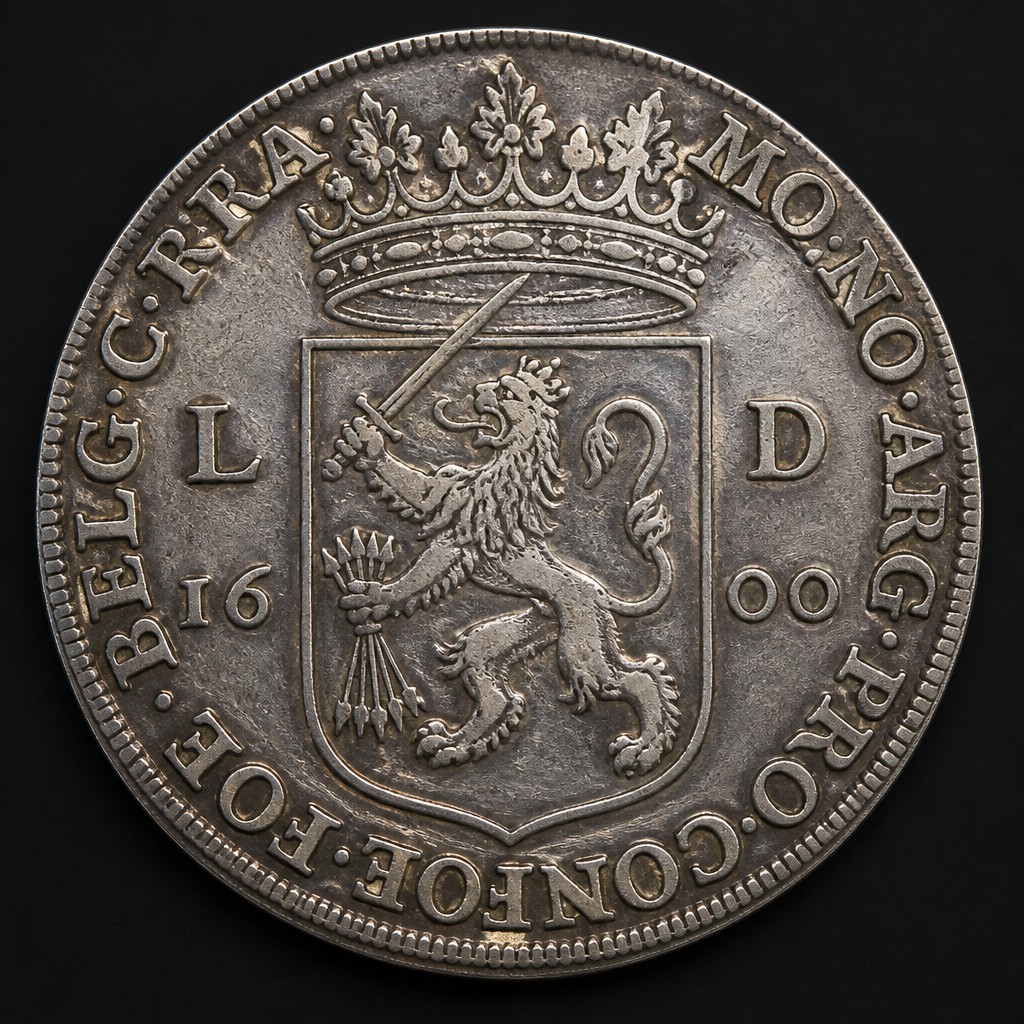
Netherlands Lion Daalder (Leeuwendaalder)
1575–1713
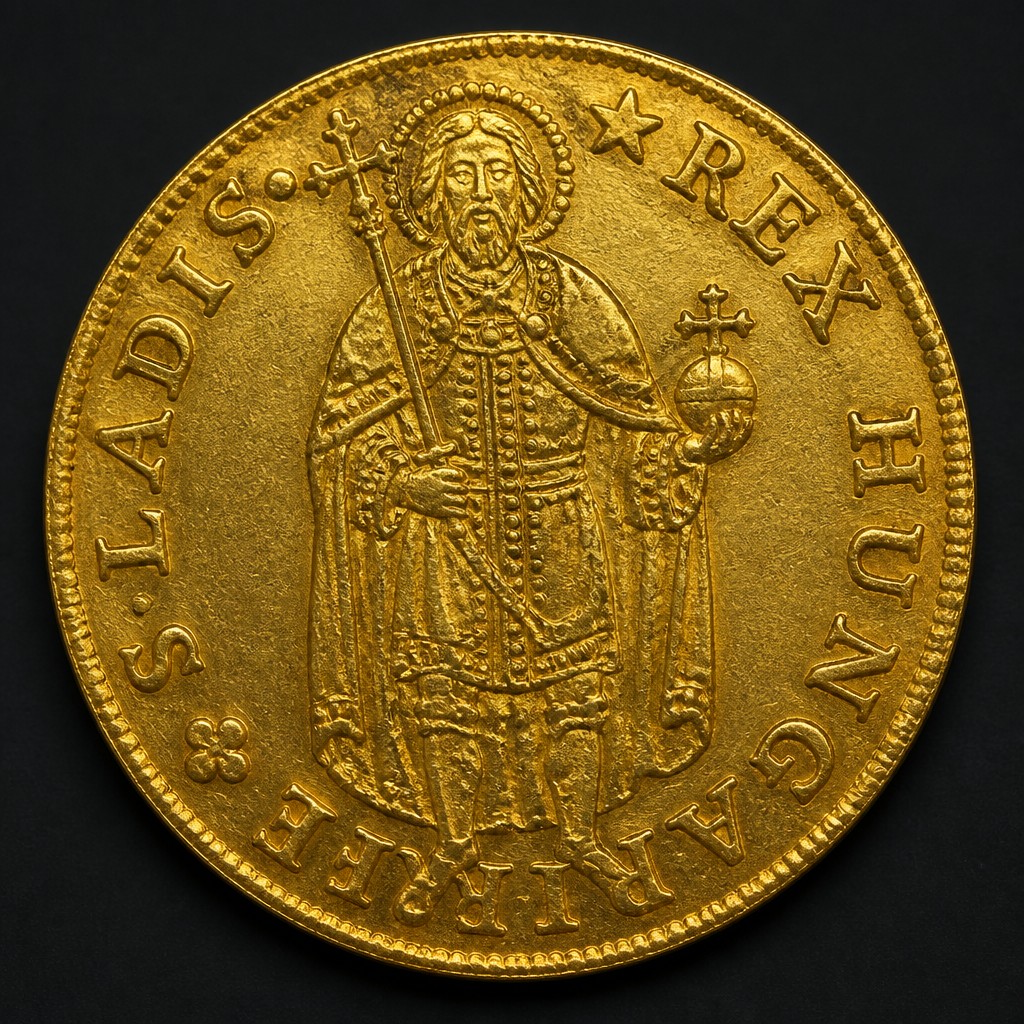
Hungarian Ducat
c. 1325–1918
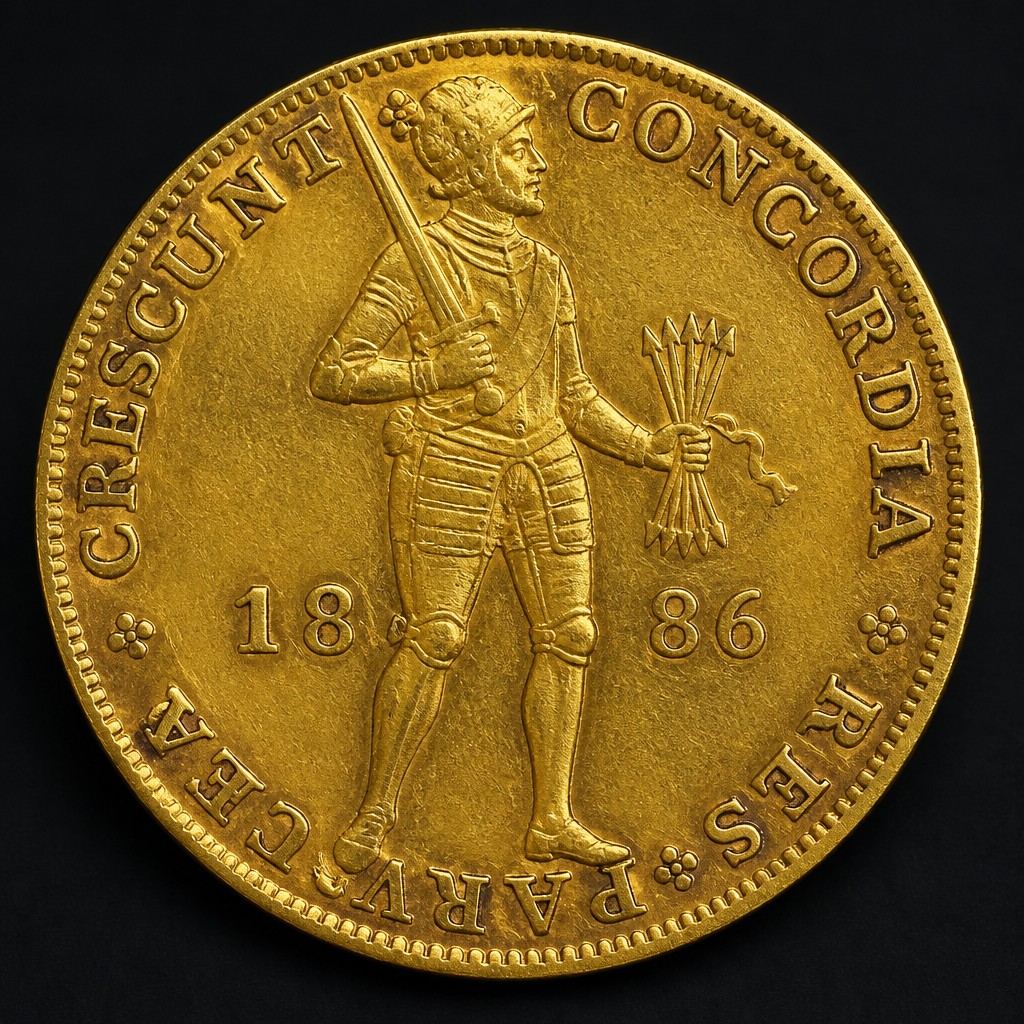
Dutch Ducat
c. 1586–present (classic type standardized after 1817)
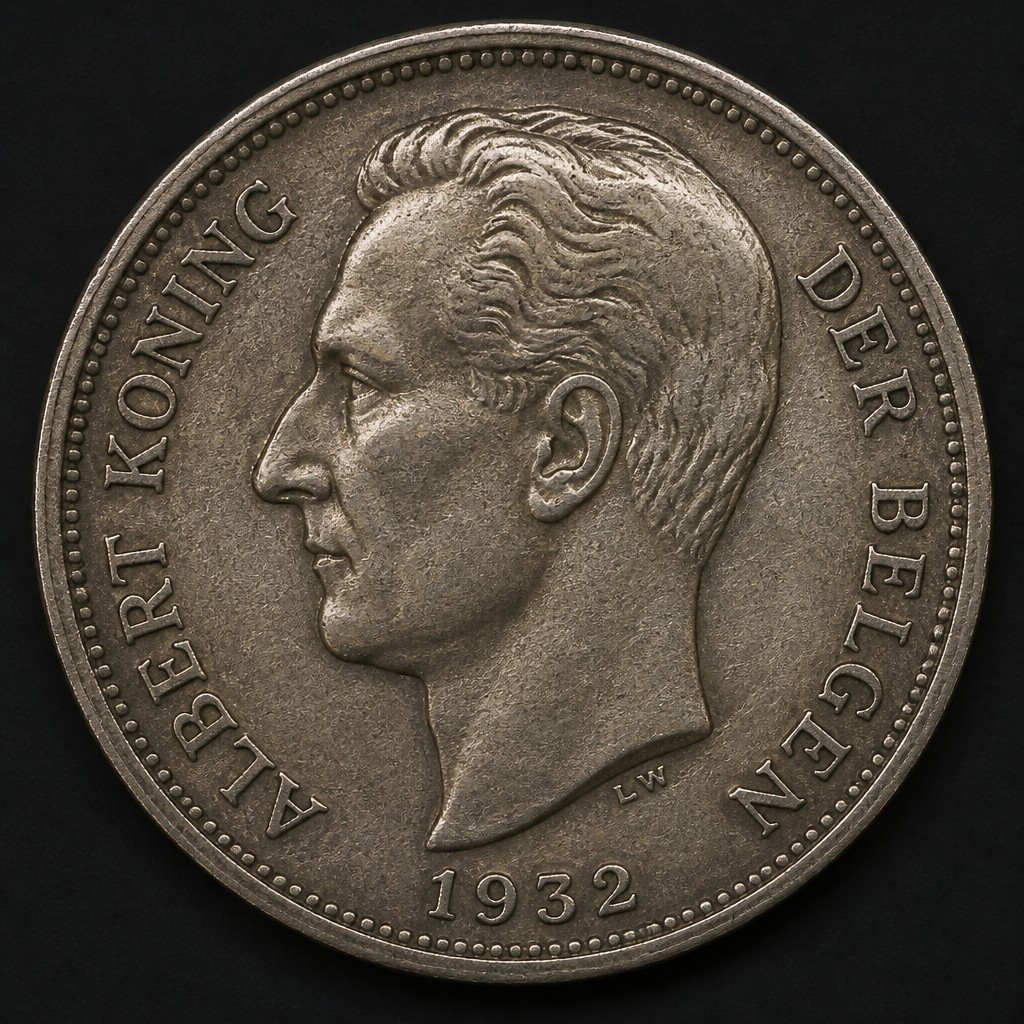
Belgian Franc
1832–2002
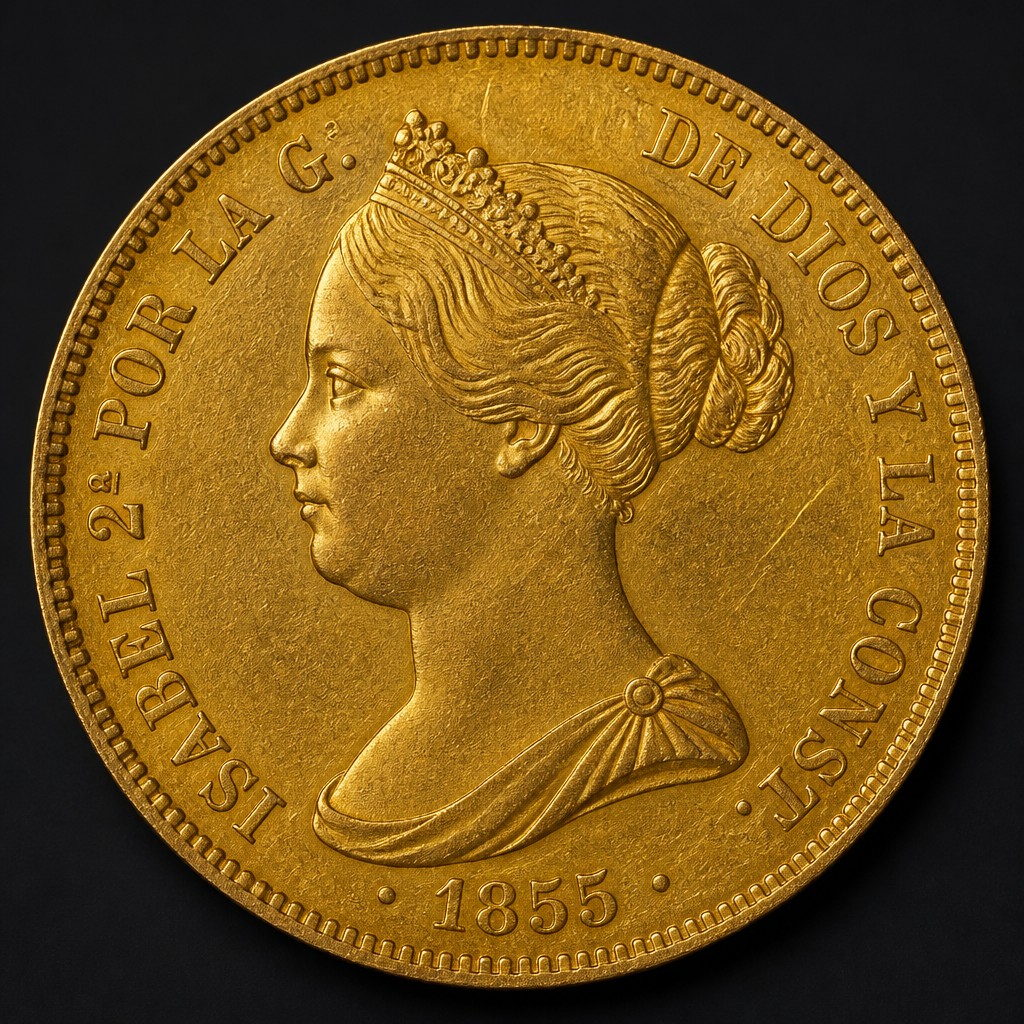
Spanish 100 Reales Gold (Isabel II)
1850s–1868
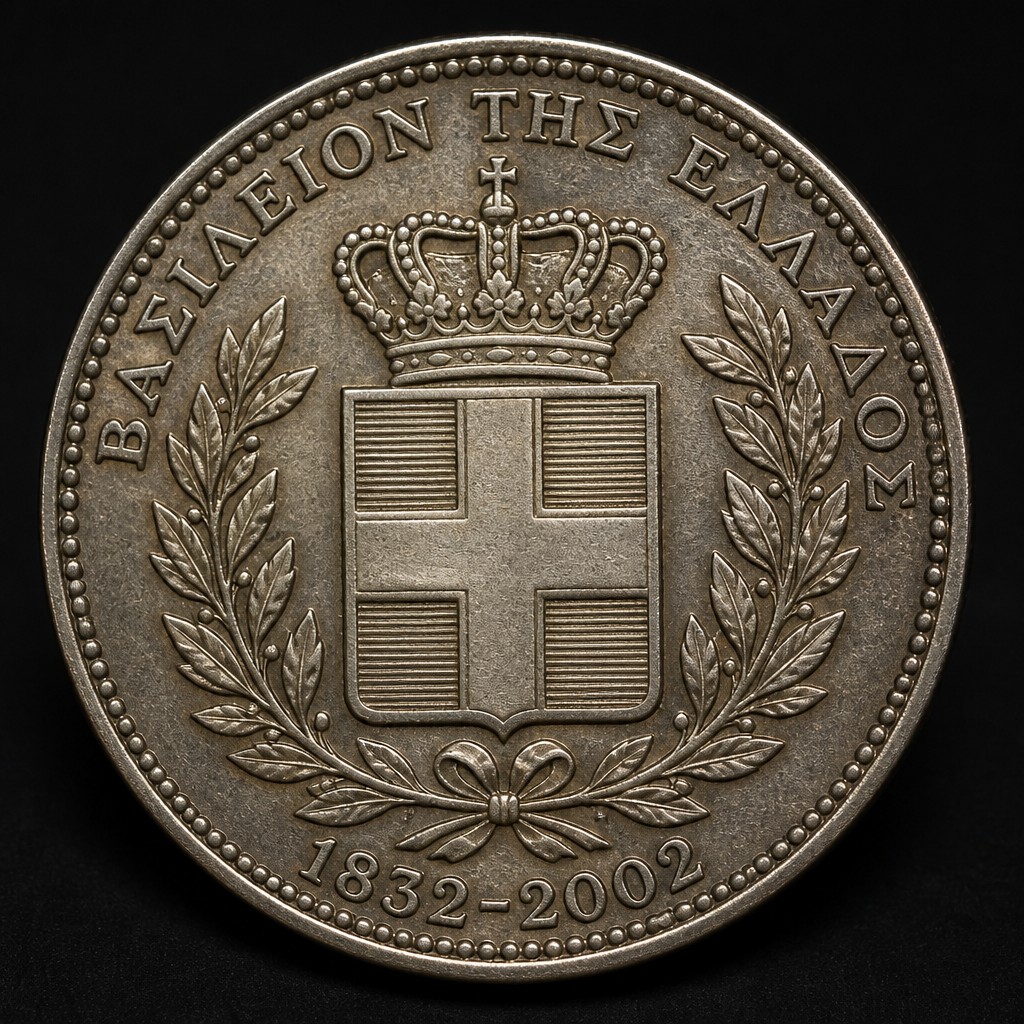
Greek Drachma
1832–2002
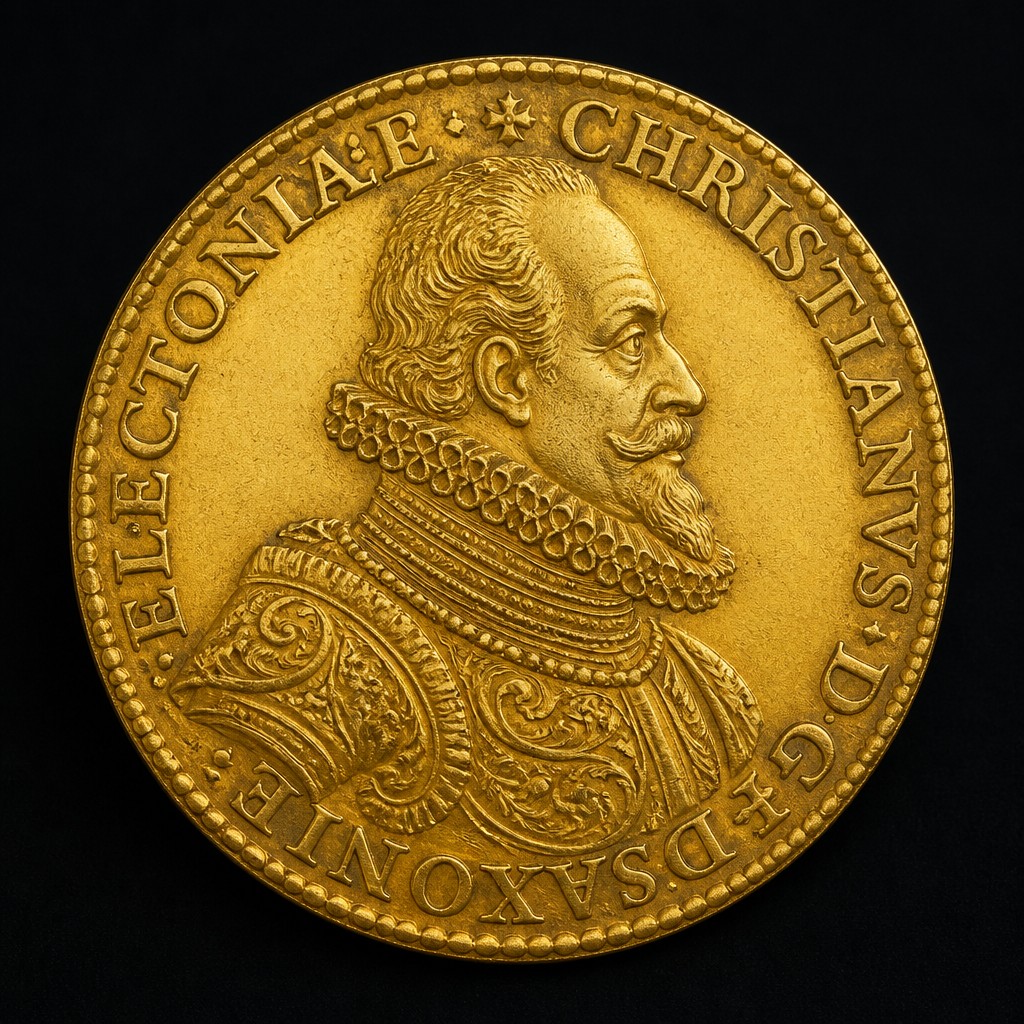
German Saxony Ducat
16th century–19th century
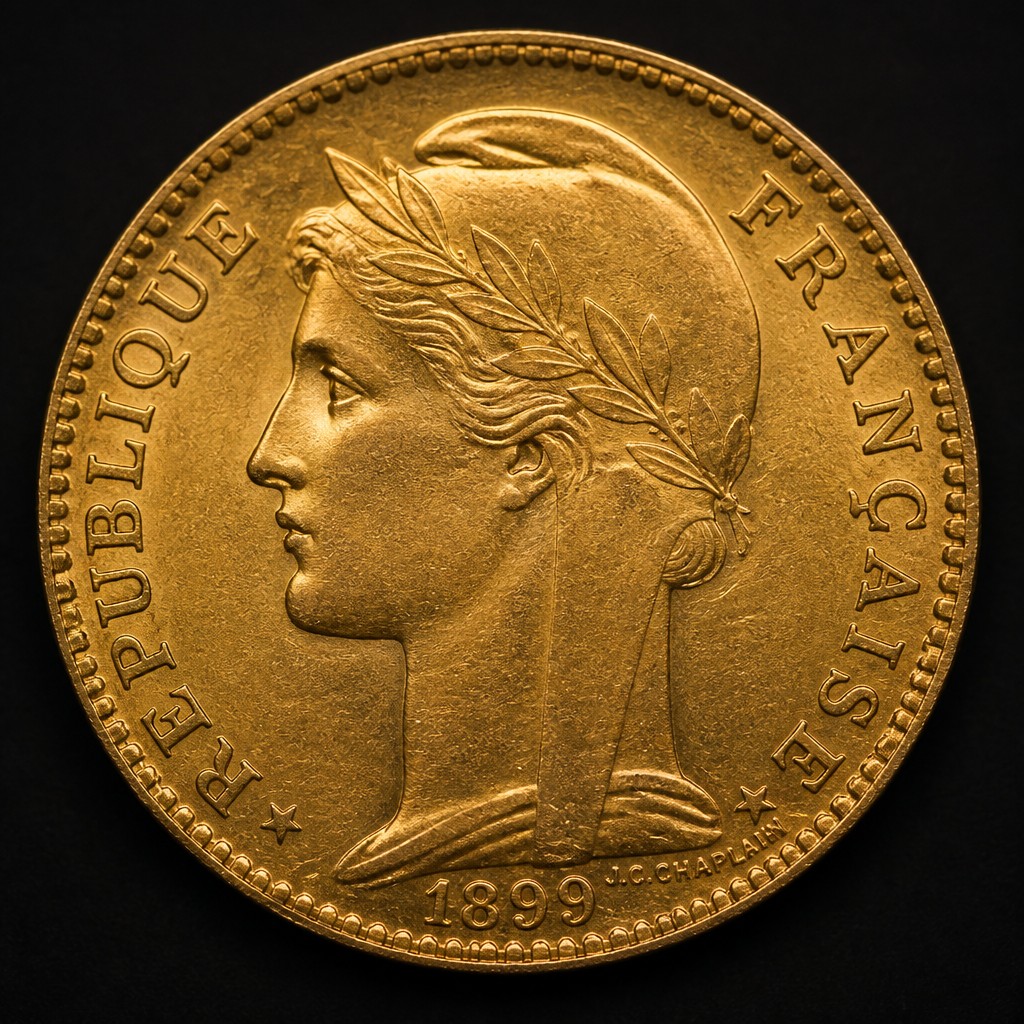
French 10 Francs Gold (Napoleon Rooster)
1899–1914
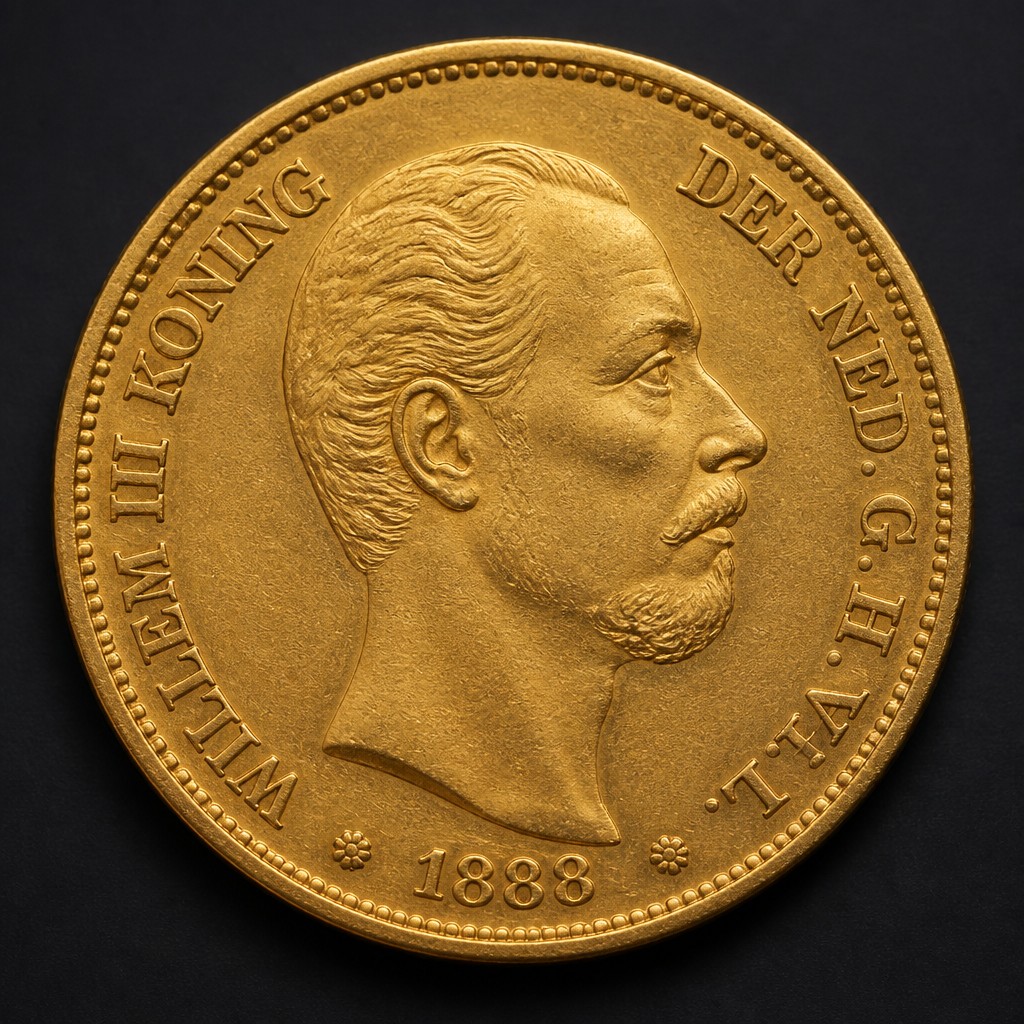
Netherlands 5 Gulden Gold
1826–1912 (intermittent)