
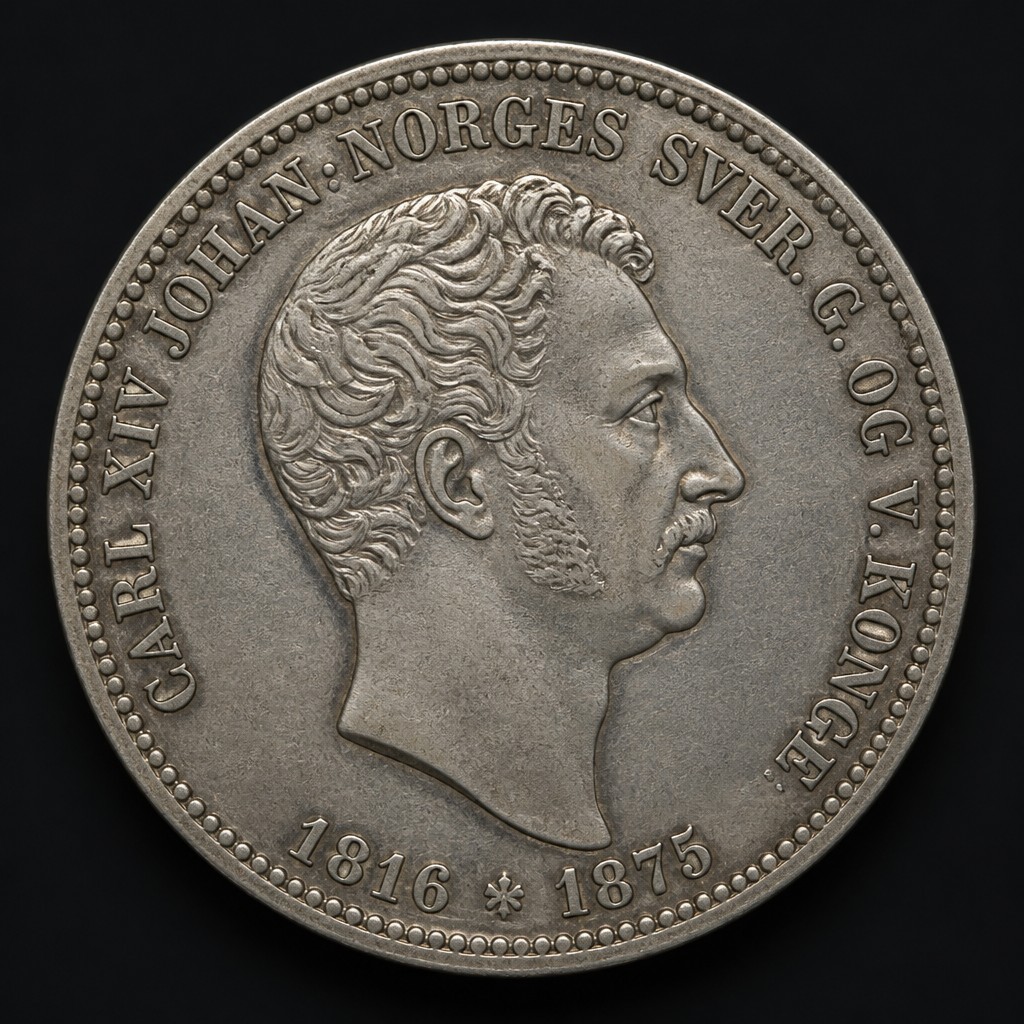
Norwegian Speciedaler
Norway's principal silver coin from the establishment of its independent currency in 1816 until the krone reform of the 1870s.
- Country
- Norway
- Denomination
- Speciedaler
- Metal
- Silver (approx. .875 fine)
Got a coin like this?
Identify any coin from a photo, free.
Overview
The Norwegian speciedaler was introduced as the backbone of Norway's own monetary system following its 1814 constitution and subsequent personal union with Sweden. It served as the standard large silver denomination for roughly six decades.
Collectors value the speciedaler as a tangible link to Norway's early independence era, since its introduction coincided with the founding of Norges Bank and the country's first steps toward monetary self-governance.
The coin's design tradition, featuring Norwegian royal arms and crowned monograms, reflects the union-era balance between Norwegian identity and shared Scandinavian monarchy.
History & Background
After Norway's separation from Denmark and entry into a union with Sweden in 1814, the new nation established its own currency system in 1816, centered on the speciedaler as the principal silver coin, minted at the historic Kongsberg mint using silver from Norway's own Kongsberg silver mines.
Throughout the union period with Sweden (1814–1905), speciedaler coins bore the portraits or monograms of the shared Swedish-Norwegian kings, including Karl Johan, Oscar I, Karl IV (Karl XV), and Oscar II, alongside Norwegian heraldic elements such as the crowned lion.
The speciedaler was phased out in 1875 when Norway joined the Scandinavian Monetary Union with Sweden and Denmark, adopting the decimal krone as its new national currency.
How to Identify
Norwegian speciedaler coins typically display the crowned Norwegian lion holding an axe on one side, a heraldic symbol long associated with Norway, alongside the reigning king's monogram or portrait and denomination details.
The coin's substantial silver weight and diameter place it among the larger 19th-century European crown-type coins, and Kongsberg mint marks or engraver initials appear in the design field or below the main devices.
Because Norway shared its monarch with Sweden during this period, collectors should distinguish Norwegian speciedaler issues (marked in Norwegian and bearing Norwegian arms) from contemporary Swedish riksdaler coins of the same king, which carry Swedish arms and legends instead.
Value & Collectibility
Values for Norwegian speciedalers depend heavily on date, king, and preservation, with earlier issues from the 1810s–1830s generally scarcer than later 19th-century dates produced in greater volume.
As with other large silver 19th-century coins, sharp strikes, original luster, and problem-free surfaces command the strongest premiums, while cleaned or worn examples trade at a discount.
Typical circulated speciedalers often sell in the rough range of $75 to a few hundred dollars, with scarcer early dates or exceptional condition examples reaching higher.
Frequently asked questions
Why did Norway introduce its own speciedaler in 1816?
Norway established its own currency and central bank shortly after its 1814 constitution and union with Sweden, creating the speciedaler as its national silver standard.
Where were Norwegian speciedalers minted?
Primarily at the Kongsberg mint, historically tied to Norway's own silver mining region.
When did the speciedaler end?
It was replaced by the decimal krone in 1875 under the Scandinavian Monetary Union.
What symbol appears on the coin?
The crowned Norwegian lion holding an axe is a common heraldic device found on speciedaler coinage.
Other coins you may enjoy
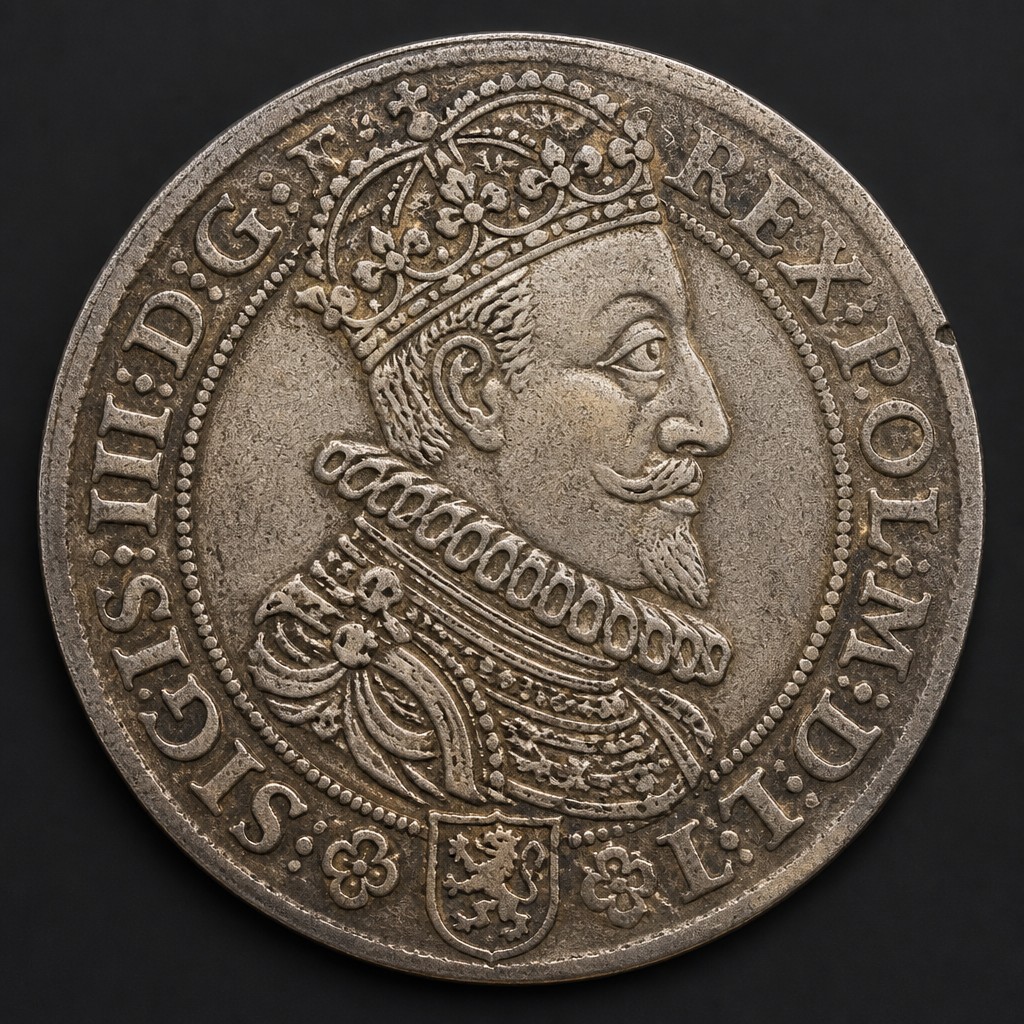
Polish-Lithuanian Thaler
circa 16th–18th century
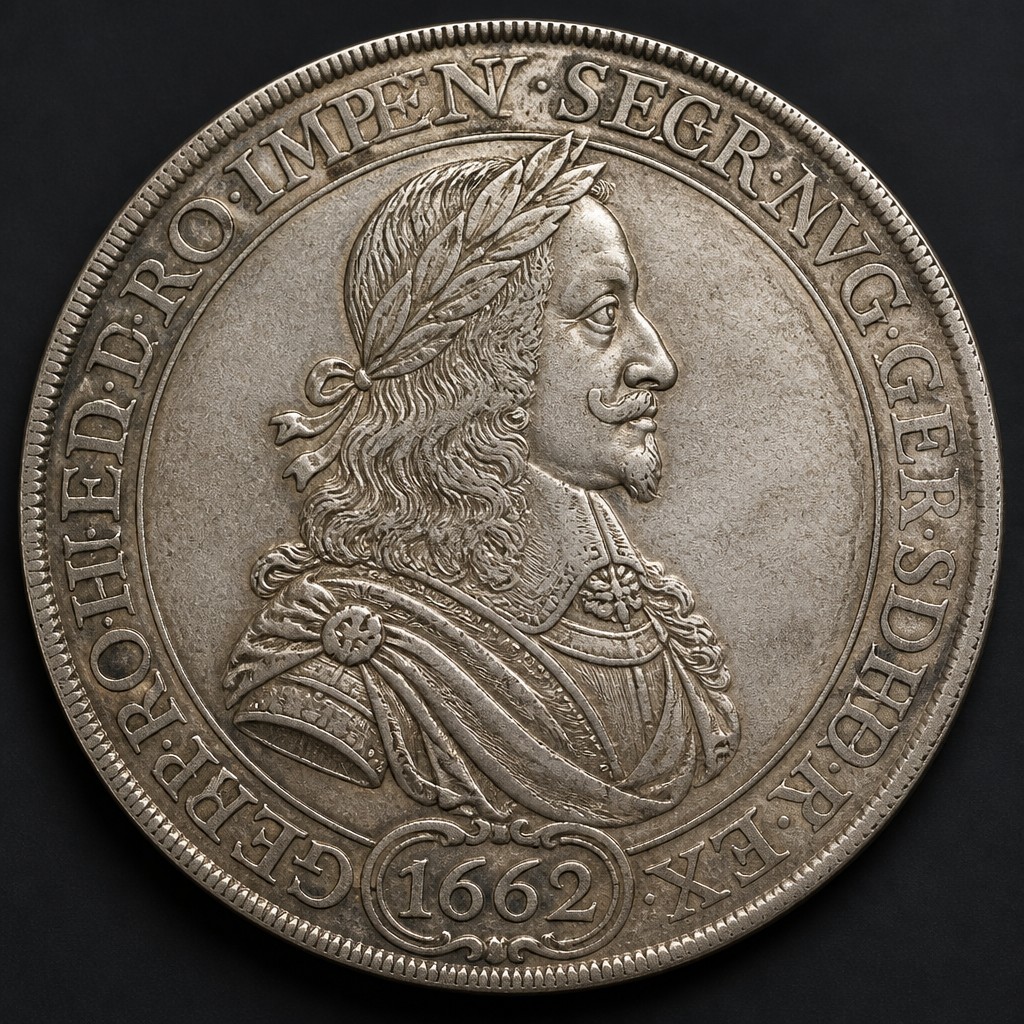
Reichsthaler
circa 1566–early 19th century
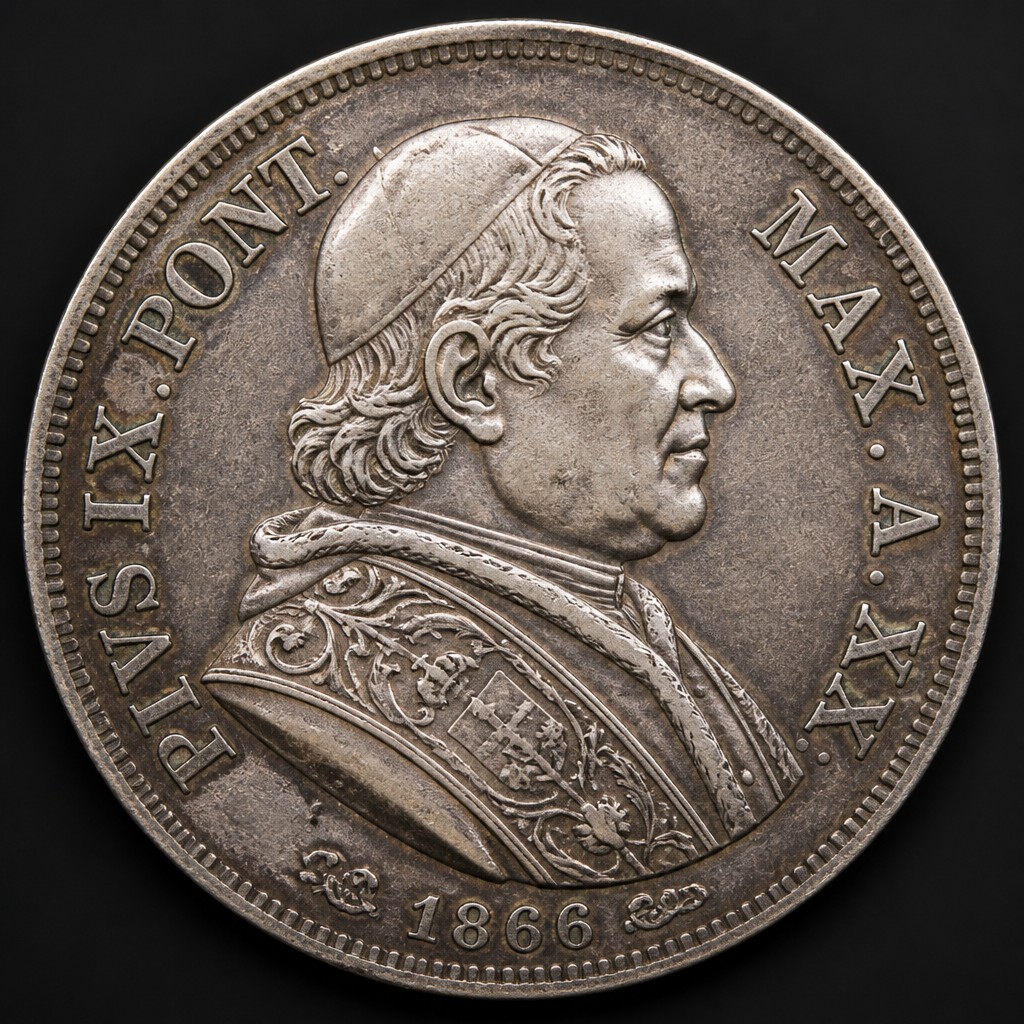
Papal States Scudo
16th century–1866
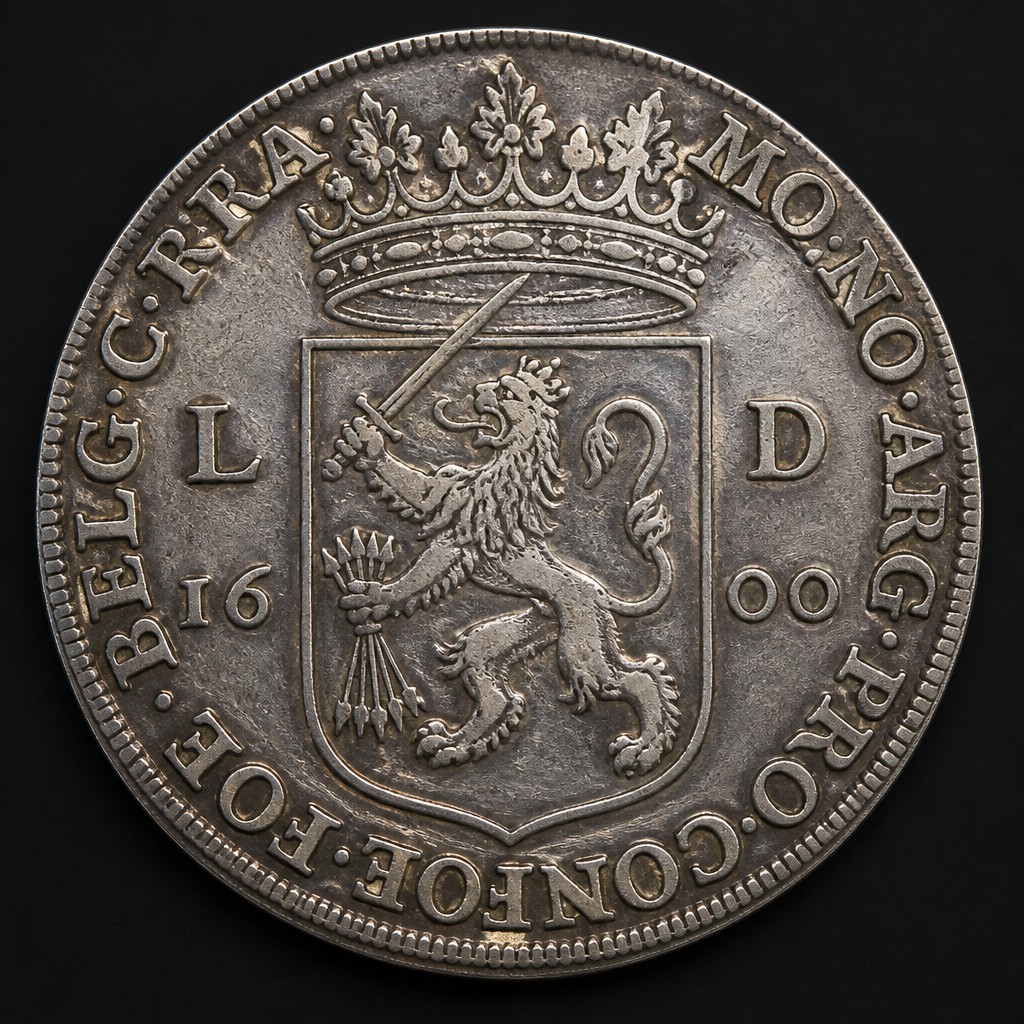
Netherlands Lion Daalder (Leeuwendaalder)
1575–1713
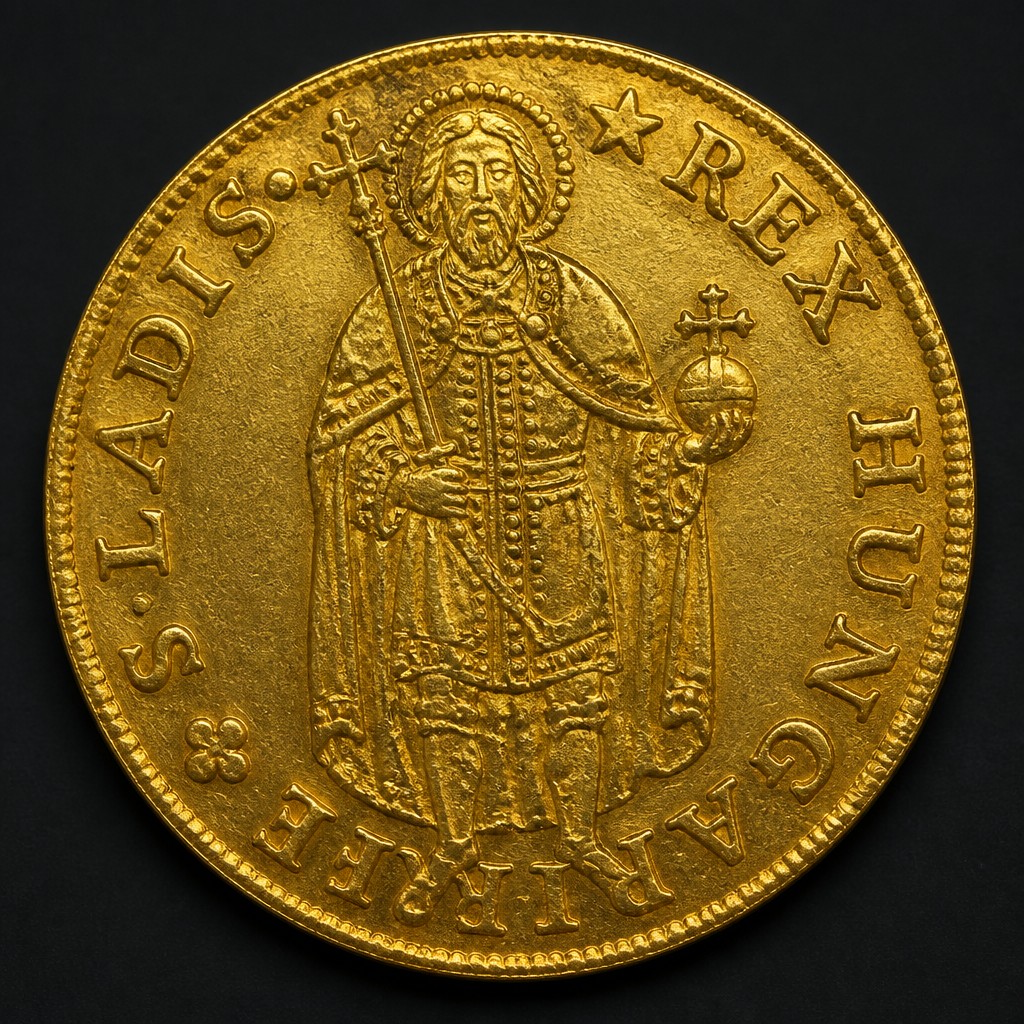
Hungarian Ducat
c. 1325–1918
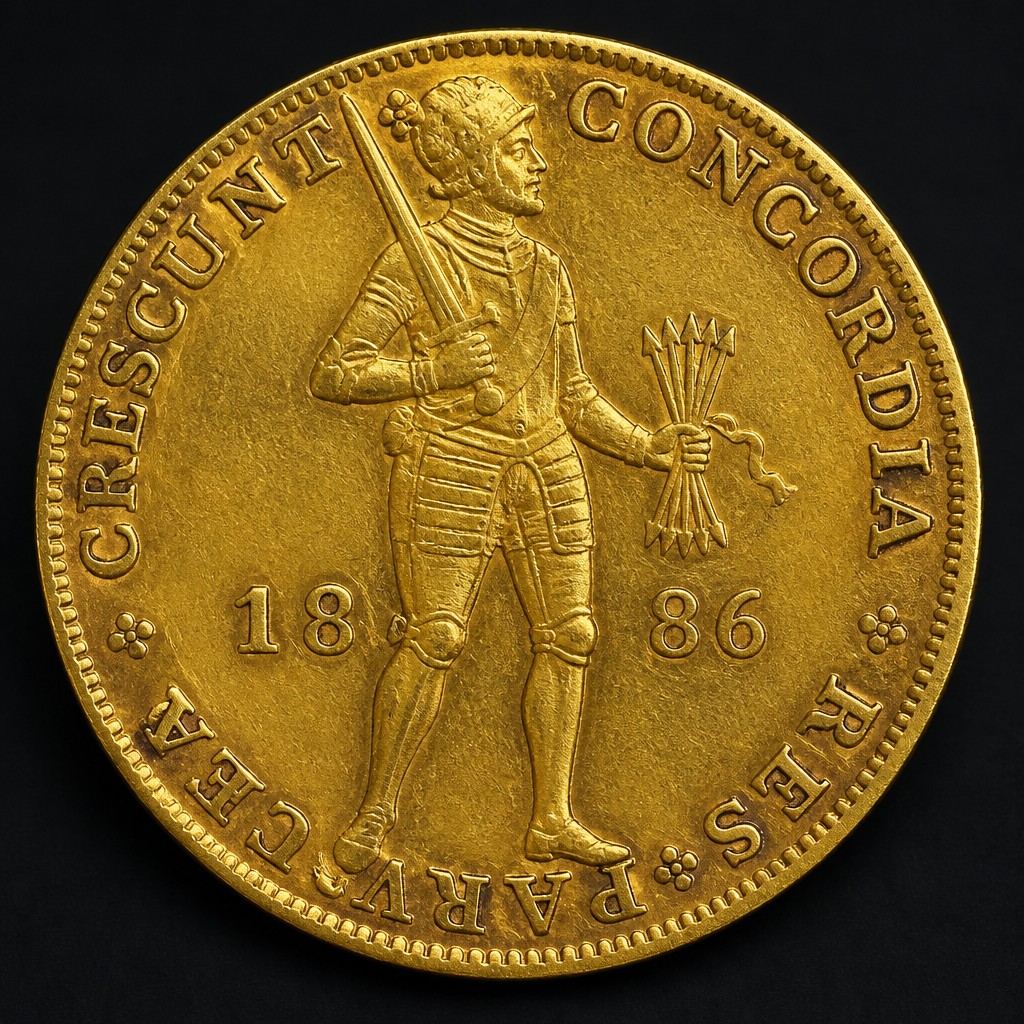
Dutch Ducat
c. 1586–present (classic type standardized after 1817)
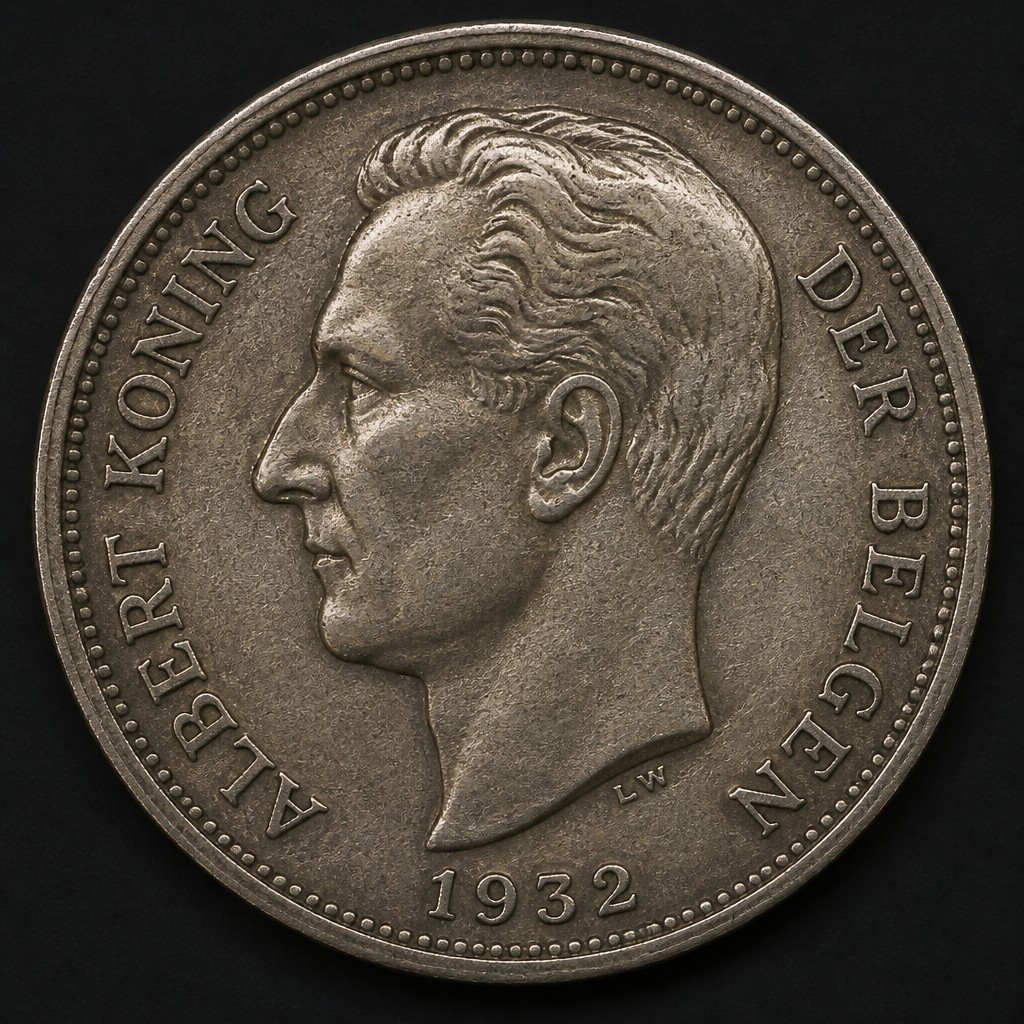
Belgian Franc
1832–2002
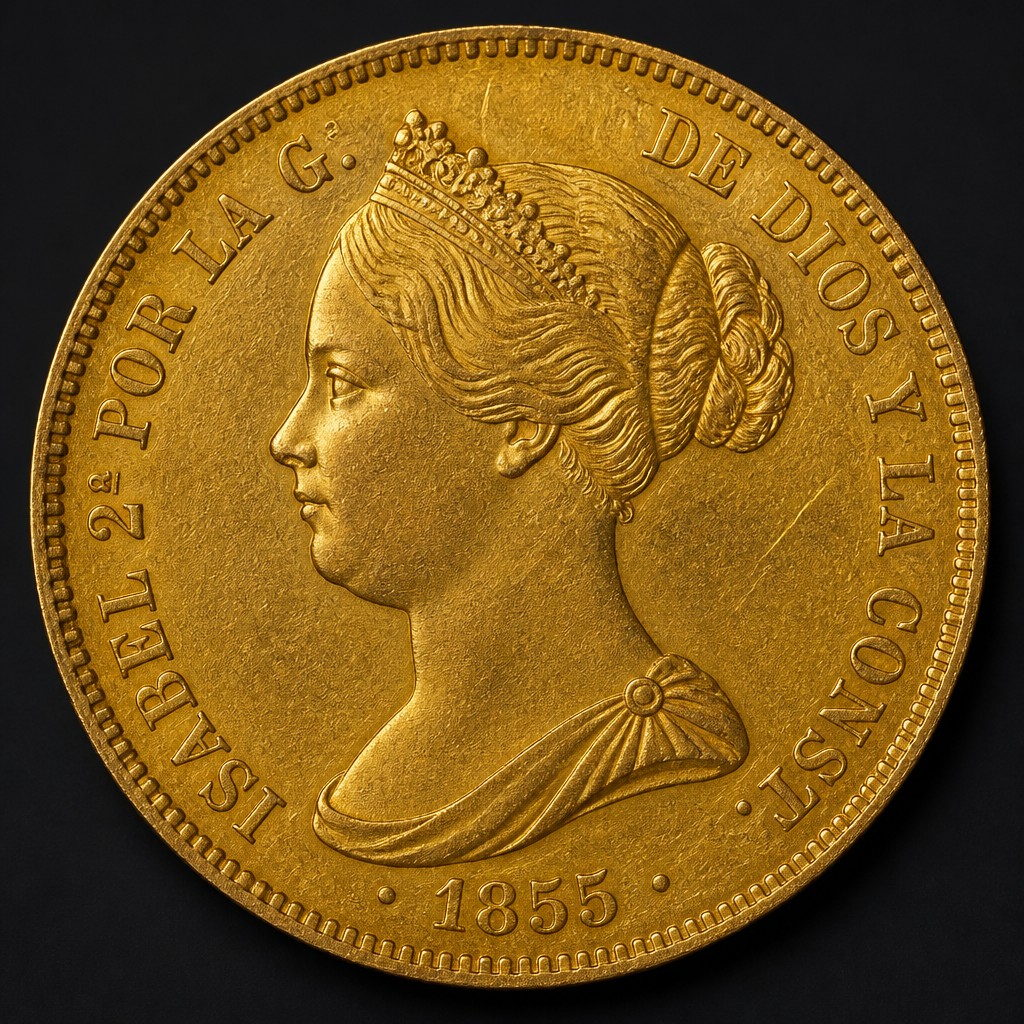
Spanish 100 Reales Gold (Isabel II)
1850s–1868
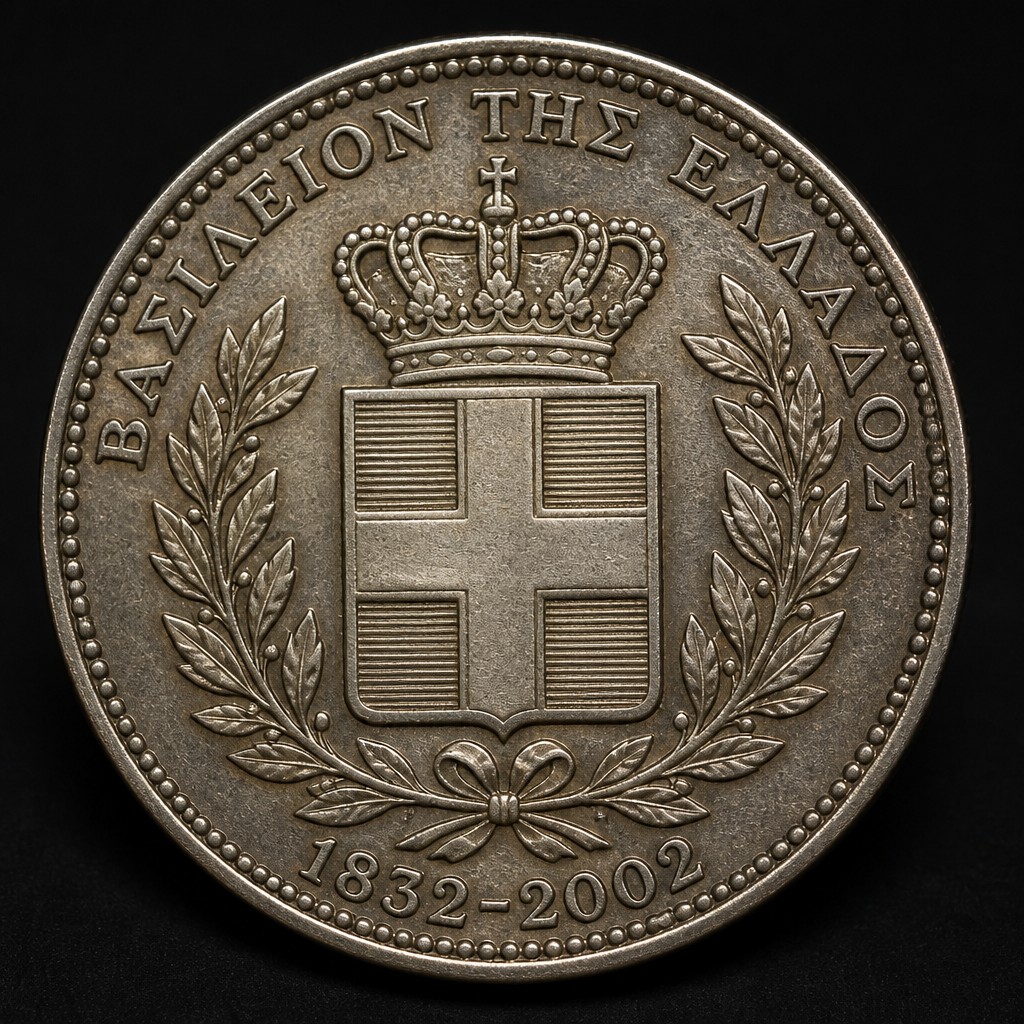
Greek Drachma
1832–2002
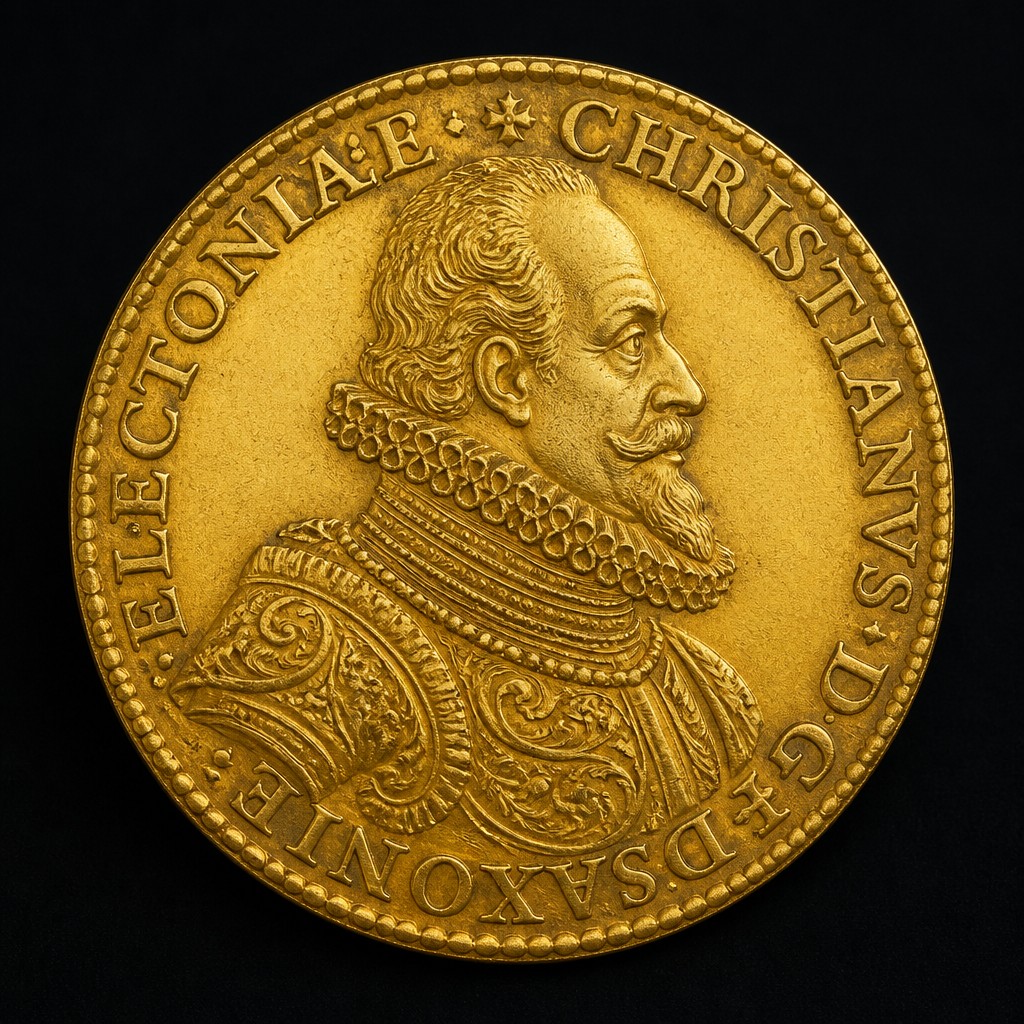
German Saxony Ducat
16th century–19th century
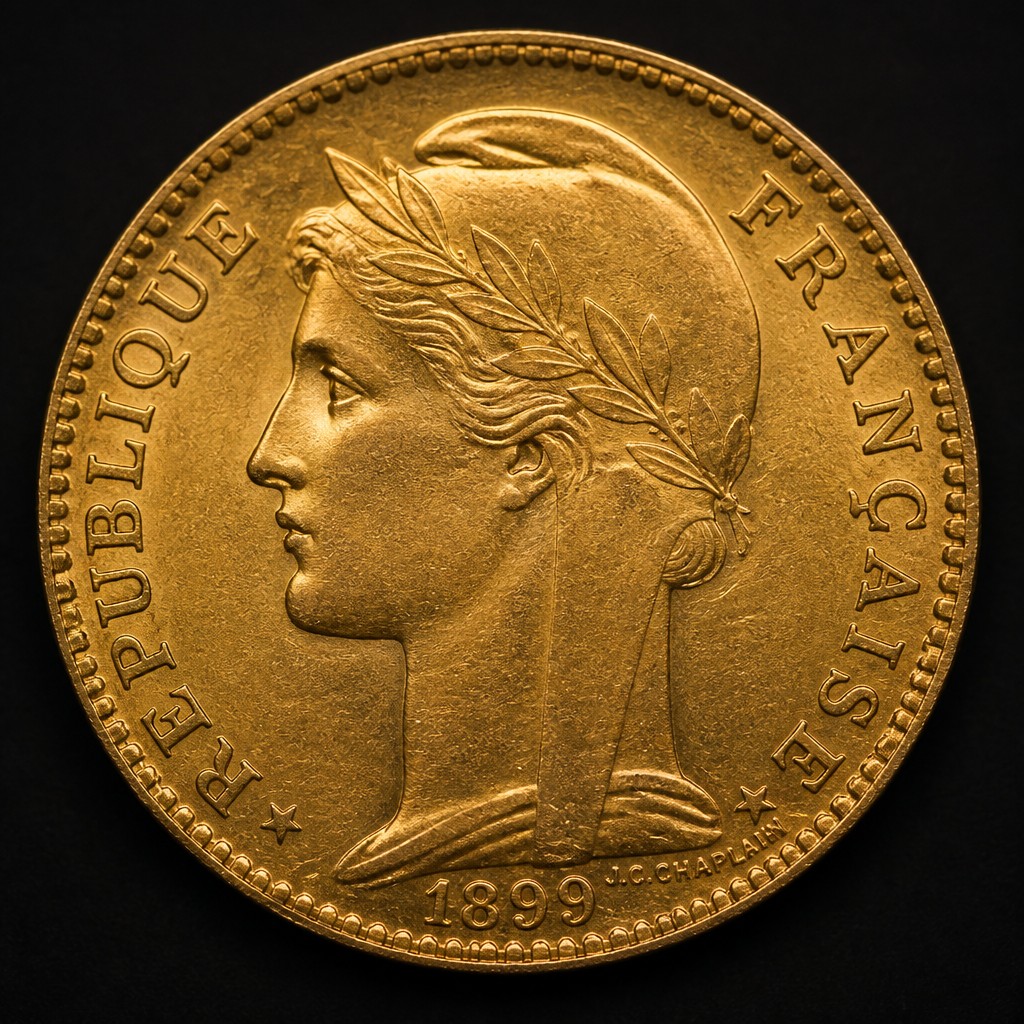
French 10 Francs Gold (Napoleon Rooster)
1899–1914
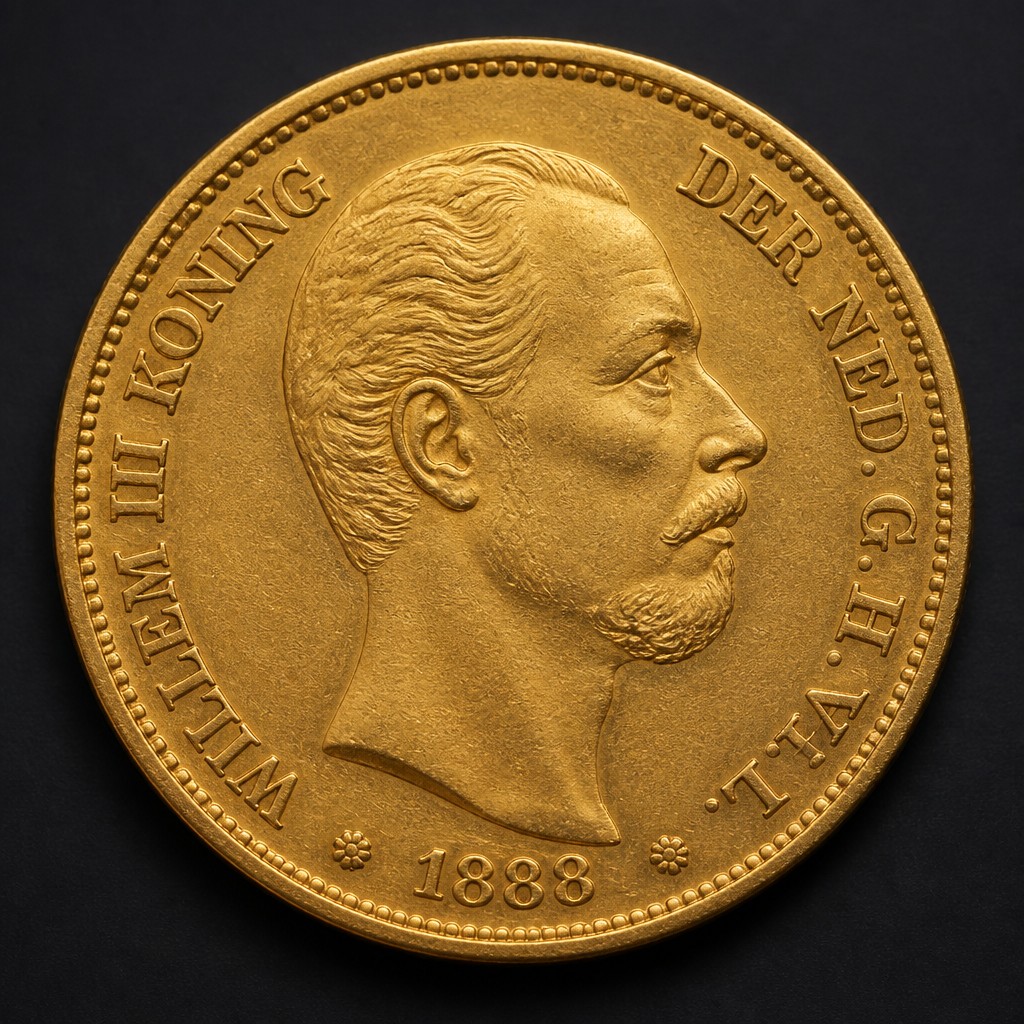
Netherlands 5 Gulden Gold
1826–1912 (intermittent)