
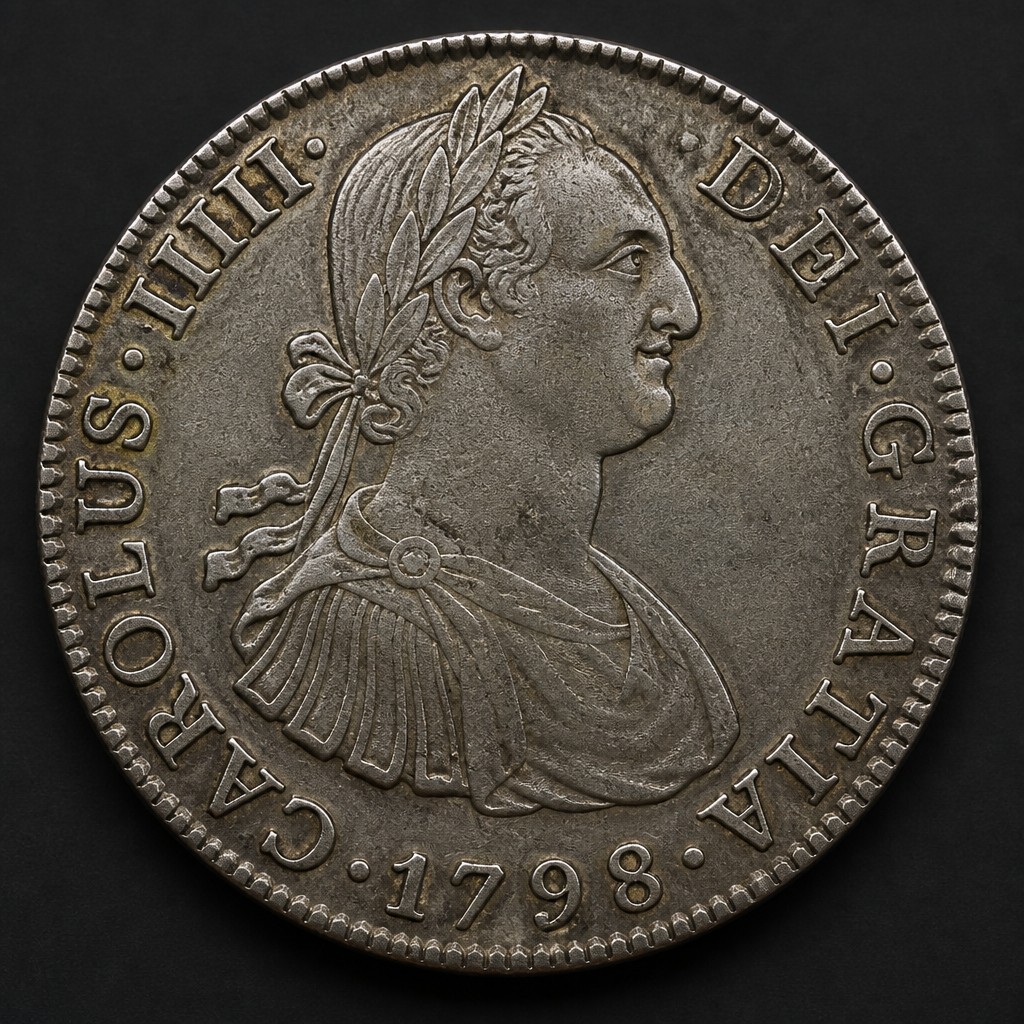
Spanish 4 Reales
A mid-value denomination of Spain's traditional real-based coinage, struck for centuries in both Spain and its American colonies.
- Country
- Spain
- Denomination
- 4 Reales
- Metal
- Silver (varying fineness, historically around .900–.931 fine)
Got a coin like this?
Identify any coin from a photo, free.
Overview
The 4 reales was a workhorse silver denomination within Spain's centuries-old real-based monetary system, sitting between the smaller 2 reales and the larger 8 reales (the famous "piece of eight"). It circulated widely both within Spain and across the vast Spanish colonial empire.
Collectors value the 4 reales as an accessible entry into the world of Spanish and Spanish colonial silver, offering the same historic "cob" and later milled coinage styles as the more famous 8 reales, but often at a friendlier price point.
History & Background
Spain's real system dated back to the medieval period and was carried forward through the Habsburg and Bourbon dynasties, with the 4 reales struck at mints in Spain itself as well as at colonial mints in Mexico, Peru, Bolivia (Potosi), and elsewhere. Early pieces were often crudely struck "cob" coinage cut from silver bars, while later 18th-century issues transitioned to more refined, machine-struck "milled" coinage bearing detailed royal portraits.
As the primary silver export of the Spanish Empire, reales-denominated coins including the 4 reales played a major role in global trade for centuries, circulating not only in Europe and the Americas but as far as Asia through Spanish trans-Pacific trade routes. Production continued until Spain and its former colonies transitioned to decimal currency systems in the 19th century.
How to Identify
Early cob-style 4 reales are irregularly shaped silver pieces struck from cut fragments, typically bearing a cross and the Spanish royal arms in a rough, often off-center strike, with denomination indicated by roman numeral "IIII" and an assayer's mark. Later milled 4 reales show a clear portrait of the reigning Spanish monarch on the obverse and the crowned Spanish coat of arms or pillars-and-waves motif on the reverse.
Mint marks identifying the specific mint (such as M for Madrid, S for Seville, Mo for Mexico City, or P for Potosi) appear alongside an assayer's initial, both important for identifying exactly where and by whom the coin was struck.
Collectors distinguish the 4 reales from the 8 reales primarily by size and weight, roughly half that of the larger piece, and from the 2 reales by being correspondingly larger; the roman numeral or numeral denomination mark on the design confirms the exact value.
Value & Collectibility
Values for the 4 reales vary tremendously based on era, mint, monarch, and condition, with common colonial-era pieces in worn condition often available at modest prices close to silver value, while well-struck cob coinage, rare mints, or early dates can be considerably more valuable to specialist collectors.
Shipwreck-recovered examples, when documented with known provenance, can carry a significant premium over an otherwise similar coin due to historical romance and verified pedigree. As with all colonial-era Spanish silver, professional attribution of mint, assayer, and date is often necessary to properly value a specific piece.
Frequently asked questions
What is a 'cob' coin?
A cob is an irregularly shaped, hand-struck silver or gold coin typical of early Spanish colonial minting, cut roughly from silver bars before standardized round coinage became common.
How does the 4 reales relate to a piece of eight?
The famous 'piece of eight' is the 8 reales; the 4 reales is half that denomination and roughly half the size and weight.
Where were 4 reales minted?
Both in Spain (Madrid, Seville, and other mints) and across Spanish colonial mints in the Americas, including Mexico City and Potosi.
Are shipwreck coins worth more?
Coins with documented shipwreck provenance often command a premium over comparable examples without that history, due to collector interest in their story.
Other coins you may enjoy
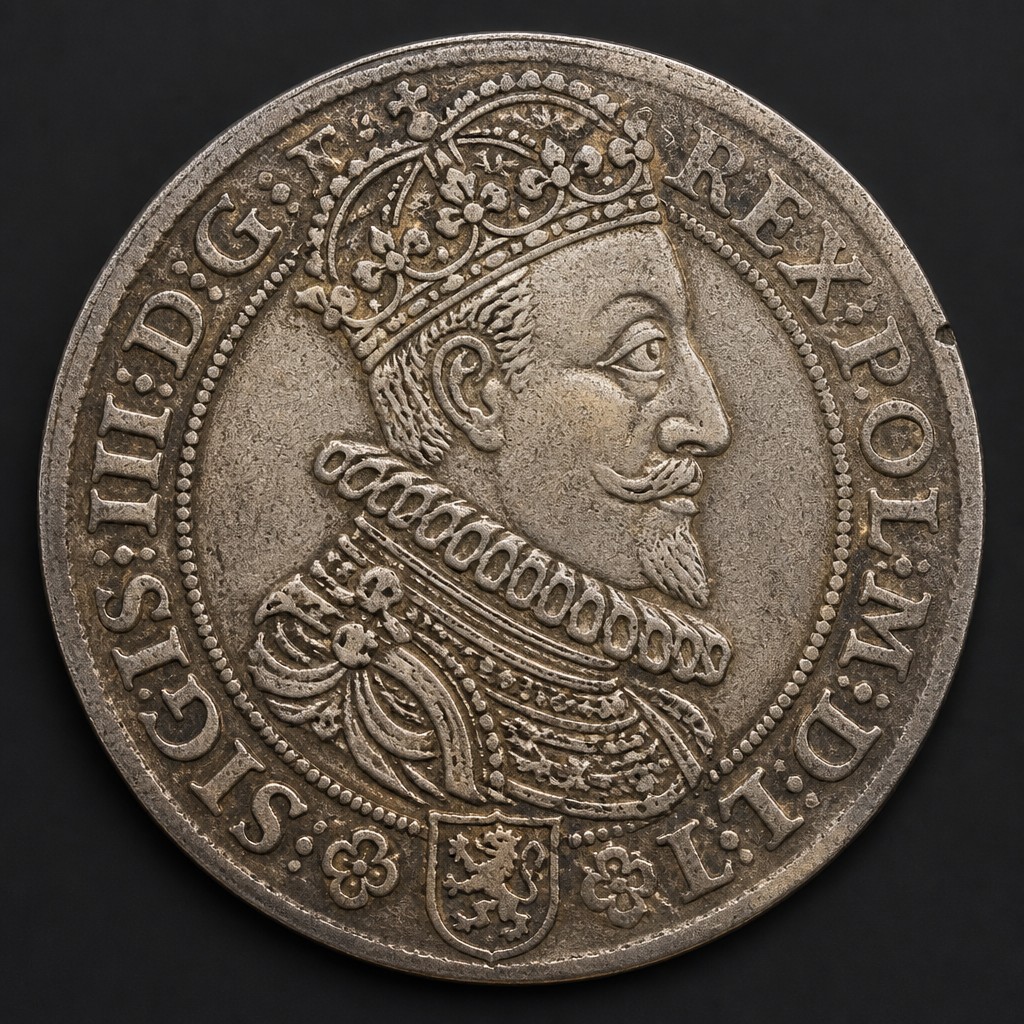
Polish-Lithuanian Thaler
circa 16th–18th century
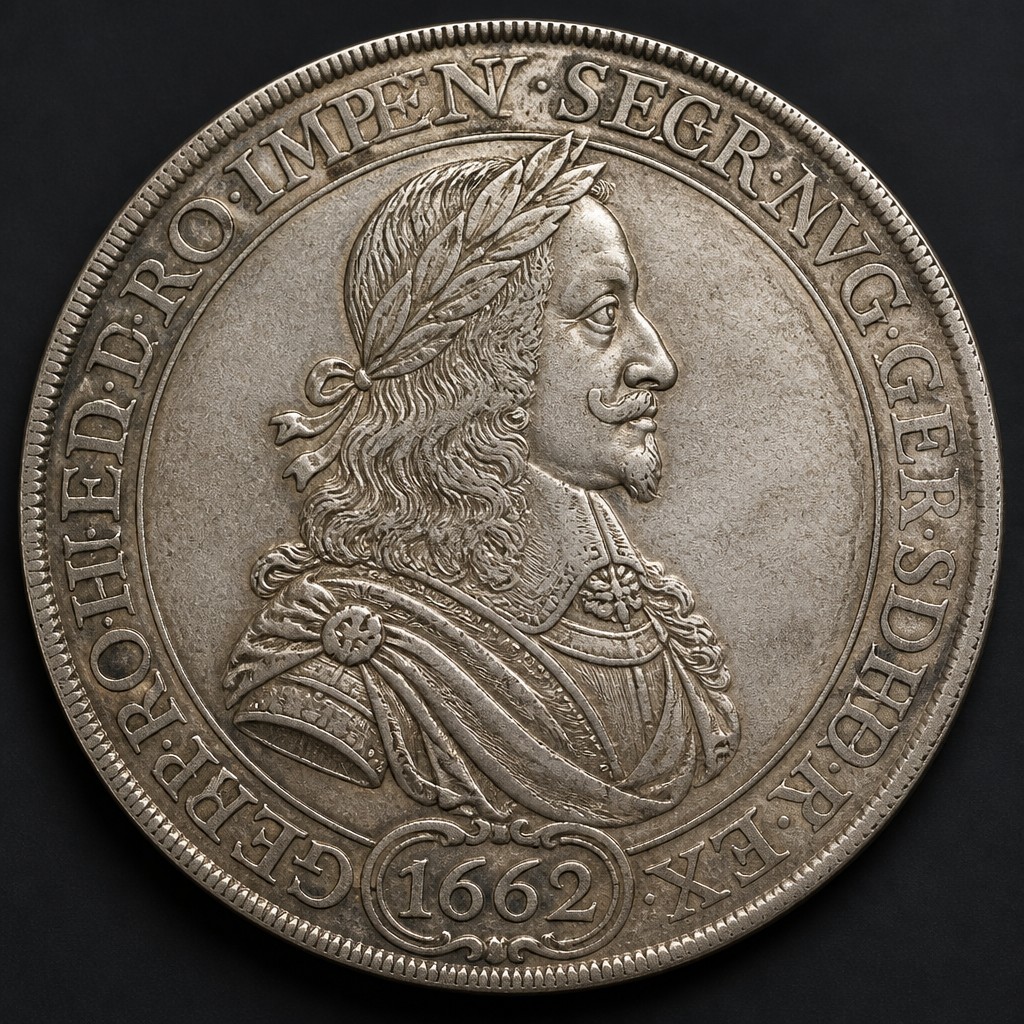
Reichsthaler
circa 1566–early 19th century
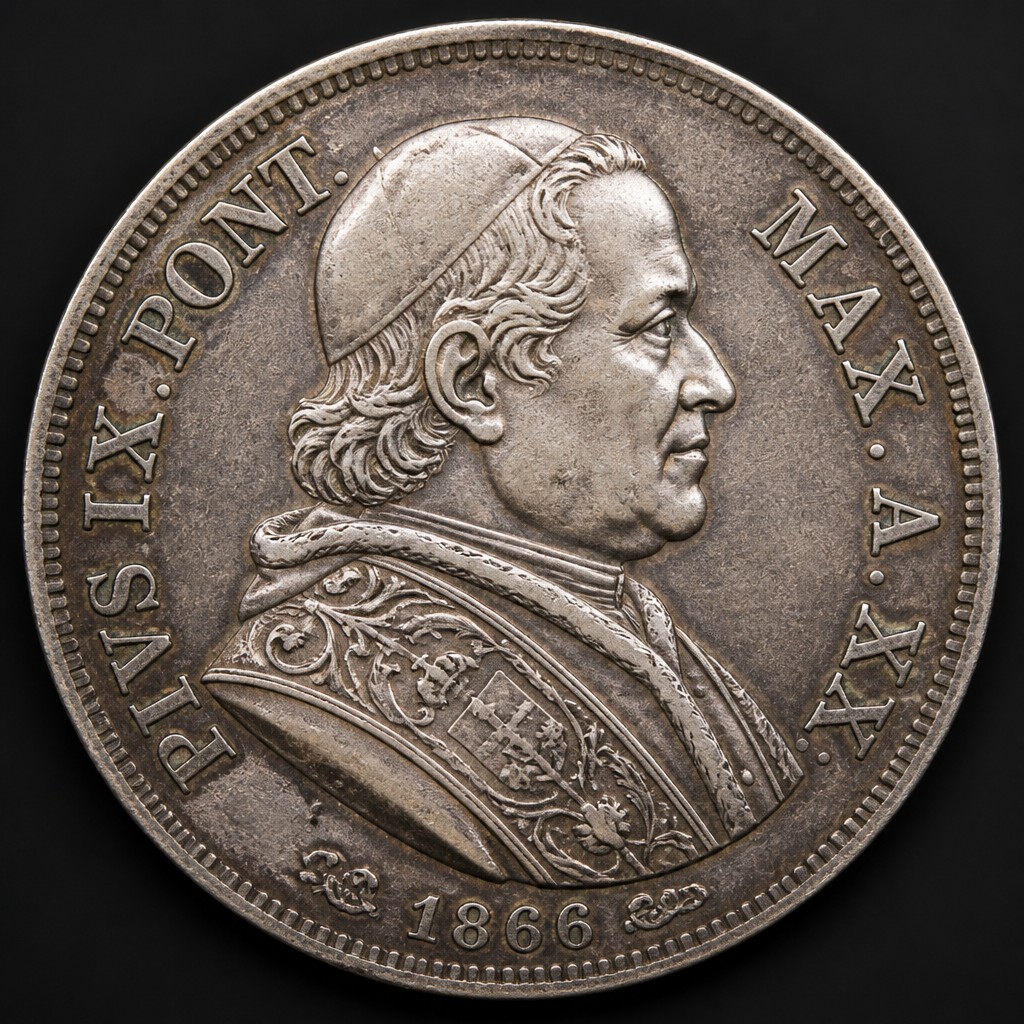
Papal States Scudo
16th century–1866
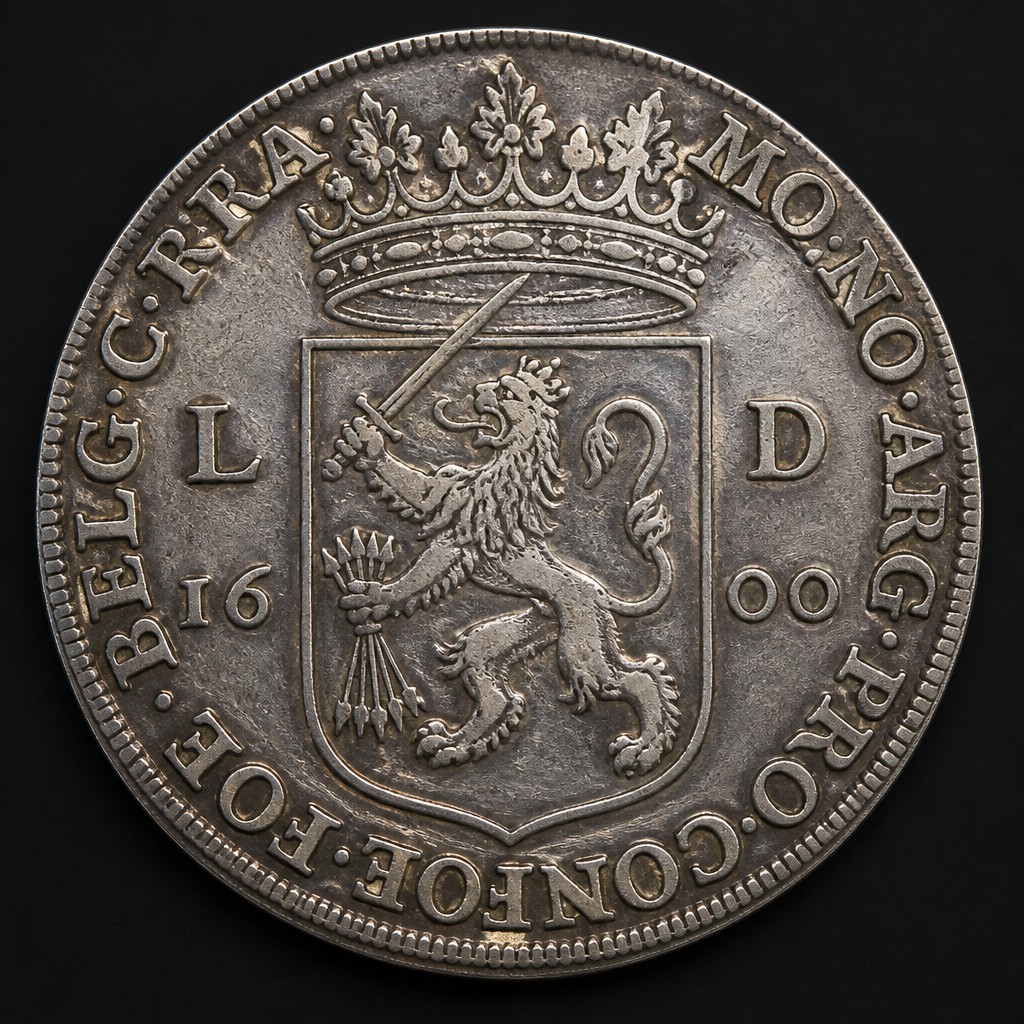
Netherlands Lion Daalder (Leeuwendaalder)
1575–1713
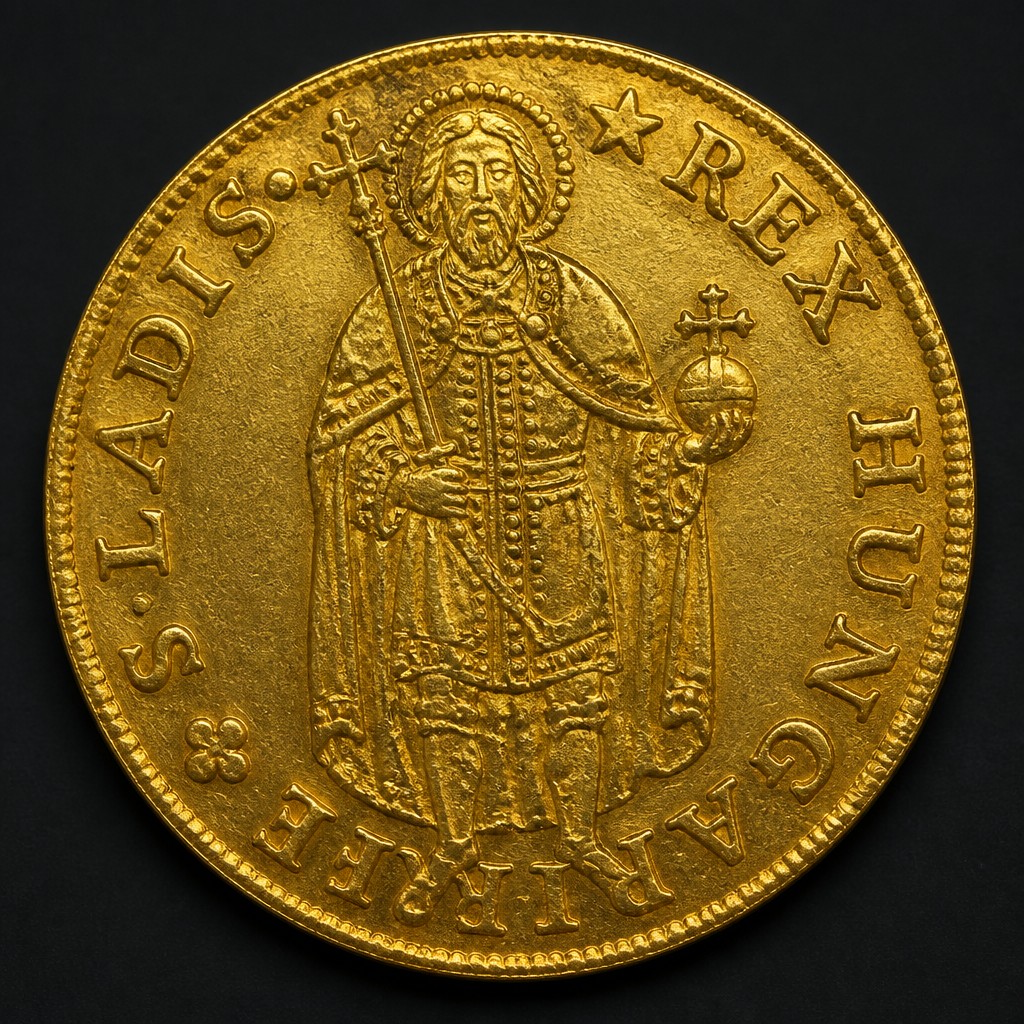
Hungarian Ducat
c. 1325–1918
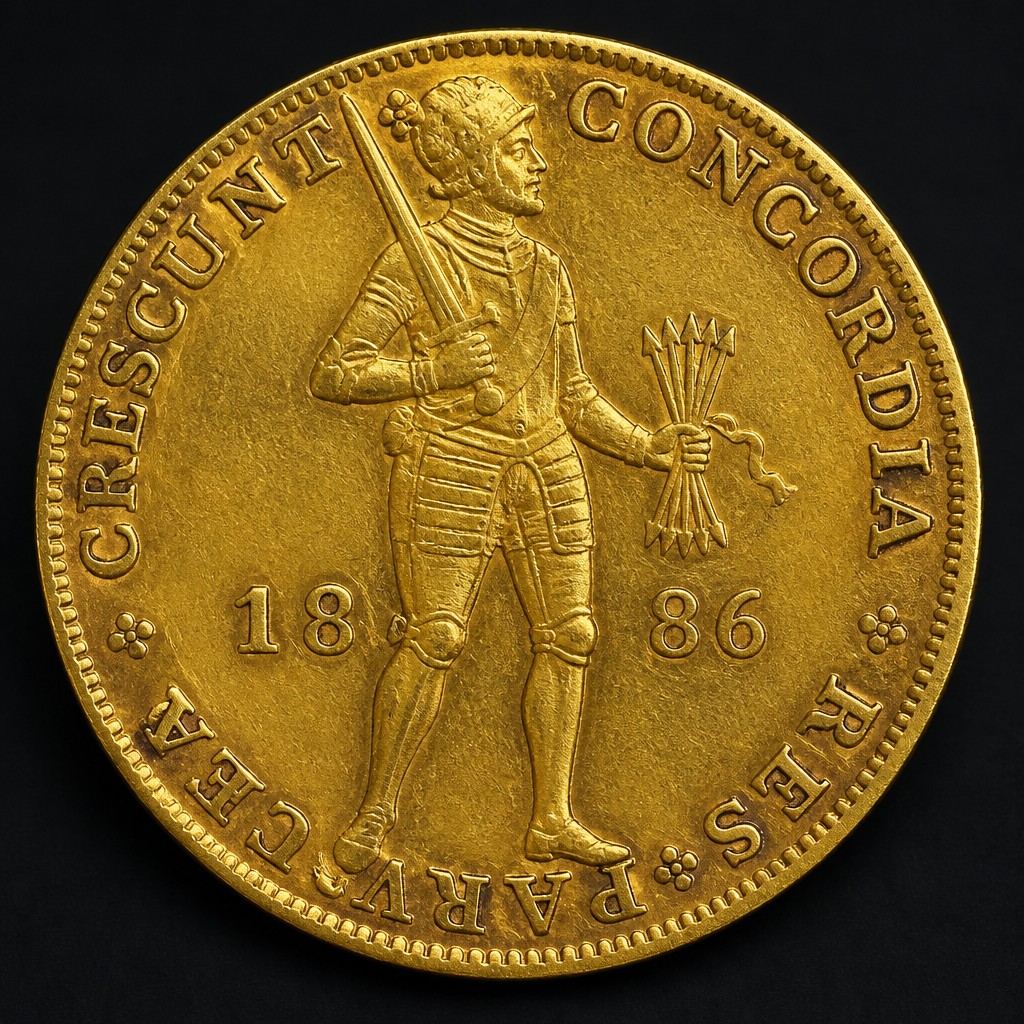
Dutch Ducat
c. 1586–present (classic type standardized after 1817)
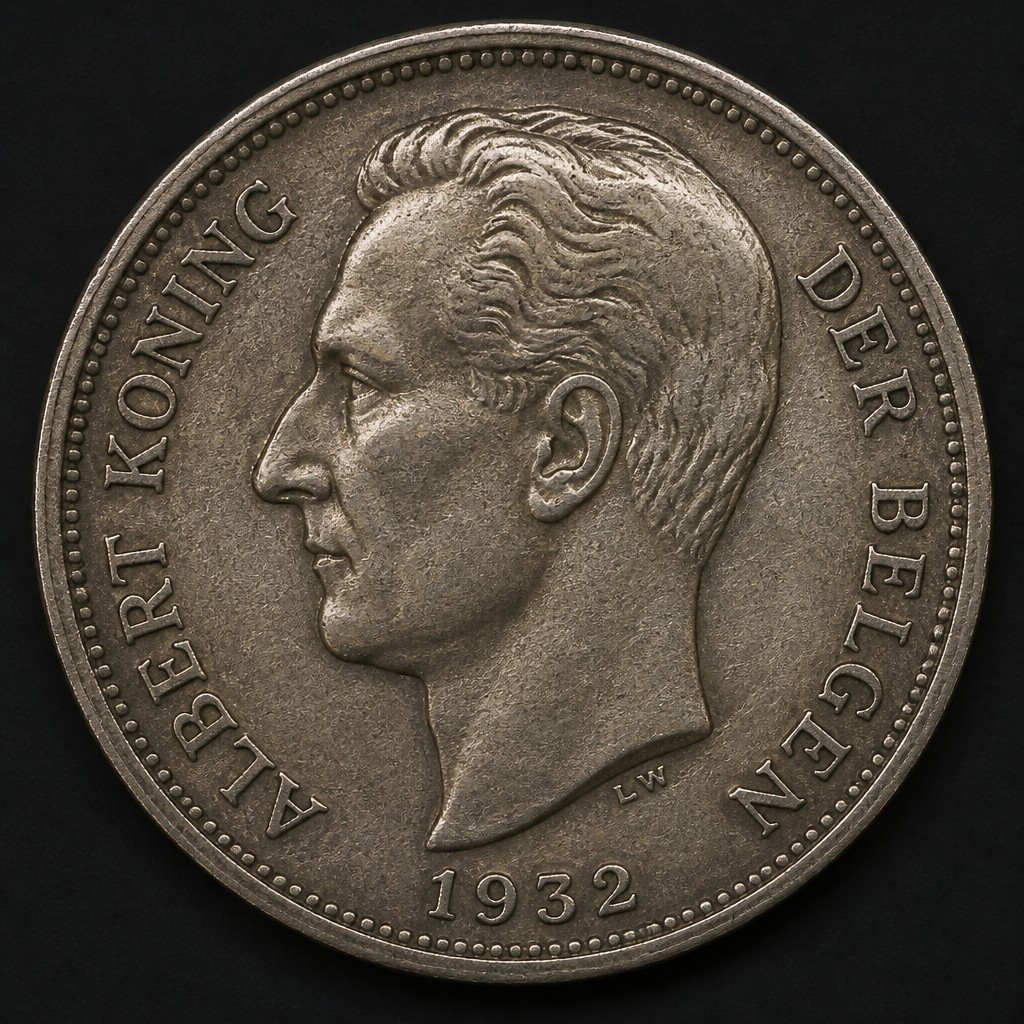
Belgian Franc
1832–2002
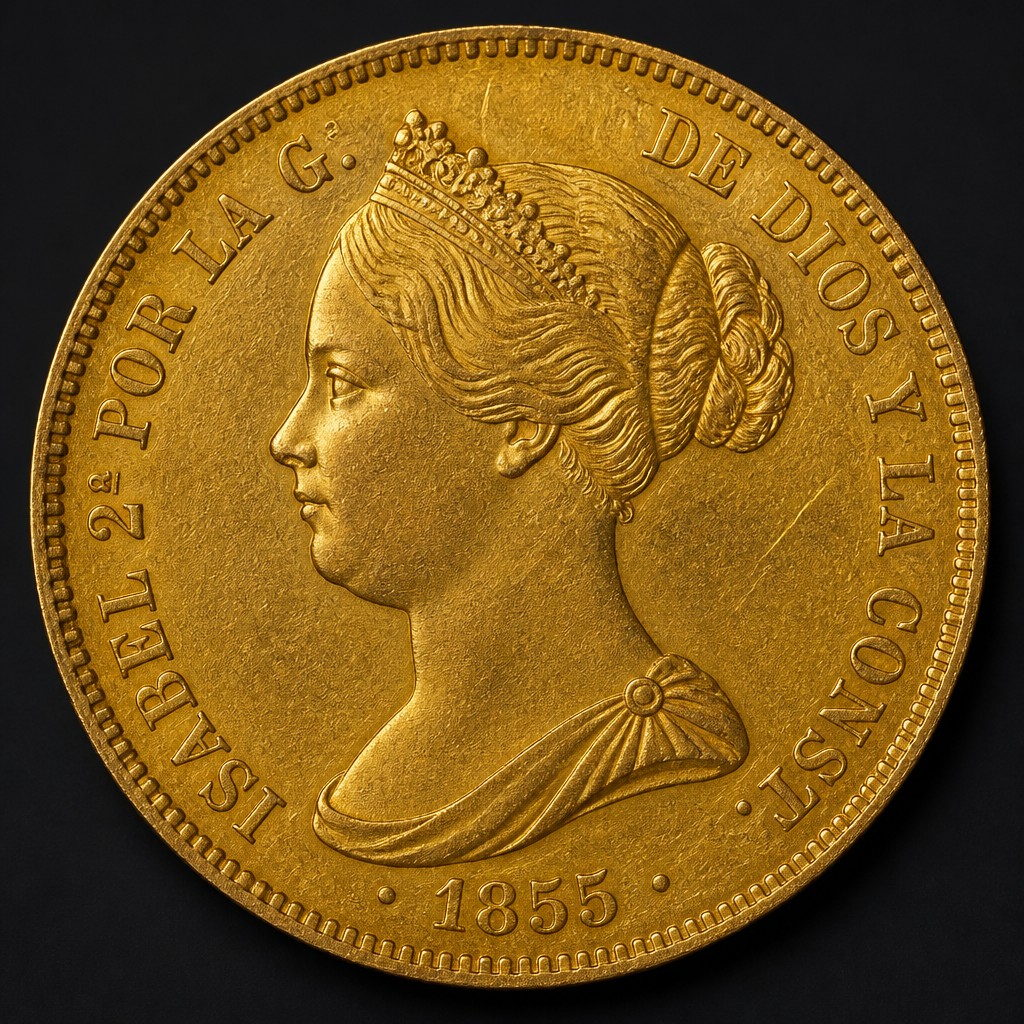
Spanish 100 Reales Gold (Isabel II)
1850s–1868
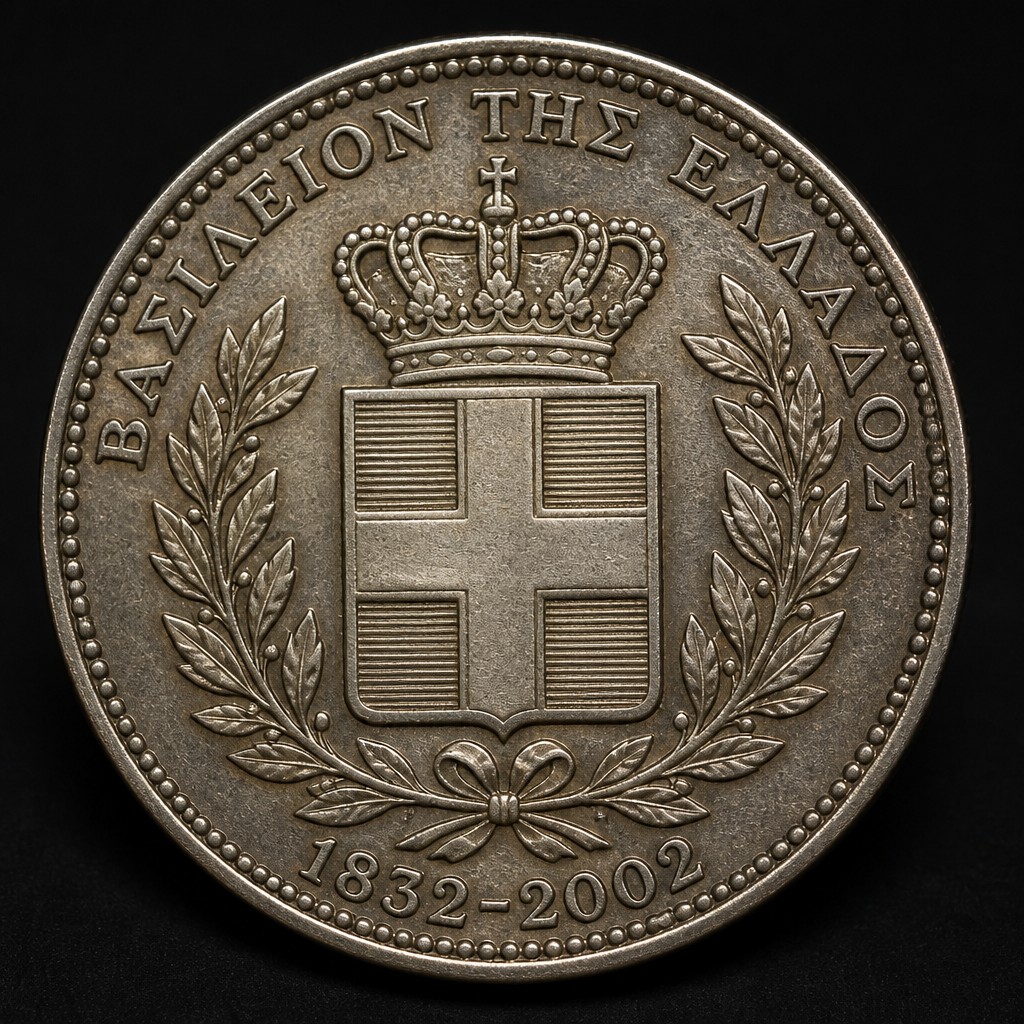
Greek Drachma
1832–2002
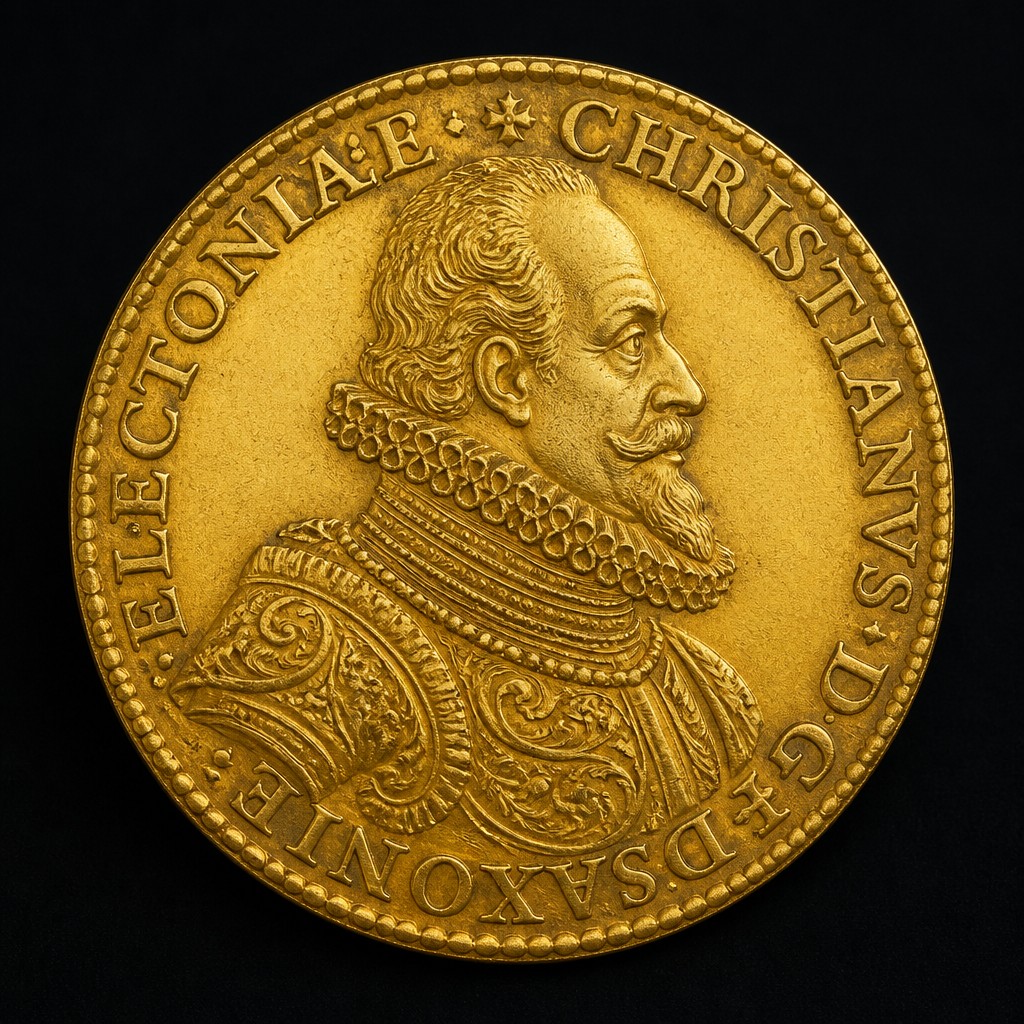
German Saxony Ducat
16th century–19th century
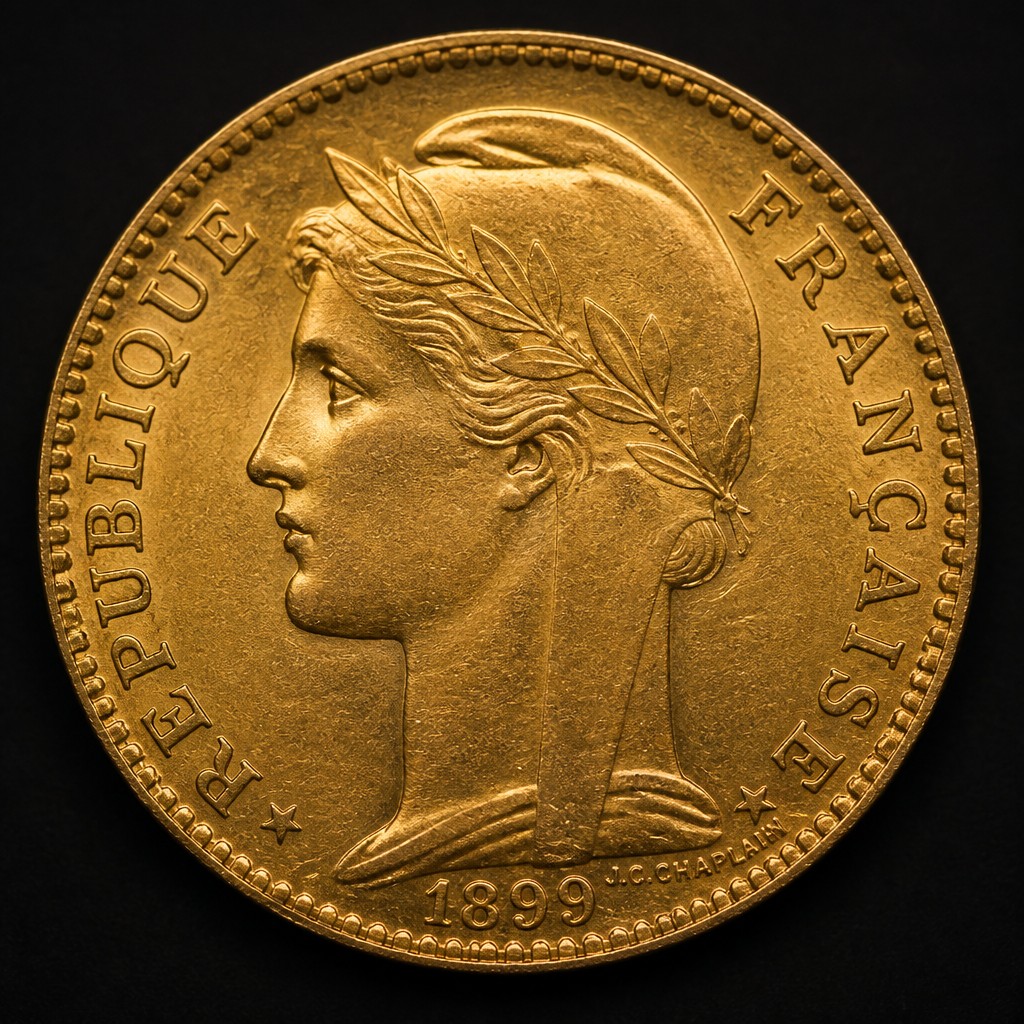
French 10 Francs Gold (Napoleon Rooster)
1899–1914
Netherlands 5 Gulden Gold
1826–1912 (intermittent)