
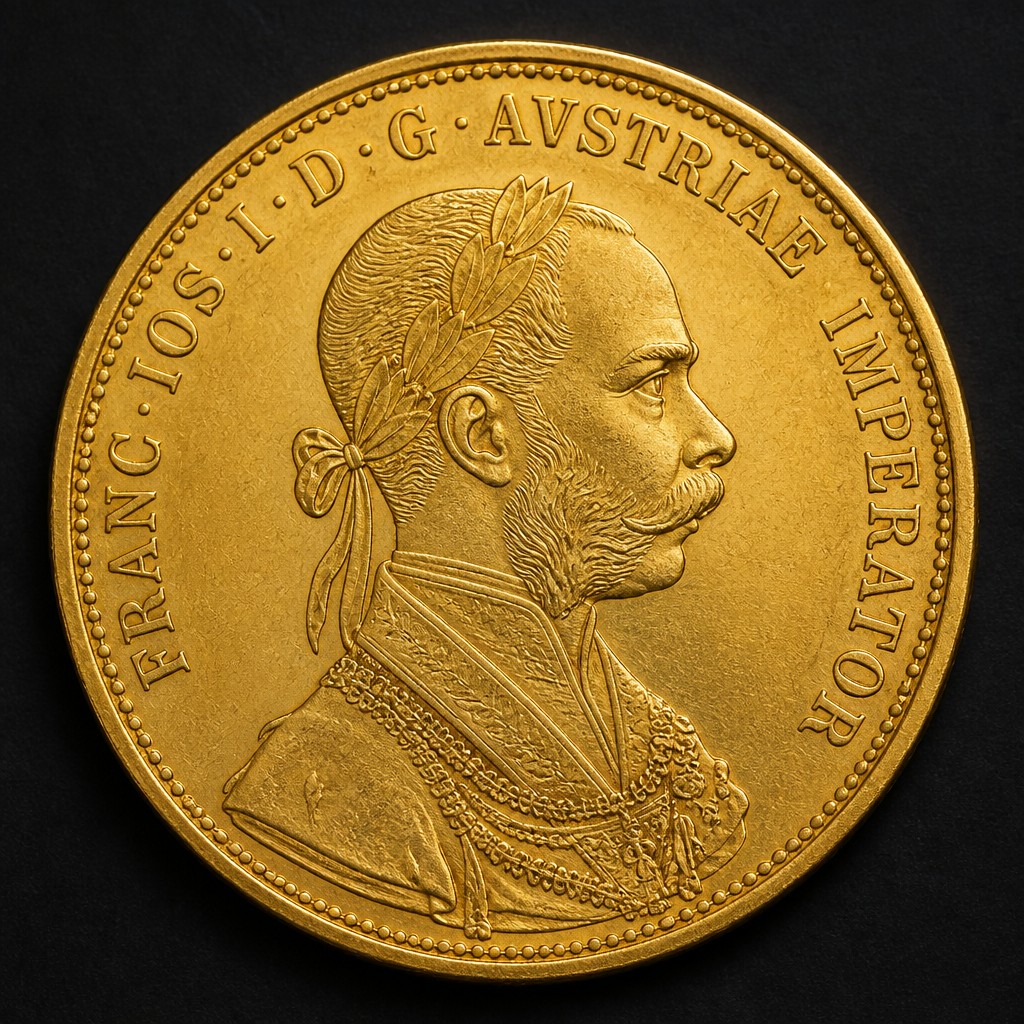
Austrian 20 Corona Gold
A compact gold coin of the Austro-Hungarian Empire depicting Emperor Franz Joseph I, widely available today as an accessible historic gold piece.
- Country
- Austria-Hungary
- Denomination
- 20 Corona
- Metal
- Gold (.900 fine)
Got a coin like this?
Identify any coin from a photo, free.
Overview
The Austrian 20 Corona is a modest-sized gold coin issued as part of the corona currency system adopted by Austria-Hungary in 1892, replacing the earlier florin/gulden standard. It bears the portrait of the long-reigning Emperor Franz Joseph I, whose 68-year rule spanned much of the coin's production run.
Like its larger companion the 100 Corona, the 20 Corona remains widely collected today largely because of extensive official restrikes, which keep genuine, attractively priced examples in steady supply for both new collectors and gold accumulators.
History & Background
Austria-Hungary adopted the corona/krone gold standard in 1892 as part of a broader currency reform effort, with the 20 Corona and 10 Corona forming the principal gold circulation coinage of the era. Franz Joseph I's portrait appeared throughout the coin's production, updated periodically to reflect his aging appearance.
Following the empire's dissolution after World War I, the 1915-dated 20 Corona, like the 100 Corona, was kept in official production as a restrike specifically intended for the bullion and souvenir gold market, a practice that has continued intermittently for much of the 20th century.
How to Identify
The obverse shows a right-facing portrait bust of Franz Joseph I with a Latin legend identifying him as Emperor of Austria and Apostolic King of Hungary. The reverse depicts the crowned Austro-Hungarian double-headed eagle with orb and scepter, flanked by the denomination and date.
The coin measures about 21 mm in diameter and weighs roughly 6.78 grams, containing approximately 0.1960 troy ounces of pure gold, making it noticeably smaller and lighter than the 100 Corona. As with the 100 Corona, essentially all pieces in the market carry the 1915 date due to the long restrike program, so dating by year alone does not distinguish original from restrike issues.
Collectors should take care not to confuse the 20 Corona with the similarly sized 20 Francs or 20 Lire gold coins of other European nations, which share comparable size but differ in design, legend, and precise gold content.
Value & Collectibility
As with the 100 Corona, the vast majority of 20 Coronas encountered are 1915-dated official restrikes produced over many decades, so pricing tracks gold spot value closely with a modest numismatic premium. Genuine pre-1915 dated originals are less common and can bring a small additional premium among specialists.
Given its smaller size and lower gold content compared to the 100 Corona, the 20 Corona is often chosen by collectors seeking a more affordable entry point into historic Austro-Hungarian gold, typically priced from gold melt value up to a modest percentage premium.
Frequently asked questions
How much gold is in a 20 Corona?
It contains approximately 0.1960 troy ounces of pure gold within a coin weighing 6.78 grams at .900 fineness.
Why do almost all 20 Coronas say 1915?
The Austrian Mint restruck the 1915-dated design officially for decades afterward specifically for the bullion market, so that date dominates the surviving population.
Is the 20 Corona a good starter gold coin?
It's often considered an accessible, historically interesting option due to its smaller size, moderate cost, and wide availability, though it should be evaluated like any gold purchase on its own merits.
What mint mark appears on Kremnitz strikes?
Coins struck at the Kremnitz mint (in modern Slovakia) carry a 'KB' mint mark, distinguishing them from the more common Vienna mint issues.
Other coins you may enjoy
Polish-Lithuanian Thaler
circa 16th–18th century
Reichsthaler
circa 1566–early 19th century
Papal States Scudo
16th century–1866
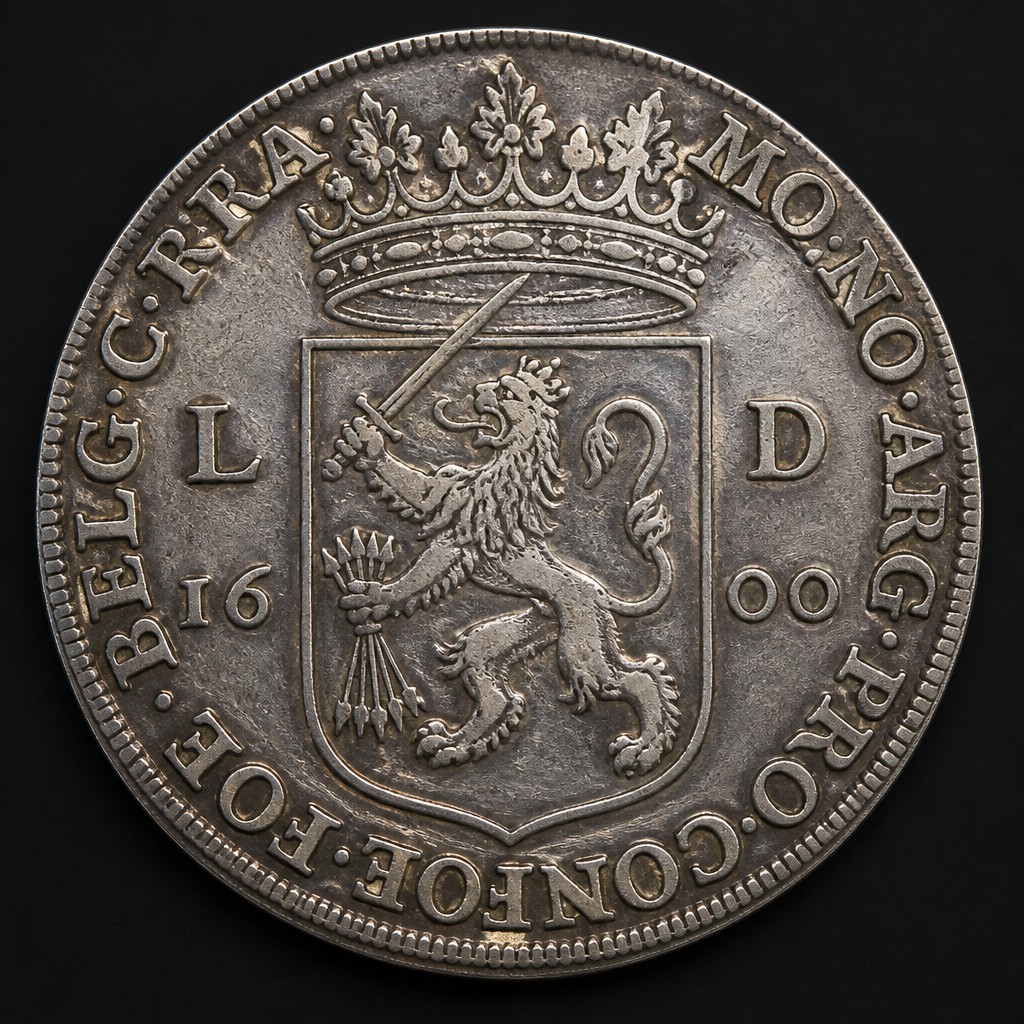
Netherlands Lion Daalder (Leeuwendaalder)
1575–1713
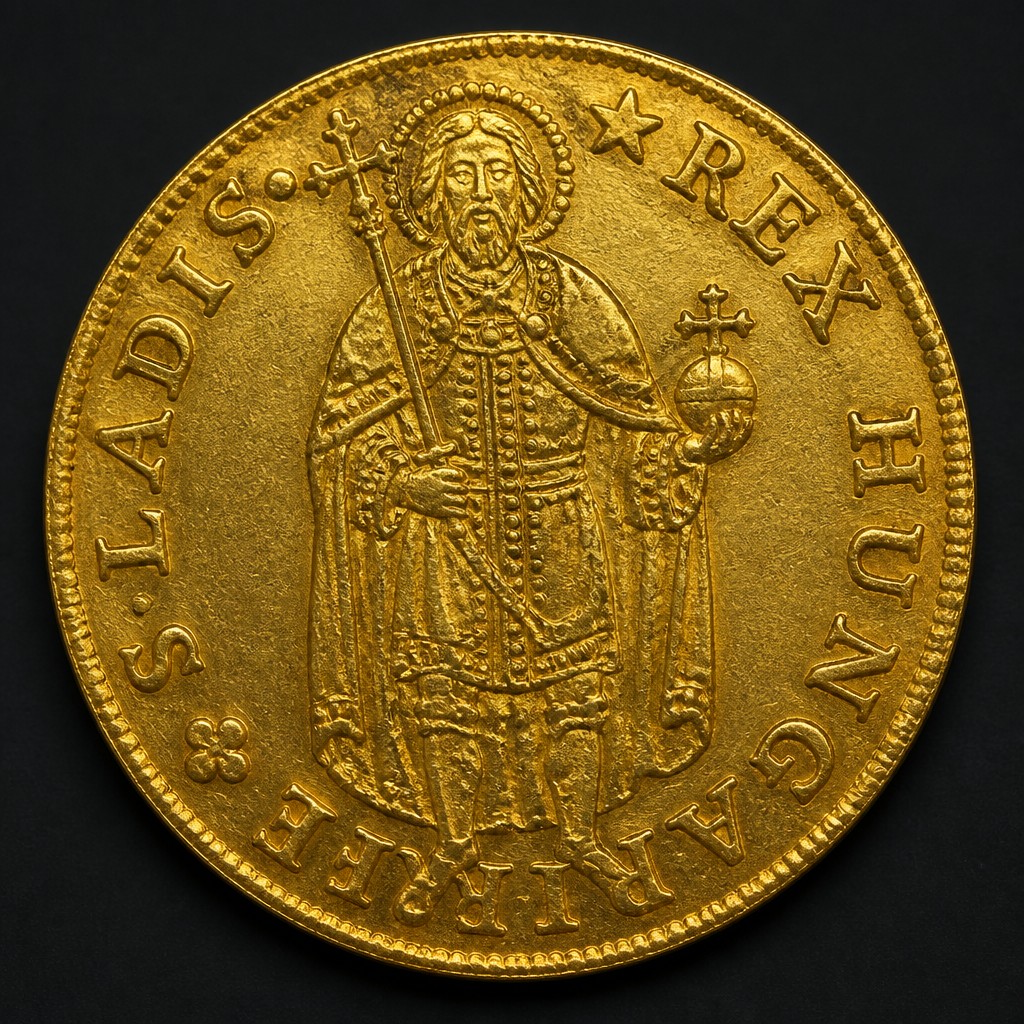
Hungarian Ducat
c. 1325–1918
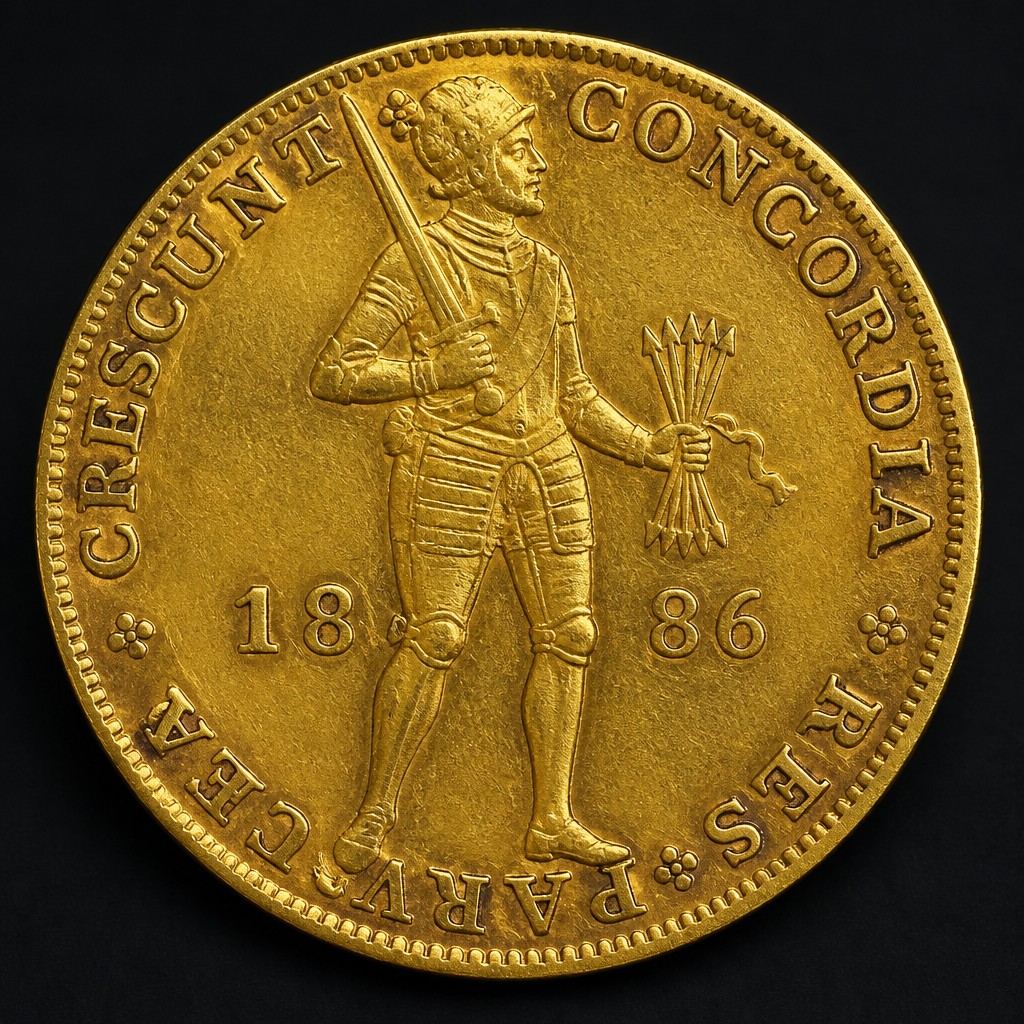
Dutch Ducat
c. 1586–present (classic type standardized after 1817)
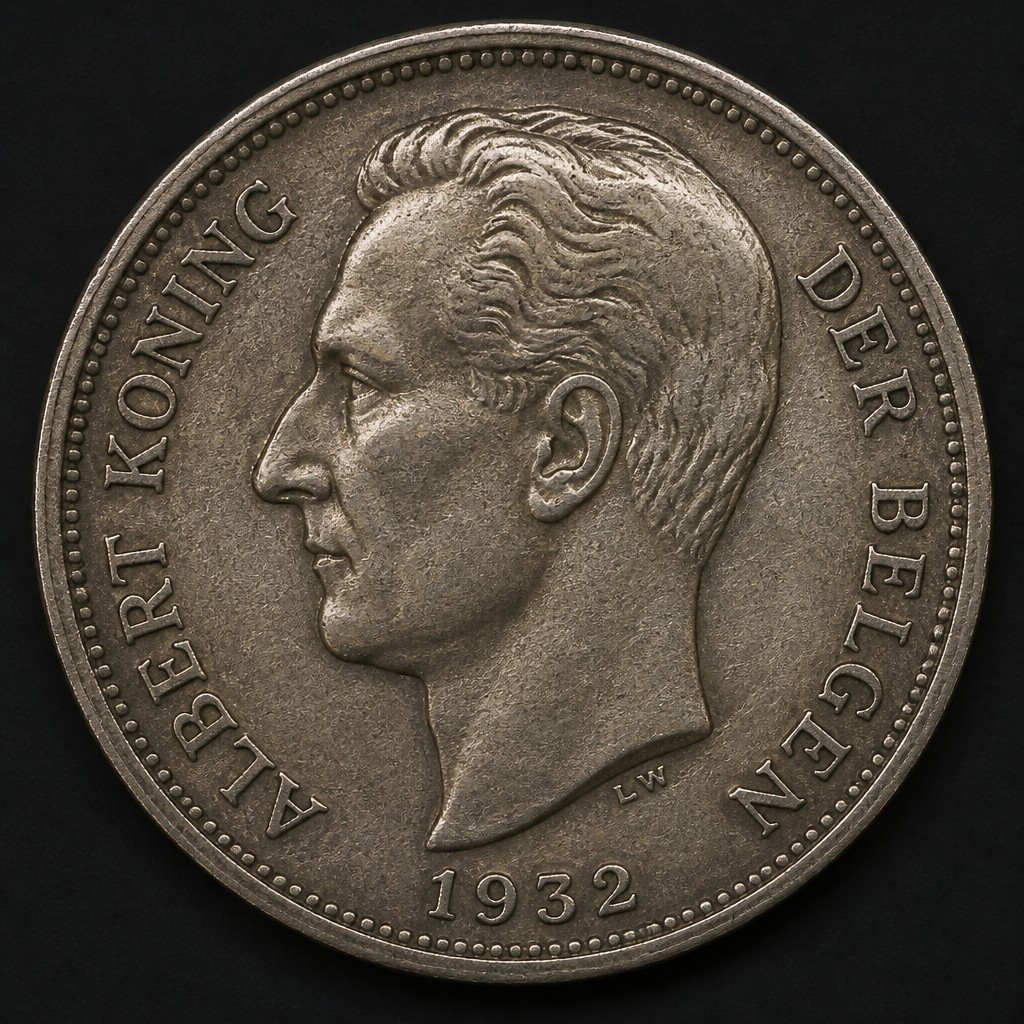
Belgian Franc
1832–2002
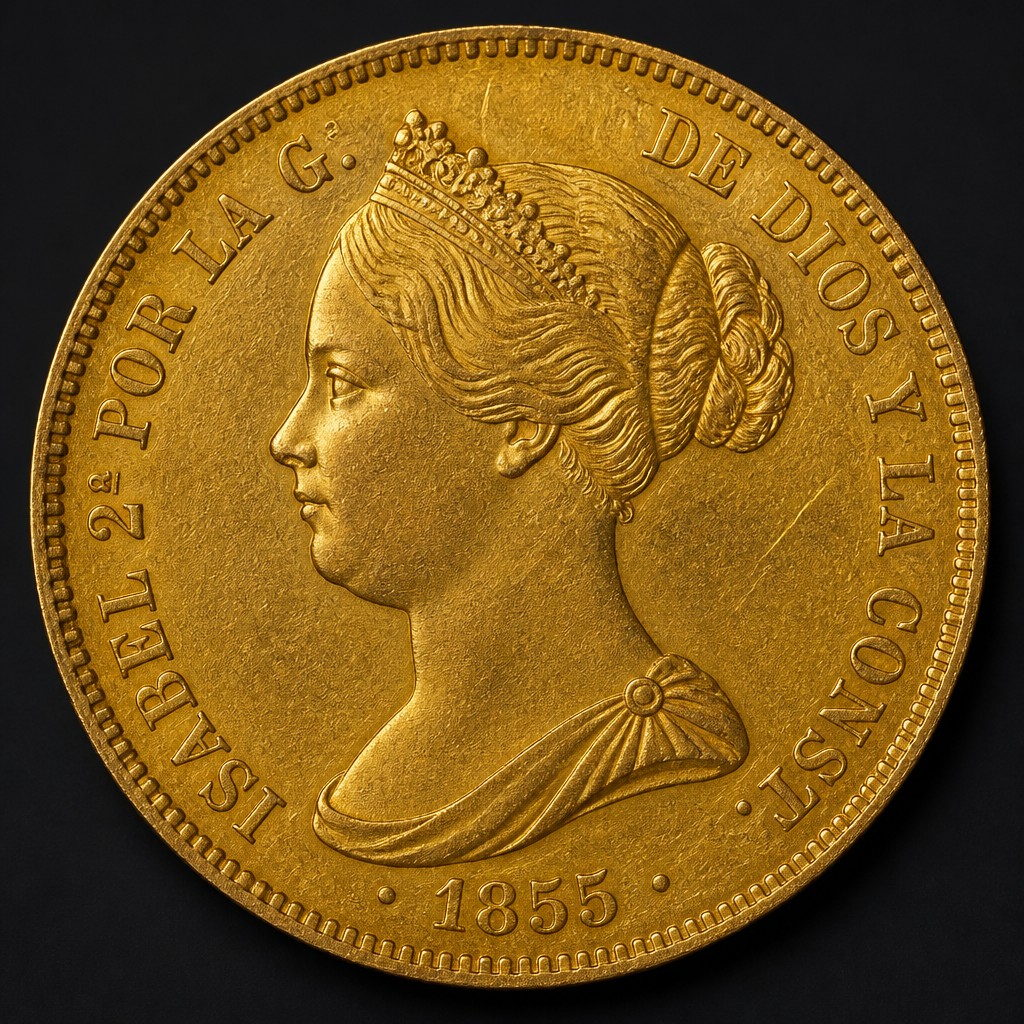
Spanish 100 Reales Gold (Isabel II)
1850s–1868
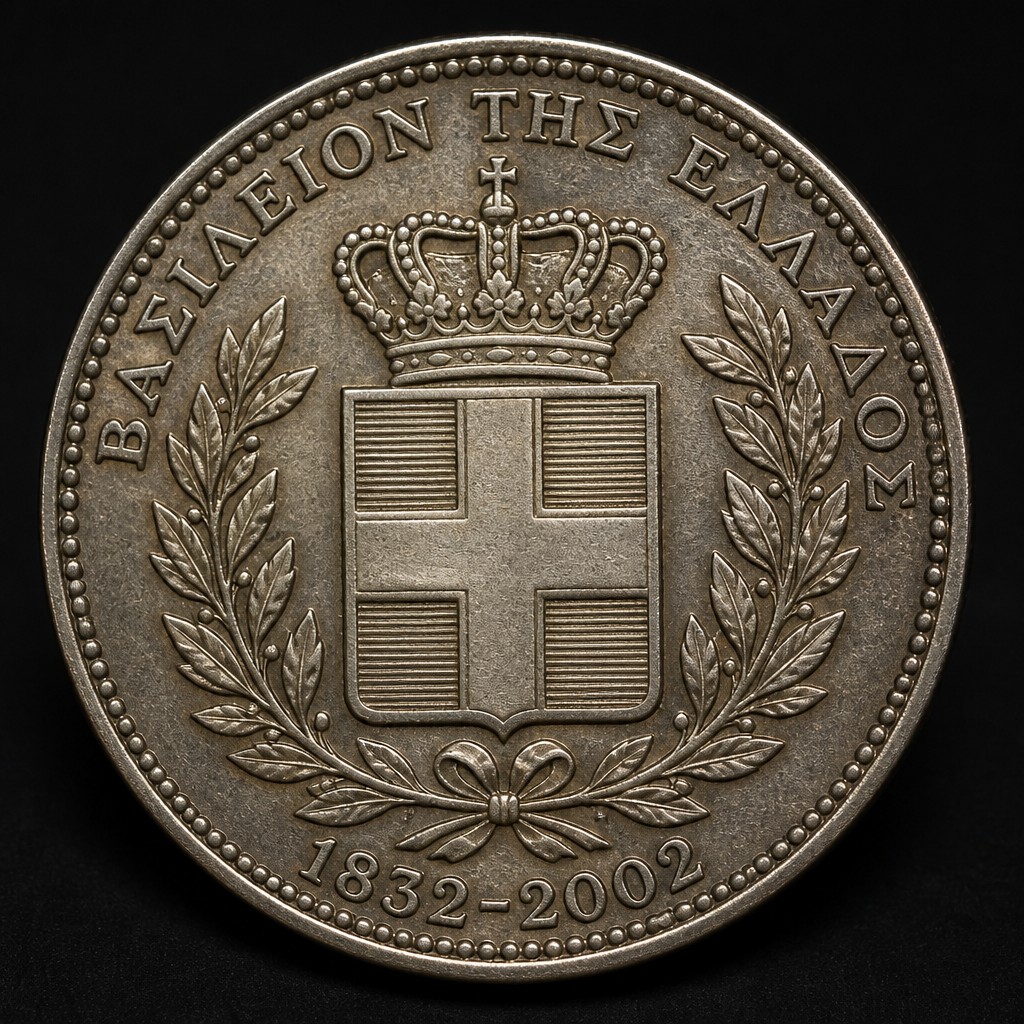
Greek Drachma
1832–2002
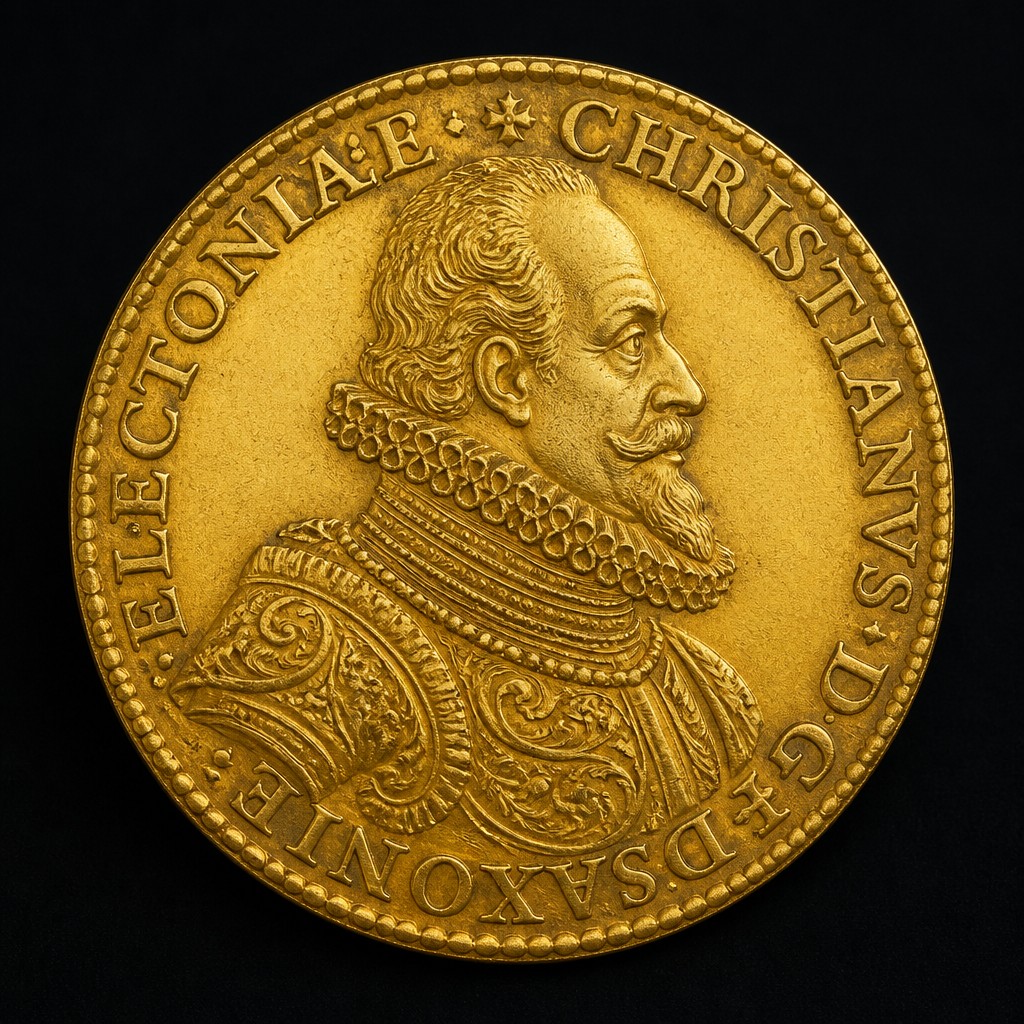
German Saxony Ducat
16th century–19th century
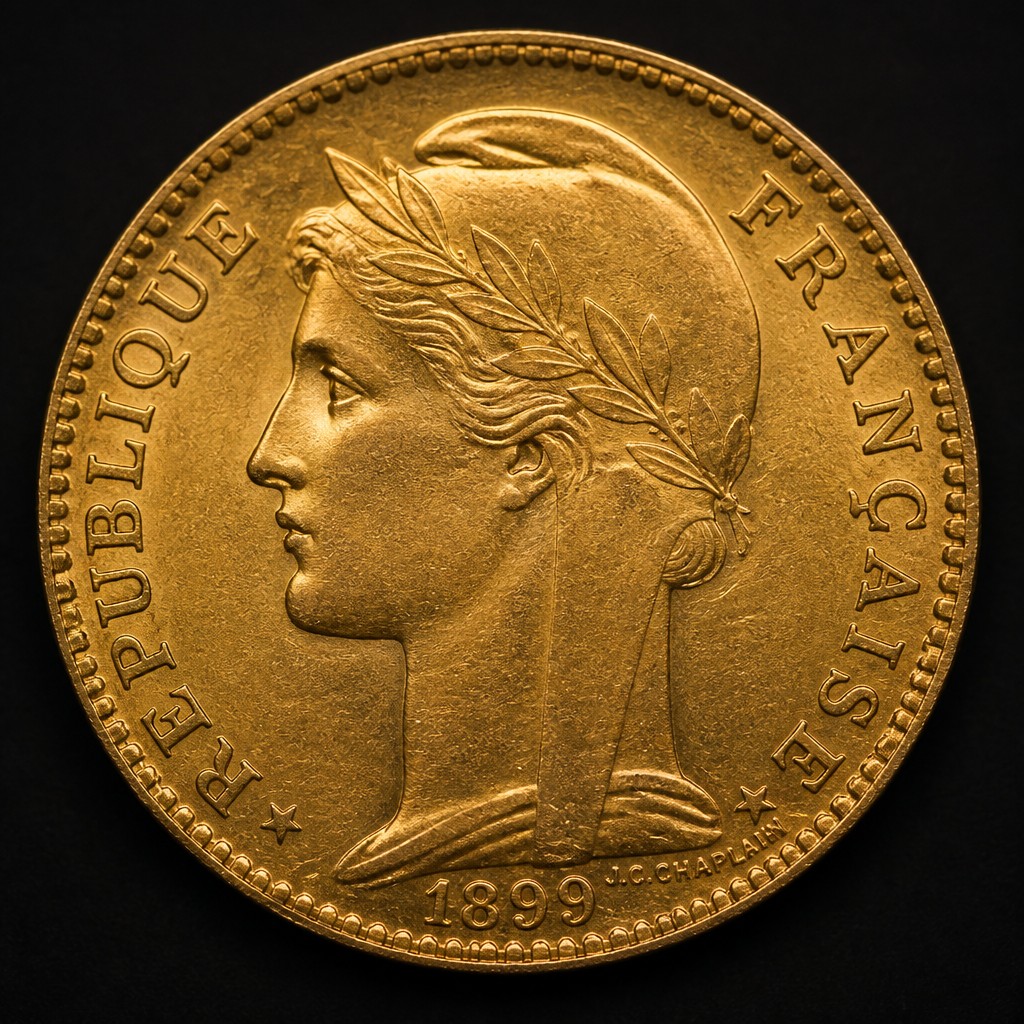
French 10 Francs Gold (Napoleon Rooster)
1899–1914
Netherlands 5 Gulden Gold
1826–1912 (intermittent)