
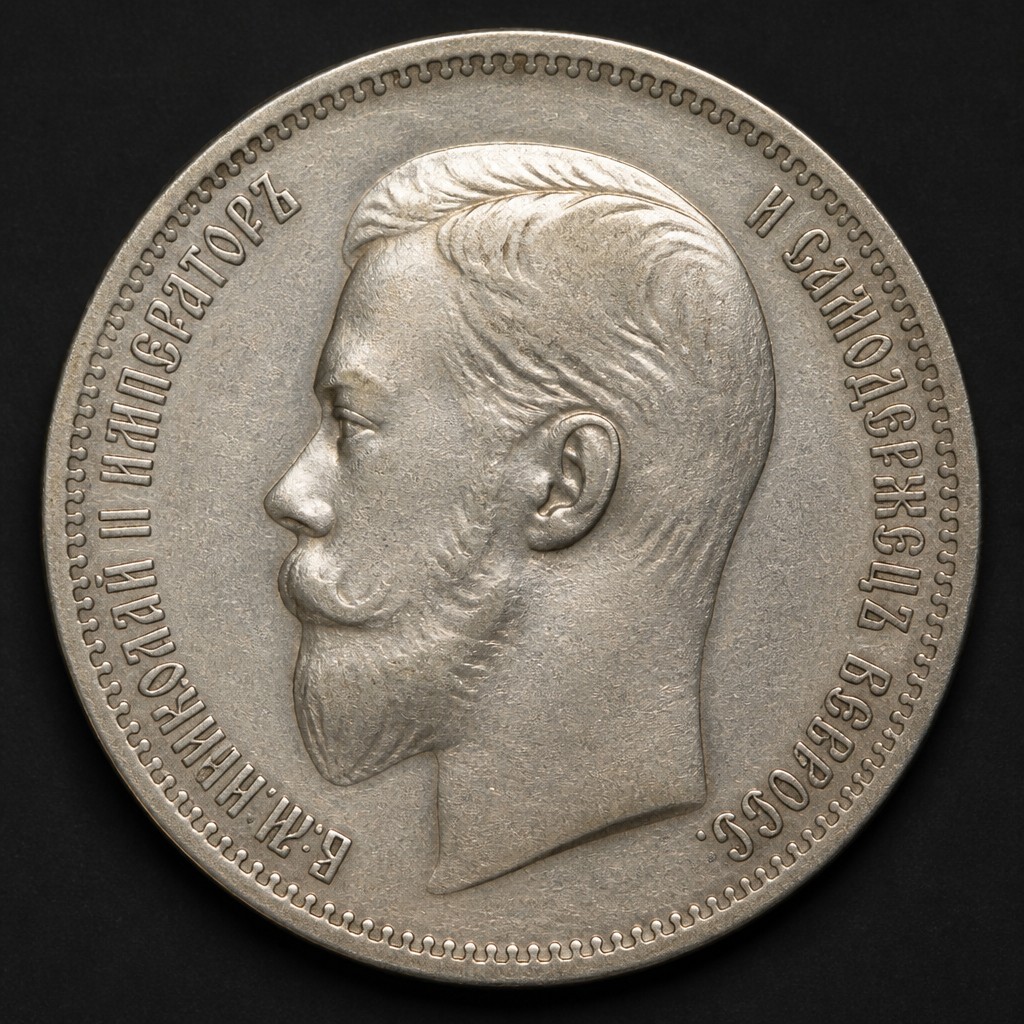
Russian Ruble (Imperial)
The principal silver coin of the Russian Empire, struck for over two centuries and bearing the portraits of successive tsars and the imperial double-headed eagle.
- Country
- Imperial Russia
- Denomination
- One Ruble
- Metal
- Silver (typically .868 or .900 fine)
Got a coin like this?
Identify any coin from a photo, free.
Overview
The Imperial Russian ruble is the large silver crown-sized coin that anchored Russia's monetary system from the reign of Peter the Great through the fall of the Romanov dynasty. It is a favorite among world coin collectors both for its imposing size and for the parade of tsarist portraits it carries across more than two centuries.
Because rubles were issued under many different rulers, from Peter I through Nicholas II, collectors often build sets by reign, portrait type, or commemorative issue rather than treating the ruble as a single uniform coin. Its heavy silver content and strong artistic engraving also make it popular with collectors of European crown-sized coinage generally.
The ruble's production ended with the Russian Revolution, giving late imperial issues (especially those of Nicholas II) added historical resonance as relics of a vanished empire.
History & Background
Peter the Great introduced the modern Russian ruble in 1704 as part of his sweeping westernizing currency reforms, modeling it on European thaler-sized silver coins. Over the following two centuries, the ruble was struck under nearly every tsar, with obverse portraits changing to reflect each new ruler, from Peter I and Catherine the Great to Alexander I, Nicholas I, Alexander II, Alexander III, and finally Nicholas II.
Beyond standard circulation issues, the Imperial mints also struck special commemorative rubles to mark coronations, monuments, battles, and dynastic anniversaries, some of which are now landmark rarities in Russian numismatics. The St. Petersburg Mint was the primary producer for most of the period, with the Moscow Mint also striking coinage at various times.
Ruble production as an imperial coin ended with the 1917 Revolution and the abdication of Nicholas II, after which the new Soviet state introduced its own currency system.
How to Identify
Imperial rubles are large silver coins, generally comparable in size to other European crown coins, with a portrait of the reigning tsar (or, on earlier issues, an imperial monogram) on the obverse and the Russian double-headed eagle or a denomination/wreath design on the reverse. Legends are in Imperial Russian (pre-reform Cyrillic), typically giving the ruler's name and title along with the date, often in old Church Slavonic-style numeral or Arabic date form depending on era.
Mint marks and mintmaster initials appear in small letters near the rim on many issues, most commonly СПБ for St. Petersburg, sometimes paired with the initials of the mintmaster of the day. Edge treatment varies by period, ranging from lettered edges on some fixed-denomination issues to reeded edges on others.
Because the same basic ruble format was used across many reigns, correct identification depends on matching the obverse portrait or cipher to the specific tsar and reading the date and mintmaster initials carefully; commemorative rubles have distinct, non-portrait reverse designs tied to a specific historic event.
Value & Collectibility
Common circulation rubles from the 19th century in worn condition are generally affordable and accessible to beginning collectors of world silver coinage, while well-preserved examples with strong detail command higher premiums. Value rises sharply for scarcer reigns, early Peter the Great issues, and especially for commemorative rubles tied to coronations or major historical events, some of which are recognized as major rarities worth thousands of dollars or more.
Nicholas II era rubles, including both standard and commemorative types, are widely collected and prices vary enormously by specific date, mint, and condition. As with all pre-revolutionary Russian coinage, buyers should be attentive to the well-documented history of later restrikes and counterfeits of the rarer commemorative types.
Frequently asked questions
Who introduced the modern Russian ruble coin?
Peter the Great introduced the large silver ruble in 1704 as part of his currency reforms modeled on European coinage.
What does the double-headed eagle represent?
It is the imperial coat of arms of Russia, symbolizing the tsar's authority over both the eastern and western halves of the empire.
What does 'СПБ' mean on a ruble?
СПБ is a mint mark abbreviation for St. Petersburg, the main mint that produced Imperial Russian coinage.
Are all Imperial rubles rare?
No. Many 19th-century circulation rubles are relatively common and affordable, while specific commemorative and early issues are true rarities.
When did Russia stop making Imperial rubles?
Production ended around the 1917 Revolution, after which the Soviet government introduced new coinage.
Other coins you may enjoy
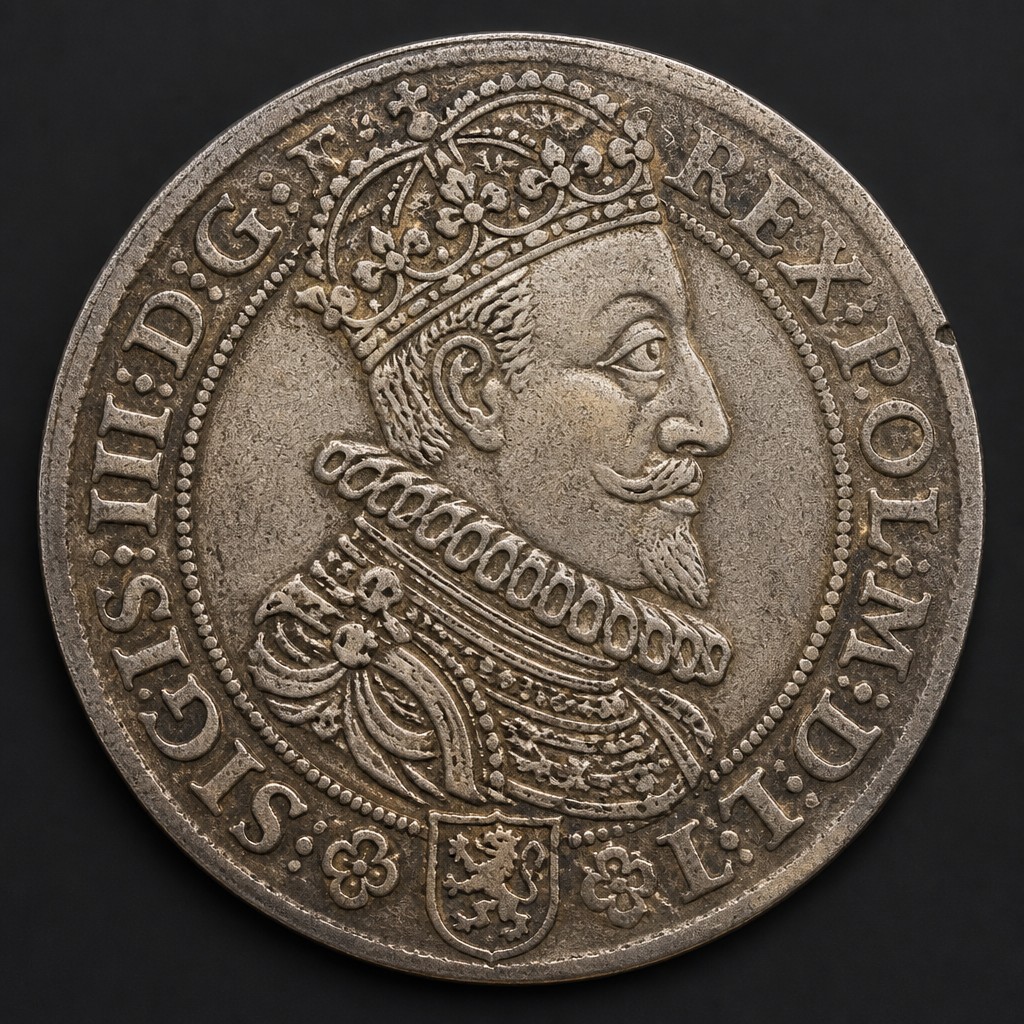
Polish-Lithuanian Thaler
circa 16th–18th century
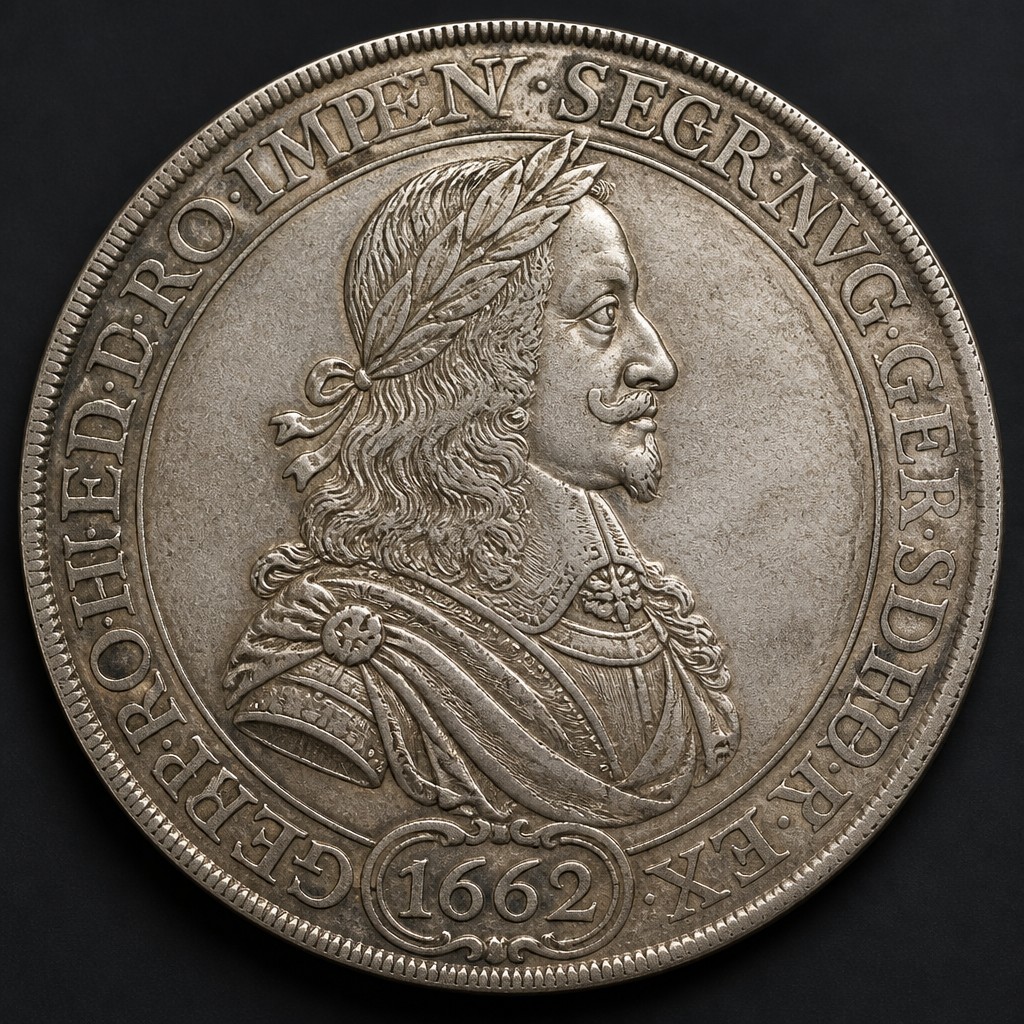
Reichsthaler
circa 1566–early 19th century
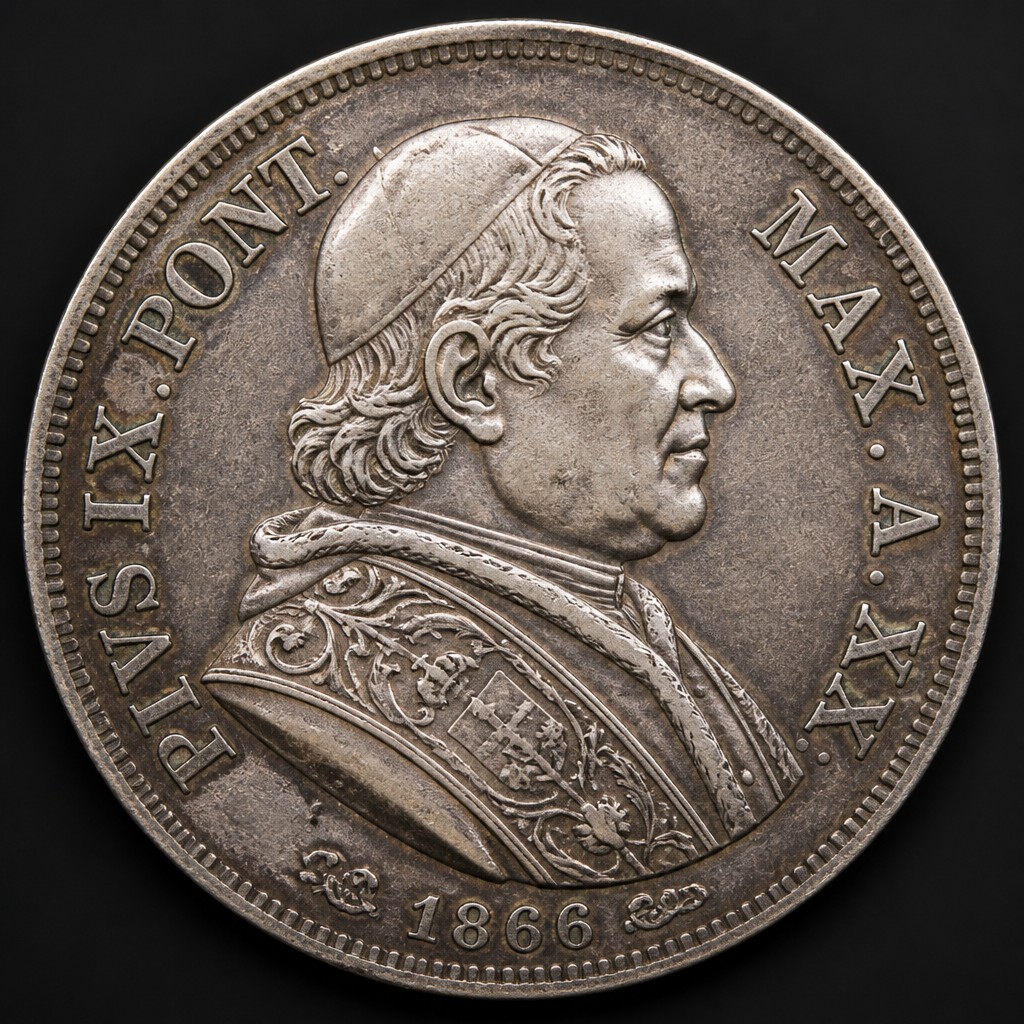
Papal States Scudo
16th century–1866
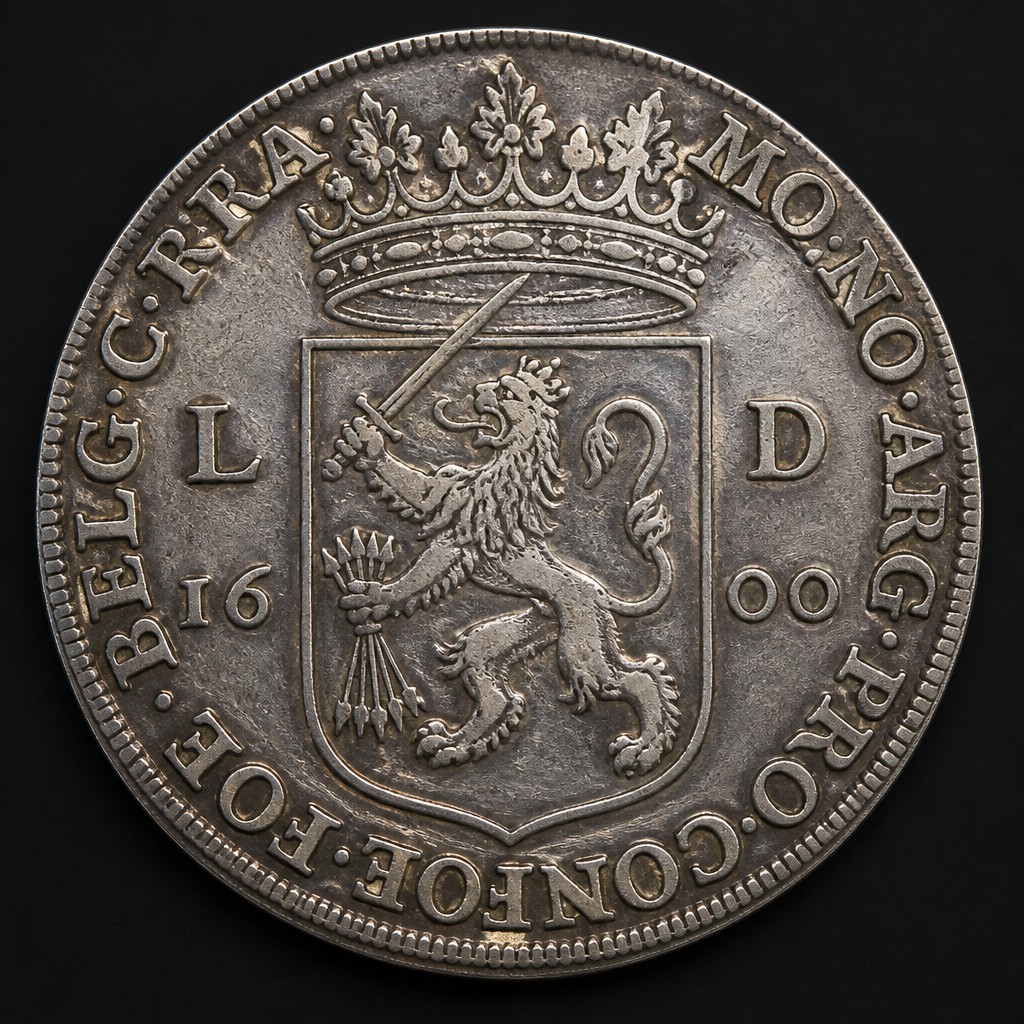
Netherlands Lion Daalder (Leeuwendaalder)
1575–1713
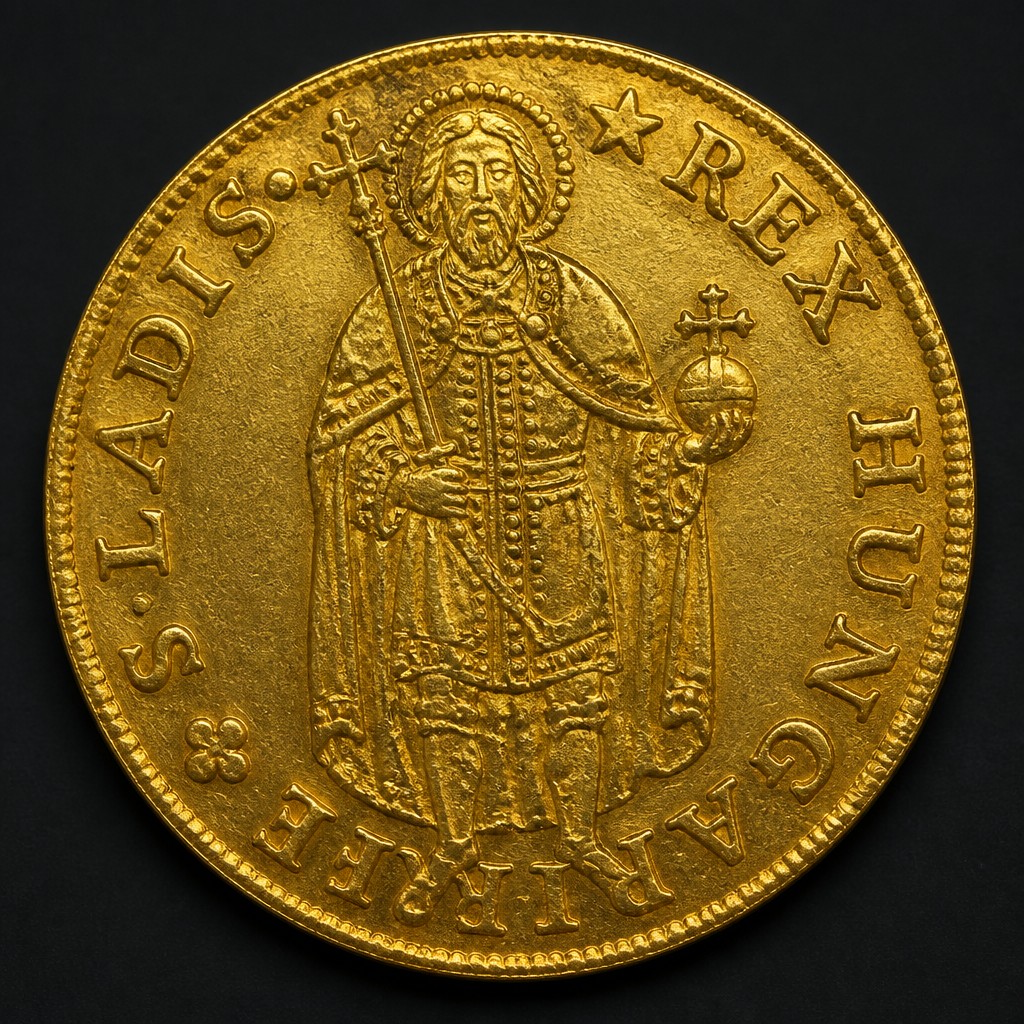
Hungarian Ducat
c. 1325–1918
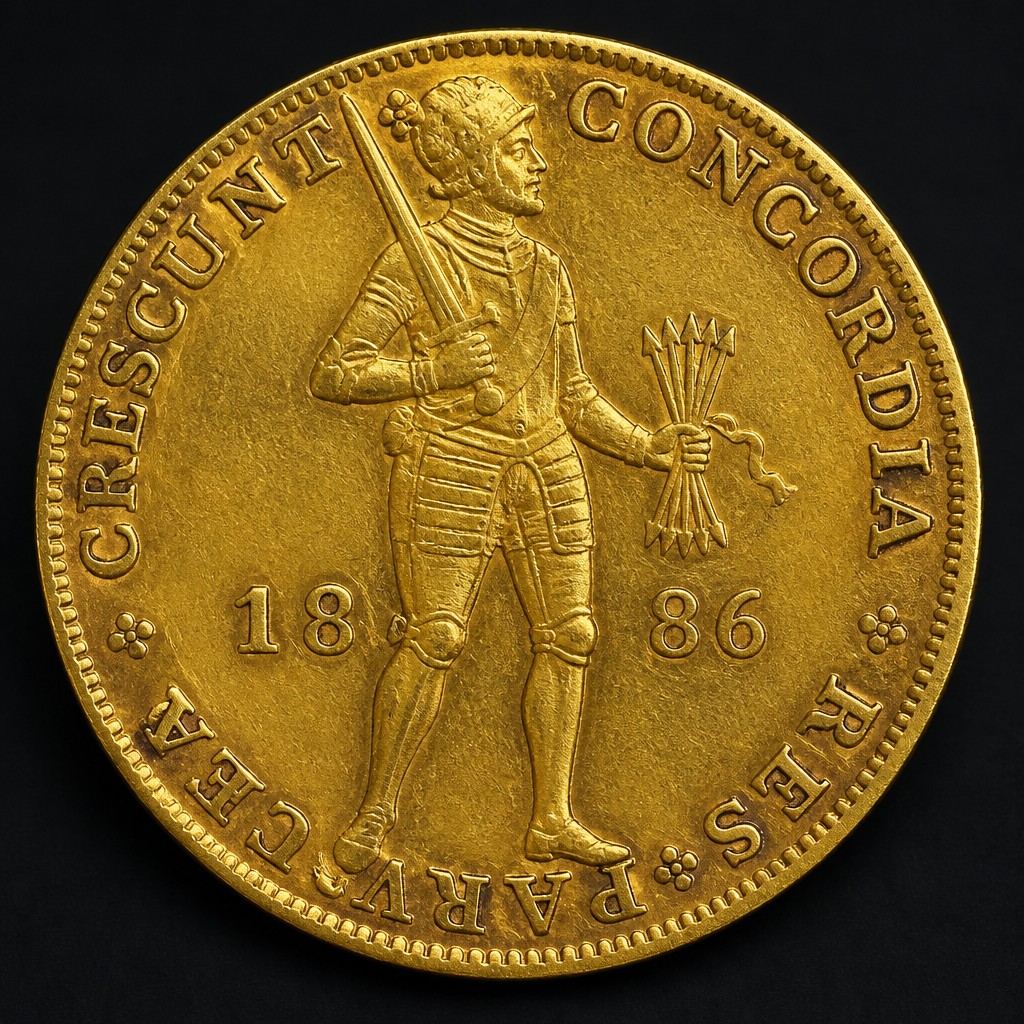
Dutch Ducat
c. 1586–present (classic type standardized after 1817)
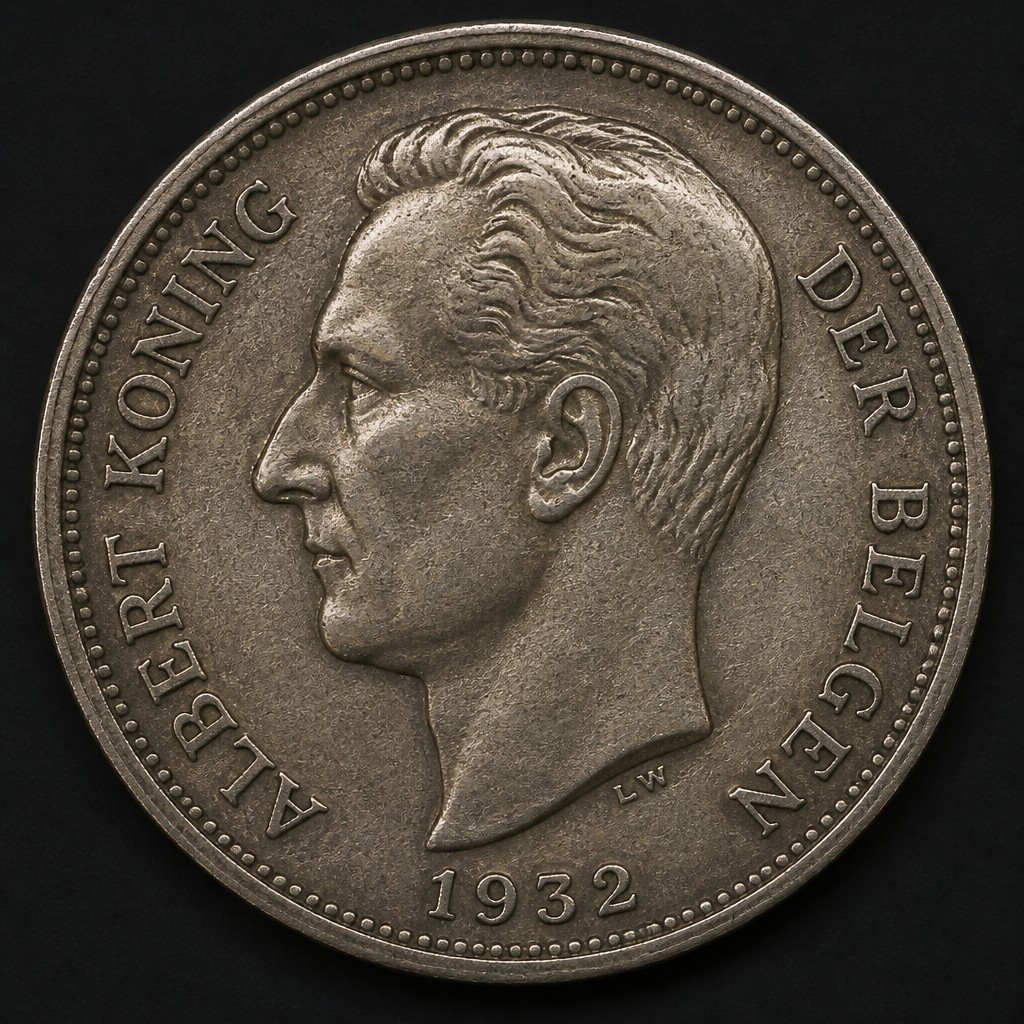
Belgian Franc
1832–2002
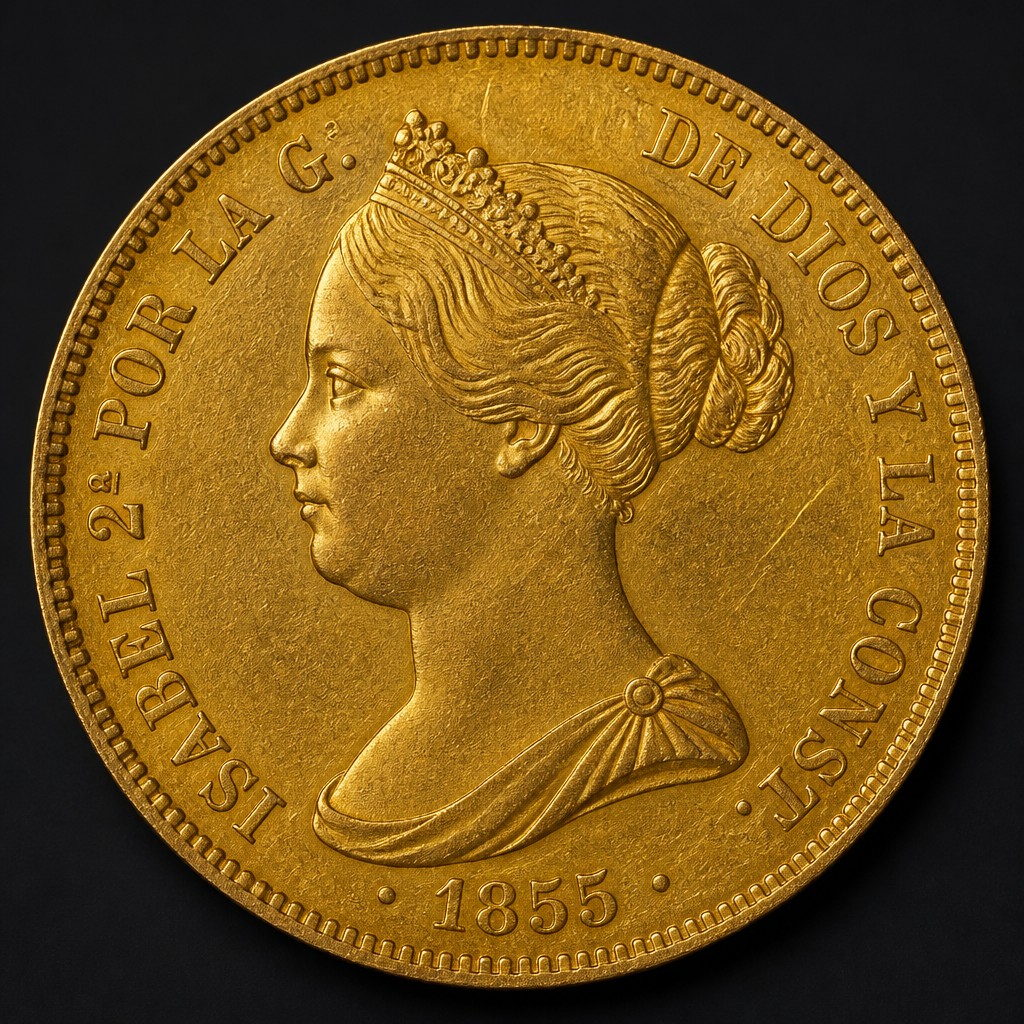
Spanish 100 Reales Gold (Isabel II)
1850s–1868
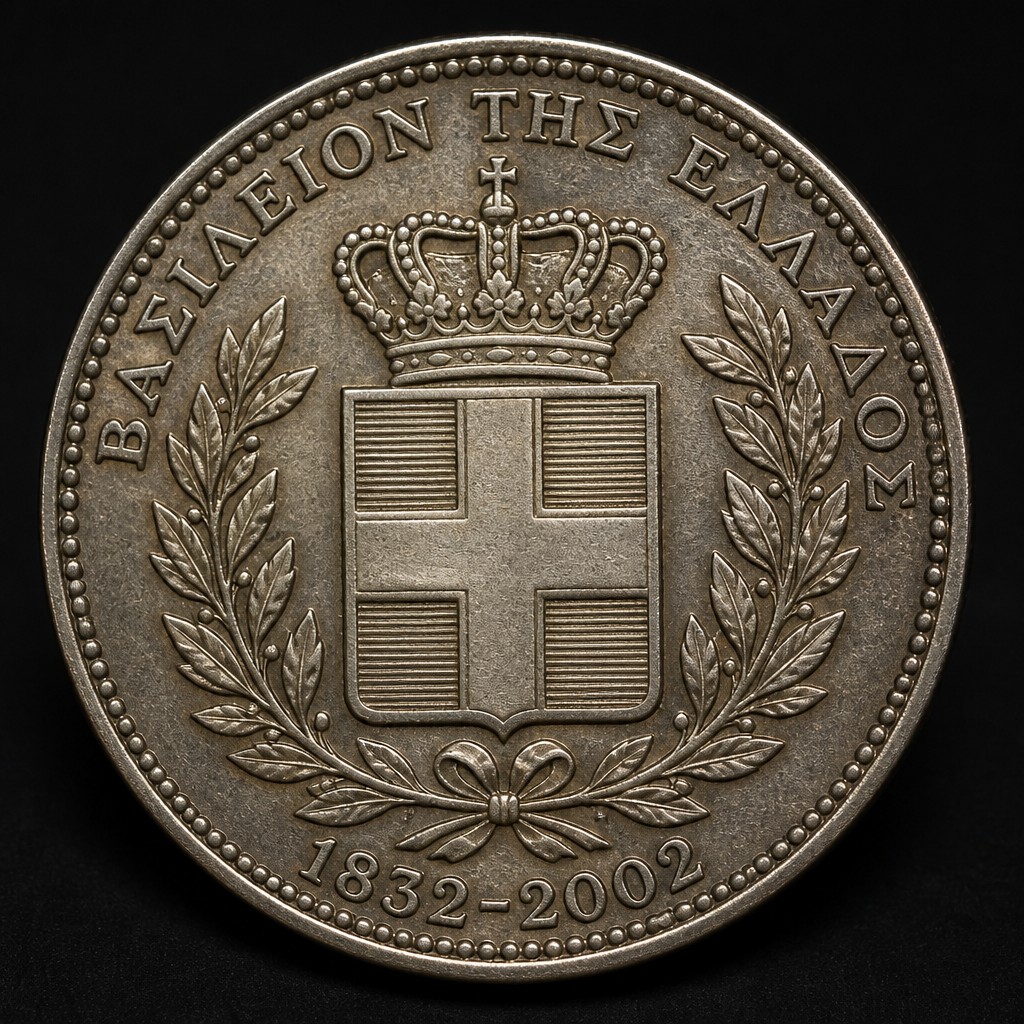
Greek Drachma
1832–2002
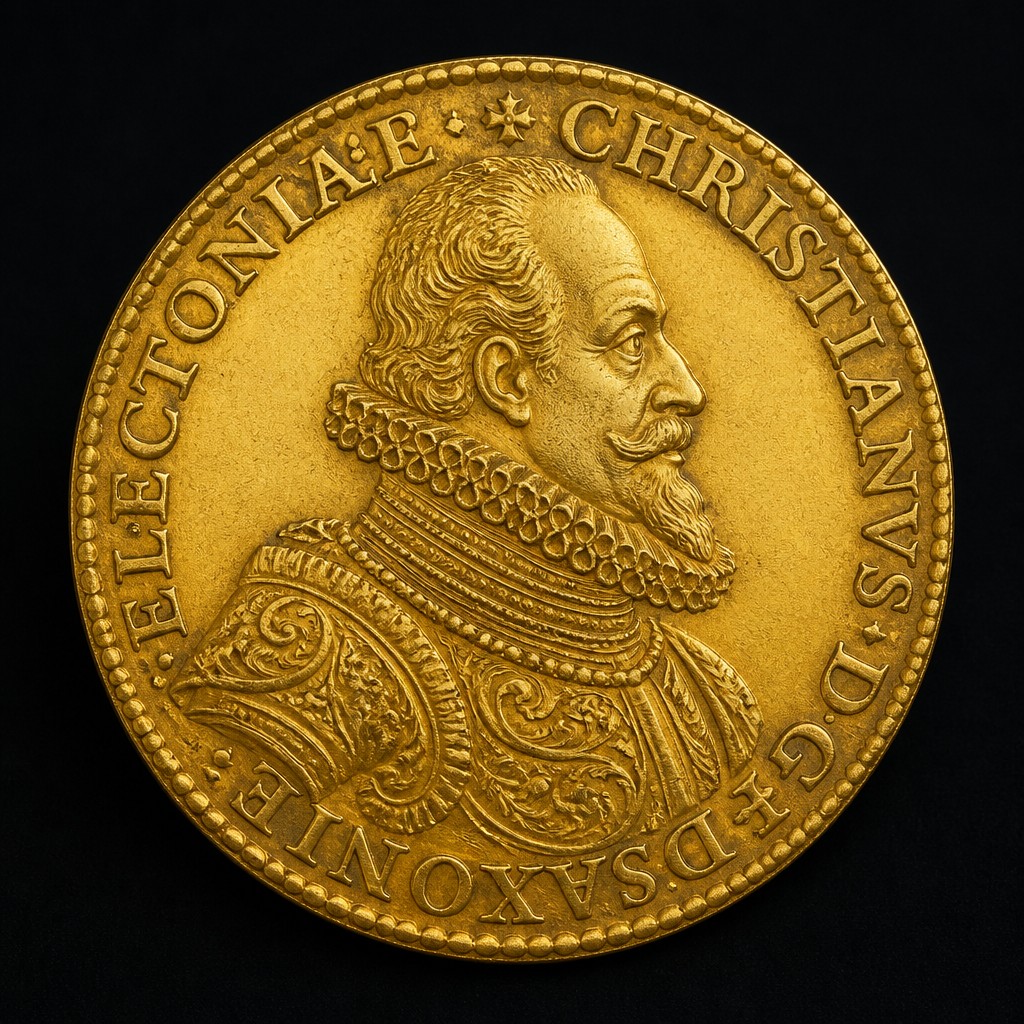
German Saxony Ducat
16th century–19th century
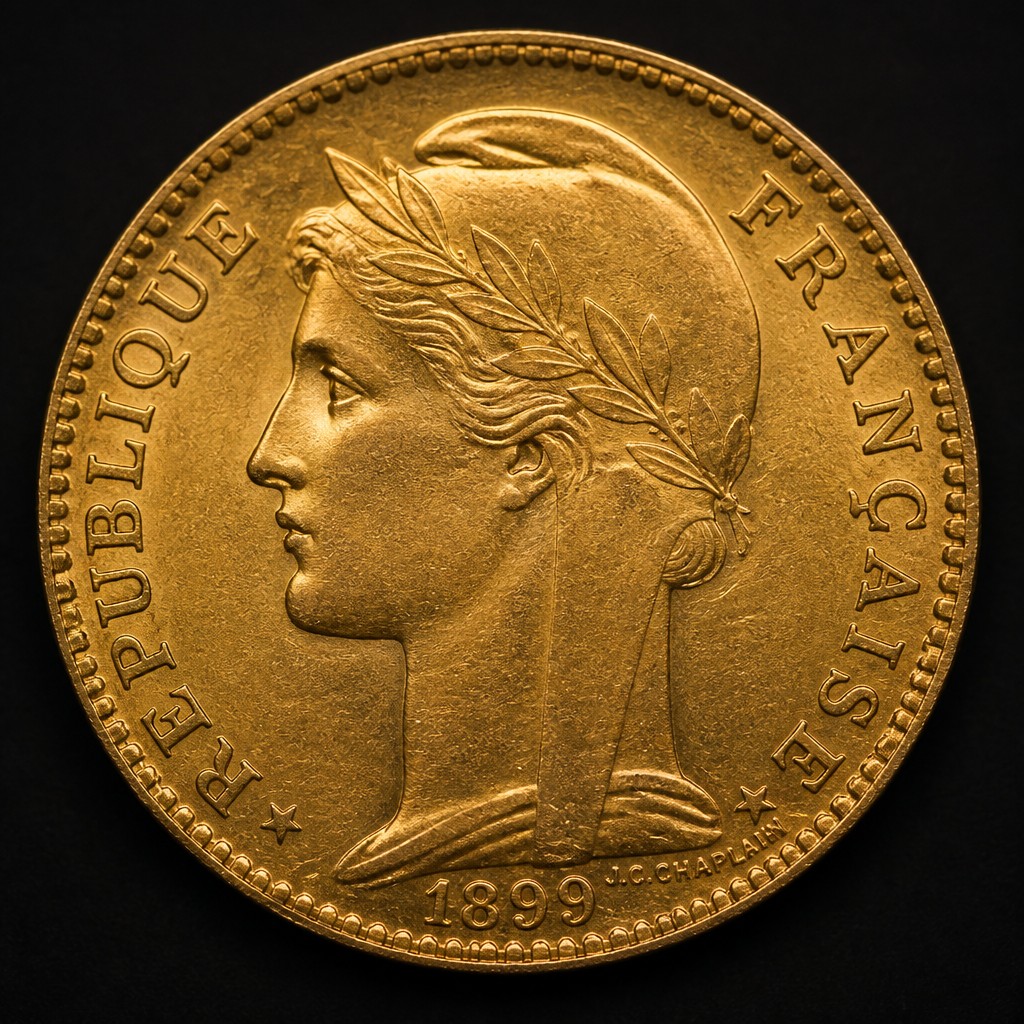
French 10 Francs Gold (Napoleon Rooster)
1899–1914
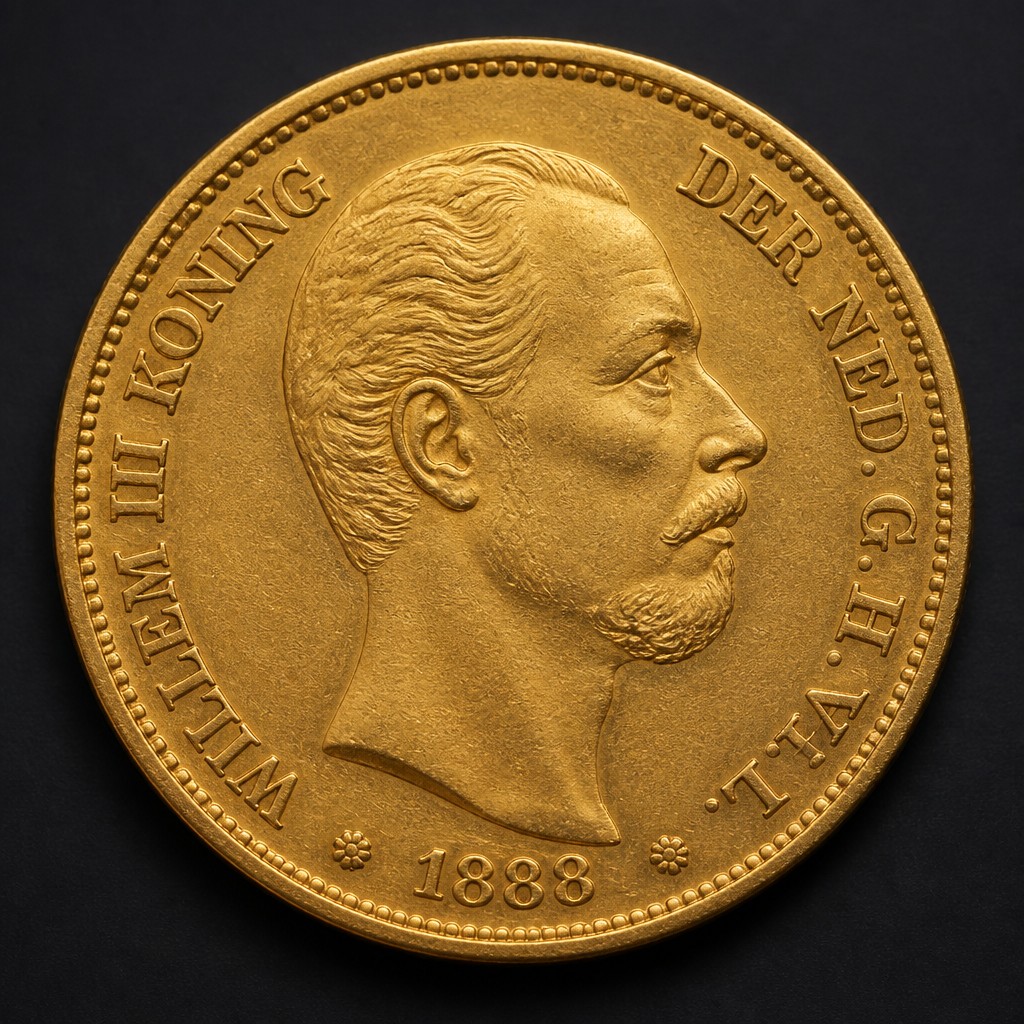
Netherlands 5 Gulden Gold
1826–1912 (intermittent)