
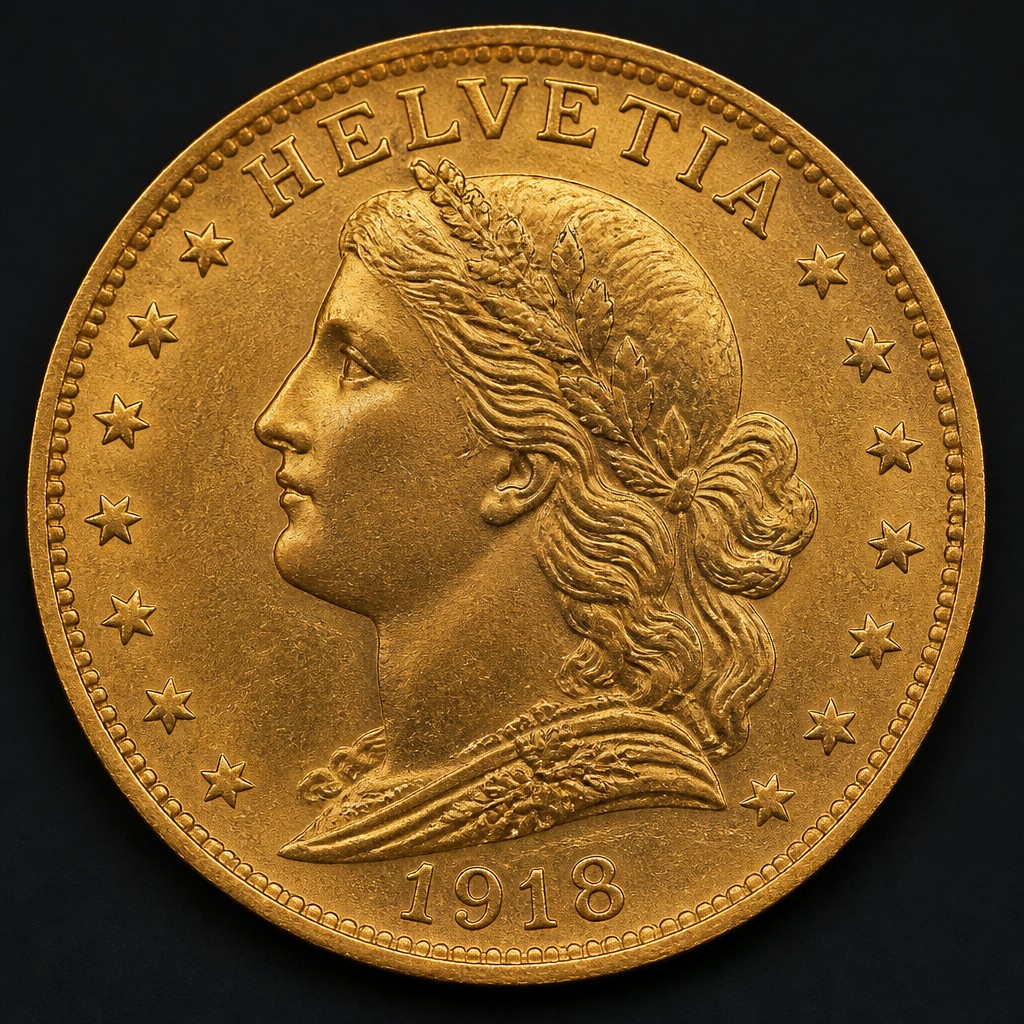
Swiss 20 Franc Vreneli
Switzerland's classic gold franc coin, depicting a young Swiss woman nicknamed Vreneli on the obverse and the Swiss shield on the reverse, a favorite of gold savers for over a century.
- Country
- Switzerland
- Denomination
- 20 Francs
- Metal
- 90% Gold (.900 fine, approx. 0.1867 troy oz gold content)
Got a coin like this?
Identify any coin from a photo, free.
Overview
The Vreneli is Switzerland's best-known historic gold coin, cherished for its charming portrait of an idealized young Swiss woman and its long tradition as a household way for Swiss citizens to hold gold savings. It shares the same weight and fineness standard as its French and Latin Monetary Union counterparts.
The coin's small, easy-to-handle size and strong national identity have made it one of the most popular gold coins in Europe, both historically as pocket savings and today as an accessible gold bullion piece.
History & Background
Switzerland introduced the 20 Franc gold coin in 1897 as part of its participation in the Latin Monetary Union, which standardized gold and silver coinage across France, Belgium, Italy, Switzerland, and Greece. Swiss medalist Fritz Ulysse Landry designed the coin, choosing a young woman with braided hair as a personification of Switzerland, later affectionately nicknamed "Vreneli," a diminutive of the name Verena.
The coin was struck at the Swiss Federal Mint in Bern from 1897 through 1949, becoming deeply embedded in Swiss popular culture as a traditional gift and savings vehicle, often given at weddings, baptisms, and other milestones. Switzerland later authorized well-documented official restrikes, particularly dated 1935, produced into the late 1940s purely for the bullion market, which are chemically and physically identical to genuine period pieces.
How to Identify
The obverse depicts the head of a young Swiss woman with braided hair, generally read as a personification of the Swiss confederation, surrounded by the Latin inscription "HELVETIA." The reverse shows the Swiss federal shield (a cross on a shield) surrounded by a wreath, flanked by small stars representing the Swiss cantons, with the denomination "20 FR" and the date.
The coin measures about 21 mm in diameter and weighs 6.45 grams in .900 fine gold, containing roughly 0.1867 troy ounces of pure gold, matching the weight standard of the French Napoleon and Rooster gold coins. The number of stars around the shield on the reverse changed slightly over the run of the series and can help narrow down the specific date range.
Because official restrikes share the same specifications as originals, collectors distinguish early rarer dates mainly through mintage records and subtle die differences rather than visual differences alone.
Value & Collectibility
Common-date Vrenelis, including the widely available 1935 restrikes, trade close to their gold melt value plus a small premium, making them one of the most cost-effective ways to buy small denomination gold in Europe. Because so many were struck and saved, well-preserved examples are common even in high grades.
A handful of lower-mintage dates from the early 20th century can command noticeably higher premiums among Swiss coin collectors, but the bulk of the series trades primarily as a function of the gold price rather than rarity.
Frequently asked questions
Why is the coin called the Vreneli?
Vreneli is a Swiss-German diminutive nickname derived from the name Verena, popularly applied to the young woman depicted on the coin's obverse.
Is the 1935 restrike less valuable than an original?
Official 1935-dated restrikes are genuine legal Swiss coins with identical gold content to originals; they generally carry little to no numismatic premium over common original dates.
How much gold is in a Vreneli?
Each coin contains about 0.1867 troy ounces of pure gold, the same standard used by the French 20 Franc Napoleon and Rooster coins.
Was the coin only struck at Bern?
Yes, all Vrenelis were produced at the Swiss Federal Mint in Bern.
Other coins you may enjoy
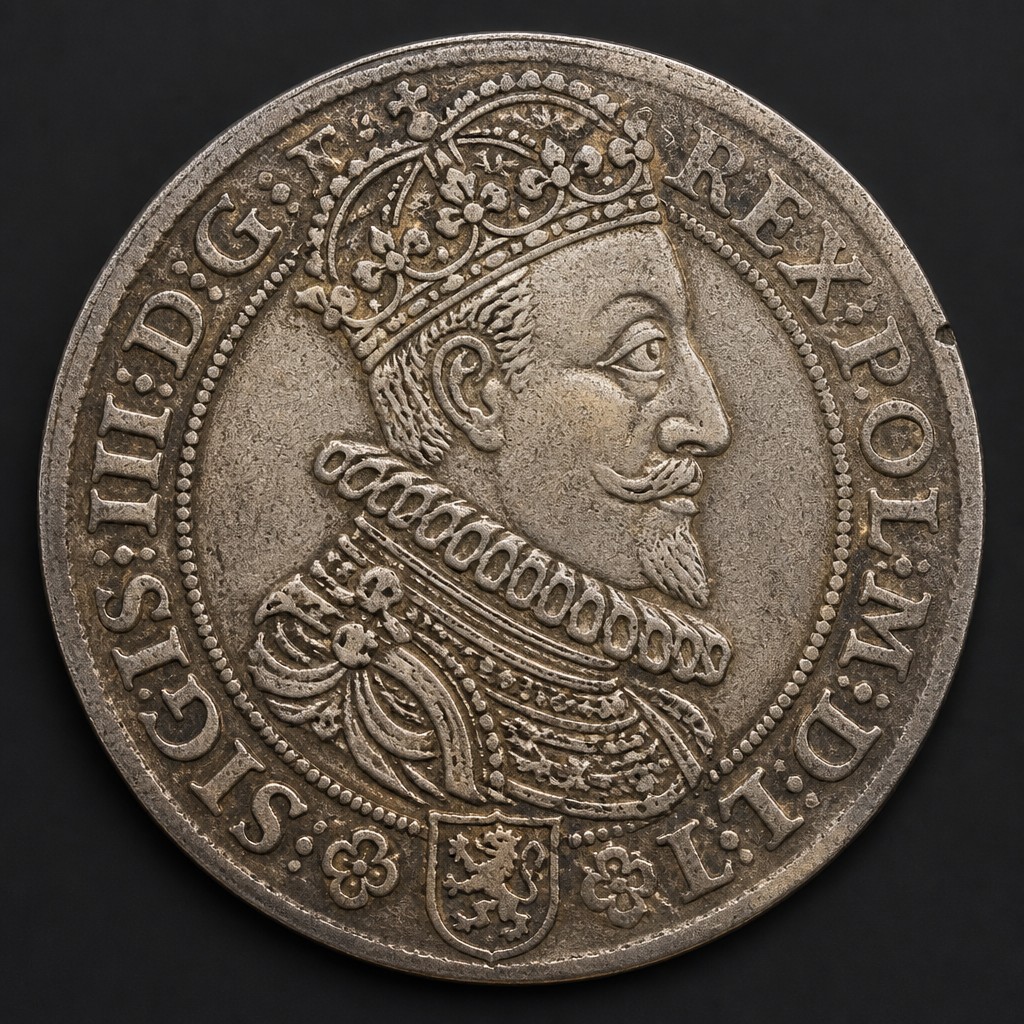
Polish-Lithuanian Thaler
circa 16th–18th century
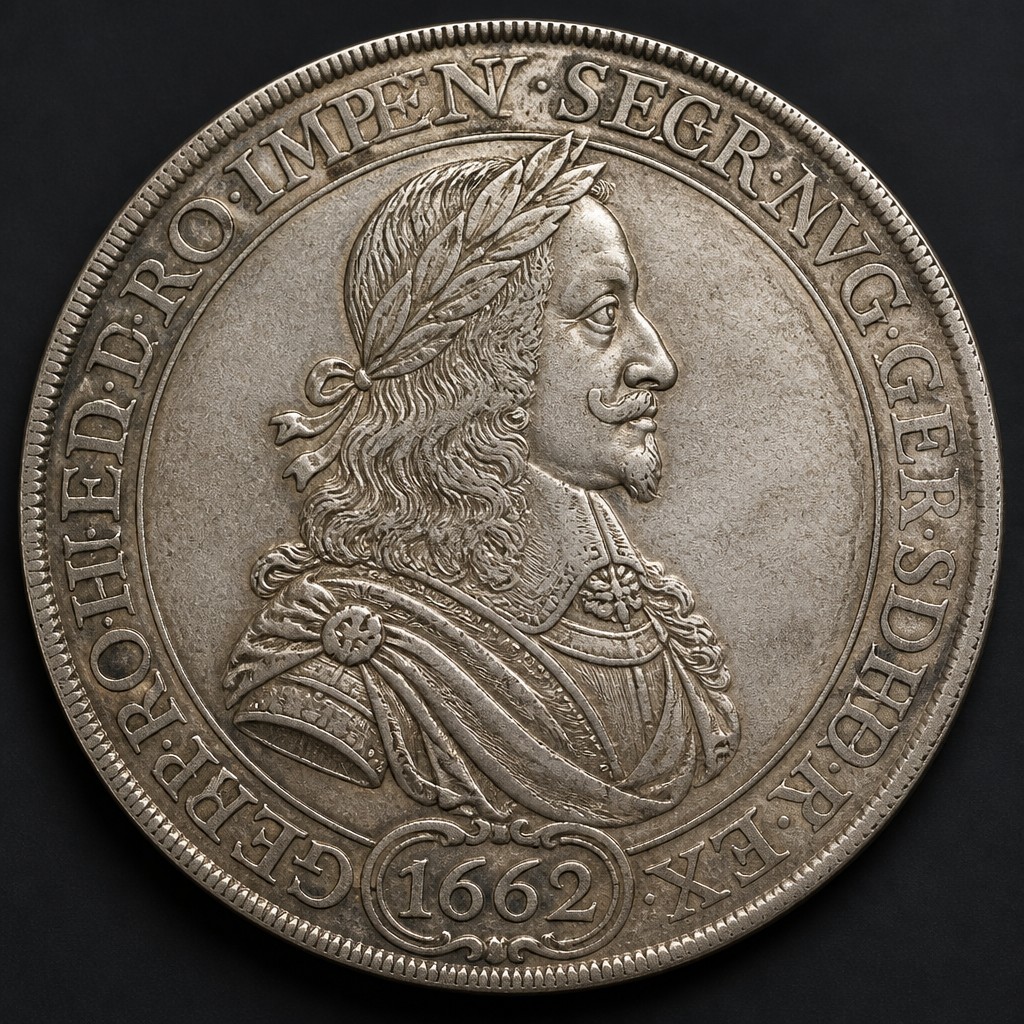
Reichsthaler
circa 1566–early 19th century
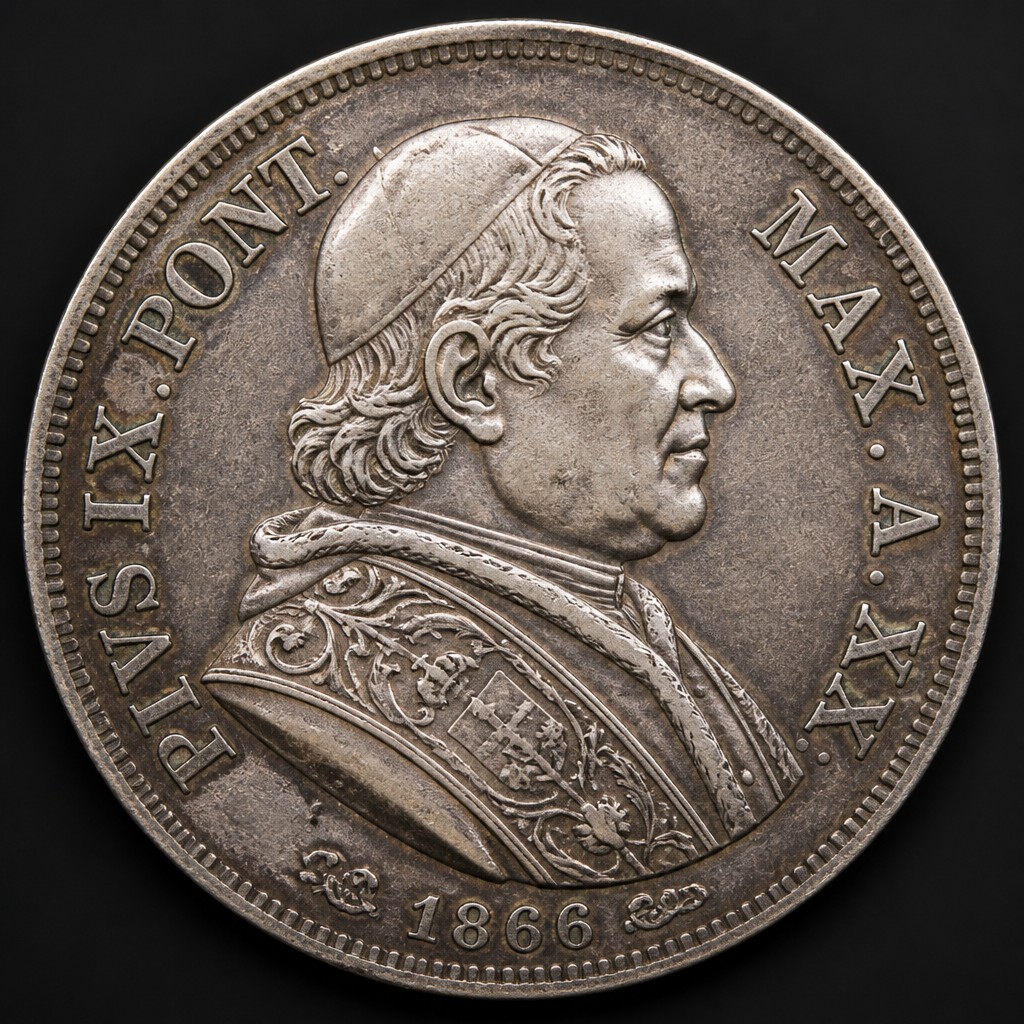
Papal States Scudo
16th century–1866
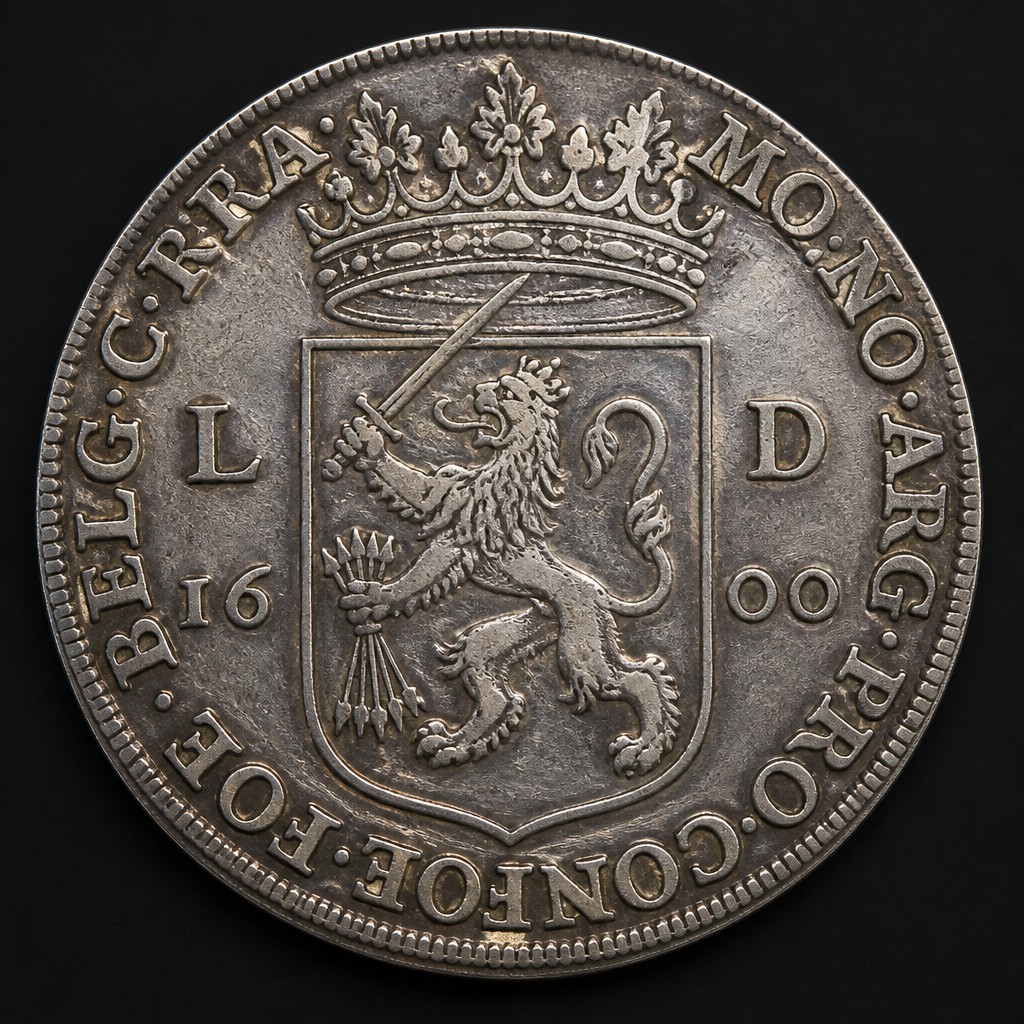
Netherlands Lion Daalder (Leeuwendaalder)
1575–1713
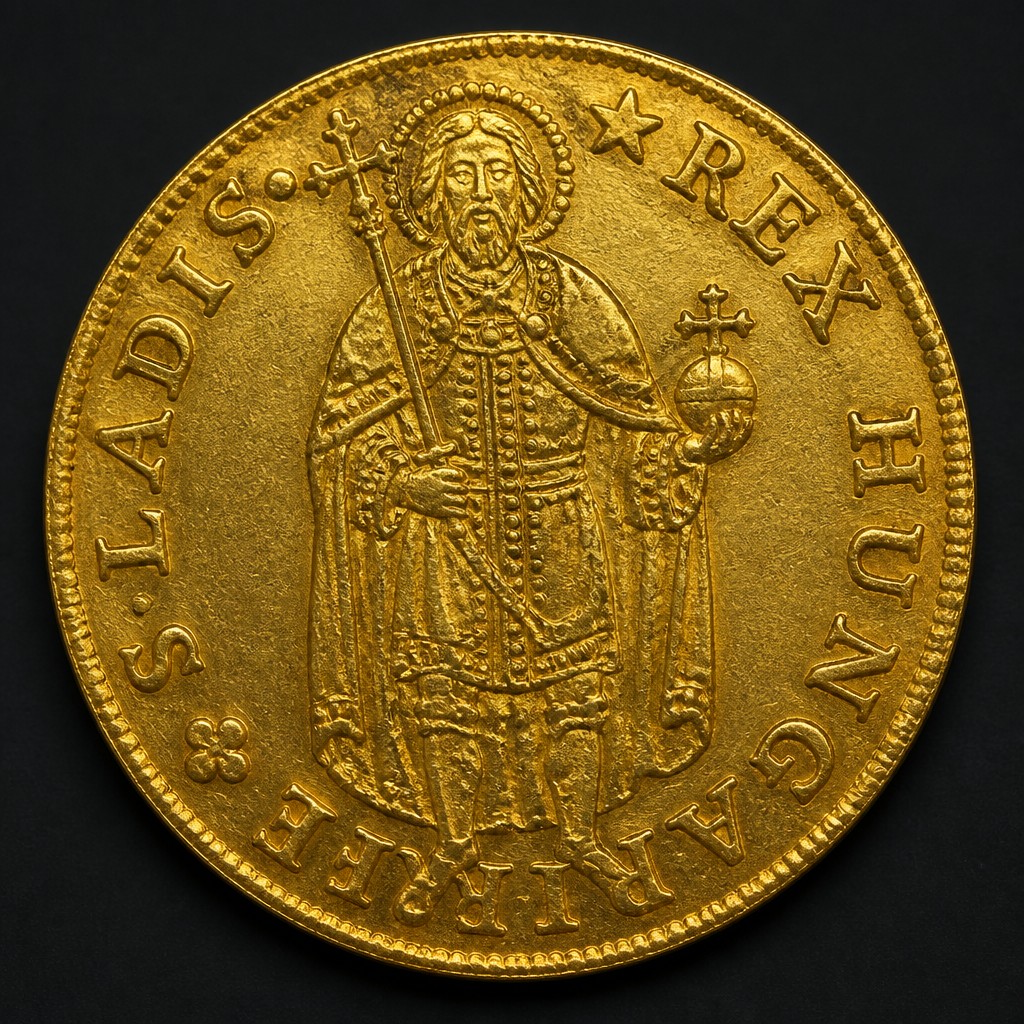
Hungarian Ducat
c. 1325–1918
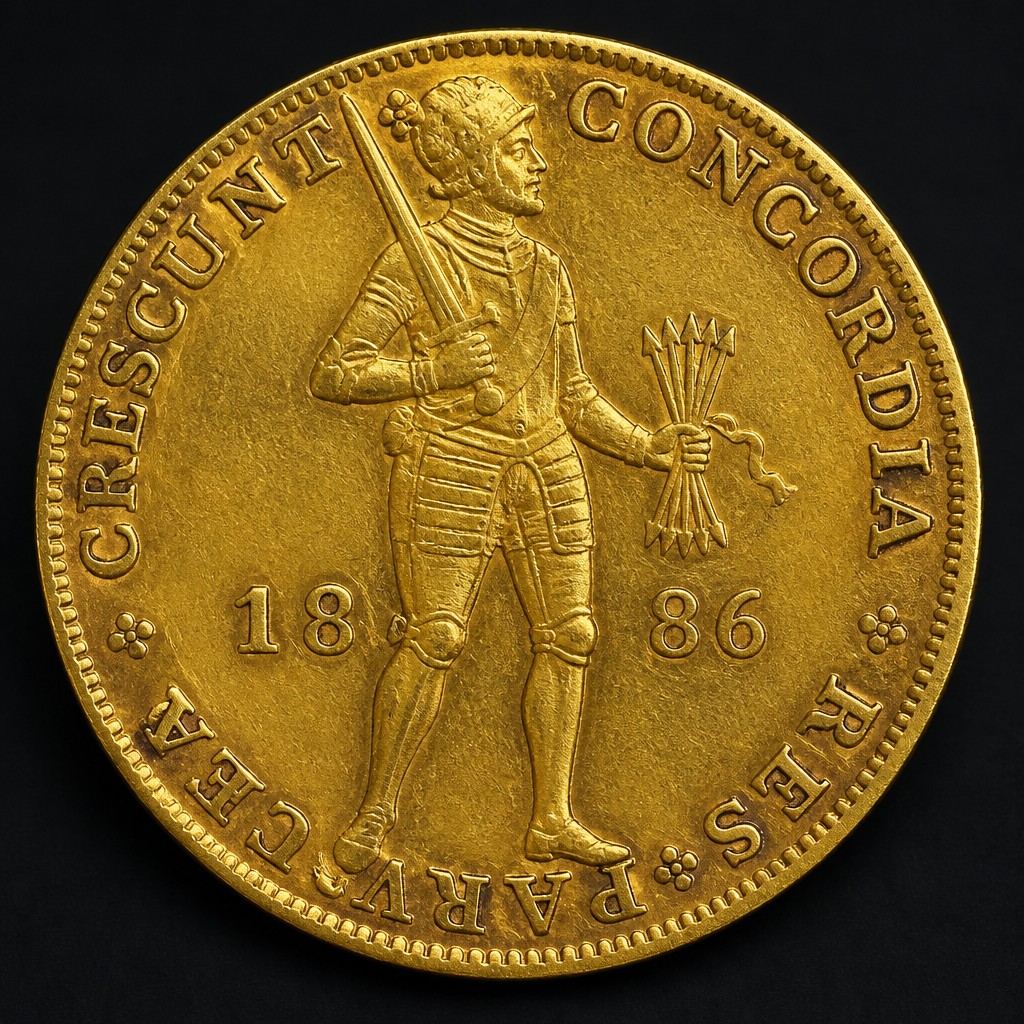
Dutch Ducat
c. 1586–present (classic type standardized after 1817)
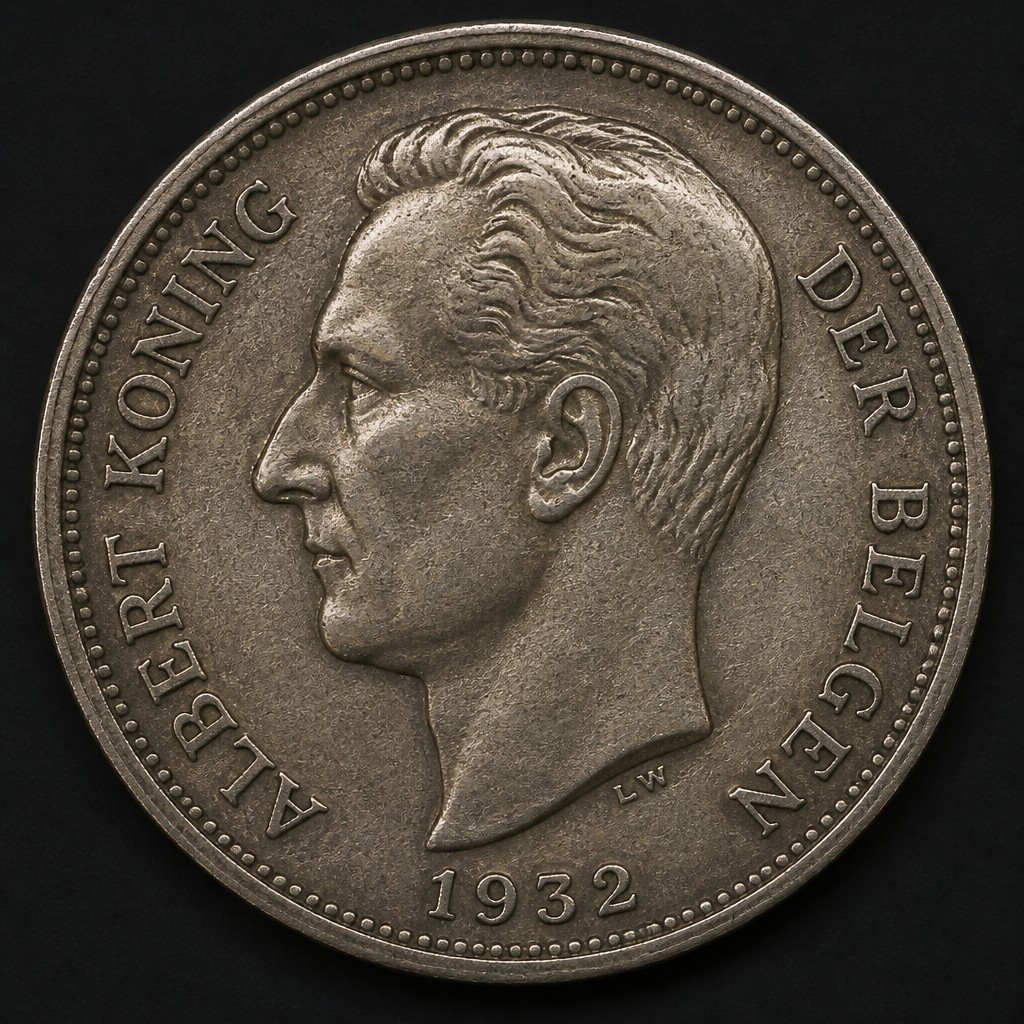
Belgian Franc
1832–2002
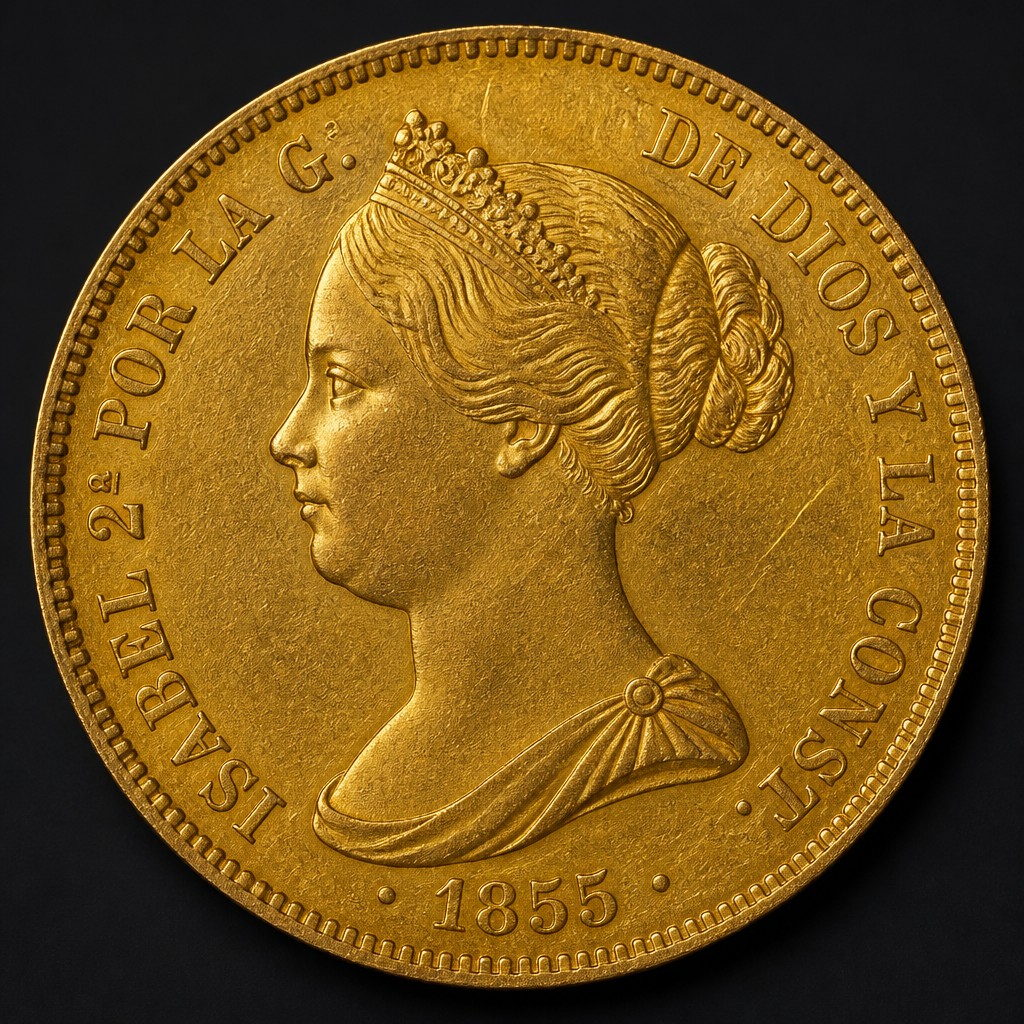
Spanish 100 Reales Gold (Isabel II)
1850s–1868
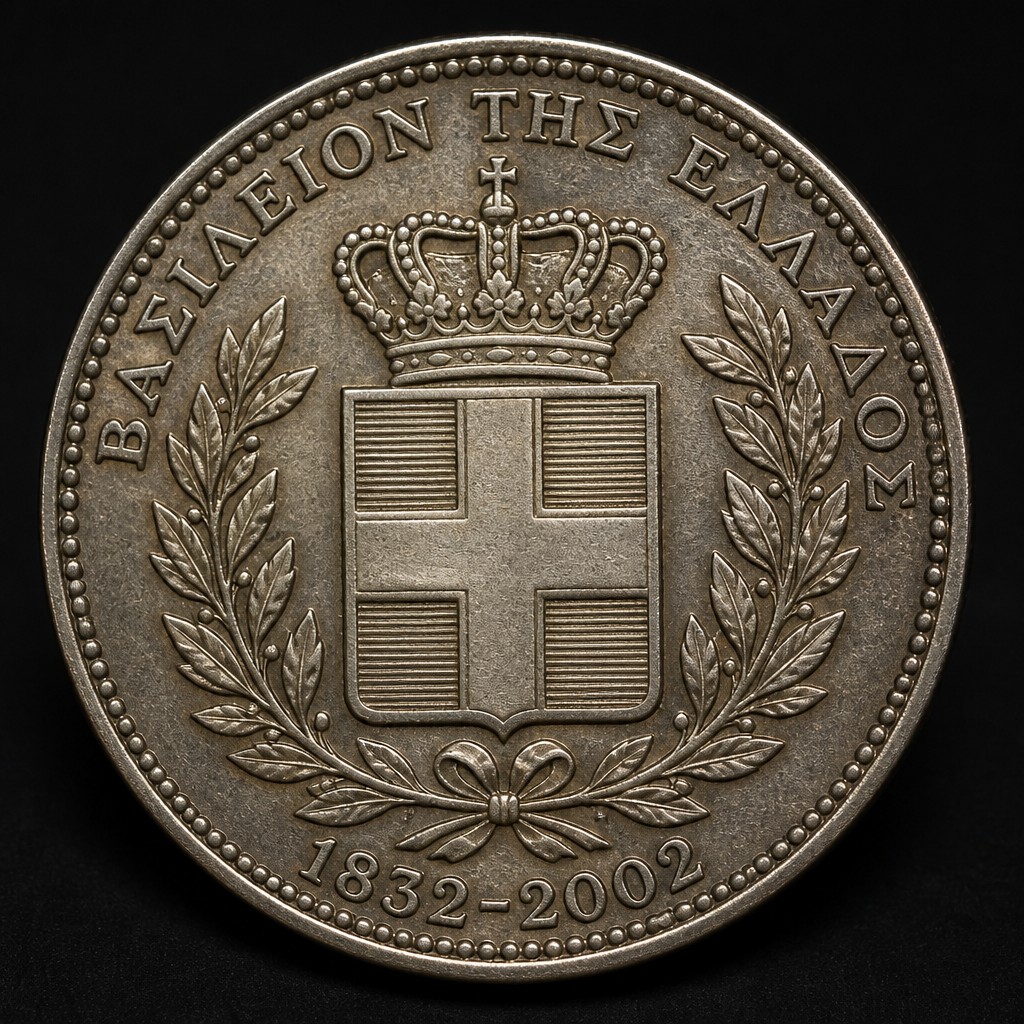
Greek Drachma
1832–2002
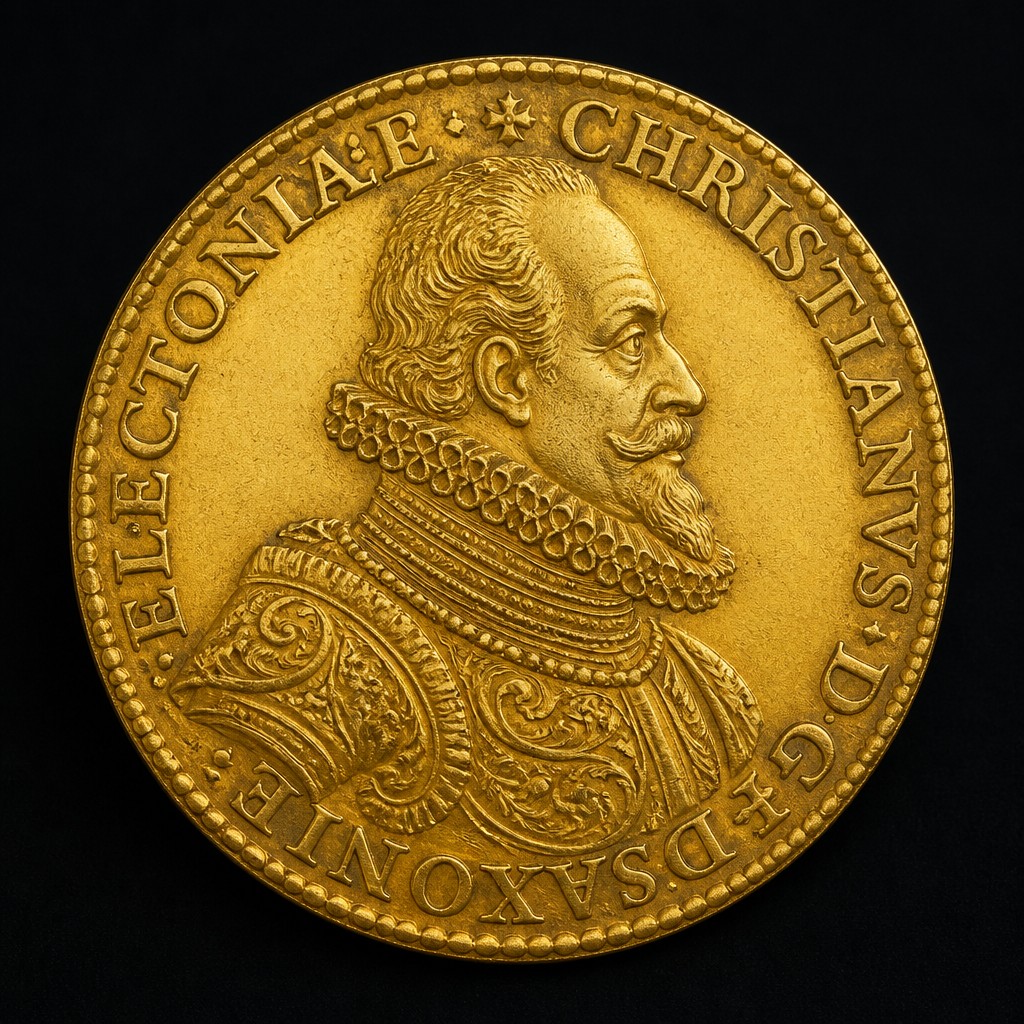
German Saxony Ducat
16th century–19th century
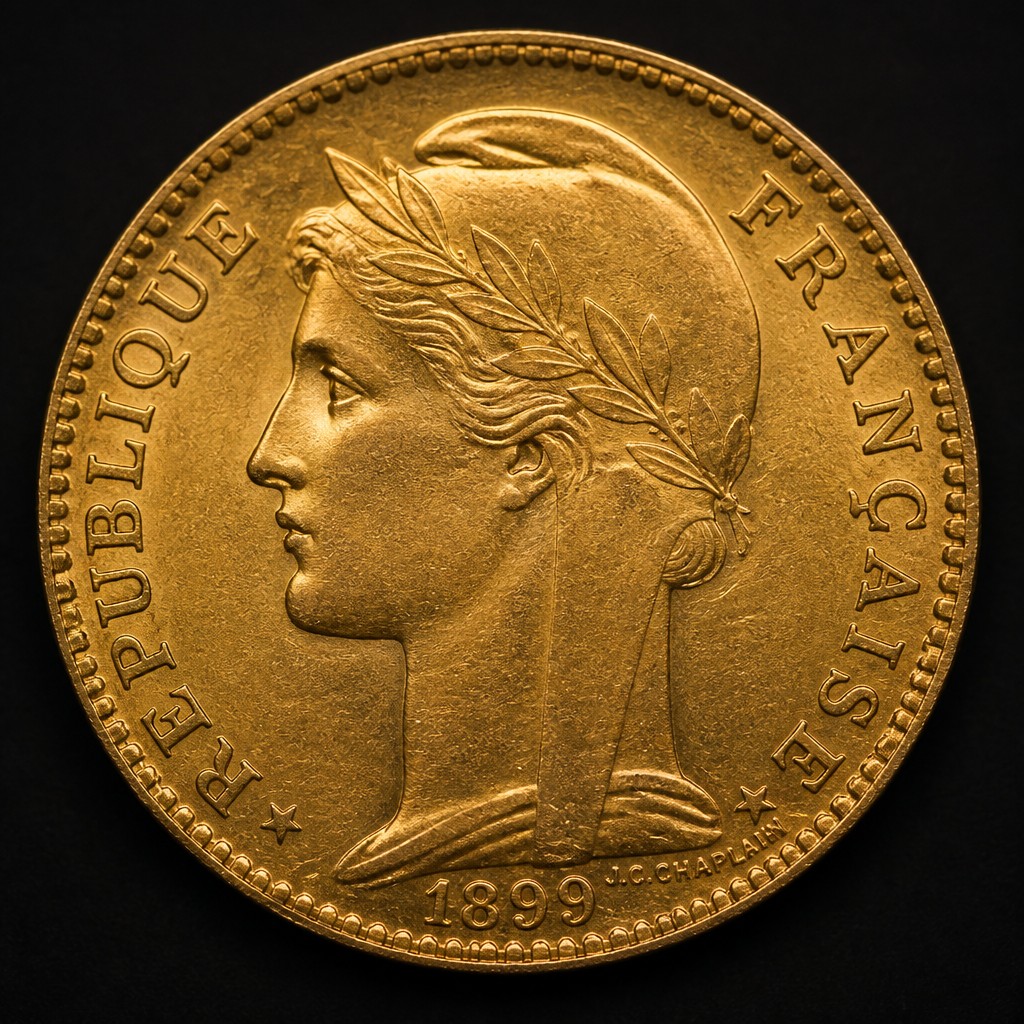
French 10 Francs Gold (Napoleon Rooster)
1899–1914
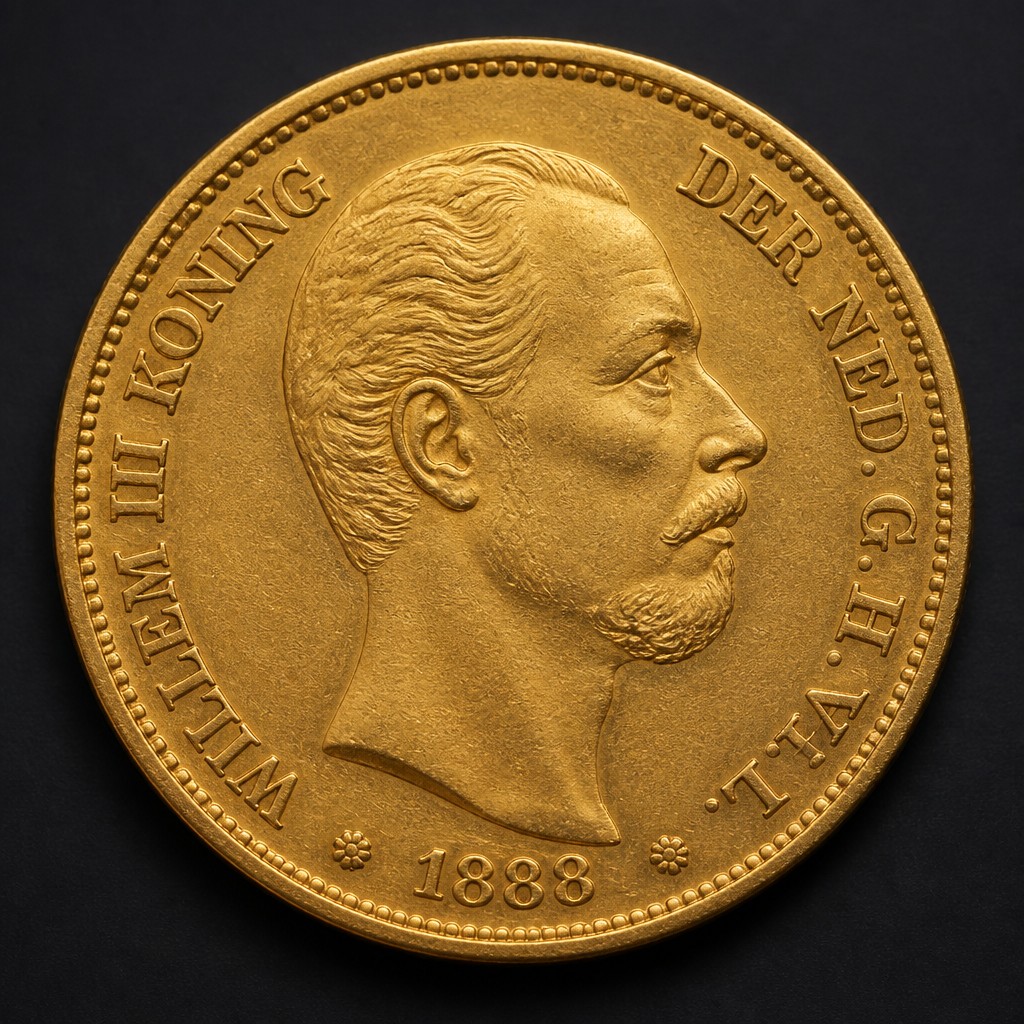
Netherlands 5 Gulden Gold
1826–1912 (intermittent)