
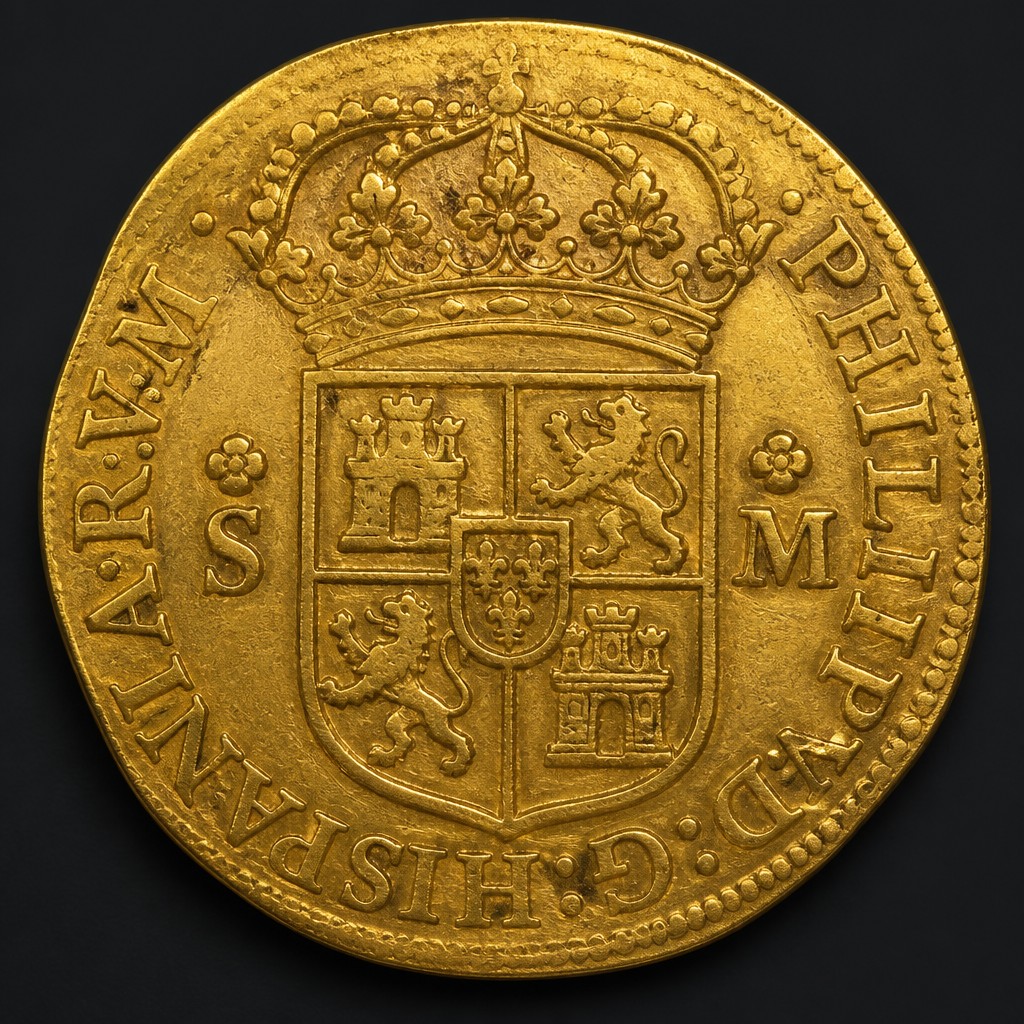
Spanish Gold Escudo (Doubloon)
The gold denomination of the Spanish Empire, whose larger multiples became famous as "doubloons," struck both in Spain and across its American colonial mints for centuries.
- Country
- Spain (and Spanish colonial mints)
- Denomination
- Escudo (commonly 2, 4, or 8 Escudos)
- Metal
- Gold (approx. .917 fine, "22-karat")
Got a coin like this?
Identify any coin from a photo, free.
Overview
The Spanish gold escudo, and particularly its larger multiples of 2, 4, and 8 escudos, are the coins most associated in popular imagination with the word "doubloon." Struck across an enormous span of time and geography, from mainland Spanish mints to colonial mints throughout the Americas, these coins financed Spain's vast global empire.
Collectors and treasure enthusiasts alike are drawn to escudos for their direct connection to the Age of Exploration, colonial trade routes, and famous shipwrecks, as well as for the wide variety of mints and dates available across the type.
History & Background
Spain began striking gold escudos in the 16th century as part of its broader monetary system supporting an empire that stretched from Europe to the Americas and beyond. As vast quantities of gold flowed from colonial mines, particularly in present-day Mexico, Peru, and Colombia, colonial mints such as Mexico City, Lima, Potosí, Bogotá, and Santiago struck escudos alongside mints in Spain itself, including Madrid and Seville.
The term "doubloon," from the Spanish "doblón" (meaning "double"), was popularly applied to the larger multiples of the escudo, especially the 2-escudo and above all the 8-escudo pieces, which represented substantial sums of gold. Early issues were often crudely struck "cob" coins cut from irregular gold bars, while later coinage reforms introduced more carefully milled, rounder coins with clearer designs.
Escudos and doubloons became deeply tied to the era of Spanish treasure fleets carrying New World gold and silver back to Europe, and famous shipwrecks such as those of the 1715 Treasure Fleet off Florida have yielded significant numbers of these coins to modern-day salvagers and collectors.
How to Identify
Early colonial "cob" escudos are irregular in shape, often roughly cut and hand-struck, typically showing a cross on one side and a shield bearing the arms of Castile and León on the other, with legends often only partially visible due to the crude striking process. Later, more refined milled escudos show a clearer portrait of the reigning Spanish monarch on the obverse and the Spanish royal coat of arms on the reverse, struck on properly round planchets.
The gold content is generally around 22-karat (.917 fine), and denominations are usually identified by small numerals or pillars-and-waves style marks indicating the value in escudos. Because escudos were struck across many colonial mints over roughly three centuries, precise identification depends on assay marks, mint marks, and any surviving date or denomination numerals, which can be difficult to read on worn or shipwreck-recovered examples.
Value & Collectibility
Values for Spanish escudos and doubloons vary enormously depending on denomination, mint, date, condition, and especially whether a piece has a documented shipwreck or other notable provenance, which can add substantial premiums beyond simple gold content. Crude cob-style coins in poor condition may be valued closer to their gold weight, while well-struck, well-preserved, or historically documented pieces can be worth many times their metal value.
Because of the type's long history, wide geographic range of mints, and strong association with treasure lore, authentication and attribution to a specific mint, date, and denomination are especially important factors in determining value.
Frequently asked questions
What exactly is a doubloon?
"Doubloon" is the popular English name for larger multiples of the Spanish gold escudo, especially the 2-escudo and 8-escudo coins.
Where were doubloons made?
They were struck both at mints in Spain, such as Madrid and Seville, and at colonial mints in the Americas including Mexico City, Lima, Potosí, Bogotá, and Santiago.
Why are doubloons associated with pirates and shipwrecks?
Spanish treasure fleets carried enormous quantities of colonial gold and silver coinage back to Europe, and several famous shipwrecks carrying doubloons have been recovered by salvagers over the centuries.
What does "cob" mean in relation to these coins?
"Cob" refers to early, crudely cut and hand-struck colonial coins made from irregular gold or silver planchets, common before later minting reforms introduced rounder, more uniform coins.
Other coins you may enjoy
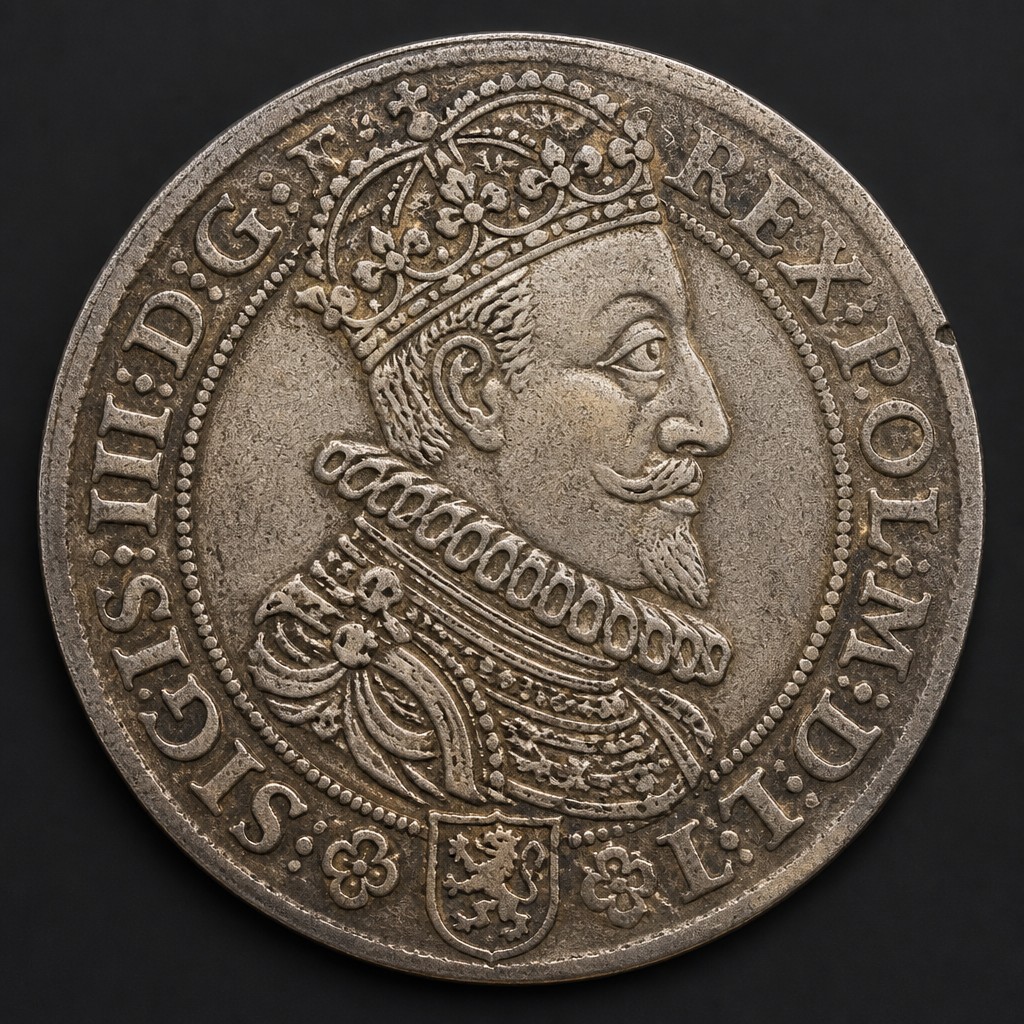
Polish-Lithuanian Thaler
circa 16th–18th century
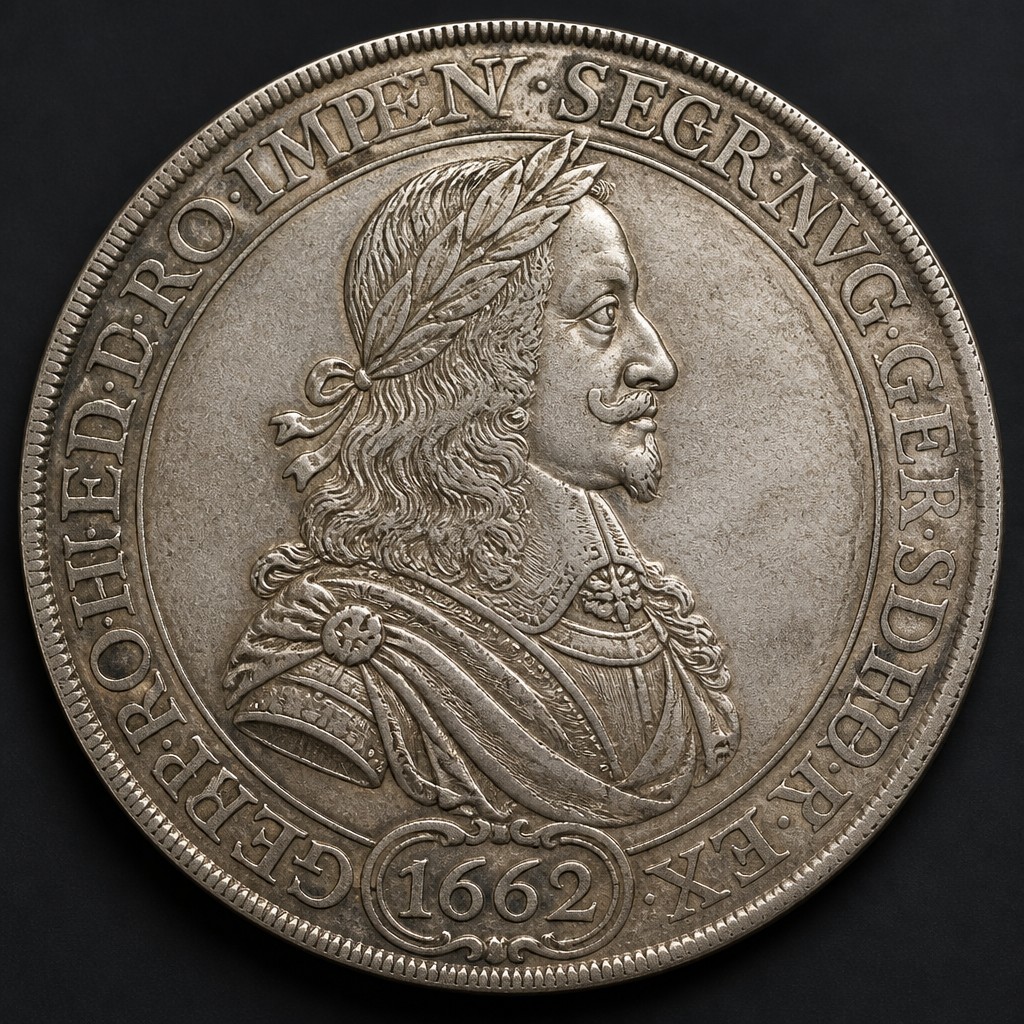
Reichsthaler
circa 1566–early 19th century
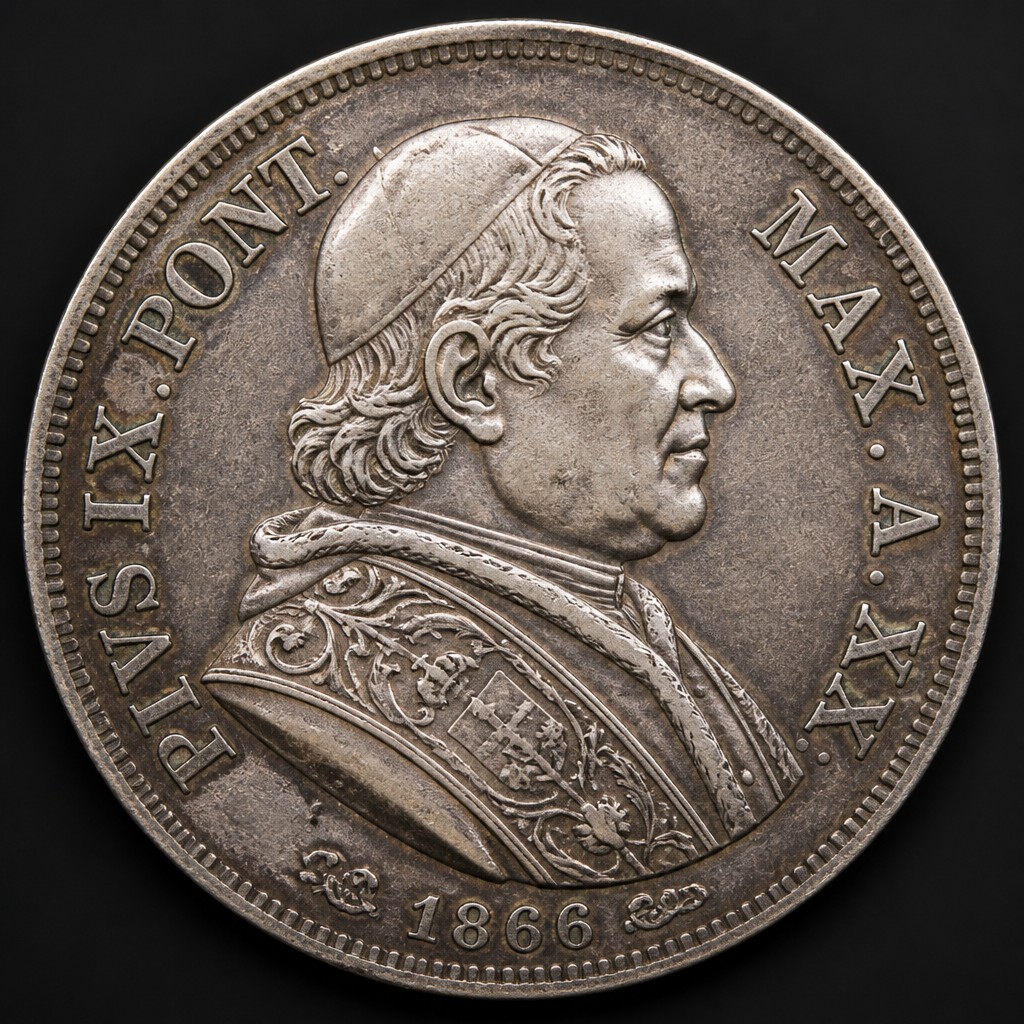
Papal States Scudo
16th century–1866
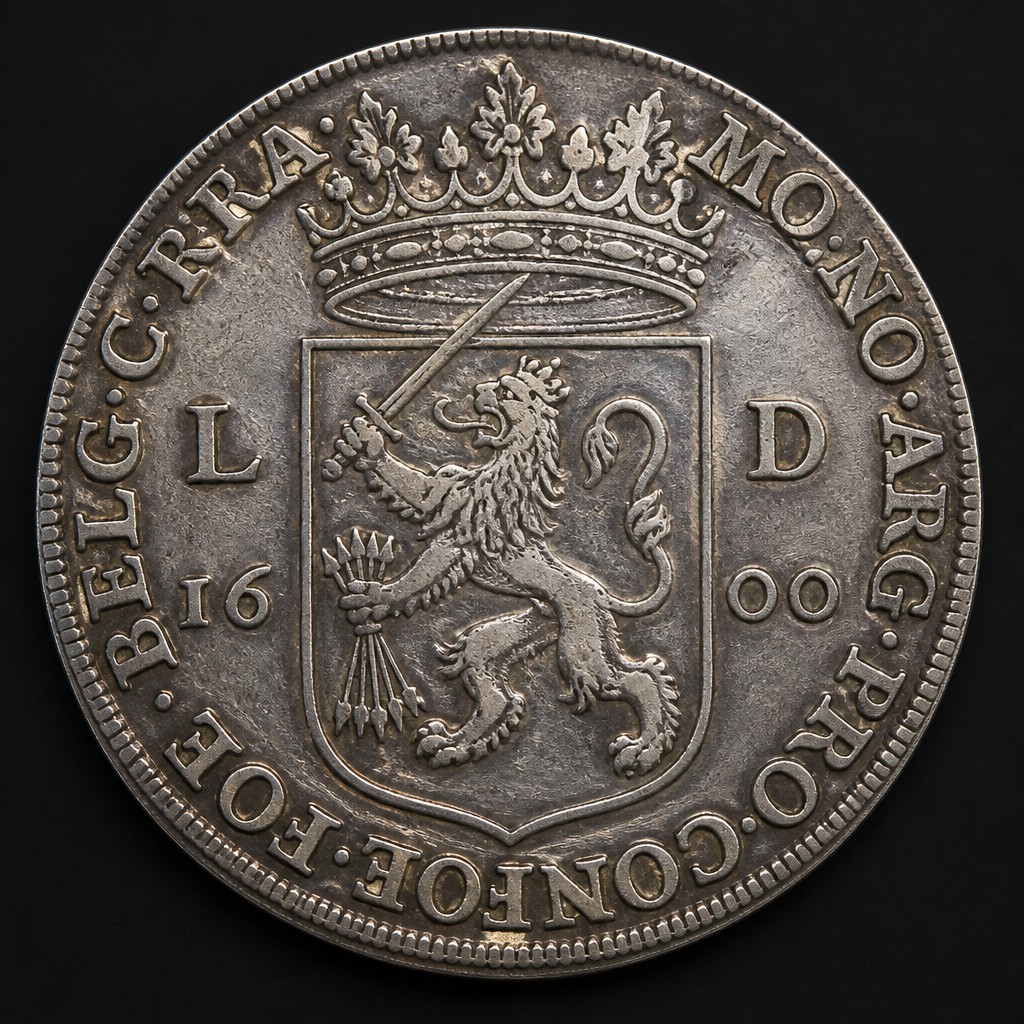
Netherlands Lion Daalder (Leeuwendaalder)
1575–1713
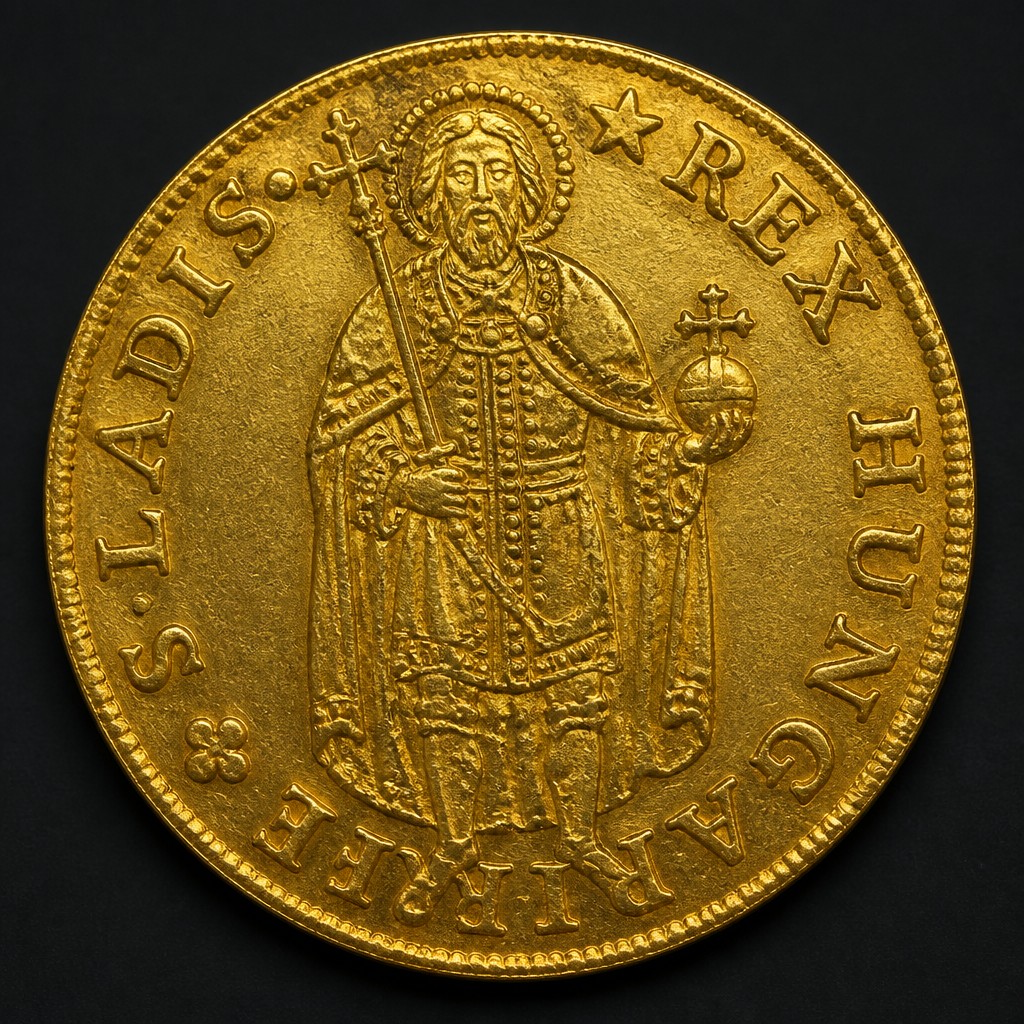
Hungarian Ducat
c. 1325–1918
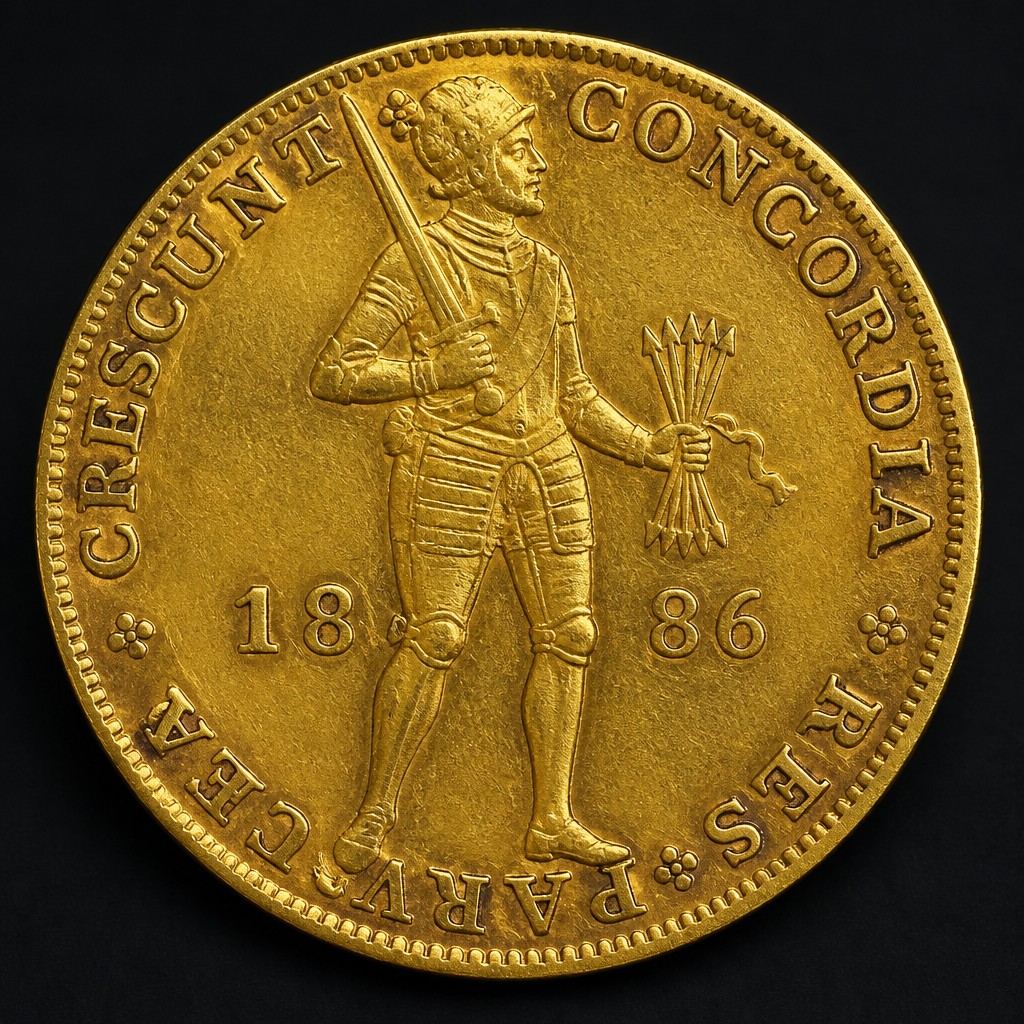
Dutch Ducat
c. 1586–present (classic type standardized after 1817)
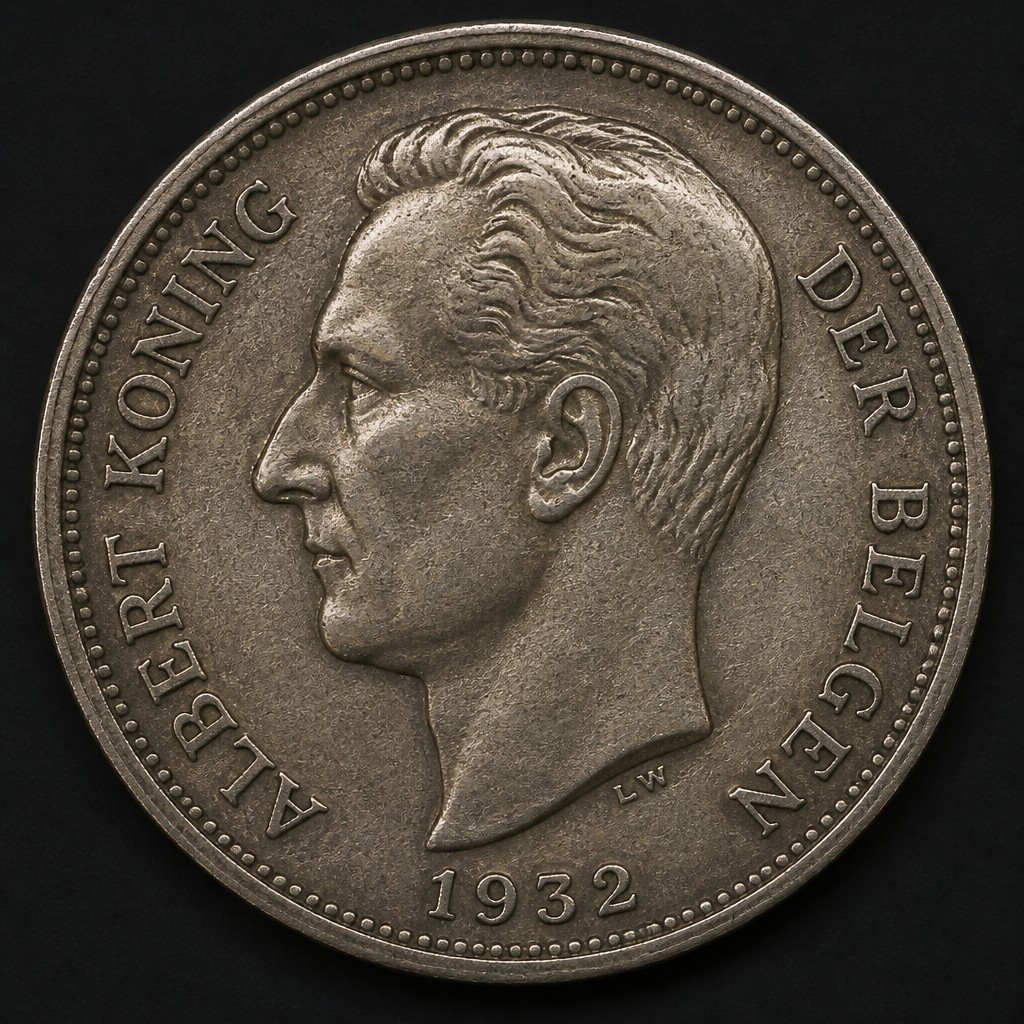
Belgian Franc
1832–2002
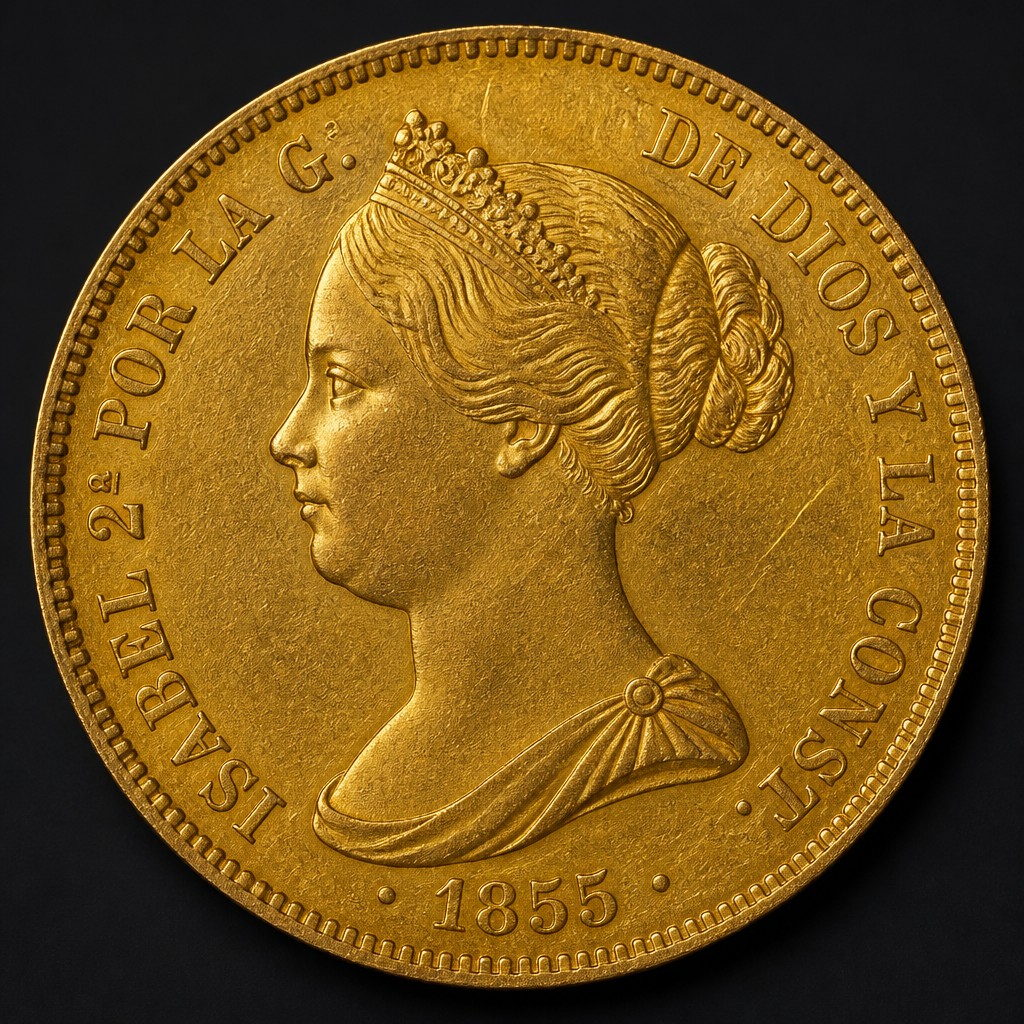
Spanish 100 Reales Gold (Isabel II)
1850s–1868
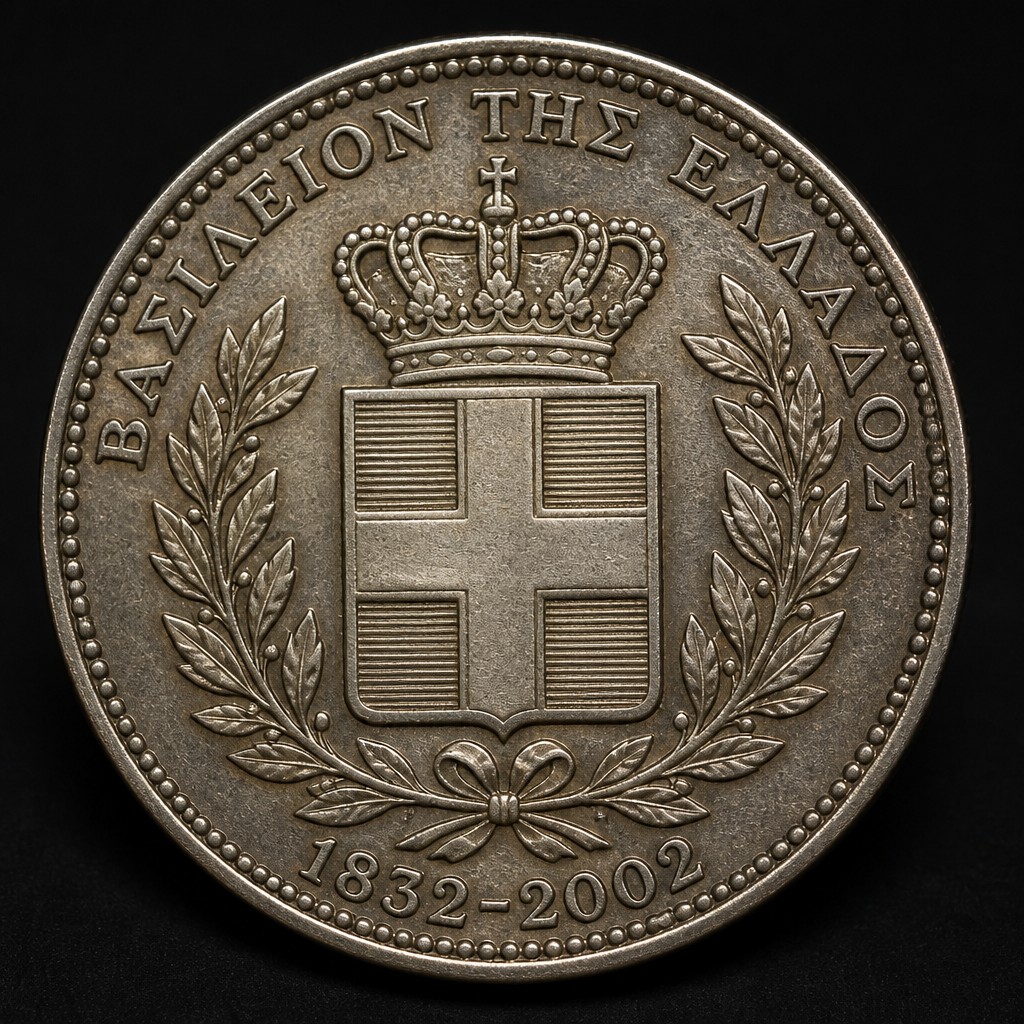
Greek Drachma
1832–2002
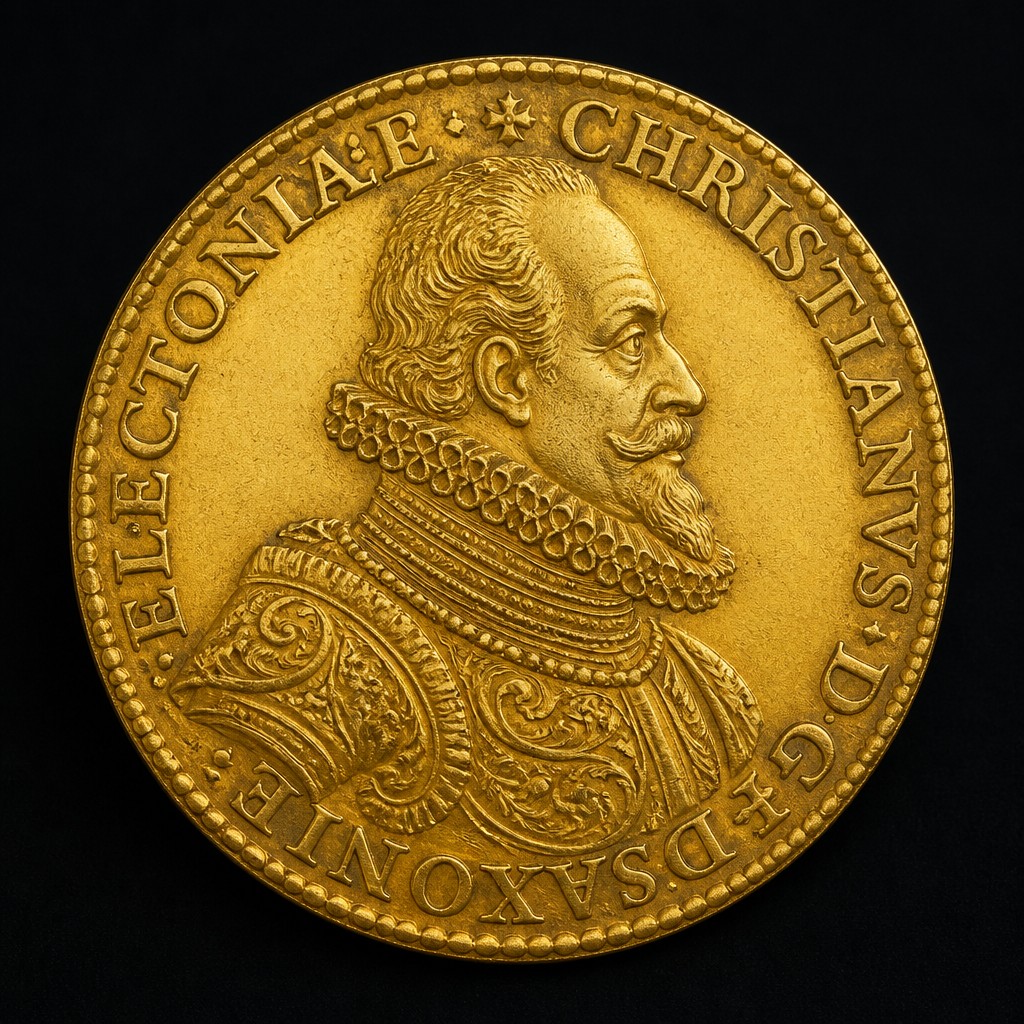
German Saxony Ducat
16th century–19th century
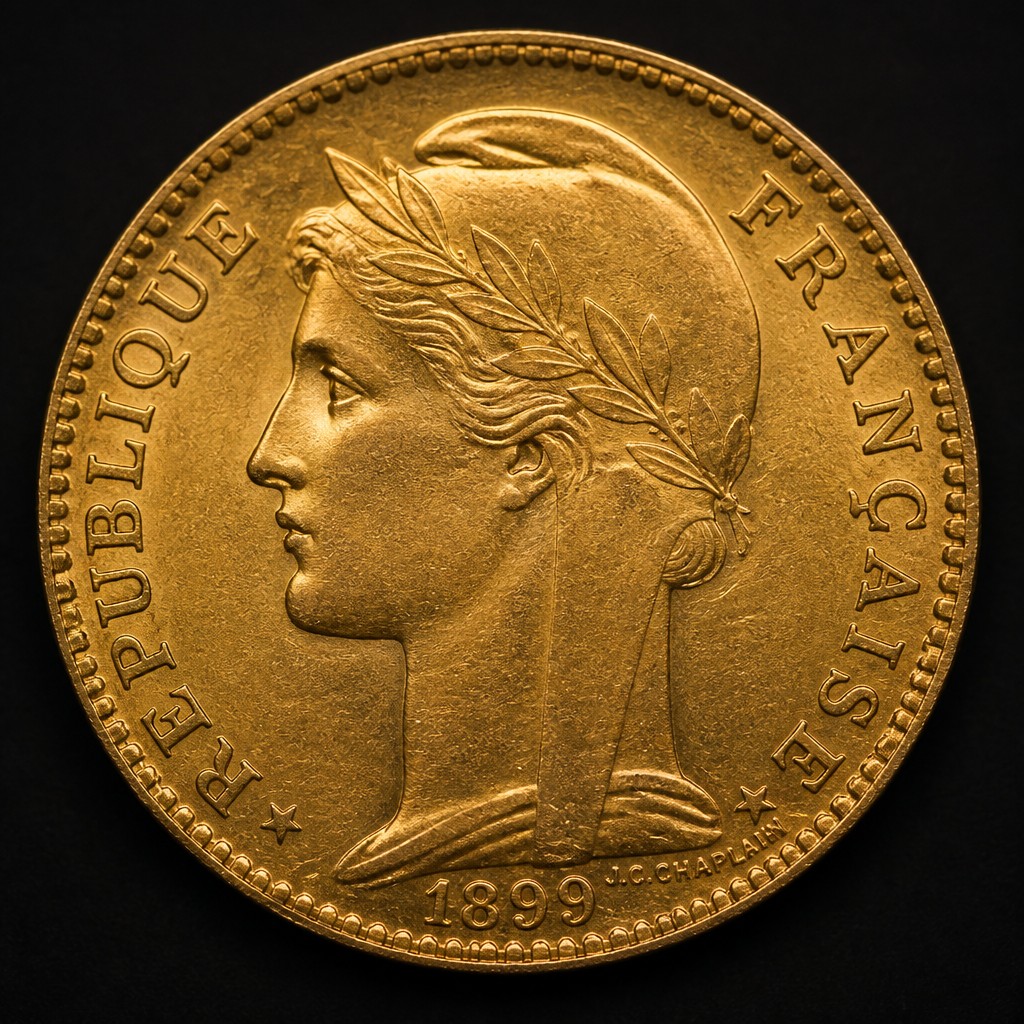
French 10 Francs Gold (Napoleon Rooster)
1899–1914
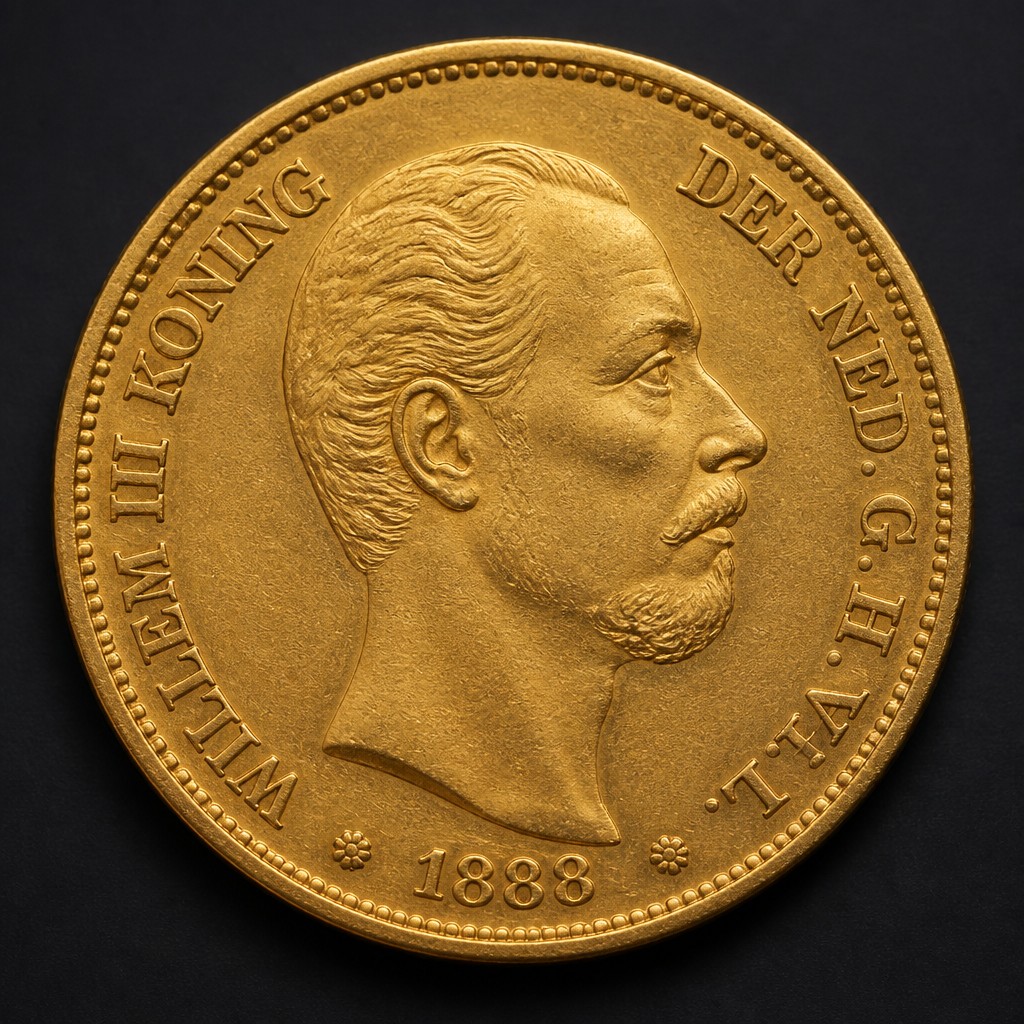
Netherlands 5 Gulden Gold
1826–1912 (intermittent)