
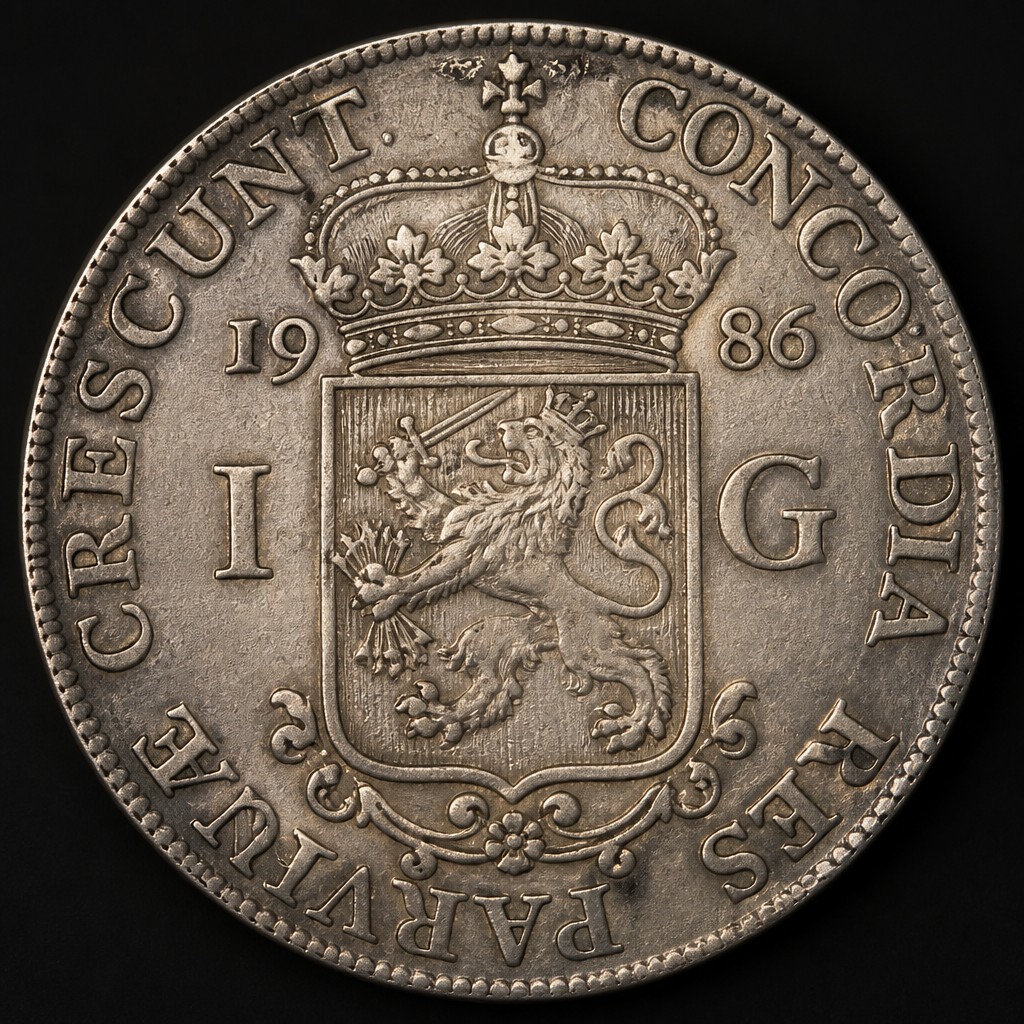
Dutch Rijksdaalder
A historic Dutch silver trade coin dating to the Dutch Republic, later continued as a denomination of the Kingdom of the Netherlands.
- Country
- Netherlands
- Denomination
- Rijksdaalder
- Metal
- Silver (varies by era, historically around .750–.940 fine)
Got a coin like this?
Identify any coin from a photo, free.
Overview
The rijksdaalder is one of the oldest and most enduring Dutch coin denominations, tracing back to the silver thaler-type trade coins of the Dutch Republic in the late 16th century. It was widely used in international trade across Europe and Dutch colonial territories for centuries.
Collectors are drawn to the rijksdaalder both for its early Dutch Republic issues, featuring provincial arms and knight or lion motifs, and for its long continuation through the monarchy era, spanning an unusually wide swath of Dutch numismatic history.
History & Background
The rijksdaalder emerged in the late 1500s as the Dutch Republic's answer to the Holy Roman Empire's reichsthaler, struck by individual Dutch provinces such as Holland, Utrecht, and Gelderland, each with locally distinct designs but a shared silver standard. It became a trusted trade coin used well beyond the Netherlands' borders, particularly in Baltic and colonial commerce.
After the Kingdom of the Netherlands was established in the 19th century, the rijksdaalder was retained as a denomination equal to 2.5 guilders, continuing in various silver and later nickel forms through the 20th century until decimalization simplified Dutch coinage further ahead of the 2002 adoption of the euro.
How to Identify
Early Dutch Republic rijksdaalders vary by issuing province but commonly show an armored knight standing behind a shield of arms on the obverse, with a crowned or plain shield reverse and Latin legends referencing the province and the Republic. These are typically large, heavy silver coins comparable to a thaler or crown, often 40-45 mm across.
Later Kingdom-era rijksdaalders (2.5 guilders) show the reigning monarch's portrait on the obverse and the Dutch coat of arms or denomination on the reverse, in a smaller, more standardized silver crown format of roughly 38 mm.
Collectors must pay attention to the issuing province and date range to distinguish the many regional variants of the early Republic-period coin, since each province struck its own dies within a shared general design scheme.
Value & Collectibility
Early Dutch Republic provincial rijksdaalders vary widely in value depending on province, date, and condition, with common well-worn examples affordable and choice or scarce provincial issues commanding significant premiums. Some rare provincial dates are quite valuable among specialists in Dutch numismatics.
Later Kingdom-era 2.5 guilder rijksdaalders are generally more common and priced closer to silver bullion value with modest numismatic premiums for better dates or higher grades. As with most historic European silver, well-preserved strikes and clear legends command the strongest demand.
Frequently asked questions
Is the rijksdaalder the same as a thaler?
It is closely related; the name derives from the same Joachimsthaler tradition, and rijksdaalders functioned as the Dutch equivalent of the German/Austrian thaler.
Which provinces struck rijksdaalders?
Various provinces of the Dutch Republic struck their own versions, including Holland, Utrecht, Gelderland, West Friesland, and others, each with distinctive local designs.
What was a rijksdaalder worth in the Kingdom era?
In the Kingdom of the Netherlands it was set at 2.5 guilders and continued to be minted, in evolving metals, into the late 20th century.
When did the Netherlands stop using the rijksdaalder?
It remained a circulating denomination until the Netherlands adopted the euro in 2002, phasing out guilder-based coinage.
Other coins you may enjoy
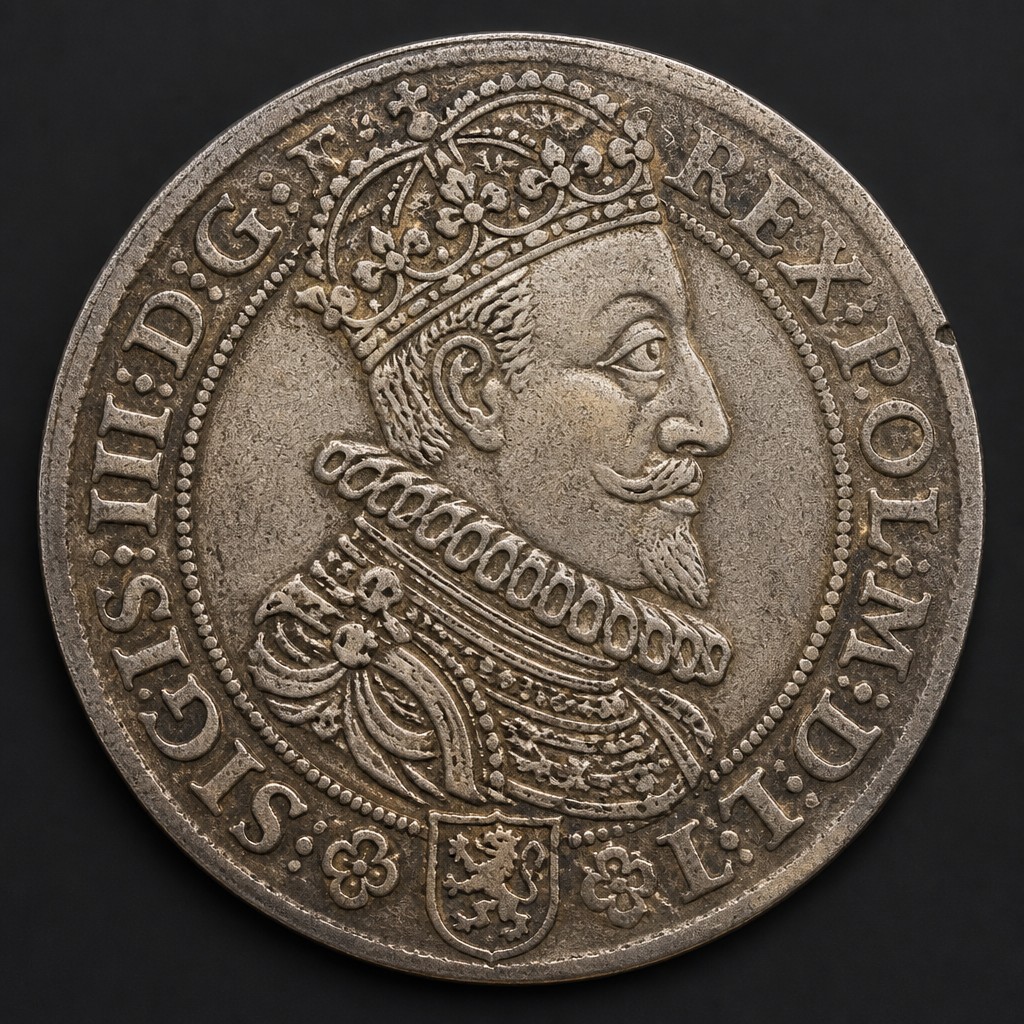
Polish-Lithuanian Thaler
circa 16th–18th century
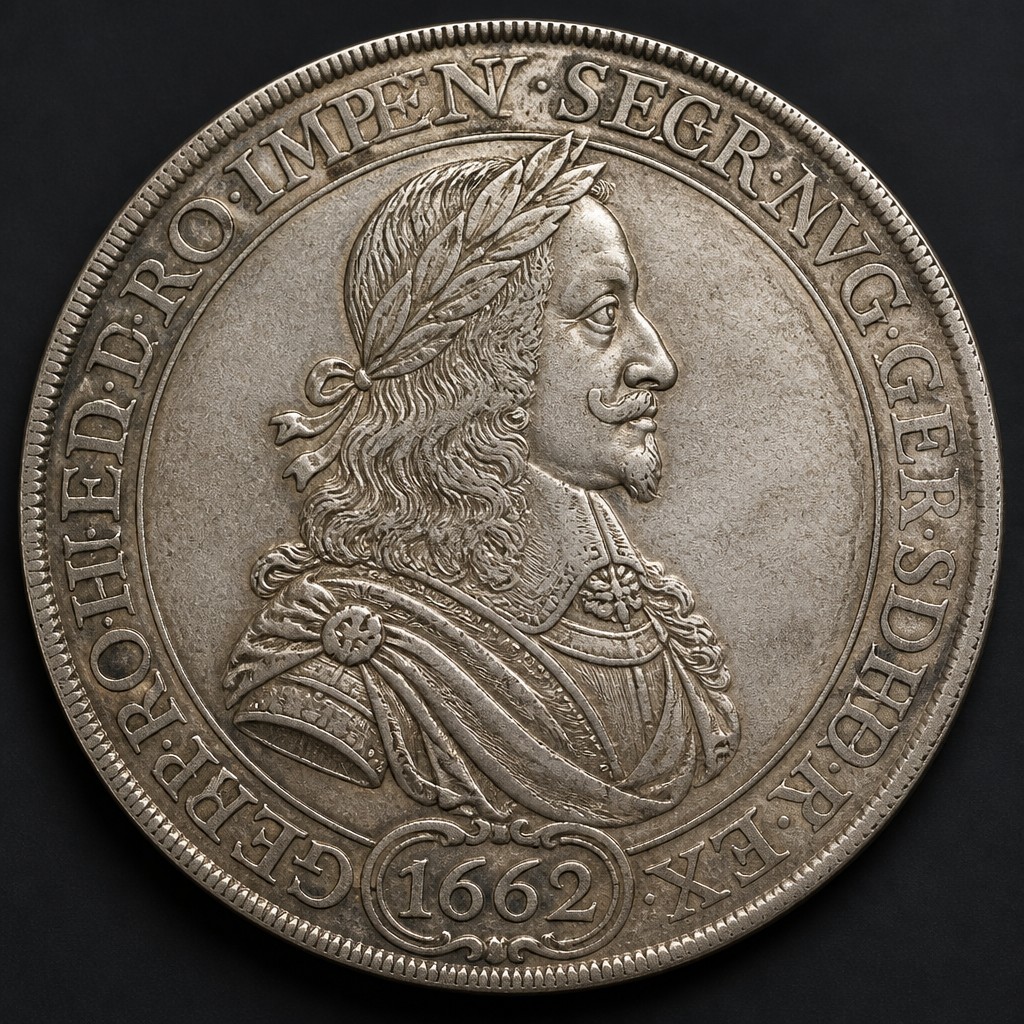
Reichsthaler
circa 1566–early 19th century
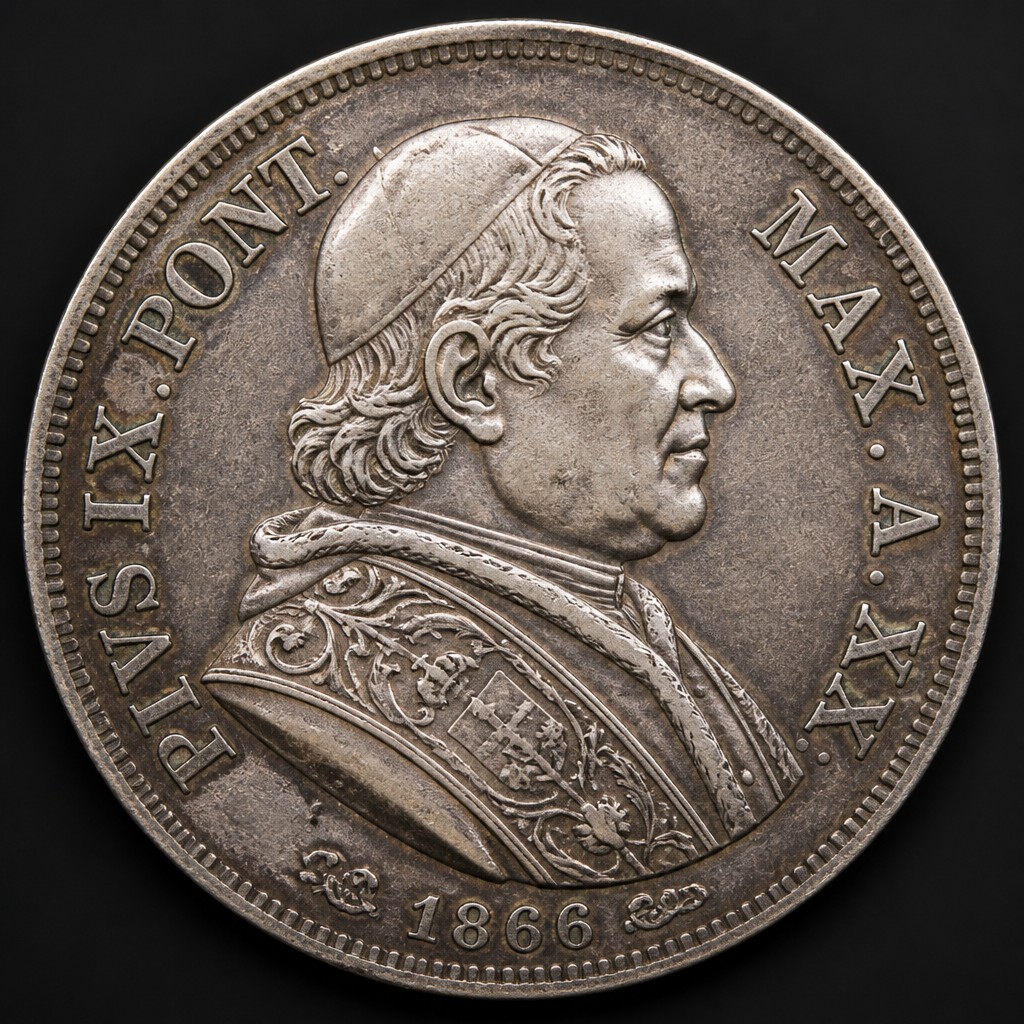
Papal States Scudo
16th century–1866
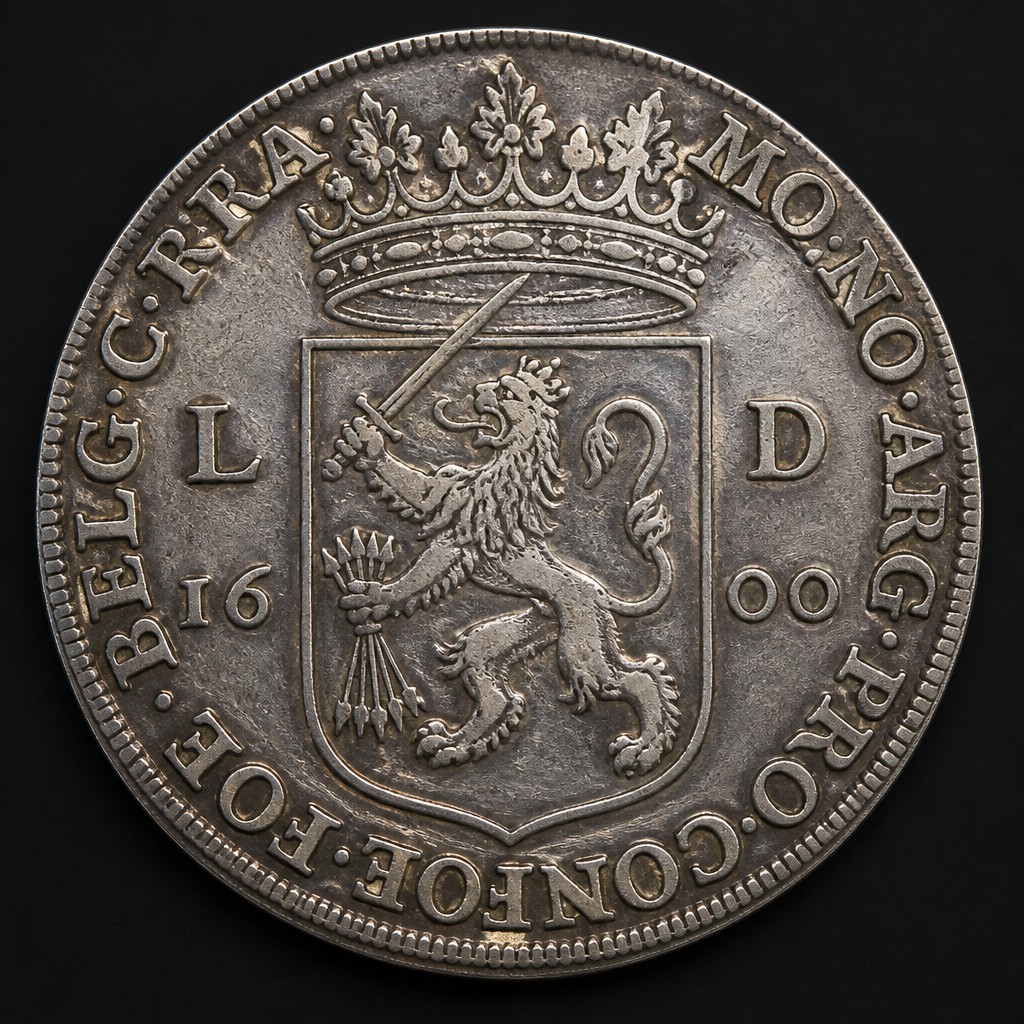
Netherlands Lion Daalder (Leeuwendaalder)
1575–1713
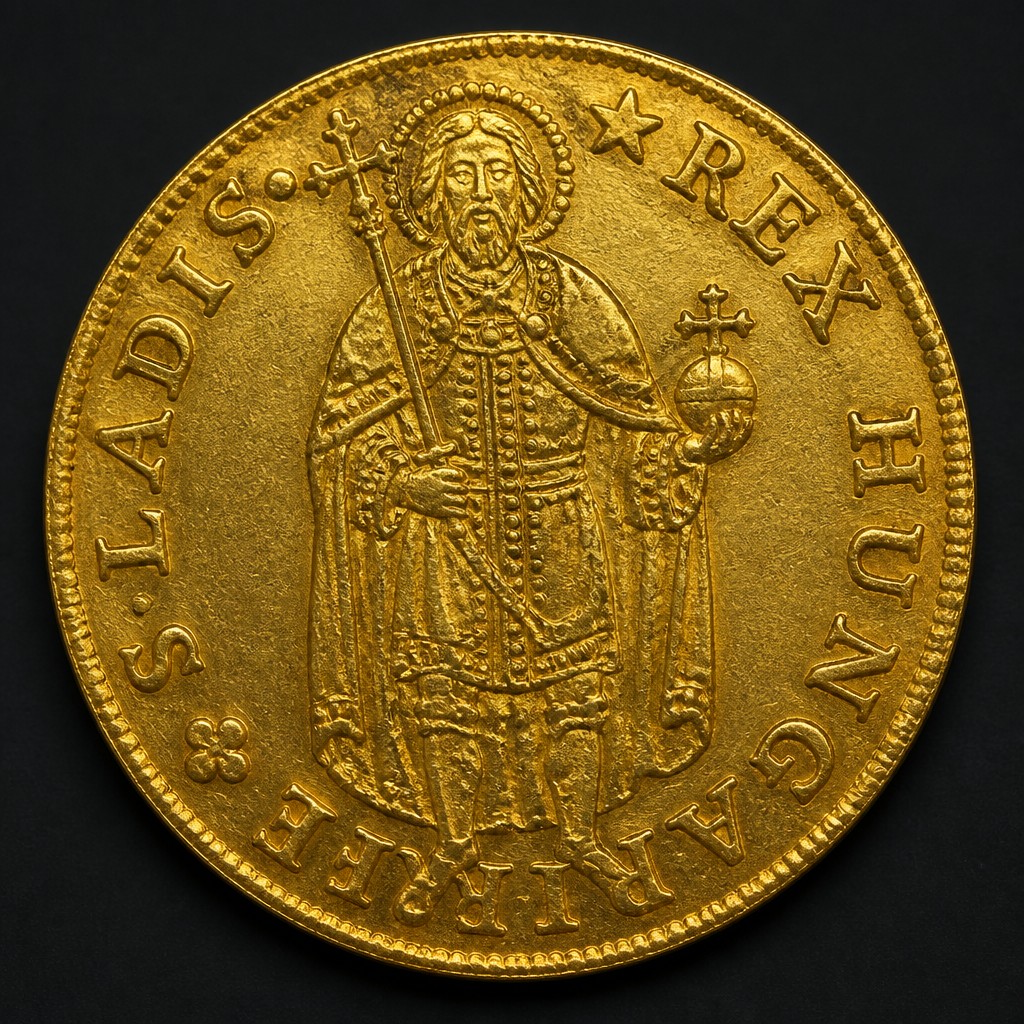
Hungarian Ducat
c. 1325–1918
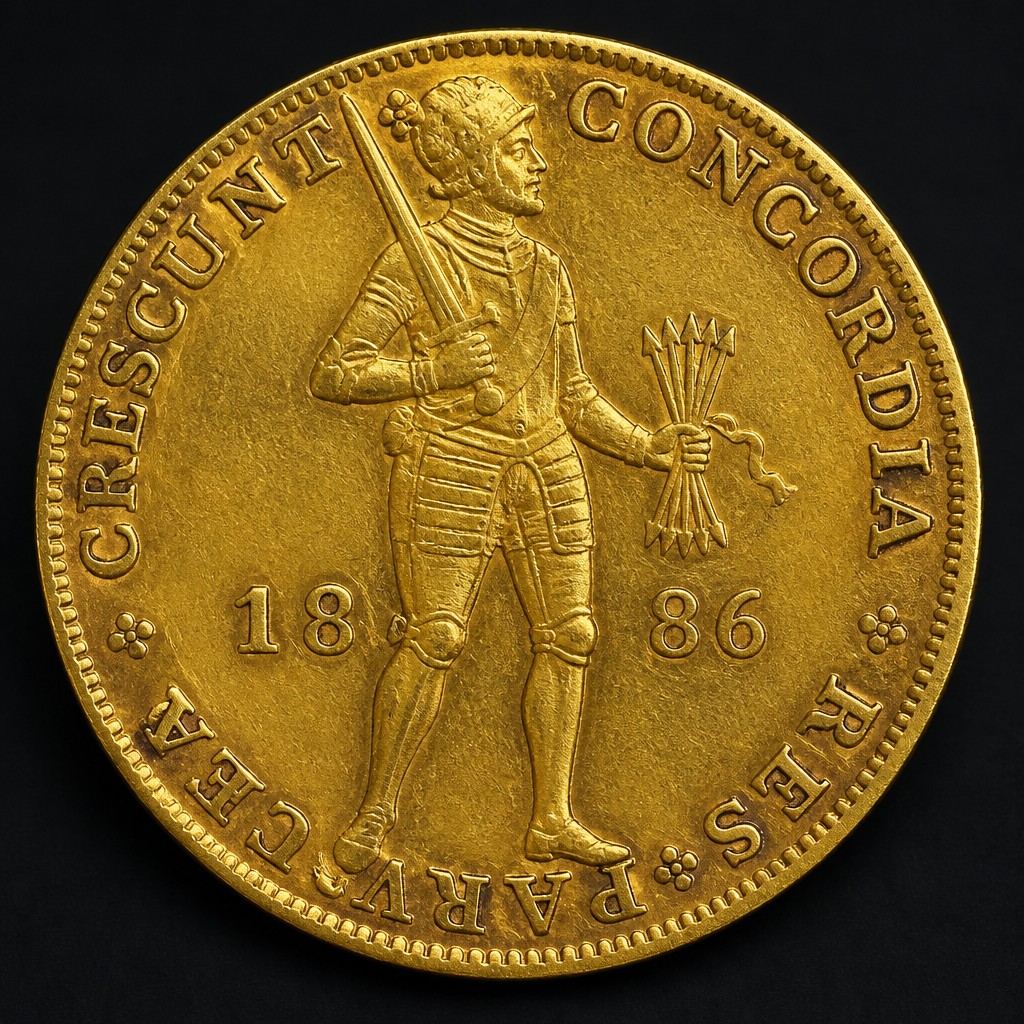
Dutch Ducat
c. 1586–present (classic type standardized after 1817)
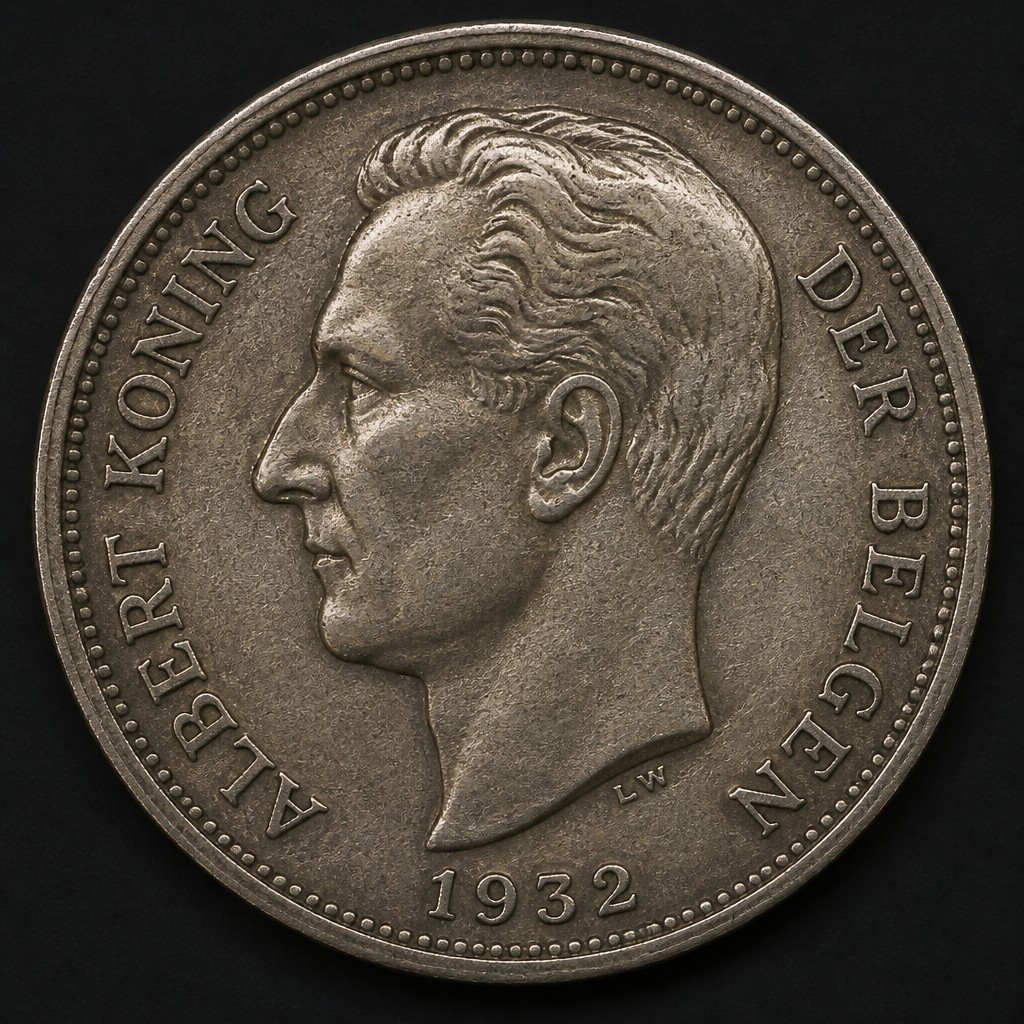
Belgian Franc
1832–2002
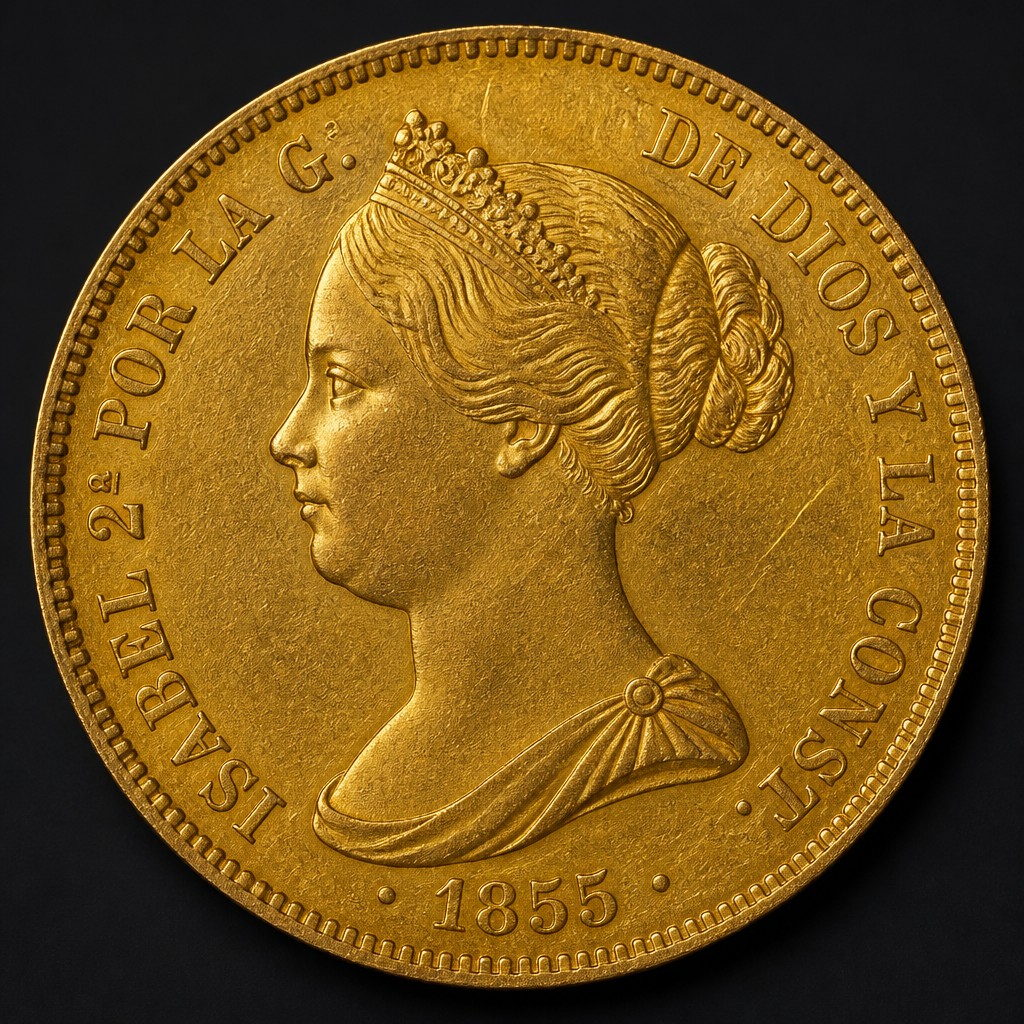
Spanish 100 Reales Gold (Isabel II)
1850s–1868
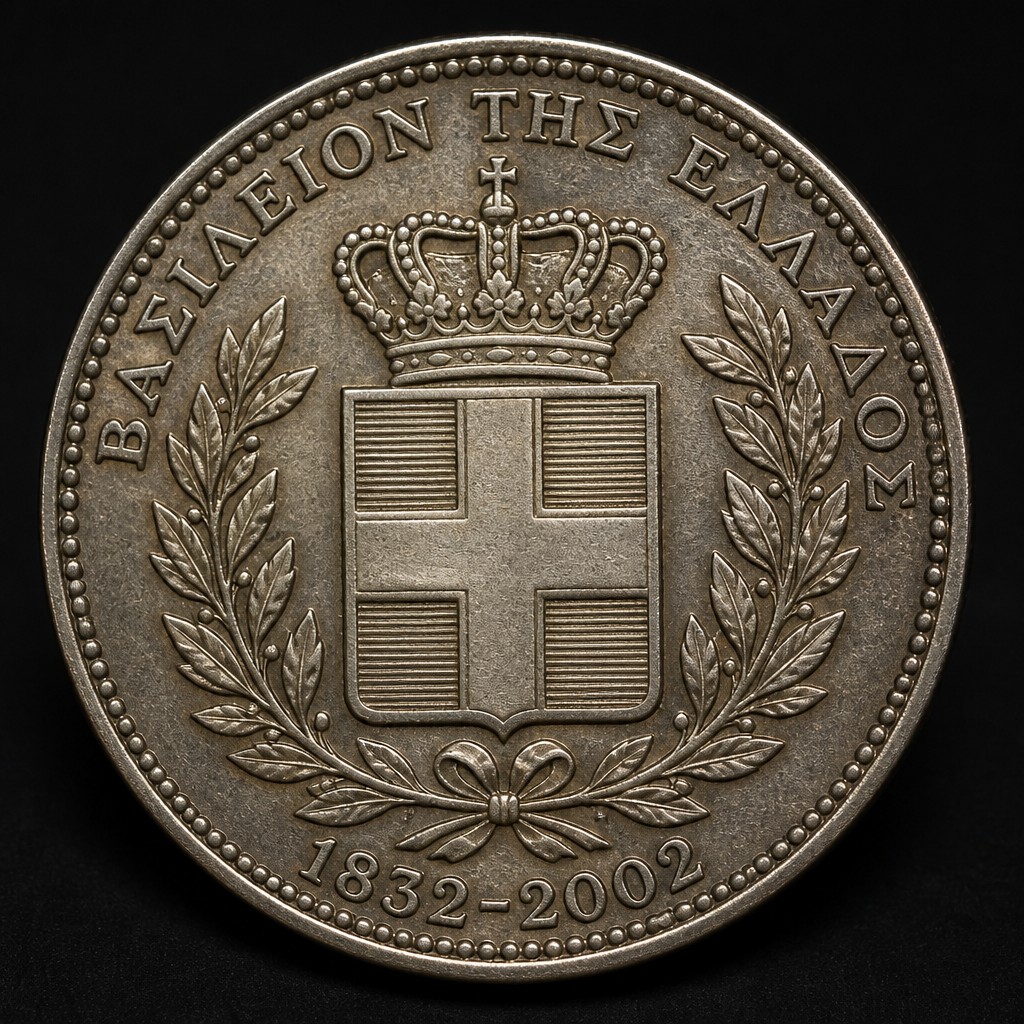
Greek Drachma
1832–2002
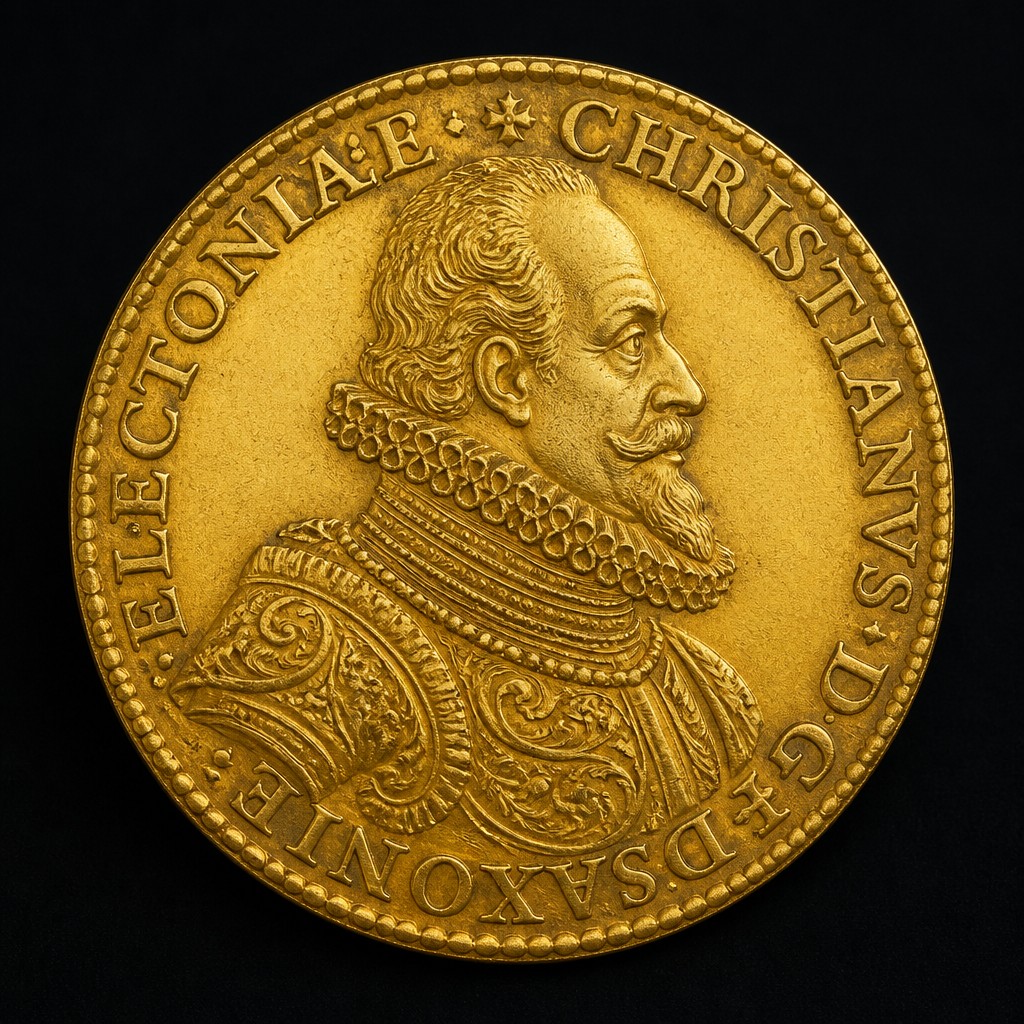
German Saxony Ducat
16th century–19th century
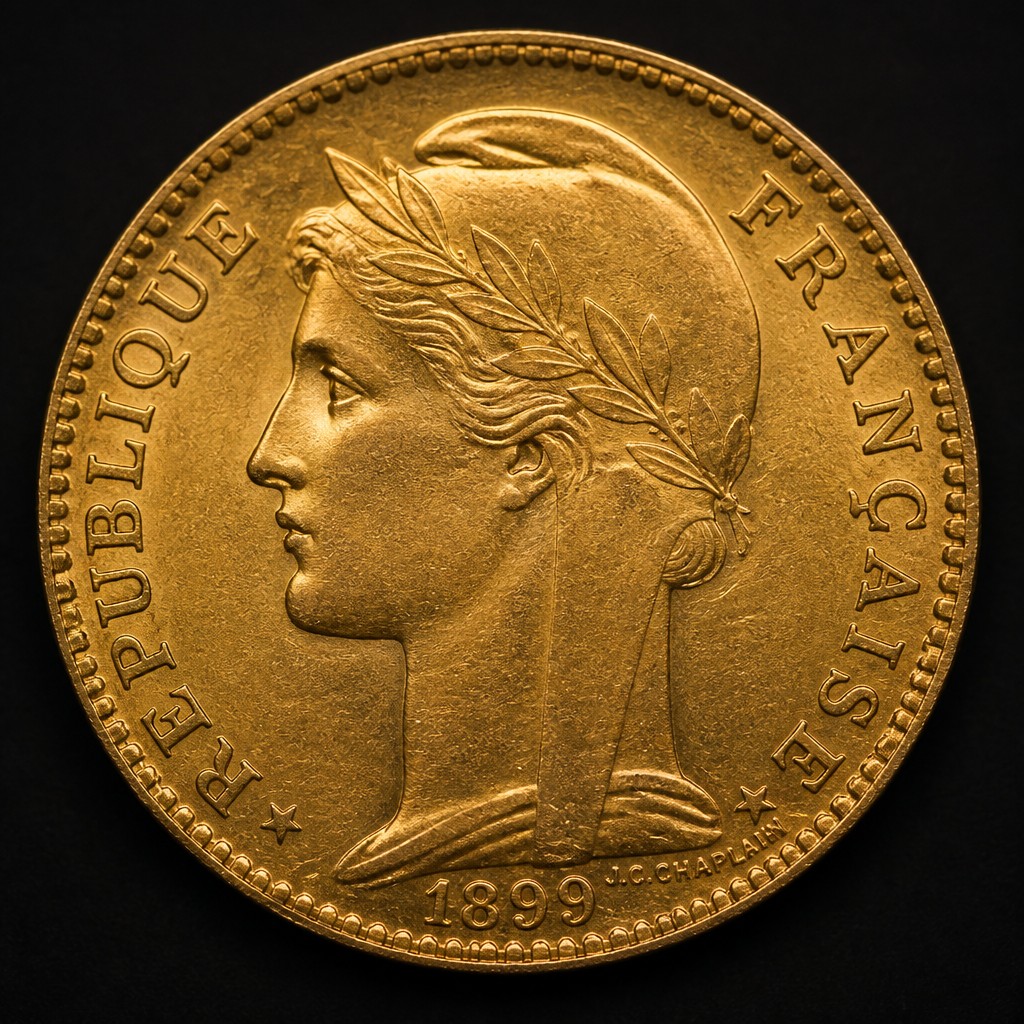
French 10 Francs Gold (Napoleon Rooster)
1899–1914
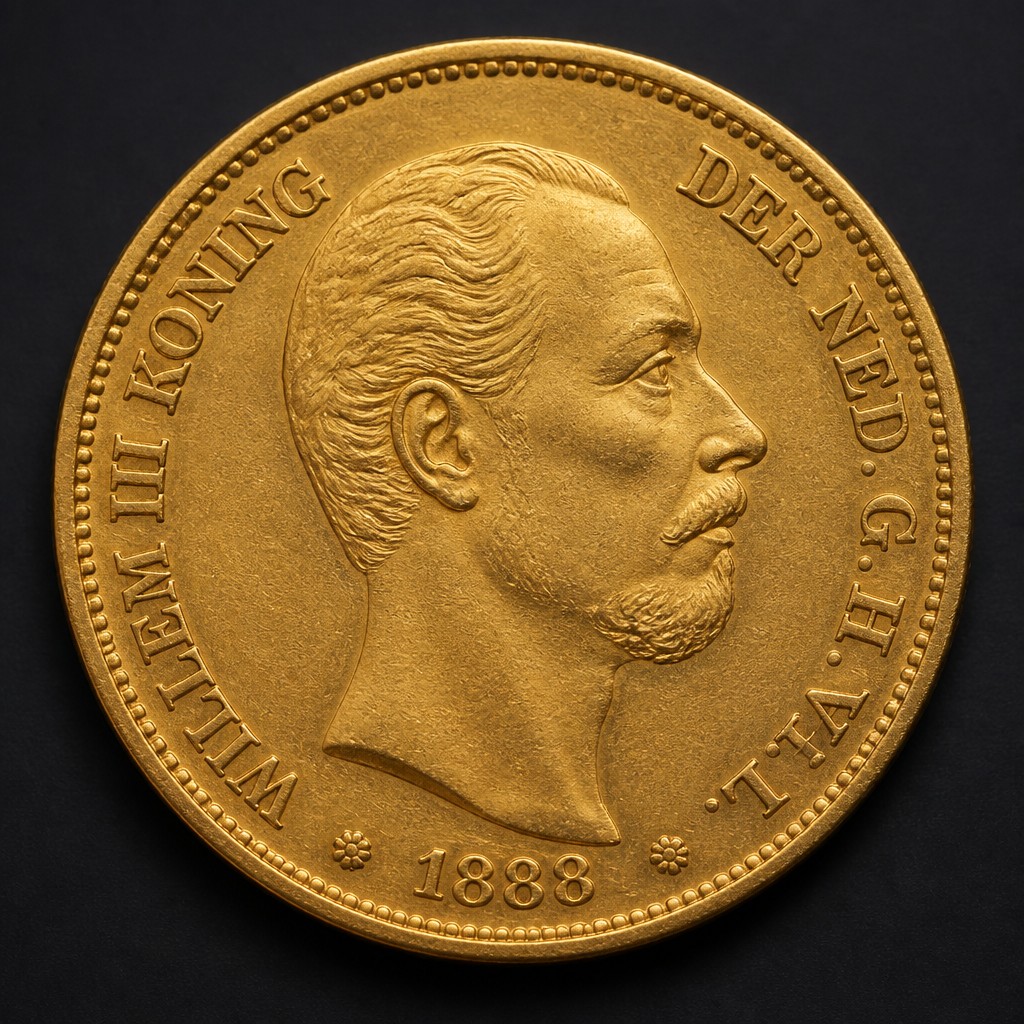
Netherlands 5 Gulden Gold
1826–1912 (intermittent)