
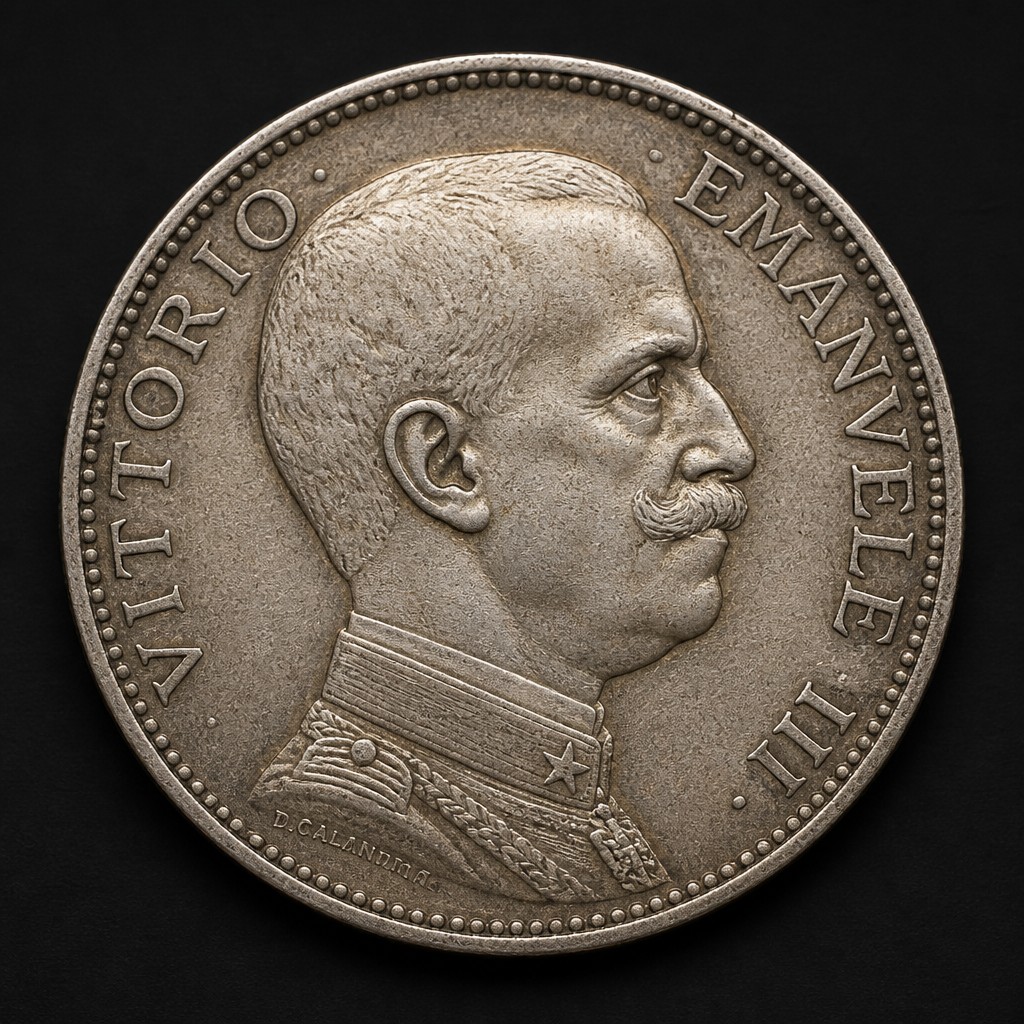
Italian 10 Lire (Silver)
Kingdom of Italy silver 10 Lire coin, best known for the 1926–1930 'Biga' type showing a two-horse chariot, struck under Vittorio Emanuele III.
- Country
- Italy (Kingdom of Italy)
- Denomination
- 10 Lire
- Metal
- 83.5% Silver (.835 fine)
Got a coin like this?
Identify any coin from a photo, free.
Overview
The Italian silver 10 Lire is a classic denomination of the Kingdom of Italy, produced in several distinct designs across the reigns of Vittorio Emanuele II, Umberto I, and Vittorio Emanuele III. The most widely recognized version, struck in the late 1920s, pairs a modernized portrait of the king with a striking chariot ('Biga') reverse.
Because Italy was a founding member of the Latin Monetary Union, its silver coinage was struck to standards shared with France, Belgium, and Switzerland, making these pieces broadly comparable in size and fineness to francs of the same era.
Collectors value the 10 Lire both as an entry point into Italian numismatics and for its handsome, sculptural Art Deco-influenced imagery.
History & Background
Italy's 10 Lire silver denomination dates back to the unification era, when the newly formed Kingdom of Italy standardized its coinage under the Latin Monetary Union in the 1860s. Early versions carried the portrait of Vittorio Emanuele II, the first king of unified Italy, and later Umberto I.
The most famous version was introduced under Vittorio Emanuele III in the mid-1920s as Italy modernized its silver coinage with fresh, nationalistic imagery reflecting the fascist-era emphasis on classical Roman symbolism, including the chariot motif recalling ancient triumphal processions.
Production of substantial silver coinage slowed through the 1930s as Italy, like many nations, moved toward smaller silver content and eventually base-metal coinage under economic pressures leading into World War II.
How to Identify
The obverse of the well-known 1926–1930 type shows a bare or laureate head of King Vittorio Emanuele III facing left, with his name and title in Latin-style Italian legend around the rim. The reverse depicts a two-horse chariot (biga) driven by a female figure personifying Italy, with the denomination and date below.
The coin is struck in .835 fine silver and is smaller and lighter than the older 5 Lire crown-sized pieces of the 19th century. A reeded edge and the Rome mint mark (R) or mintmaster initials appear on genuine pieces.
Earlier 19th-century 10 Lire types (where they exist) instead show younger portraits of Vittorio Emanuele II or Umberto I with more traditional crowned-arms reverses; these are scarcer and should not be confused with the later chariot type.
Value & Collectibility
Common-date examples of the 1926–1930 Biga 10 Lire in circulated grades are inexpensive and readily available to collectors, making the type a popular starter piece for Italian coinage. Uncirculated or exceptionally well-struck examples command a meaningful premium.
Earlier 19th-century 10 Lire issues, where genuine, are considerably scarcer and can be worth significantly more depending on date and condition. As with most silver world coins, eye appeal, luster, and absence of cleaning or wear heavily influence price.
Values for common dates in circulated condition are typically modest (well under $50), while choice uncirculated or rare-date pieces can reach into the low hundreds of dollars or more; actual results vary by dealer and market conditions.
Frequently asked questions
What is the 'Biga' 10 Lire?
It is the popular nickname for the 1926–1930 Italian 10 Lire silver coin, named for the two-horse chariot (biga) on its reverse.
What is the silver content of the Italian 10 Lire?
The 1920s type is struck in .835 fine silver, a standard common to several Latin Monetary Union nations.
Who is pictured on the coin?
King Vittorio Emanuele III of Italy appears on the obverse of the well-known 1920s type.
Are all Italian 10 Lire coins silver?
No. Later 20th-century 10 Lire coins were struck in base metals; only the earlier issues, especially the 1926–1930 type, are silver.
Other coins you may enjoy
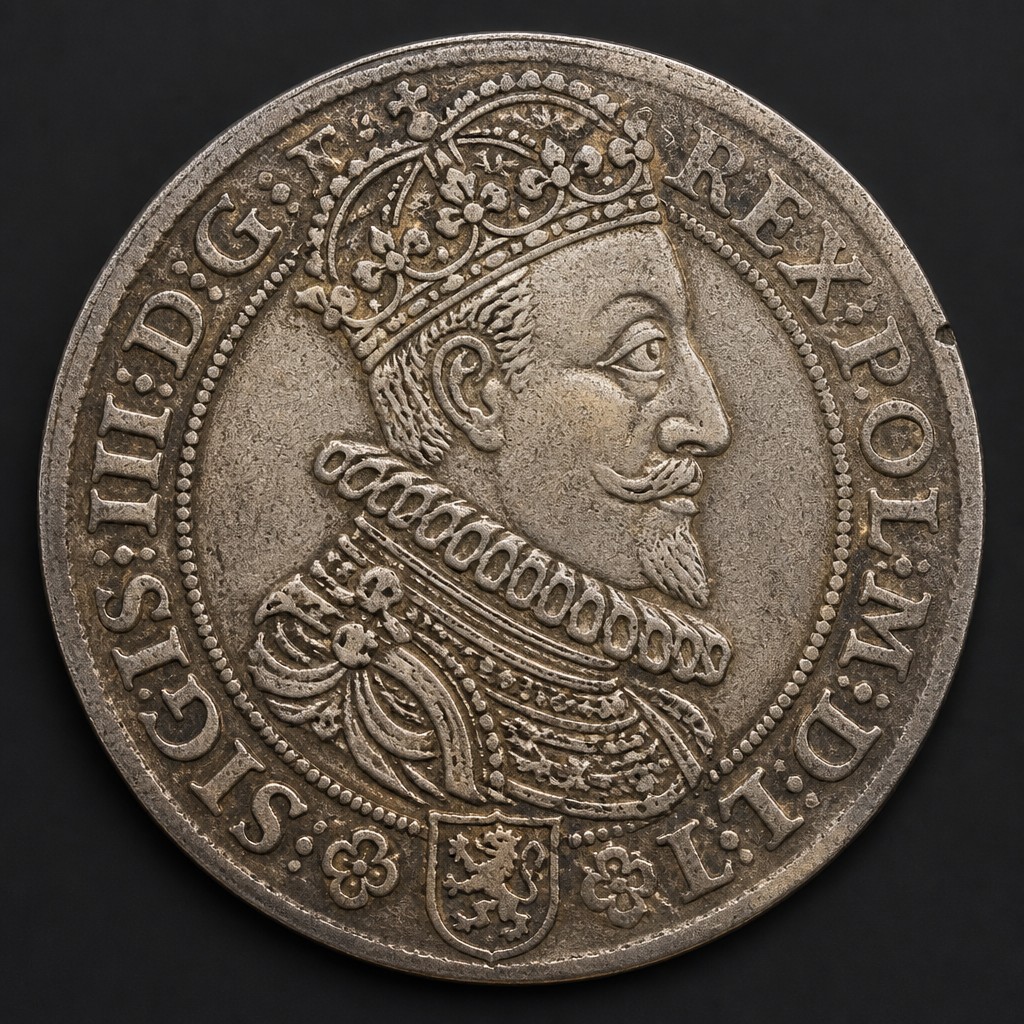
Polish-Lithuanian Thaler
circa 16th–18th century
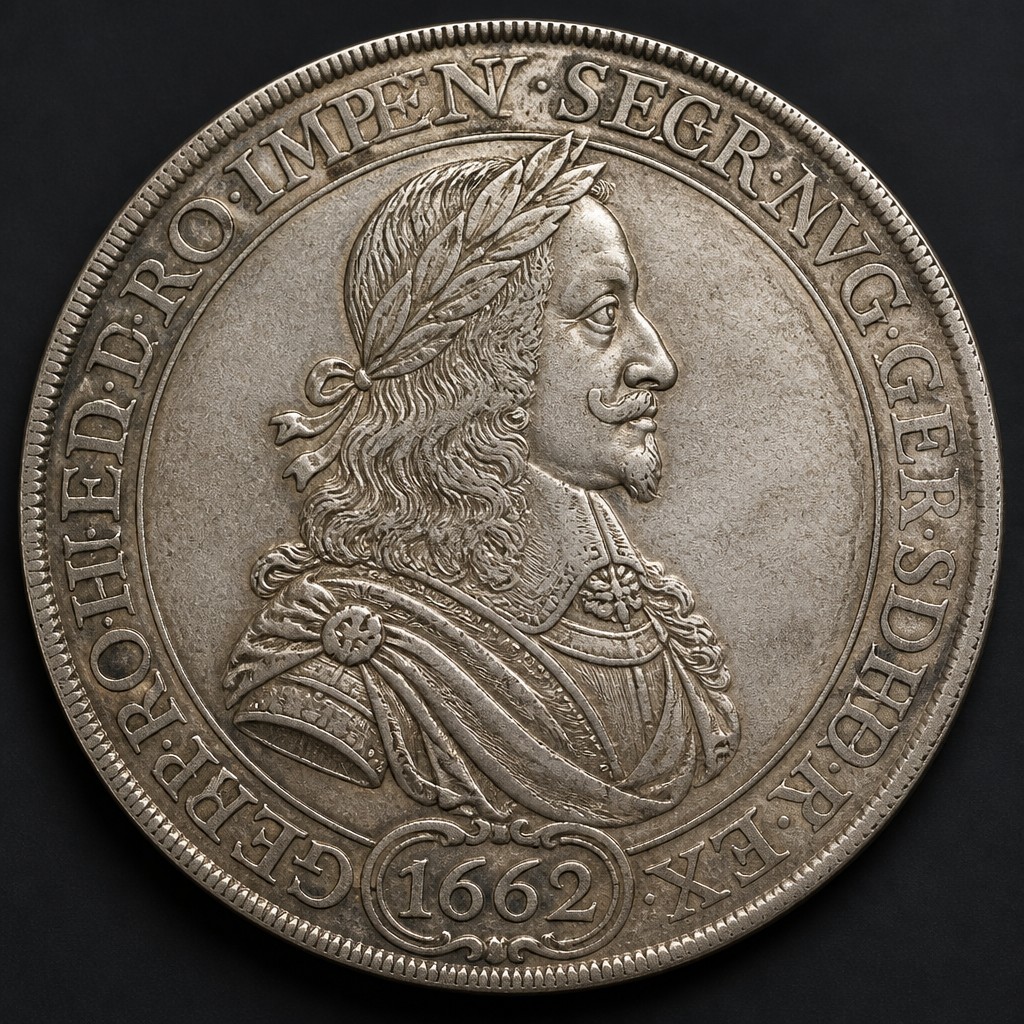
Reichsthaler
circa 1566–early 19th century
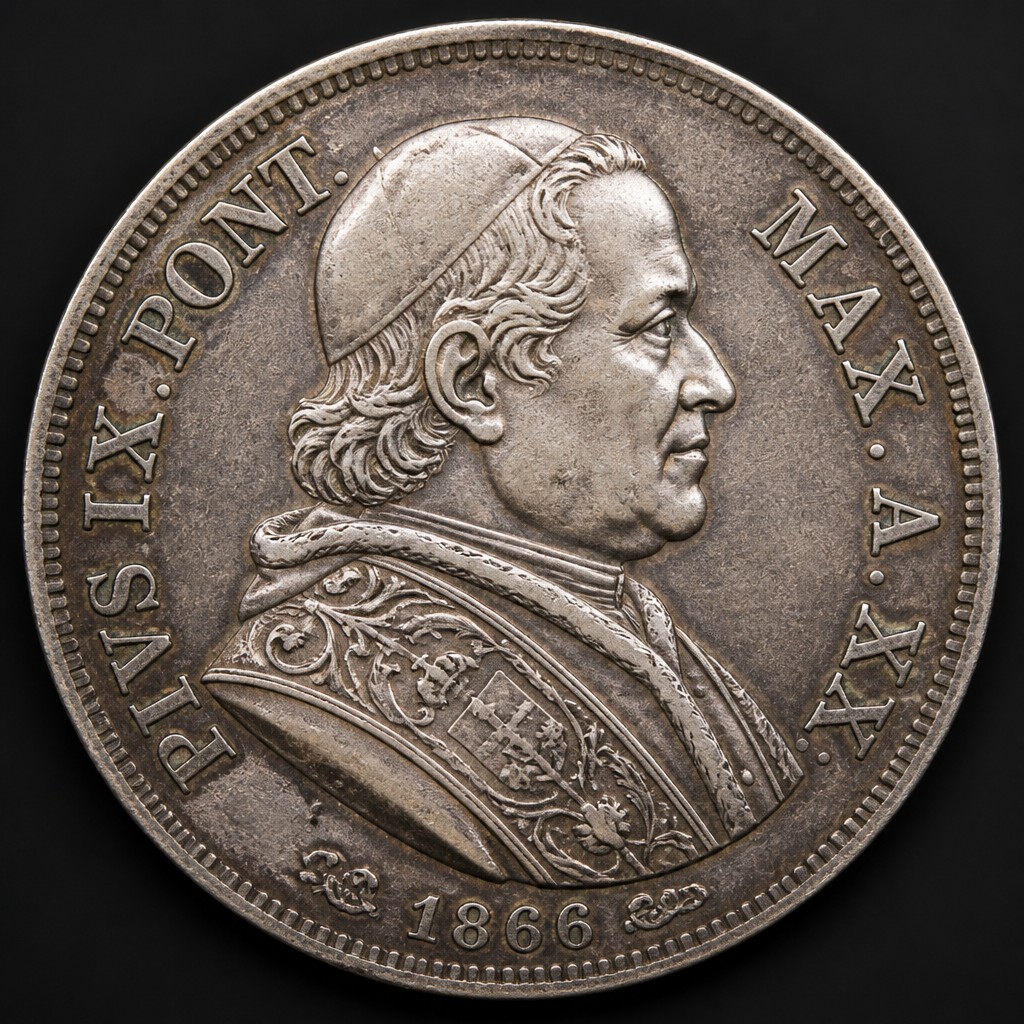
Papal States Scudo
16th century–1866
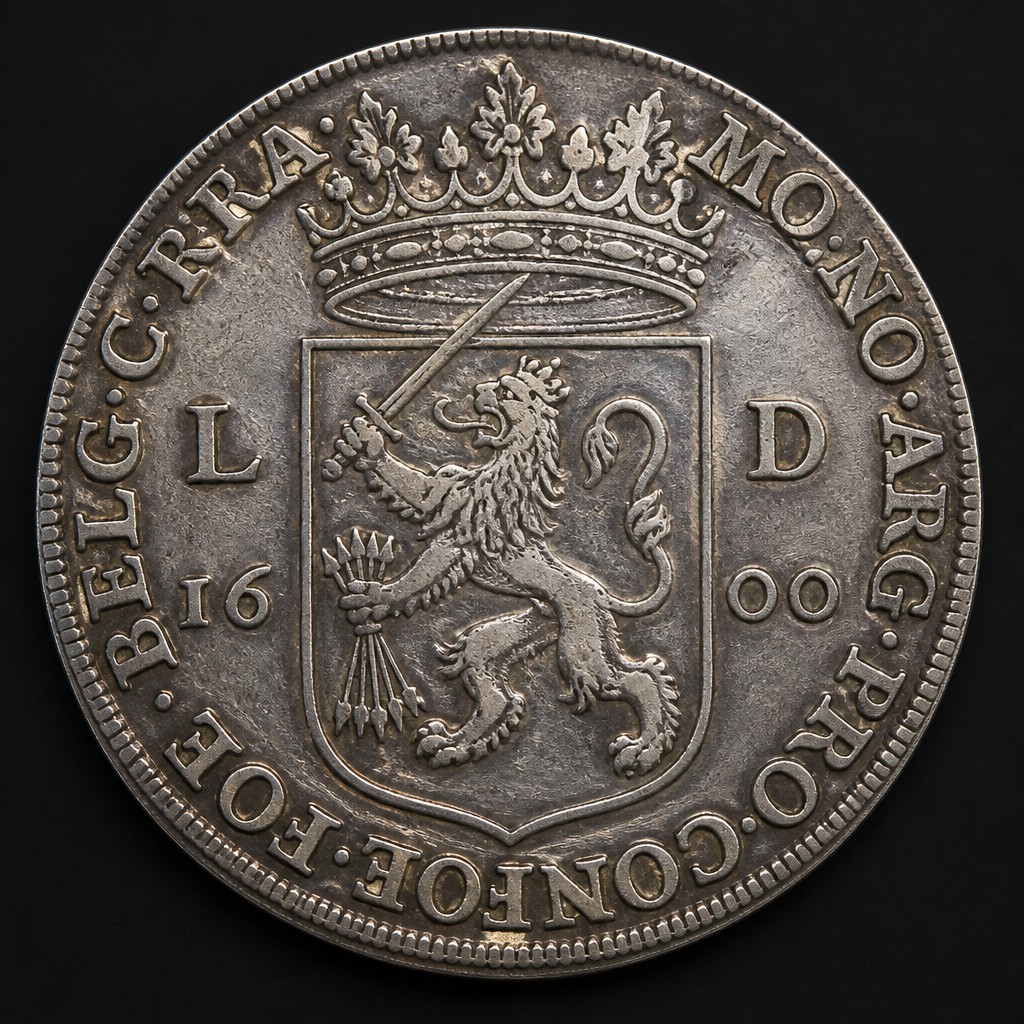
Netherlands Lion Daalder (Leeuwendaalder)
1575–1713
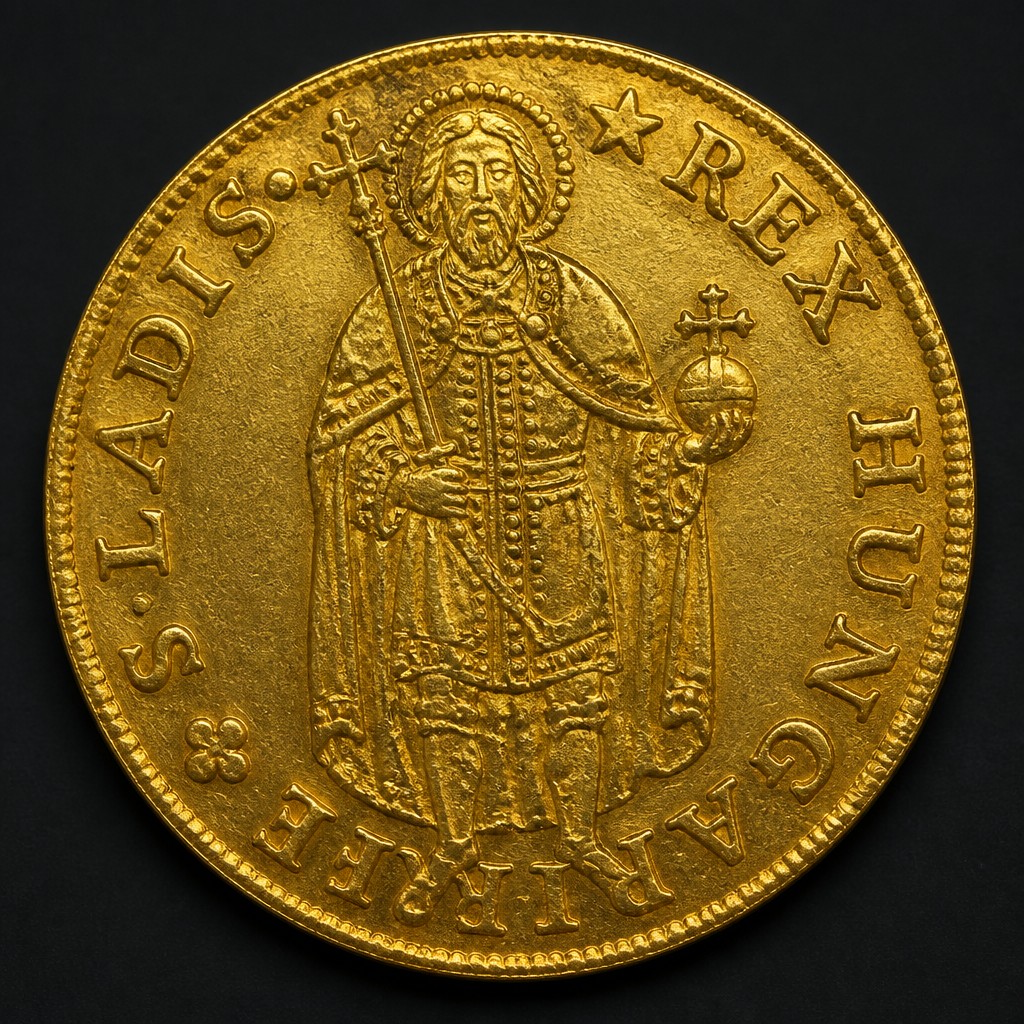
Hungarian Ducat
c. 1325–1918
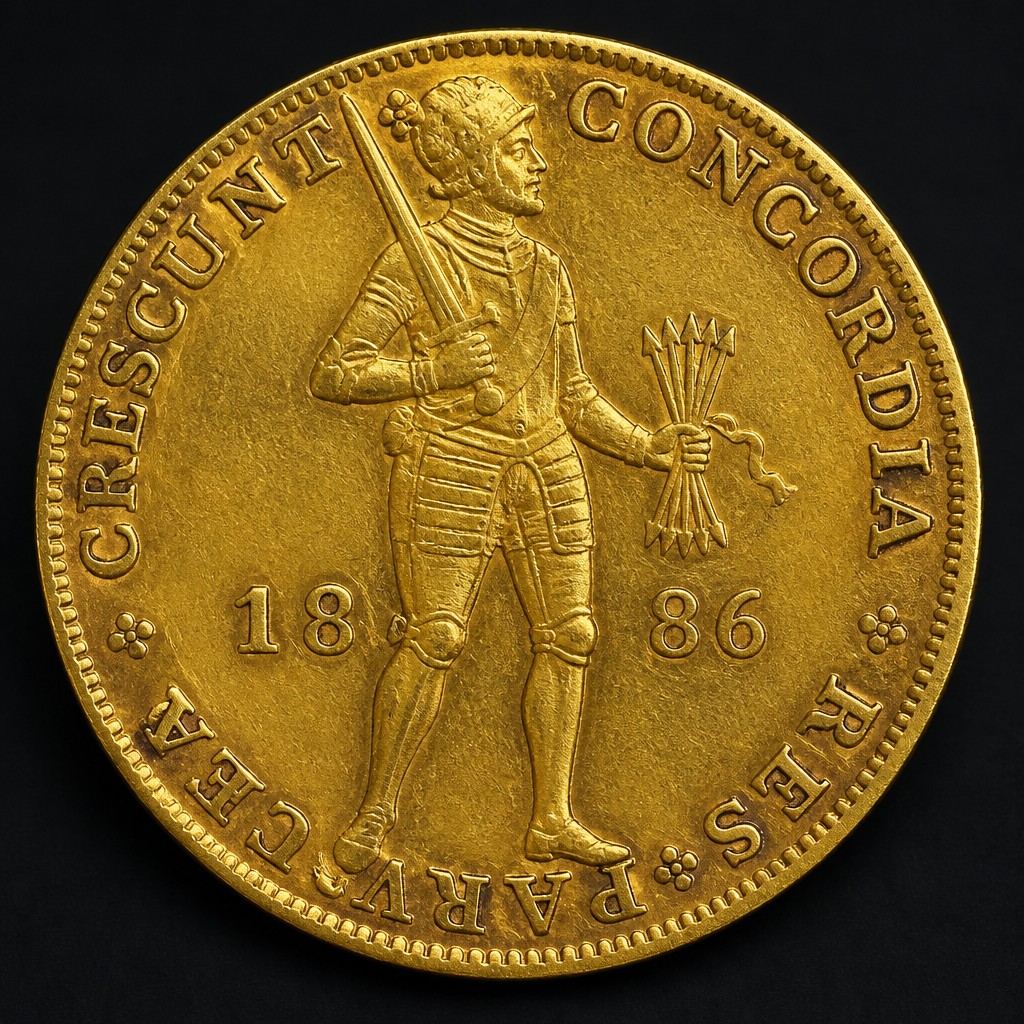
Dutch Ducat
c. 1586–present (classic type standardized after 1817)
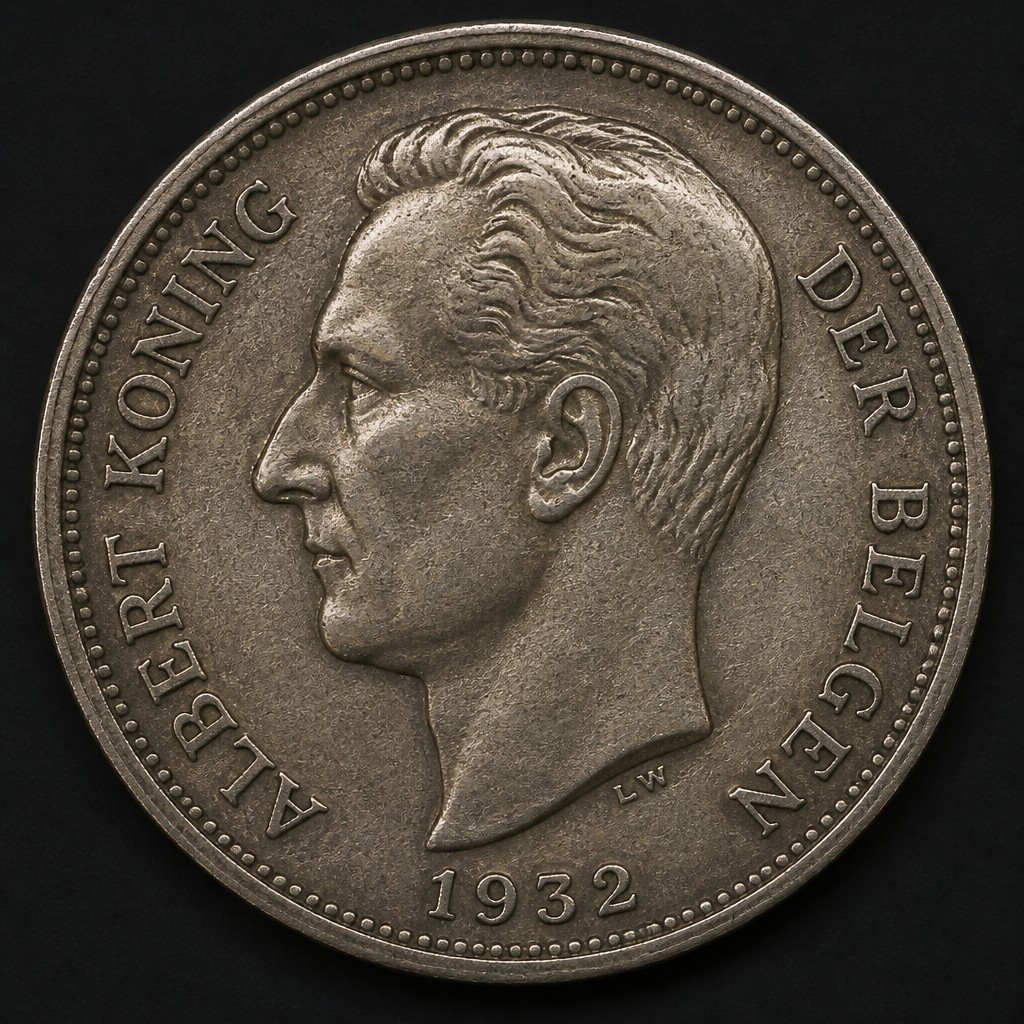
Belgian Franc
1832–2002
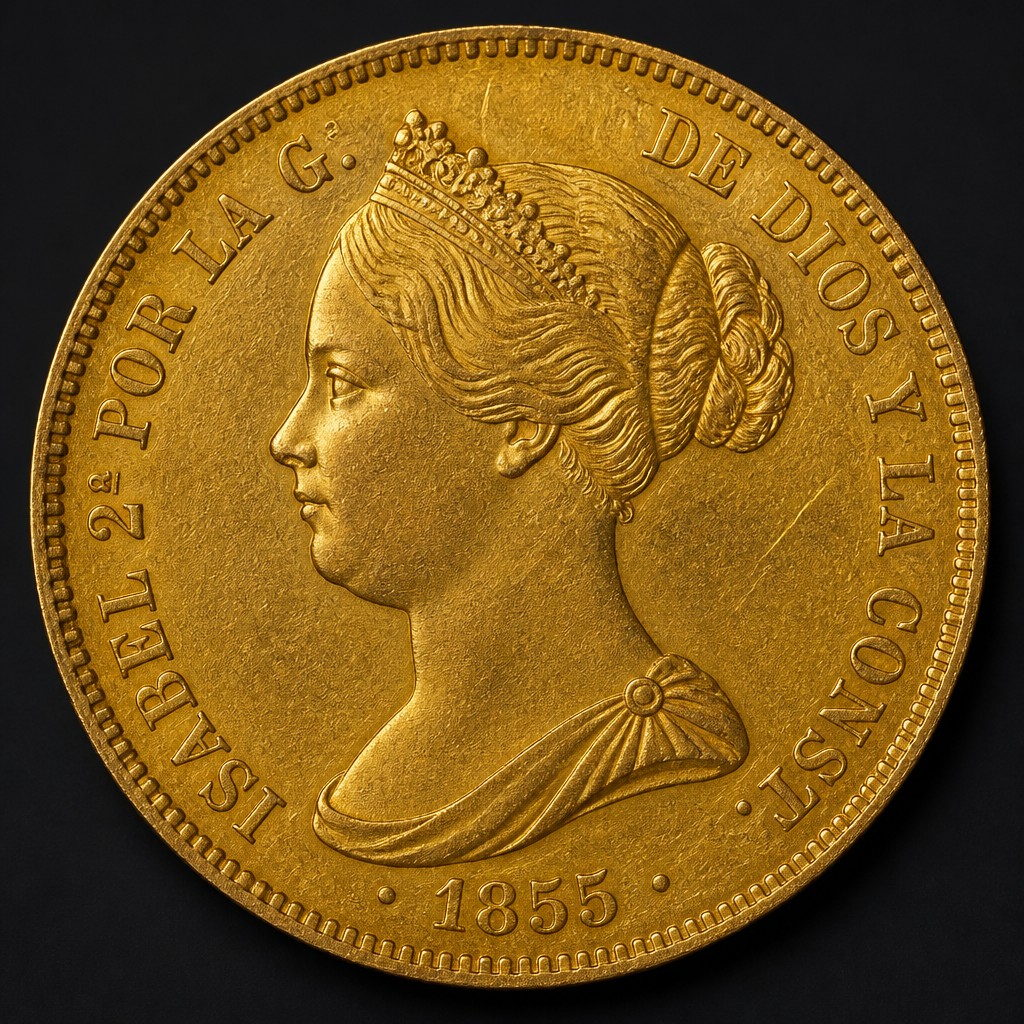
Spanish 100 Reales Gold (Isabel II)
1850s–1868
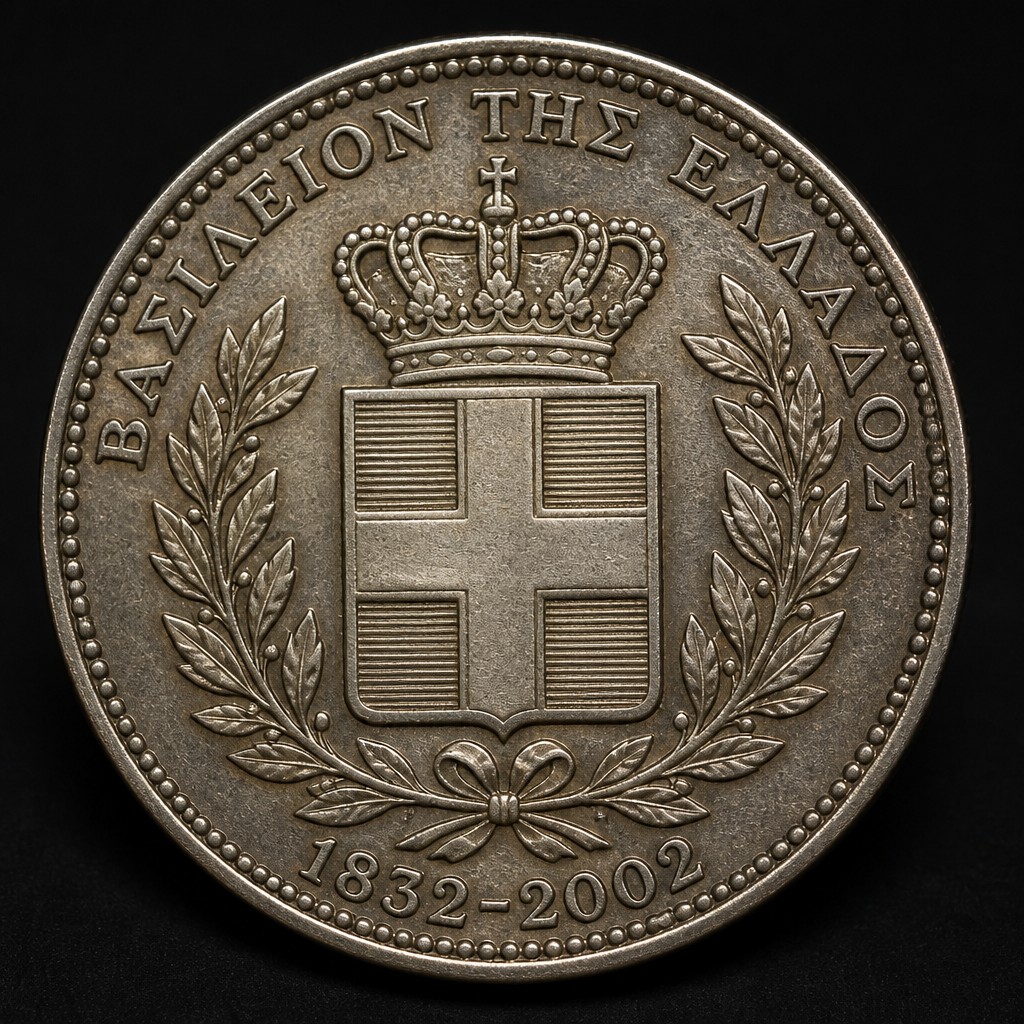
Greek Drachma
1832–2002
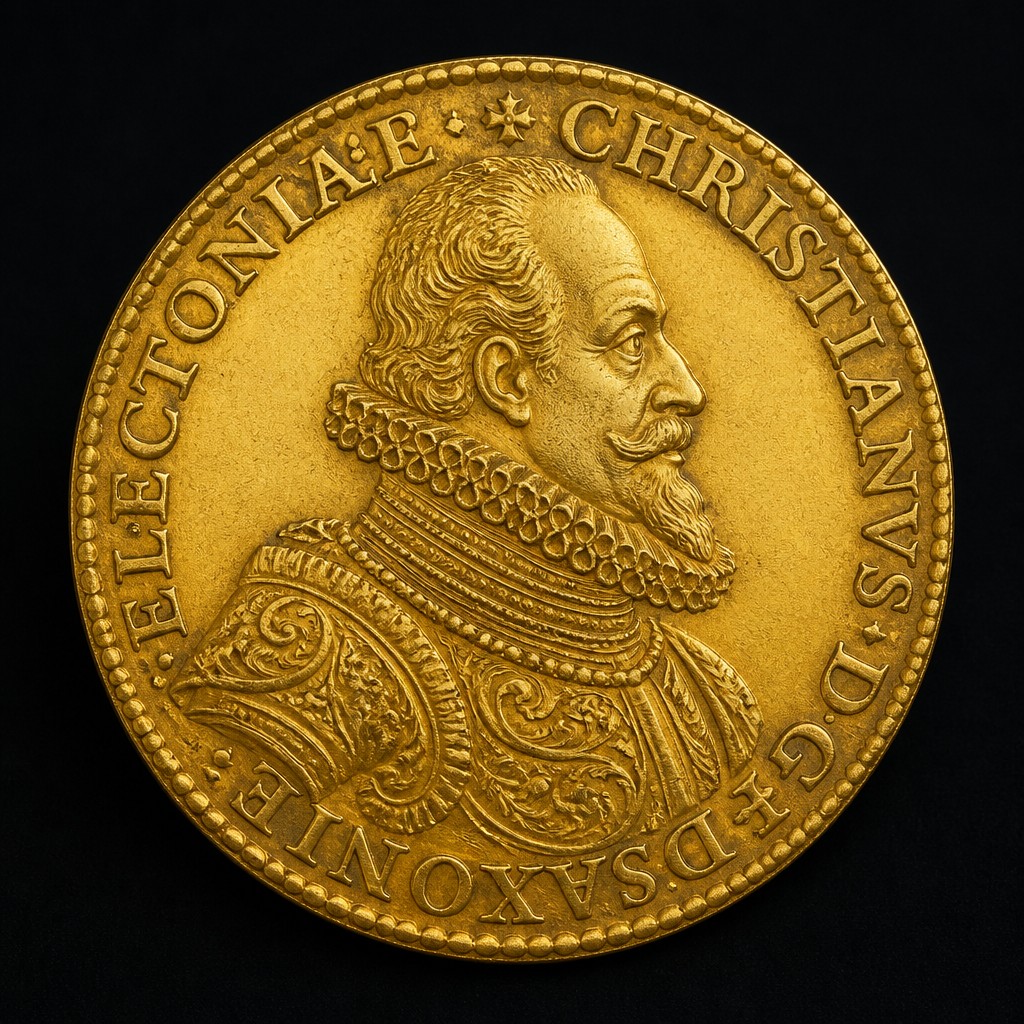
German Saxony Ducat
16th century–19th century
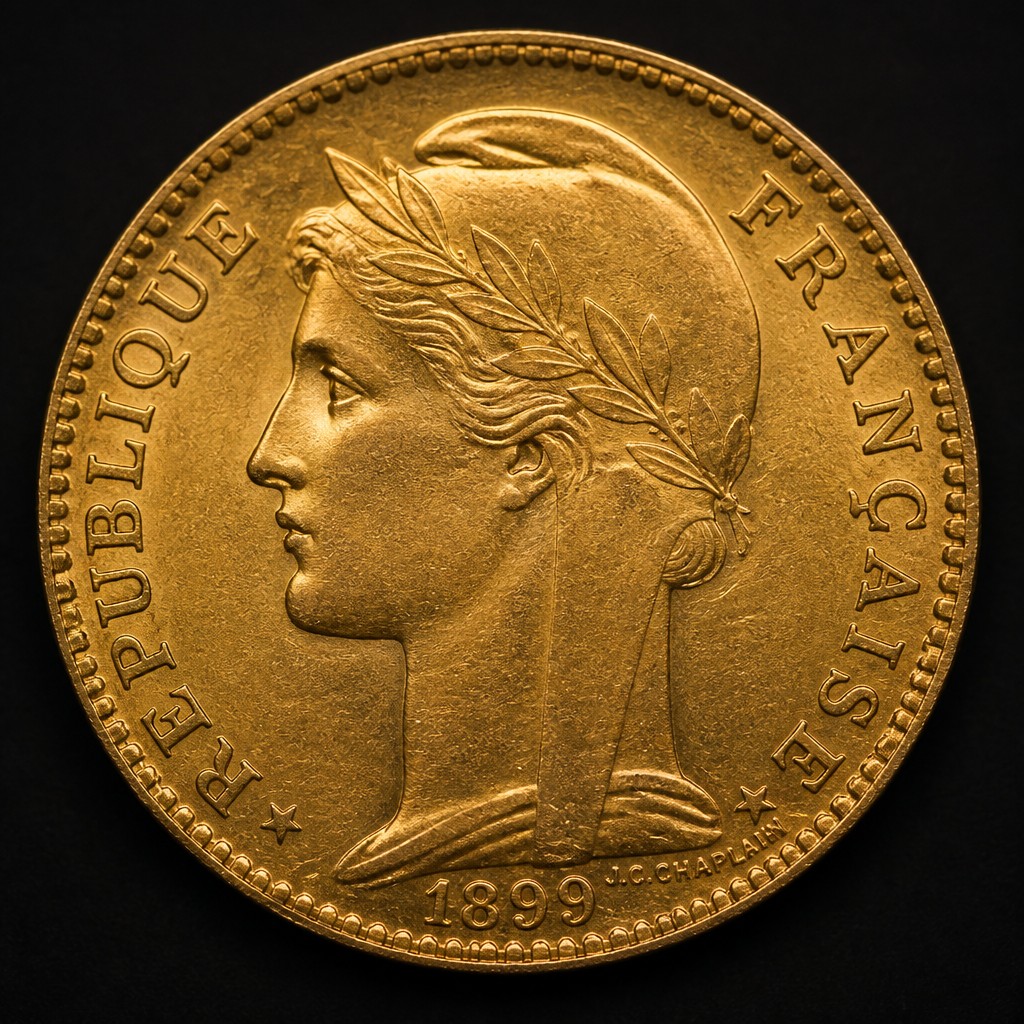
French 10 Francs Gold (Napoleon Rooster)
1899–1914
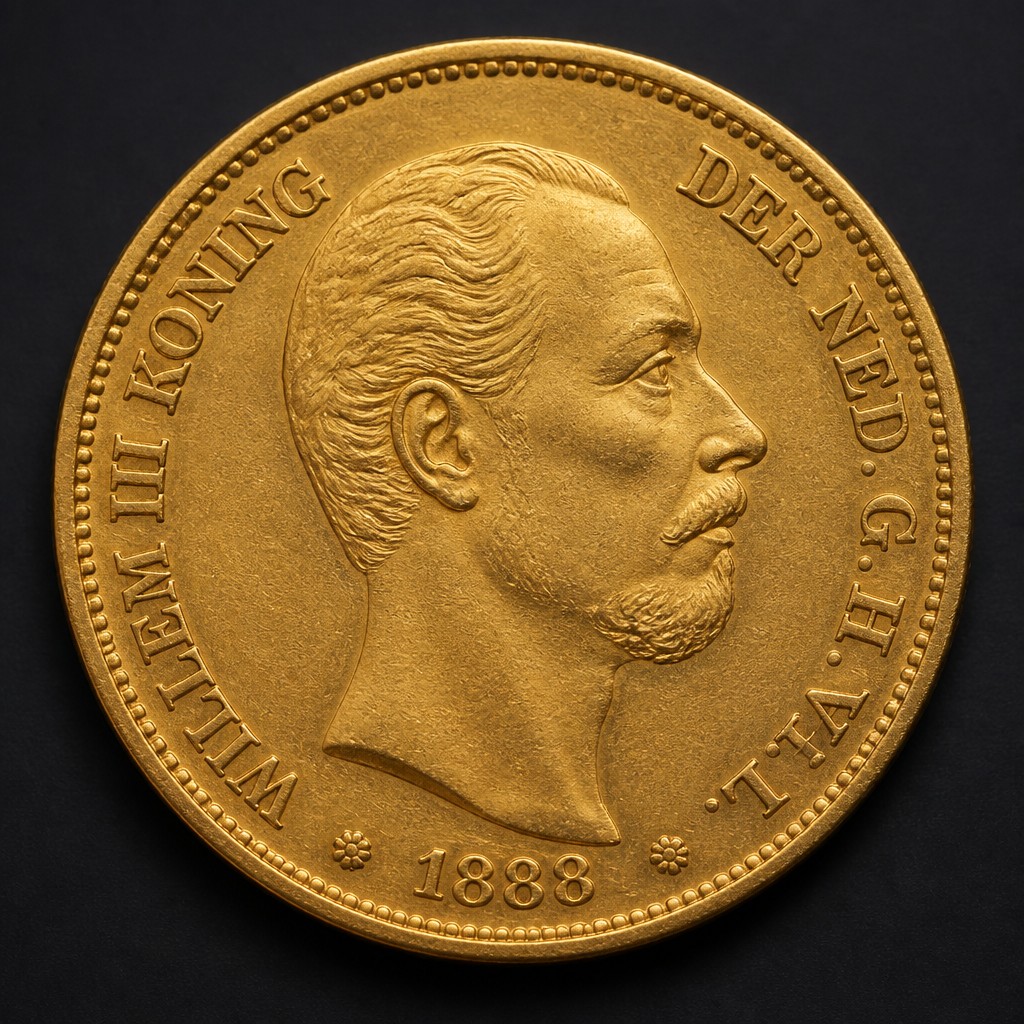
Netherlands 5 Gulden Gold
1826–1912 (intermittent)