
Coin Encyclopedia
Search and identify coins from around the world — with country, denomination, metal, mint, history, and how to tell them apart.
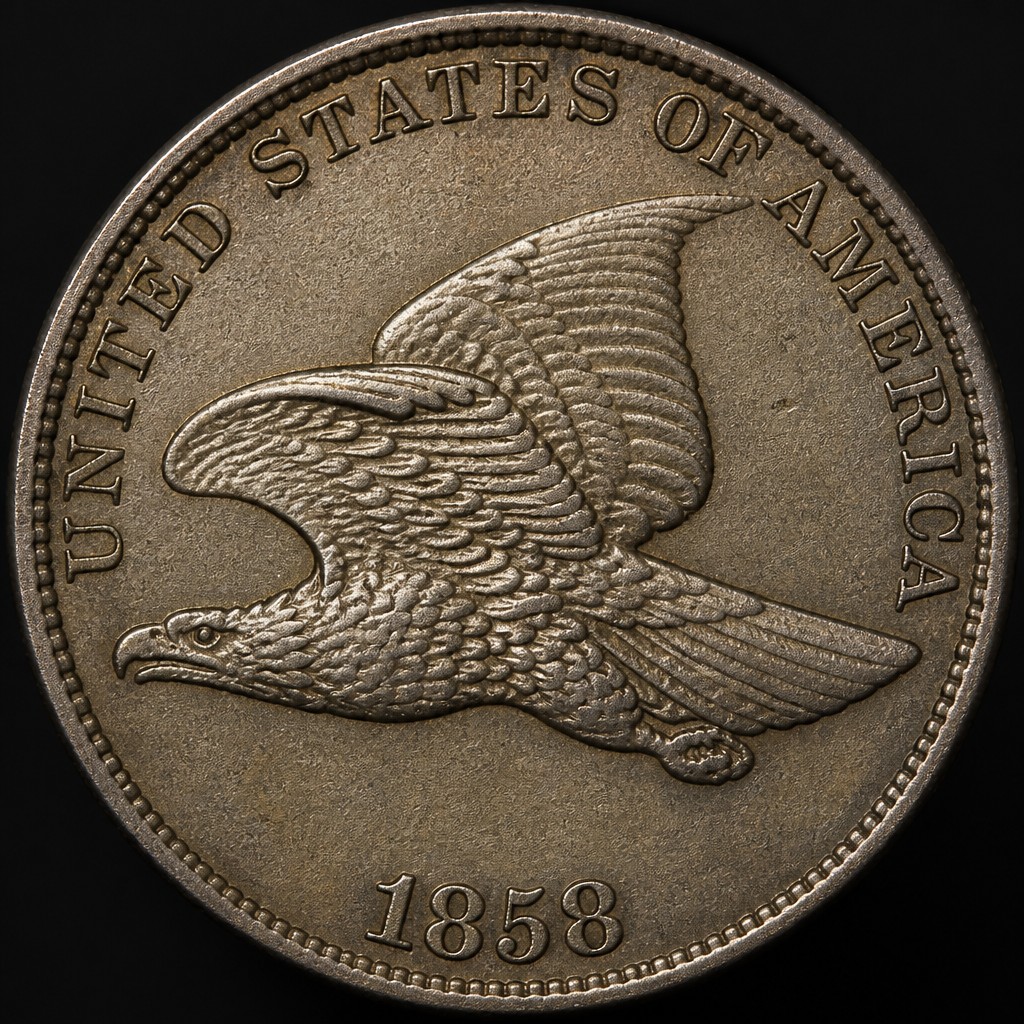
1858 Flying Eagle Cent
The final year of the short-lived Flying Eagle Cent, struck in Large Letters and Small Letters varieties before the Indian Head design replaced it in 1859.
United States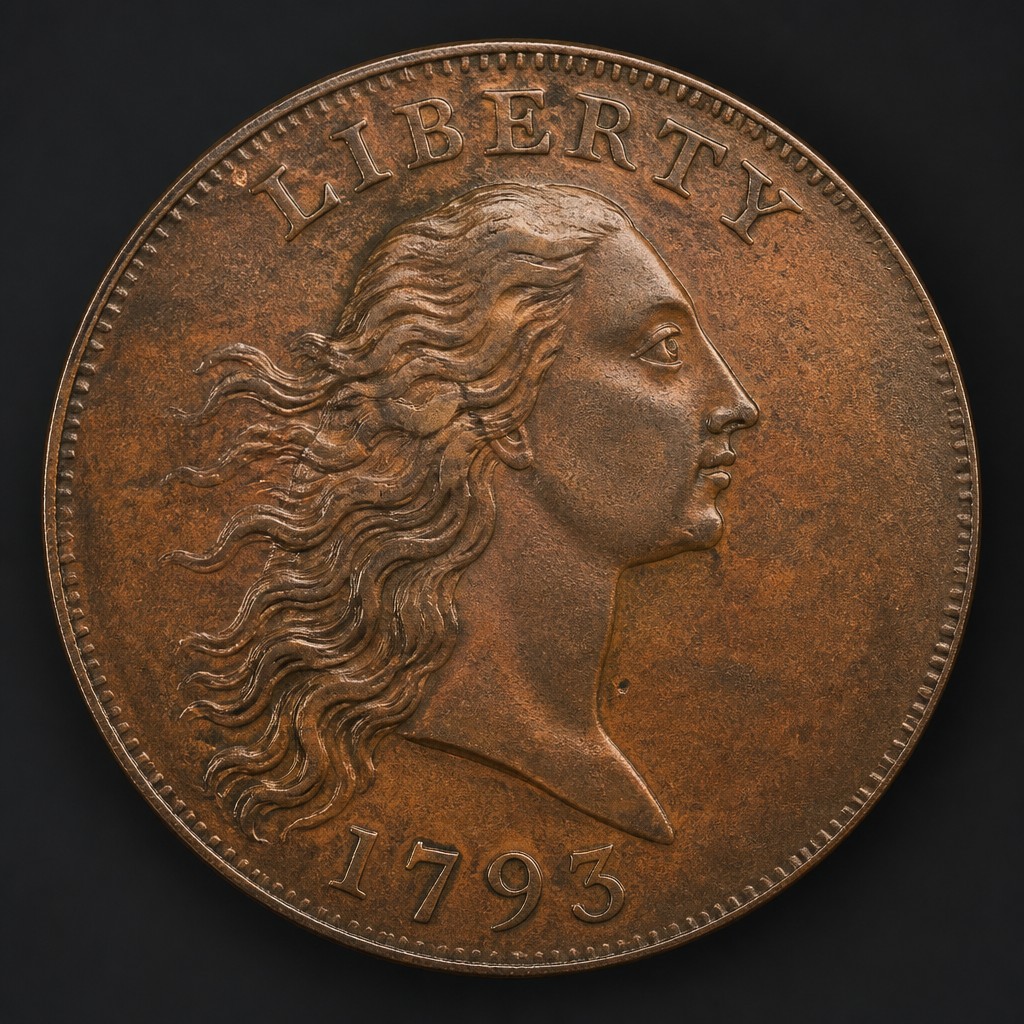
1793 Wreath Cent
The second cent design of 1793, replacing the controversial Chain cent with a wreath reverse, and one of three distinct cent types struck that founding year.
United States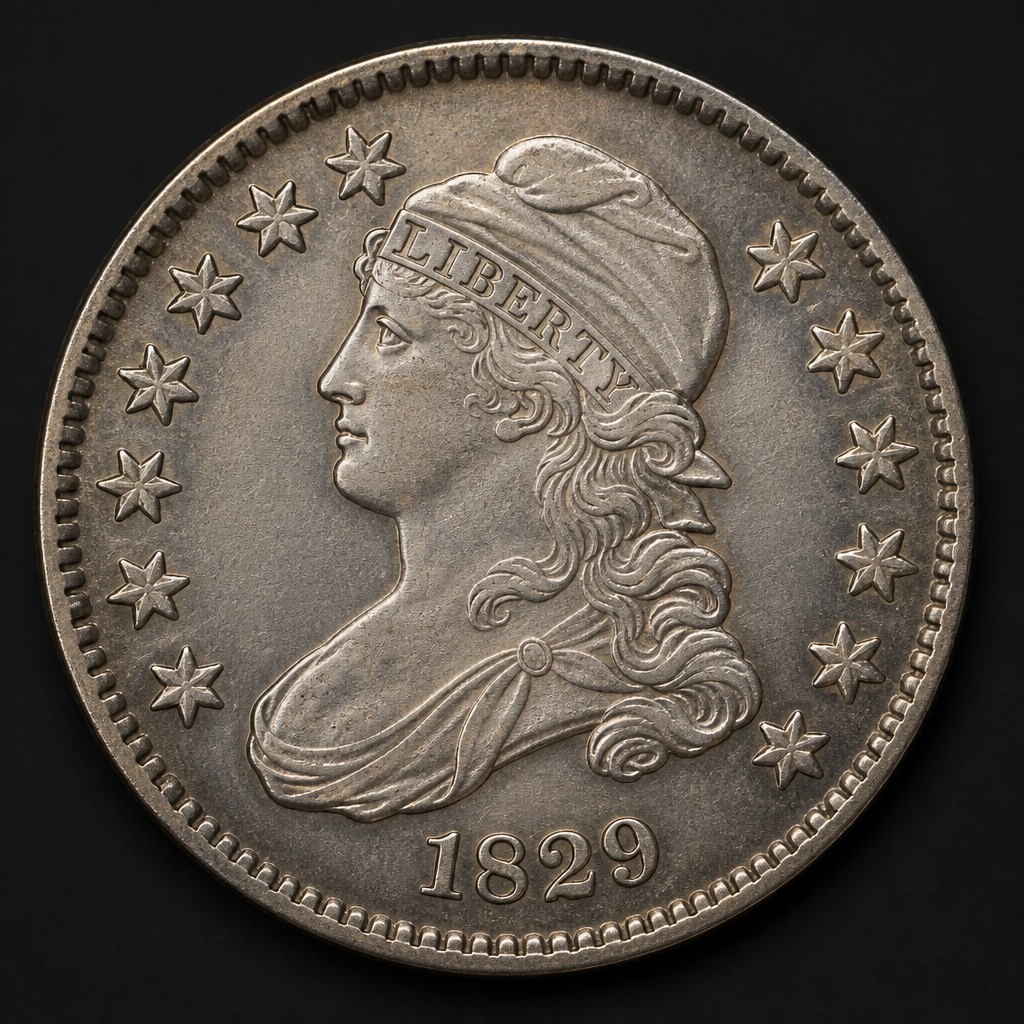
Capped Bust Half Dime
Struck between 1829 and 1837, the Capped Bust Half Dime brought a smaller, mechanically consistent version of the Capped Bust design to America's smallest silver coin.
United States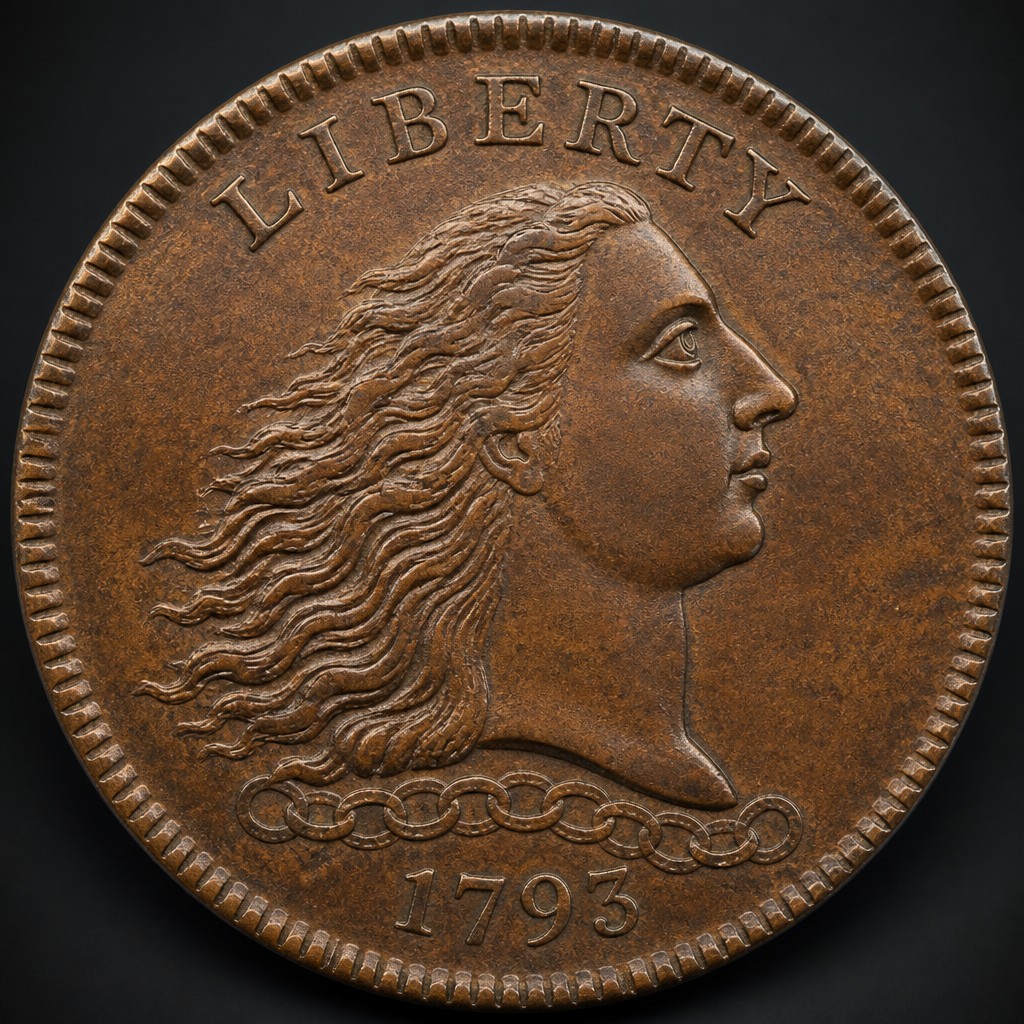
Flowing Hair Chain Cent
The first cent struck for circulation by the United States Mint, showing Liberty with flowing hair and a controversial 15-link chain on the reverse.
United States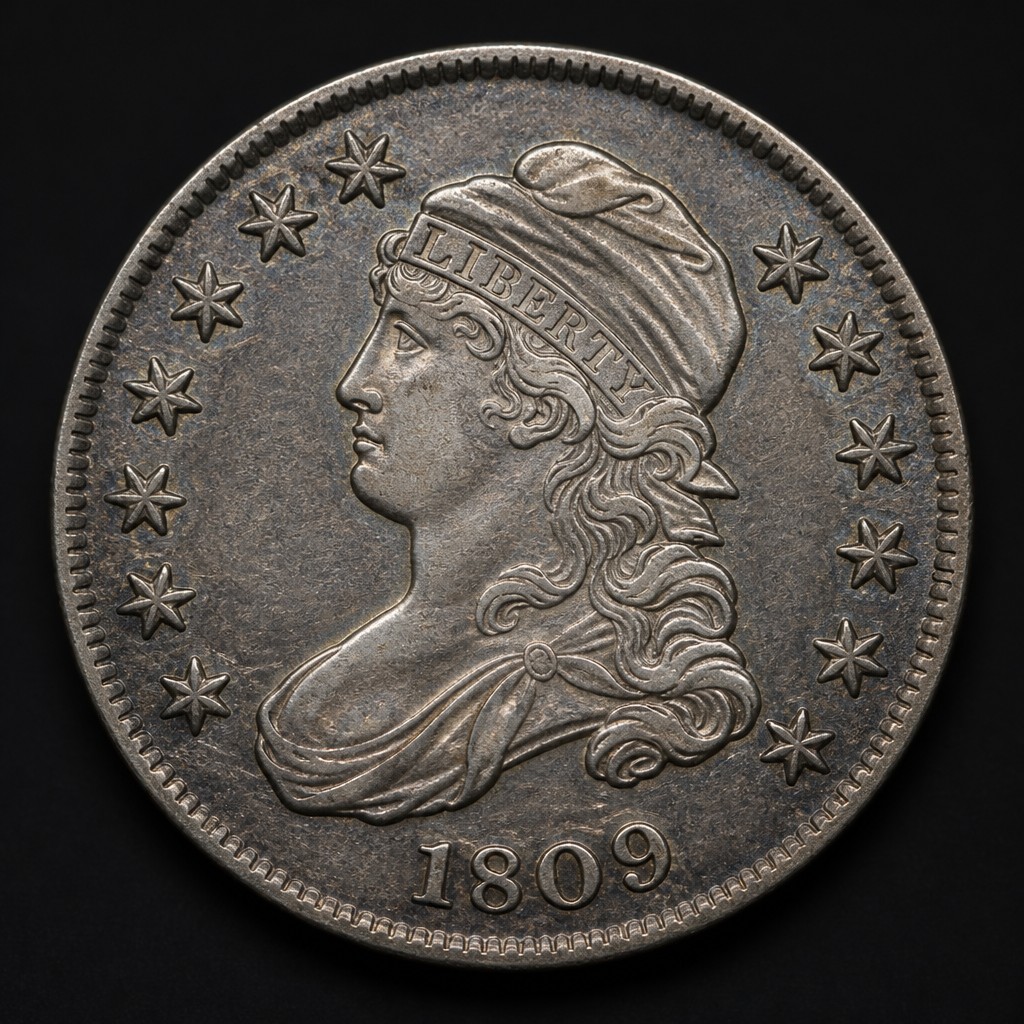
Capped Bust Dime
Struck from 1809 to 1837, the Capped Bust Dime features John Reich's Liberty in a mob cap and comes in a larger early size and a later, reduced-diameter version.
United States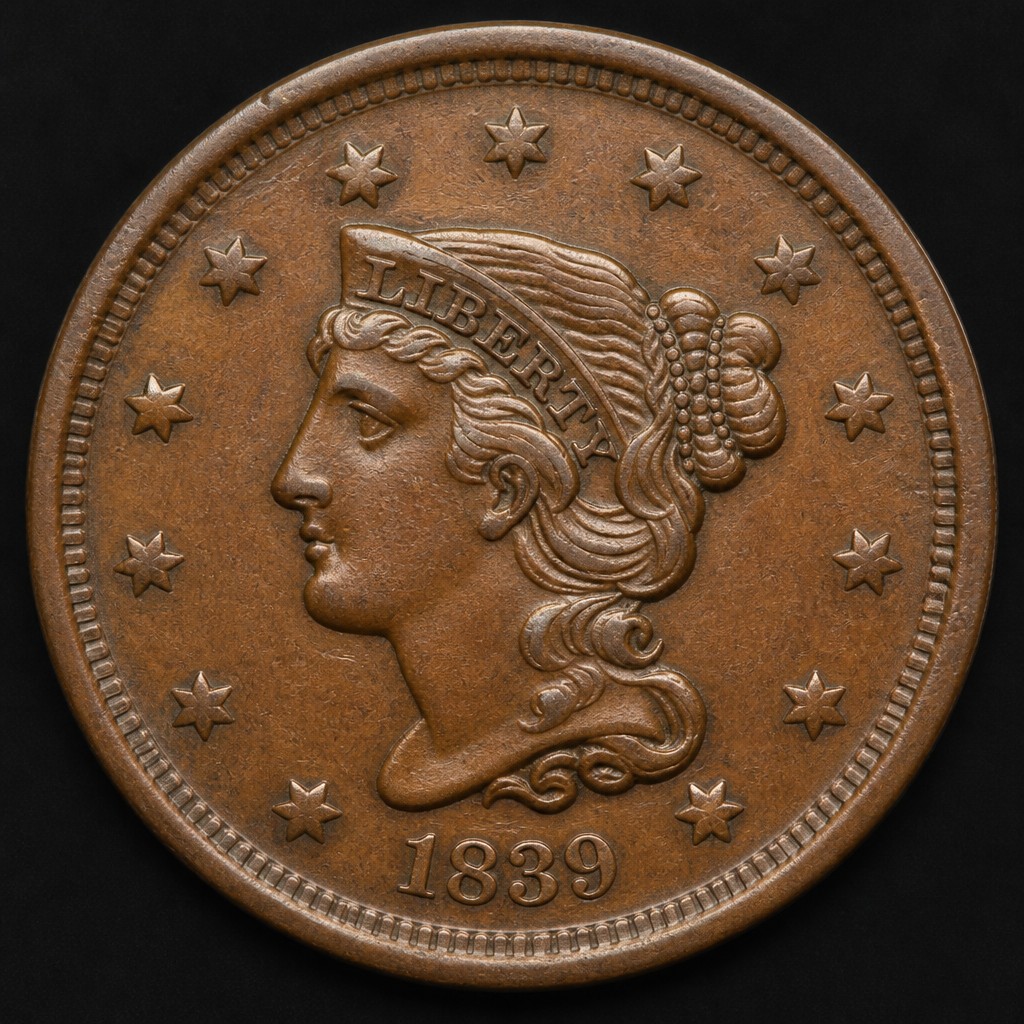
Braided Hair Large Cent
The final large cent design, showing Liberty with braided hair, produced until the bulky copper cent was replaced by the small Flying Eagle cent in 1857.
United States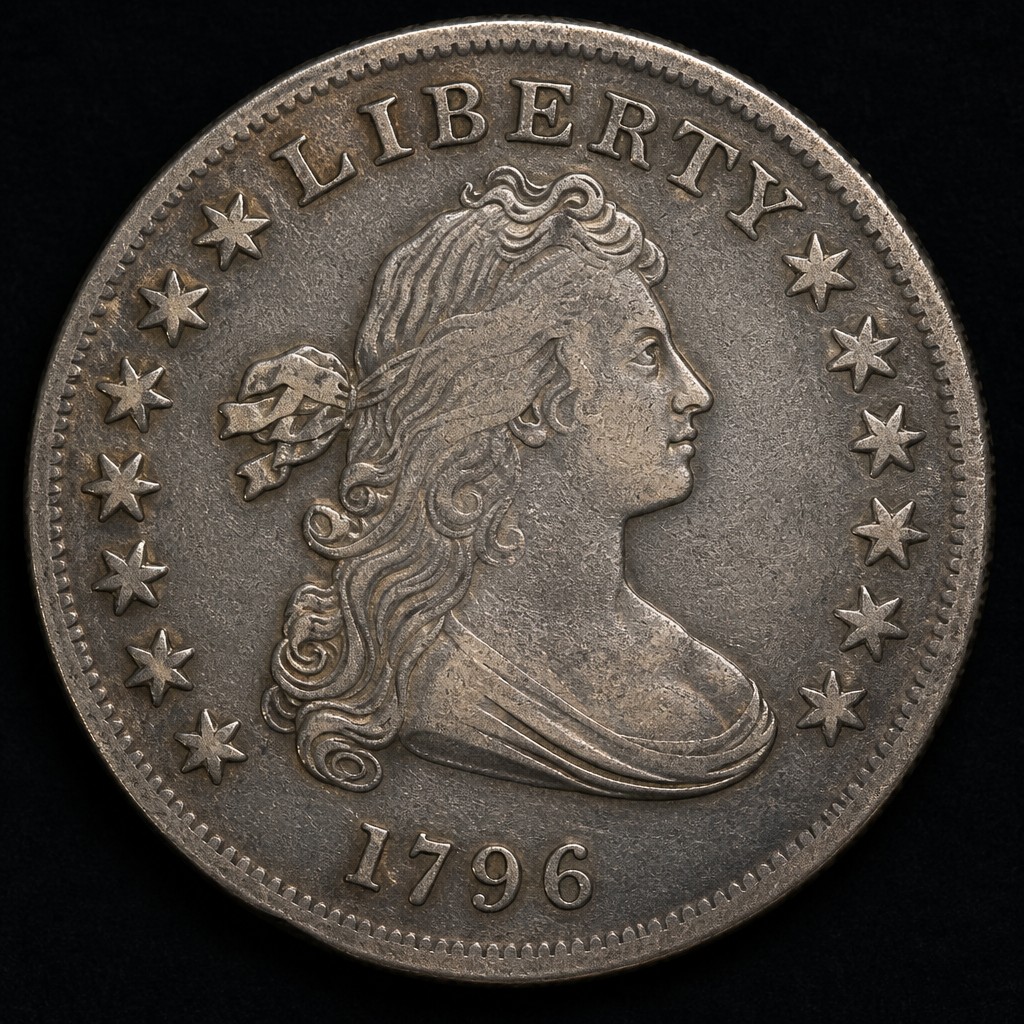
Draped Bust Half Dime
Struck in small numbers from 1796 to 1805, the Draped Bust Half Dime is an early U.S. silver rarity featuring Robert Scot's Draped Bust Liberty portrait and small or heraldic eagle reverses.
United States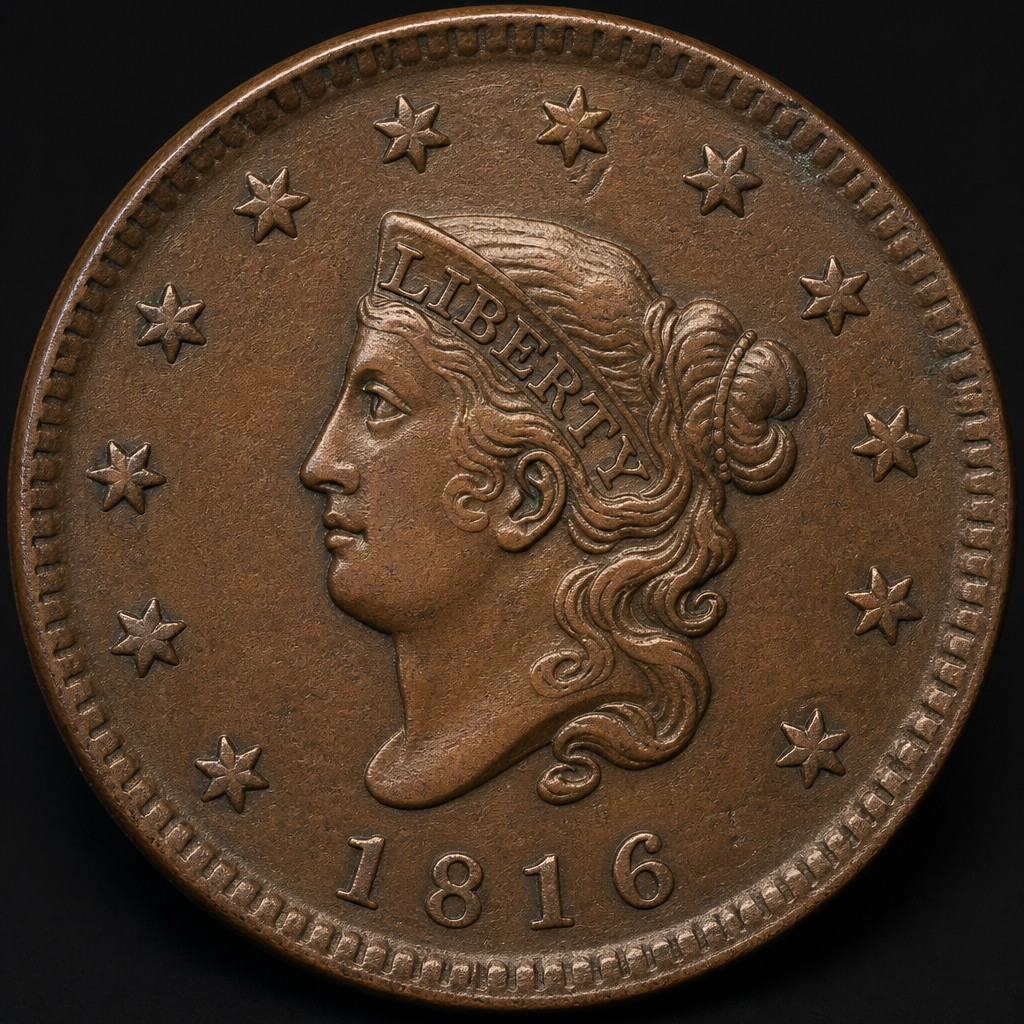
Coronet Large Cent
A large copper cent series featuring Liberty wearing a coronet, produced through the "Matron Head" and "Young Head" phases before the Braided Hair design took over.
United States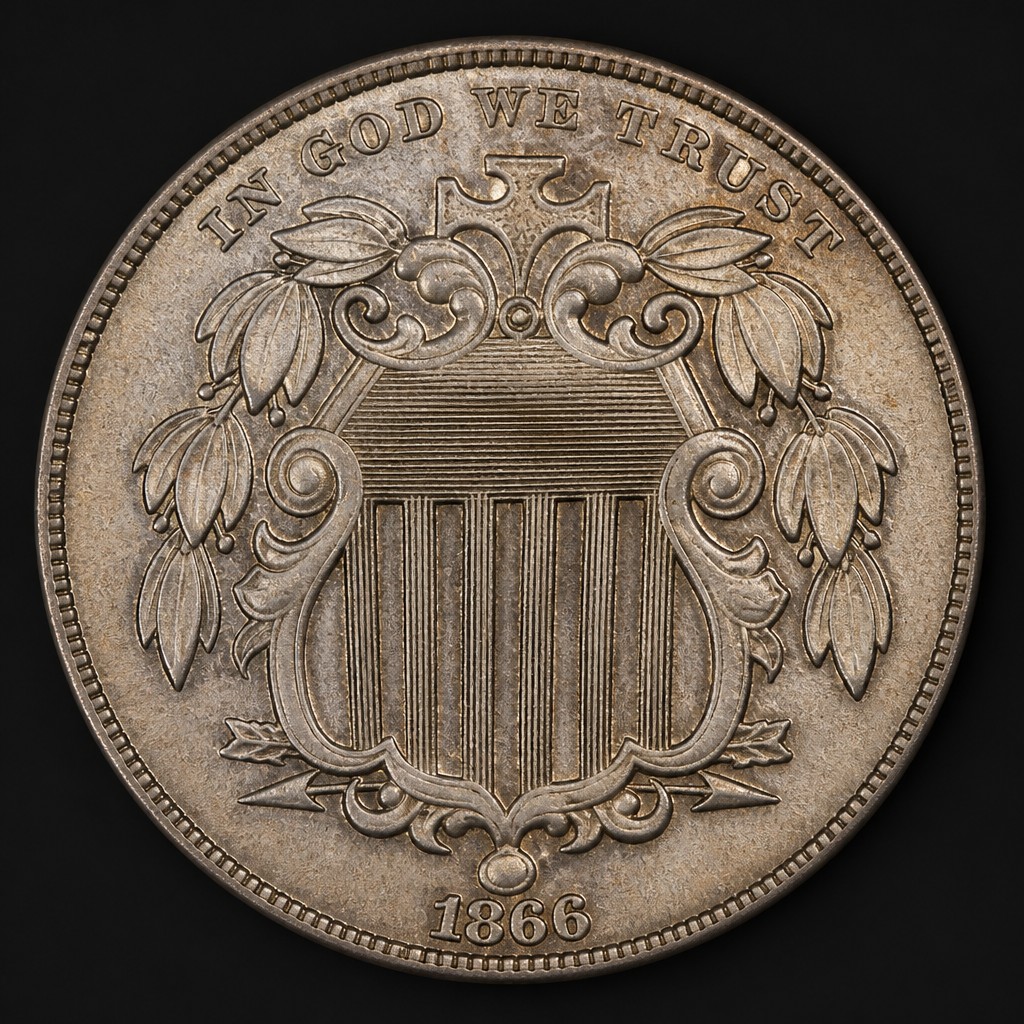
Shield Nickel
The first copper-nickel five-cent coin, the Shield Nickel features a national shield on the obverse and was issued from 1866 to 1883, including rare rays and proof-only dates.
United States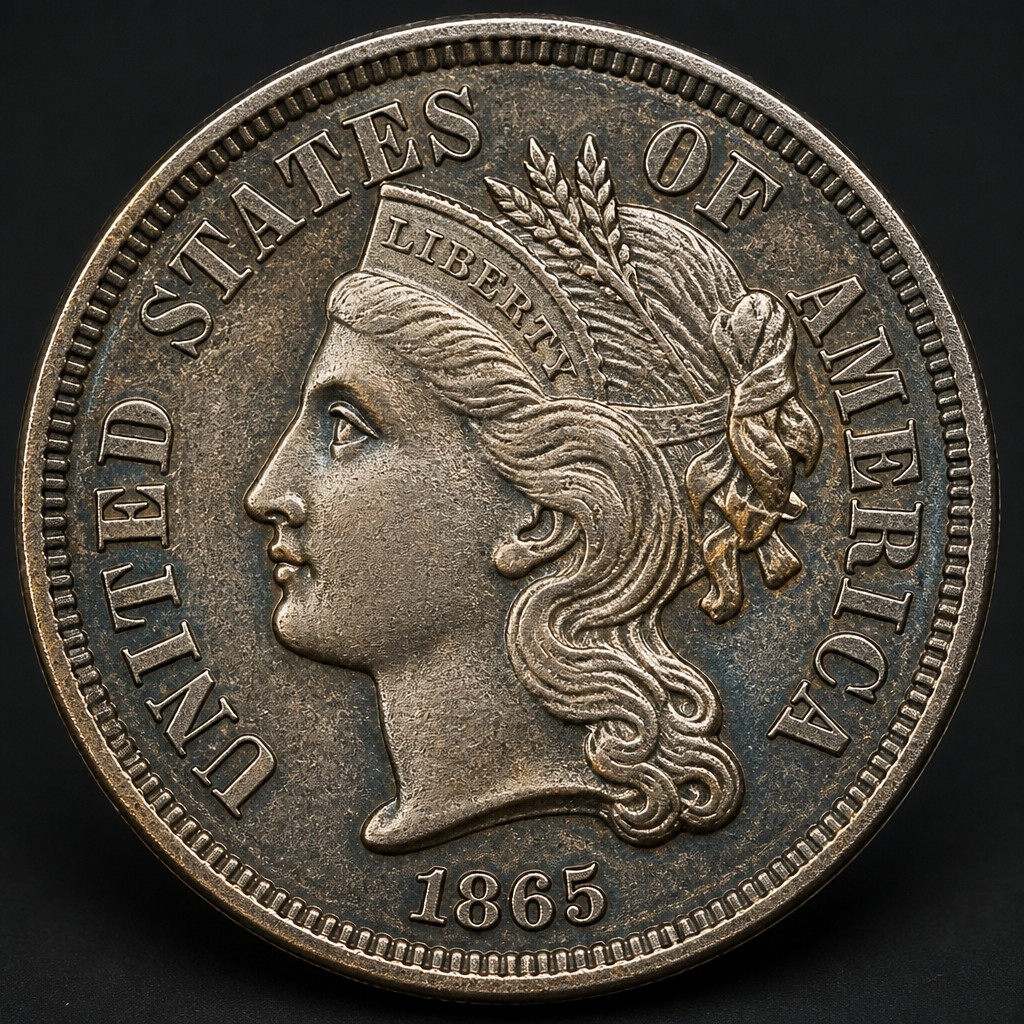
Nickel Three-Cent Piece
A post-Civil War small coin struck in copper-nickel to replace the fragile silver three-cent piece and small-denomination paper currency then in circulation.
United States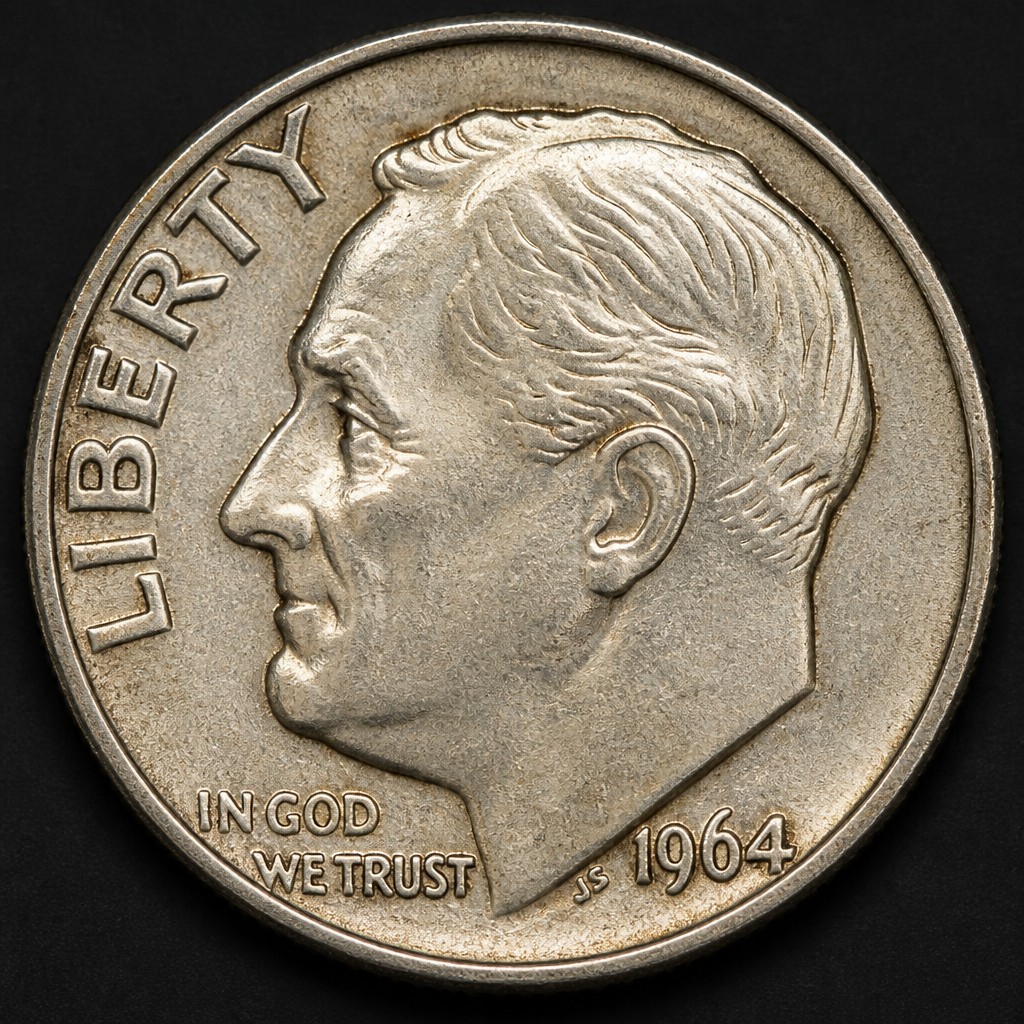
Roosevelt Dime
Issued since 1946 in honor of Franklin D. Roosevelt, this dime is struck in 90% silver through 1964 and copper-nickel clad afterward, and remains in circulation today.
United States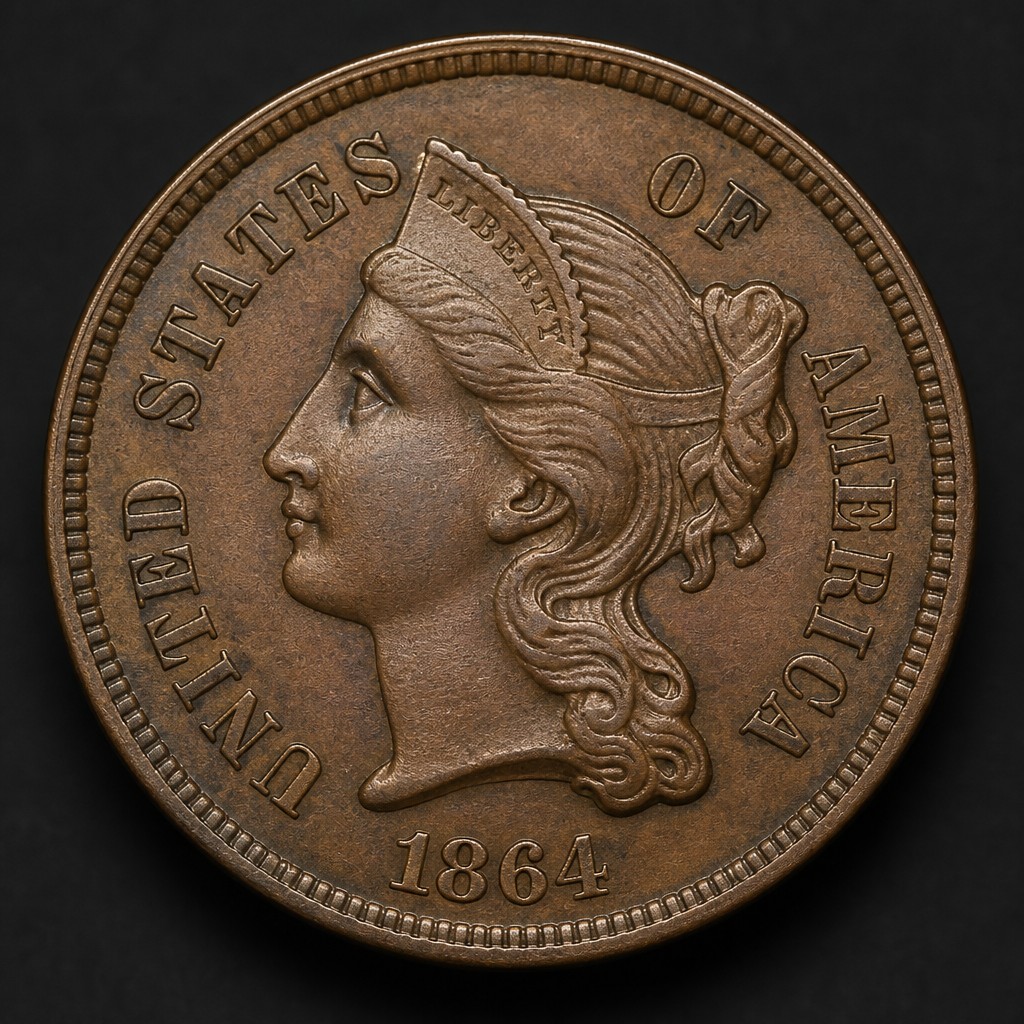
Two-Cent Piece
A short-lived Civil War-era coin notable as the first U.S. coin to bear the motto 'IN GOD WE TRUST,' issued to help ease a wartime coin shortage.
United States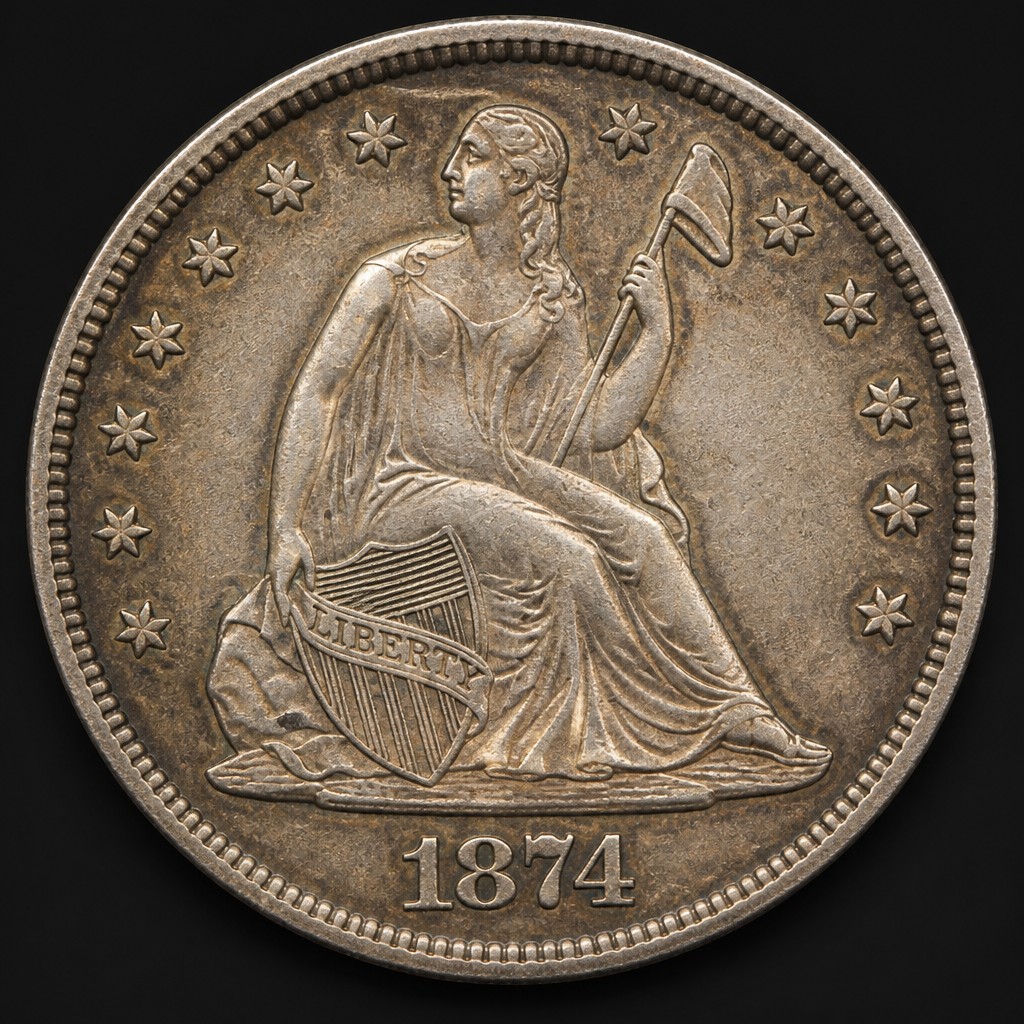
1874-CC Seated Liberty Dime
A rare Carson City dime with arrows at the date, struck in small numbers and highly prized as one of the great condition rarities among CC-mint dimes.
United States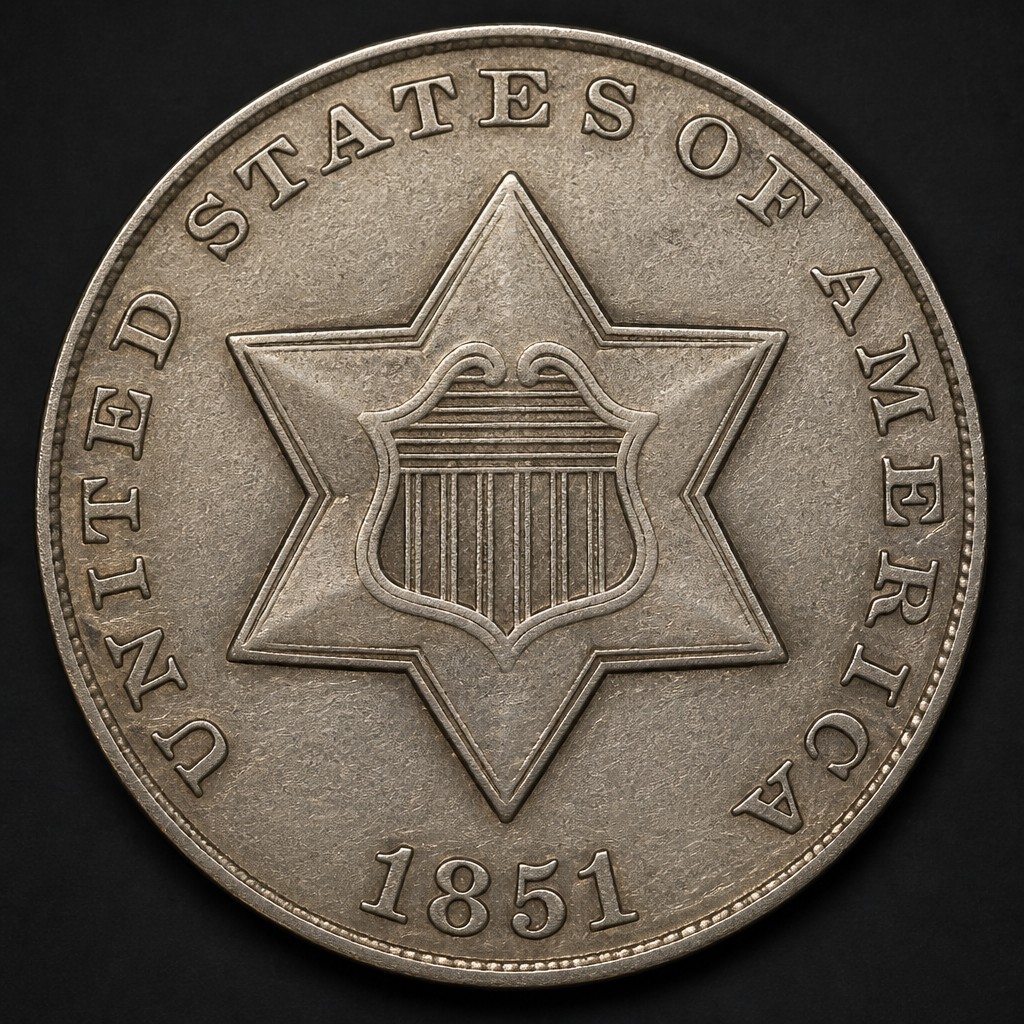
Silver Three-Cent Piece (Trime)
A tiny silver coin created to match the new 3-cent postage rate, the trime is the smallest-diameter coin ever struck by the U.S. Mint.
United States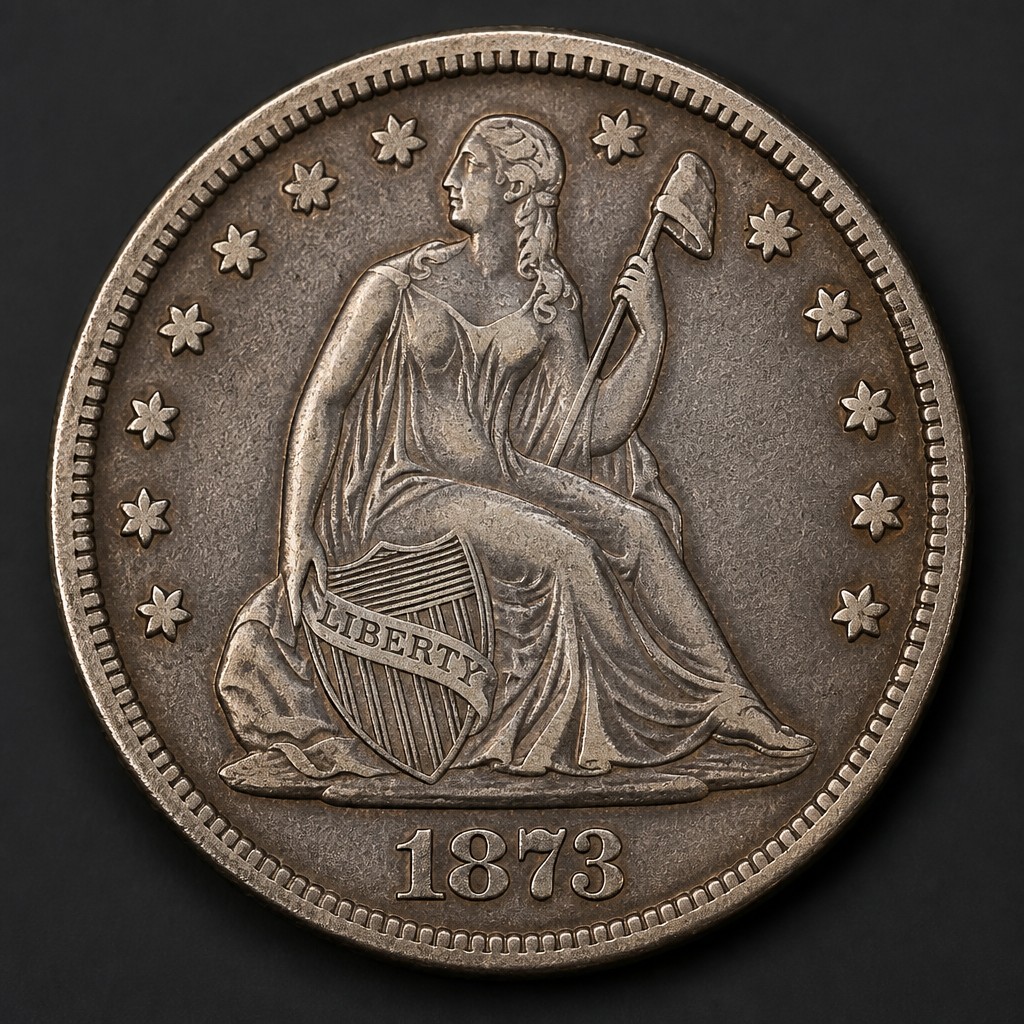
1873-CC Seated Liberty Dime (No Arrows)
An extraordinarily rare Carson City dime struck without the arrows-at-date design used later in 1873, famously known by a single surviving example.
United States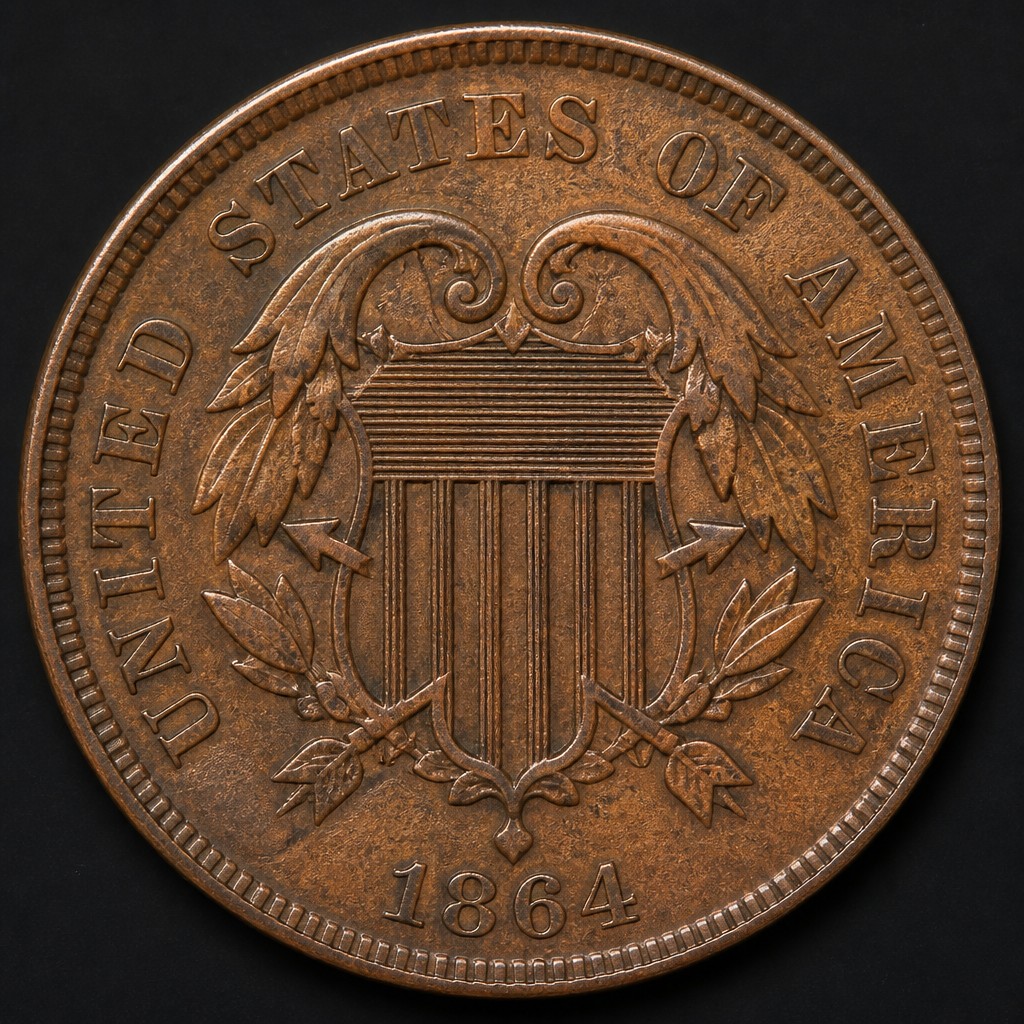
1864 Two-Cent Piece
The debut year of the two-cent piece, the first US coin to bear the motto In God We Trust, issued in Small Motto and Large Motto varieties.
United States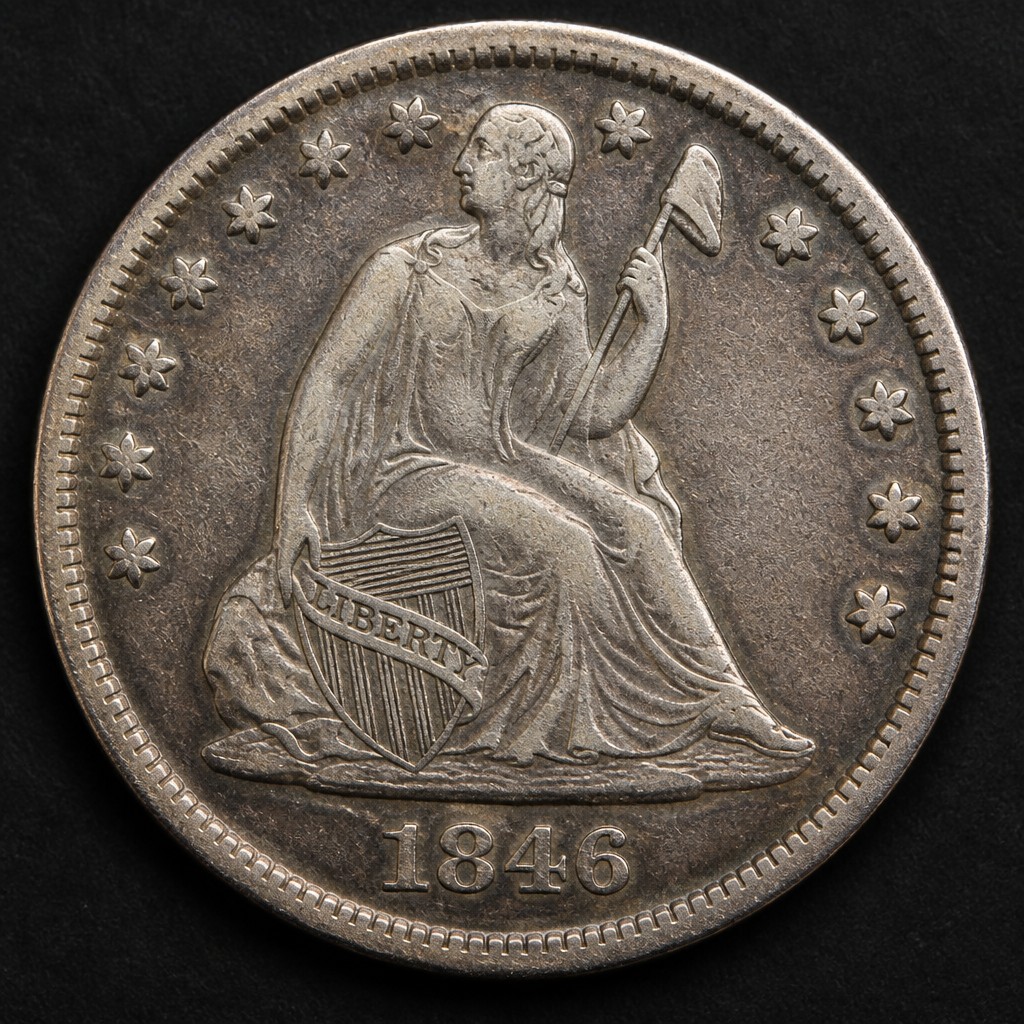
1846 Seated Liberty Dime
A famously low-mintage Seated Liberty dime, considered one of the key dates of the entire series and scarce in any collectible grade.
United States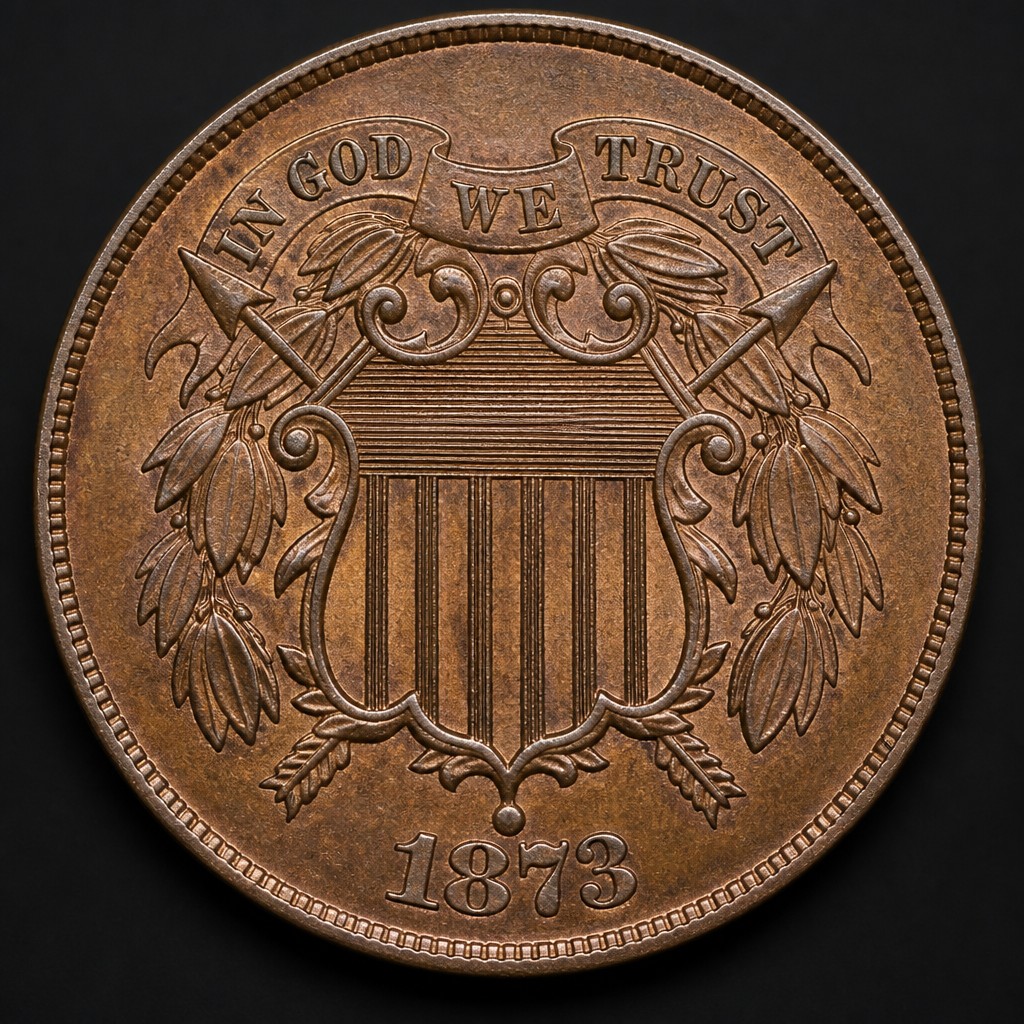
1873 Two-Cent Piece (Proof Only)
The final year of the two-cent piece, struck only in proof for collectors rather than for circulation, and split into Closed 3 and Open 3 date varieties.
United States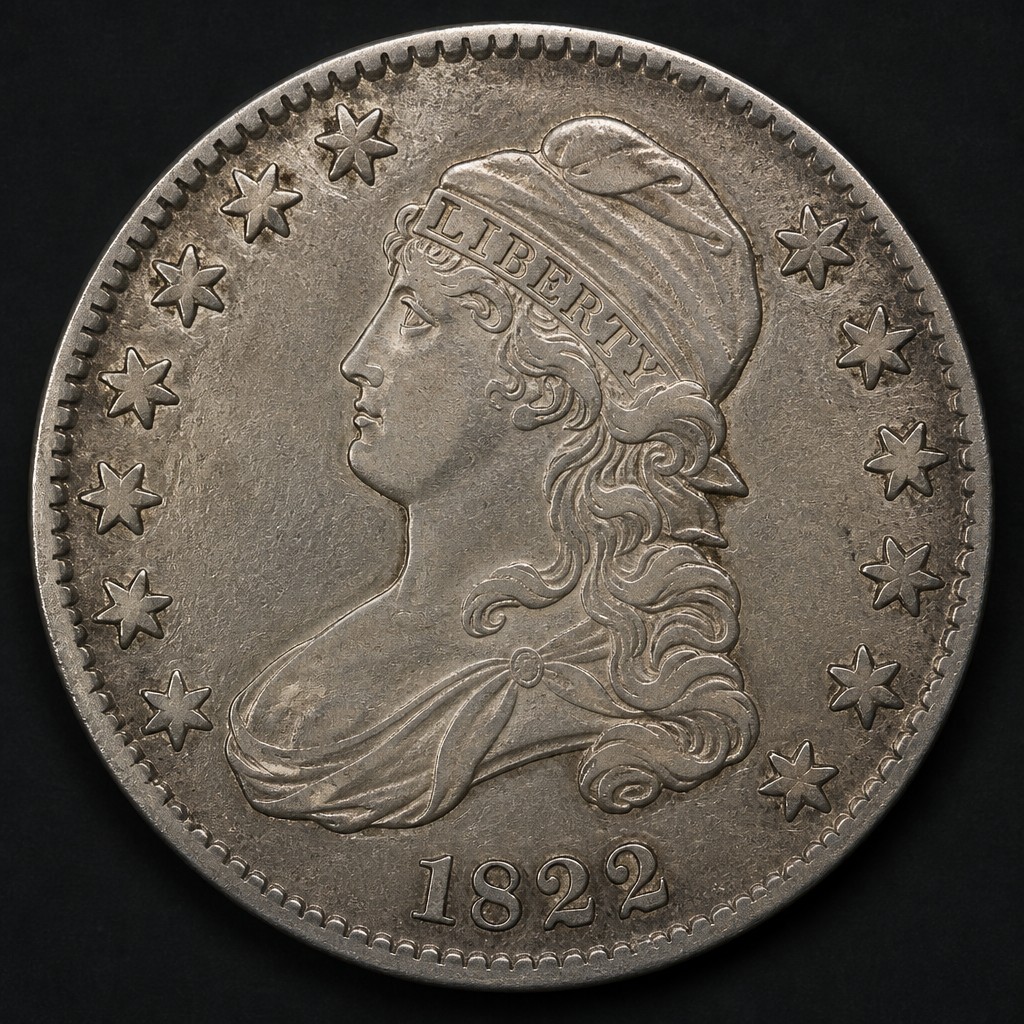
1822 Capped Bust Dime
A scarce, low-mintage date within the Capped Bust dime series, considered a key date for collectors assembling this early 19th-century type.
United States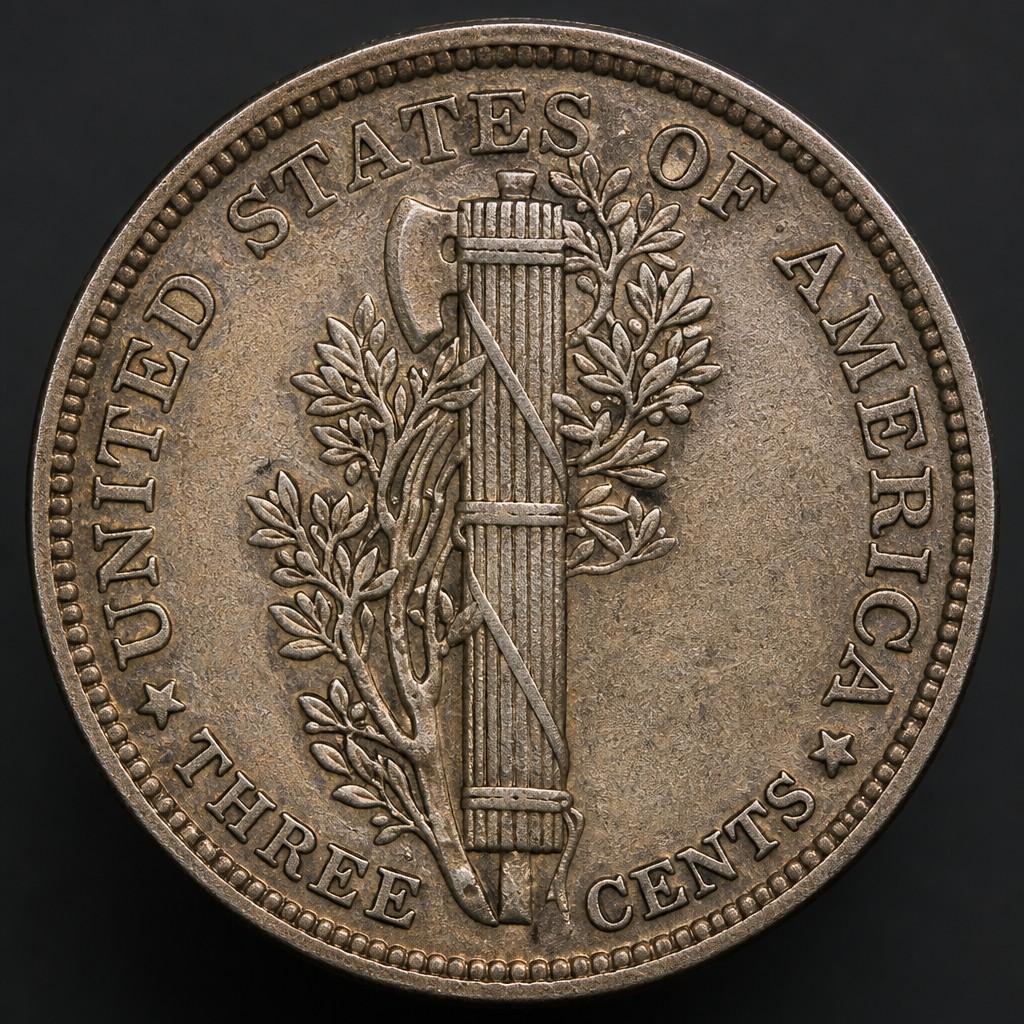
Fasces Three-Cent Nickel
A nickname sometimes applied to the copper-nickel Three-Cent Piece of 1865-1889, whose reverse wreath-and-numeral design is occasionally likened to classical fasces imagery from early pattern experiments.
United States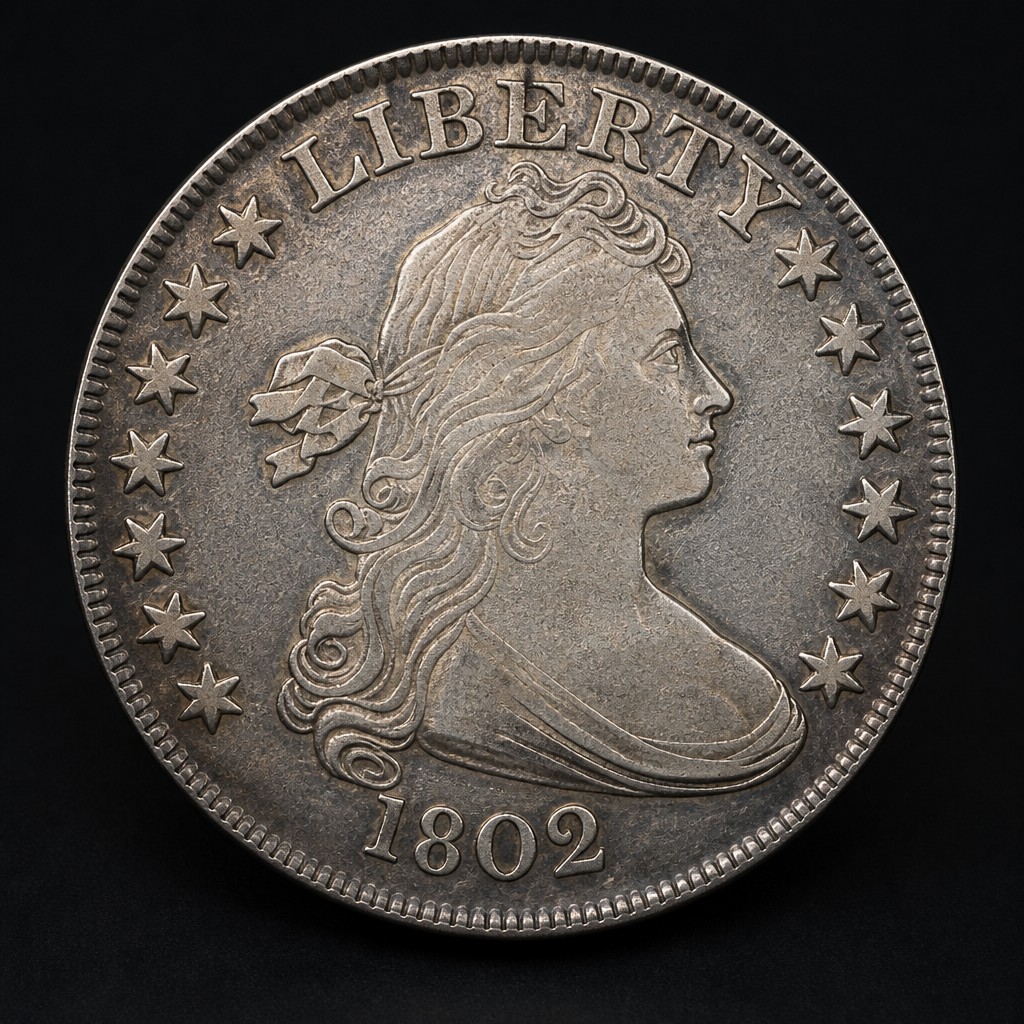
1802 Draped Bust Half Dime
One of the great rarities of early U.S. coinage, with an extremely small original mintage and only a handful of genuine survivors known today.
United States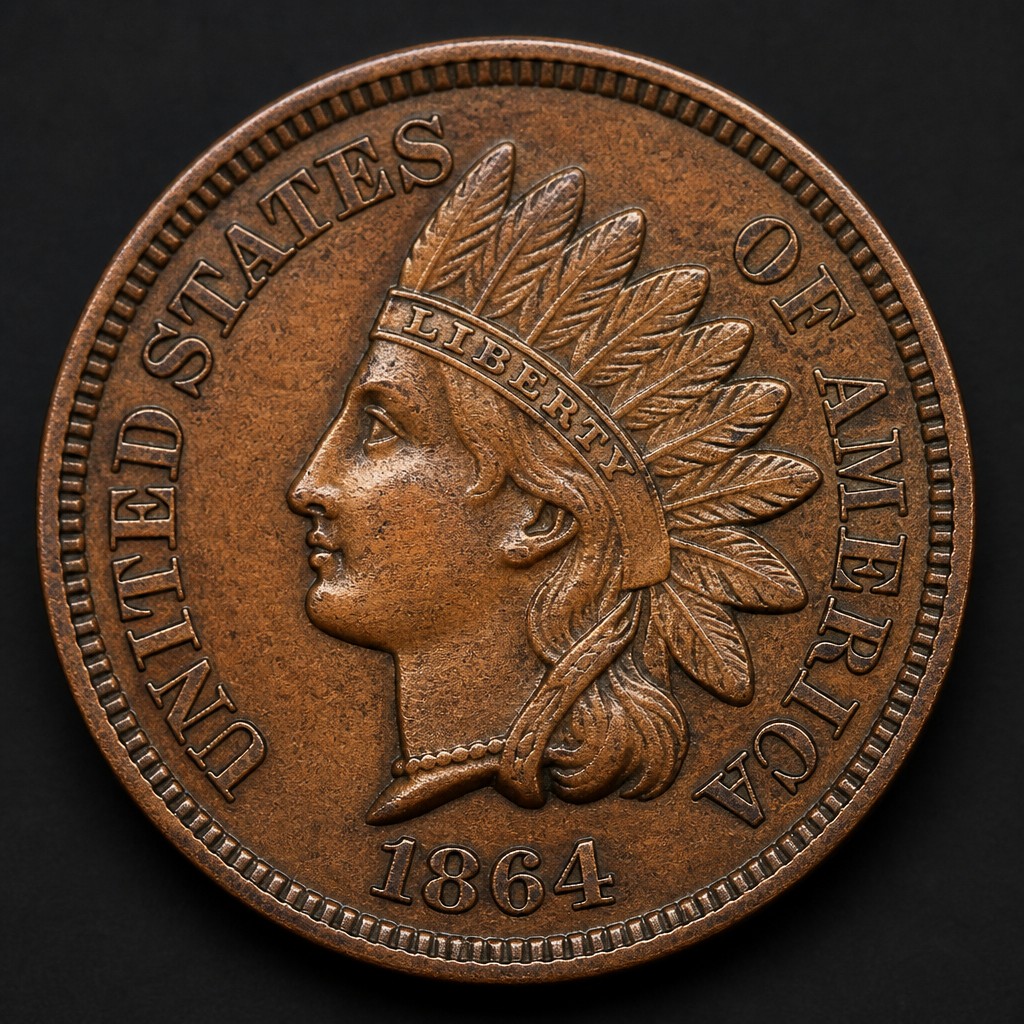
Bronze Indian Head Cent
The bronze-alloy Indian Head cent struck from 1864 through 1909, replacing the earlier copper-nickel version and serving as the last cent design before Lincoln's portrait appeared in 1909.
United States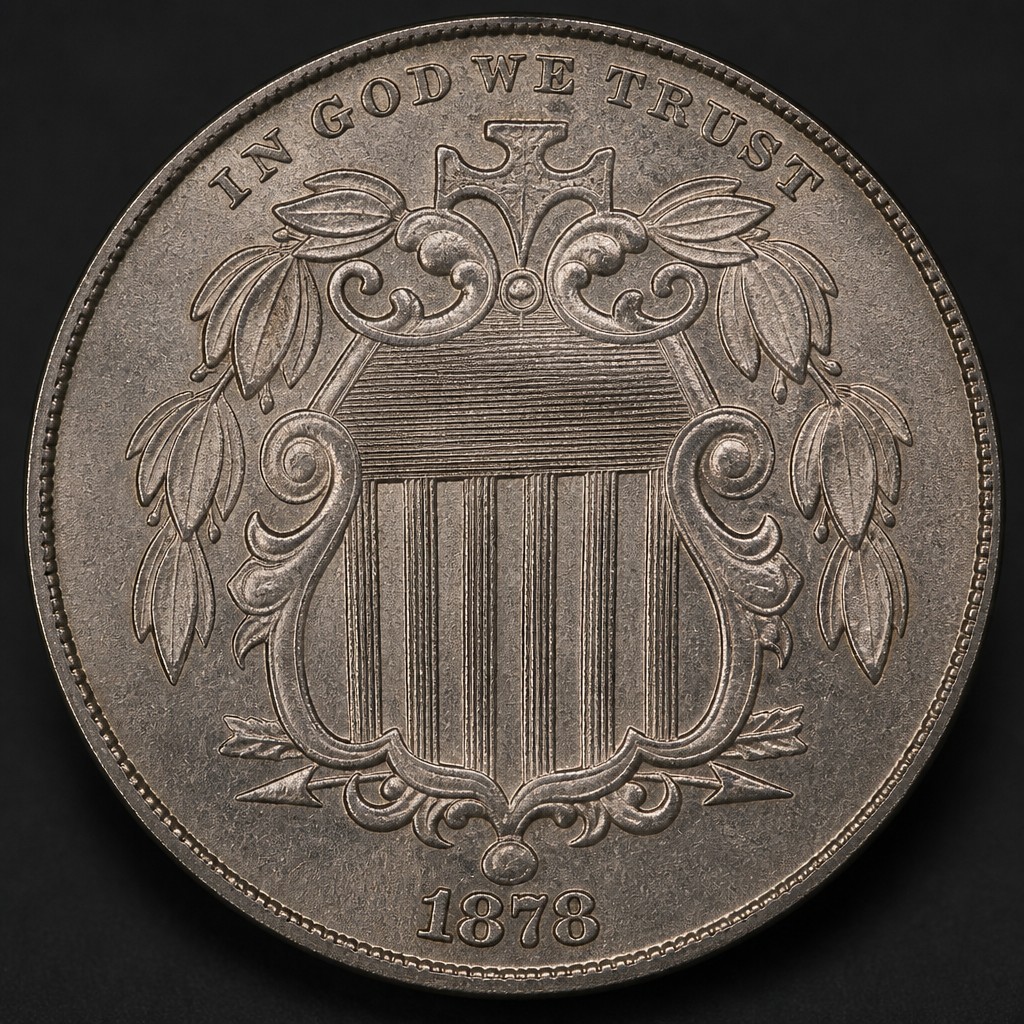
1878 Shield Nickel (Proof Only)
Another proof-only rarity in the Shield Nickel series, struck exclusively for collectors with no business-strike coinage issued for circulation that year.
United States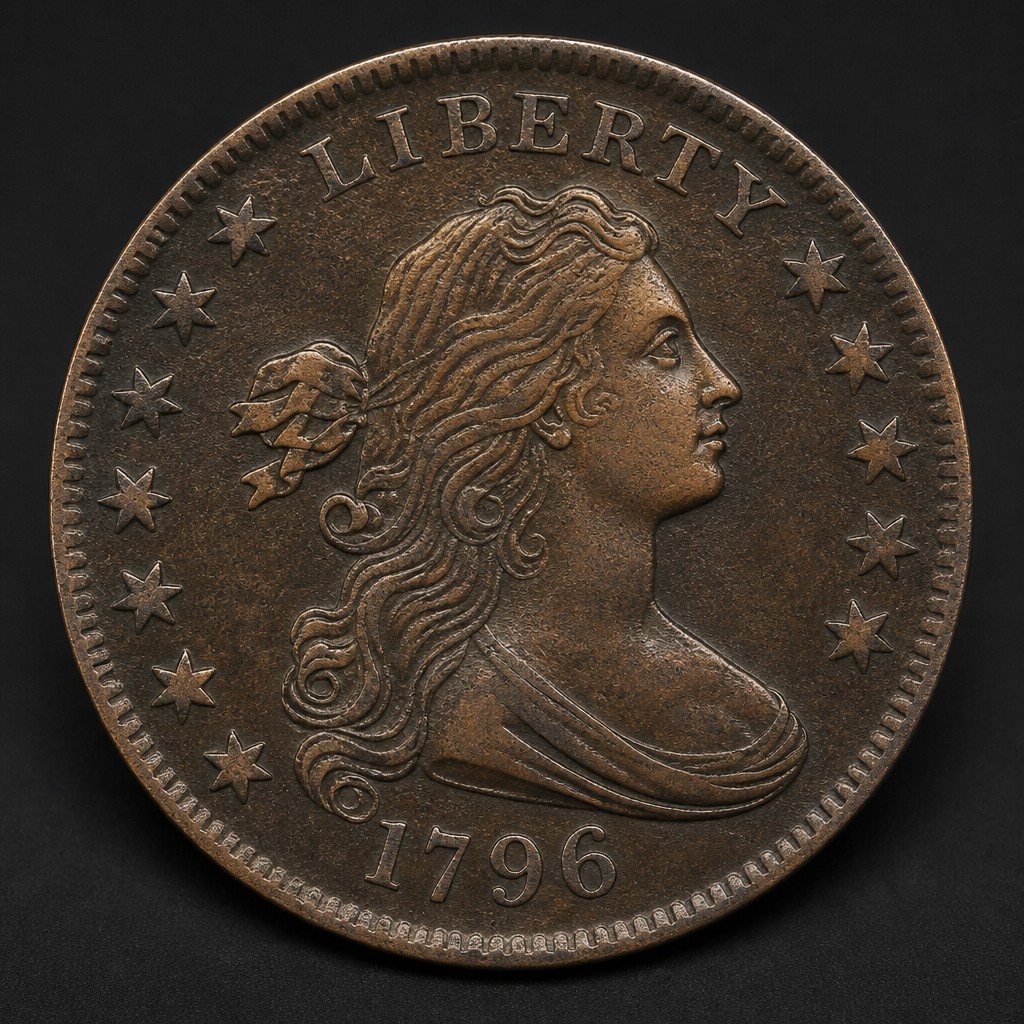
1796 Half Cent
One of the great rarities of American copper coinage, the 1796 half cent was struck in the Liberty Cap design in a very limited quantity, with 'With Pole' and rarer 'No Pole' varieties known.
United States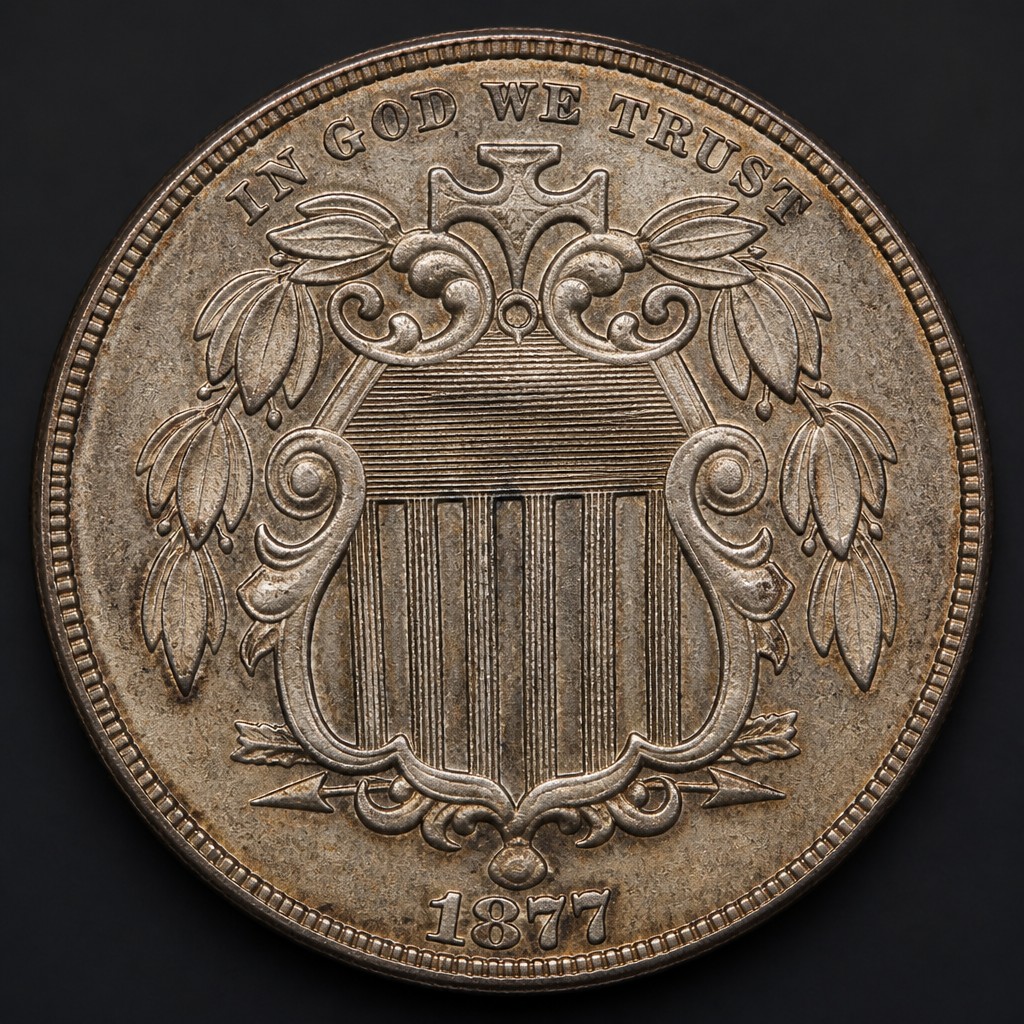
1877 Shield Nickel (Proof Only)
A major Shield Nickel rarity struck exclusively as proof coinage for collectors, with no business strikes produced for circulation that year.
United States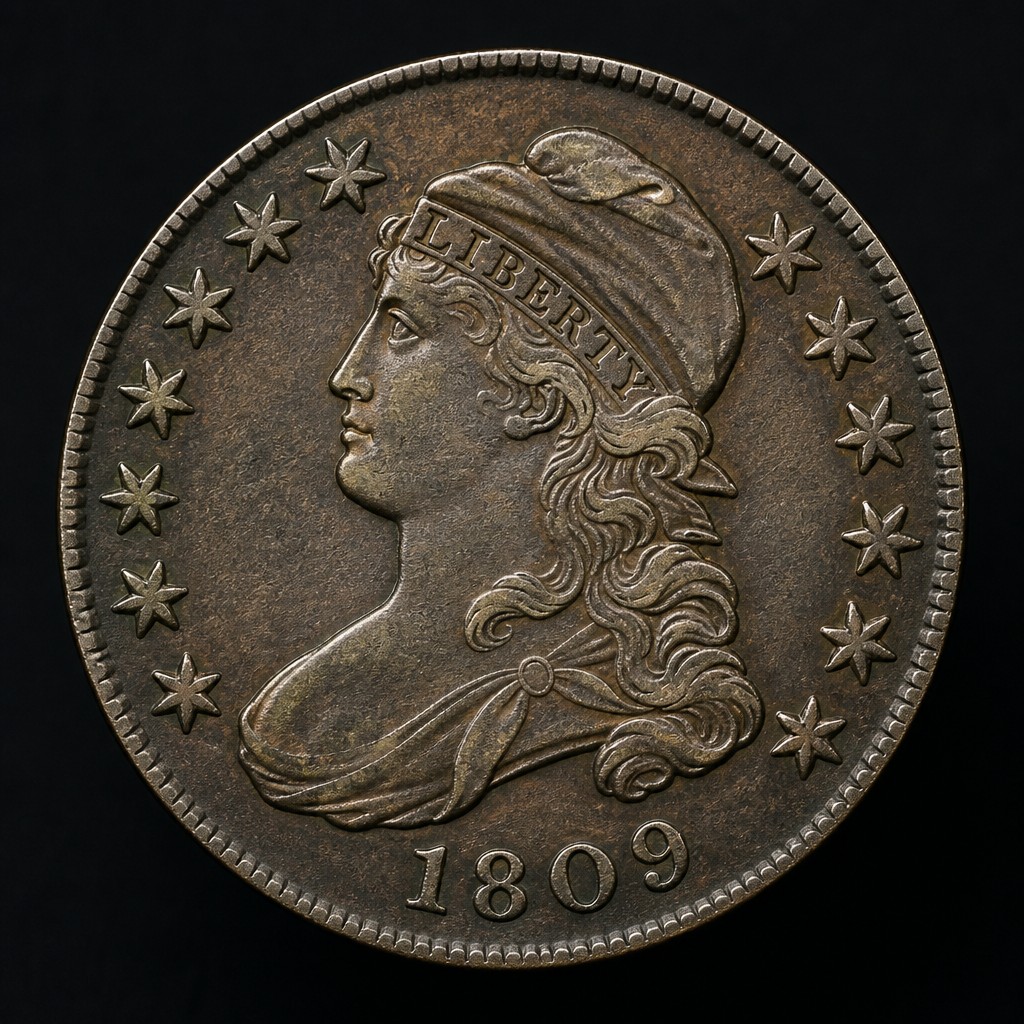
Classic Head Half Cent
A half cent design used from 1809 to 1836, featuring a Liberty head with a headband inscribed LIBERTY, succeeding the Draped Bust type.
United States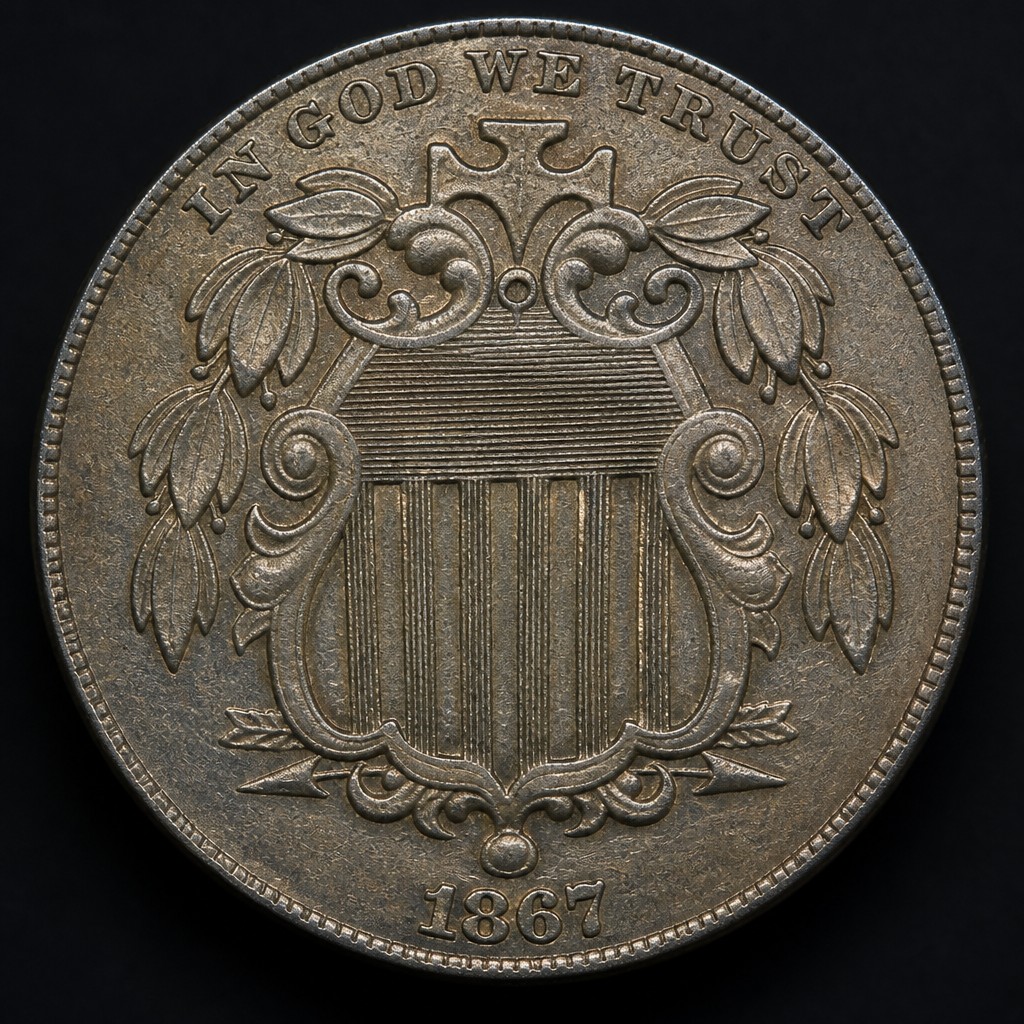
1867 Shield Nickel No Rays
The revised Shield Nickel design with the rays removed from between the reverse stars, introduced to solve die-breakage problems experienced with the original 1866 design.
United States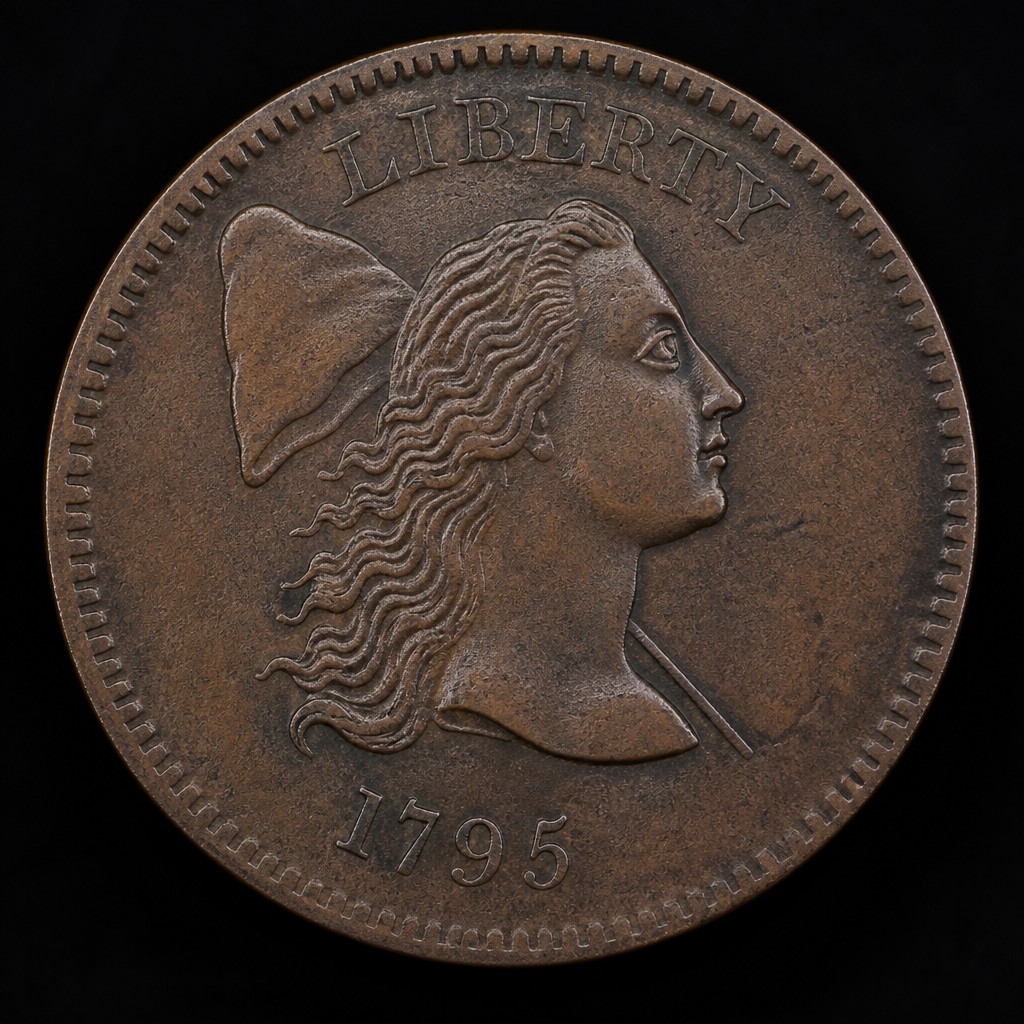
1795 Liberty Cap Large Cent
An early United States large cent from 1795 featuring the Liberty Cap design, struck as America's young Mint worked out production and metal-supply challenges.
United States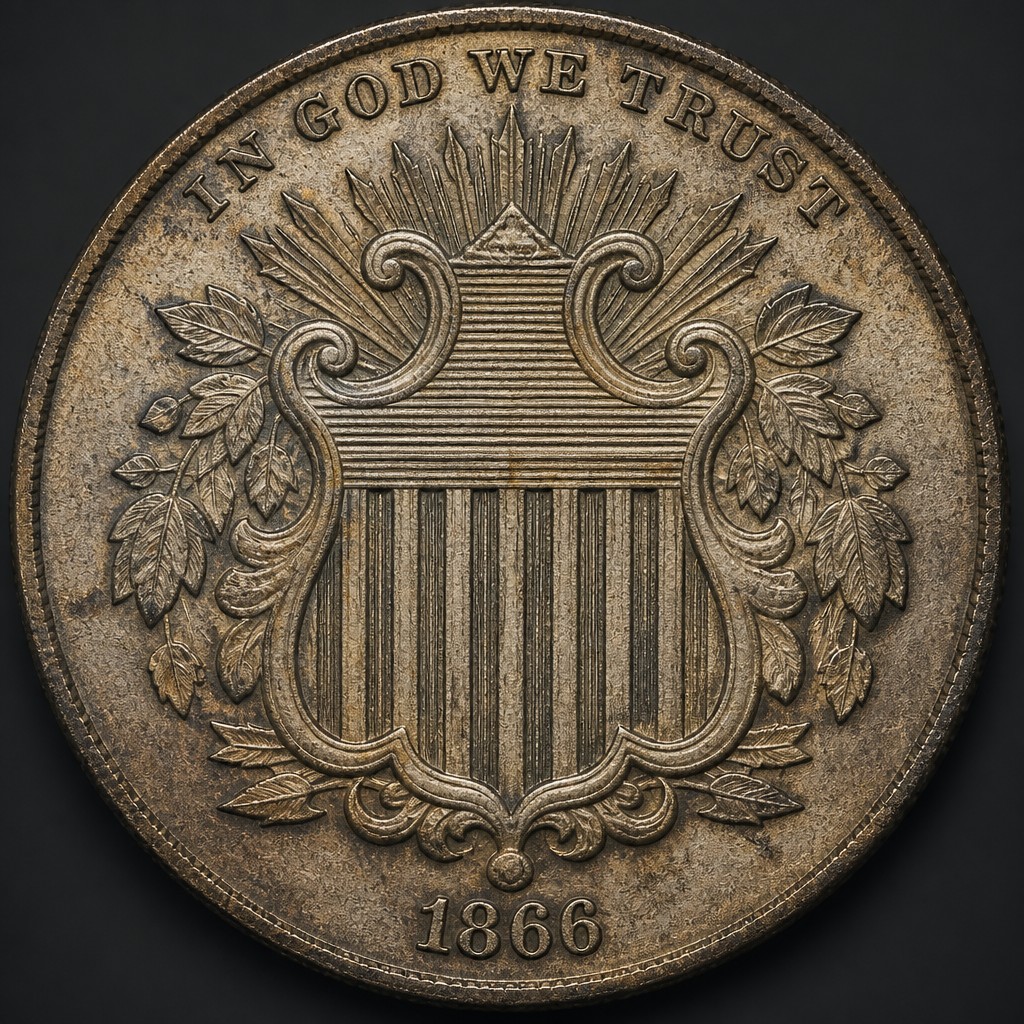
1866 Shield Nickel With Rays
The first-year Shield Nickel design featuring thirteen rays between the reverse stars, marking the debut of the United States' first copper-nickel five-cent coin.
United States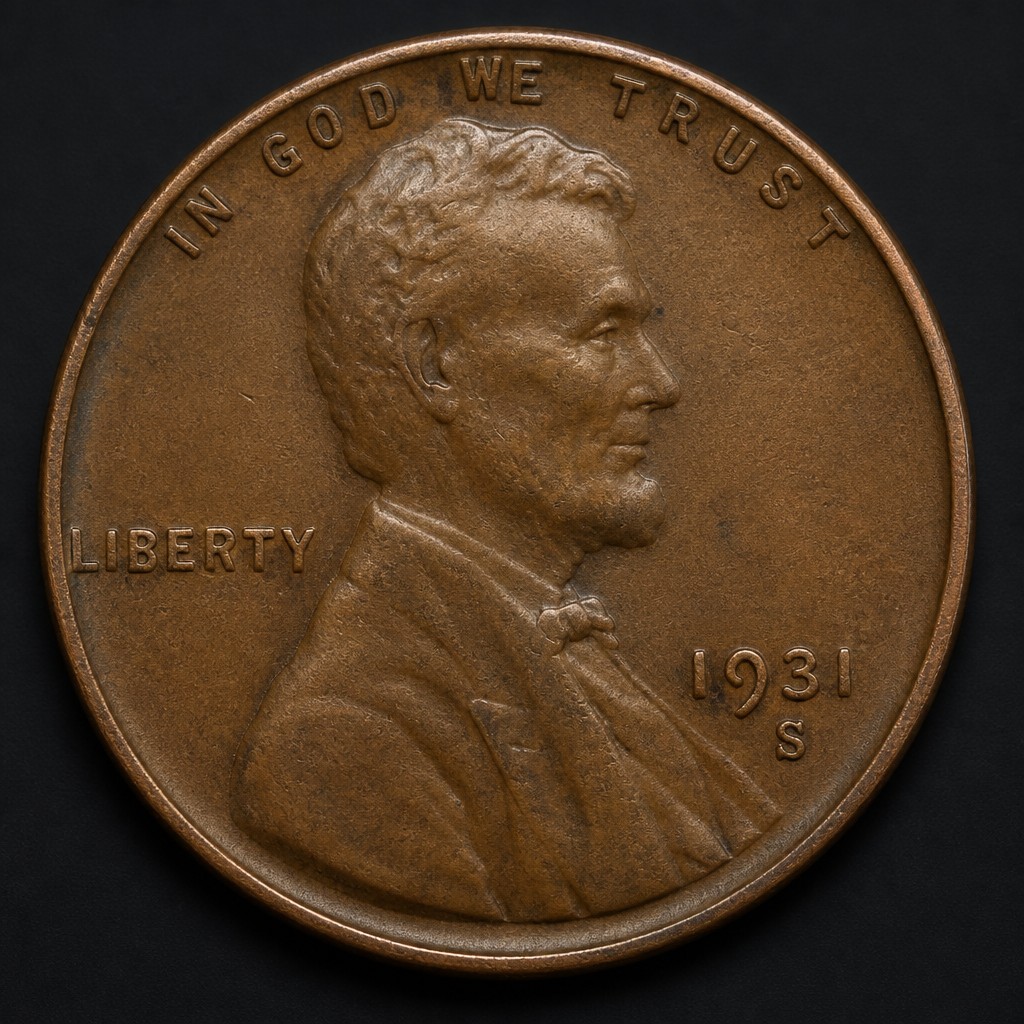
1931-S Lincoln Wheat Cent
A Great Depression-era key date with a comparatively low mintage from the San Francisco Mint, long recognized as one of the more important dates in the Lincoln Wheat cent series.
United States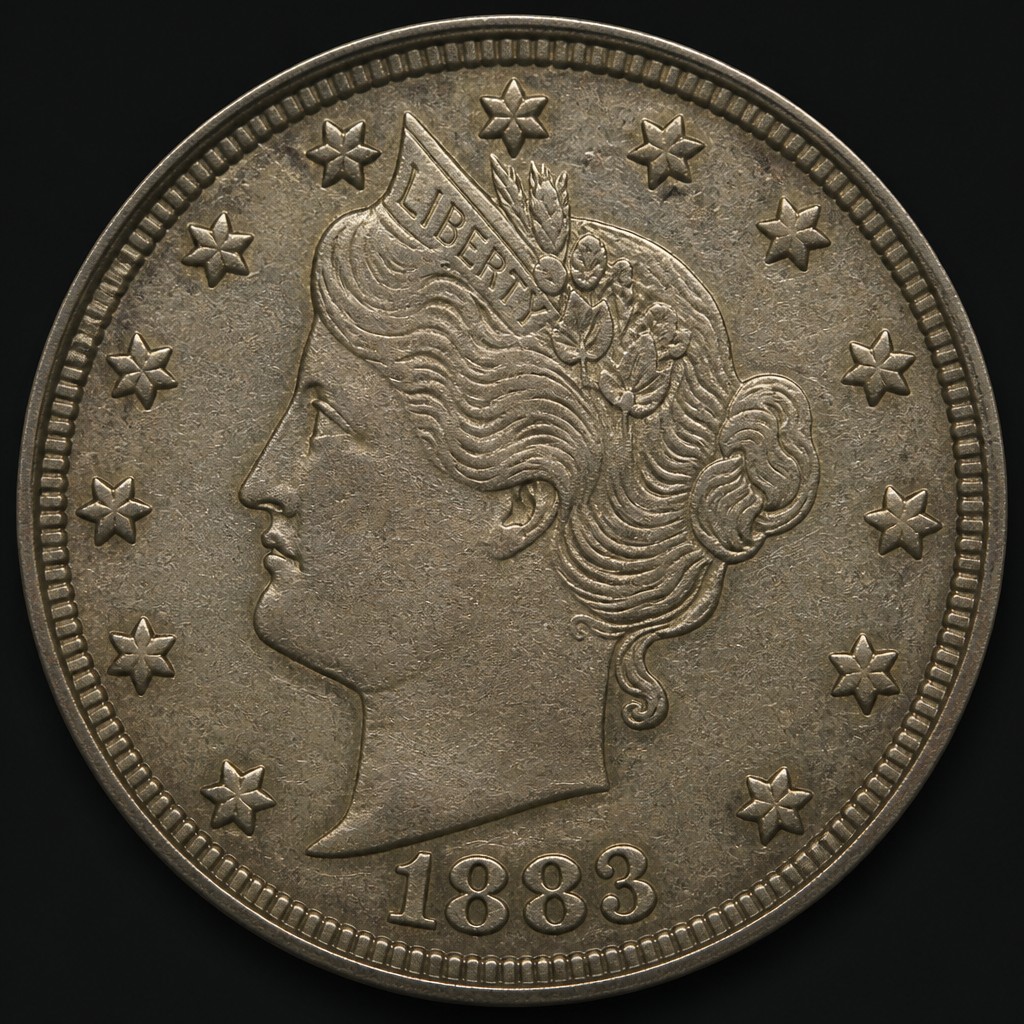
1883 No Cents Liberty Head Nickel
The first-year Liberty Head Nickel design that omitted the word CENTS from the reverse, later infamous as the 'Racketeer Nickel' after being gold-plated and passed off as a five-dollar coin.
United States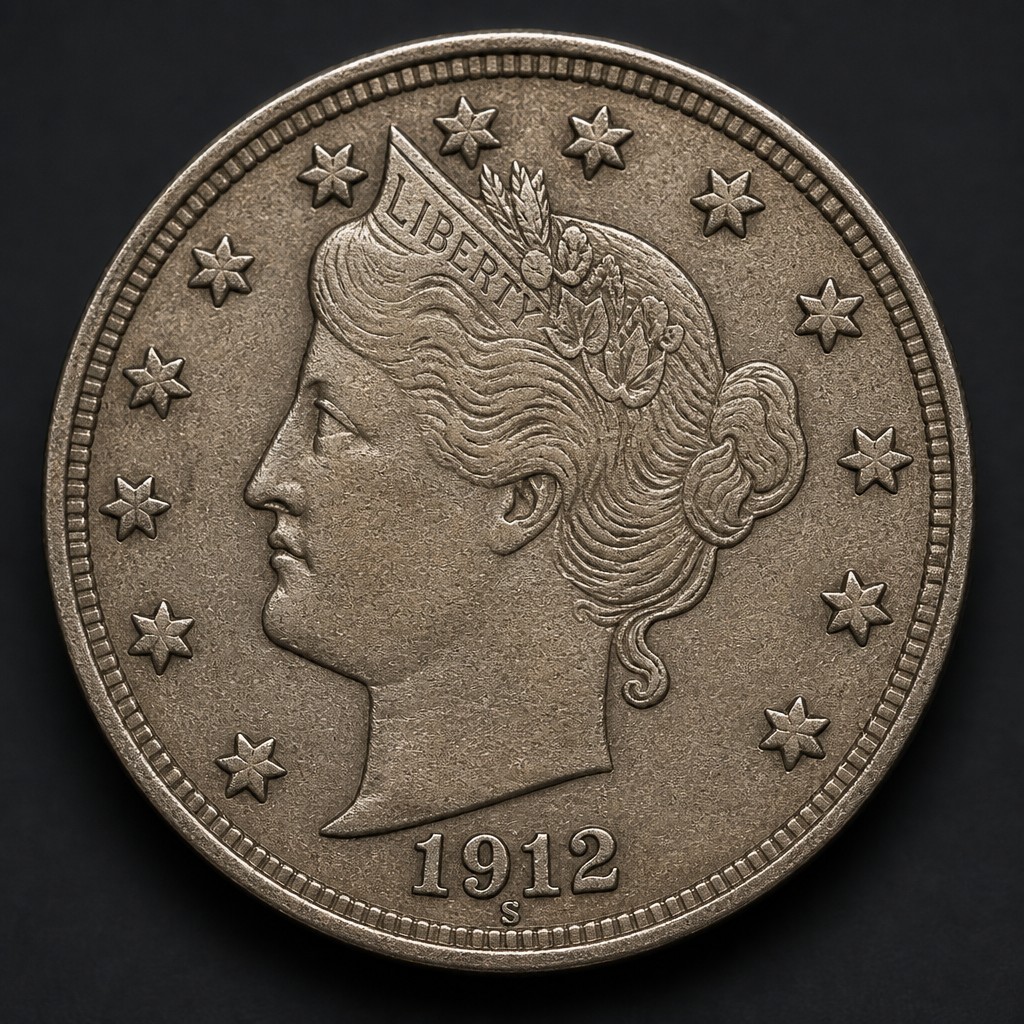
1912-S Liberty Head Nickel
The only Liberty Head V Nickel struck at the San Francisco Mint and the lowest-mintage business strike of the entire series, making it a major key date.
United States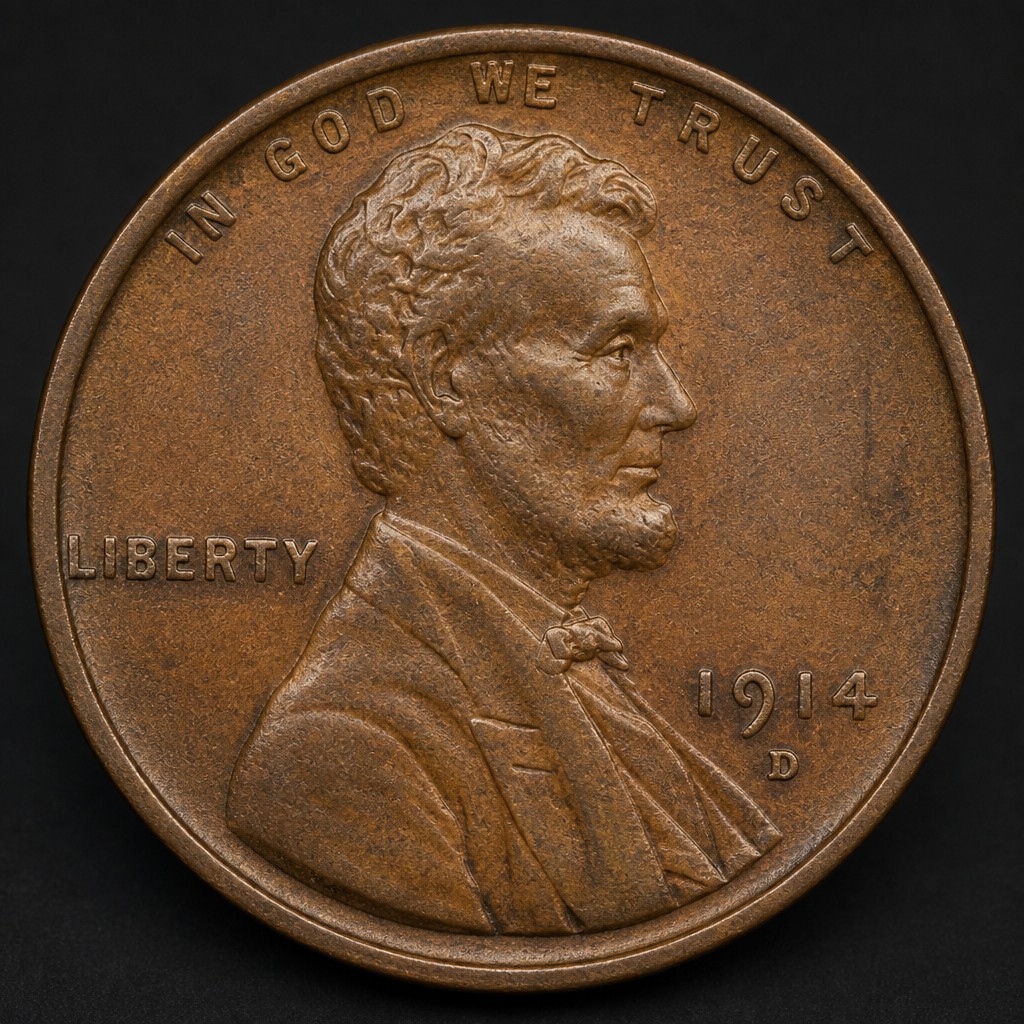
1914-D Lincoln Wheat Cent
A famous key-date Lincoln cent struck at the Denver Mint in 1914 in a comparatively low quantity, making it one of the most sought-after dates in the series.
United States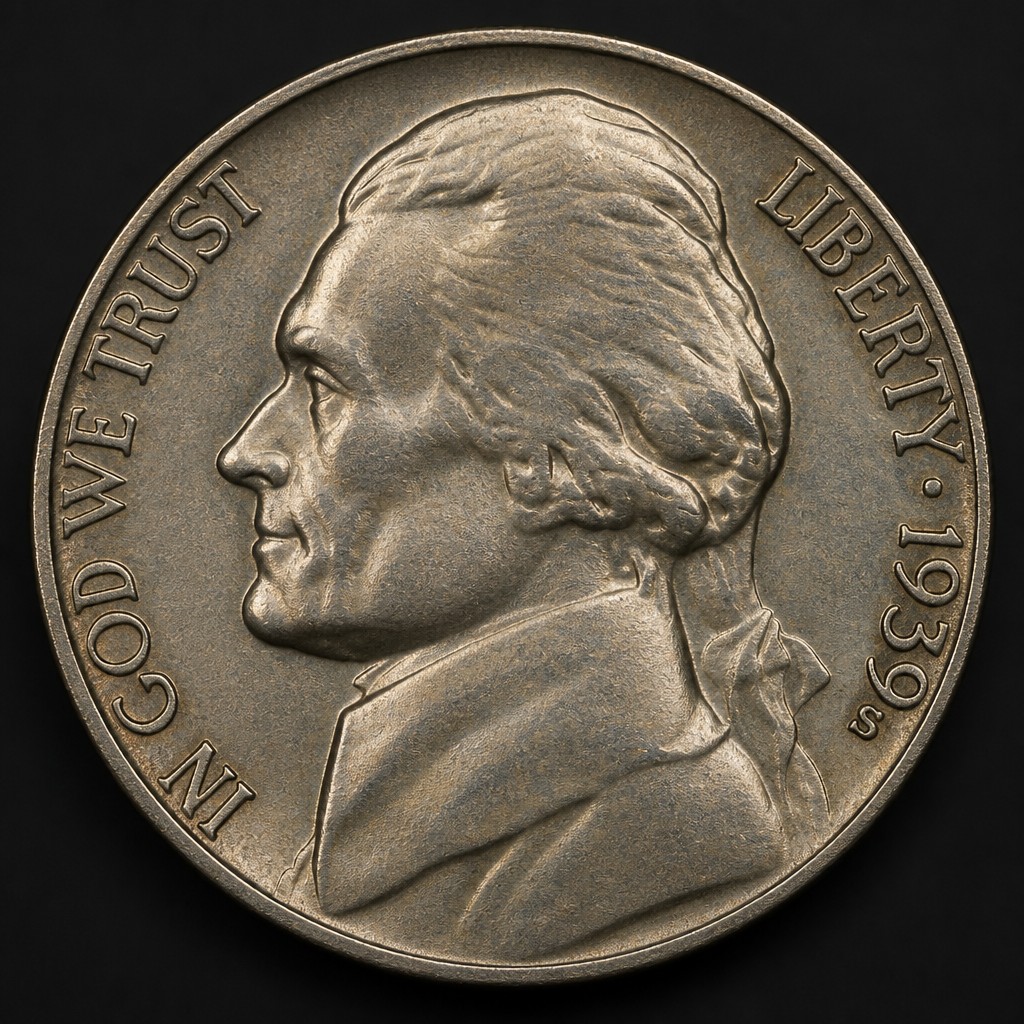
1939-S Jefferson Nickel
A scarce San Francisco Jefferson Nickel from the early series, notable for being one of two tougher 1939 issues and for a well-known doubled-die reverse variety showing a doubled MONTICELLO.
United States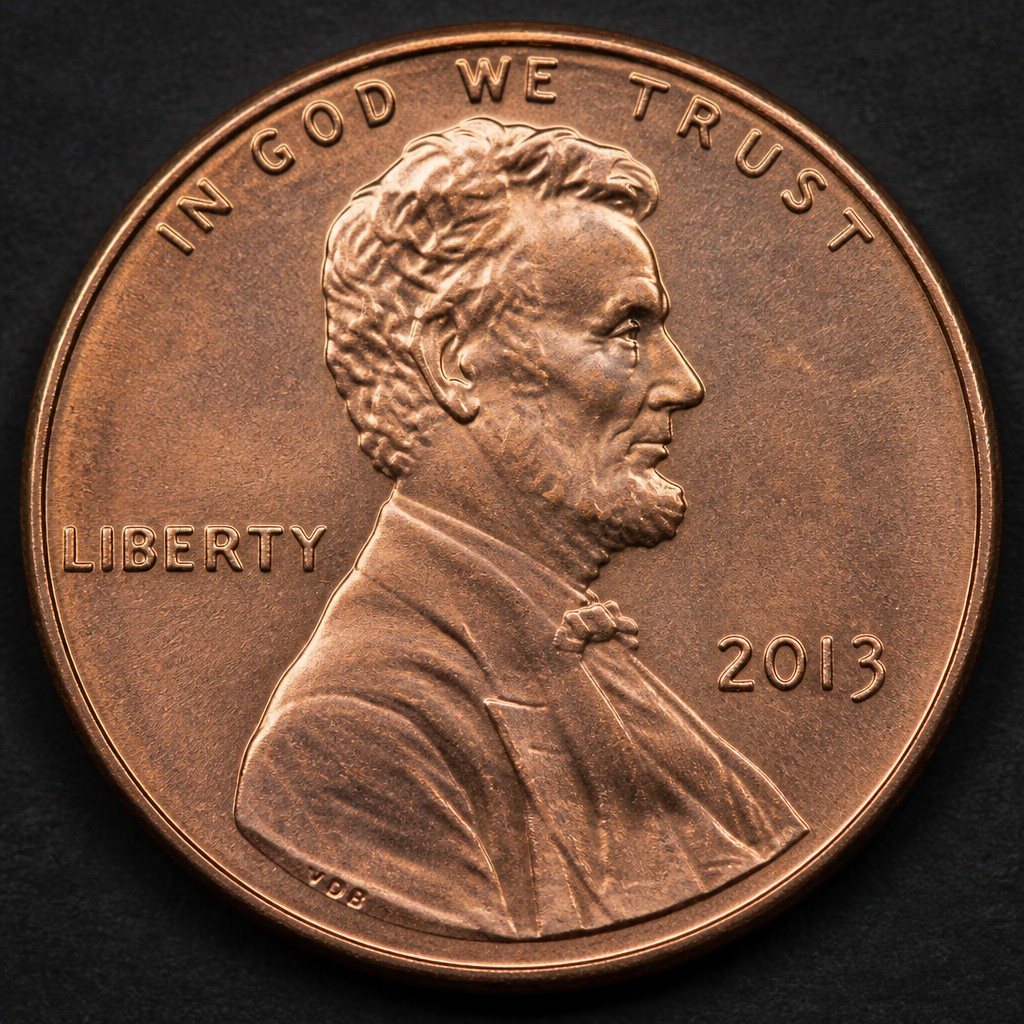
Lincoln Shield Cent
The current Lincoln cent reverse, introduced in 2010, depicts a Union shield replacing the earlier Lincoln Memorial design as the fourth reverse in the cent's history.
United States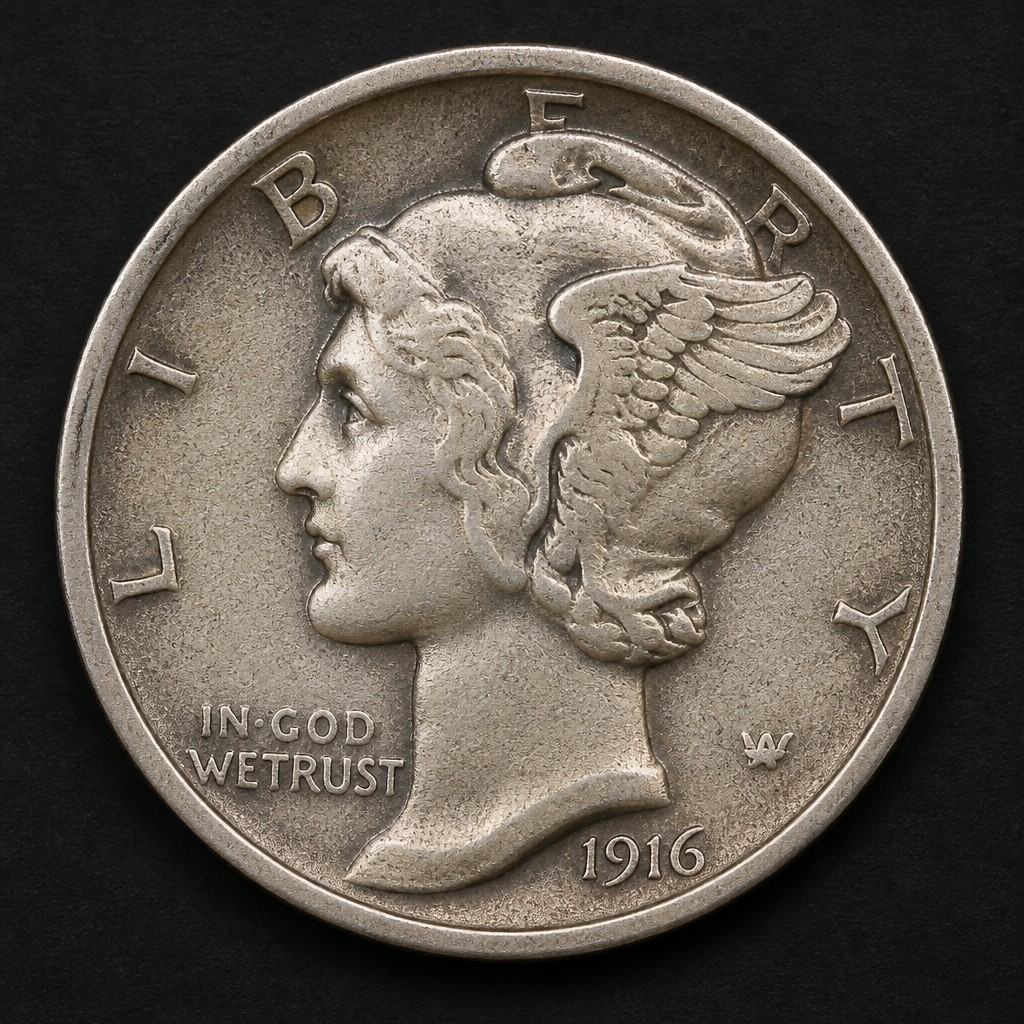
Mercury Dime
Popular U.S. dime nicknamed for its winged Liberty head, mistaken by many for the Roman god Mercury, designed by Adolph A. Weinman and struck from 1916 to 1945.
United States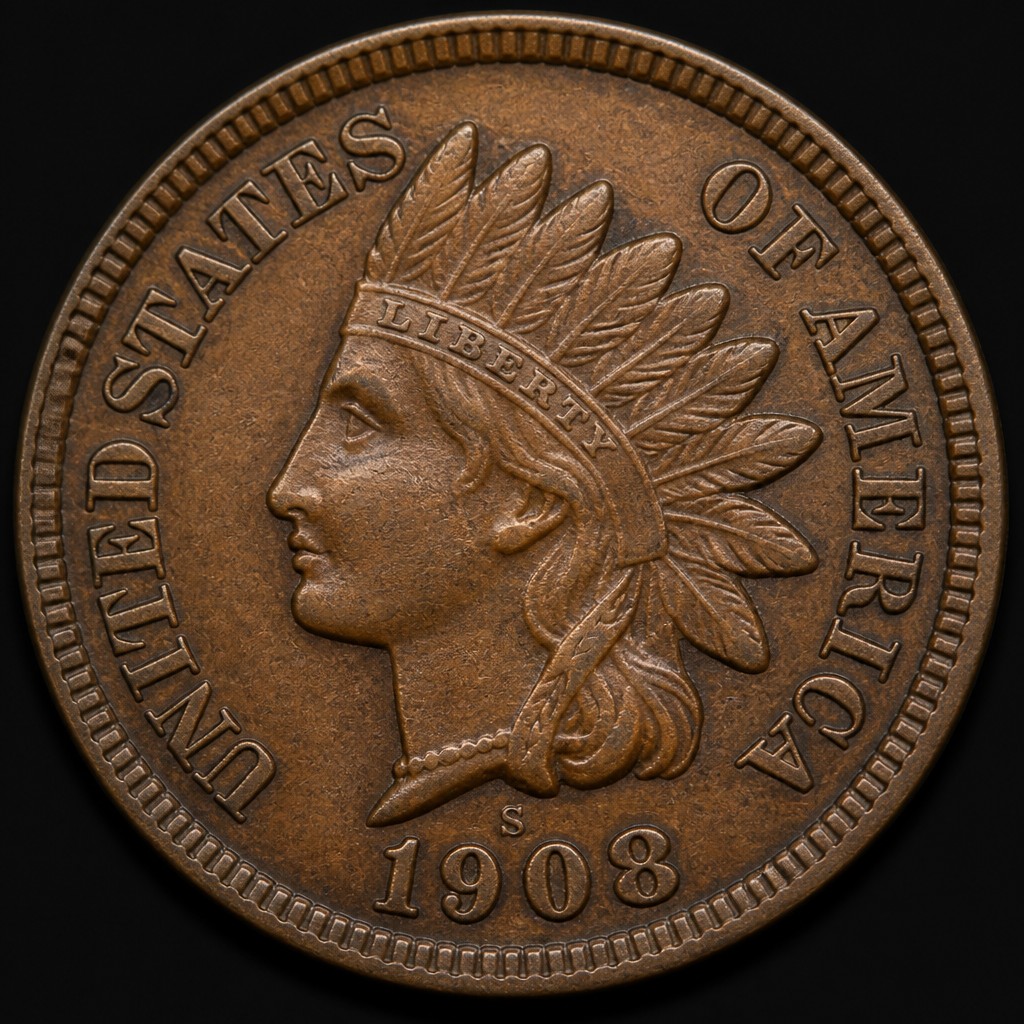
1908-S Indian Head Cent
The first Indian Head cent struck at the San Francisco Mint, marking the first time a branch mint produced a one-cent coin for the United States.
United States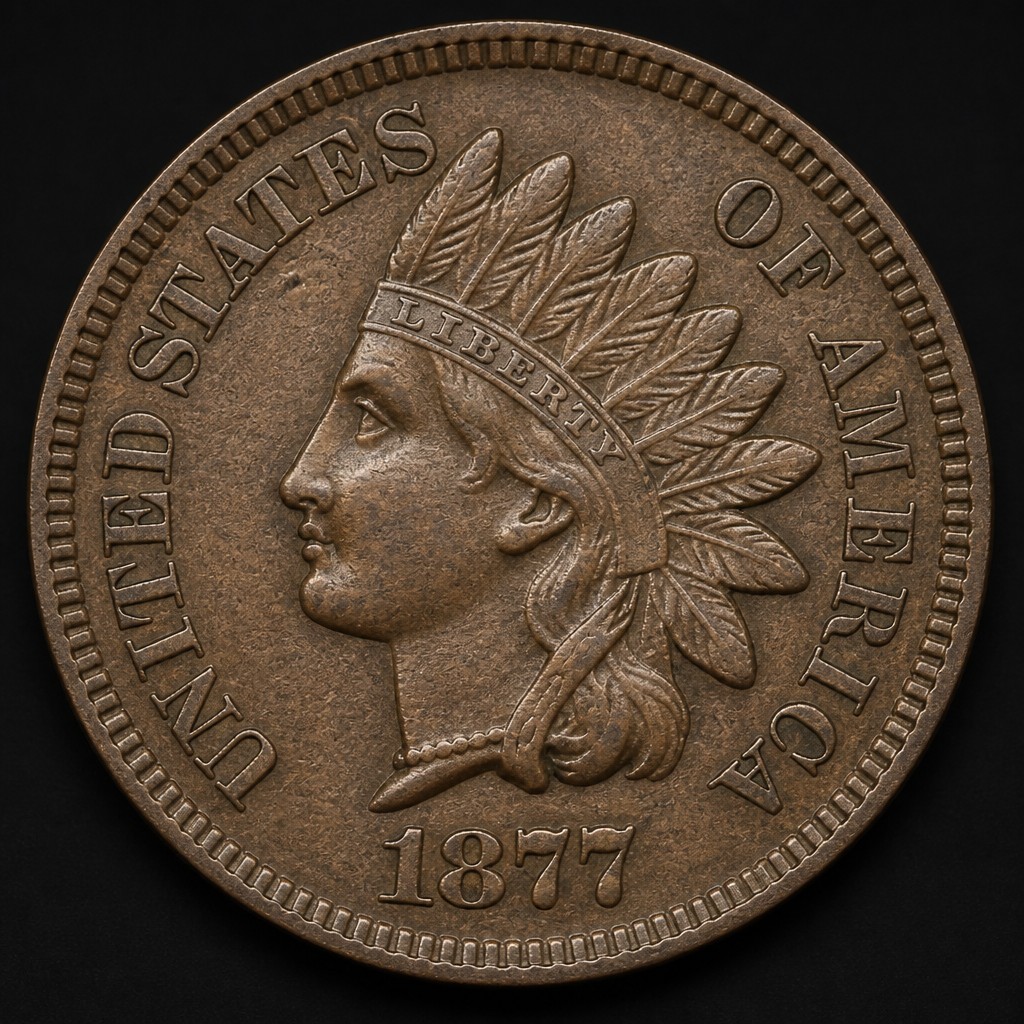
1877 Indian Head Cent
The premier key date of the Indian Head cent series, struck in unusually low numbers during a mid-1870s economic downturn.
United States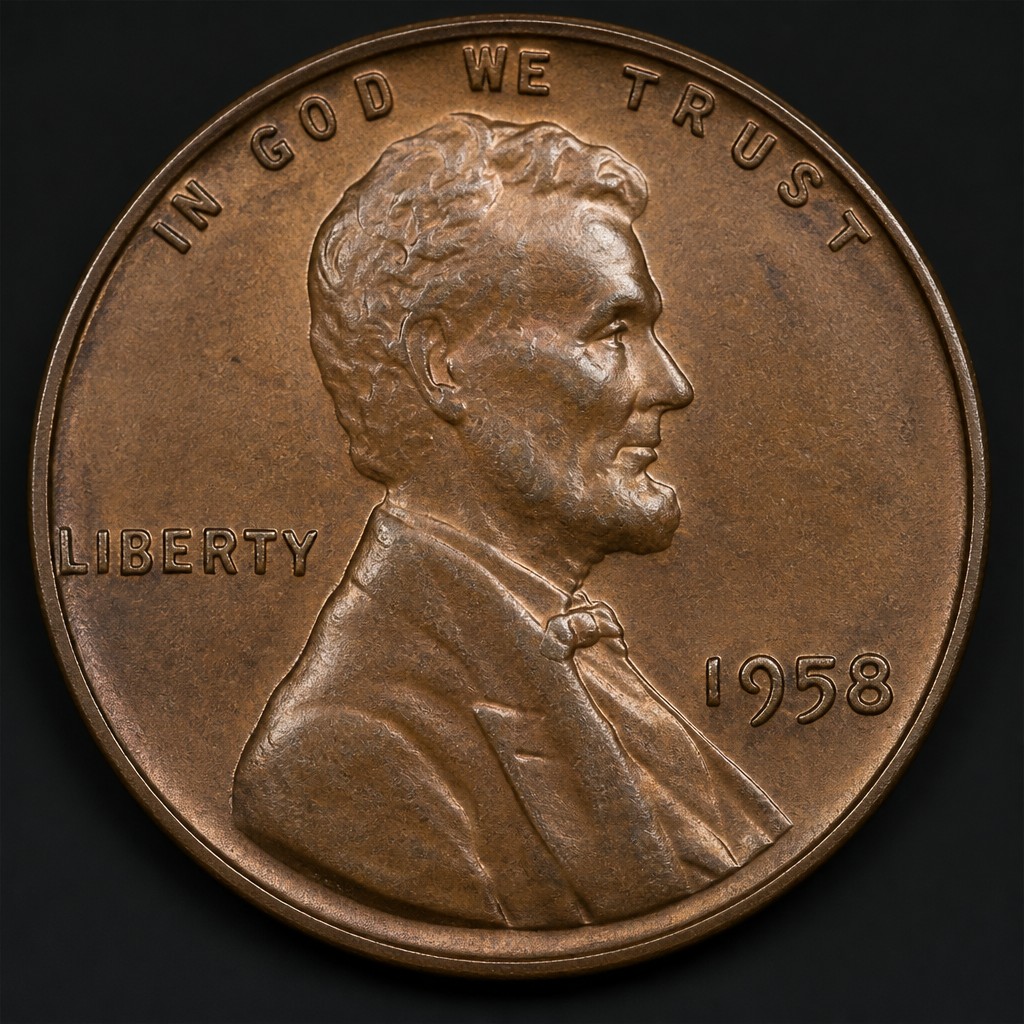
Lincoln Wheat Cent
The first widely circulated U.S. coin to feature a real historical figure, Abraham Lincoln, with two stylized wheat stalks on the reverse; one of the most collected coins in America.
United States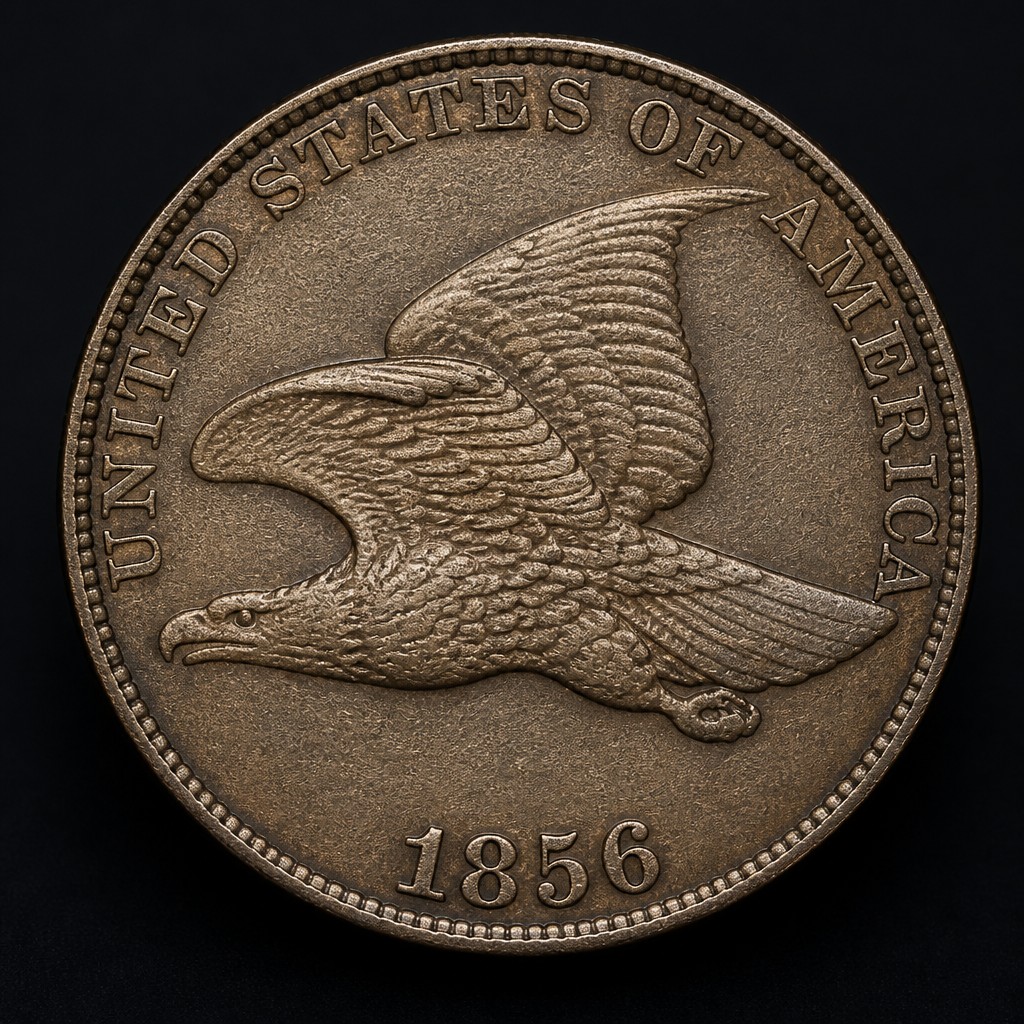
1856 Flying Eagle Cent
An extremely rare pattern-like small cent struck to convince Congress to approve a new, smaller cent design, and one of the most desired key dates in U.S. coinage.
United States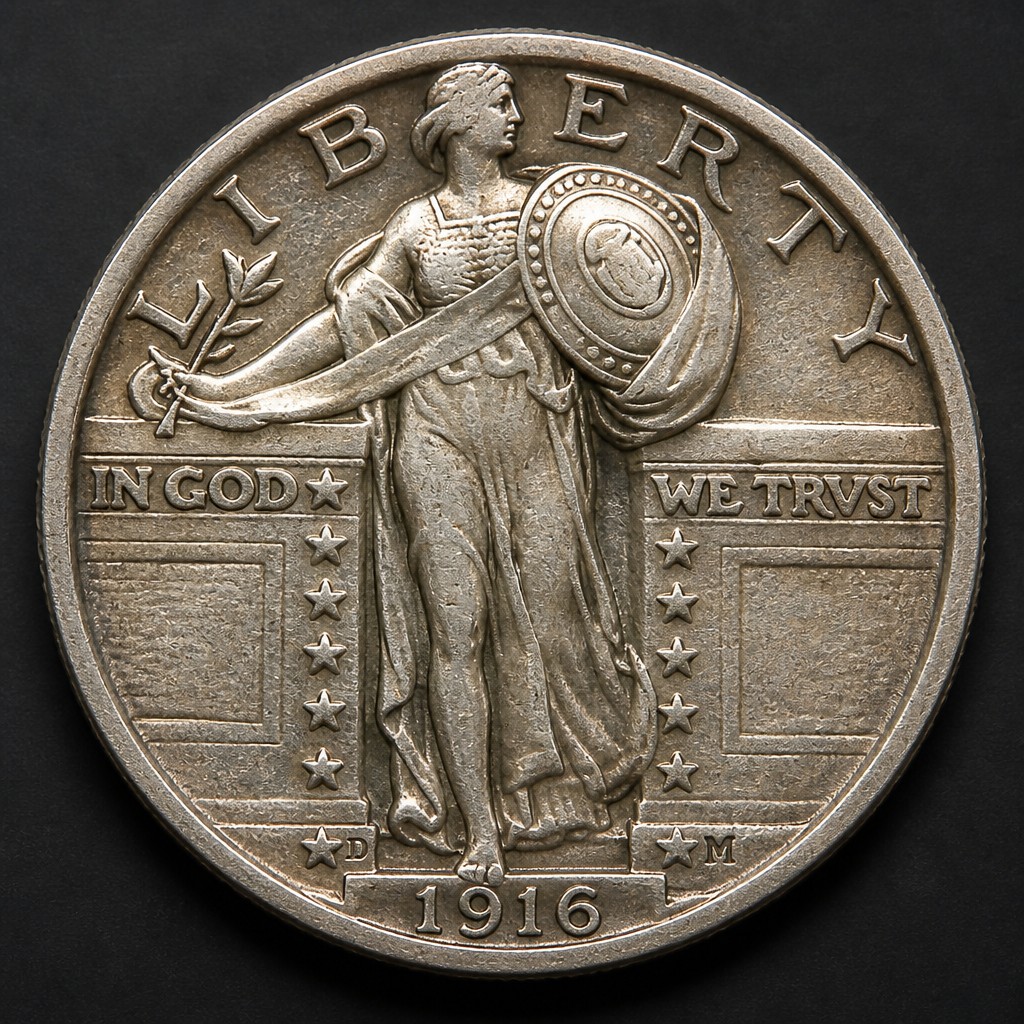
Standing Liberty Quarter
An early 20th-century silver quarter featuring a striding figure of Liberty, prized for its artistic Type I 'bare breast' design and later modified Type II version.
United States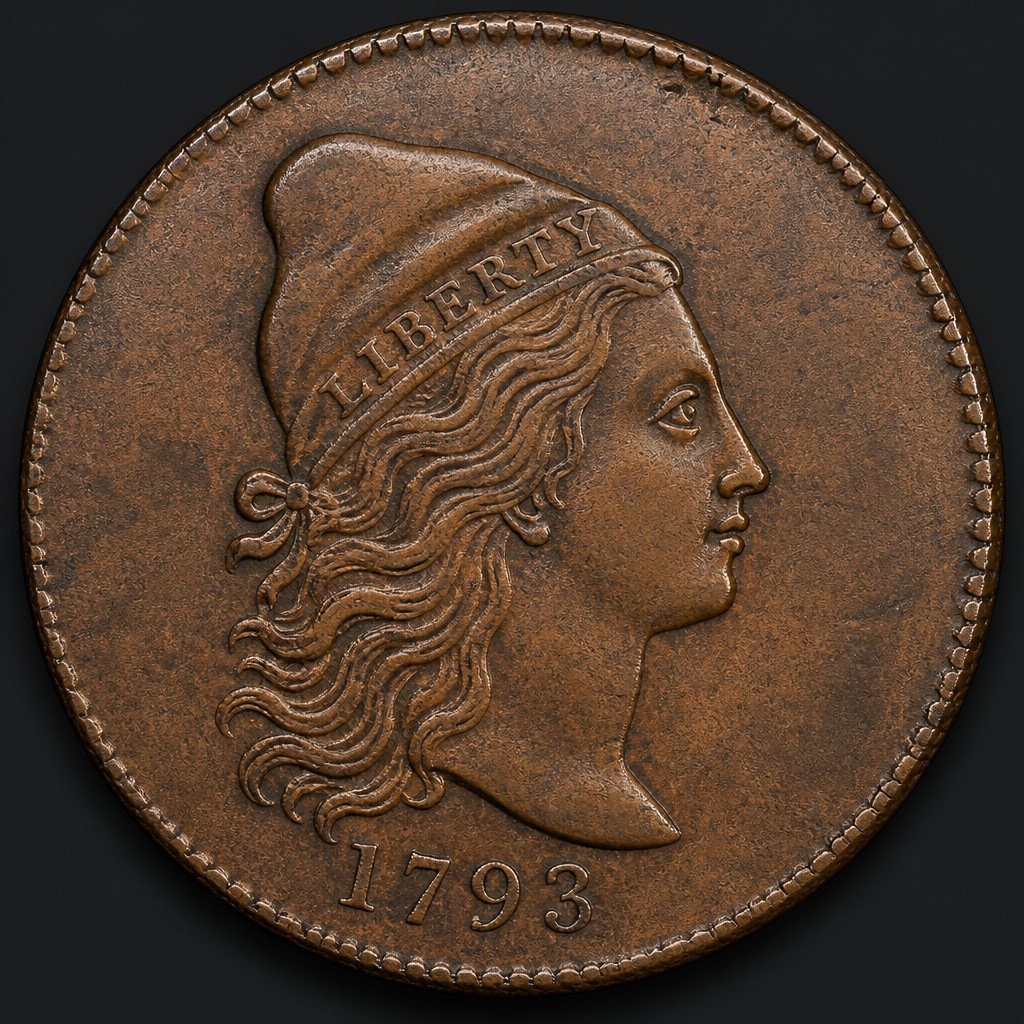
Liberty Cap Large Cent
An early United States copper cent showing Liberty with a pole and pileus (liberty cap) over her shoulder, the third cent design used in the Mint's first years.
United States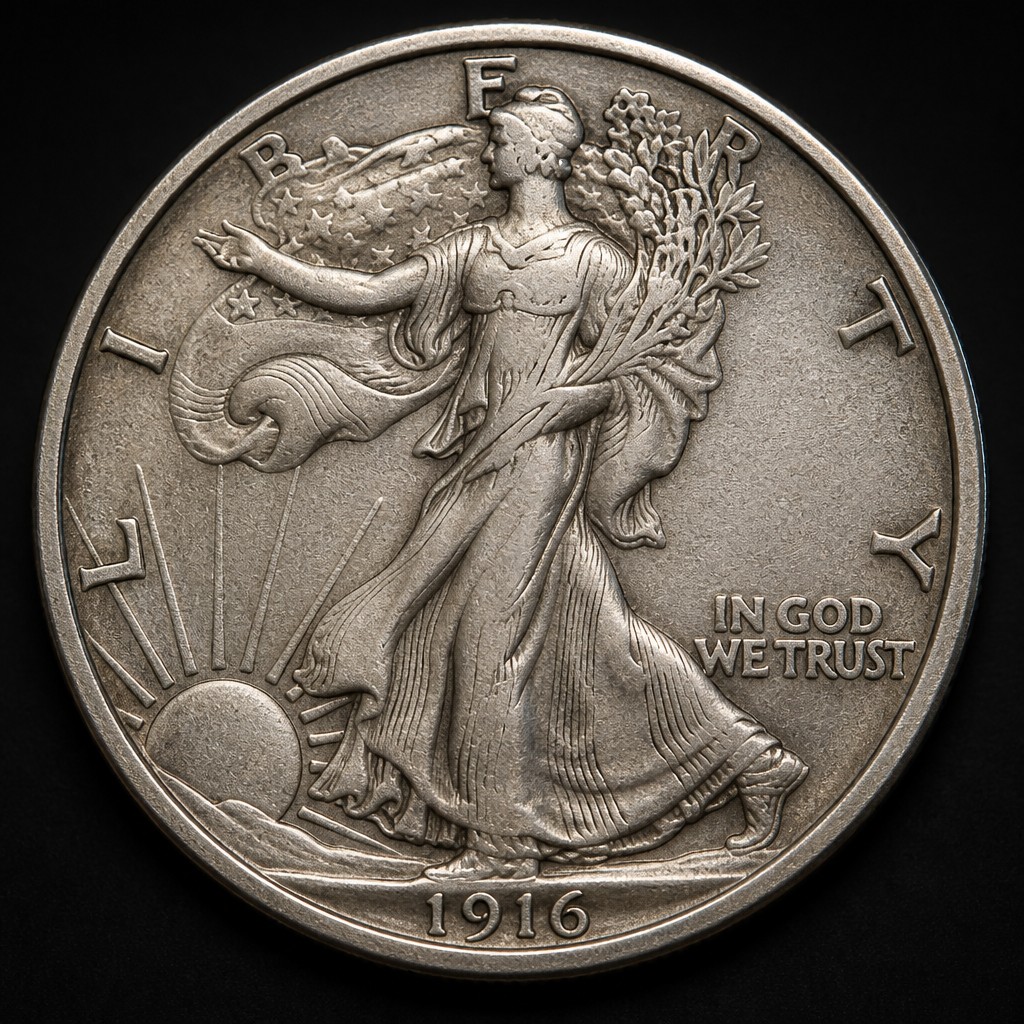
Walking Liberty Half Dollar
Widely admired U.S. half dollar designed by Adolph A. Weinman, depicting Liberty striding toward the sun and a bold eagle on the reverse; its obverse design was later revived for the Silver Eagle.
United States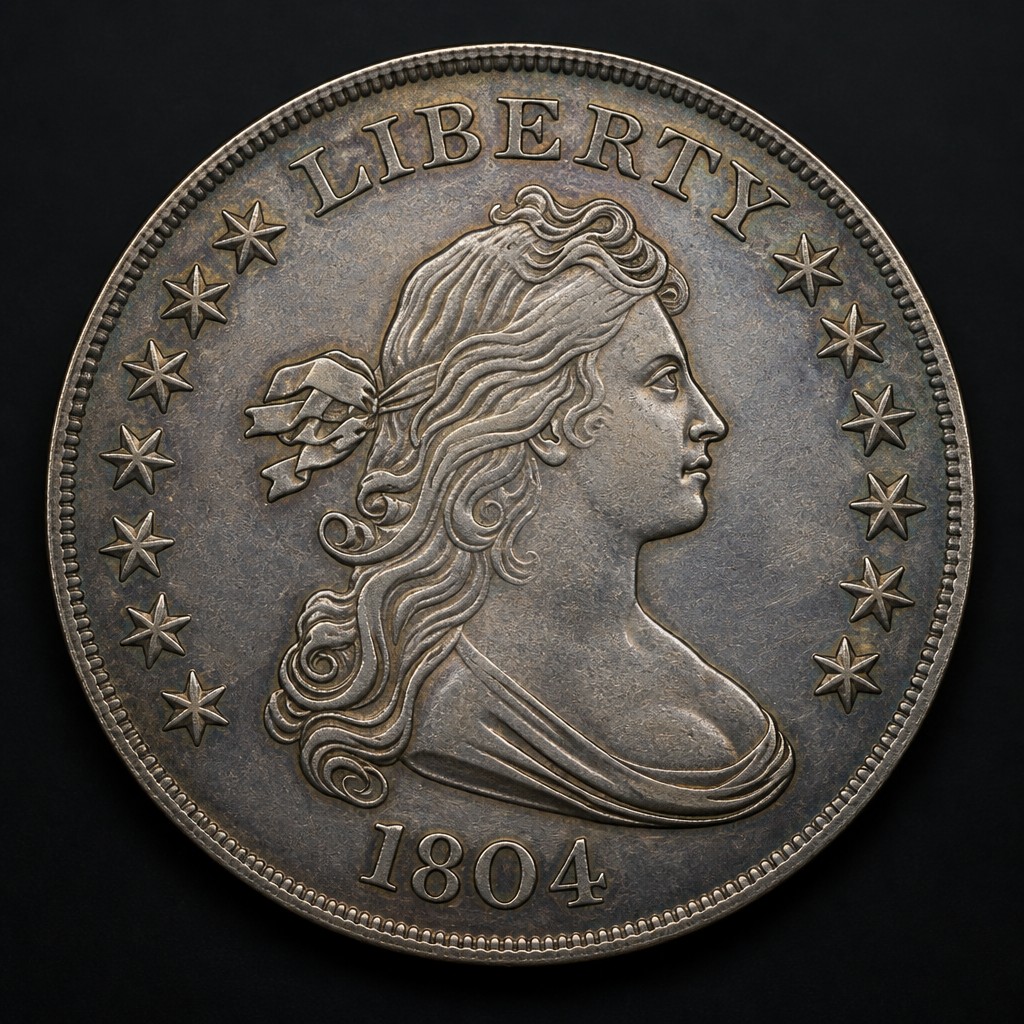
1804 Draped Bust Silver Dollar
Extraordinarily rare U.S. dollar known as "The King of American Coins," actually struck decades after its 1804 date for diplomatic gift sets and later collectors, with only 15 known examples.
United States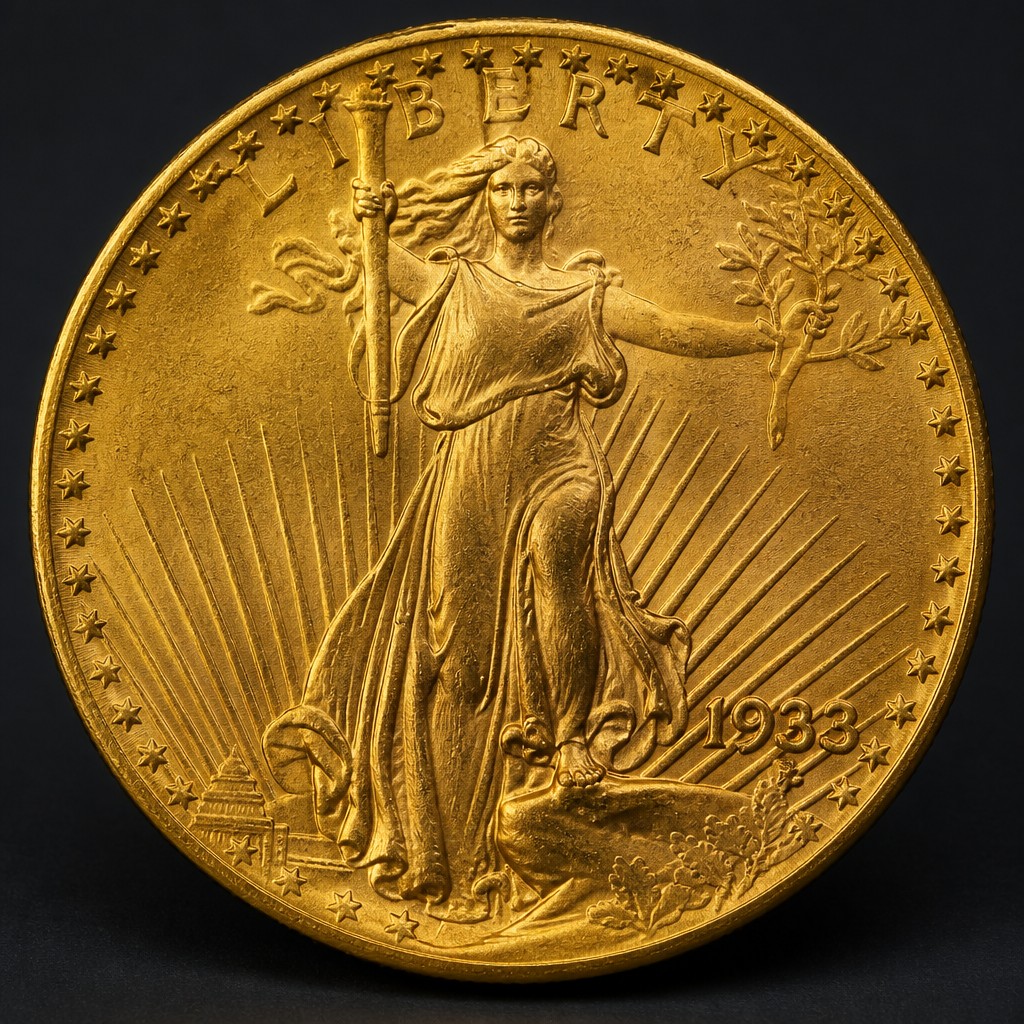
1933 Double Eagle
One of the rarest and most legally contested U.S. coins, struck but never officially released for circulation after the nation left the gold standard; a single example sold for over $18 million.
United States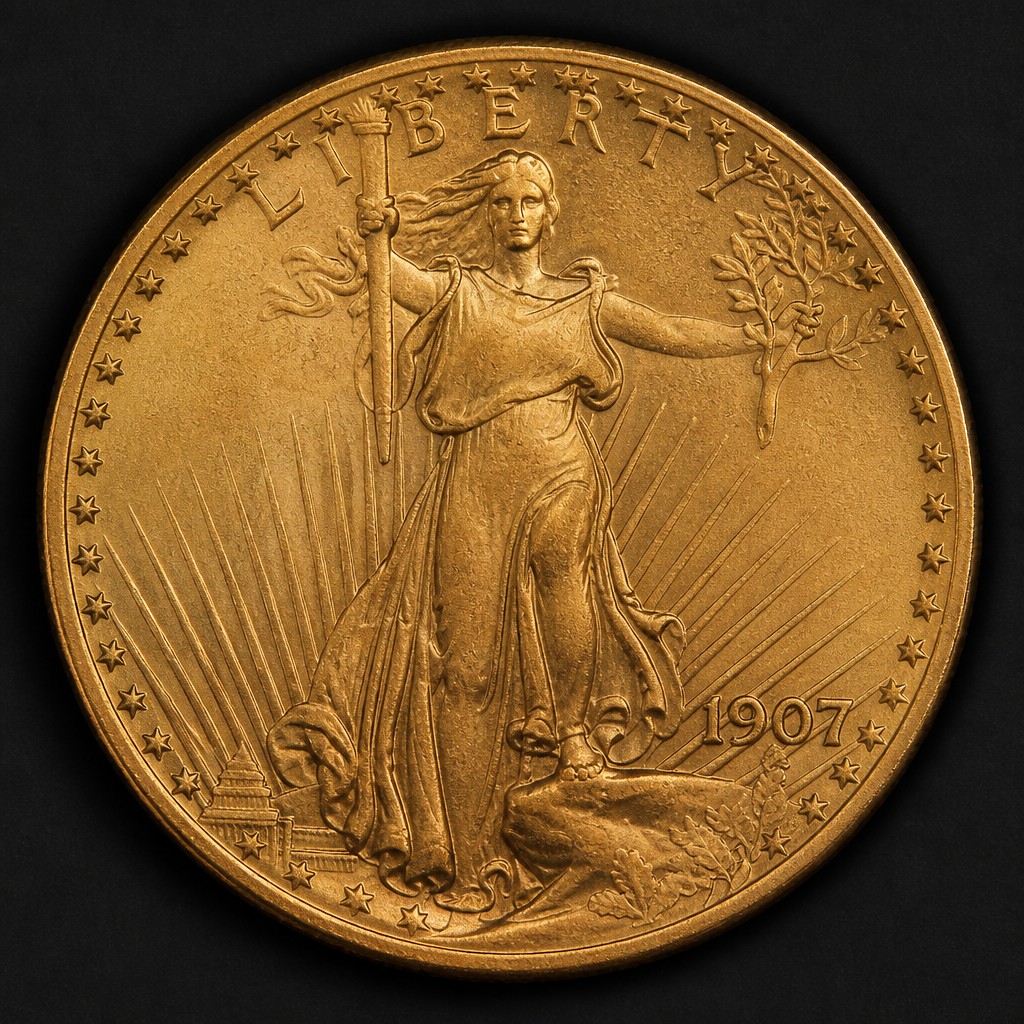
Saint-Gaudens Double Eagle
Widely regarded as one of the most beautiful U.S. coins ever produced, designed by sculptor Augustus Saint-Gaudens at the urging of President Theodore Roosevelt.
United States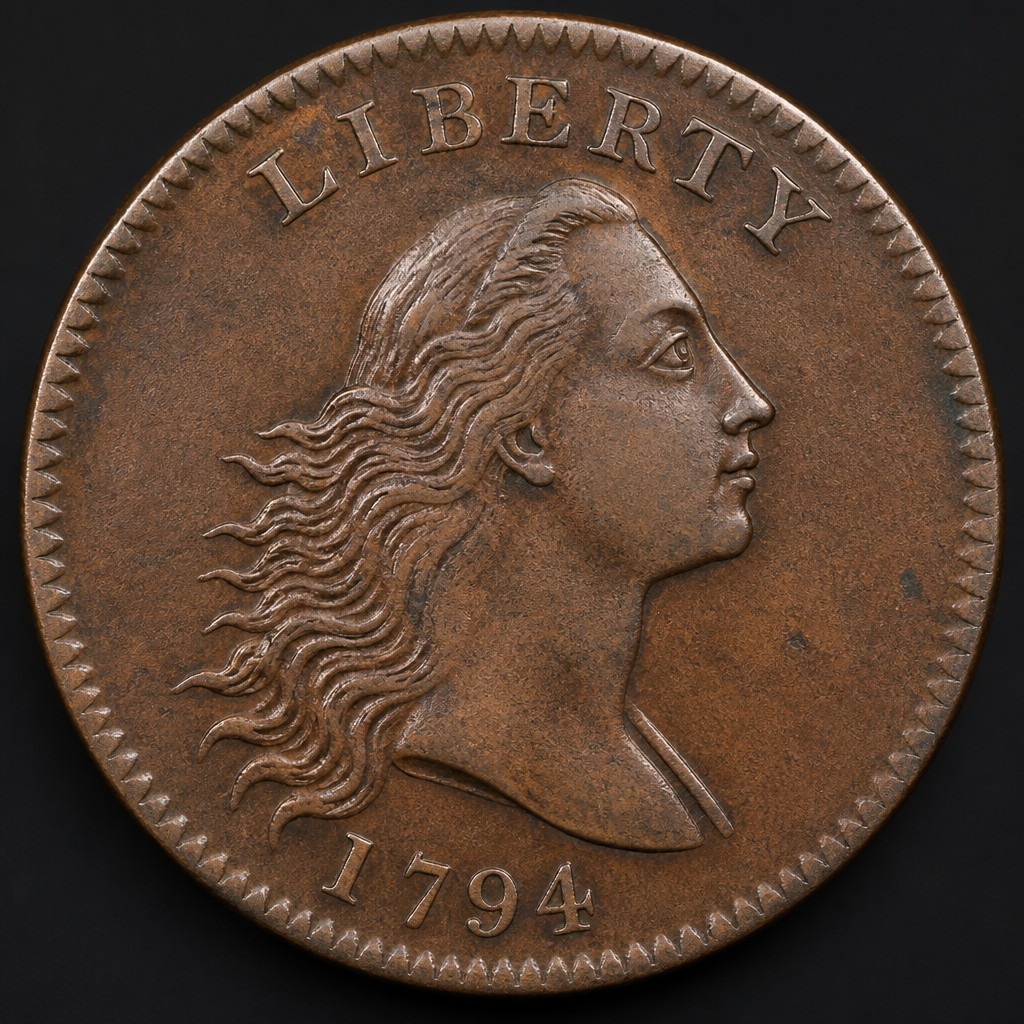
1794 Flowing Hair Cent
An early United States large copper cent from the first years of the Mint, associated with the Flowing Hair Liberty portrait used on the nation's earliest coinage.
United States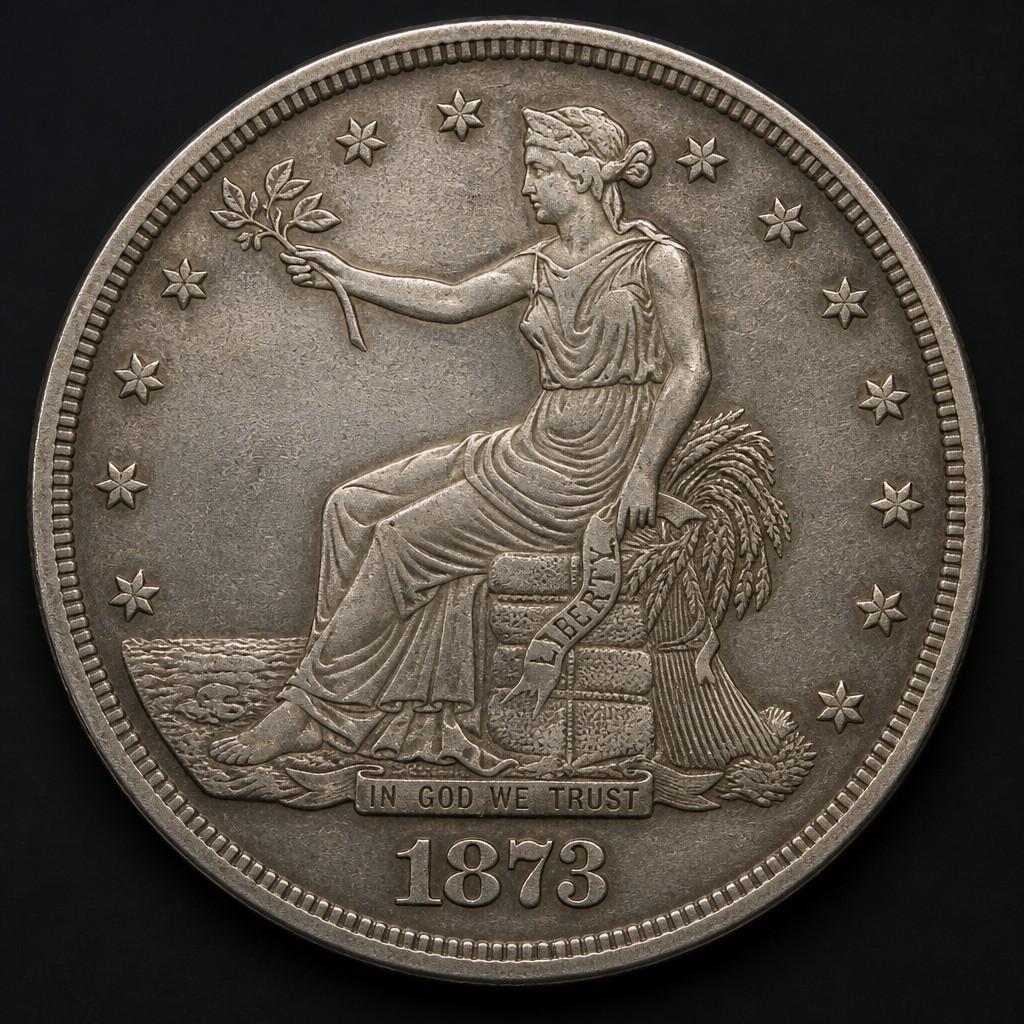
Trade Dollar
A heavier U.S. silver dollar struck specifically for trade with China and East Asia, later demonetized domestically and known for its distinctive weight-and-fineness inscription.
United States