
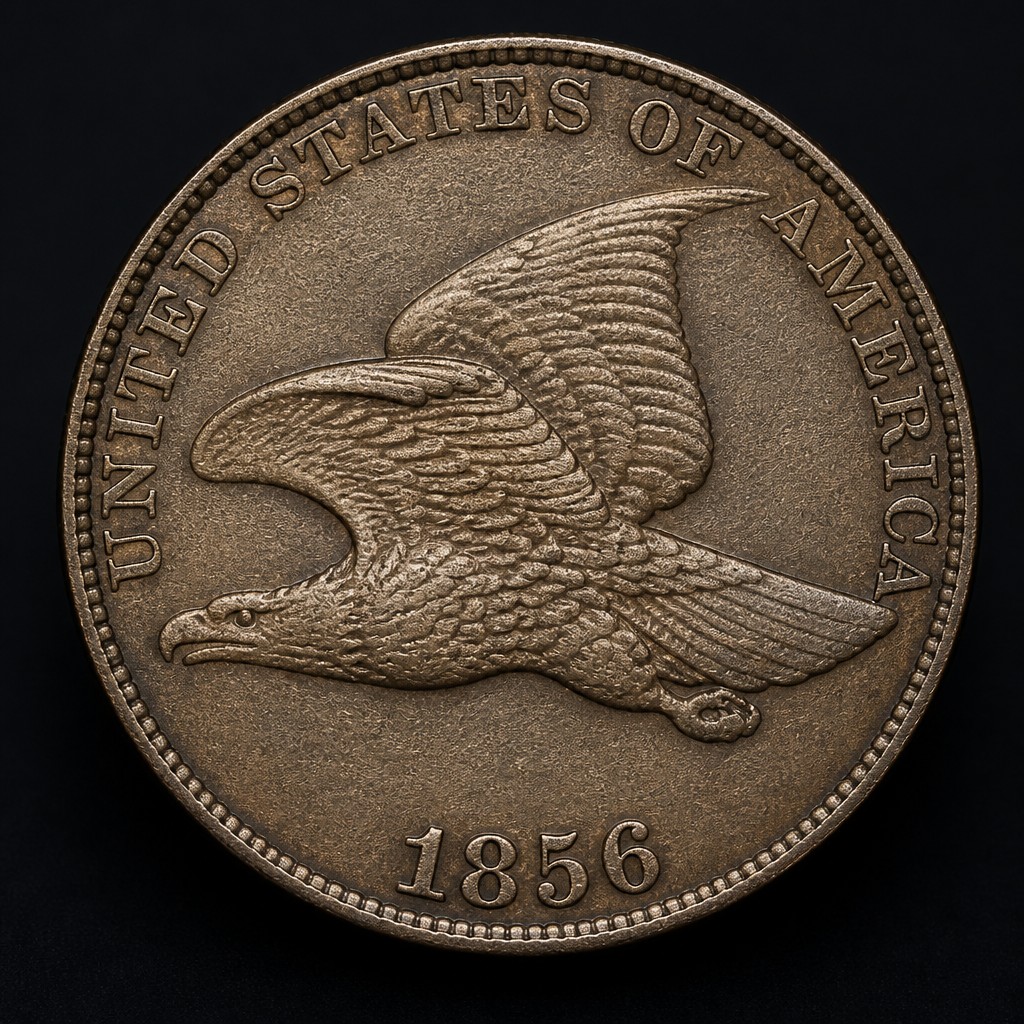
1856 Flying Eagle Cent
An extremely rare pattern-like small cent struck to convince Congress to approve a new, smaller cent design, and one of the most desired key dates in U.S. coinage.
- Country
- United States
- Denomination
- One Cent
- Metal
- 88% Copper, 12% Nickel
Got a coin like this?
Identify any coin from a photo, free.
Overview
The 1856 Flying Eagle cent occupies a special place in American numismatics as a coin struck ahead of its official series in order to demonstrate the new small-format, copper-nickel cent to lawmakers and the public before Congress formally authorized it. Its limited original production makes it among the most sought-after and expensive dates in the entire small cent series.
Despite technically being an 1856-dated coin, most surviving examples are considered to have been produced in small numbers close to the time of, or after, the Coinage Act of 1857 was passed, since the Mint wanted to showcase and promote the new design.
History & Background
By the mid-1850s, the large copper cent had become unpopular and costly, prompting the Mint to explore a smaller replacement. Chief engraver James B. Longacre designed a flying eagle motif, adapted from the eagle used by Christian Gobrecht on earlier silver dollar patterns (itself based on studies of a live eagle by artist Titian Peale), paired with a wreath reverse.
Examples dated 1856 were distributed to members of Congress and other influential figures to build support for the smaller cent, which Congress authorized in the Coinage Act of 1857. Because of this promotional role, the 1856 Flying Eagle cent is often treated as a pattern or transitional issue rather than a coin struck for ordinary circulation, though it is widely collected as part of the regular small cent date run.
How to Identify
The obverse shows an eagle in flight, wings spread, above the date 1856, with UNITED STATES OF AMERICA around the border. The reverse displays a wreath of corn, wheat, cotton, and tobacco encircling the denomination ONE CENT.
The coin is notably smaller than the large cents it was designed to replace, about 19 millimeters in diameter, and struck in a copper-nickel alloy that gives it a pale, silvery-tinged appearance compared to the reddish tone of pure copper cents, earning coins of this alloy the nickname "white cents."
Because genuine 1856-dated Flying Eagle cents are rare and valuable, and because the date has historically been a target for alteration from more common 1858 cents, careful examination of the last digit and overall coin characteristics, ideally by a professional grading service, is important before assuming authenticity.
Value & Collectibility
The 1856 Flying Eagle cent is one of the most famous key dates in American coin collecting, with even well-worn, low-grade examples bringing prices far above typical common small cents due to their limited original production and historic role in launching the small cent format. High-grade and proof examples can command substantial sums at auction.
Because of its fame and value, this date has long been a target for counterfeiters and for alteration of genuine 1858 cents to mimic an 1856, making third-party certification especially important for this particular issue.
Frequently asked questions
Was the 1856 Flying Eagle cent struck for circulation?
It is generally considered a promotional or pattern-like issue struck to help persuade Congress to authorize the new small cent, rather than a coin made for general circulation.
Why is it called a 'white cent'?
Its copper-nickel alloy gives it a pale, silvery tone compared to the reddish color of pure copper cents.
Who designed the Flying Eagle cent?
Mint chief engraver James B. Longacre designed it, adapting an eagle motif associated with earlier silver dollar patterns.
Why should I be cautious buying this date?
The 1856 date has historically been a target for alteration from the more common 1858 cent, so authentication is strongly advised.
What led to the small cent format?
Rising copper costs and public dissatisfaction with the bulky large cent led Congress to authorize a smaller cent in the Coinage Act of 1857.
Other coins you may enjoy
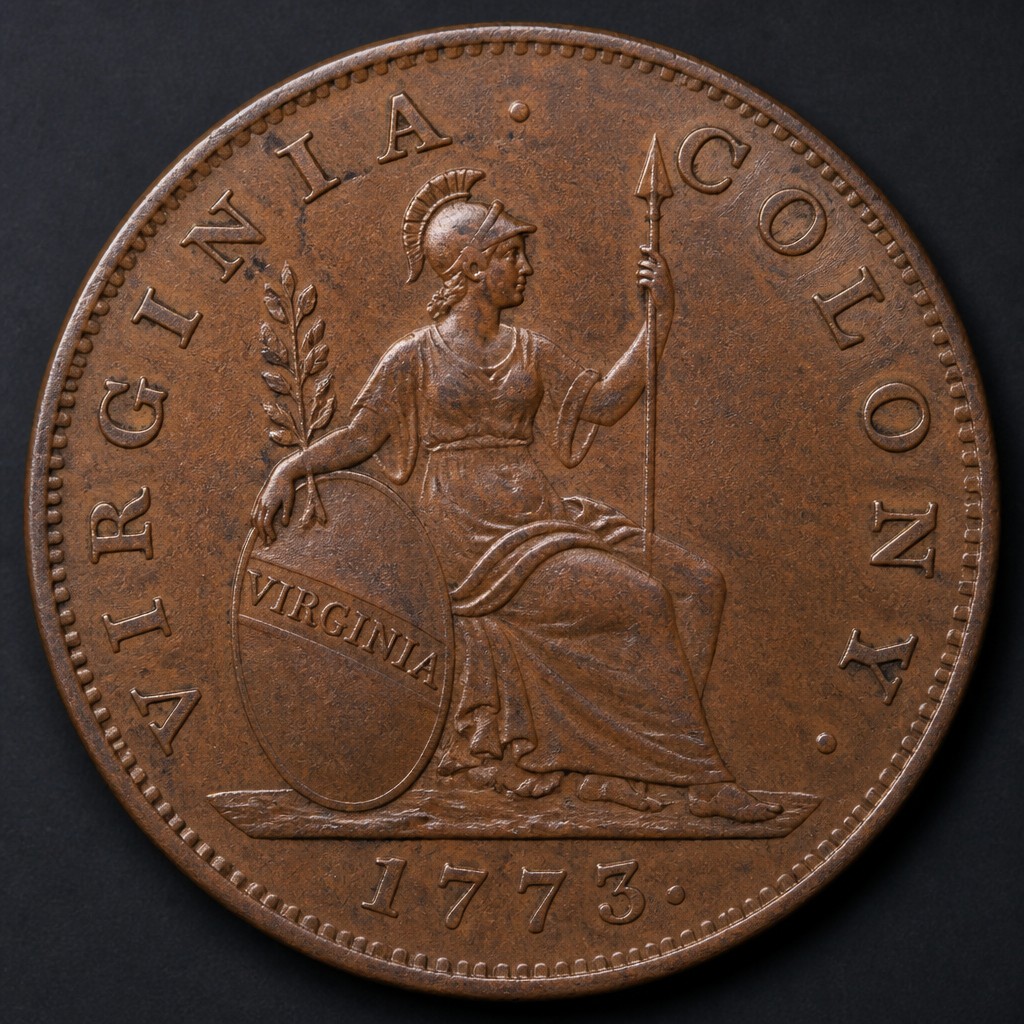
Virginia Halfpenny
1773
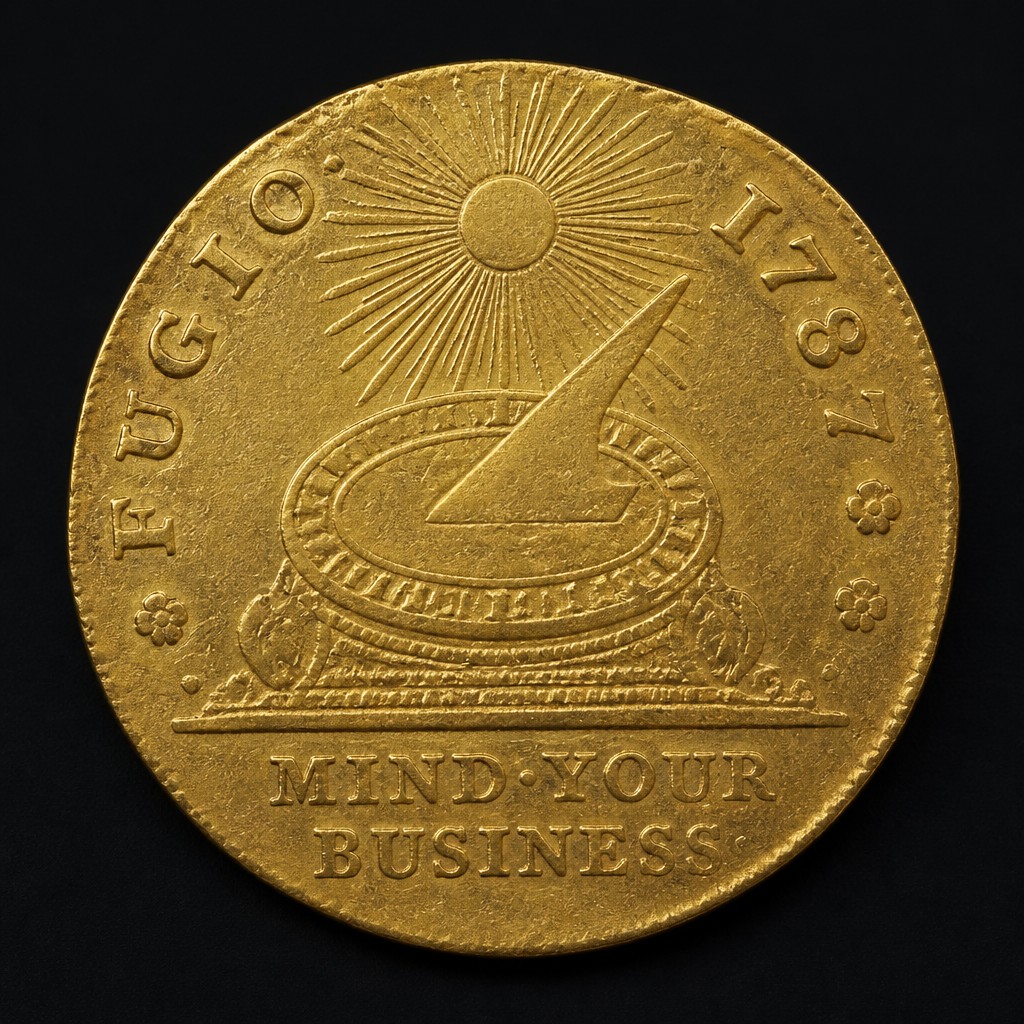
Brasher Doubloon
1787
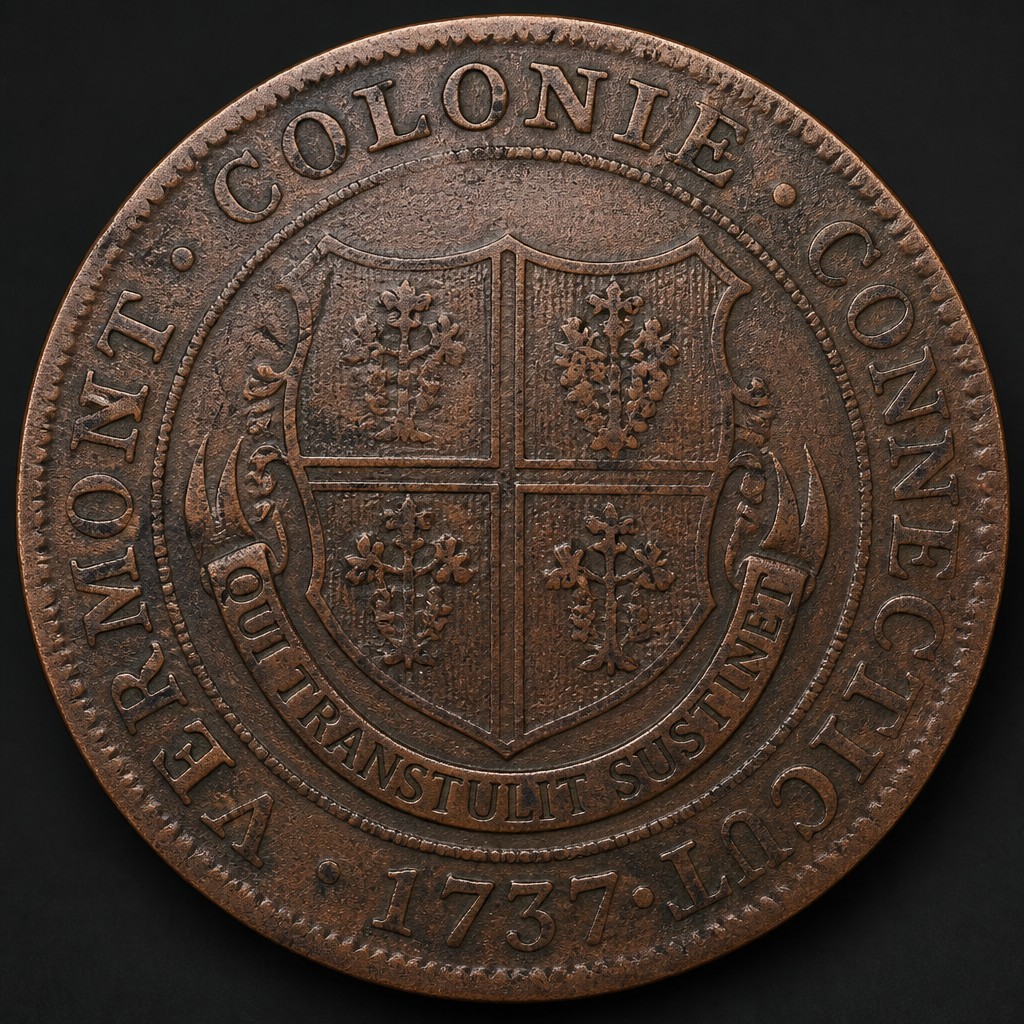
Higley Copper
1737–1739
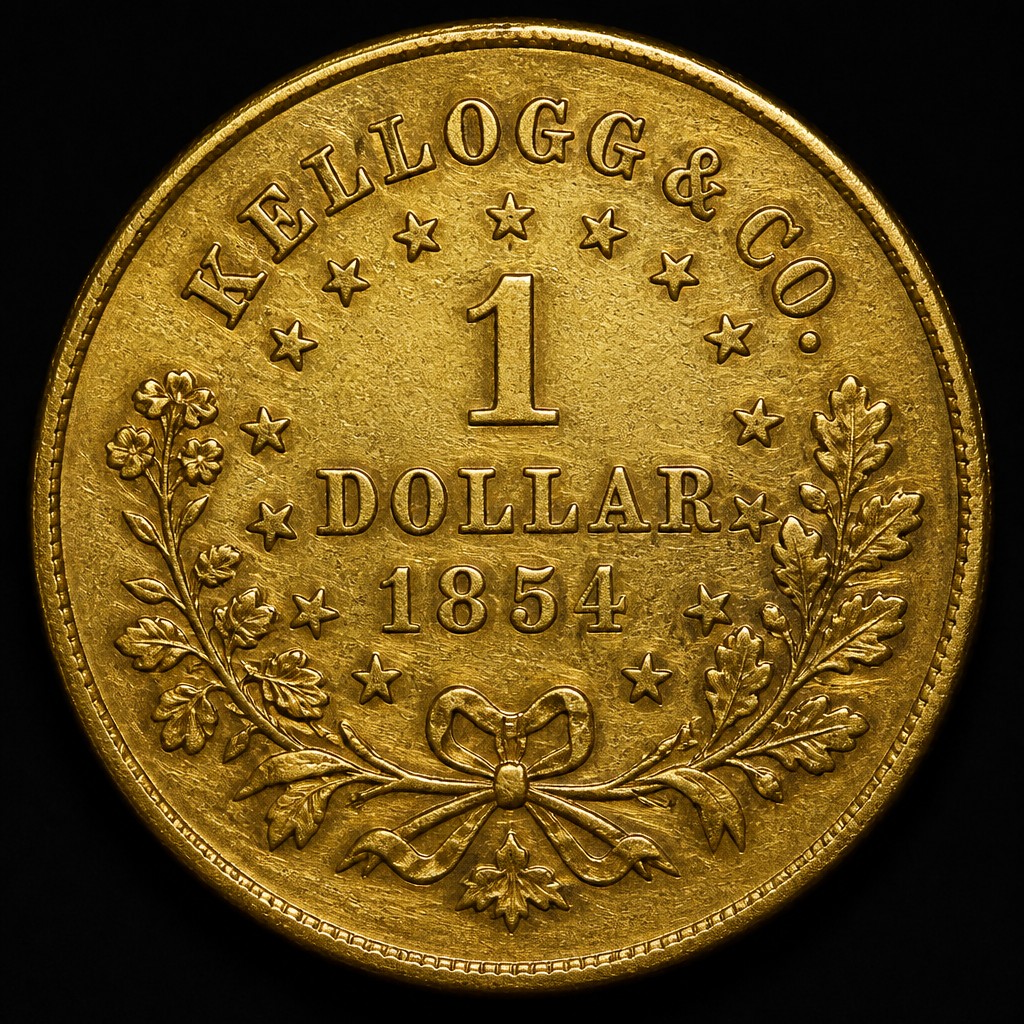
Kellogg & Co. Gold Piece
1854–1855
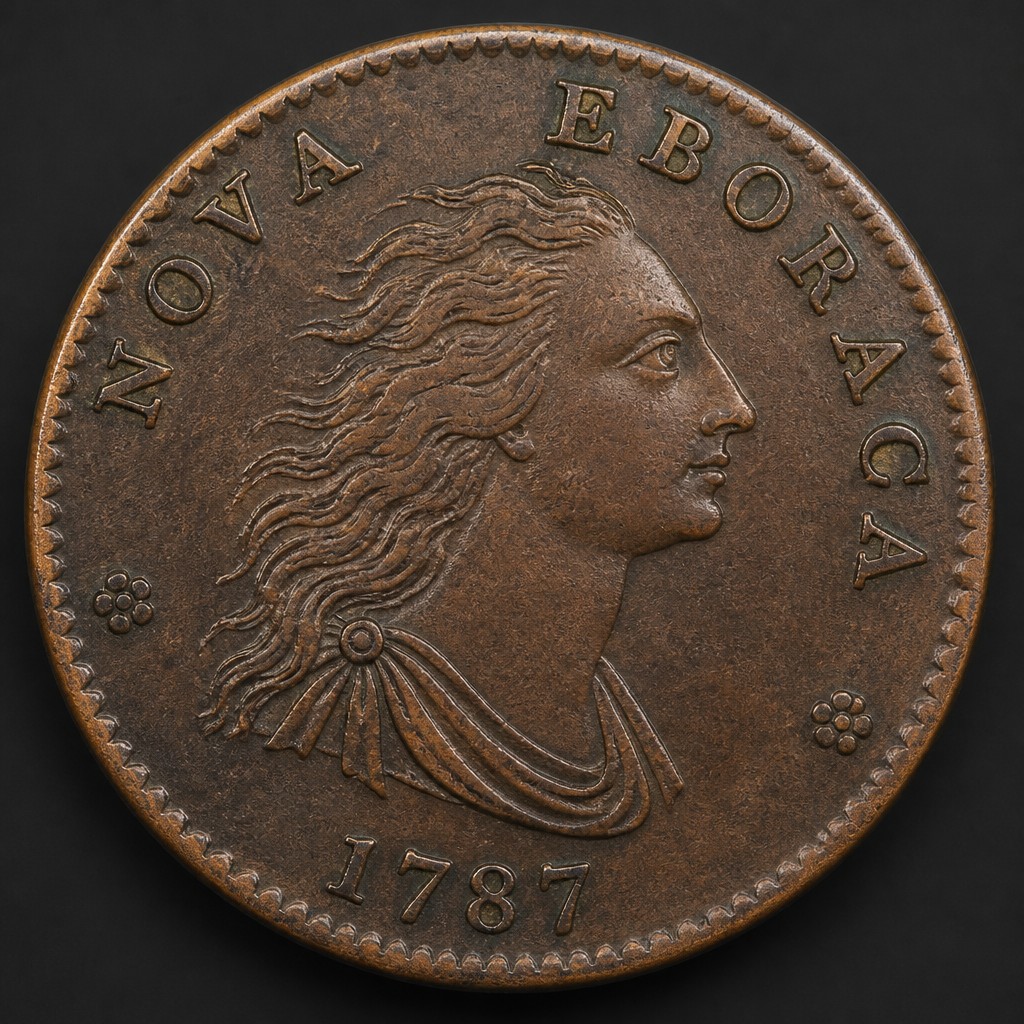
Nova Eborac Copper
1787
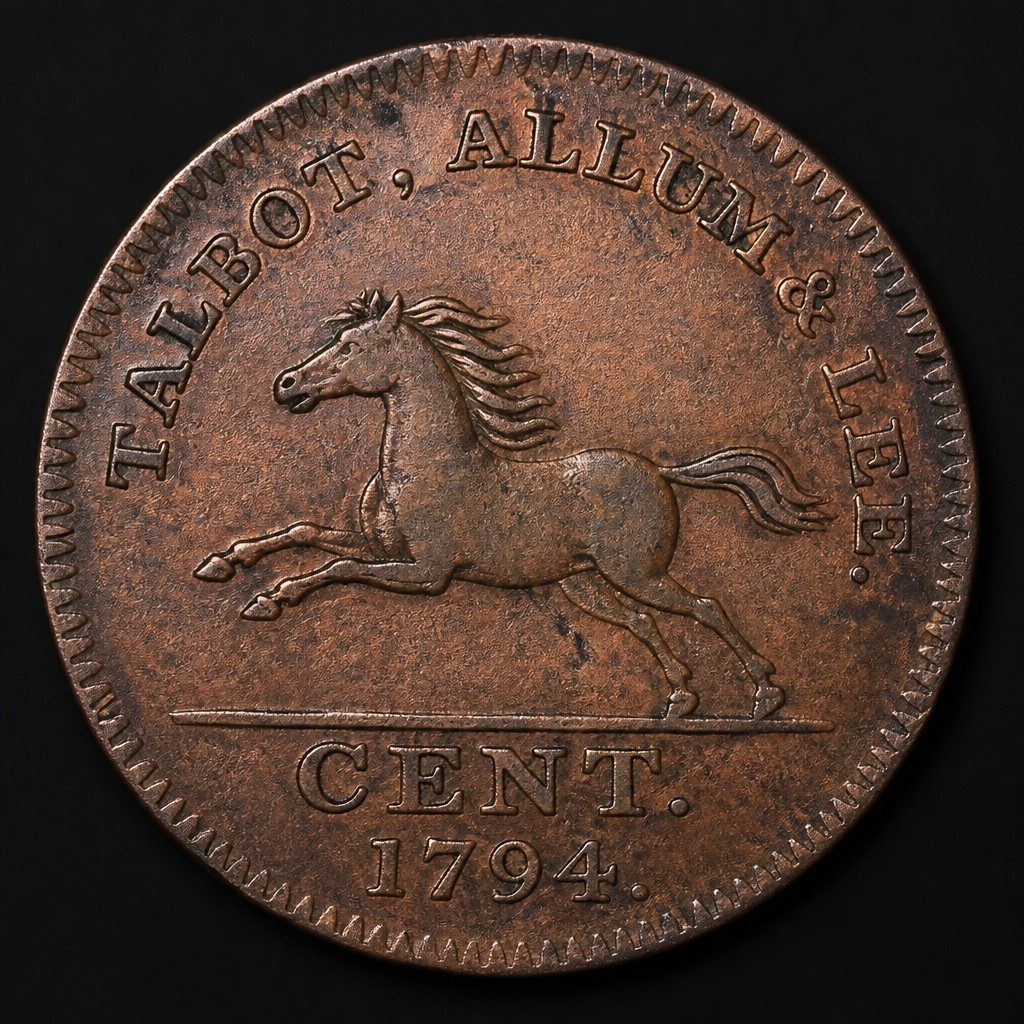
Talbot, Allum & Lee Cent
1794–1795
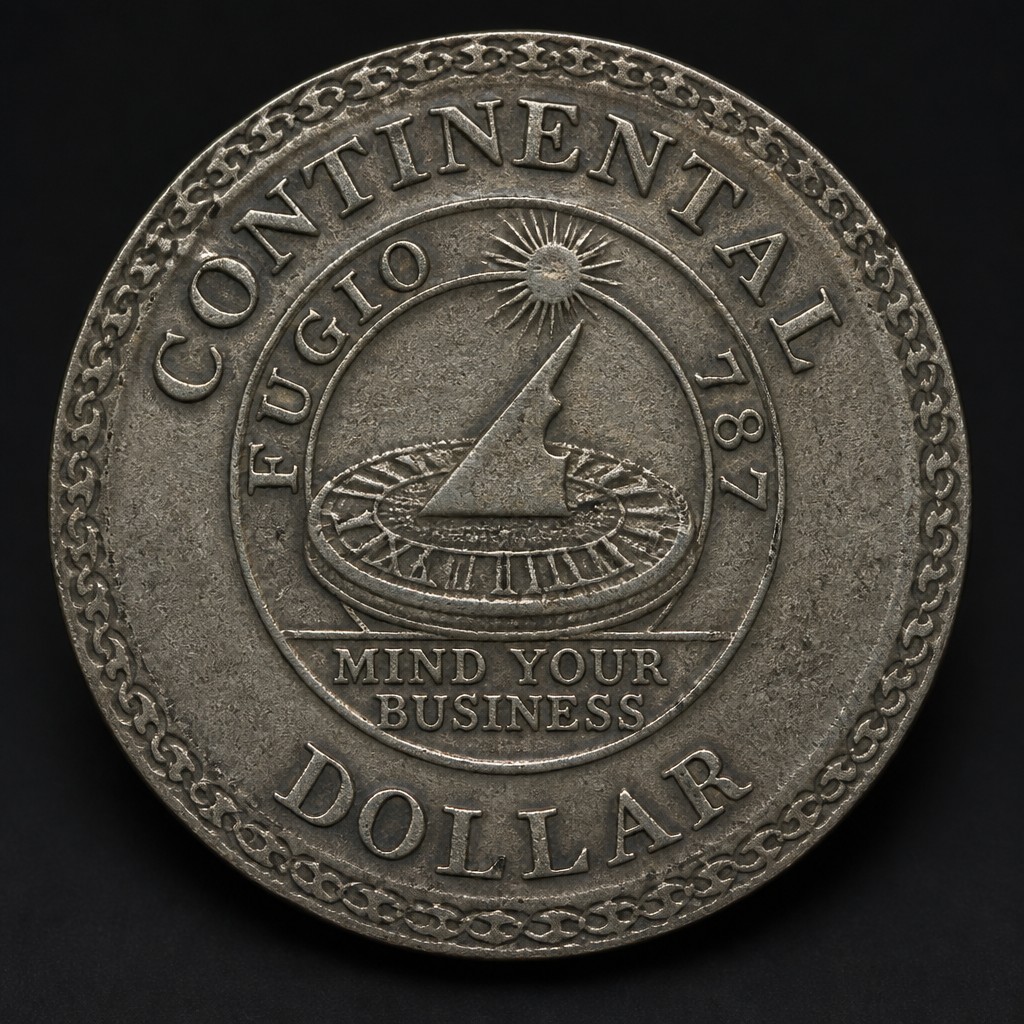
Continental Dollar
1776
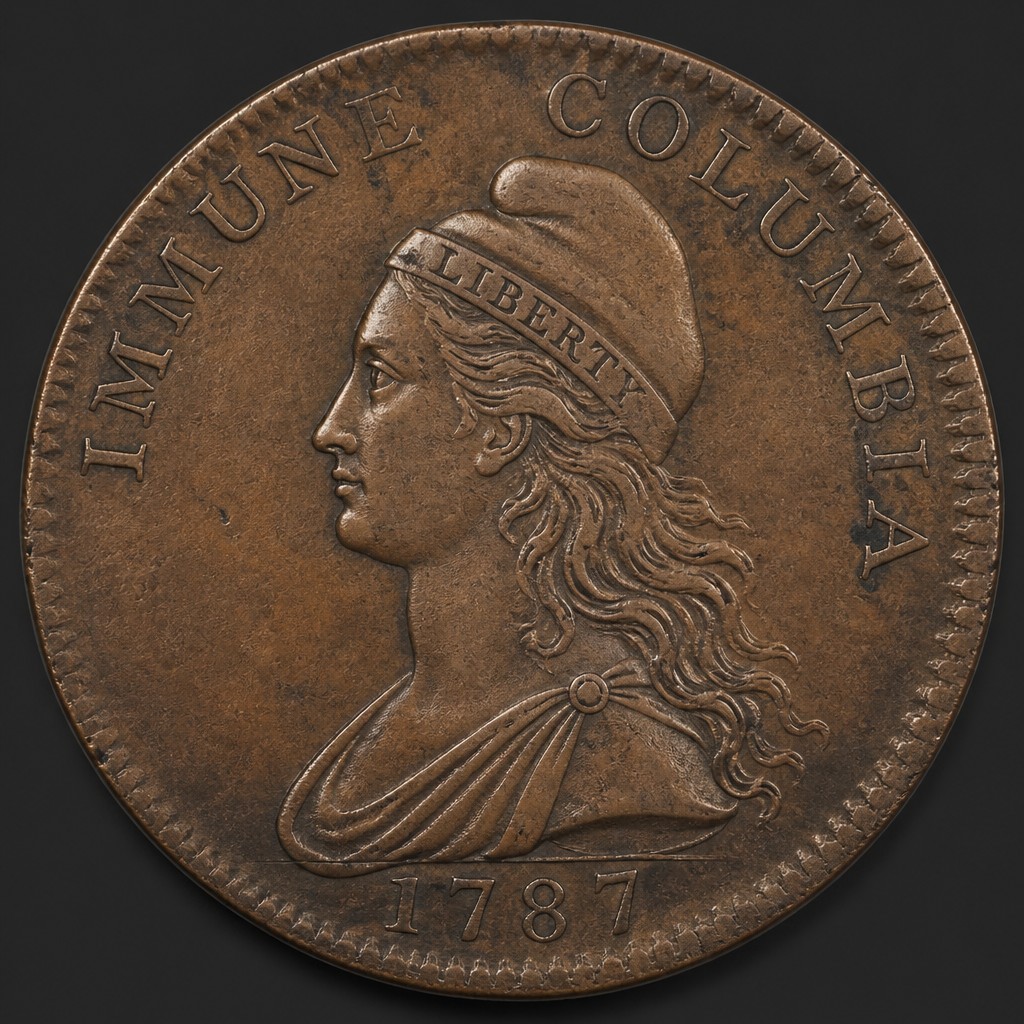
Immune Columbia Copper
circa 1785–1787
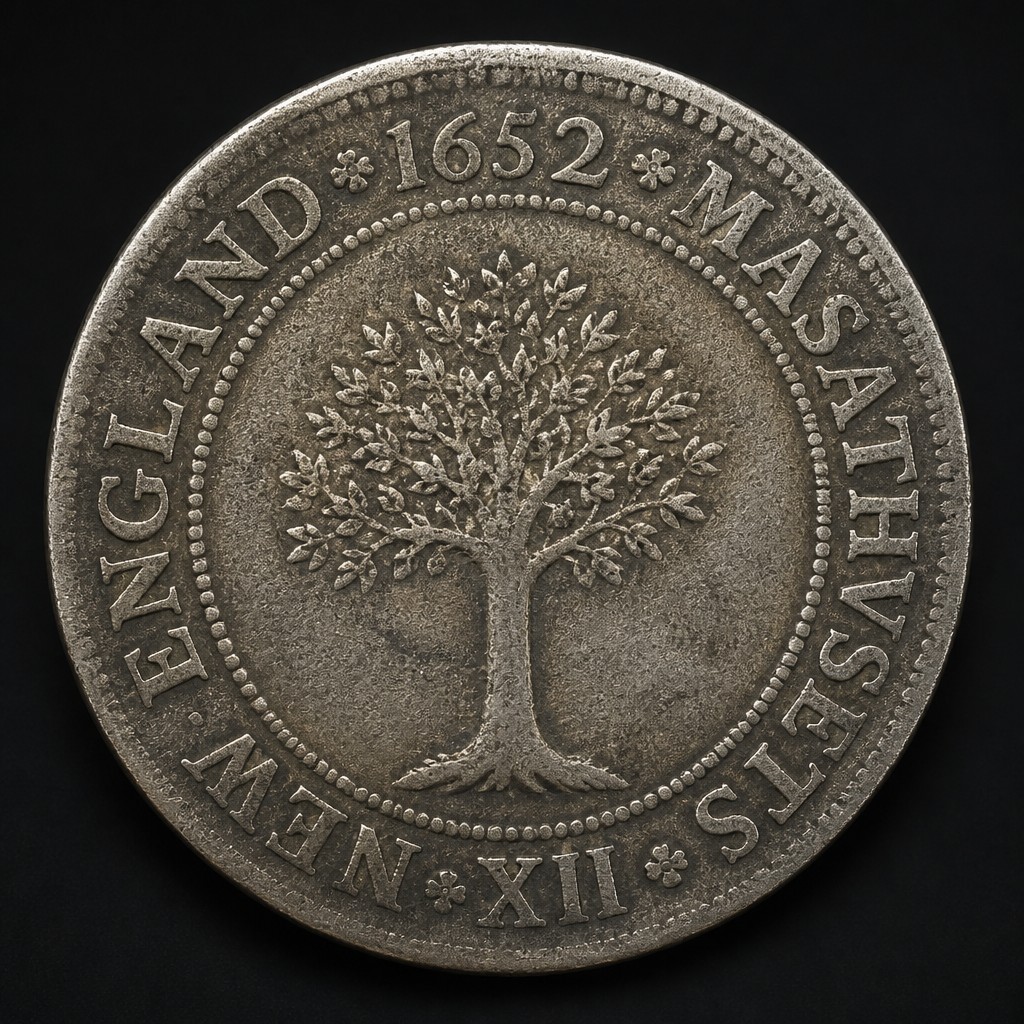
Massachusetts Oak Tree Shilling
Dated 1652, struck circa 1660–1667
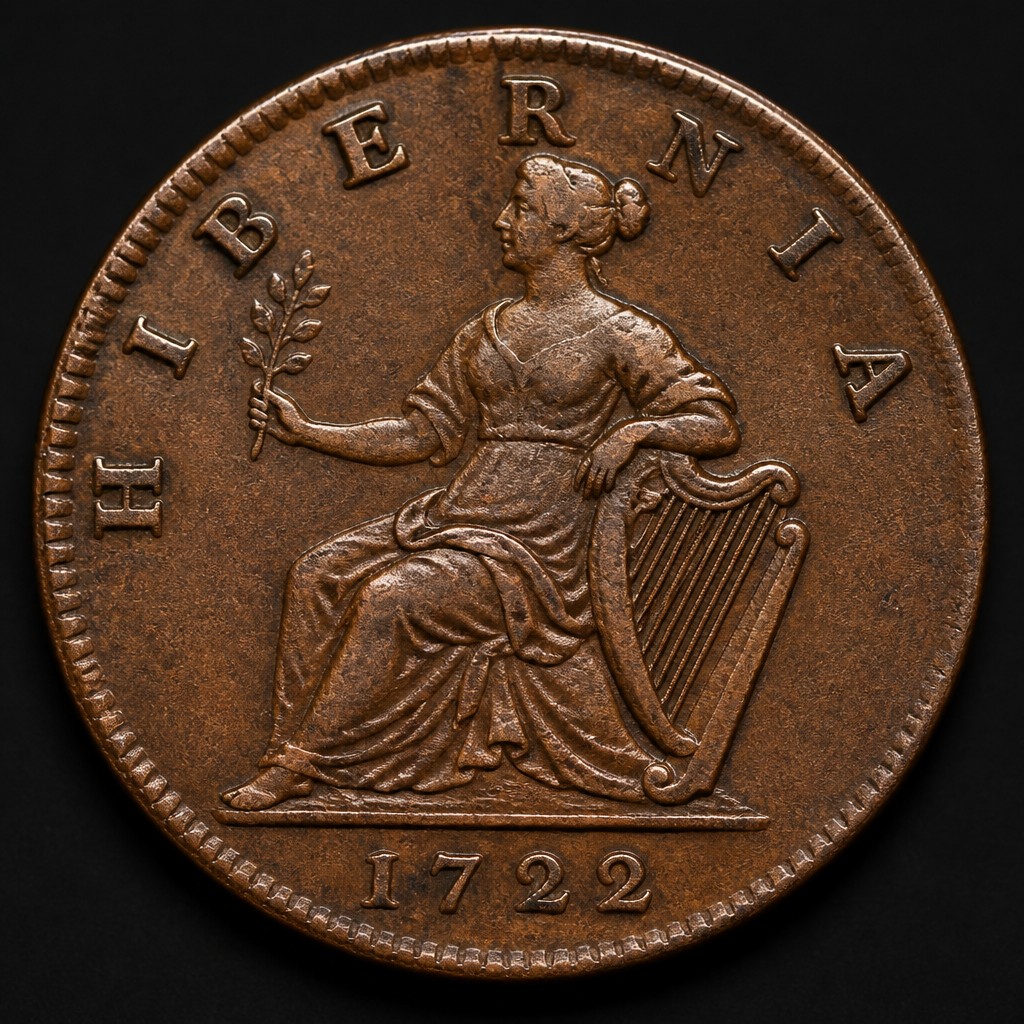
Wood's Hibernia Halfpenny
1722–1724
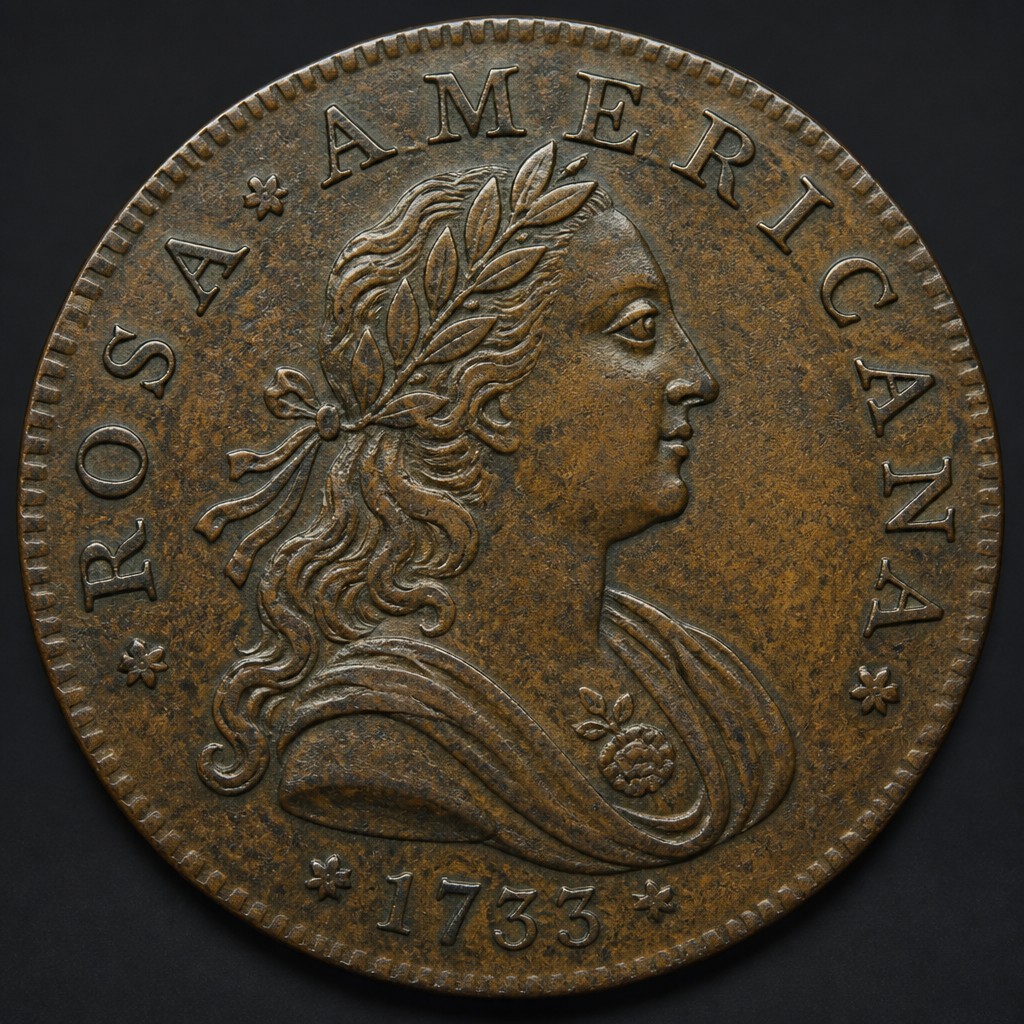
Rosa Americana Coinage
1722–1724 (with pattern issues dated 1733)
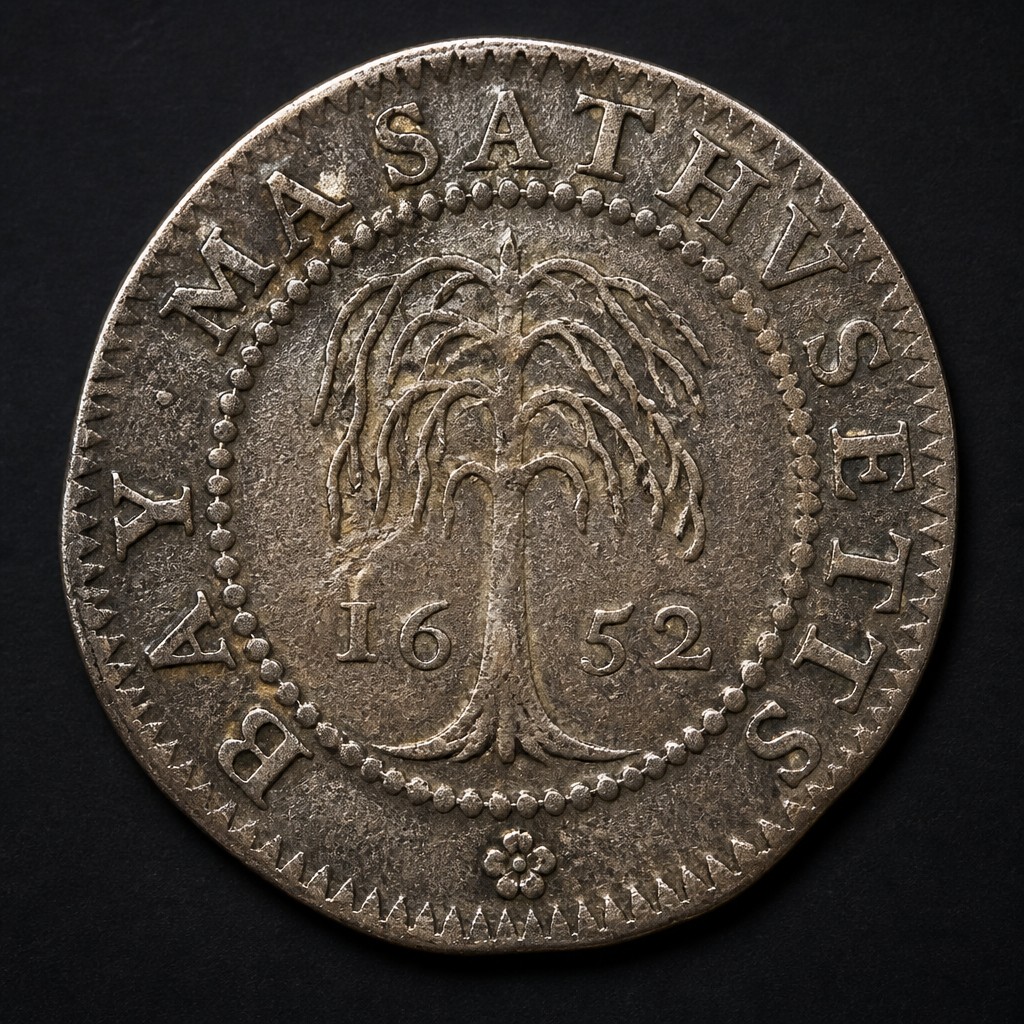
Massachusetts Willow Tree Shilling
Dated 1652, struck circa 1653–1660