
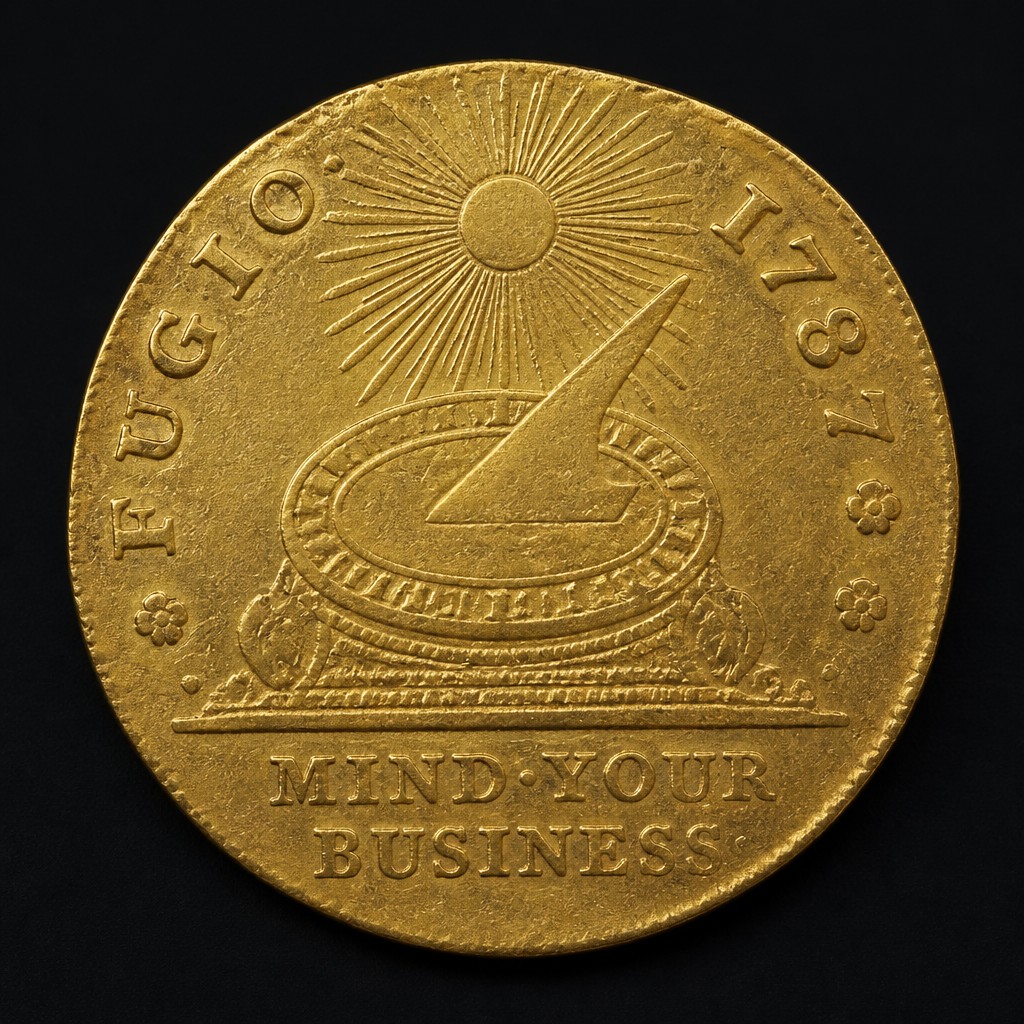
Brasher Doubloon
A famous privately struck gold coin made in 1787 by New York goldsmith Ephraim Brasher, a neighbor of George Washington, and one of the most valuable and celebrated coins in American numismatics.
- Country
- United States (New York, private issue)
- Denomination
- Gold Doubloon (approximately equivalent to a Spanish doubloon)
- Metal
- Gold
Got a coin like this?
Identify any coin from a photo, free.
Overview
The Brasher Doubloon is one of the most legendary coins in American numismatic history, a privately produced gold piece struck in 1787 by Ephraim Brasher, a skilled New York goldsmith and silversmith who lived near George Washington's residence on Cherry Street. At a time when the United States had no national mint and gold coinage in circulation largely consisted of foreign pieces like the Spanish doubloon, Brasher created his own gold coin, roughly matching the weight and value of that widely trusted foreign gold piece.
Only a small handful of genuine Brasher Doubloons are known to exist today, making it one of the rarest and most sought-after coins from the entire American colonial and Confederation period. Its design closely echoes the seal of the state of New York, featuring a rising sun over mountains and an eagle, and it bears Brasher's distinctive 'EB' punch mark as a personal hallmark of authenticity, a mark also seen on some of his other work.
Because of its extraordinary rarity, direct connection to a documented historical figure, and status as an emblem of early American ingenuity in the absence of federal coinage, the Brasher Doubloon has repeatedly set price records among American coins and is considered one of the true trophy pieces of the hobby.
History & Background
Ephraim Brasher was an established New York goldsmith and assayer in the years following the American Revolution, a period during which the new nation lacked a national mint and relied heavily on a patchwork of foreign coins, state-issued coppers, and private tokens to conduct commerce. Brasher, whose professional reputation included assaying and counterstamping foreign gold coins to certify their weight and purity for local merchants, took the additional step of producing his own gold coin in 1787, designed to circulate at a value comparable to the widely accepted Spanish doubloon.
Brasher lived and worked in close proximity to George Washington's New York residence at the time, a detail that has added to the coin's historical romance, though the two men's documented relationship was primarily that of neighbors and, in some accounts, business acquaintances rather than close associates. Brasher petitioned the New York state legislature around this period regarding copper coinage proposals as well, situating him among the various private individuals engaging with New York's unresolved coinage questions during the Confederation era.
Only a handful of Brasher Doubloons are known to survive, distinguished by variations in the placement of Brasher's 'EB' hallmark, including the famous and extraordinarily rare variety with the punch mark on the eagle's breast rather than its wing, underscoring how even small details separate the known surviving specimens.
How to Identify
The obverse of the Brasher Doubloon depicts a sun rising over a mountainous landscape with the sea in the foreground, closely mirroring the imagery found on the state seal of New York, along with the legend 'NOVA EBORACA COLUMBIA EXCELSIOR.' The reverse shows an eagle displayed with a shield on its breast, holding arrows and an olive branch, accompanied by the legend 'UNUM E PLURIBUS' and the date 1787, echoing the emerging iconography of the young United States.
The coin's most distinctive identifying feature is Ephraim Brasher's small punch-mark hallmark, the letters 'EB,' which appears on the design; the vast majority of known genuine specimens carry this mark on the eagle's wing, while a single, exceptionally rare and historically important example bears it on the eagle's breast instead. The coin is struck in gold and weighs close to the standard for a Spanish doubloon of the period, reflecting its intended use as an equivalent trade value.
Because genuine Brasher Doubloons are so few in number and so valuable, any coin purporting to be an original should only be considered credible if it has extensive documented provenance and has been examined and certified by leading numismatic authorities and grading services; the coin's fame has also made it a frequent subject of fictional depictions and replicas, most notably inspiring the title of a classic detective novel and film.
Value & Collectibility
Brasher Doubloons are among the most valuable coins in American numismatics, with individual known specimens having sold at auction for prices reaching into the millions of dollars, reflecting their extreme rarity, historical significance, and celebrity status within the hobby. Because so few genuine examples exist and each has an individually documented history, price is driven far more by pedigree, specific variety (such as the unique breast-punch example), and condition than by any typical grading scale comparison.
Given the extraordinary sums involved, transactions in genuine Brasher Doubloons occur almost exclusively through major numismatic auction houses with rigorous authentication, and any coin offered outside of this context claiming to be a genuine Brasher Doubloon should be treated with extreme caution. The coin's value is better understood as a unique historical artifact and collector trophy than through any general price range applicable to more common numismatic material.
Frequently asked questions
Who made the Brasher Doubloon?
Ephraim Brasher, a New York goldsmith and assayer, privately struck the coin in 1787.
How many Brasher Doubloons exist today?
Only a small handful of genuine examples are known to survive, making it one of the rarest coins in American numismatics.
What is the 'EB' mark on the coin?
It is Ephraim Brasher's personal punch-mark hallmark; most known examples show it on the eagle's wing, while one famous, exceptionally rare specimen has it on the eagle's breast.
Why is it called a doubloon?
It was designed to circulate at a value roughly equivalent to the widely trusted Spanish gold doubloon, a common gold coin in circulation in America at the time.
Did George Washington own a Brasher Doubloon?
Brasher was a documented neighbor of Washington in New York, which has fueled popular romantic association, but no confirmed historical record establishes that Washington personally owned one of the coins.
Other coins you may enjoy
Virginia Halfpenny
1773
Higley Copper
1737–1739
Kellogg & Co. Gold Piece
1854–1855
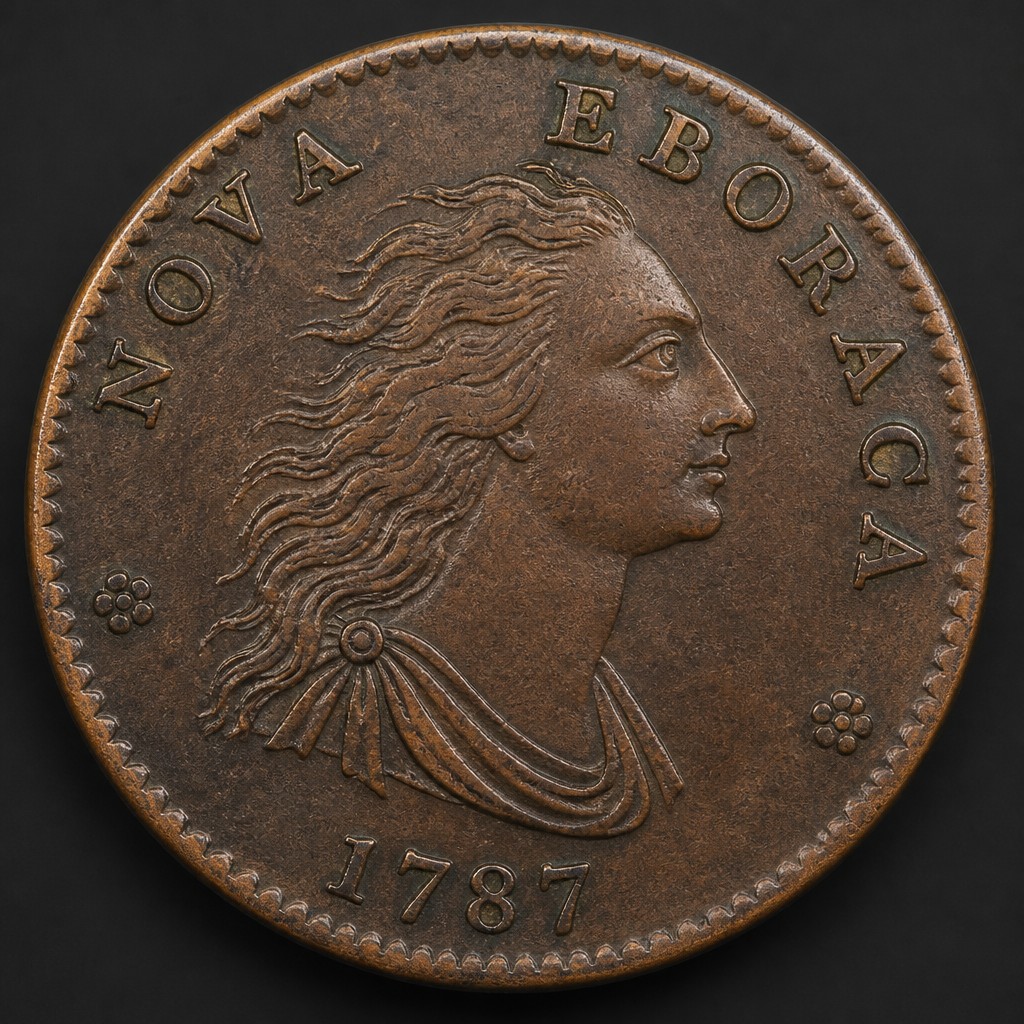
Nova Eborac Copper
1787
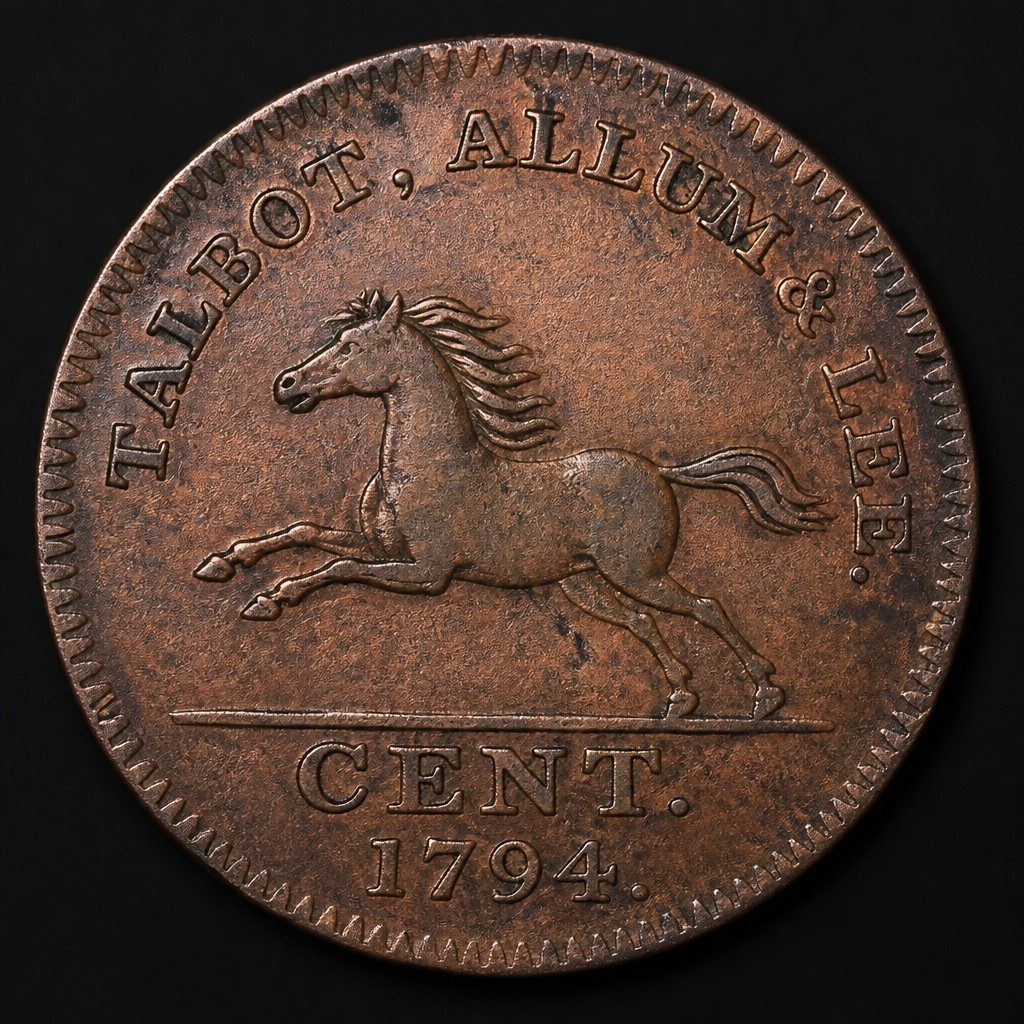
Talbot, Allum & Lee Cent
1794–1795
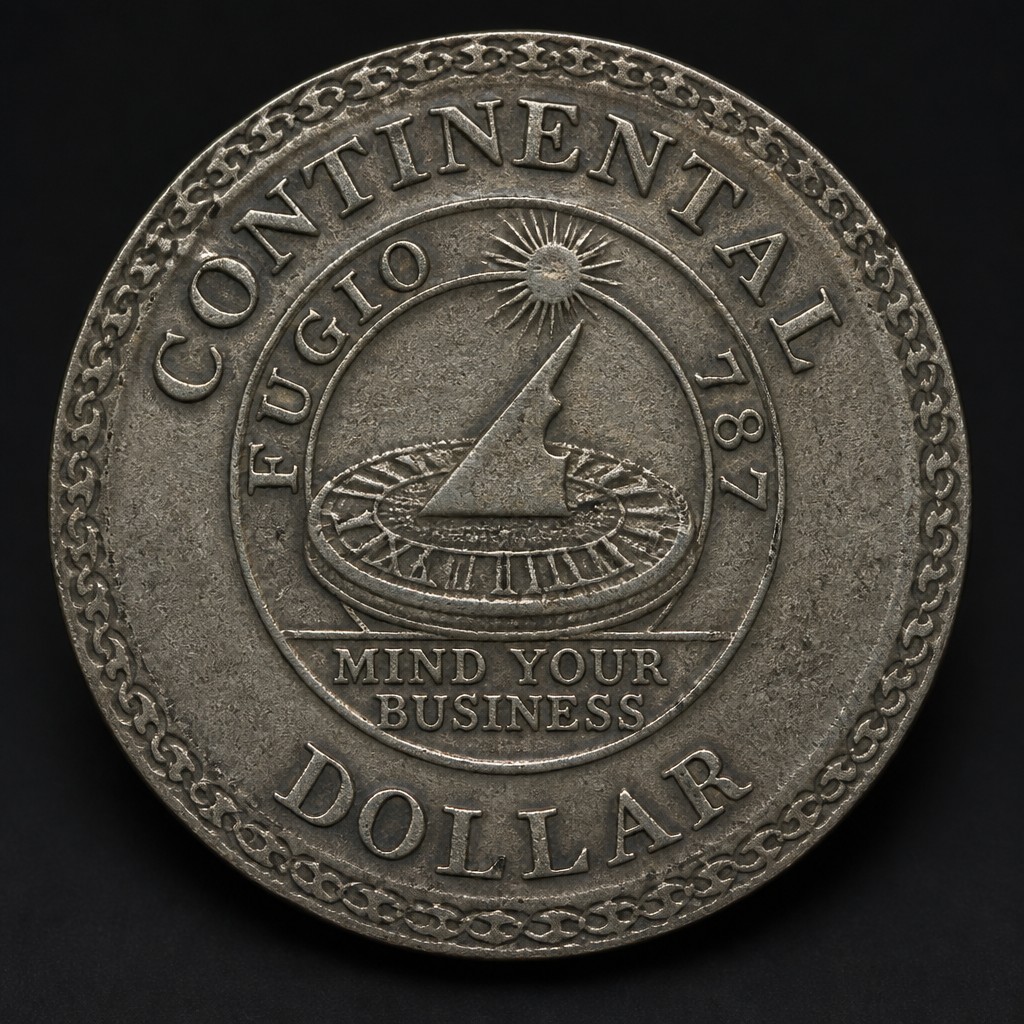
Continental Dollar
1776
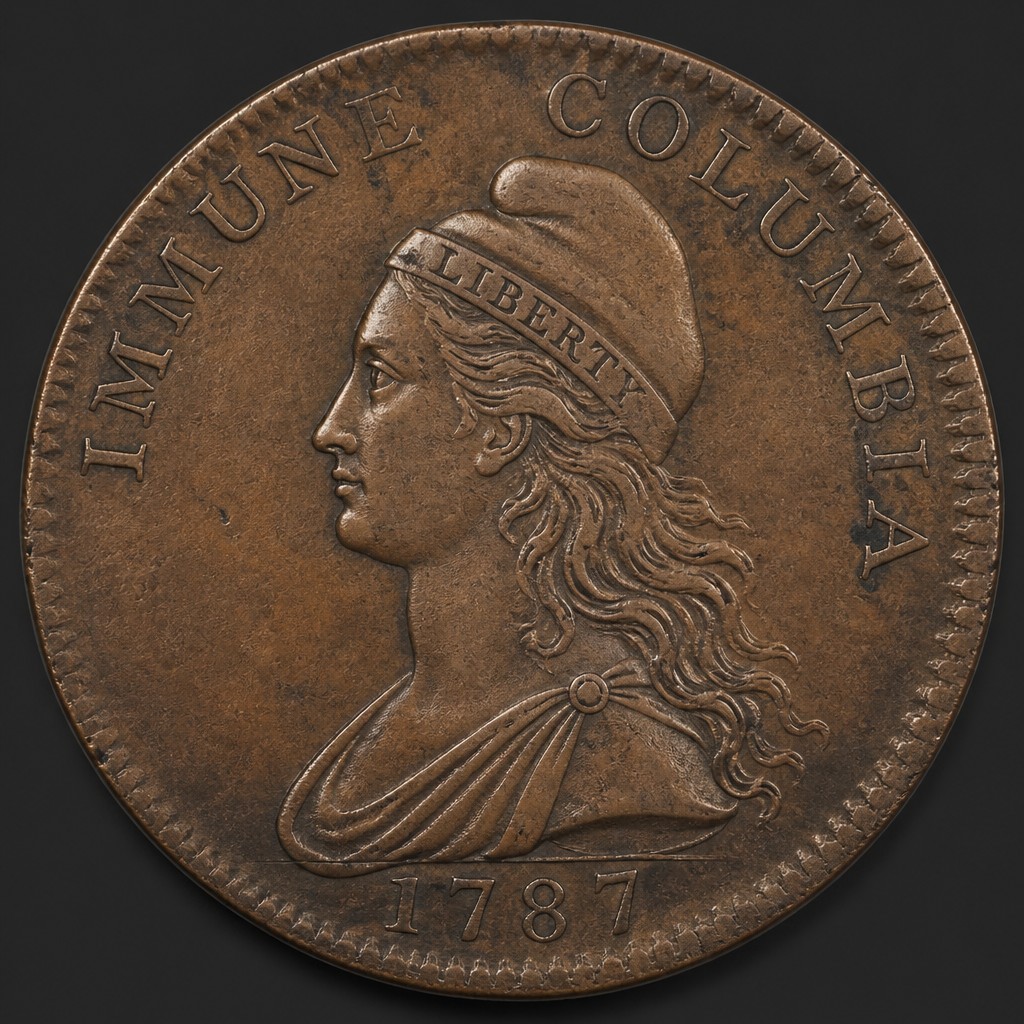
Immune Columbia Copper
circa 1785–1787
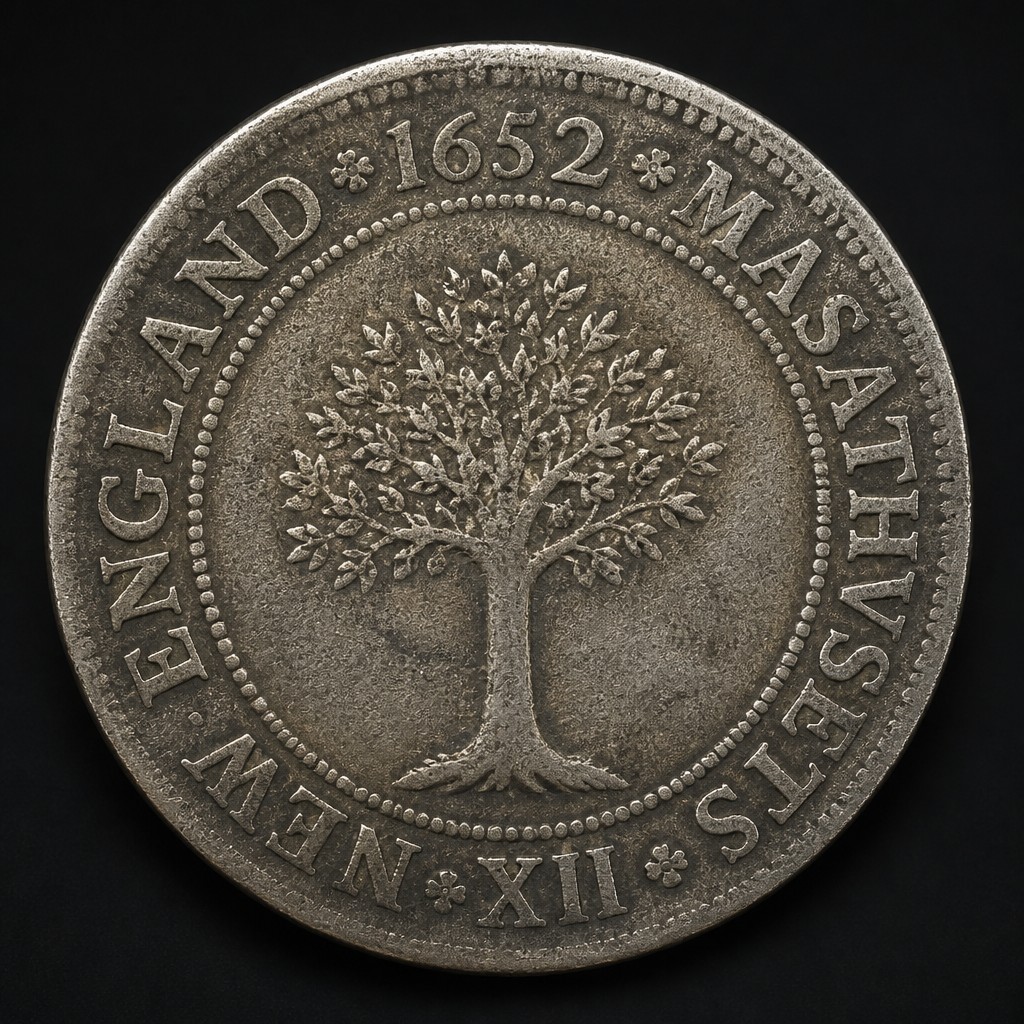
Massachusetts Oak Tree Shilling
Dated 1652, struck circa 1660–1667
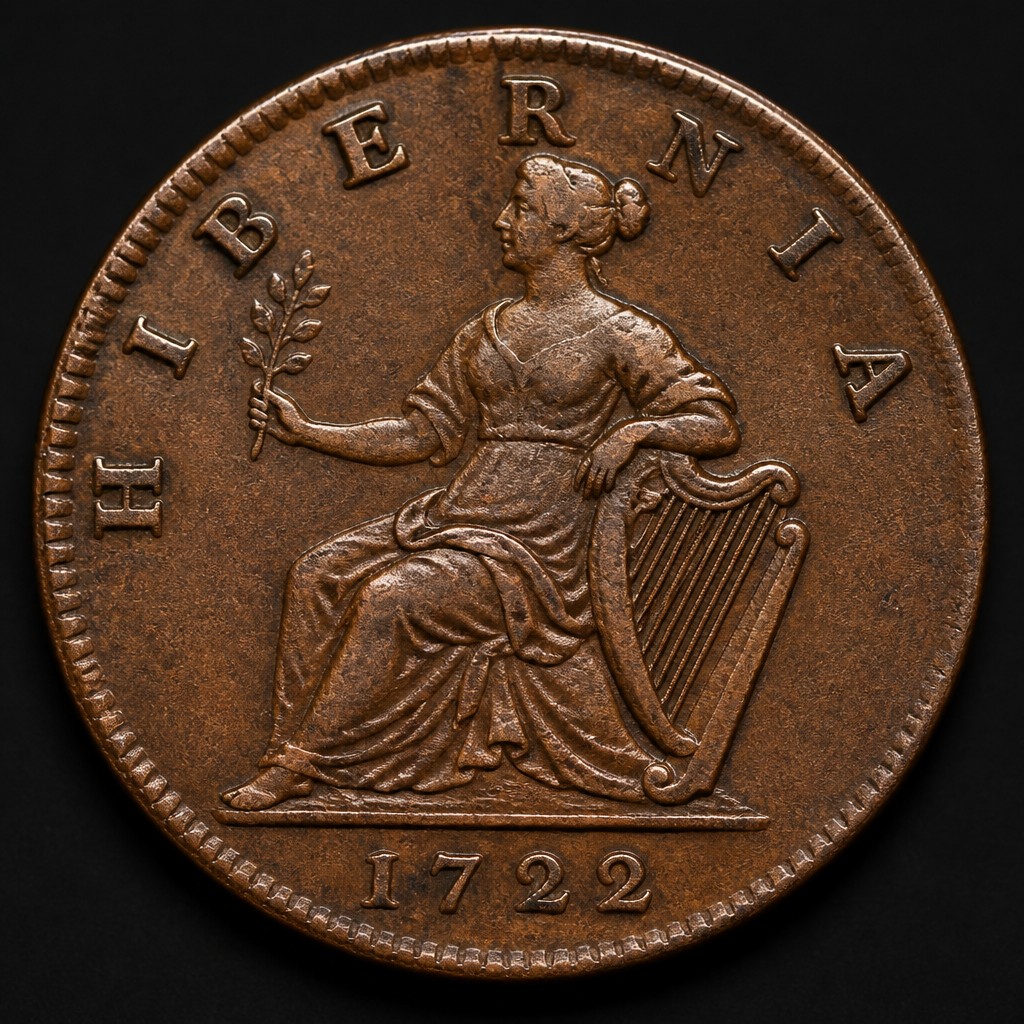
Wood's Hibernia Halfpenny
1722–1724
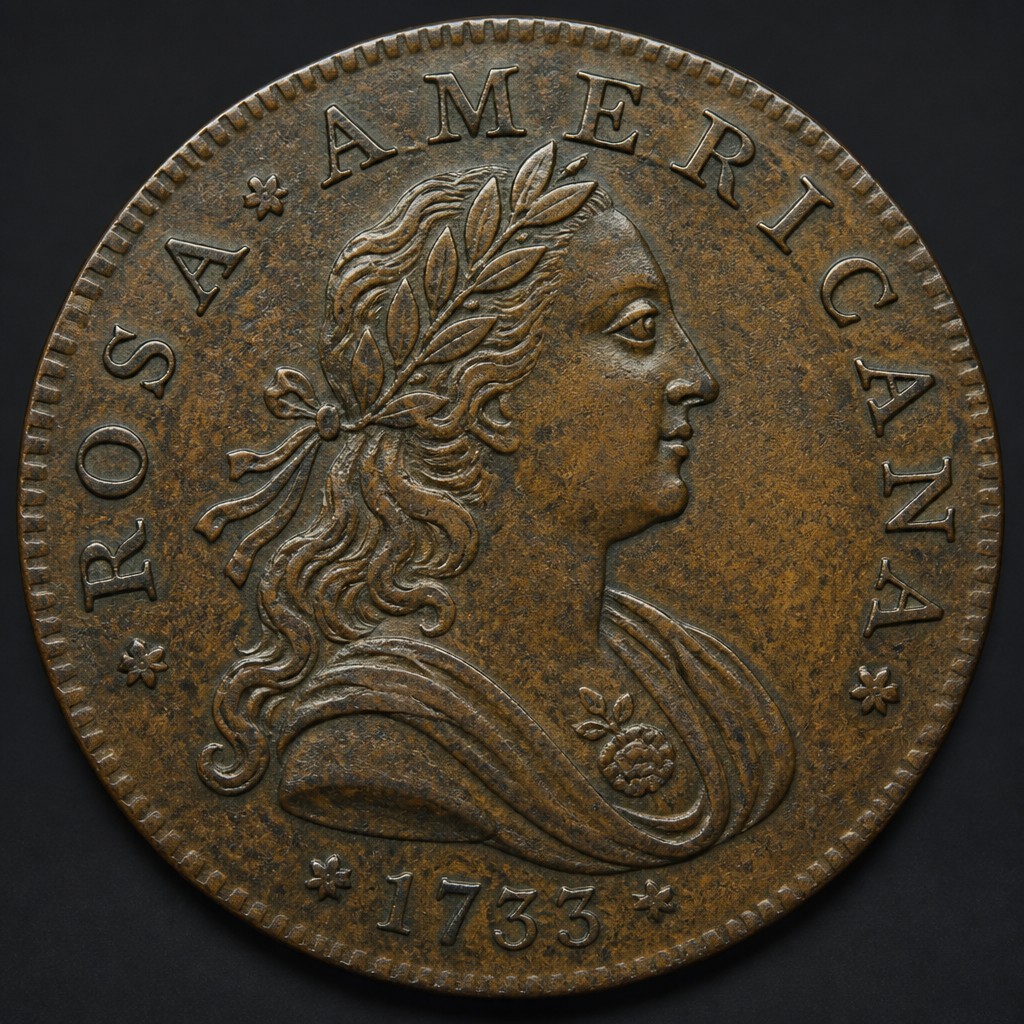
Rosa Americana Coinage
1722–1724 (with pattern issues dated 1733)
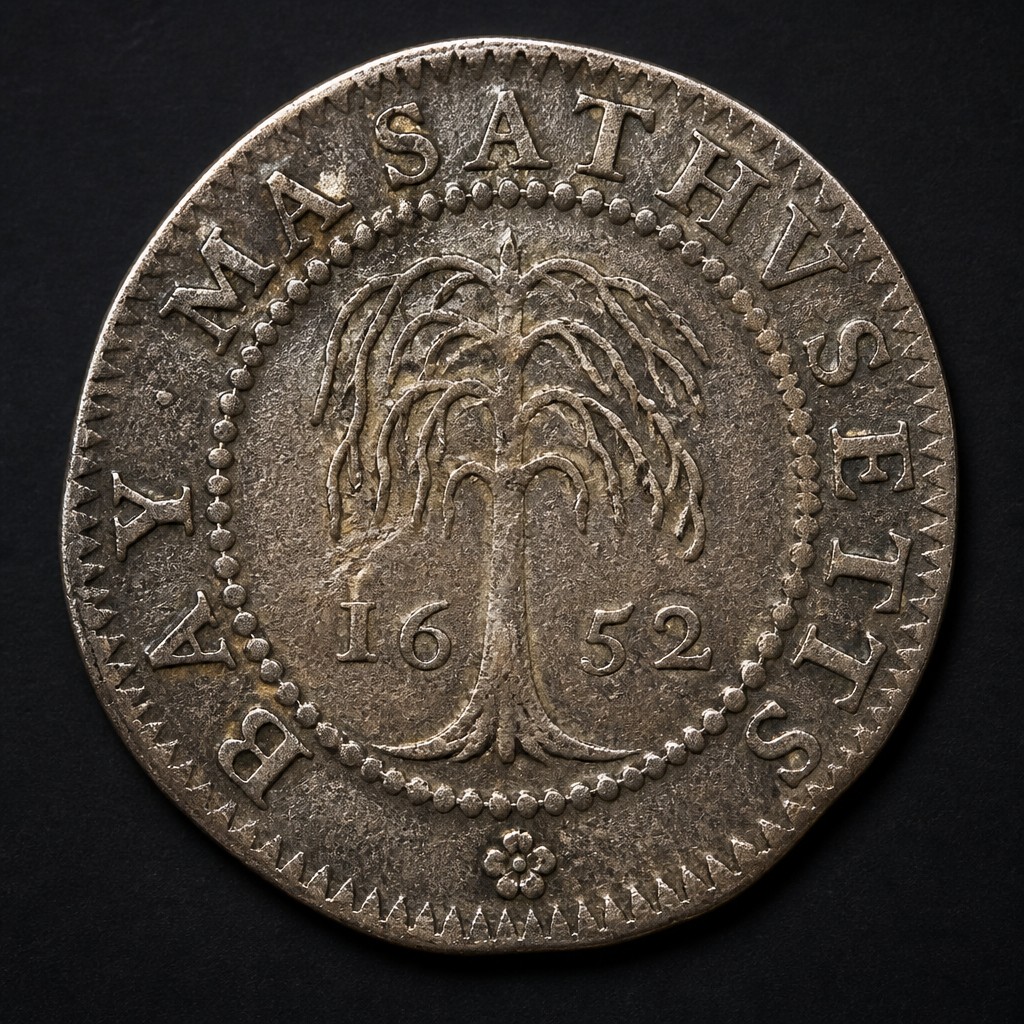
Massachusetts Willow Tree Shilling
Dated 1652, struck circa 1653–1660
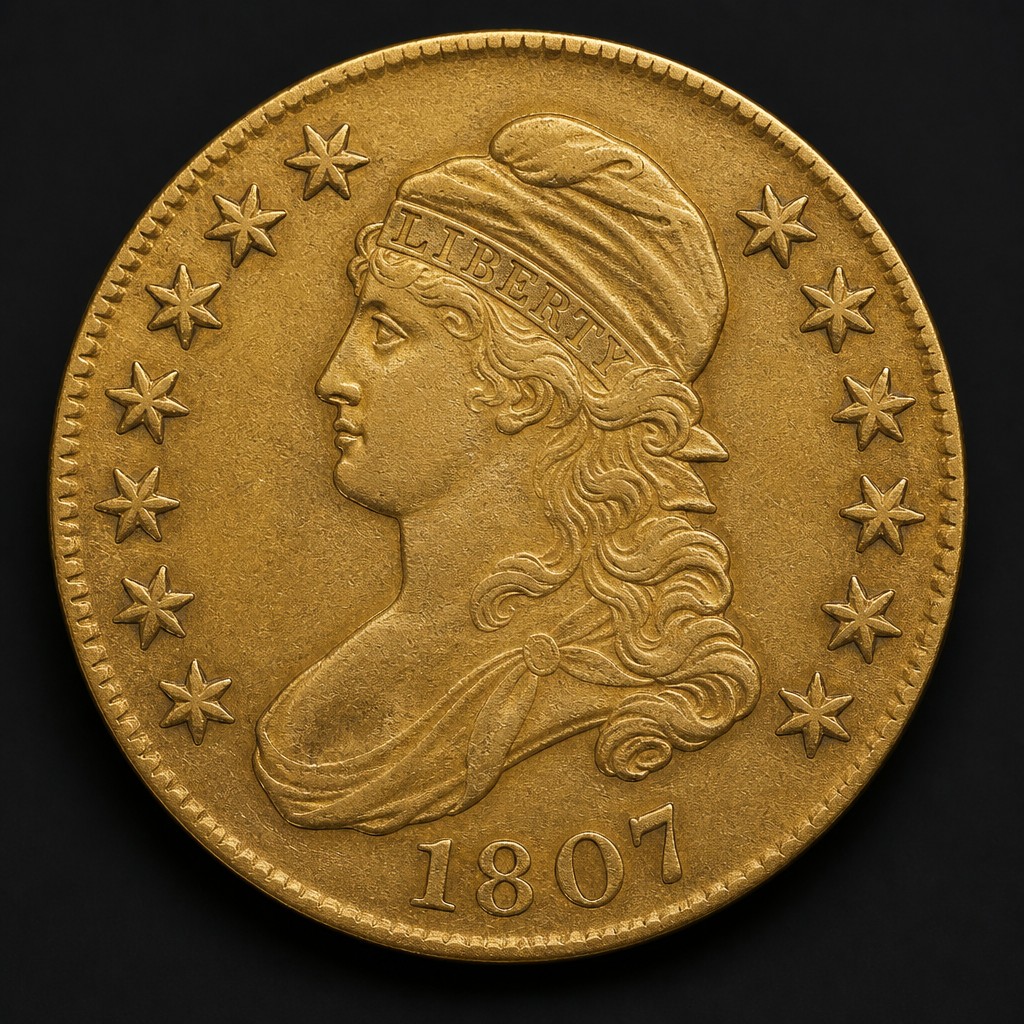
Capped Bust Half Eagle
1807–1812