
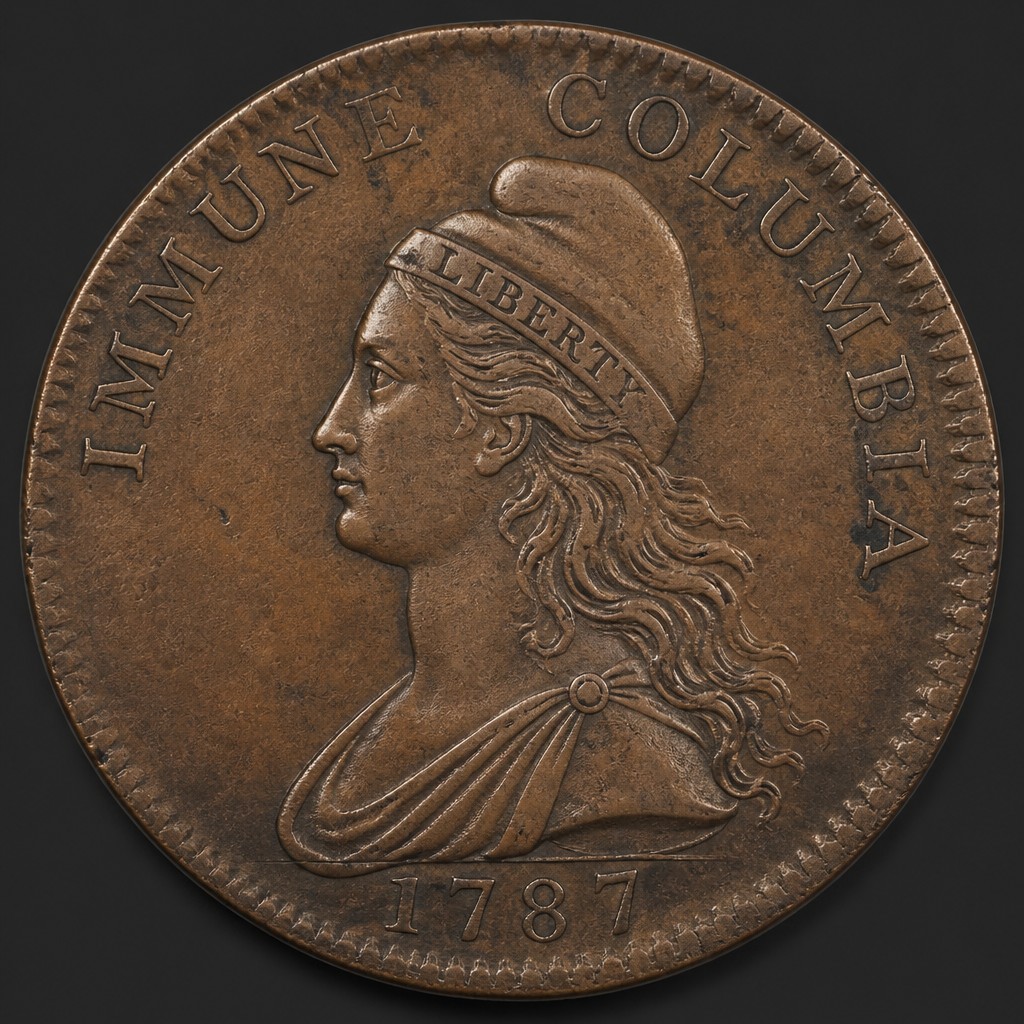
Immune Columbia Copper
An extremely rare Confederation-era copper carrying the Latin legend 'IMMUNIS COLUMBIA,' known for numerous unusual die combinations and mules with other early American and British designs.
- Country
- United States (Confederation era)
- Denomination
- Unofficial copper (approximate cent value)
- Metal
- Copper
Got a coin like this?
Identify any coin from a photo, free.
Overview
The Immune Columbia Copper is among the rarest and most puzzling issues from the chaotic period of American coinage between the end of the Revolutionary War and the establishment of the United States Mint. Its Latin legend, generally read as 'IMMUNIS COLUMBIA' or 'Columbia is exempt,' has been interpreted by numismatists as a symbolic declaration of the new nation's independence from foreign monetary control, echoing patriotic themes found on other Confederation-period coppers.
What sets the Immune Columbia series apart is the striking variety of reverse dies paired with the Columbia obverse, including combinations that link it to the Constellatio Nova coppers, the Nova Eborac coinage, and even an unusual mule struck from a genuine British halfpenny die bearing the bust of King George III. This has led scholars to conclude the pieces were produced by die sinkers who also worked on several other Confederation-era coinages, though a definitive attribution to a single named minter has not been firmly established for every variety.
Because so few examples of any single die combination survive, Immune Columbia Coppers are considered major rarities, generally acquired only by advanced specialists in early American copper coinage with the resources and expertise to authenticate such pieces properly.
History & Background
In the years following American independence, an assortment of private die sinkers and coiners produced copper pieces referencing patriotic themes and the young nation's aspirations, filling a vacuum left by the absence of a national mint. The Immune Columbia design, featuring a radiant eye of providence and the legend proclaiming Columbia's immunity or exemption, fits within this wave of symbolically charged Confederation coppers produced roughly between 1785 and 1787.
Die-link evidence connects certain Immune Columbia reverses to dies also used for Constellatio Nova coppers and other related issues, suggesting a shared production source or overlapping personnel among the loosely regulated private minters of the era. The notorious mule pairing an Immune Columbia obverse with a genuine contemporary British halfpenny reverse bearing George III's bust remains one of the more curious artifacts of this period, illustrating how dies circulated and were repurposed opportunistically by coiners working with limited equipment and oversight.
Because detailed records from these small, often clandestine private minting operations were rarely kept, much of what is known about the Immune Columbia series comes from die-variety research conducted by numismatists rather than contemporary documentation.
How to Identify
The obverse typically depicts a radiant, all-seeing eye (the eye of providence) above the legend 'IMMUNIS COLUMBIA,' rendered in varying letter styles and spacing depending on the specific die. Some obverse dies pair with a 'CONSTELLATIO' style thirteen-star design on the reverse, similar to the Nova Constellatio coppers, while others pair with entirely different reverse types.
The most famous and unusual variety mules the Immune Columbia obverse with a genuine George III British halfpenny reverse, creating a striking hybrid piece that combines patriotic American imagery with an image of the very monarch the Revolution had just overthrown. Other reverse pairings link the series to Vermont and New Jersey coppers as well.
Because of the wide range of die combinations, correctly identifying a specific Immune Columbia variety requires careful comparison of both obverse and reverse dies against reference photographs, and any example believed to be genuine should be authenticated by a specialist experienced in Confederation-era coppers given the coin's rarity and the existence of later-made fantasy pieces.
Value & Collectibility
Genuine Immune Columbia Coppers are extremely rare, with most known die combinations represented by only a small number of surviving examples, and prices for authenticated pieces typically start in the low five figures and can rise substantially higher for the rarest mule varieties or pieces with strong eye appeal. Because of this rarity, most transactions occur at specialized auctions rather than the general coin market.
Value is driven heavily by die variety rarity, condition, and surface quality, with the unusual mule combinations, such as the George III halfpenny reverse pairing, commanding particular attention from advanced collectors. Given the scarcity and value involved, authentication by a major grading service and consultation with colonial coinage specialists is strongly advised before any purchase.
Frequently asked questions
What does the 'IMMUNIS COLUMBIA' legend mean?
It is generally interpreted as 'Columbia is exempt' or 'immune,' a patriotic statement reflecting the new nation's independence from foreign control.
Why are there so many different Immune Columbia varieties?
The obverse die was paired with several different reverse dies by private coiners, including designs shared with Constellatio Nova and other Confederation-era coppers, and even a genuine British halfpenny die.
Is the Immune Columbia Copper an official coin?
No, it was produced privately during a period when no national mint existed, and it was never an authorized government issue.
How rare are these coins?
Extremely rare; most known die combinations survive in only small numbers, making authenticated examples significant rarities in early American numismatics.
Should I get an Immune Columbia Copper authenticated?
Yes, given the coin's rarity, value, and the existence of later fantasy or altered pieces, authentication by a major grading service is strongly recommended.
Other coins you may enjoy
Virginia Halfpenny
1773
Brasher Doubloon
1787
Higley Copper
1737–1739
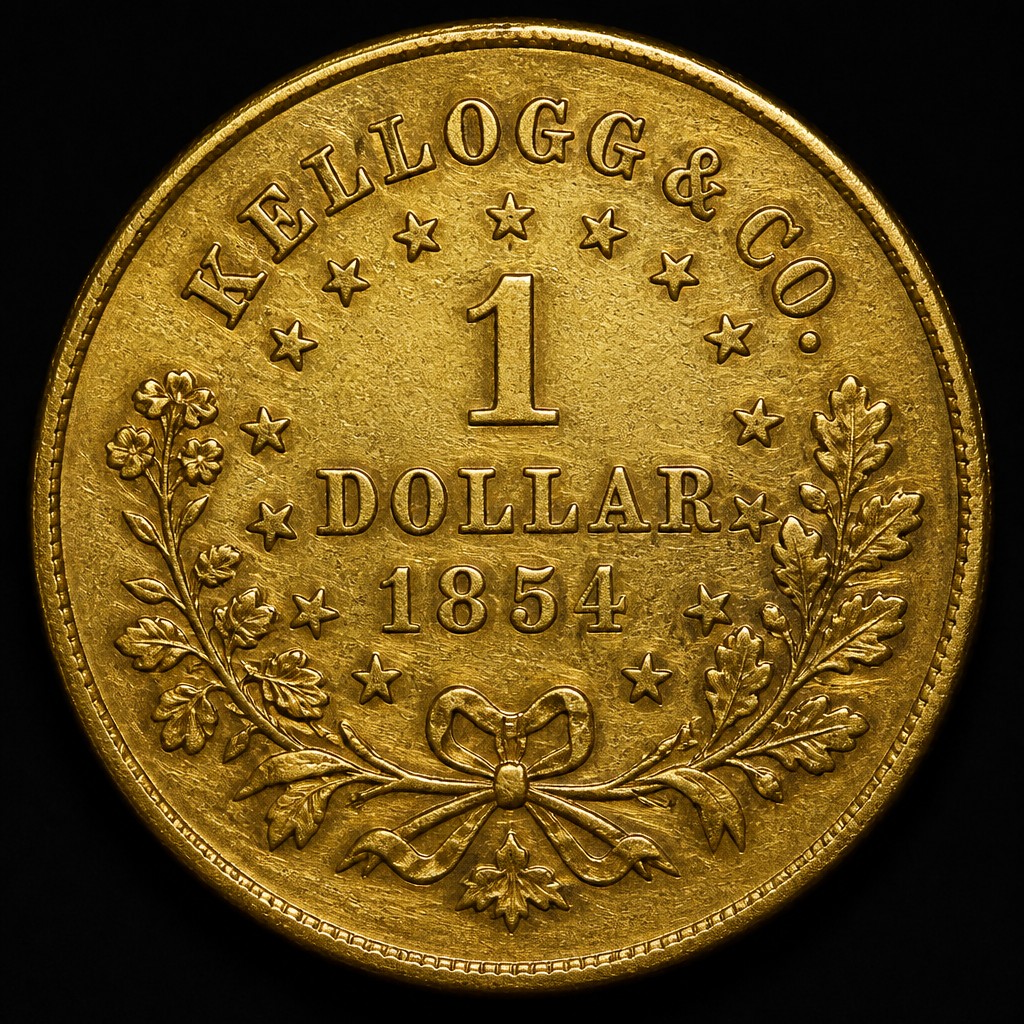
Kellogg & Co. Gold Piece
1854–1855
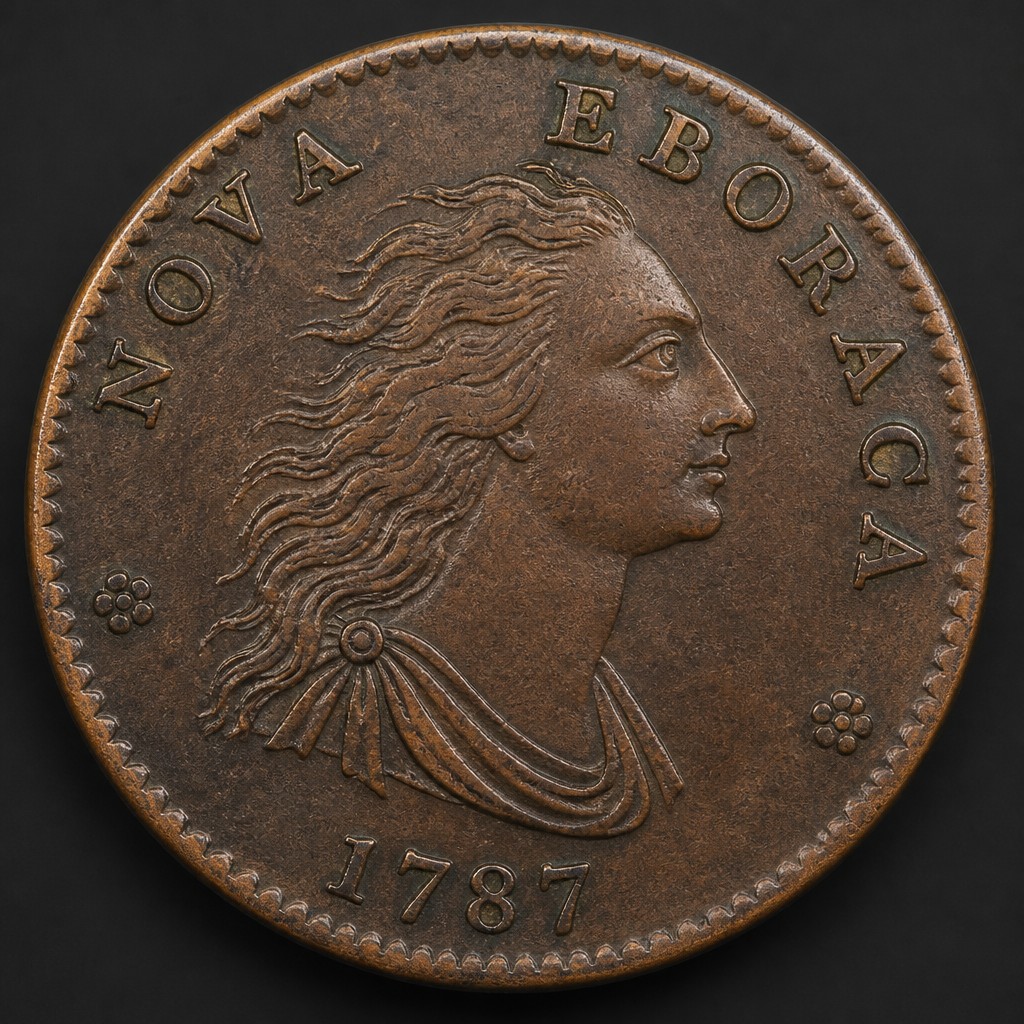
Nova Eborac Copper
1787
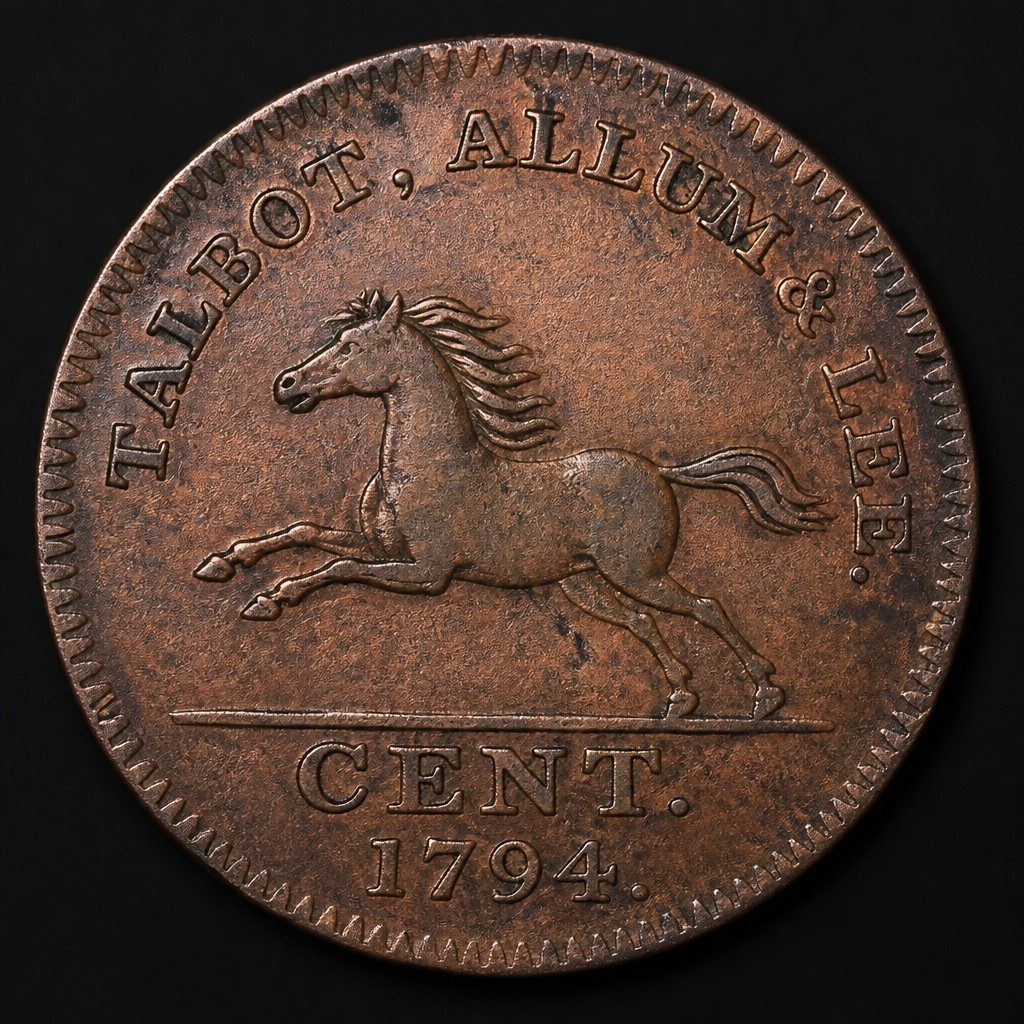
Talbot, Allum & Lee Cent
1794–1795
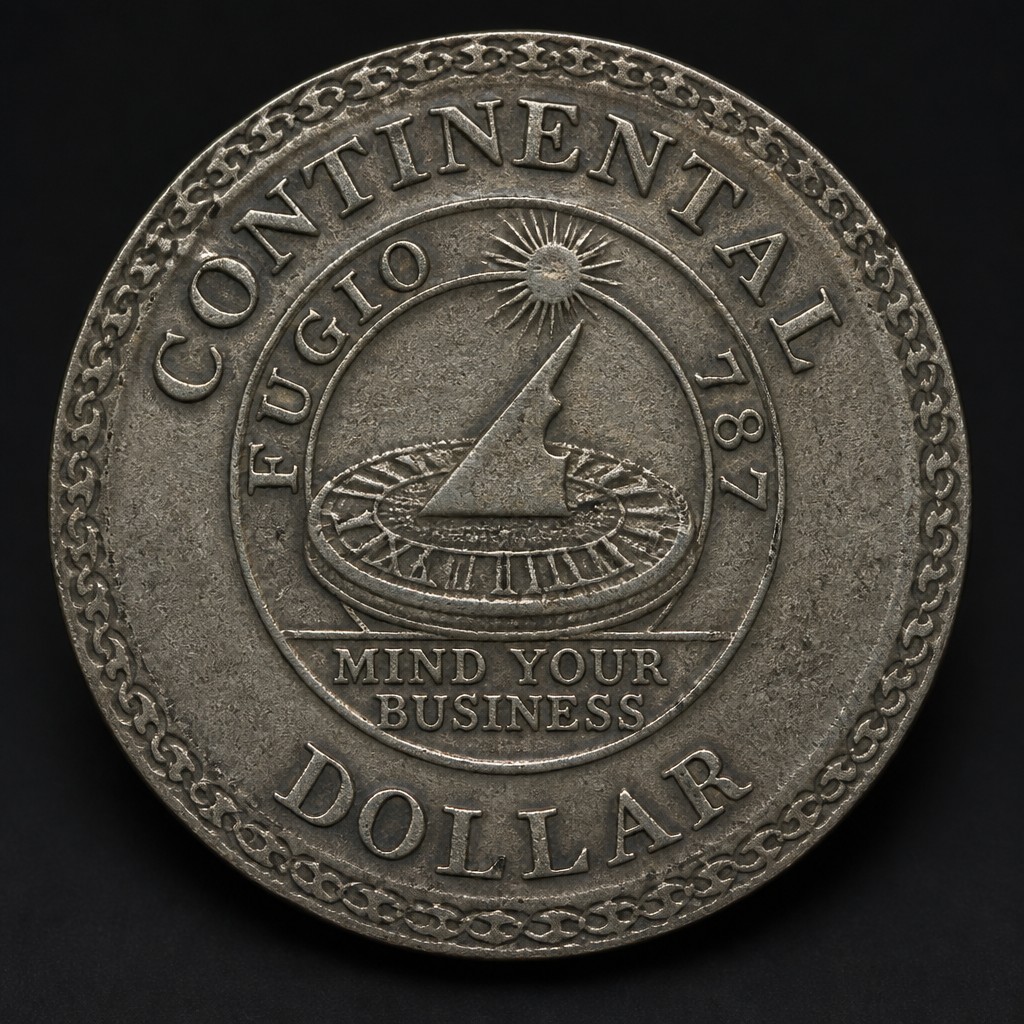
Continental Dollar
1776
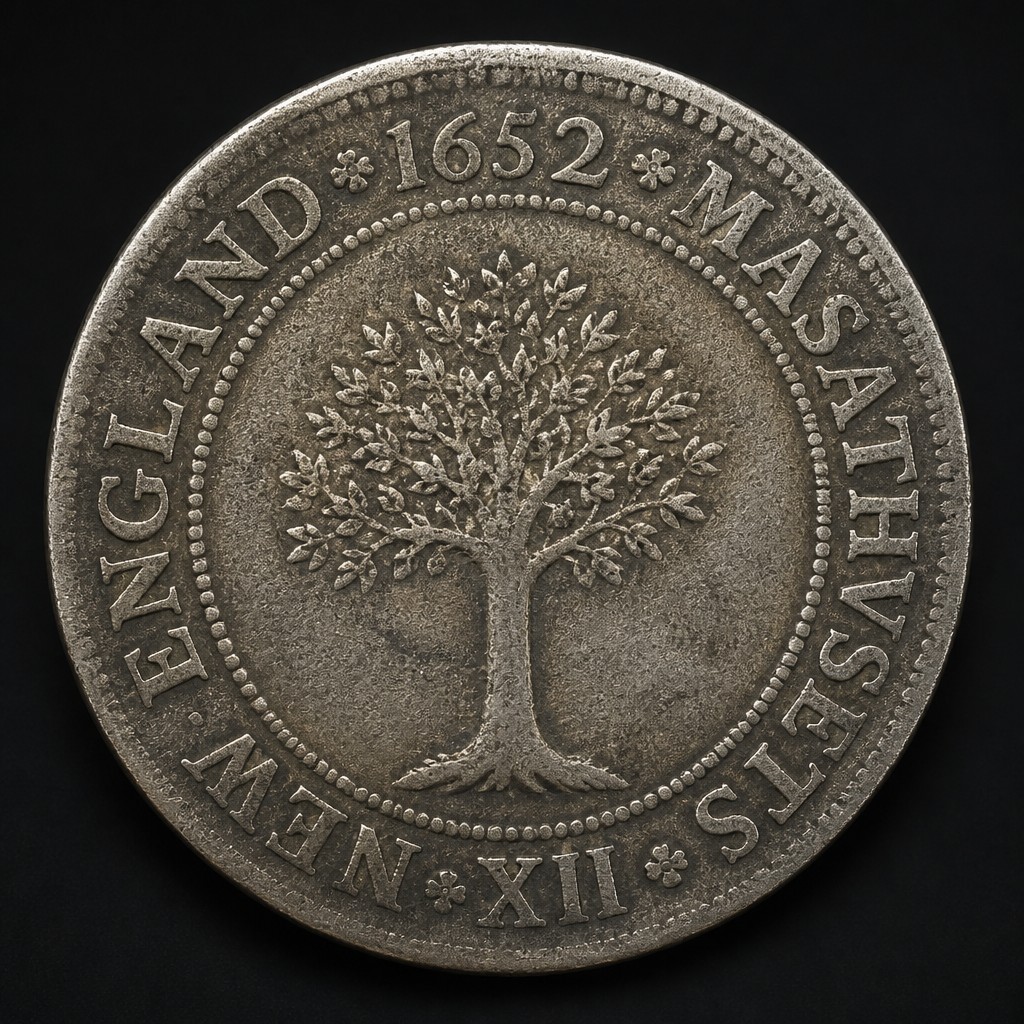
Massachusetts Oak Tree Shilling
Dated 1652, struck circa 1660–1667
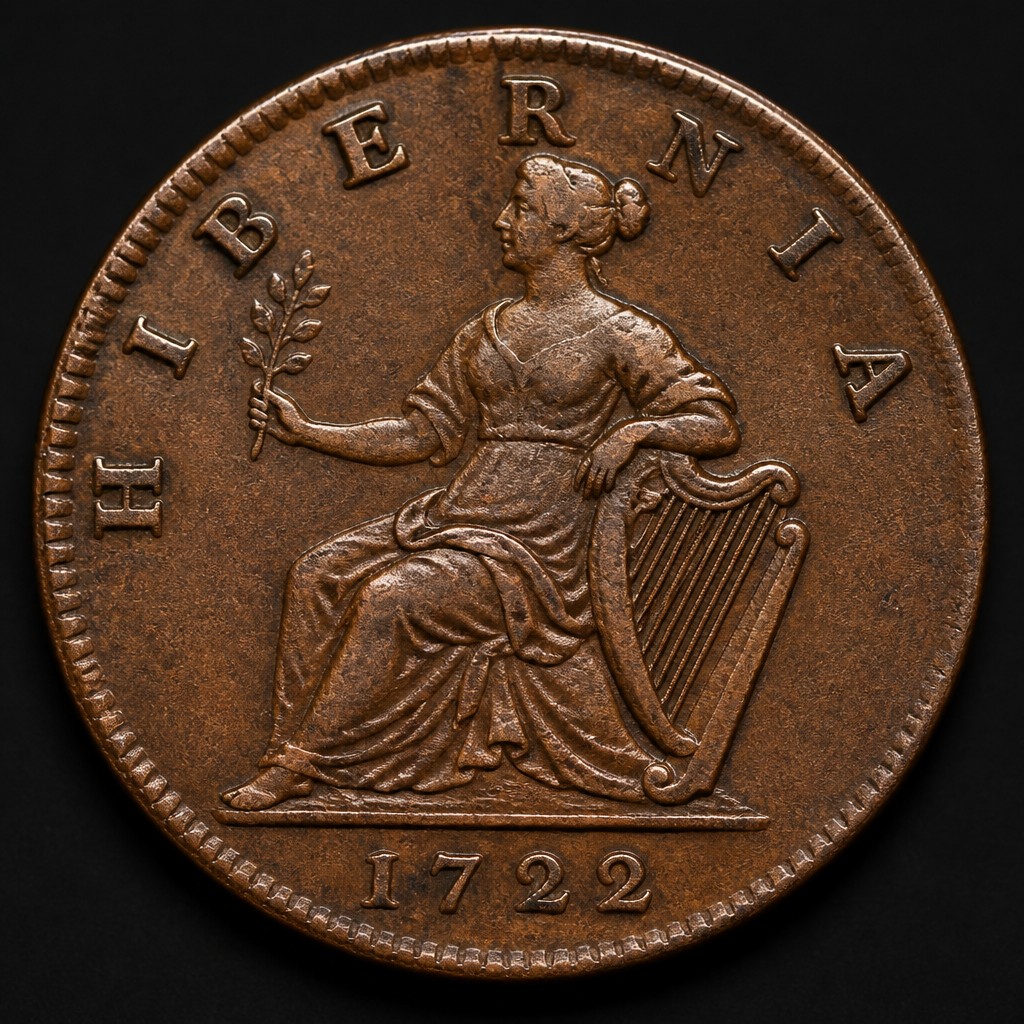
Wood's Hibernia Halfpenny
1722–1724
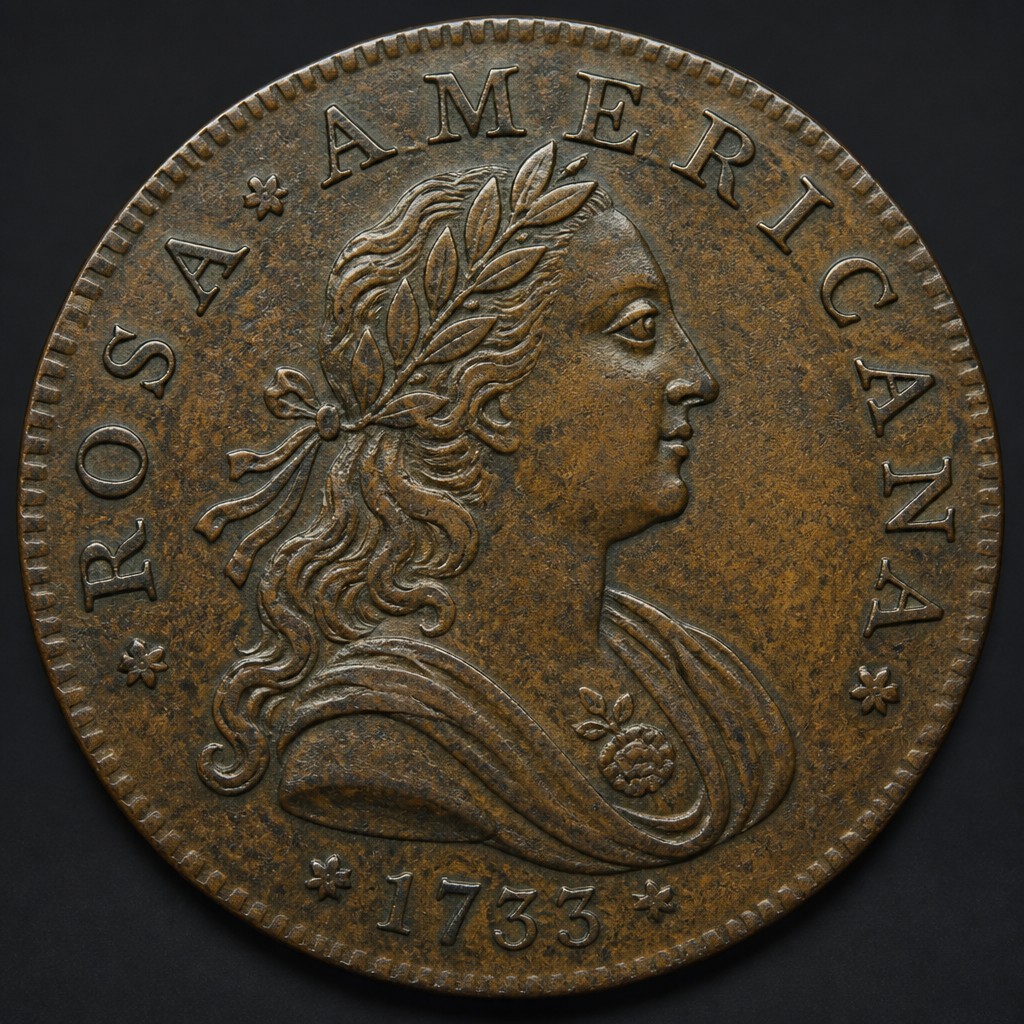
Rosa Americana Coinage
1722–1724 (with pattern issues dated 1733)
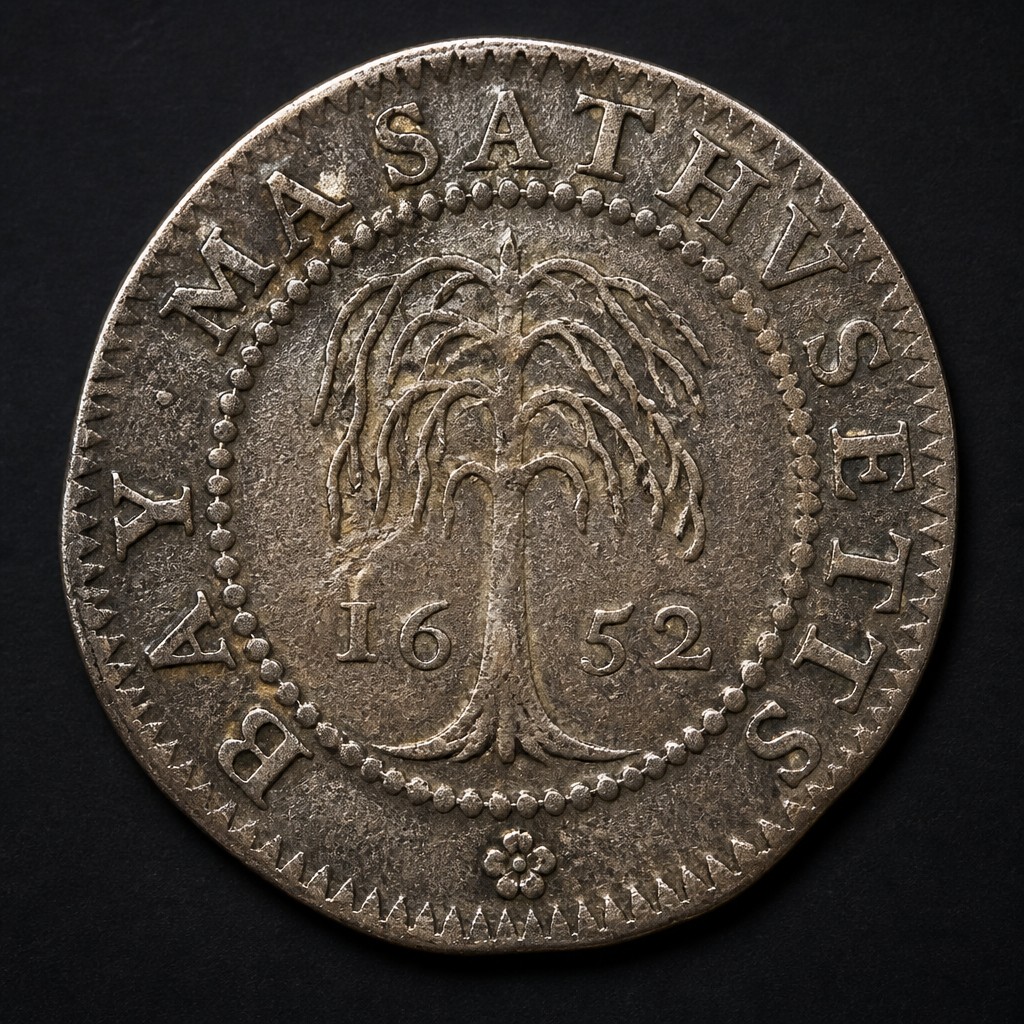
Massachusetts Willow Tree Shilling
Dated 1652, struck circa 1653–1660
Capped Bust Half Eagle
1807–1812