
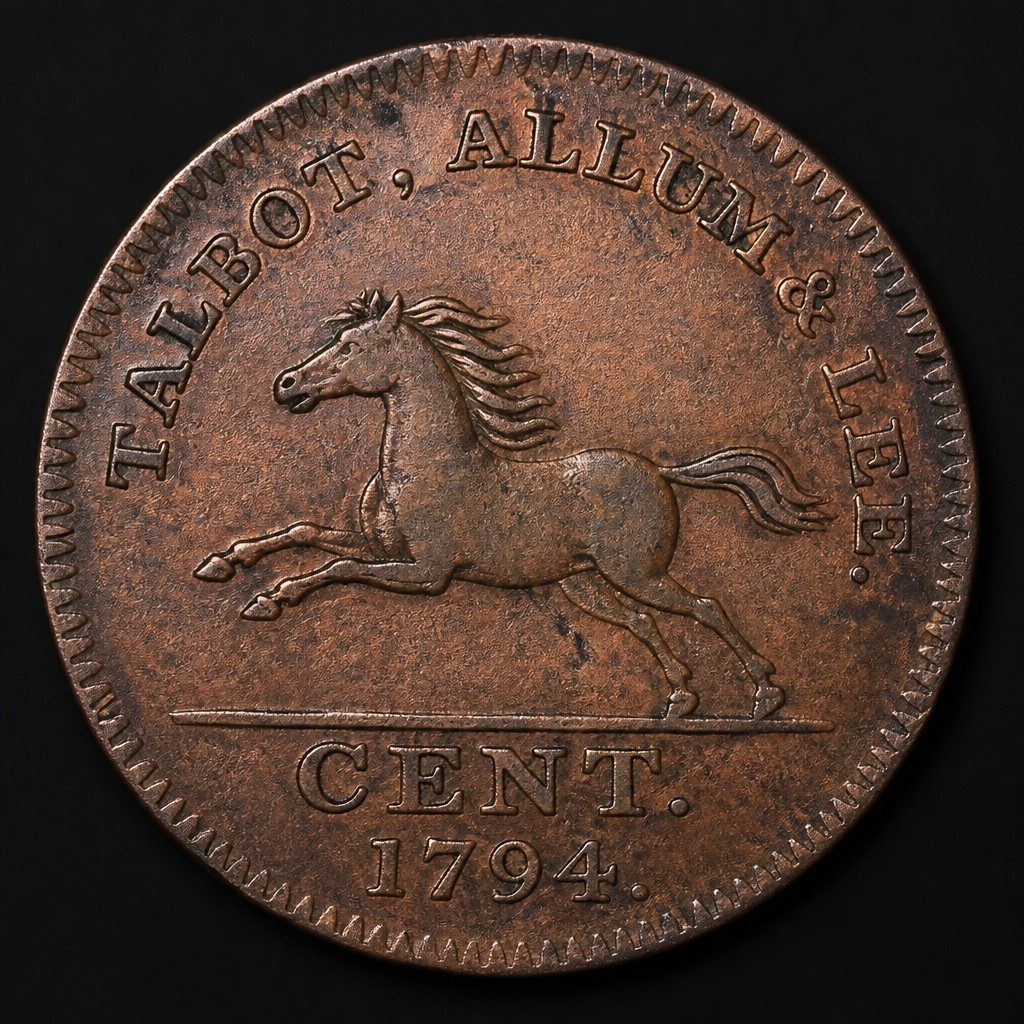
Talbot, Allum & Lee Cent
A merchant token issued by the New York trading firm Talbot, Allum & Lee to help ease the shortage of small change in the 1790s, featuring a sailing ship on the obverse.
- Country
- United States (New York merchant token)
- Denomination
- One Cent (private token)
- Metal
- Copper
Got a coin like this?
Identify any coin from a photo, free.
Overview
The Talbot, Allum & Lee Cent is a well-known private merchant token from the early Federal period of the United States, issued by a New York trading house engaged in overseas commerce, likely including trade with the East Indies or China. At a time when official United States copper cents were still scarce and unevenly distributed, merchants and companies sometimes issued their own copper tokens, redeemable at their place of business, to help facilitate everyday transactions.
The coin's obverse depicts a fully rigged sailing ship, a fitting emblem for a firm involved in maritime trade, while the reverse carries a promise of redemption alongside an eagle design similar in spirit to official American coinage of the period. Two main dated varieties exist, from 1794 and 1795, with a notable design change between them.
Because it circulated as a substitute for scarce federal coinage and carries an attractive, historically resonant design, the Talbot, Allum & Lee Cent remains a popular and relatively accessible piece for collectors of early American tokens and store cards.
History & Background
Talbot, Allum & Lee was a New York mercantile firm active in the 1790s, and like a number of merchants of the era, it commissioned copper tokens to help address the chronic shortage of small-denomination coinage in the early United States. The federal government's own cent production, which began at the Philadelphia Mint in 1793, was not yet sufficient to meet demand for everyday small change, especially in a busy commercial hub like New York.
The tokens were struck with a legend indicating they were payable at the firm's store, functioning much like a redeemable merchant scrip in coin form. The 1794-dated issue explicitly includes 'NEW YORK' in its legend, tying the piece directly to the firm's place of business, while the 1795 issue was struck without the New York reference, a change some numismatists associate with the firm's later business arrangements or an eventual broader intended circulation beyond the immediate New York market.
The token is believed to have been produced by an English manufacturer, consistent with the common practice of the era in which American merchants commissioned tokens from skilled die sinkers and minters in Britain, particularly around Birmingham, which was a major center for token and button manufacturing at the time.
How to Identify
The obverse of the Talbot, Allum & Lee Cent depicts a three-masted sailing ship under full sail, with the firm's name, 'TALBOT ALLUM & LEE,' arranged around the border. On the 1794 variety, 'NEW YORK' also appears as part of the design, while the 1795 variety omits this city reference.
The reverse carries the legend 'PAYABLE AT THE STORE OF' along with 'ONE CENT' and an eagle design, reflecting both the token's redeemable nature and a patriotic American emblem similar in spirit to official federal coinage of the time. The coin is struck in copper and is comparable in size to a large cent of the period.
Collectors distinguish the two main varieties primarily by date (1794 versus 1795) and by the presence or absence of the 'NEW YORK' legend on the obverse. As with many 18th-century tokens, condition, strike quality, and surface color vary considerably between individual examples.
Value & Collectibility
Talbot, Allum & Lee Cents are considered relatively obtainable compared to many other colonial and early Federal rarities, with well-worn, problem-free examples often available in the low hundreds of dollars, while sharp, high-grade pieces with attractive brown or red-brown surfaces can bring significantly more. The 1794 variety with the 'NEW YORK' legend is generally more available than some of the other die varieties within the series, though condition and eye appeal drive most of the price variation.
As with other copper issues of the period, collectors place a premium on original, unmarred surfaces and even coloration, since cleaning, corrosion, or environmental damage are common and can substantially reduce desirability and value. Specialists in early American tokens often seek complete date runs or notable die varieties as focal points of a broader colonial and token collection.
Frequently asked questions
Why did a private company issue its own coin?
In the 1790s, official U.S. cent production could not keep up with demand, so merchants like Talbot, Allum & Lee issued their own redeemable copper tokens to help provide everyday small change.
What is the difference between the 1794 and 1795 varieties?
The 1794 issue includes 'NEW YORK' in its obverse legend, while the 1795 issue omits the city name.
Where was the ship design token likely made?
It is believed to have been struck by an English manufacturer, consistent with the common practice of American merchants commissioning tokens from British die sinkers of the period.
Is this a rare coin?
It is scarce but more attainable than many colonial rarities, with worn examples often available at accessible prices relative to other 18th-century American numismatic items.
What does 'PAYABLE AT THE STORE OF' mean on the reverse?
It indicated the token could be redeemed for goods or value at the firm's place of business, functioning similarly to store credit in coin form.
Other coins you may enjoy
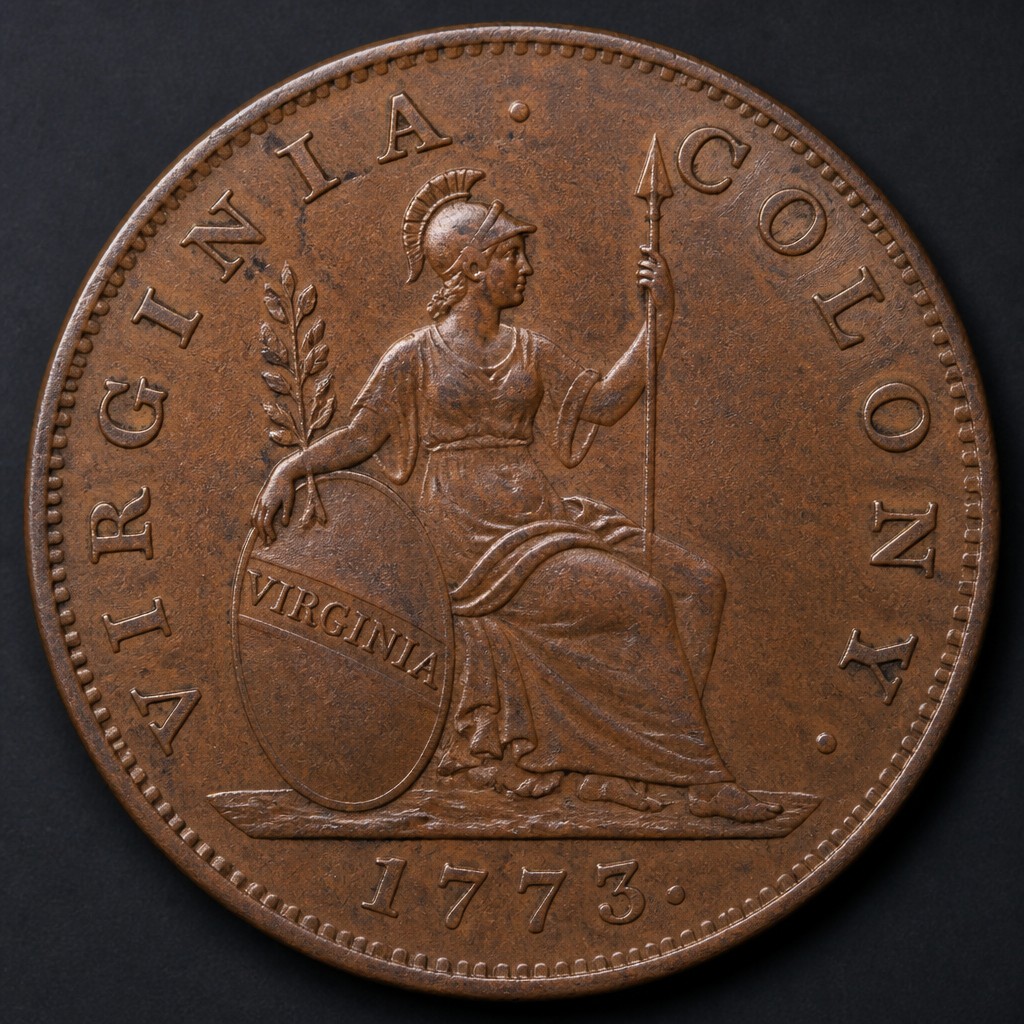
Virginia Halfpenny
1773
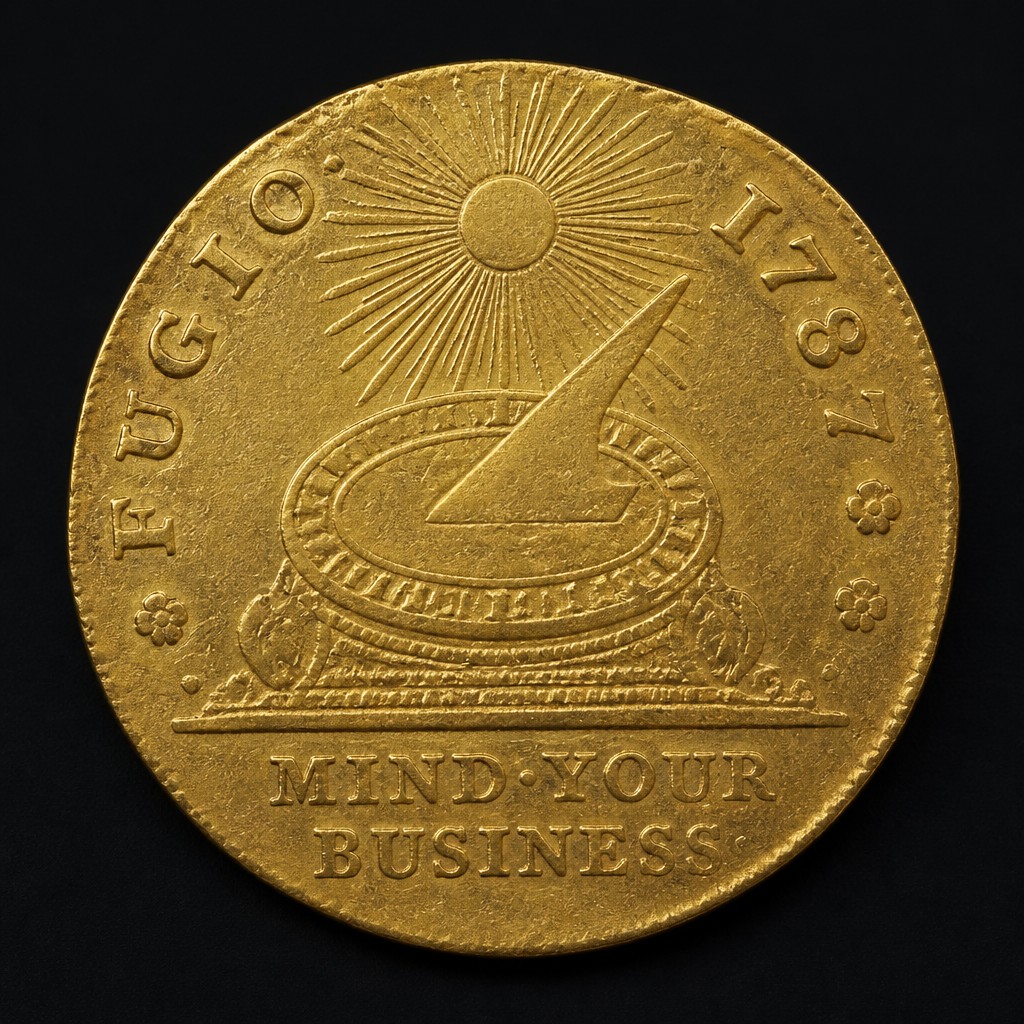
Brasher Doubloon
1787
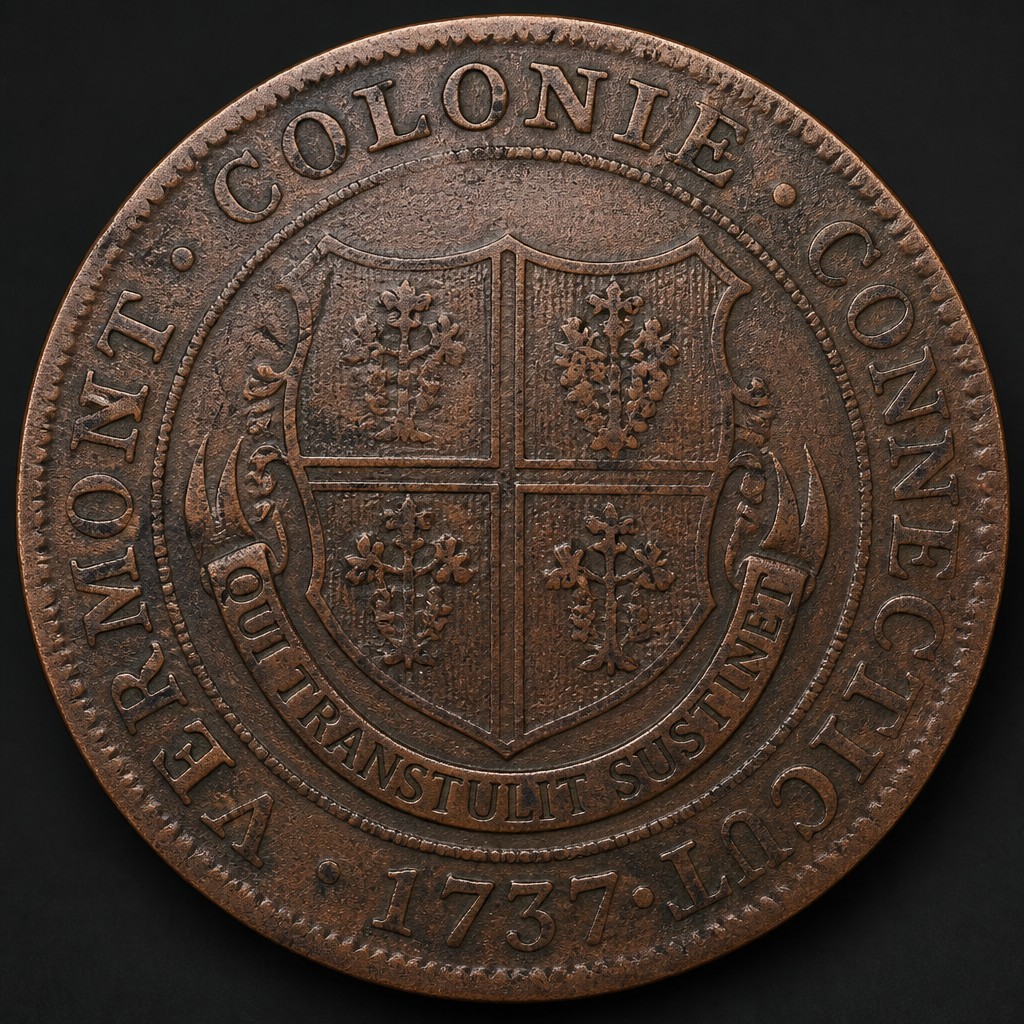
Higley Copper
1737–1739
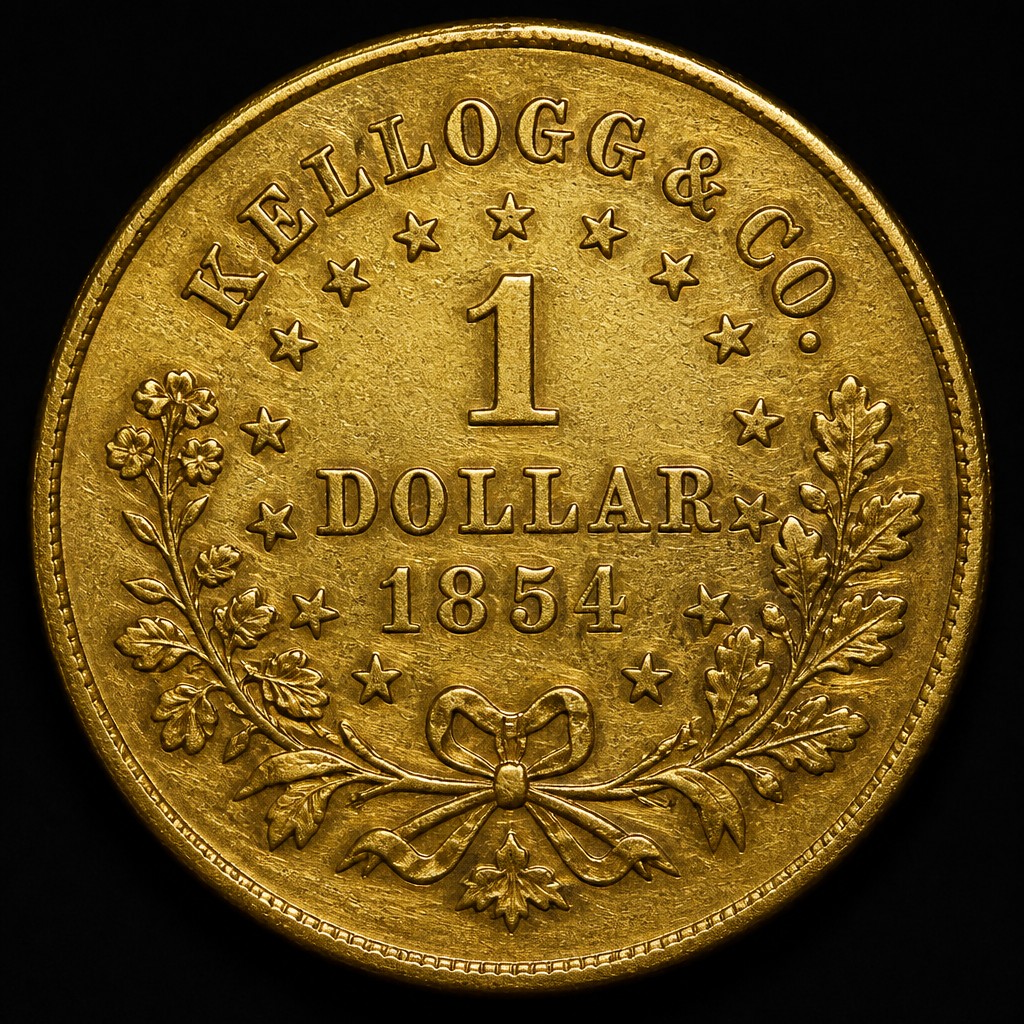
Kellogg & Co. Gold Piece
1854–1855
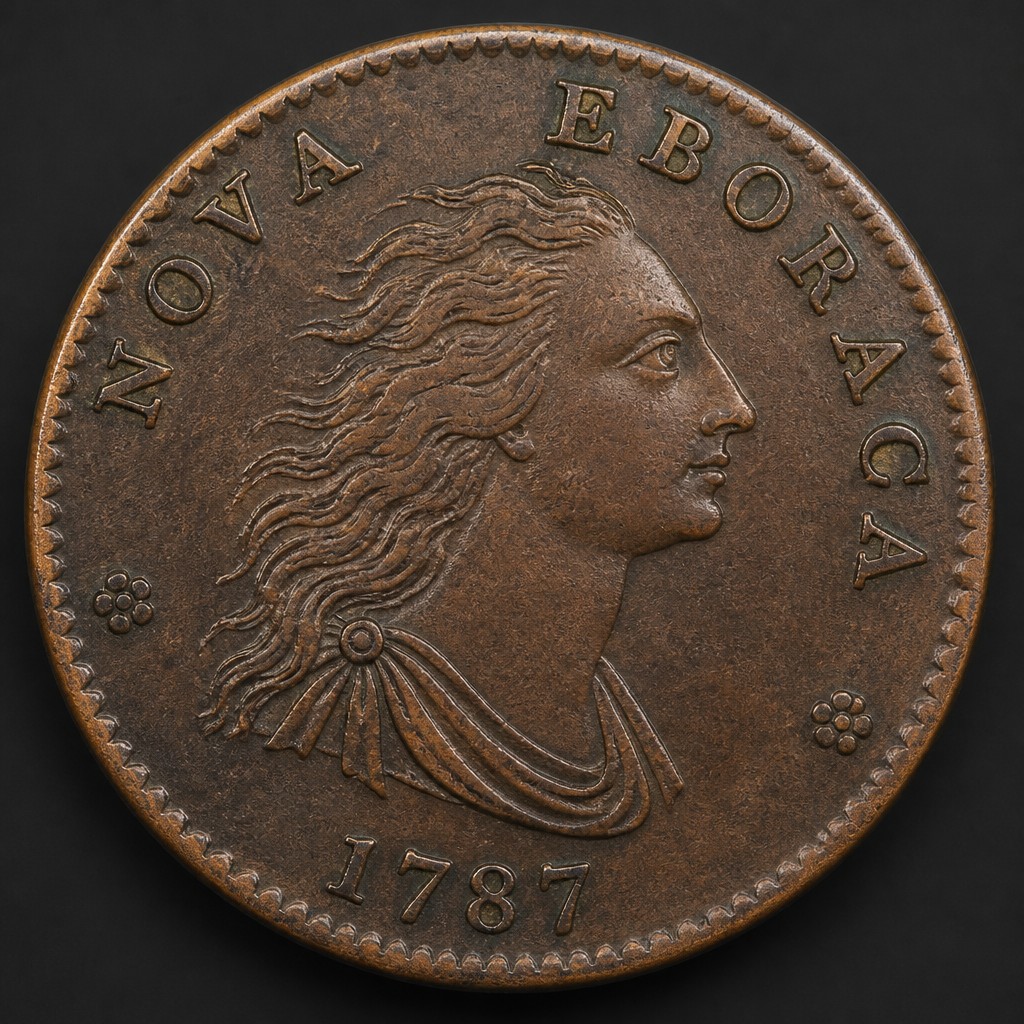
Nova Eborac Copper
1787
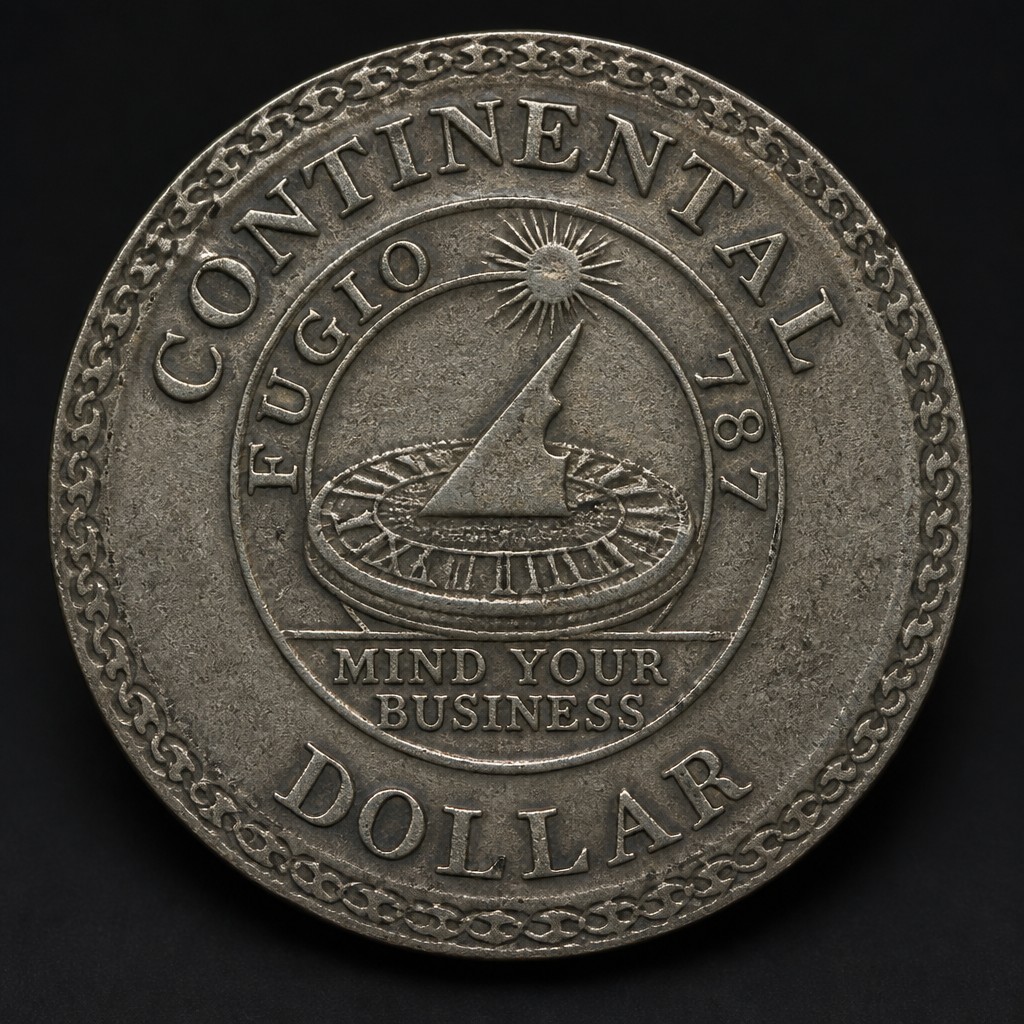
Continental Dollar
1776
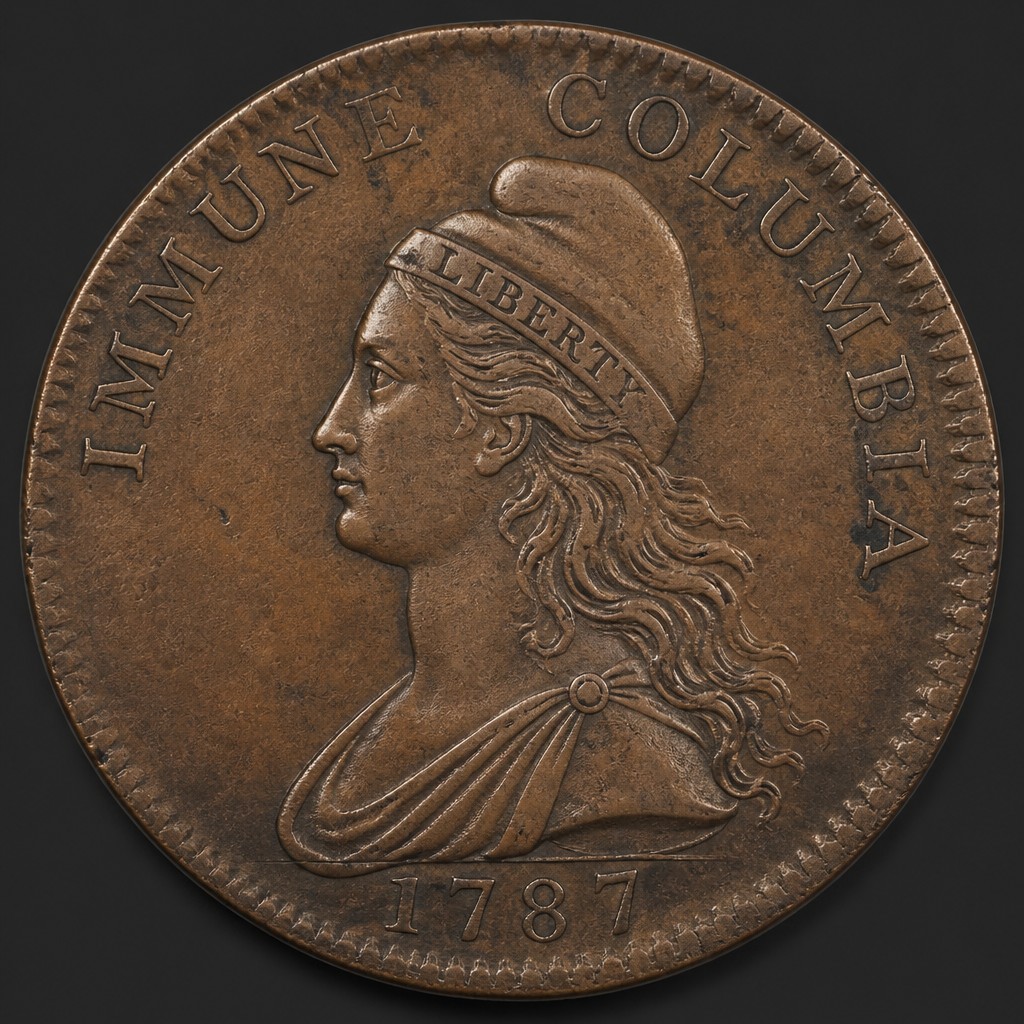
Immune Columbia Copper
circa 1785–1787
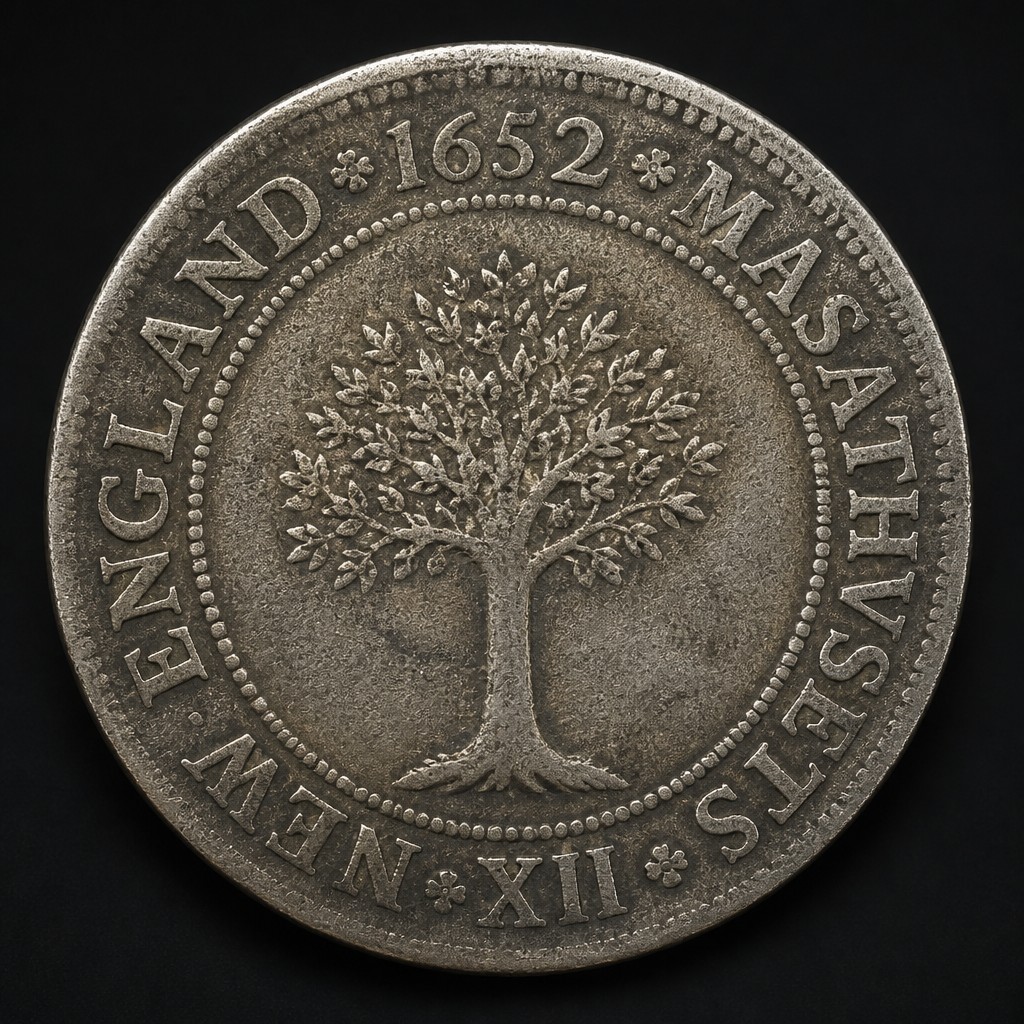
Massachusetts Oak Tree Shilling
Dated 1652, struck circa 1660–1667
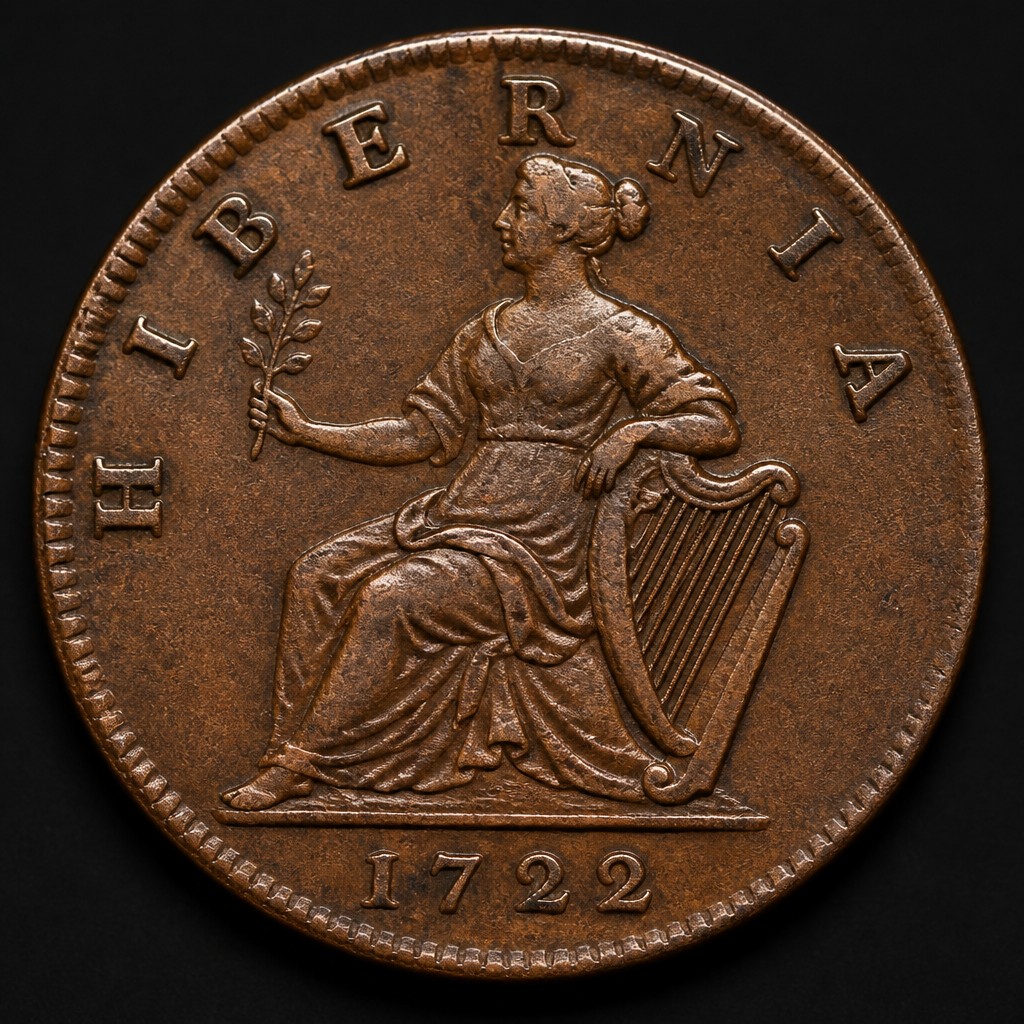
Wood's Hibernia Halfpenny
1722–1724
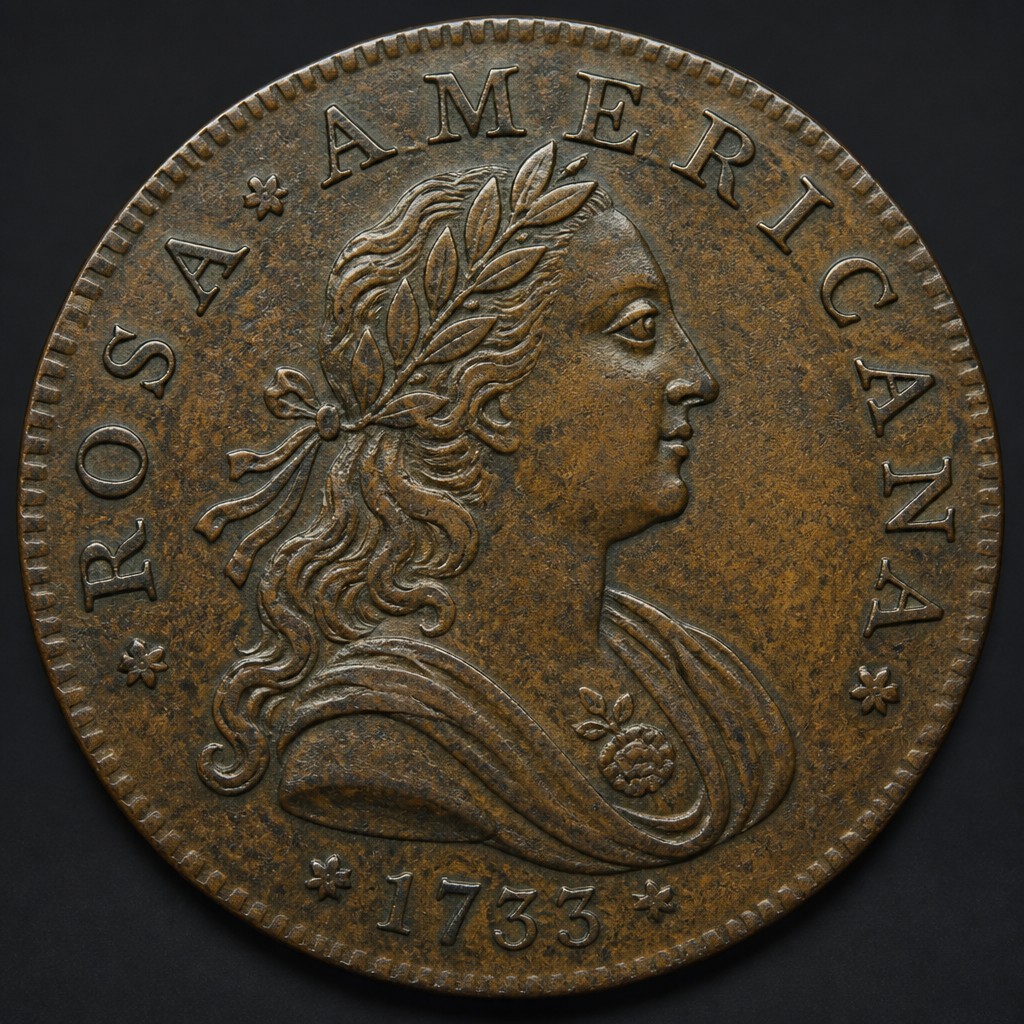
Rosa Americana Coinage
1722–1724 (with pattern issues dated 1733)
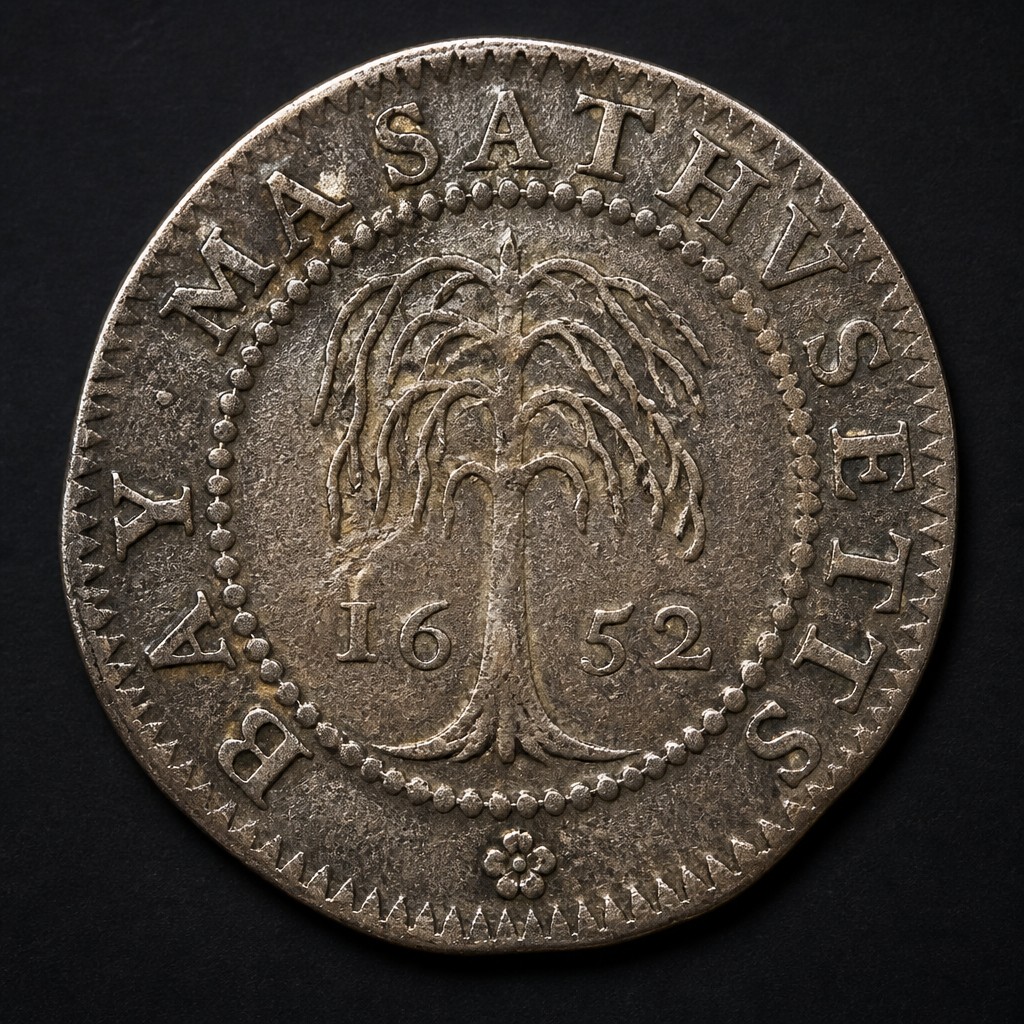
Massachusetts Willow Tree Shilling
Dated 1652, struck circa 1653–1660
Capped Bust Half Eagle
1807–1812