
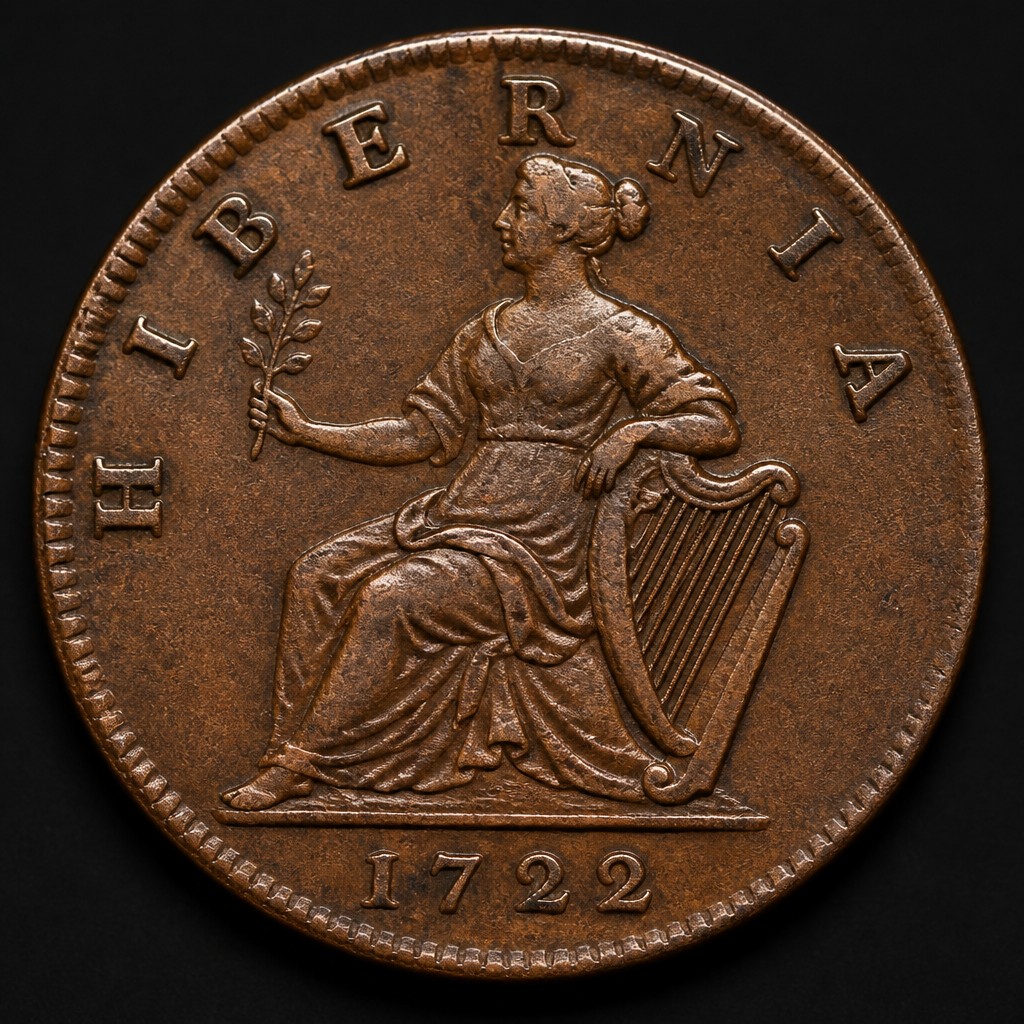
Wood's Hibernia Halfpenny
A British copper coinage patented by William Wood for Ireland, controversially rejected there but widely circulated instead in colonial America, where large surplus shipments ended up in everyday trade.
- Country
- Ireland (issued under British patent by William Wood)
- Denomination
- Halfpenny and Farthing
- Metal
- Copper
Got a coin like this?
Identify any coin from a photo, free.
Overview
Wood's Hibernia halfpenny and farthing were struck under the same 1722 royal patent that produced the related Rosa Americana coinage, but this coinage was specifically intended for use in Ireland rather than the American colonies. The design features a seated female figure representing Ireland, known as Hibernia, paired with a portrait of King George I, giving the coin its lasting popular name.
The Hibernia coinage became the subject of significant political controversy in Ireland, most famously attacked in a series of widely read pamphlets by the writer Jonathan Swift, who argued the patent arrangement was corrupt and harmful to the Irish economy. This backlash led to substantial Irish rejection of the coinage, leaving William Wood with large unsold quantities that were eventually shipped instead to the American colonies.
Because of this redirected surplus, Hibernia halfpennies and farthings ended up circulating quite extensively in colonial America despite their original Irish purpose, making them a well-known and commonly collected part of early American colonial coin sets today.
History & Background
In 1722, King George I granted William Wood a patent to strike copper halfpennies and farthings for circulation in Ireland, an arrangement that, much like the related American Rosa Americana patent, promised significant profit to Wood personally. The coinage bore the seated figure of Hibernia, a traditional female personification of Ireland, alongside a portrait of the king, giving the series its enduring popular name.
The patent quickly became a flashpoint of Irish political resentment, most notably fueled by Jonathan Swift's 'Drapier's Letters,' a series of pamphlets published under a pseudonym that fiercely criticized the arrangement as both economically damaging and a symbol of English disregard for Irish interests. Public opposition grew strong enough that Ireland largely refused to accept the coinage in meaningful volume.
Faced with this rejection, Wood redirected much of his unsold Hibernia coin stock to the American colonies instead, where the coins found a more receptive, if still not entirely enthusiastic, market for small change. As a result, Hibernia halfpennies and farthings are strongly associated today with early American colonial coin collecting despite having been designed originally for an Irish audience.
How to Identify
The obverse shows a laureate bust of King George I facing right, with the legend GEORGIUS DEI GRATIA REX around the rim. The reverse depicts Hibernia, personified as a seated woman holding a harp, an enduring national symbol of Ireland, along with the legend HIBERNIA and the date, with the denomination (halfpenny or farthing) indicated by the coin's relative size.
The coins are struck in copper, generally similar in size and heft to contemporary British copper halfpennies and farthings, and are found today with widely varying degrees of wear reflecting their extensive circulation in both Ireland and, especially, the American colonies. Numerous minor die varieties exist, differing in small details of the portrait, harp, and lettering.
Collectors distinguish Hibernia coinage from the related Rosa Americana series primarily by the reverse design, since Hibernia coins show the seated harp-playing figure rather than a rose, and by the HIBERNIA legend that clearly identifies the coin's original intended market.
Value & Collectibility
Common Hibernia halfpennies and farthings in circulated condition are generally quite accessible to collectors, often available from modest sums up to a few hundred dollars depending on date, die variety, and condition, reflecting the coinage's originally large mintage despite its troubled reception. Scarcer die varieties or better-preserved examples command higher premiums.
As with most colonial-era copper, well-struck, lightly worn pieces with clear detail in the Hibernia figure and portrait bring substantially more than heavily worn or corroded examples, since circulation wear is common given the coin's extensive use as everyday small change in both Ireland and America.
Specialists in American colonial numismatics often collect Hibernia coinage specifically for its documented role in colonial commerce, and certain rare varieties or exceptionally well-preserved specimens can carry meaningful premiums within that specialized collecting niche.
Frequently asked questions
Why is it called Hibernia coinage?
Hibernia is the traditional personification of Ireland, depicted as a seated woman with a harp on the coin's reverse.
Why did Ireland reject the coinage?
Public backlash, notably fueled by Jonathan Swift's 'Drapier's Letters,' condemned the patent as corrupt and economically harmful, leading to widespread rejection.
How did Hibernia coins end up in America?
William Wood shipped unsold surplus coinage to the American colonies after Ireland largely refused to accept it.
Is Hibernia coinage related to Rosa Americana coinage?
Yes, both were produced under patents held by William Wood in the early 1720s, one intended for Ireland and the other for the American colonies.
Other coins you may enjoy
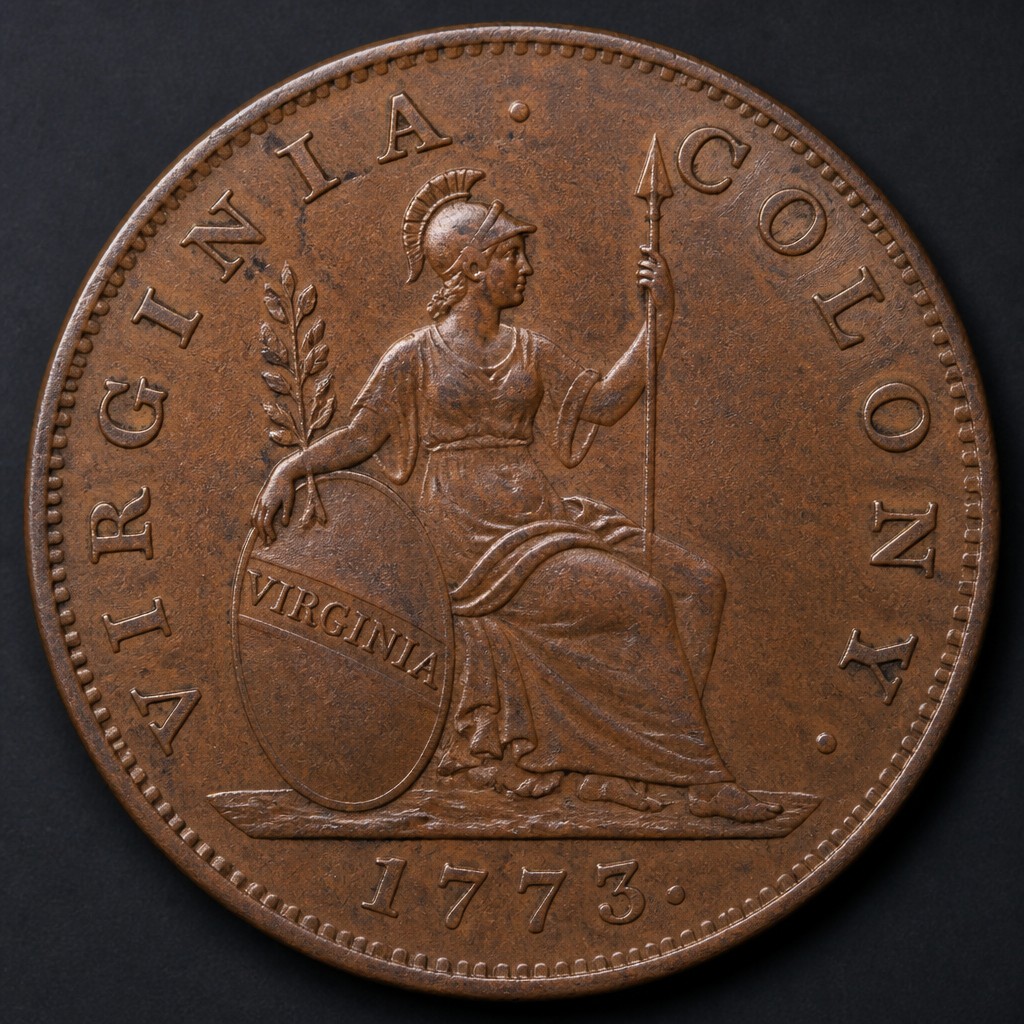
Virginia Halfpenny
1773
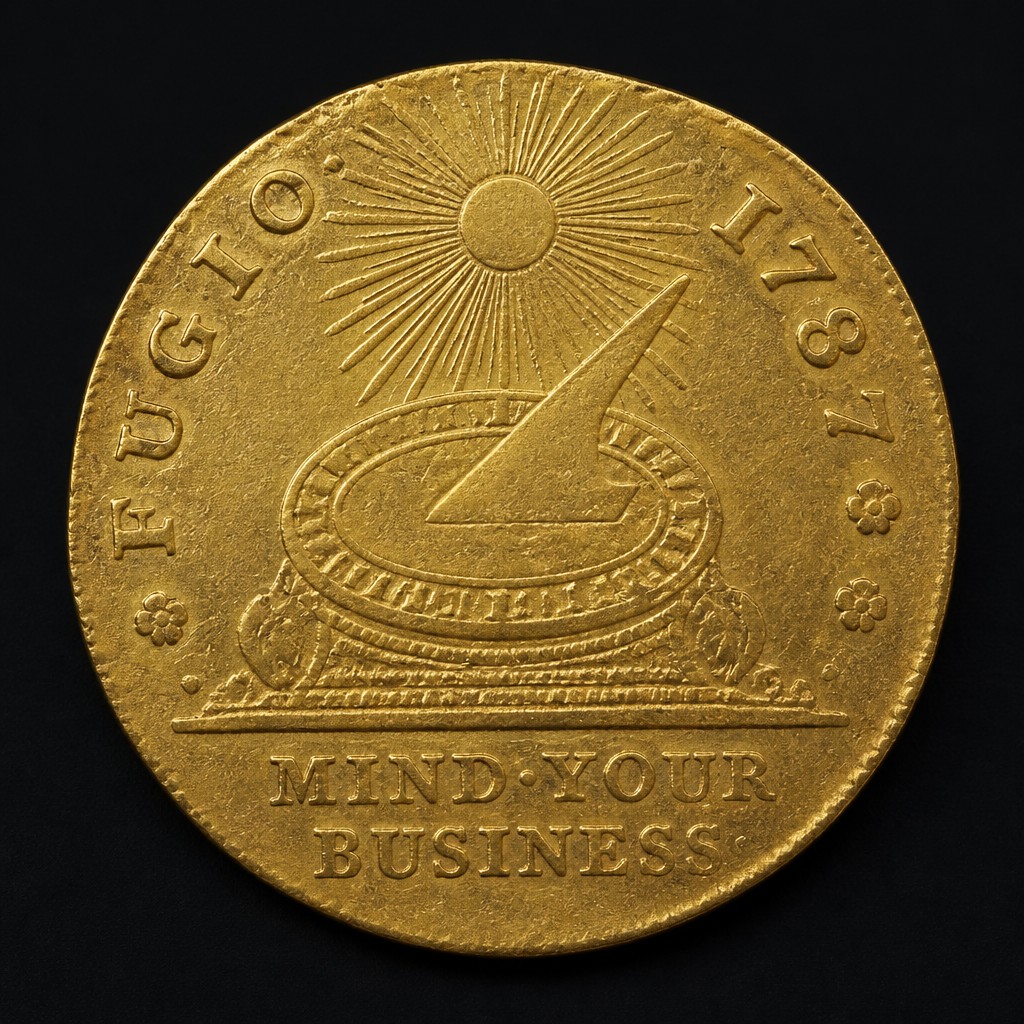
Brasher Doubloon
1787
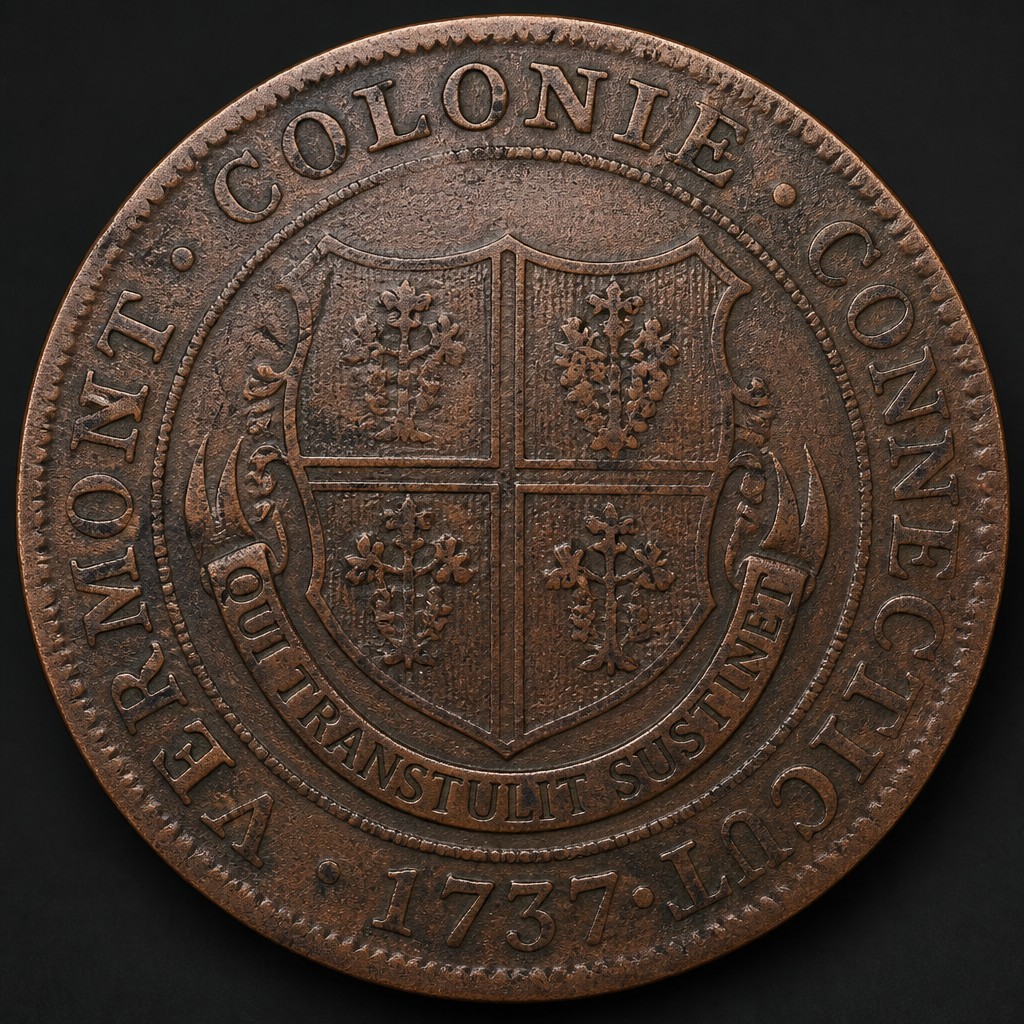
Higley Copper
1737–1739
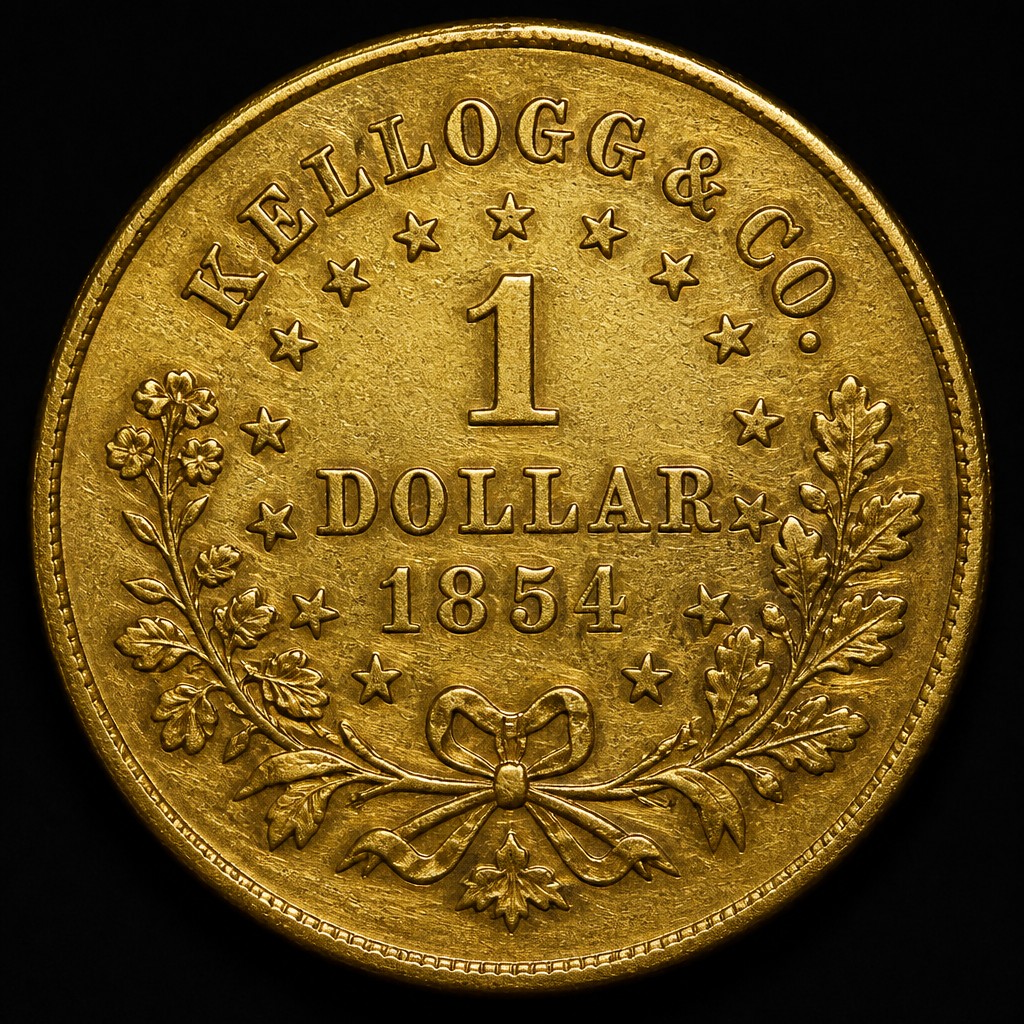
Kellogg & Co. Gold Piece
1854–1855
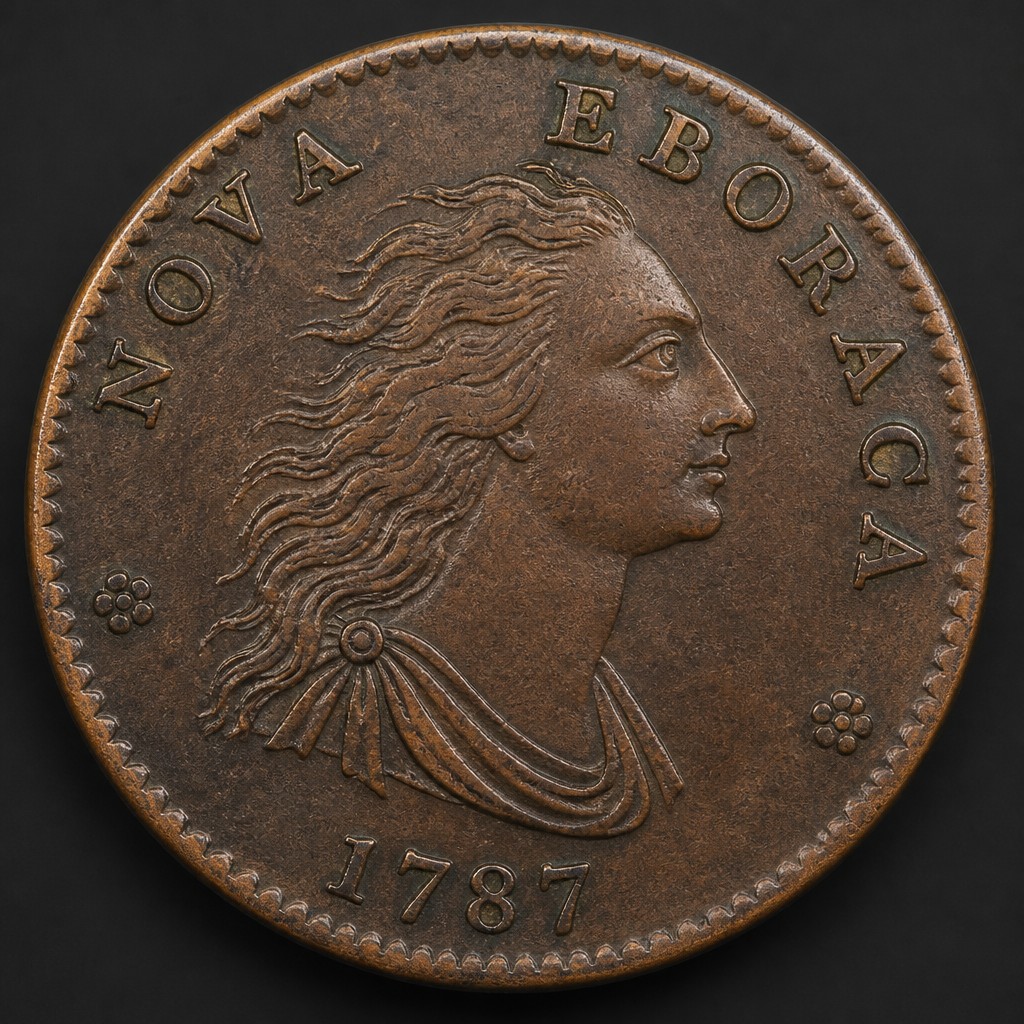
Nova Eborac Copper
1787
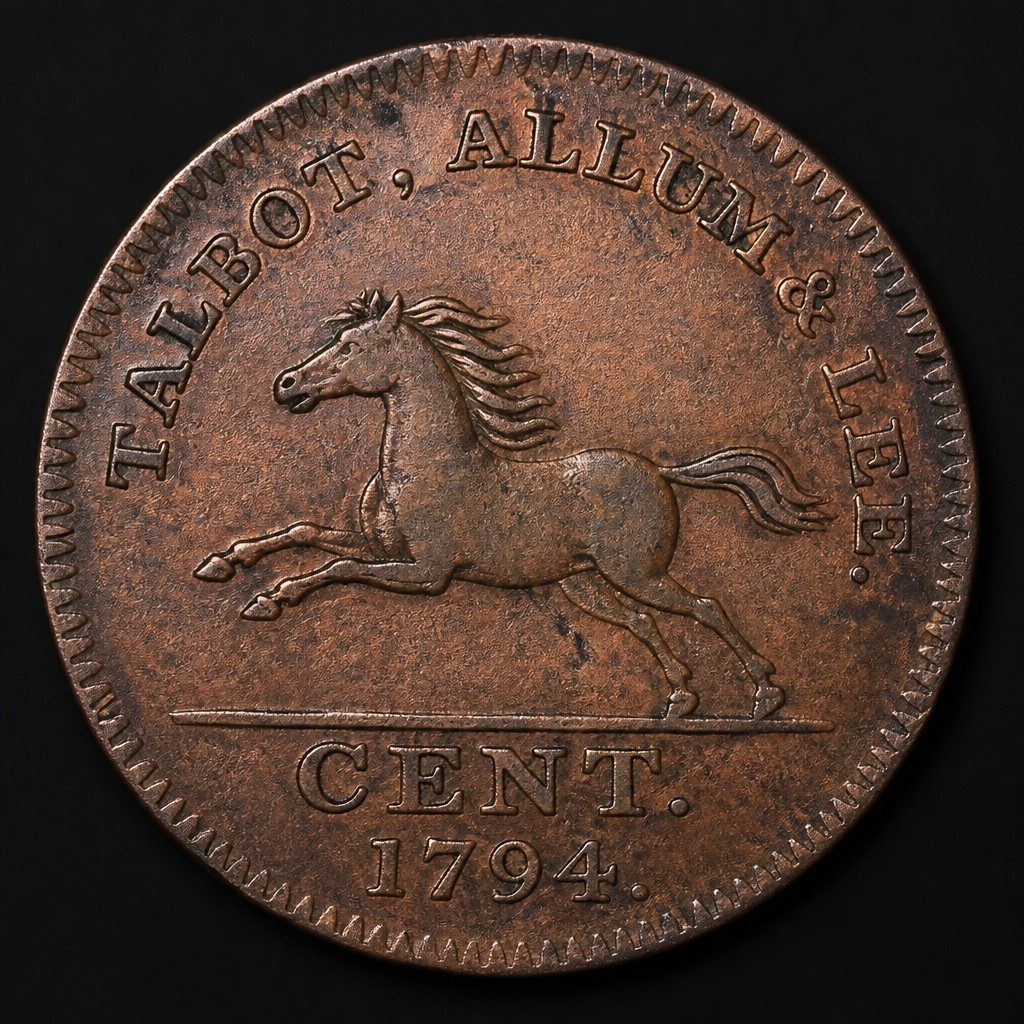
Talbot, Allum & Lee Cent
1794–1795
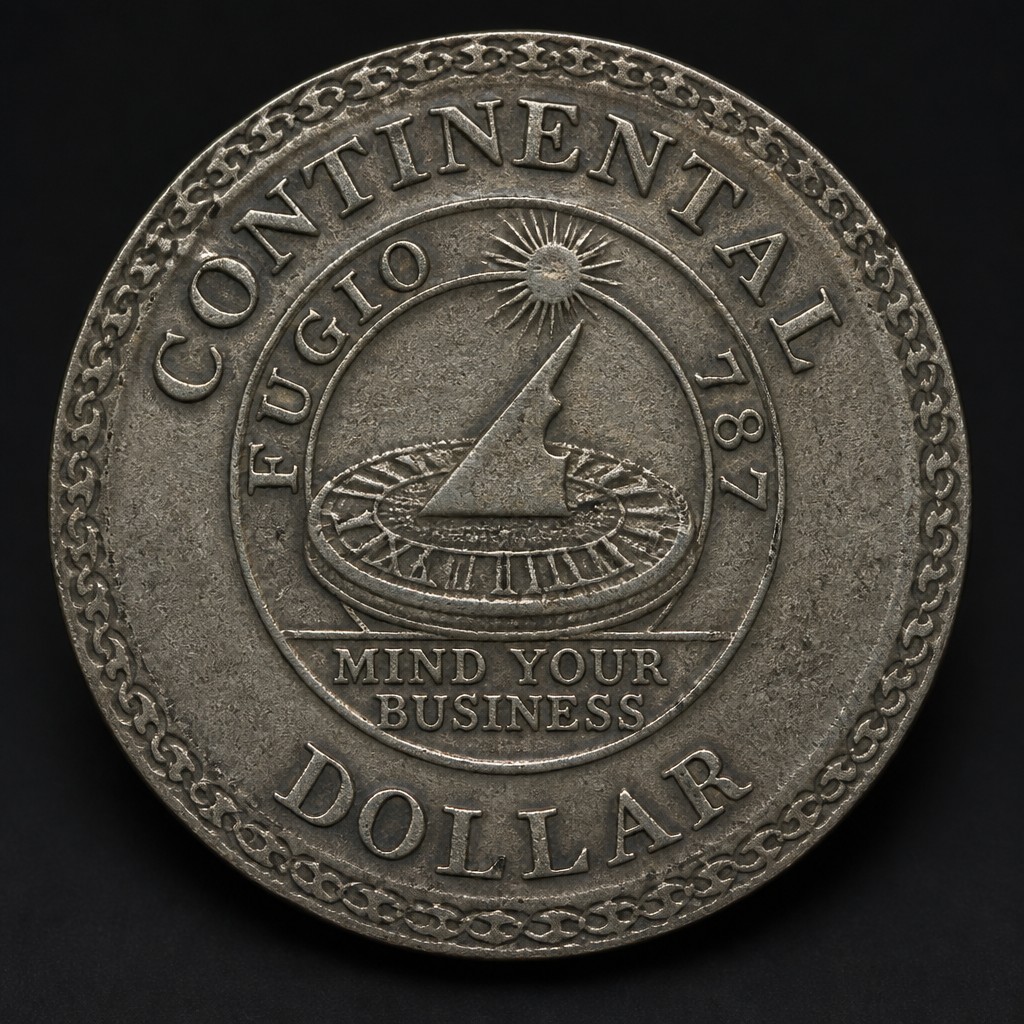
Continental Dollar
1776
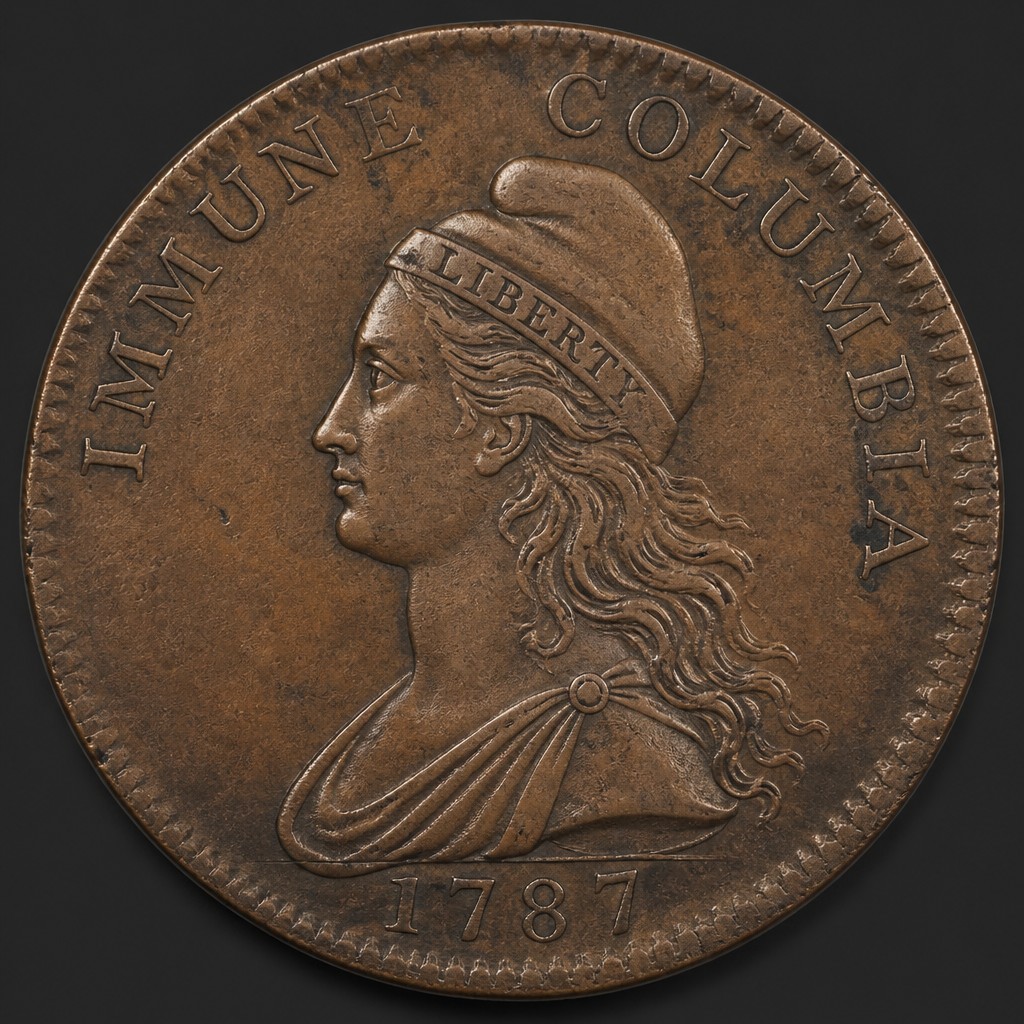
Immune Columbia Copper
circa 1785–1787
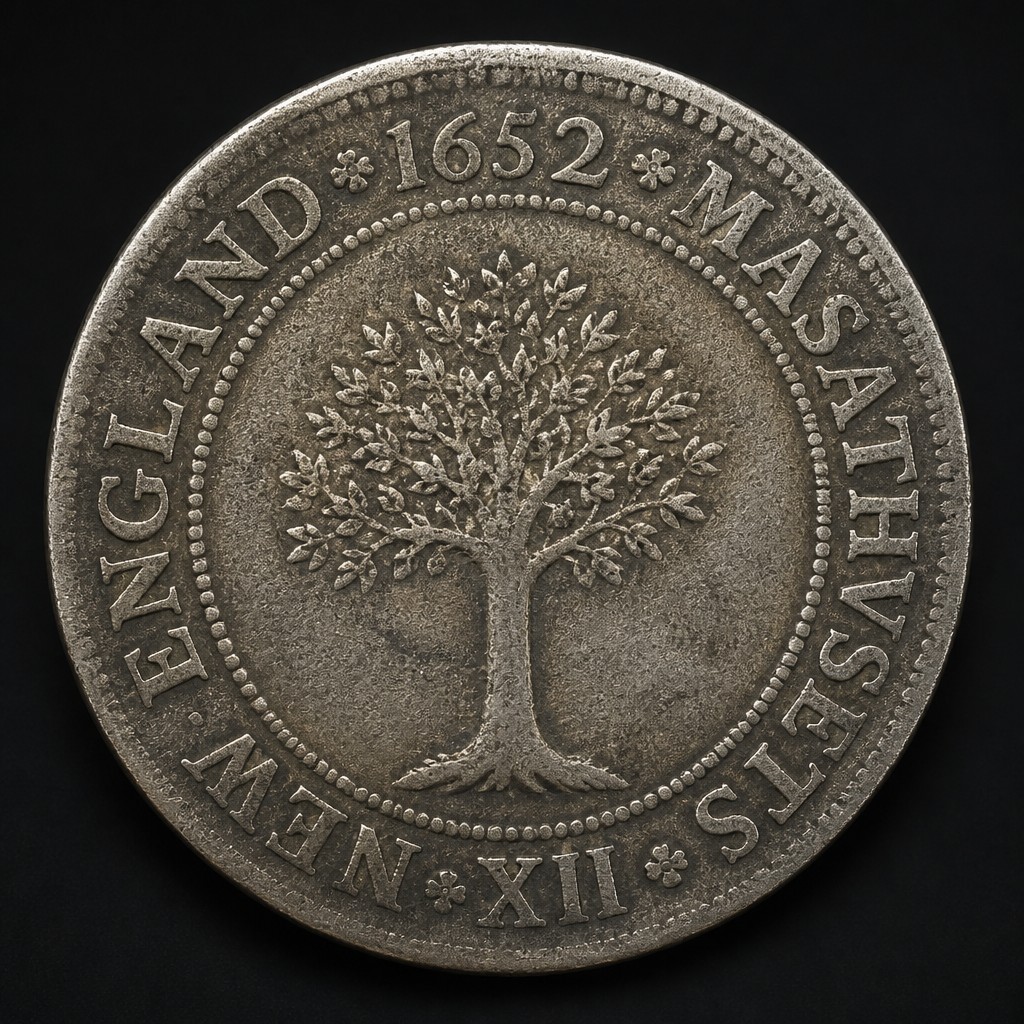
Massachusetts Oak Tree Shilling
Dated 1652, struck circa 1660–1667
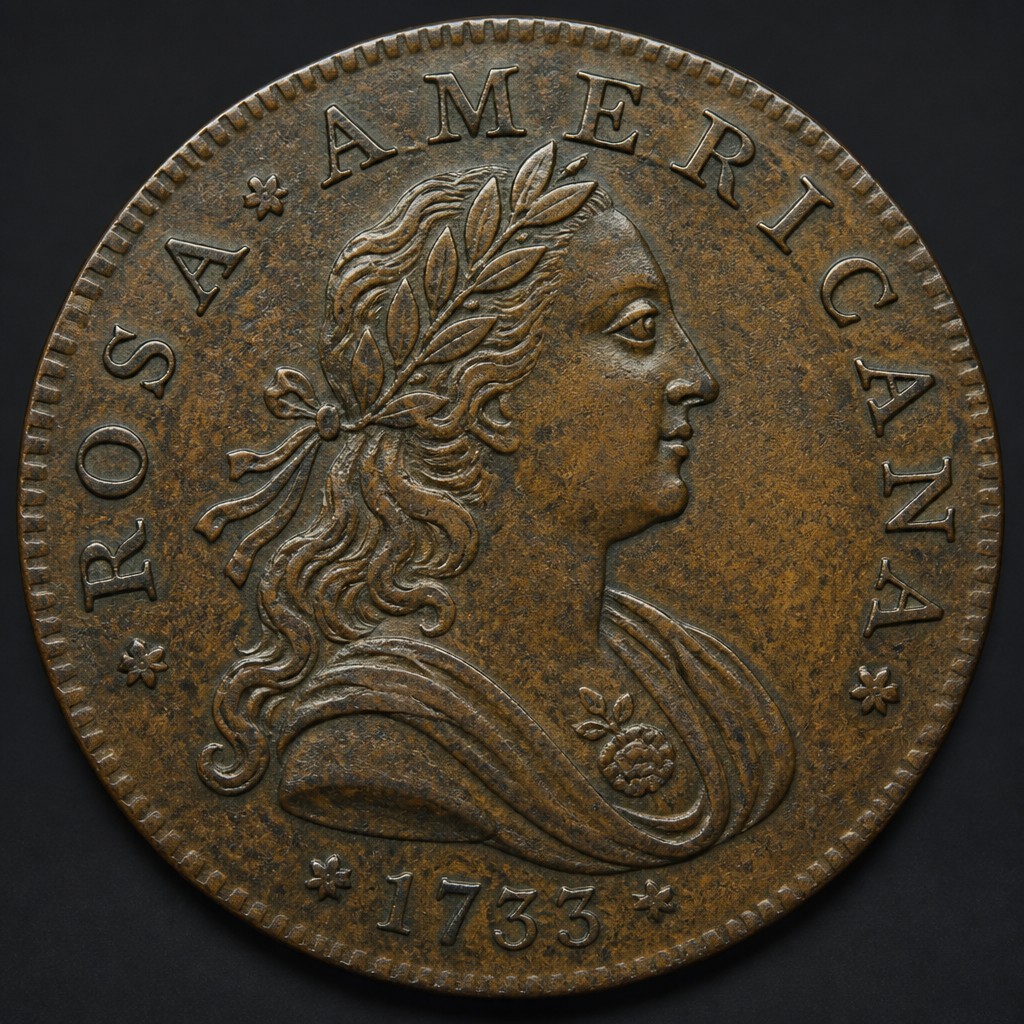
Rosa Americana Coinage
1722–1724 (with pattern issues dated 1733)
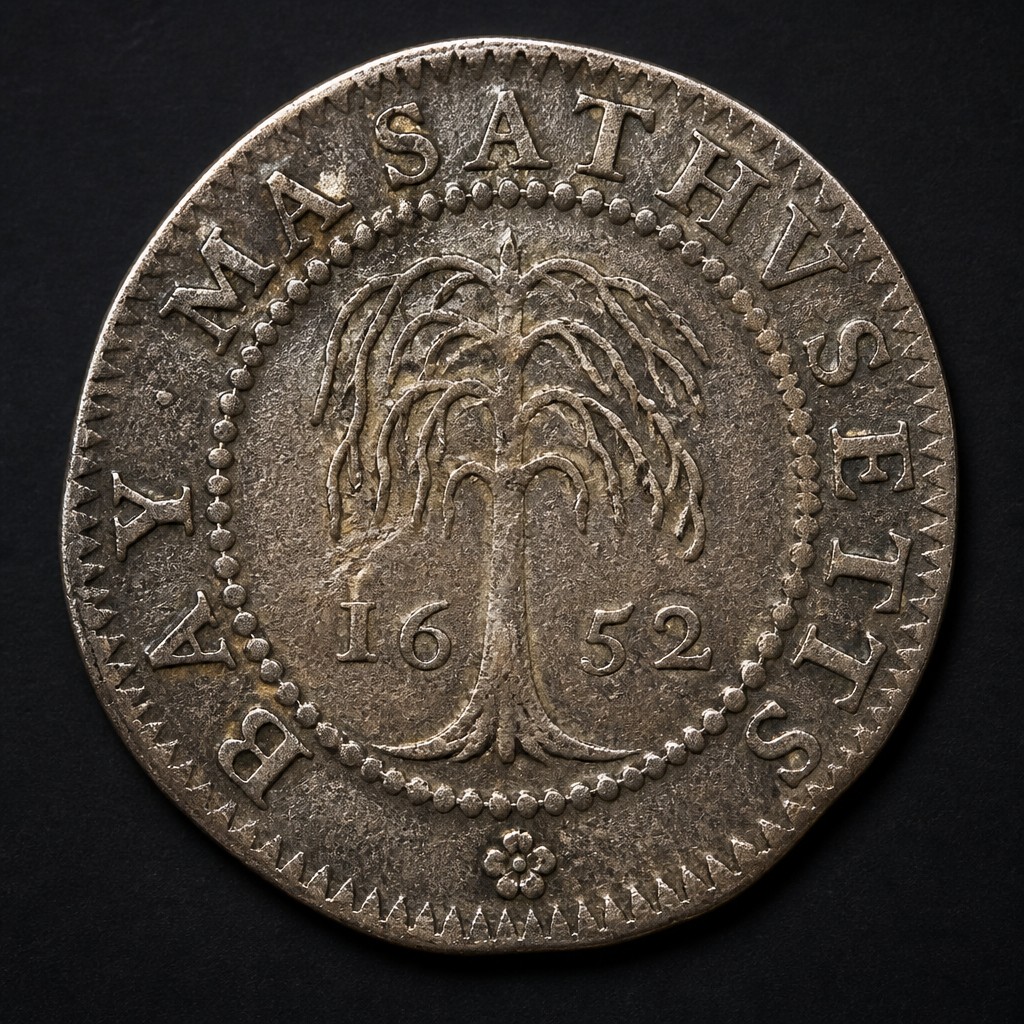
Massachusetts Willow Tree Shilling
Dated 1652, struck circa 1653–1660
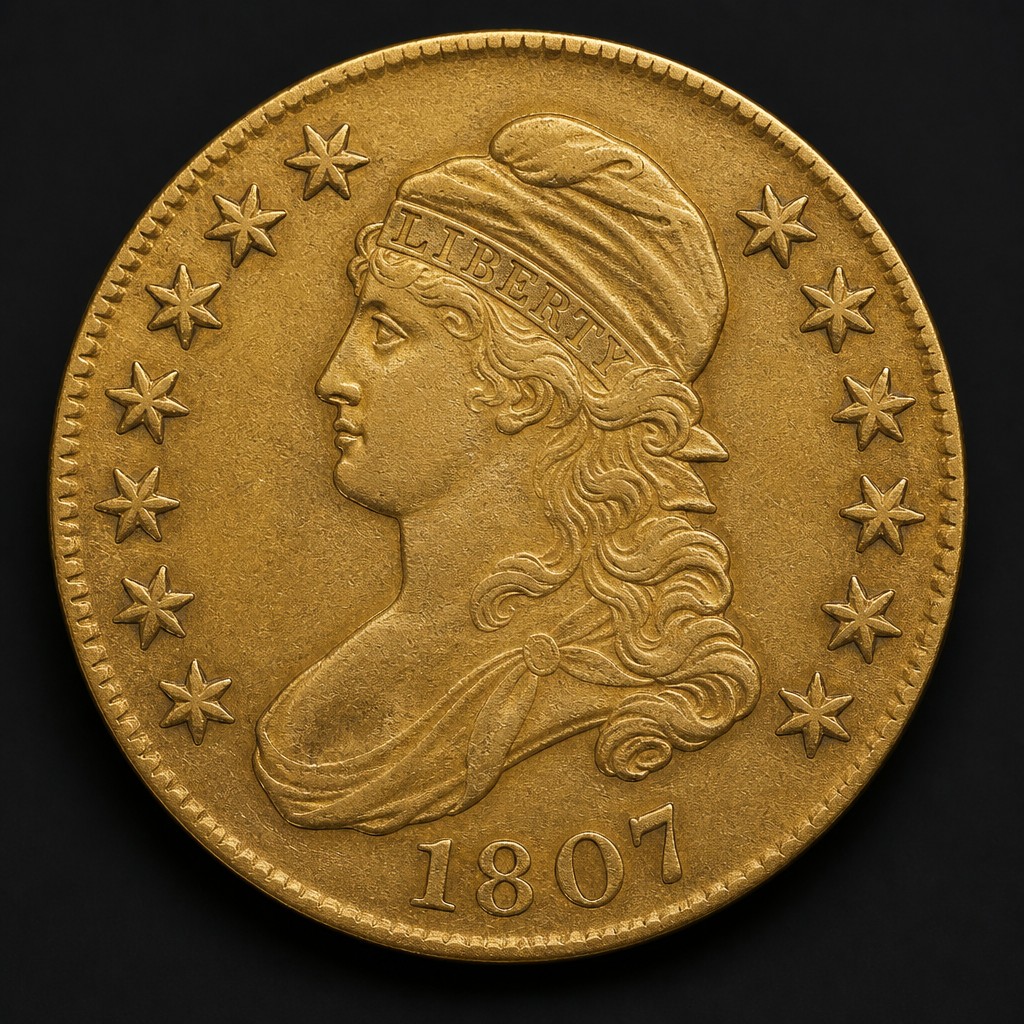
Capped Bust Half Eagle
1807–1812