
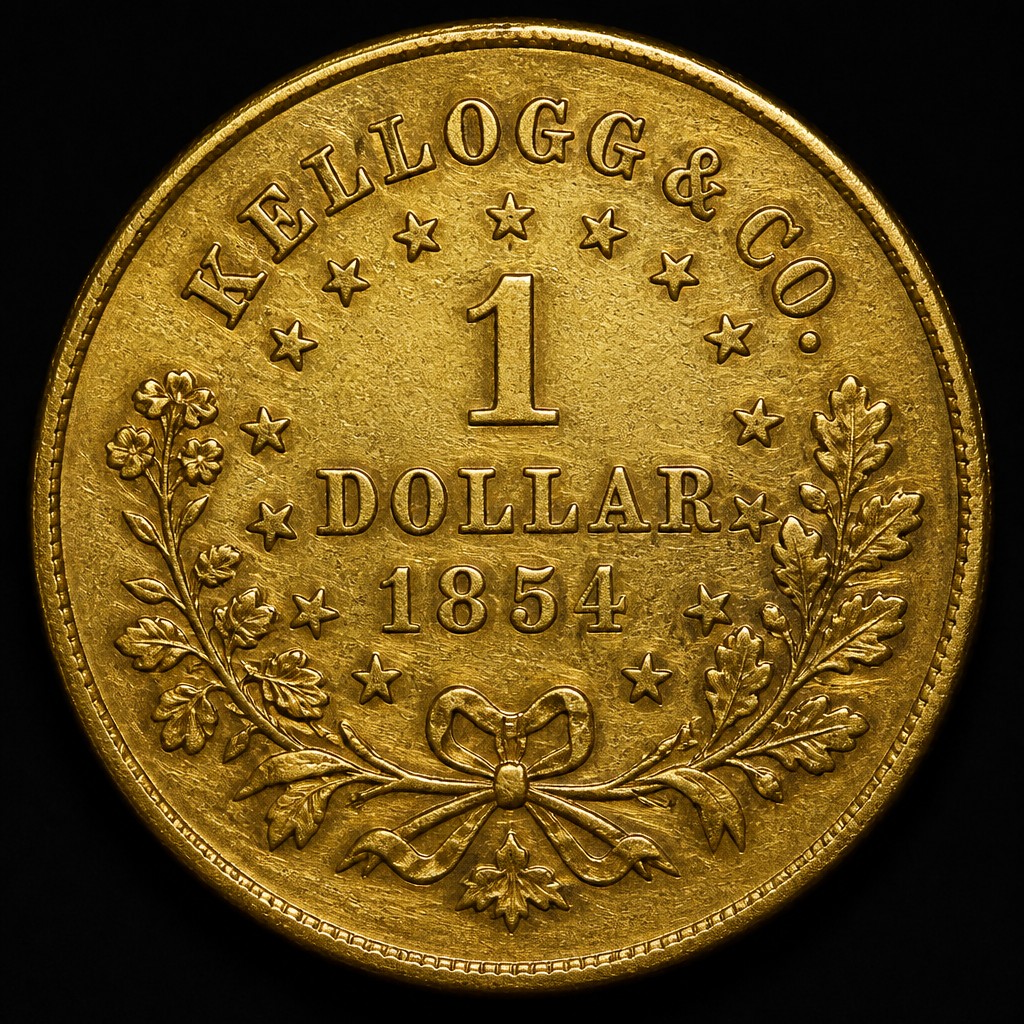
Kellogg & Co. Gold Piece
Private gold coinage struck by the San Francisco firm Kellogg & Co. during the California Gold Rush, including the famous octagonal fifty-dollar 'slug' of 1855, filling a shortage of circulating coin.
- Country
- United States (California, private issue)
- Denomination
- Twenty Dollars and Fifty Dollars
- Metal
- Gold (approximately .900 fine)
Got a coin like this?
Identify any coin from a photo, free.
Overview
Kellogg & Co. was a private minting firm in San Francisco that stepped in to strike gold coins during the mid-1850s, when the demand for circulating coin in Gold Rush California far outstripped what official channels could supply. The firm issued twenty-dollar gold pieces in 1854 and 1855, and in 1855 also produced the large, distinctive octagonal fifty-dollar gold piece often nicknamed a 'slug,' a term used for large-denomination private California gold issues of the era.
These pieces were struck from locally mined gold and were widely accepted in California commerce at a time when merchants and banks needed a reliable, standardized way to move large sums of gold value without relying on raw dust or nuggets. Kellogg & Co.'s coinage is closely associated with the broader family of California private and territorial gold issues produced by various assayers and firms in the 1850s.
Today these pieces are prized by collectors of both California Gold Rush history and United States territorial gold coinage, valued for their direct connection to one of the most colorful chapters of 19th-century American economic history.
History & Background
The California Gold Rush, beginning in 1848, created enormous quantities of raw and refined gold in a region initially lacking sufficient official coinage to support commerce. Various private assayers and firms filled this need in the late 1840s and early 1850s, including the U.S. Assay Office of Gold, a quasi-official operation, which closed in late 1853. Kellogg & Co., founded by John Glover Kellogg along with associates including a former employee of the earlier assay office operations, began striking twenty-dollar gold pieces in 1854 to help fill the resulting gap before the new San Francisco Branch Mint could reach full production capacity.
In 1855, in response to continuing demand for larger-denomination gold pieces to facilitate big commercial and banking transactions, Kellogg & Co. also struck fifty-dollar gold pieces in a distinctive octagonal shape, following a format earlier used by other California assayers such as Augustus Humbert's U.S. Assay Office issues. These large gold pieces functioned as convenient, standardized units of value for banks and merchants dealing in bulk gold.
As the official San Francisco Mint expanded its coinage output through the mid-1850s, the need for private gold issues like Kellogg & Co.'s diminished, and production of these pieces ceased, leaving behind a relatively brief but historically significant body of California private gold coinage.
How to Identify
The Kellogg & Co. twenty-dollar gold piece features a left-facing Liberty head on the obverse, similar in general style to contemporary United States double eagle designs, along with the date and inscriptions identifying the issuing firm. The reverse displays an eagle with a shield, along with the denomination and 'SAN FRANCISCO CALIFORNIA' or similar geographic identification, distinguishing it clearly from official U.S. Mint issues, which never named a city in this way.
The fifty-dollar piece, struck only in 1855, is notable for its large octagonal shape, a format also used by other California private gold issuers of the period, and carries similar Liberty and eagle imagery scaled to the larger size, along with weight and fineness markings appropriate to its substantial gold content.
Because official-looking private gold pieces from this era have occasionally been targeted by counterfeiters and later-made replicas, any suspected genuine Kellogg & Co. piece, especially the rarer fifty-dollar slug, should be authenticated by a major grading service familiar with California private and territorial gold issues before purchase.
Value & Collectibility
Kellogg & Co. gold pieces are significant rarities within the California private and territorial gold series, and prices vary enormously by denomination, date, and condition, with twenty-dollar pieces generally more available than the scarcer fifty-dollar octagonal issue, though both regularly bring strong four-figure to five-figure prices at auction depending on grade and eye appeal. Because these are large, high-value gold pieces with genuine historical importance, condition, originality of surface, and strike quality all significantly affect desirability.
As with all California private gold issues, authentication and grading by a major recognized service are essential, both because of the coin's substantial intrinsic gold value and because of the long history of California gold pieces being targeted by counterfeiters and restrikes. Collectors specializing in territorial gold often pursue these pieces as centerpiece rarities within a broader California Gold Rush collection.
Frequently asked questions
Was Kellogg & Co. an official government mint?
No, it was a private minting firm operating in San Francisco, filling a gap in official coinage supply during the California Gold Rush.
Why did Kellogg & Co. produce a fifty-dollar coin?
Large-denomination gold pieces made it easier for banks and merchants to move and account for large amounts of gold value in a single, standardized coin rather than raw gold.
What shape is the Kellogg fifty-dollar piece?
It is octagonal, a large eight-sided shape also used by other California private gold assayers for their largest denominations.
When did Kellogg & Co. stop producing gold coins?
Production ended in the mid-1850s as the official San Francisco Branch Mint ramped up its own coinage output, reducing the need for private gold pieces.
Are Kellogg gold pieces valuable today?
Yes, they are significant California Gold Rush rarities and generally command strong prices, though exact value depends heavily on denomination, date, and condition.
Other coins you may enjoy
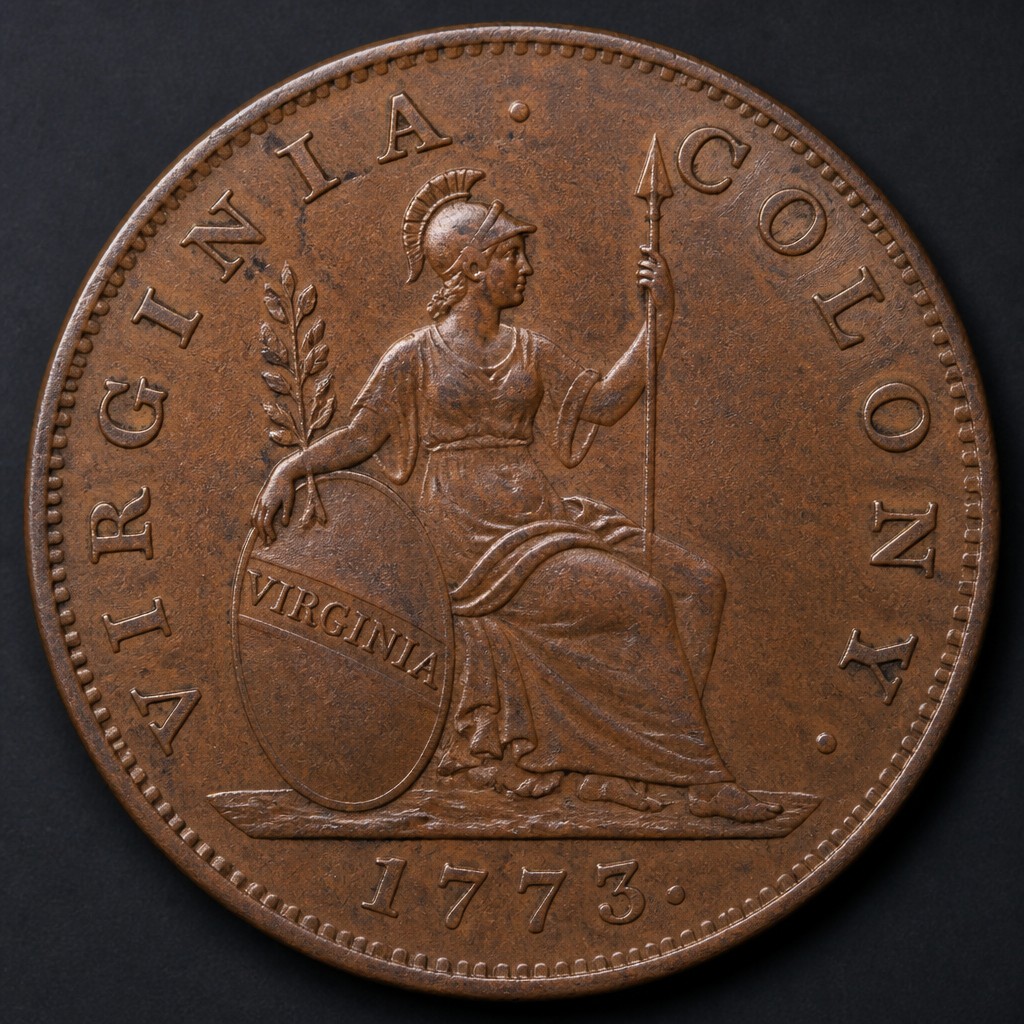
Virginia Halfpenny
1773
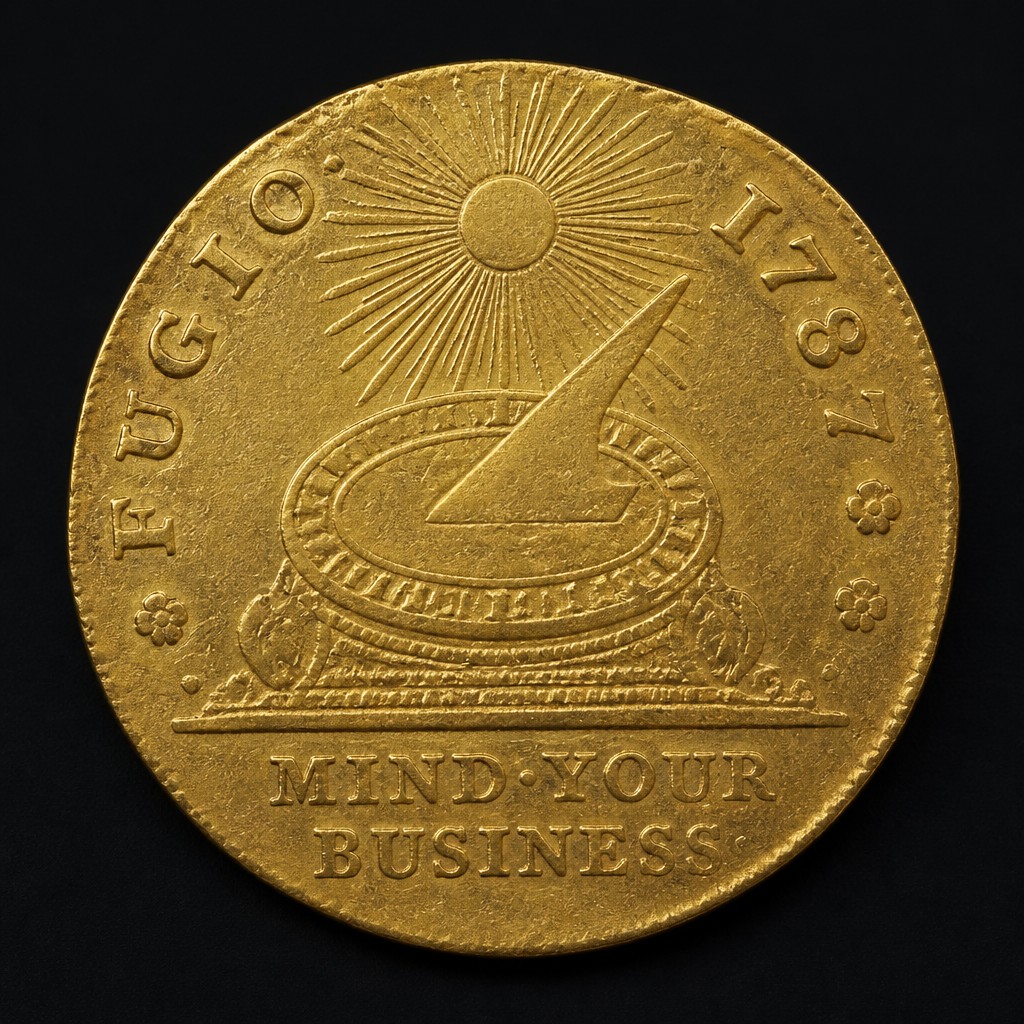
Brasher Doubloon
1787
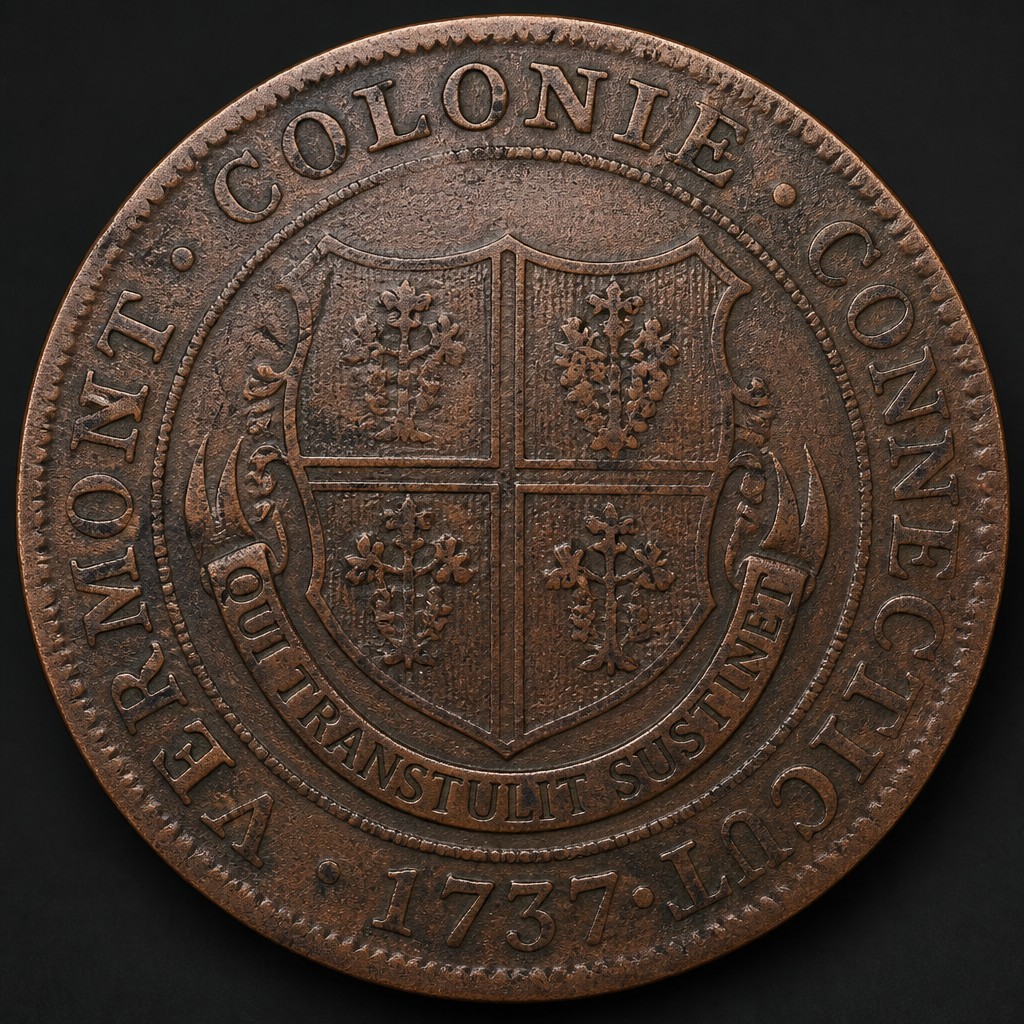
Higley Copper
1737–1739
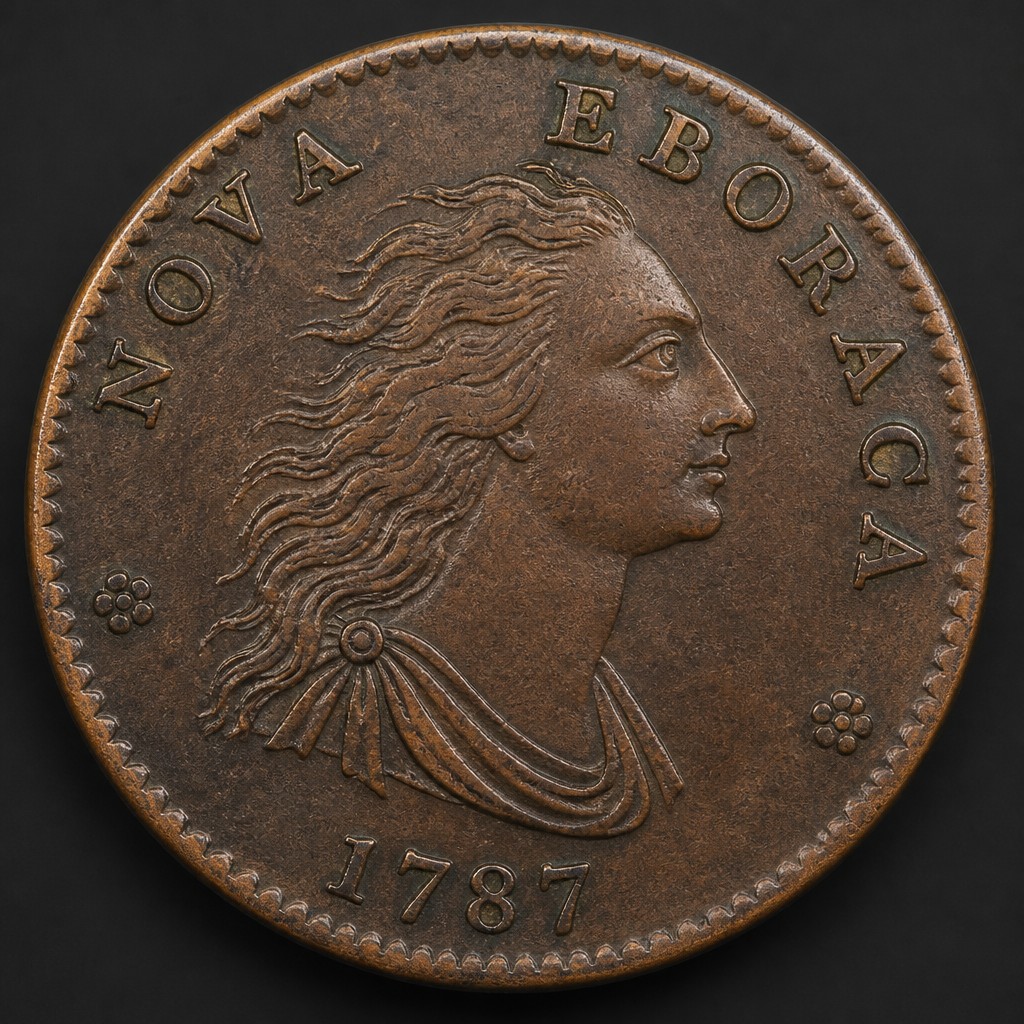
Nova Eborac Copper
1787
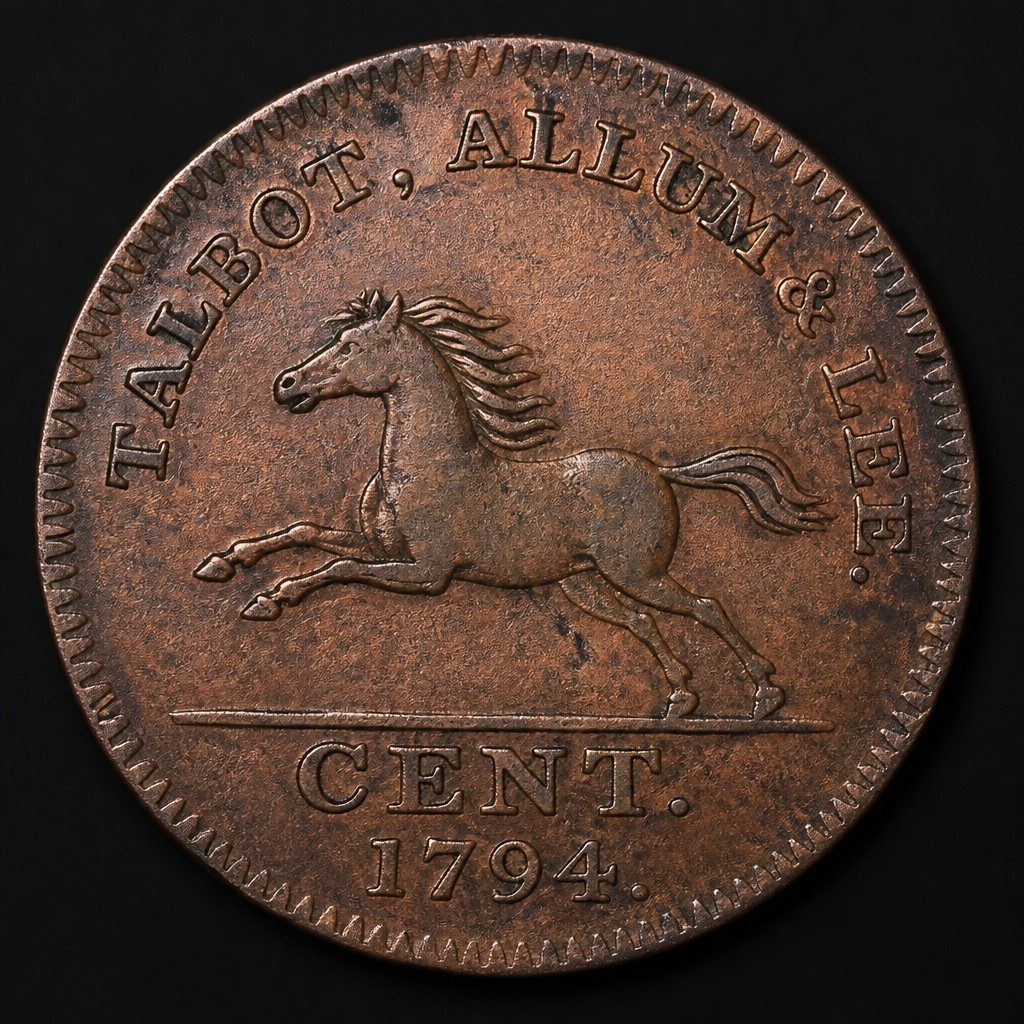
Talbot, Allum & Lee Cent
1794–1795
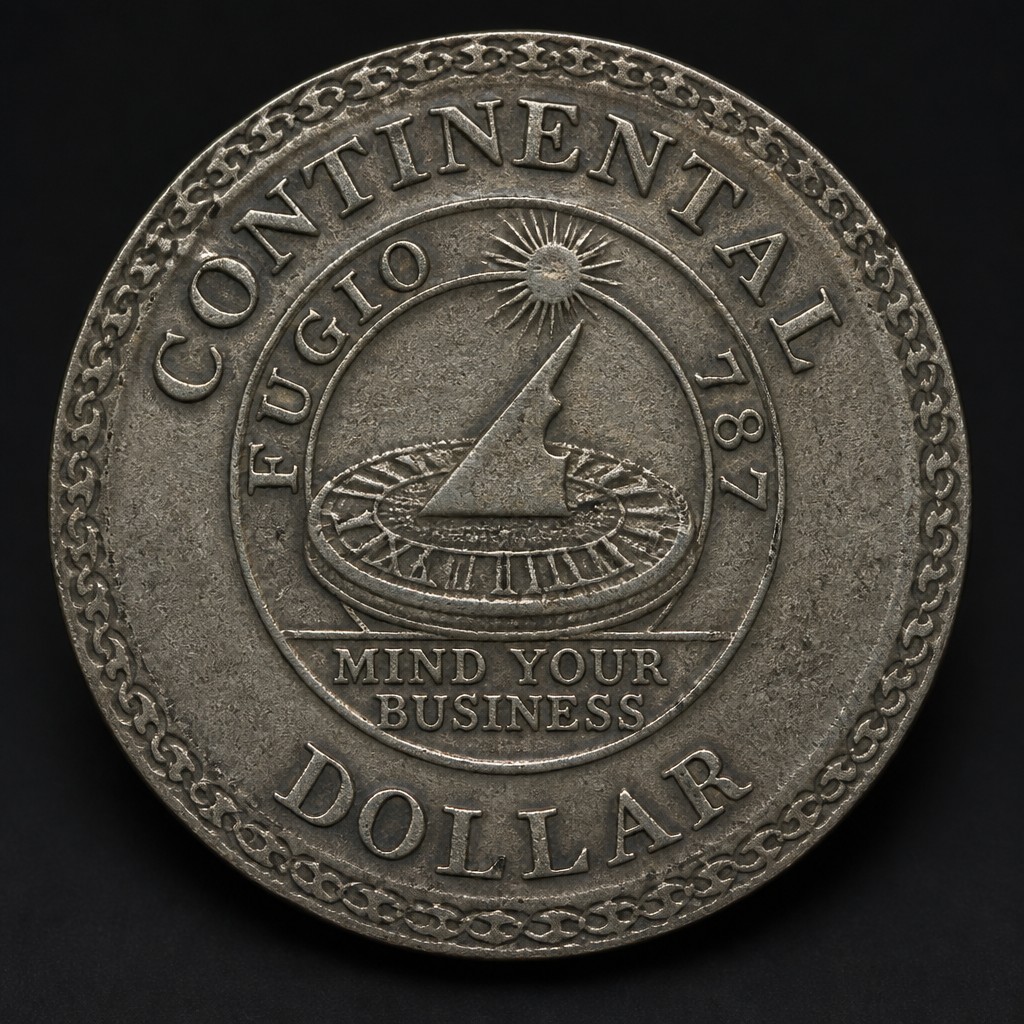
Continental Dollar
1776
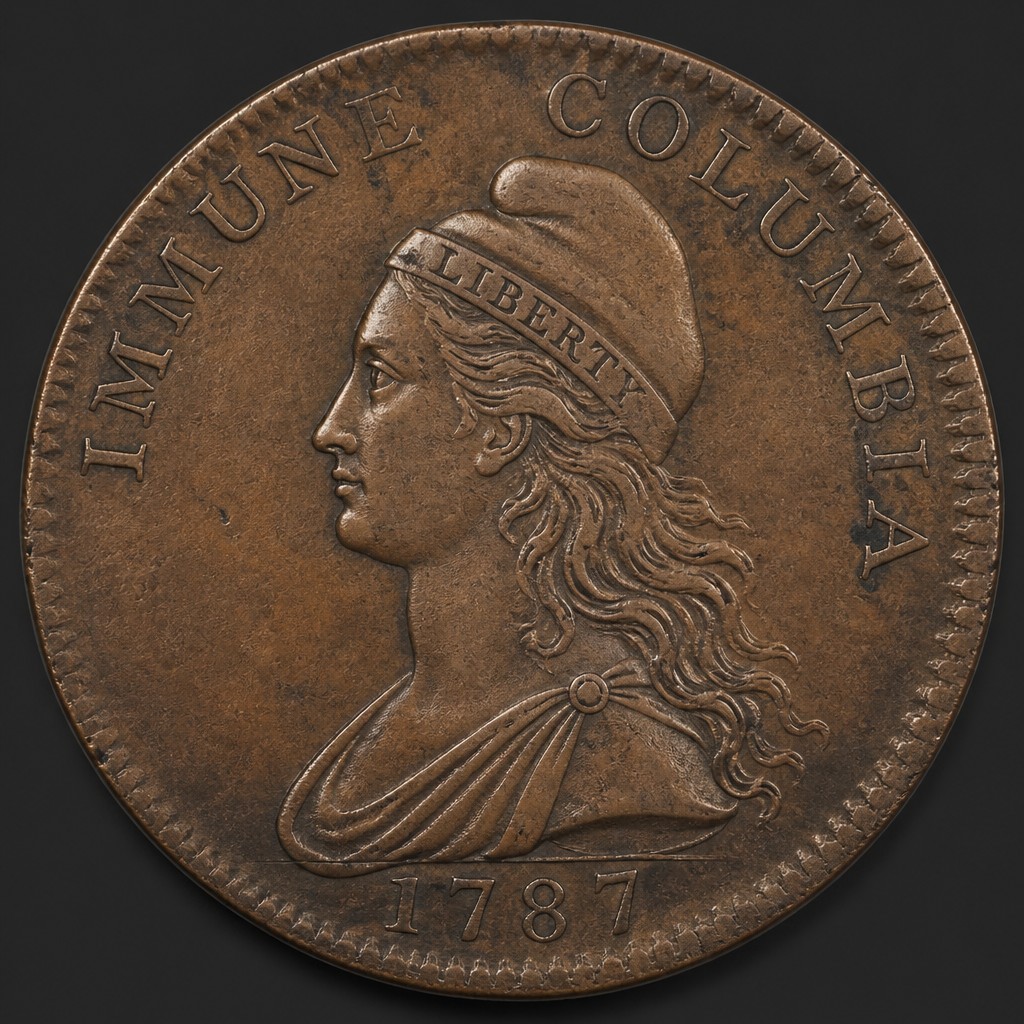
Immune Columbia Copper
circa 1785–1787
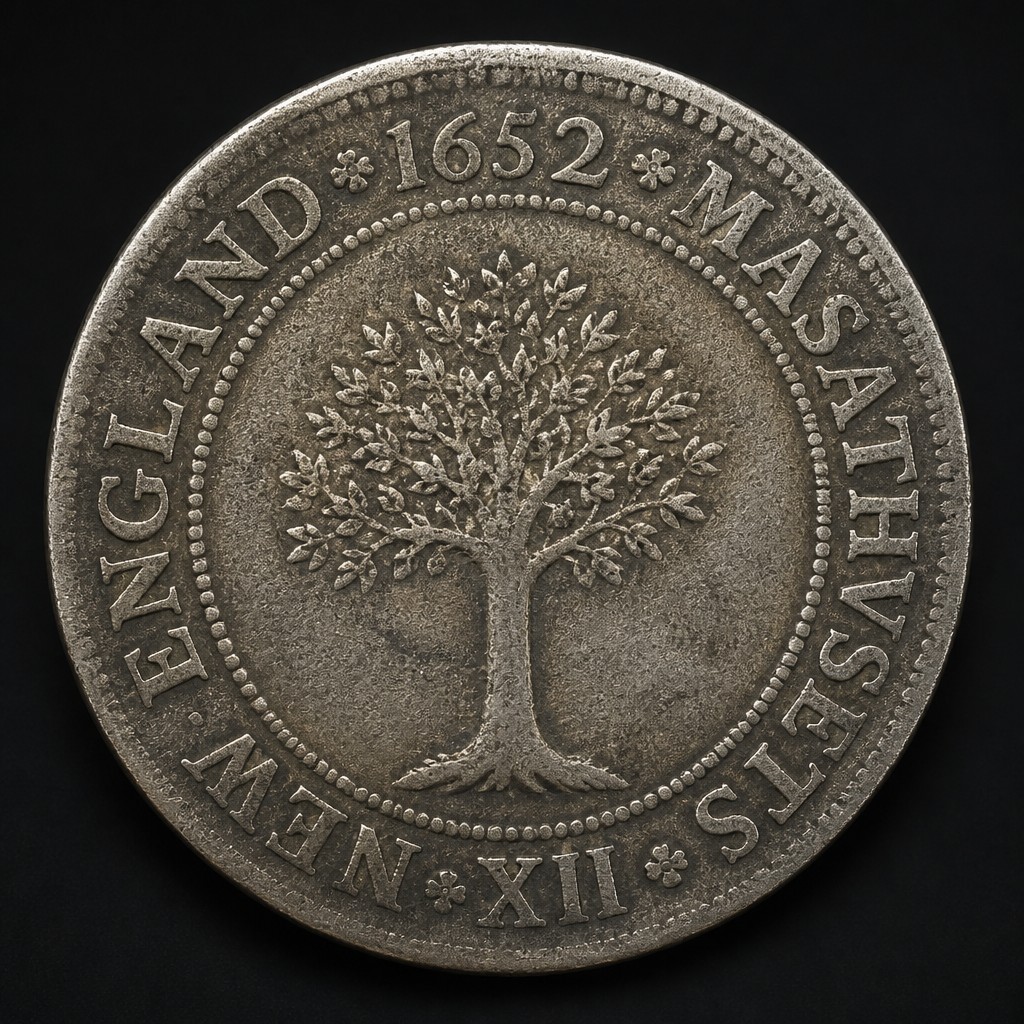
Massachusetts Oak Tree Shilling
Dated 1652, struck circa 1660–1667
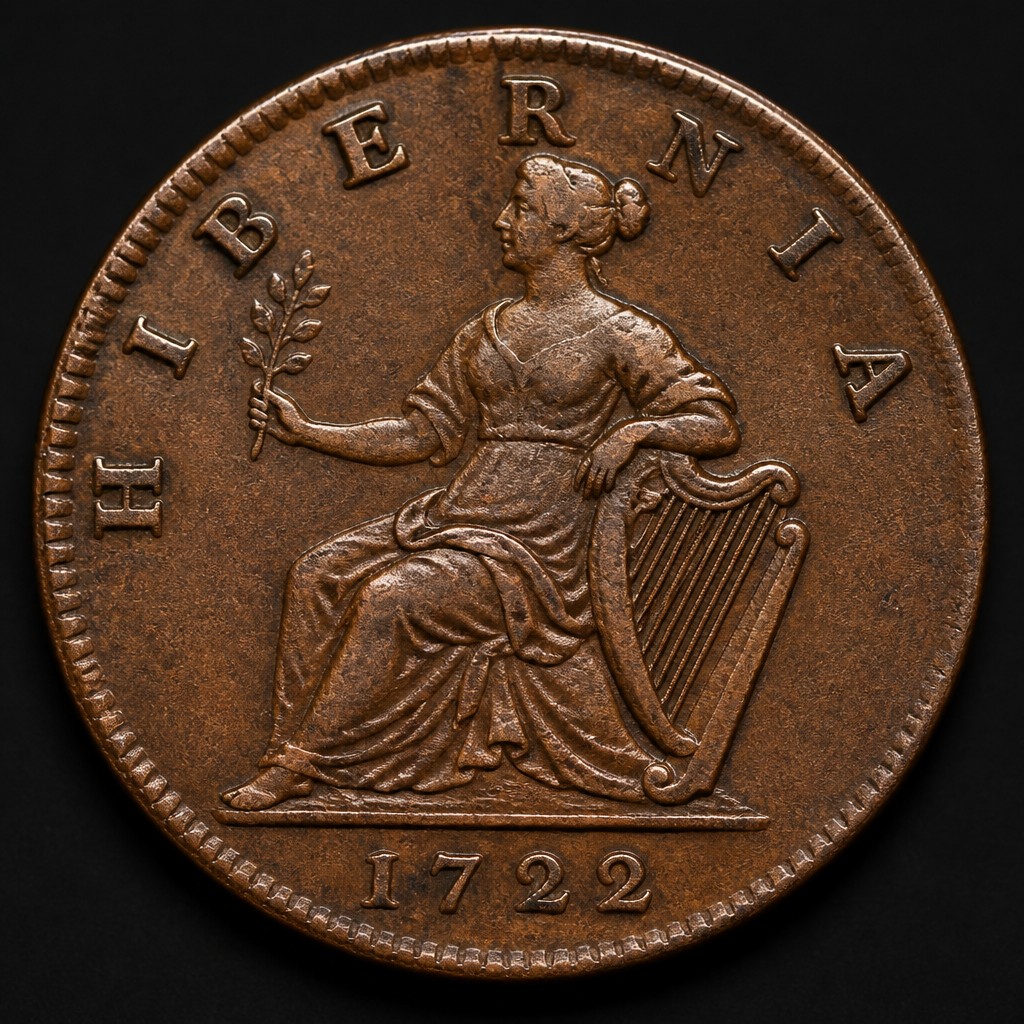
Wood's Hibernia Halfpenny
1722–1724
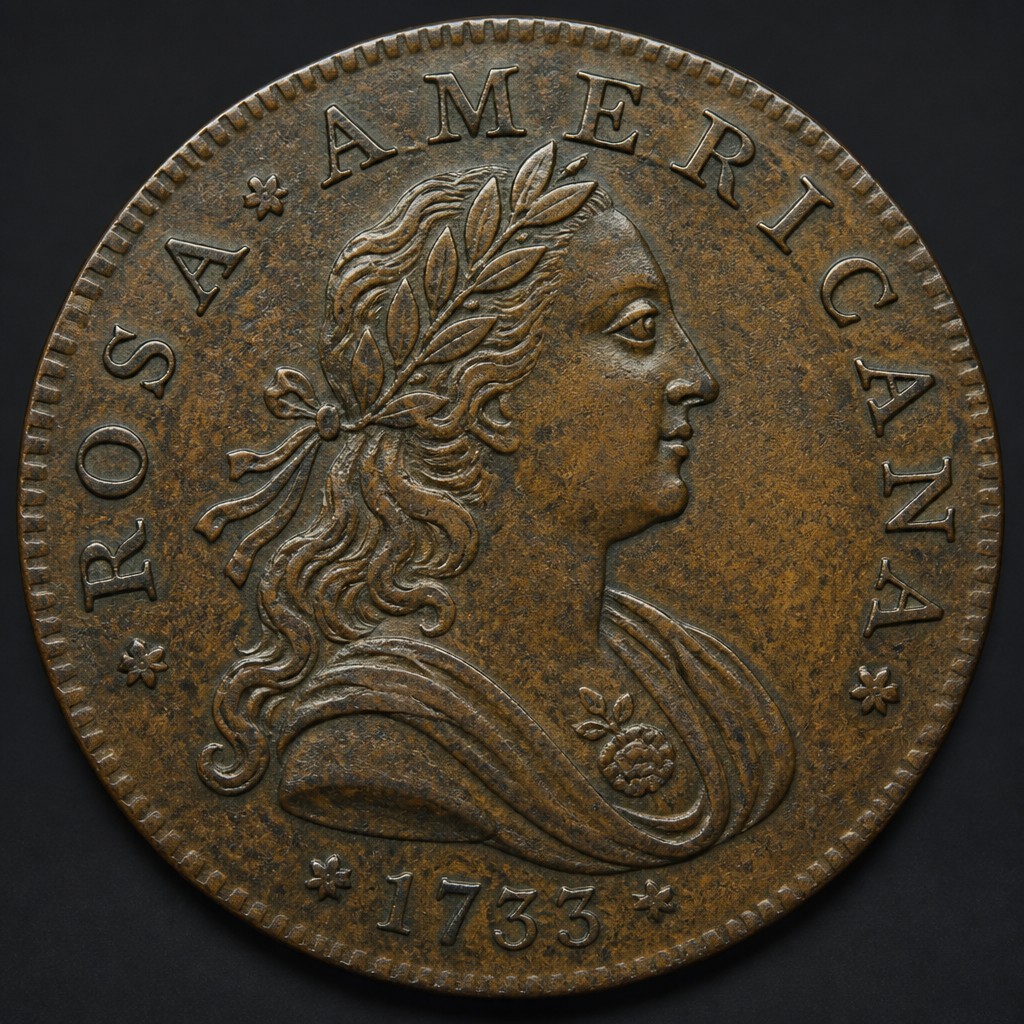
Rosa Americana Coinage
1722–1724 (with pattern issues dated 1733)
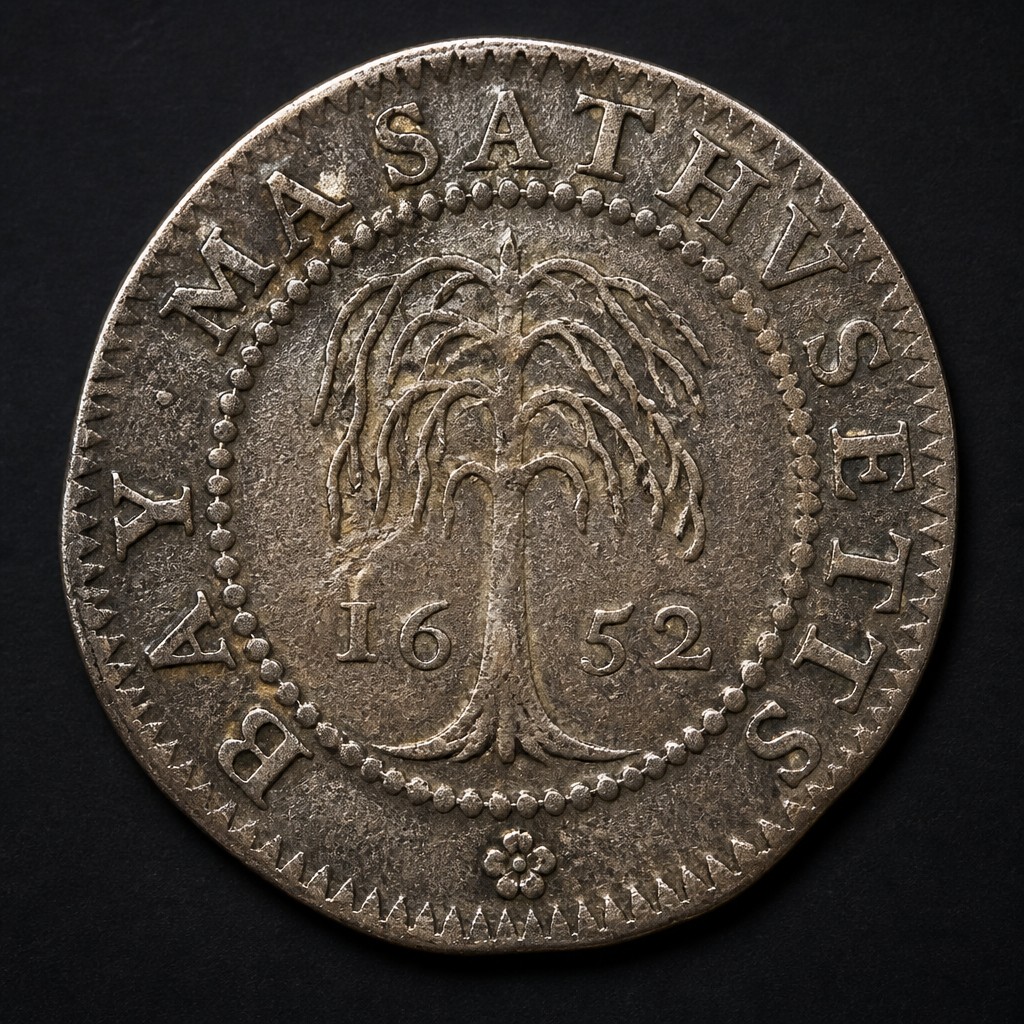
Massachusetts Willow Tree Shilling
Dated 1652, struck circa 1653–1660
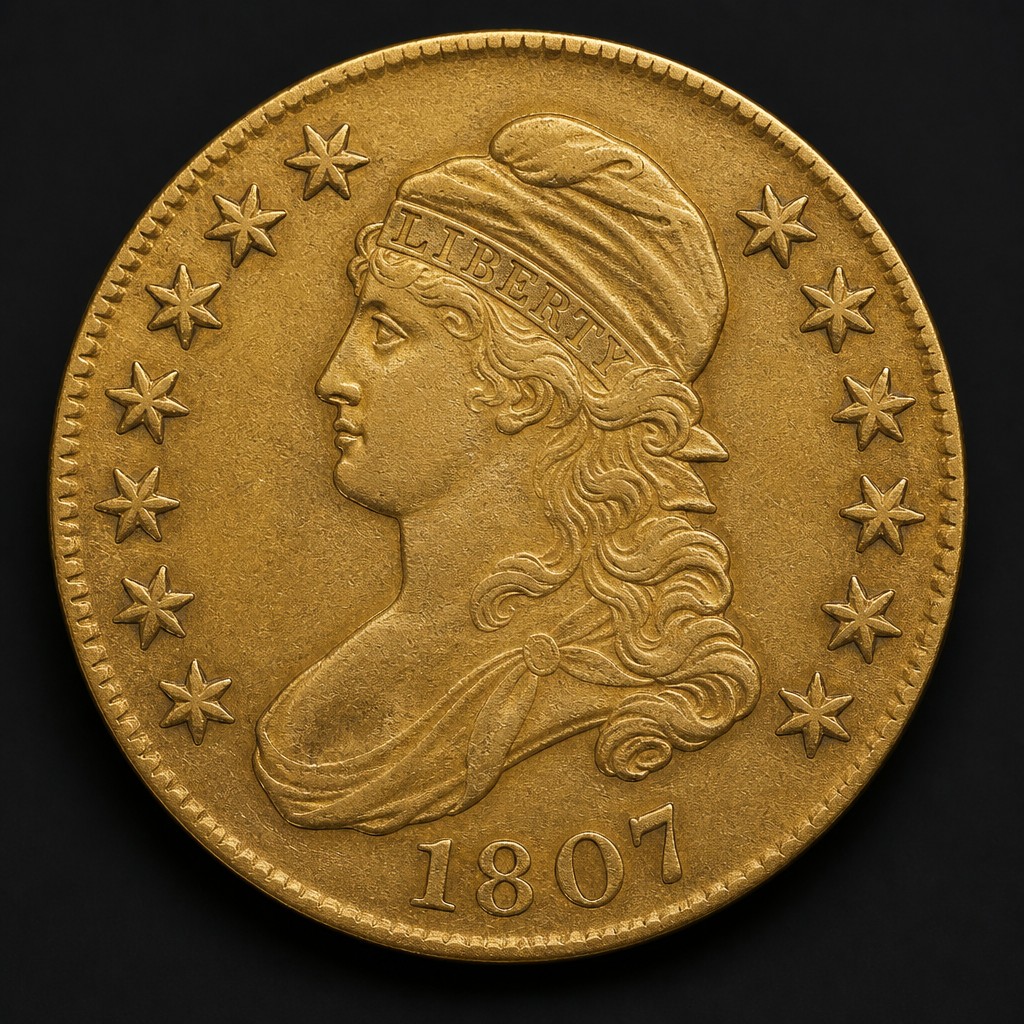
Capped Bust Half Eagle
1807–1812