
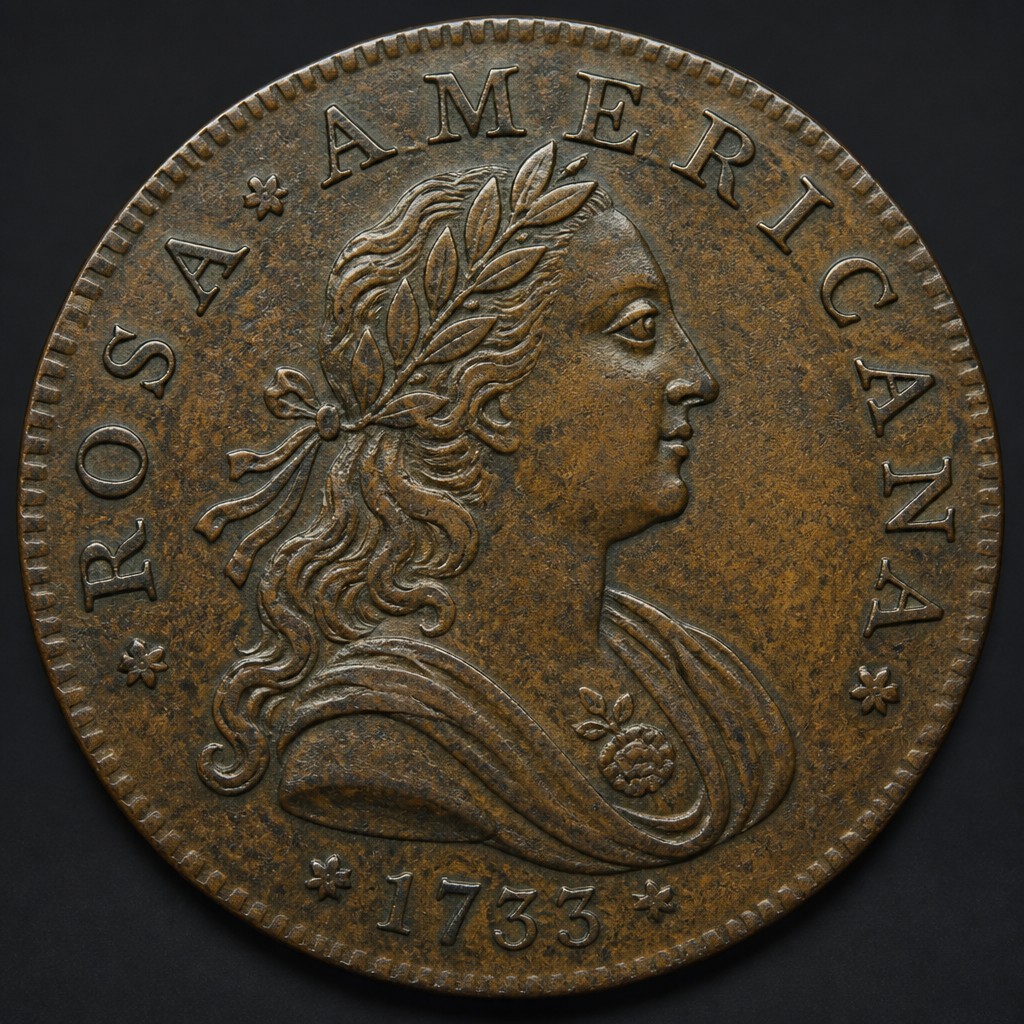
Rosa Americana Coinage
A British-issued colonial coinage for America under a patent granted to William Wood, showing a rose and King George I, that was widely rejected by colonists for its poor metal and overvaluation.
- Country
- Great Britain (issued for the American colonies)
- Denomination
- Halfpenny, Penny, and Twopence
- Metal
- Brass-like copper alloy known as 'Bath metal'
Got a coin like this?
Identify any coin from a photo, free.
Overview
Rosa Americana coinage represents an early and largely unsuccessful attempt by the British crown, acting through a private patent holder, to supply the American colonies with a standardized copper-alloy coinage during a period of chronic small-change shortages. Struck in England under a patent granted to businessman William Wood, the coins were intended to circulate throughout Britain's American colonies as a practical, if imperfect, solution to everyday commercial needs.
Despite the good intentions behind the patent, the coinage quickly ran into serious problems: colonists distrusted both the metal quality of the alloy used and the coin's assigned face value, which many felt overstated its real worth compared to standard British copper coinage. This distrust, combined with broader colonial resentment toward the patent arrangement itself, meant that Rosa Americana coins saw only limited and reluctant acceptance in everyday colonial trade.
Today, surviving examples are an important part of the story of pre-federal American coinage, illustrating both British efforts to address colonial monetary needs and the colonists' own skepticism toward coinage imposed from London without local input.
History & Background
In 1722, King George I granted a patent to William Wood, an English businessman, authorizing him to produce copper coinage specifically intended for circulation in the American colonies, an arrangement that promised Wood significant profit from the coinage privilege. Wood's coins were struck from a copper alloy sometimes called 'Bath metal,' chosen partly for its appearance but criticized by contemporaries as inferior to standard British copper.
Colonial reception was largely hostile: many colonists viewed the coinage as both poor in quality and unfairly overvalued relative to its actual metal content, while the patent arrangement itself was resented as another example of decisions being made about colonial affairs in London without meaningful colonial input. This resistance significantly limited the coinage's practical circulation compared to what Wood and the crown had originally intended.
Production of Rosa Americana coinage continued only briefly, mainly from 1722 to 1724, with some pattern pieces dated as late as 1733, before the patent effectively lapsed amid continuing colonial rejection, leaving the episode as a cautionary historical example of colonial monetary policy imposed without local buy-in.
How to Identify
The obverse of Rosa Americana coins bears a laureate bust of King George I facing right, with the Latin legend GEORGIUS DEI GRATIA REX around the rim. The reverse depicts a crowned rose at the center, along with the motto ROSA AMERICANA UTILE DULCI ('the American rose, the useful with the sweet'), and the denomination is indicated by wording such as PENNY, HALFPENNY, or TWOPENCE along with the date.
The coins are struck in a distinctive copper-brass alloy rather than pure copper, giving genuine examples a somewhat different color and texture compared to standard contemporary British copper coinage of similar size. Diameter and weight vary by denomination, with the twopence being the largest of the three main values produced.
Because Rosa Americana coins share some stylistic similarities with other early eighteenth-century British colonial coinage, particularly Wood's related Hibernia coinage for Ireland, collectors distinguish them primarily by the rose reverse design and the specific Rosa Americana legend, which are unique to this particular coinage.
Value & Collectibility
Common Rosa Americana halfpennies and pennies in worn condition are relatively accessible to colonial coin collectors, often trading from roughly one hundred to a few hundred dollars depending on specific date, denomination, and condition. Scarcer die varieties, particularly certain twopence issues or unusual metal compositions, can bring meaningfully higher prices.
As with most colonial-era coinage, well-struck, lightly worn, or high-grade examples command a significant premium over heavily worn or corroded pieces, since surviving specimens often show considerable circulation wear given their intended use as everyday small change.
Specialists in colonial American numismatics particularly value well-documented die varieties and pattern issues, including the rarer 1733 dated patterns, which can be considerably scarcer and more valuable than the more commonly encountered 1722 to 1724 dated pieces.
Frequently asked questions
Who issued Rosa Americana coinage?
It was struck under a royal patent granted to English businessman William Wood, intended for circulation in Britain's American colonies.
Why were the coins unpopular with colonists?
Colonists distrusted both the quality of the copper alloy used and the coin's assigned value, which many felt was higher than its real worth.
What does the rose on the coin represent?
It symbolizes the 'American rose' referenced in the coin's Latin motto, tying the design to the colonies the coinage was meant to serve.
Is Rosa Americana coinage related to Wood's Hibernia coinage?
Yes, both were produced under patents held by William Wood around the same period, though Hibernia coinage was intended primarily for Ireland.
Other coins you may enjoy
Virginia Halfpenny
1773
Brasher Doubloon
1787
Higley Copper
1737–1739
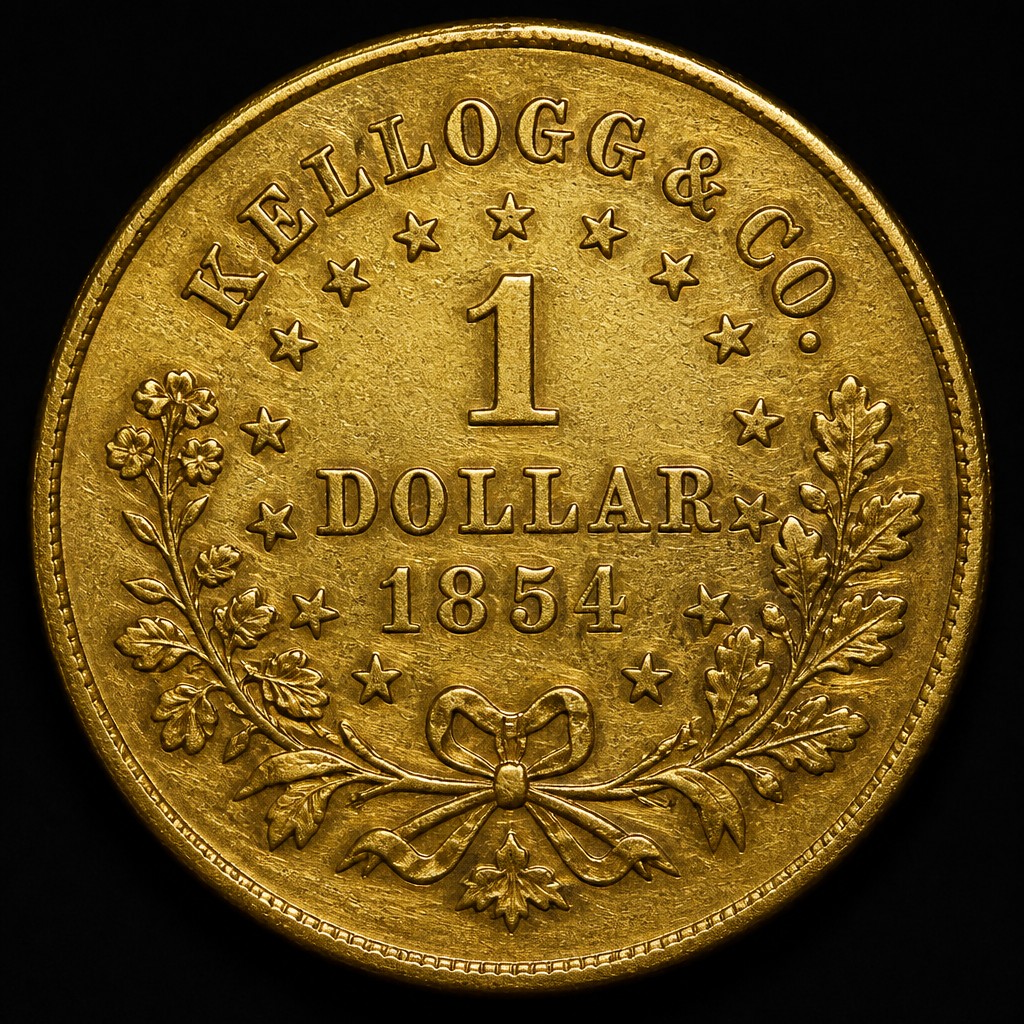
Kellogg & Co. Gold Piece
1854–1855
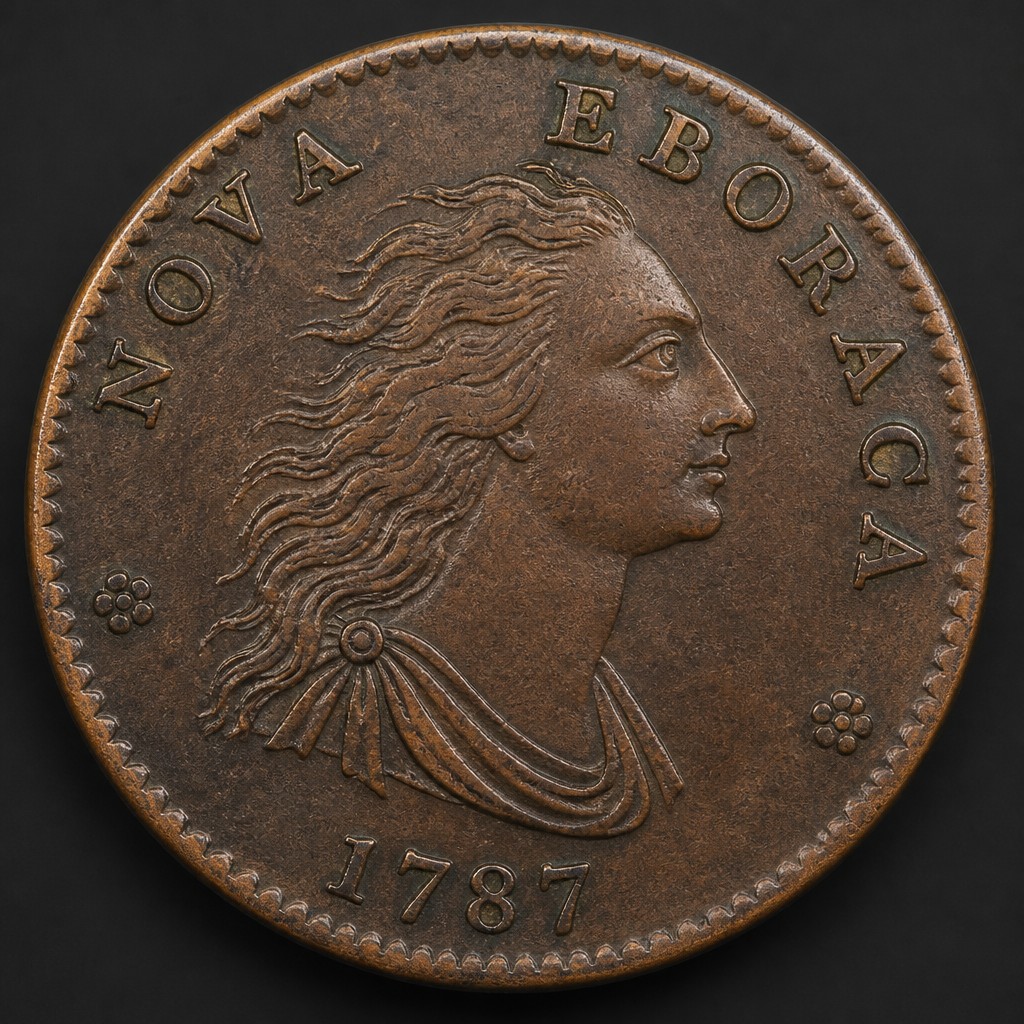
Nova Eborac Copper
1787
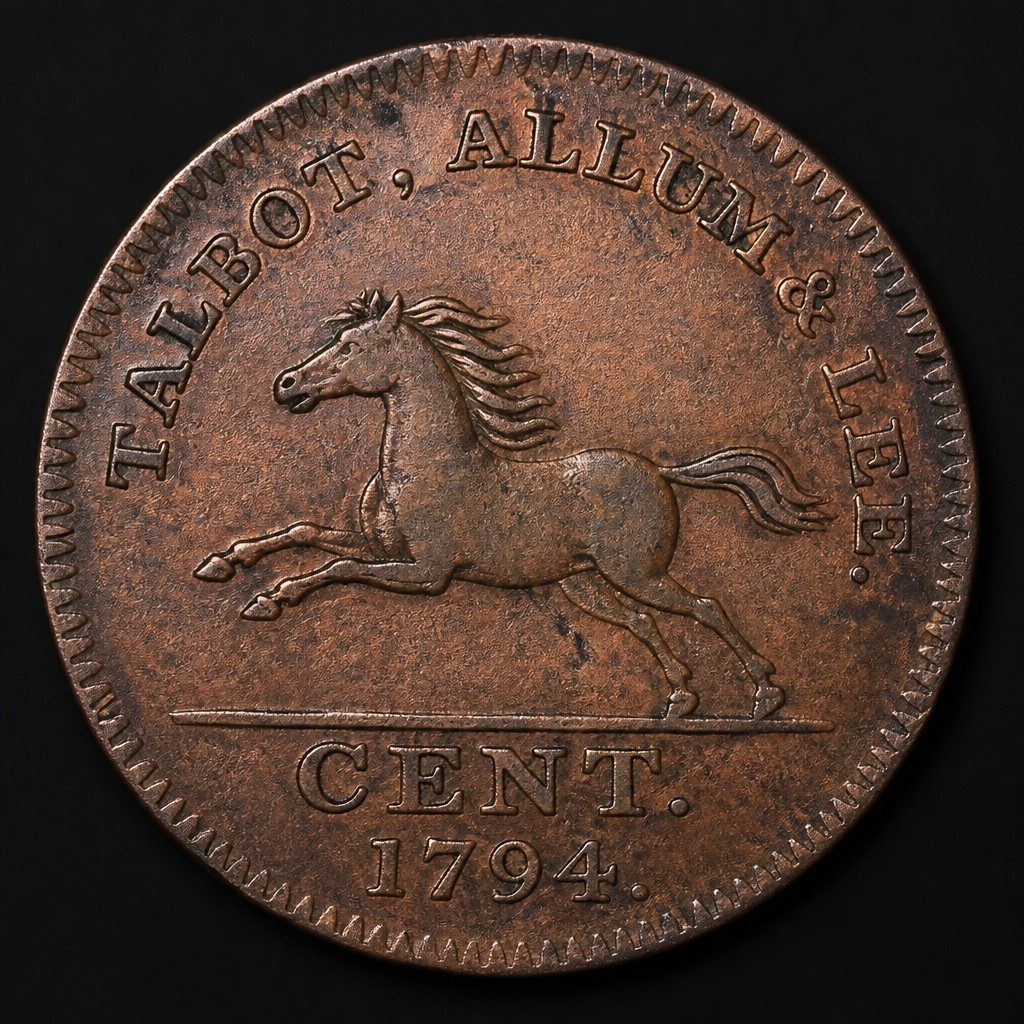
Talbot, Allum & Lee Cent
1794–1795
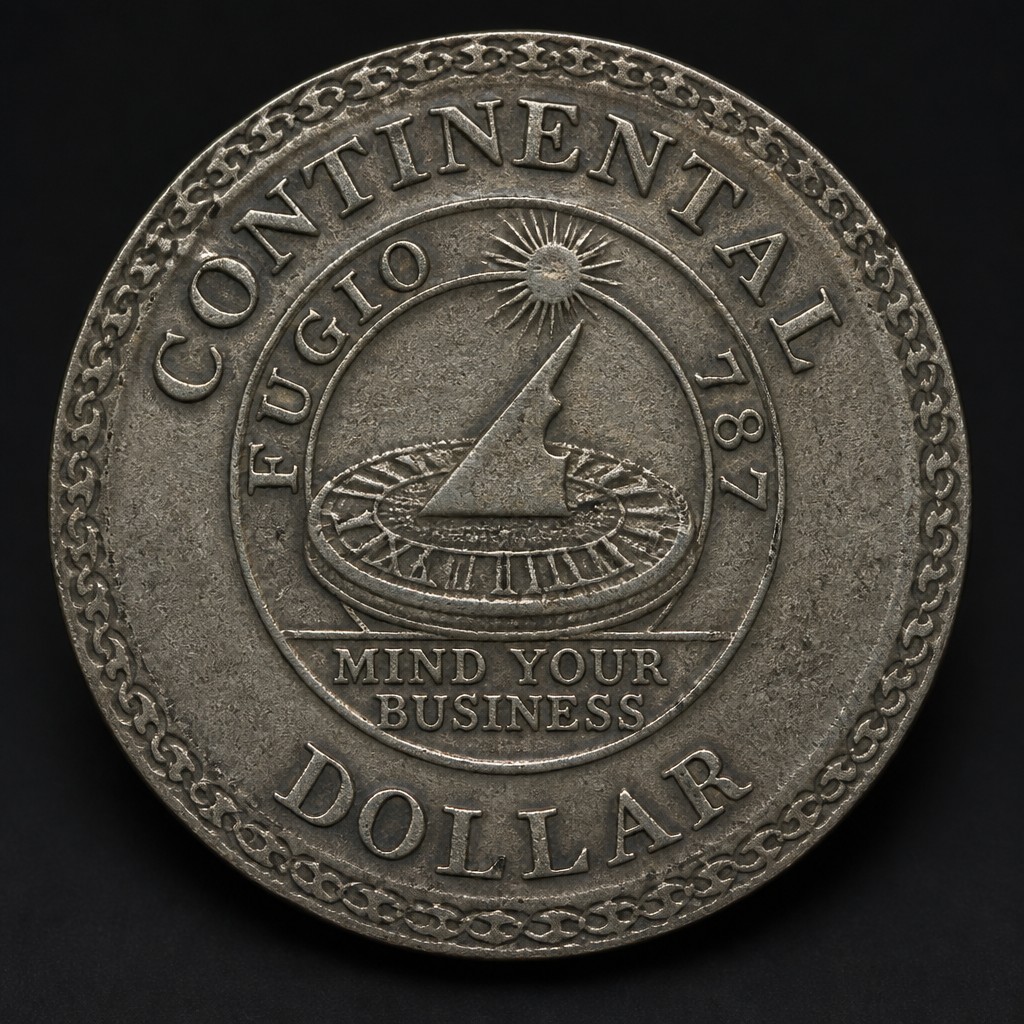
Continental Dollar
1776
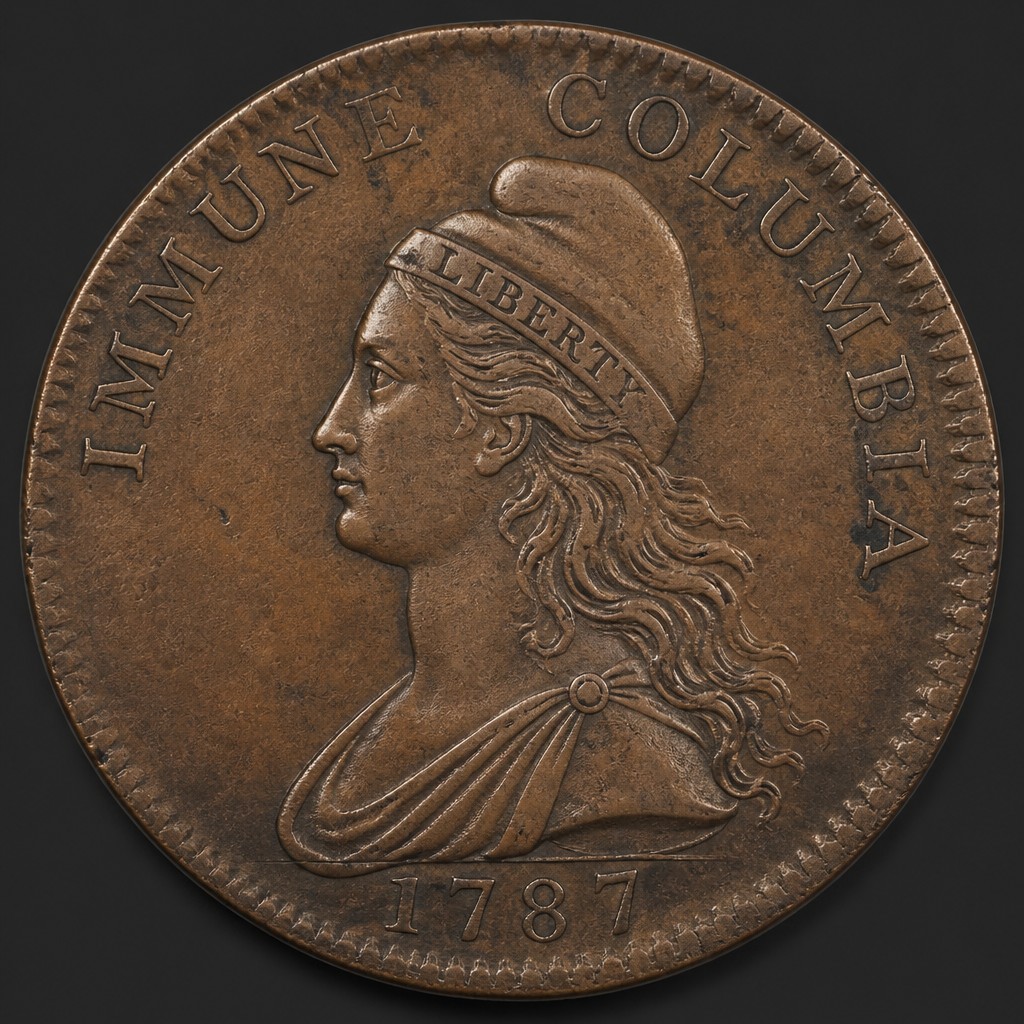
Immune Columbia Copper
circa 1785–1787
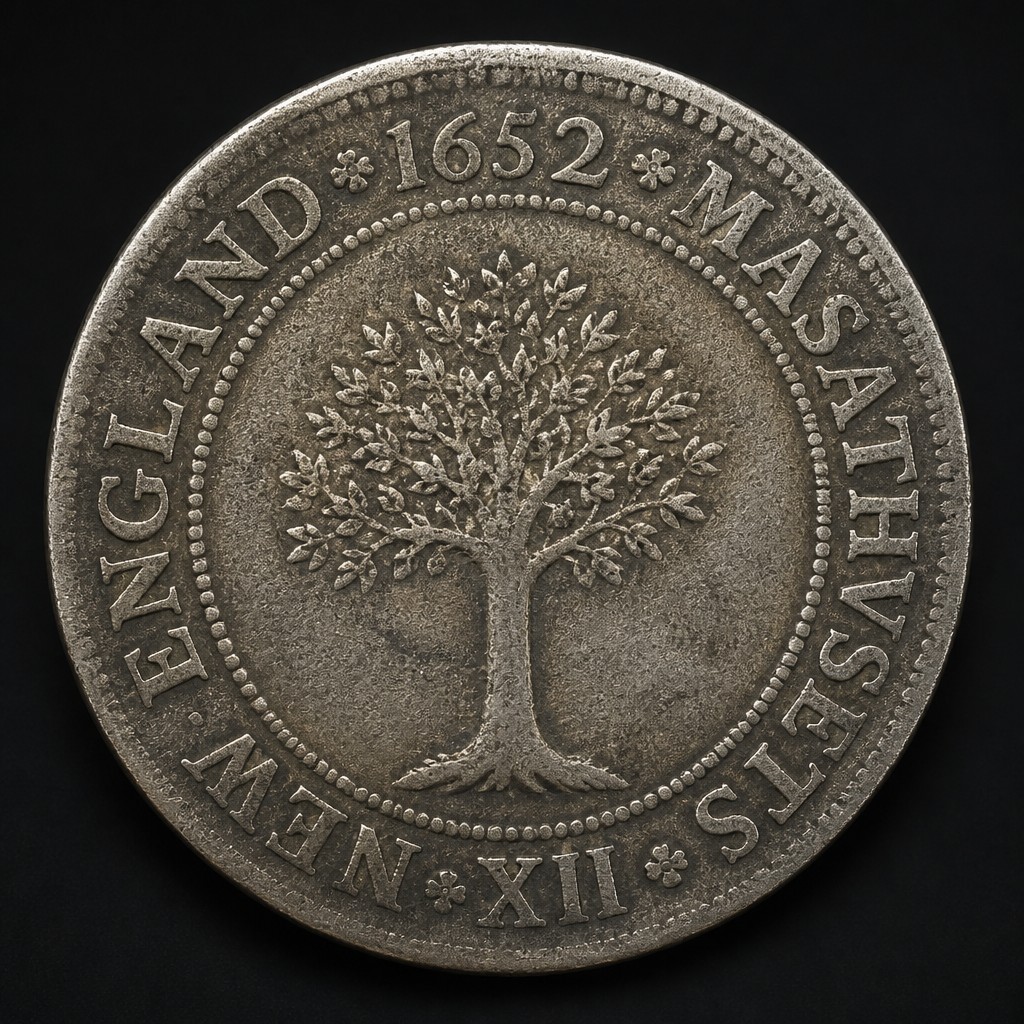
Massachusetts Oak Tree Shilling
Dated 1652, struck circa 1660–1667
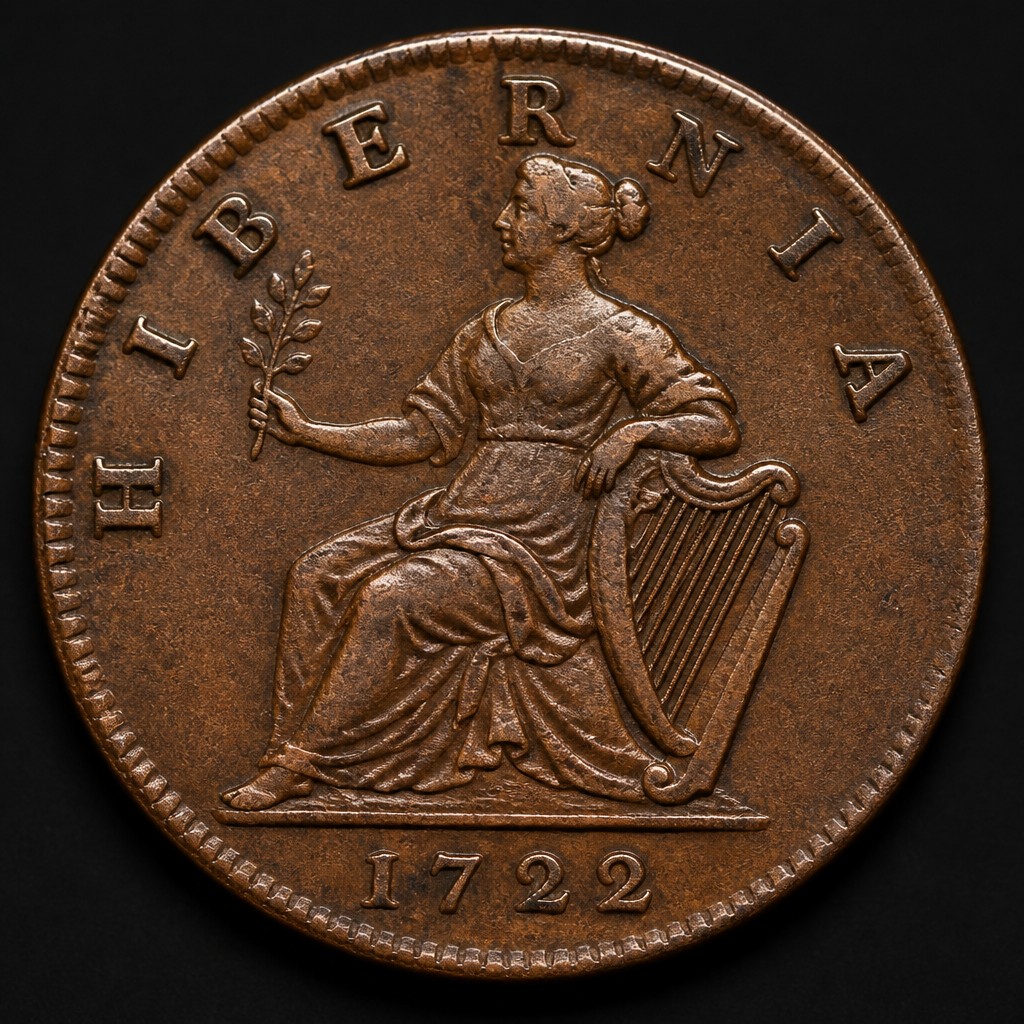
Wood's Hibernia Halfpenny
1722–1724
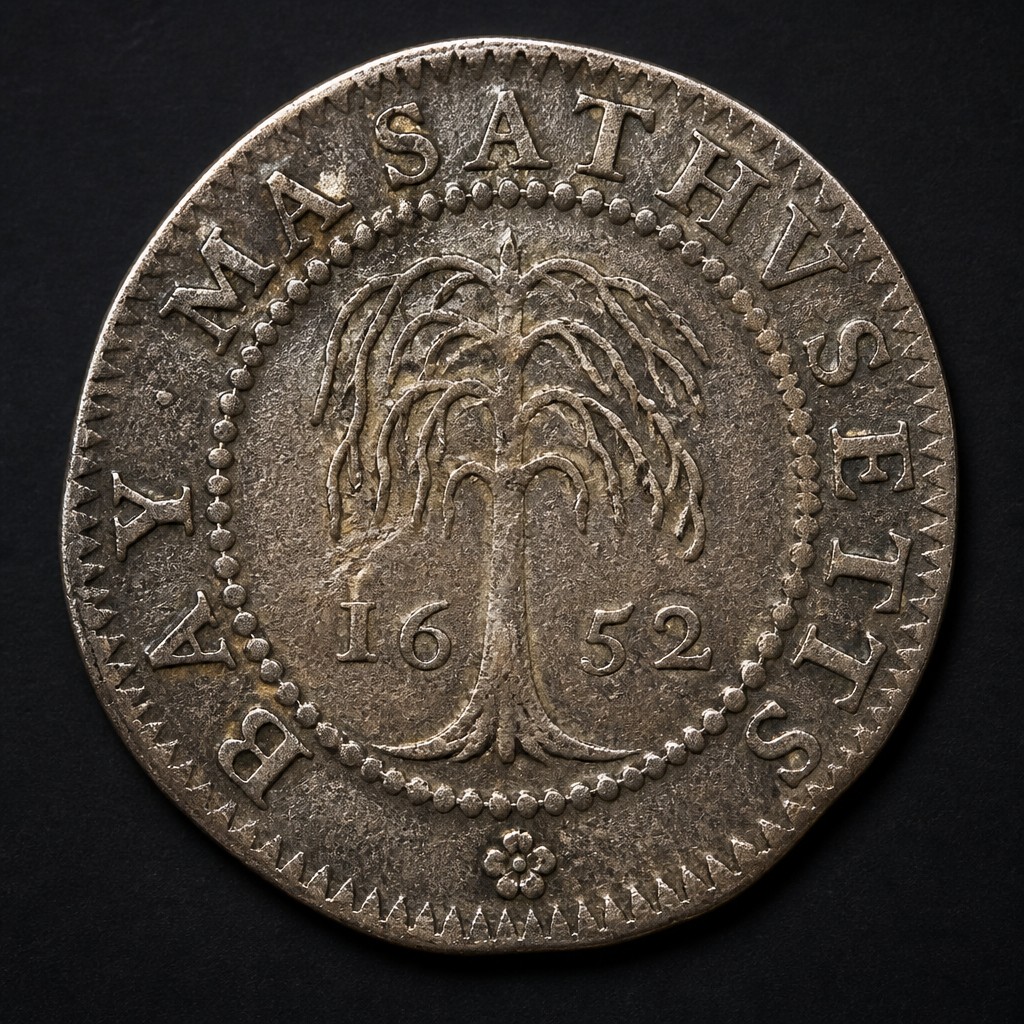
Massachusetts Willow Tree Shilling
Dated 1652, struck circa 1653–1660
Capped Bust Half Eagle
1807–1812