
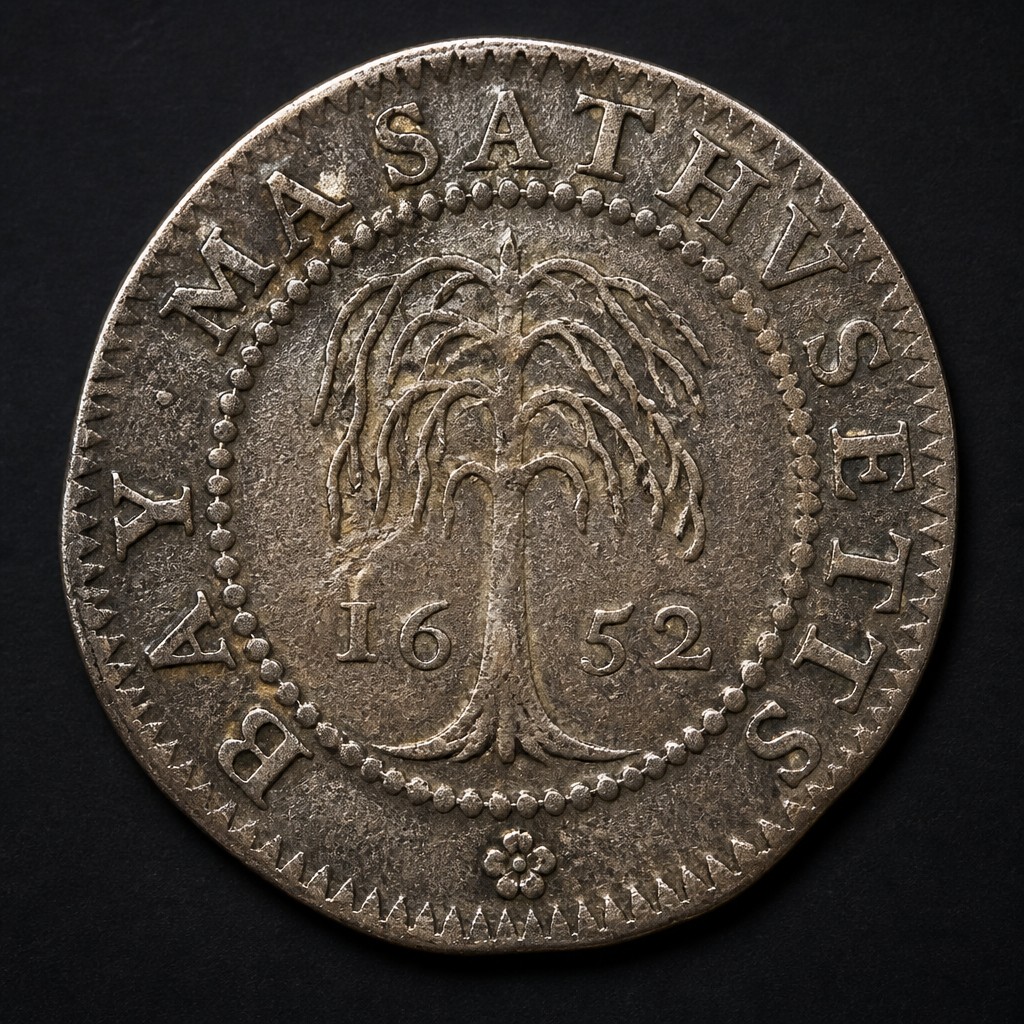
Massachusetts Willow Tree Shilling
The rarest of Massachusetts Bay's tree-series colonial shillings, struck in secret defiance of English law and all frozen with the date 1652 regardless of actual striking year.
- Country
- Massachusetts Bay Colony
- Denomination
- 1 Shilling
- Metal
- Silver
Got a coin like this?
Identify any coin from a photo, free.
Overview
The Willow Tree shilling is the first of the celebrated 'tree series' coins minted by the Massachusetts Bay Colony, struck at a small colonial mint in Boston during a period when the colonies had no formal royal authorization to coin their own money. Because the colony deliberately kept every coin dated 1652, regardless of the year it was actually struck, the Willow Tree shilling's true production window can only be estimated from historical and stylistic evidence rather than the date on the coin itself.
As the earliest and shortest-lived design in the tree series, which later continued with the Oak Tree and then the more common Pine Tree shillings, the Willow Tree issue survives today in only a small number of examples, most showing significant wear or striking weakness typical of the primitive minting equipment used at the time.
Its rarity and status as a foundational piece of American colonial coinage make it one of the most desirable and expensive coins in the entire early American series, sought after by advanced collectors of colonial and pre-federal U.S. numismatics.
History & Background
In 1652, the Massachusetts Bay Colony, needing a reliable local currency and frustrated by chronic shortages of small change, authorized John Hull and his partner Robert Sanderson to establish a mint in Boston to strike silver coins from bullion brought in by colonists, despite the colony technically lacking royal permission to coin money. To avoid drawing unwanted attention from the English crown, the colony had all coins dated 1652 no matter when they were actually produced, a practice that continued for decades.
The earliest tree-series design used at this mint is now known as the Willow Tree type, believed to have been struck for a relatively brief initial period before giving way to the Oak Tree design. Production techniques were primitive, using simple hand-operated presses, which resulted in coins that were often unevenly struck, off-center, or showing incomplete design elements.
Because of the small number surviving today and their status as the first substantial silver coinage struck within the future United States, Willow Tree shillings occupy a foundational place in American numismatic history, predating the country's independence by well over a century.
How to Identify
The obverse shows a stylized willow tree design at the center, surrounded by the legend MASATHVSETS (or similar contemporary spelling) around the rim. The reverse bears the date 1652, the denomination NE ANGLIA (or similar), and the value in Roman numerals, all within a beaded border, following the general pattern used across the later Oak Tree and Pine Tree shillings as well.
Willow Tree shillings are generally small, silver, and irregularly struck, often showing weak or incomplete detail due to the primitive press technology of the Boston mint, and genuine examples are almost always found with significant wear given both their age and historical circulation. The overall silver standard aimed to approximate English sterling coinage of the period, though weight and fineness could vary somewhat between individual pieces.
Distinguishing a genuine Willow Tree shilling from the later, more common Oak Tree and Pine Tree types requires careful attention to the tree design itself, as each type uses a visually distinct rendering; given the coin's high value and rarity, any purchase should involve certification from a recognized numismatic grading service.
Value & Collectibility
The Willow Tree shilling is exceptionally rare and consistently ranks among the most valuable coins in American colonial numismatics, with authenticated examples typically commanding prices well into the tens of thousands of dollars or more depending on condition and specific variety, even in relatively worn grades.
Because so few examples are known to survive, condition sensitivity is somewhat different from more common coin types: even modestly preserved genuine pieces are highly desirable simply due to their extreme rarity, though sharper strikes and better overall eye appeal do command further premiums among advanced specialists.
Given the coin's rarity and value, authentication by a major numismatic grading service is essential before any purchase, as the historical importance and price level of Willow Tree shillings have made them a target for careful scrutiny and, historically, occasional forgeries.
Frequently asked questions
Why are all Willow Tree shillings dated 1652?
The colony froze the date at 1652 to obscure how long the unauthorized mint had actually been operating, regardless of the true striking year.
What makes the Willow Tree shilling rarer than the Oak Tree or Pine Tree types?
It represents the earliest and apparently shortest production run of the Massachusetts tree series, leaving far fewer surviving examples.
Where were these coins made?
At a mint established in Boston by John Hull and Robert Sanderson under authorization from the Massachusetts Bay Colony.
Was it legal for Massachusetts to coin money?
Not strictly under English law at the time, which is part of why the colony obscured the true dates of production.
Other coins you may enjoy
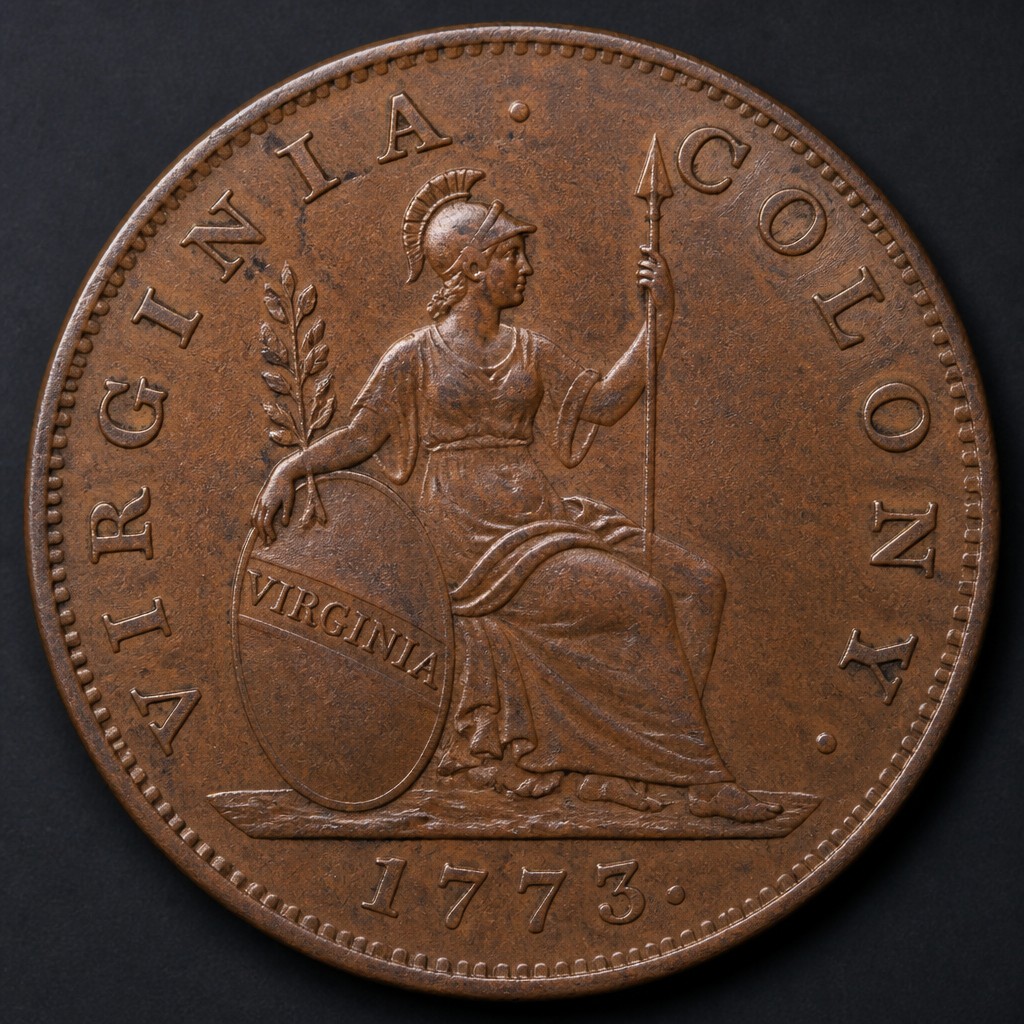
Virginia Halfpenny
1773
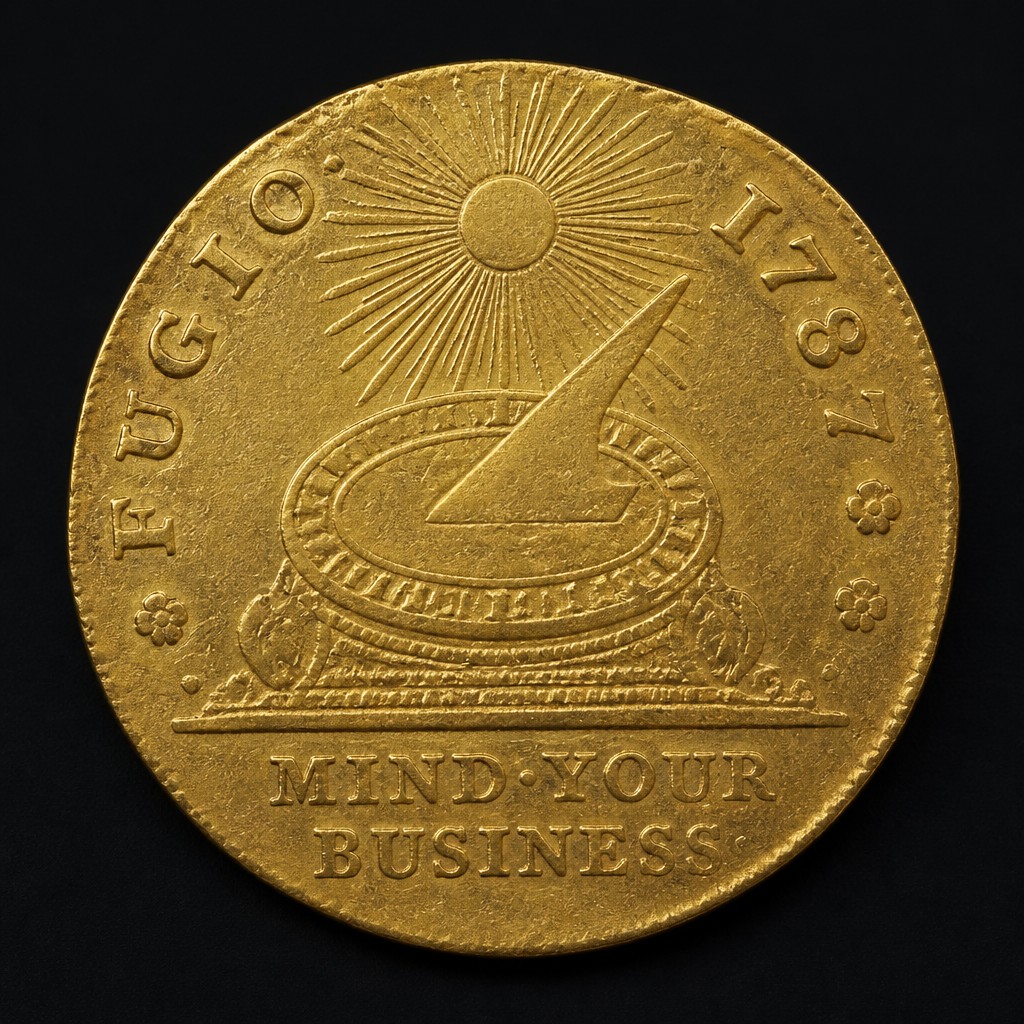
Brasher Doubloon
1787
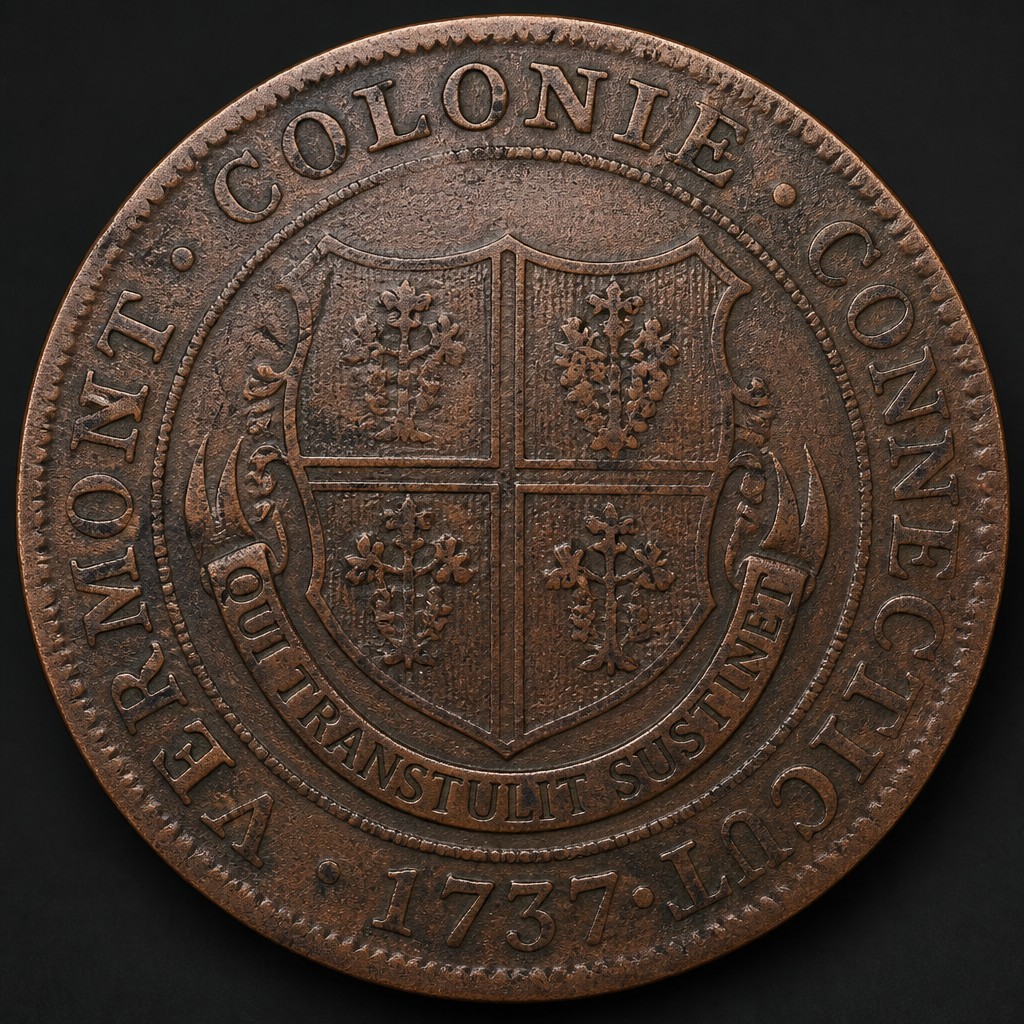
Higley Copper
1737–1739
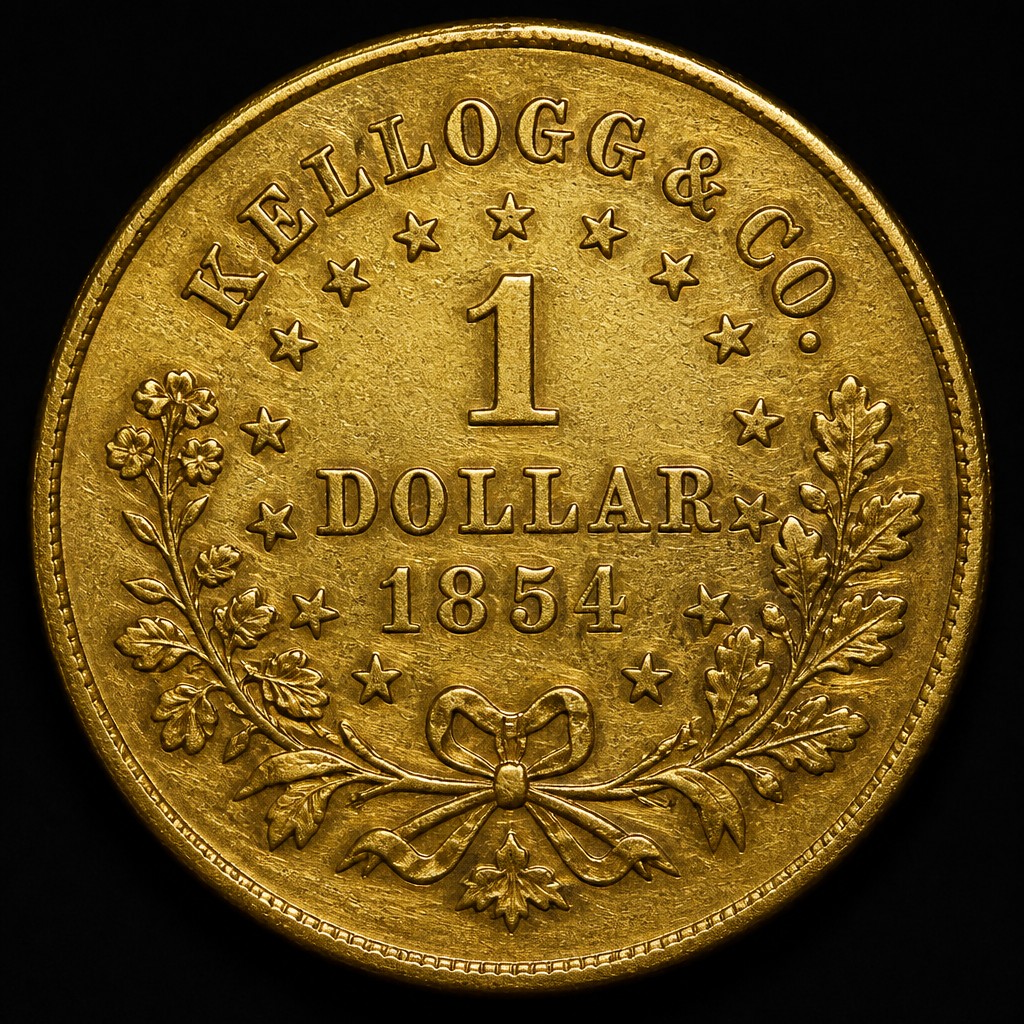
Kellogg & Co. Gold Piece
1854–1855
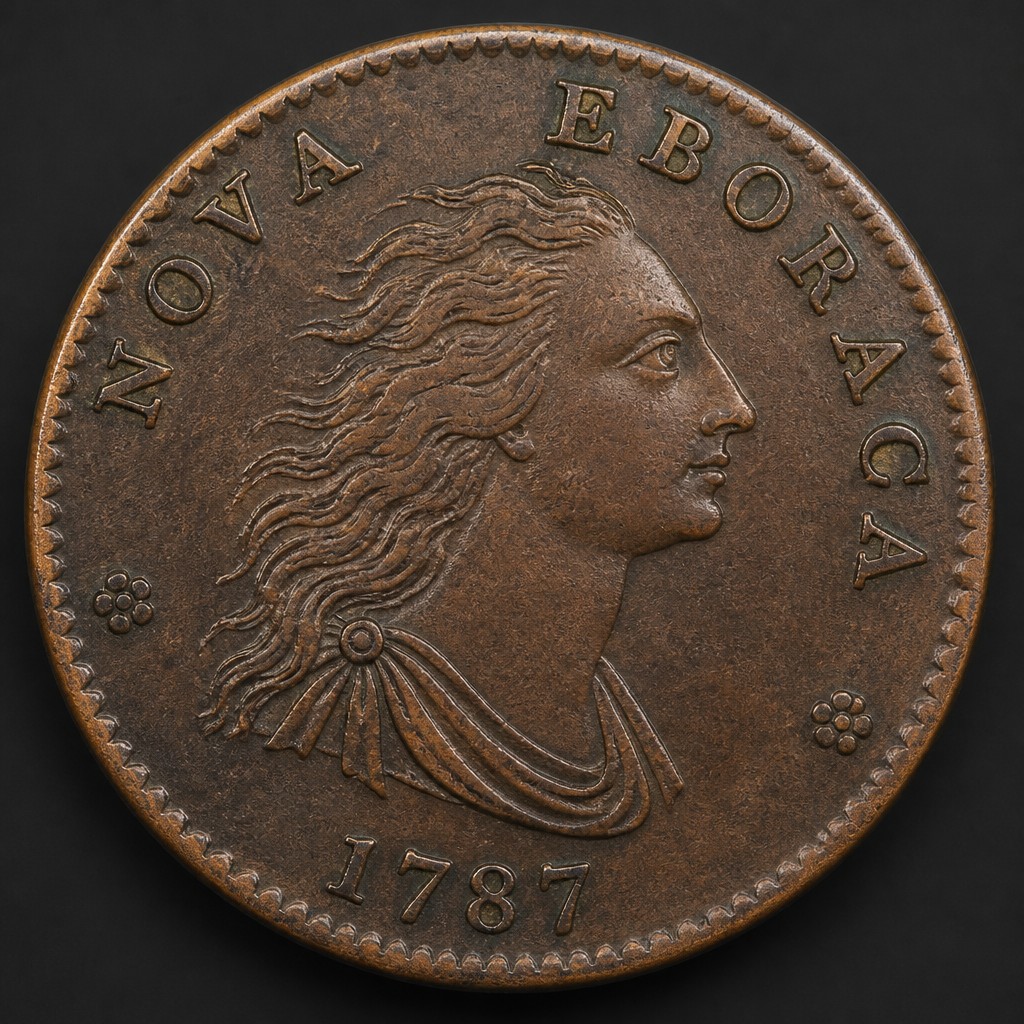
Nova Eborac Copper
1787
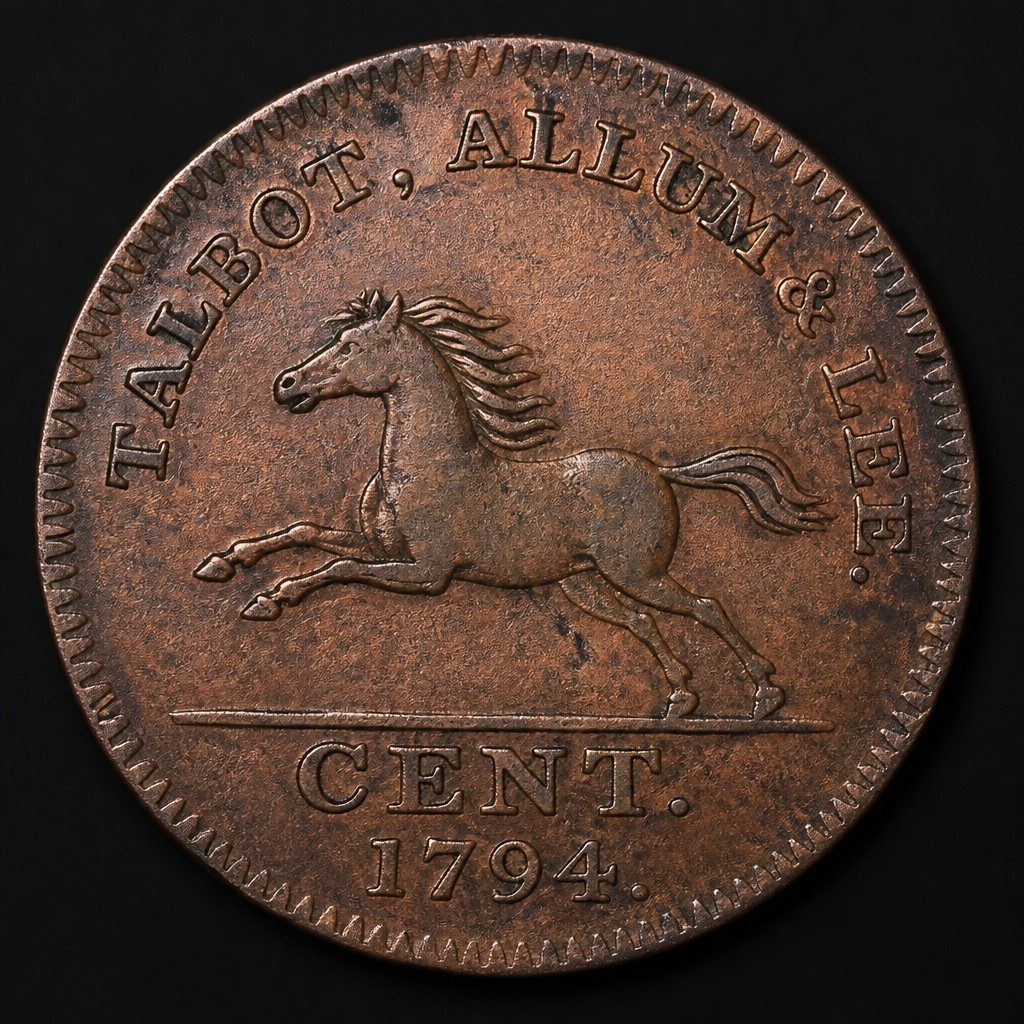
Talbot, Allum & Lee Cent
1794–1795
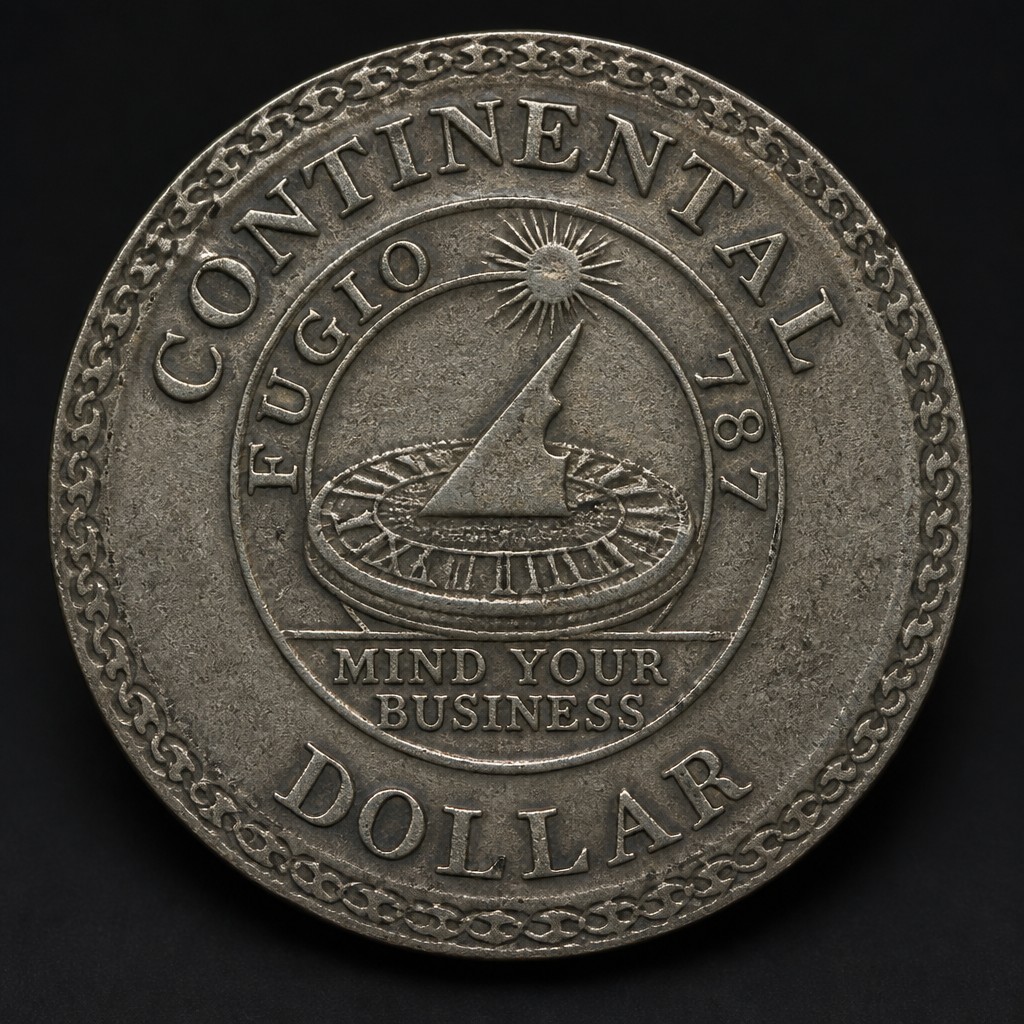
Continental Dollar
1776
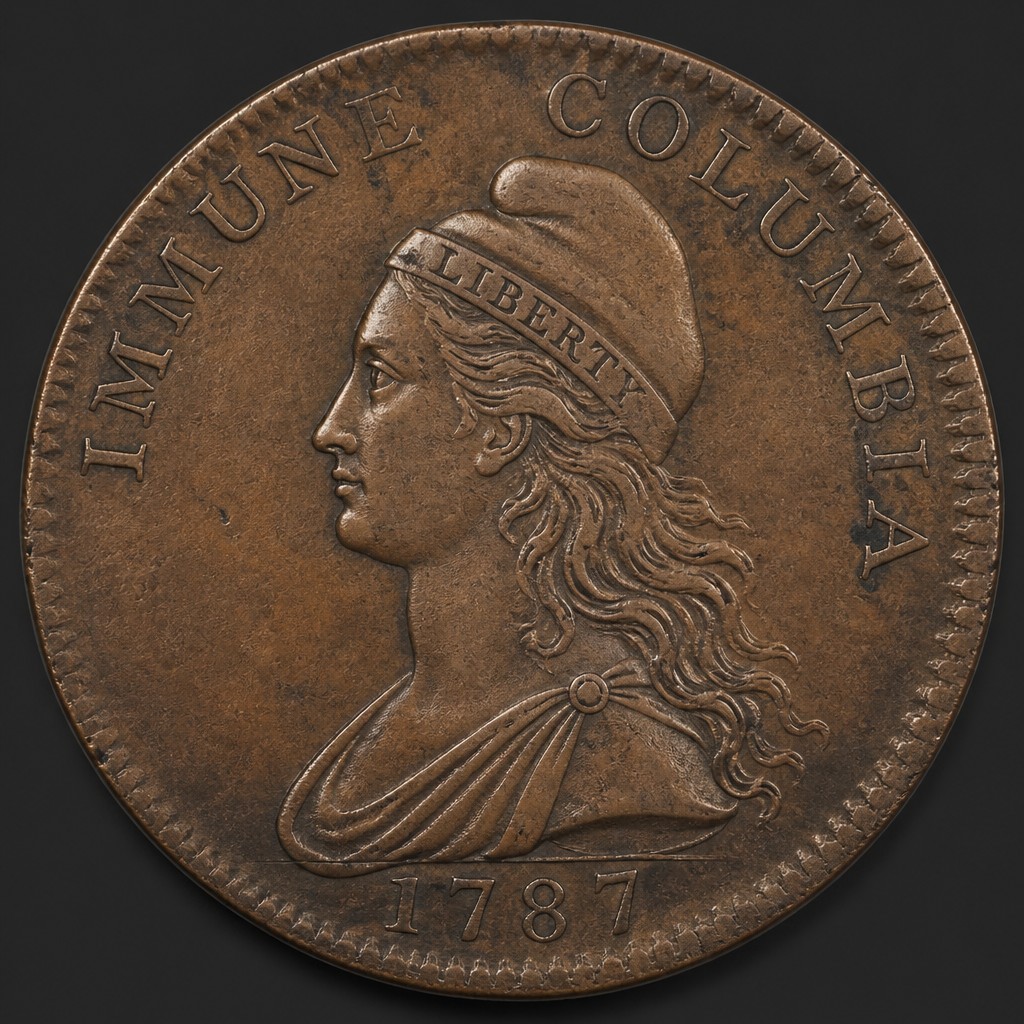
Immune Columbia Copper
circa 1785–1787
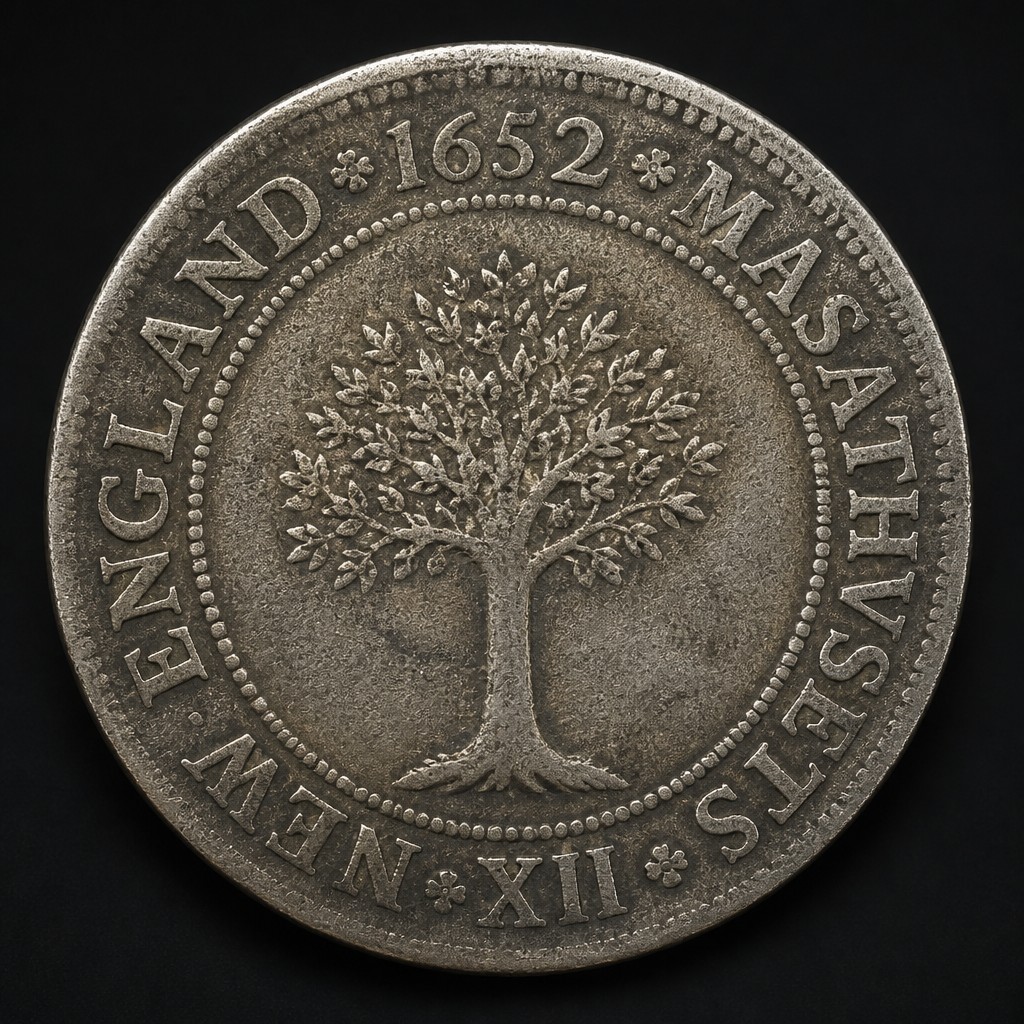
Massachusetts Oak Tree Shilling
Dated 1652, struck circa 1660–1667
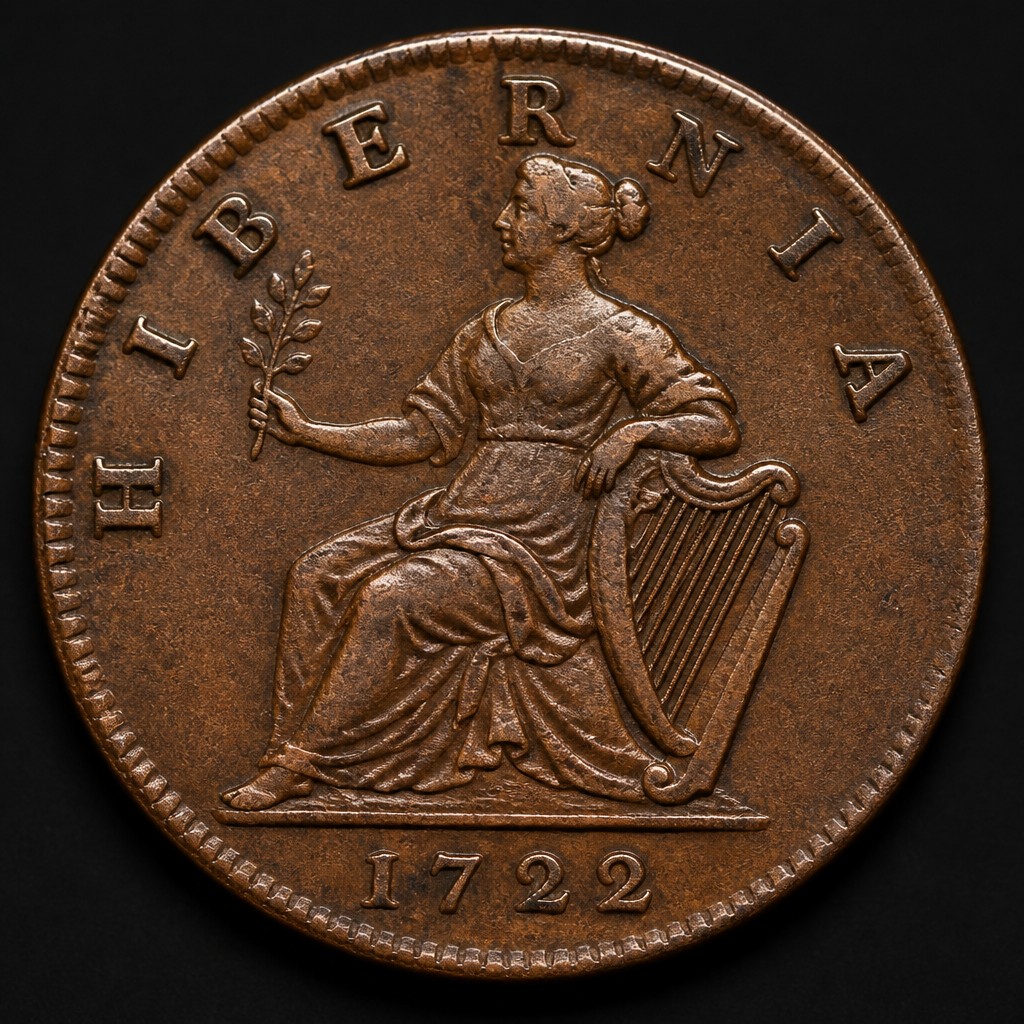
Wood's Hibernia Halfpenny
1722–1724
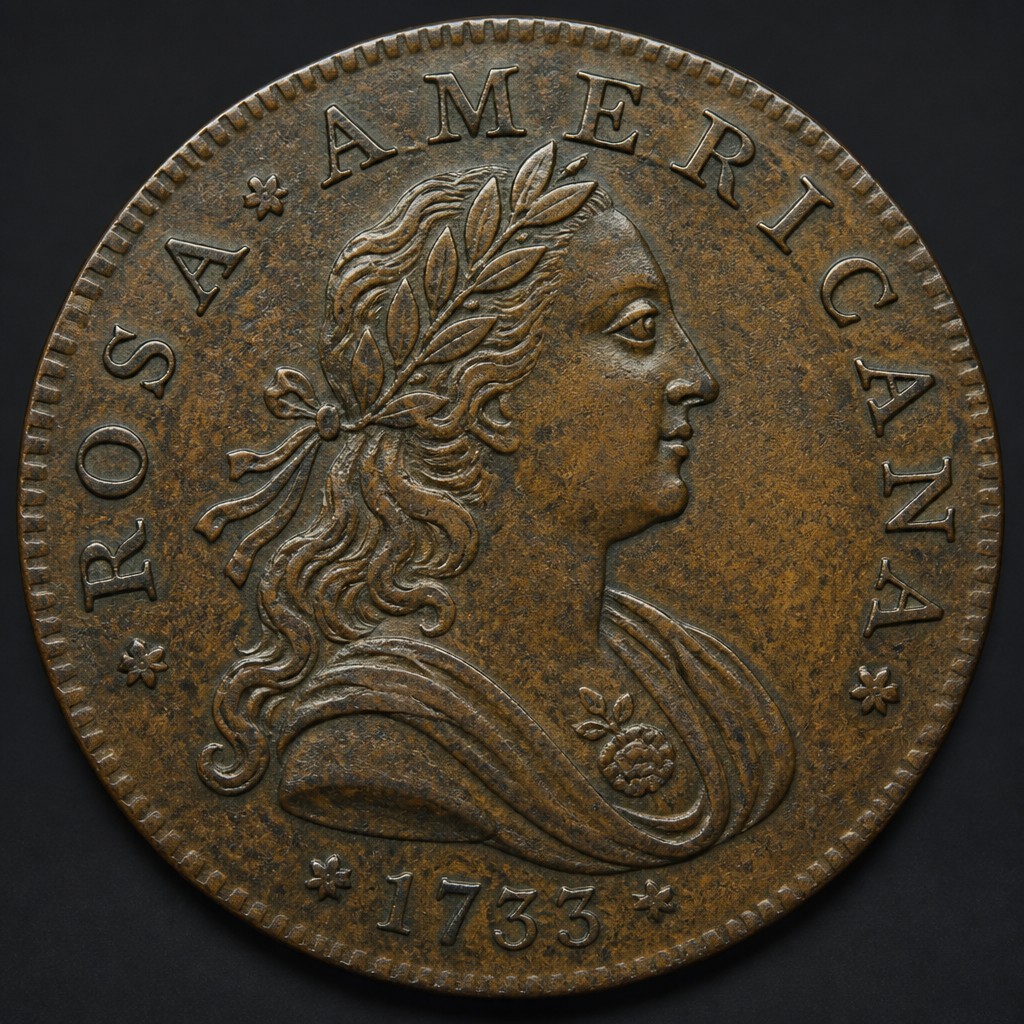
Rosa Americana Coinage
1722–1724 (with pattern issues dated 1733)
Capped Bust Half Eagle
1807–1812