
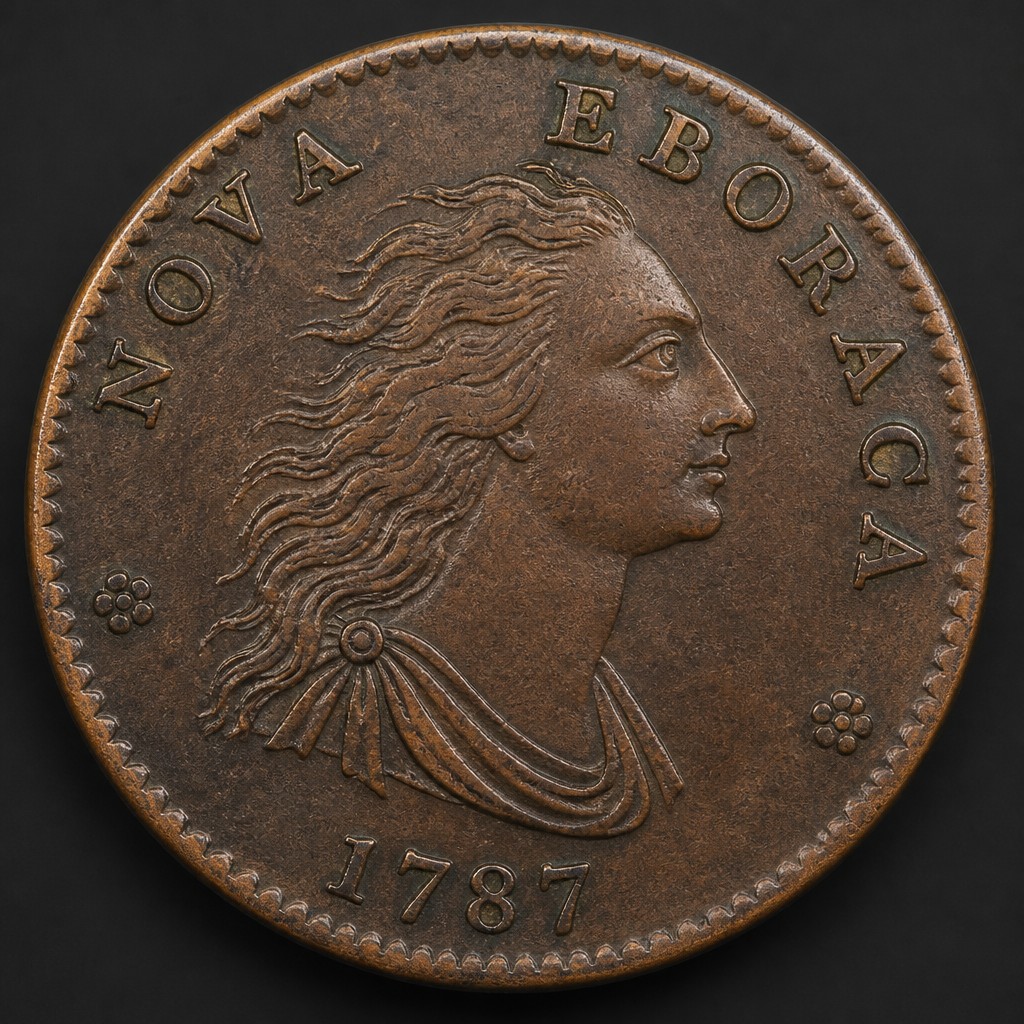
Nova Eborac Copper
A 1787-dated copper bearing the Latin name for New York, struck privately after the state failed to authorize its own copper coinage contract during the chaotic Confederation-era coin shortage.
- Country
- United States (New York, Confederation era)
- Denomination
- Unofficial copper (approximate cent value)
- Metal
- Copper
Got a coin like this?
Identify any coin from a photo, free.
Overview
The Nova Eborac Copper takes its name from 'Nova Eboracum,' a Latinized form of New York, and belongs to the broader family of state-related coppers struck during the 1780s when the United States had no functioning national coinage system. Unlike the Connecticut, Vermont, and New Jersey coppers, which were issued under formal state contracts, New York never successfully authorized an official copper coin, despite several legislative attempts, so the Nova Eborac pieces are generally regarded as a private or quasi-official production rather than a true state issue.
The coin's seated figures on obverse and reverse recall classical allegorical imagery common on European coinage of the period, likely intended to lend the piece an air of legitimacy in a market flooded with underweight and imitation coppers. Two principal die varieties exist, distinguished by the direction the seated figure on the obverse faces.
Today the Nova Eborac Copper is a popular target for collectors specializing in colonial and Confederation-period American coinage, valued both for its historical connection to New York and its relative scarcity compared to more common state coppers.
History & Background
During the 1780s, the Confederation Congress lacked the authority to strike a uniform national coinage, and individual states experimented with granting private minting contracts to fill the resulting shortage of small change. New York's legislature debated several such proposals but ultimately failed to award a contract, leaving the state without an authorized copper coin even as neighboring Connecticut, New Jersey, and Vermont moved forward with their own issues.
Into this gap stepped private coiners who produced coppers referencing New York without state sanction, including the Nova Eborac series. The exact minter and location of production remain uncertain, though numismatists have connected the dies stylistically to some of the same engravers and coining operations active in producing other Confederation-era coppers in the New York and New England region.
Because it was never an authorized government issue, the Nova Eborac Copper occupies a gray area between an official state coin and a private token, but it is nonetheless collected and cataloged alongside the state coppers due to its clear New York association and 1787 date, a year of intense activity in American private and state coinage.
How to Identify
The obverse shows a seated female figure, generally interpreted as an allegorical representation such as Liberty or Justice, with the legend 'NOVA EBORAC' around the border. Two major varieties exist: one with the seated figure facing right, and a scarcer variety with the figure facing left.
The reverse depicts a different seated figure, often shown facing right and sometimes interpreted as holding scales or a related emblem, with a Latin legend that varies by die pairing. As with most Confederation-era coppers, striking quality is inconsistent, and planchets are often irregular, off-center, or lightly struck.
Collectors distinguish the Nova Eborac Copper from other Confederation coppers primarily by its distinctive seated-figure obverse and the 'NOVA EBORAC' legend, which is unique to this series. It should not be confused with the Excelsior coppers, which also relate to New York but carry different imagery (an eagle and arms design) and legends.
Value & Collectibility
Nova Eborac Coppers are scarcer than many other Confederation-era state coppers, and even well-worn, problem-free examples typically bring solid three-figure to low four-figure prices, with the figure-facing-left variety generally commanding a premium over the more available right-facing type. Sharp, well-centered strikes with good surfaces are difficult to find, since most pieces were struck on crude equipment from imperfect planchets.
As with all colonial coppers, environmental damage, porosity, and off-center strikes are common and significantly affect value, so eye appeal and originality of surface color are weighed heavily by specialists in addition to the numeric grade. High-grade or exceptional-strike examples are considered condition rarities within the series.
Frequently asked questions
Was the Nova Eborac Copper an official New York coin?
No. New York never awarded an official copper coinage contract, so this piece is regarded as a private or quasi-official production rather than a state-authorized coin.
What does 'Nova Eborac' mean?
It is a Latinized form of 'New York,' derived from Eboracum, the Roman name for the English city of York.
What is the main variety collectors look for?
Collectors distinguish pieces by whether the obverse seated figure faces left or right, with the left-facing variety generally being scarcer.
How does it differ from an Excelsior copper?
Excelsior coppers, also linked to New York, feature an eagle-and-arms design rather than the seated-figure imagery of the Nova Eborac type.
Why are Confederation-era coppers often weakly struck?
They were produced on crude private coining equipment with inconsistent planchets, so off-center or lightly struck examples are common across the entire series.
Other coins you may enjoy
Virginia Halfpenny
1773
Brasher Doubloon
1787
Higley Copper
1737–1739
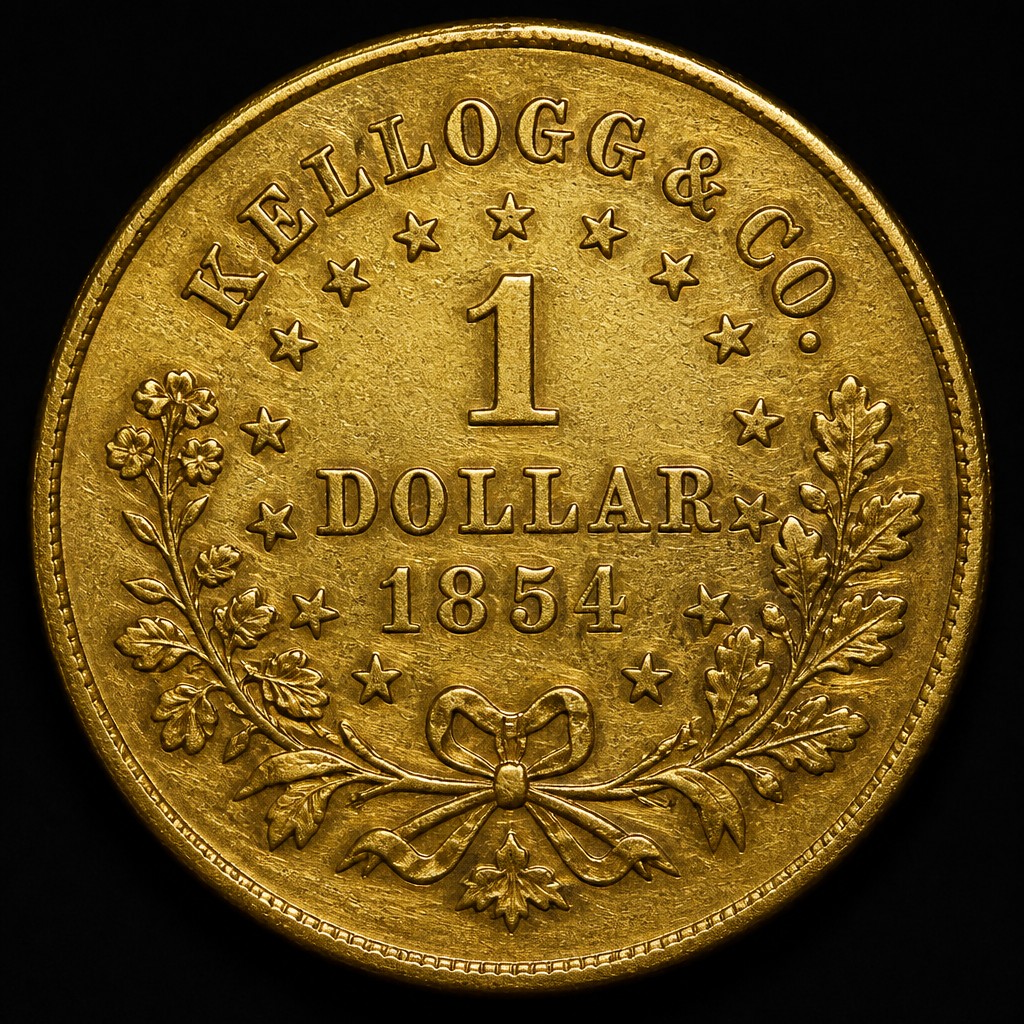
Kellogg & Co. Gold Piece
1854–1855
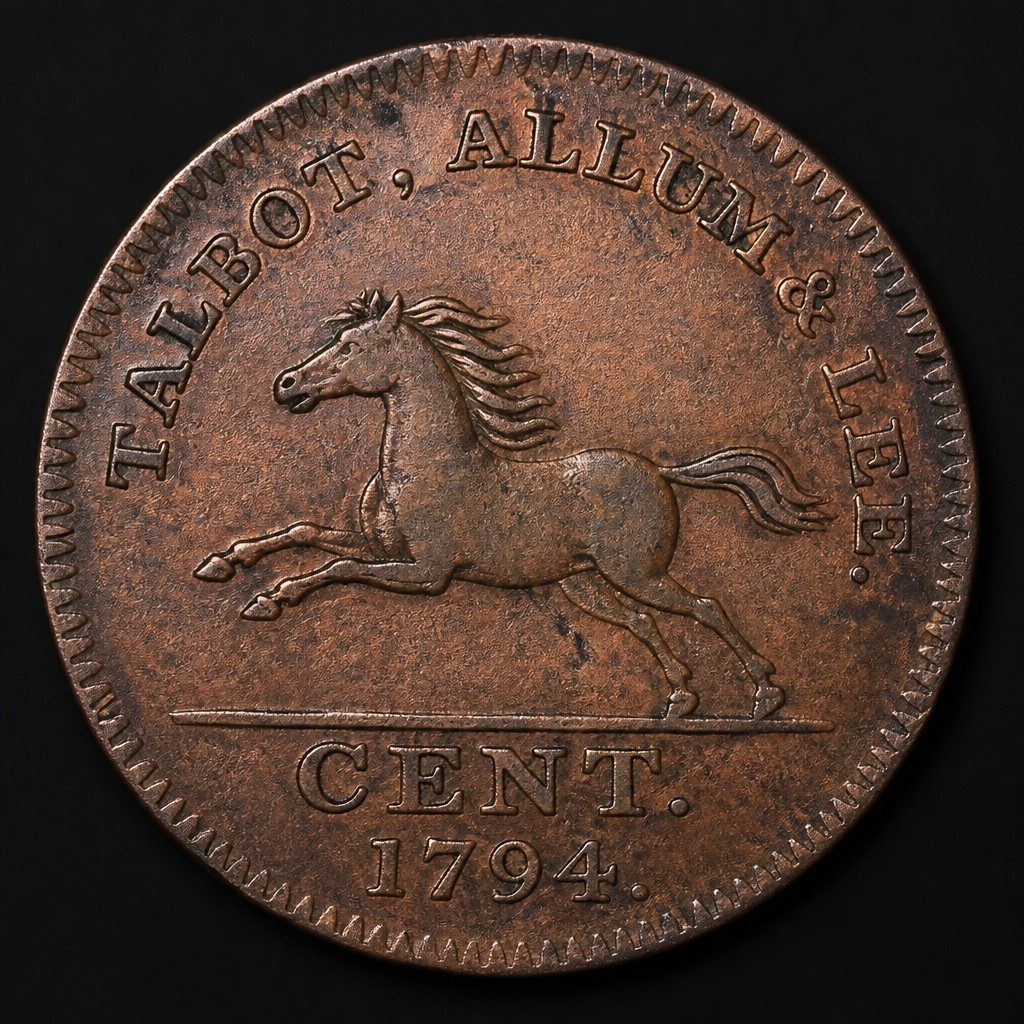
Talbot, Allum & Lee Cent
1794–1795
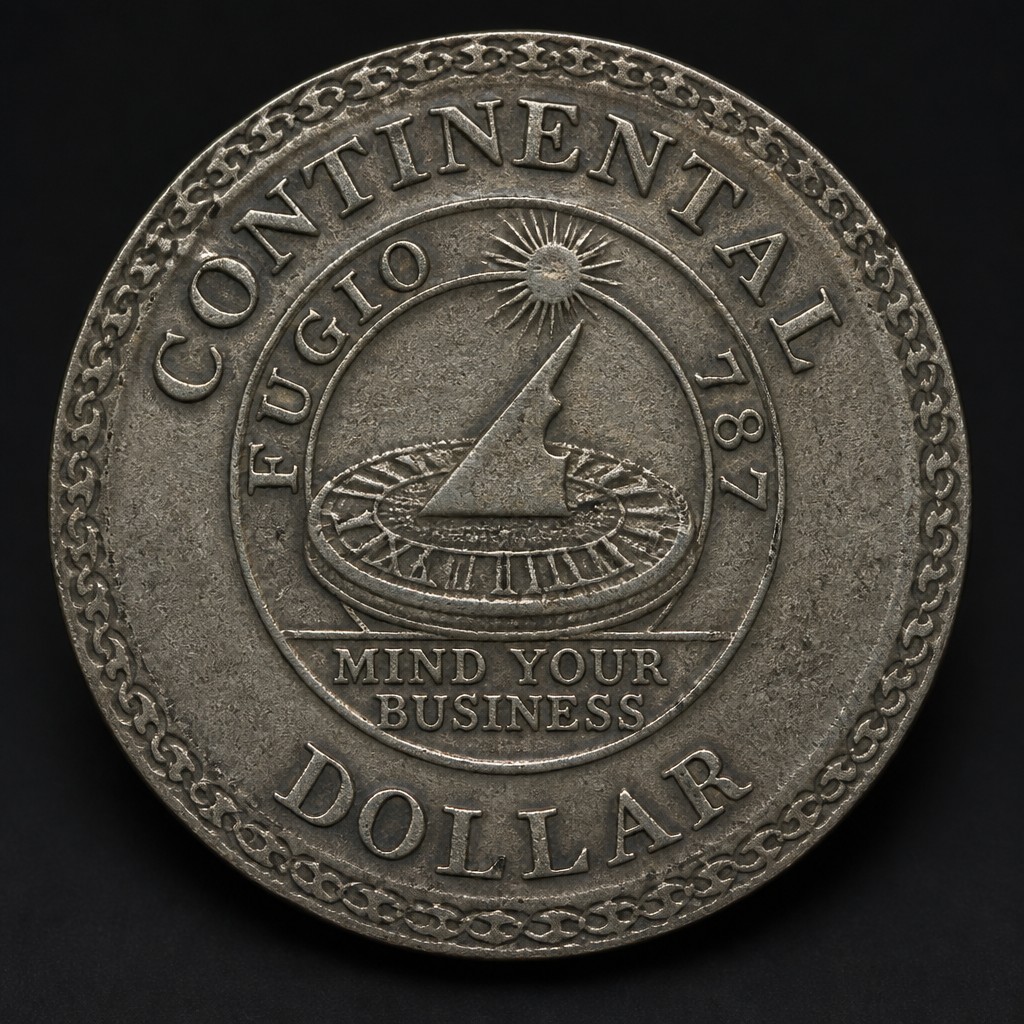
Continental Dollar
1776
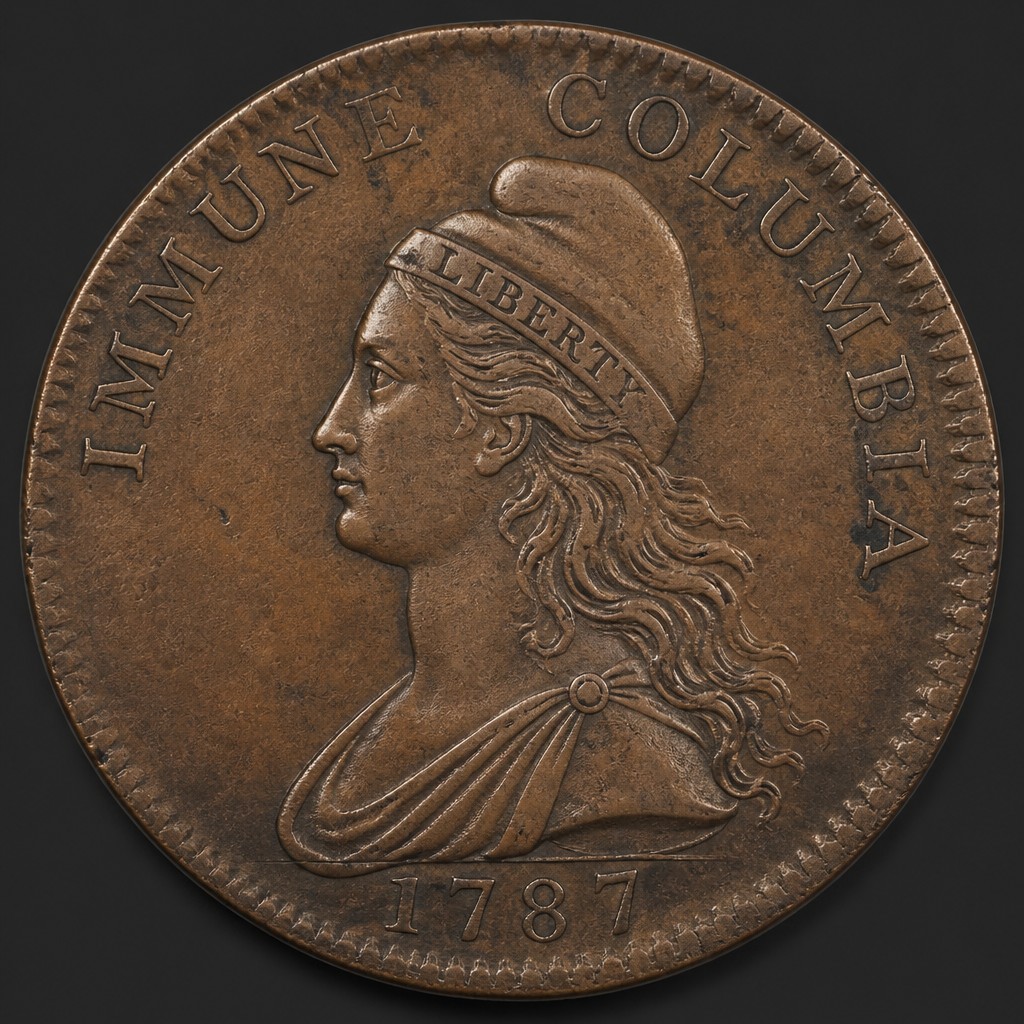
Immune Columbia Copper
circa 1785–1787
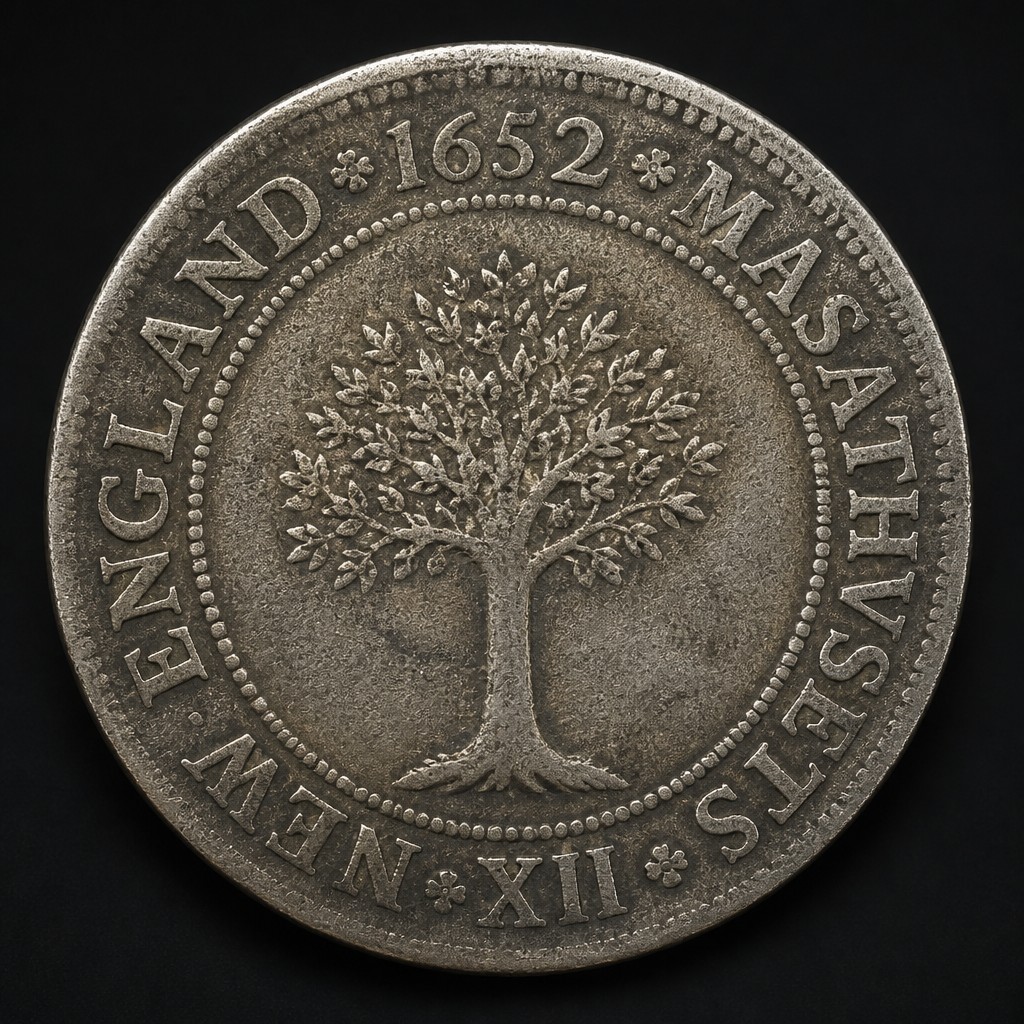
Massachusetts Oak Tree Shilling
Dated 1652, struck circa 1660–1667
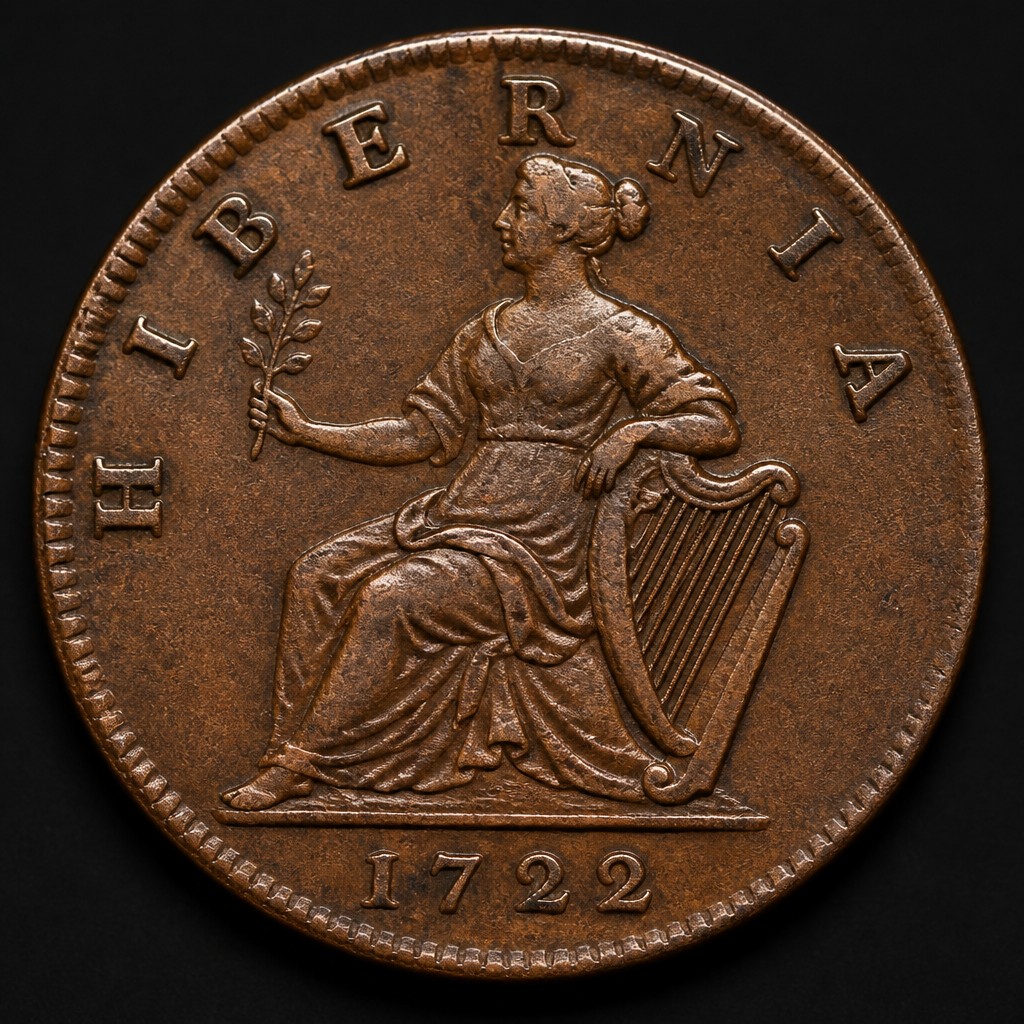
Wood's Hibernia Halfpenny
1722–1724
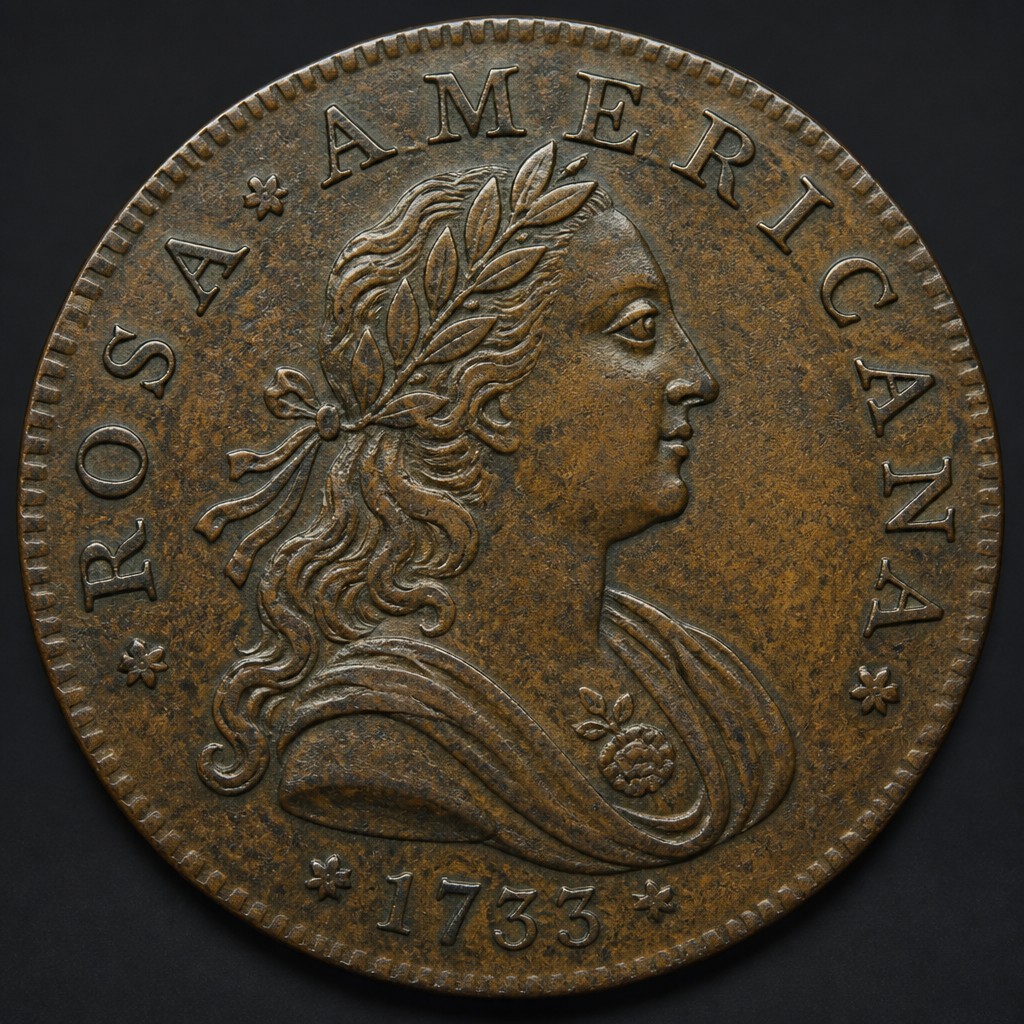
Rosa Americana Coinage
1722–1724 (with pattern issues dated 1733)
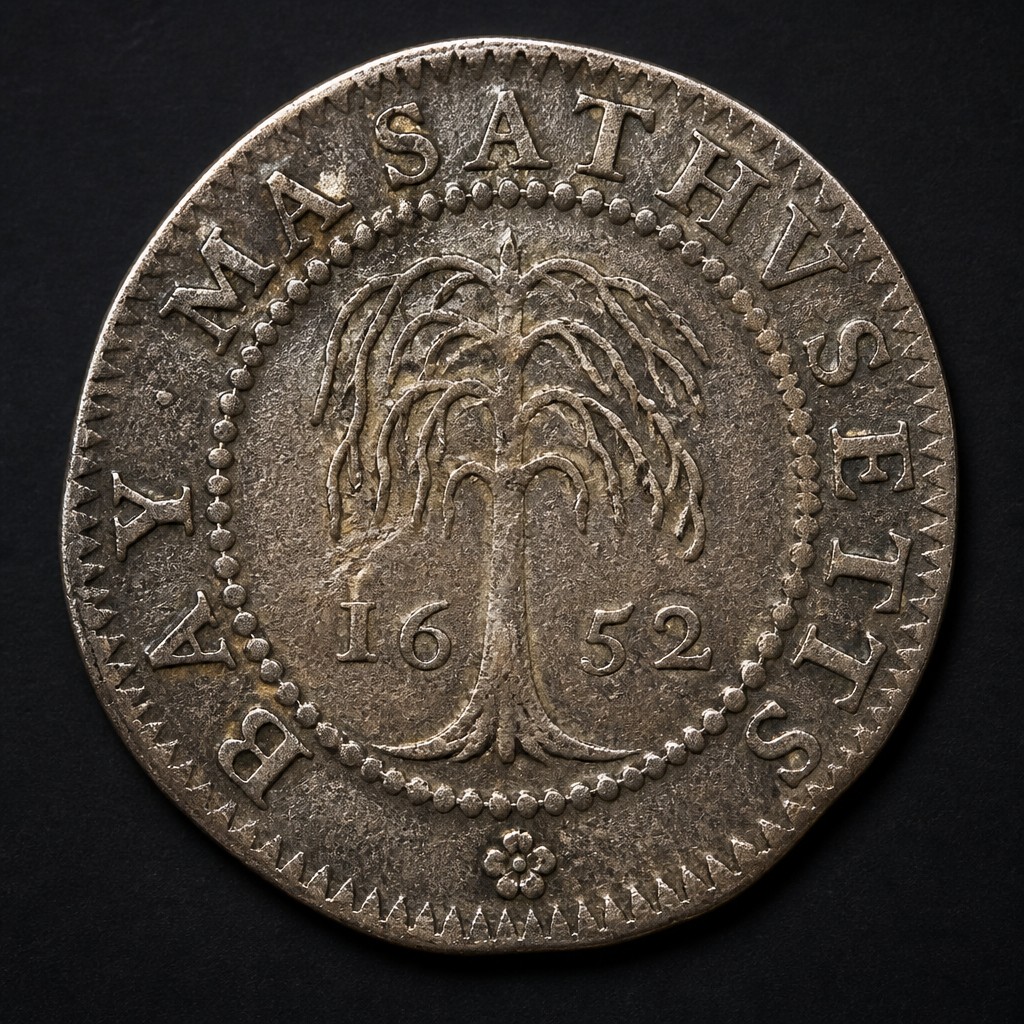
Massachusetts Willow Tree Shilling
Dated 1652, struck circa 1653–1660
Capped Bust Half Eagle
1807–1812