
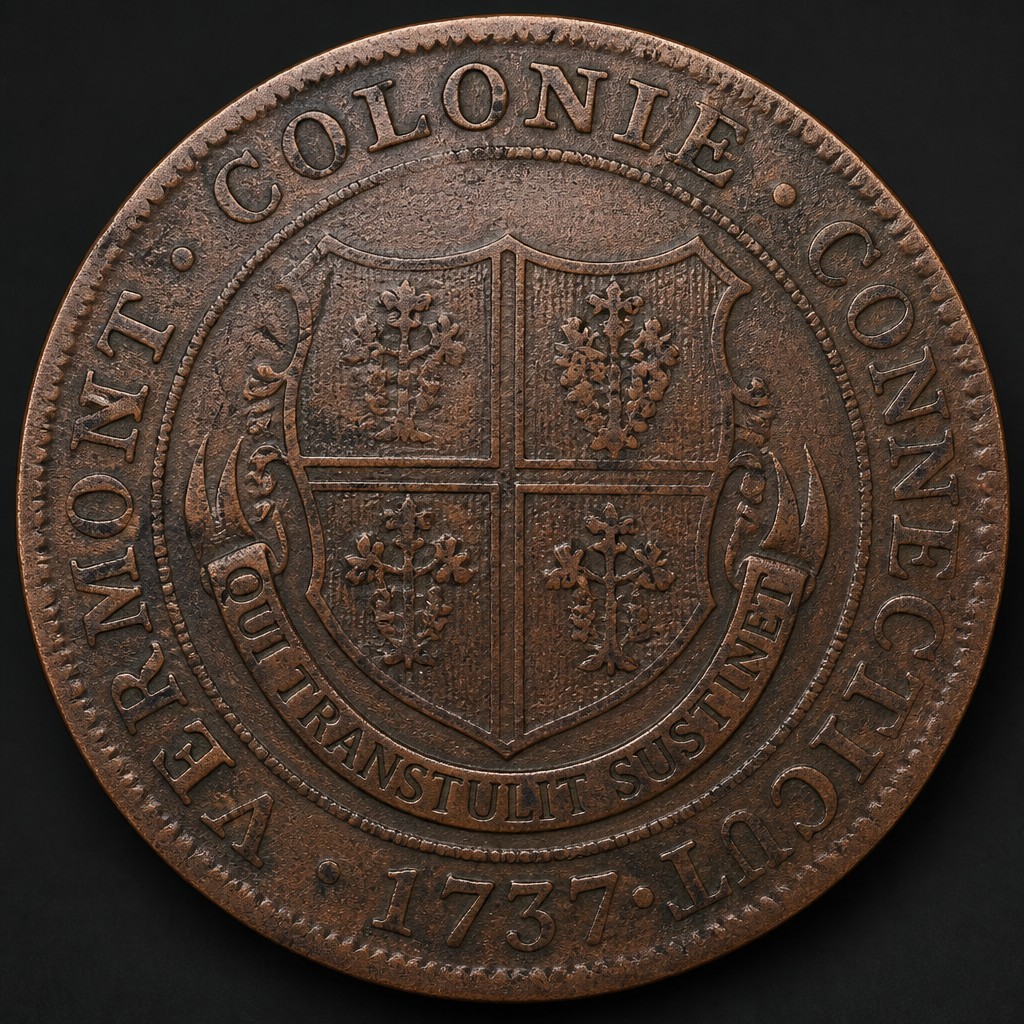
Higley Copper
A privately minted colonial Connecticut copper token, famous for its blunt 'VALUE ME AS YOU PLEASE' inscription after colonists balked at its initial overvalued threepence rating.
- Country
- Colonial Connecticut (British American colonies)
- Denomination
- Threepence (self-declared value, later revised)
- Metal
- Copper
Got a coin like this?
Identify any coin from a photo, free.
Overview
The Higley copper is one of the most colorful and celebrated issues in early American colonial coinage, produced entirely as a private venture by a Connecticut physician and mine owner rather than under any government authority. Struck from copper mined near his own property in Granby, Connecticut, the coin reflects both the entrepreneurial improvisation and the chronic coin shortages that characterized colonial American commerce.
What makes the Higley copper especially memorable is its blunt public honesty about the tension between a coin's stated face value and its actual worth in the marketplace. After colonists resisted accepting the coin at its originally stated threepence value, given that copper of that size was not really worth so much, later varieties dropped the fixed valuation altogether in favor of the now-famous phrase 'VALUE ME AS YOU PLEASE,' letting the market determine what the coin was actually worth in trade.
Because of its tiny original production and its status as one of the first coins struck from domestically mined American metal, the Higley copper today ranks among the rarest and most sought-after pieces in the entire American colonial series.
History & Background
Dr. Samuel Higley, a physician who also owned a productive copper mine near Granby, Connecticut, began striking his own copper coinage privately around 1737, taking advantage of both his access to raw copper and the persistent shortage of small-denomination coinage in the colonies. His earliest issues declared a face value of threepence, paired with imagery of a deer and the confident inscription 'I AM GOOD COPPER,' along with a design showing three hammers and a crown on the reverse.
Colonists, however, were skeptical of accepting a copper token at a threepence valuation that exceeded the coin's practical worth as raw metal, leading to public pushback against the coin's circulation at that stated rate. In response, Higley adjusted later issues to remove the fixed threepence claim, instead adopting the frank and now-famous legend 'VALUE ME AS YOU PLEASE,' effectively acknowledging that the coin's worth in trade would be whatever buyers and sellers agreed to, alongside a modified reverse removing the crown symbol on some varieties.
Production was small and short-lived, ending around 1739, likely tied to Higley's death, and the coin's combination of private colonial enterprise, market realism, and rarity has made it a legendary and eagerly sought piece among collectors of early American numismatics ever since.
How to Identify
Early Higley coppers show a standing stag or deer on the obverse with the legend THE VALVE OF THREE PENCE and the date, while the reverse depicts three sledgehammers arranged around a crown, with the legend I AM GOOD COPPER. Later varieties retain the deer obverse but change the legend to VALUE ME AS YOU PLEASE, and the reverse typically shows the three hammers without the crown, along with the roman numeral III in some variants.
The coin is small and struck entirely in copper, without the silver or gold content found in many other colonial-era issues, reflecting its role as small change rather than a store of significant value. Striking quality is often somewhat crude, consistent with a small-scale private minting operation rather than a formal government mint.
Because genuine Higley coppers are extremely rare, and the coin's fame has made it a target for reproduction and forgery over the years, any potential example should be authenticated by a recognized numismatic expert or grading service before purchase or serious consideration.
Value & Collectibility
Higley coppers are among the rarest and most celebrated coins in American colonial numismatics, and authenticated genuine examples, even in modest condition, typically command prices well into the tens of thousands of dollars or considerably more, reflecting both their scarcity and their outsized historical fame.
Specific varieties, particularly the earliest 'VALUE OF THREE PENCE' type with the crown reverse, can carry different premiums compared to the later 'VALUE ME AS YOU PLEASE' issues, with rarity of the specific die variety playing a significant role in price alongside overall condition and eye appeal.
Given the coin's fame, rarity, and price level, authentication through a major grading service is essential, and prospective buyers should be especially cautious of reproductions or altered pieces claiming to be genuine Higley coppers.
Frequently asked questions
Who made the Higley copper?
Dr. Samuel Higley, a Connecticut physician and copper mine owner, struck the coins privately near Granby, Connecticut.
Why does it say 'VALUE ME AS YOU PLEASE'?
Colonists initially resisted the coin's original threepence valuation as too high for its copper content, so later issues let the market decide its worth instead.
Was the Higley copper an official government coin?
No, it was a private colonial issue, struck without formal government authorization, using copper from Higley's own mine.
Why is the Higley copper so valuable today?
Its combination of extreme rarity, colorful history, and status as an early domestically mined American coin makes it a legendary piece among colonial collectors.
Other coins you may enjoy
Virginia Halfpenny
1773
Brasher Doubloon
1787
Kellogg & Co. Gold Piece
1854–1855
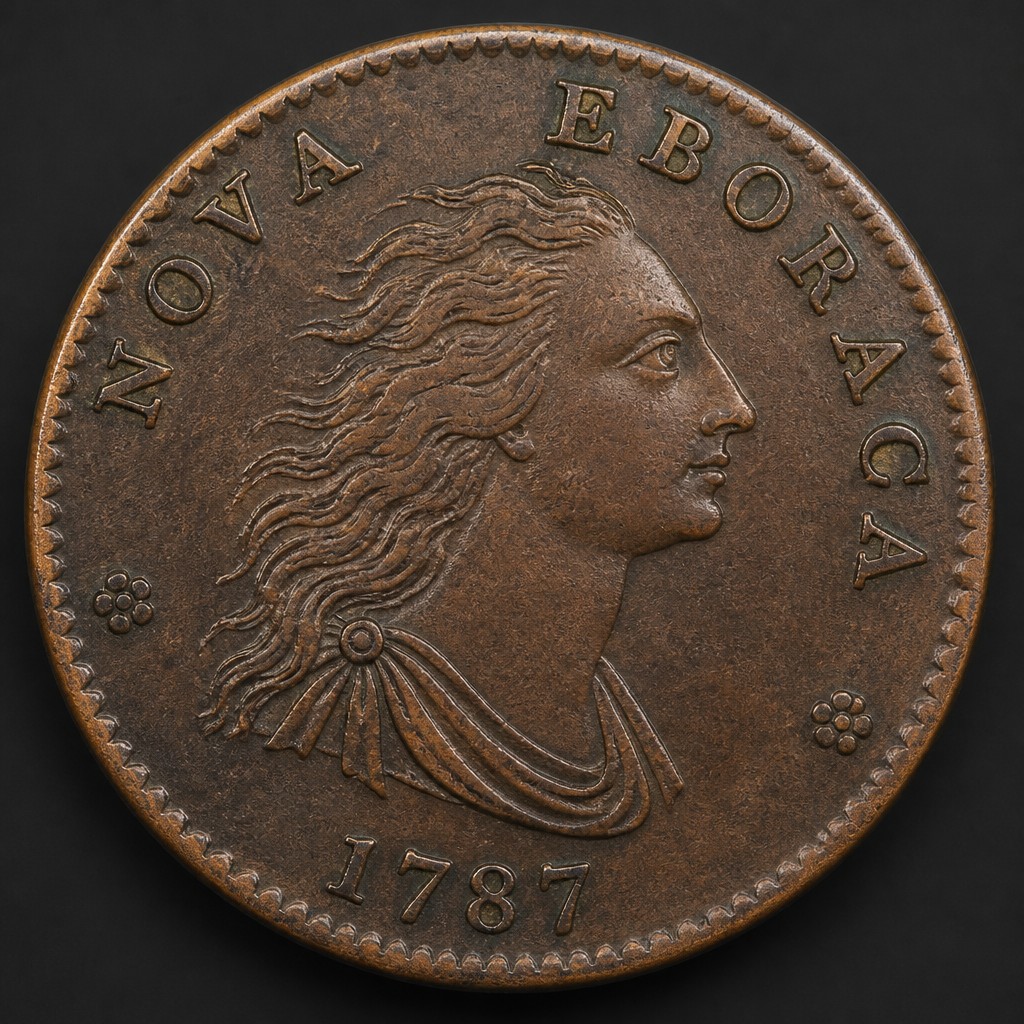
Nova Eborac Copper
1787
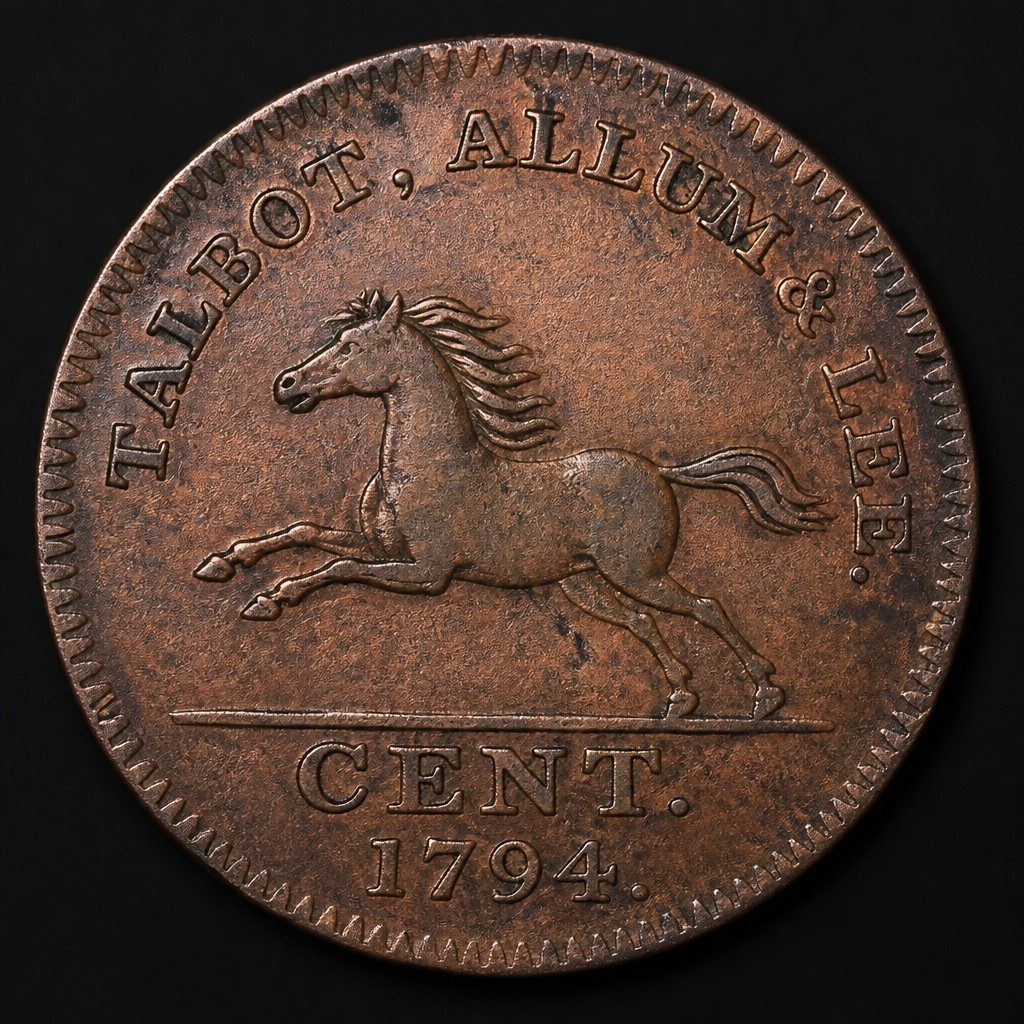
Talbot, Allum & Lee Cent
1794–1795
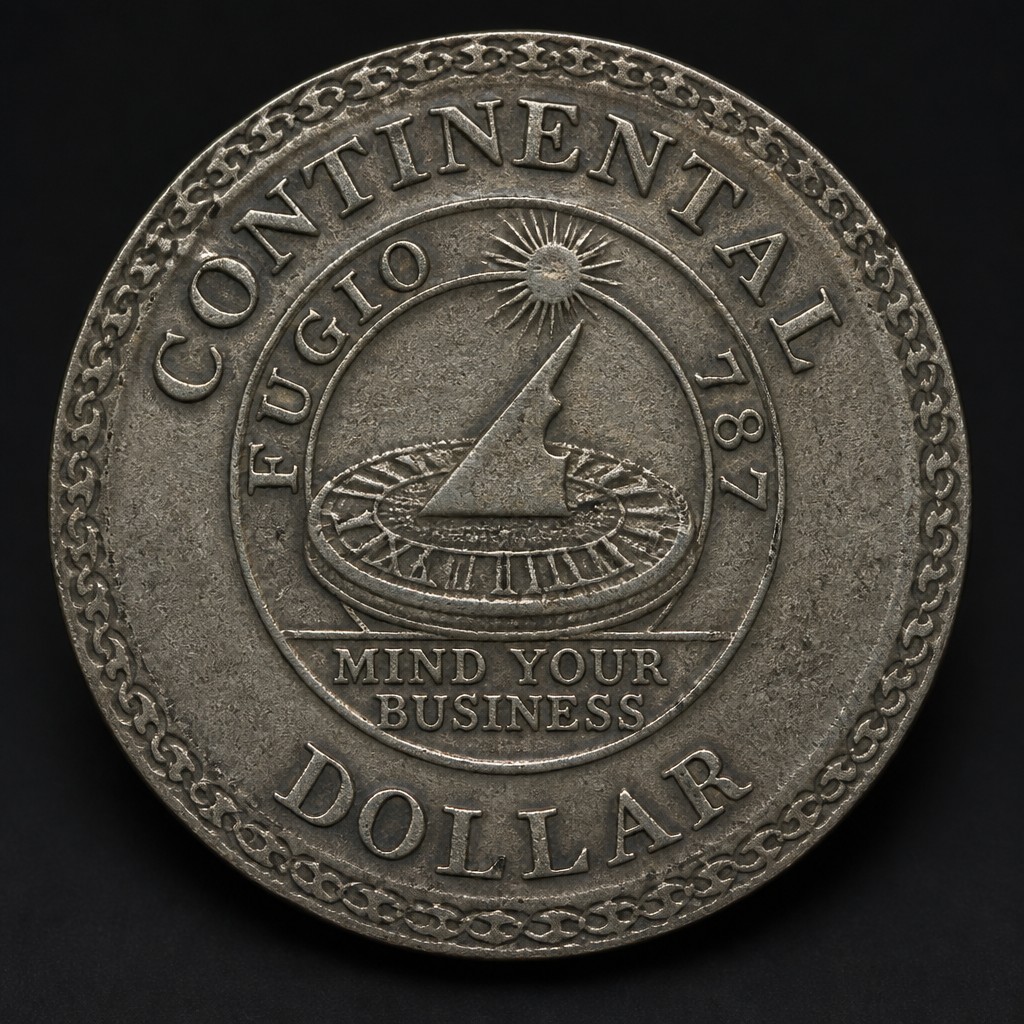
Continental Dollar
1776
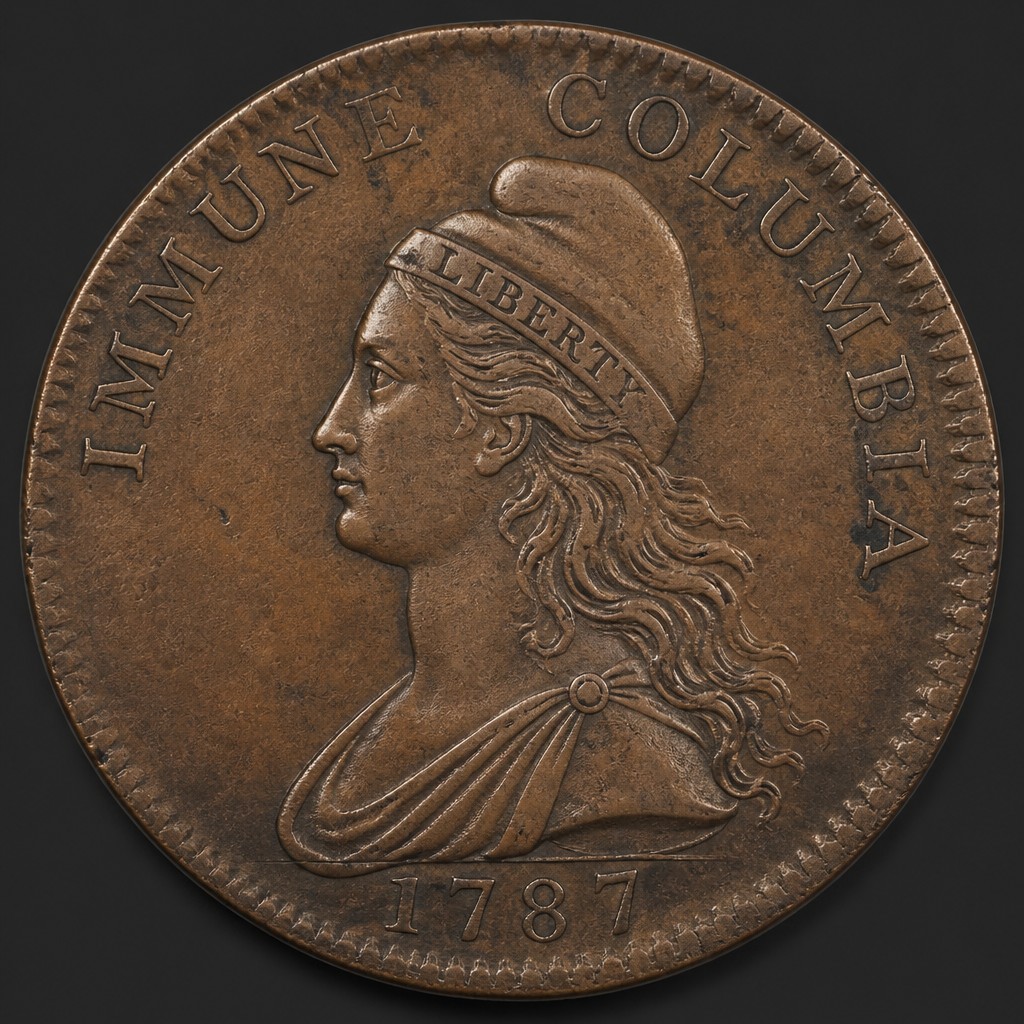
Immune Columbia Copper
circa 1785–1787
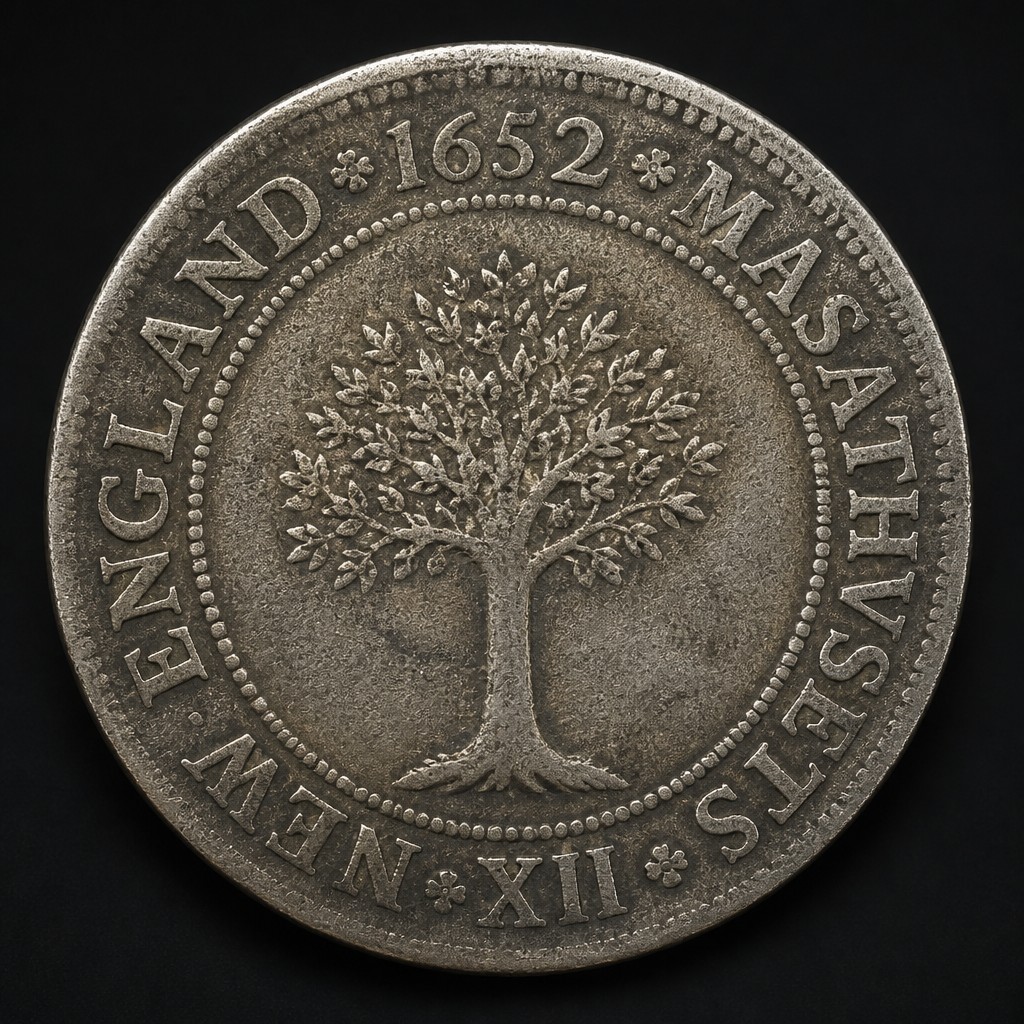
Massachusetts Oak Tree Shilling
Dated 1652, struck circa 1660–1667
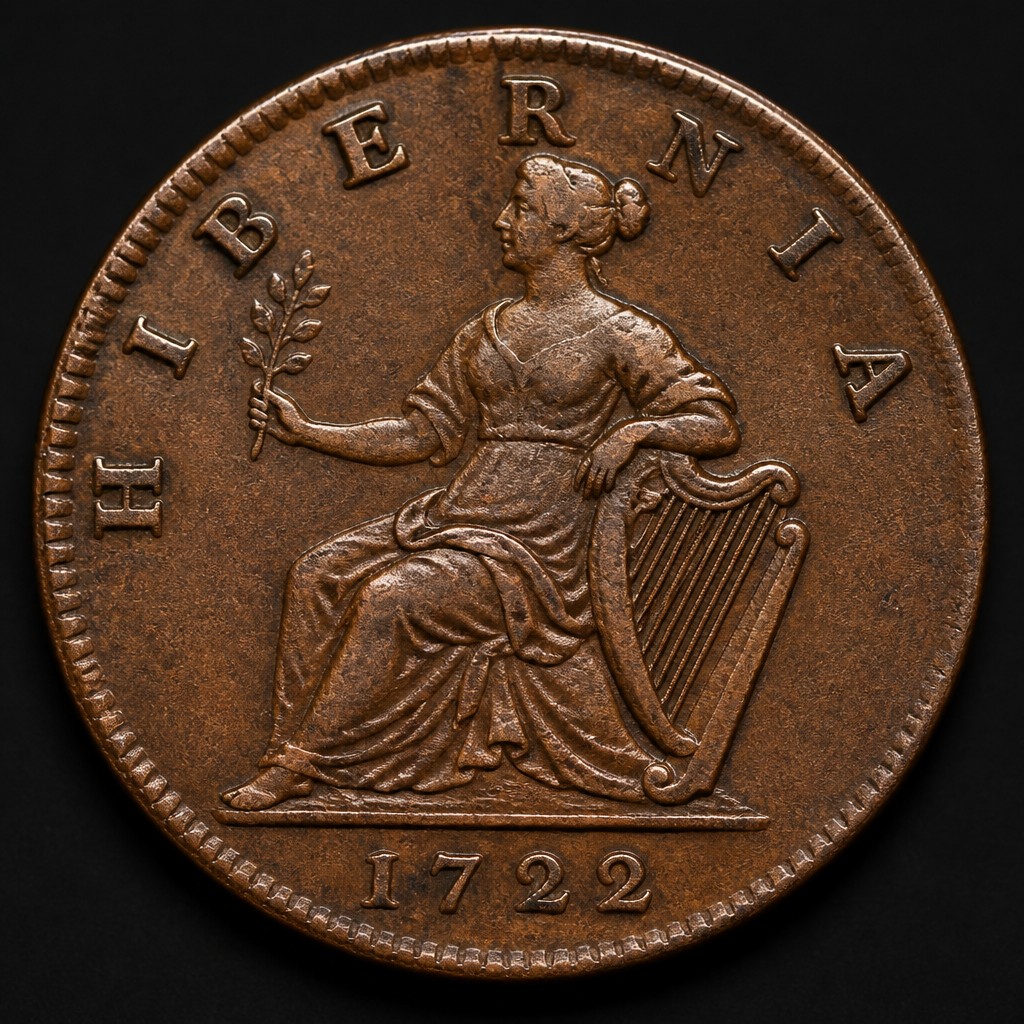
Wood's Hibernia Halfpenny
1722–1724
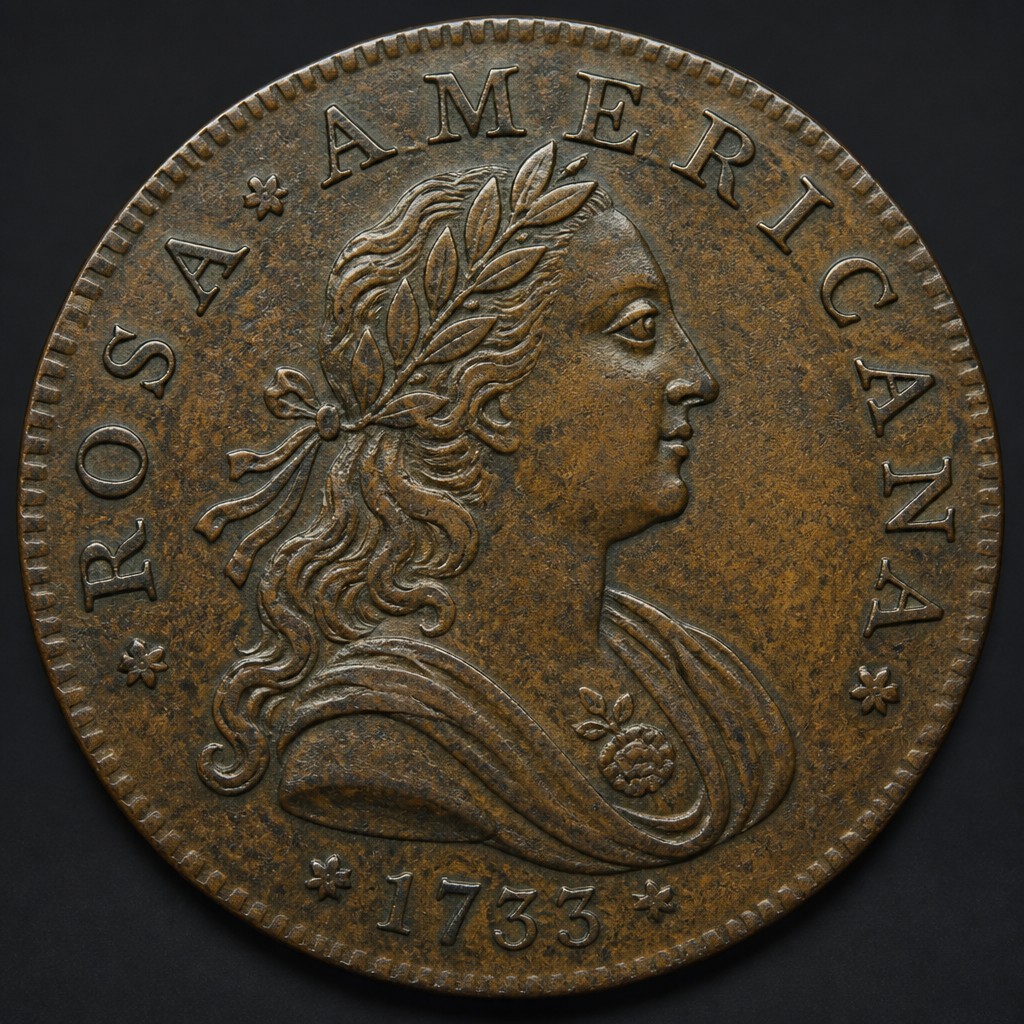
Rosa Americana Coinage
1722–1724 (with pattern issues dated 1733)
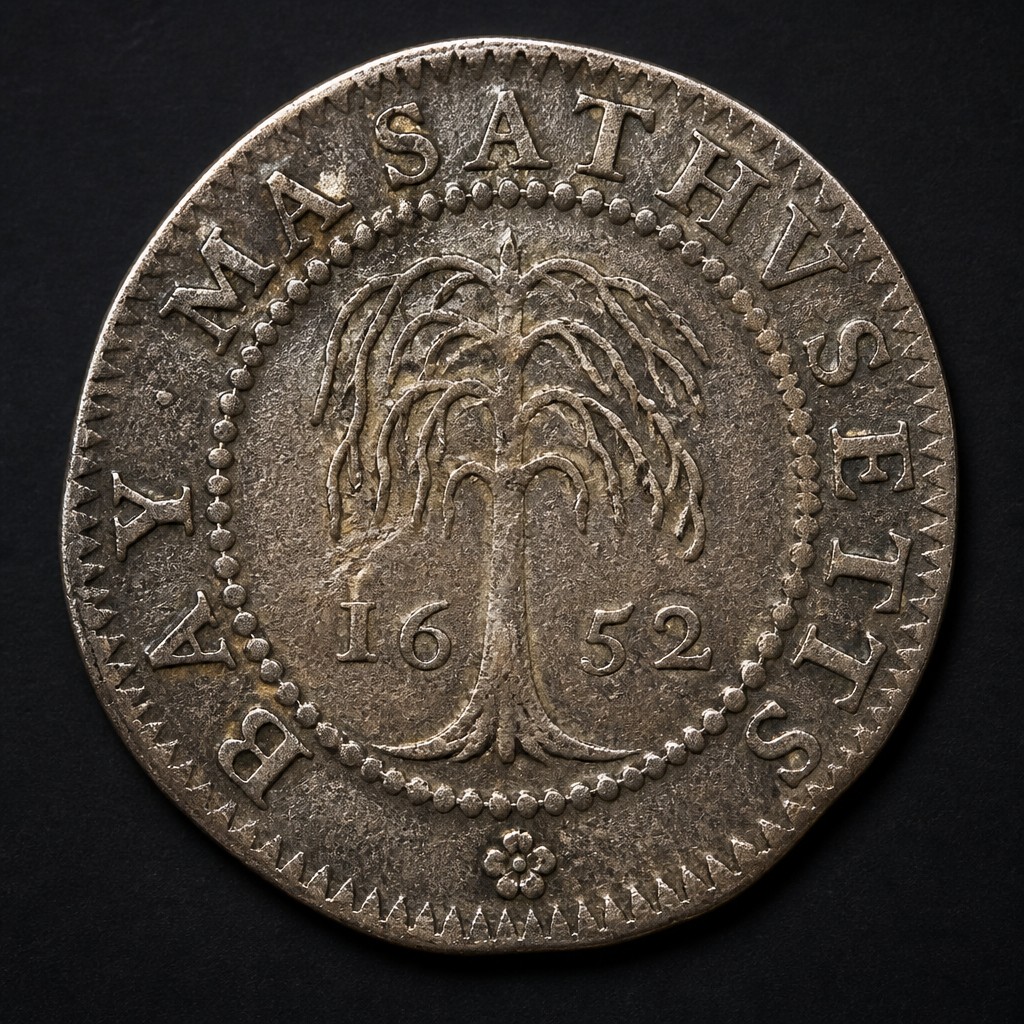
Massachusetts Willow Tree Shilling
Dated 1652, struck circa 1653–1660
Capped Bust Half Eagle
1807–1812