
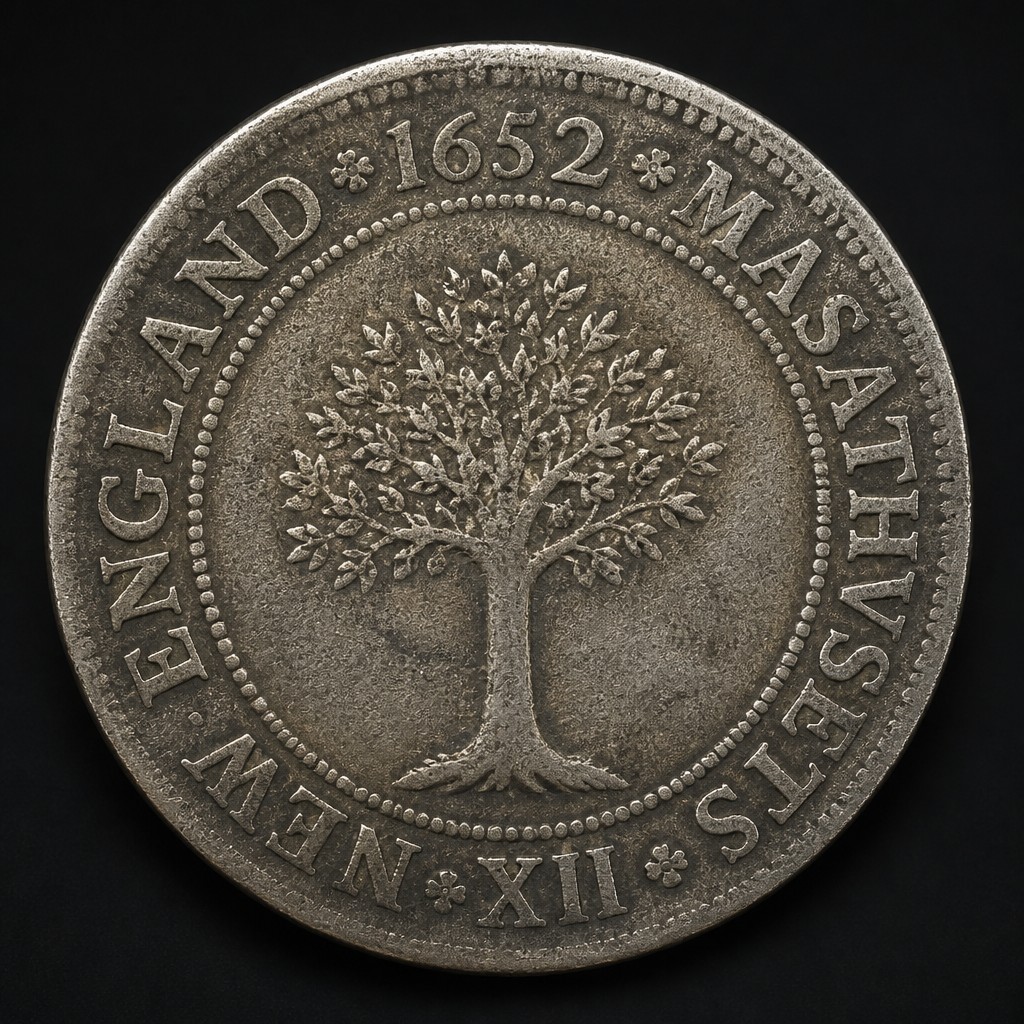
Massachusetts Oak Tree Shilling
The second design in Massachusetts Bay's colonial tree-coin series, showing an oak tree, more available than the earlier Willow Tree type but still a scarce early American colonial rarity.
- Country
- Massachusetts Bay Colony
- Denomination
- 1 Shilling (also struck as sixpence, threepence, and twopence)
- Metal
- Silver
Got a coin like this?
Identify any coin from a photo, free.
Overview
The Oak Tree shilling followed the Willow Tree design as the second phase of Massachusetts Bay Colony's tree-series silver coinage, continuing the colony's practice of dating every coin 1652 regardless of the actual year struck. Produced at the same Boston mint under John Hull and Robert Sanderson, the Oak Tree series expanded the range of denominations offered, adding sixpence, threepence, and eventually twopence pieces to accompany the shilling.
While still a scarce and historically important early American coin, the Oak Tree series survives in somewhat greater numbers than the pioneering Willow Tree issue, making it more attainable, though still challenging and costly, for serious colonial coin collectors. Its oak tree design, distinct from both the earlier willow and the later, longer-running pine tree types, gives collectors a clear visual way to identify this middle phase of Massachusetts coinage.
The series remains a cornerstone of colonial American numismatics, illustrating the practical ingenuity of early Massachusetts settlers in addressing chronic coin shortages well before the United States existed as a nation.
History & Background
Following the initial Willow Tree phase, the Boston mint operated by John Hull and Robert Sanderson under Massachusetts Bay Colony authority transitioned to a new tree design believed to represent an oak tree, continuing production through most of the 1660s while still using the frozen 1652 date on every coin to mask the mint's ongoing, technically unauthorized operation. This period saw the addition of new smaller denominations beyond the original shilling, improving the colony's ability to make small change available for everyday transactions.
The Oak Tree period represents a phase of relative stability and expanded output compared to the brief Willow Tree run, reflecting growing confidence and improved production methods at the Boston mint even as the underlying legal ambiguity of colonial coinage remained unresolved with English authorities.
Eventually, the Oak Tree design gave way to the Pine Tree type, which became the longest-running and most recognizable of the Massachusetts tree-series coins, continuing Massachusetts Bay's distinctive tradition of dating its silver coinage 1652 throughout the entire multi-decade production run.
How to Identify
The obverse displays a stylized oak tree at the center, surrounded by the legend MASATHVSETS IN or similar period spelling around the rim, distinguishing it from the willow tree and later pine tree designs used at the same mint. The reverse carries the frozen date 1652 along with NEW ENGLAND, the denomination in Roman numerals, and a beaded border, consistent with the broader tree-series design template.
Oak Tree shillings and their smaller denominations are silver, generally small in diameter, and often show the somewhat uneven striking characteristic of the hand-operated press technology used at the Boston mint. Weight and fineness aimed to approximate contemporary English sterling standards, though variation between individual pieces is common given the primitive equipment involved.
Because the oak tree design differs noticeably from both the willow tree and pine tree renderings, careful visual comparison of the central tree image is generally the most reliable way to distinguish an Oak Tree shilling from its Massachusetts Bay tree-series relatives, alongside expert numismatic authentication given the coin's age and value.
Value & Collectibility
Oak Tree shillings, while still scarce, are somewhat more available than Willow Tree examples, with typical circulated pieces trading from the low thousands of dollars up into significantly higher figures for well-preserved or particularly well-struck examples. Smaller Oak Tree denominations, such as the threepence and twopence, can be even scarcer than the shilling and command their own distinct premiums.
As with most colonial American silver, strike quality, centering, and overall preservation heavily influence price, since the primitive minting process often produced coins with weak or off-center design elements even when relatively lightly worn from circulation.
Given their historical importance and value, Oak Tree shillings and related denominations are frequently authenticated and encapsulated by major grading services, which collectors should look for when considering a purchase of this scarce, historically significant coinage.
Frequently asked questions
How is the Oak Tree shilling different from the Willow Tree shilling?
It uses a different, later tree design and generally survives in somewhat greater numbers, though both are historically important and valuable.
Why do all these coins say 1652?
Massachusetts Bay froze the date to obscure how long its technically unauthorized mint had been operating, regardless of the actual striking year.
What denominations were struck in the Oak Tree series?
In addition to the shilling, the series included sixpence, threepence, and twopence pieces.
What came after the Oak Tree shilling?
The design was succeeded by the Pine Tree shilling, the longest-running and most common of the Massachusetts tree-series coins.
Other coins you may enjoy
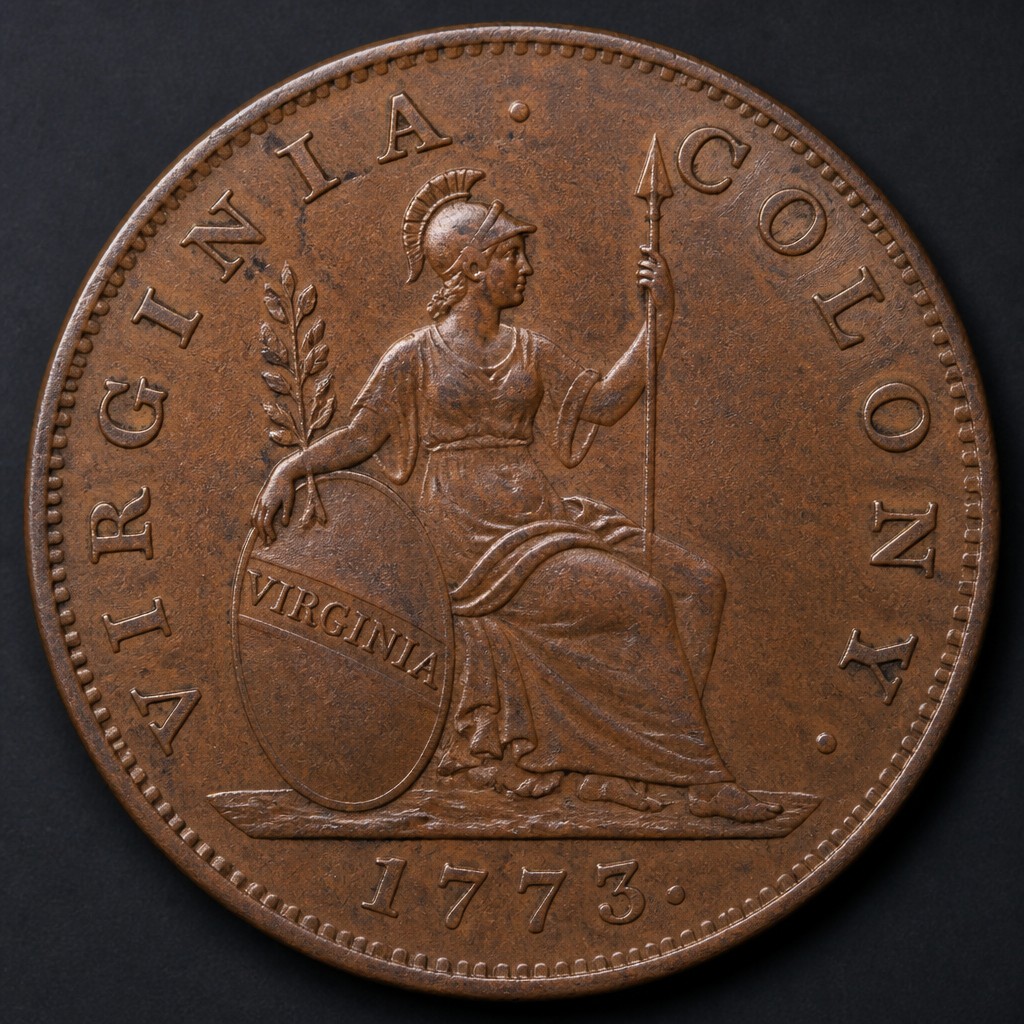
Virginia Halfpenny
1773

Brasher Doubloon
1787
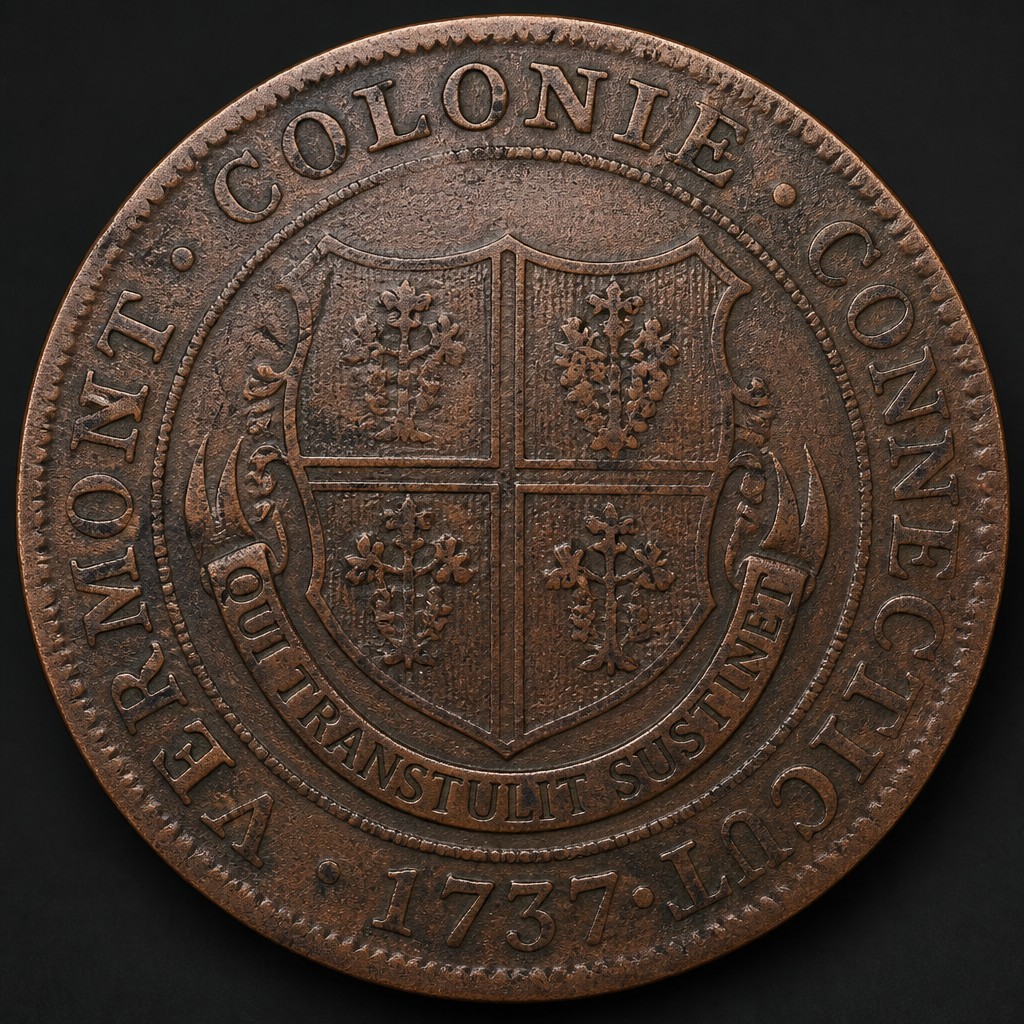
Higley Copper
1737–1739
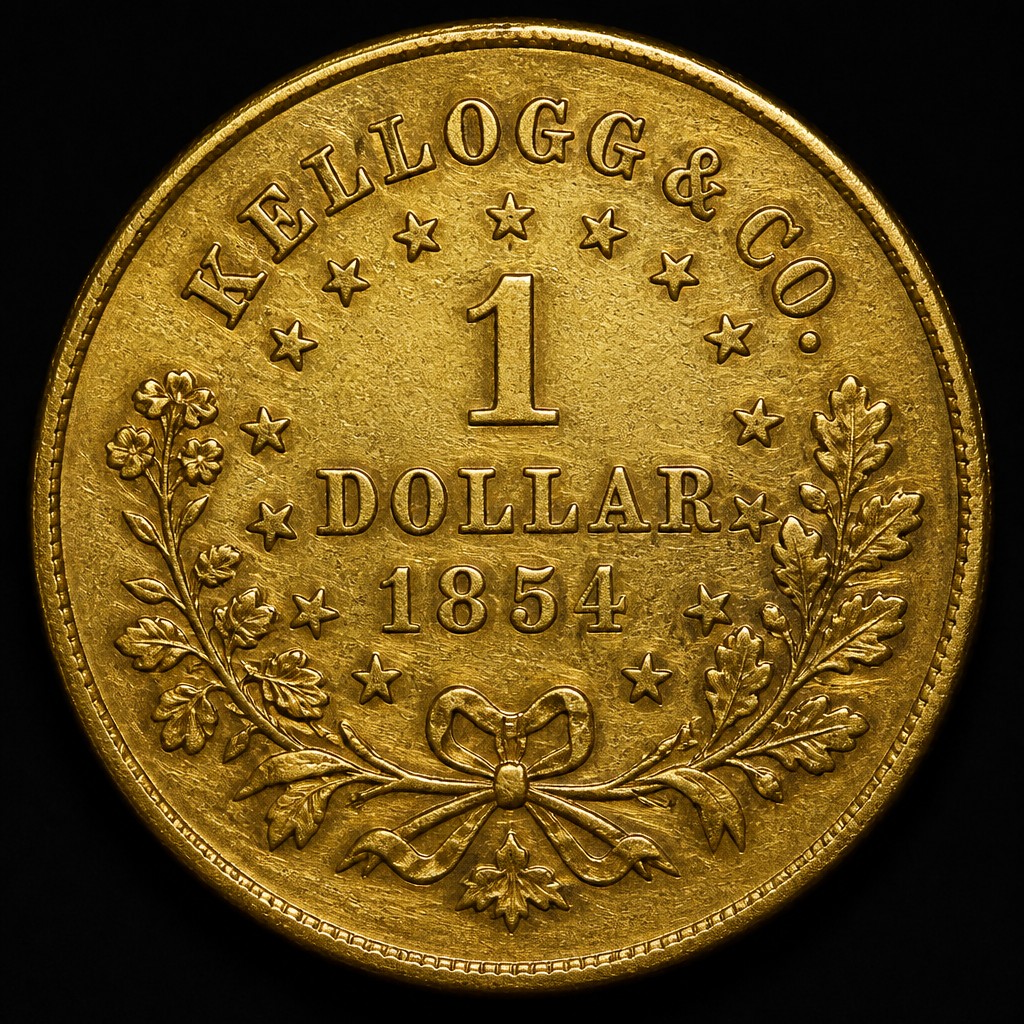
Kellogg & Co. Gold Piece
1854–1855
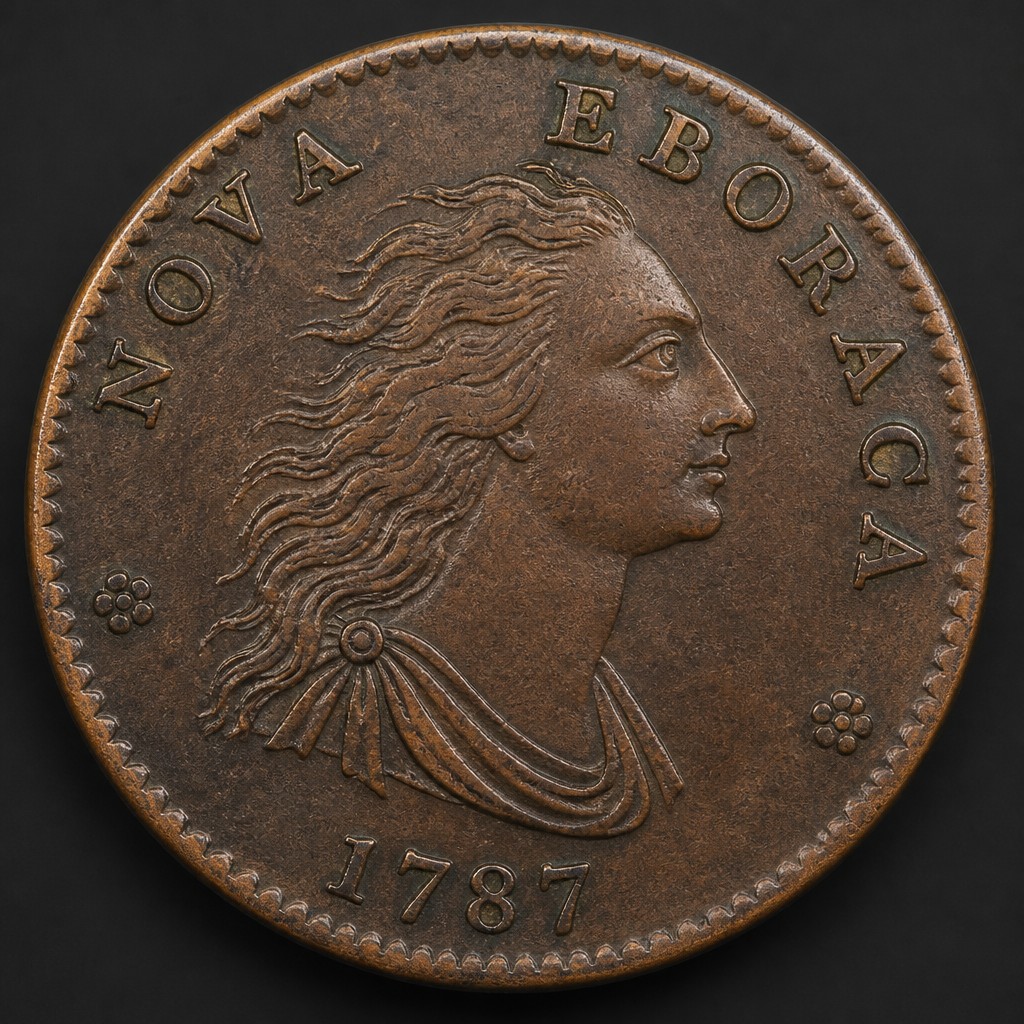
Nova Eborac Copper
1787
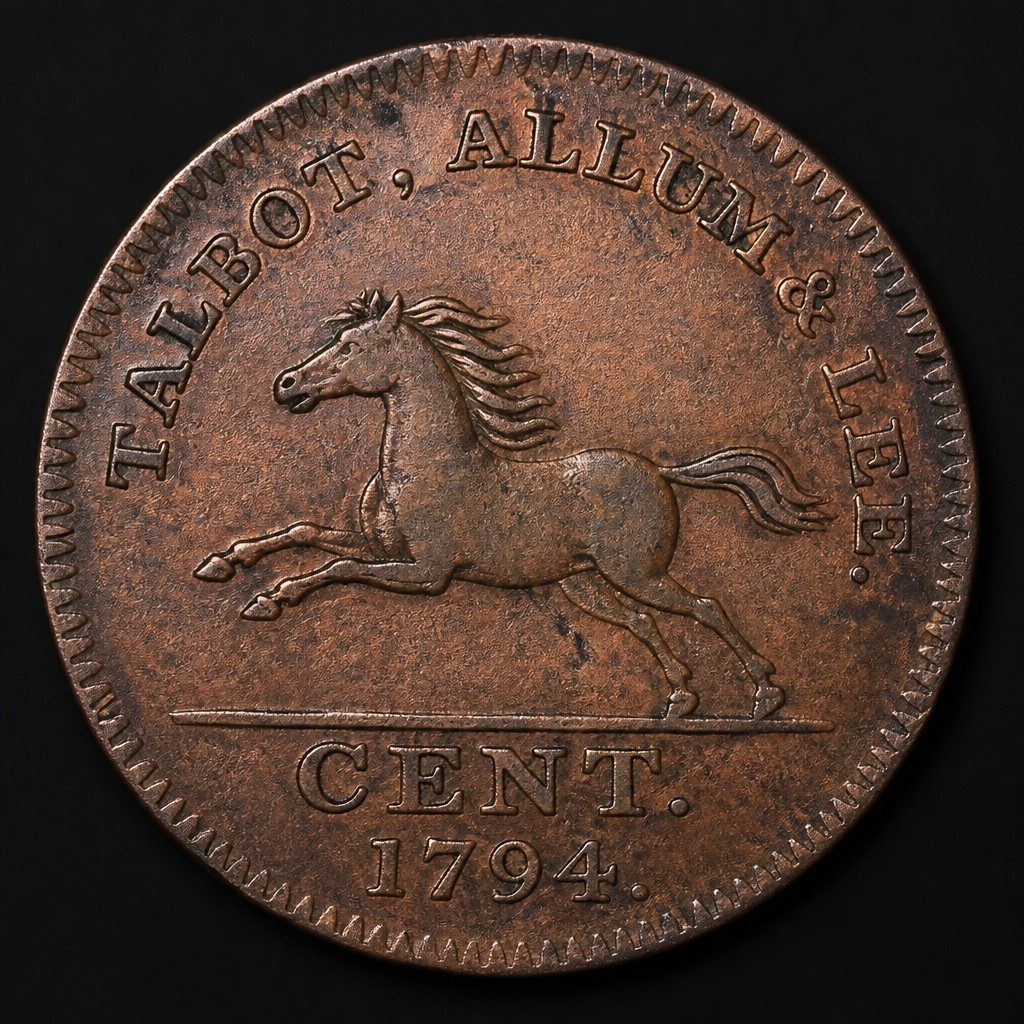
Talbot, Allum & Lee Cent
1794–1795
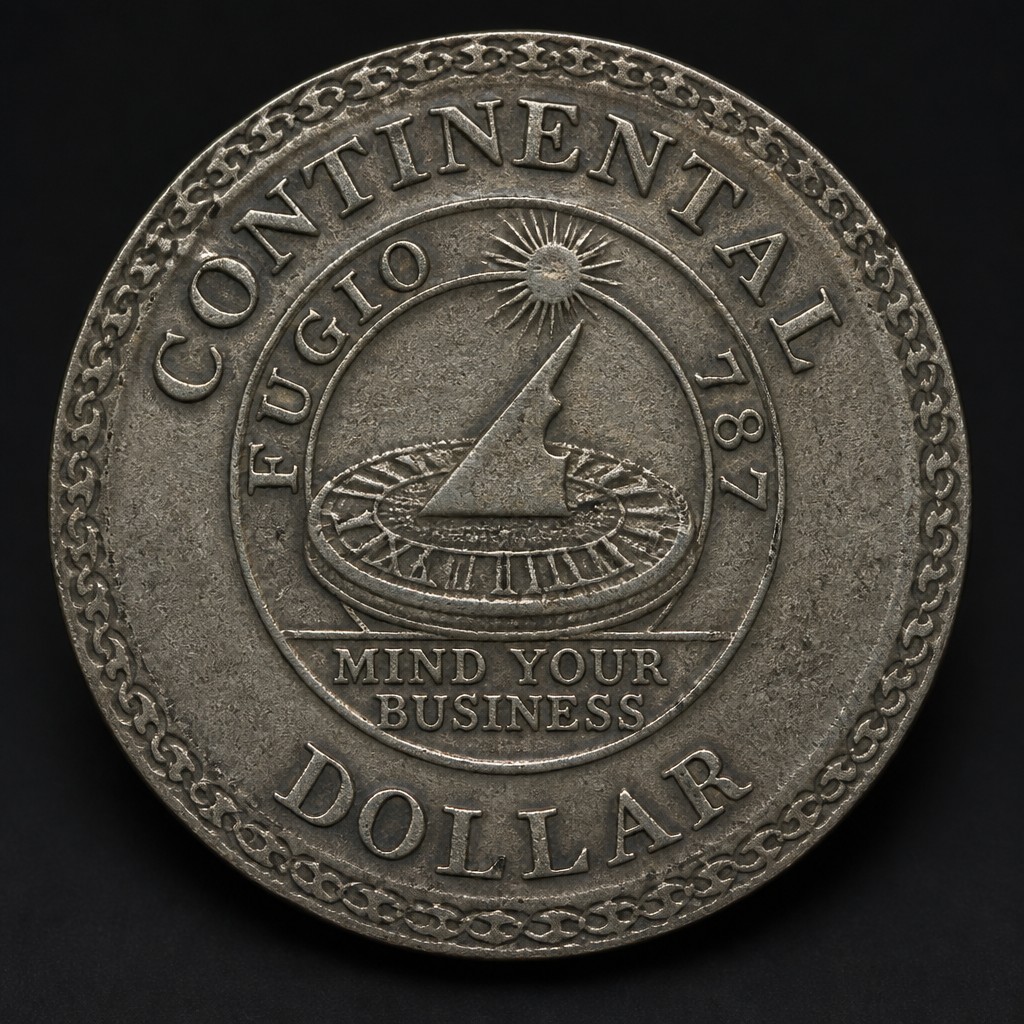
Continental Dollar
1776
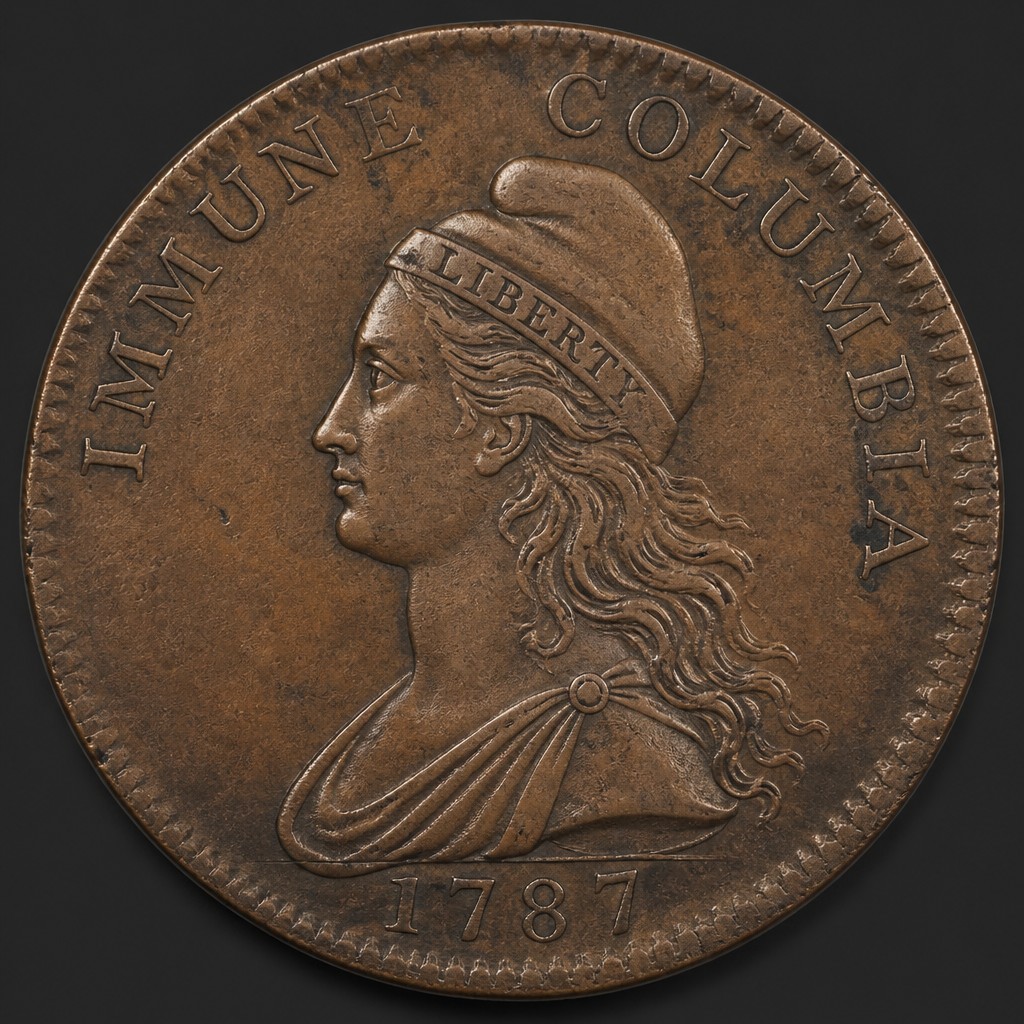
Immune Columbia Copper
circa 1785–1787
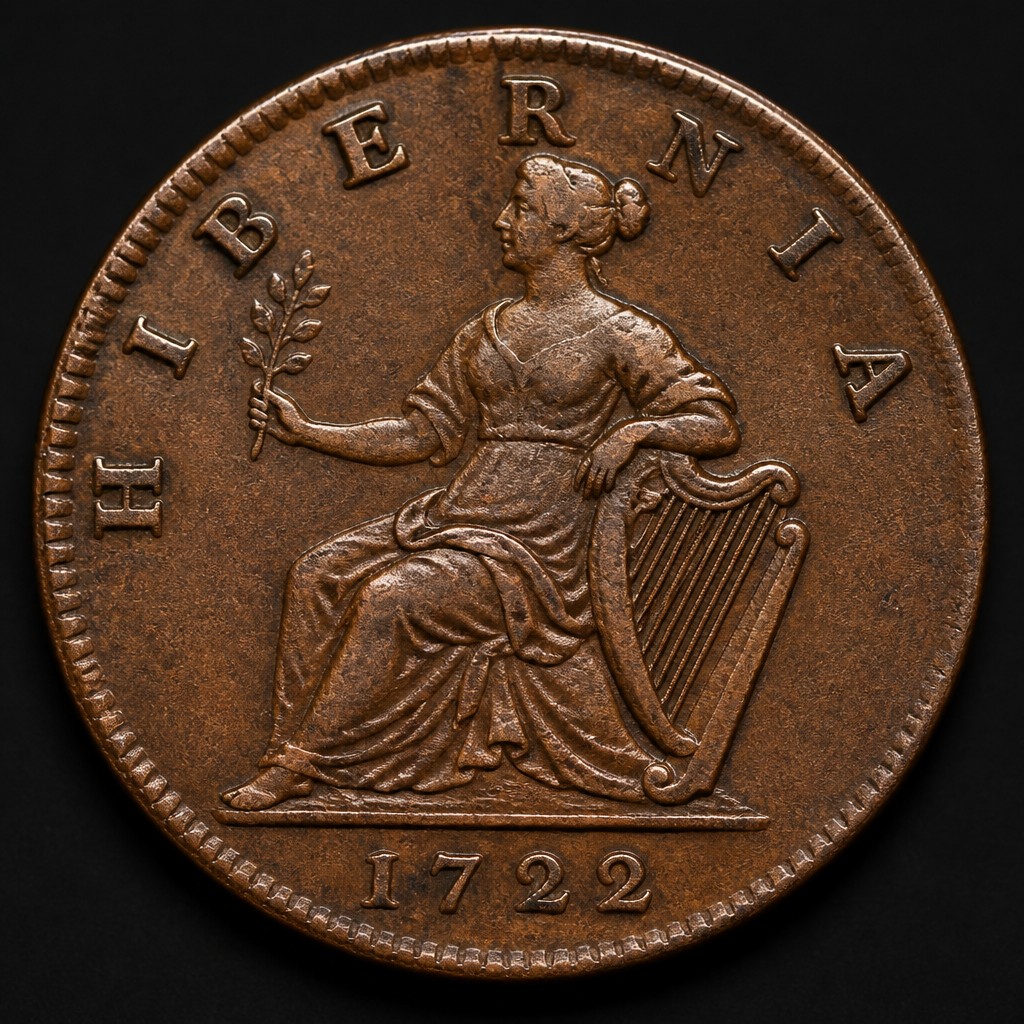
Wood's Hibernia Halfpenny
1722–1724
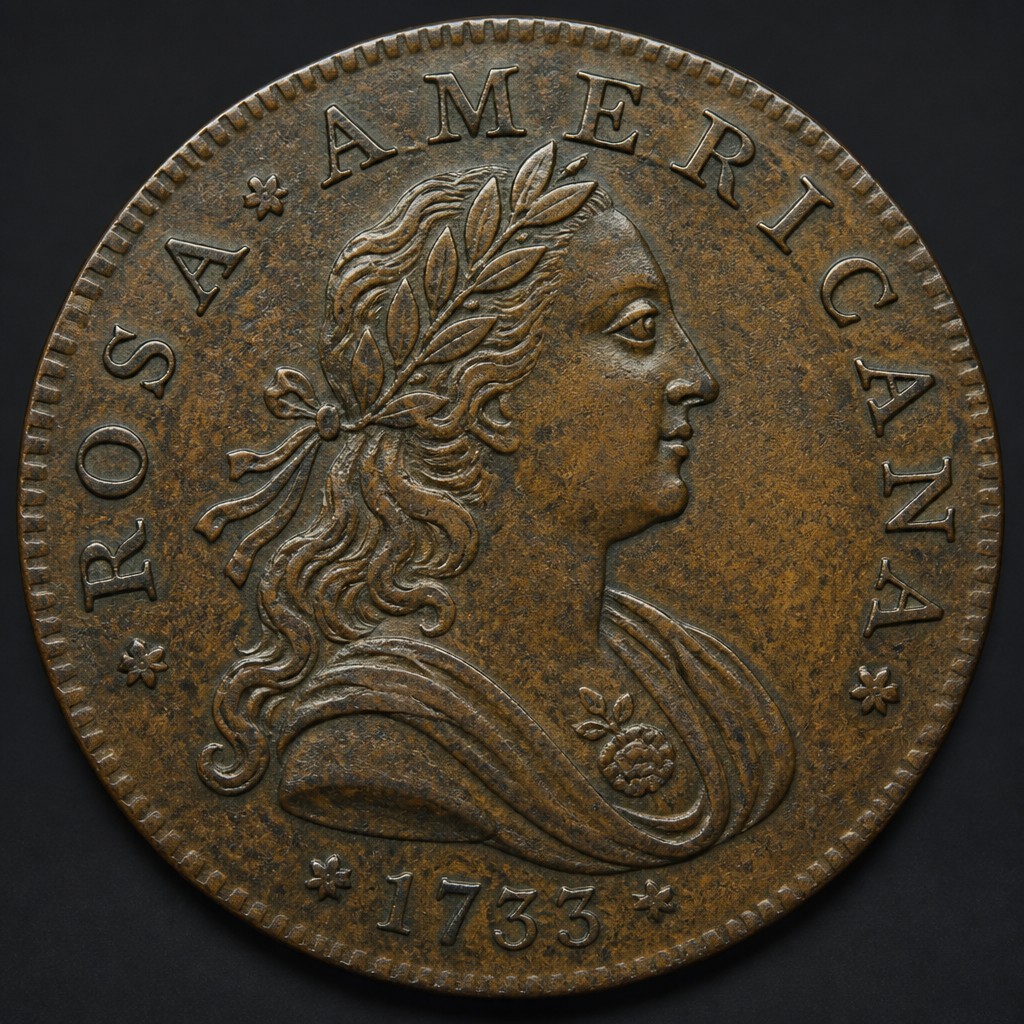
Rosa Americana Coinage
1722–1724 (with pattern issues dated 1733)
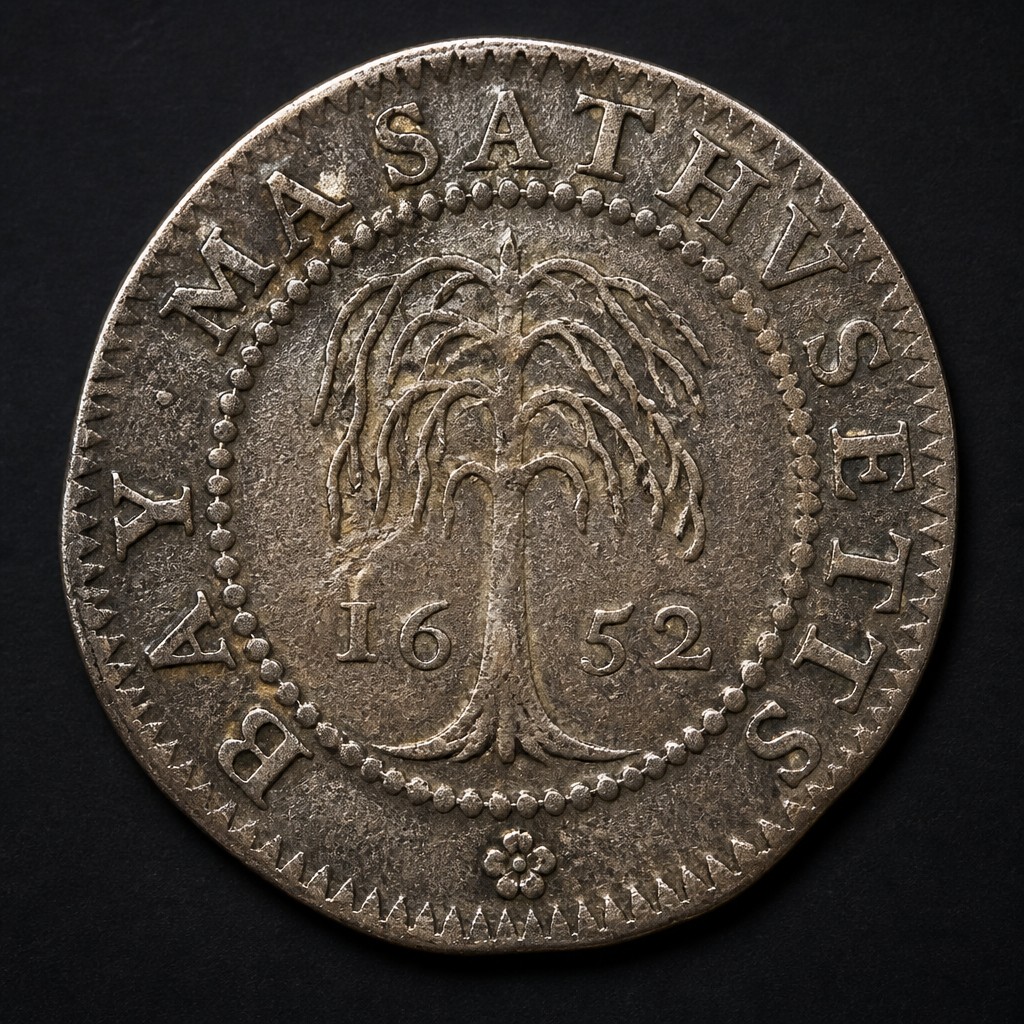
Massachusetts Willow Tree Shilling
Dated 1652, struck circa 1653–1660
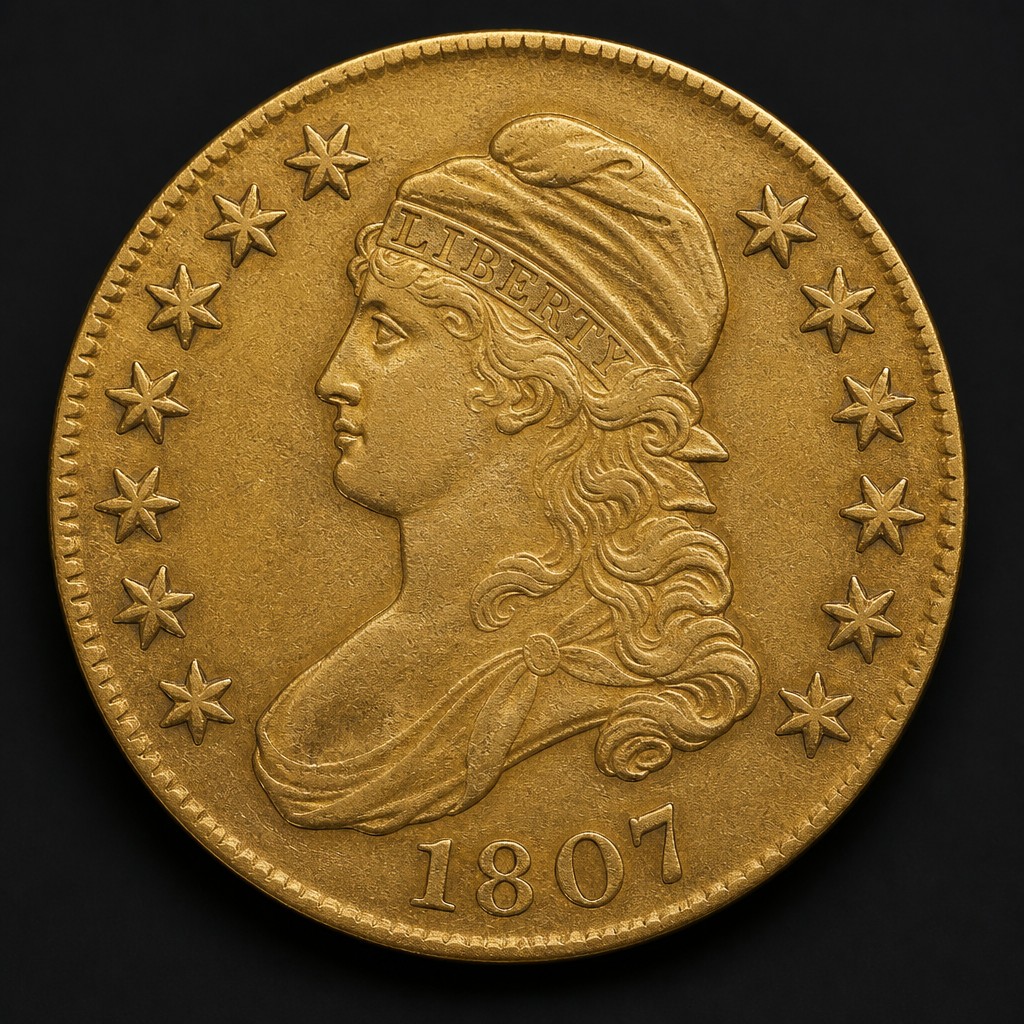
Capped Bust Half Eagle
1807–1812