
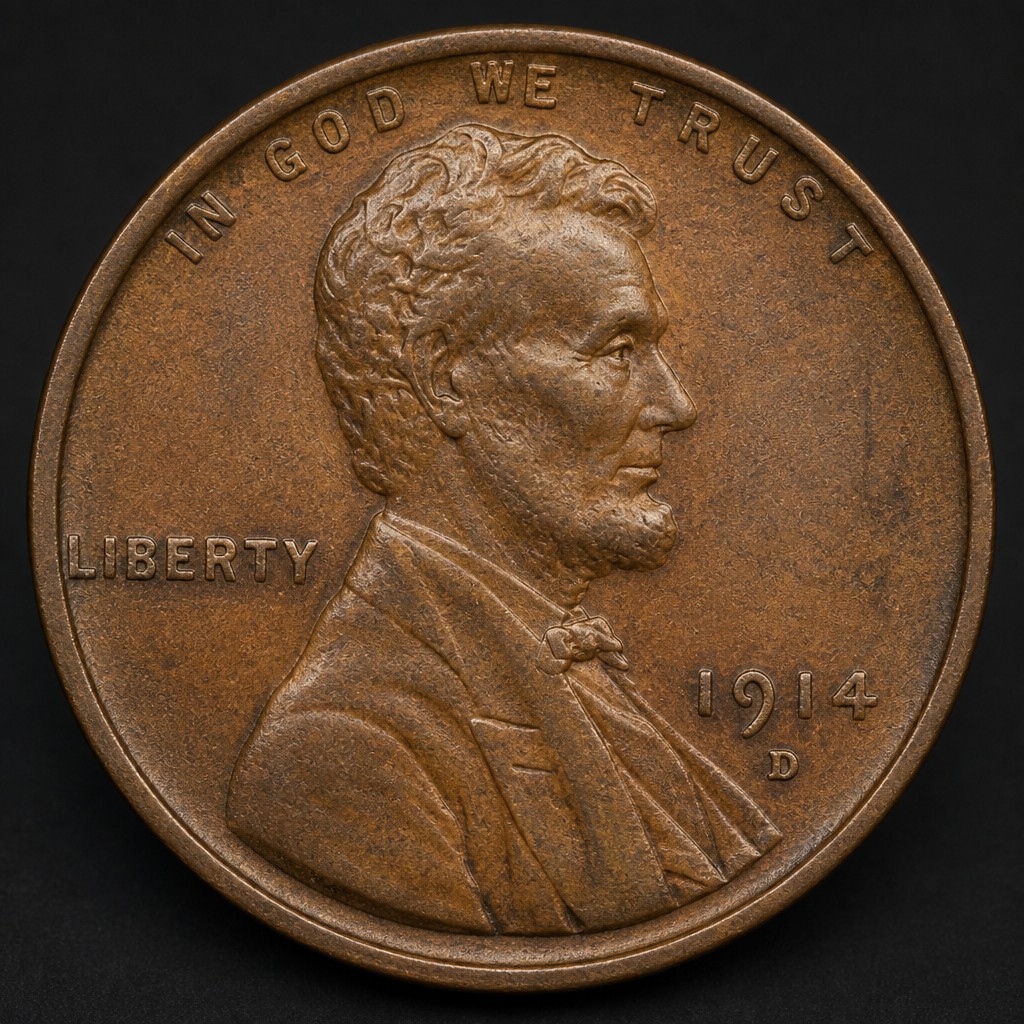
1914-D Lincoln Wheat Cent
A famous key-date Lincoln cent struck at the Denver Mint in 1914 in a comparatively low quantity, making it one of the most sought-after dates in the series.
- Country
- United States
- Denomination
- One Cent
- Metal
- Bronze (95% Copper)
Got a coin like this?
Identify any coin from a photo, free.
Overview
The 1914-D cent is widely regarded as the single most important key date of the Lincoln Wheat cent series (1909–1958), prized for its low mintage relative to other Denver issues of the era. It is a cornerstone coin for anyone building a complete date-and-mint Lincoln cent set.
Because genuine examples are scarce and values can be significant even in worn grades, the date is also one of the most commonly counterfeited or altered Lincoln cents, with fakes made by adding a fraudulent D mint mark to a 1914 Philadelphia cent.
History & Background
The Lincoln cent debuted in 1909, designed by Victor David Brenner to mark the centennial of Abraham Lincoln's birth, replacing the Indian Head cent. By 1914, the design was well established, and the Denver Mint struck a comparatively small run of cents that year relative to Philadelphia's output.
The coin's status as a key date grew over subsequent decades as collectors assembled complete Lincoln cent sets by date and mint, recognizing the 1914-D's scarcity relative to demand. It remains a benchmark test of a Lincoln set's completeness and value.
How to Identify
Obverse: Brenner's Lincoln portrait facing right, with LIBERTY to the left, IN GOD WE TRUST above, and the date 1914 with a small D mint mark beneath it, positioned just to the right of the date.
Reverse: The early Lincoln cent 'wheat back' reverse featuring two wheat ears flanking ONE CENT, with UNITED STATES OF AMERICA and E PLURIBUS UNUM around the border, used 1909–1958.
Because counterfeits are common, genuine specimens should show a mint mark with the correct size, shape, and placement matching authentic Denver-struck 1914 cents. Magnification, weight and diameter checks, and comparison to authenticated references, or third-party certification, are the standard ways to detect added or altered mint marks.
Value & Collectibility
The 1914-D is valuable across the grading spectrum: even heavily worn, low-grade examples can be worth several hundred dollars, while coins in fine to extremely fine condition often bring well over a thousand dollars, and mint-state or exceptional examples can reach into the tens of thousands of dollars.
Because of its value, authentication is essential, as altered coins (a genuine 1914 Philadelphia cent with an added fake D) are common in the marketplace; certification from a major grading service is the standard way to confirm authenticity. Overall condition, strike quality, and eye appeal significantly affect price within any given grade.
Frequently asked questions
Why is the 1914-D cent so valuable?
It has a comparatively low mintage for a Lincoln cent of that period relative to collector demand, making genuine examples scarce at every grade.
How can I tell if my 1914-D cent is real?
Genuine examples have a mint mark matching authentic Denver dies in size and placement; because fakes with added mint marks are common, third-party certification is strongly recommended.
What is a 1914-D cent worth?
Even well-worn genuine examples typically bring several hundred dollars, with higher grades worth significantly more.
What does the D mint mark mean?
It indicates the coin was struck at the Denver Mint rather than Philadelphia (no mark) or San Francisco (S).
Is the 1914-D part of the Lincoln Wheat cent series?
Yes, it belongs to the original 1909–1958 wheat-reverse design of the Lincoln cent.
Other coins you may enjoy
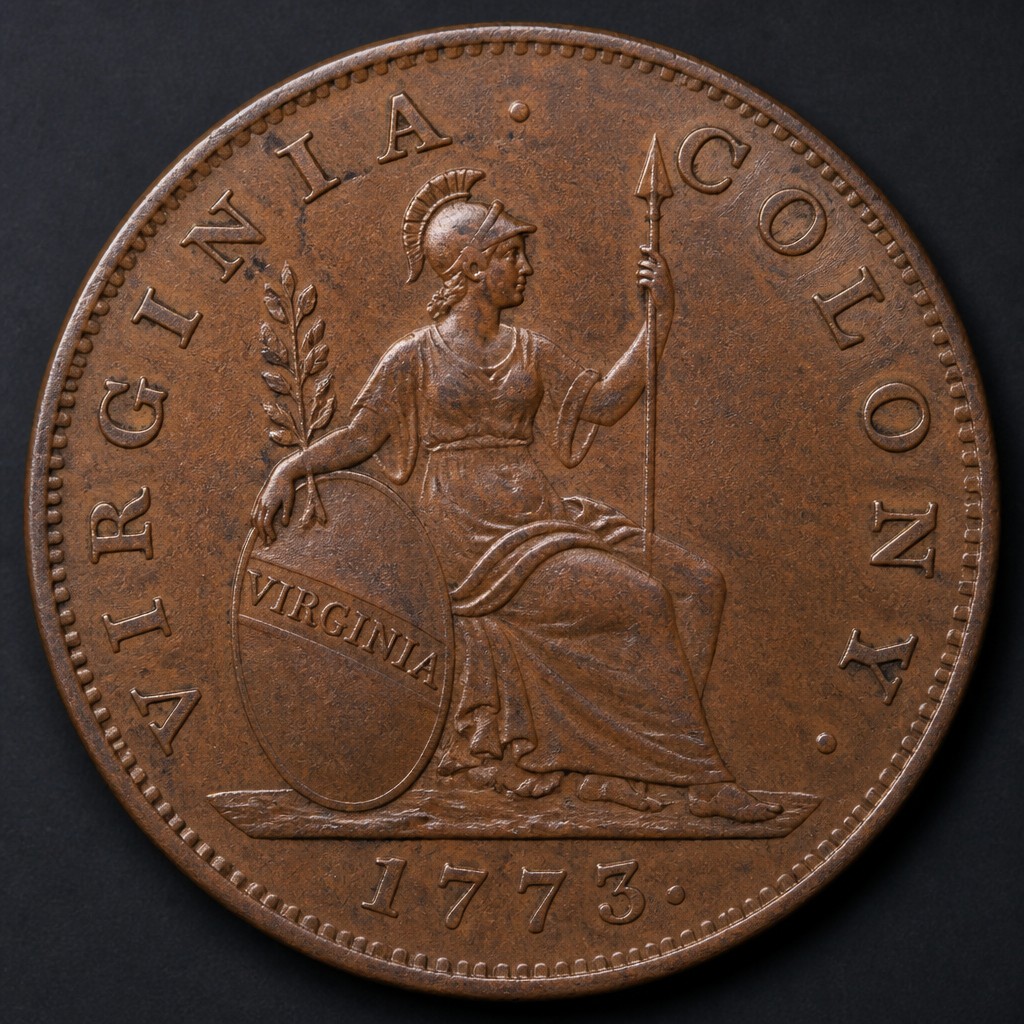
Virginia Halfpenny
1773
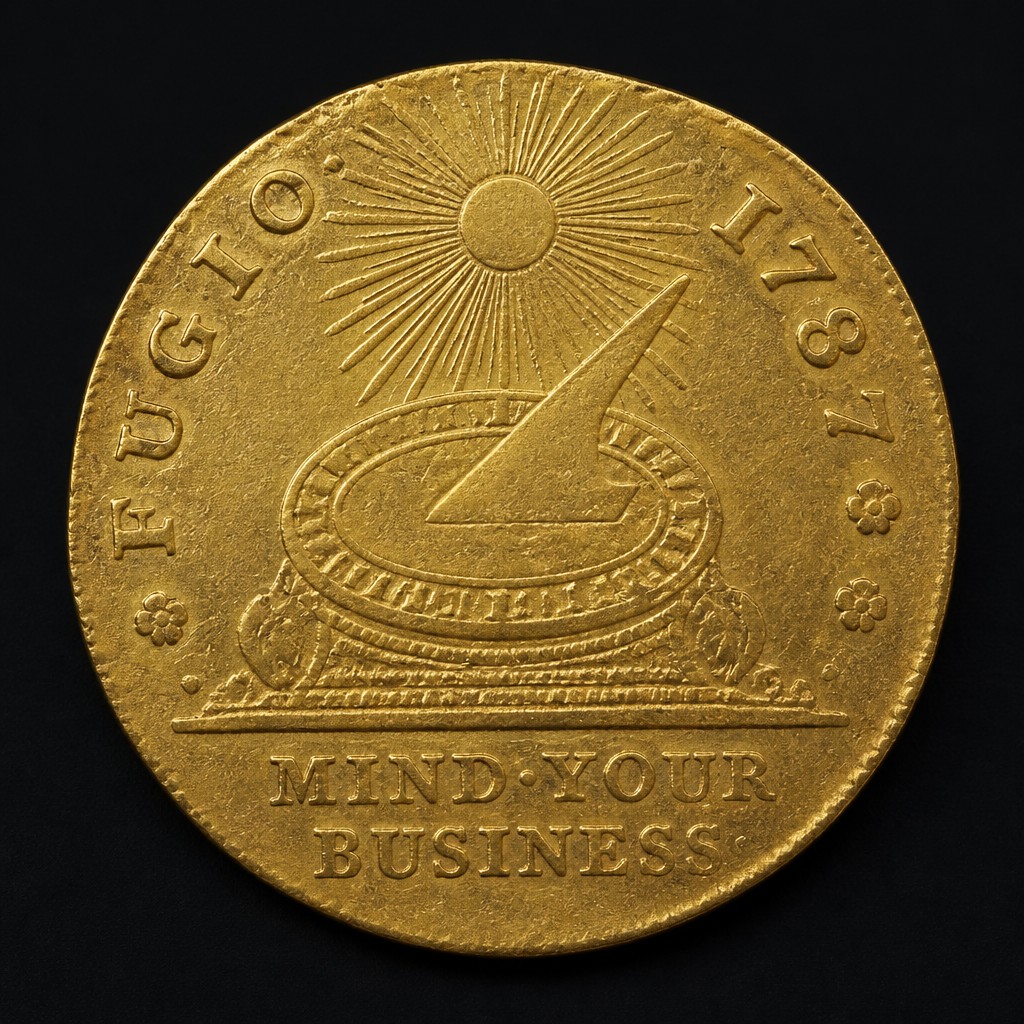
Brasher Doubloon
1787
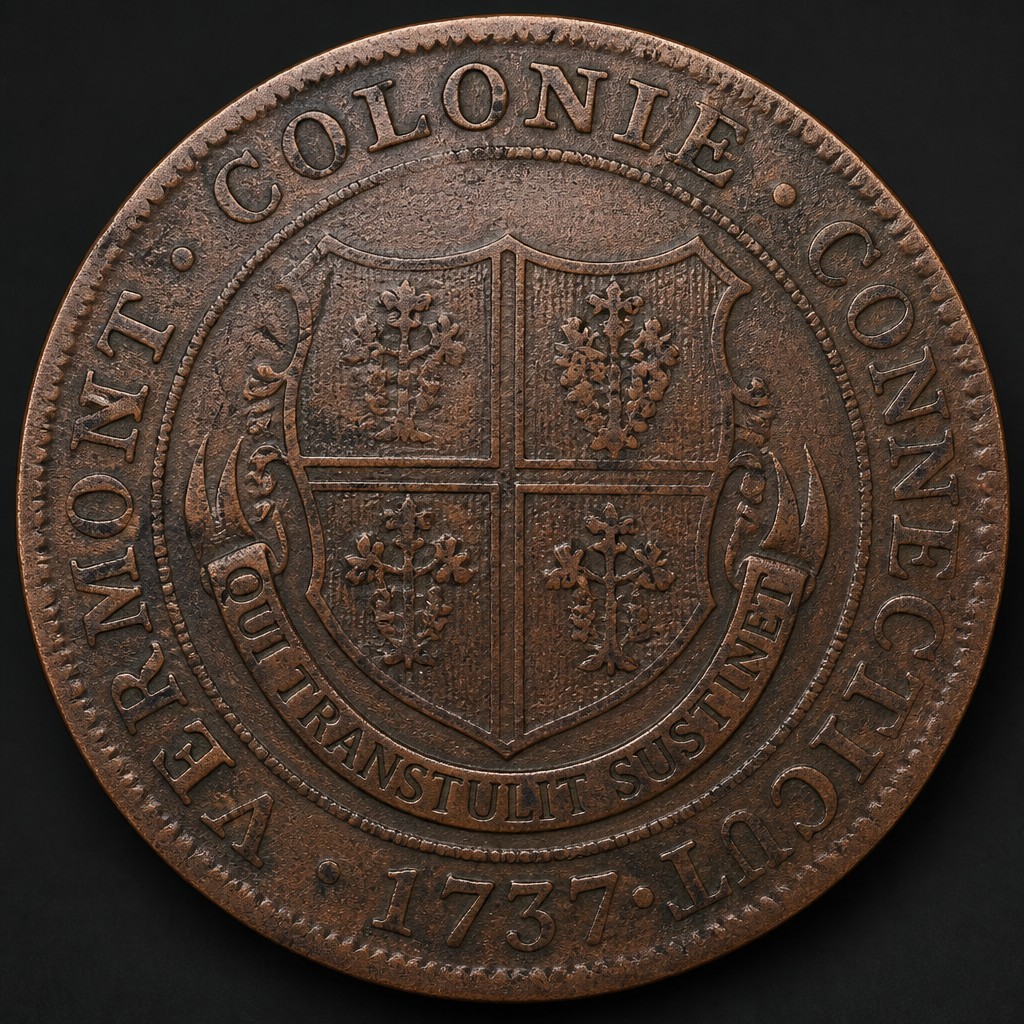
Higley Copper
1737–1739
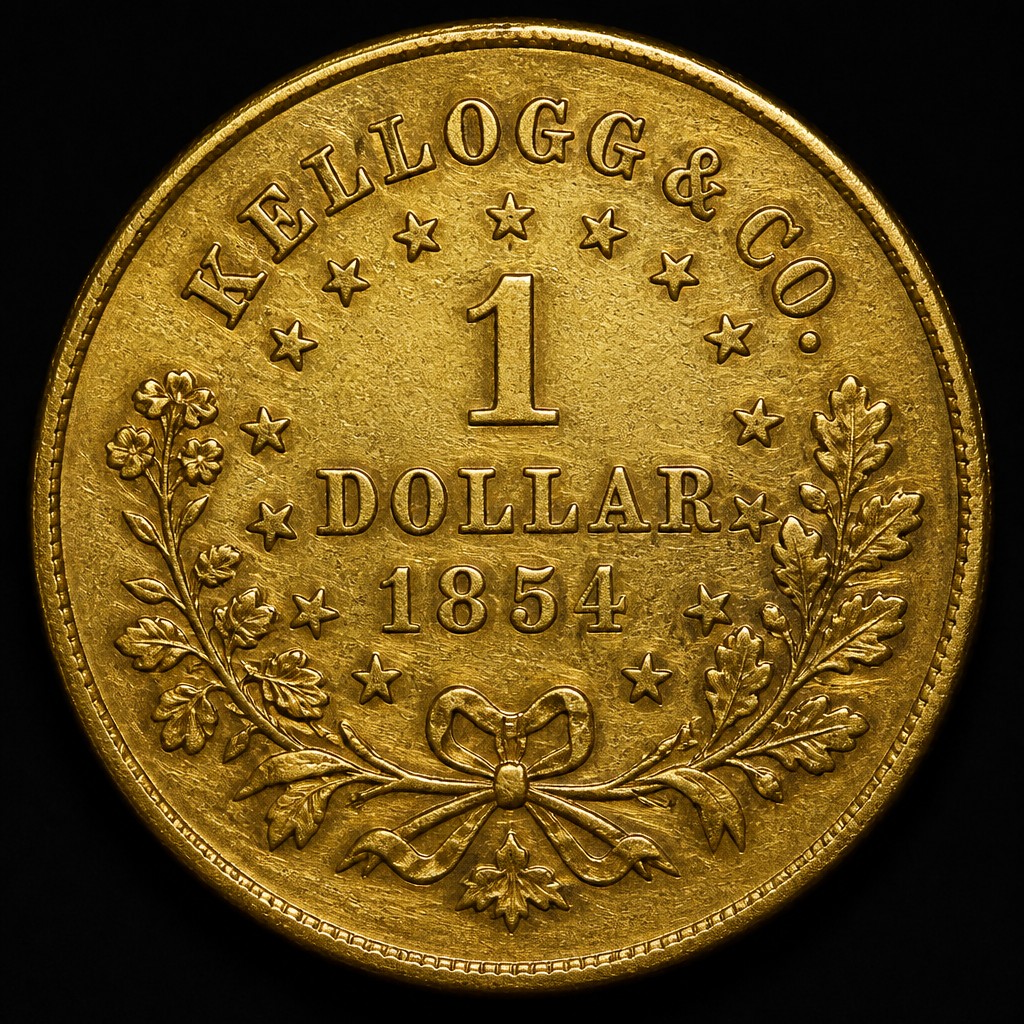
Kellogg & Co. Gold Piece
1854–1855
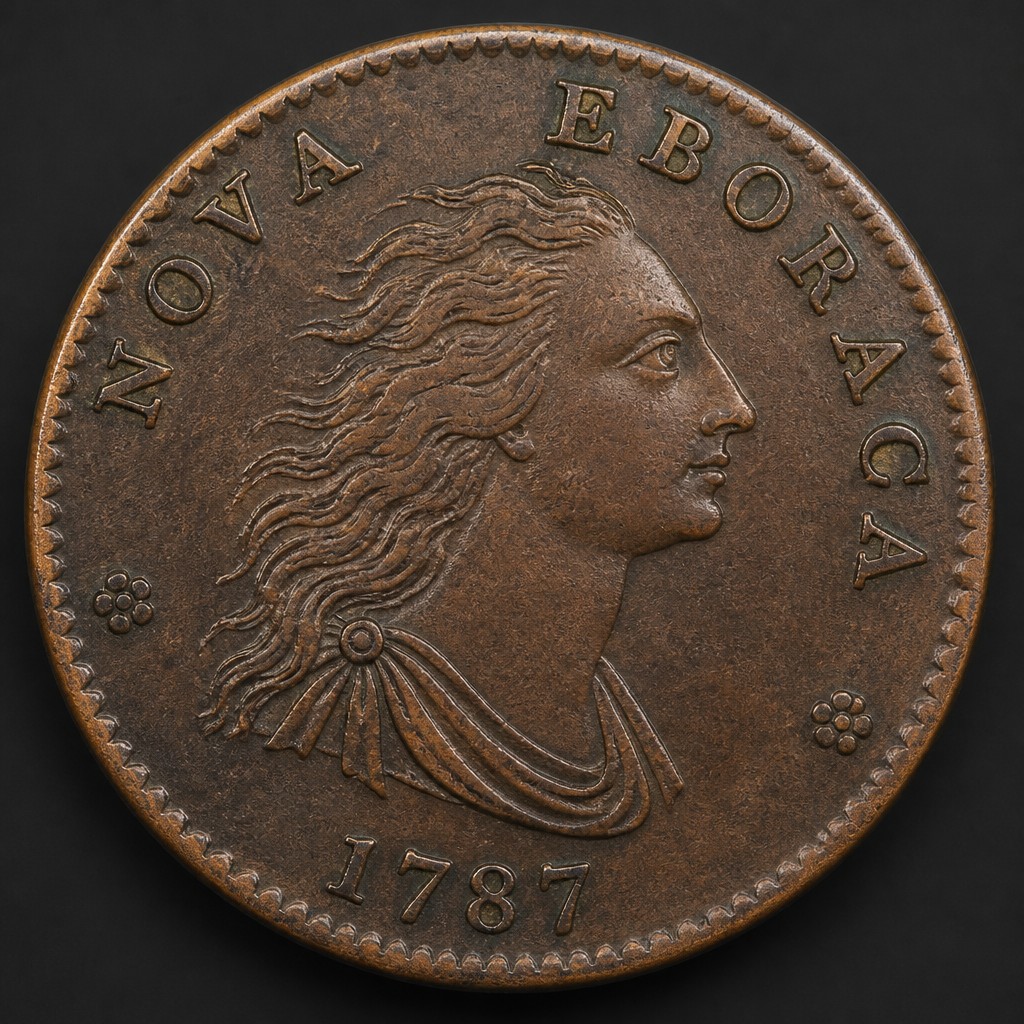
Nova Eborac Copper
1787
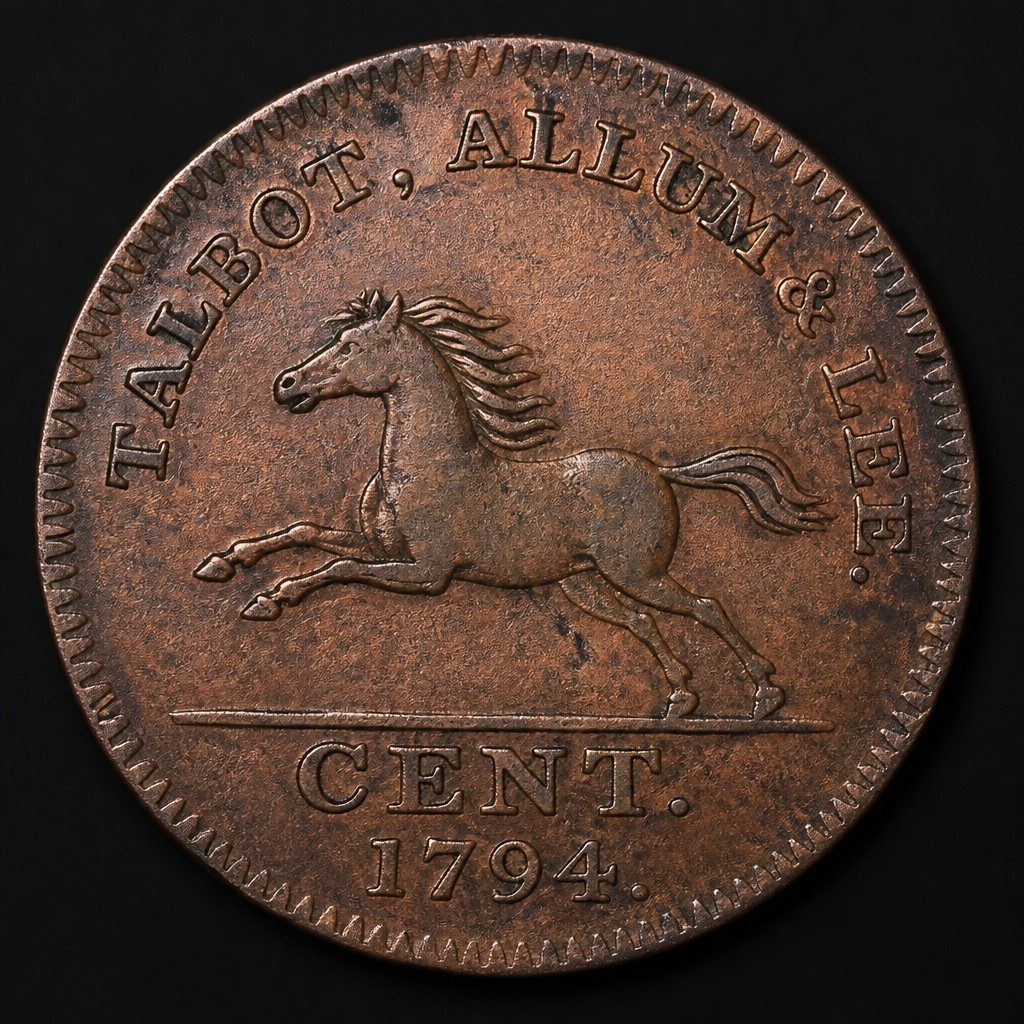
Talbot, Allum & Lee Cent
1794–1795
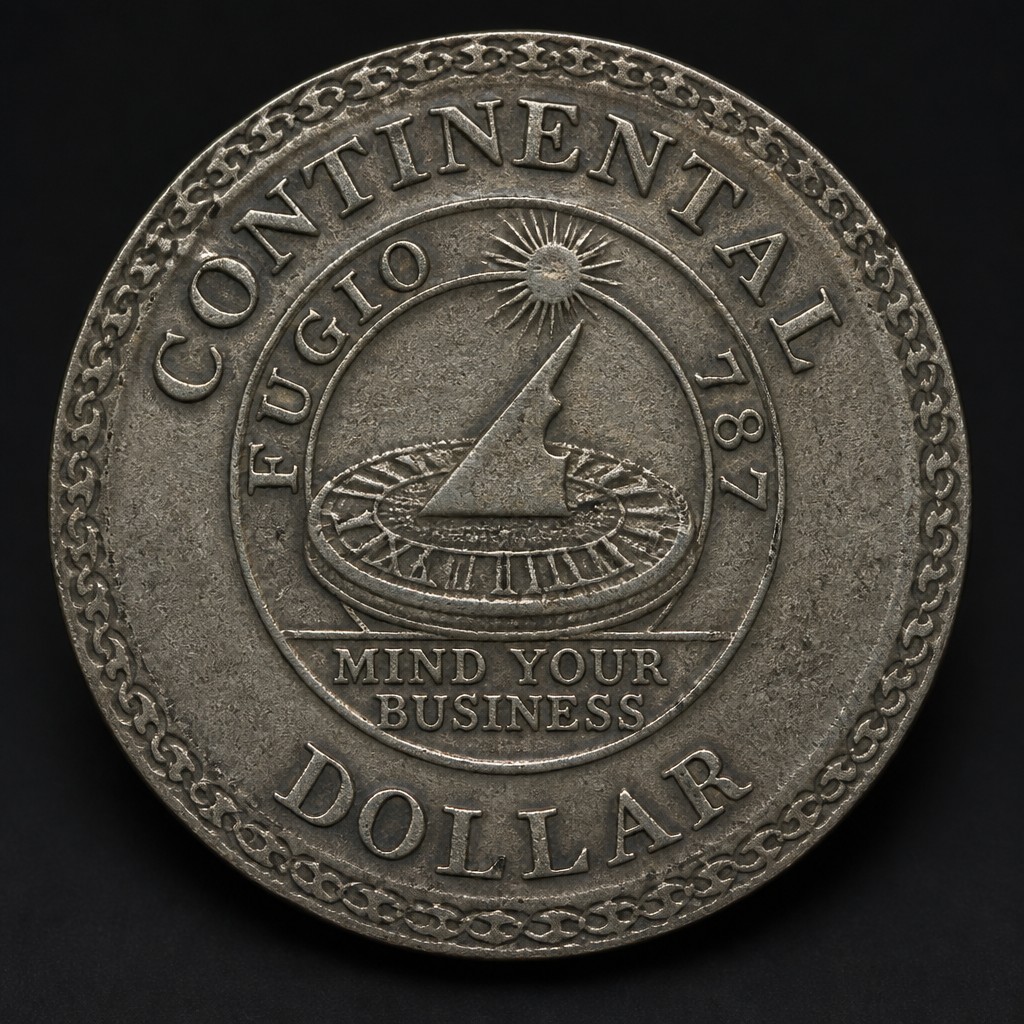
Continental Dollar
1776
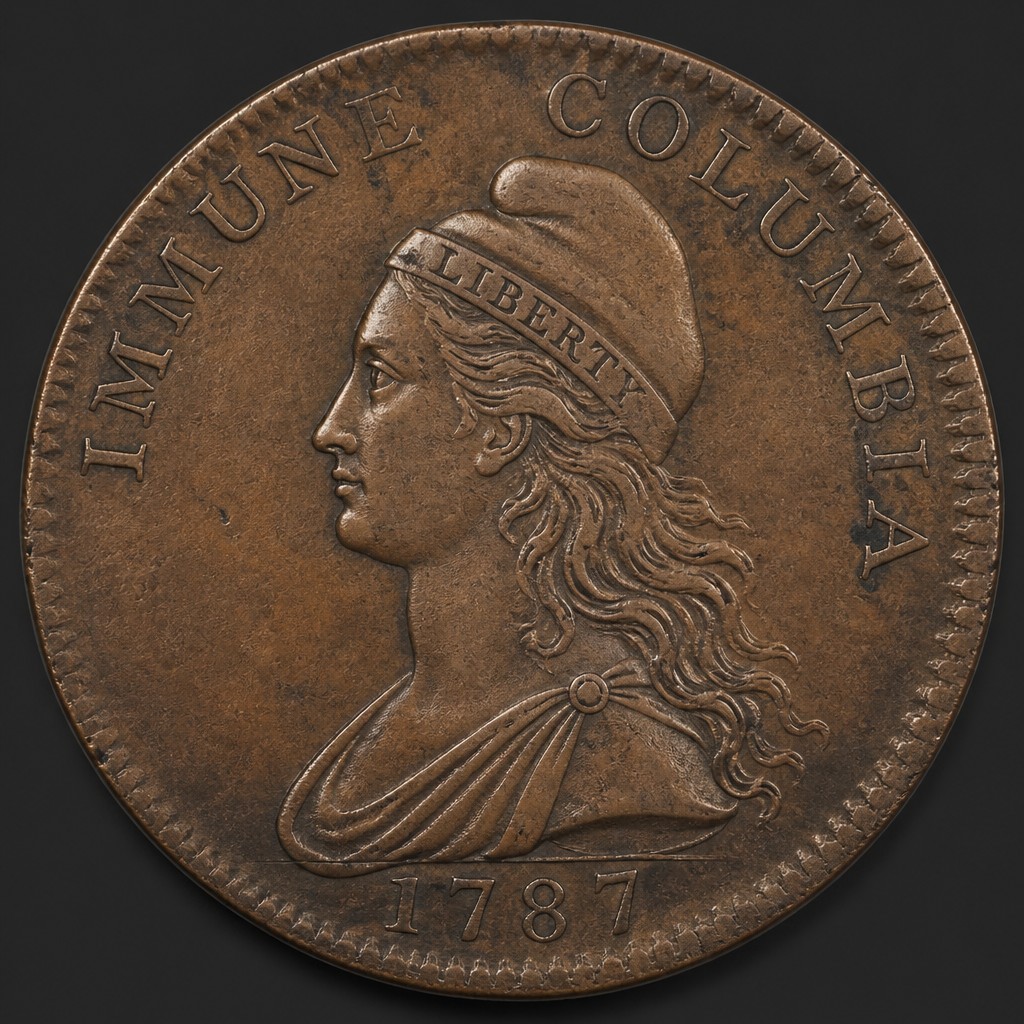
Immune Columbia Copper
circa 1785–1787
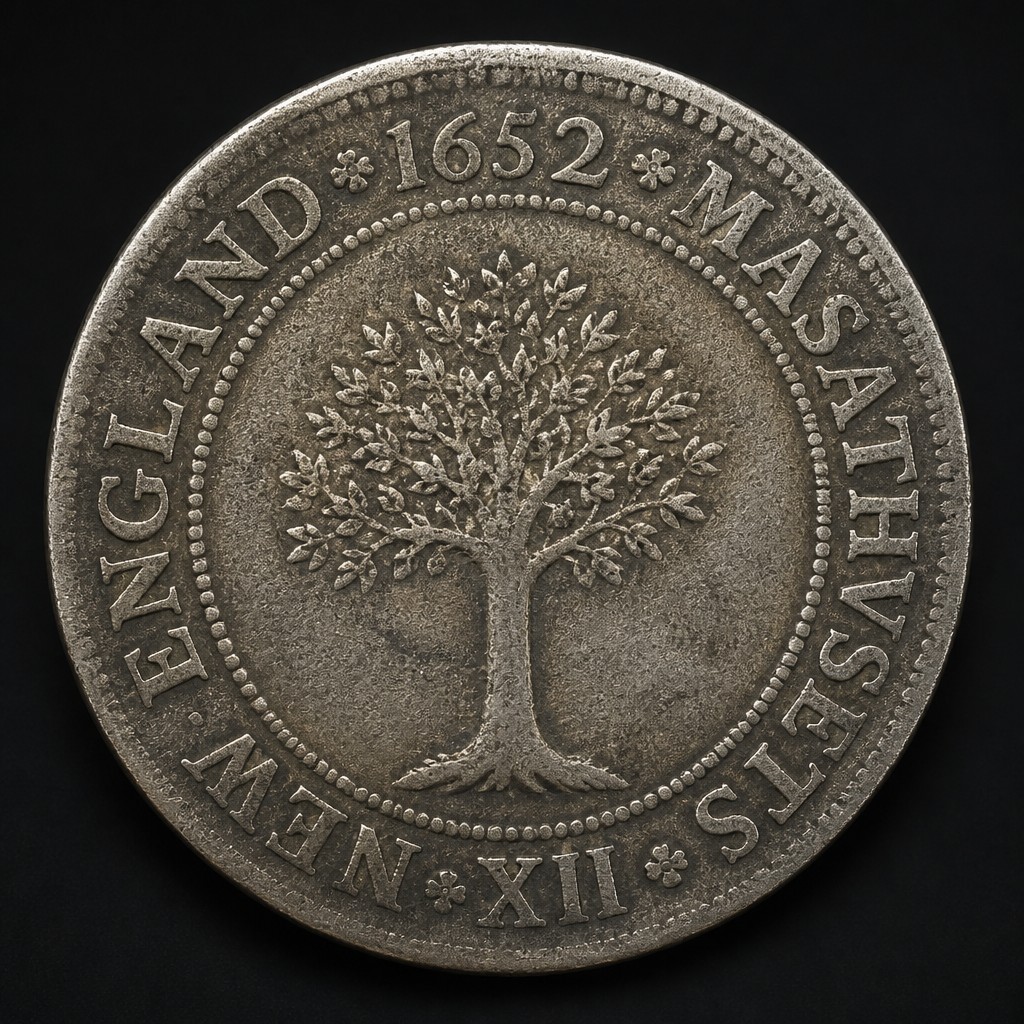
Massachusetts Oak Tree Shilling
Dated 1652, struck circa 1660–1667
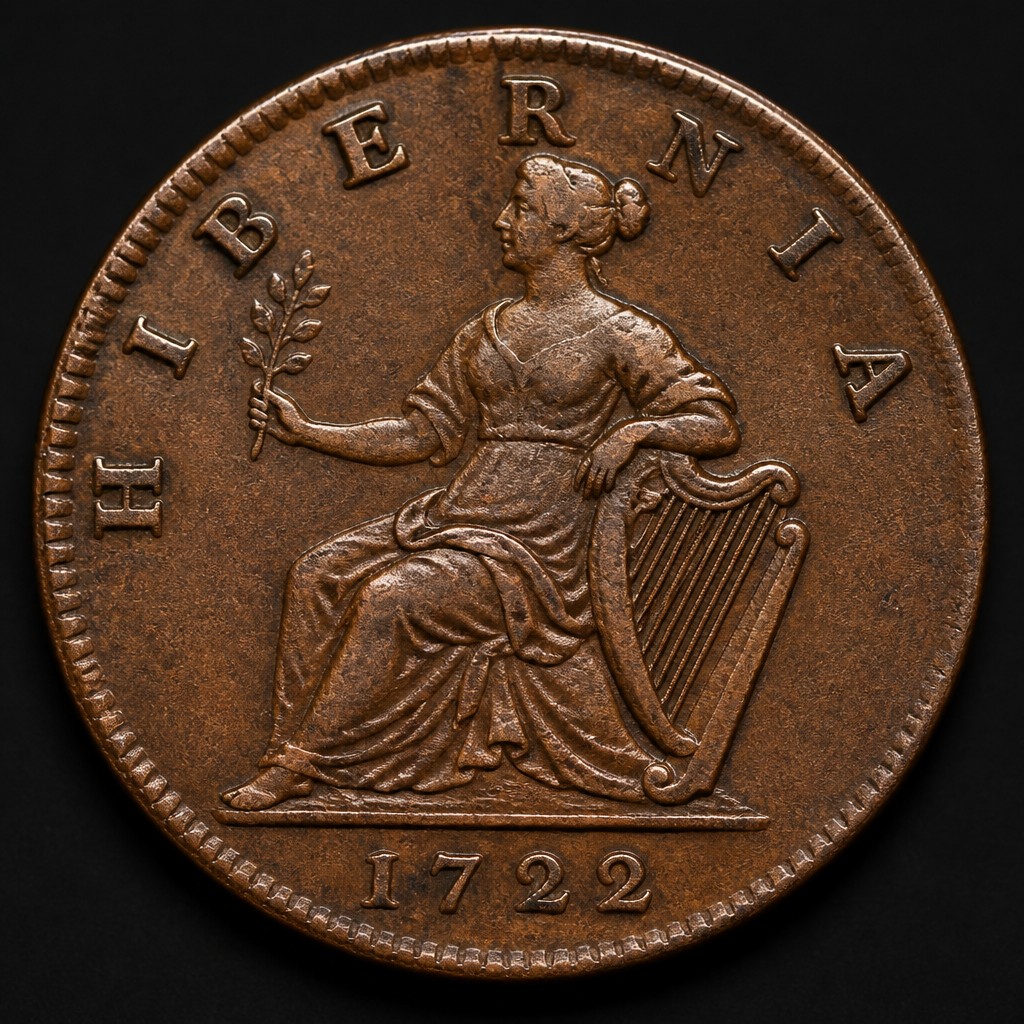
Wood's Hibernia Halfpenny
1722–1724
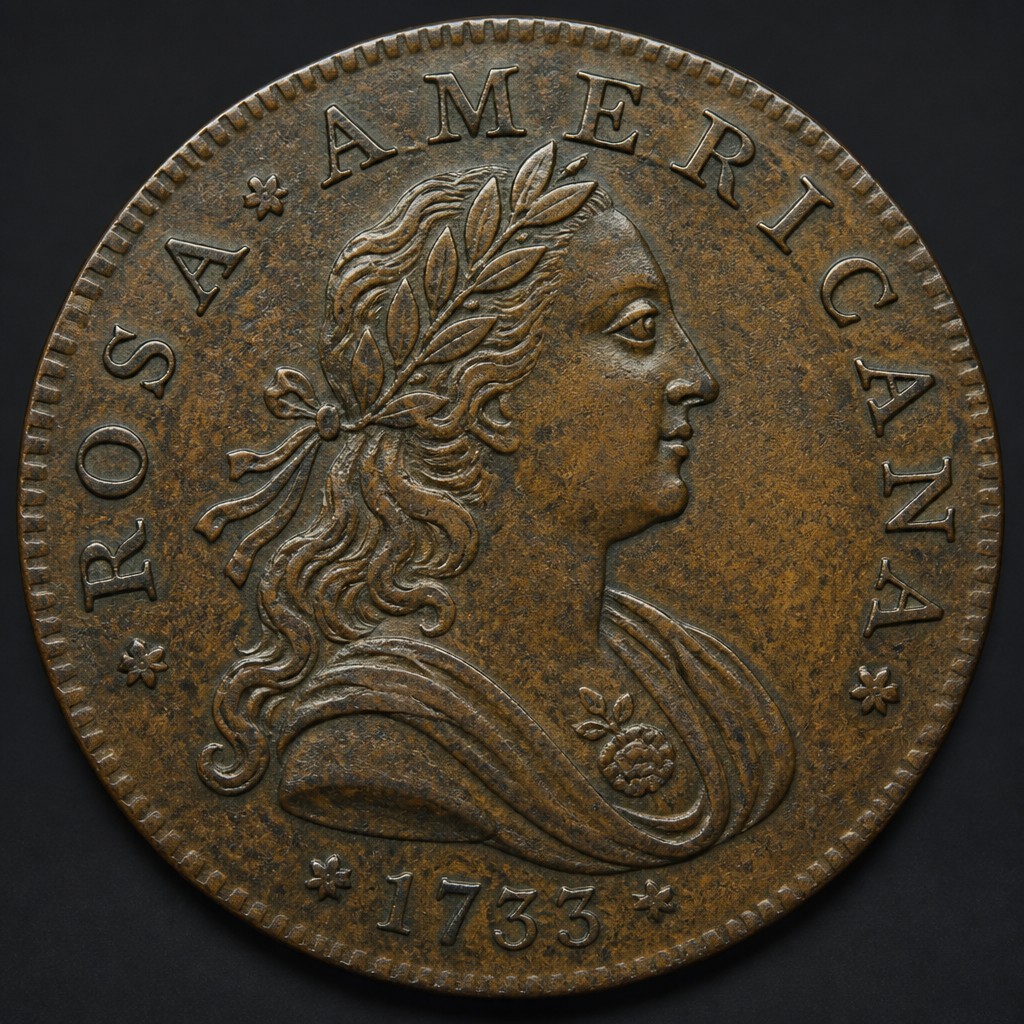
Rosa Americana Coinage
1722–1724 (with pattern issues dated 1733)
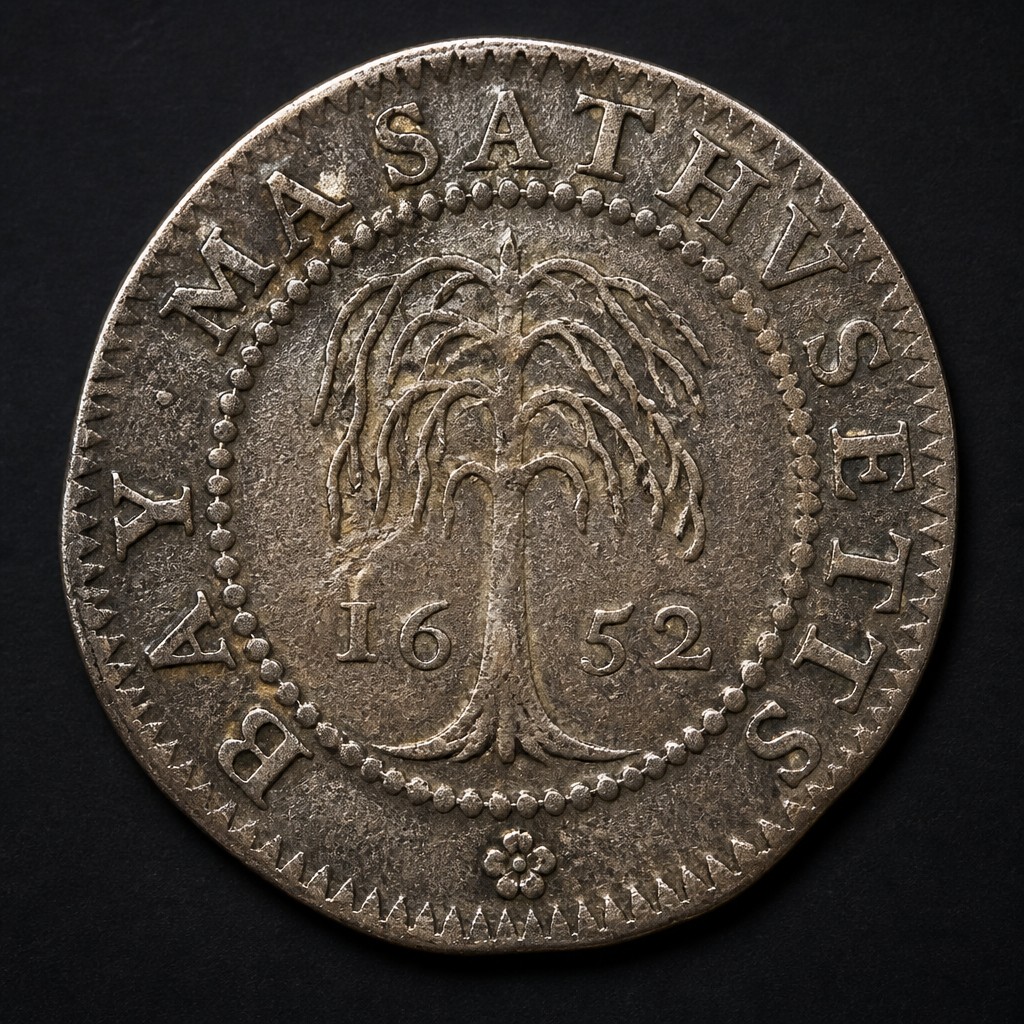
Massachusetts Willow Tree Shilling
Dated 1652, struck circa 1653–1660