
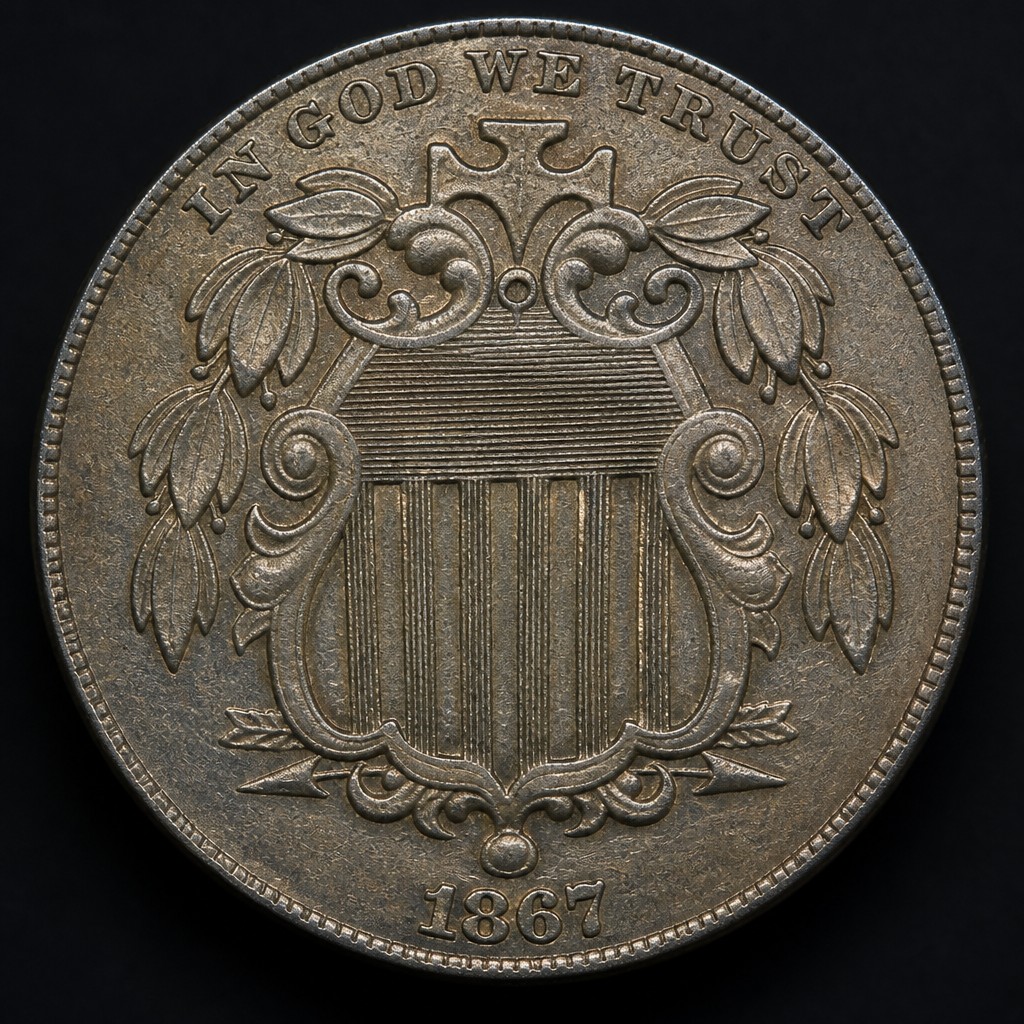
1867 Shield Nickel No Rays
The revised Shield Nickel design with the rays removed from between the reverse stars, introduced to solve die-breakage problems experienced with the original 1866 design.
- Country
- United States
- Denomination
- Five Cents
- Metal
- Copper-Nickel (75% Copper, 25% Nickel)
Got a coin like this?
Identify any coin from a photo, free.
Overview
The 1867 Shield Nickel No Rays represents the Mint's practical solution to production troubles that plagued the original With Rays design, simplifying the reverse by eliminating the thirteen rays between the stars. This cleaner design would remain essentially unchanged for the rest of the Shield Nickel's run through 1883.
Because the No Rays design was struck for many more years than the short-lived With Rays type, individual dates within the No Rays run vary considerably in scarcity, with the very first year, 1867, being a common and easily obtainable date compared to later rarities in the series.
Collectors typically acquire an 1867 No Rays example as a straightforward, affordable representative of the redesigned type, often as a companion piece to the scarcer and more expensive 1866 With Rays coin when building a Shield Nickel type set.
History & Background
Following persistent striking problems caused by the raised rays on the original 1866 Shield Nickel reverse, the U.S. Mint revised the design in 1867, removing the rays entirely to reduce die clashing and extend die life. Some 1867-dated nickels were actually struck with both the old With Rays reverse and the new No Rays reverse, making 1867 a transitional year for the design.
The simplified No Rays reverse proved much more durable in production and was retained for the remainder of the Shield Nickel's run, which continued until the design was replaced by the Liberty Head Nickel beginning in 1883. This made the No Rays type the dominant and far more common version of the Shield Nickel overall.
The 1867 No Rays nickel, produced in substantial quantities once the new reverse was adopted, is generally considered a common, accessible date within the broader series, especially compared to genuine rarities like the proof-only 1877 and 1878 issues.
How to Identify
The obverse retains the Shield Nickel's signature heraldic shield with a cross at top, crossed olive branches and arrows below, and the date at the bottom. The reverse shows the large numeral 5 surrounded by thirteen stars, but without any rays between them, distinguishing it clearly from the 1866 and early 1867 With Rays type.
This coin was struck only at the Philadelphia Mint and carries no mintmark. Because 1867 exists in both With Rays and No Rays varieties, collectors should check the area between the stars on the reverse carefully: the complete absence of rays confirms a No Rays example, while any rays present indicate the earlier, scarcer With Rays variety for that year.
Grading focuses on the high points of the shield and the numeral 5, with well-struck, lustrous examples being fairly plentiful for this particular date compared to other Shield Nickel issues.
Value & Collectibility
As one of the more common dates in the Shield Nickel No Rays series, the 1867 No Rays nickel is generally affordable across most circulated and many mint-state grades, making it an accessible type coin for most collectors. Exceptional, high-grade uncirculated examples with strong luster and minimal die clashing bring more meaningful premiums.
Overall, value is driven mainly by grade and eye appeal rather than genuine scarcity for this specific date, in contrast to later Shield Nickel rarities such as the proof-only issues or the low-mintage 1880 nickel.
Frequently asked questions
Why were the rays removed in 1867?
The raised rays on the original design caused frequent die clashing and premature die failure, so the Mint simplified the reverse to improve durability.
Does 1867 exist with rays as well?
Yes, a smaller number of 1867 nickels were struck with the original With Rays reverse before the transition to the No Rays design was completed.
Is the 1867 No Rays nickel rare?
No, it is one of the more common dates in the Shield Nickel series and is readily available to collectors.
How long was the No Rays design used?
It continued for the remainder of the Shield Nickel series, from 1867 through 1883, when the design was replaced by the Liberty Head Nickel.
Other coins you may enjoy
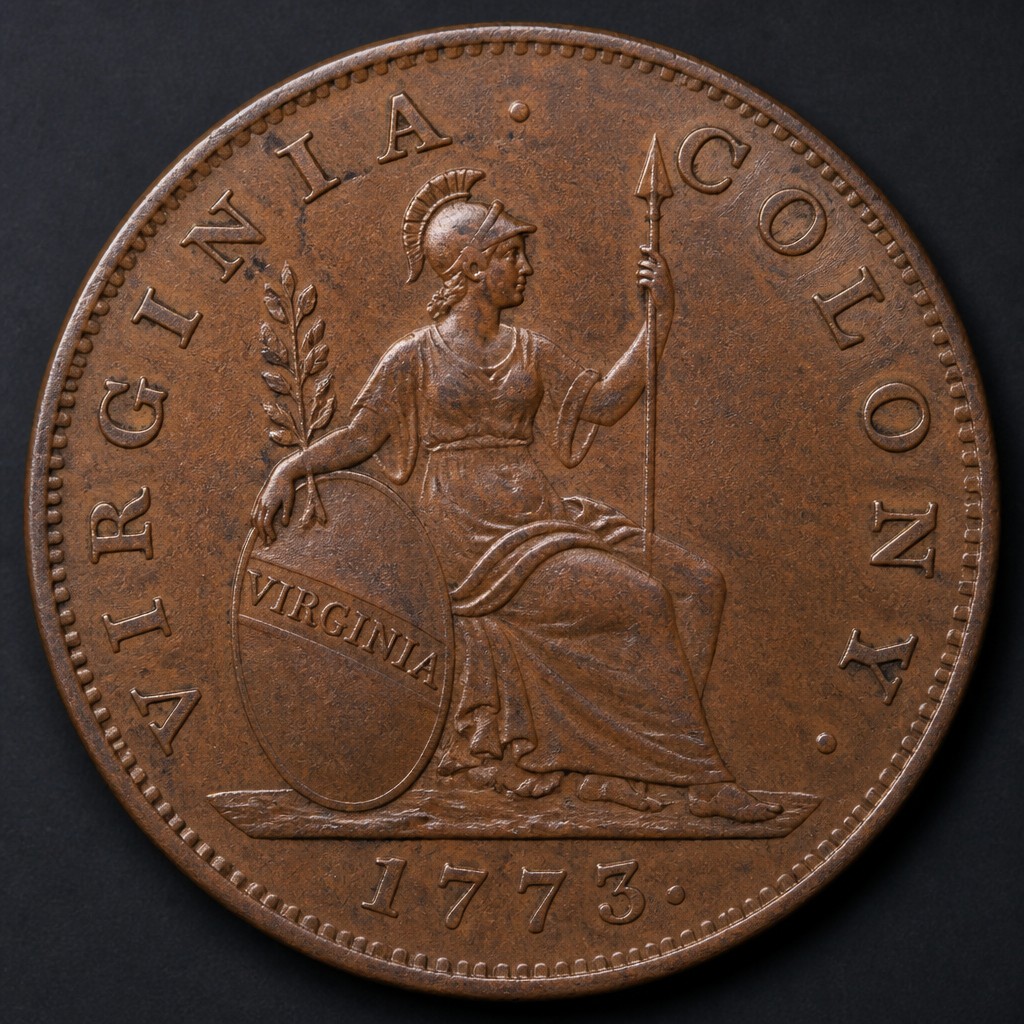
Virginia Halfpenny
1773
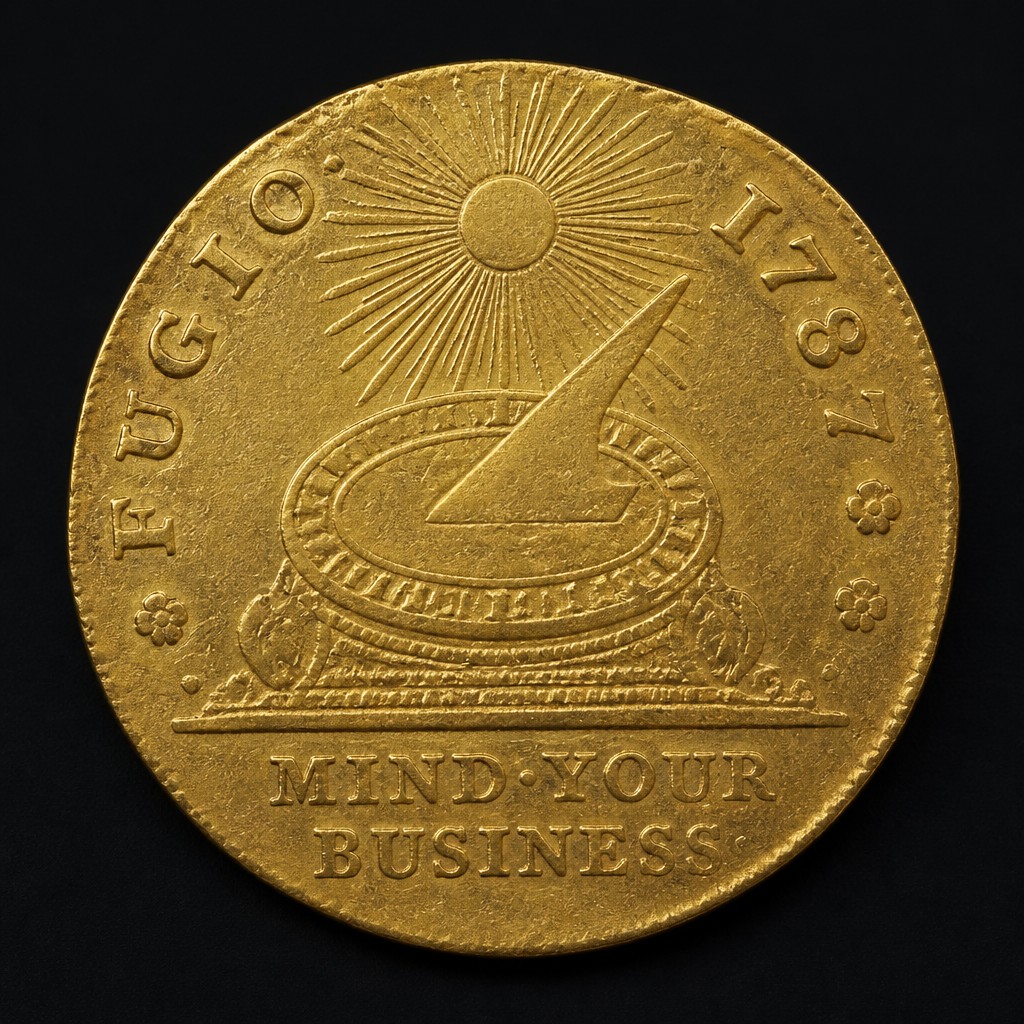
Brasher Doubloon
1787
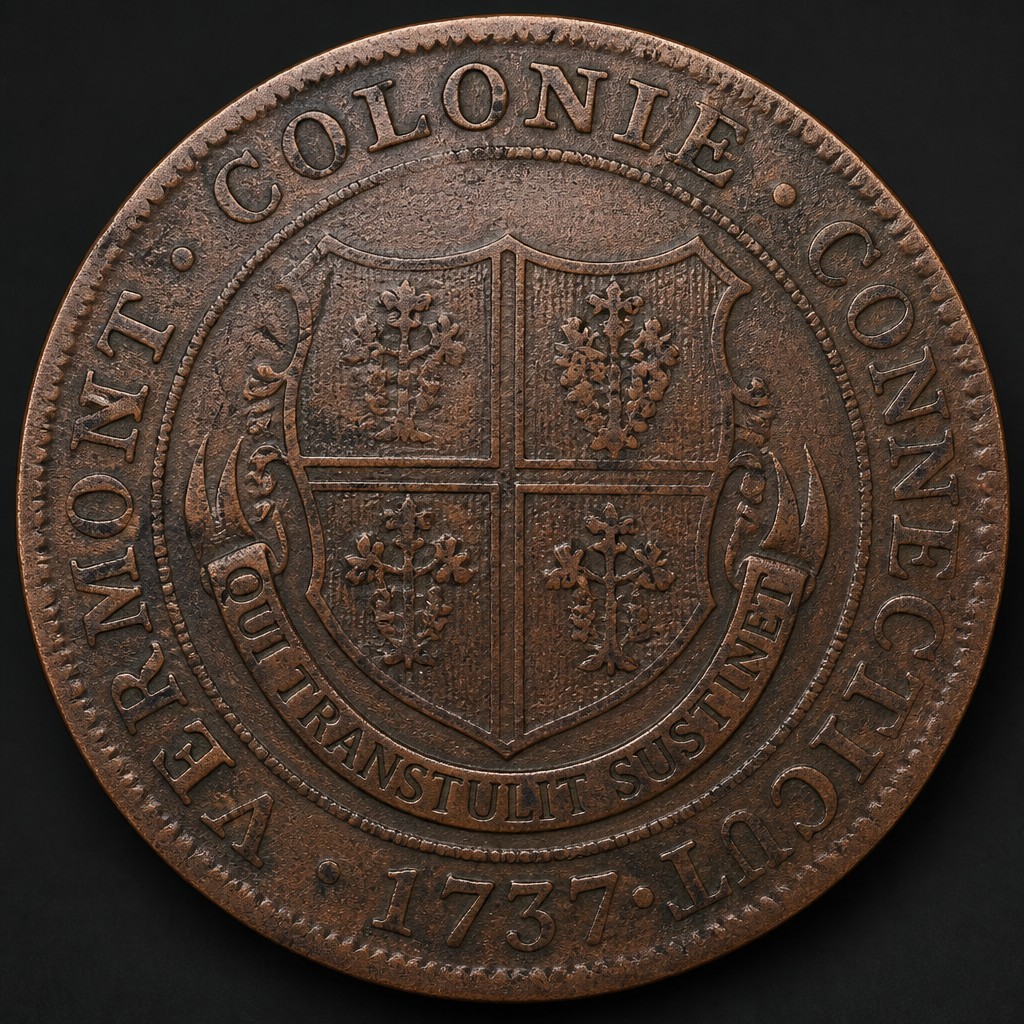
Higley Copper
1737–1739
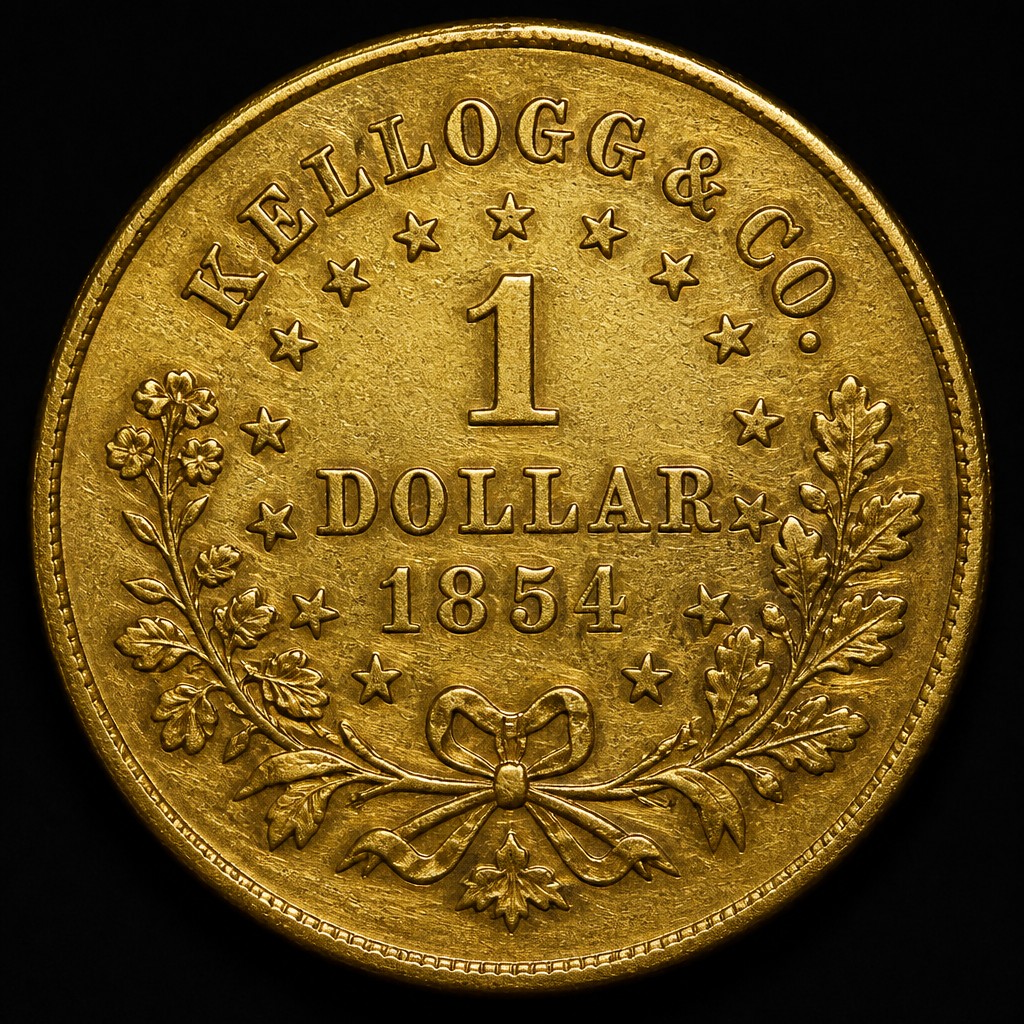
Kellogg & Co. Gold Piece
1854–1855
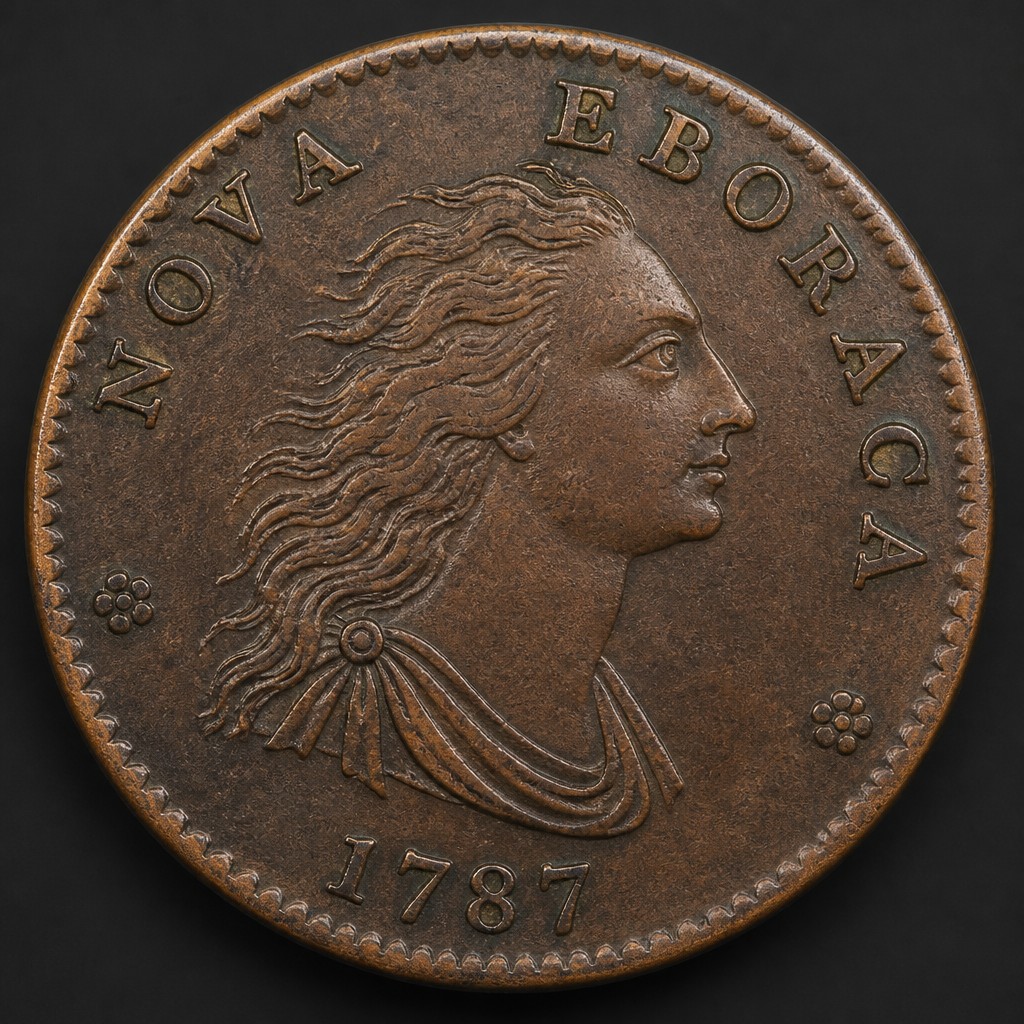
Nova Eborac Copper
1787
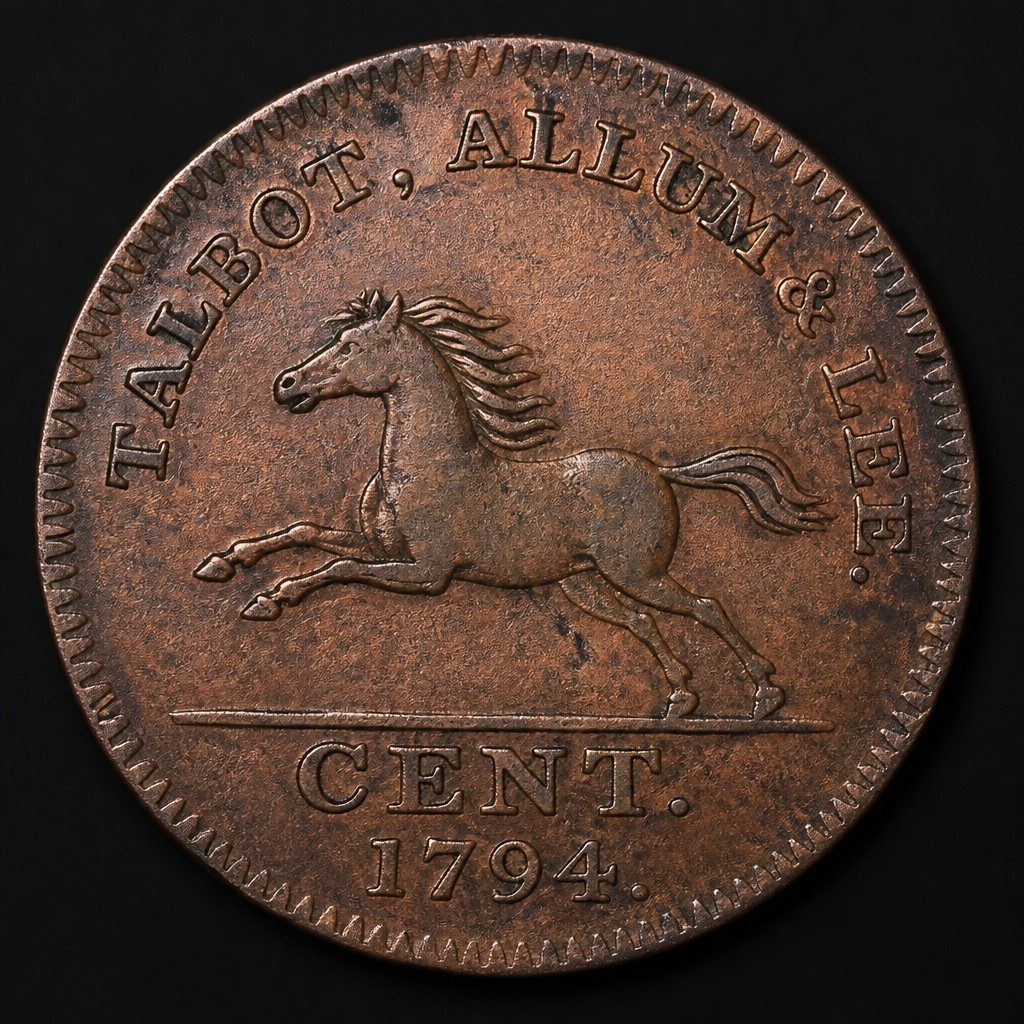
Talbot, Allum & Lee Cent
1794–1795
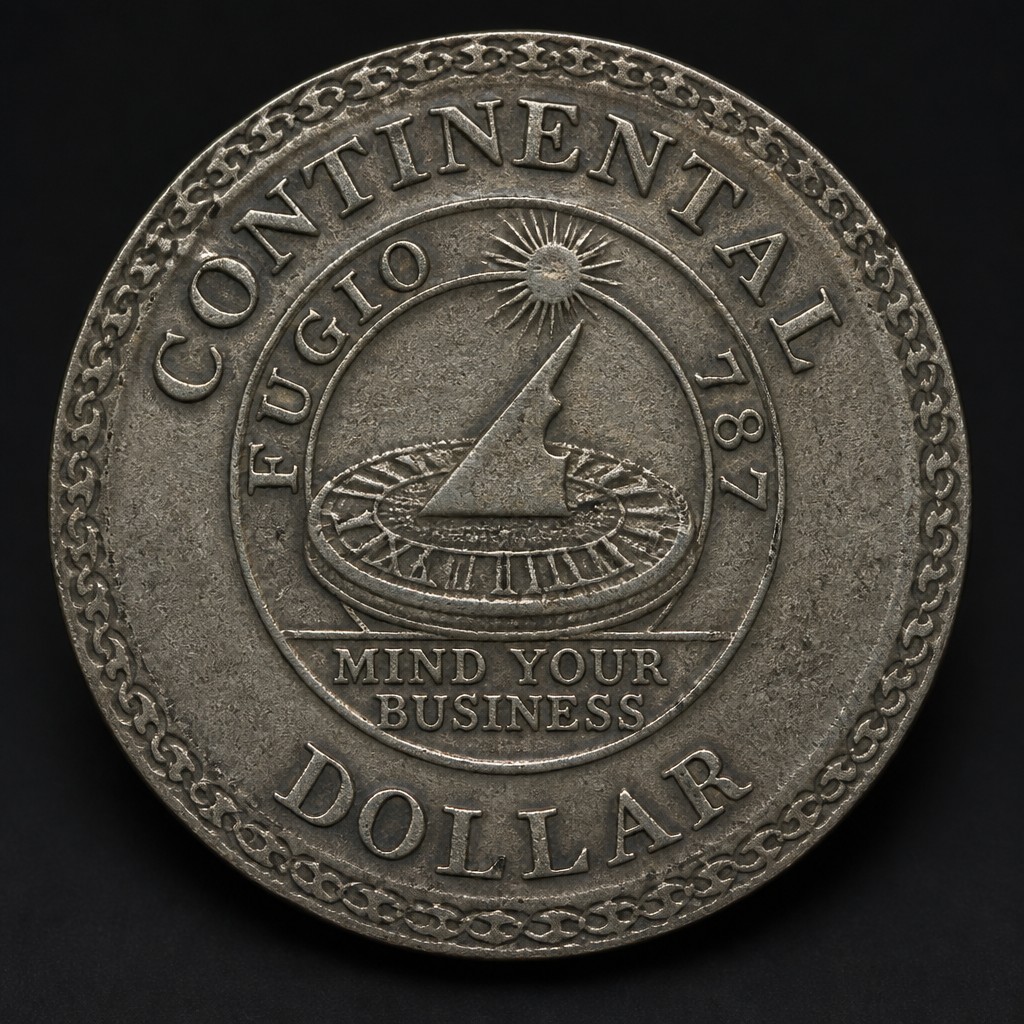
Continental Dollar
1776
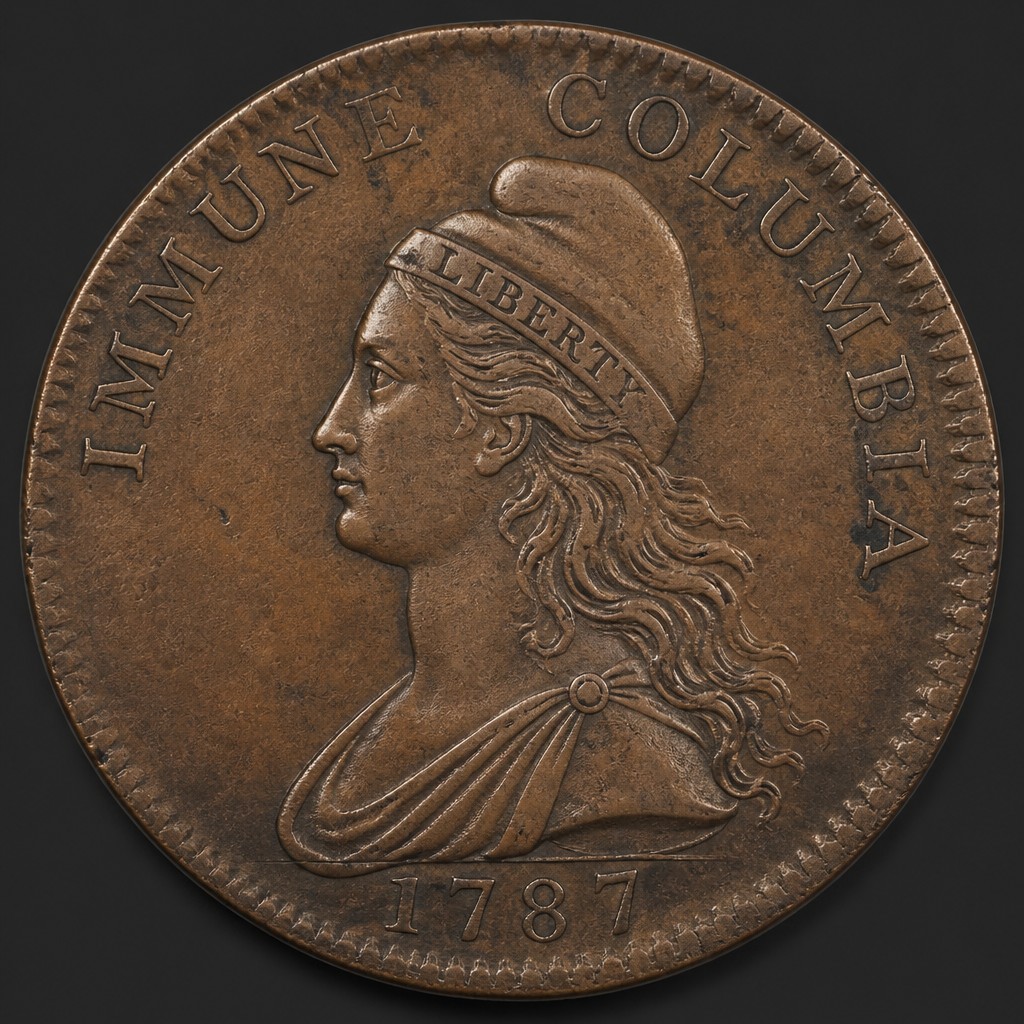
Immune Columbia Copper
circa 1785–1787
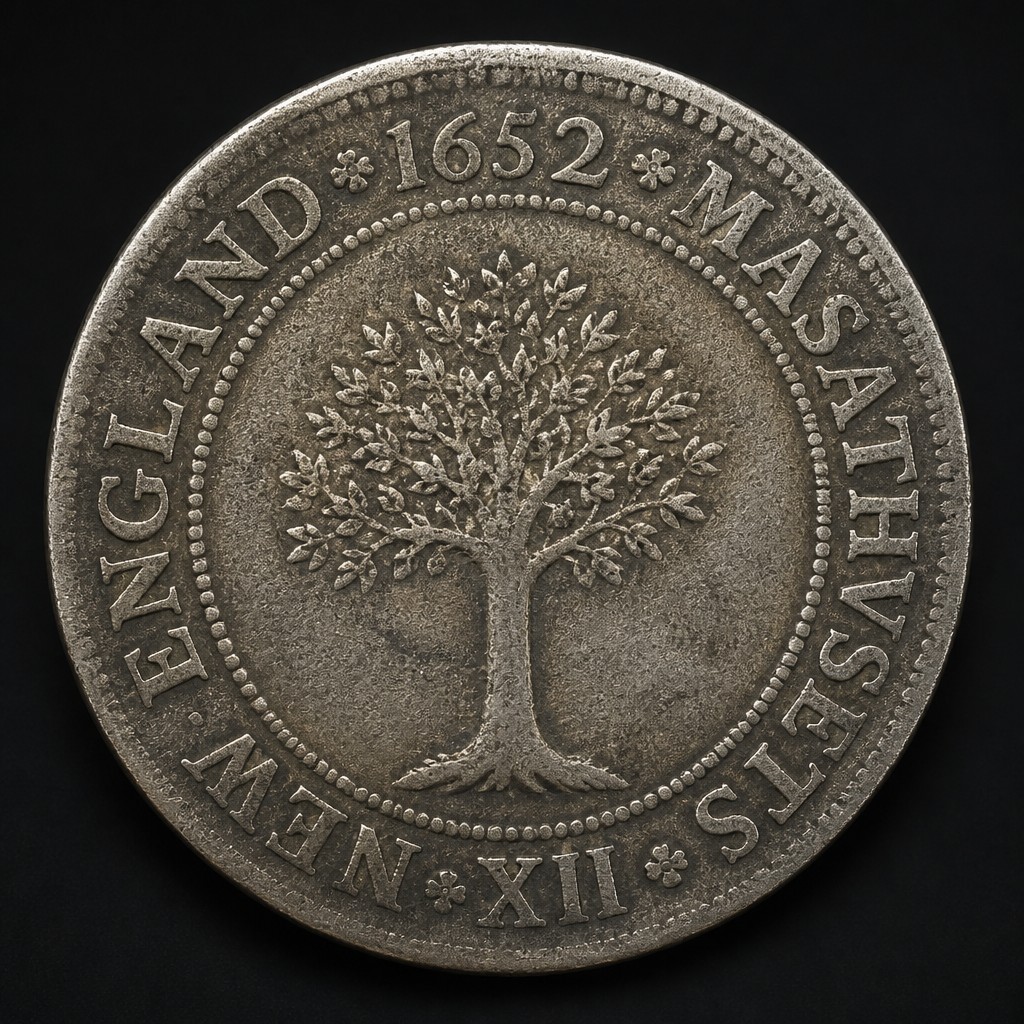
Massachusetts Oak Tree Shilling
Dated 1652, struck circa 1660–1667
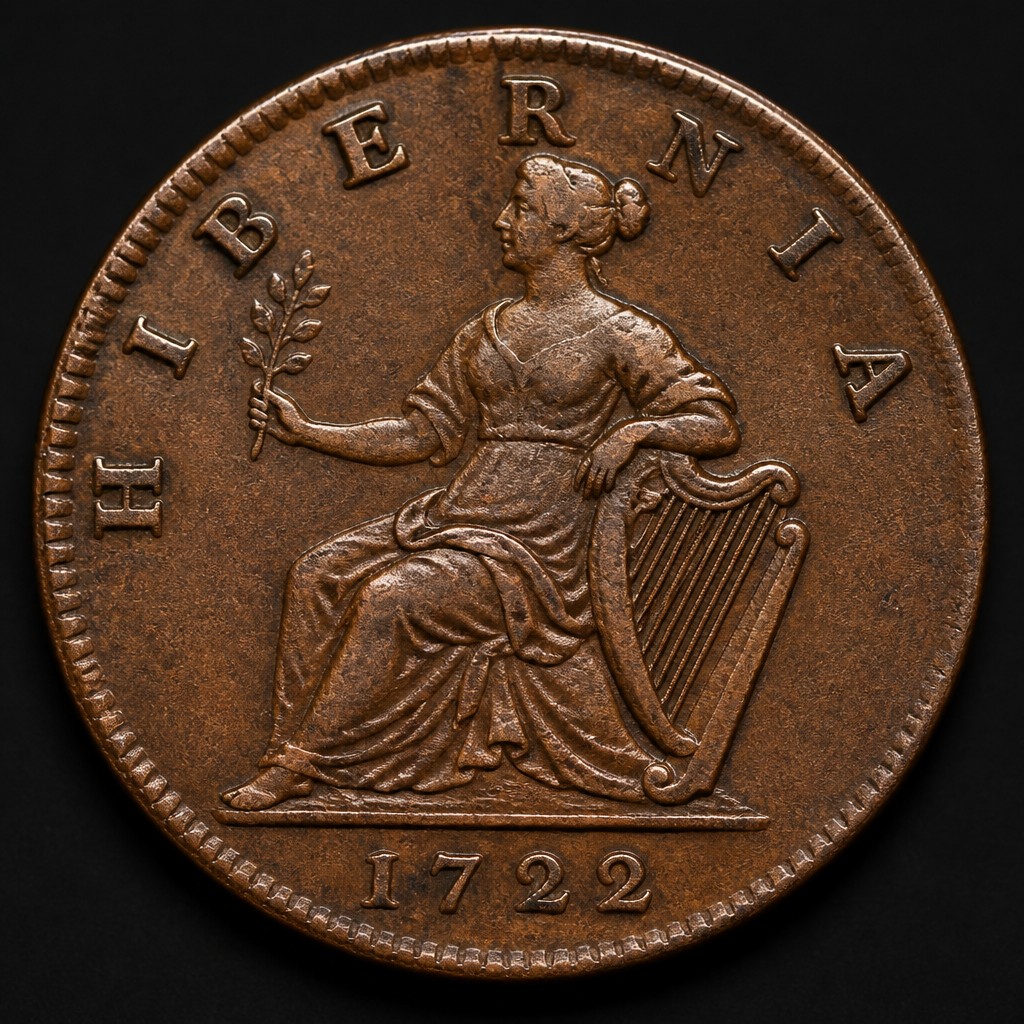
Wood's Hibernia Halfpenny
1722–1724
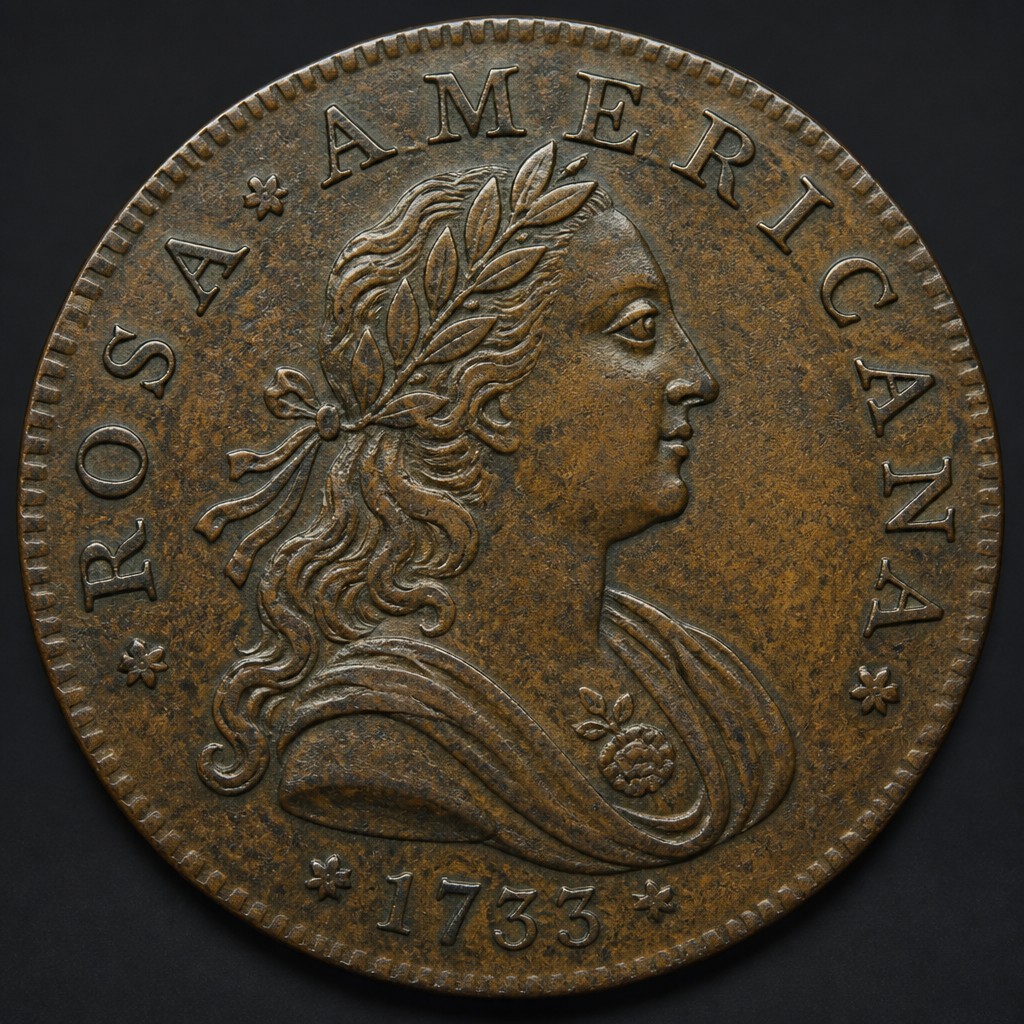
Rosa Americana Coinage
1722–1724 (with pattern issues dated 1733)
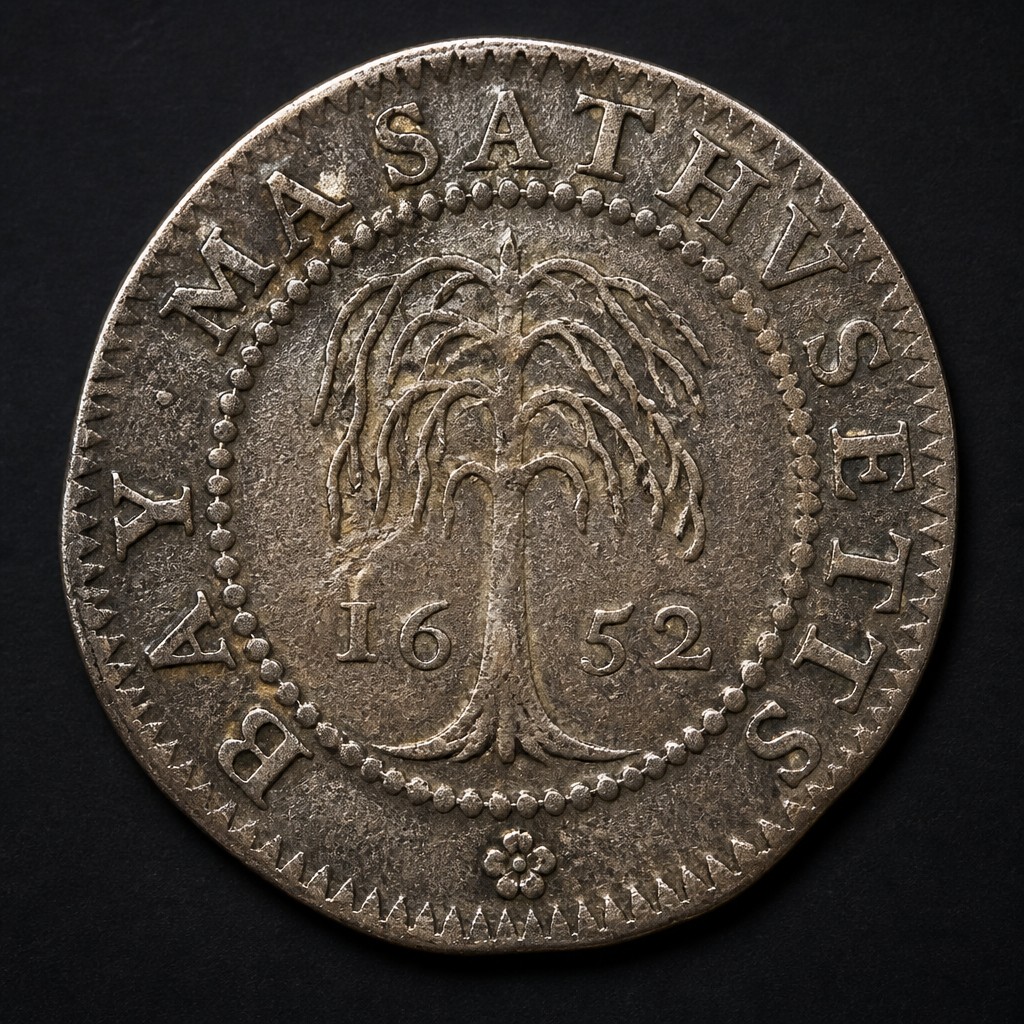
Massachusetts Willow Tree Shilling
Dated 1652, struck circa 1653–1660