
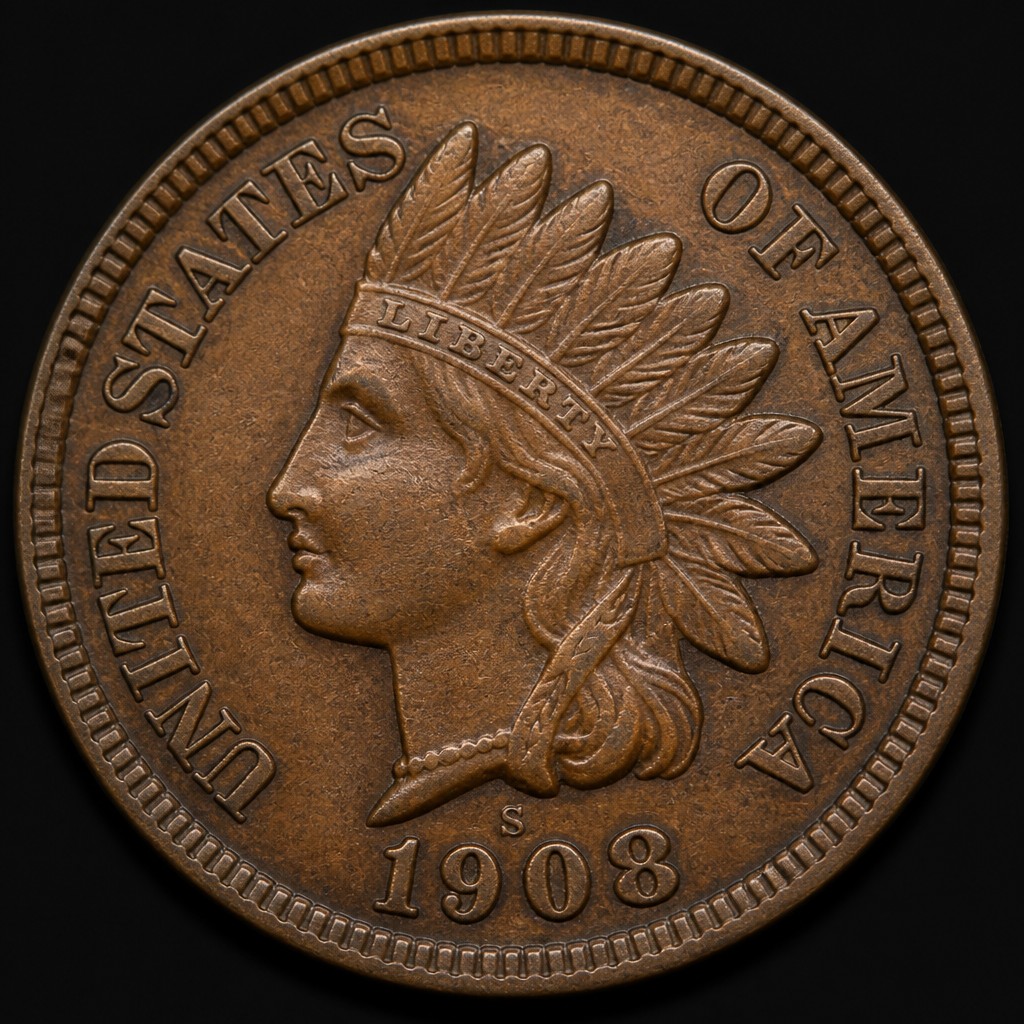
1908-S Indian Head Cent
The first Indian Head cent struck at the San Francisco Mint, marking the first time a branch mint produced a one-cent coin for the United States.
- Country
- United States
- Denomination
- One Cent
- Metal
- 95% Copper, 5% Tin and Zinc (Bronze)
Got a coin like this?
Identify any coin from a photo, free.
Overview
The 1908-S Indian Head cent holds a special place in American numismatic history as the first cent ever struck at a branch mint, when the San Francisco facility began producing the denomination that year. It is a genuine key date within the series due to its comparatively low mintage.
Collectors value it both for this historical first and as one of the harder dates to acquire in a complete Indian Head cent set, second in difficulty within the series only to the famous 1877 and 1909-S issues.
History & Background
The Indian Head cent, designed by James B. Longacre and in production since 1859, had until 1908 been struck exclusively at the Philadelphia Mint. In 1908, the San Francisco Mint produced cents for the first time, adding a small "S" mint mark to the design and creating the first branch-mint cent in United States history.
This expansion reflected growing demand for coinage on the West Coast as the regional economy and population grew in the early 20th century. The San Francisco Mint would go on to strike cents intermittently in subsequent decades, but the 1908-S holds the distinction of being the trailblazing issue.
How to Identify
The obverse shows Liberty in a feathered headdress with LIBERTY on the band and the date below. The reverse displays a wreath with a shield at the top encircling ONE CENT, consistent with other Indian Head cents from the 1860s onward.
The defining feature is the small "S" mint mark on the reverse, below the wreath, indicating San Francisco Mint production; the vastly more common Philadelphia strikes from the same year lack any mint mark. As with other branch-mint key dates, buyers should be alert to added or altered mint marks and should examine the mark's size and placement carefully or rely on professional grading.
The coin's bronze composition and overall dimensions match other later Indian Head cents.
Value & Collectibility
The 1908-S is a recognized key date of the Indian Head cent series, commanding solid premiums over common-date issues even in worn condition due to its comparatively low mintage and historic status as the first branch-mint cent. Higher grades bring meaningfully higher prices, reflecting steady collector demand for this pivotal date.
As with the 1909-S, counterfeit or added mint marks are a known concern for this popular key date, making third-party authentication a wise precaution for buyers.
Frequently asked questions
Why is the 1908-S historically important?
It was the first cent ever struck at a United States branch mint, when San Francisco began producing the denomination that year.
Where is the mint mark located?
The small "S" appears on the reverse, below the wreath.
Is the 1908-S rarer than the 1909-S?
The 1909-S is generally considered the scarcer and more valuable of the two San Francisco key dates, but the 1908-S is still a significant key date in its own right.
What should I watch out for when buying one?
Added or altered mint marks are a known issue for this date, so professional authentication is recommended.
What is the coin made of?
A bronze alloy of 95% copper and 5% tin and zinc, standard for the series after 1864.
Other coins you may enjoy
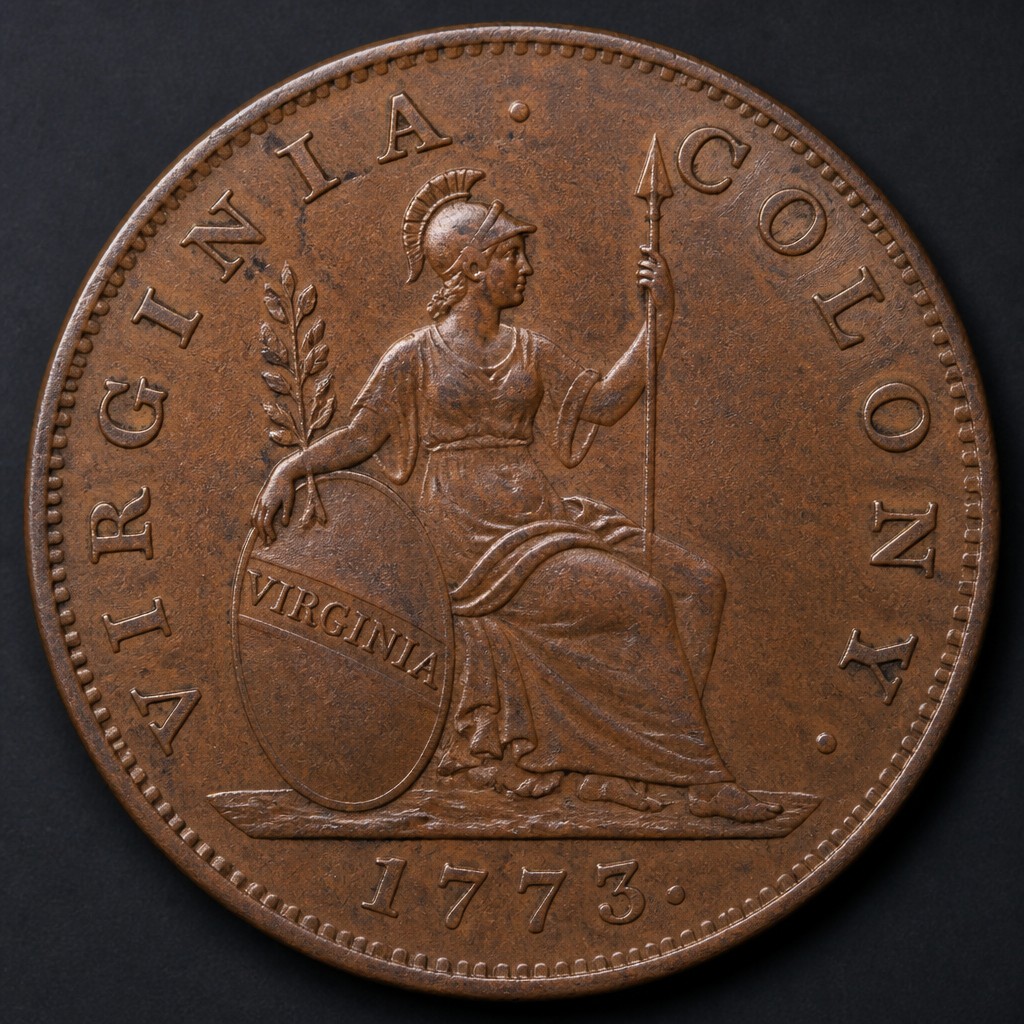
Virginia Halfpenny
1773
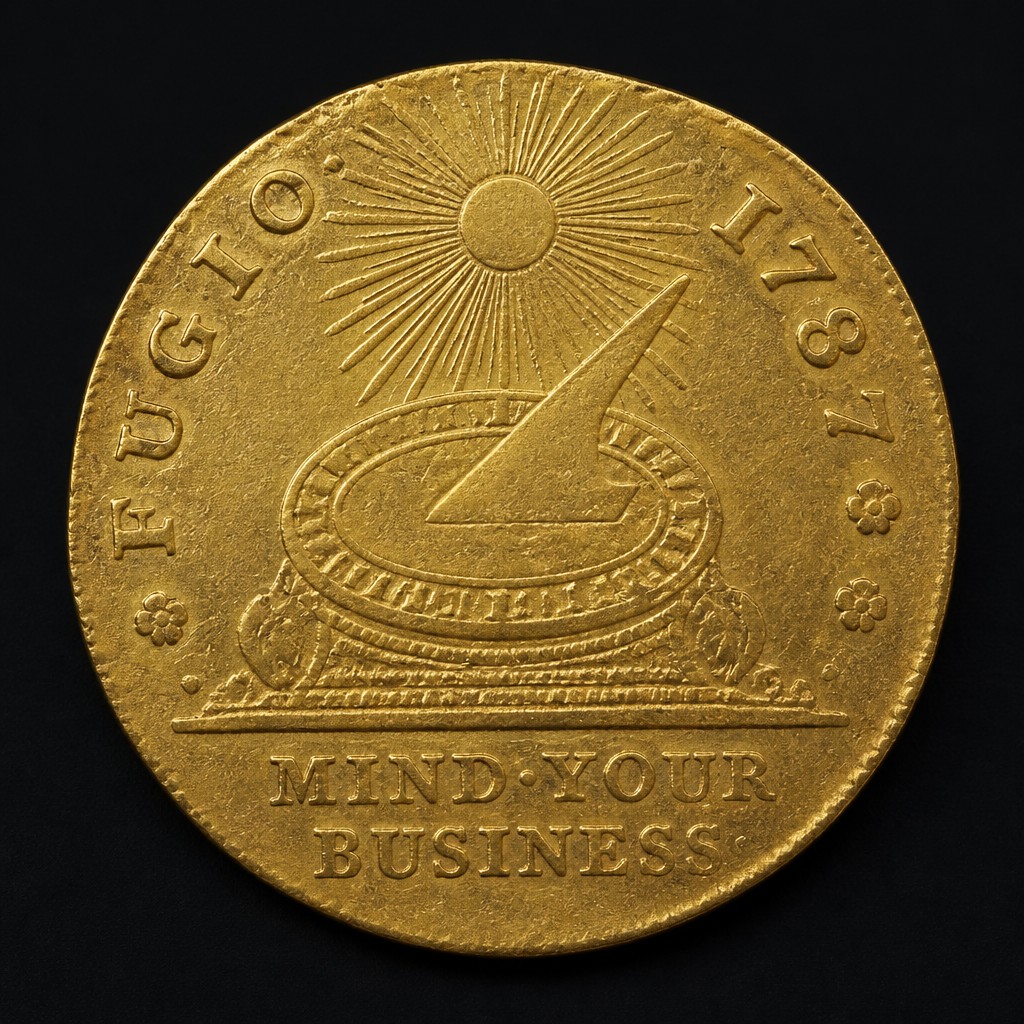
Brasher Doubloon
1787
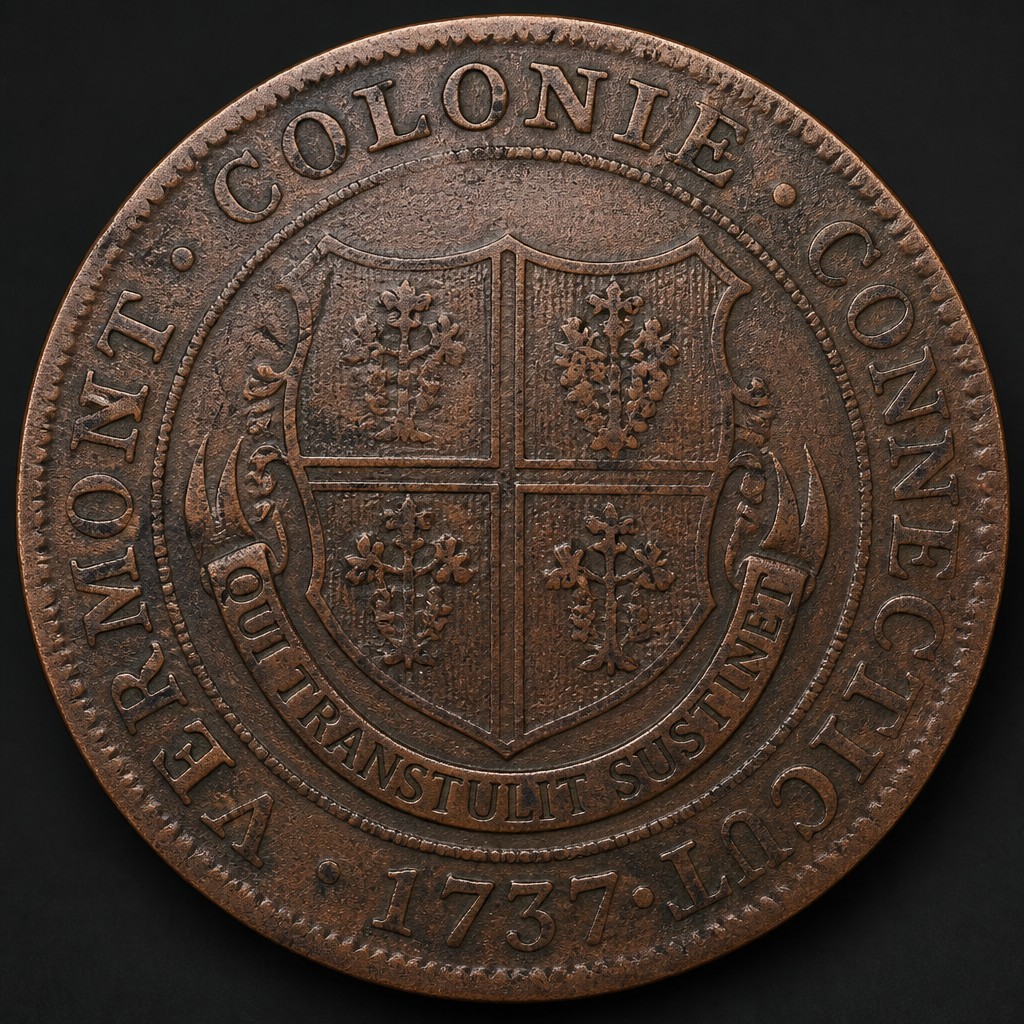
Higley Copper
1737–1739
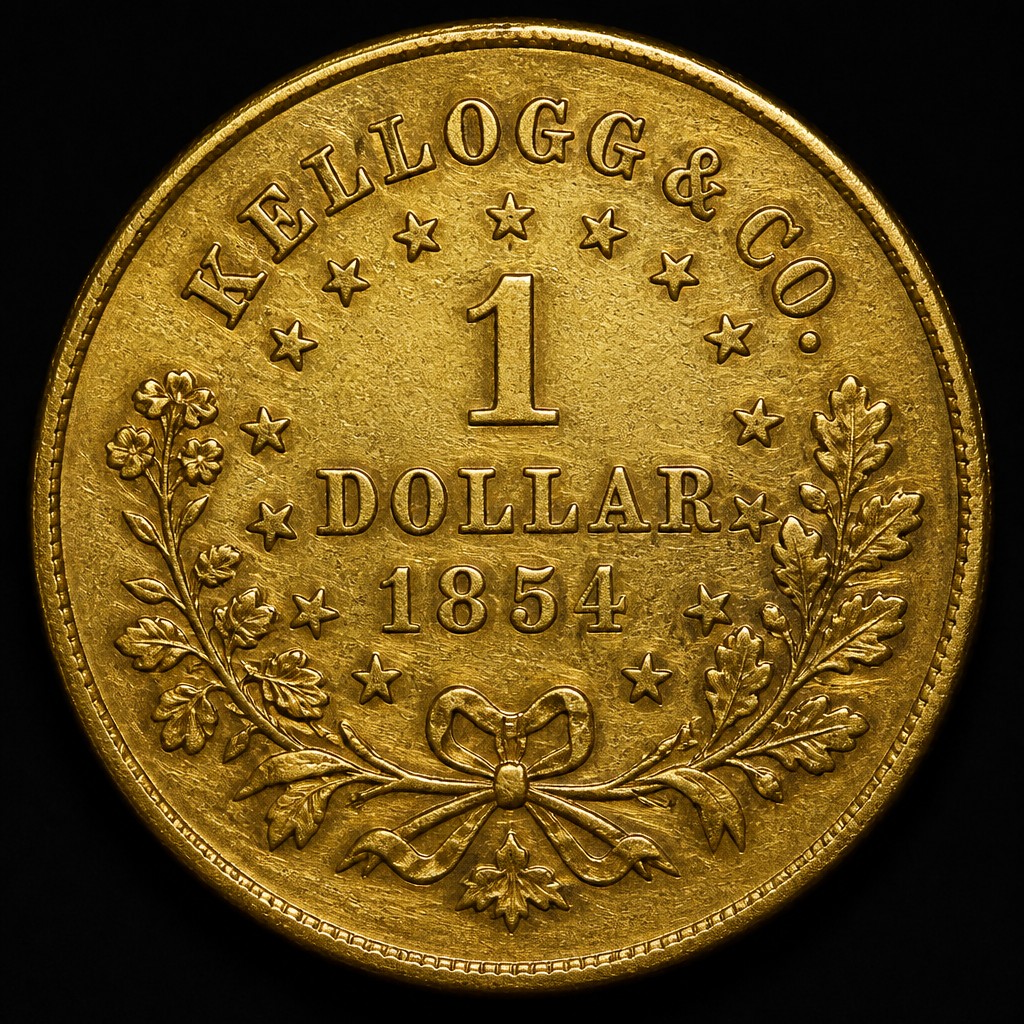
Kellogg & Co. Gold Piece
1854–1855
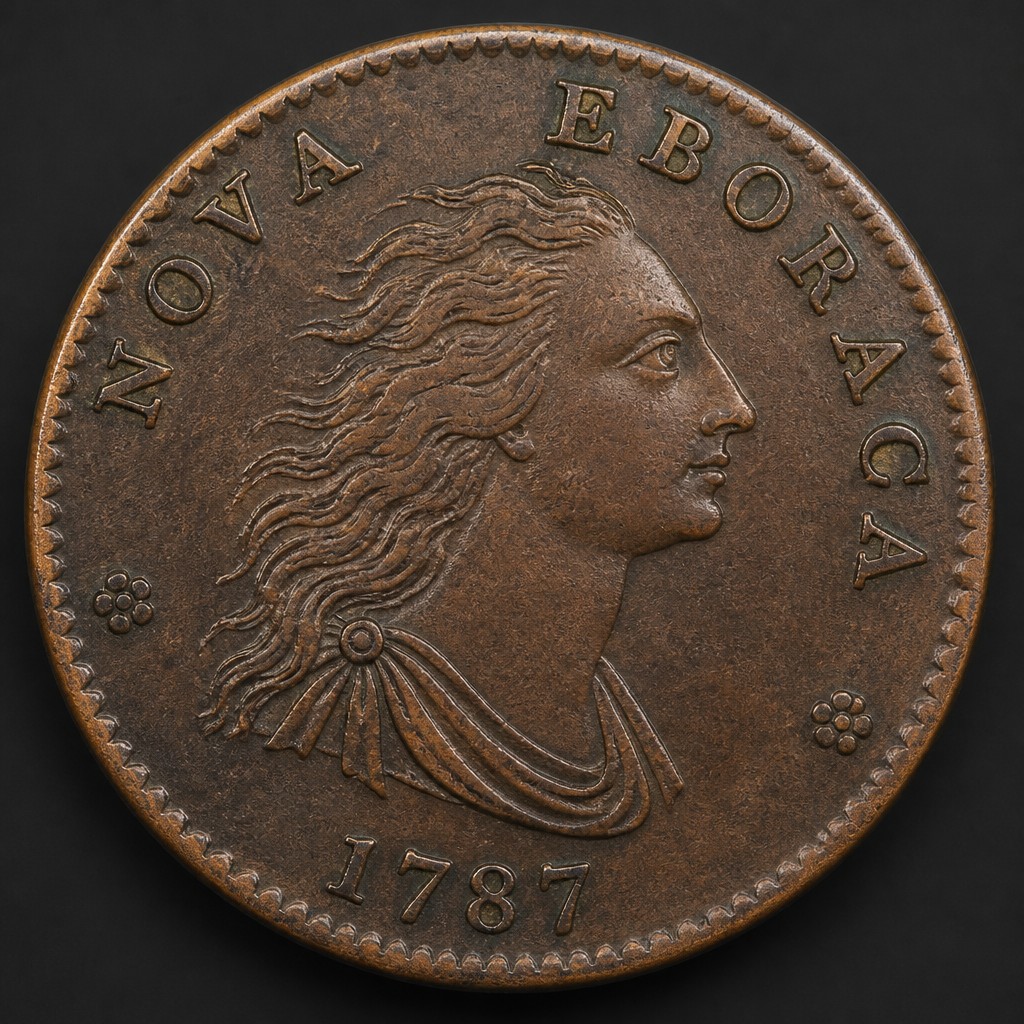
Nova Eborac Copper
1787
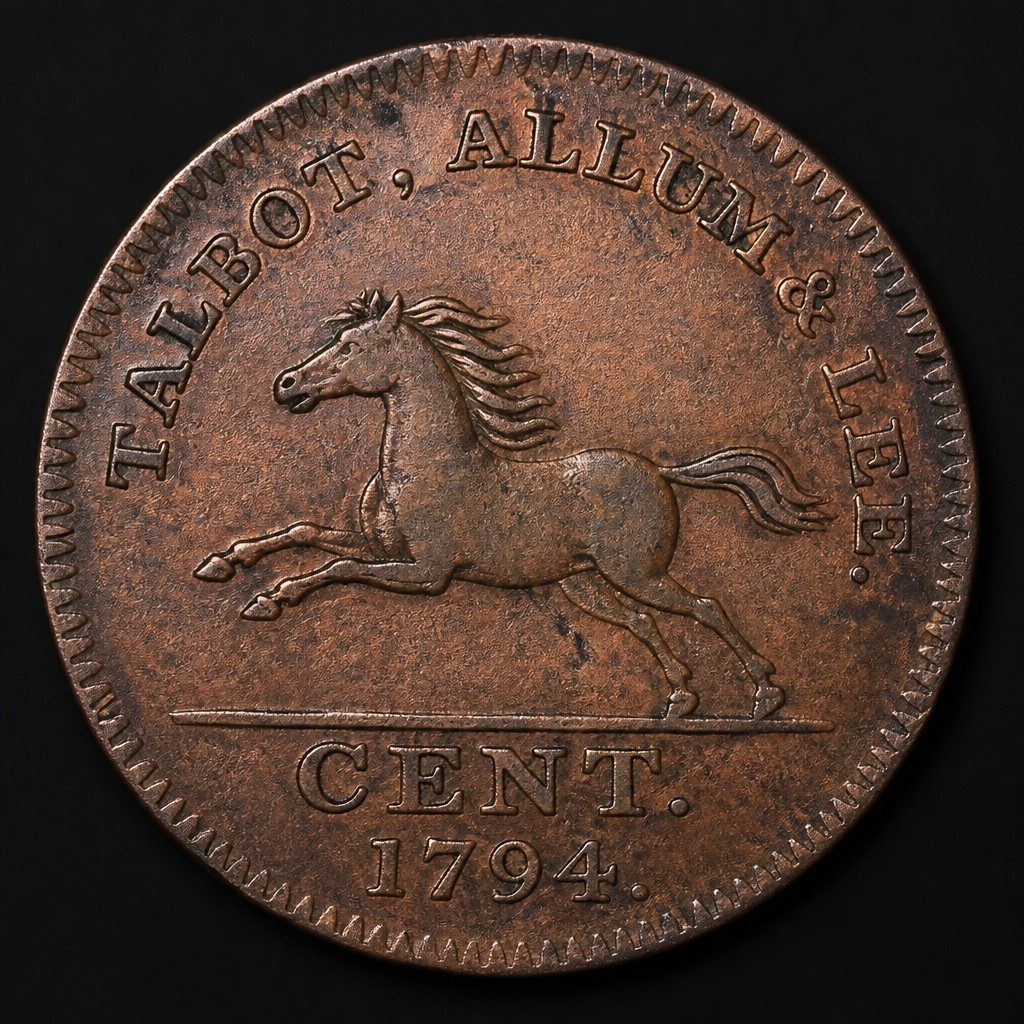
Talbot, Allum & Lee Cent
1794–1795
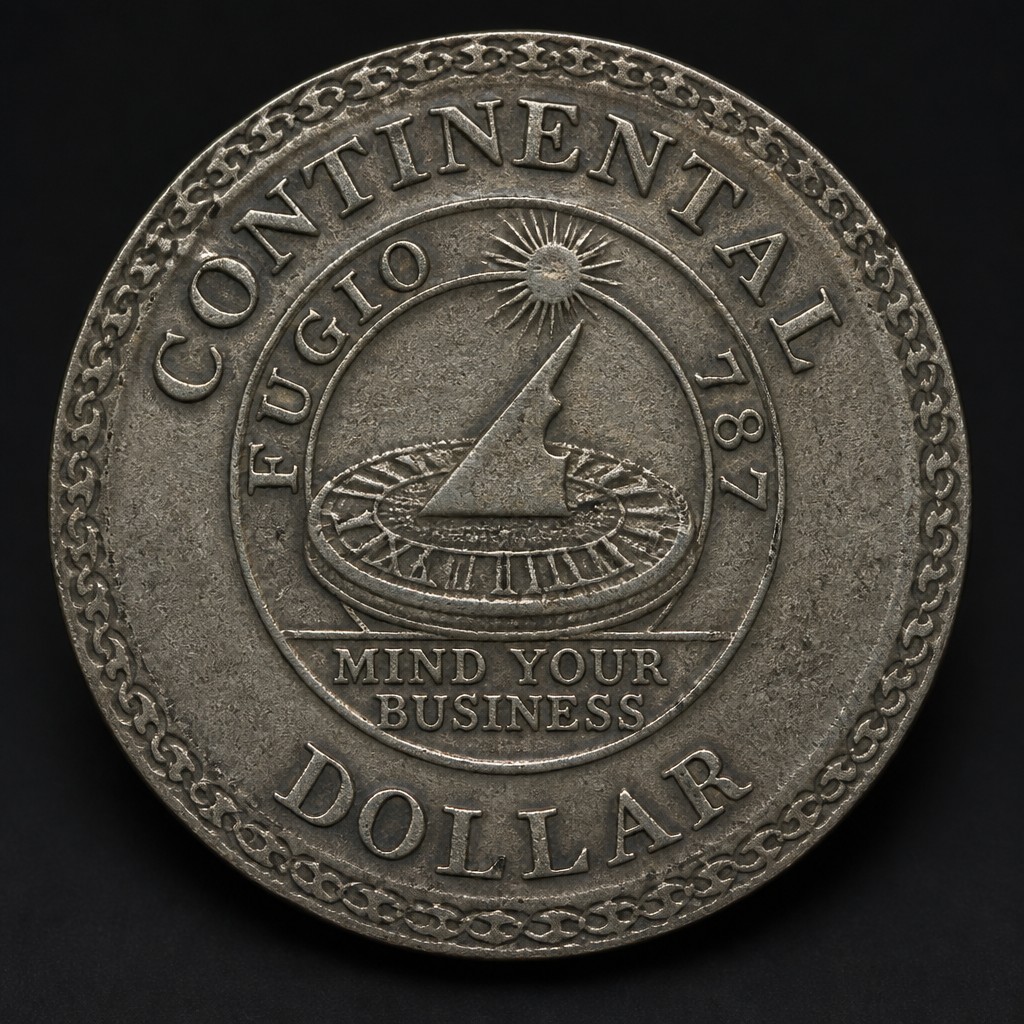
Continental Dollar
1776
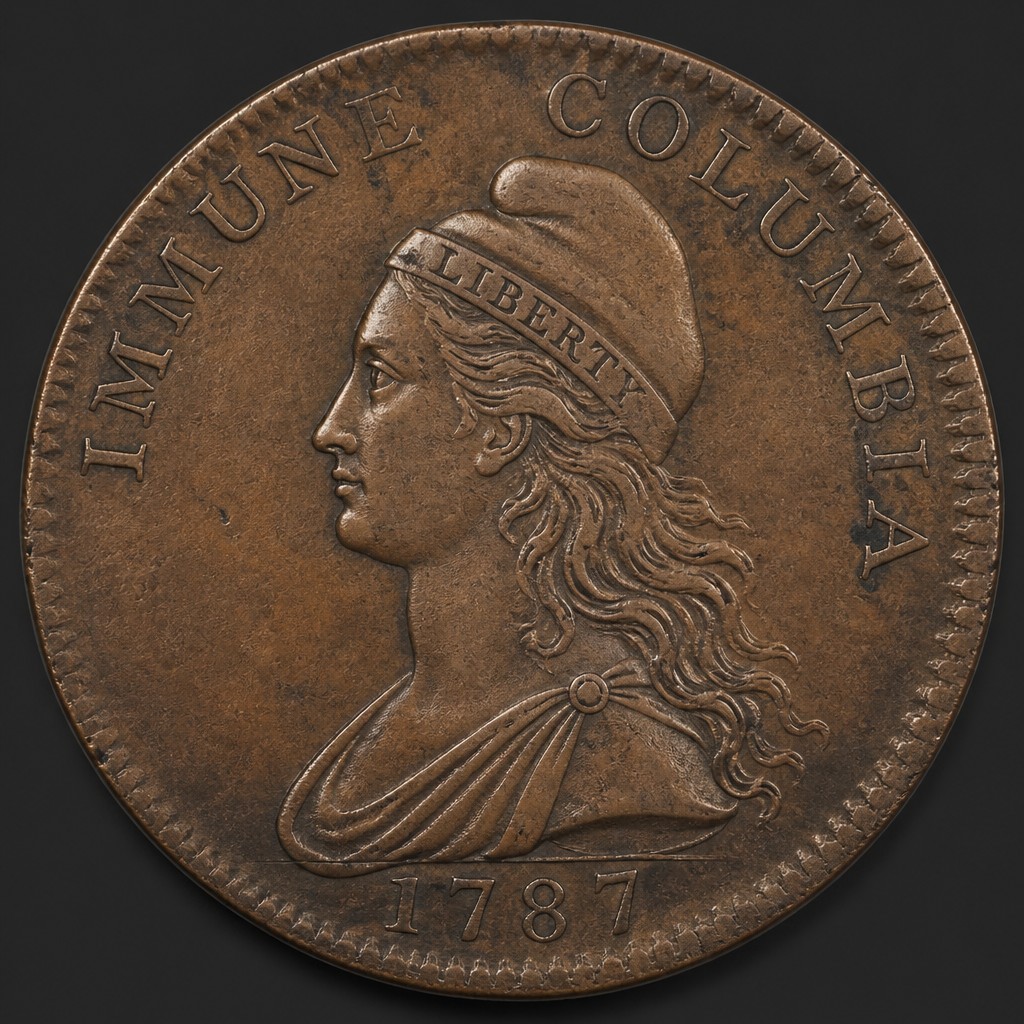
Immune Columbia Copper
circa 1785–1787
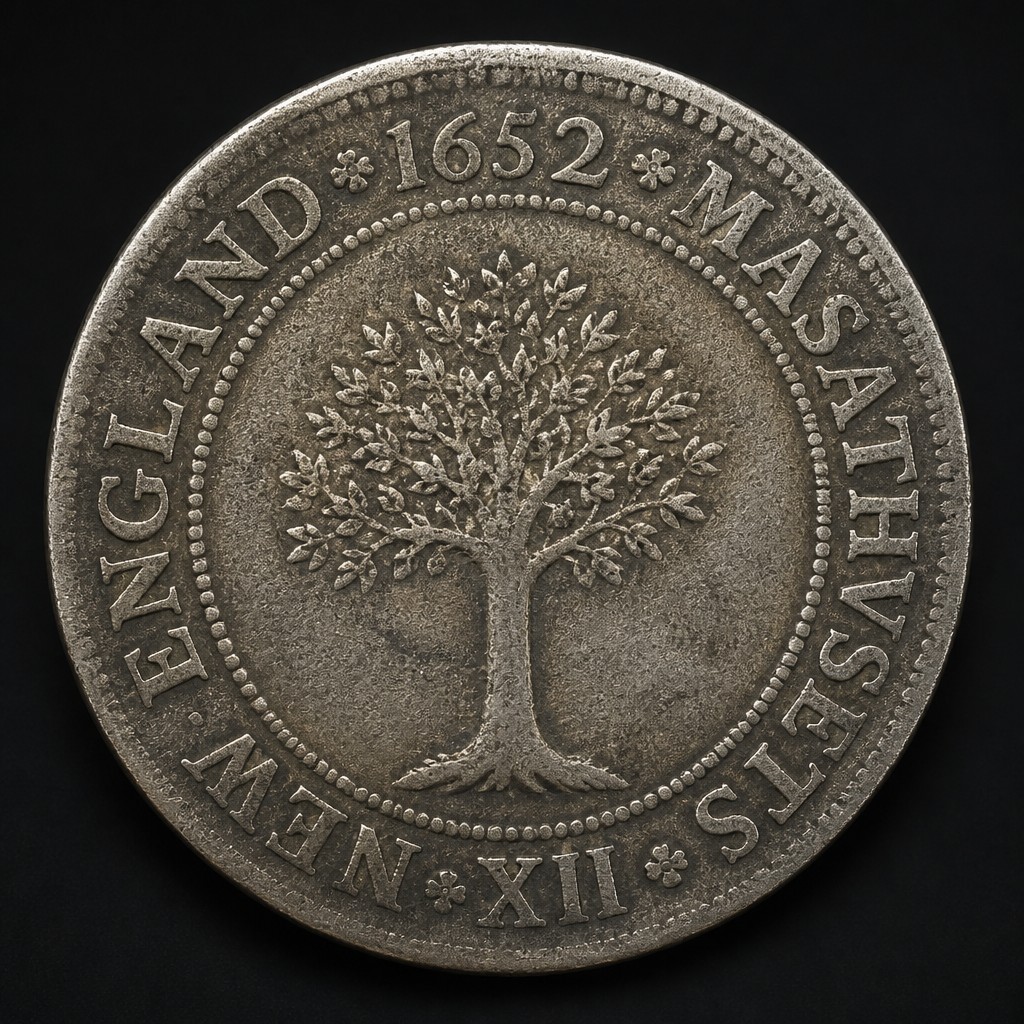
Massachusetts Oak Tree Shilling
Dated 1652, struck circa 1660–1667
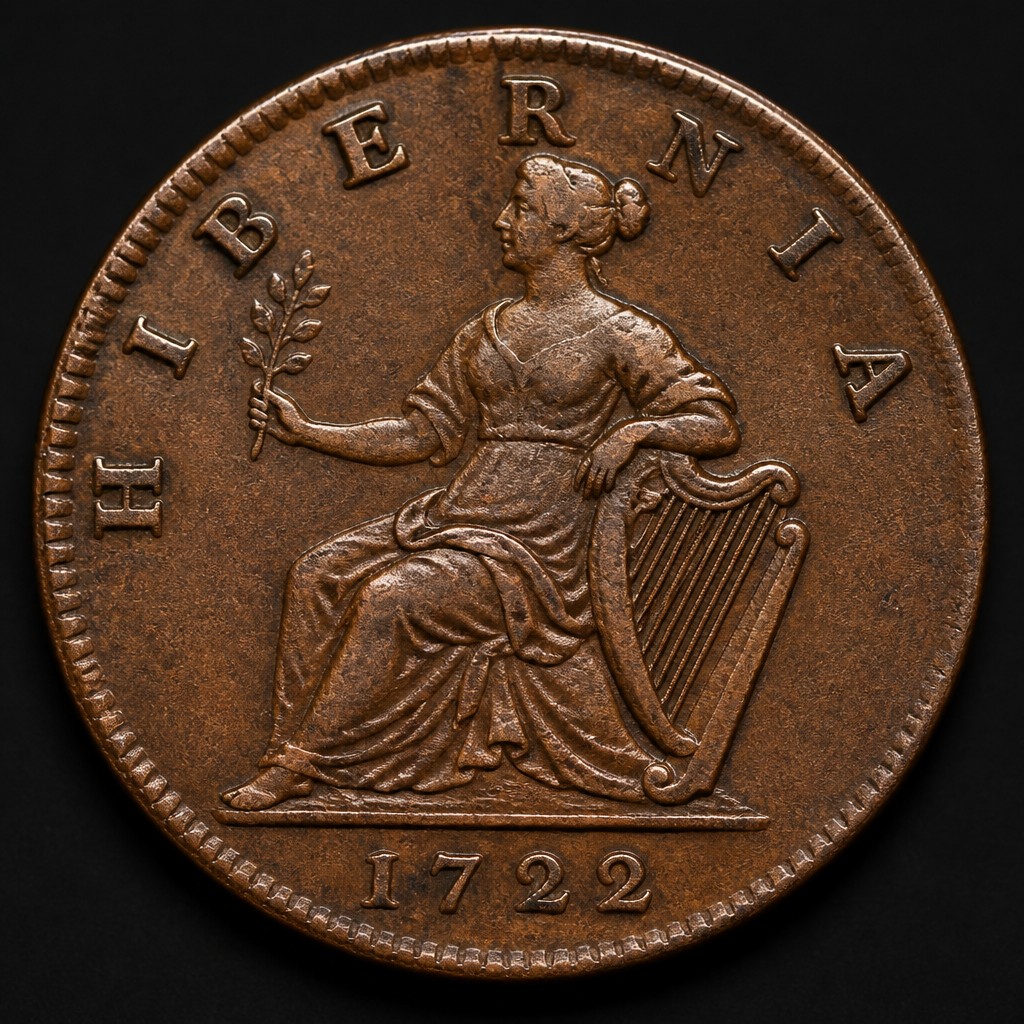
Wood's Hibernia Halfpenny
1722–1724
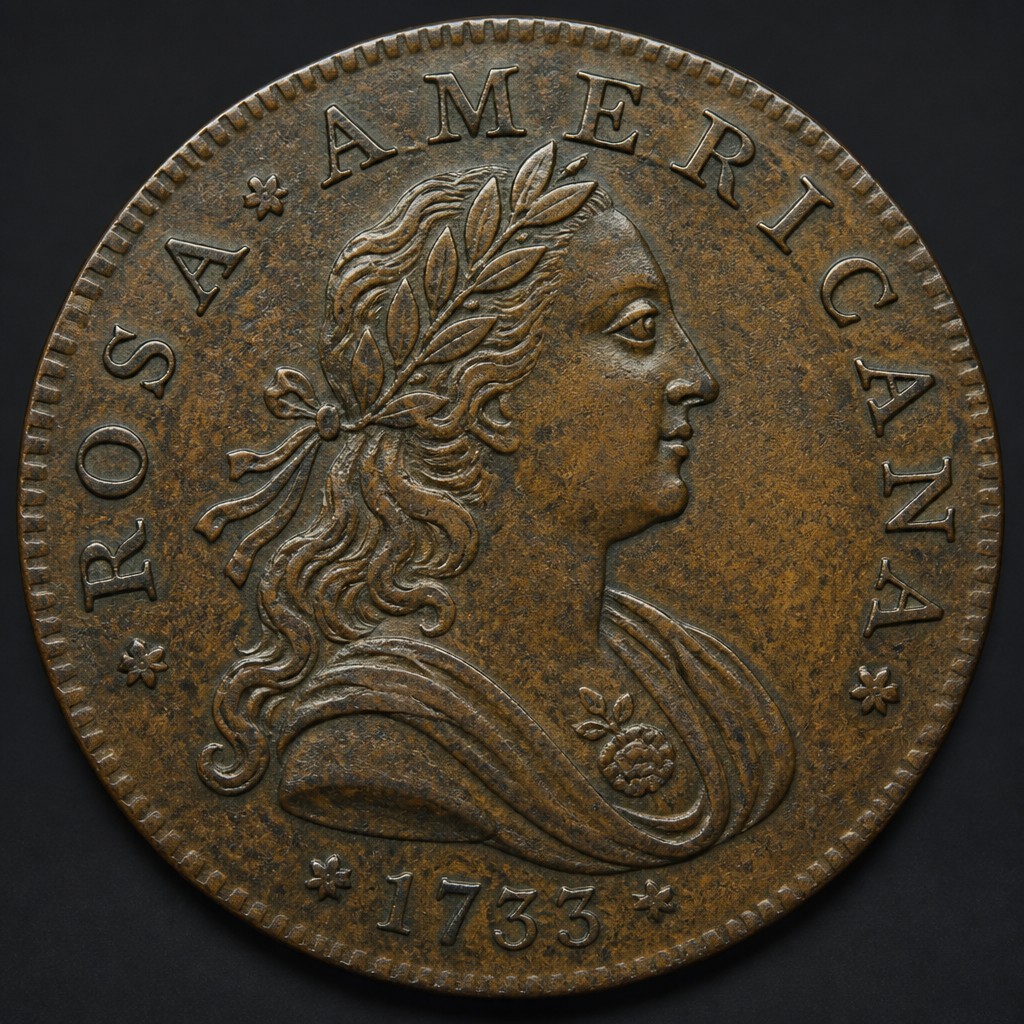
Rosa Americana Coinage
1722–1724 (with pattern issues dated 1733)
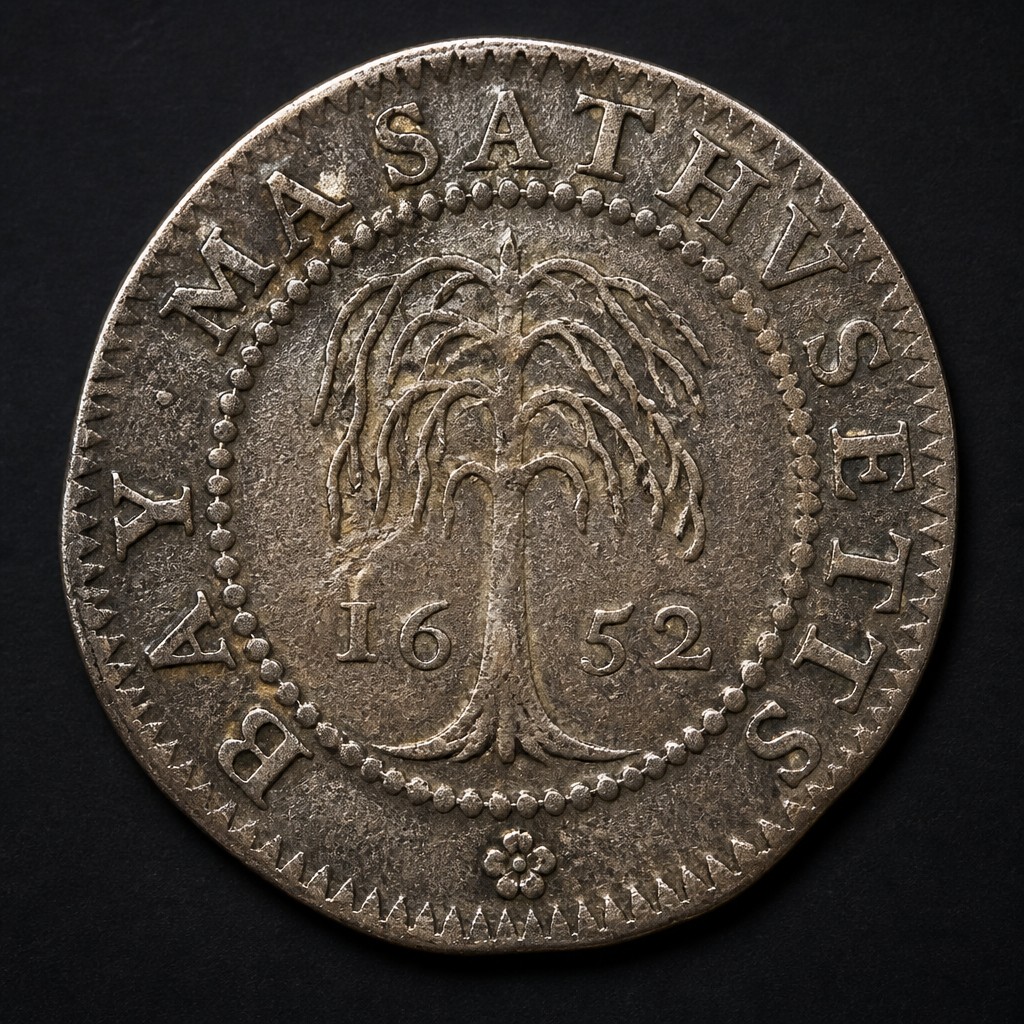
Massachusetts Willow Tree Shilling
Dated 1652, struck circa 1653–1660