
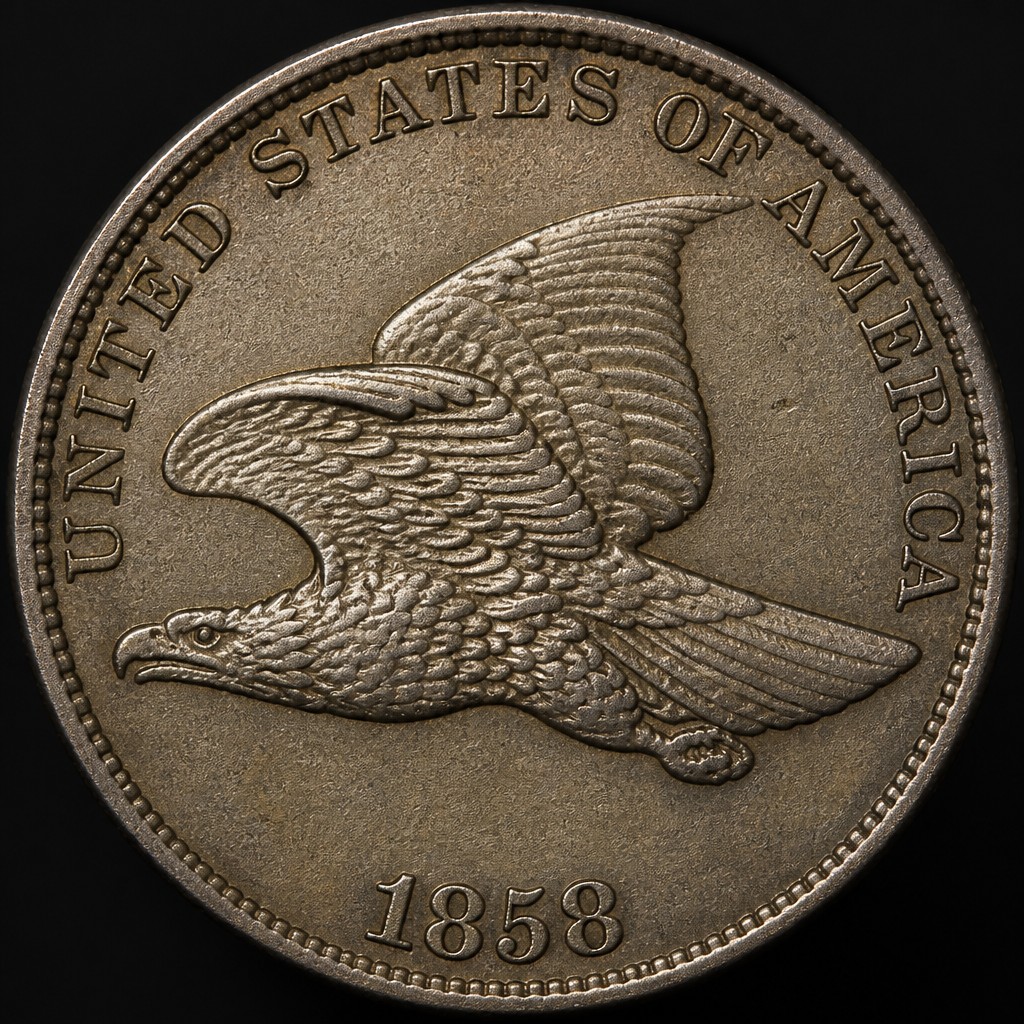
1858 Flying Eagle Cent
The final year of the short-lived Flying Eagle Cent, struck in Large Letters and Small Letters varieties before the Indian Head design replaced it in 1859.
- Country
- United States
- Denomination
- One Cent
- Metal
- Copper-Nickel (88% Copper, 12% Nickel)
Got a coin like this?
Identify any coin from a photo, free.
Overview
The 1858 Flying Eagle Cent was the last circulating issue of a design that had only debuted the year before, making it one of only two regular-issue dates in the entire Flying Eagle series. It continued the small-format copper-nickel cent introduced in 1857 to replace the old, larger copper cent.
Collectors value 1858 for offering two distinct letter-size varieties on the obverse, and for being the more plentiful of the series' two circulation dates, making it a more attainable entry point into Flying Eagle collecting than the scarcer 1856 pattern issue.
The following year, the design was replaced by Longacre's Indian Head cent, ending the brief three-year run of the flying eagle motif on US coinage.
History & Background
The Flying Eagle Cent was introduced in 1857 to replace the old, unwieldy large copper cent with a smaller, more convenient coin made of a copper-nickel alloy. The design, adapted by James B. Longacre from Christian Gobrecht's earlier flying eagle motif used on silver dollar patterns, proved popular with the public eager for a more manageable coin.
By 1858, the Mint had refined its production and struck a substantial quantity of cents using two different obverse letter styles, Large Letters and Small Letters, before design problems, including weak strikes from an eagle design that did not hold up well against the reverse wreath, led engravers to move on to the Indian Head design for 1859.
Though brief, the Flying Eagle series marked a foundational shift toward the small cent format that has persisted in American coinage ever since.
How to Identify
The obverse depicts an eagle in flight above a shield-shaped date shield, with 'UNITED STATES OF AMERICA' arched above. The reverse shows 'ONE CENT' within a wreath of corn, wheat, cotton, and tobacco leaves.
The Large Letters and Small Letters varieties are distinguished by the size of the lettering in 'UNITED STATES OF AMERICA' on the obverse; the Small Letters variety has noticeably smaller, more delicate text than the Large Letters version. Both varieties were struck only at the Philadelphia mint, so no mintmark appears on any Flying Eagle cent.
Collectors should also be alert to the fact that the eagle's design sat opposite the wreath device on the reverse, which often caused weak striking on the eagle's head and tail feathers even on lightly worn coins, a normal characteristic of the series rather than a sign of excessive wear.
Value & Collectibility
The 1858 Flying Eagle cent is more available than the famous, low-mintage 1856 pattern but remains a genuinely collected short-type coin, with the Small Letters variety generally considered scarcer and pricier than the Large Letters version. Circulated examples of both varieties are obtainable for collectors building a type set, while sharply struck, high-grade coins are notably harder to find given the design's striking issues.
As with many coins from this era, well-preserved surfaces without corrosion or excessive cleaning bring a strong premium, since the coin's copper-nickel alloy can develop unattractive spotting or discoloration over time.
Frequently asked questions
What is the difference between Large Letters and Small Letters?
It refers to the size of the lettering in UNITED STATES OF AMERICA on the obverse, with Small Letters being noticeably smaller and generally scarcer.
Why was the Flying Eagle design discontinued after 1858?
The eagle design opposite the wreath made the coin difficult to strike fully, contributing to the Mint's decision to switch to Longacre's Indian Head design in 1859.
Is the 1858 cent rarer than the 1857?
Both are considered common relative to the scarce 1856 pattern, though certain 1858 varieties can be harder to find in top condition.
What metal is the Flying Eagle cent made of?
A copper-nickel alloy of about 88% copper and 12% nickel, giving it a pale, almost silvery appearance.
Other coins you may enjoy
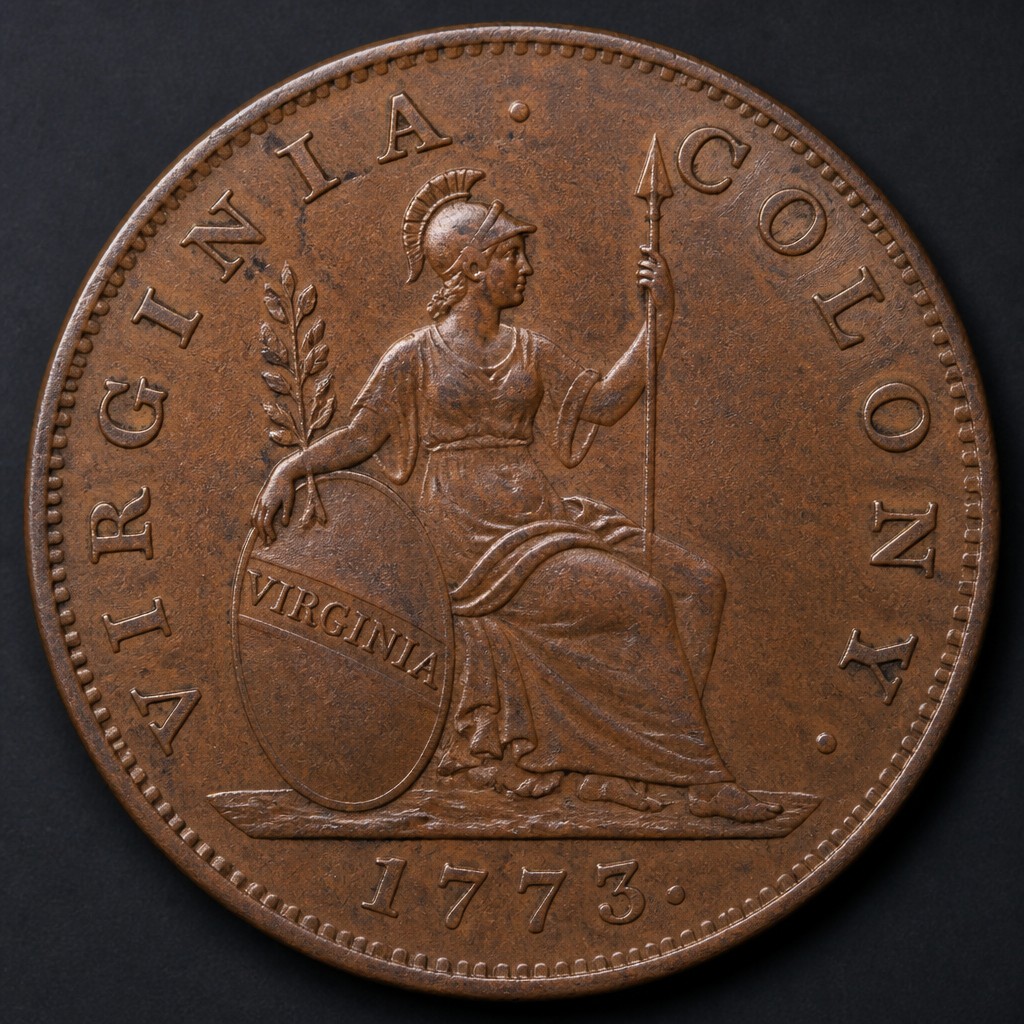
Virginia Halfpenny
1773
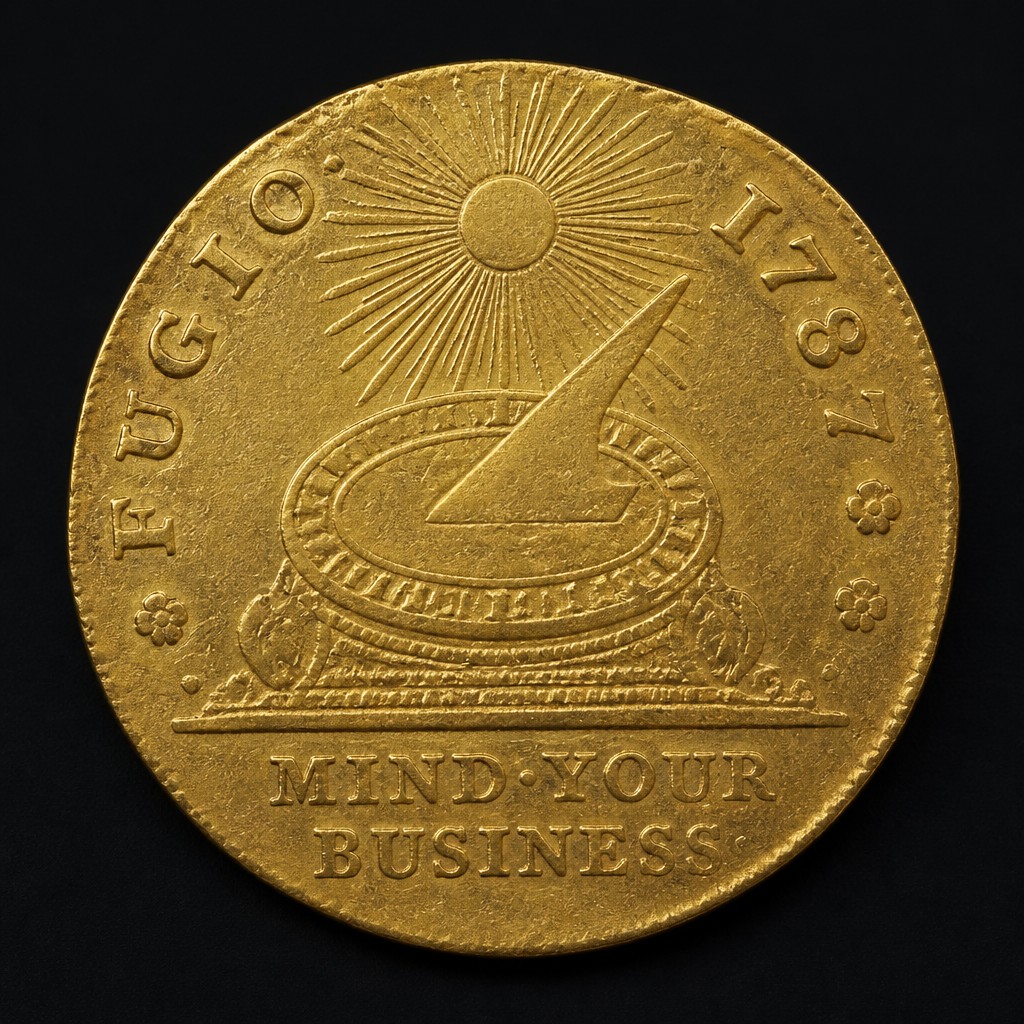
Brasher Doubloon
1787
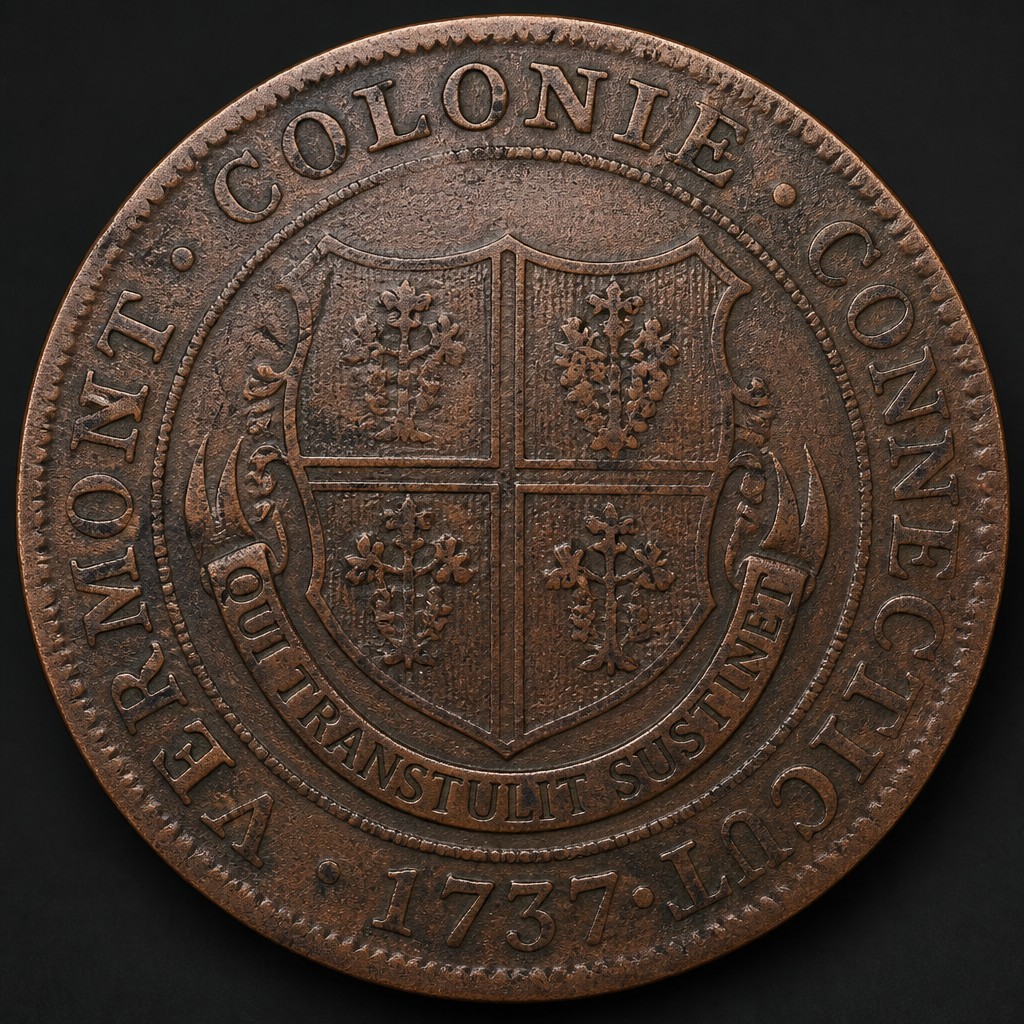
Higley Copper
1737–1739
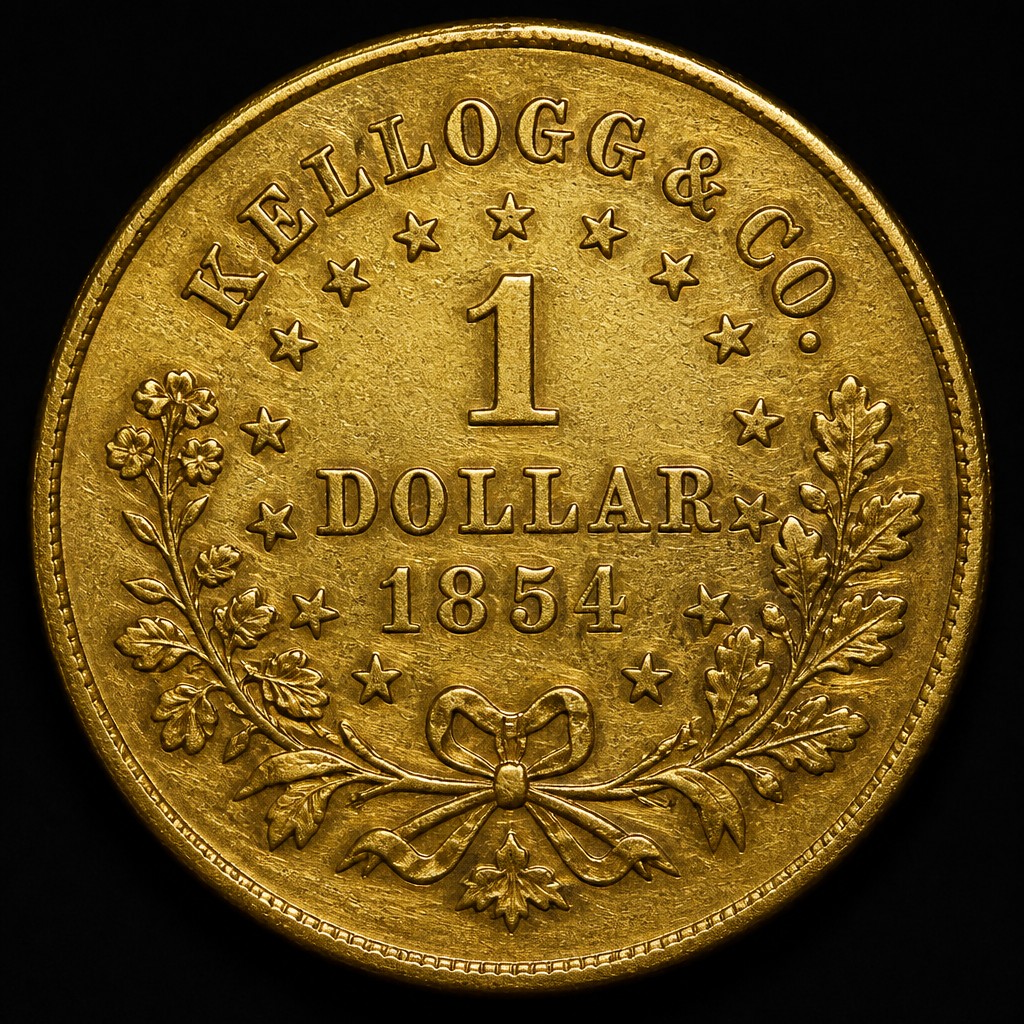
Kellogg & Co. Gold Piece
1854–1855
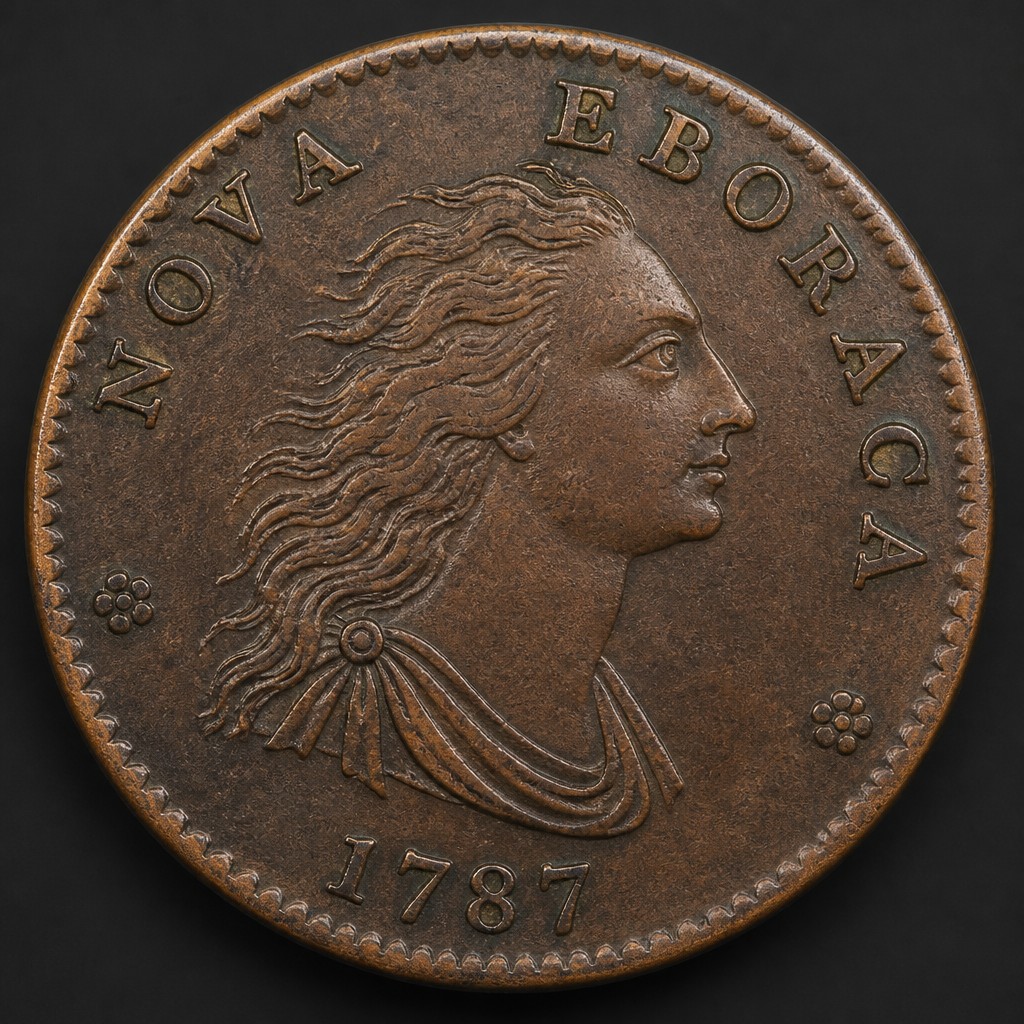
Nova Eborac Copper
1787
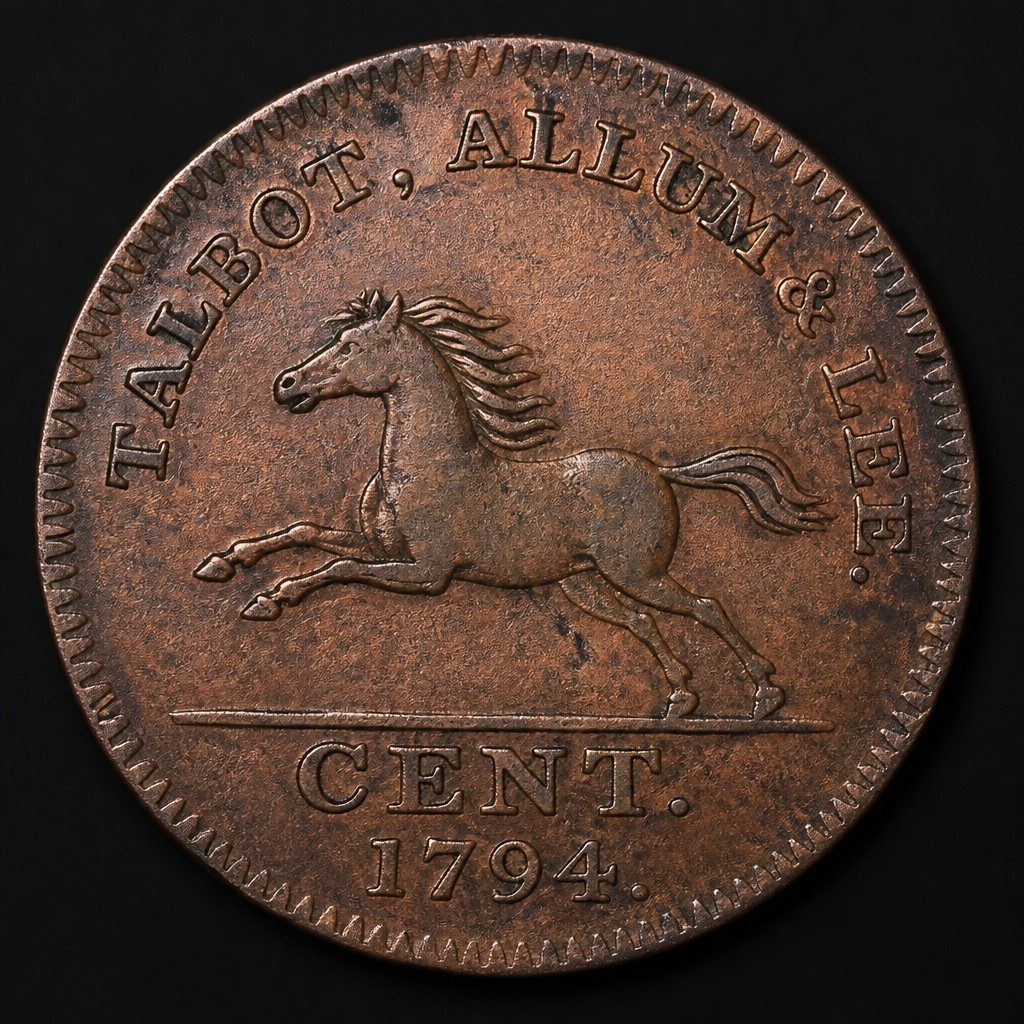
Talbot, Allum & Lee Cent
1794–1795
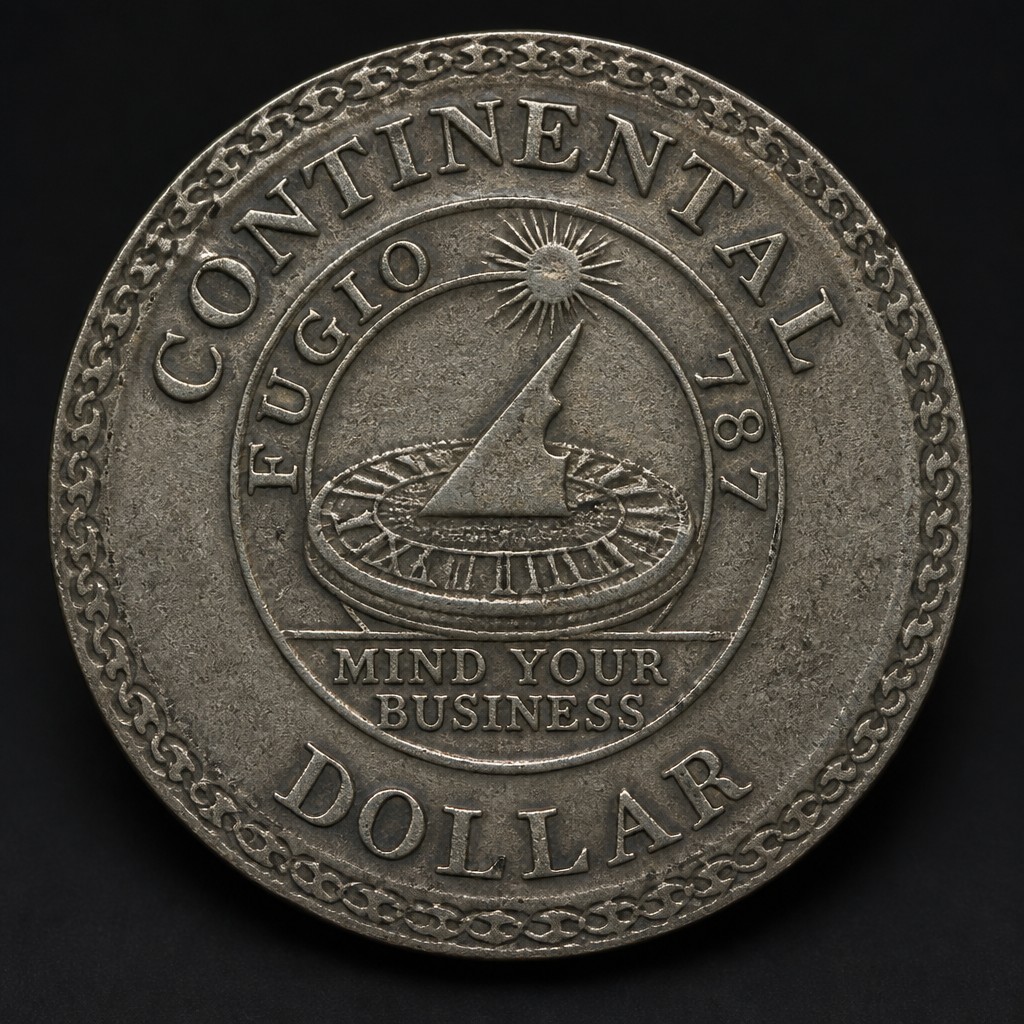
Continental Dollar
1776
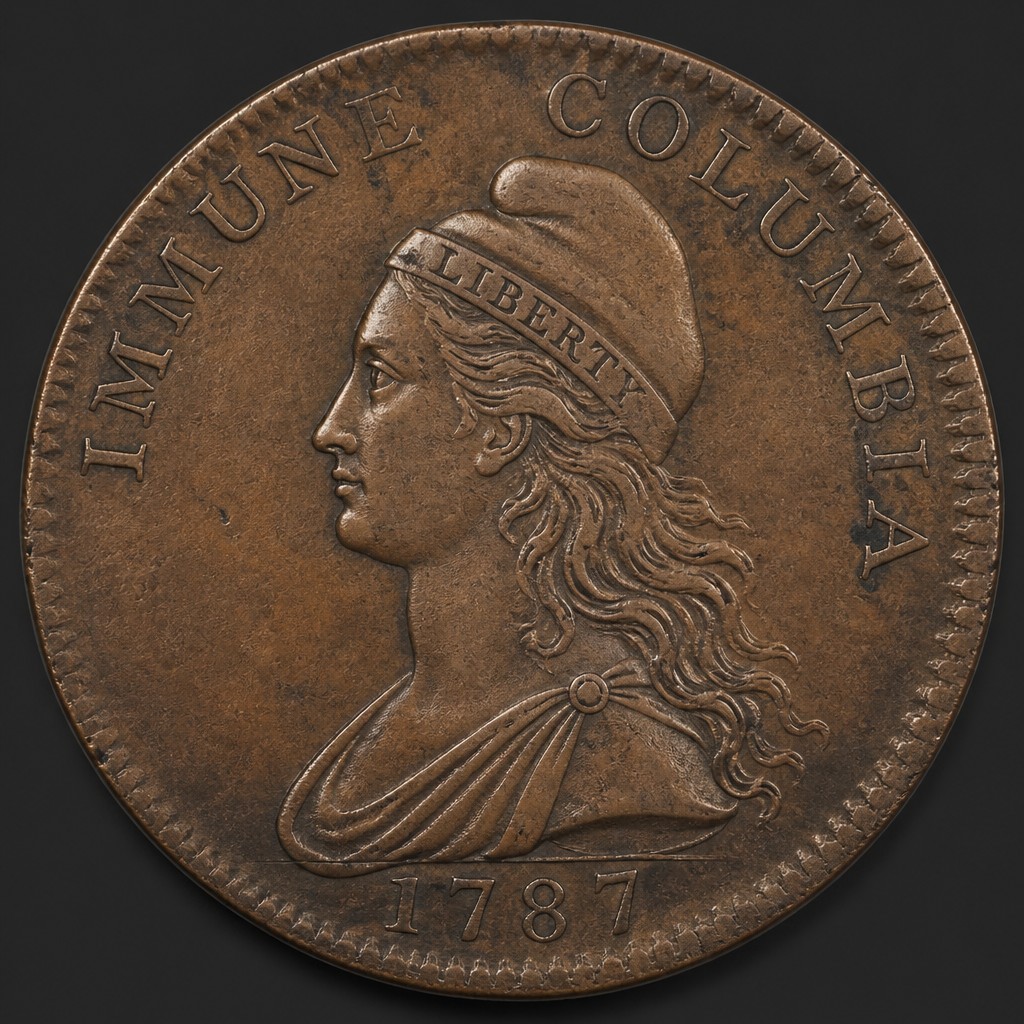
Immune Columbia Copper
circa 1785–1787
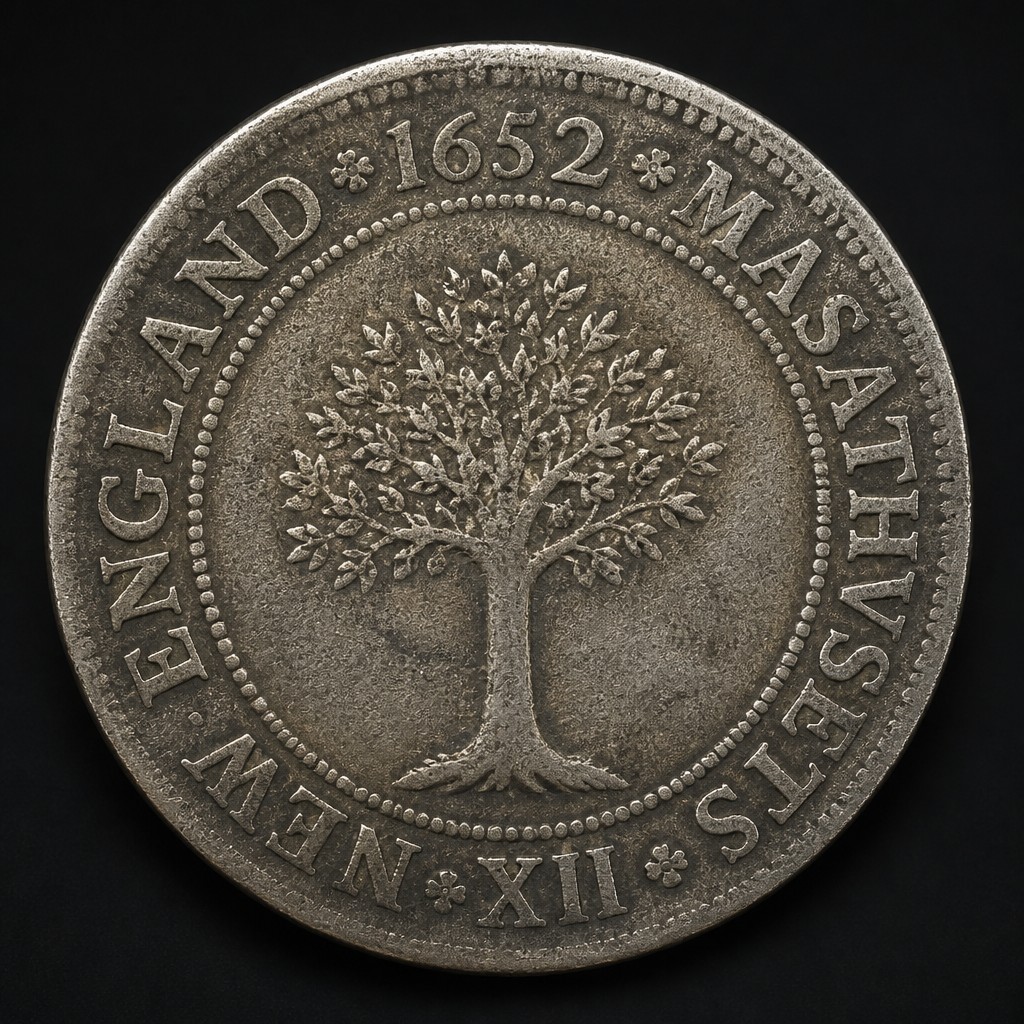
Massachusetts Oak Tree Shilling
Dated 1652, struck circa 1660–1667
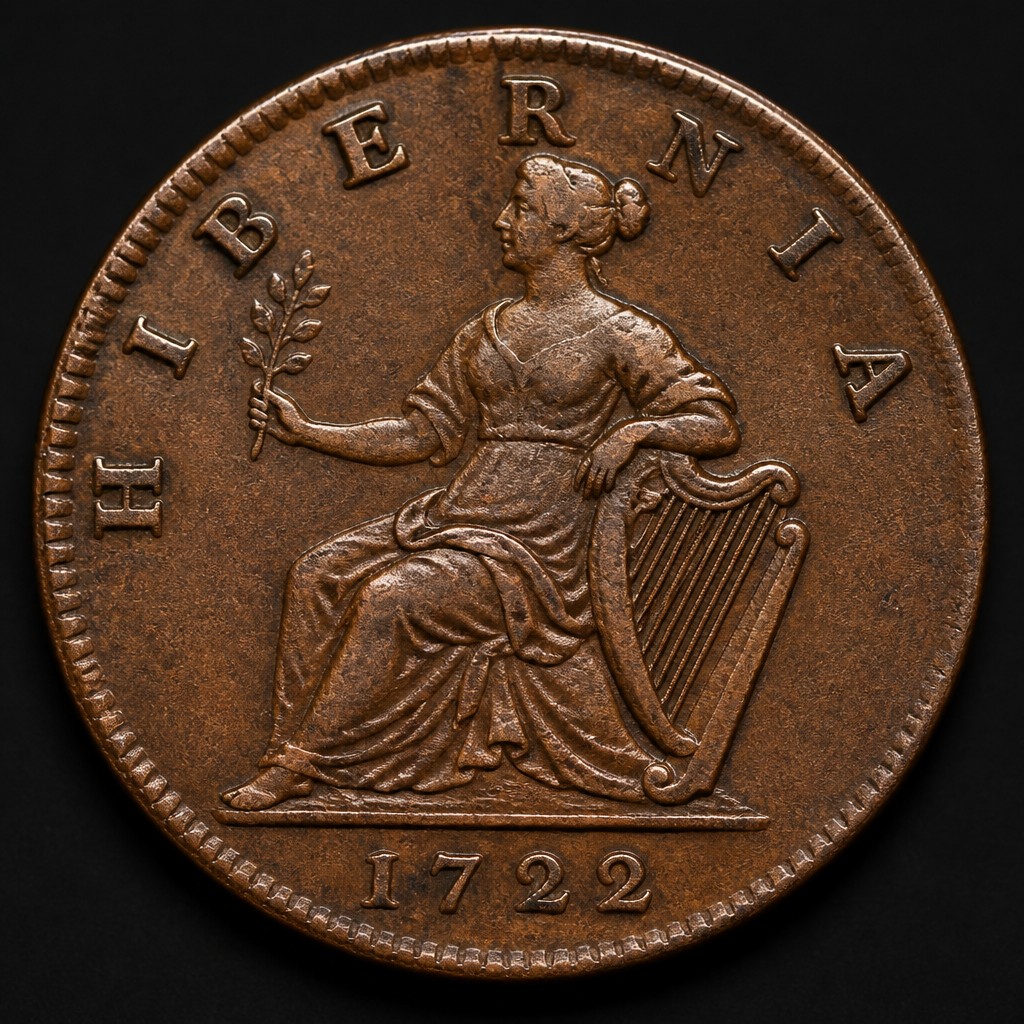
Wood's Hibernia Halfpenny
1722–1724
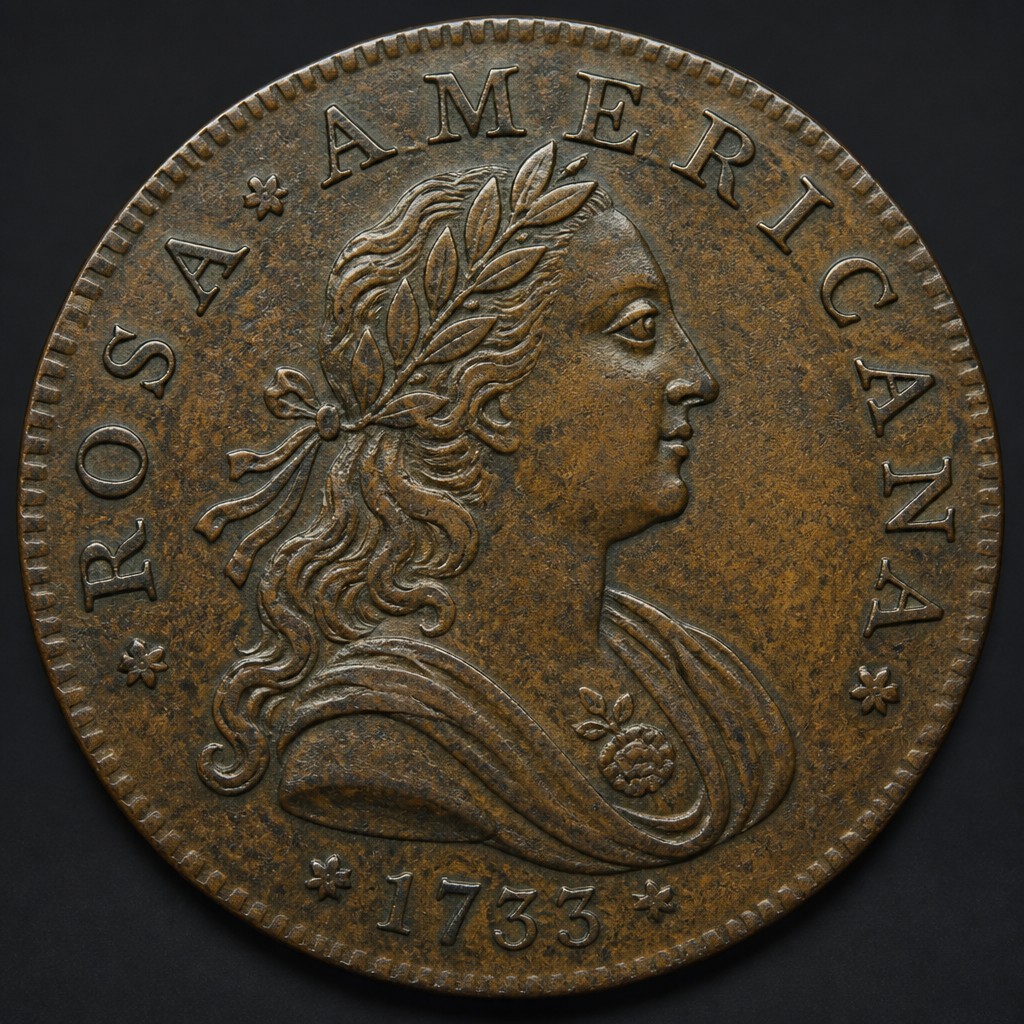
Rosa Americana Coinage
1722–1724 (with pattern issues dated 1733)
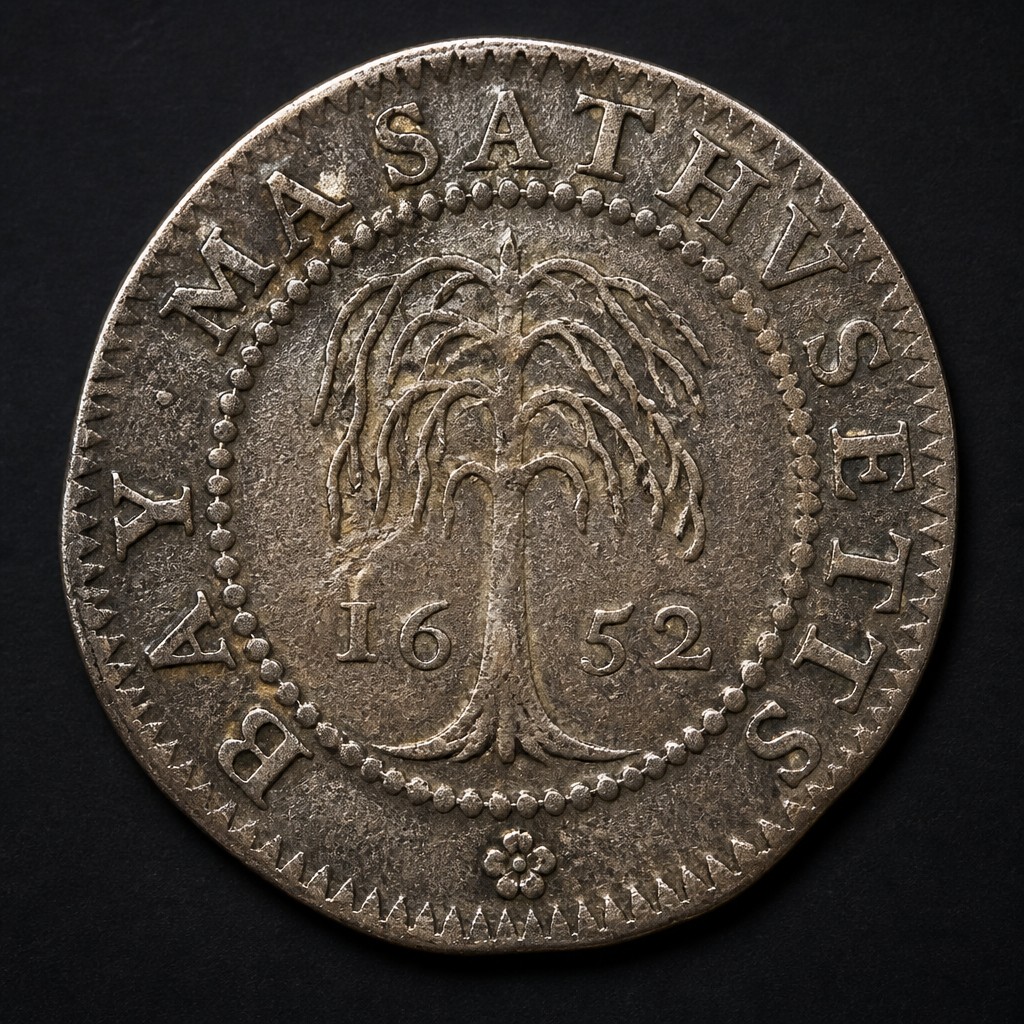
Massachusetts Willow Tree Shilling
Dated 1652, struck circa 1653–1660