
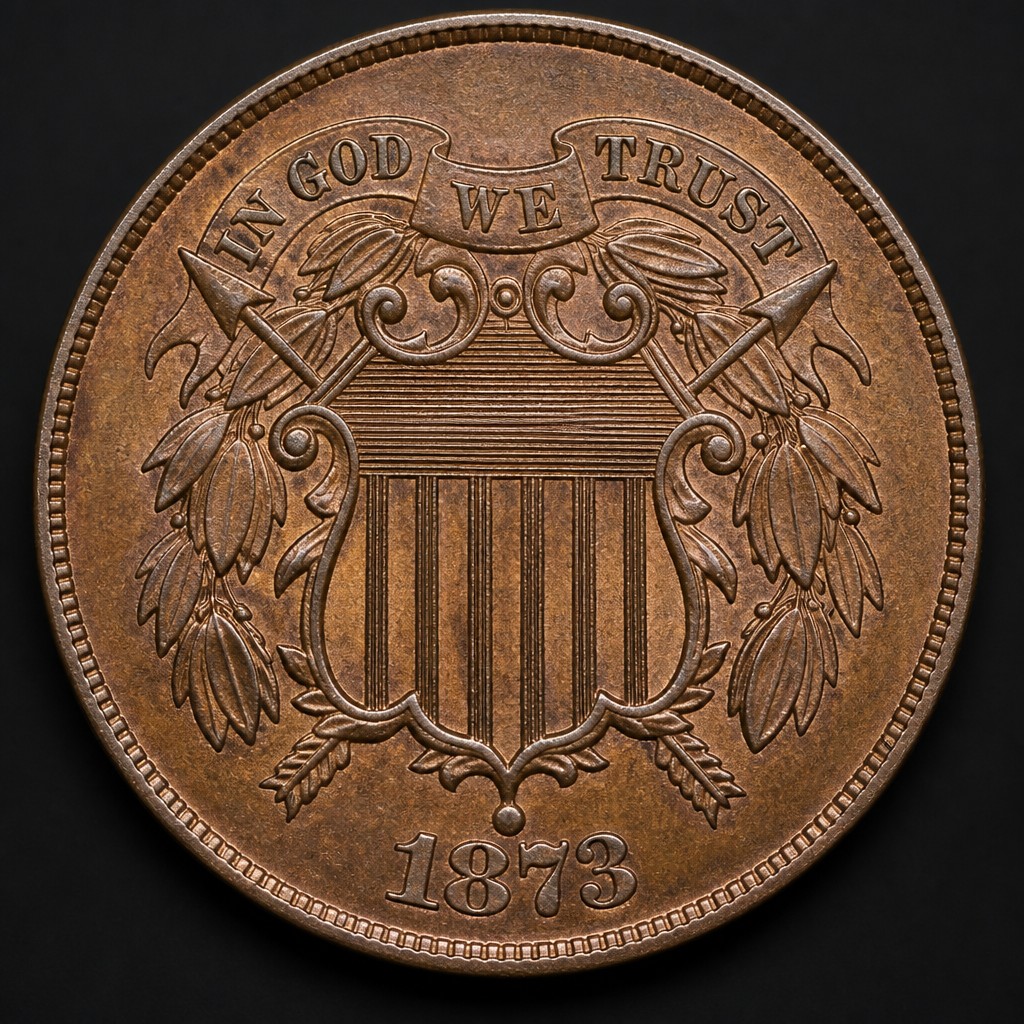
1873 Two-Cent Piece (Proof Only)
The final year of the two-cent piece, struck only in proof for collectors rather than for circulation, and split into Closed 3 and Open 3 date varieties.
- Country
- United States
- Denomination
- Two Cents
- Metal
- Bronze (95% Copper, 5% Tin and Zinc)
Got a coin like this?
Identify any coin from a photo, free.
Overview
By 1873, the two-cent piece had fallen out of favor with the public in the years following the Civil War, and no coins were struck for general circulation that year. Instead, the Mint produced a small proof-only run for collectors as the series was phased out, making the 1873 issue the final date of the two-cent denomination.
Because it was never meant for commerce, the 1873 two-cent piece is a distinctly numismatic issue, closer in spirit to a modern proof set than to the workhorse coinage of earlier years, and it survives only in relatively small numbers compared to circulating dates.
History & Background
The two-cent piece had been declining in popularity through the late 1860s and early 1870s as nickel five-cent pieces and other small coinage filled the need for minor change. The Coinage Act of 1873, sometimes called the 'Crime of '73' for its effect on silver coinage, also formally abolished the two-cent piece along with the silver three-cent piece and half dime.
Since no more two-cent pieces were needed in circulation, the Mint struck only proof examples in 1873 specifically for sale to collectors who wanted a complete date set, a practice increasingly common for outgoing or low-demand denominations in this period.
Two die varieties exist based on the shape of the 3 in the date: a 'Closed 3,' where the two loops of the numeral nearly touch, and an 'Open 3,' where the loops are more clearly separated.
How to Identify
Like all two-cent pieces, the design features a shield with crossed arrows below and a ribbon reading 'IN GOD WE TRUST' on the obverse, with '2 CENTS' in a wheat wreath on the reverse. Proof coins have sharp, squared-off rims and mirror-like, reflective fields rather than the softer look of circulated business strikes.
The date variety is determined by close inspection of the numeral 3: a Closed 3 shows the top and bottom curves nearly meeting, while an Open 3 shows a clear gap between them. Because the coin was never struck for circulation, any 1873 two-cent piece should show proof characteristics; a coin with dull, worn surfaces and no mirror fields should be examined carefully, as circulated-looking 1873 pieces are unusual for this proof-only issue.
Value & Collectibility
As a proof-only, final-year issue, the 1873 two-cent piece commands a solid premium over ordinary circulation-strike dates in the series and is considered essential for anyone assembling a complete type or date set. The rarer Closed 3 variety typically brings a higher price than the more available Open 3.
Condition still matters considerably, since proof coins are judged on the quality of their mirror surfaces and the absence of hairlines or handling marks, with problem-free, high-grade examples bringing meaningfully more than impaired or lower-grade pieces.
Frequently asked questions
Was the 1873 two-cent piece struck for circulation?
No, only proof coins were struck in 1873, intended for sale to collectors rather than everyday use.
What is the difference between Open 3 and Closed 3?
It refers to the shape of the numeral 3 in the date, with the Closed 3 loops nearly touching and the Open 3 loops clearly separated.
Why did the two-cent piece end in 1873?
The Coinage Act of 1873 formally discontinued the denomination, along with several other minor coins, as public demand for it had declined.
Which variety is scarcer?
The Closed 3 variety is generally considered scarcer and more valuable than the Open 3.
Other coins you may enjoy
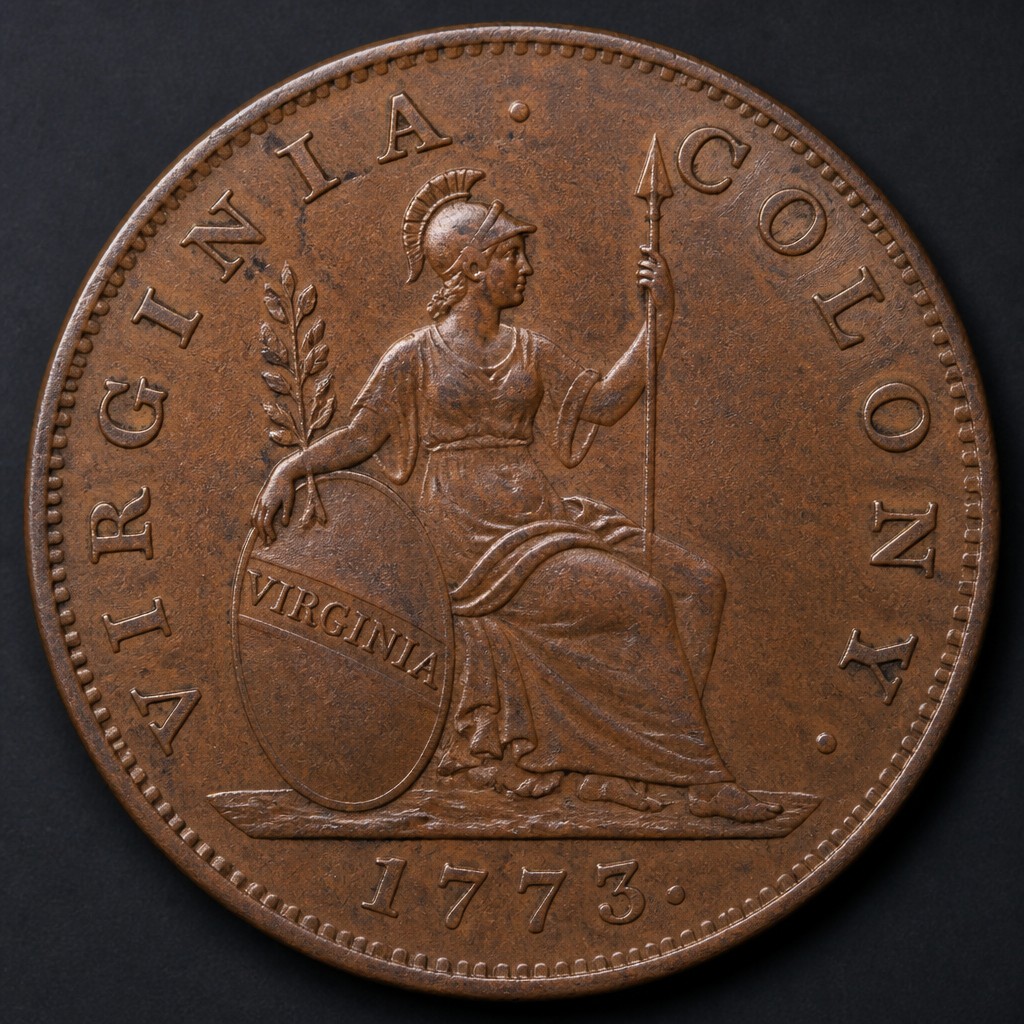
Virginia Halfpenny
1773
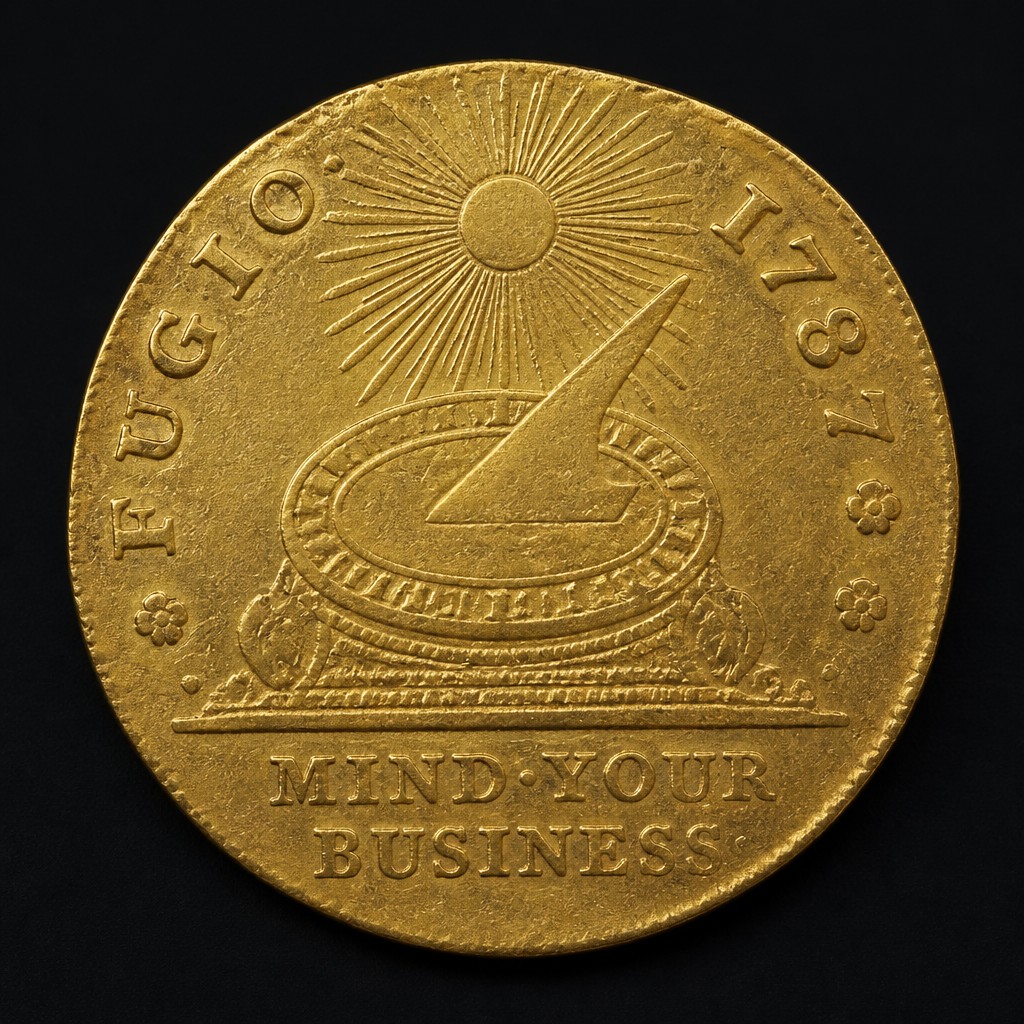
Brasher Doubloon
1787
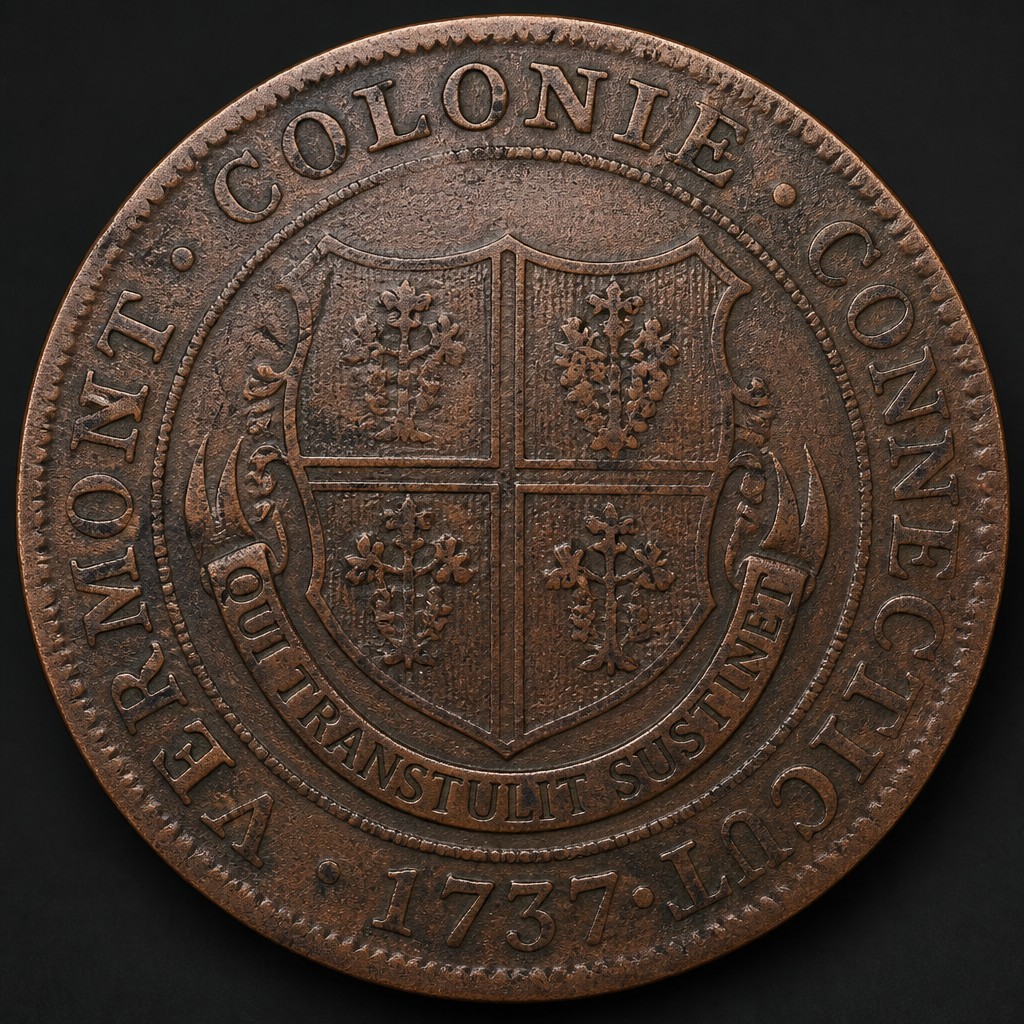
Higley Copper
1737–1739
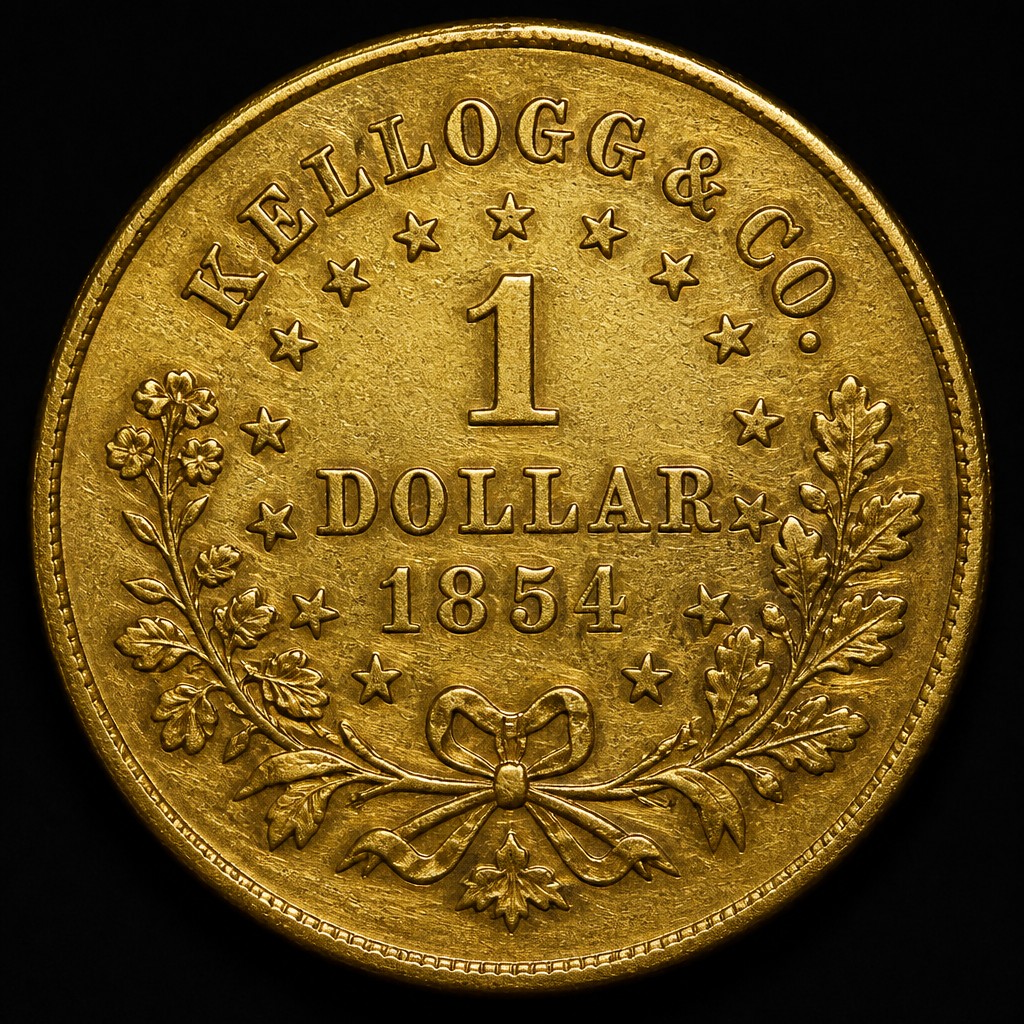
Kellogg & Co. Gold Piece
1854–1855
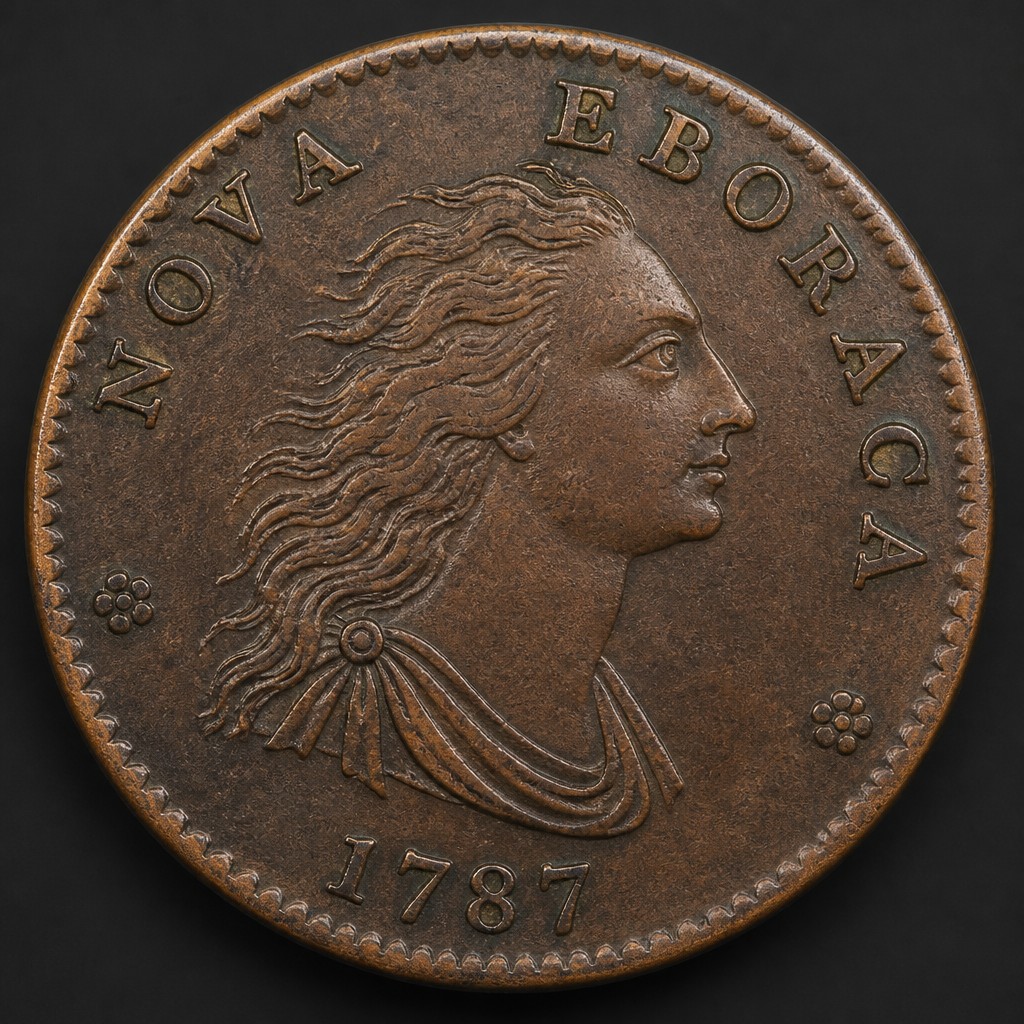
Nova Eborac Copper
1787
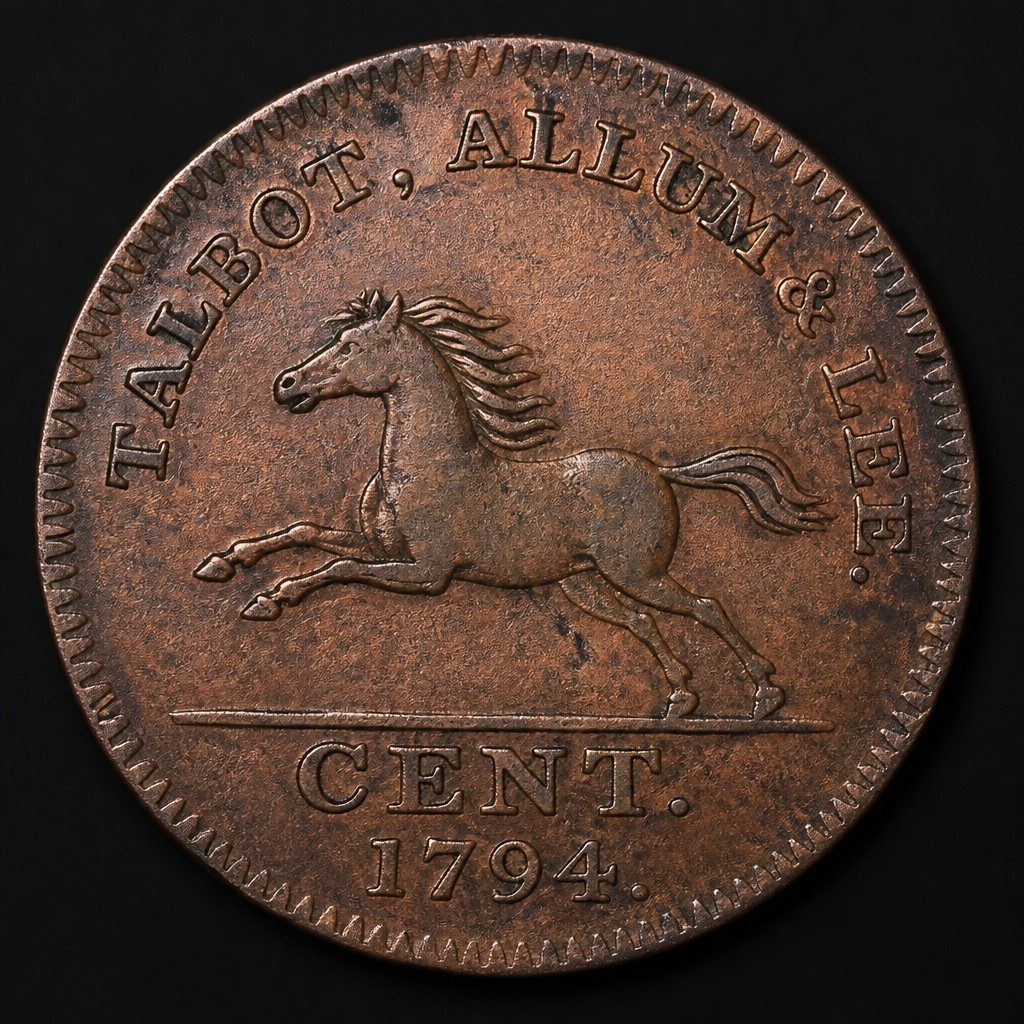
Talbot, Allum & Lee Cent
1794–1795
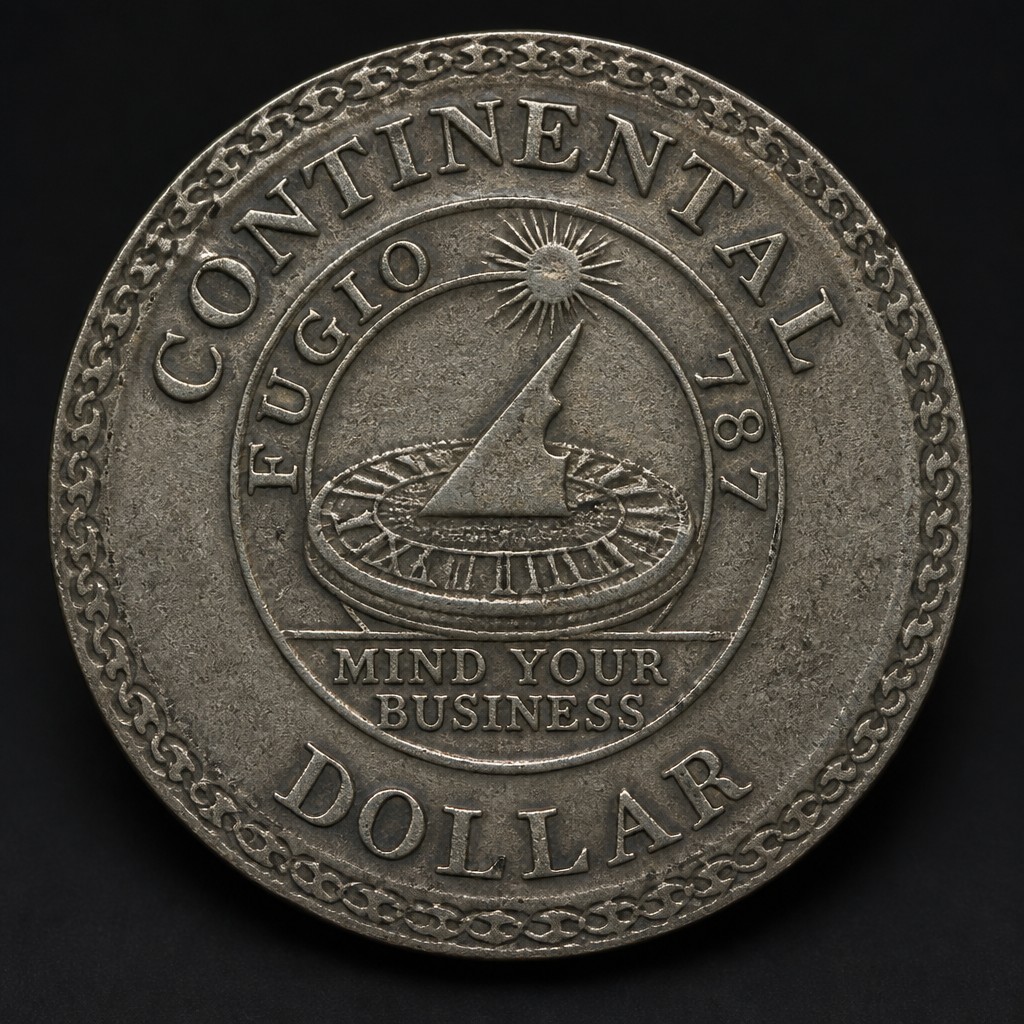
Continental Dollar
1776
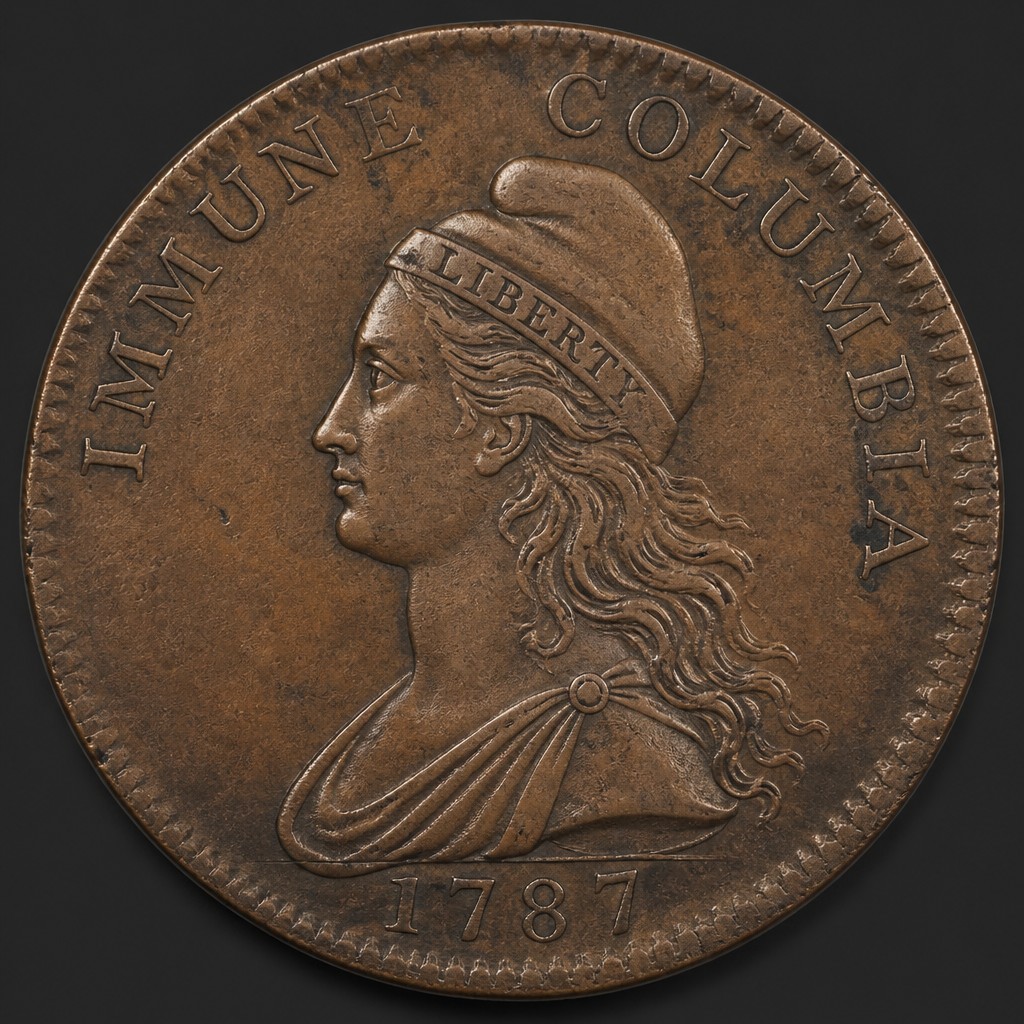
Immune Columbia Copper
circa 1785–1787
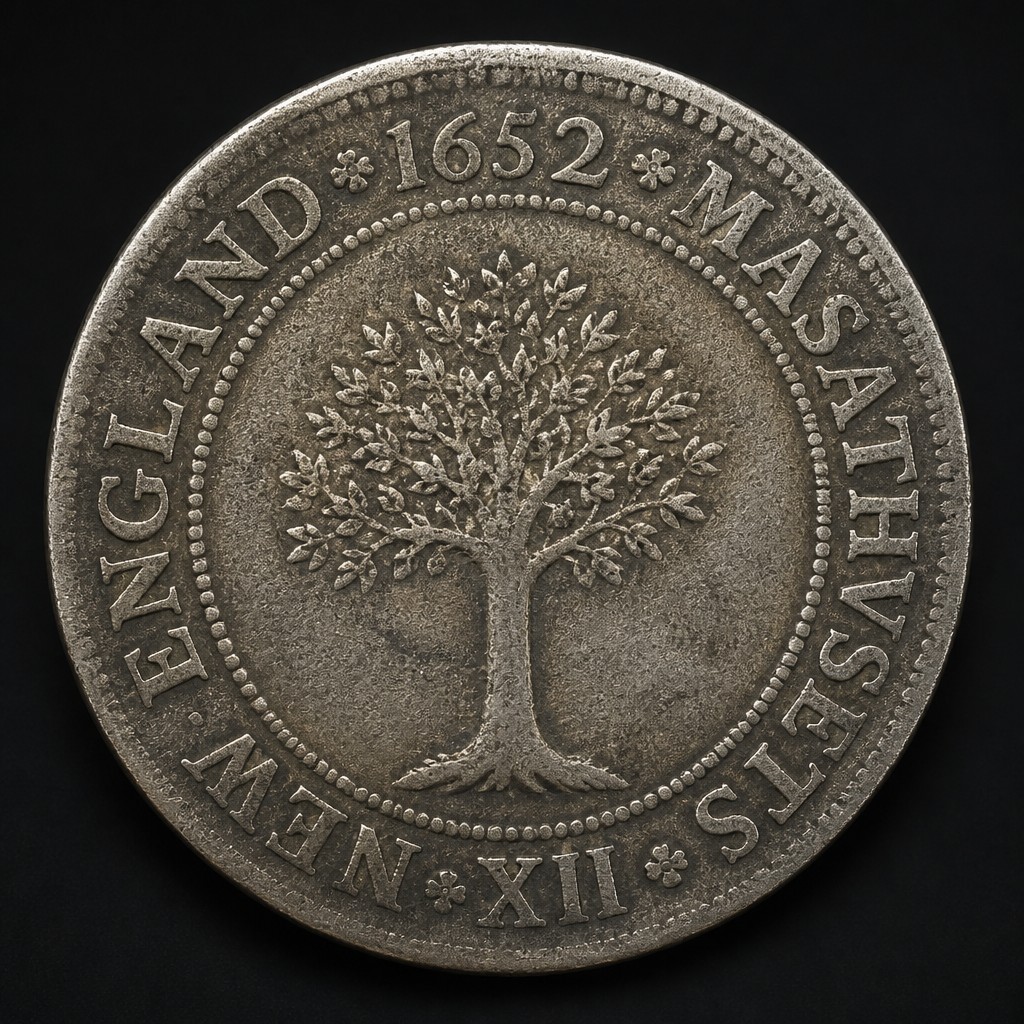
Massachusetts Oak Tree Shilling
Dated 1652, struck circa 1660–1667
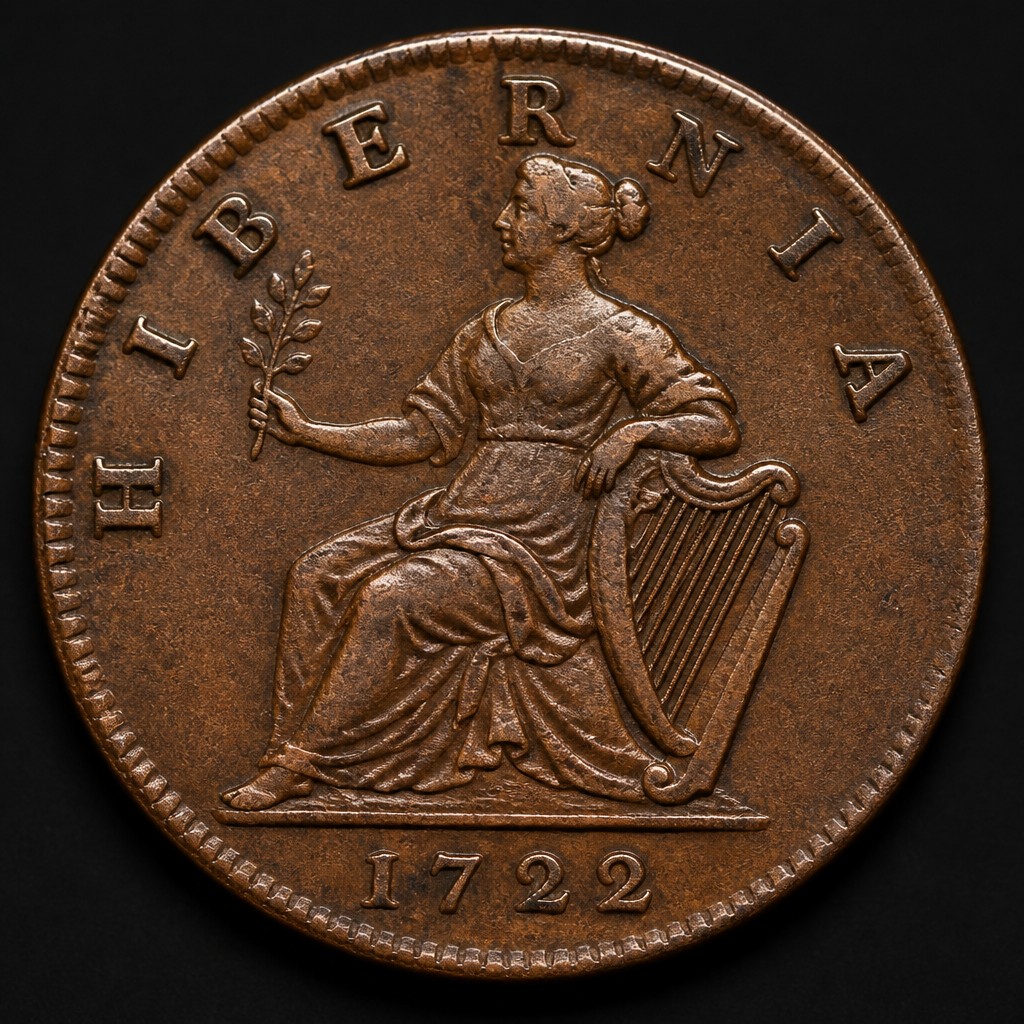
Wood's Hibernia Halfpenny
1722–1724
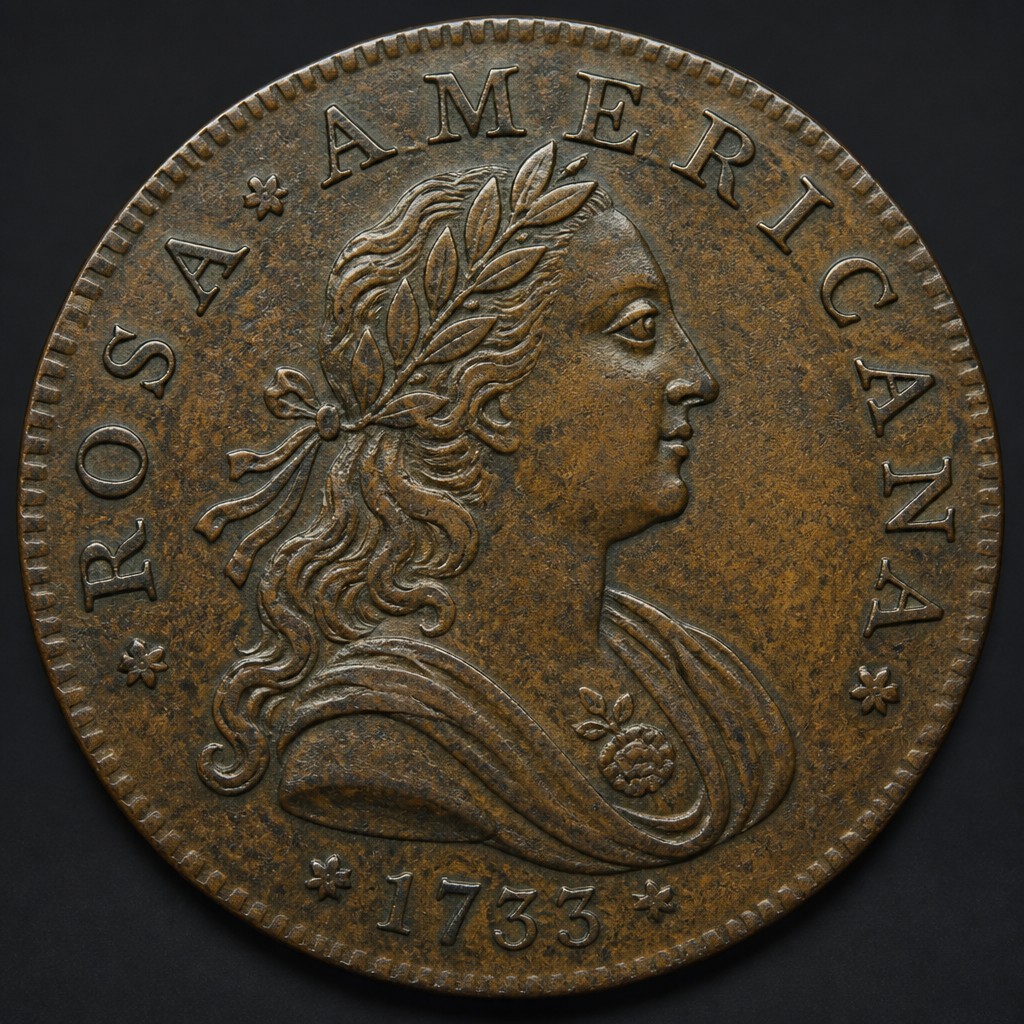
Rosa Americana Coinage
1722–1724 (with pattern issues dated 1733)
Massachusetts Willow Tree Shilling
Dated 1652, struck circa 1653–1660