
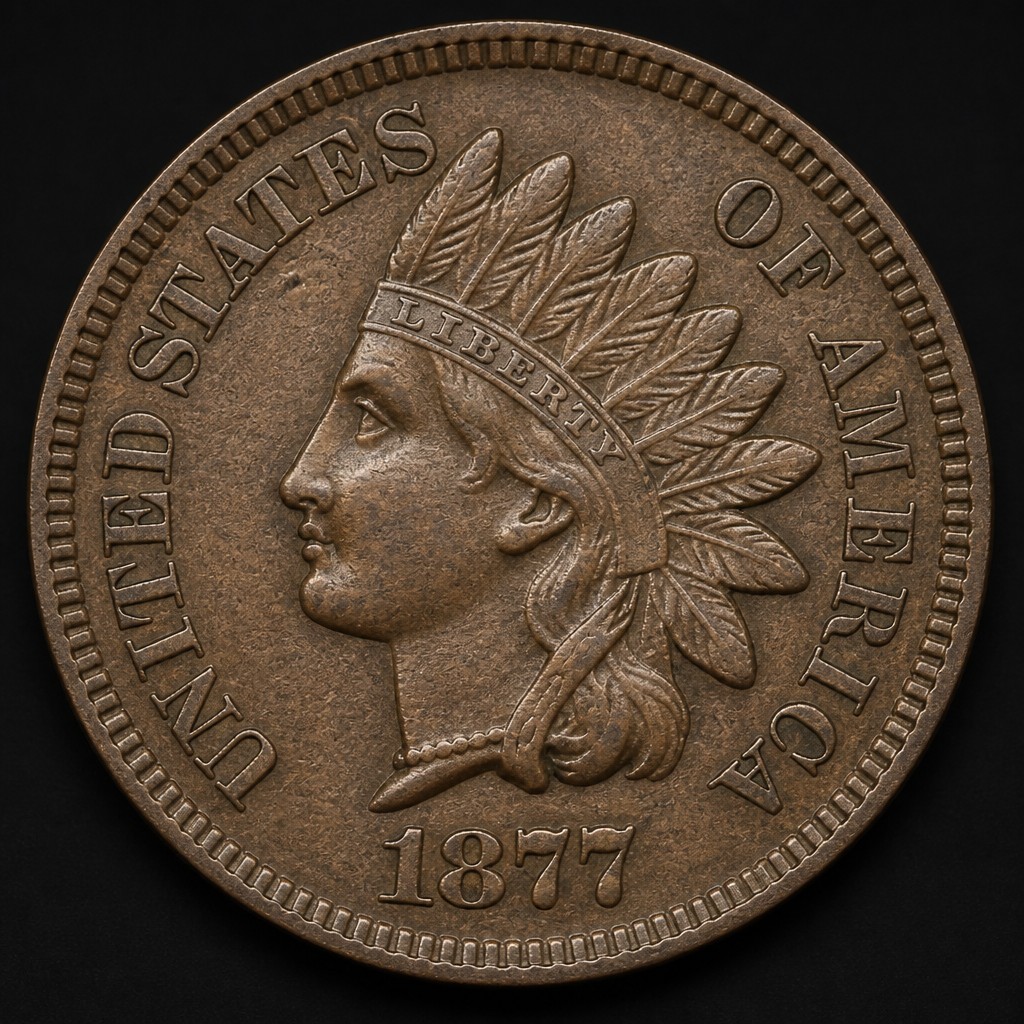
1877 Indian Head Cent
The premier key date of the Indian Head cent series, struck in unusually low numbers during a mid-1870s economic downturn.
- Country
- United States
- Denomination
- One Cent
- Metal
- 95% Copper, 5% Tin and Zinc (Bronze)
Got a coin like this?
Identify any coin from a photo, free.
Overview
The 1877 Indian Head cent is widely regarded as the single most important key date in the Indian Head cent series, prized for its notably low original production during a period of economic weakness in the United States. It is often the last, and most expensive, coin a collector needs to complete a date set of the series.
Its scarcity relative to other dates in an otherwise long-running and generally affordable series makes it a benchmark coin: collectors frequently describe finishing an Indian Head cent set as "needing the 1877" as shorthand for completing the hardest part of the collection.
History & Background
The Indian Head cent, designed by Mint chief engraver James B. Longacre, had been in production since 1859. By the mid-1870s, the American economy was mired in a prolonged depression following the Panic of 1873, and demand for new cents from banks and businesses fell sharply.
As a result, the Mint struck a much smaller quantity of cents dated 1877 than in most other years of the series, a decision driven by weak commercial demand rather than any special commemorative purpose. This relatively small original mintage, combined with ordinary circulation losses over the following decades, left the 1877 as a genuine rarity within an otherwise accessible series.
How to Identify
The obverse shows Liberty wearing a Native American-style feathered headdress, with LIBERTY inscribed on the headband and the date below; thirteen stars, later replaced by other border elements in some years, surround the portrait, but by 1877 the standard border of the era is used. The reverse features a wreath, typically with a shield at the top, encircling ONE CENT.
The coin is small and bronze in composition, distinguishing it from the earlier copper-nickel Indian Head cents of 1859–1864. Confirming an 1877 cent involves checking the full date carefully, since the digits, particularly the last two, have occasionally been subject to alteration from other, more common years to simulate the valuable 1877 date.
Because of its value and the risk of alteration, coins believed to be genuine 1877 Indian Head cents are best verified by a professional grading service before purchase.
Value & Collectibility
The 1877 is the premier key date of the Indian Head cent series, and even heavily worn, low-grade examples command significant premiums compared with common dates in the series. Mid-to-high circulated grades and mint state examples can reach substantially higher prices, reflecting strong, sustained collector demand.
Because of its fame and value, the date is a frequent target for alteration, so buyers are strongly encouraged to seek coins certified by a reputable third-party grading service rather than relying on appearance alone.
Frequently asked questions
Why is the 1877 cent so rare?
The Mint struck a much smaller number of cents that year due to weak economic demand following the mid-1870s depression.
Is this the rarest Indian Head cent?
It is generally considered the key date of the series by original mintage and market demand, though a few other dates and varieties are also scarce.
How can I tell if my 1877 cent is genuine?
Because the date is sometimes altered from other years, professional authentication is strongly recommended before assuming a coin is a genuine 1877.
What metal is it made of?
A bronze alloy of 95% copper and 5% tin and zinc, standard for Indian Head cents from 1864 onward.
Who designed the Indian Head cent?
Mint chief engraver James B. Longacre designed the series, which began in 1859.
Other coins you may enjoy
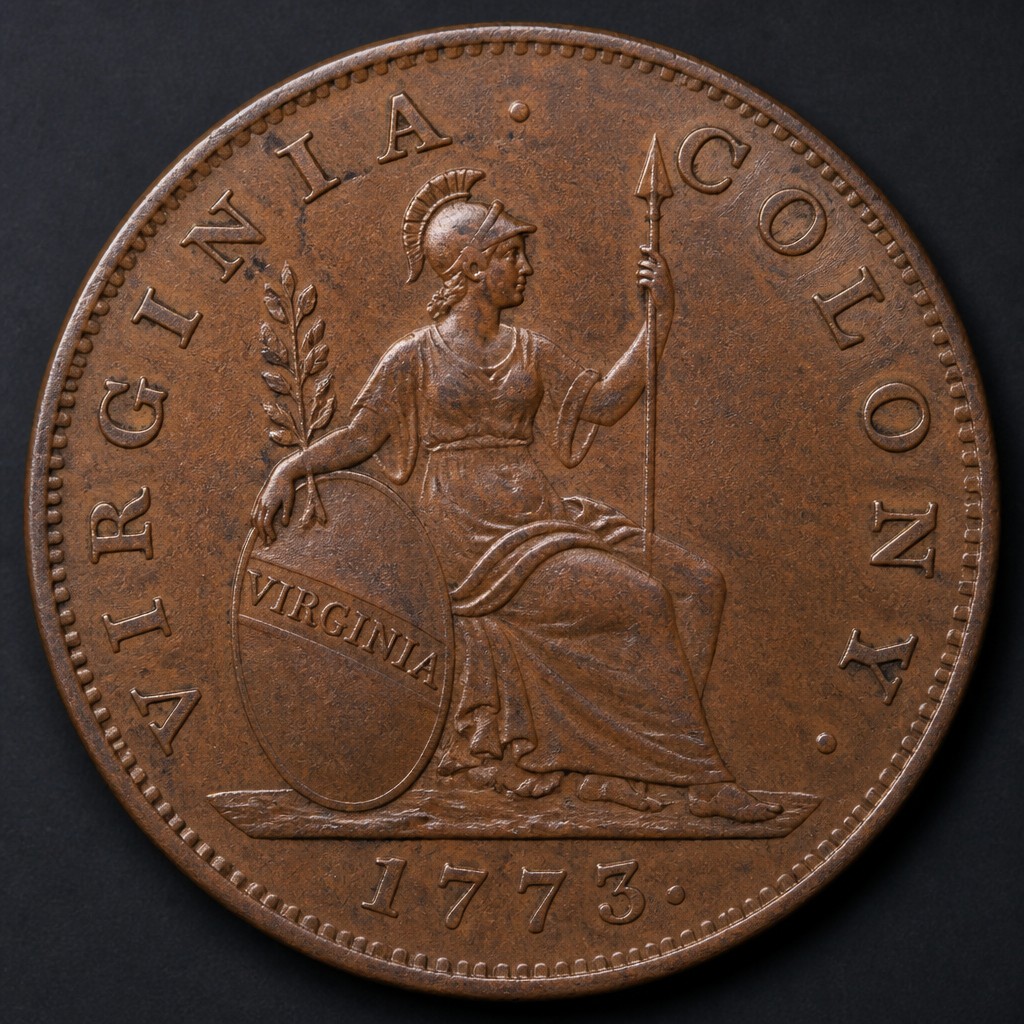
Virginia Halfpenny
1773
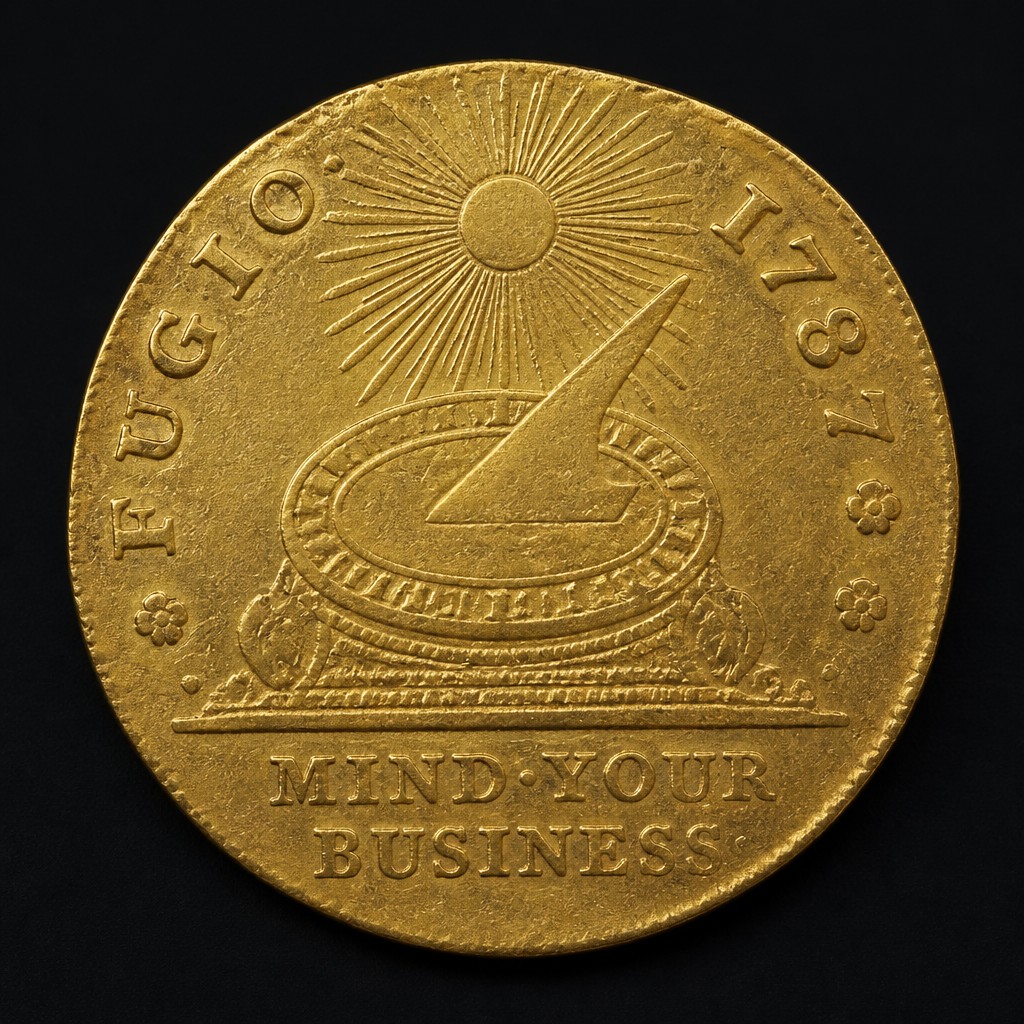
Brasher Doubloon
1787
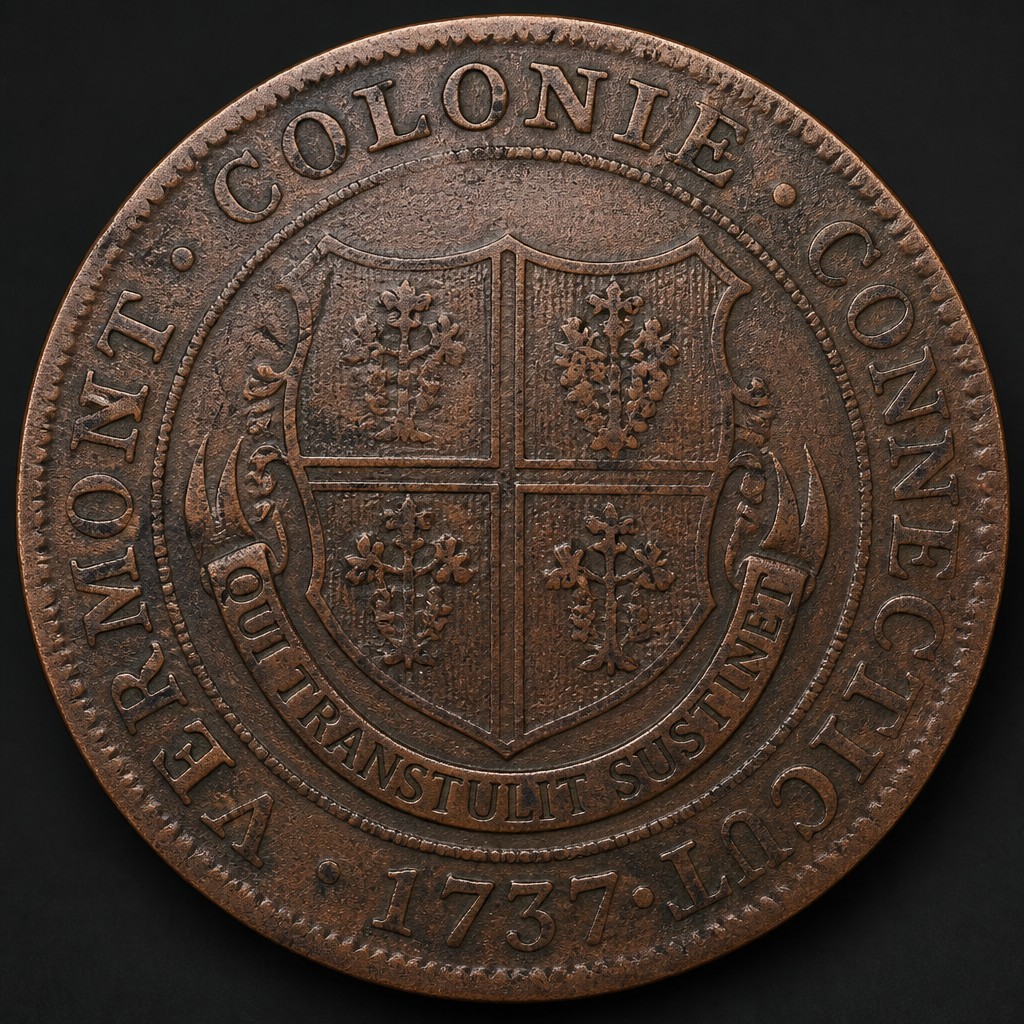
Higley Copper
1737–1739
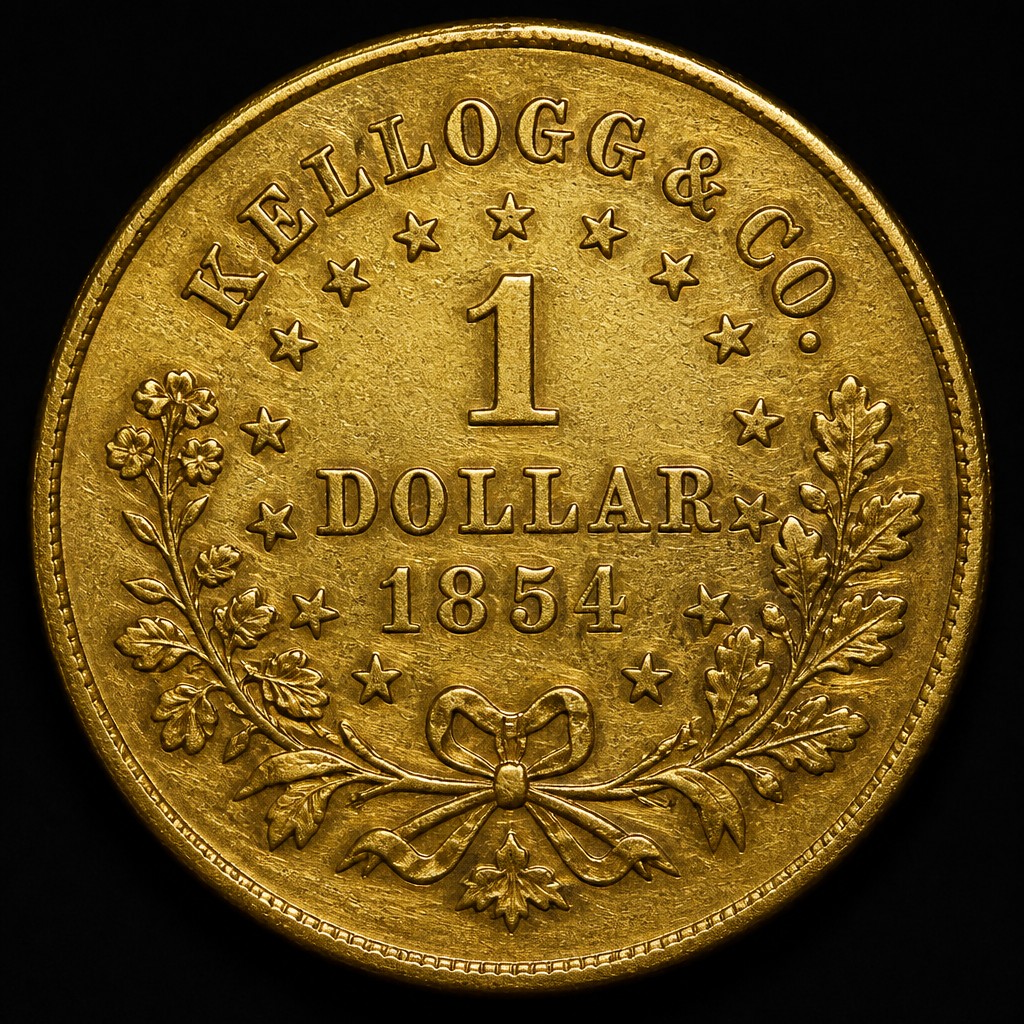
Kellogg & Co. Gold Piece
1854–1855
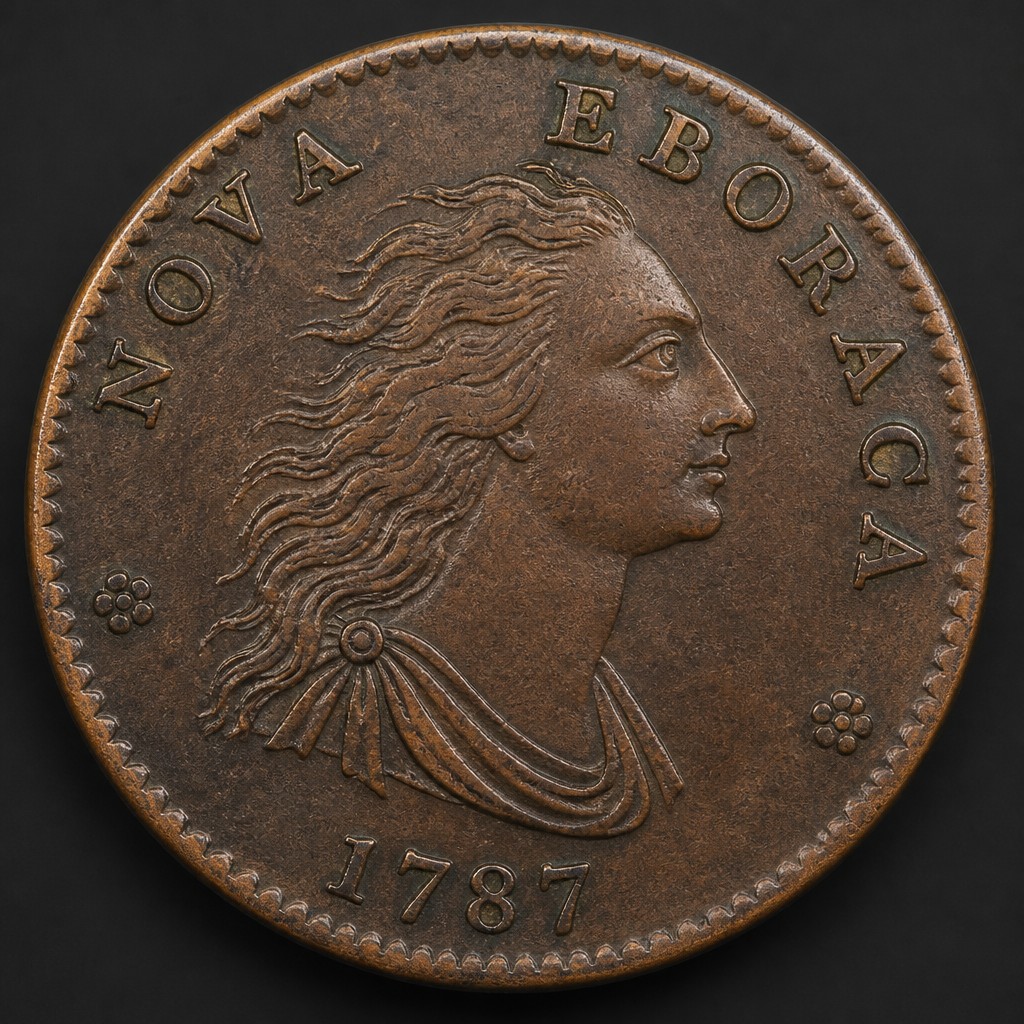
Nova Eborac Copper
1787
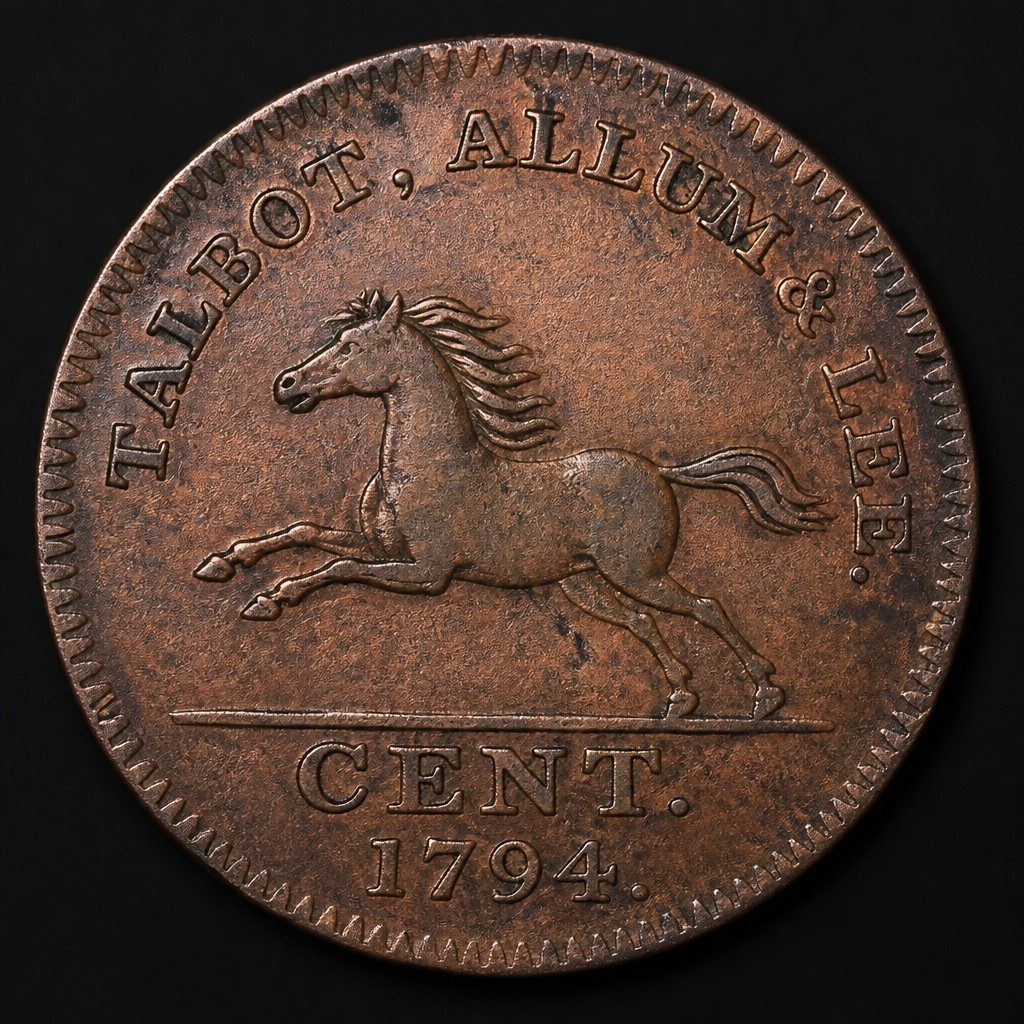
Talbot, Allum & Lee Cent
1794–1795
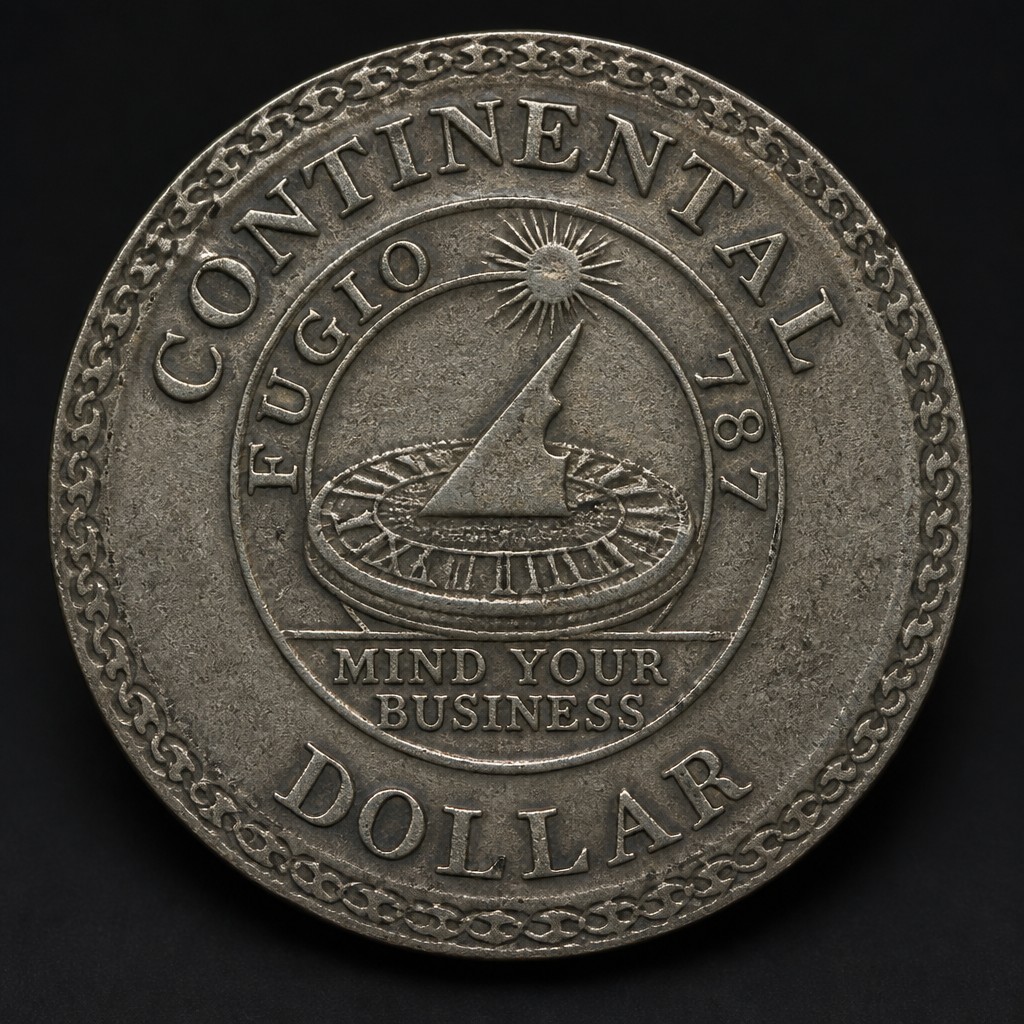
Continental Dollar
1776
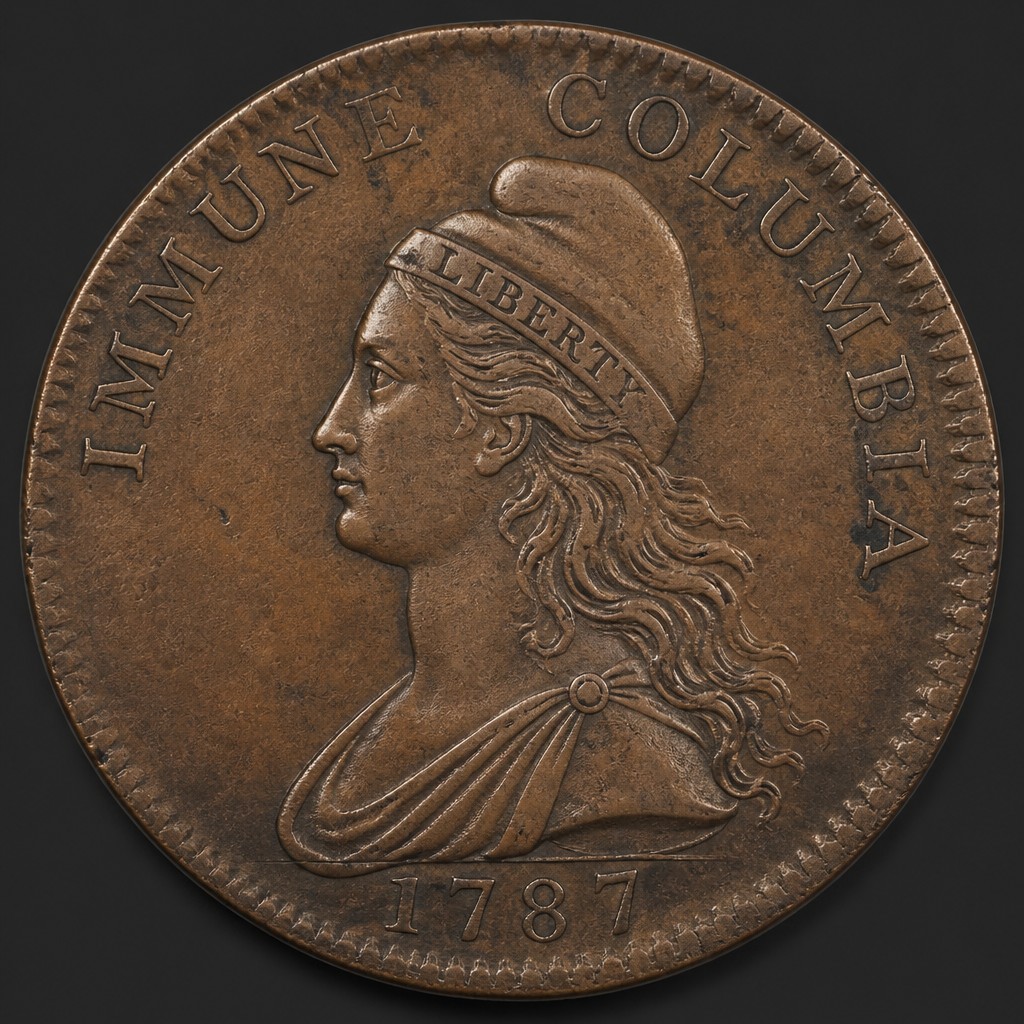
Immune Columbia Copper
circa 1785–1787
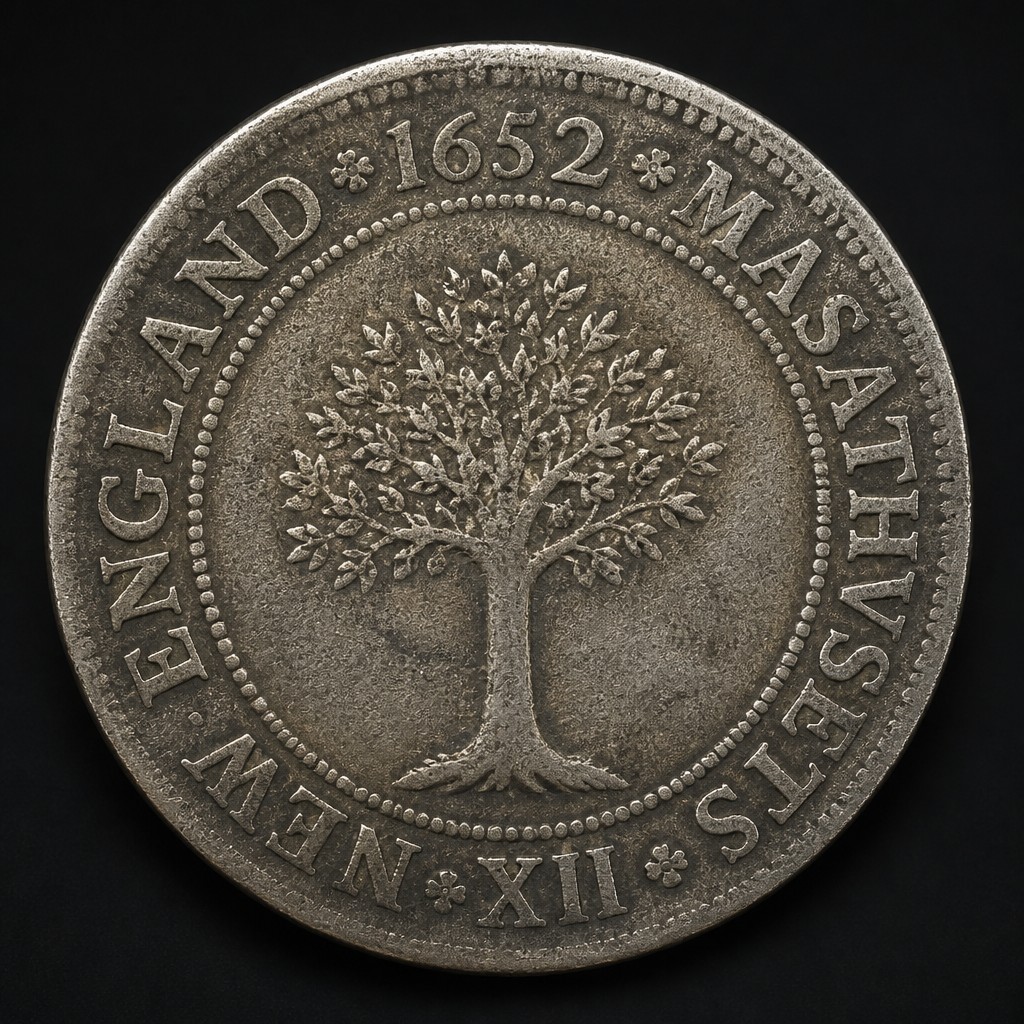
Massachusetts Oak Tree Shilling
Dated 1652, struck circa 1660–1667
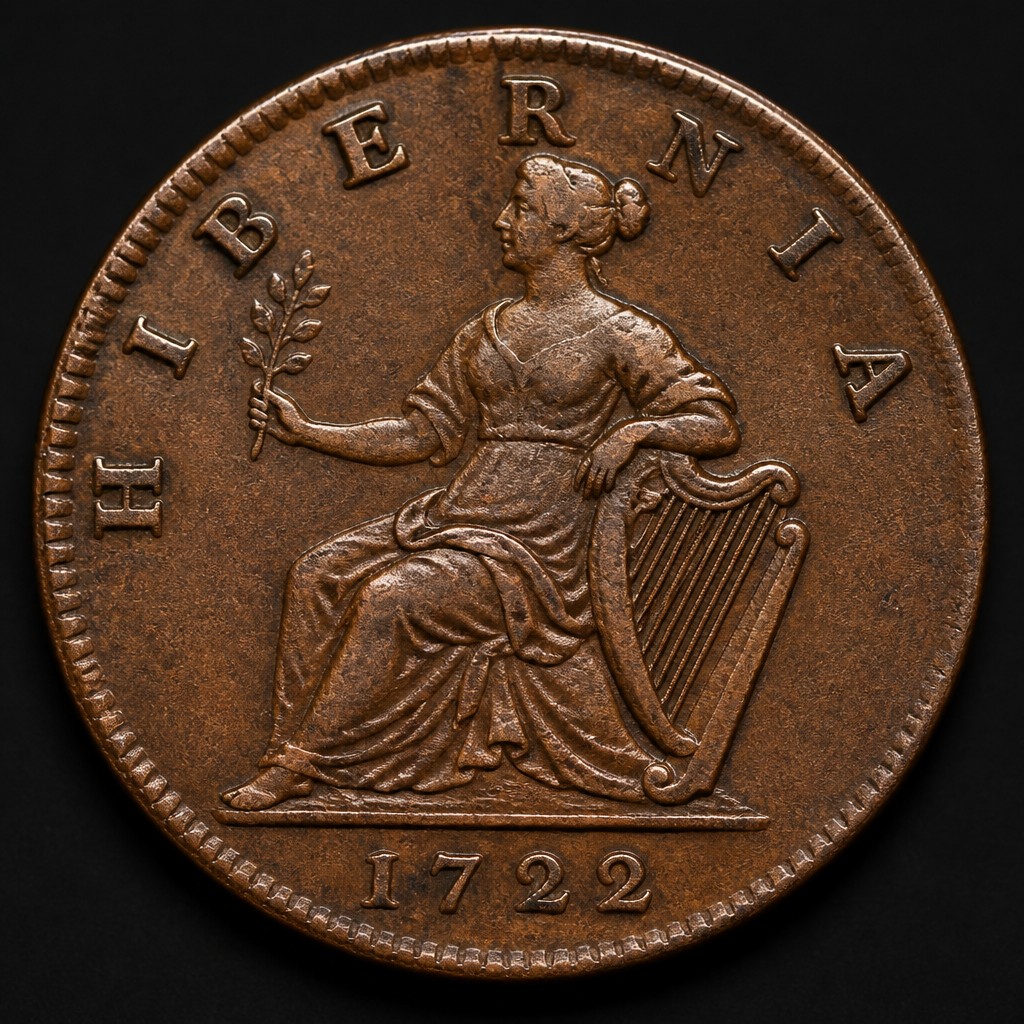
Wood's Hibernia Halfpenny
1722–1724
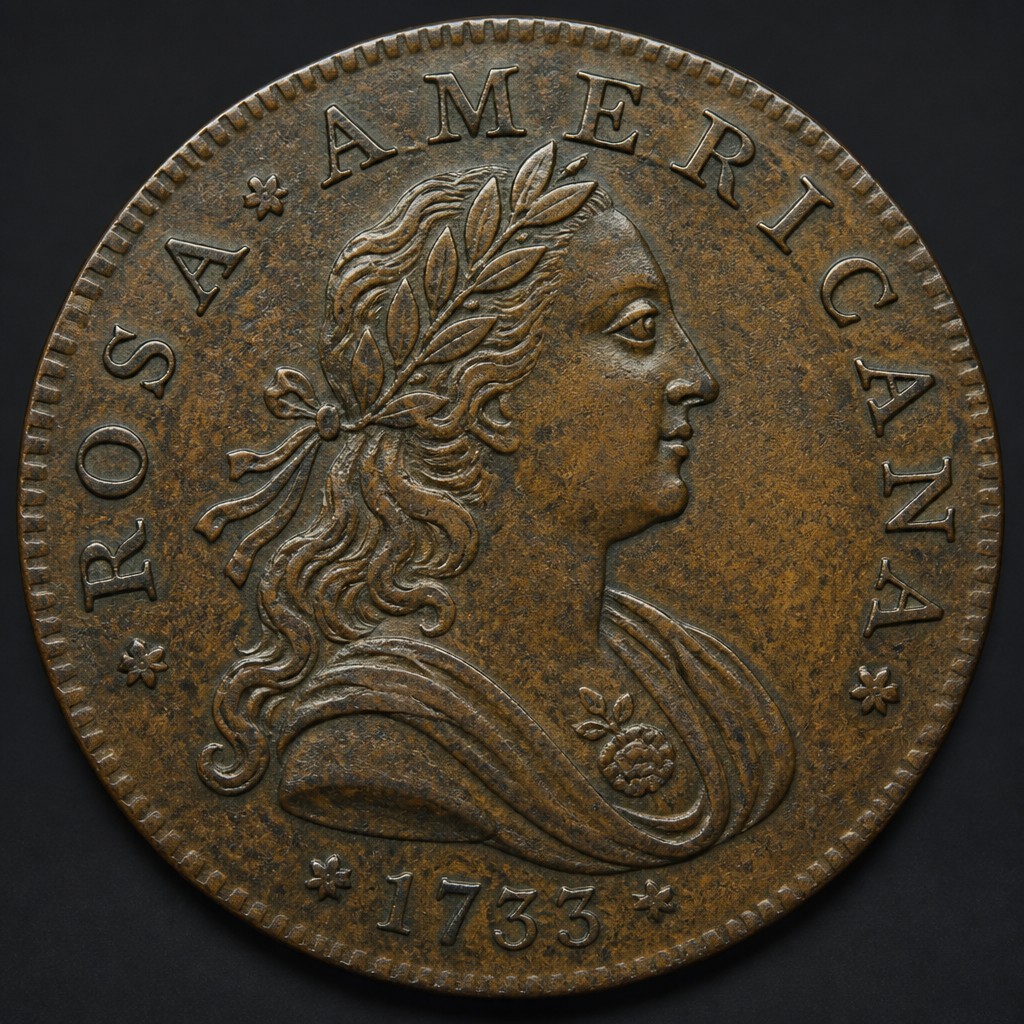
Rosa Americana Coinage
1722–1724 (with pattern issues dated 1733)
Massachusetts Willow Tree Shilling
Dated 1652, struck circa 1653–1660