
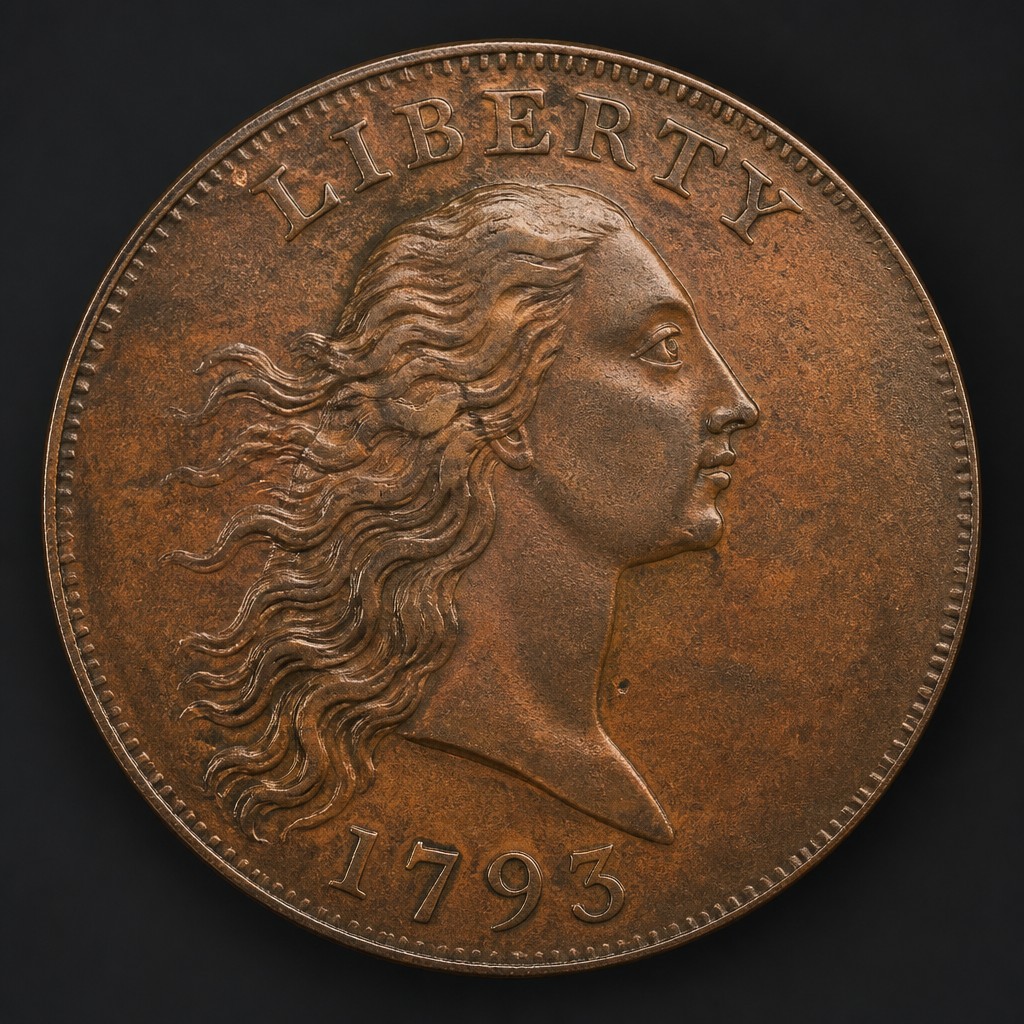
1793 Wreath Cent
The second cent design of 1793, replacing the controversial Chain cent with a wreath reverse, and one of three distinct cent types struck that founding year.
- Country
- United States
- Denomination
- One Cent
- Metal
- 100% Copper
Got a coin like this?
Identify any coin from a photo, free.
Overview
The 1793 Wreath cent is the second of three cent designs the United States Mint produced in its very first year of operation, following the short-lived and criticized Chain cent. Swapping the chain for a traditional wreath, it offered a design the public found far more palatable.
Though still short-lived and scarce today, more Wreath cents survive than Chain cents, making it a slightly more attainable, though still historically vital, target for early American copper collectors building a complete set of 1793 cent types.
History & Background
After public backlash against the Chain cent's reverse design, the Mint moved quickly to revise the cent's appearance in mid-1793, retaining a similar Liberty portrait on the obverse while replacing the chain with a wreath on the reverse. The change addressed the criticism that the chain evoked bondage rather than unity.
The Wreath cent itself was produced for only a few months before the Mint again revised the design, introducing the Liberty Cap cent later in 1793. Together, the Chain, Wreath, and Liberty Cap cents represent the Mint's rapid experimentation with cent design within a single founding year.
How to Identify
The obverse shows Liberty facing right with flowing hair, typically with a small leafy sprig beneath the bust, LIBERTY above and 1793 below. The reverse displays a wreath, often described by its vine-and-leaf styling, encircling ONE CENT and a fraction, with UNITED STATES OF AMERICA around the border.
Collectors identify specific varieties by edge treatment, most notably a "Vine and Bars" edge pattern and a "Lettered Edge" reading ONE HUNDRED FOR A DOLLAR, along with differences in the wreath and lettering style across the type's brief run.
As with other 1793 cents, the coin is a large copper piece reflecting the Mint's early, somewhat crude production standards, and genuine examples are frequently targeted by counterfeiters given their value.
Value & Collectibility
The 1793 Wreath cent is a genuine rarity and a key piece for any early American copper collection, though it is somewhat more available than the Chain cent of the same year. Even heavily worn examples carry meaningful value due to their age and historical importance, while sharp, well-preserved coins are considerably scarcer and more valuable.
Edge variety influences desirability and price among specialists, with some edge types considered scarcer than others. Given the coin's value and the presence of counterfeits in the marketplace, authentication by a recognized grading service is strongly advised.
Frequently asked questions
How does the Wreath cent relate to the Chain cent?
It replaced the Chain cent's controversial reverse design later in 1793 after public criticism.
What are the known edge varieties?
A vine-and-bars edge pattern and a lettered edge reading ONE HUNDRED FOR A DOLLAR are the principal recognized varieties.
Is the Wreath cent rarer than the Chain cent?
No, more Wreath cents survive today, though it remains a scarce and historically significant coin.
What replaced the Wreath cent?
The Liberty Cap large cent design took over later in 1793.
Why should I get this coin authenticated?
Its age and value make it a target for counterfeiters, so third-party authentication is strongly recommended.
Other coins you may enjoy
Virginia Halfpenny
1773
Brasher Doubloon
1787
Higley Copper
1737–1739
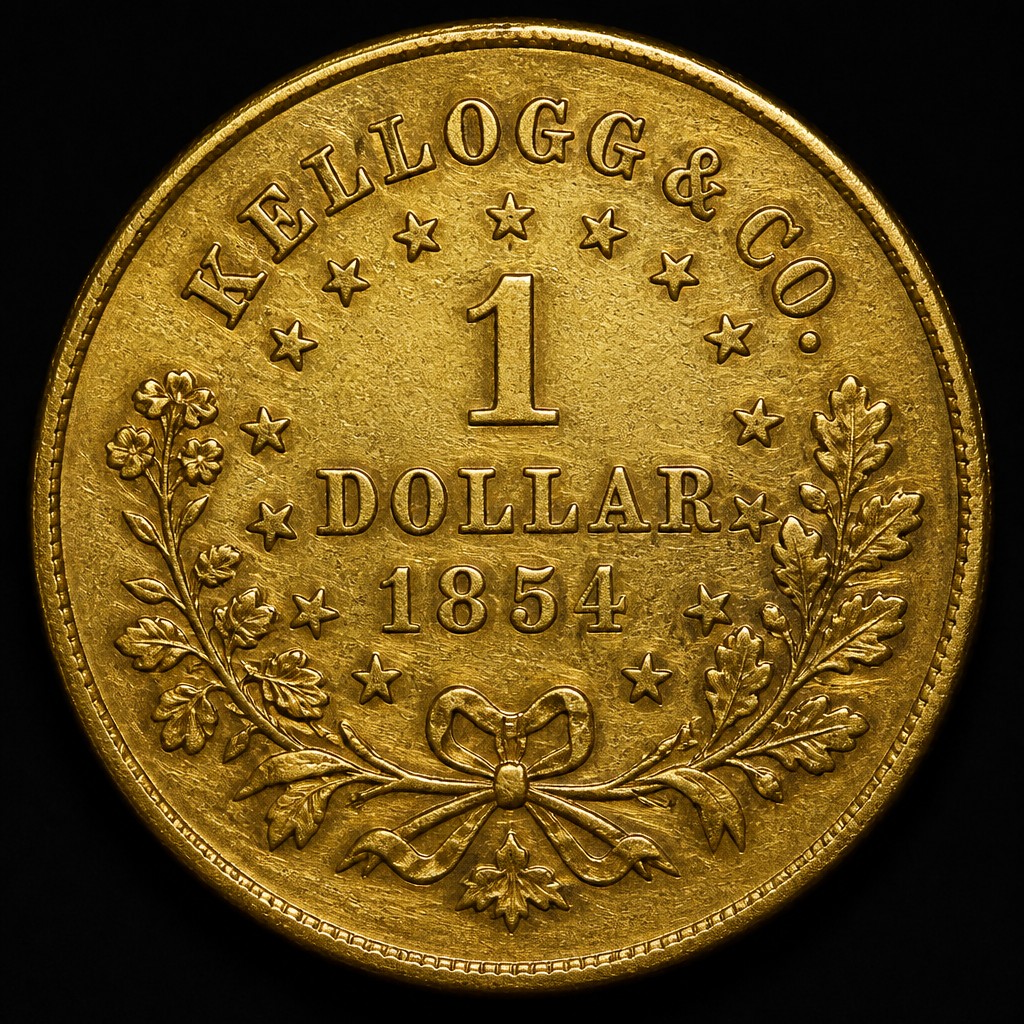
Kellogg & Co. Gold Piece
1854–1855
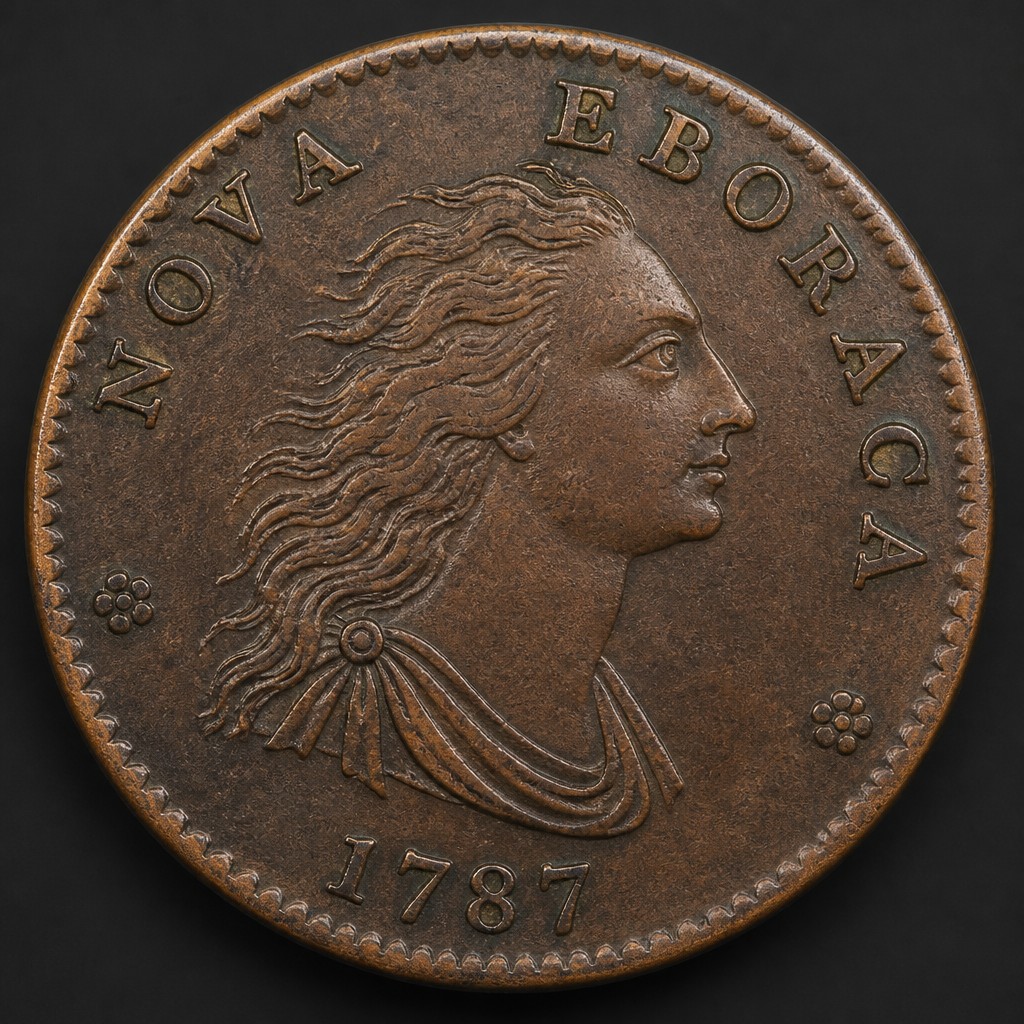
Nova Eborac Copper
1787
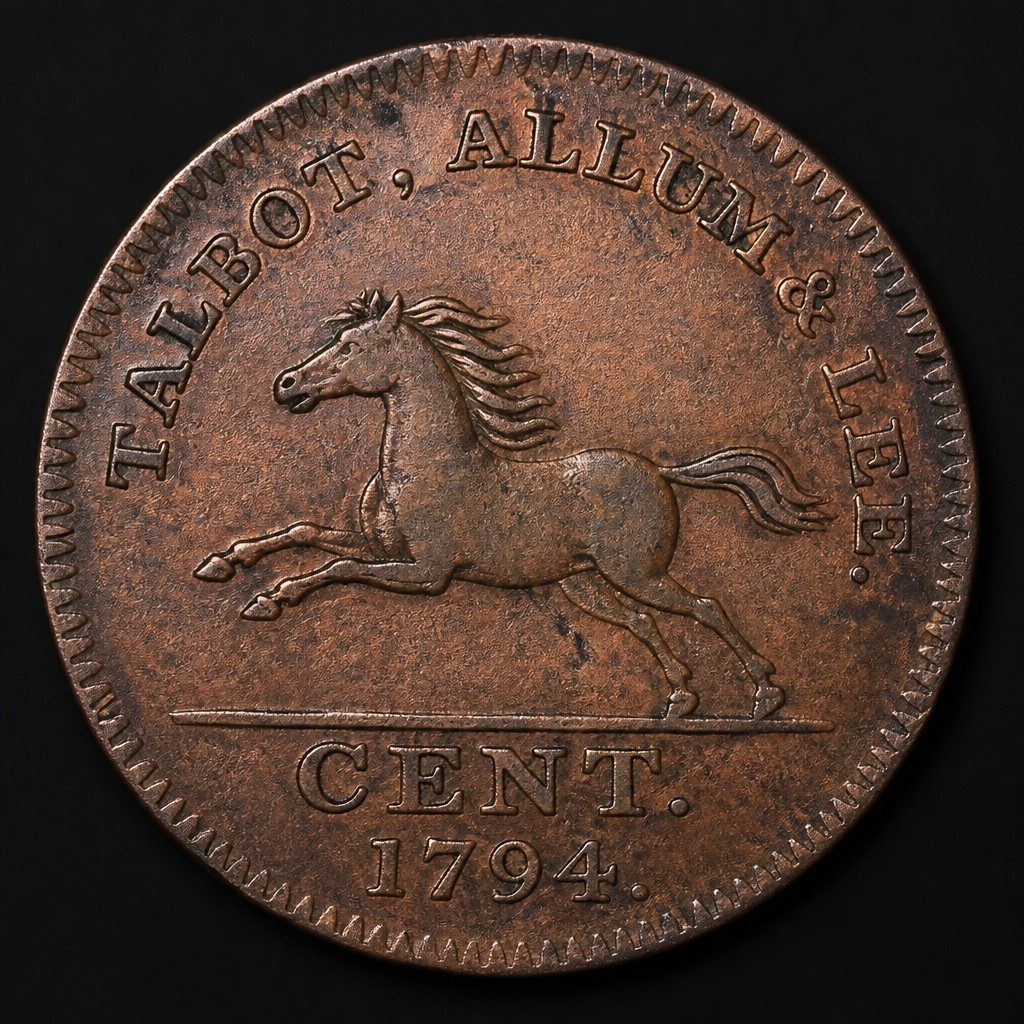
Talbot, Allum & Lee Cent
1794–1795
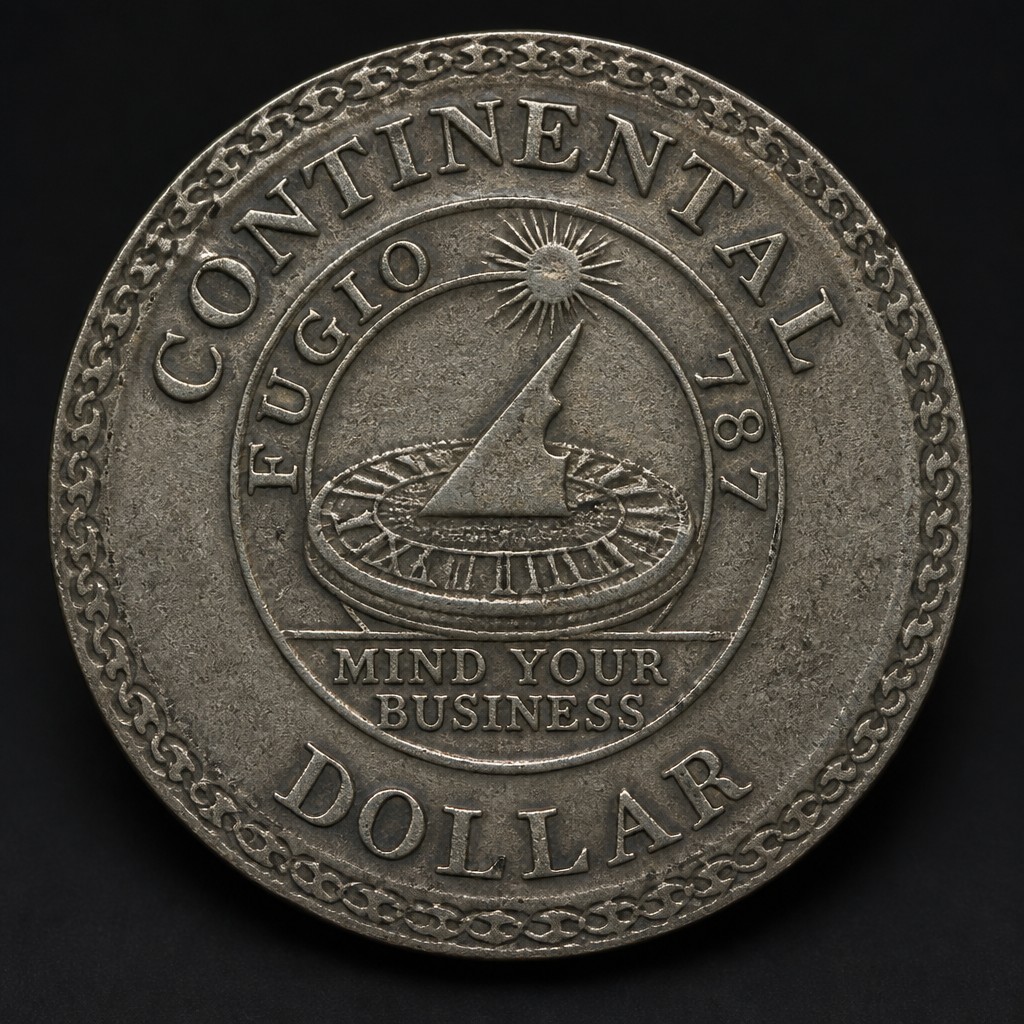
Continental Dollar
1776
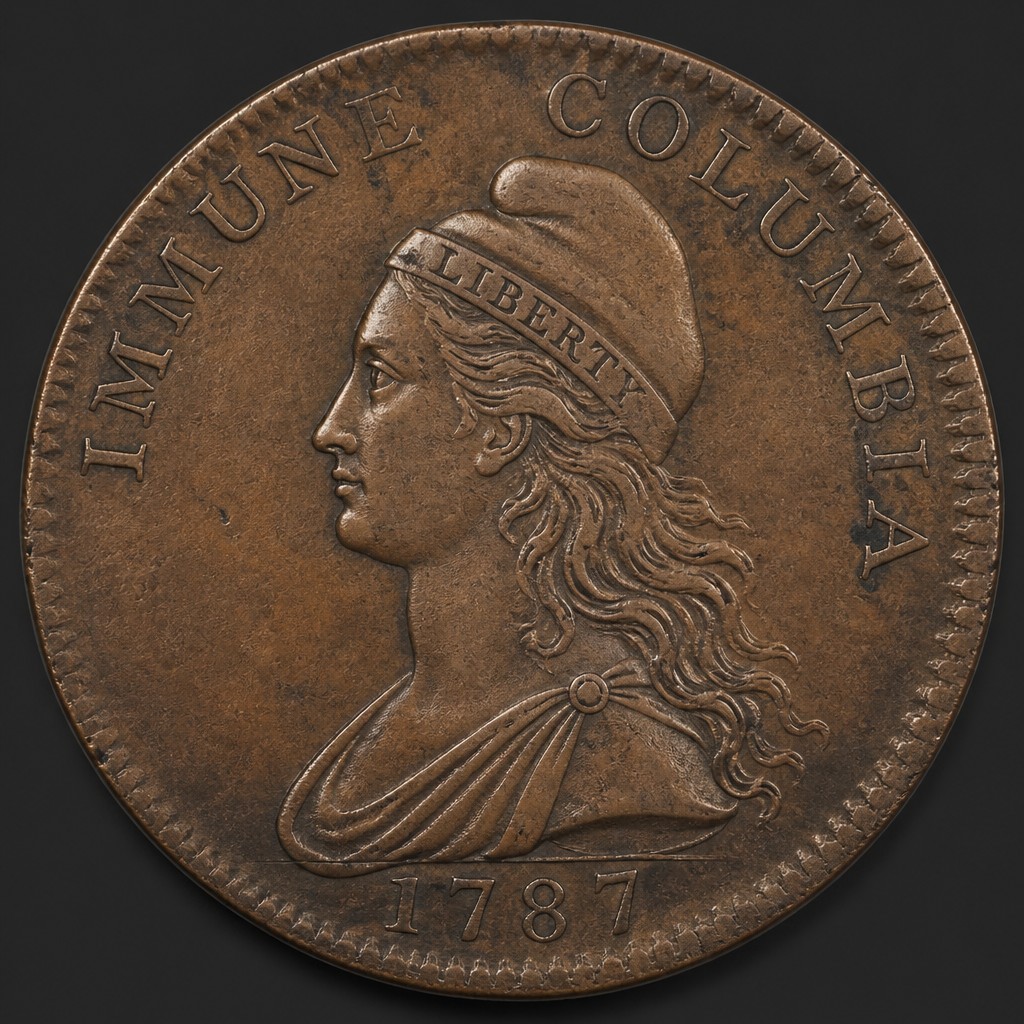
Immune Columbia Copper
circa 1785–1787
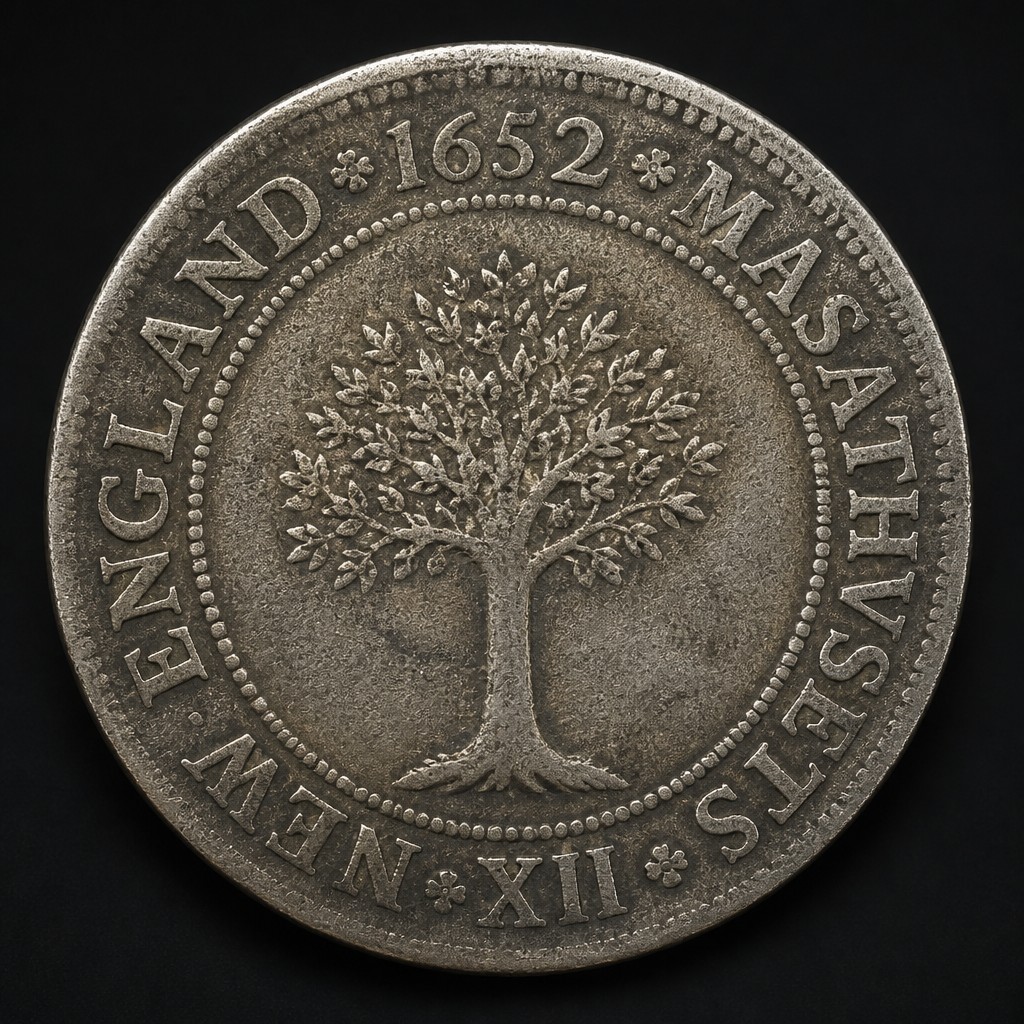
Massachusetts Oak Tree Shilling
Dated 1652, struck circa 1660–1667
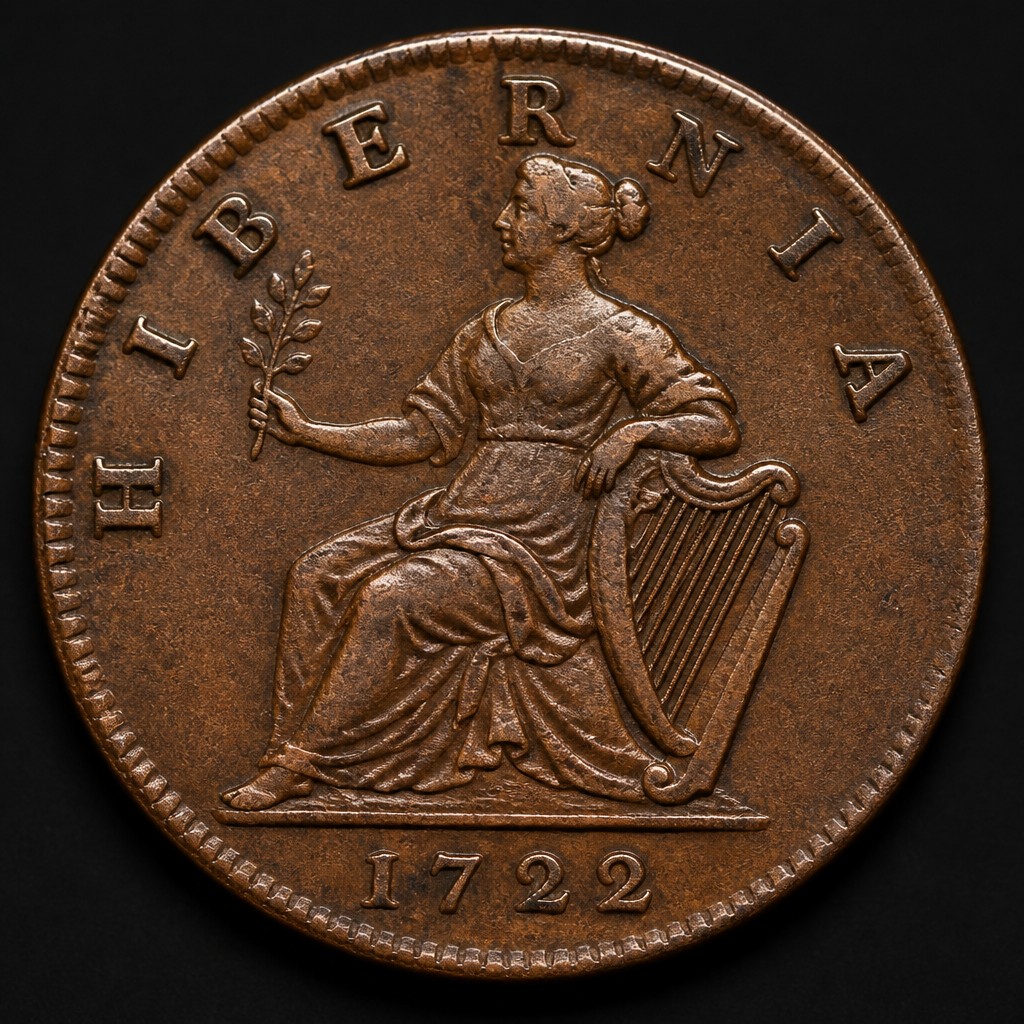
Wood's Hibernia Halfpenny
1722–1724
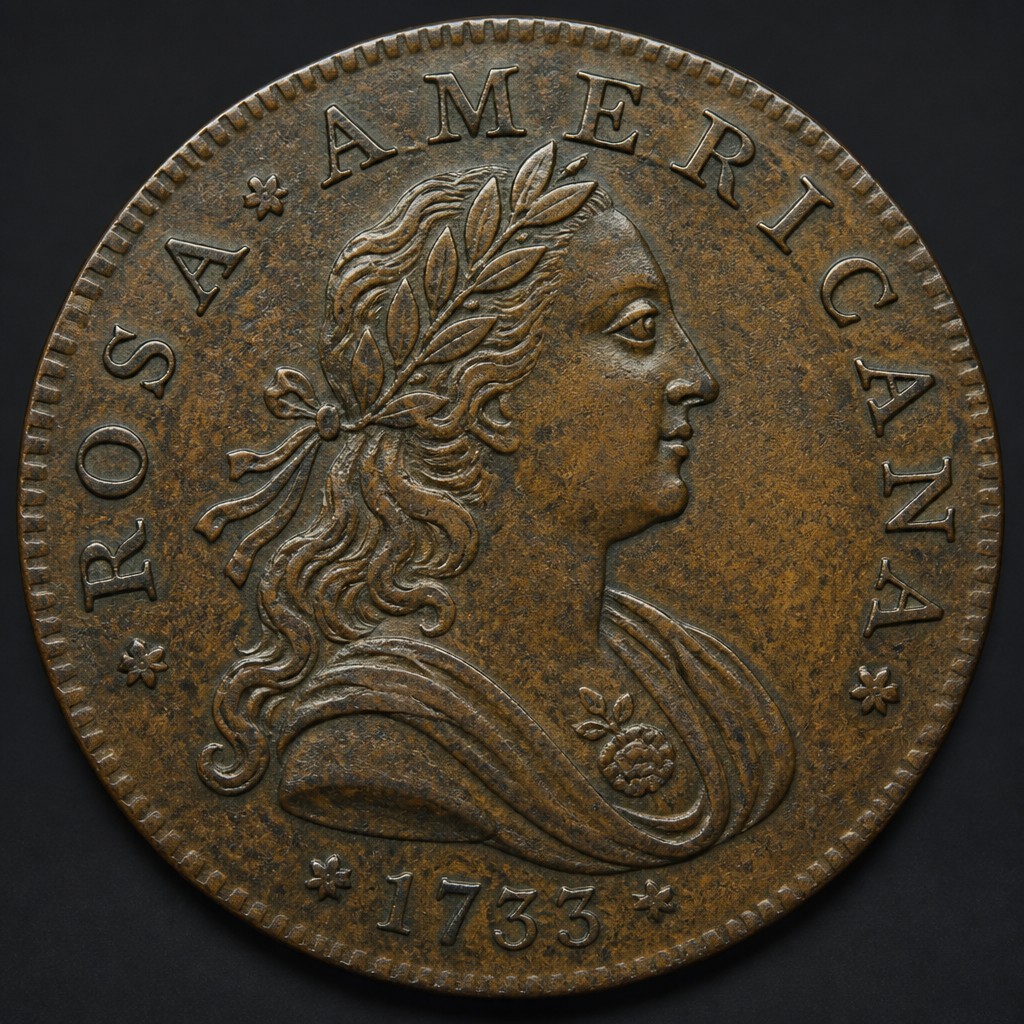
Rosa Americana Coinage
1722–1724 (with pattern issues dated 1733)
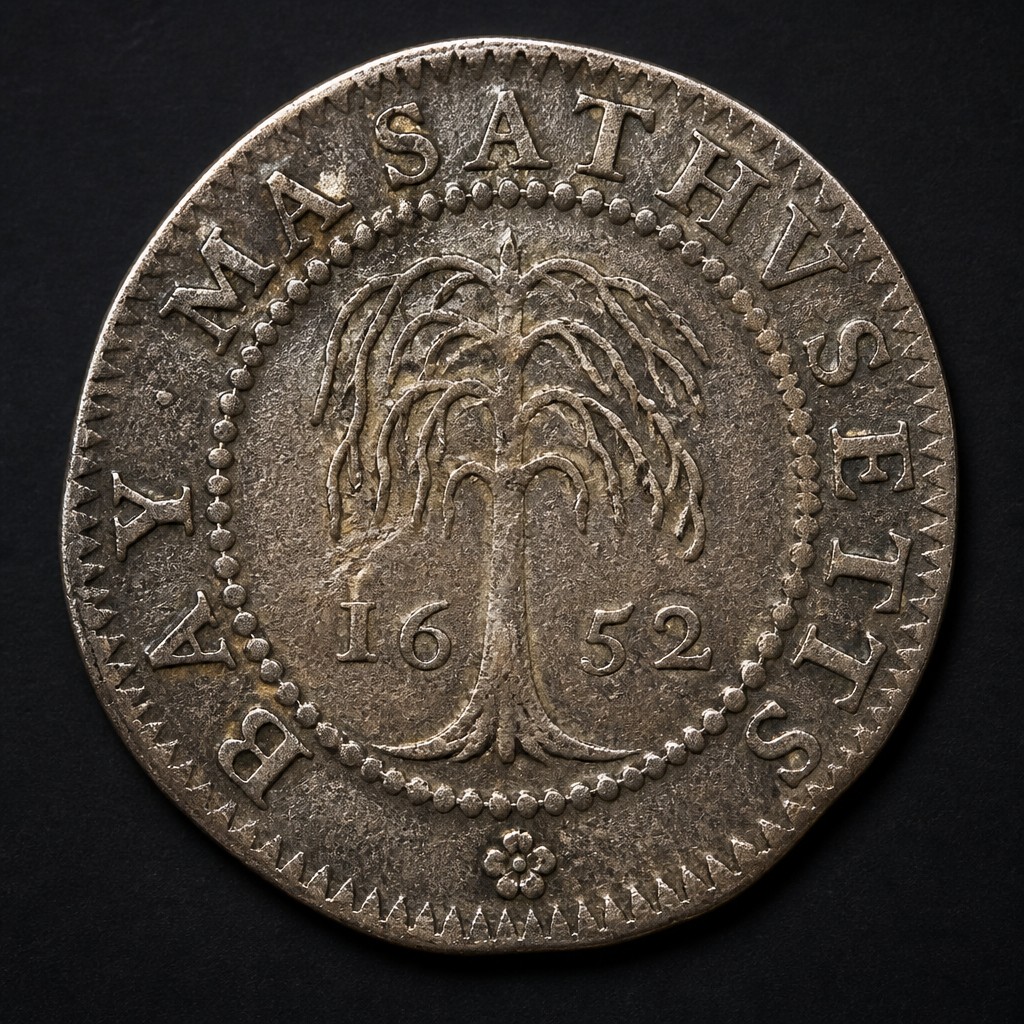
Massachusetts Willow Tree Shilling
Dated 1652, struck circa 1653–1660