
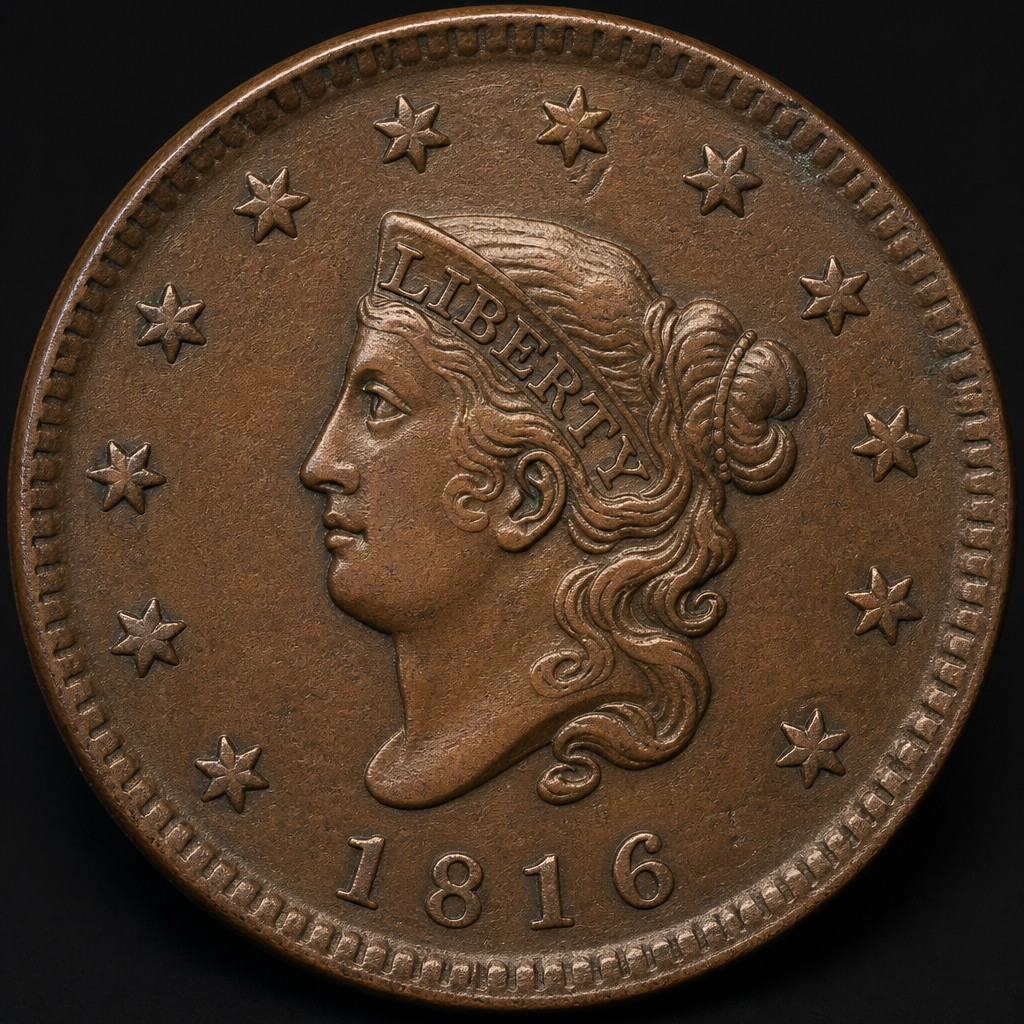
Coronet Large Cent
A large copper cent series featuring Liberty wearing a coronet, produced through the "Matron Head" and "Young Head" phases before the Braided Hair design took over.
- Country
- United States
- Denomination
- One Cent
- Metal
- 100% Copper
Got a coin like this?
Identify any coin from a photo, free.
Overview
The Coronet large cent covers a long run of copper one-cent coins made between 1816 and 1839, unified by Liberty wearing a coronet, or headband, inscribed LIBERTY. Collectors often split it into the heavier-featured "Matron Head" portrait of the 1816–1835 era and the slimmer, more youthful "Young Head" restyling used from about 1835 to 1839.
Because the design ran for over two decades, the series offers a rich field of die varieties, letter and date sizes, and minor engraving differences that variety specialists enjoy pursuing. It is also one of the more affordable ways to own a genuine large cent, since many dates were struck in large enough numbers to survive in circulated grades.
History & Background
After the War of 1812 disrupted coin production, the Philadelphia Mint resumed large cent coinage in 1816 with a fresh design credited to engravers working under mint director Robert Patterson, generally attributed in concept to John Reich. The coronet motif replaced the earlier Draped Bust and Classic Head types and would, with modification, carry the large cent through its final years.
Around 1835, chief engraver Christian Gobrecht reworked the portrait into a more youthful "Young Head" style, refining Liberty's features and hair. Large cents of this era circulated heavily in everyday American commerce, since they and half cents were the primary low-denomination coins before the small cent arrived in 1857.
How to Identify
The obverse shows Liberty facing left wearing a coronet inscribed LIBERTY, with thirteen stars around the border and the date below her bust. The reverse carries a wreath, usually of laurel or olive leaves, encircling the words ONE CENT, with UNITED STATES OF AMERICA around the rim.
Earlier "Matron Head" coins (roughly 1816–1835) show a fuller, more mature face, while later "Young Head" coins (roughly 1835–1839) show a slimmer neck and more refined features after Gobrecht's rework. The coins are large, about 28–29 millimeters in diameter, and considerably heavier and broader than the small cents that followed in 1857.
Condition is often judged by the sharpness of the hair curls, the coronet lettering, and the leaves in the wreath, since copper large cents wore down quickly with circulation.
Value & Collectibility
Most dates in this long series are common in worn grades and are priced modestly, making them an accessible way to collect authentic pre-Civil War American copper. Certain dates are scarcer due to lower original mintages or heavy circulation losses, and these command higher premiums, especially in better grades.
Condition sensitivity is significant: because the design's high points wear quickly, the jump in price from a well-worn example to a sharp, glossy uncirculated coin can be dramatic. Surface quality also matters greatly for copper, since original color, absence of corrosion, and lack of cleaning strongly affect desirability and price.
Frequently asked questions
What is the difference between Matron Head and Young Head?
Matron Head (roughly 1816–1835) shows a fuller, more mature portrait, while Young Head (roughly 1835–1839) shows a slimmer, more refined portrait after an 1835 engraving update.
How big is a Coronet large cent?
About 28–29 millimeters in diameter, noticeably larger than a modern cent.
What comes after this series?
The Braided Hair Large Cent took over in 1839 and continued until the large cent was replaced by the small Flying Eagle cent in 1857.
Are all dates rare?
No, most dates were struck in substantial numbers and are affordable in worn grades, though some individual dates are scarcer than others.
What metal are these cents made of?
Pure copper, unlike the bronze and later copper-plated zinc used for cents in the 20th and 21st centuries.
Other coins you may enjoy
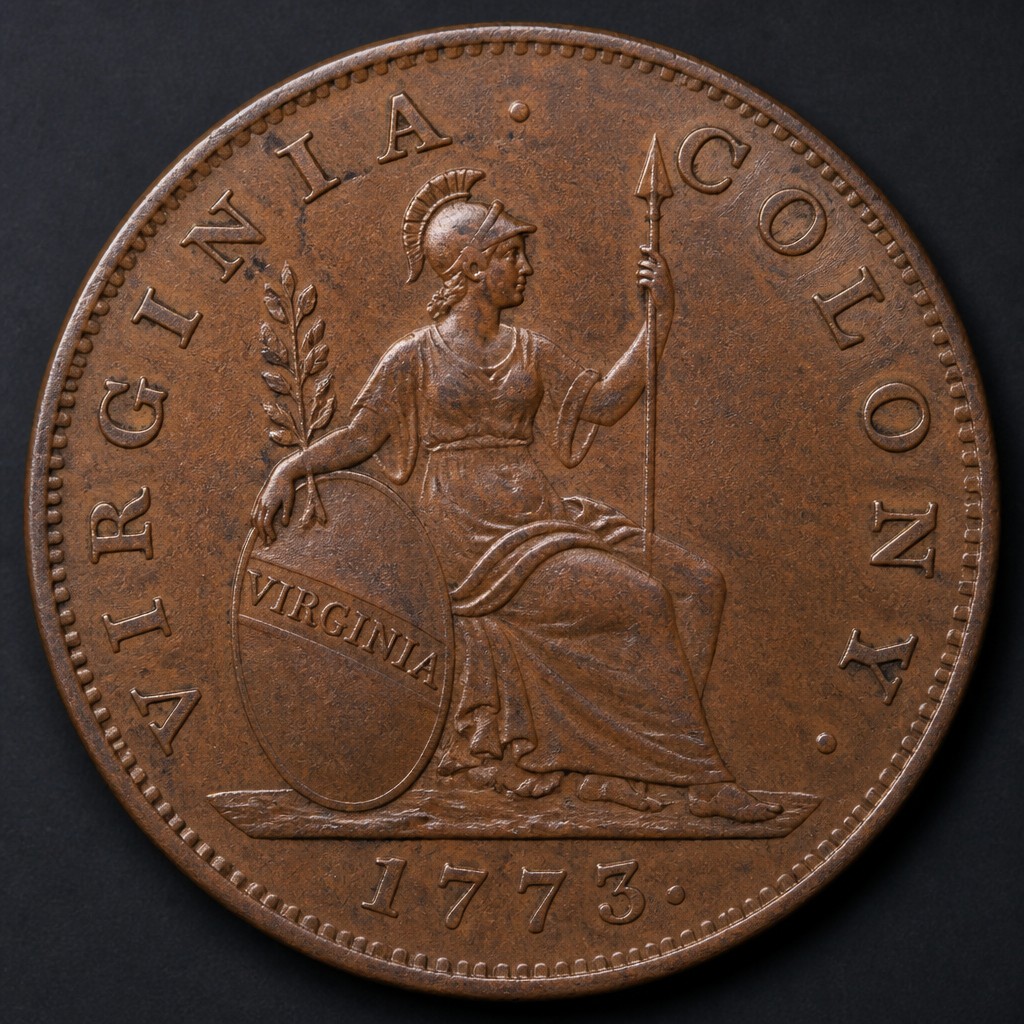
Virginia Halfpenny
1773
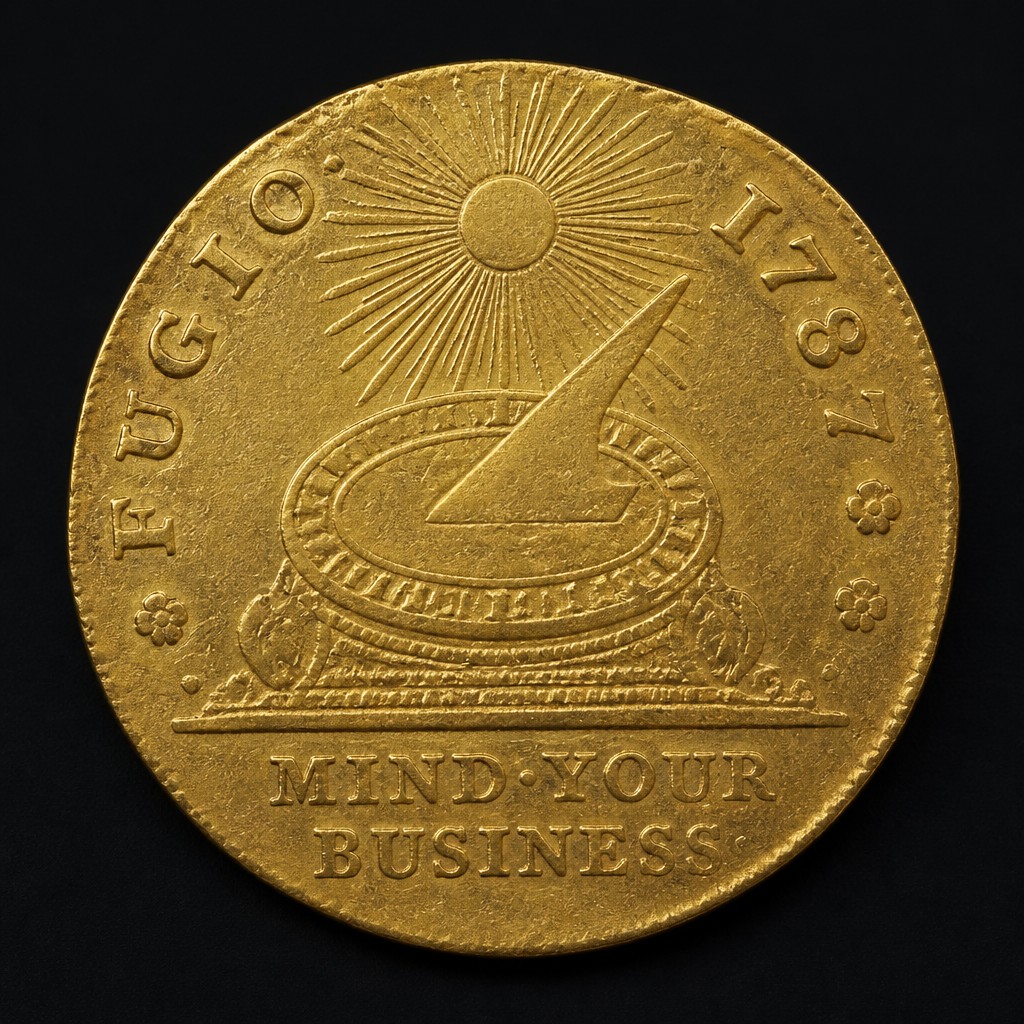
Brasher Doubloon
1787
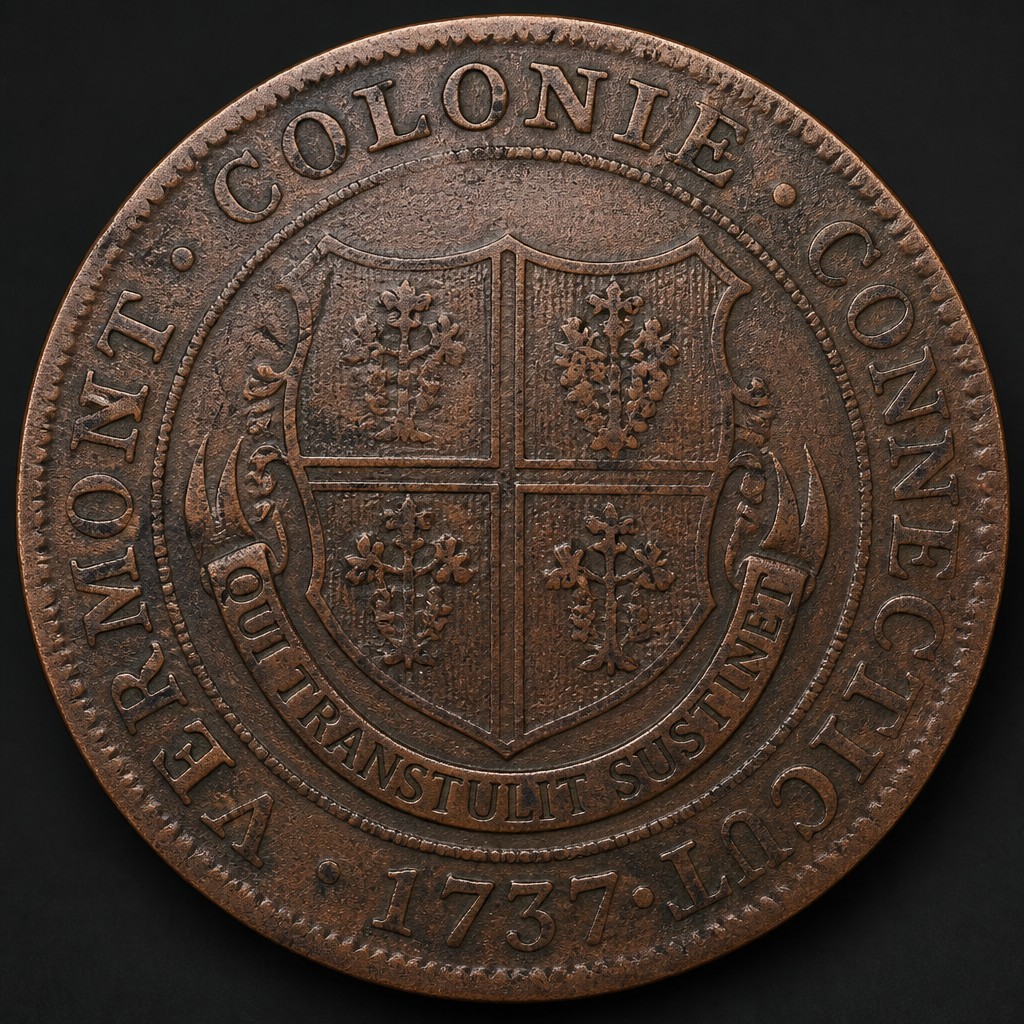
Higley Copper
1737–1739
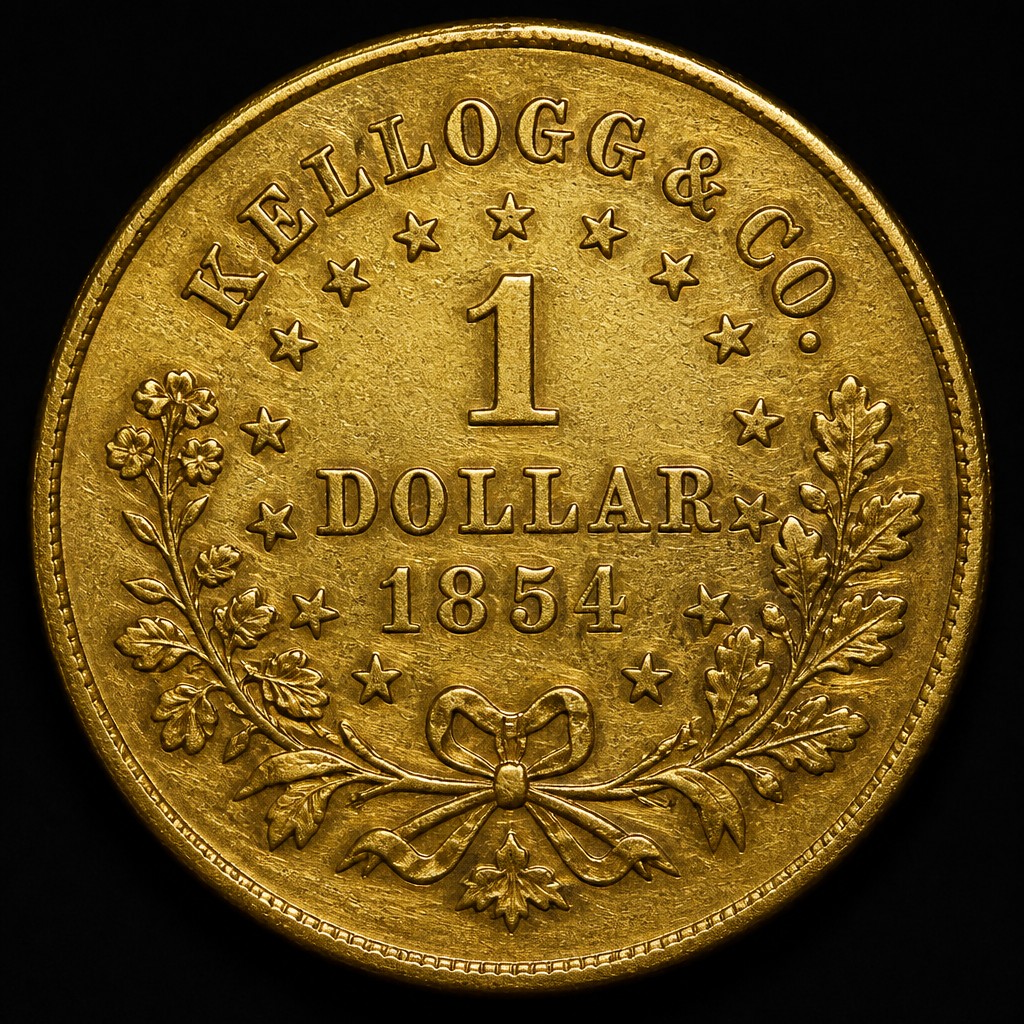
Kellogg & Co. Gold Piece
1854–1855
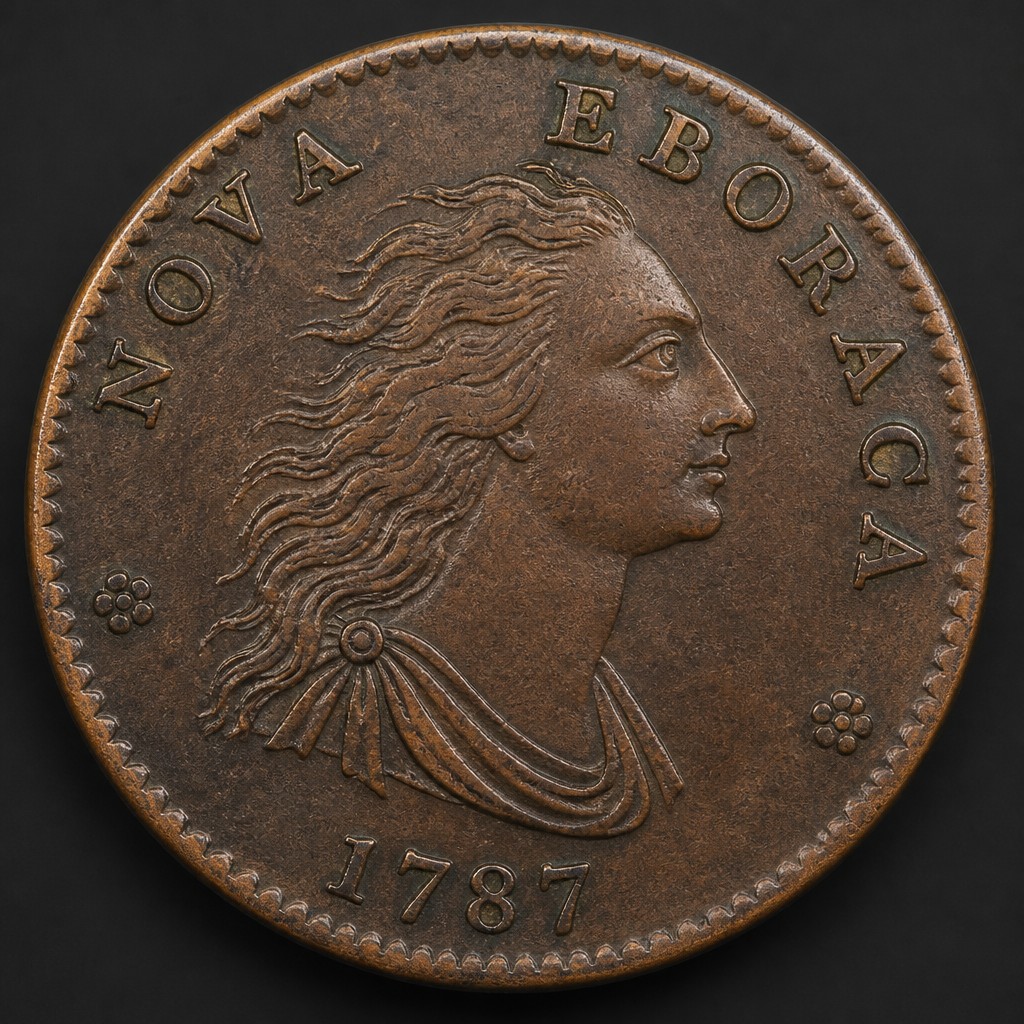
Nova Eborac Copper
1787
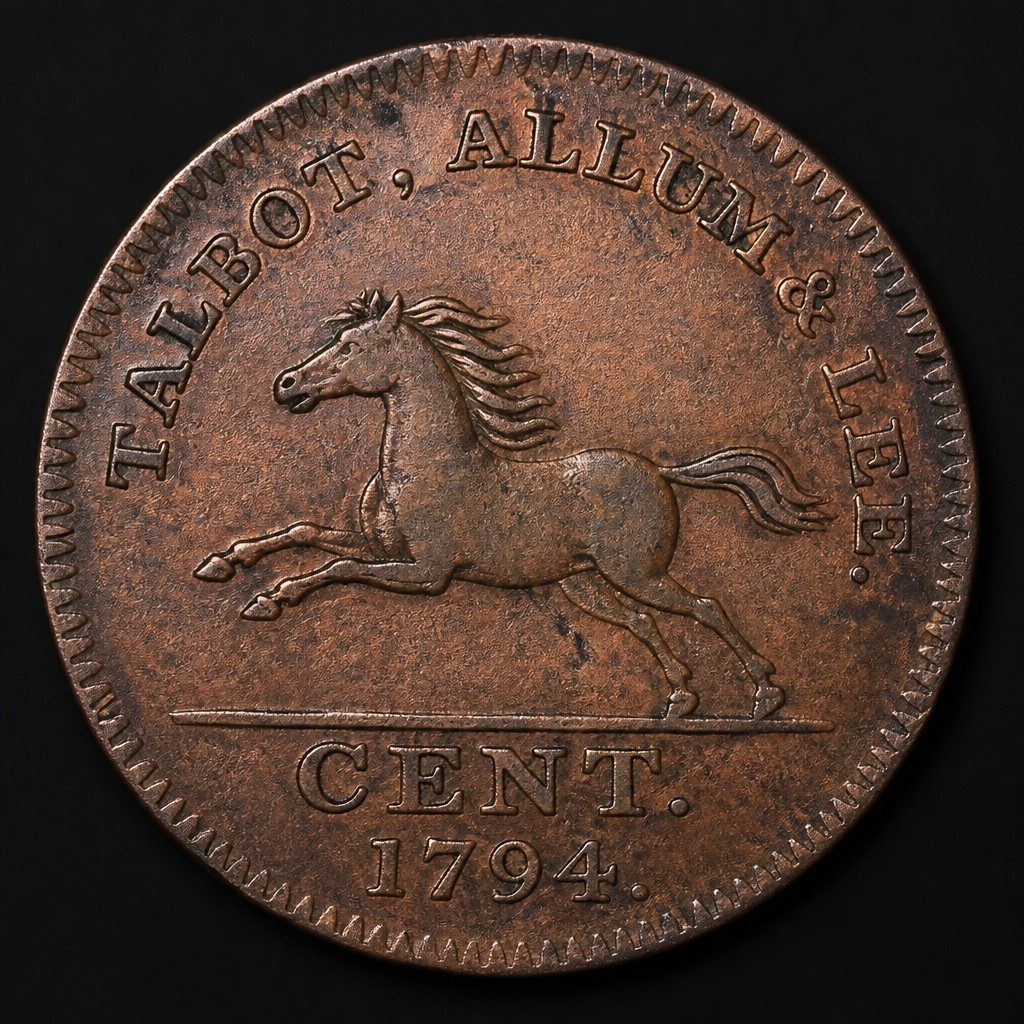
Talbot, Allum & Lee Cent
1794–1795
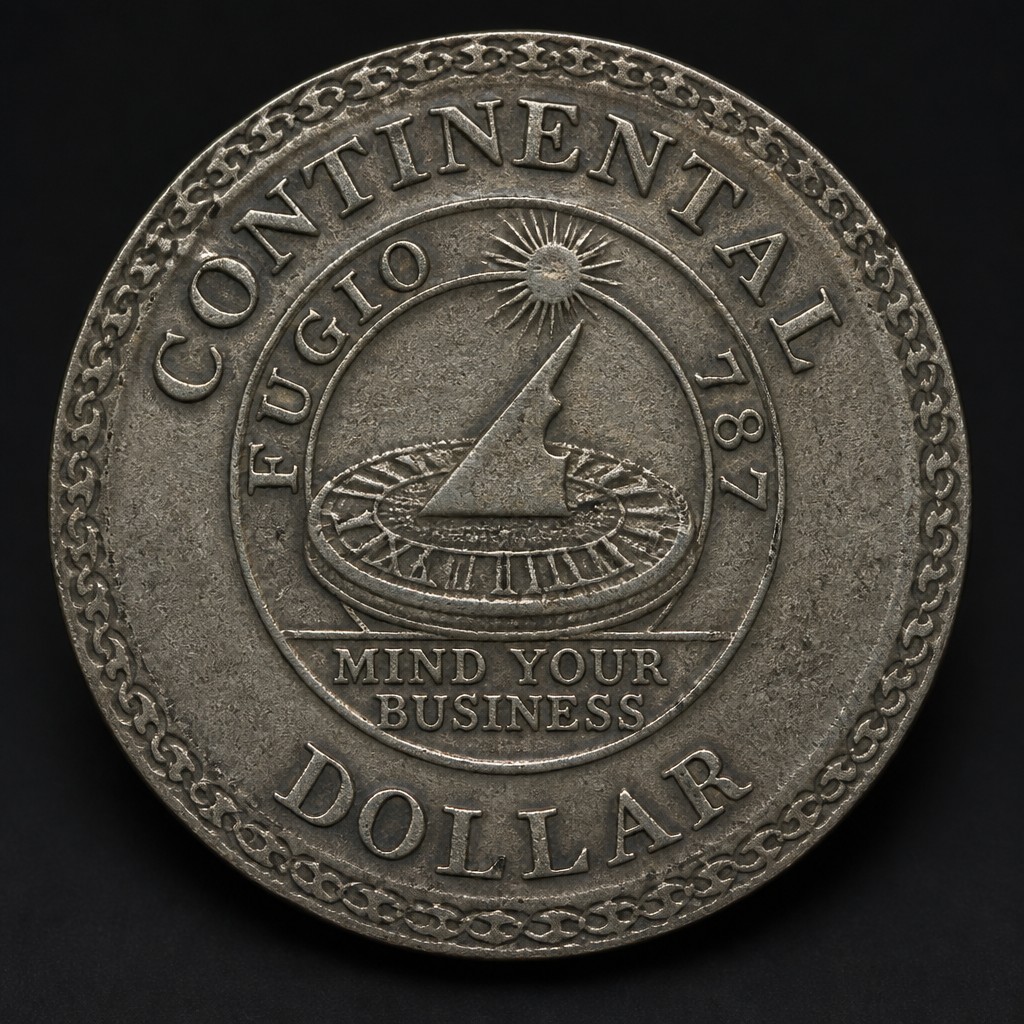
Continental Dollar
1776
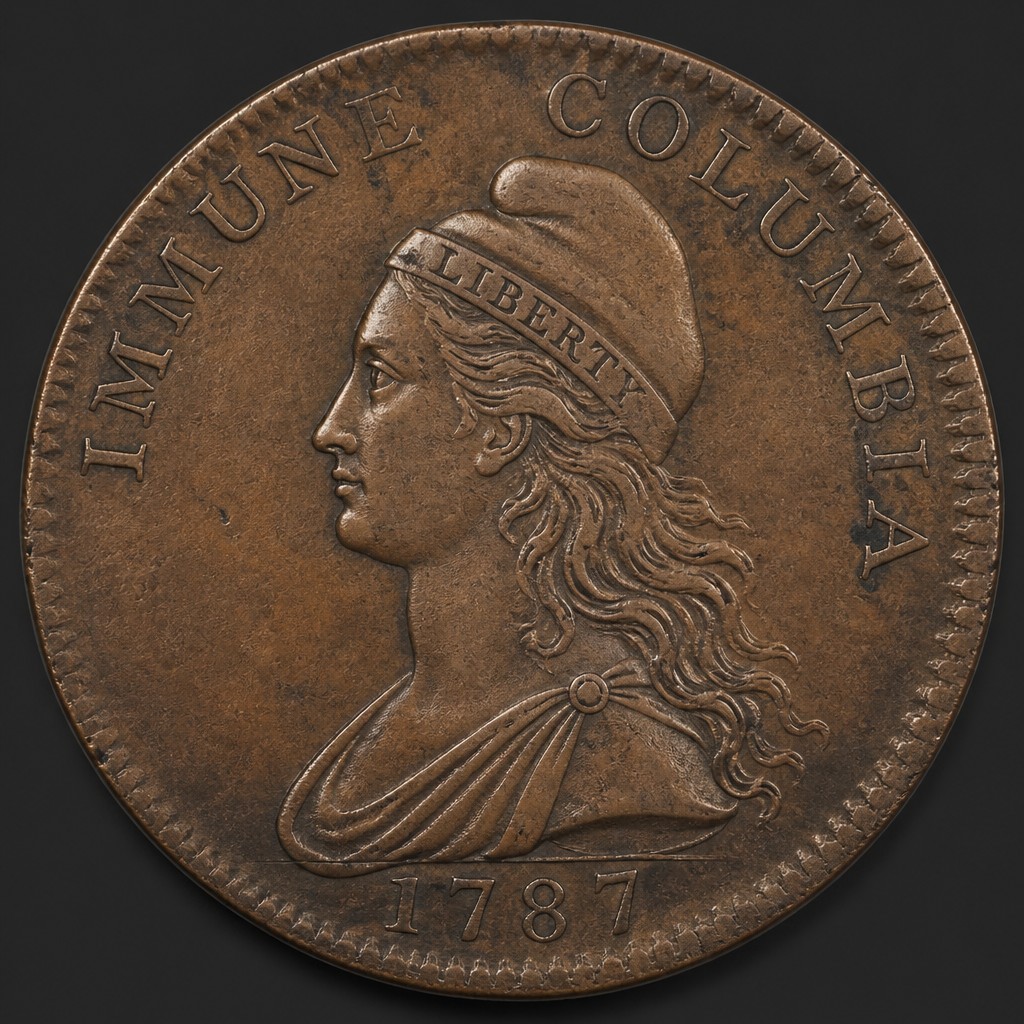
Immune Columbia Copper
circa 1785–1787
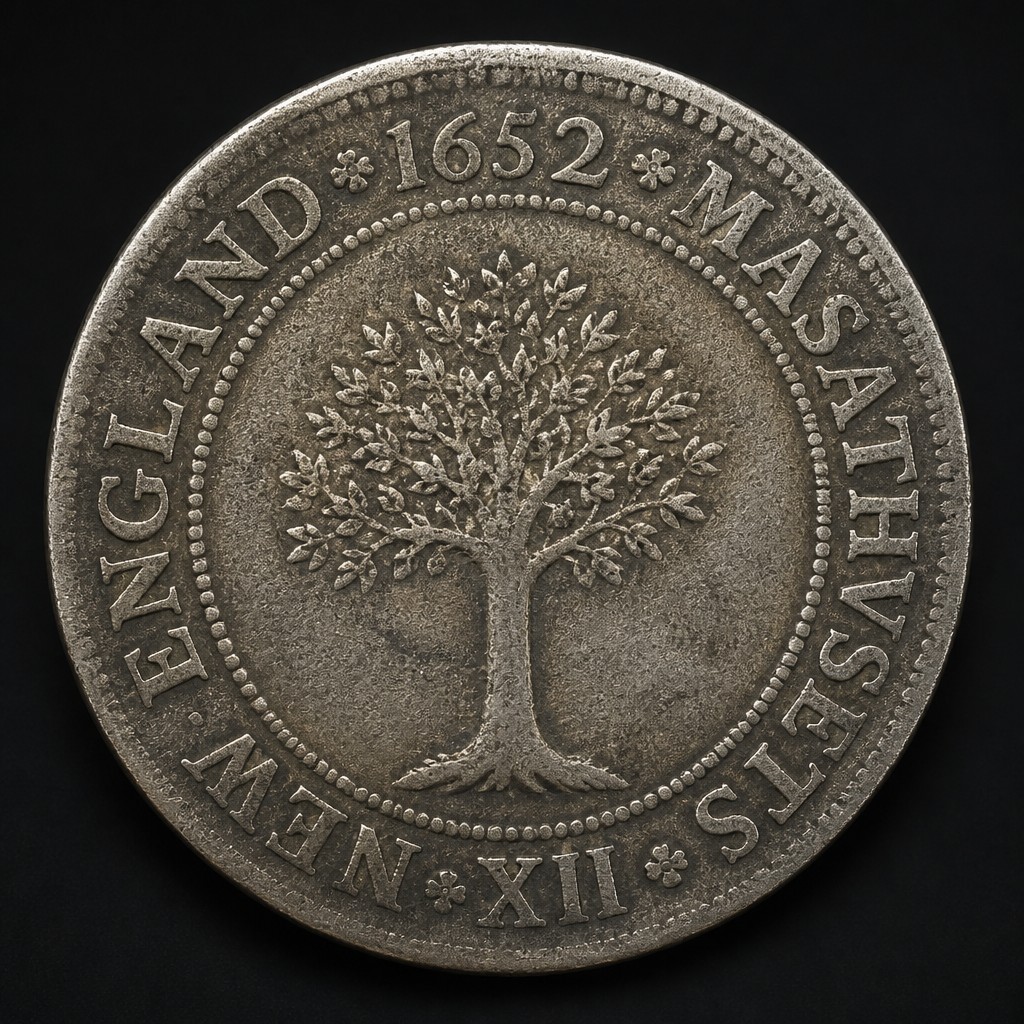
Massachusetts Oak Tree Shilling
Dated 1652, struck circa 1660–1667
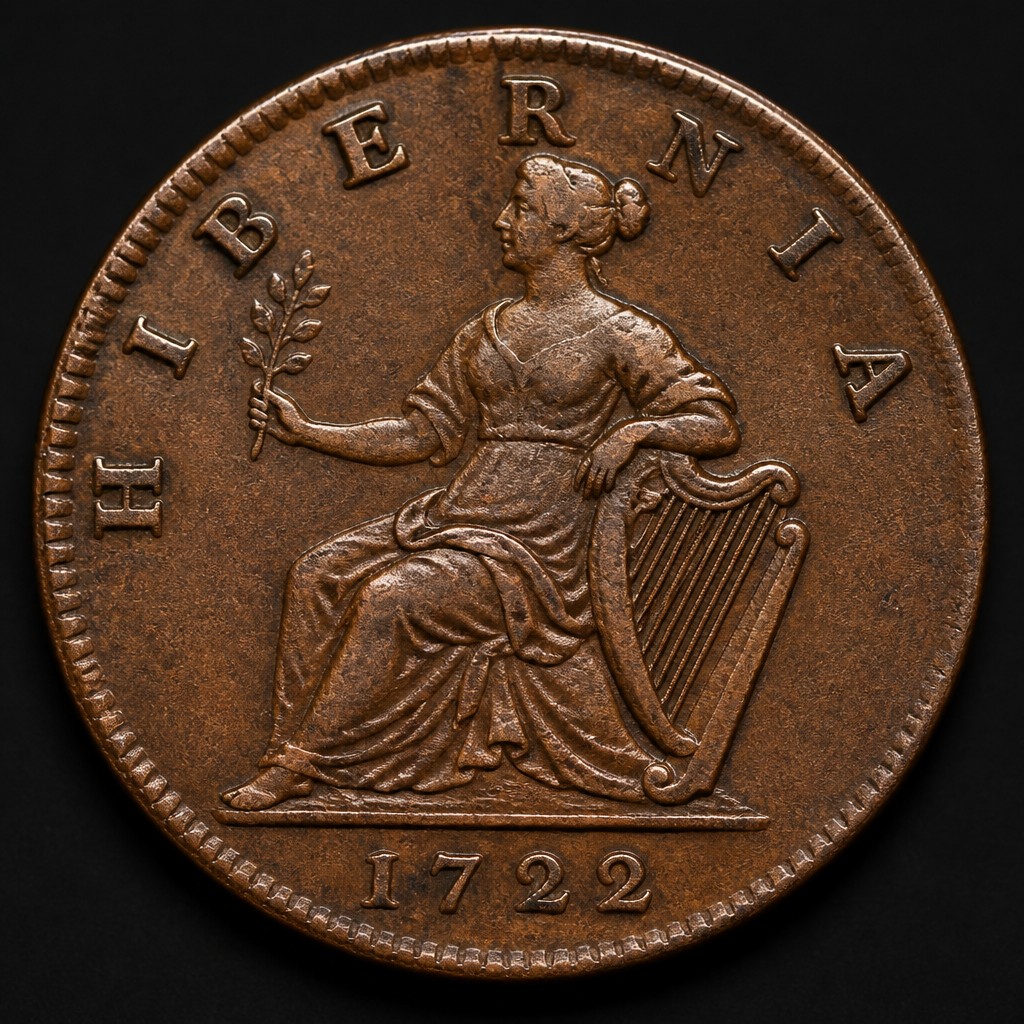
Wood's Hibernia Halfpenny
1722–1724
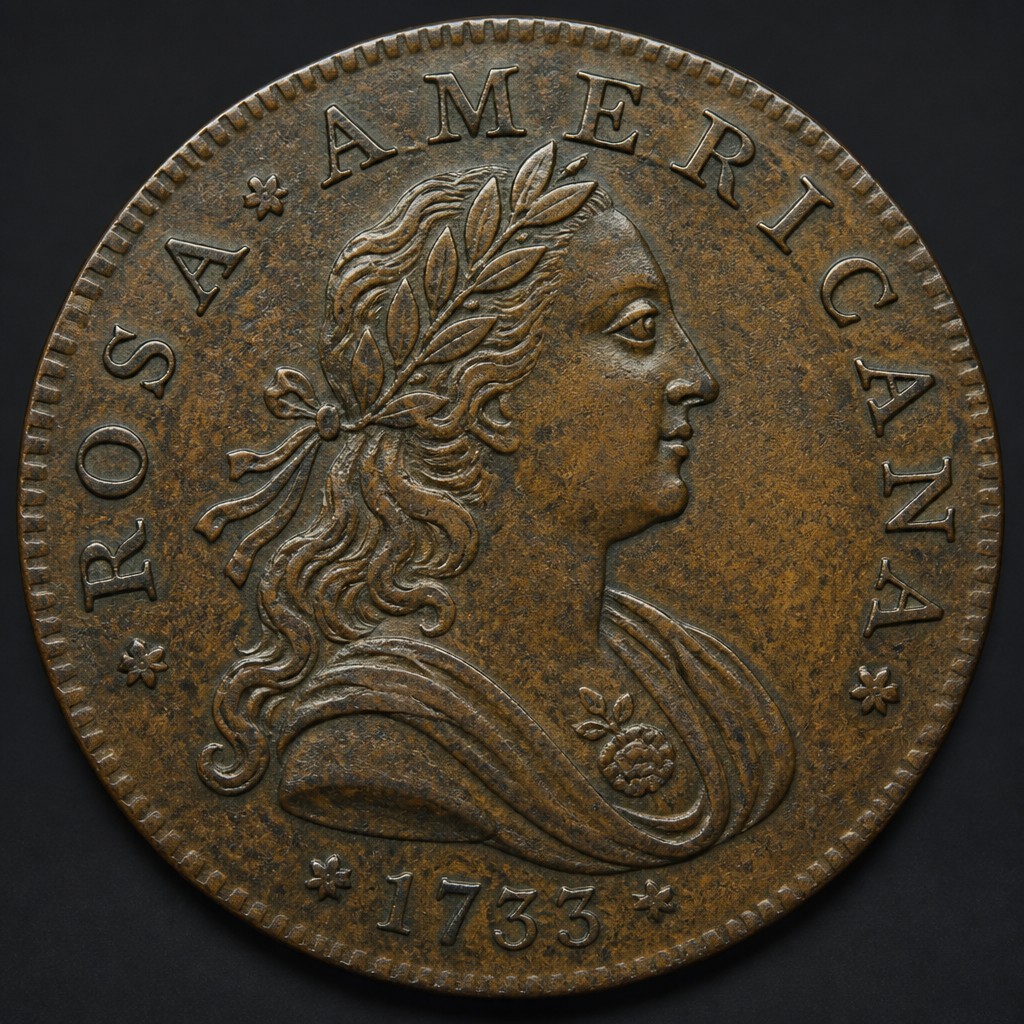
Rosa Americana Coinage
1722–1724 (with pattern issues dated 1733)
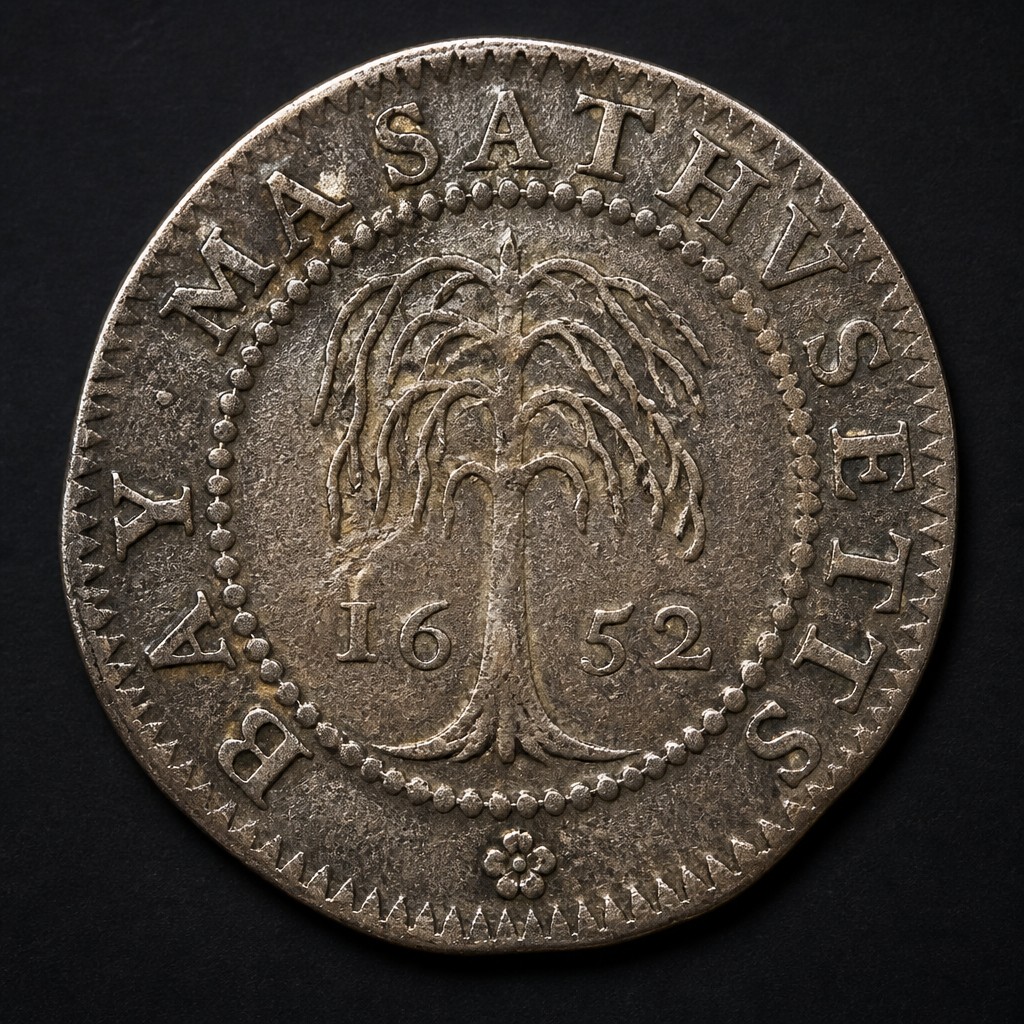
Massachusetts Willow Tree Shilling
Dated 1652, struck circa 1653–1660