
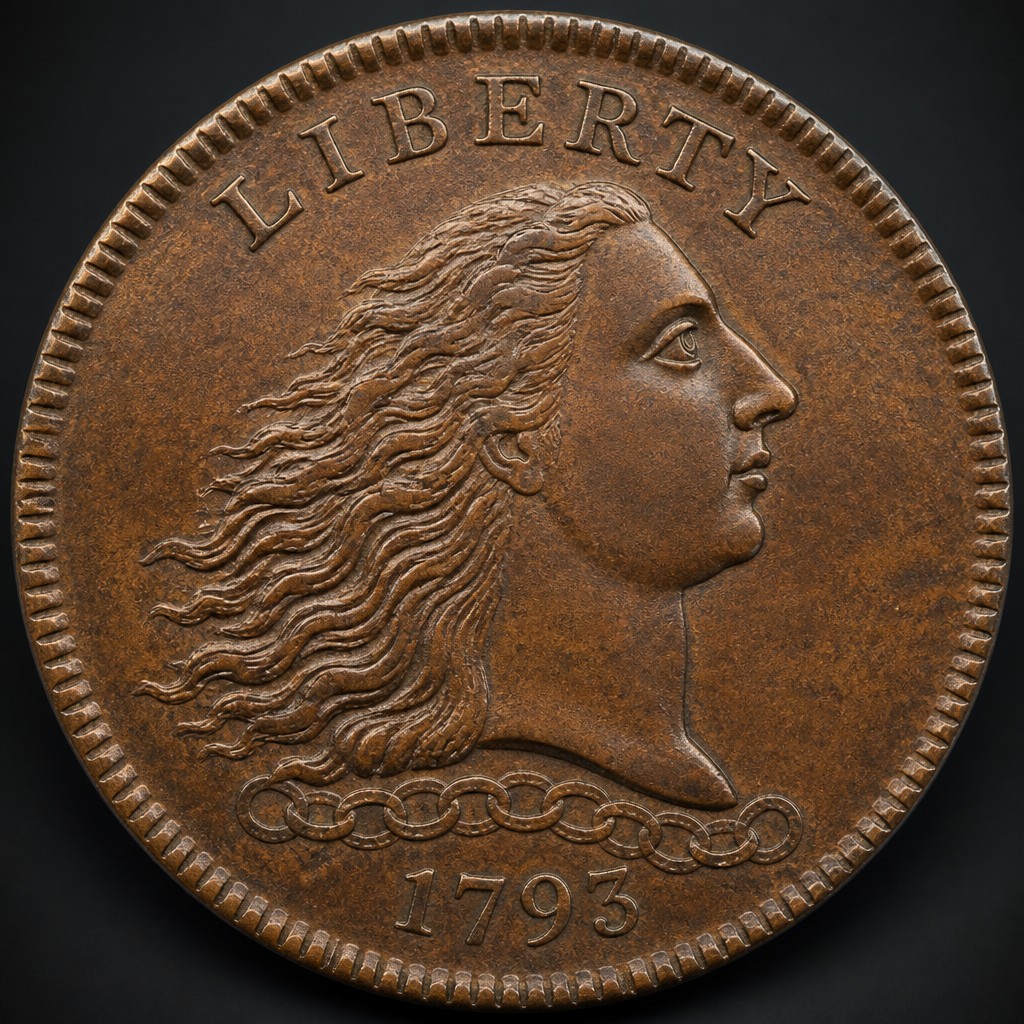
Flowing Hair Chain Cent
The first cent struck for circulation by the United States Mint, showing Liberty with flowing hair and a controversial 15-link chain on the reverse.
- Country
- United States
- Denomination
- One Cent
- Metal
- 100% Copper
Got a coin like this?
Identify any coin from a photo, free.
Overview
The Flowing Hair Chain cent was the very first one-cent coin produced for circulation by the newly formed United States Mint in 1793. Its reverse, a chain of interlocking links meant to symbolize the unity of the states, sparked public criticism and gave the design a short, dramatic run.
As the earliest regular-issue U.S. coin of its kind, it holds enormous historic significance and is one of the most sought-after coins in early American numismatics, prized as much for its story as for its scarcity.
History & Background
The United States Mint, established under the Coinage Act of 1792, began striking large copper cents in early 1793. The design, credited in various accounts to Mint personnel including Henry Voigt, featured Liberty with wild, flowing hair on the obverse and a chain of 15 links on the reverse, representing the states of the Union.
The public and press quickly criticized the chain as an unfortunate symbol, with some contemporary commentary likening it to bondage or servitude rather than unity. The backlash led the Mint to abandon the design after only a short production run of a few months, replacing it with the Wreath cent later in 1793.
How to Identify
The obverse shows Liberty facing right with loose, flowing hair, the word LIBERTY above and the date 1793 below. The reverse features a chain of 15 links encircling ONE CENT and a fraction (1/100), with UNITED STATES OF AMERICA around the border; some early examples abbreviate the country name as AMERI.
The coin is a large copper piece, roughly 26–27 millimeters in diameter for this earliest style, generally smaller and differently proportioned than the large cents that followed later in the 1790s and 1800s. Several die varieties exist, most notably the AMERI. abbreviation on the earliest strikes versus the full AMERICA on later ones.
Because genuine examples are rare and valuable, and because the design has occasionally been targeted by counterfeiters, collectors are encouraged to seek coins that have been authenticated by professional grading services.
Value & Collectibility
The Flowing Hair Chain cent is one of the most iconic rarities in United States coinage, and even heavily worn, low-grade examples command substantial prices simply because it is the first regular-issue federal cent. Sharp, problem-free examples in higher grades are extremely rare and can bring prices well into five or six figures.
Variety matters here: the AMERI. abbreviated-legend variety is generally considered scarcer and more desirable than the later full-legend variety. Given the coin's age, fame, and value, authentication by a major third-party grading service is strongly advised before any purchase.
Frequently asked questions
Why was the chain design controversial?
Contemporary critics felt the chain of links looked more like a symbol of bondage than of unity among the states, prompting the Mint to change the design.
How long was it produced?
Only for a few months in early 1793 before being replaced by the Wreath cent design.
What does AMERI. mean on some examples?
It is an abbreviated form of AMERICA used on the earliest dies before the legend was lengthened to the full word.
Is this coin rare?
Yes, it is considered one of the great rarities and key coins of early American numismatics.
Should I get one authenticated before buying?
Yes, given its value and fame, third-party grading service authentication is strongly recommended.
Other coins you may enjoy
Virginia Halfpenny
1773
Brasher Doubloon
1787
Higley Copper
1737–1739
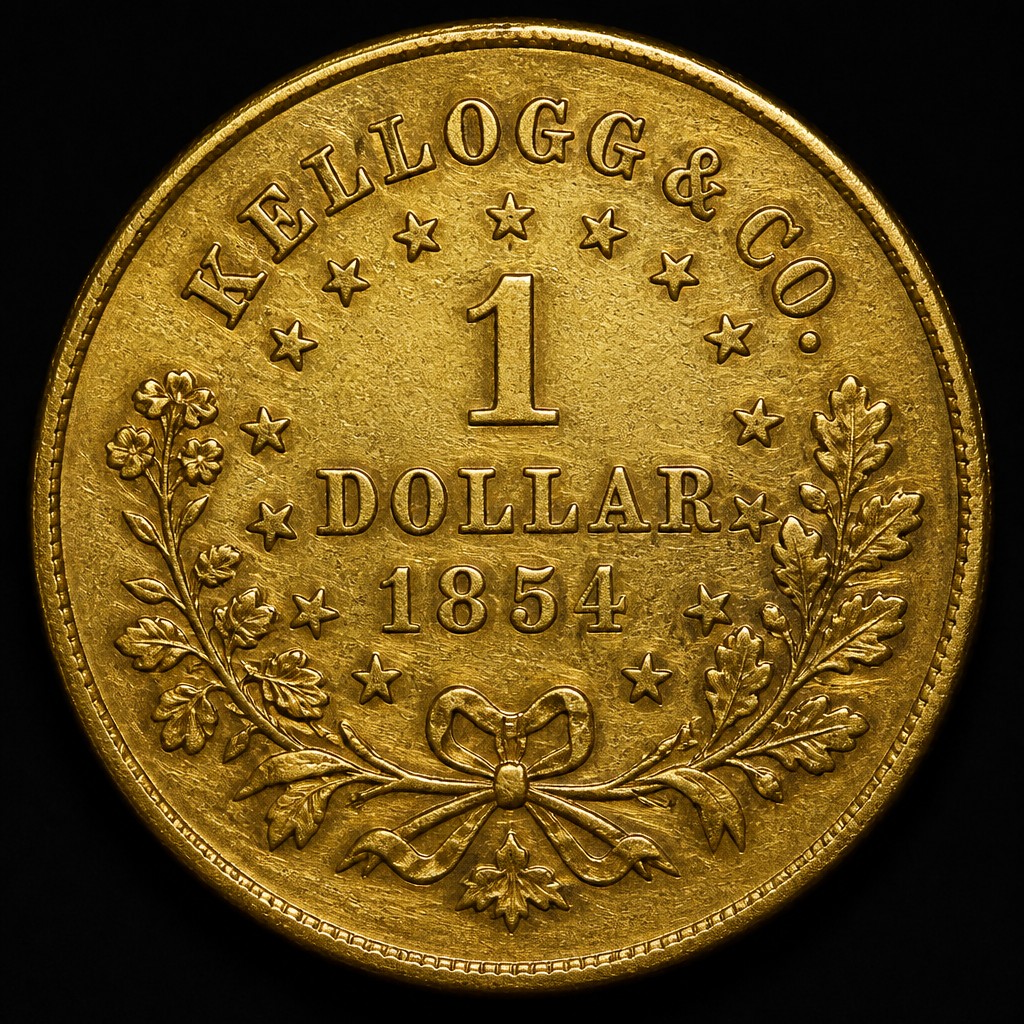
Kellogg & Co. Gold Piece
1854–1855
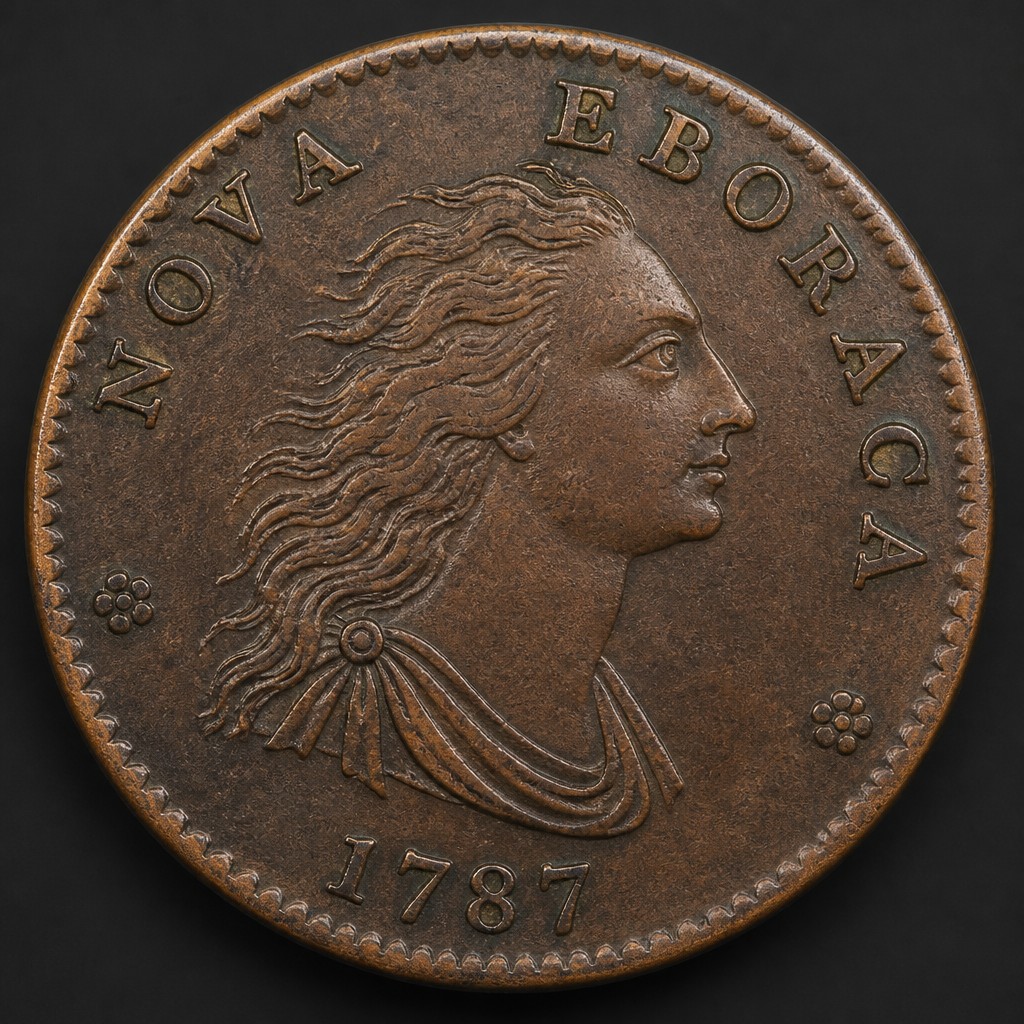
Nova Eborac Copper
1787
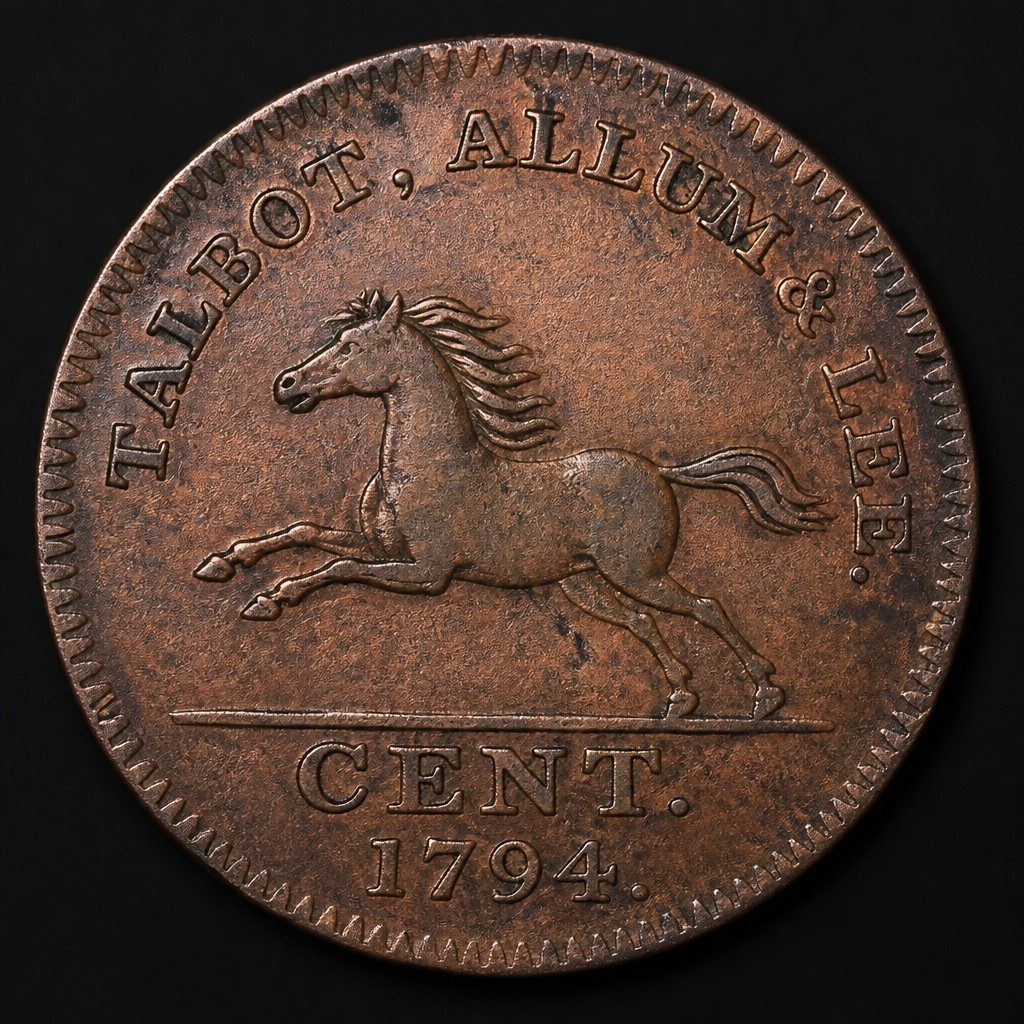
Talbot, Allum & Lee Cent
1794–1795
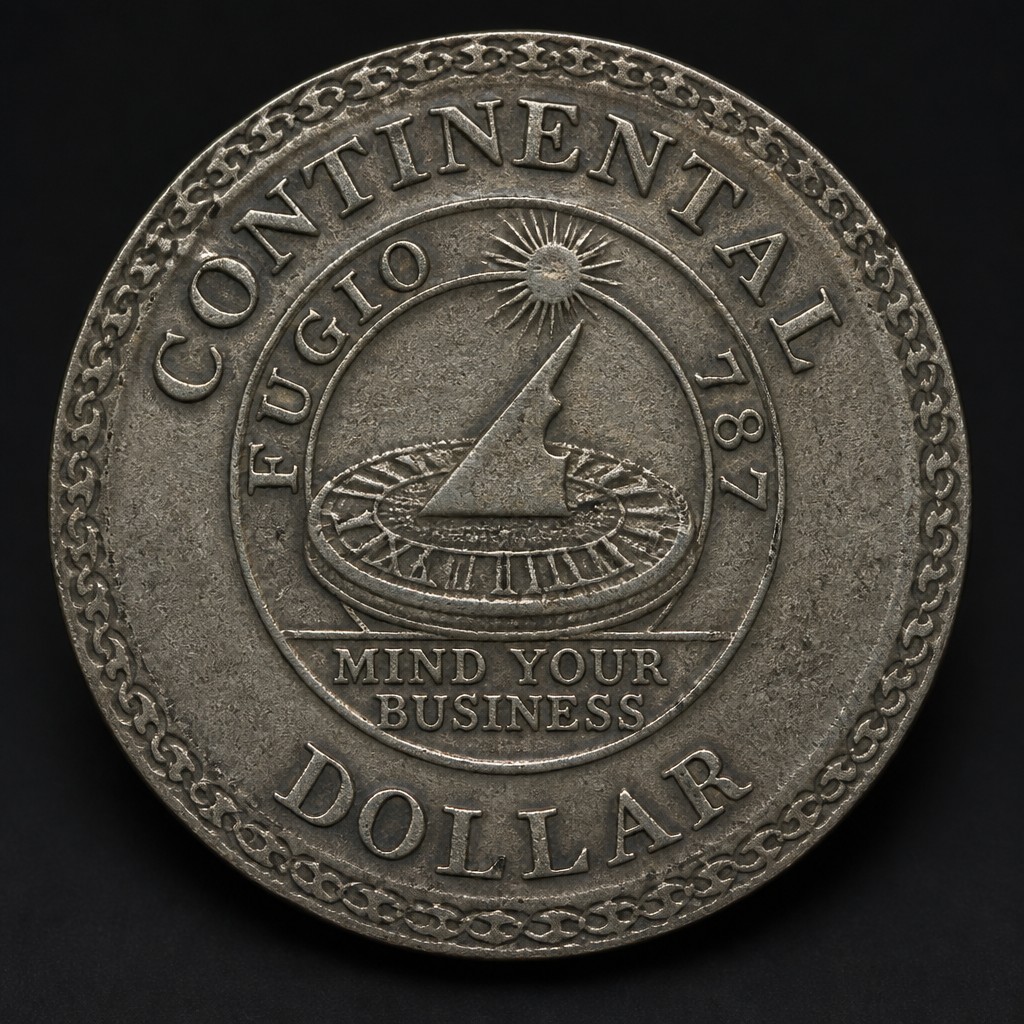
Continental Dollar
1776
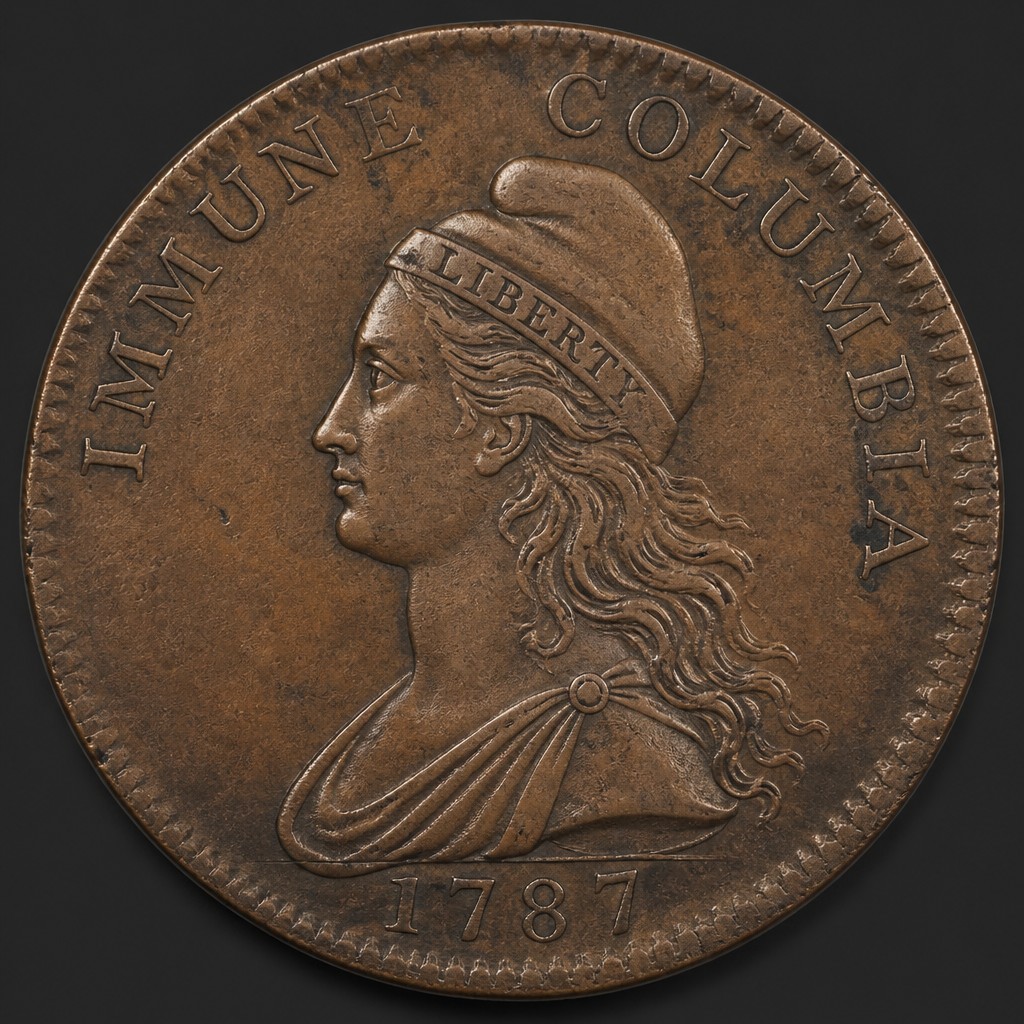
Immune Columbia Copper
circa 1785–1787
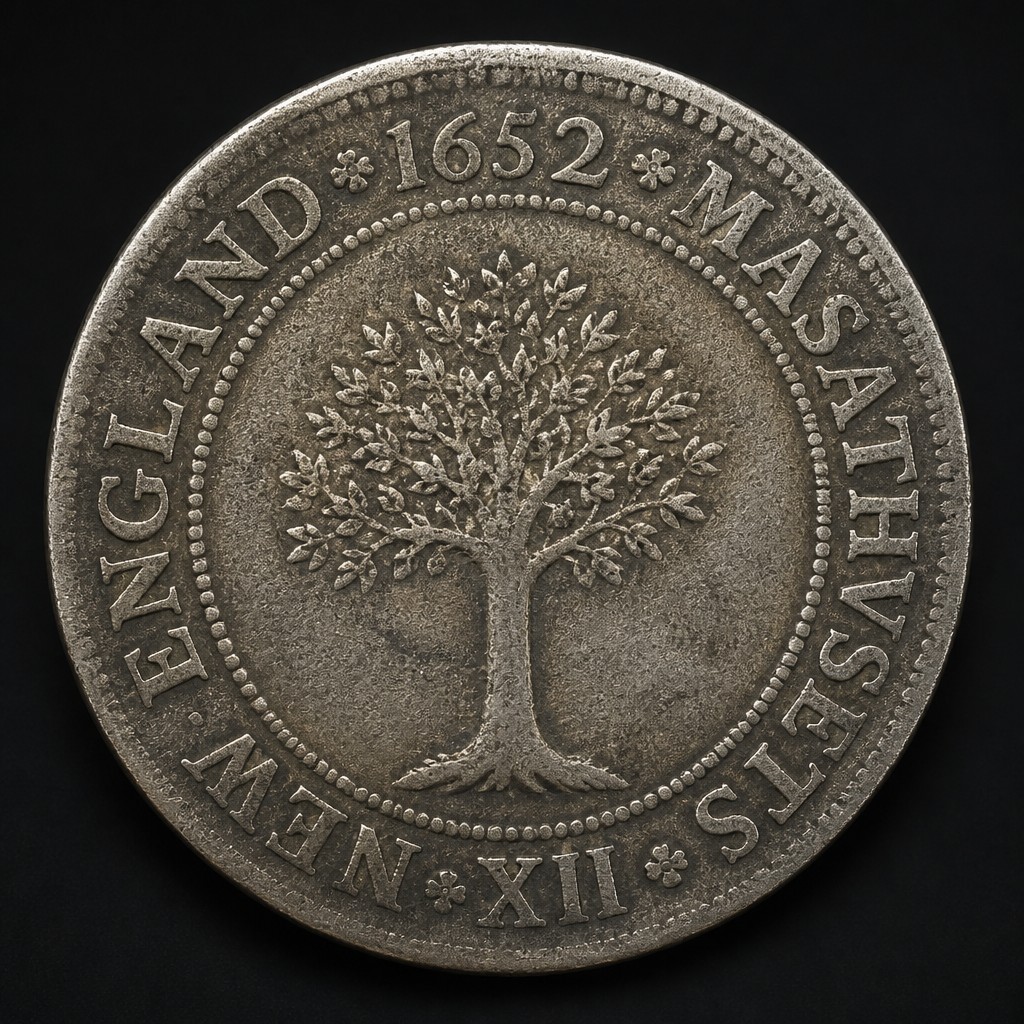
Massachusetts Oak Tree Shilling
Dated 1652, struck circa 1660–1667
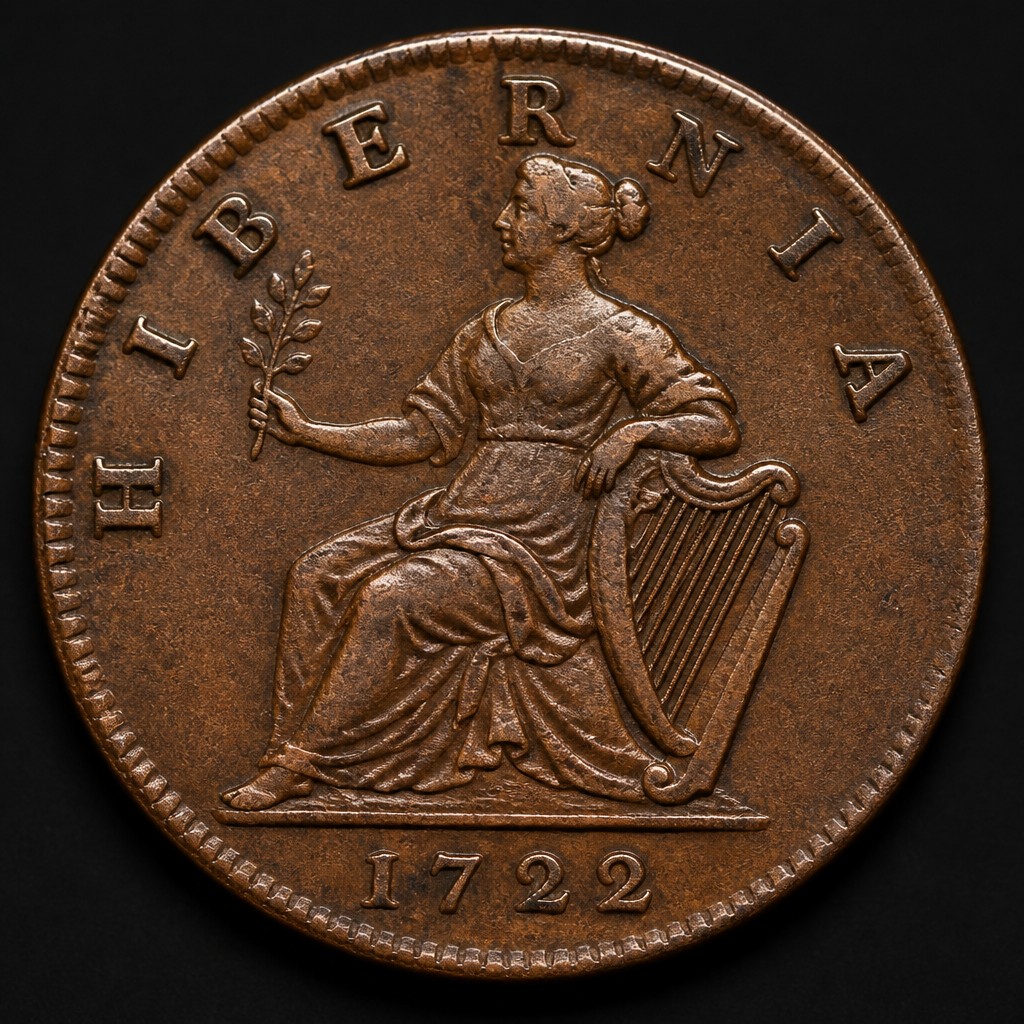
Wood's Hibernia Halfpenny
1722–1724
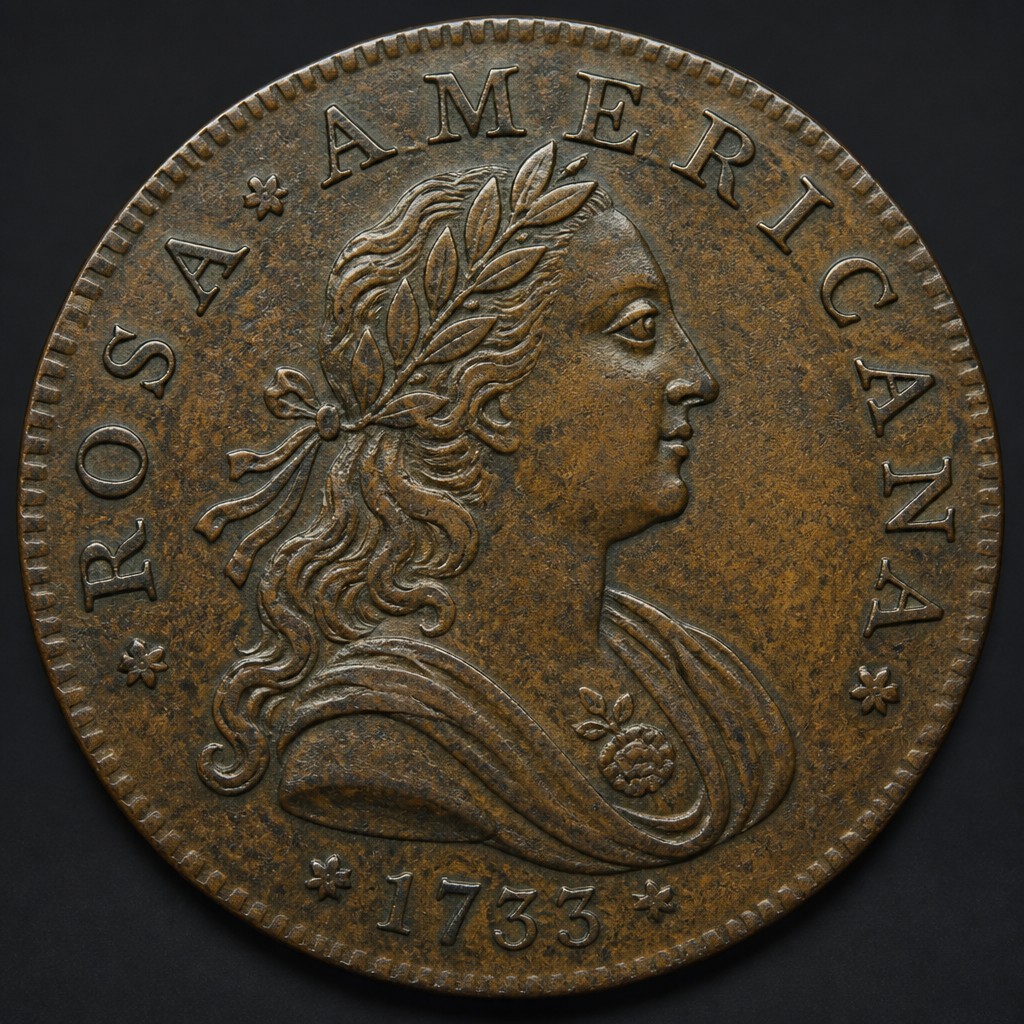
Rosa Americana Coinage
1722–1724 (with pattern issues dated 1733)
Massachusetts Willow Tree Shilling
Dated 1652, struck circa 1653–1660