Lincoln Shield Cent
The current U.S. one-cent coin, struck since 2010, pairing Lincoln's profile with a Union Shield reverse on a copper-plated zinc planchet.
- Country
- United States
- Denomination
- 1 Cent
- Metal
- Copper-plated Zinc
Got a coin like this?
Identify any coin from a photo, free.
Overview
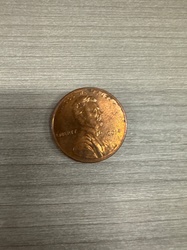
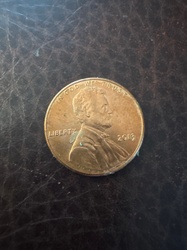
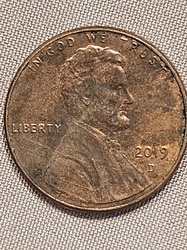
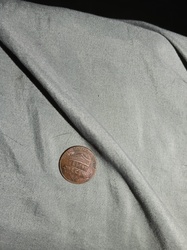
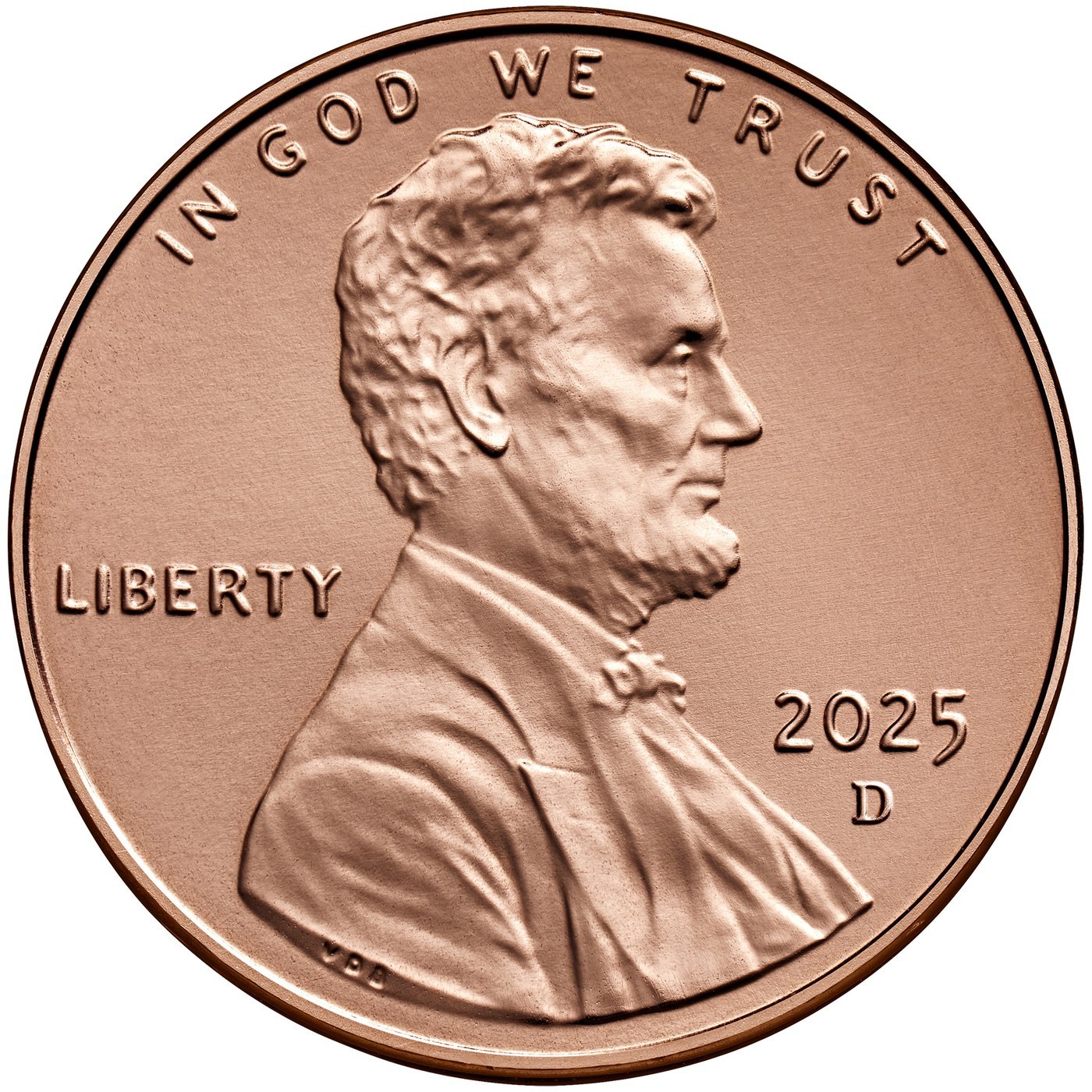
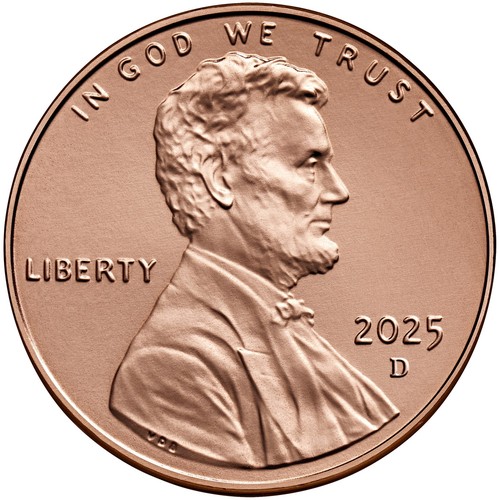
The Lincoln Shield Cent is the one-cent coin the United States Mint has produced since 2010 and continues to strike today. Its obverse carries the familiar right-facing portrait of Abraham Lincoln, while the reverse shows a Union Shield representing the states united as a single nation. The 2025-D example shown here is a recent circulation strike from the Denver Mint.
Like all cents made since the early 1980s, the coin is copper-plated zinc: a zinc core with a thin outer layer of copper that gives it a penny's traditional color. It measures about 19.05 mm across, weighs roughly 2.5 grams, and has a plain, smooth edge.
History & Background
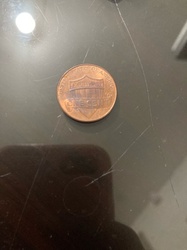
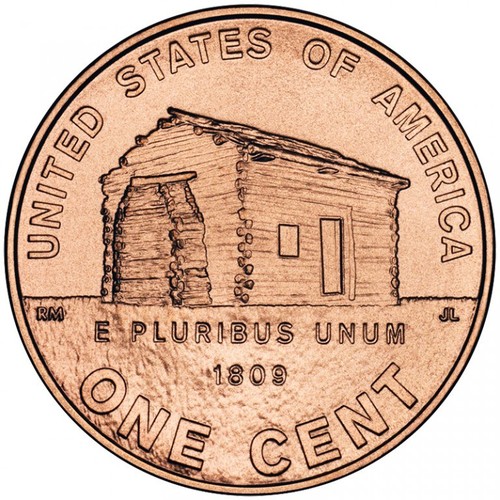
The Lincoln Shield Cent debuted in 2010, following the four special 2009 reverse designs that marked the bicentennial of Lincoln's birth and the 100th anniversary of the Lincoln Cent. With those commemorative reverses retired, the Mint adopted a permanent new reverse: a Union Shield designed by Lyndall Bass and engraved by Joseph Menna, chosen to symbolize Lincoln's preservation of the United States as a single country.
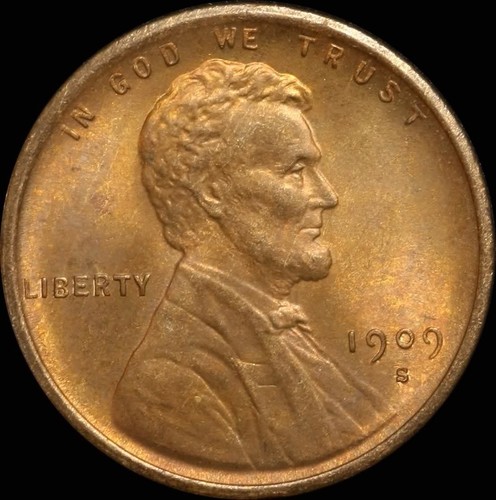
The obverse continues to use the Lincoln portrait originally created by Victor David Brenner for the coin's 1909 introduction, making the design one of the longest-running in American coinage. The composition remains the copper-plated zinc formula adopted in 1982, when rising copper prices ended the earlier solid-bronze cents. Production has continued annually at the Philadelphia and Denver mints for circulation, with San Francisco striking proof examples for collectors.
How to Identify
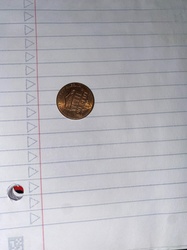
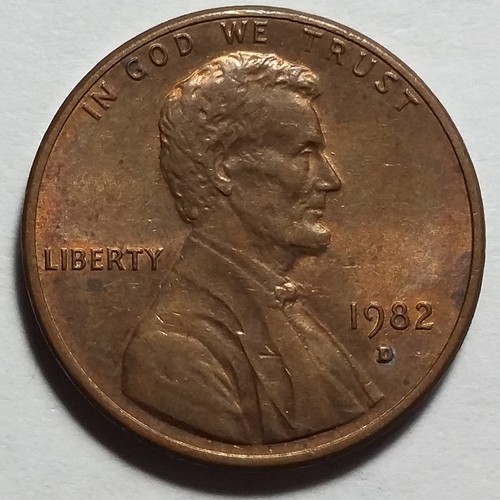
The obverse shows Lincoln's head facing right, with "IN GOD WE TRUST" arcing across the top, "LIBERTY" to the left of the portrait, and the date to the right. Any mint mark sits just below the date — a "D" for Denver on this coin, or no mark for Philadelphia. The reverse displays a Union Shield with thirteen vertical stripes beneath a horizontal bar reading "E PLURIBUS UNUM," with a scroll across the shield reading "ONE CENT" and "UNITED STATES OF AMERICA" around the top.
The coin is small at about 19.05 mm in diameter with a plain edge and weighs close to 2.5 grams. Because it is copper-plated zinc rather than solid bronze, a Shield Cent is noticeably lighter than pre-1982 cents; a nick or edge ding can sometimes reveal the pale zinc core beneath the copper plating.
Value & Collectibility
Lincoln Shield Cents are current, mass-produced circulation coins, so ordinary worn or lightly circulated examples are worth face value — one cent. Even a pristine coin pulled from a roll usually carries little premium beyond its condition as a fresh, uncirculated piece.
Value rises mainly for top-grade uncirculated coins with full original red color, for proof strikes from San Francisco, and for genuine, third-party-verified error coins such as off-center strikes, die cracks, or doubled dies. Reported "rare penny" values online are usually exaggerated; a typical 2025-D cent found in change is simply a one-cent coin, and any high value depends on certified grade or a confirmed mint error.
Frequently asked questions
When did the Lincoln Shield Cent start?
It has been struck since 2010, replacing the four special 2009 bicentennial reverses. The Union Shield reverse has been used every year since, including the 2025 coin shown here.
What is a Lincoln Shield Cent made of?
It is copper-plated zinc — a zinc core with a thin copper coating. The coin weighs about 2.5 grams and is roughly 19 mm across, lighter than the solid-bronze cents made before 1982.
What does the "D" under the date mean?
The "D" is the mint mark for the Denver Mint. Coins with no mint mark were struck in Philadelphia, and an "S" appears only on proof coins made in San Francisco for collectors.
What does the reverse design represent?
The reverse shows a Union Shield with thirteen stripes for the original states and the motto "E PLURIBUS UNUM," symbolizing the nation united as one — a nod to Lincoln's role in preserving the Union.
Is my 2025 penny worth a lot of money?
Almost certainly not. These are common circulating coins worth one cent. Meaningful premiums apply only to high-grade uncirculated coins, proofs, or verified mint errors.
Lincoln Shield Cent guides
In-depth guides for identifying, valuing, and collecting Lincoln Shield Cent.
Lincoln Shield Cent identified by the community
Real coins identified with Coin Identifier.