How to Identify the Lincoln Shield Cent
How to spot the current U.S. cent by its Lincoln obverse, Union Shield reverse, small size, and copper-plated zinc weight — plus where to find the mint mark.
Read the full Lincoln Shield Cent encyclopedia entry →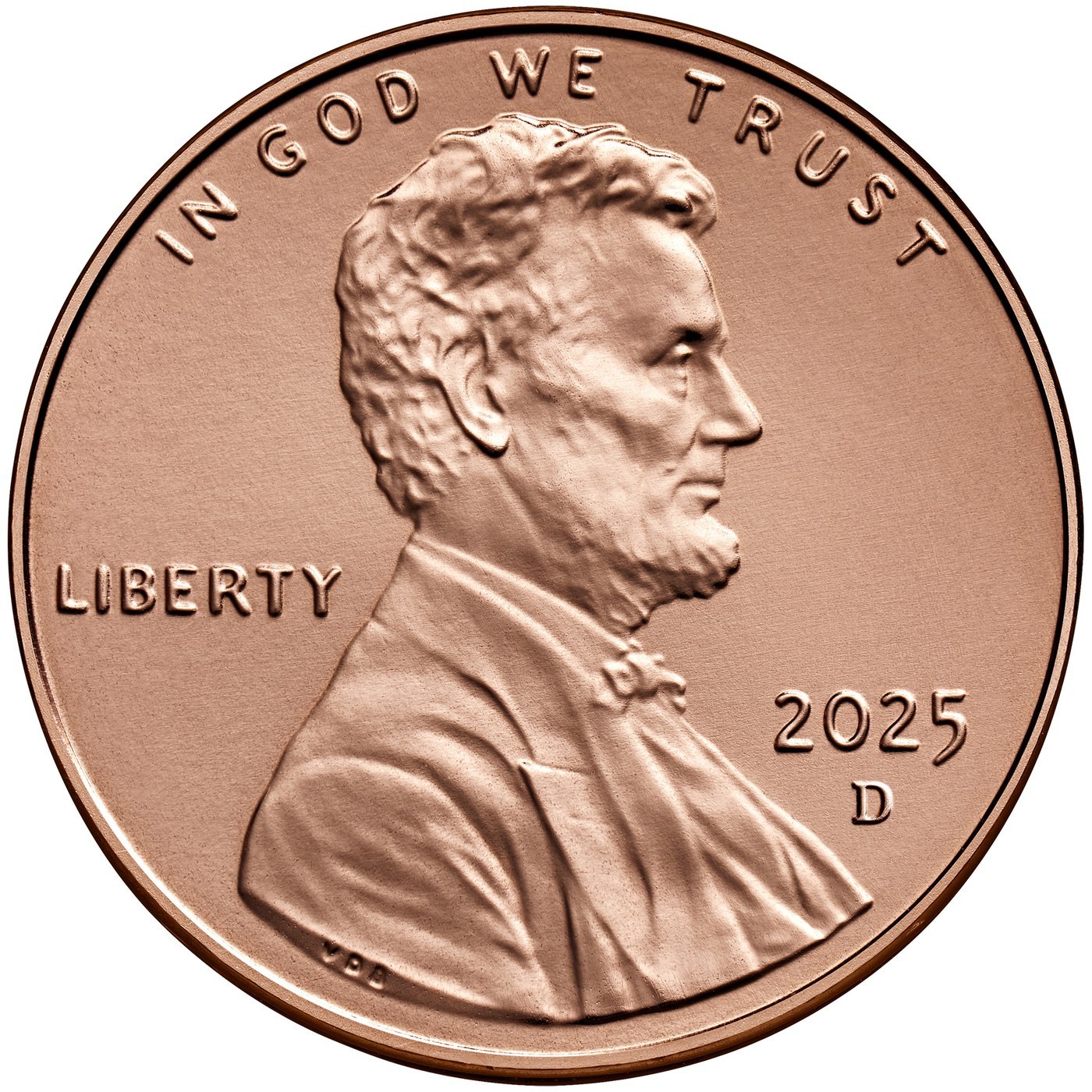
Start With the Obverse
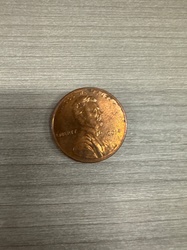
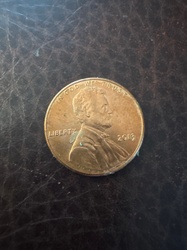
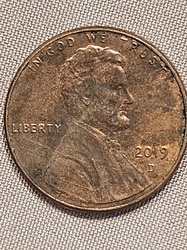
Look for Abraham Lincoln's head facing right. "IN GOD WE TRUST" curves across the top rim, "LIBERTY" sits to the left of the portrait, and the four-digit date is on the right — 2025 on the coin here. This is the same Brenner portrait used since 1909, so the obverse alone will not distinguish a Shield Cent from earlier Lincoln types; you must check the date and reverse.
Confirm the Union Shield Reverse
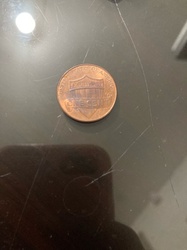
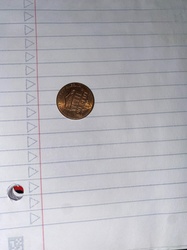
The defining feature is the reverse. A Lincoln Shield Cent shows a Union Shield with thirteen vertical stripes, a horizontal top bar reading "E PLURIBUS UNUM," and a scroll across the shield reading "ONE CENT," with "UNITED STATES OF AMERICA" around the top. If the reverse instead shows the Lincoln Memorial building (1959–2008), two wheat ears (1909–1958), or one of the four 2009 scenes from Lincoln's life, it is an earlier Lincoln Cent, not a Shield type.
Check Size, Weight, and Metal
The coin is a small cent: about 19.05 mm in diameter, roughly 2.5 grams, with a plain (smooth) edge. It is copper-plated zinc, so it feels lighter than a pre-1982 solid-bronze cent, which weighs about 3.1 grams. A scratched or dinged edge may expose the silvery-gray zinc core under the copper plating — a quick confirmation of the modern composition.
Read the Mint Mark
The mint mark, if present, is directly below the date. A "D" means Denver and no mark means Philadelphia — both are ordinary circulation coins. An "S" indicates a San Francisco proof, which was not made for general circulation and should have mirror-like fields and frosted devices. On the example here, the "D" places it at the Denver Mint.
Watch for Look-Alikes and Overstated Claims
Because the obverse has barely changed in over a century, the surest test is date plus reverse. Be skeptical of viral claims that ordinary recent cents are worth large sums; genuine value comes from certified high grades, proofs, or verified errors like doubled dies and off-center strikes. When a coin looks unusual, compare it to trusted reference images and, for anything potentially valuable, submit it to a reputable third-party grading service rather than cleaning or altering it.
Frequently asked questions
How do I tell a Shield Cent from a Lincoln Memorial cent?
Check the reverse. The Shield Cent (2010–present) shows a Union Shield, while the Memorial cent (1959–2008) shows the Lincoln Memorial building. The obverse portrait looks the same on both.
Where exactly is the mint mark?
It is on the obverse, just below the date. "D" is Denver, no mark is Philadelphia, and "S" appears only on San Francisco proof coins.
How can I confirm it is copper-plated zinc and not solid copper?
Weight is the giveaway: a Shield Cent weighs about 2.5 grams versus roughly 3.1 grams for pre-1982 bronze cents. A ding on the edge may also reveal the pale zinc core.
Should I clean a shiny penny to make it look better?
No. Cleaning scratches the surface and reduces collector value. Leave the coin as found and, if it seems special, have it evaluated by a professional grading service.
Lincoln Shield Cent identified by the community
Recent Lincoln Shield Cent coins identified with Coin Identifier.