Lincoln Memorial Cent
U.S. one-cent piece struck 1959–2008 with Lincoln's profile and a Memorial reverse; 1982 is the split year between bronze and copper-plated zinc.
- Country
- United States
- Denomination
- 1 Cent
- Metal
- Bronze / Copper-plated Zinc
Got a coin like this?
Identify any coin from a photo, free.
Overview
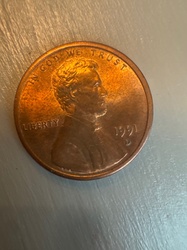
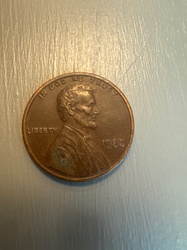
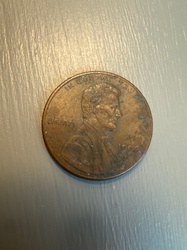
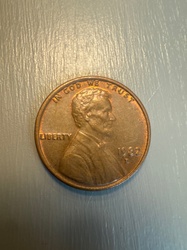
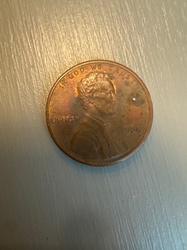
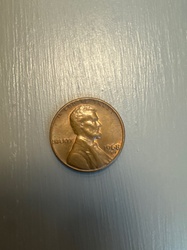
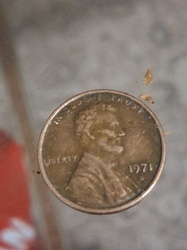
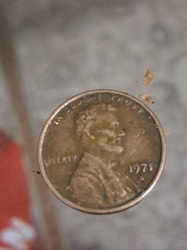
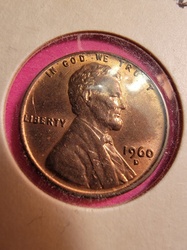
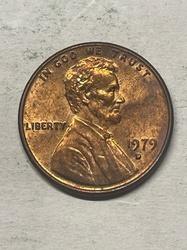
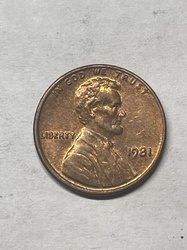
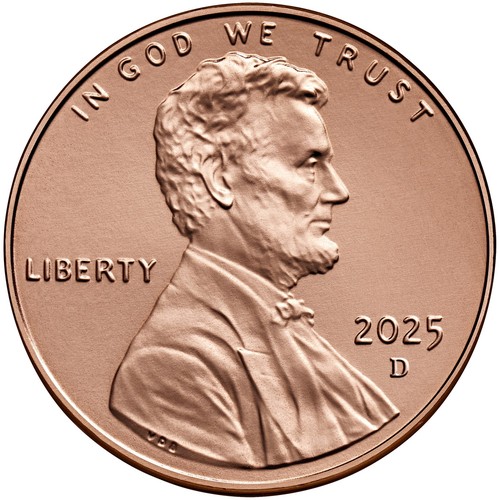
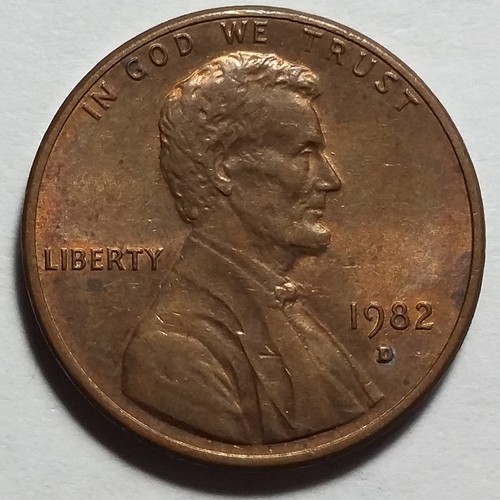
The Lincoln Memorial Cent is the long-running United States one-cent coin produced from 1959 through 2008. The obverse carries the familiar right-facing profile of Abraham Lincoln with "IN GOD WE TRUST" above and "LIBERTY" to the left, exactly as seen on this 1982 example. The reverse, which pairs with this design, depicts the Lincoln Memorial building in Washington, D.C.
The coin measures about 19 mm in diameter with a plain (smooth) edge. It is one of the most abundant coins ever made, so worn circulated pieces are extremely common. The 1982 date shown here is notable because it falls in the single year the U.S. Mint changed the cent's composition.
History & Background
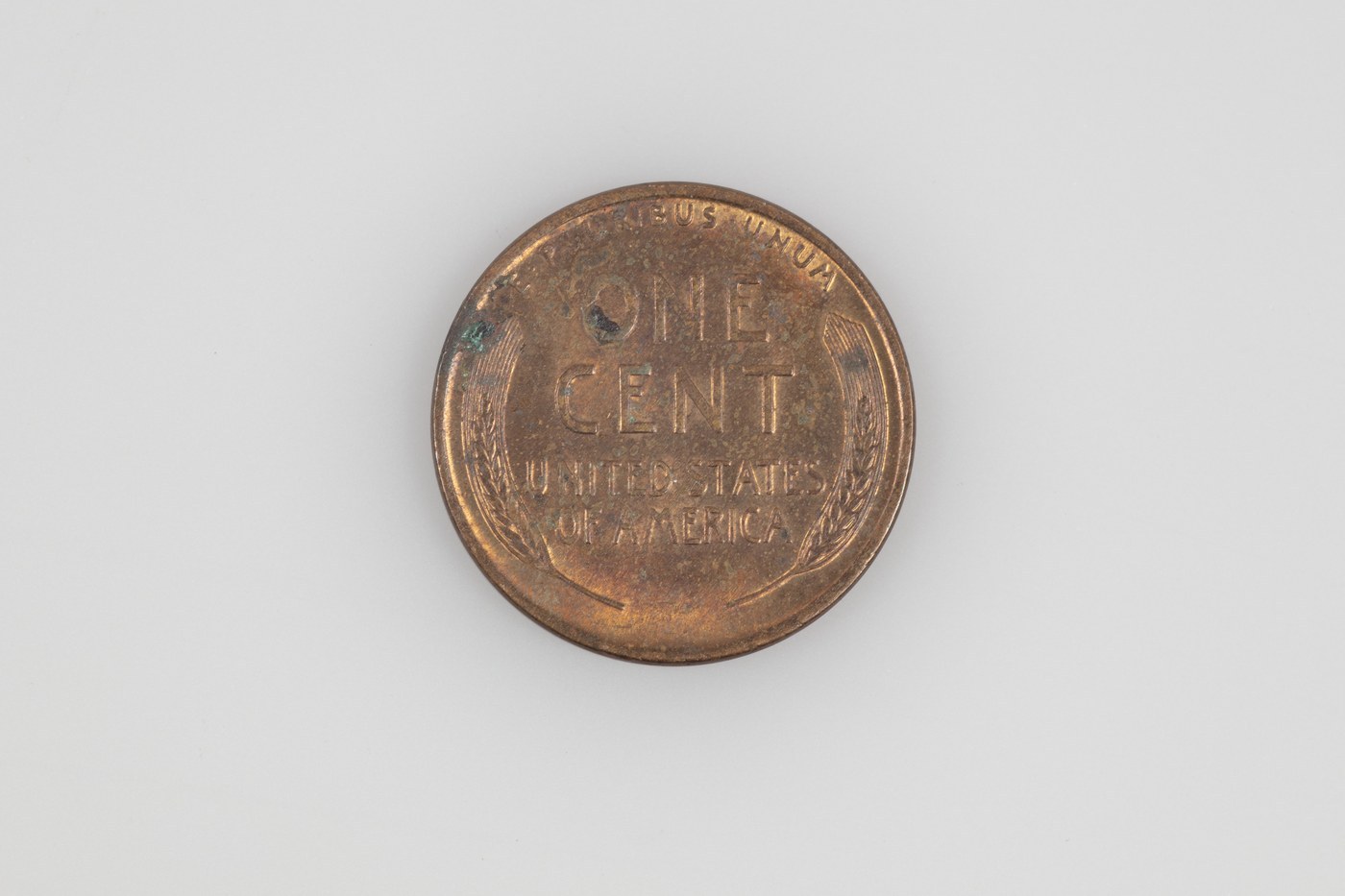
The Lincoln Memorial reverse was introduced in 1959 to mark the 150th anniversary of Abraham Lincoln's birth, replacing the wheat-ears reverse used since 1909. Frank Gasparro designed the Memorial reverse, while Victor David Brenner's 1909 obverse portrait of Lincoln was retained.
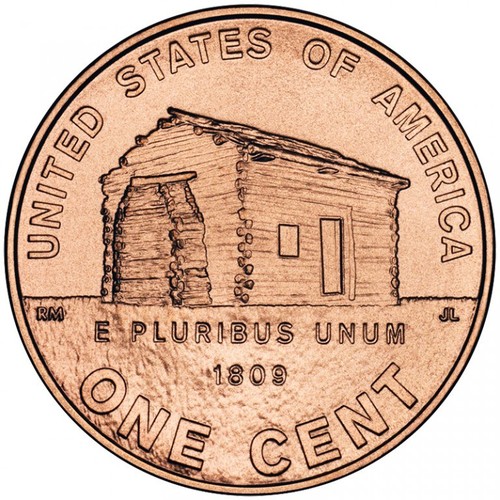
For most of the series the cent was struck in bronze — roughly 95% copper with the balance tin and zinc. Rising copper prices led the Mint to switch in 1982 to a copper-plated zinc planchet: a zinc core with a thin copper coating. Because the change happened mid-year, 1982 cents exist in both compositions and in several die varieties. The Memorial design continued until 2008; in 2009 four special "Lincoln Bicentennial" reverses appeared, and in 2010 the Union Shield reverse took over.
How to Identify
The obverse shows Lincoln's head facing right, with "IN GOD WE TRUST" arcing across the top, "LIBERTY" behind his shoulder on the left, and the date to the right — reading 1982 on this coin. A mint mark, when present, sits just below the date. The reverse (not shown here) features the Lincoln Memorial with "UNITED STATES OF AMERICA" and "ONE CENT" and the motto "E PLURIBUS UNUM."
The coin is small at about 19 mm across with a plain edge. Bronze examples weigh about 3.11 grams and have a warm copper tone, while the copper-plated zinc pieces introduced in 1982 weigh about 2.5 grams and can show lighter or spotty toning where the plating wears. A simple scale is the most reliable way to tell the two 1982 compositions apart.
Value & Collectibility
The overwhelming majority of Lincoln Memorial Cents are worth only face value in circulated condition, as billions were minted over five decades. Common dates in worn grades are essentially pocket change, and even bright uncirculated rolls trade for small sums.
The 1982 year is a favorite among variety collectors because of its seven recognized business-strike combinations (large and small date, bronze and zinc, across mints). Most 1982 cents remain common, but a few varieties and error coins can carry modest premiums. Genuine standout rarities in the broader series — such as certain doubled-die issues from other years — sell for much more. As always, condition, color, and third-party certification drive any value above face; actual prices vary with grade and market conditions.
Frequently asked questions
Why is the 1982 Lincoln cent special?
1982 is the year the U.S. Mint switched the cent from bronze to copper-plated zinc. Because the change happened mid-year, 1982 cents exist in both compositions and in large- and small-date varieties.
How can I tell if my 1982 cent is bronze or zinc?
Weigh it. Bronze cents weigh about 3.11 grams, while copper-plated zinc cents weigh about 2.5 grams. A precise scale is the only sure way to distinguish the two.
What is on the reverse of a Lincoln Memorial Cent?
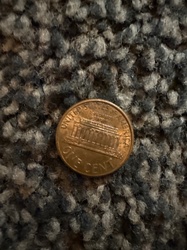
The reverse shows the Lincoln Memorial building in Washington, D.C., with "UNITED STATES OF AMERICA," "ONE CENT," and "E PLURIBUS UNUM." This design was used from 1959 through 2008.
Is a Lincoln Memorial Cent worth more than one cent?
Usually no. Most are common and worth face value in circulated grades. Certain varieties, errors, or high-grade uncirculated coins can bring modest premiums, but big values are the exception.
When did the Lincoln Memorial reverse end?
The Memorial reverse ran from 1959 to 2008. In 2009 four Bicentennial reverses were issued, and in 2010 the Union Shield reverse replaced them.
Lincoln Memorial Cent guides
In-depth guides for identifying, valuing, and collecting Lincoln Memorial Cent.
Lincoln Memorial Cent identified by the community
Real coins identified with Coin Identifier.